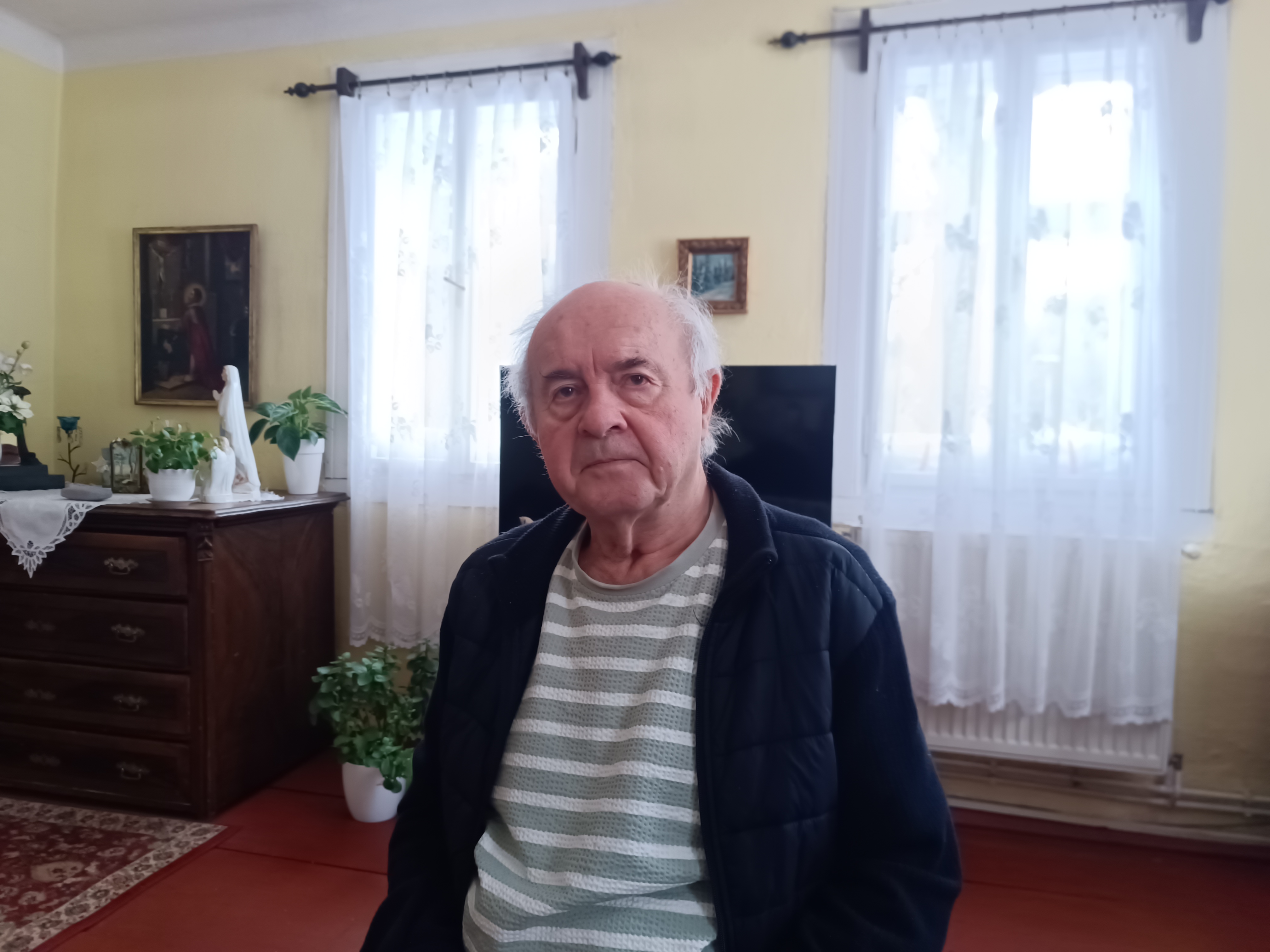
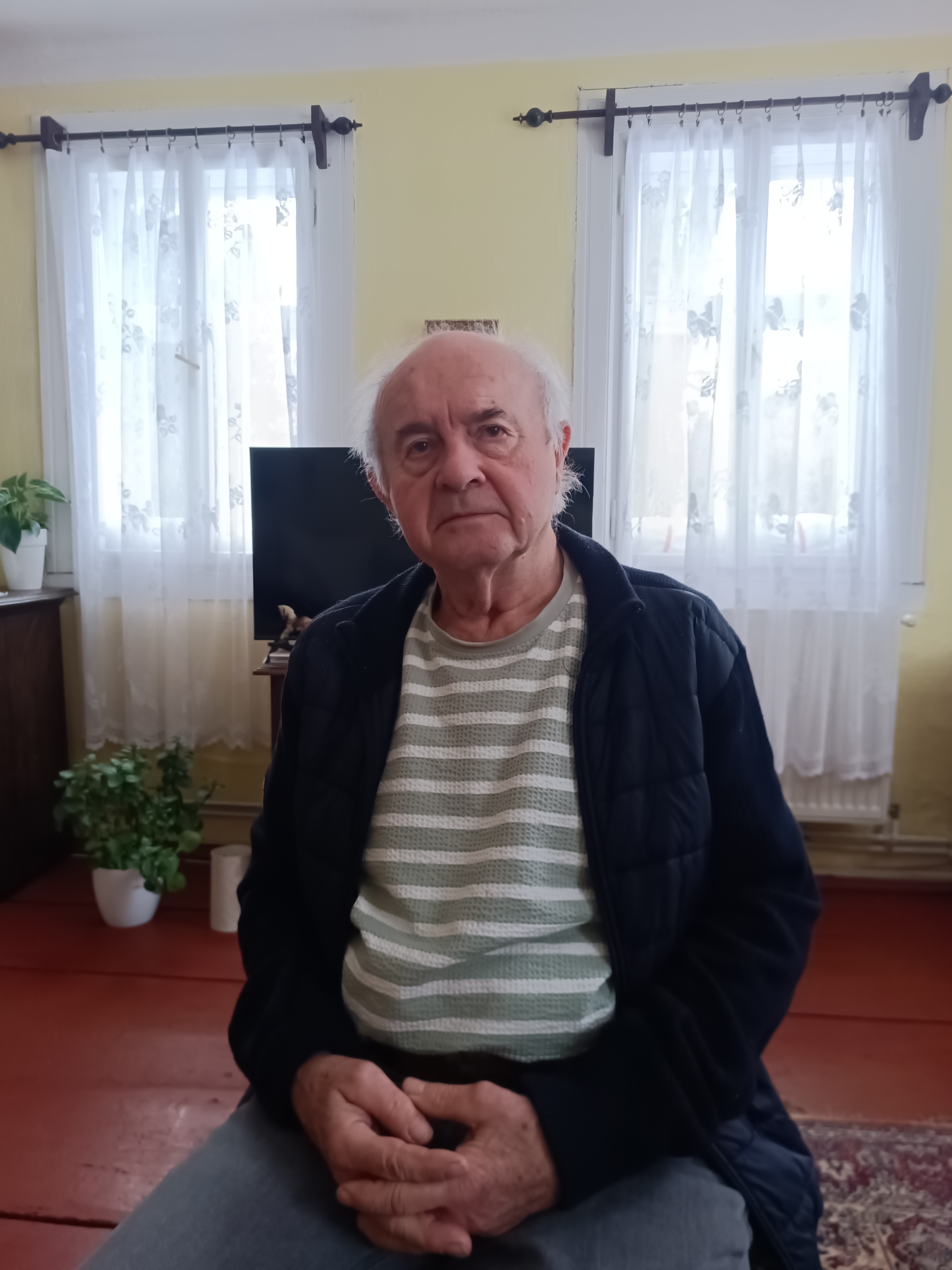
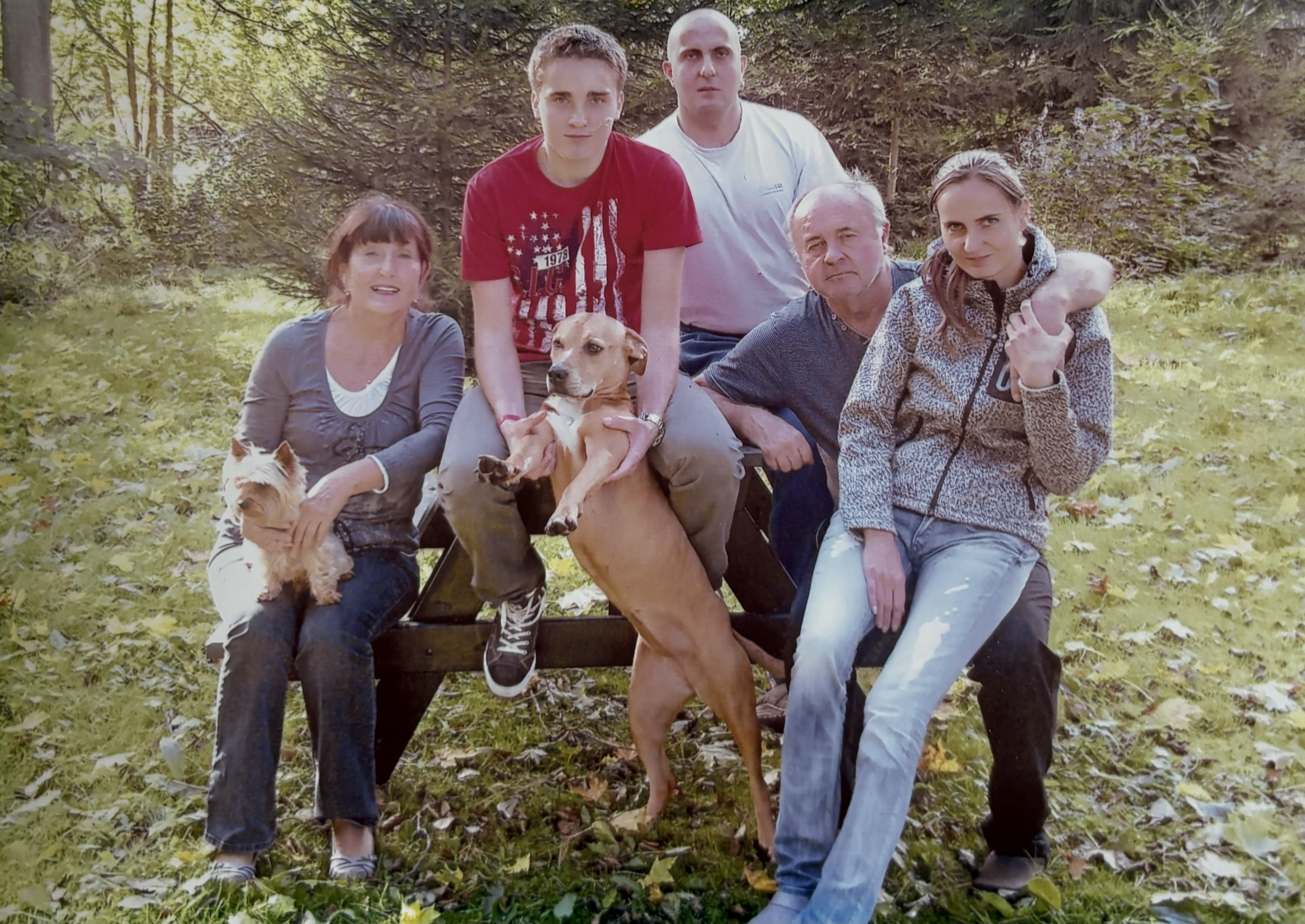
Ladislav Drahoš

* 1947

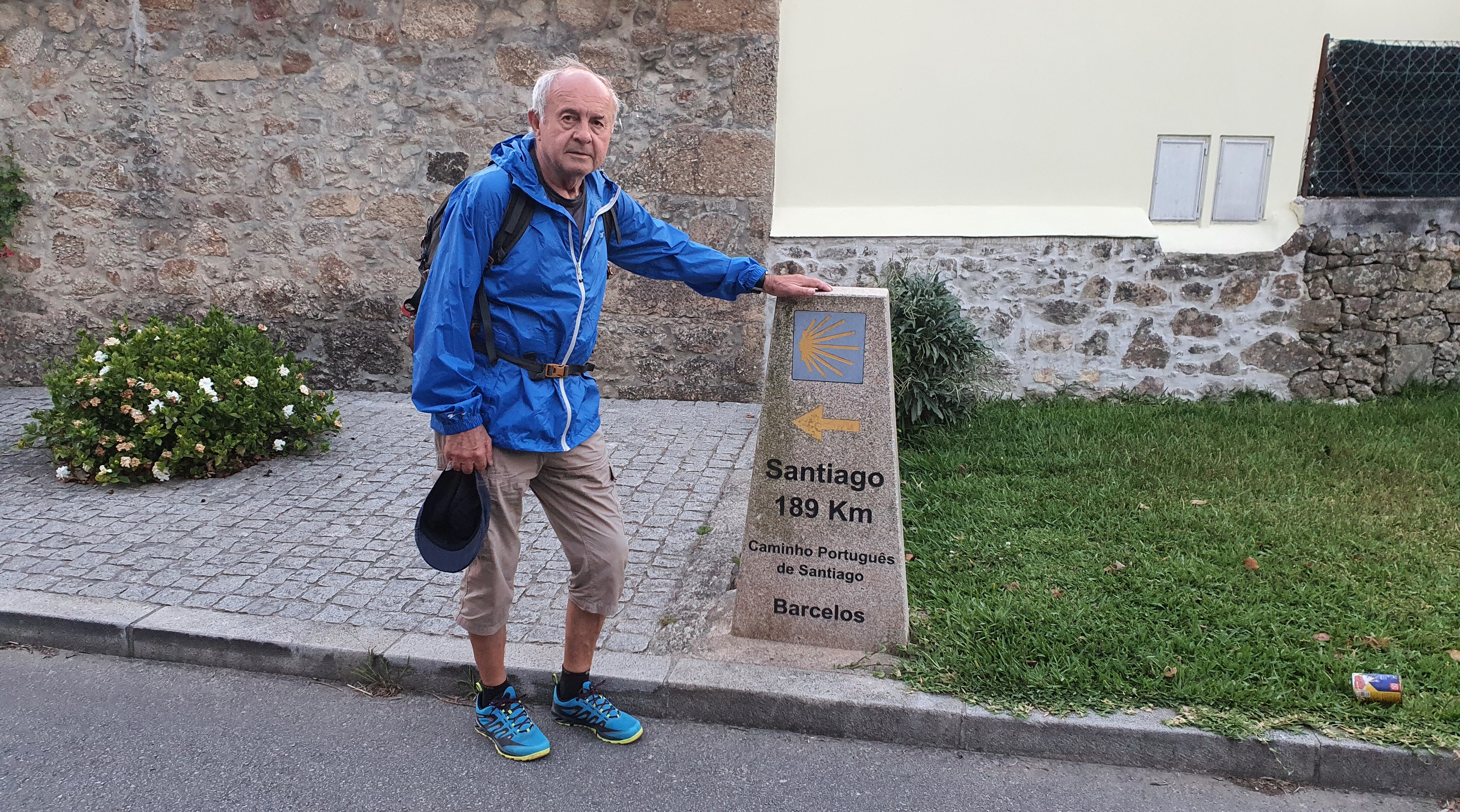
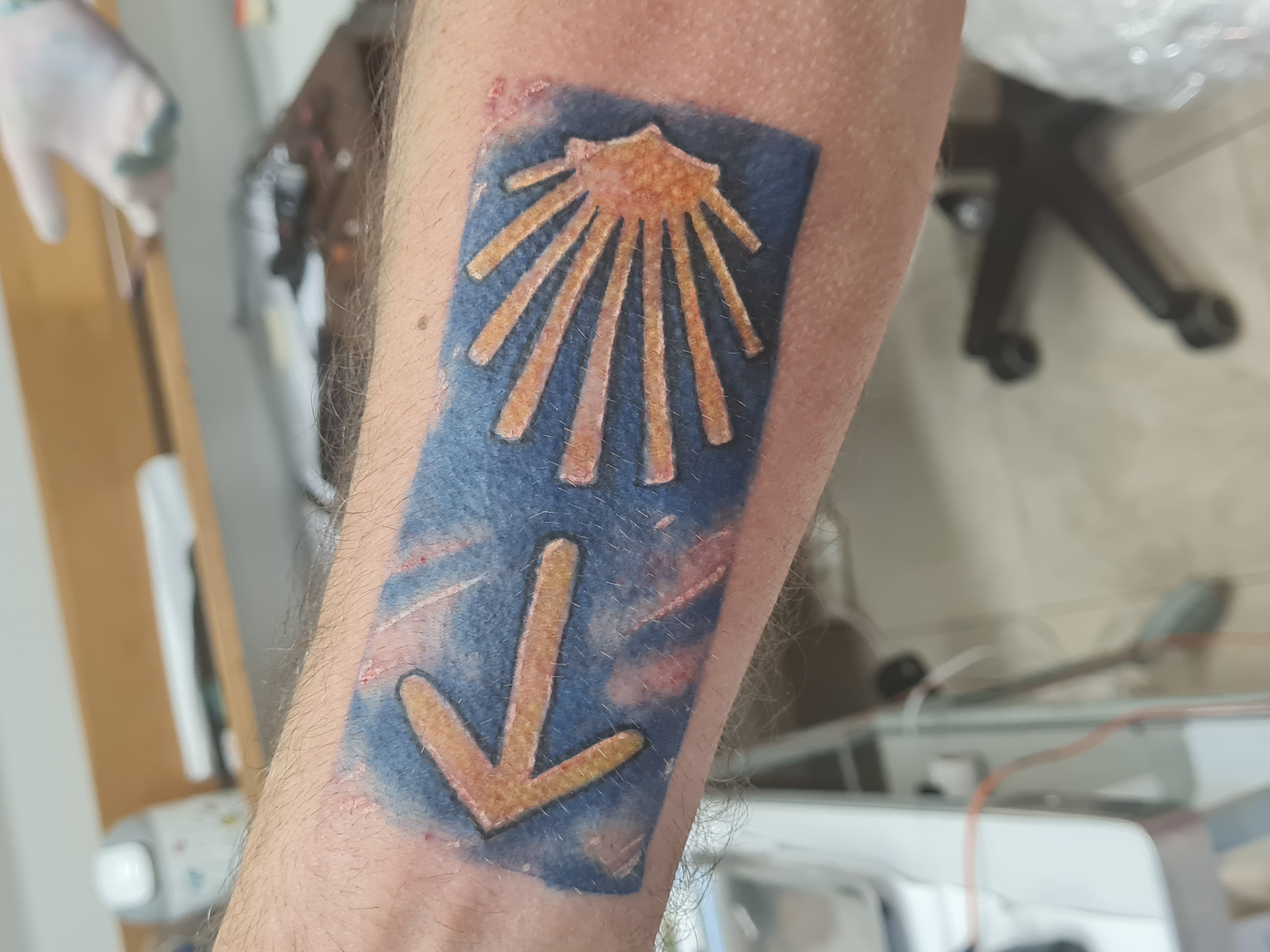
  • "[My grandson asked me,] 'What do you want for your seventy-fifth birthday present?' [Grandson:] 'I'll give you a choice: do you want to go to the seaside with me, or do you want to go on an adventure?' Well, to impress him a little, I said I was looking for adventure. And where would that be? [Grandson:] 'To Santiago de Compostela, as you once said you wanted to go there for a walk.' So I was horrified, I didn't know what it was like to go there at seventy-five. [Grandson] bought sleeping bags for us. It was bearable to go with a backpack that [weighed] five to six kilos - more like five. I'll cut it short. We went to Portugal, to Porto, and from there we went to Spain." - "And how many kilometers did you walk in nine or ten days?"-"Well, we did it in nine days. On the tenth day we took it straightaway, because the hostel was already more expensive and occupied. That was about ten kilometres, but we have no record of that. And everywhere we stopped, it was also off [the route]. The boy told me we walked 270 kilometers in nine days."

  • "I was in the company. We were sleeping and suddenly there was a short circuit and a disturbance. I'm not bragging about that. Drahoš with a search dog rushed there [ran]. I almost stepped on a young boy from the GDR who was lying on the ground with his head down. And now in German: Hände hoch - hands up! The boy stood up, so I told my colleague, who was running with me, to keep an eye on him. Then I opened the door. That went well without a signal to announce that someone had broken in. The dog caught the scent... and another man from GDR, but he was a tall guy and had a knife. He commanded respect. So we went over the wires and through the door, it worked like I told you. I led him to the company and you know... to the counterintelligence right away. So, I don't know, well, it was my duty, actually, if there was a break in, I might go to prison."

  • "The Russians mostly occupied the border areas so that we wouldn't flee the republic - the border companies. So we heard that they were also coming to us. We arranged with the pub keeper of the village they had to pass by to call us if they happened to be passing by, because they were headed towards us. And then one day the pub keeper called - there were four transporters coming to us. We were a company of forty guys. The guard wired the barrier so that there would be some obstacle. And soon they were there. They stood at the barrier, nobody came to them. The high ranks ran away because none of them knew anything, they were all out. I don't blame them. There was a block of flats where they had families and kids, so I'm not surprised they were holed up. They left it up to the sergeant, a Slovak, such a cool and calm guy. I got emotional, I went to meet them - I think their sergeant came out and went to the company, so I [went to them too]. He, when he saw that I was being emotional, he slowed me down and went to negotiate it himself."

  • Full recordings
  • 1

    Tample, 05.02.2026

    (audio)
    duration: 01:28:28
    media recorded in project Příběhy regionu - HRK REG ED
Full recordings are available only for logged users.

I refused to turn the boys in
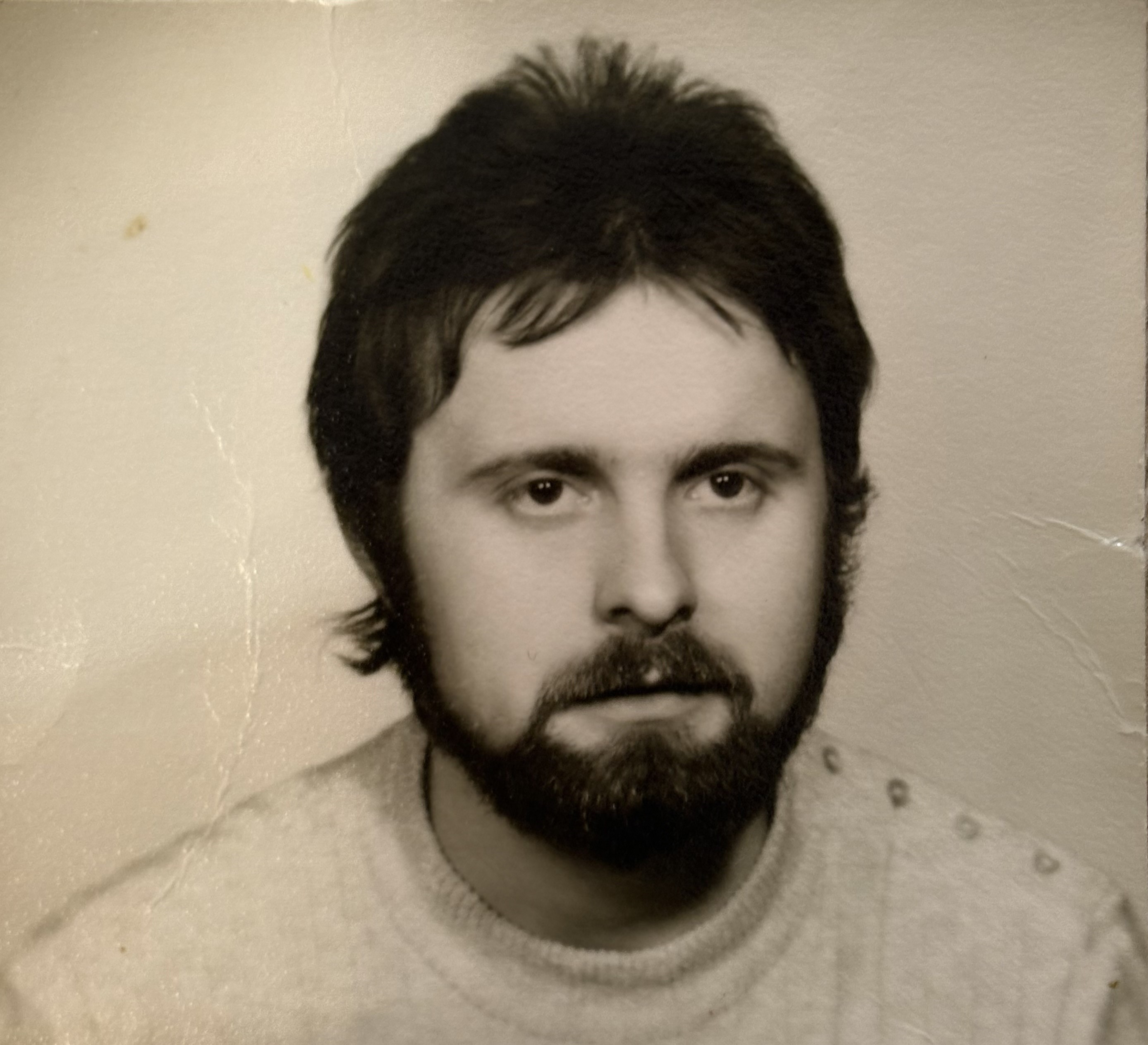
Ladislav Drahoš, ID card photo, 1974
photo: witness´s archive

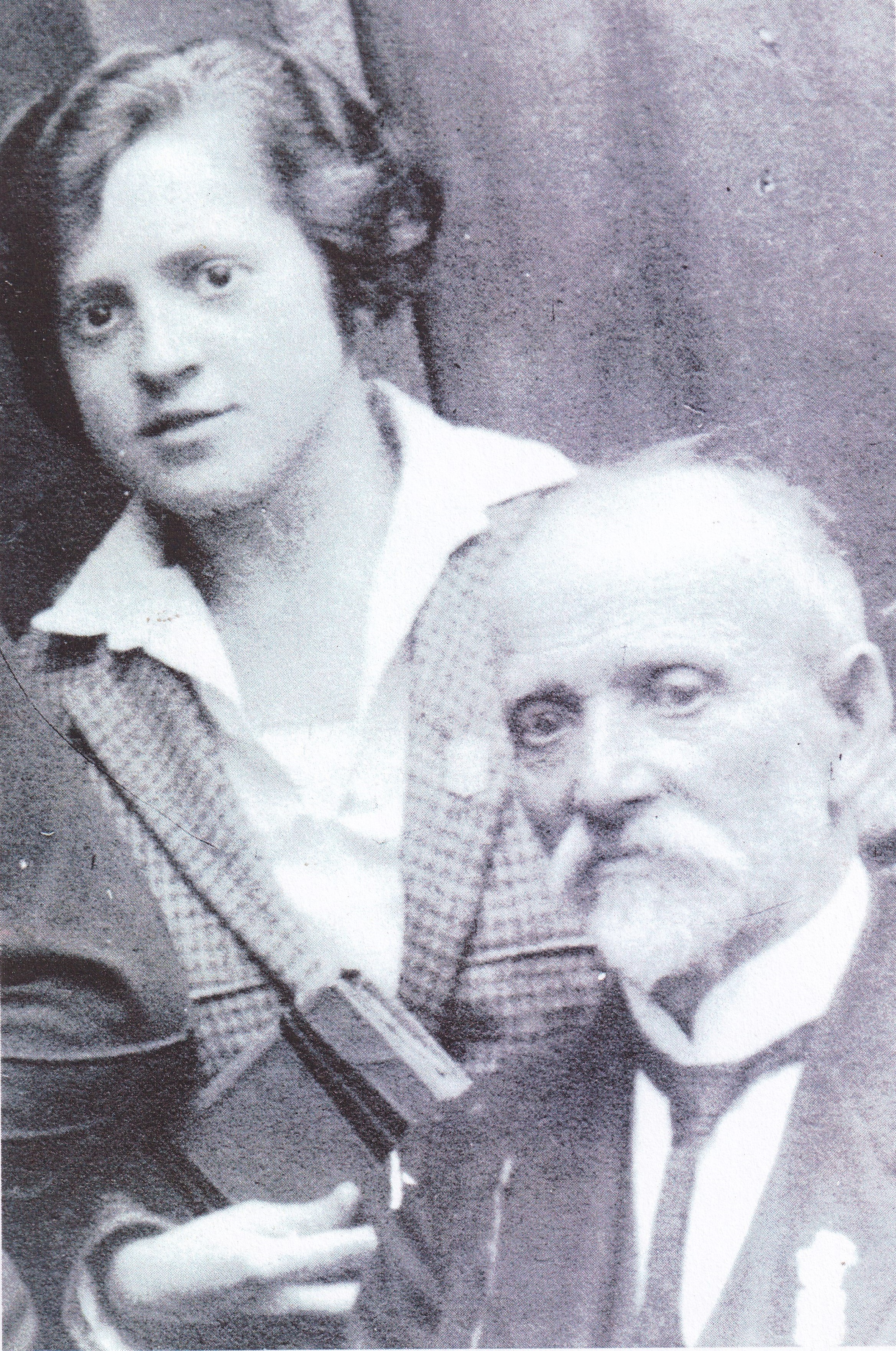
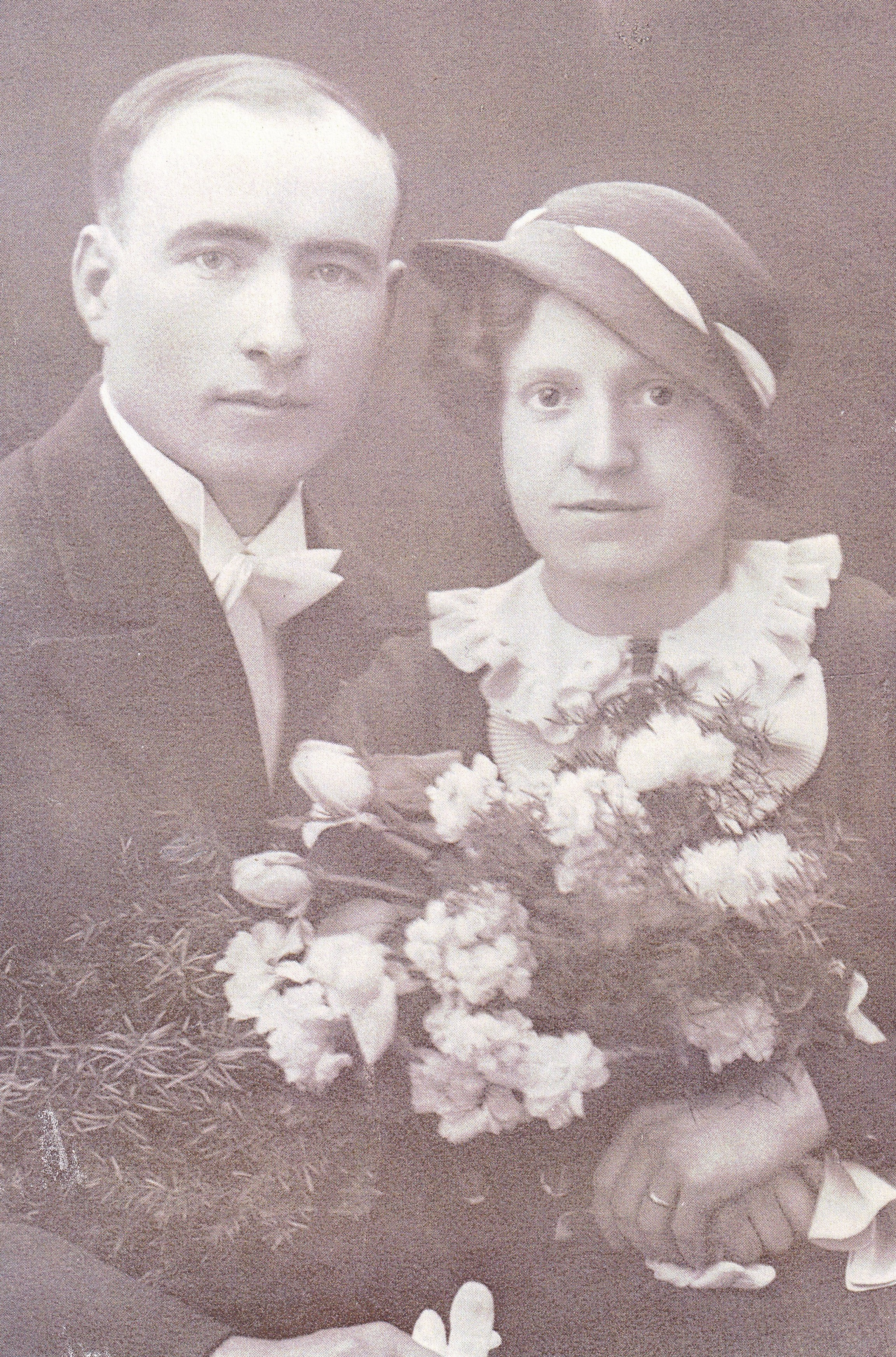
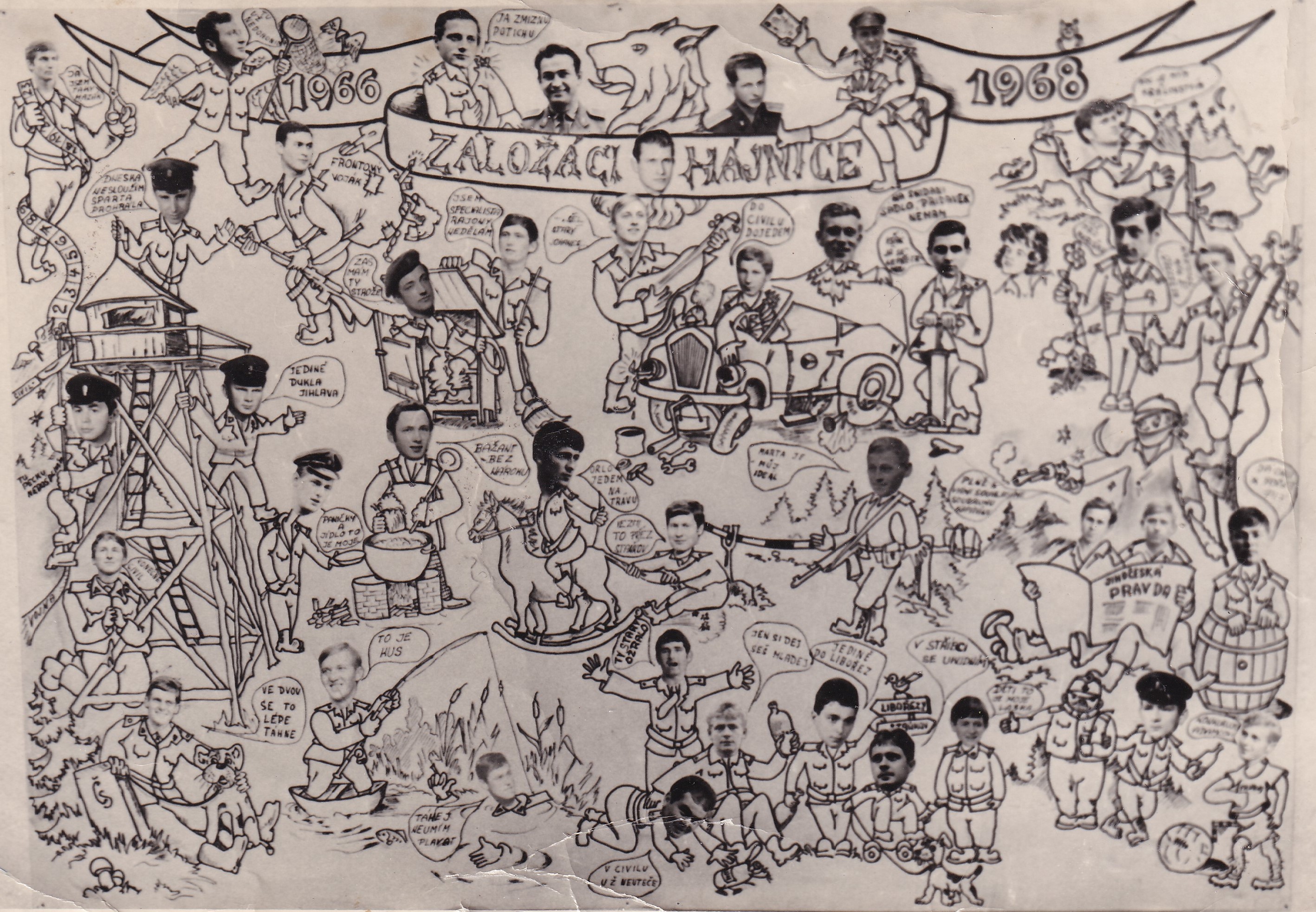
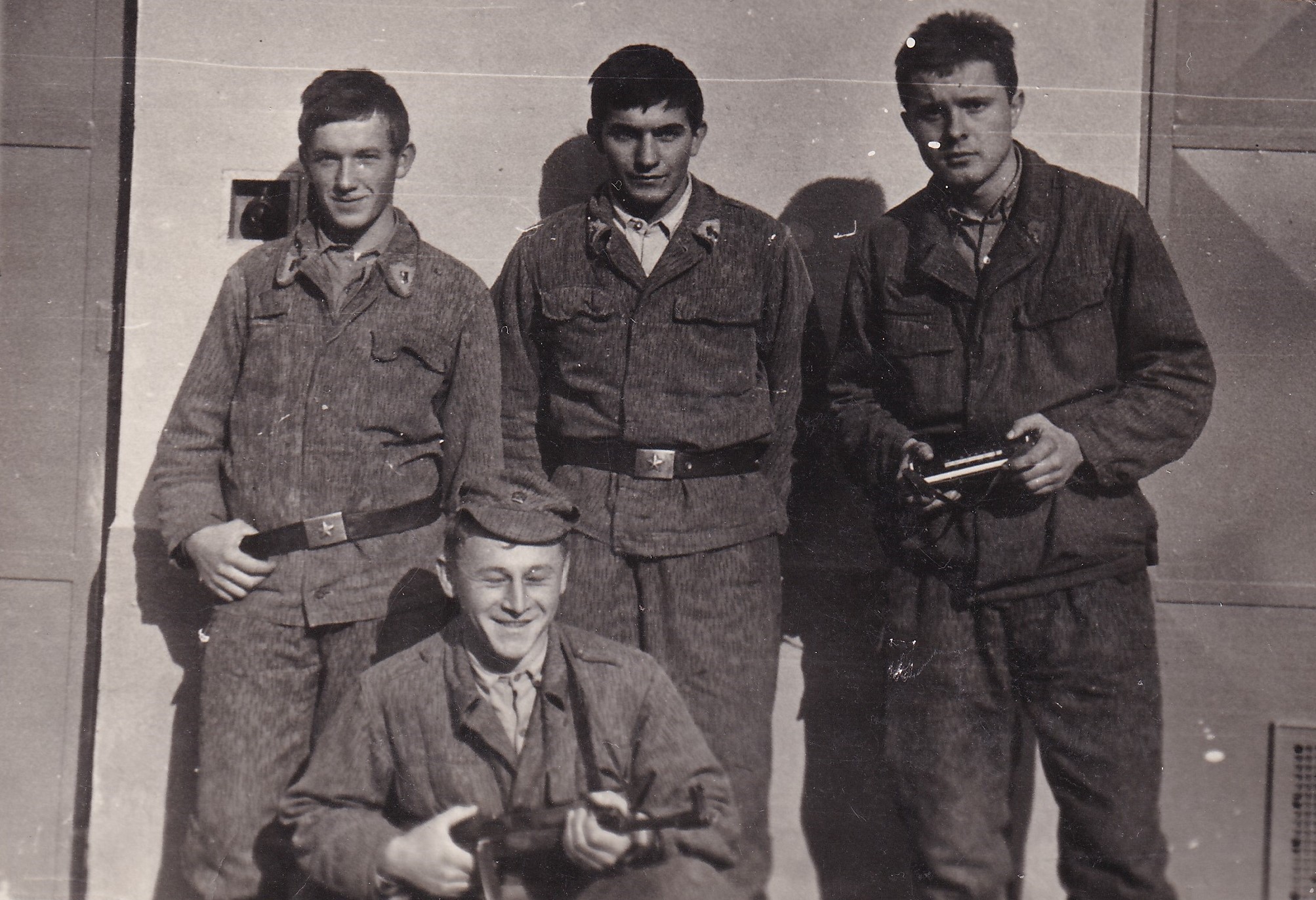
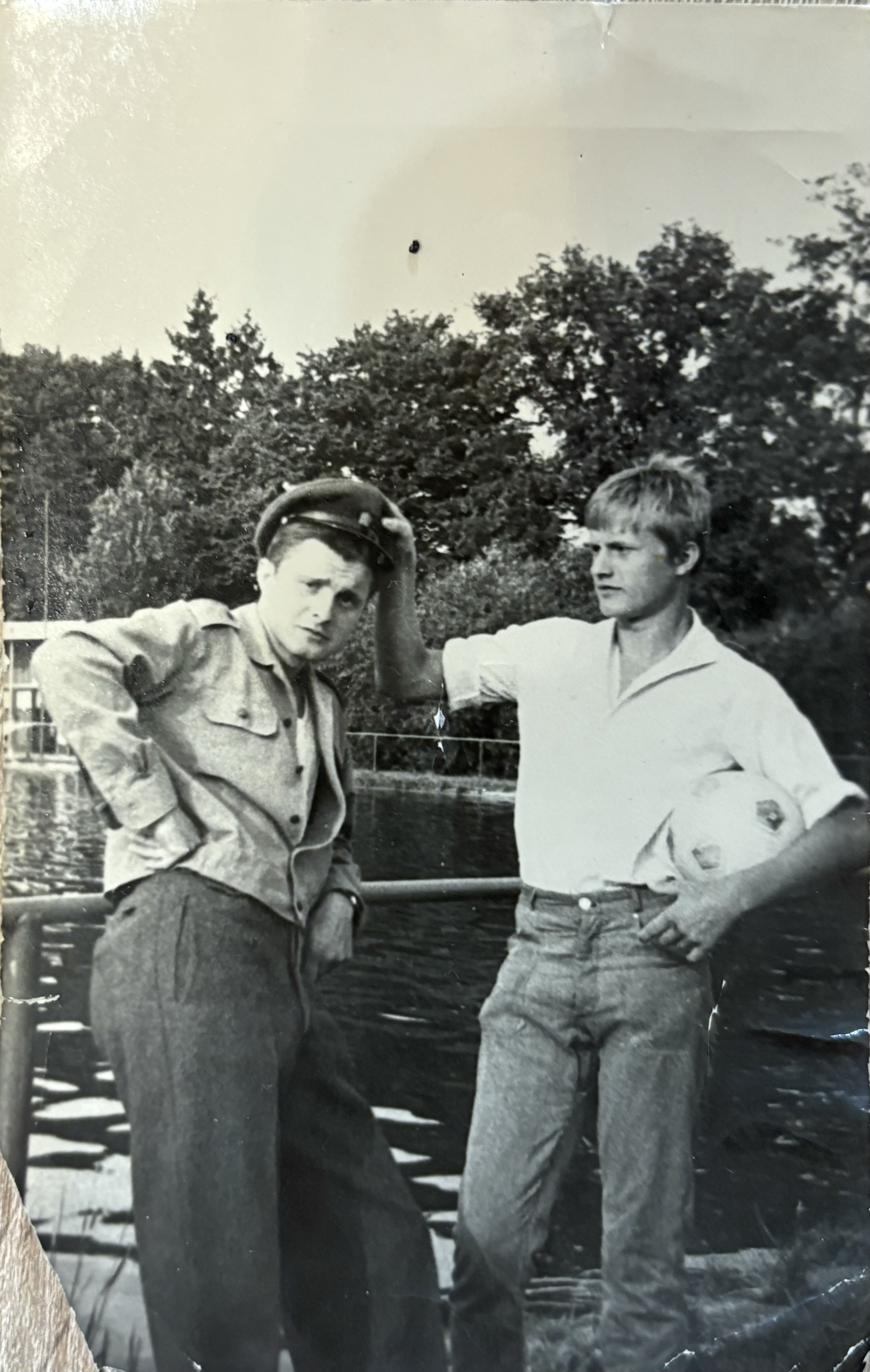
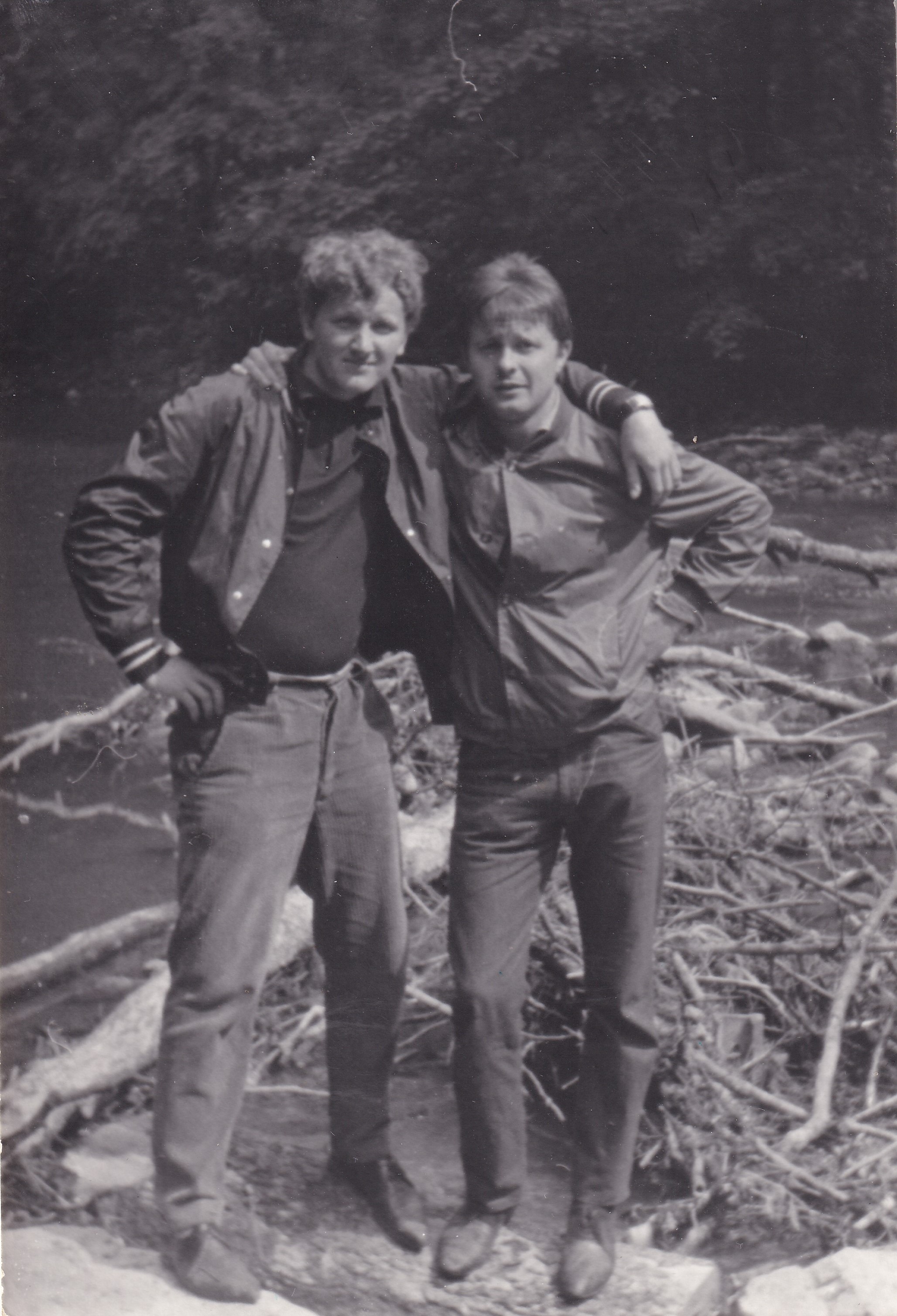
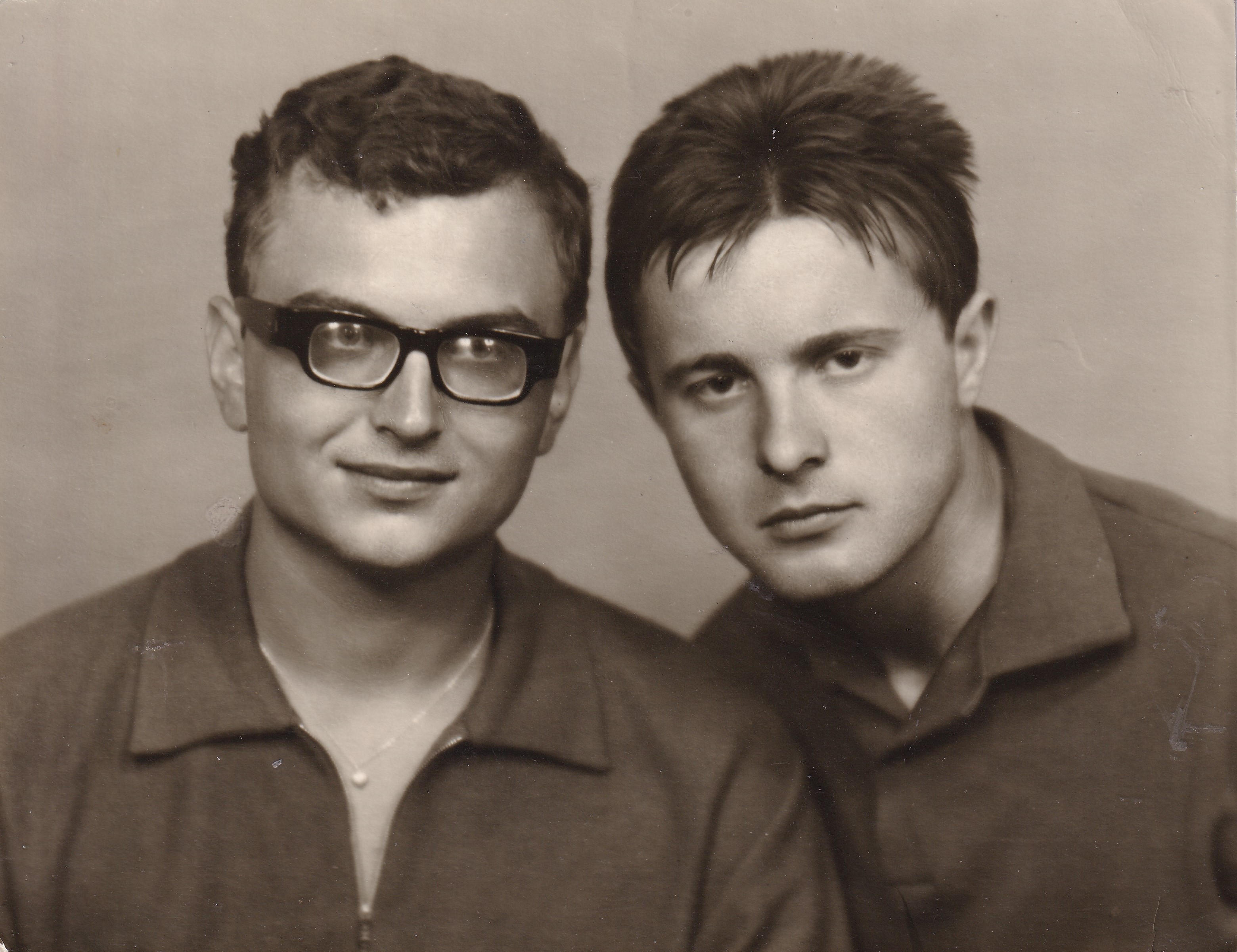
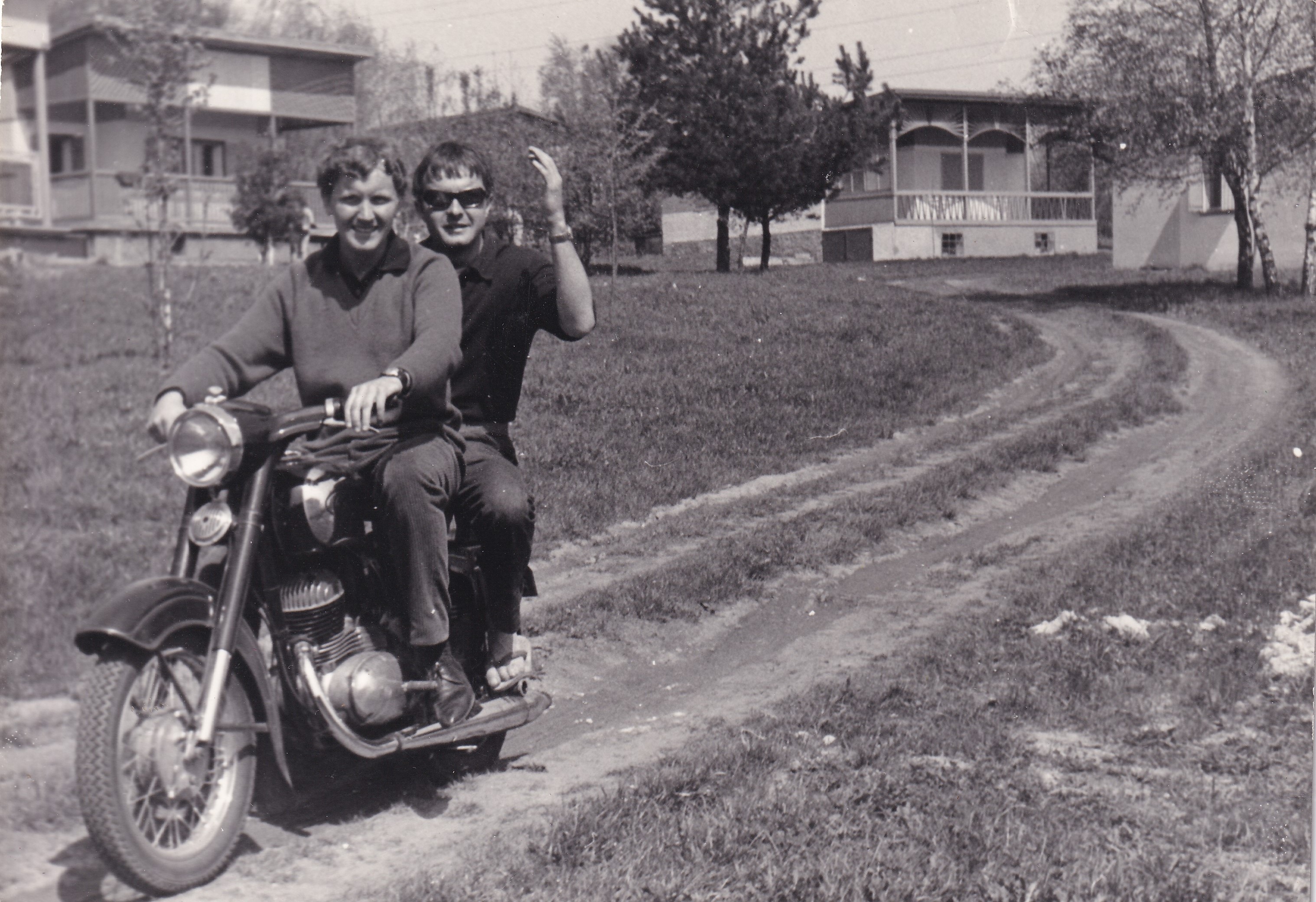
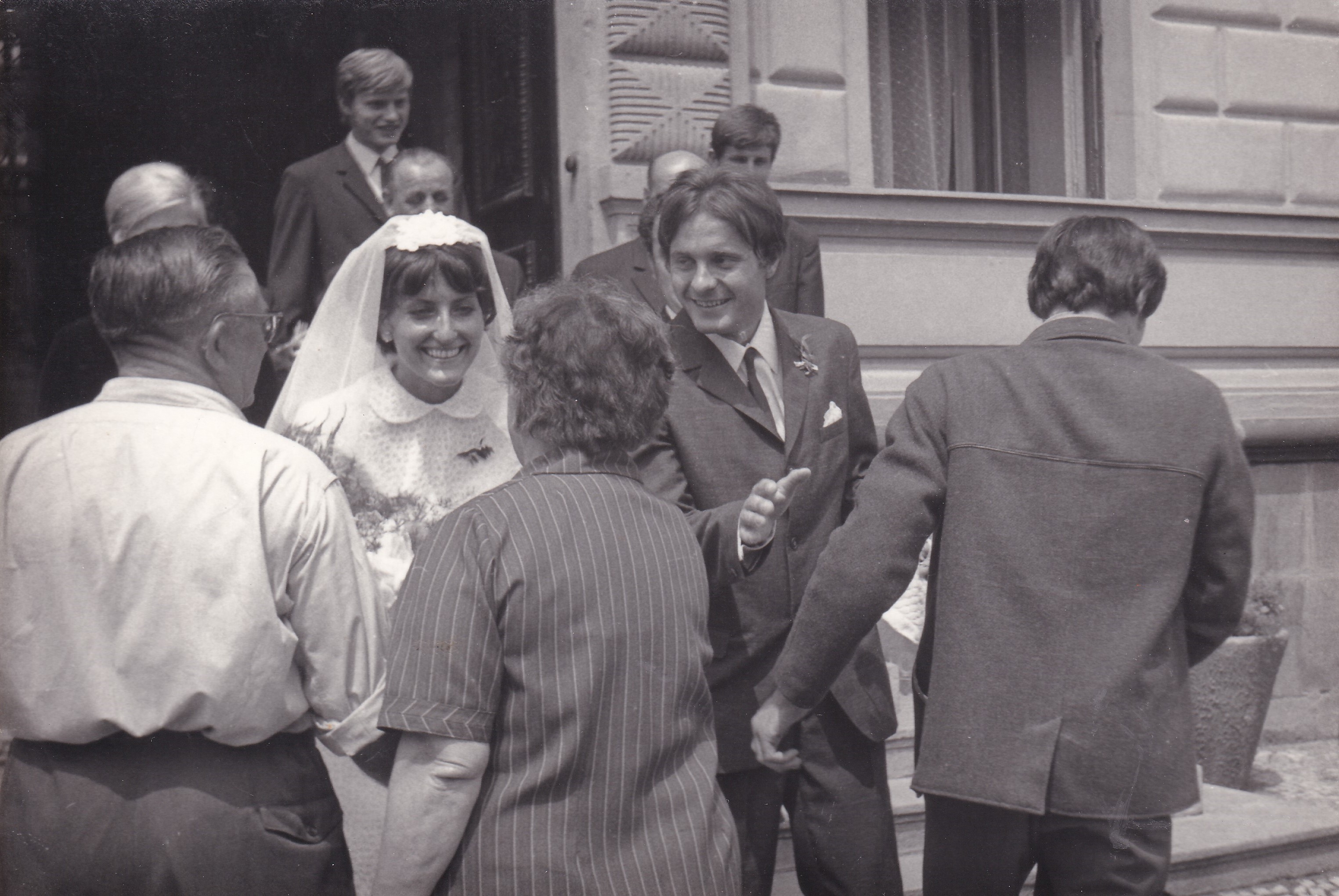
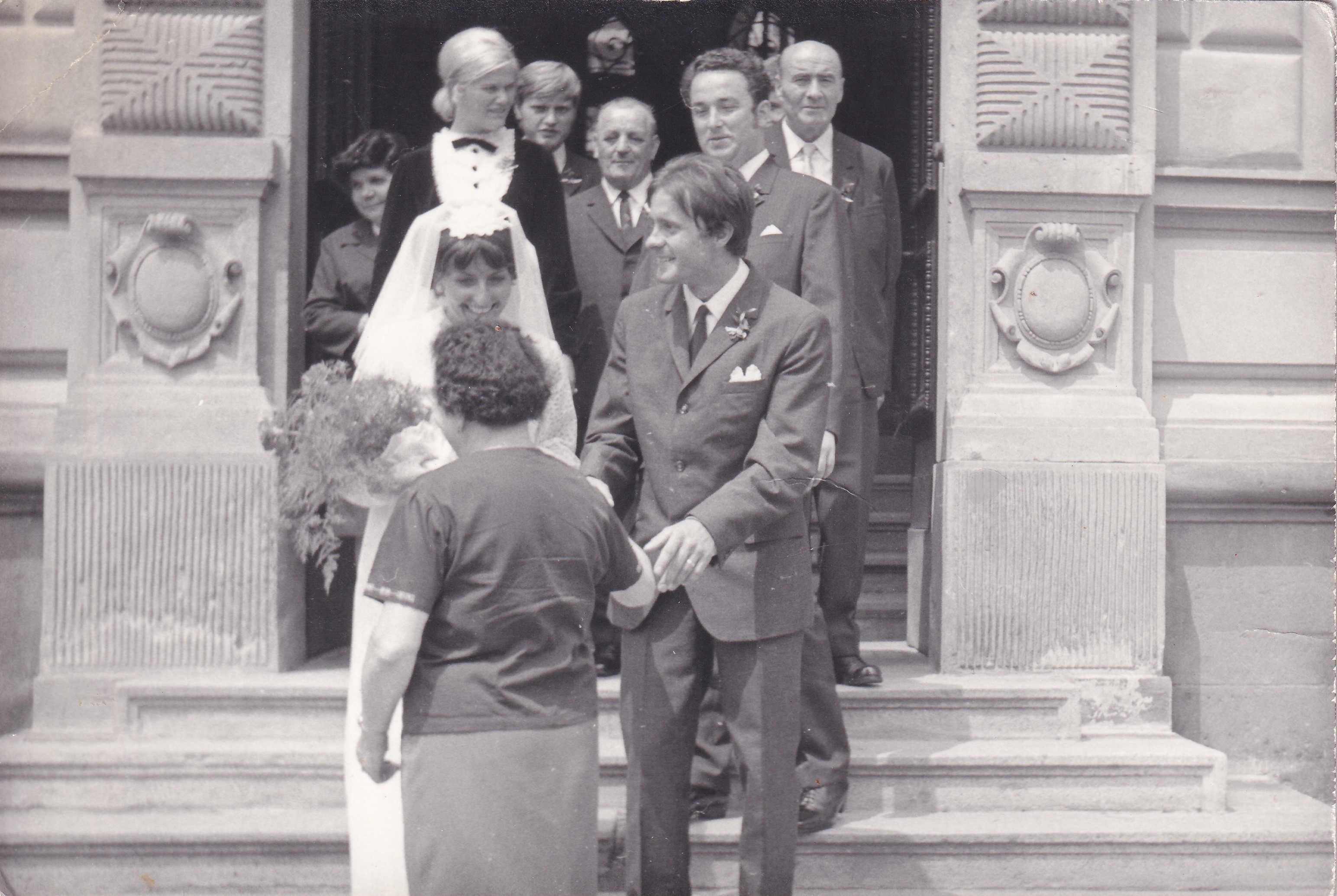
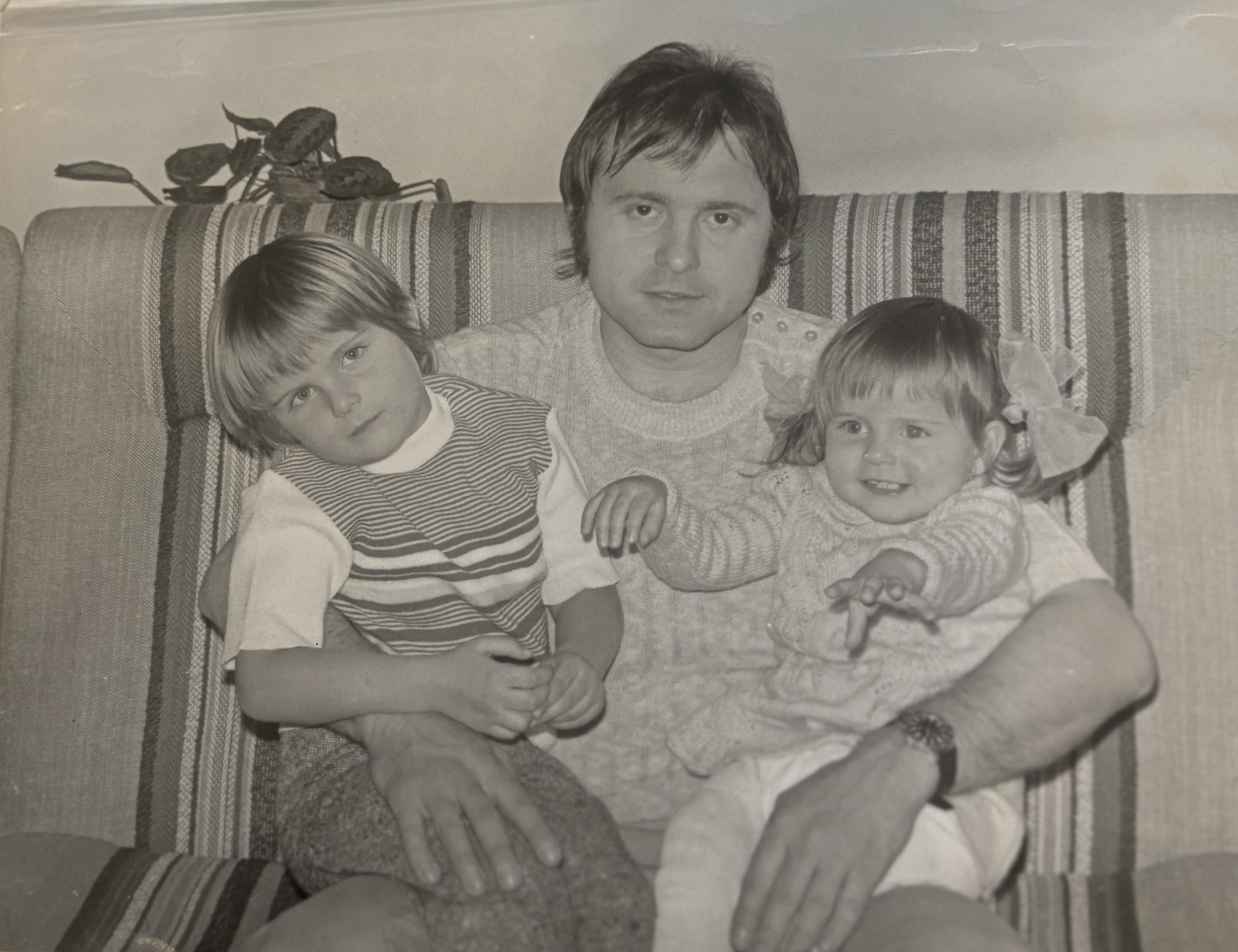
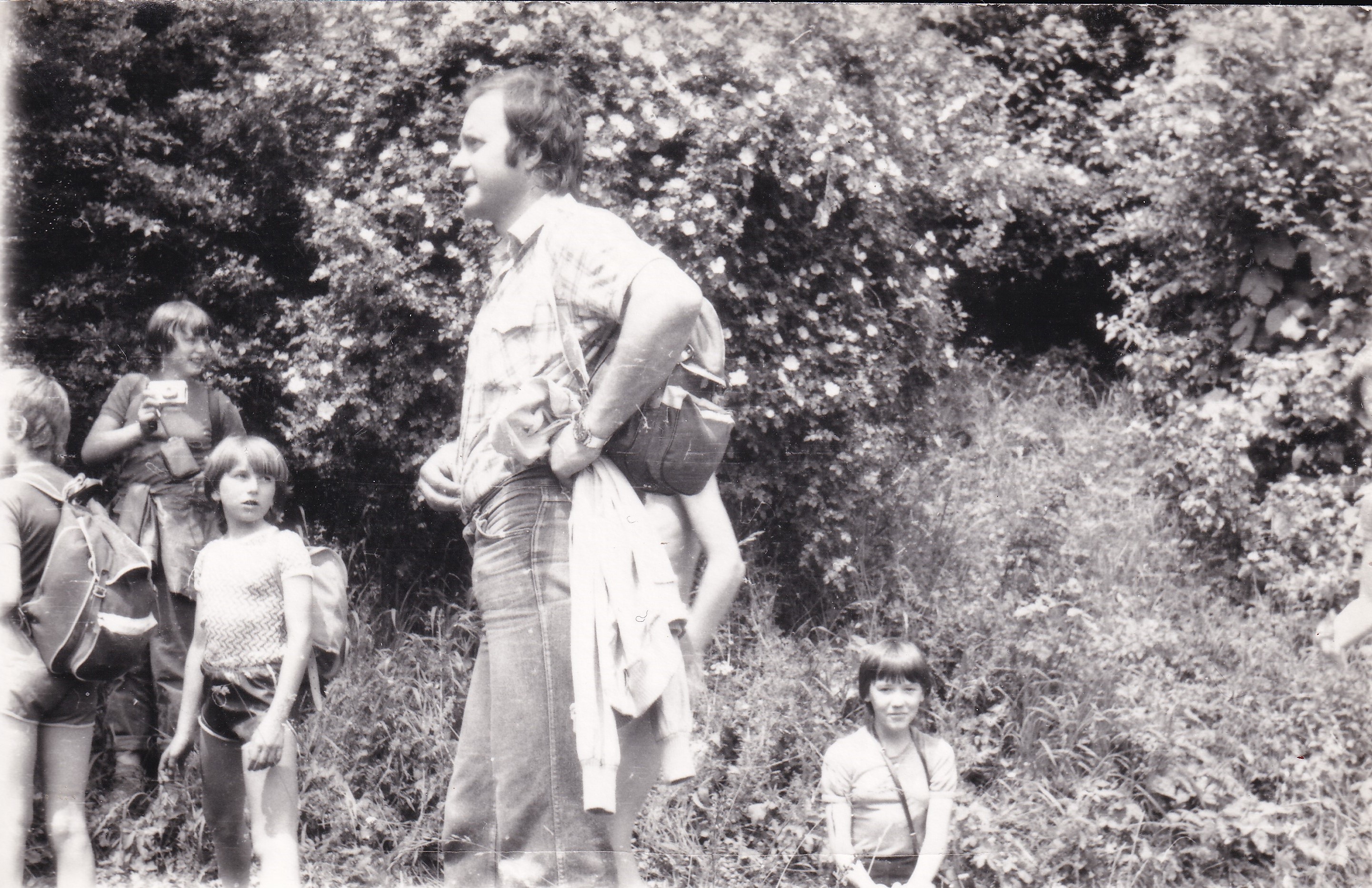
Ladislav Drahoš was born on 27 June 1947 in Pardubice. His parents, Rudolf and Eliška Drahoš, had a total of five children. After finishing nine-year primary school, he joined Synthesia, where he became a turner in 1965. After his first year of employment, he enlisted in the Border Guard near České Budějovice. In 1967 he applied for membership in the Communist Party of Czechoslovakia. He left the party at the end of the 1970s. He lived through the events of August 1968 as a dog handler in a border guard company. He spent twenty-six months at the military service involuntarily, after which he returned to Synthesia, where he trained as a chemist in 1977. He and his wife Vera, née Bažantová, raised their son Filip and daughter Lucia. Ladislav Drahoš welcomed the end of the totalitarian regime. He retired in 2007 and devoted himself to his family and travelling. At the time of filming for Memory of the Nation (2026), he was staying at a cottage in Tample in the Semily region, but his whole life was connected with Pardubice.