Zuzana Diamantová

* 1938

  • „There were Soviet partisans there, but they were very decent and always let us know when the Germans were coming. However, my grandmother was over 70 years old, and with knee-deep snow, she couldn’t go with us into the mountains, into the bunkers – so they shot her right there at the beginning. When we returned, they would always let us know if it was safe to go back into the village. We didn’t stay in our house because a certain woman had informed on us – denounced my grandmother, saying that an old Jewish woman was living there – and the Germans shot her. So we stayed with another family; they were very decent people. He was a widower with seven children, so I used to play with them. He was a worker in Podbrezová, but they were very decent people. And I remember to this day, we would always head to those bunkers through knee-deep snow; it was a remote settlement, not even a village.“

  • „The worst part was the last time; they found out too late that the Germans were coming. We were already crawling on all fours, trying to reach the mountains, but the Germans were already at the edge of the village, shooting at us. I remember they shot a man right in front of me, and my father told me: ‘Climb over to the side,’ and then: ‘Hände hoch!’ – they had already caught us. There were these wooden houses, and they set them on fire. It was like the end of the world for a 7-year-old kid. I remember that clearly, I was seven back then. And then somehow – I don’t even know how – my father managed to hide and save himself, because they were taking the men to Germany for labor along with the horses, since there was no other livestock left. My mom had a headscarf, and that’s how she [hid] among the village women. We stayed there for two more days, and then the Red Army arrived and liberated us.“

  • „First, in the morning, I had to go to the female rabbi for what’s called the mikveh – to a kind of pool, well, not exactly a pool, more like a tub. She pushed my head under the water, and I thought I would suffocate because I had never seen it before, and she was praying. Well, that was in the morning, and then in the afternoon we had the wedding. It was set up at their place, they lived somewhere around here. When Rabbi Katz lived here, I went to the mikveh, and my mother and mother-in-law took me there, and then under the canopy where my husband already was. Then the rabbi prayed, and after that, my husband had to break some glass for good luck, and then we just had the feast. On Saturday, we had the civil ceremony. My father paid for that wedding at the Carlton – it wasn't expensive back then, it's expensive now – and then my father-in-law paid for the second wedding.“

  • "Not even because you were Jewish...then when you came back...didn't you have some hate speech against you? Well, one guardsman was definitely there... he always did wrong. And that after the war? After the war... and the Jews were such that they wanted to be communists, so my father wanted to join the party and he came there and Bednárik was sitting there. His name was Bednárik. "And this is what the comrade who persecuted me is supposed to say?" He didn't want to be like that when he saw that there were also such... guardsmen in the party. So, somehow... those guards stayed there. Yes. Some of the guards remained there. And they weren't somehow persecuted so that nothing would happen. Nothing. And even after that, when I started... it was after graduation. I didn't have protection, I wanted to study pharmacy... but I only wanted to work in a laboratory. So I went to Biotika, they hired laboratory assistants even though I didn't have a vocational school, but then I did a distance learning. Well, the recruiter didn't want to take me. I didn't know why. And when they were demolishing the cinema under Urpín, they found there a list of the eighth division of the Hlinka Guard, and he was their commander. This staff member... so he had to go to production right away. And they didn't know that earlier? And then I found out why he didn't want to take me... but when the school principal found out that I wasn't taken, neither in height nor there… he was like a member of parliament, so he arranged it for me, so I started working at Biotika. Well, but then the staff member had to leave. Well, but you know… people like that. And the chairman of the ČSM, there in Biotika. Well, but the villagers knew that he was reporting these and all the partisans and I don't know who else... and this was the chairman of the ČSM. Then why should it work, well. So your parents weren't even at the party then. No, father was not a party member, he was nothing. And actually, if we go back to those school days, what did you do in your free time? What I know. I played tennis, went cycling and so on. Well, when I was already going to Biotika, we went on hikes. Well, now, just go for a walk in the garden. Really, but to the Tatras for hikes and so on. We used to go to Skalka... everywhere in Biotika, we had a hiking club there. But while I was going to school, we only went cycling, played tennis, played on the street, talked, played theater, and so on. "

  • "They just said that it was the Slovak state... in the beginning we still lived in the center of the city, I just knew that I wasn't allowed to go to the park there... Like those anti-Jewish measures… Yes,yes. And I didn't understand it... they told me that there are those childhood diseases. And I said why... the other children don't get it? Well, they couldn't explain it to me, they could walk, I couldn't. But later on, we couldn't even live in the city anymore. We lived in the outskirts of the city, always in the same room with someone. Well… So you had to move out of your… From our apartment in the city center, yes. So, do you remember how it was that you had to leave? I didn't understand why. Well, I was a five-year-old, six-year-old child... well, I was already six years old. Well, and then I got used to it, I was already playing there with the children... I could already... Well, and then my father told me that something would happen. He was talking to the Hungarians... to those who came from the village with men... from Šalková or wherever, about the uprising, but I still didn't understand it. Only my father told me that something will happen... if it goes well, I will go to school in September, I was already six years old. But... I have to clear my throat... but we had to go to the mountains because it didn't turn out well. But they didn't tell me that there was an uprising, because I wouldn't understand it... the uprising was... So then… The rebellion was suppressed, so we had to go to the mountains. We couldn't be there anymore. And... didn't you get up and go to the mountains? It was suppressed… The uprising was suppressed, then we went to Kalište. So until then you were… In Bystrica. In Bystrica. Yes. My father's boss... he also helped us financially like this, well. And you also perceived the other anti-Jewish measures, whether wearing a Jewish star... I didn't understand it then, and... Parents didn't say anything or wear or... Yes, they wore a star, yes. They did not mention this in any way, what it was like for them... the beginning of the war. Or they didn't have any negative experiences with those guards, or something like that. But yes. They had, yes. There were guards who treated us badly, and so on. So they probably treated you badly. Yes, they behaved badly, yes. So you are suppressed after that, it was sometime in October of the nineties… There was an uprising in August. In September, October…. And in September, October it was suppressed. Somehow, we went in the autumn in a carriage, because there was no traffic at that time. Carriage, I don't know, maybe my father's boss arranged it, because he didn't do it. And where did your father work? Sorry? Where did your father work? At first he worked in a store, as a sales manager. Then after the war he worked in the office. He had a two-year economics school, but he wouldn't have been able to support his family, so he learned textiles in Banská Štiavnica. So he worked in a textile store. Yes. So his boss took you in a carriage... Yes, in Kalište. And I don't know if they had an acquaintance there, but we stayed with one of them. We were there for the first time... and there were Soviet partisans and they treated us very politely, I can't say that. But that was only after, probably, when the troops were coming to liberate those mountains... No, they were still there… Oh yeah. They burned down for that... it was a partisan village, Kalište. Yes, yes. Well, that's interesting. And there lived several Jewish families... and they always let us know when there would be an alarm, when the Germans would come, so we went to the mountains, to the bunkers."

  • "And have you experienced any such acts of defiance? That boys have some long hair, something against… No, not then. Then nothing. It wasn't there then. Even though her friend had longer nails, the director cut them off. She wasn't even allowed to have it. It's not like flirting and I don't know how, now girls are dating or even boys. That didn't exist then... maybe it did later. And there were all kinds of customs, that even after graduation we went dancing with our parents, hey... even the first biotic ball, the first dance with our fathers. And when I told my daughter, she thought it was funny. After that it became easier, but from the beginning... Well, it was a small town, but we lived so sociably there... it was good in that Bystrica. But I got used to it, I've been here in Bratislava for fifty years. And in that work, everything was fine there? Everything was fine there, I was happy there. Was your husband still in the same job? Yes, he worked in that Priemstave. Even those apartments, those houses near Kramáre were Priemstav houses, so cooperative. And then it was already a cooperative, or whatever it was called. After all, I lived... And then we exchanged it for a bigger one when my daughter was born. Because one of them left in 1968, so then we moved to a bigger apartment. So they emigrated. Yes, many emigrated, so then we went to live there in that apartment. And you never thought about emigrating? Not. Not even your husband's parents? No, no, no. I wouldn't know how to live abroad, I don't know why, well. I've gotten used to it here, in Slovakia... so. Even to Prague, yes, I also had a handsome man there, but I didn't want to go anywhere else, I don't know why. And do you actually remember the eighty-ninth year, or actually the Gentle Revolution? And so I vaguely remember. You were actually in Bratislava... We were not allowed to go like soldiers... we were not allowed to participate in anything like that. Why? I don't know, the soldiers weren't allowed to do anything like that. Against and what was against the communists was not allowed... But then, that you too as… No, because although I was a civilian employee of the military administration, I was not allowed to do anything. We were not even allowed to correspond or go anywhere. So it was that strict. So strict! For example, we were here at the castle at an exhibition, and there they came from America, this... such older women, we were young... and they started talking to us with hands and feet, this... Florida... And the commander came to us: "Nice girls, whisper... don't talk to them... I'll have trouble, you too." So we said goodbye to them. They called us to Florida for nothing, we weren't allowed to go anywhere. And they could have come there from America? Yes."

  • Full recordings
  • 1

    Diamantová Zuzana

    (audio)
    duration: 01:07:19
    media recorded in project Stories of the 20th century
  • 2

    Bratislava, 10.04.2025

    (audio)
    duration: 46:38
    media recorded in project Stories of the 20th century
Full recordings are available only for logged users.

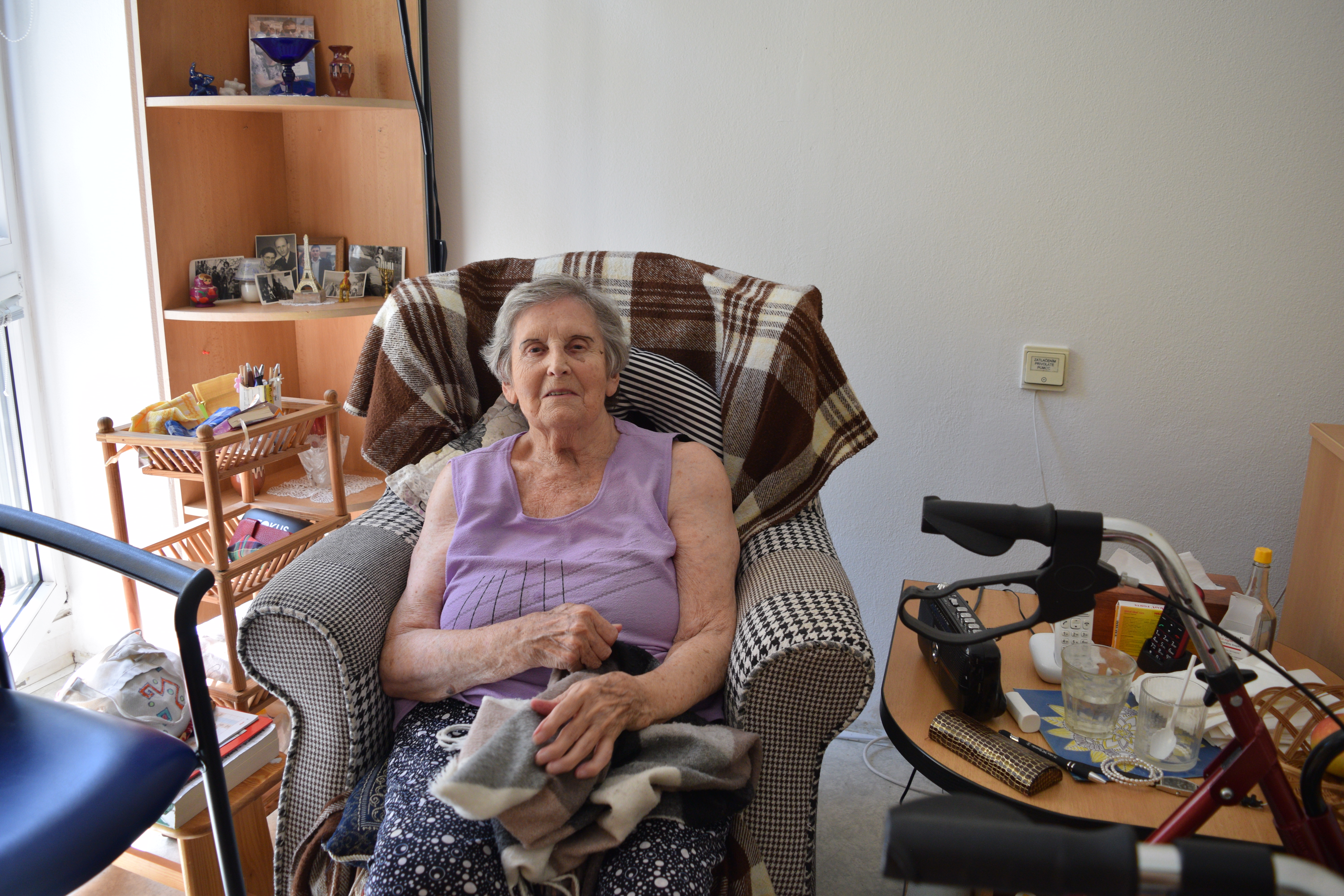
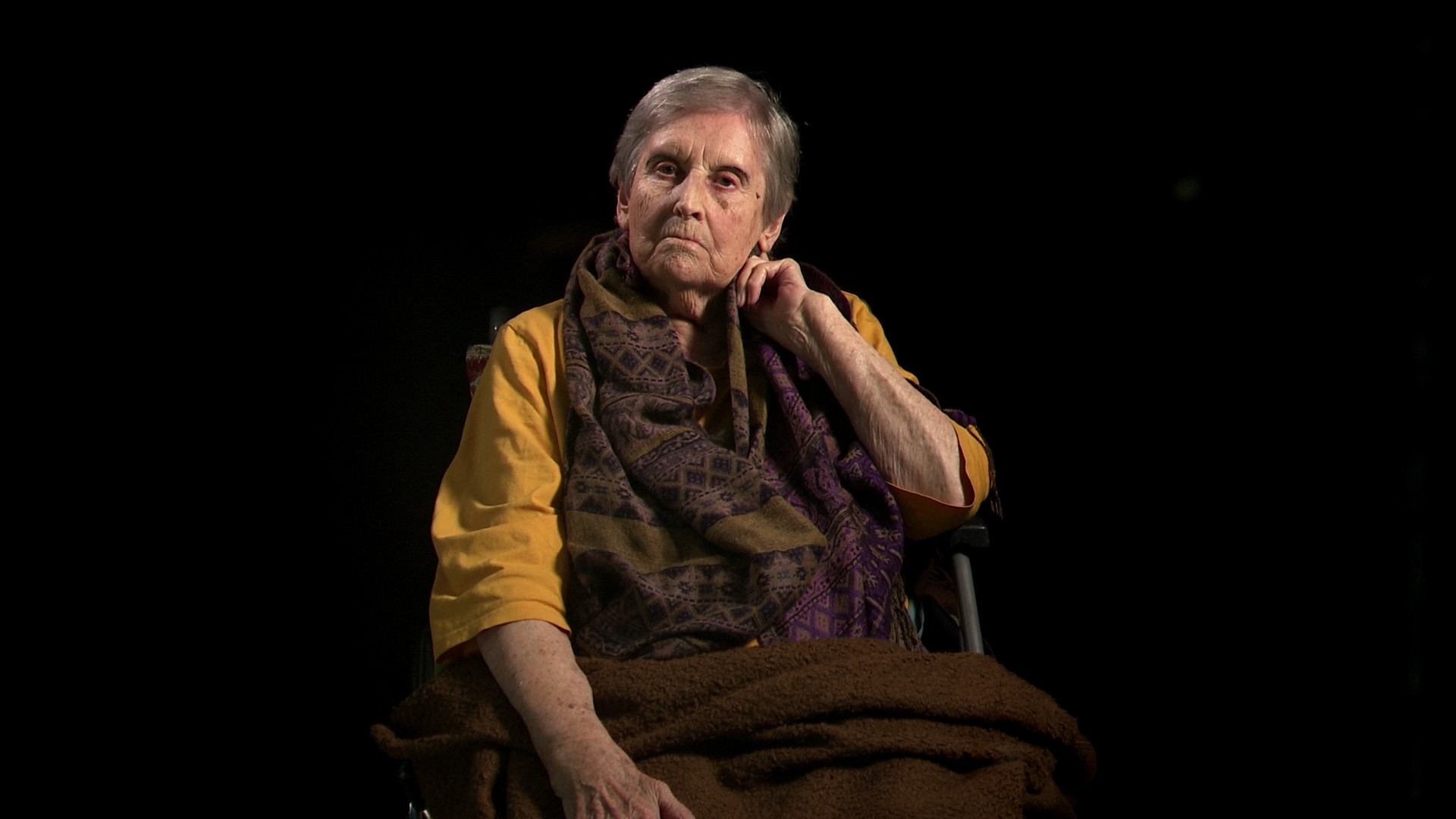
“And one gentleman in front of me was shot... and my father said to go to the side, run over... and we’ll go on.”
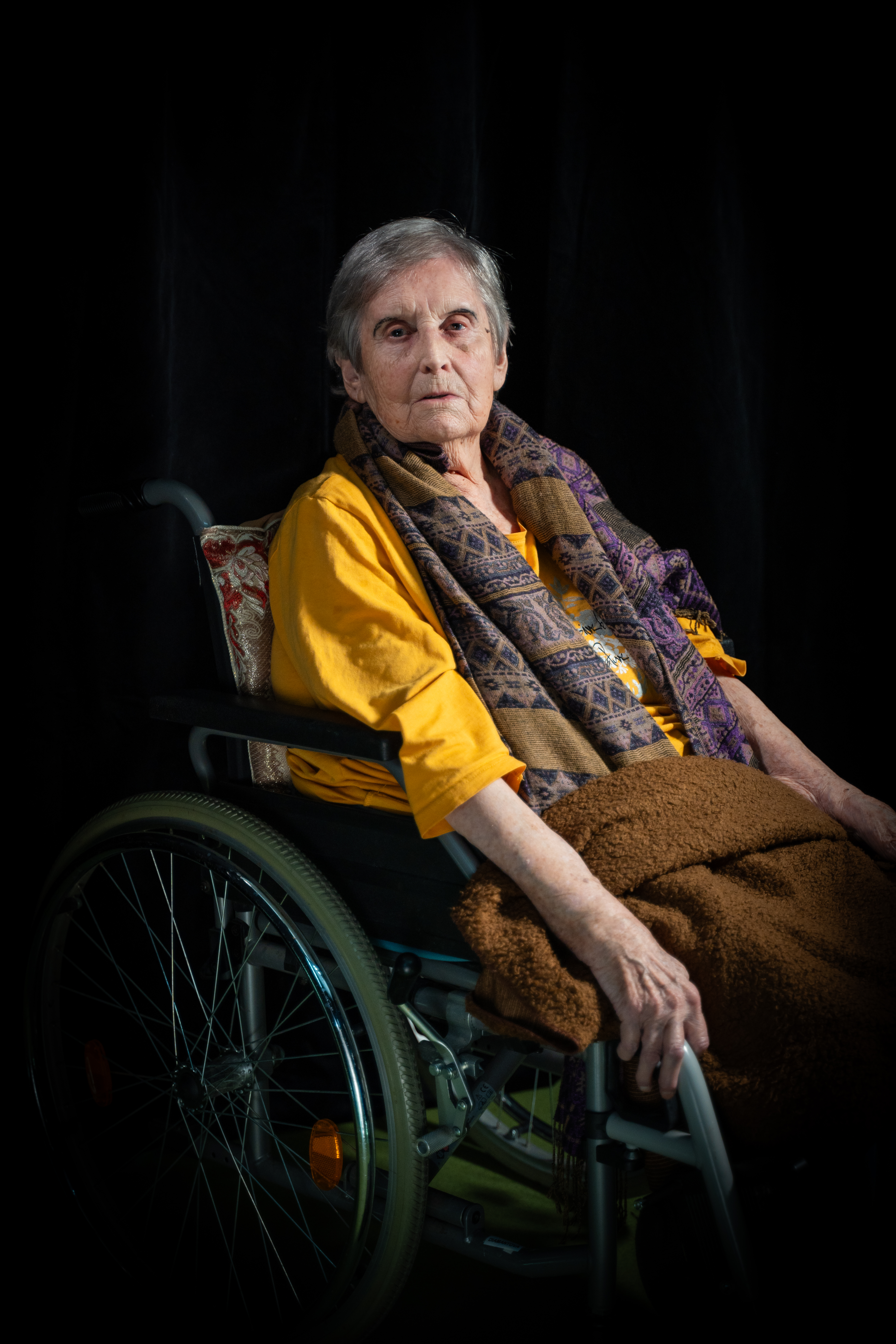
Witness Zuzana Diamantová, 2025
photo: Photo by Dominik Janovský

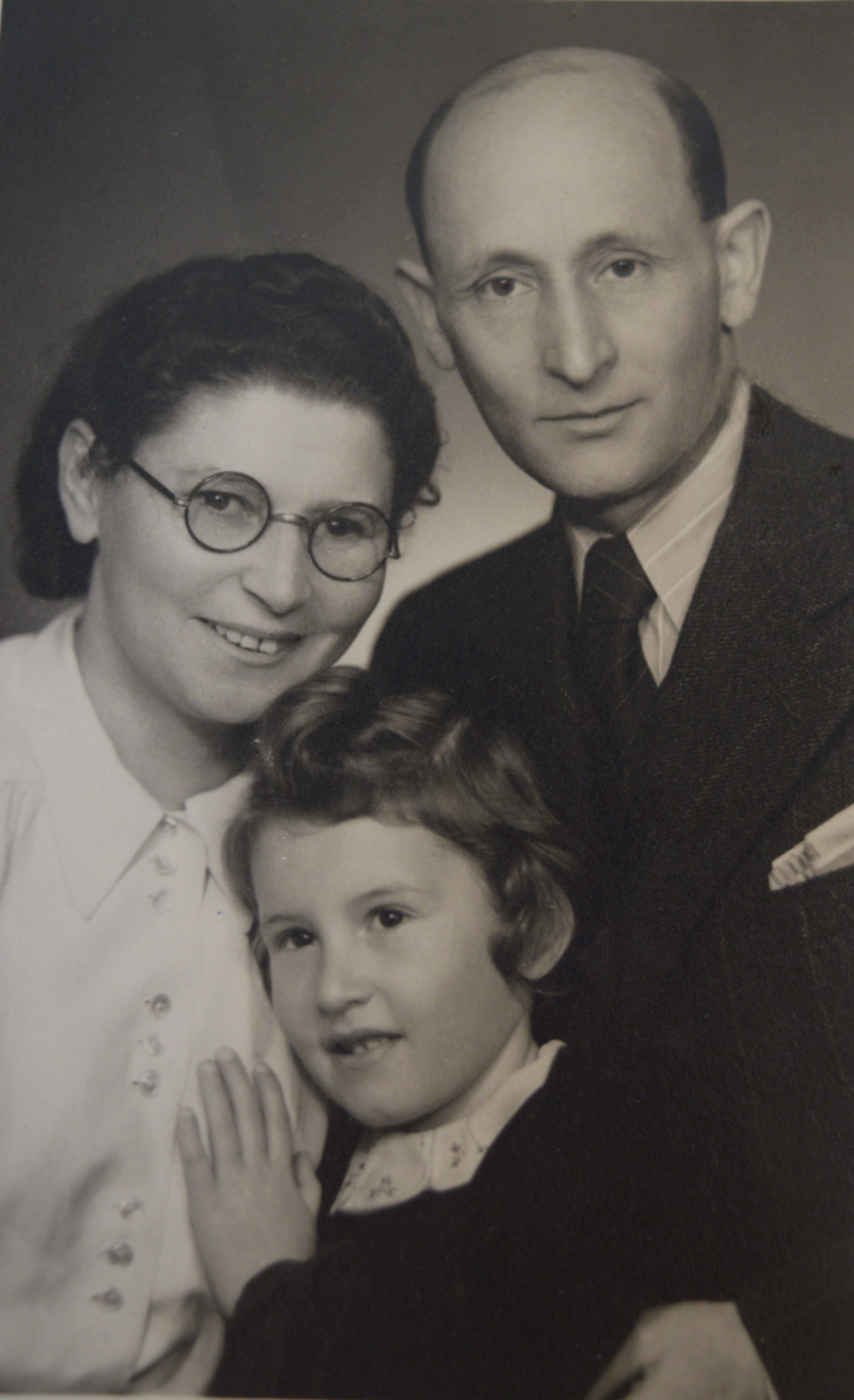
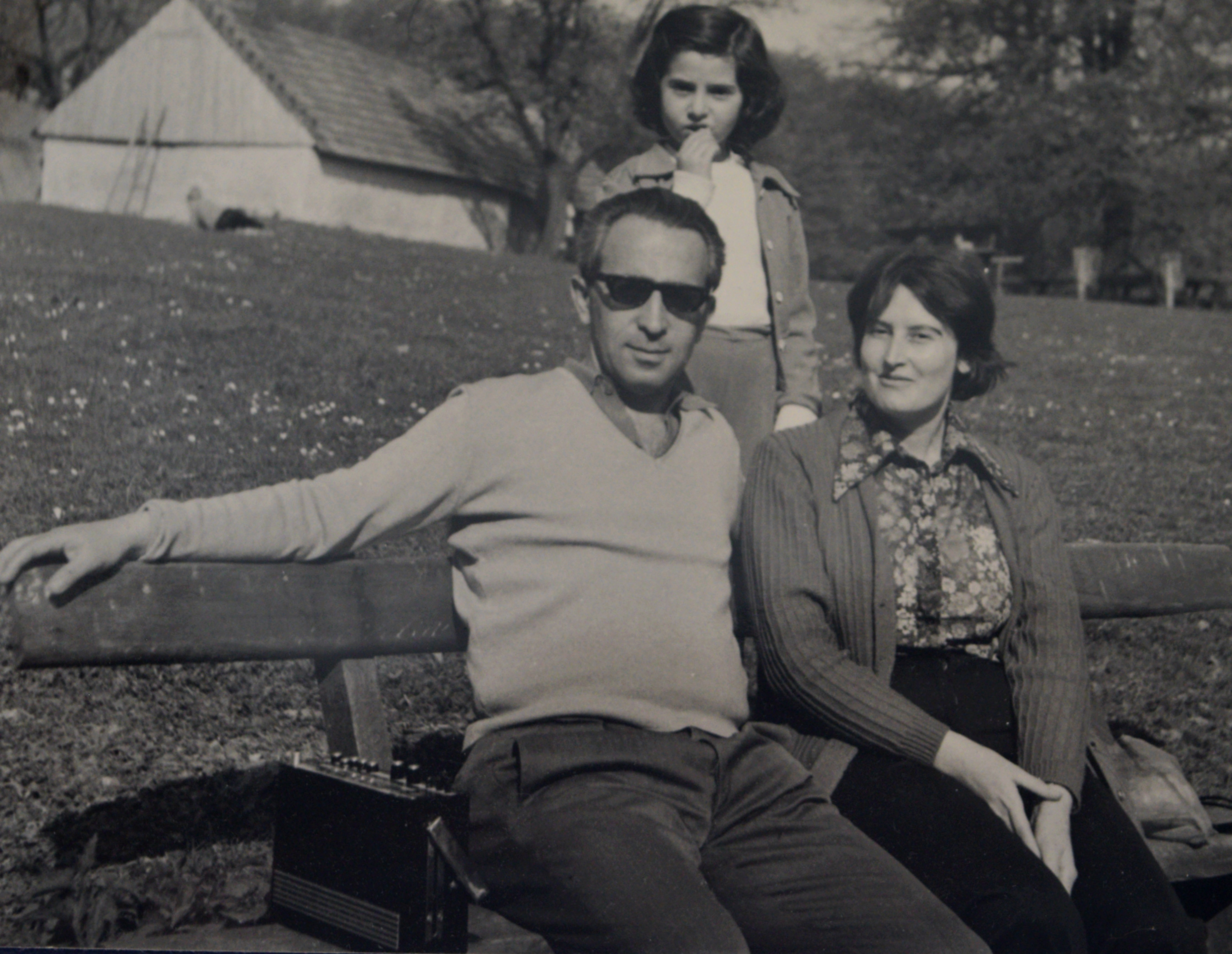
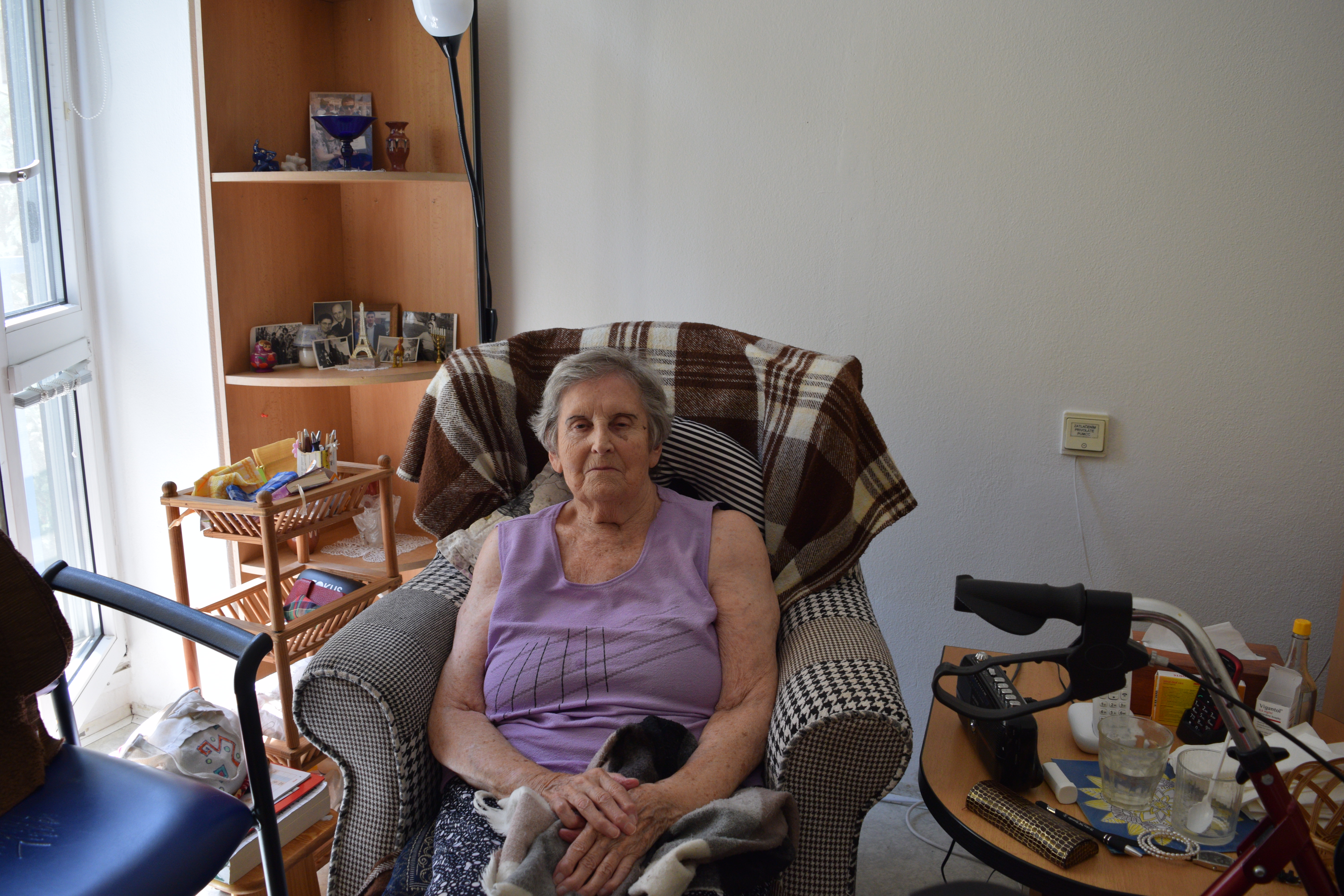
Zuzana Diamantová was born on February 6, 1938 in Banská Bystrica, into a family of Jewish origin. Magda’s mother came from Banská Bystrica, where her relatives owned a general store. On the other hand, František Laufer’s father was born in Zvolen, in the family of an innkeeper. František even fought in the First World War as a sailor. They were not orthodox Jewish families, but they definitely worshiped the basic sacraments. During the Second World War, thanks to the father’s economic exemption, the family could still live in their home in Banská Bystrica. They experienced daily name-calling, bans and inappropriate remarks from the guards. When the situation began to deteriorate, they decided to live on the outskirts of the city. After the failed Slovak national uprising, they had to flee to the mountains. They were sheltered by the partisan village of Kalište. After the discovery, the Germans invaded the village and, in addition to murder, decided to burn it down. The Laufer family were direct witnesses of this tragedy. When the situation calmed down, the Laufers decided to continue through Valážie to Seviec, where the father had an acquaintance who helped them. A month later, they stayed in Hronec, where Zuzana also started attending the first year of elementary school. When they got an apartment in Banská Bystrica, they could finally return home after the war. In 1946, Zuzana officially started attending an elementary evangelical school in Banská Bystrica. Years later, she became a so-called eleven-year-old, in other words today’s high school, which she managed to successfully finish by passing the matriculation exam. After the victorious February in 1948, the situation and especially the political regime changed, but the Laufers were not fundamentally affected. The mother stayed at home and the father worked at the local office. Later, after completing his education, he also started working in a textile store, due to higher earnings. Neither of Zuzka’s parents ever became party members. After graduating in 1956, Zuzka got a job in Biotika as a laboratory assistant for eleven long years. Later, she supplemented her education with a two-year extension at a medical school, thanks to which she could officially work as a medical laboratory technician at any workplace. A man, Michal Diamant, whom she met in Zvolen, also shortly entered Zuzan’s life. In 1967, they got married in an Orthodox Jewish wedding. Since Michal worked in Bratislava in Priemstav as a construction engineer, this was followed by Zuzan’s resignation from Biotika for family reasons and her moving to Bratislava to join her husband. She found a job very quickly, in a military hospital in microbiology, where she worked for twenty-seven years until her retirement. In 1969, their only daughter, Danka, was born. She retired at the age of 56, in 1994. At that time, she had been a widow for three years, as her husband had serious heart problems. Currently, Zuzka is in the Ohel David retirement home in Bratislava, where she is very happy and does not miss anything.