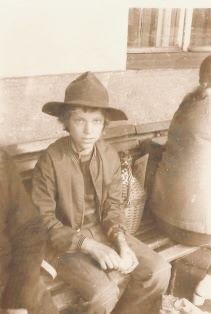
Marek Čmelík

* 1962

  • "So the revolution started in Prague, which made us very happy, and we followed the events, of course, and after a few days we missed the events in Kyjov. And because at that time I knew that there was another chartist, Petr Kozánek, who was heating up again in a boiler room for a change on Lidická Street, at the other end of Kyjov, so we met in that boiler room, and there was also Svata Krajtlová, a local open person. And we agreed that we would just start it in Kyjov. The Civic Forum was already being created in Prague. Then, on the 23rd, I think it was November 89, we printed some invitation leaflets on a cyclostyle in the boiler room on Lidická Street, and we distributed those leaflets around Kyjov. And that was actually an invitation to the first demonstration that was to take place in Kyjov on November 24, 1989. And I took a bicycle and a backpack of leaflets, so I carried them around Kyjov. And I was arrested by the Public Security at today's music hall, or at the Ludushka music hall, and I was taken to the Public Security station here in Nerudovka. And I was already giggling, because it was clear that the times had broken, and they wanted to arrest me for distributing leaflets. And I said, gentlemen, don't be silly, you're embarrassing yourselves, so they just hooted for a while. Then they gave me the leaflets back and told me to take my bike and go, so they wouldn't see me. Well, we successfully called the demonstration. We thought twenty people would show up. It was in front of the cultural centre in the square, and there were about two or three hundred people, just crazy numbers that we didn't expect. Maybe I got big eyes like with the seven cars. Anyway, just from that day on, I think, they did those demonstrations every day until the general strike. Then it moved on to maybe somewhere else."

  • "Aware, aware, because those cases were around us. I was friends with the Brno people who were really grossly persecuted. For example, they came to visit us in Kyjov. The State Security officers picked them up at the station in Kyjov, took them to the Ždánský Forest, and beat them up there. One of them had a cross cut out of his head, cut out with a machine. In Brno, the State Security officers wanted to throw a friend of theirs into Macocha, they held him over Macocha at night and told him whether he would do something or not. So we knew it wasn't easy. And basically, we were always expecting that somebody from our neighbourhood might be arrested, and that's what happened. But just the desire to stand on the right side was strong. I think I was already married, and my wife and I agreed that she'd rather not sign, so that somebody in the family would stay clean, so to speak. And I would sign."

  • "Well, dissatisfaction with the communist regime, which behaved as it did. And I have to say that I didn't sign the Charter until '77. Sorry, not until 1987, or the tenth anniversary basically, and I wondered how many times, or I thought, why didn't you do it sooner? Actually, it was clear to me from the beginning, but it wasn't that simple, was it. It wasn't like today, you click on some electronic petition, you put your details on it and you sign it. In those days, the risk of that signature was greater for the person who facilitated the signature than for the person who signed it, because of course the regime was watching. And even those friends of mine that I gradually made, they were a bit apprehensive at the beginning to offer someone the possibility of signing the Charter. And they also didn't want to put you at risk because they knew what it entailed, so basically one friend offered it to me only sometime in that year 1987. So officially, my signature came out."

  • Full recordings
  • 1

    Kyjov, 12.04.2024

    (audio)
    duration: 01:06:31
    media recorded in project The Stories of Our Neigbours
Full recordings are available only for logged users.

In November 1989, they wanted to arrest me for distributing leaflets
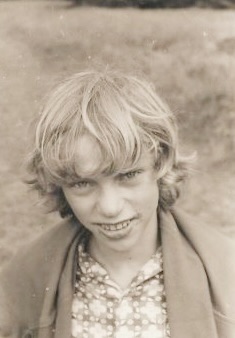
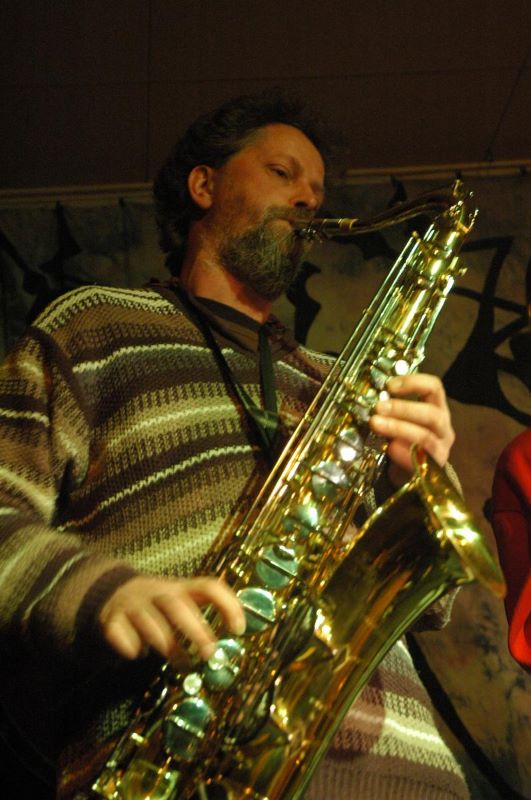
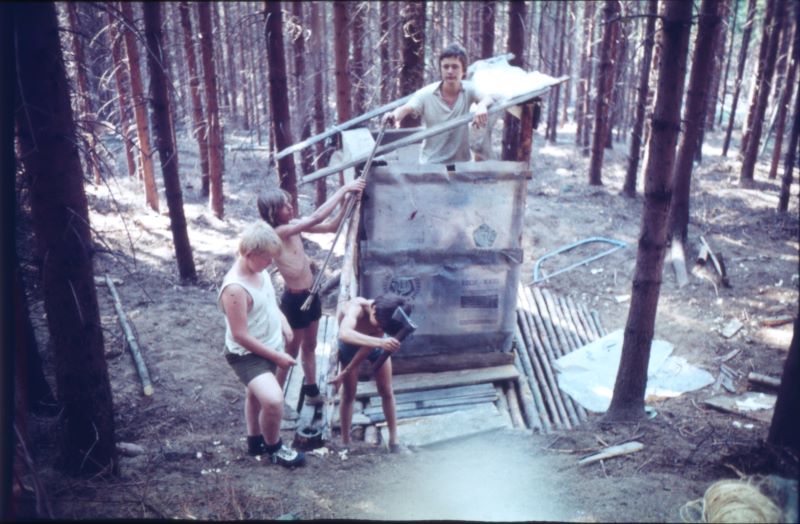
Marek Čmelík, 1970s
Marek Čmelík, 1970s
photo: Archive of the witness

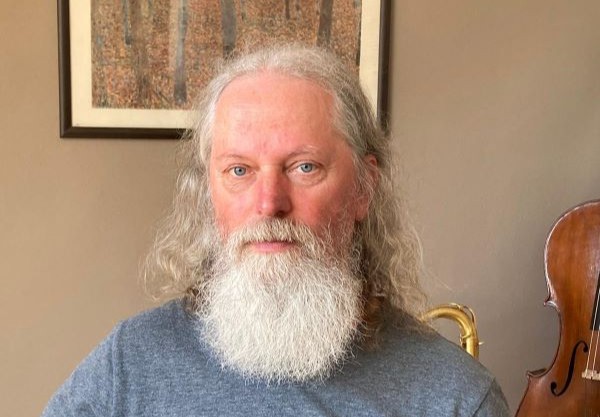
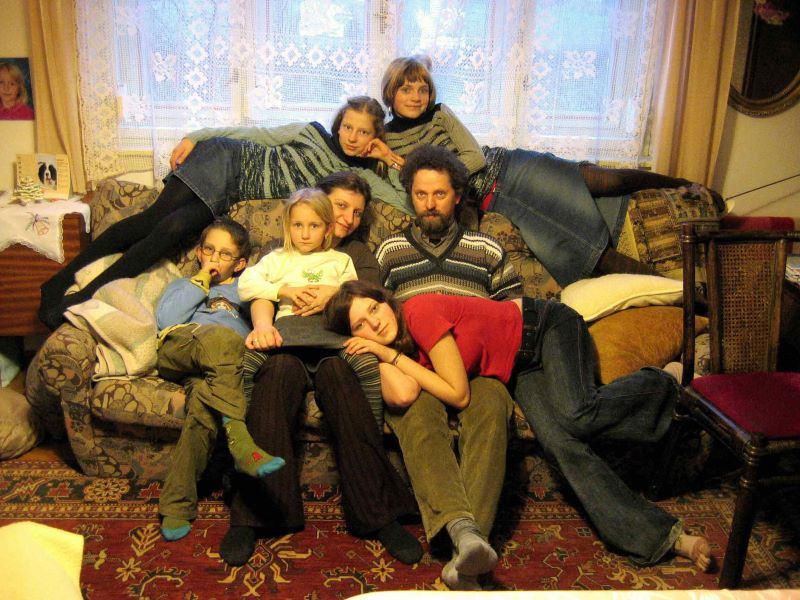
Marek Čmelík was born on April 27, 1962 in Kyjov as the fourth of six siblings. He remembers the invasion of the Warsaw Pact troops on August 21, 1968 as a boyhood adventure. His parents were openly religious and church-going, and the family had connections to other dissident families, so from a young age Marek Čmelík was accustomed to seeing the world through a different lens than the official doctrine of the Communist Party. He defined himself against the regime by his long hair, listening to banned music and absenteeism from elections, and was interrogated several times by the State Security. In 1987 he signed Charter 77 and two years later he actively participated in the founding of the Civic Forum in Kyjov. Together with his wife, Marek Čmelík raised five children. In 2024, Marek Čmelík lived in Kyjov, retired on disability, and devoted himself to music, family, gardening and a small family winery.