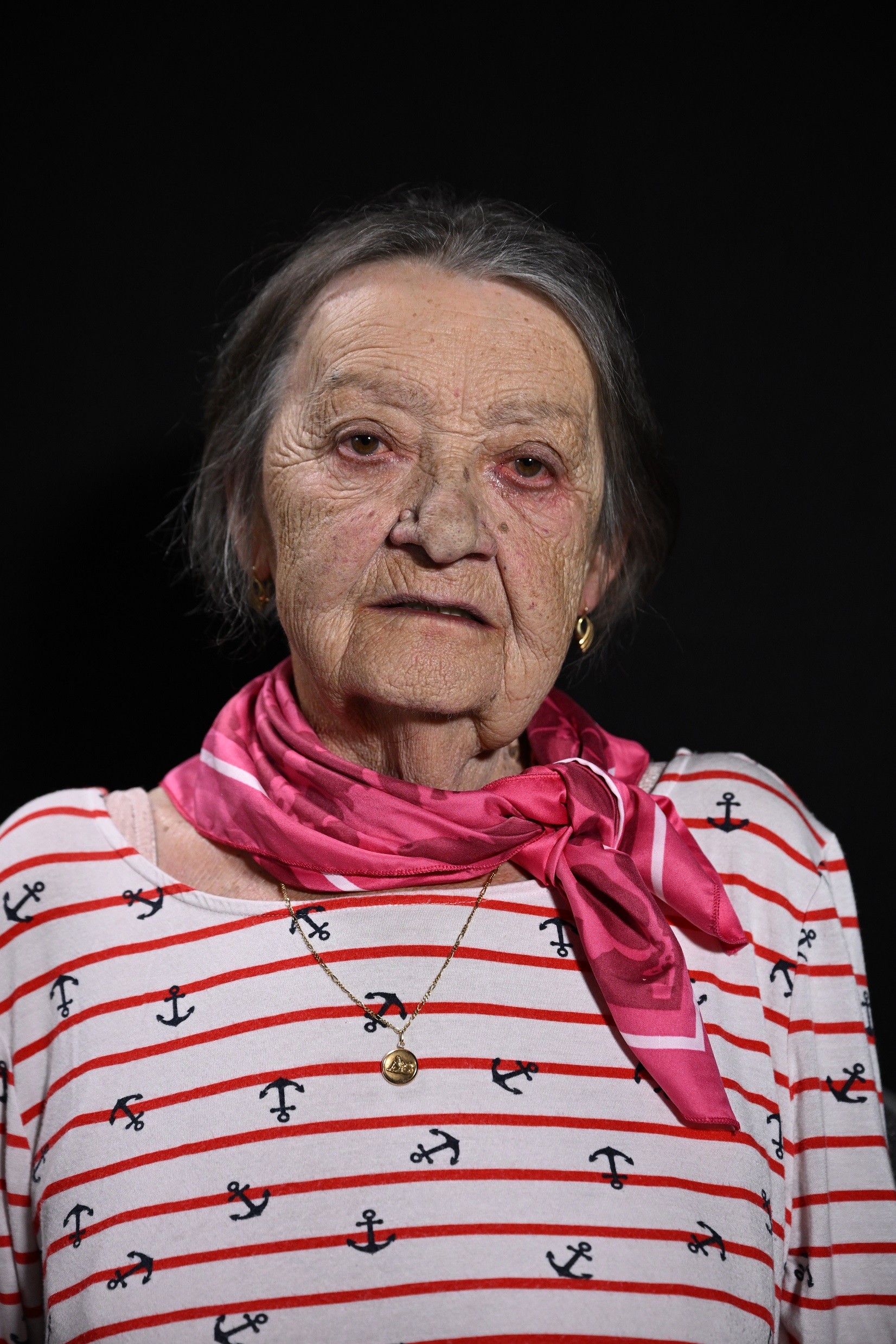
Jitka Chytráčková

* 1946

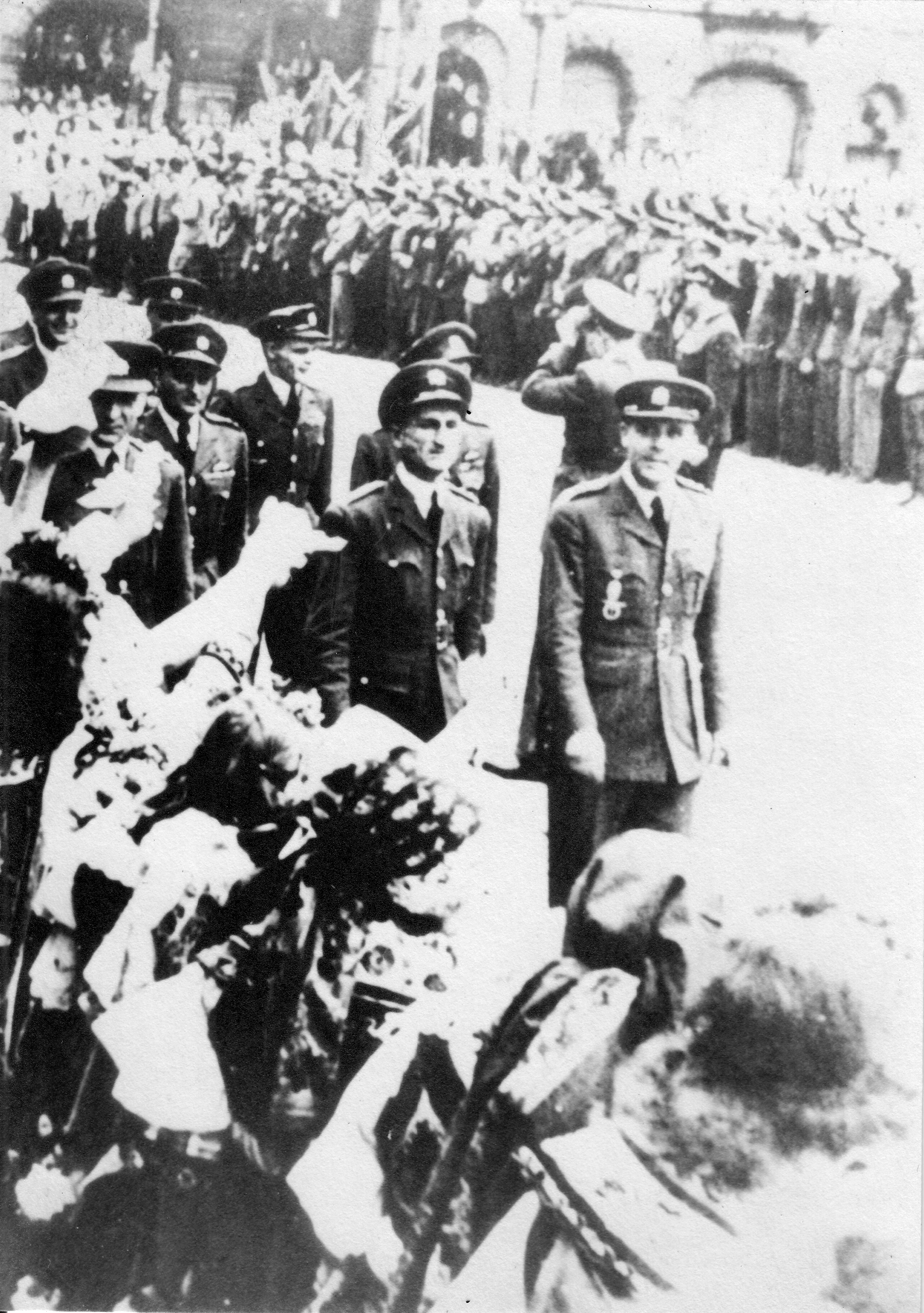
  • "I was in the Turnov cemetery, I think alone or with someone from my family. It was on some kind of holiday, probably All Souls Day or Christmas, I don't remember. And when the lights came on at our place, we were walking through the cemetery and there was a rather large black tombstone by the wall facing 28 October Street. So I was looking at it and a man I didn't know at all stopped behind me and he said in my ear, 'I was arrested because of your dad.' And I thought, 'Jesus Christ, what is he talking about? I didn't even know my dad was involved in that kind of activity!' And this person came up to me - in 1992, the military ranks were given back and I was taking over instead of my dad - and I realised that this was the person who had approached me in the Turnov cemetery. And he invited me to his home, and he told me that he was going to tell me all about it and that he wanted to write [a book] about it. Then he told me: 'We are a group of so-called graduates. We were supposed to be graduates of the Hradec air school, but none of us graduated, because when your father emigrated, we decided in about seven people to run away to him. We took a plane at the airport, we had arranged it, and that we would fly to England. And we did take off, but unfortunately we didn't get across the border.' Whether any fighter planes forced them come back, I don't know, they probably did."

  • "The fact that they didn't want to take me to first class was a bit of a euphemism. Because I was there on the first or second day, and the teacher - his name was Červa, I'll remember that for the rest of my life - pulled me up to the podium, grabbed me by the back of the neck and said, 'Here's an example of an imperialist child helping us eat away bread. I don't think he said "eat", he said "eat away". And I thought he was praising me!"

  • "On the second night a guide came for them and they set off in the dark on foot through the forest, across the Vltava valley. And they carried me on skis with a coat on. This served as a stretcher. So they put me in it. My father was accompanied by some two people and they helped carry me as well, and as they carried me up the hill, I started to slip and cried more. And they all had the information that I couldn't get the other pill until six or eight hours later. That would have been the other way around. And because they didn't know what to do with me, they gave me the second pill. It turned out just like the doctors said, I screamed even more. Dad said he'd come back with me. The two guides told him - I don't know what rank Dad was at the time - they said, 'Mr. General, we guarantee that you'll get to the other side and this will be arranged through the Red Cross.'"

  • Full recordings
  • 1

    Liberec, 06.06.2025

    (audio)
    duration: 01:37:08
  • 2

    Liberec, 11.06.2025

    (audio)
    duration: 01:34:33
Full recordings are available only for logged users.

I was an imperialist child who ate away other people’s bread
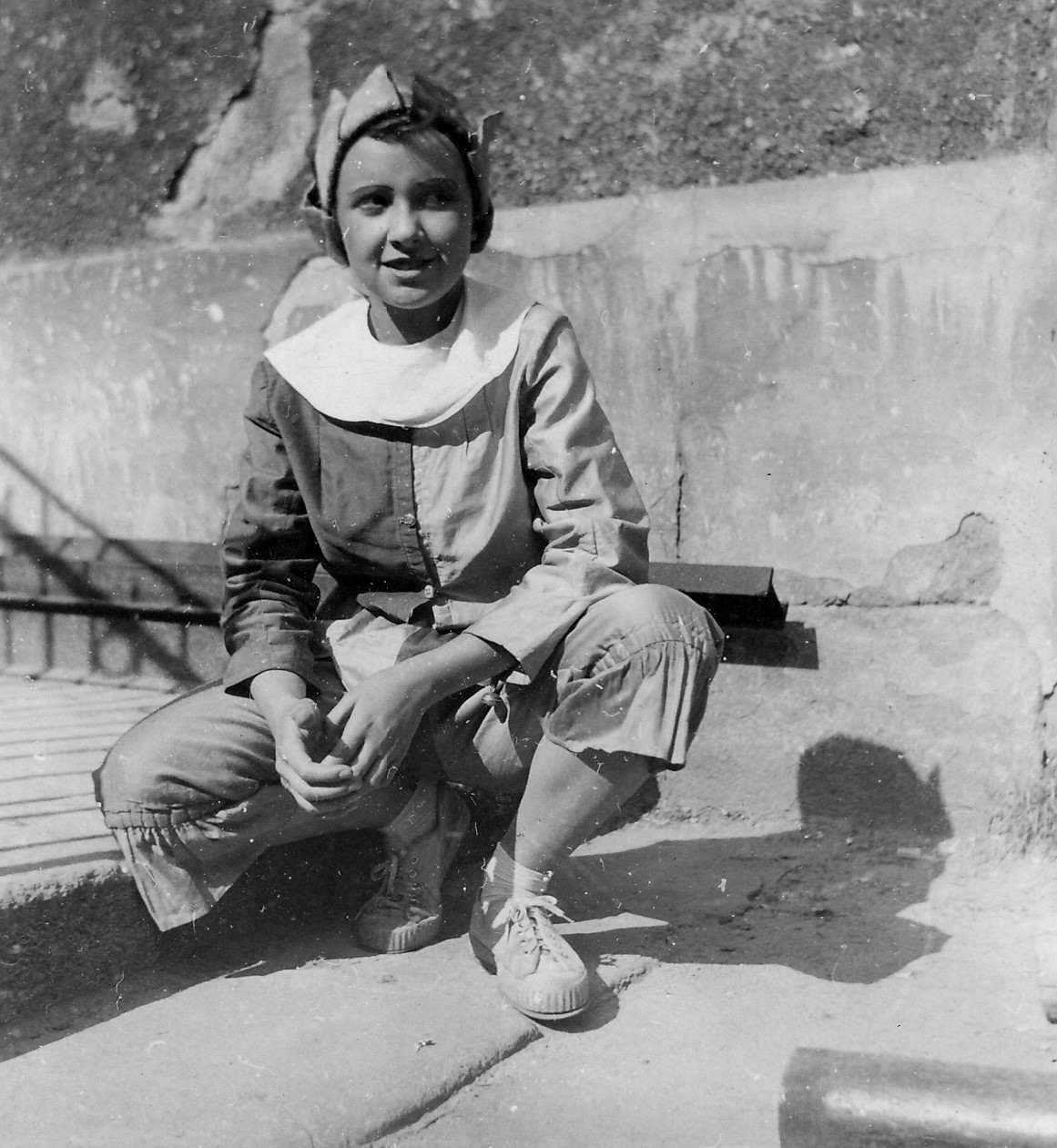
Jitka Chytráčková, then Náprstková, in theatre costume, Turnov, 1960
photo: witness´s archive

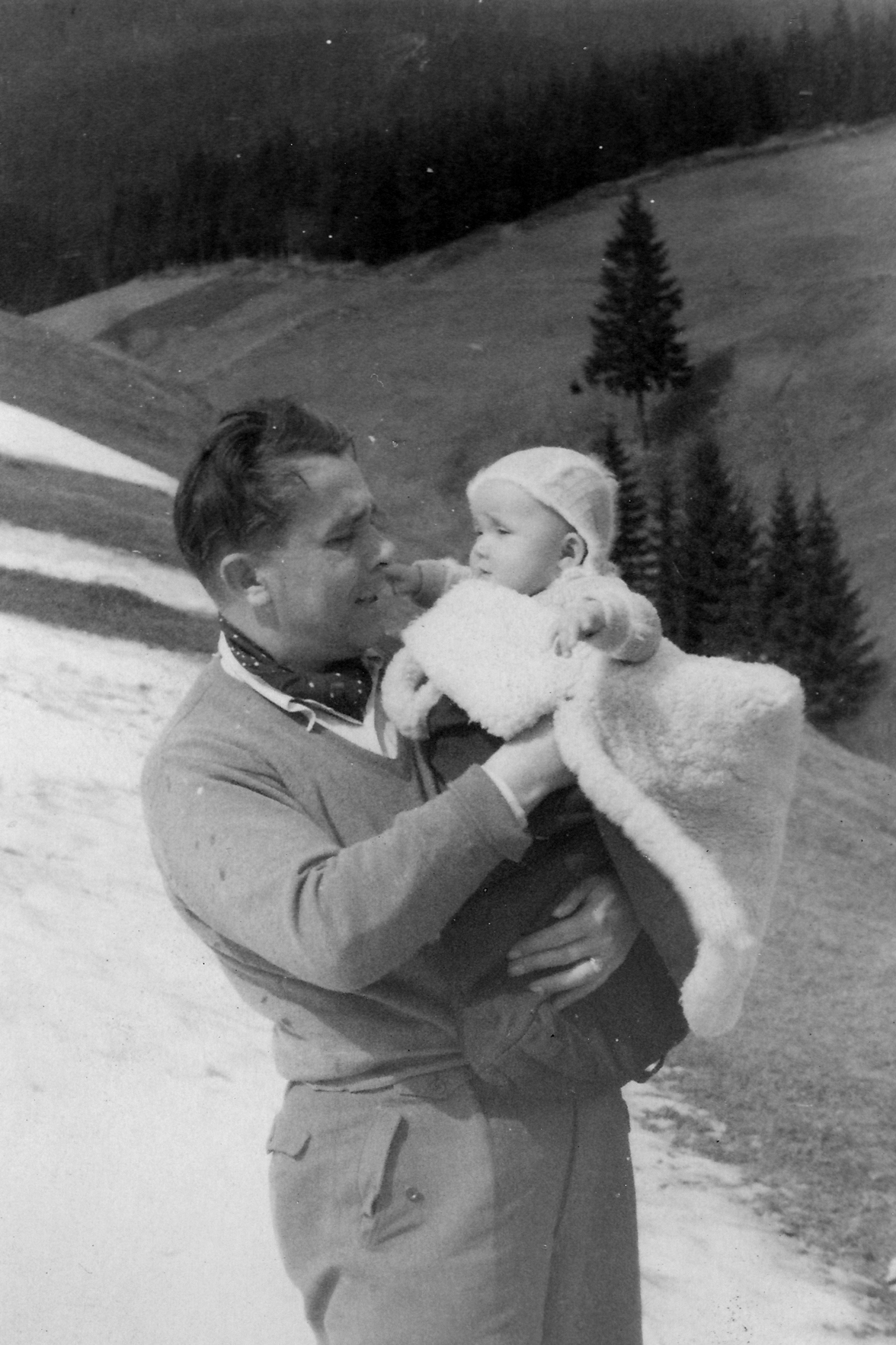
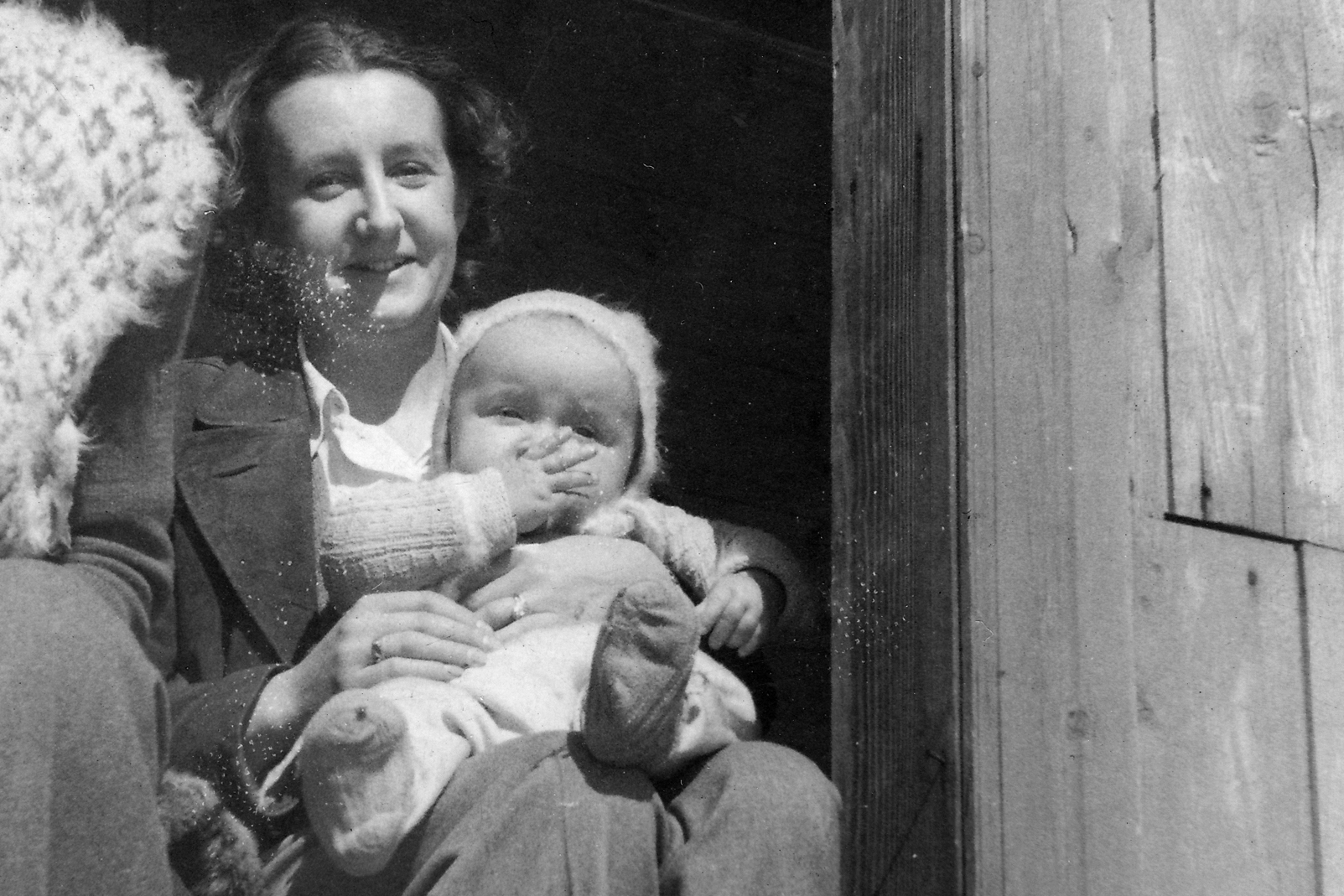
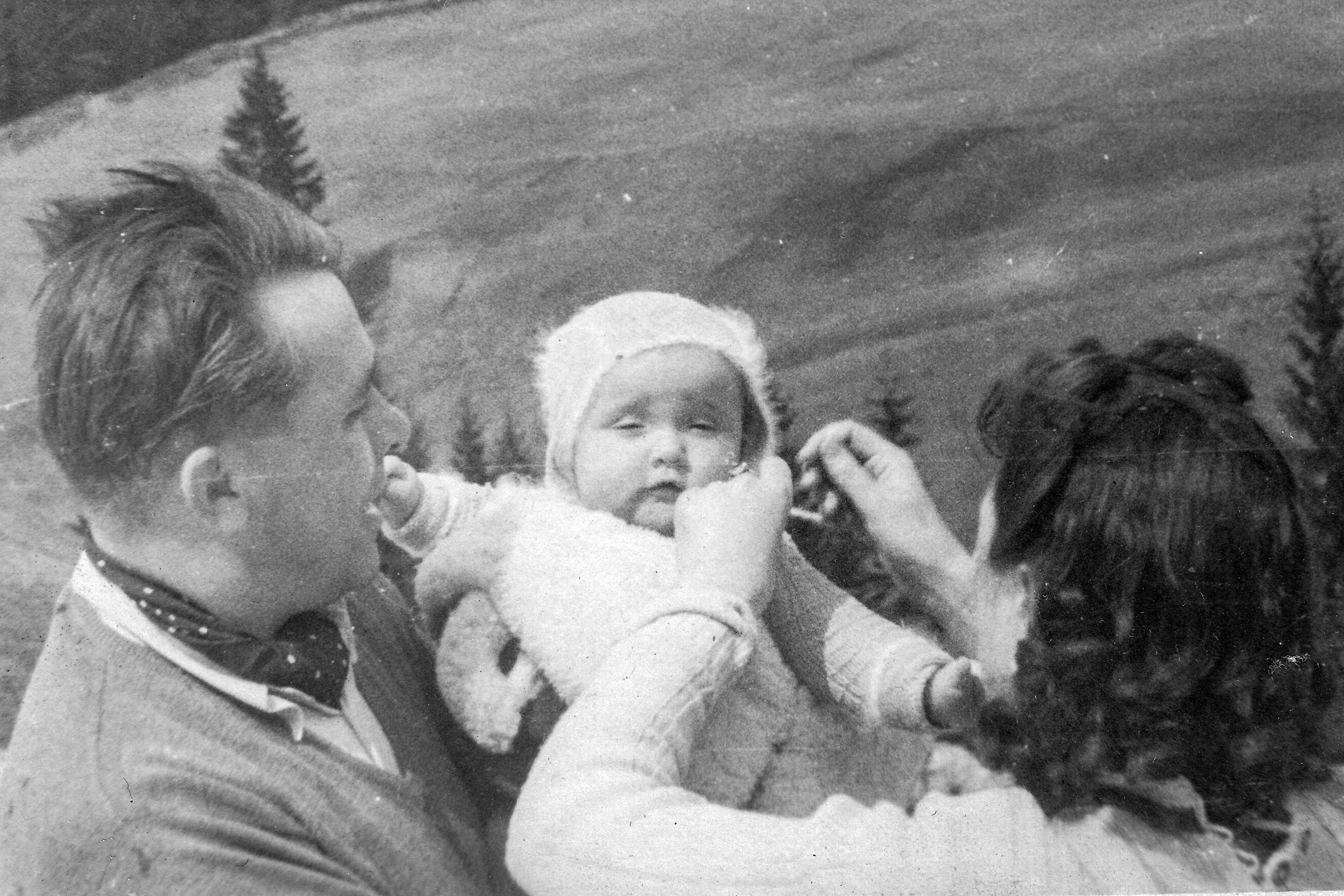
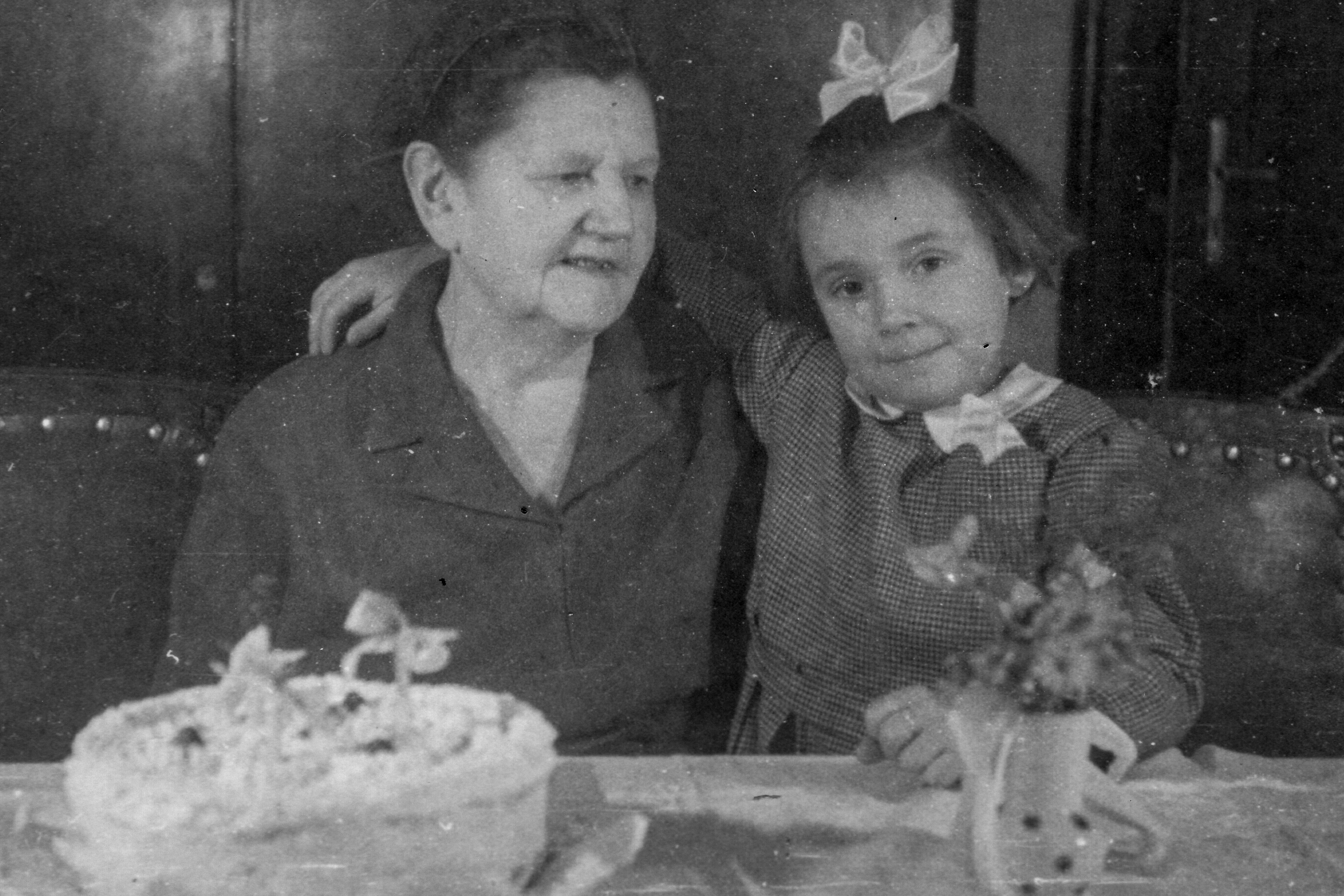
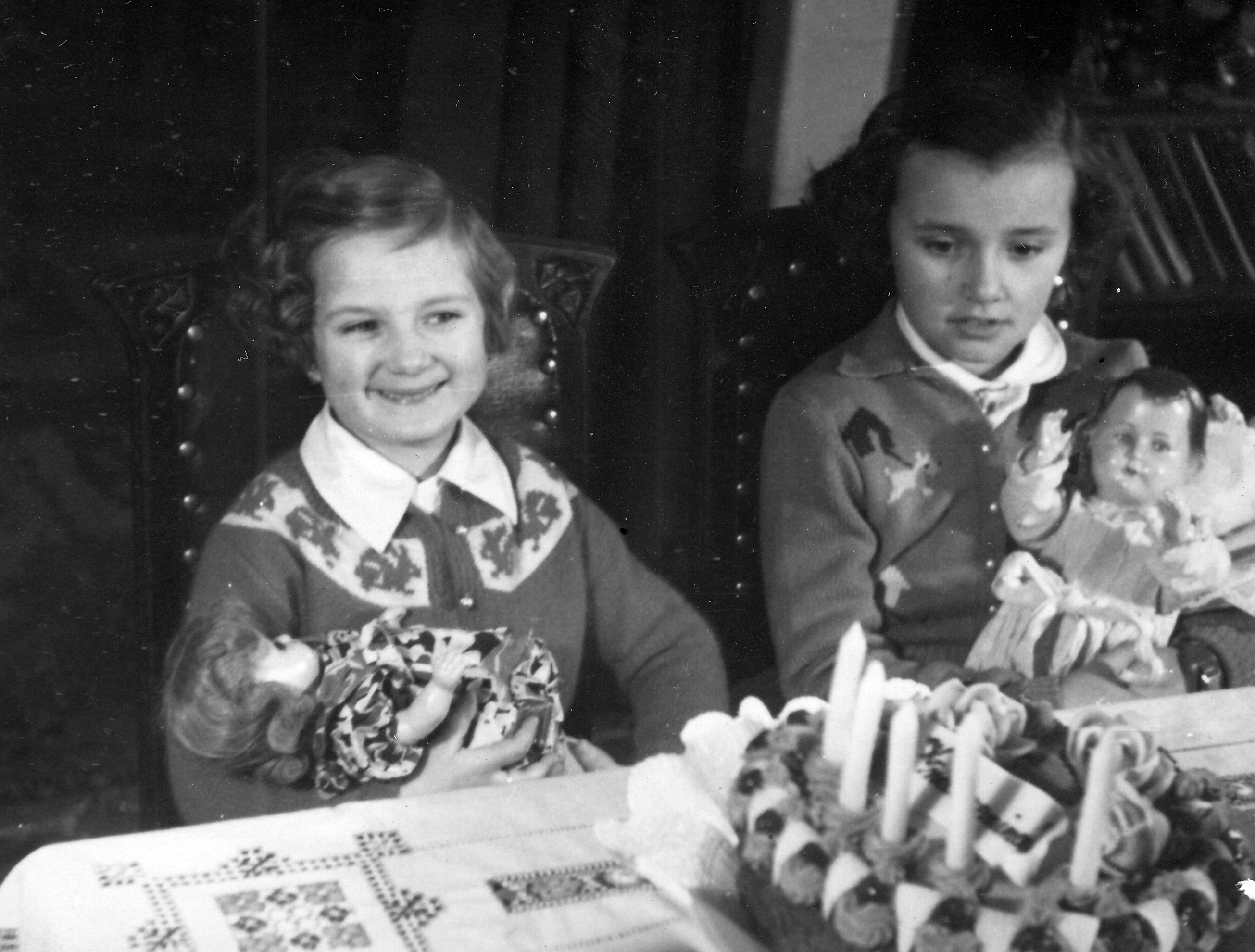
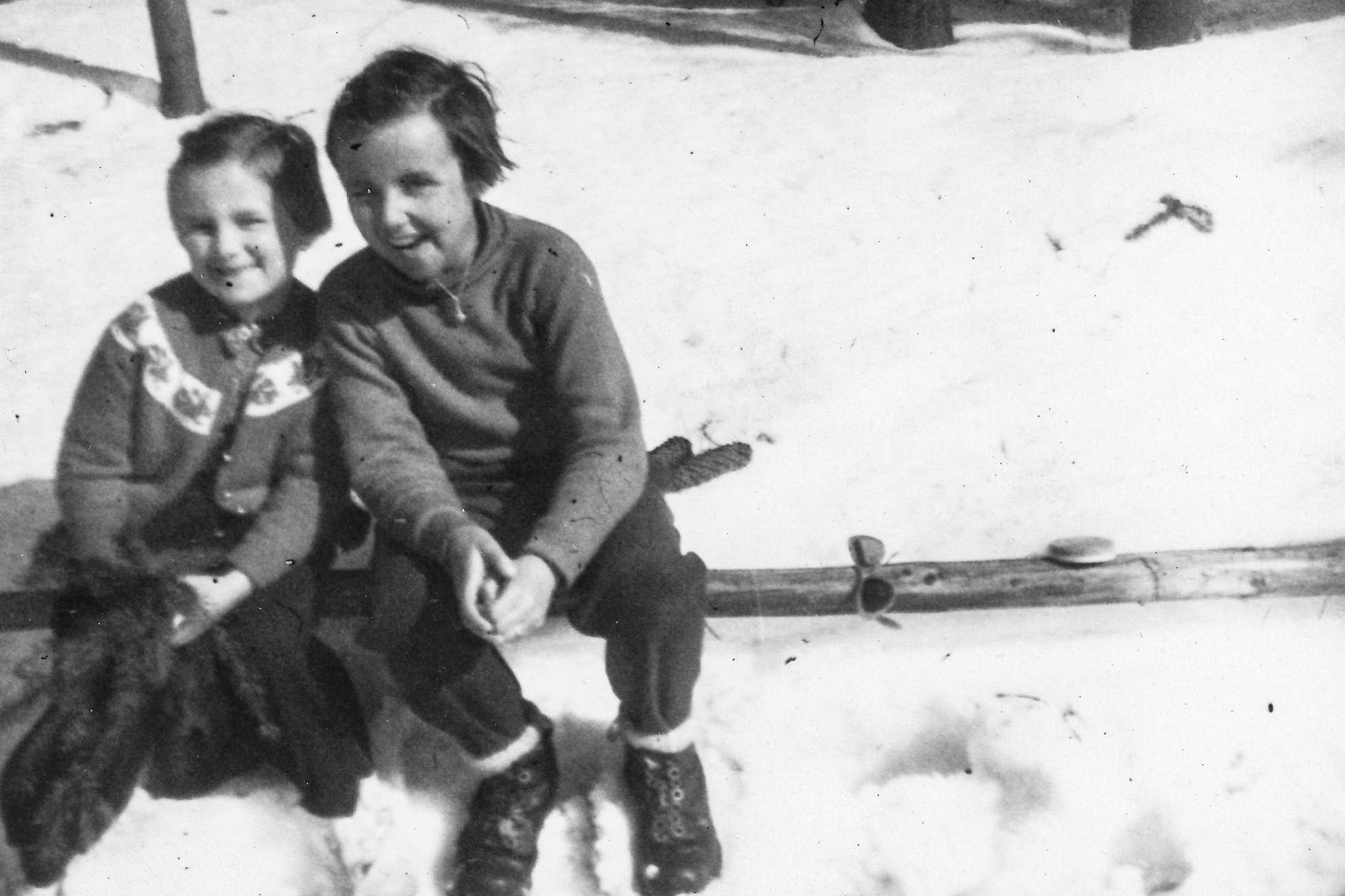
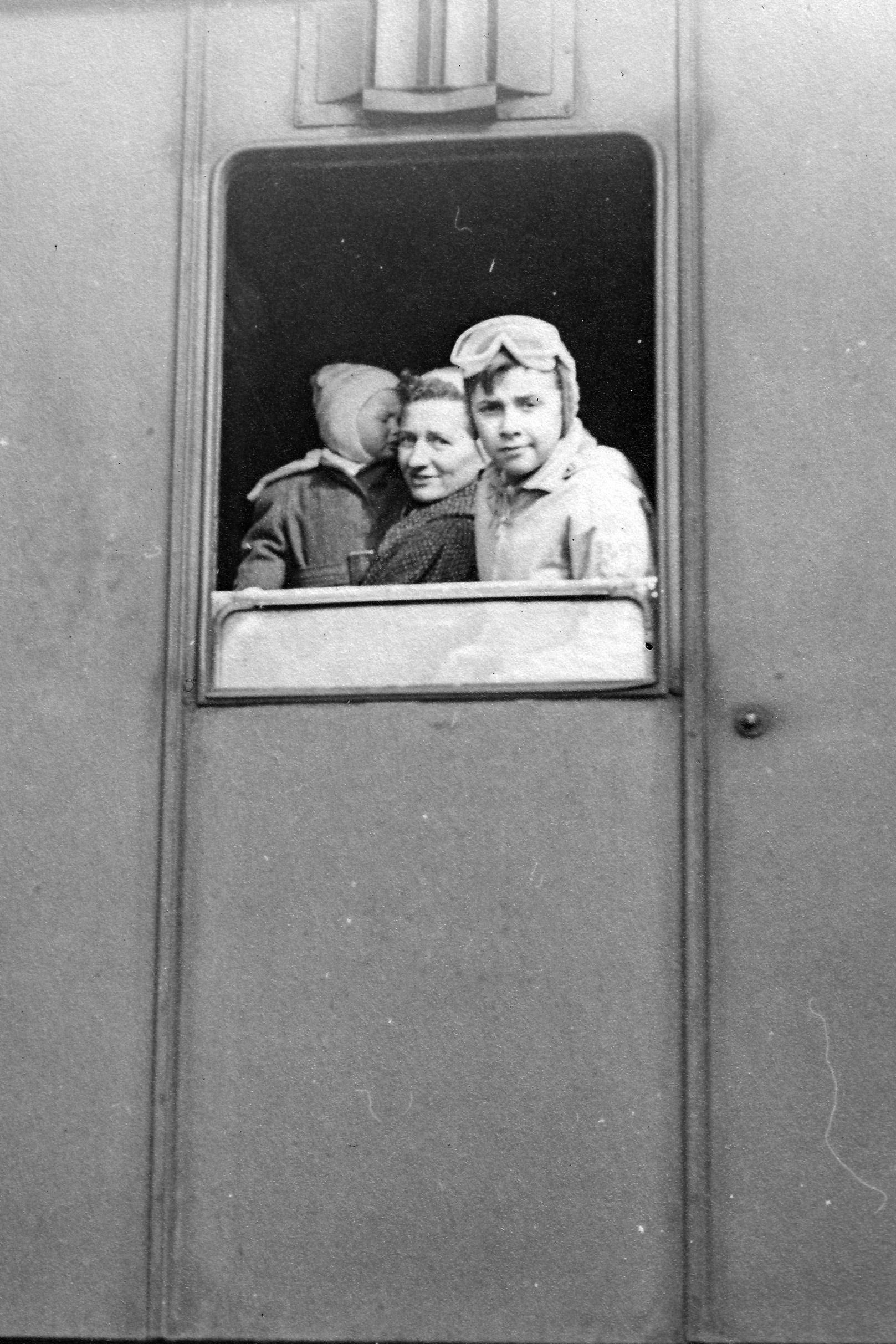
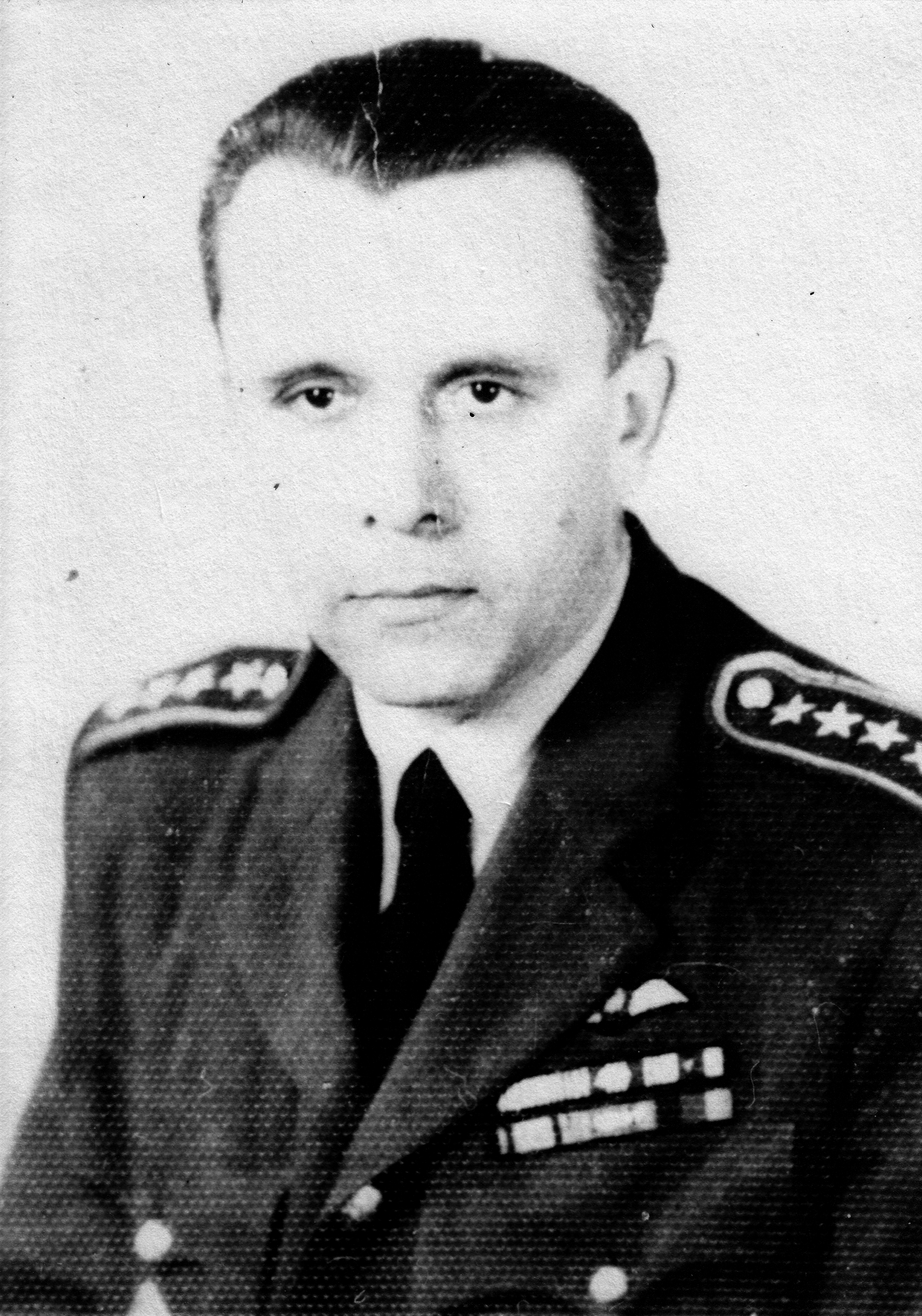
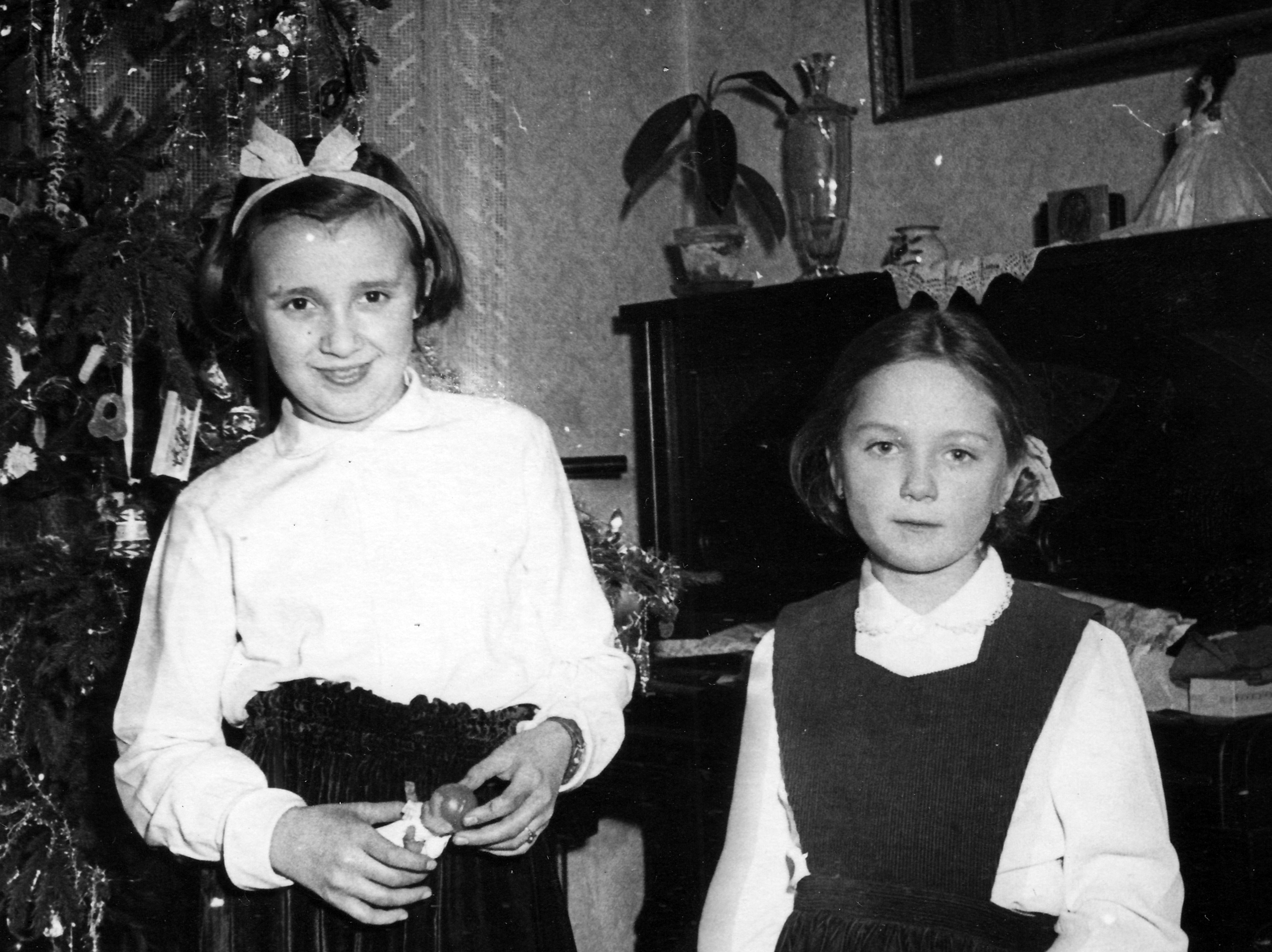
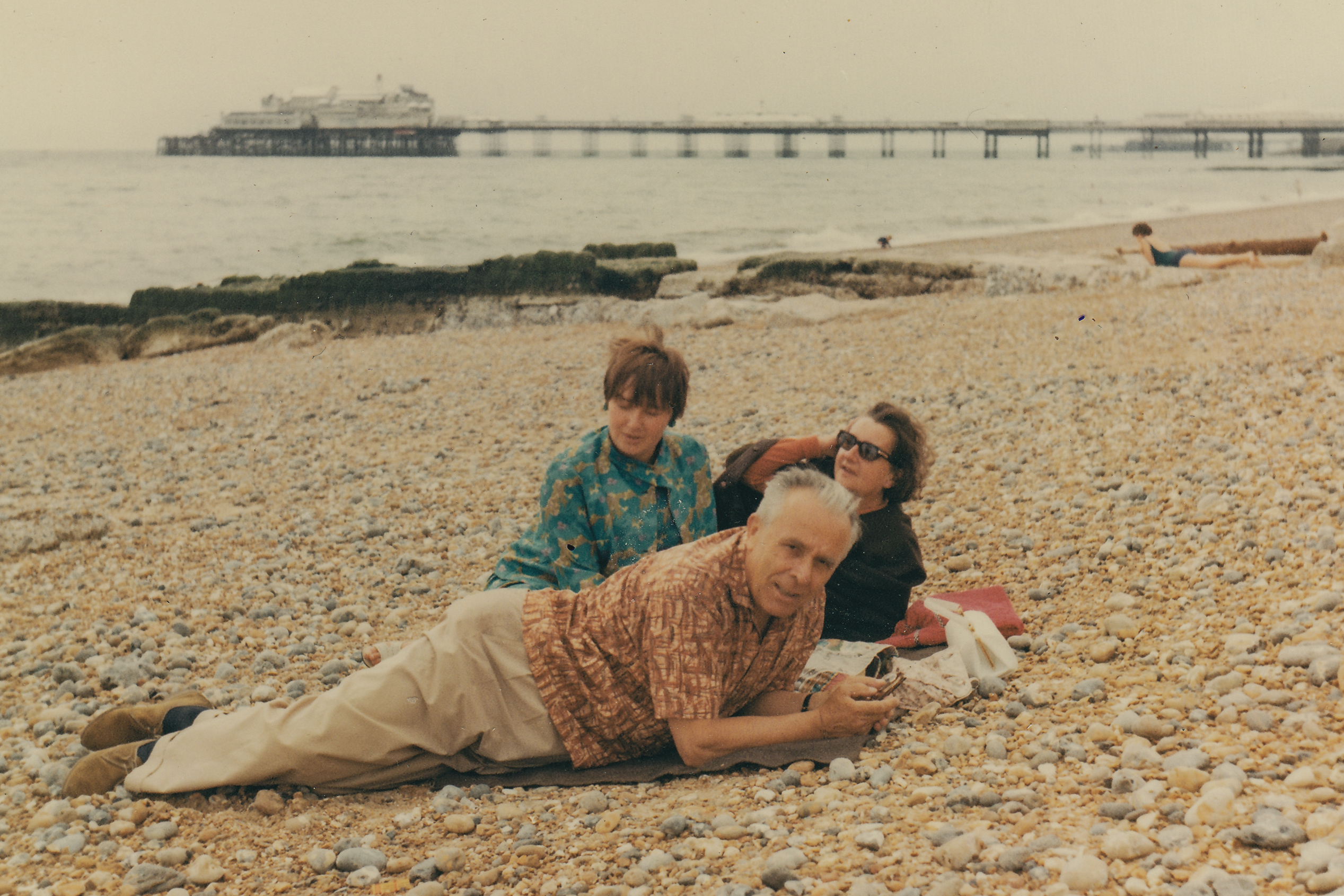
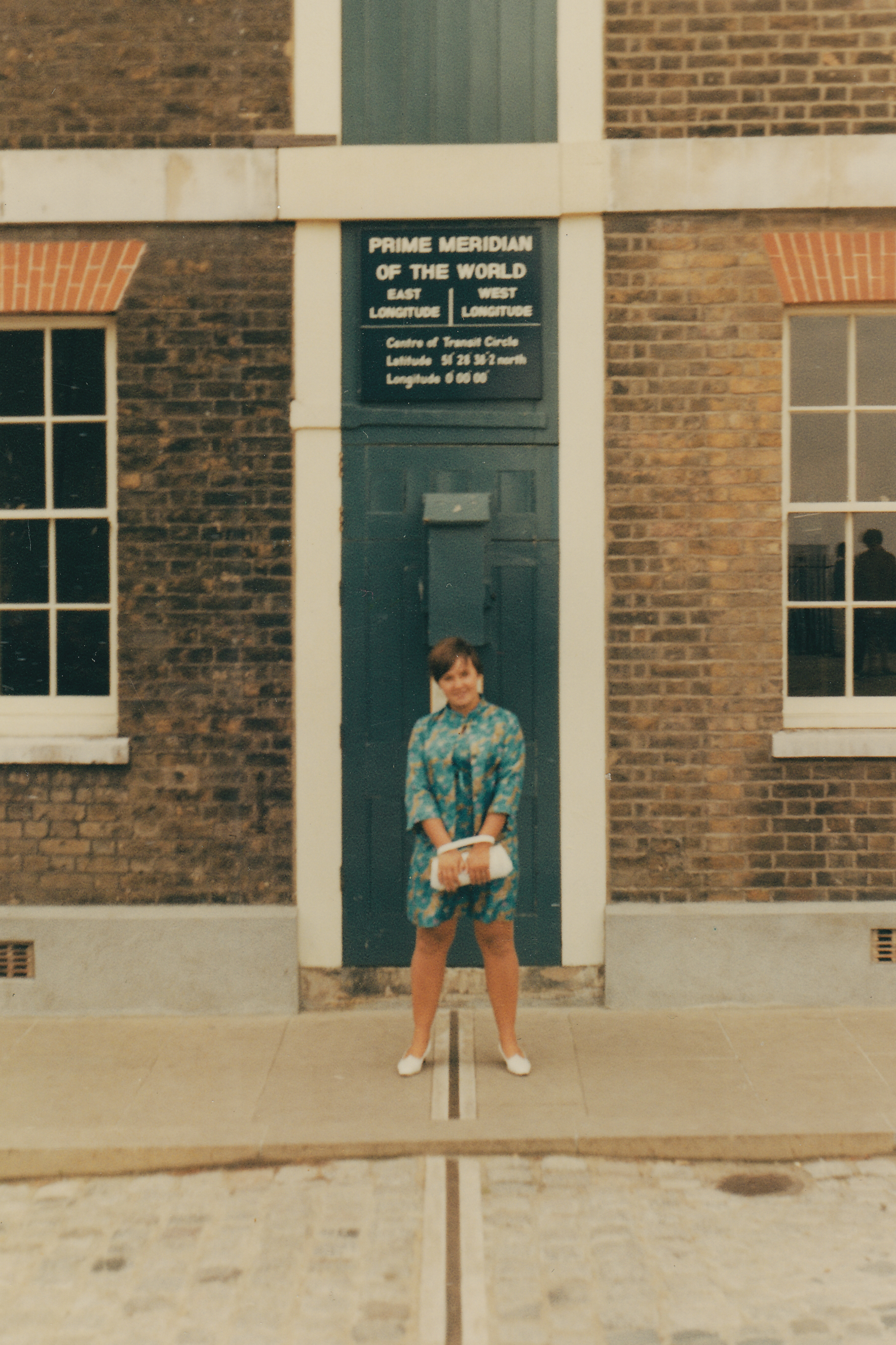
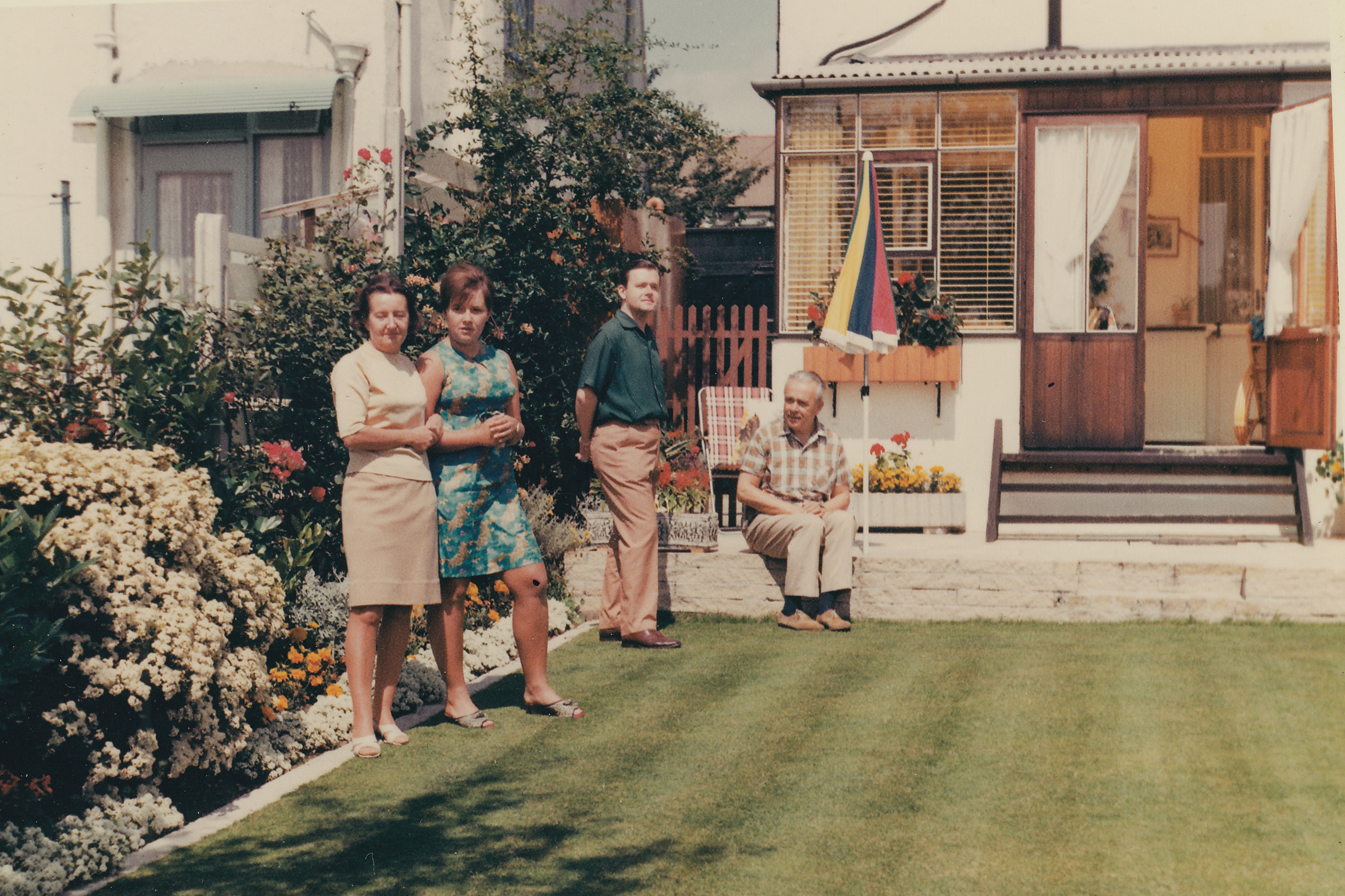
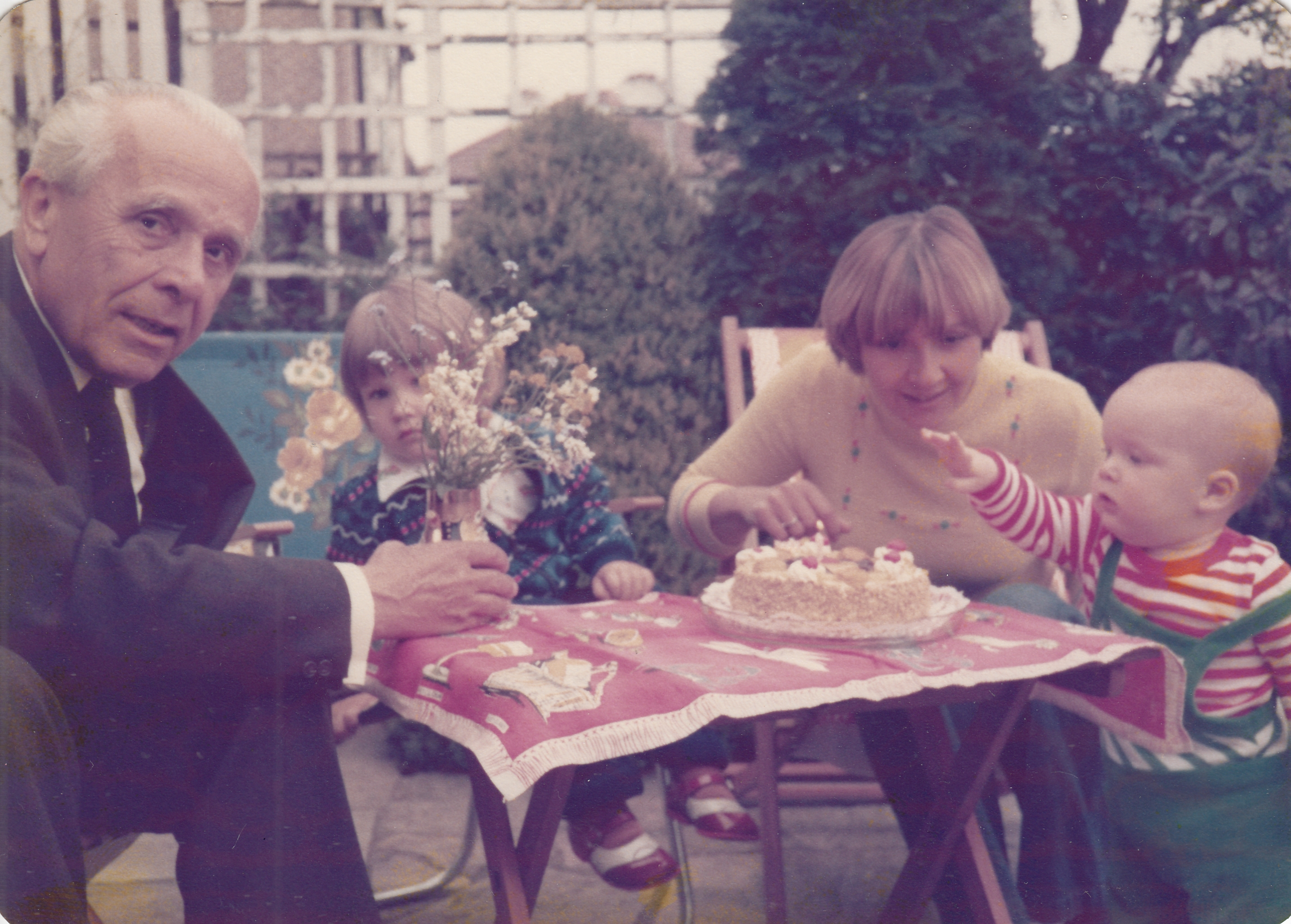
Jitka Chytráčková was born on 17 July 1946 in Prague as the second child of Marie and Karel Náprstek. Her father served in the Royal Air Force (RAF) in Britain as a navigator during the World War II. In 1948, when the Communists came to power in Czechoslovakia, the family decided to emigrate to England. They made the illegal night journey across the western border with their almost two-year-old daughter Jitka and her older brother. The crossing was extremely risky and threatened to be betrayed by a crying baby. The parents therefore carried with them tranquilizers. In the end, however, it was little Jitka who endangered the whole group and the parents decided to leave with only their son. The daughter was then taken care of by her grandmother in Turnov. After her grandmother’s death, the witness grew up in her uncle’s family with her cousin, whom she thought of as a sister. Her parents tried to get her to England through the Red Cross, but the attempt failed. The witness remembers her adolescence in Czechoslovakia fondly, and could not imagine going to London to see her family. Various people, she says, kept a protective hand over her, and so, even with the cadre assessment that accompanied her, she graduated from the Faculty of Physical Education and Sport at Charles University. She did not see her parents until she was 22, when she first went to London to visit them. She returned to Czechoslovakia just one day before the occupation by Warsaw Pact troops. She was not allowed to attend her father’s funeral in 1987. She was active in sports all her life, and was also involved in sports at the scientific level and in her professional career. She married after graduation, and she and her husband raised a daughter and a son. Her brother, seven years older, still lives in Scotland, and they occasionally visit each other. At the time of recording in 2025, Jitka Chytráčková lived in Turnov.