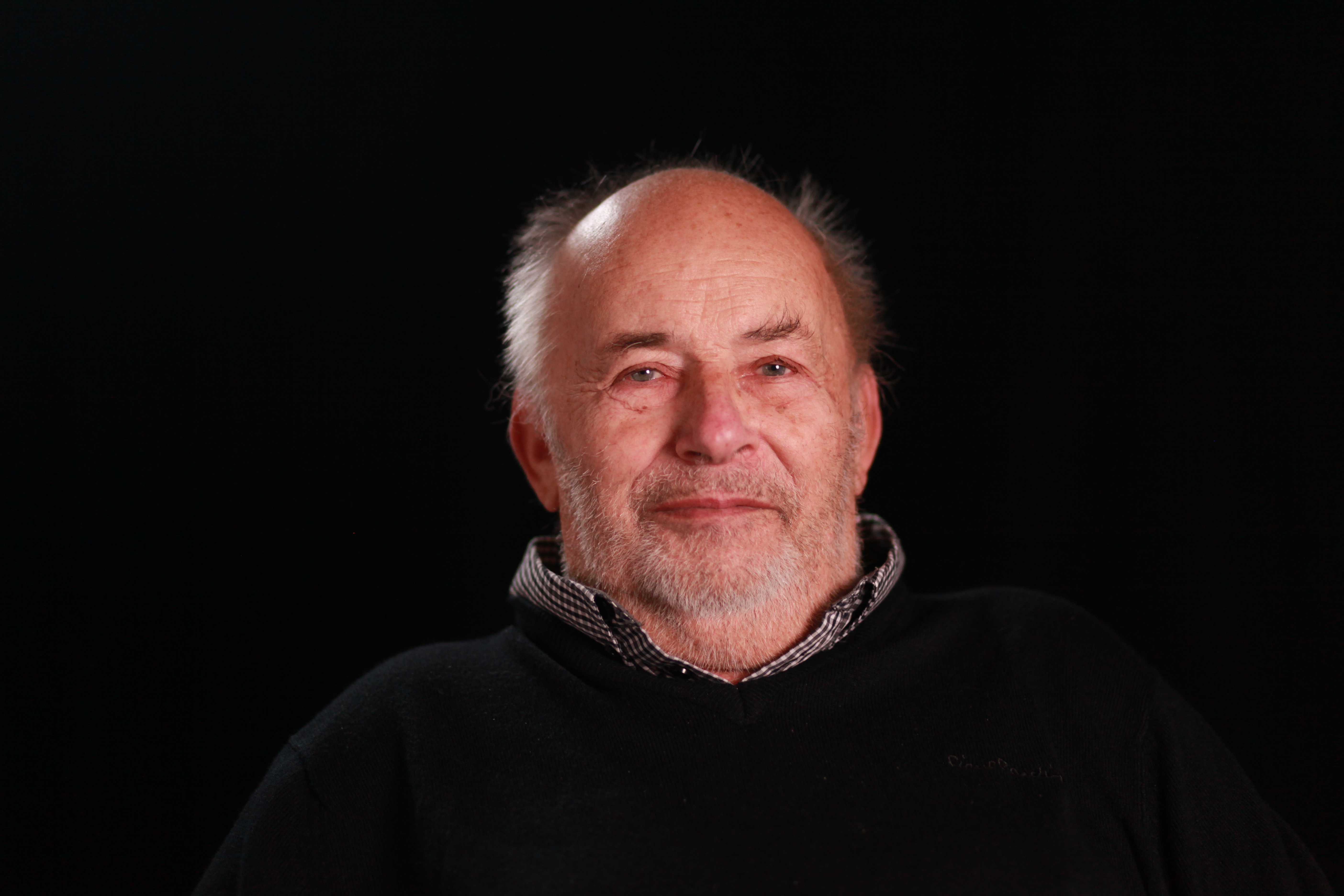
Miloslav Chráska

* 1941

  • "The leaflet was printed in several copies and a friend posted it on an old poster. The leaflet was picked up at the time and discussed in the factory, saying that they had to investigate who did it. It wasn't too difficult, it was on a fountain pen typewriter, which there aren't many of in the factory. They found out through an expert examination that it was in the investment. There they caught us one by one and took us to Rokycany for interrogation. The interrogation took about three days. When we arrived at the factory that morning, they were already lying in wait for us. They locked us in a room with about five doors leading into it. One door would open, then another. That’s how they confronted us. The whole atmosphere felt oppressive. There was a coat rack, and that’s where I saw what a reprimand looked like for the first time." If you'd like it to sound more formal, dramatic, or adapted for a specific context - like a memoir or a screenplay - I can tweak it further. Just let me know the tone you're going for.

  • "In August 1968, I travelled all over the country. Already after arriving in the north, in Trutnov, on my way through Mladá Boleslav, I saw how the barracks there were guarded by armoured personnel carriers and tanks. On them sat military snipers or young boys, just as young boys were looking at them from the windows of the barracks. It was obvious from their looks why. In Turnov they asked us what we had seen on the way. We drove through streets where there were broken telegraph poles with telephone lines, on them some clever Czech hand had written in paint August 22, August 24 - just when the poles had broken. But sadder was the sight of a pile of crosses with framed funeral notice, or the shot-out windows and facades of the houses."

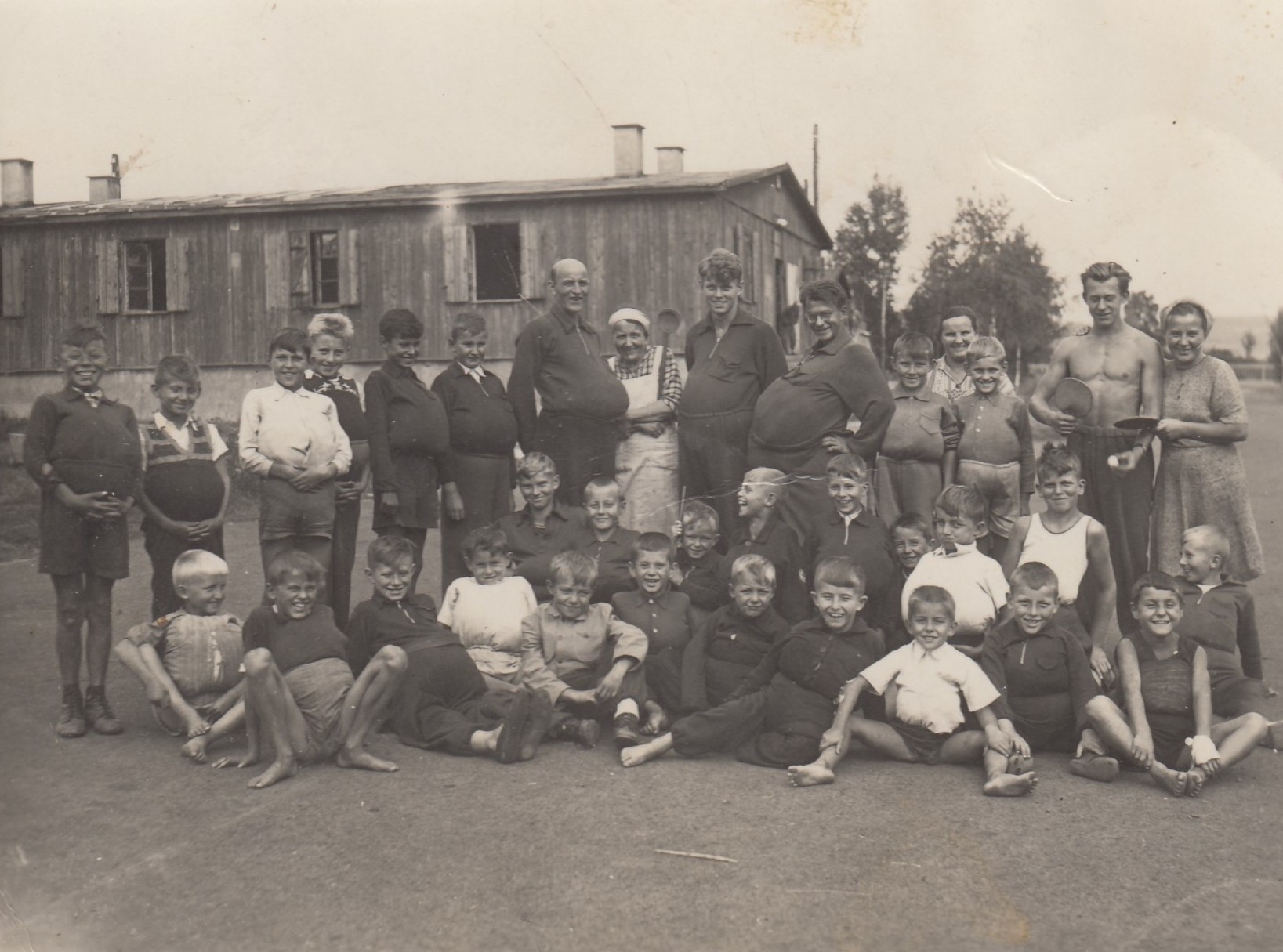
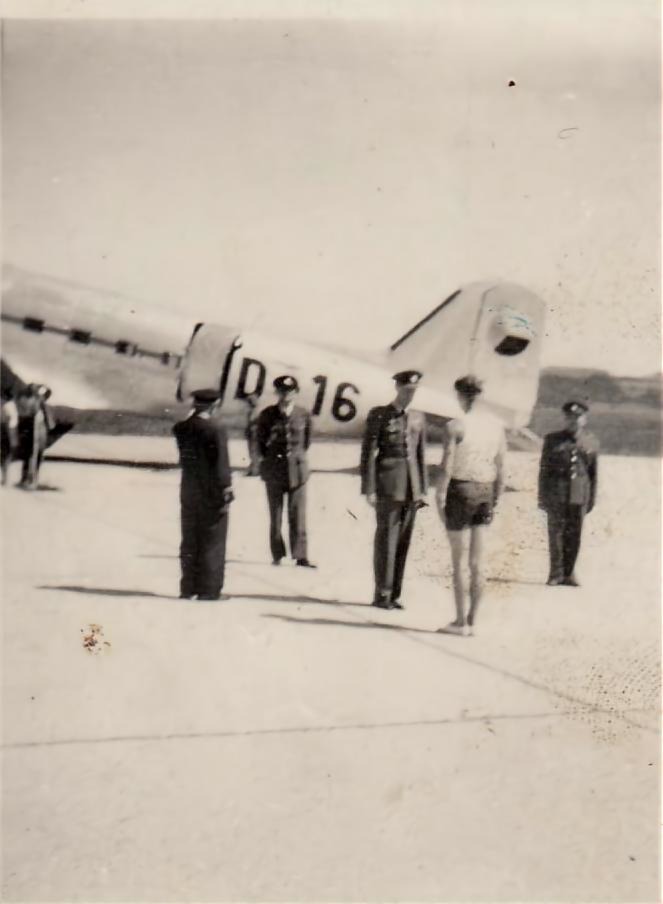
  • "I used to train and with Sokol Rokycany I got to go to a holiday camp in Mariánské Lázně. It was in these wooden log cabins near the airport, but there was also beautiful nature. One evening during the daily orders, I learned that the next morning, with Brother Mrzena, who was the head of the camp, we were going to welcome the government delegation that was coming to Mariánské Lázně for a meeting. That government delegation was led by Foreign Minister Jan Masaryk. It didn't mean anything to me as a six-year-old boy, but when my parents came to visit, my father was surprised when I said, 'Dad, I shook this hand to Mr Masaryk'. He didn't believe it, but my brother Mrzena confirmed to him that we were indeed welcoming Jan Masaryk. He then gave us a personal tour and invited us to see the government plane, the Dakota. You know, I was the envy of a lot of the guys."

  • Full recordings
  • 1

    Plzeň, 08.04.2019

    (audio)
    duration: 50:00
    media recorded in project Příběhy regionu - PLZ REG ED
  • 2

    Plzeň, 10.12.2024

    (audio)
    duration: 56:54
    media recorded in project Příběhy regionu - PLZ REG ED
Full recordings are available only for logged users.

Long days of shame

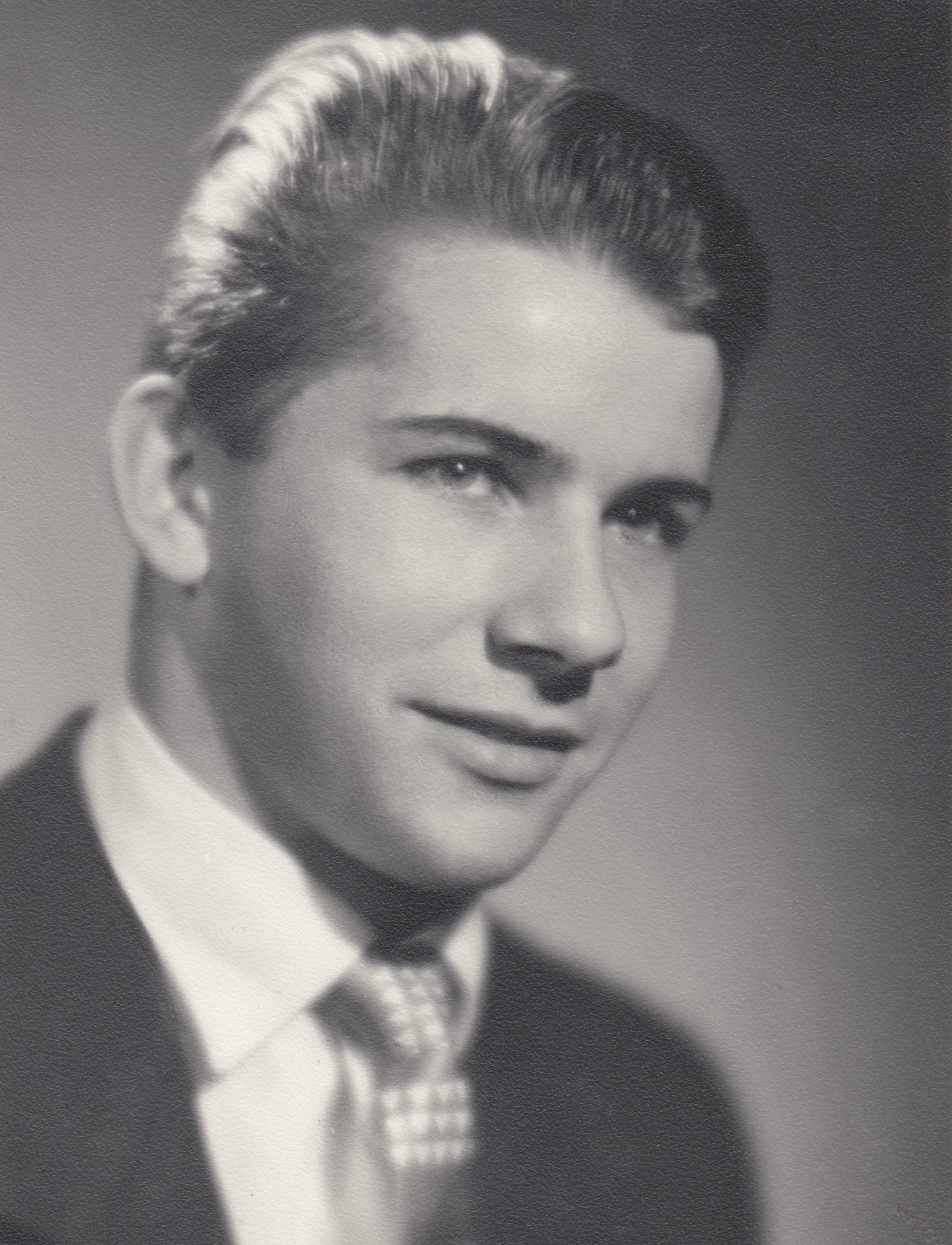
Miloslav Chráska as a graduate of the Electrical Engineering School, 1960
photo: Archive of the witness

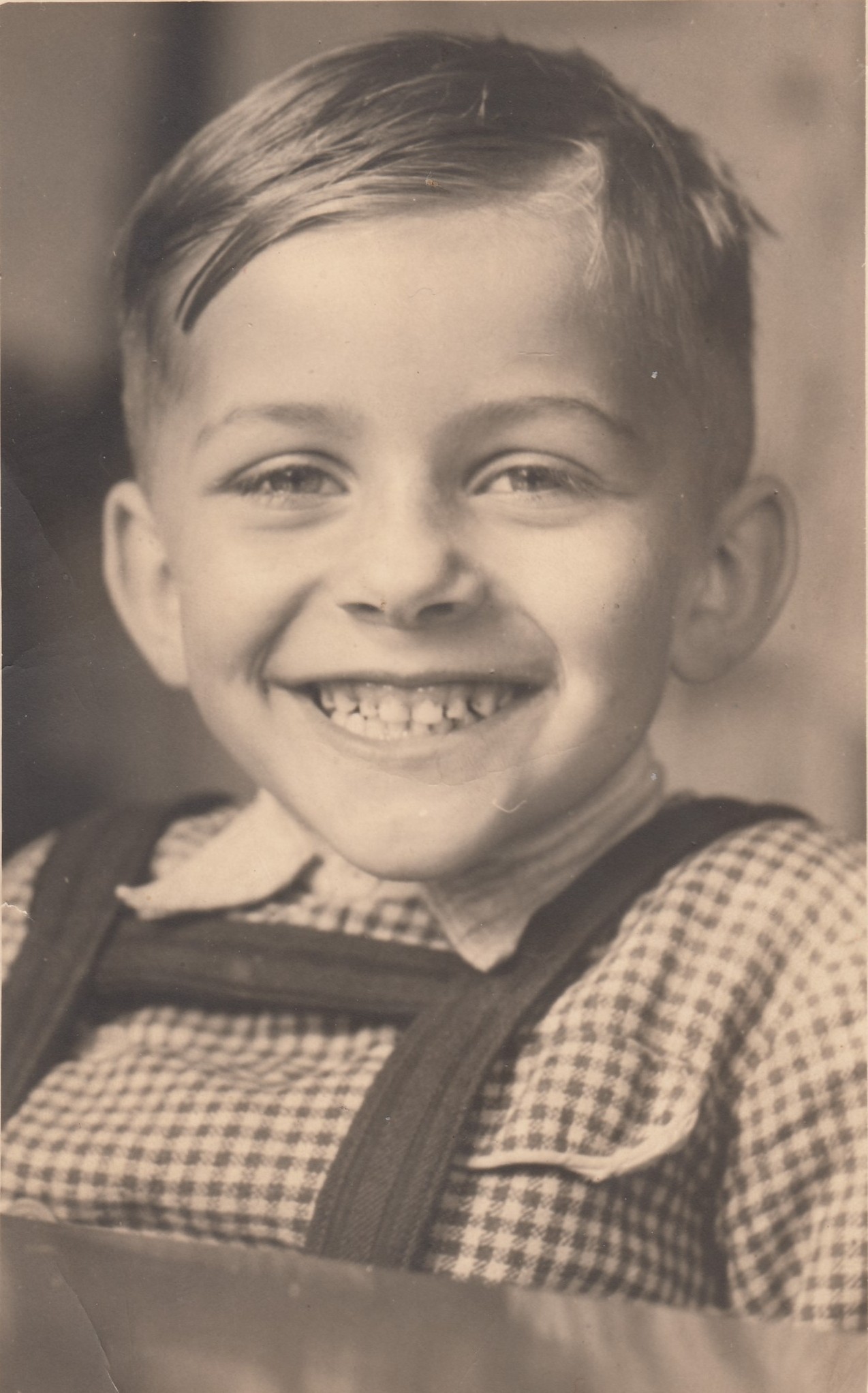
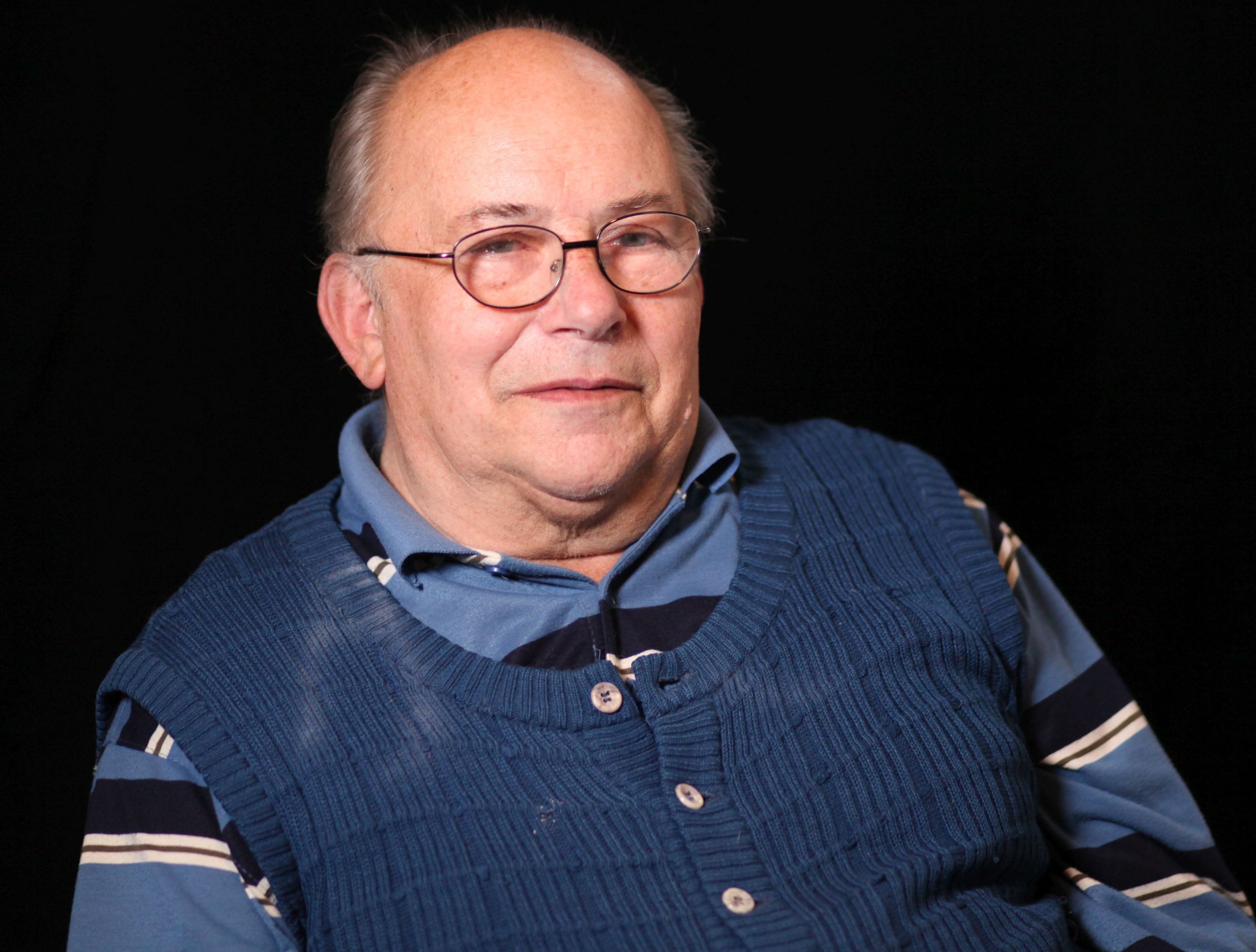
Miloslav Chráska was born on August 1, 1941 in Pilsen, he lived with his family in Hrádek near Rokycany. In 1945 he became friends with the American soldiers stationed at home. As a Sokol he met Jan Masaryk in 1947. Miloslav Chráska was successfully involved in public life from childhood - he was a young fireman, sang in the choir, played handball. During his military service he also graduated from the non-commissioned officers’ school. In August 1968 he took part in the defence of the Czech Radio building in Pilsen. As a technician, he visited the east of Bohemia, where he was deeply impressed by the damage caused by the passage of the occupying army. A year later he unwittingly became involved in the crime of distributing an anti-regime leaflet, for which he was given a suspended sentence. What followed was a series of sanctions in work and public life - reassignment to a worker’s position, reduction in pay, demotion to private, travel ban, etc. He bore the brunt of the ban on activity in all interest organisations. During the 1980s his situation improved, he was able to work in a gardening organisation and got a better job. He is listed in the Czech Guinness Book as the collector of the largest number of lyrics about roses. In 2024, the witness lived in Mirošov.