"There were people who spent their whole lives at one table, at one drawing board, which is completely incomprehensible from today's point of view. But for me, that life became more varied. I got involved in the revival process in the '80s, or as they called it then, the 'counter-revolution'. My head of construction, such a sensible man, knew that I was somewhat capable in that direction, so he said, 'Write some kind of resolution, get some signatures and take it to the radio.' But then came the vetting, and, interestingly, today it's not really known... Like, it's known that people were fired from the Communist Party, but in Škoda, the vetting was for all officials, including non-party members. All officials had to go through background checks, and I, as a young non-party member - but I already had two children - did not go through those background checks. That's when I realised that most people are more adaptable than one would expect. They all had strong words, and after the vetting... There were questions about whether we agreed with the entry [of Warsaw Pact troops] and so on. And if one didn't answer a little bit correctly, then the sharper [questions] came. I was in an operation where there were four hundred people, and they fired two of us."
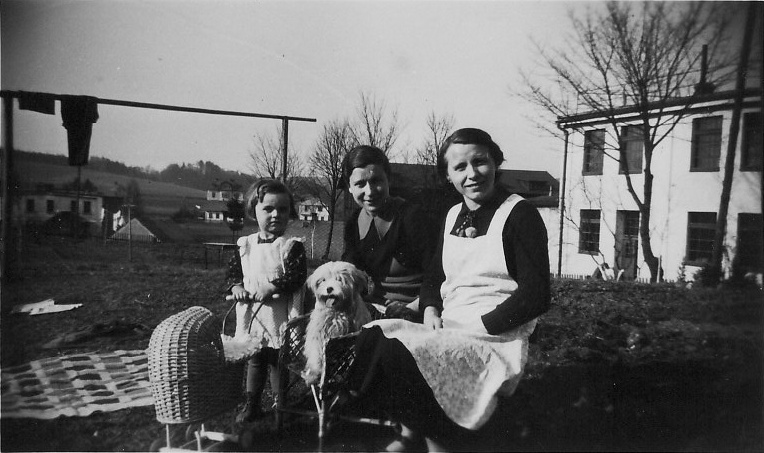
"My mother lived in Pilsen with her parents and us, [my brother and I] and my four years older brother. She also went to the interrogations. My father was interrogated by the Gestapo officer Pittermann, and my mother as well. Many times she came into conflict [with him] when he promised her something. She told him that she thought the German officer kept his word. And he said that if she said anything else like that, her children would be taken away from her and given to Germany for re-education. Well, I guess she had a rather difficult situation with us too... Mr. Valenta from the neighbourhood, a falconer and scout, offered to help her when he learned that our father was locked up. But she refused it, saying that they shouldn't get into trouble themselves. I will also tell you one more interesting thing. When she was on the train, she got into a conversation with a lady and confided that her husband was in prison. The lady told her they had a photo studio. That she should come there, that he would take pictures for her so that she could eventually send her husband pictures of the children. So she went there. We still have the pictures to this day. When she took them, she didn't want her to pay anything for it. So even during the war, there were a lot of people who behaved decently besides the resistance fighters."
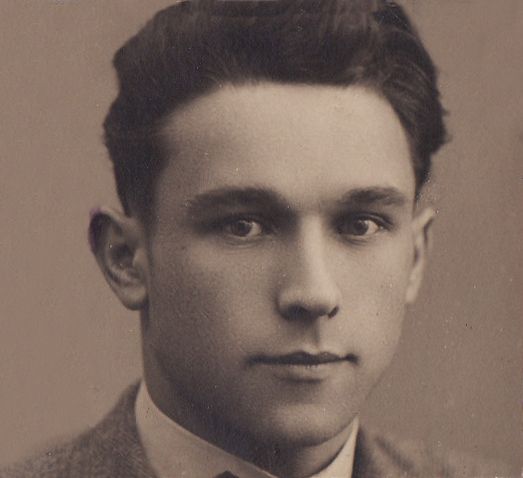
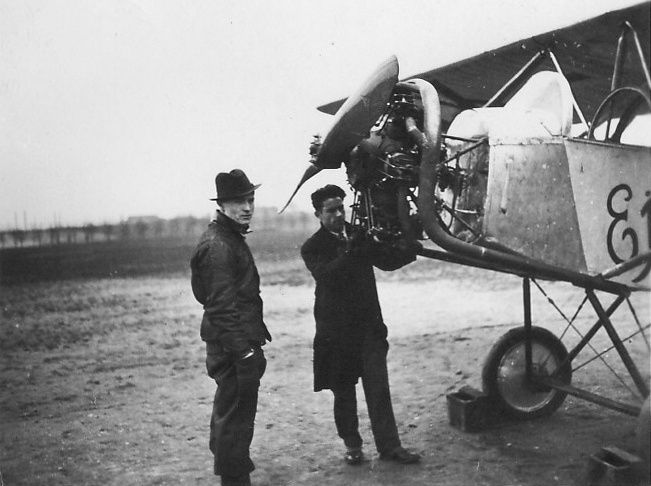
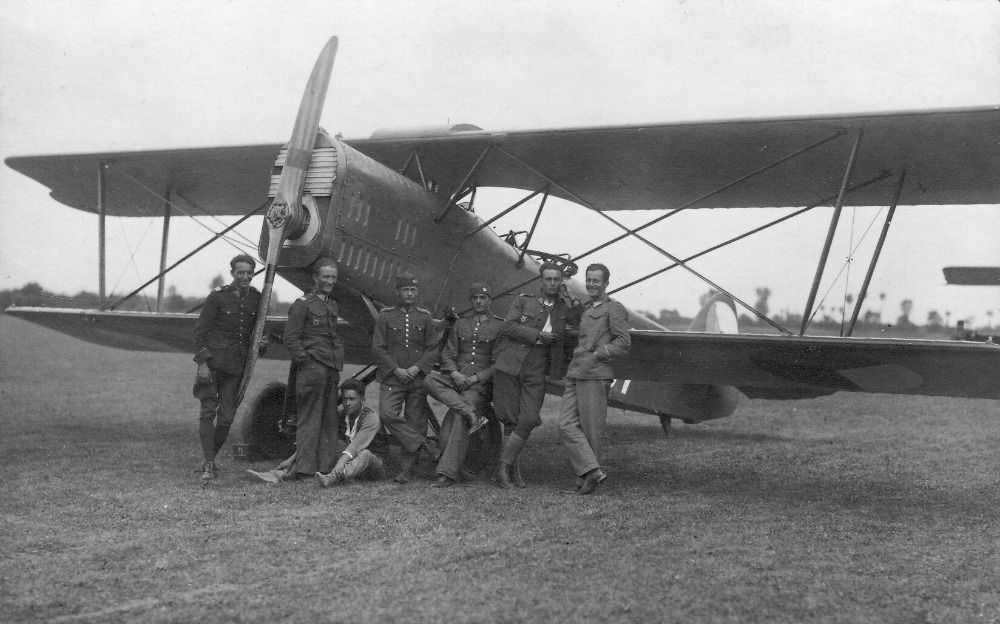
"Now I would probably like to touch on the story of my father's life, who was trained as an artistic locksmith and blacksmith at the Jaroš and Michálek company. Later, he got onto the runway. He had a fondness for the Aero Club; he devoted all his time to it. And he said that a senior official - I don't know if it was a general or the head of the Aero Club - helped him to a place on the runway. It was a well-paying job at that time, so he said, 'Only then could I get married.' That was in 1936, when he was an engineer. He was an engine driver even during the war. He was assigned to Schönbach, today it's Luby near Cheb, and there he experienced Munich; he almost lost his life there, when the ordnance officers were already doing their own thing. Later, he was in the resistance. He was arrested and sentenced to death. And a week before his execution, the prison in Dresden was bombed, and he managed to escape. He survived the rest of the war with his brother in Prague."
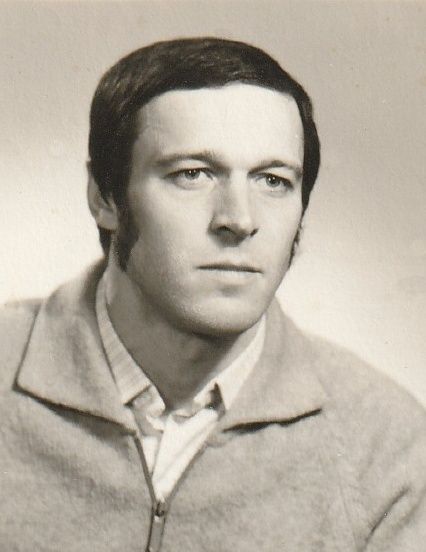
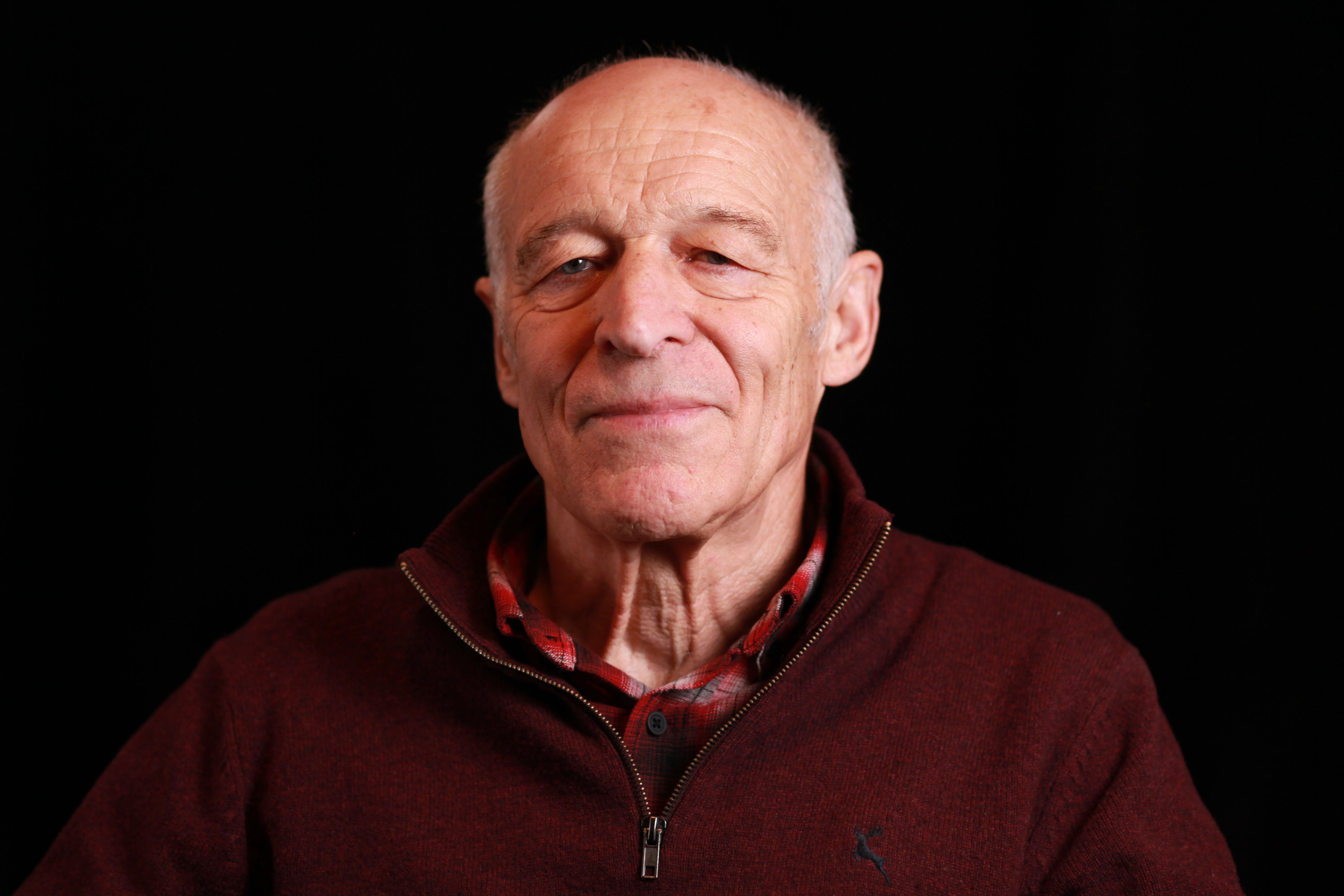
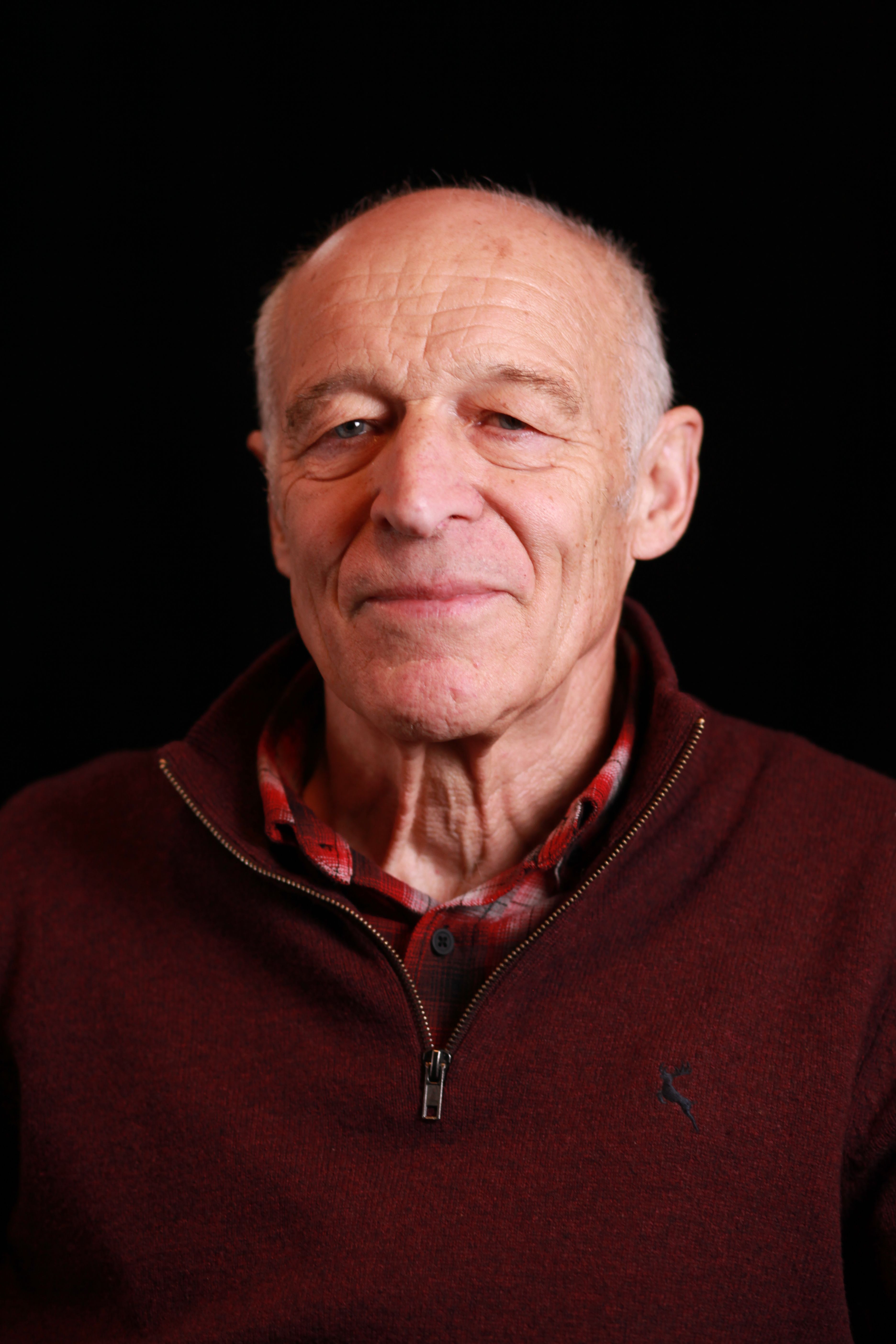
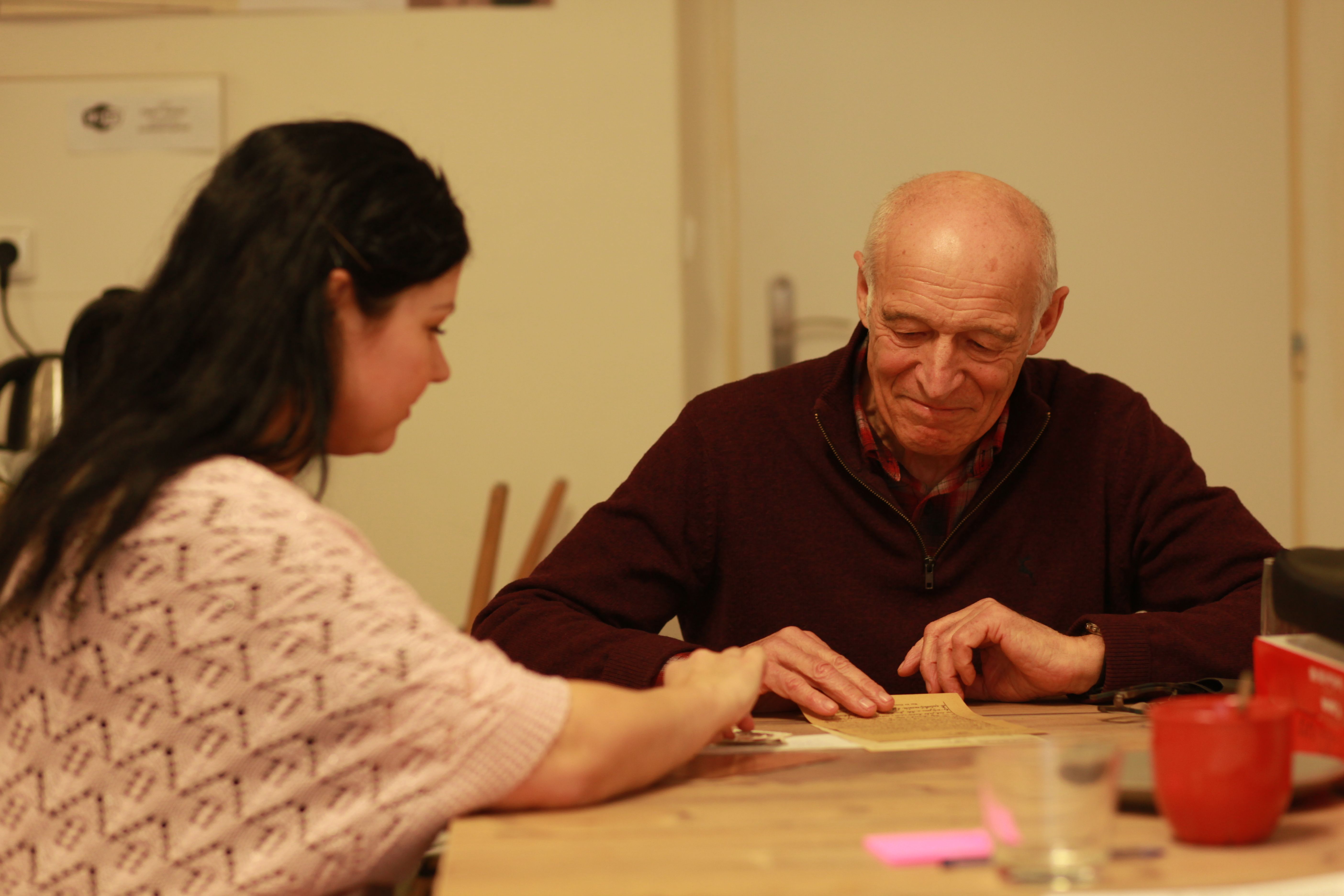
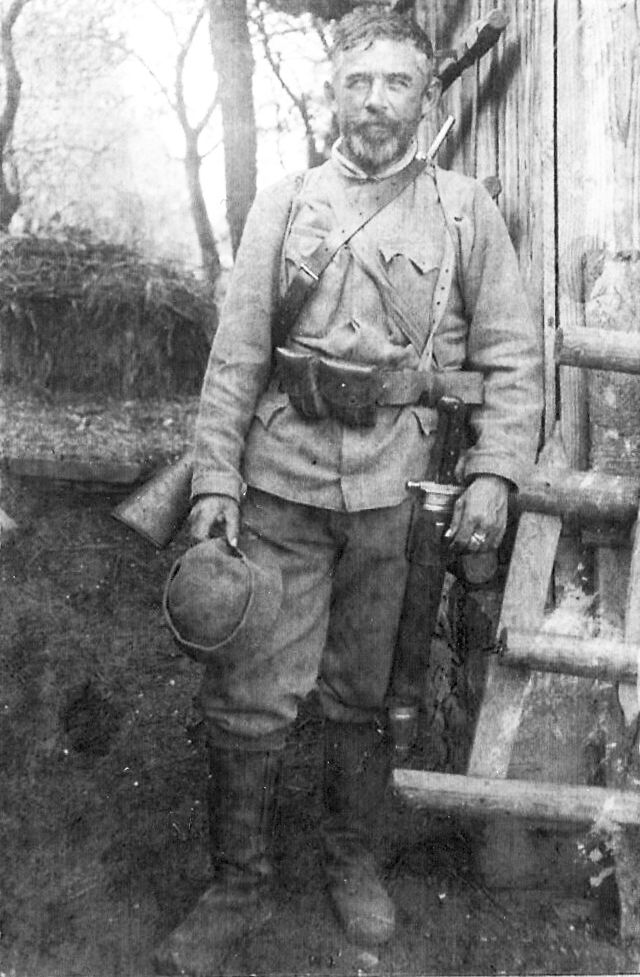
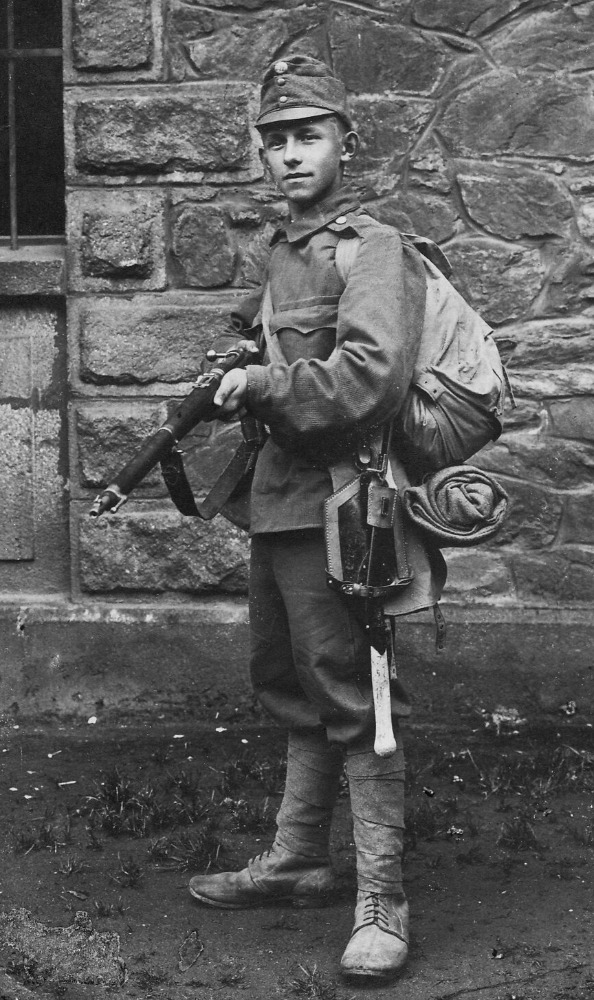
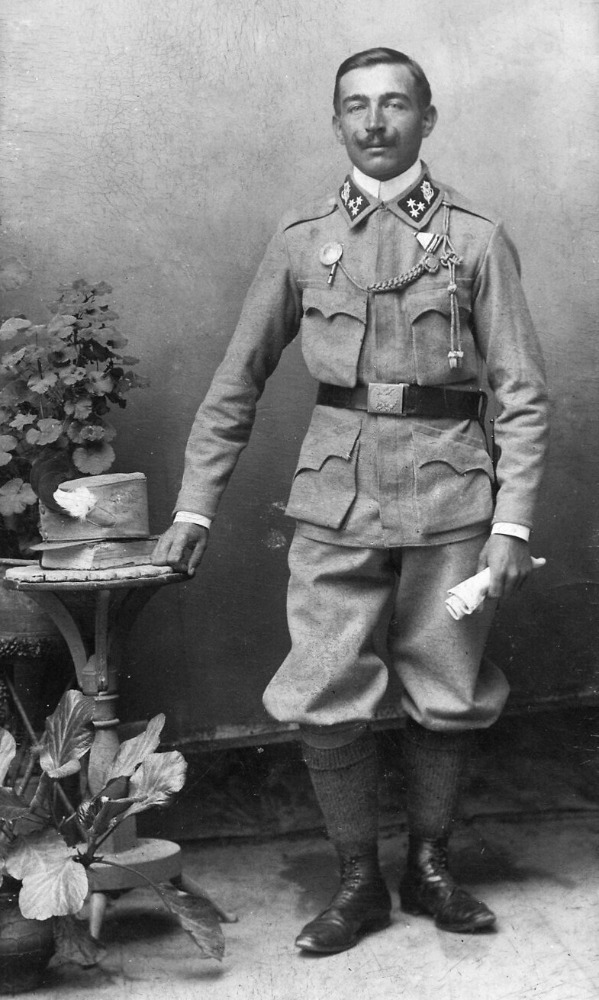
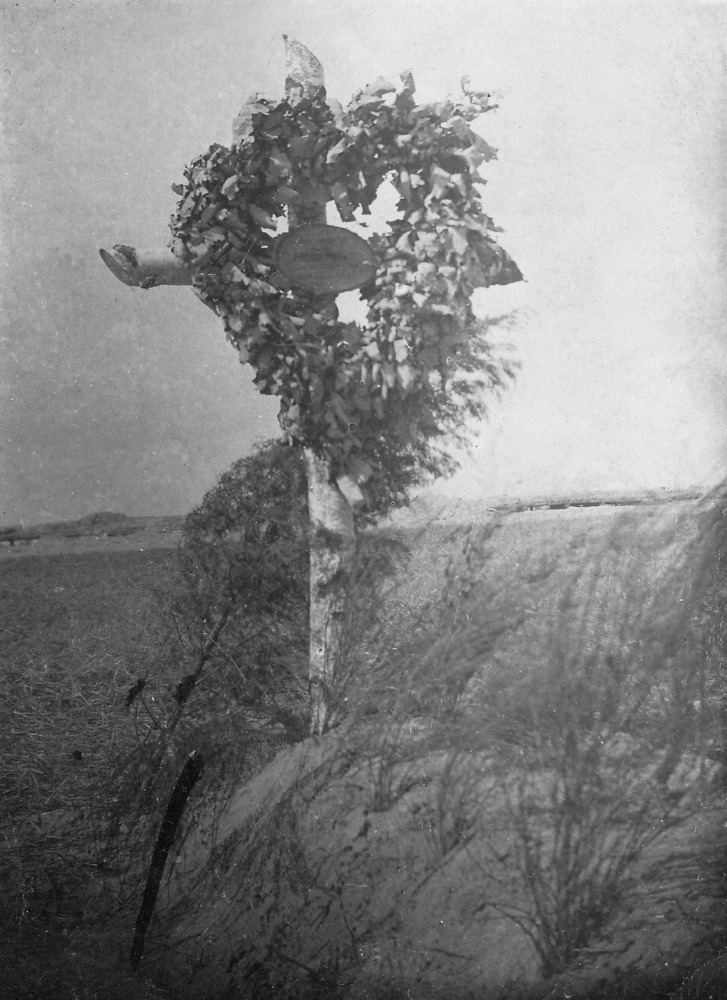
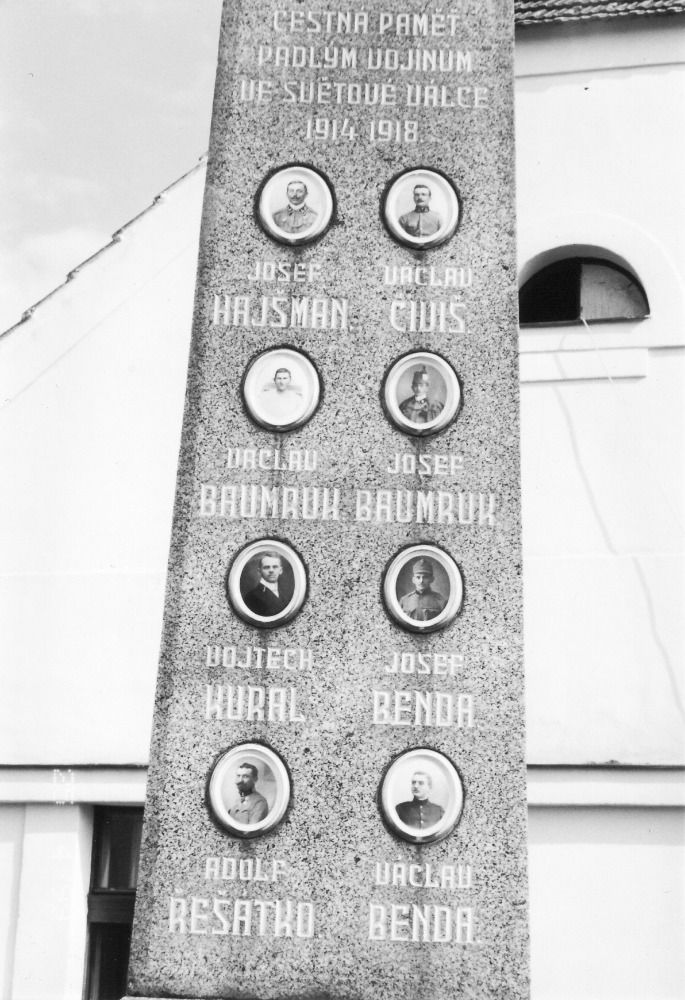
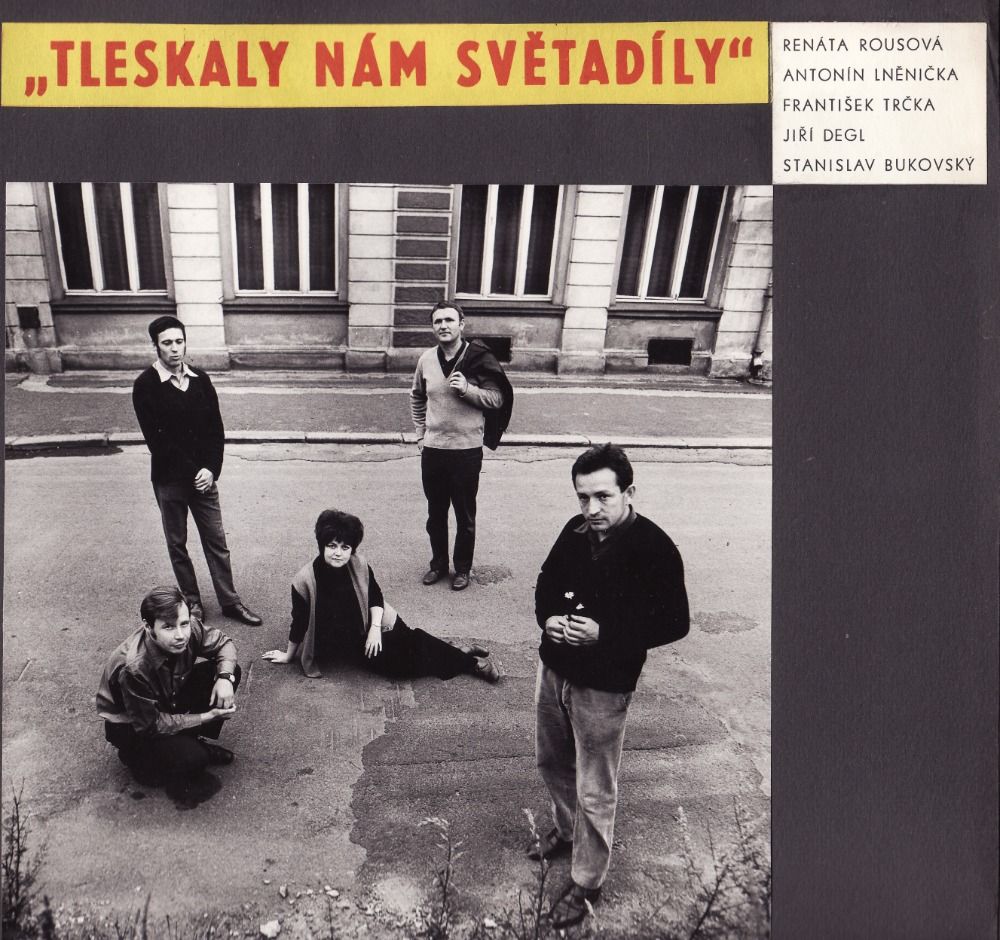
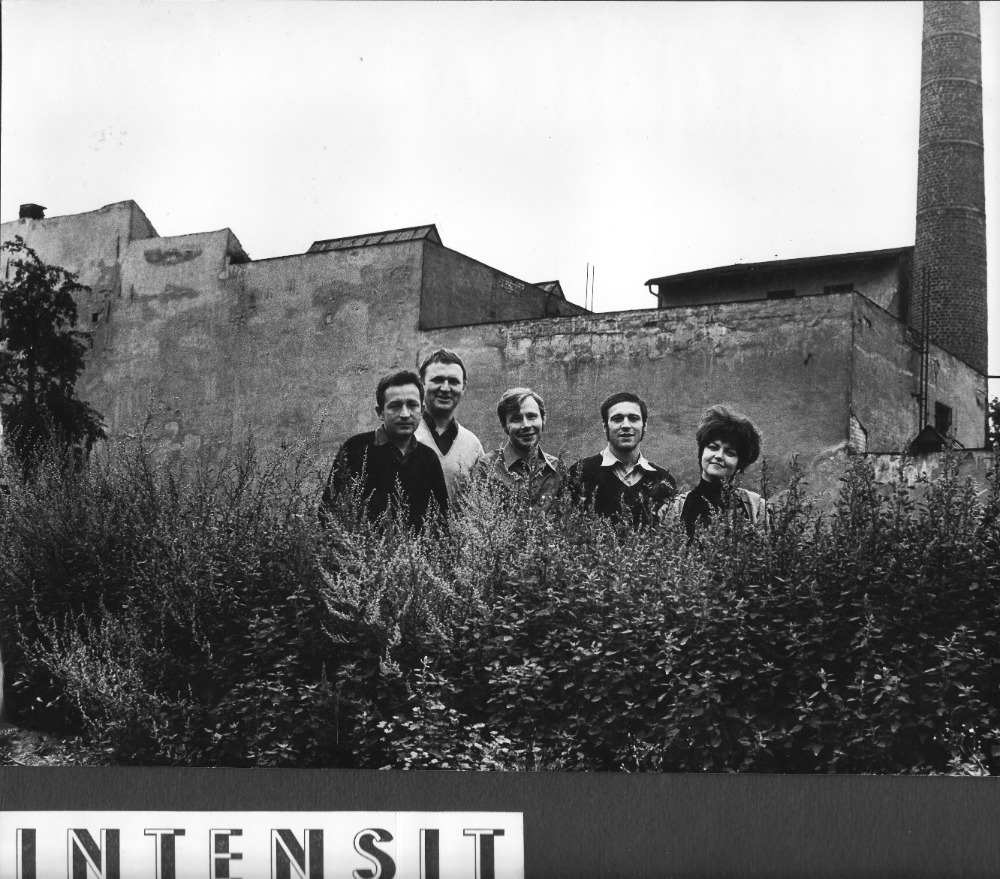
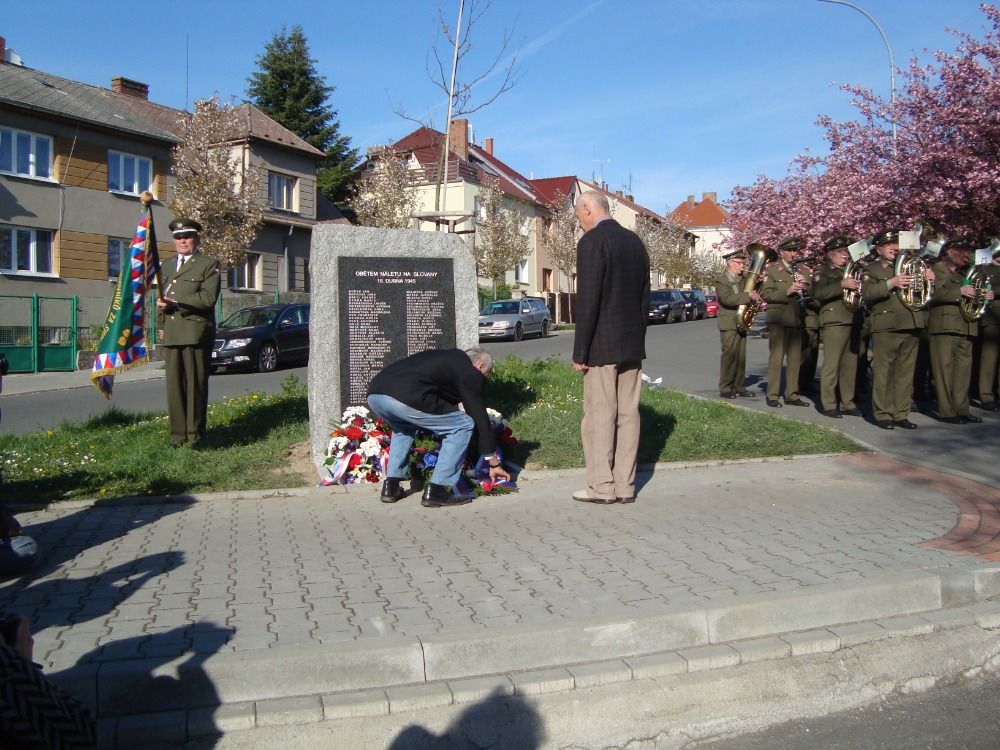
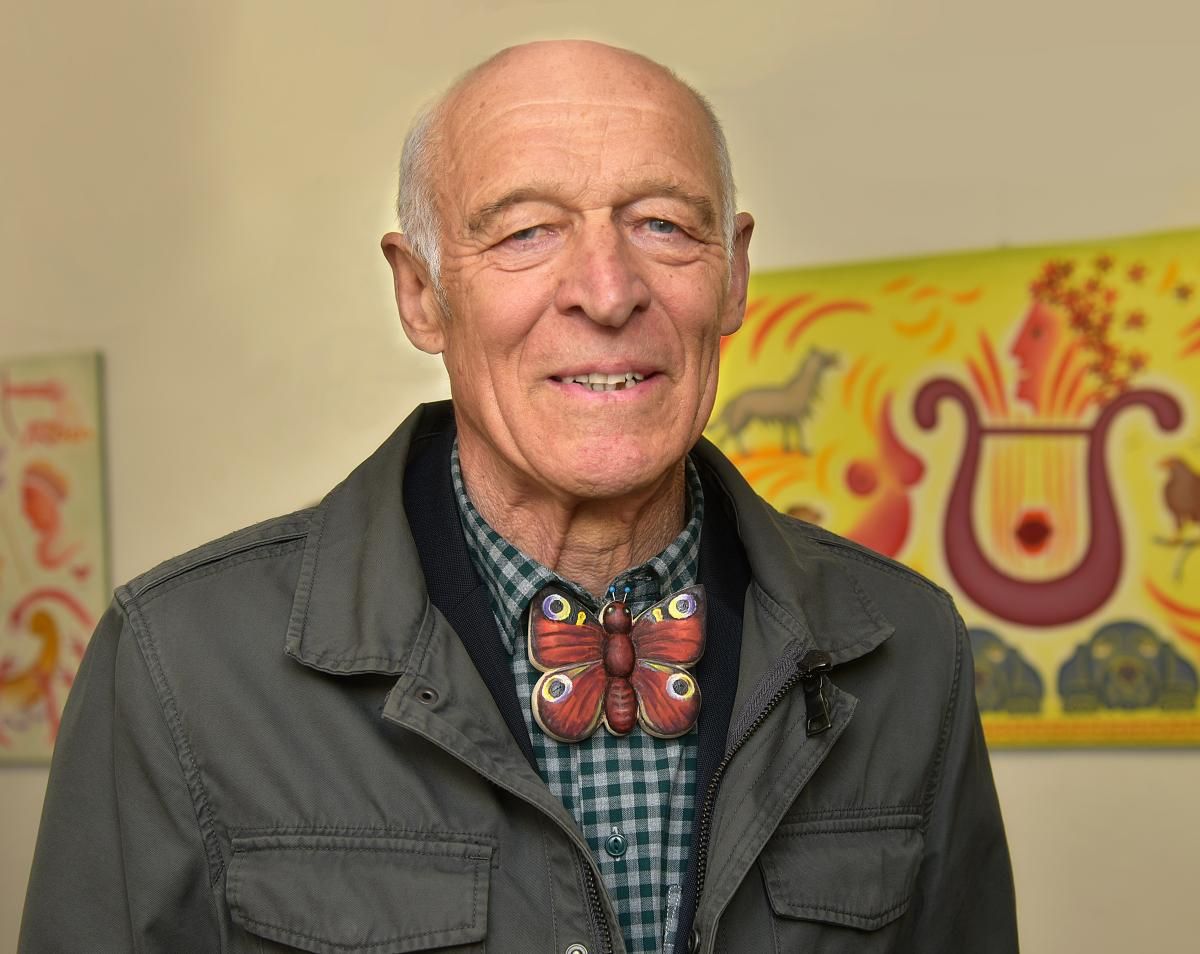
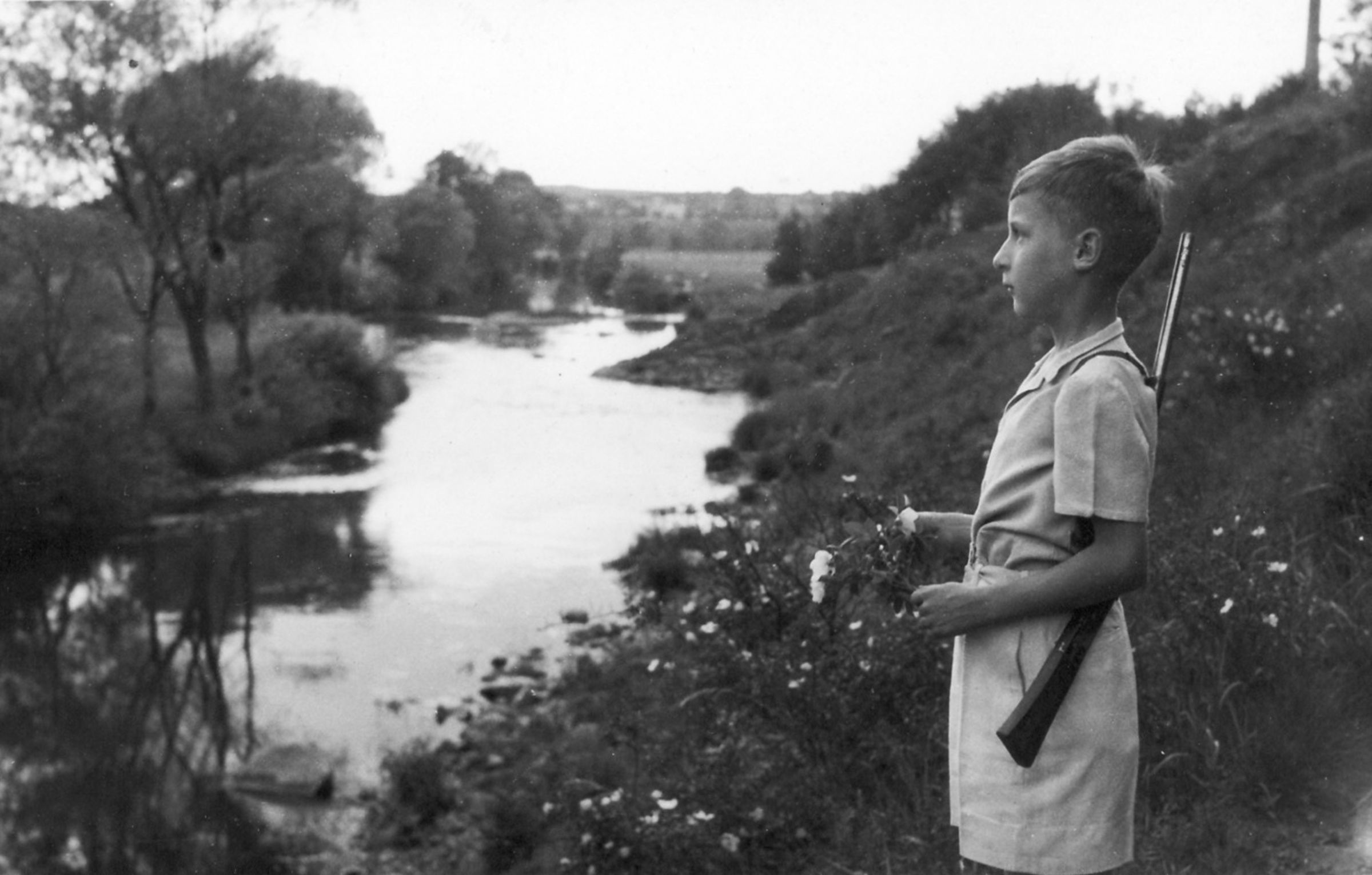
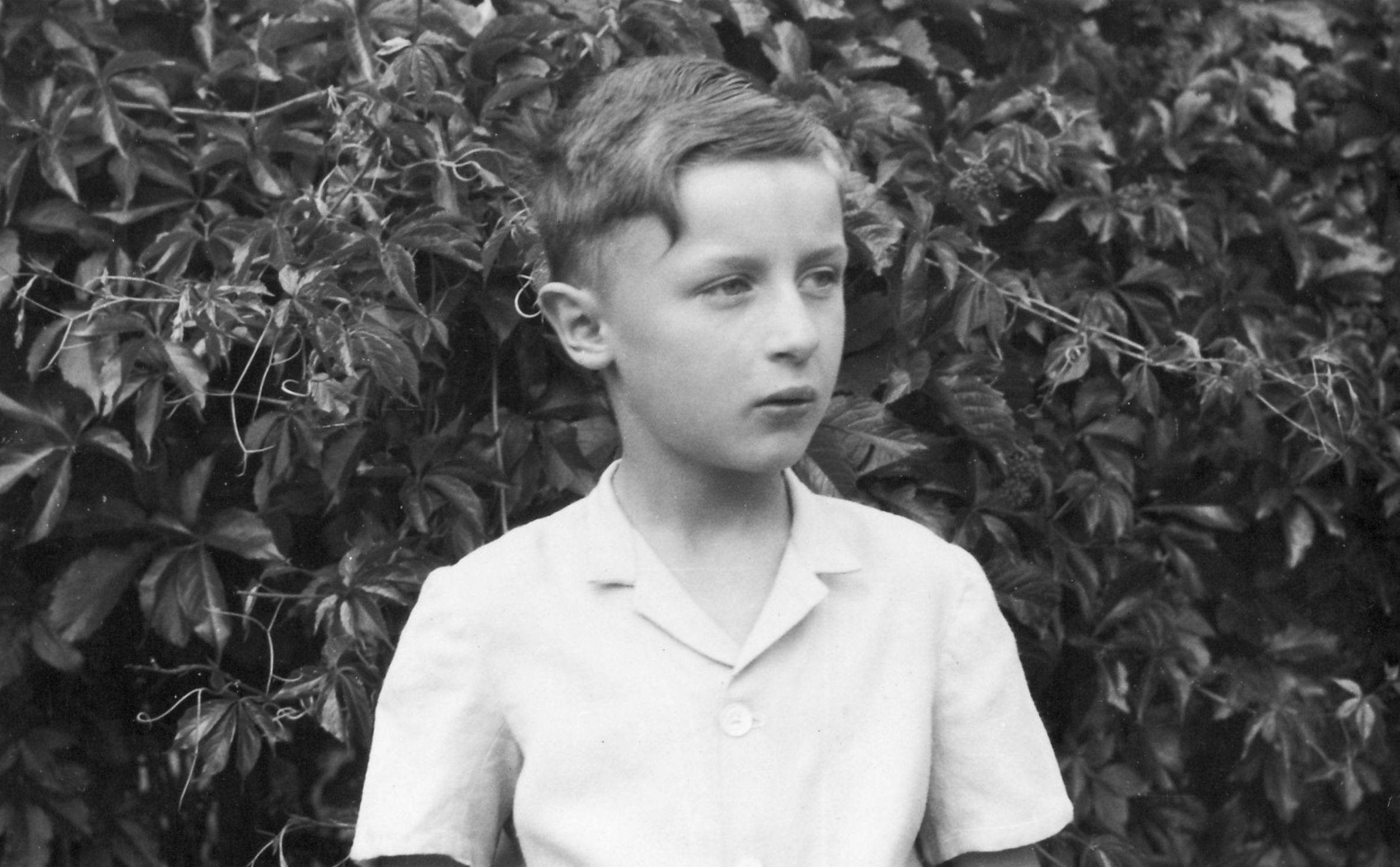
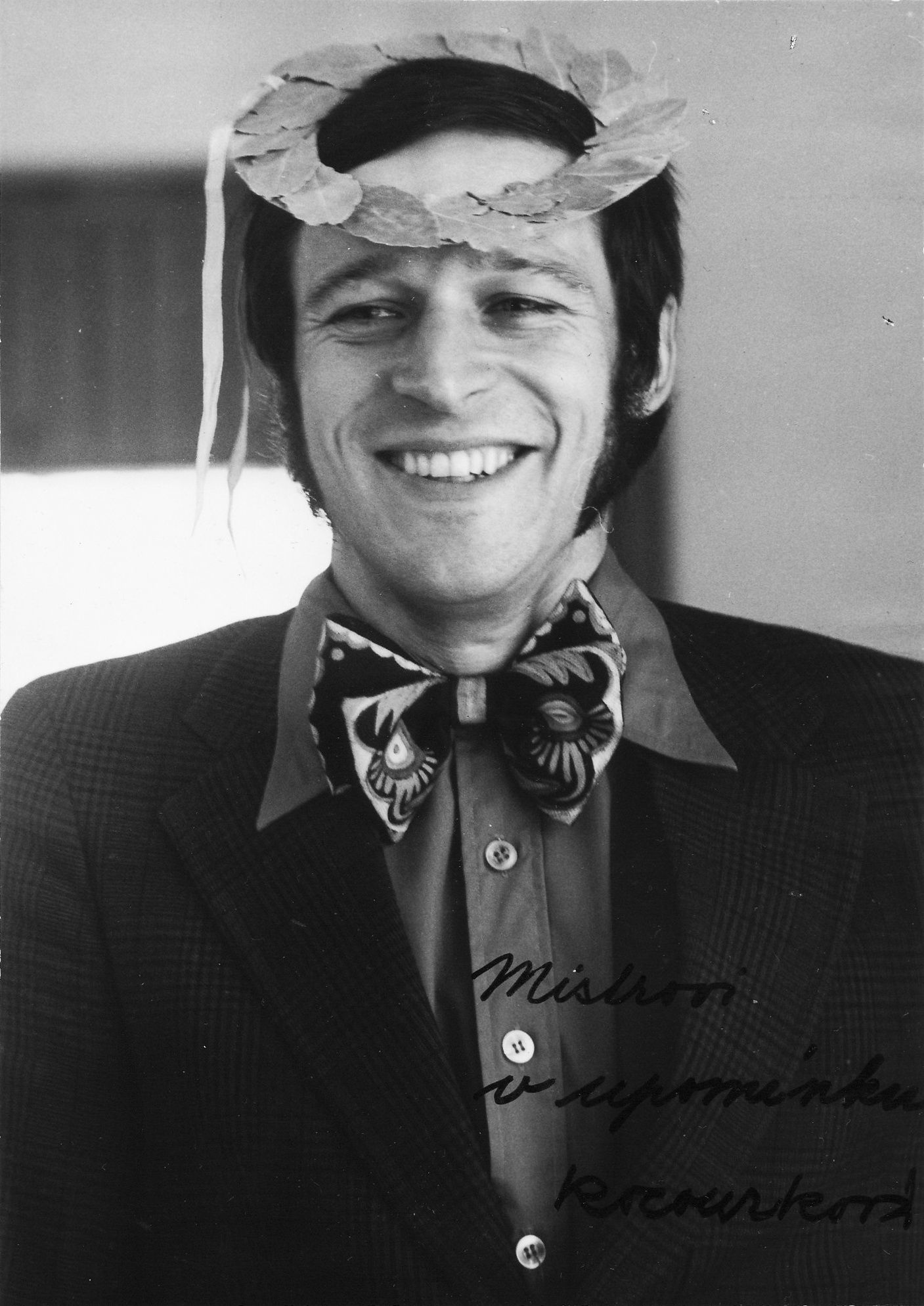
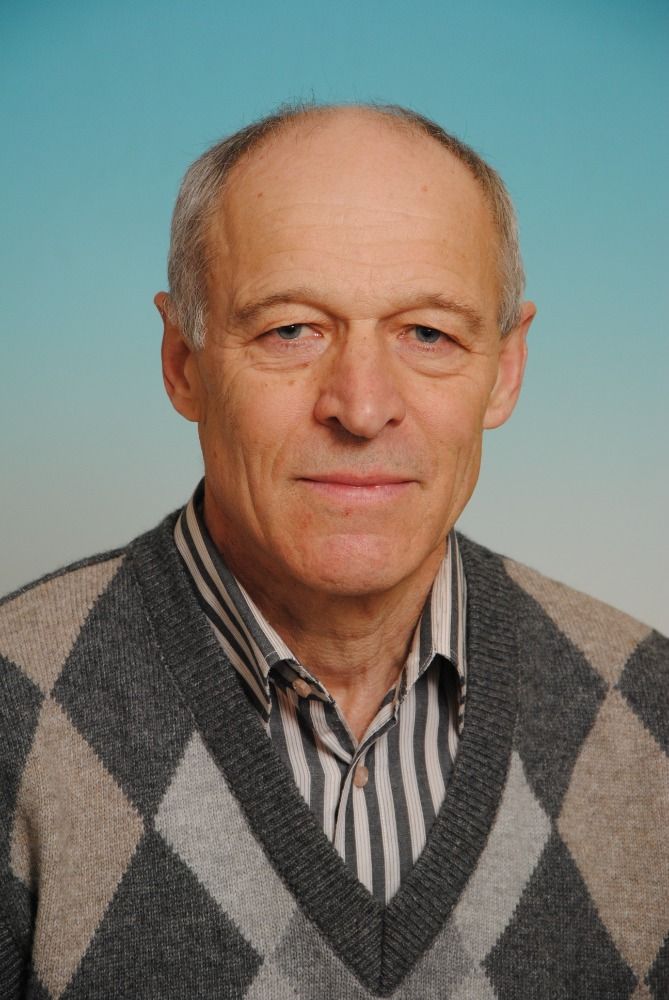
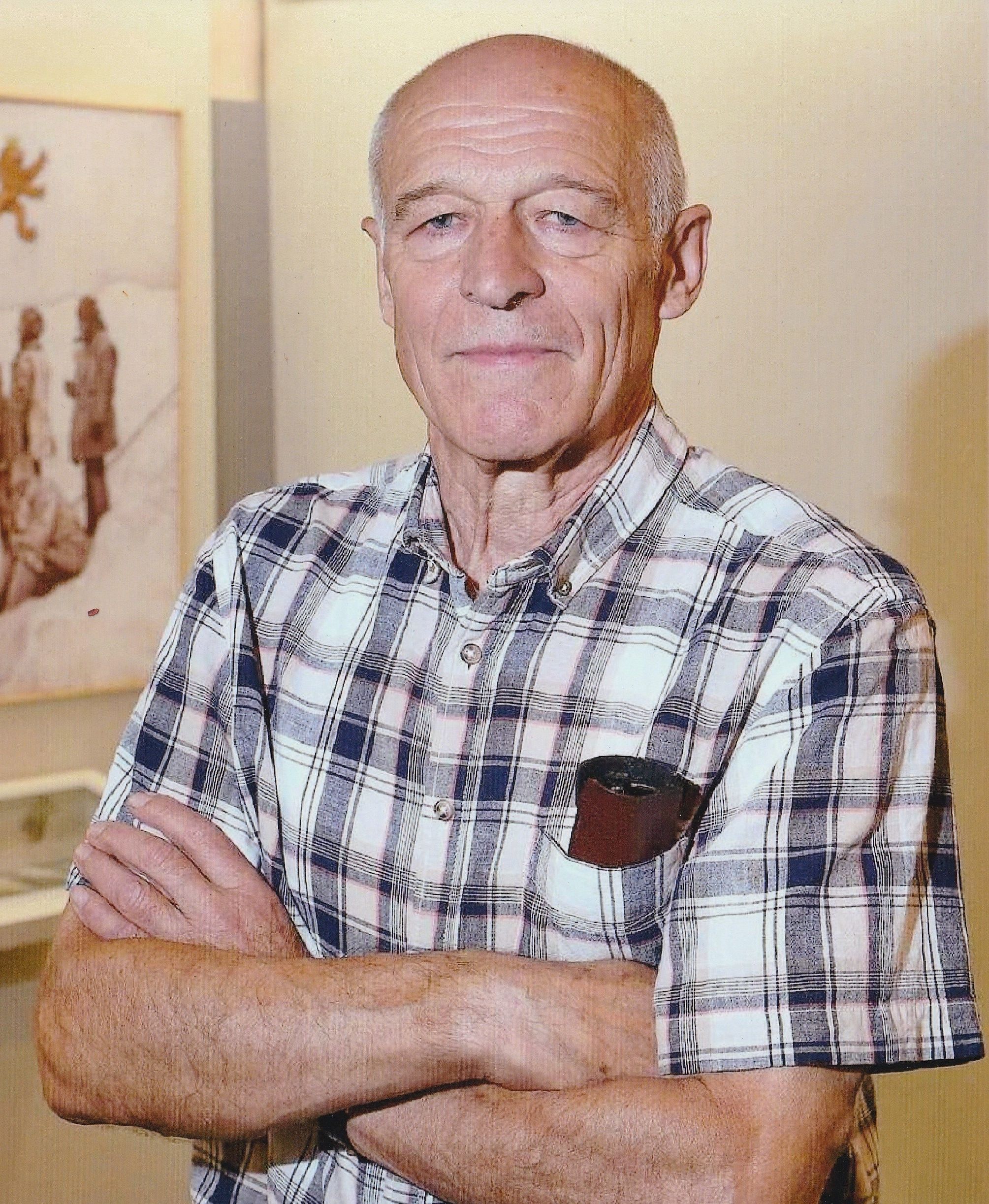
Stanislav Bukovský was born on 13 April 1944 in Pilsen to Marie Bukovská, née Hajšmanová, and Josef Bukovský. His grandfather, Josef Hajšman, was killed during the First World War in 1915, on the Eastern Front near Lublin. The mother worked as a teacher, then as a governess in a kindergarten. The father was employed as a machinist. In December 1944, he was sentenced to death for resistance activities, but managed to escape from his cell during the bombing of Dresden in February 1944. On 18 April 1945, as a one-year-old boy, Stanislav Bukovský experienced the devastating air raid on Slovany. He graduated from the Secondary School of Mechanical Engineering and then began working at Škoda as a designer. In 1965, he married Jarmila Lepíčková, and they raised two sons together. In 1967, together with Antonín Lněnička and František Trčka, he founded the art group Intensit. He was fired from Škoda after the 1970 audits. Then, thanks to the recommendation of friends, he worked as a methodologist for the visual arts at the Regional Cultural Centre. From 1973, he worked as an exhibition technician at the Pilsen Exhibition Centre, and from 1977 as a ceramist for Heritage Care at the Ceramic Centre in Černice. After 1989, he worked for several years as director of the Esprit Cultural Centre. In 1991, he co-founded the Society for Old Pilsen, dedicated to the protection of monuments. He received a plaque from the Ministry of Defence of the Czech Republic for the care of war graves. Stanislav Bukovský, an artist, prose writer, publicist and historian, is an important personality of Pilsen. He has contributed to the creation or restoration of a number of memorials in Pilsen and its surroundings. At the time of filming, in 2024, he lived with his wife in Plzeň na Slovanech.
This story was made possible thanks to financial support from Vodárna Plzeň, a.s.
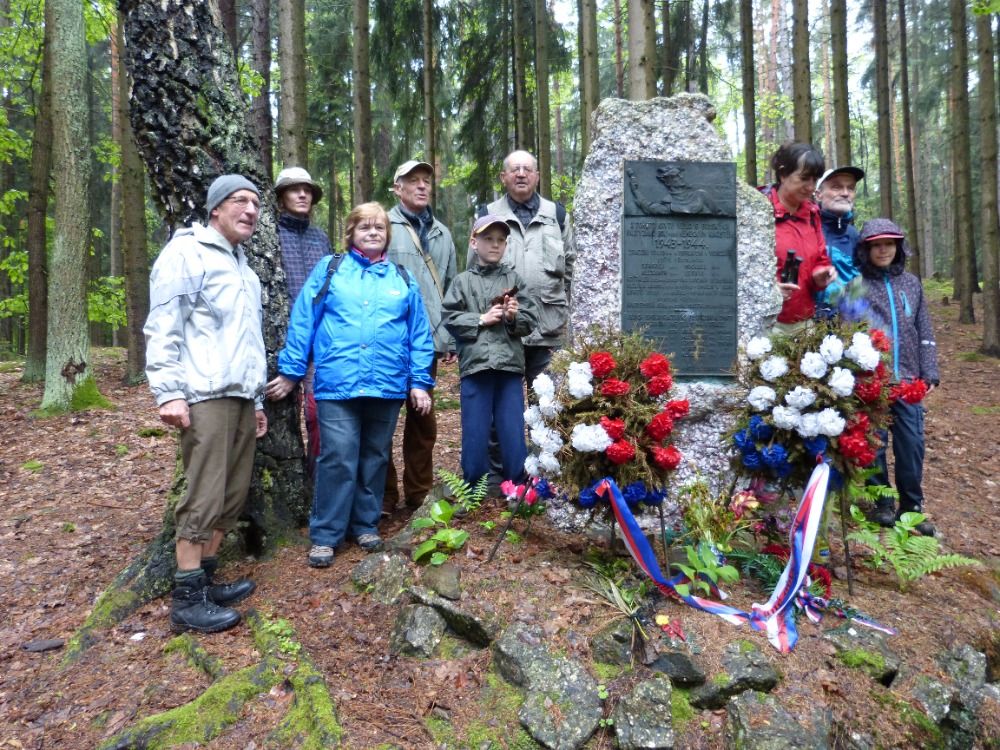
Monument in Nebílovy erected in memory of the fallen soldiers in the First World War, on which the name of the maternal grandfather, Josef Hajšman, who fell in 1915 on the Eastern Front near Lublin, is mentioned first
Monument in Nebílovy erected in memory of the fallen soldiers in the First World War, on which the name of the maternal grandfather, Josef Hajšman, who fell in 1915 on the Eastern Front near Lublin, is mentioned first
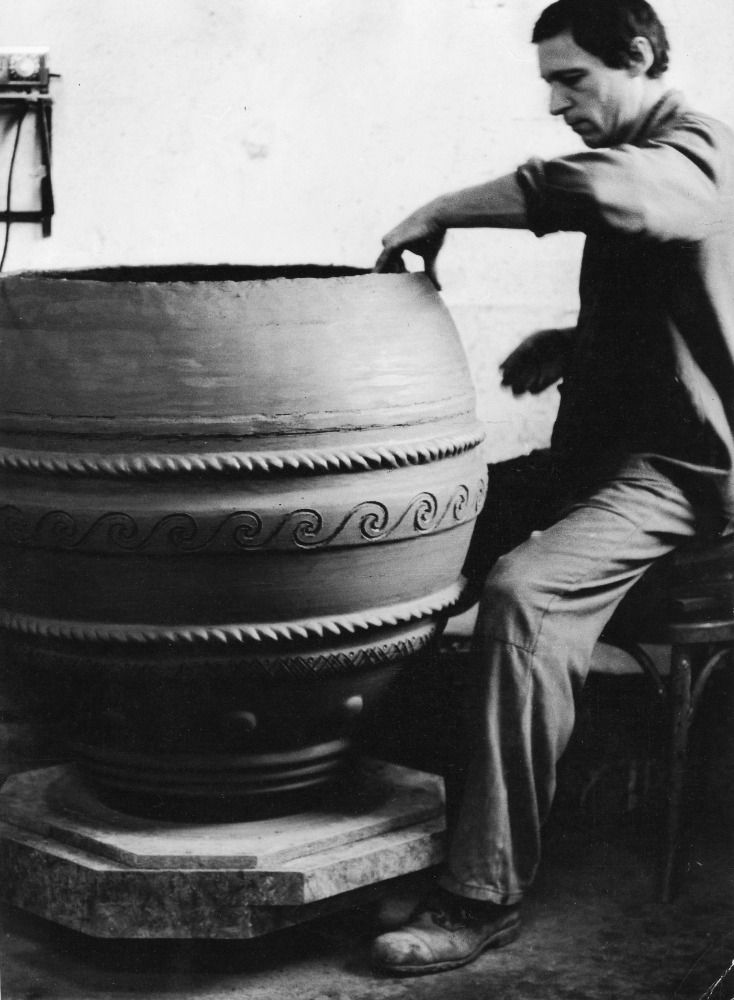
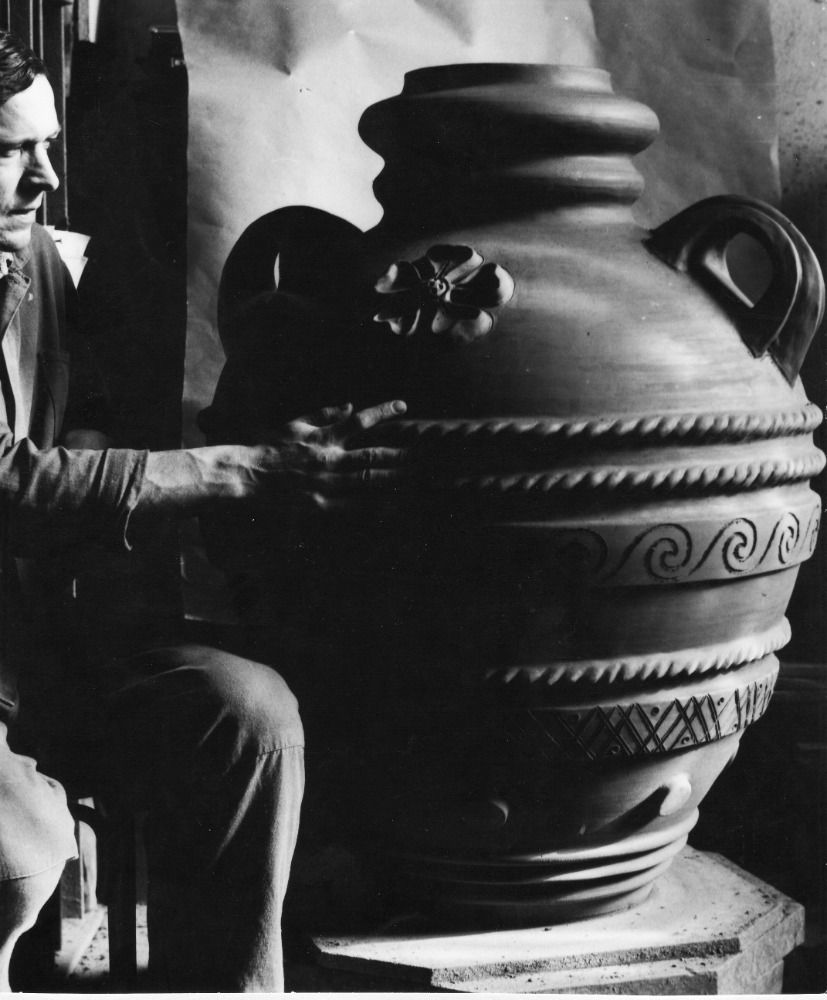
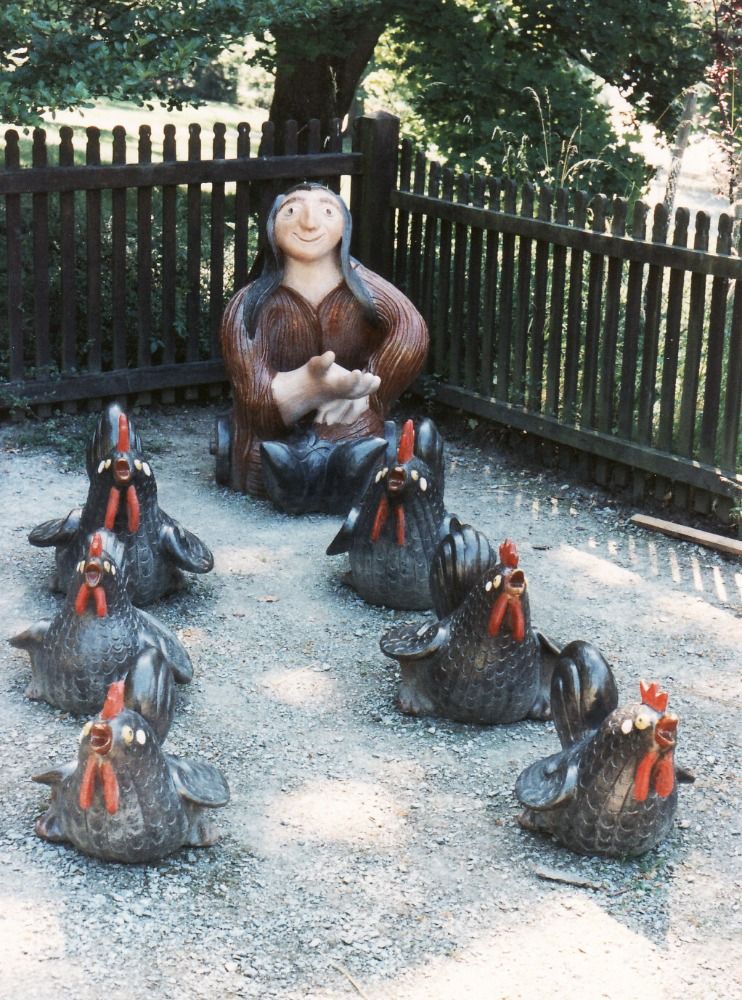
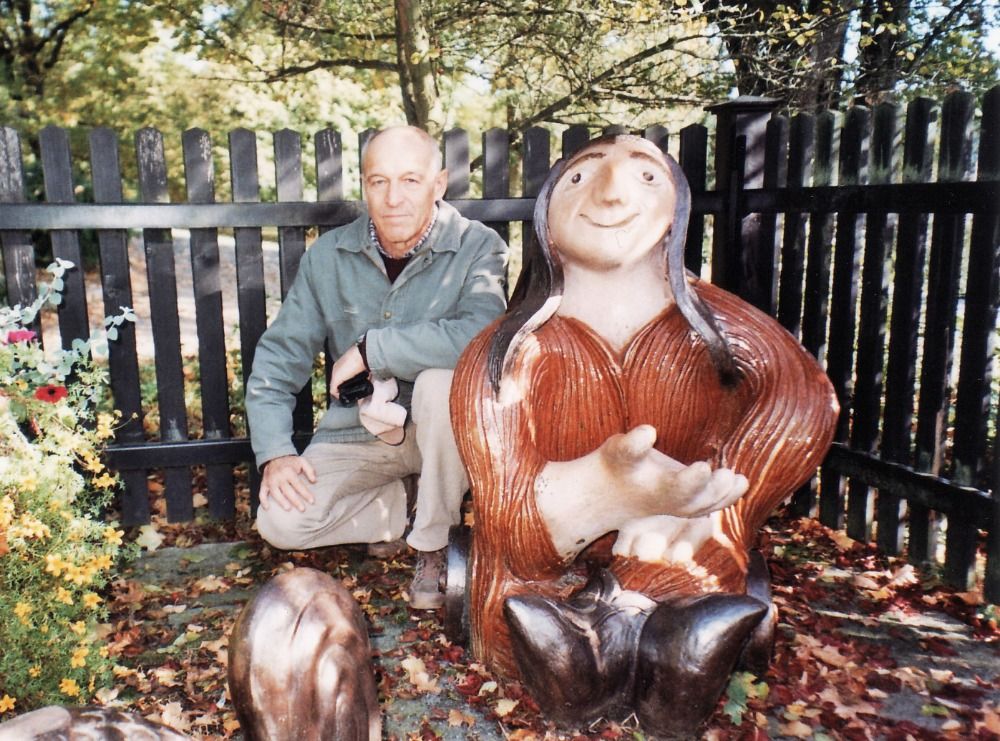
Stanislav Bukovský, together with Antonín Lněnička, produced ceramic artefacts in the Ceramic Centre in Plzeň-Cernice in 1977-1990, mainly for the State Conservation Centres, now the Conservation Institutes, for the exteriors and interiors of state castles and chateaux.
Stanislav Bukovský, together with Antonín Lněnička, produced ceramic artefacts in the Ceramic Centre in Plzeň-Cernice in 1977-1990, mainly for the State Conservation Centres, now the Conservation Institutes, for the exteriors and interiors of state castles and chateaux.
Stanislav Bukovský, together with Antonín Lněnička, produced ceramic artefacts in the Ceramic Centre in Plzeň-Cernice in 1977-1990, mainly for the State Conservation Centres, now the Conservation Institutes, for the exteriors and interiors of state castles and chateaux.
Stanislav Bukovský, together with Antonín Lněnička, produced ceramic artefacts in the Ceramic Centre in Plzeň-Cernice in 1977-1990, mainly for the State Conservation Centres, now the Conservation Institutes, for the exteriors and interiors of state castles and chateaux.
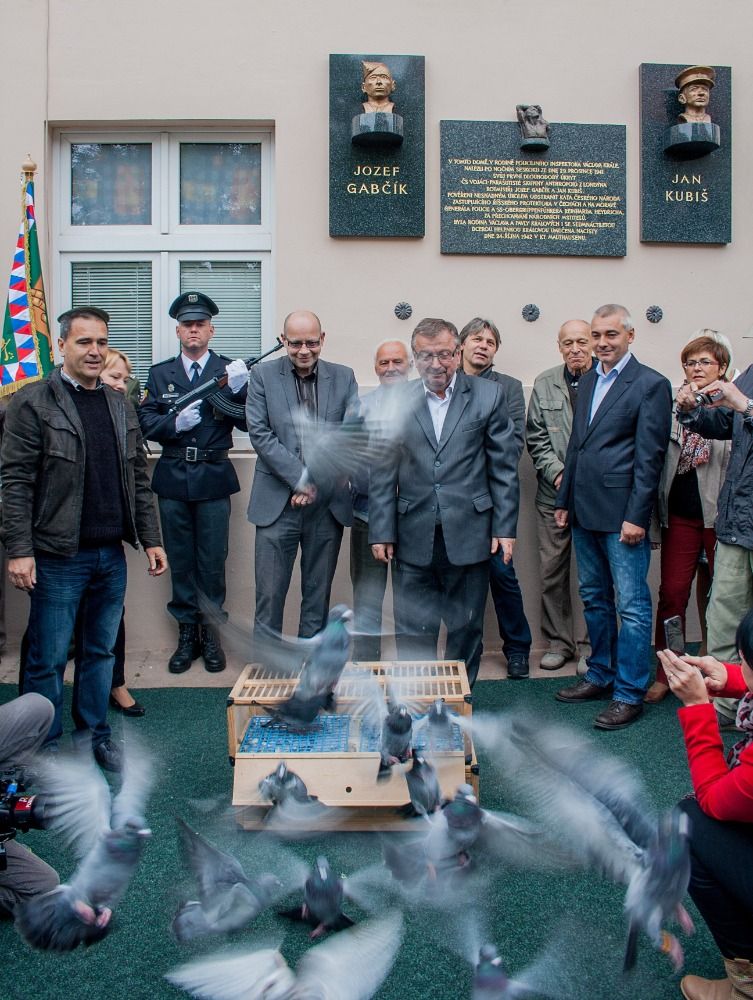
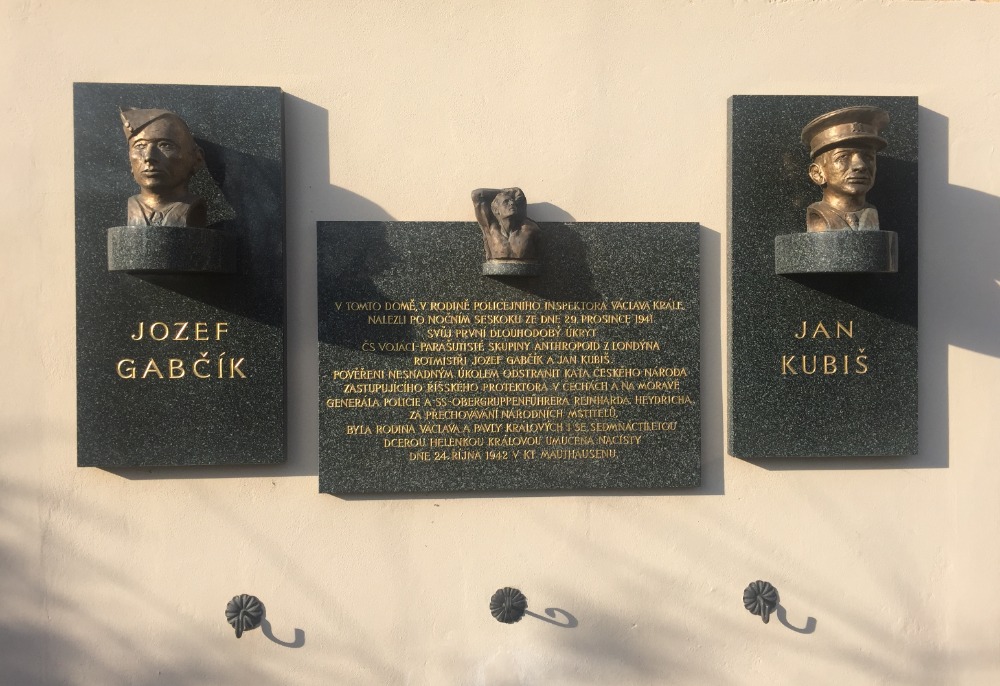
Stanislav Bukovský, son Aleš Bukovský and others at the unveiling of the completed Memorial to the Král family in Pilsen, Pod Záhorskem 1, the memorial plaque from 1999 was supplemented by busts of Jozef Gabčík and Jan Kubiš made by Stanislav Bukovský
Stanislav Bukovský, son Aleš Bukovský and others at the unveiling of the completed Memorial to the Král family in Pilsen, Pod Záhorskem 1, the memorial plaque from 1999 was supplemented by busts of Jozef Gabčík and Jan Kubiš made by Stanislav Bukovský
Unveiling of the completed Memorial to the Král Family in Pilsen, Pod Záhorskem 1, the memorial plaque from 1999 was supplemented by busts of Jozef Gabčík and Jan Kubiš made by Stanislav Bukovský
Unveiling of the completed Memorial to the Král Family in Pilsen, Pod Záhorskem 1, the memorial plaque from 1999 was supplemented by busts of Jozef Gabčík and Jan Kubiš made by Stanislav Bukovský
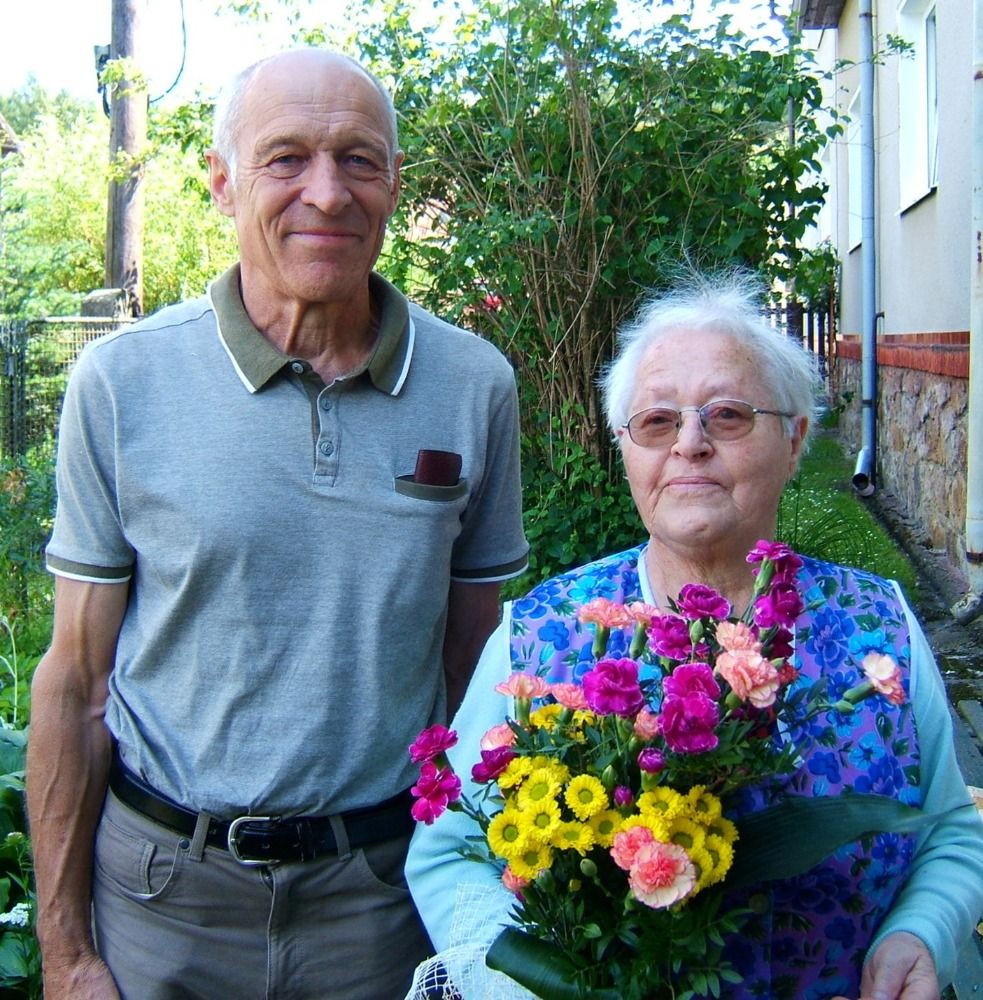
Stanislav Bukovský with Sonia Vlachová, a survivor of Auschwitz, at her home in Mirošov in 2014; he edited her written memories of imprisonment and published them in the book Stories from the War
Stanislav Bukovský with Sonia Vlachová, a survivor of Auschwitz, at her home in Mirošov in 2014; he edited her written memories of imprisonment and published them in the book Stories from the War
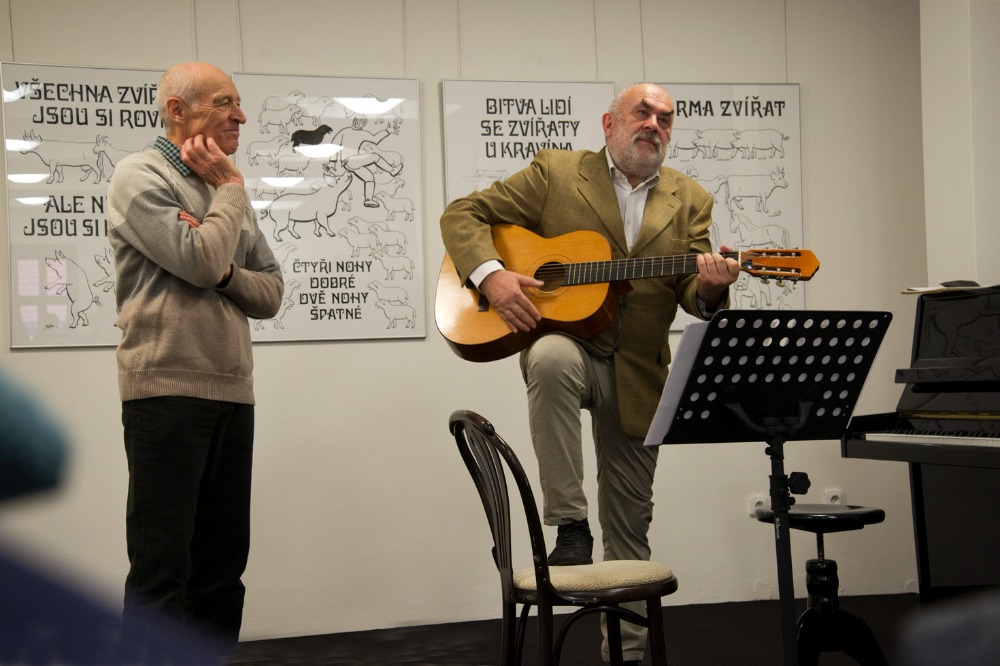
Stanislav Bukovský and Jiří Hlobil at the opening of Stanislav's exhibition entitled Inspiration by Orwell at the West Bohemian Gallery in the lecture hall at Pražská Street 13
Stanislav Bukovský and Jiří Hlobil at the opening of Stanislav's exhibition entitled Inspiration by Orwell at the West Bohemian Gallery in the lecture hall at Pražská Street 13