Petr Bruner

* 1960

  • "The border guards were close to Kolinec, after Velhartice there was basically a so-called zone where, as I used to go to work in Germany, Hartmanice, basically the Sušice - Hartmanice - Železná Ruda connection, there was a zone where you were not allowed to go. There was a barrier there and these anti-tank barriers, and thanks to that the nature there was preserved quite nicely. Now, of course, there's a whole network of cycle paths, but before you weren't allowed to go there. Because we arrived in Velhartice, for example, and we went a little further - and there was a patrol coming out of the forest: 'You mustn't go any further.' And there were barriers anyway.

  • "We were just going to this religion until the seventies or seventy-one came along - that kind of rigid normalization - and suddenly it started to be declared that we were religionists. I have attached a document of a letter that, my mother took courage and wrote to the General Secretary of the Central Committee of the Communist Party of Czechoslovakia, Comrade Husák, a letter on this subject, a decent letter, a courageous letter. Of course Husák didn't reply, some official replied to her that basically the teacher, the headmaster, who called us pan-Beatles, that we would be dragged into the assessment and that we wouldn't be able to study, for example, that it wasn't true, that this was not the way the development in our society was going, however, then it became a reality."

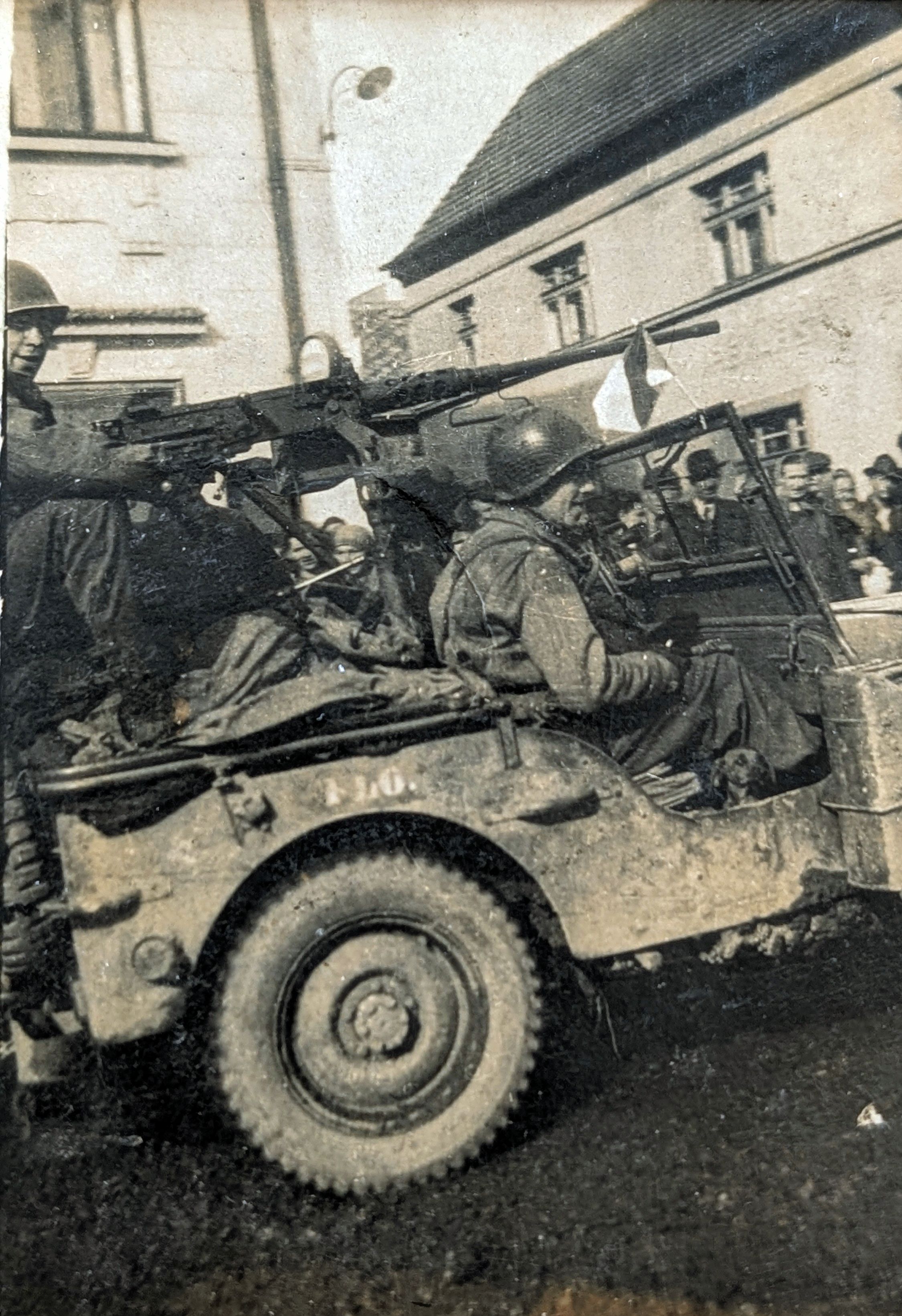
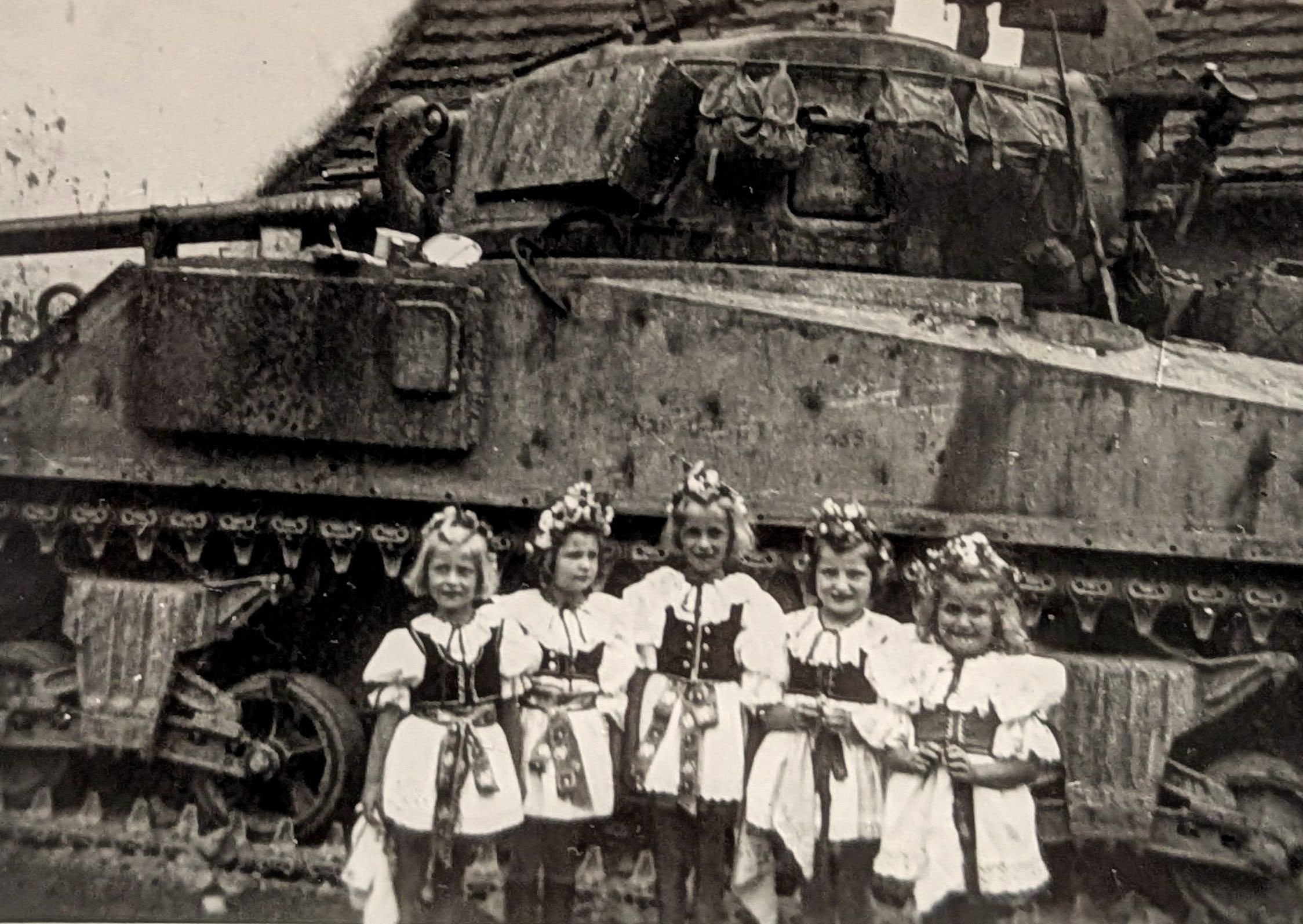
  • "I know that the arrival of the American army created great merriment among the people because there was a band, so the Americans and the Czechs immediately started making music. They stayed there for a few days and a friendship developed. Even after the war, some of those soldiers still went back there. Of course, there were a lot of unhappy stories there, for example, a Russian partisan, a liaison officer, lost his life there and was supposed to meet the American army somewhere in Srni when Patton's army crossed the border. But he was murdered. As we read on his tombstone to this day, he was killed fighting German invaders, which of course was not true. As my grandmother told me, he was killed by the locals because he was carrying American dollars. He could speak English, he was ready to meet the American First Division, which went in somewhere around Strážov and so on. But he didn't live to see it."

  • Full recordings
  • 1

    Praha, 21.03.2025

    (audio)
    duration: 02:35:41
    media recorded in project Stories of the 20th Century TV
Full recordings are available only for logged users.

My parents lived with the knowledge that they had not surrendered to the regime, but at what cost
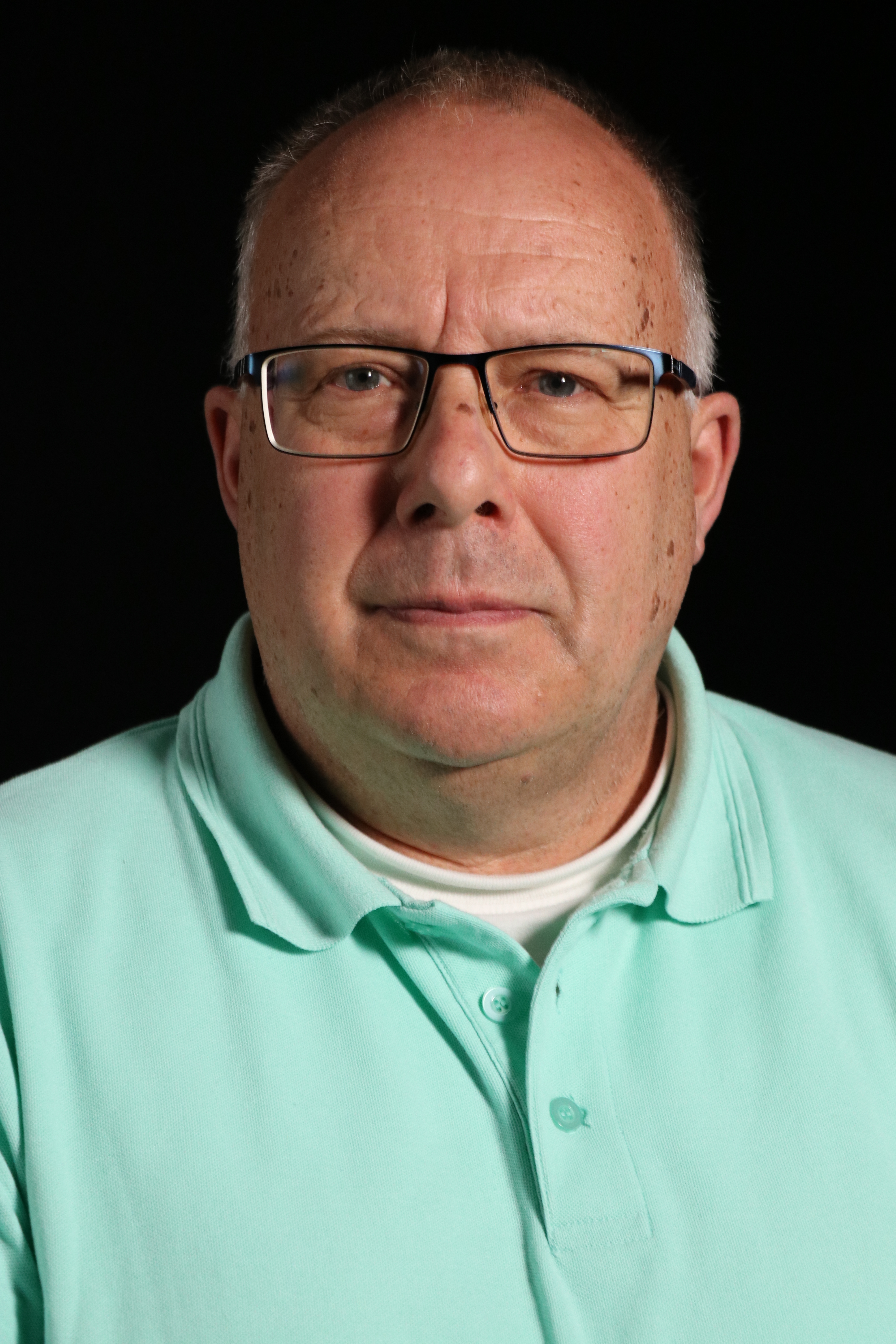
Petr Bruner
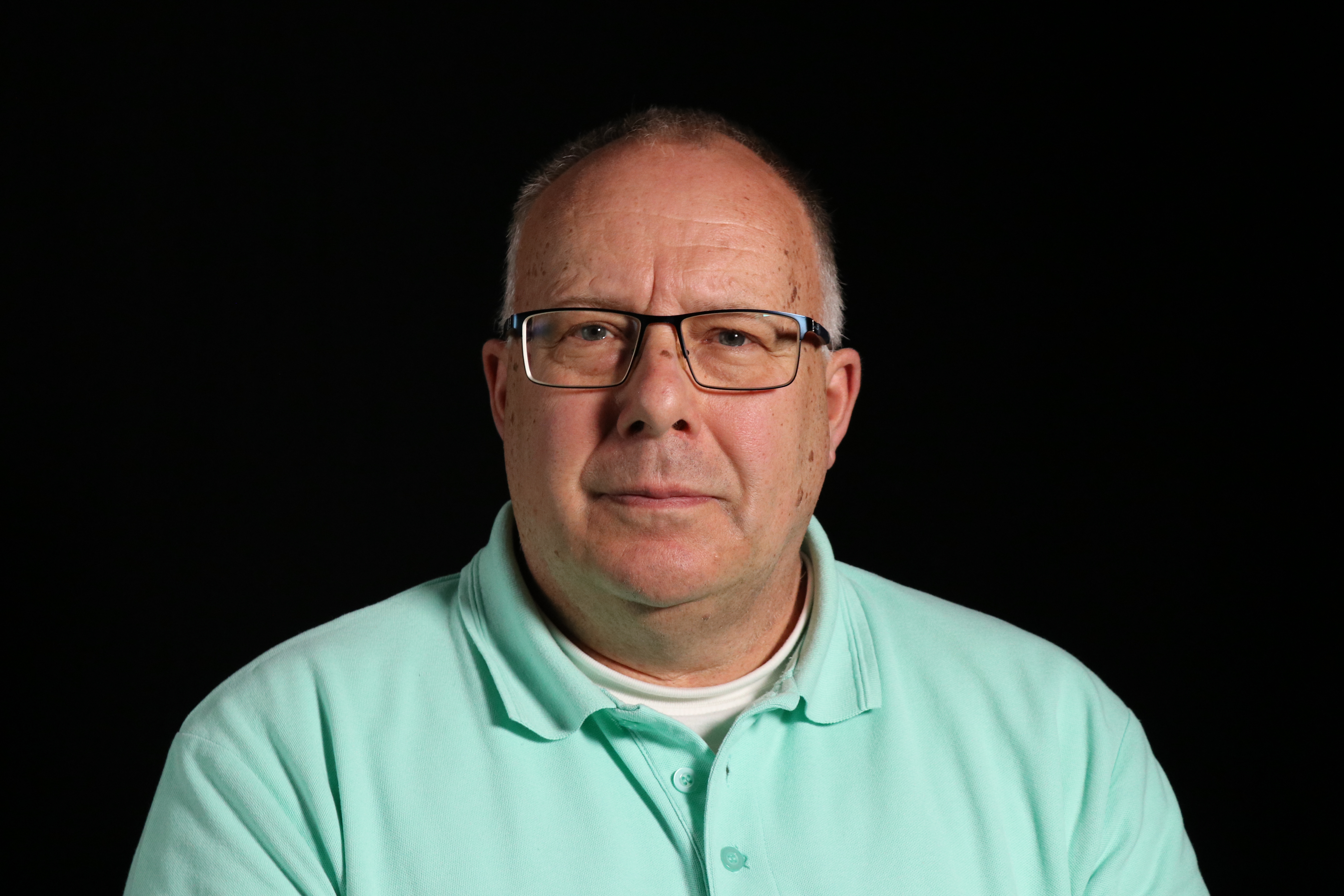
Petr Bruner
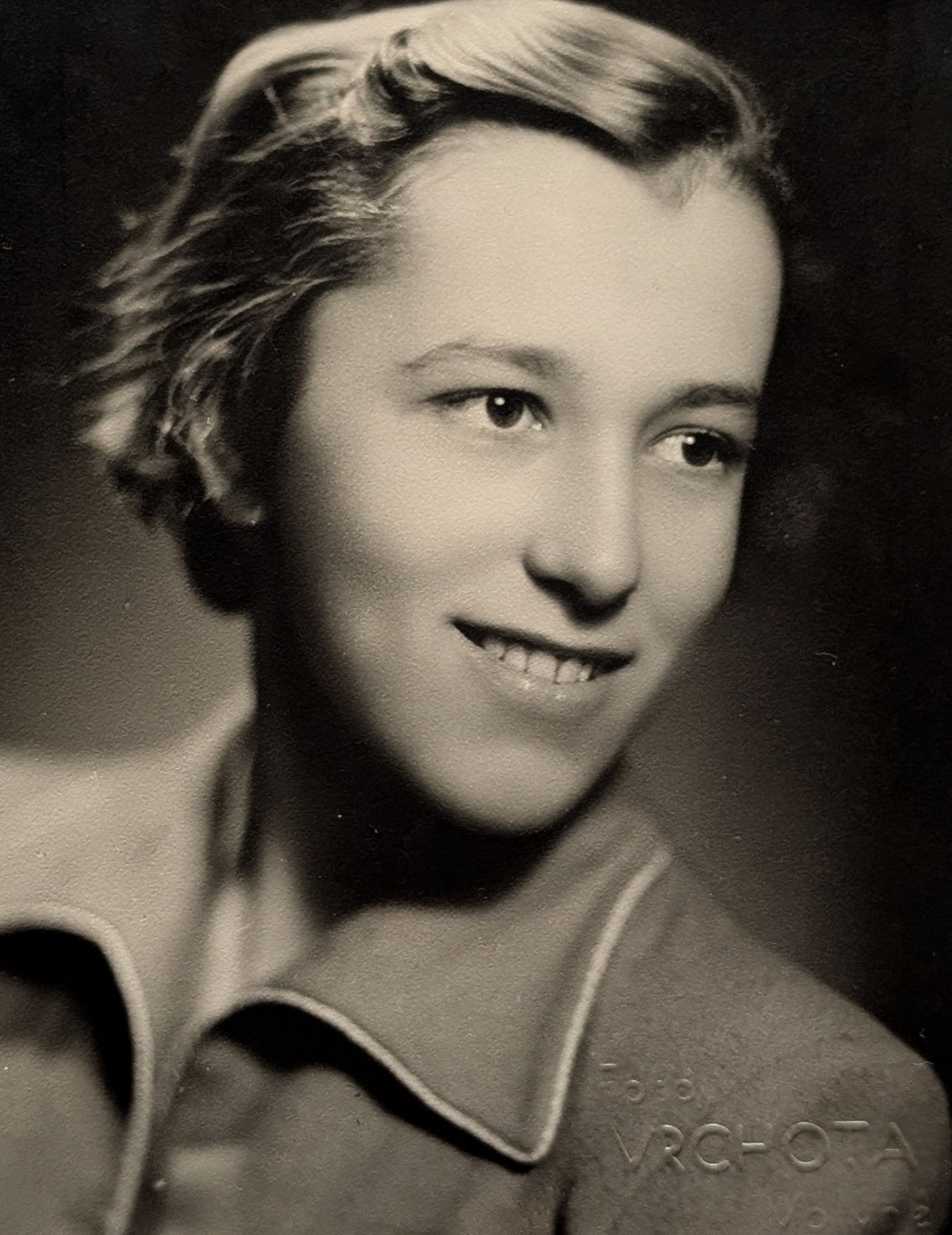
photo: archive of a witness

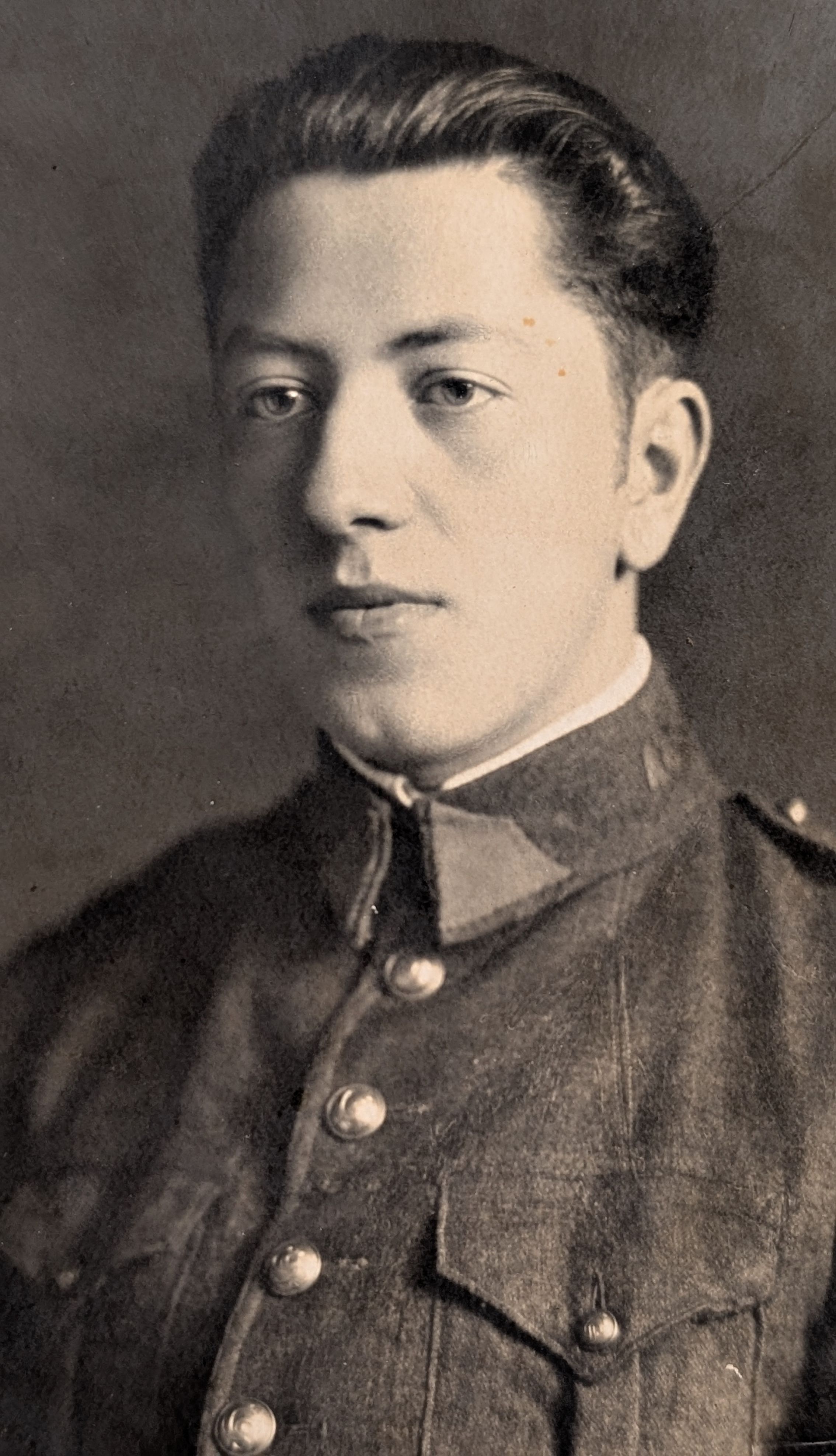
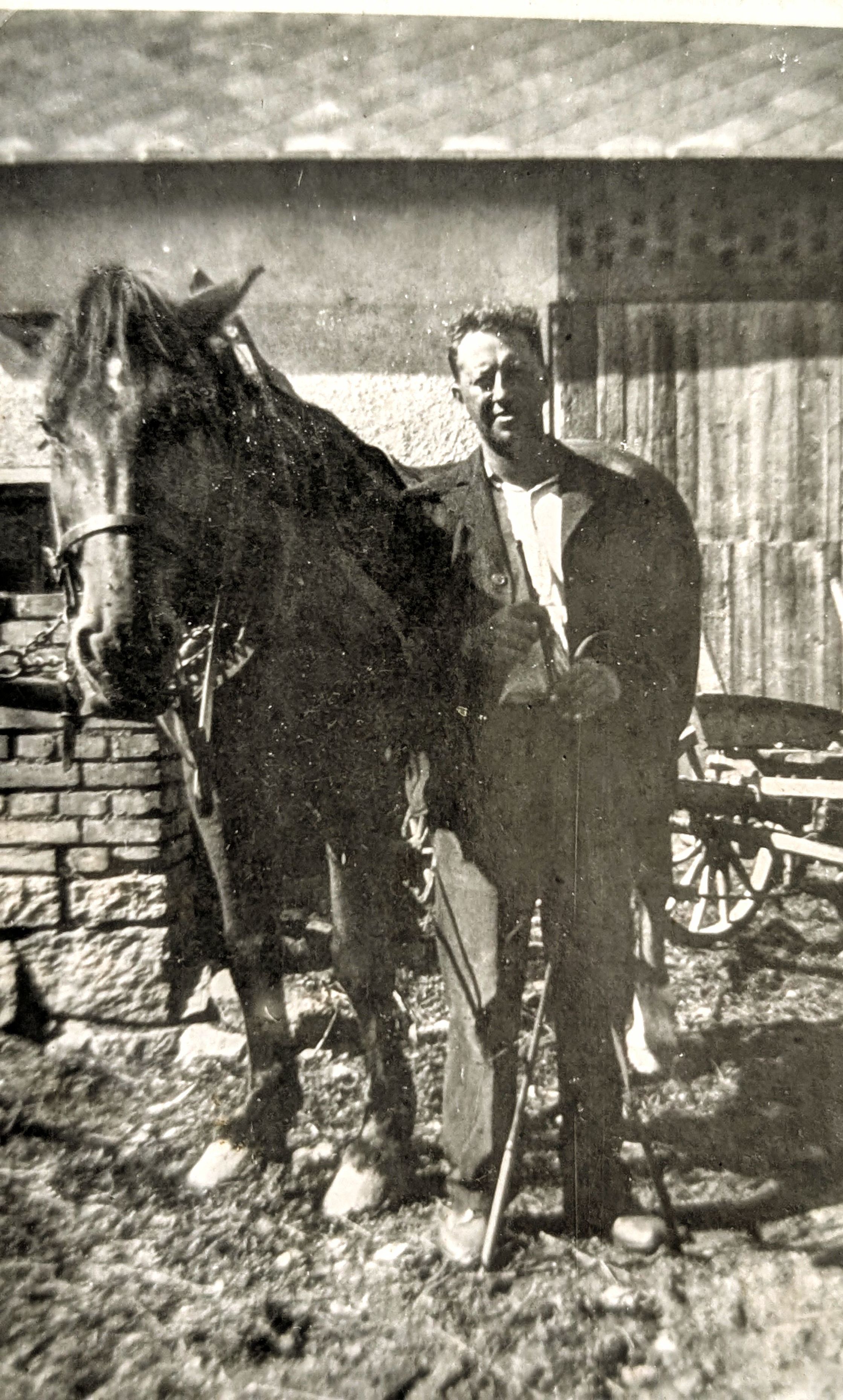
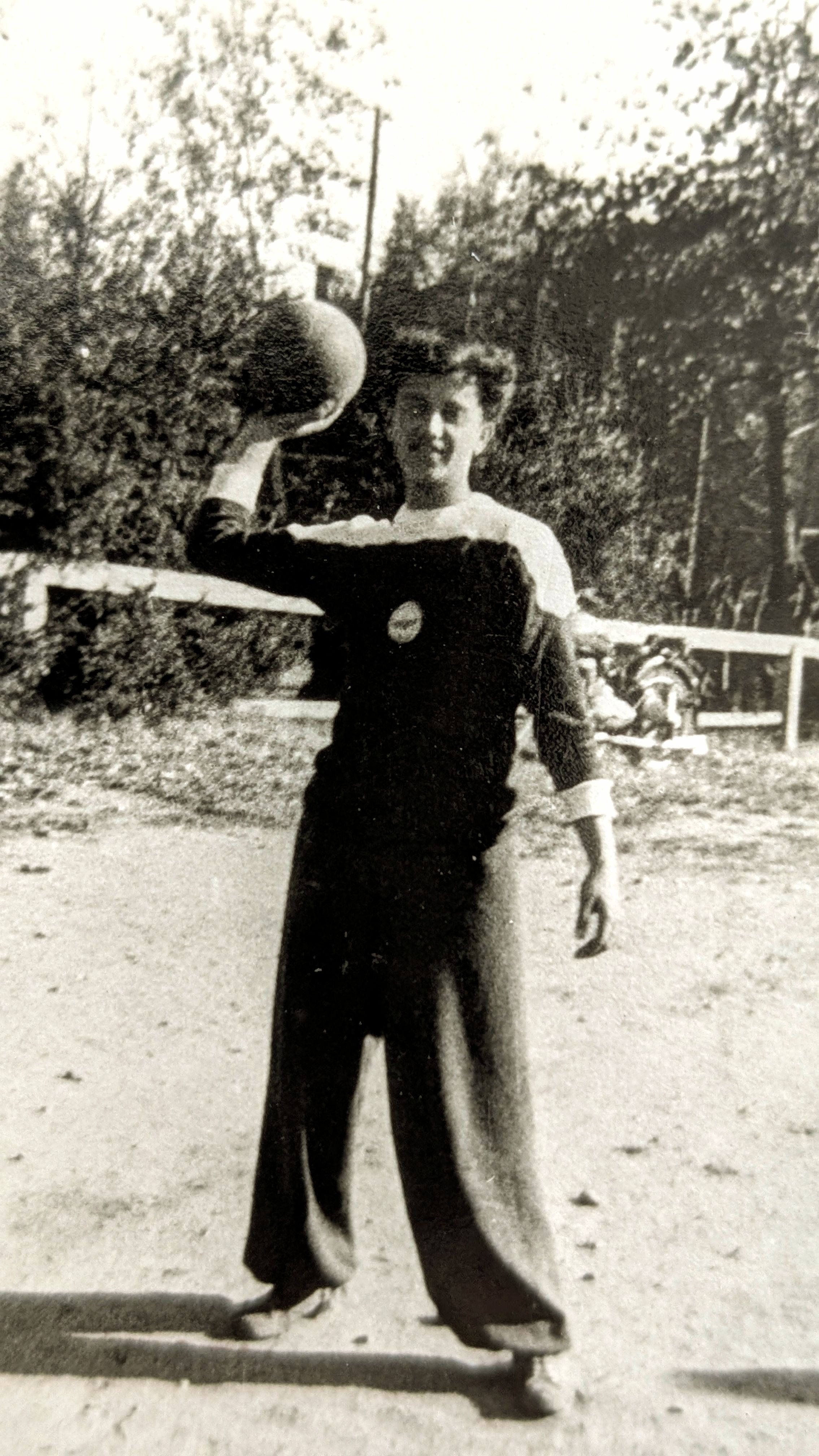
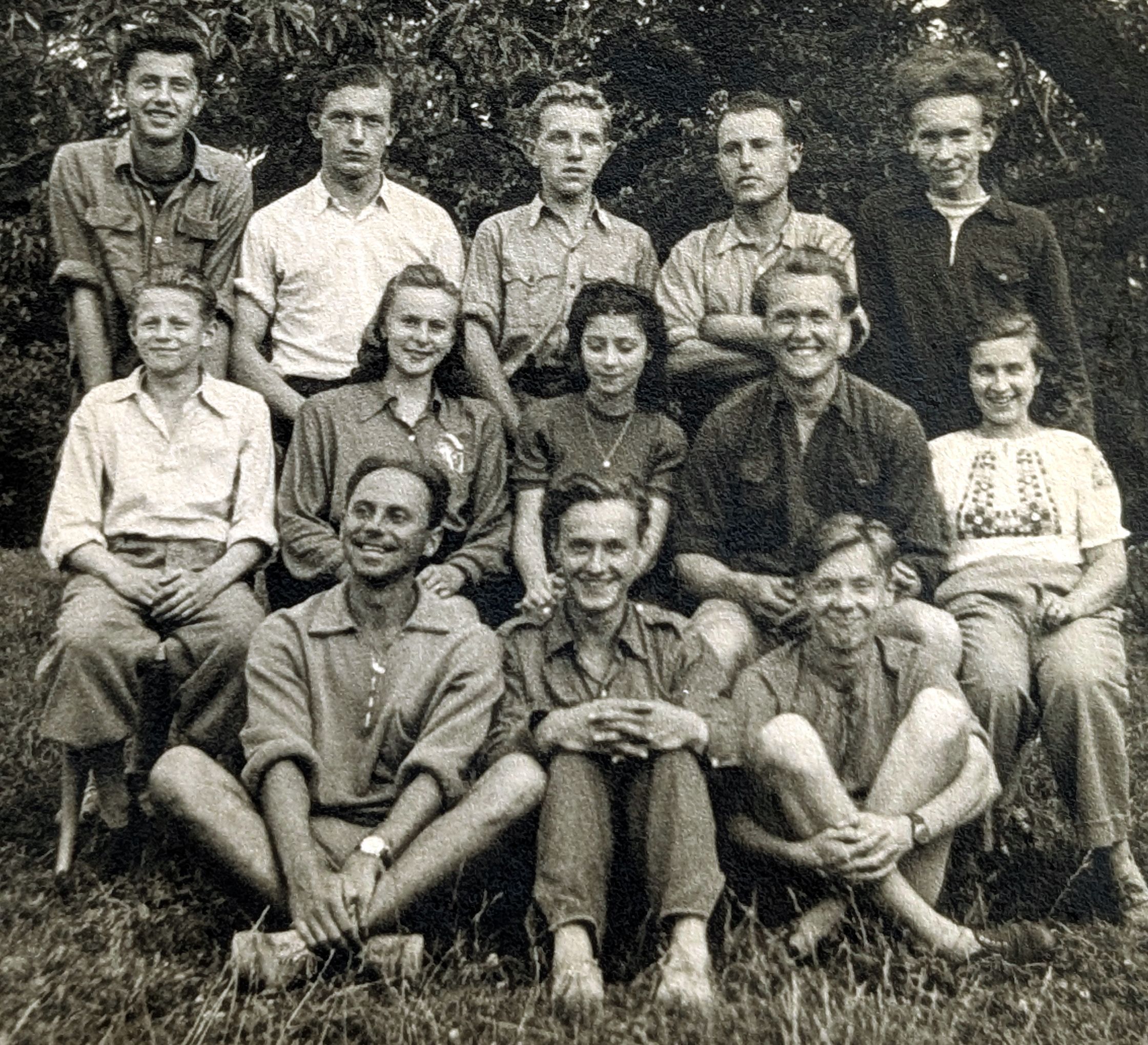
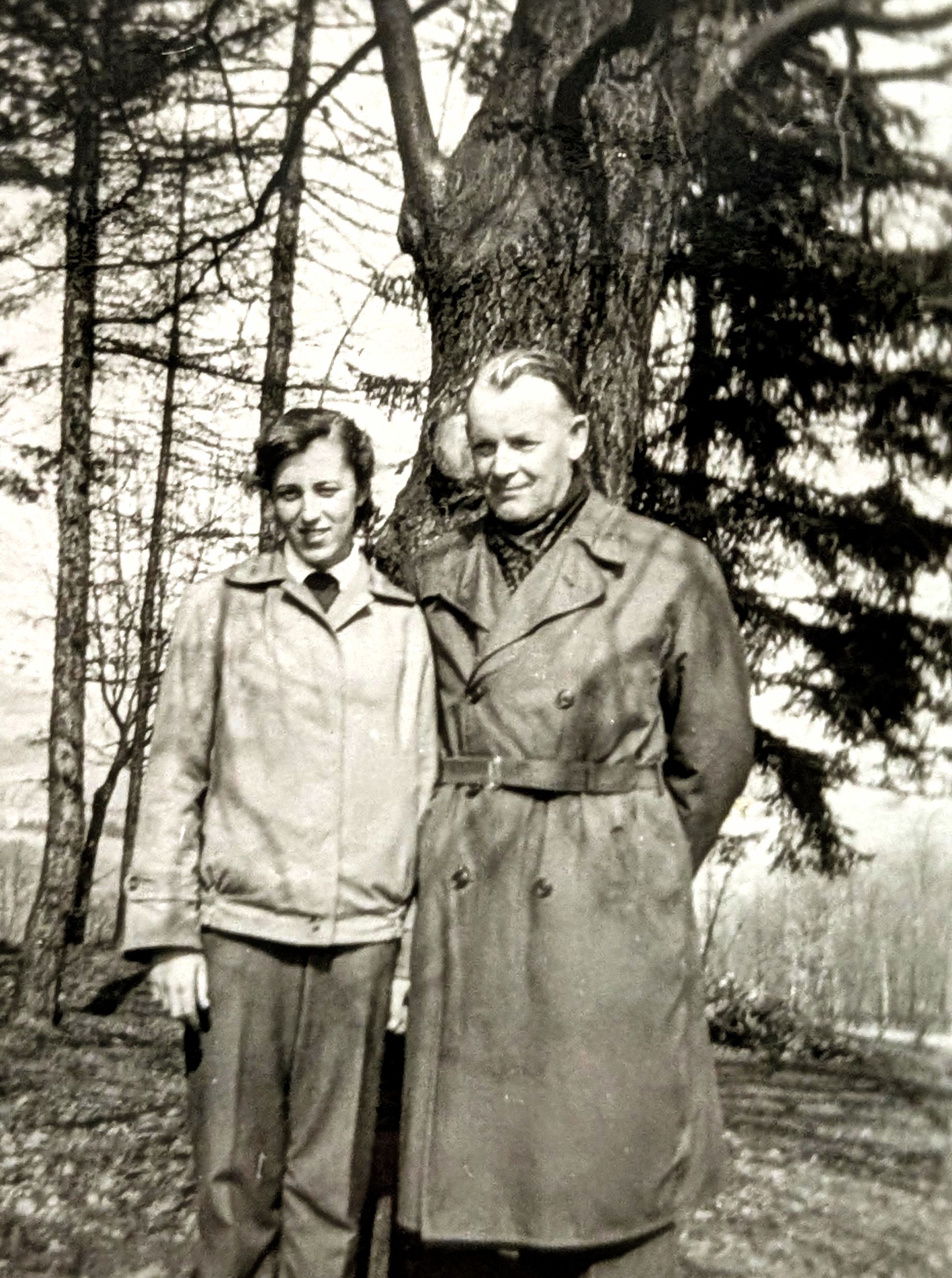
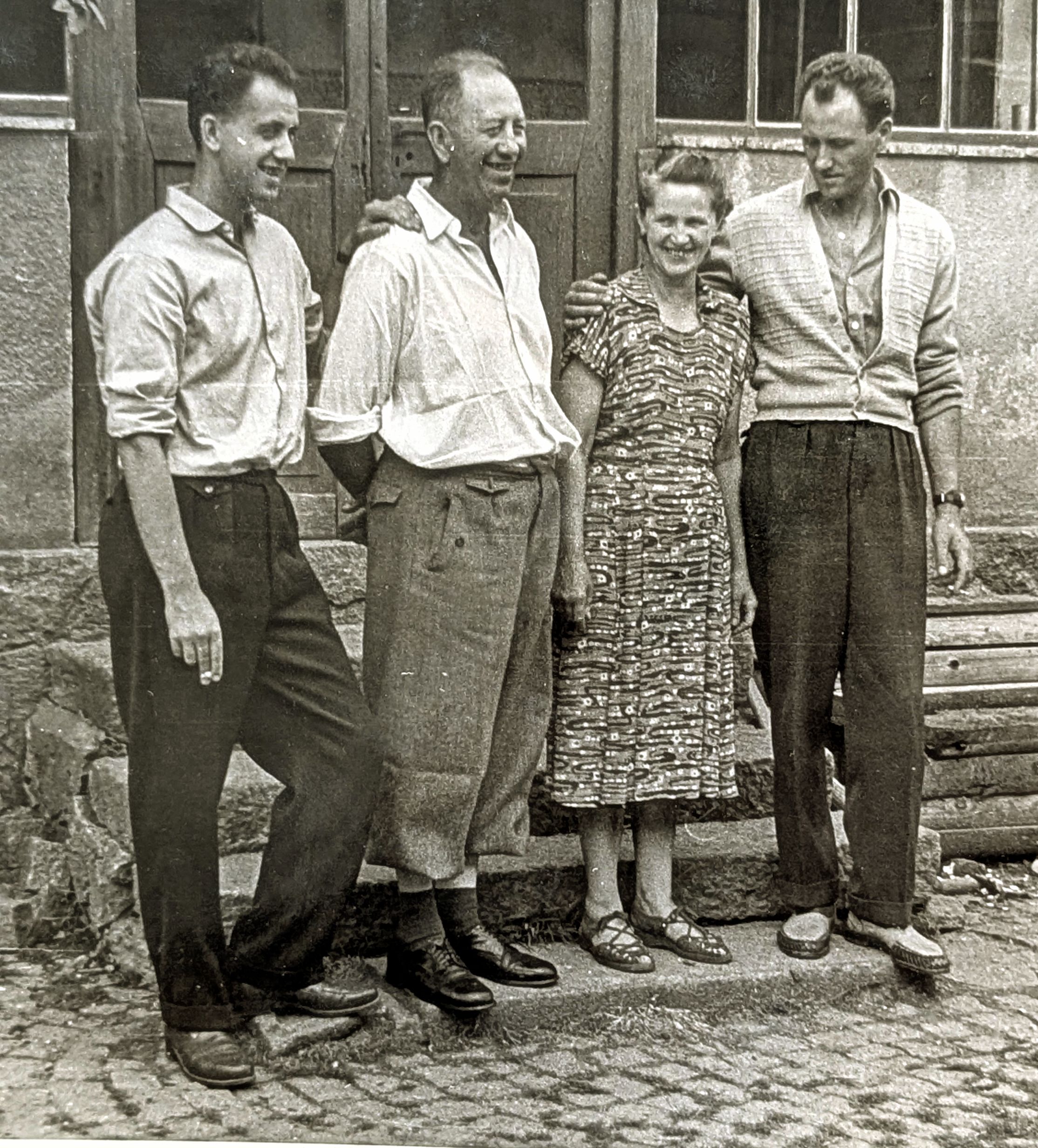
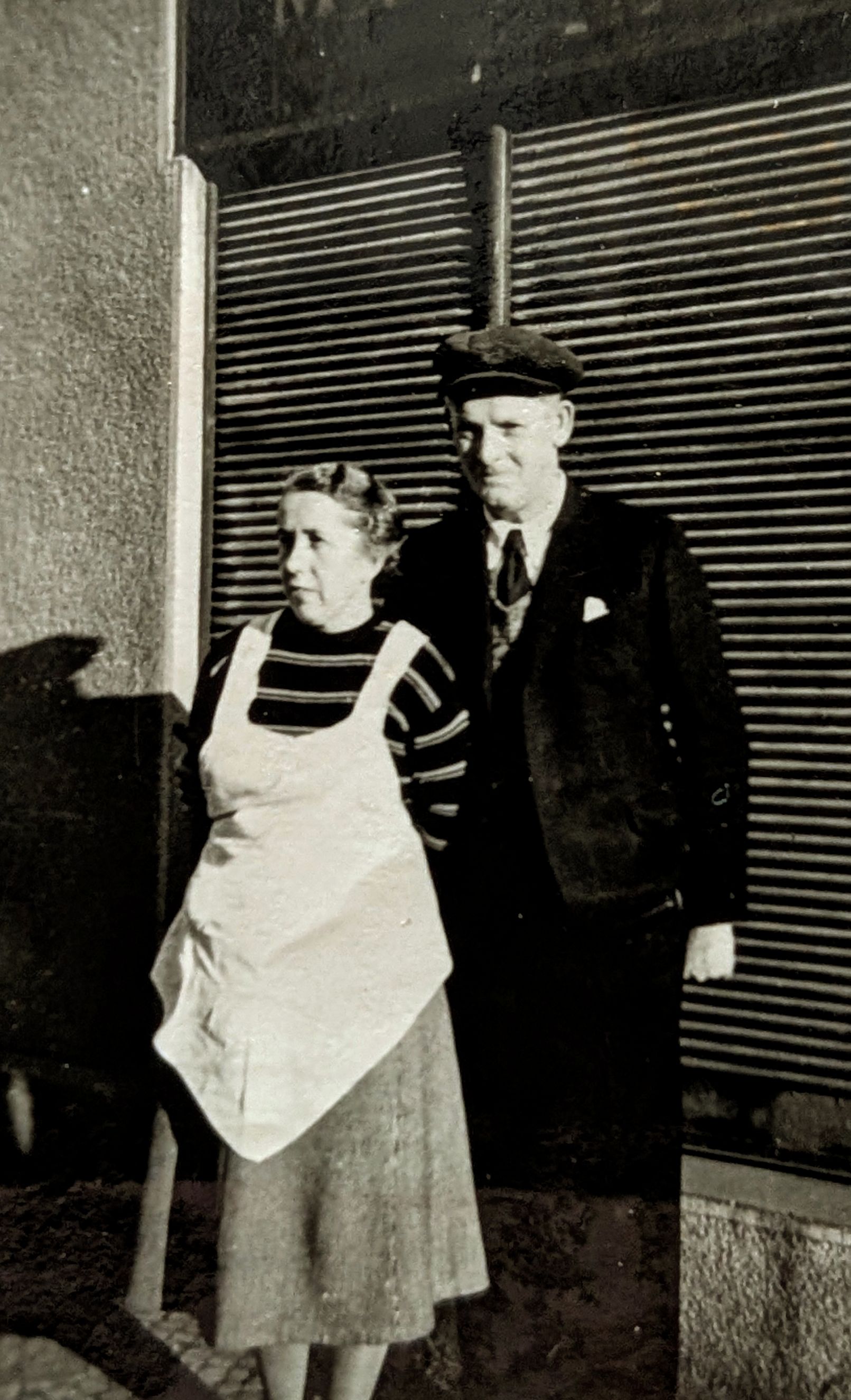
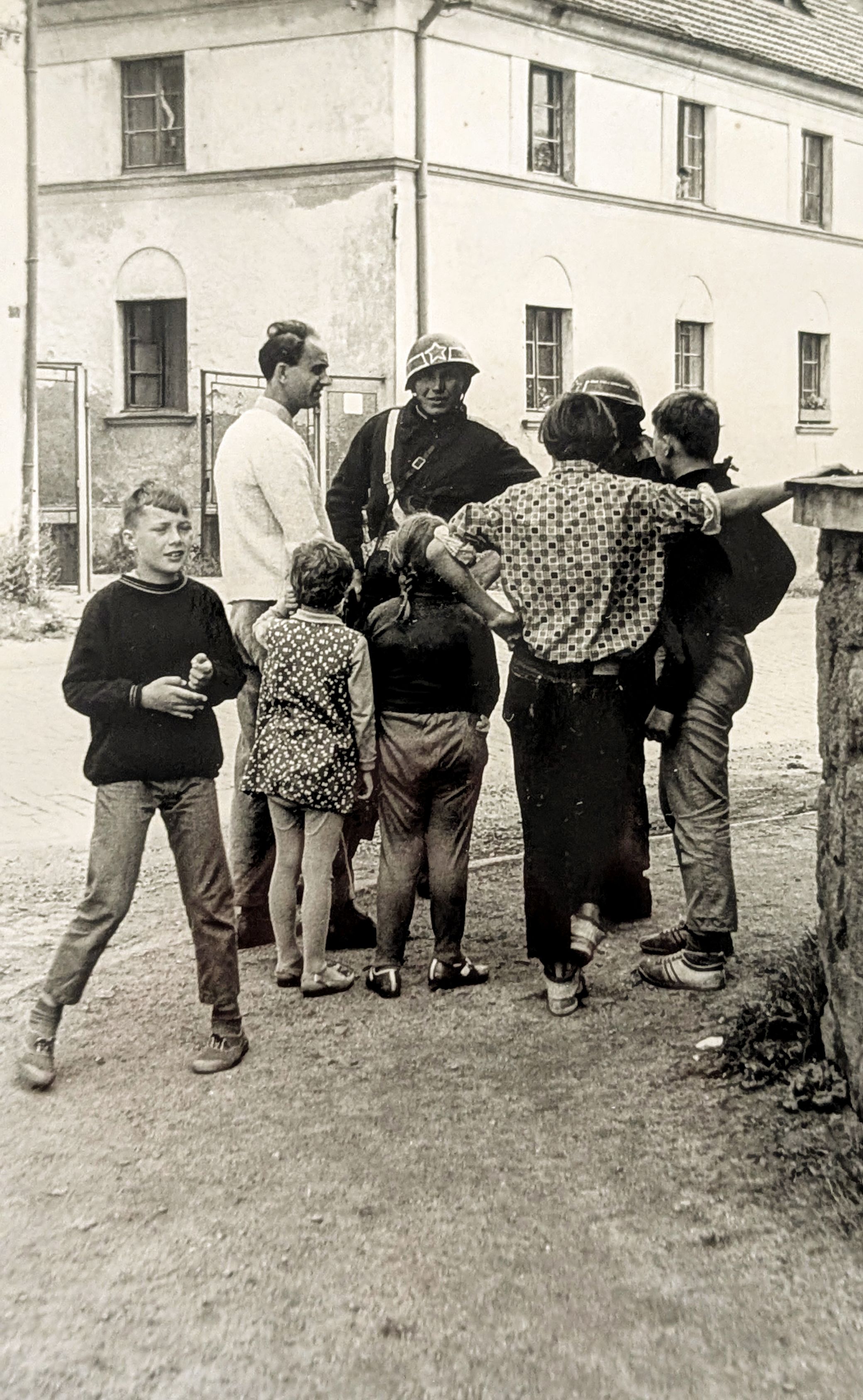
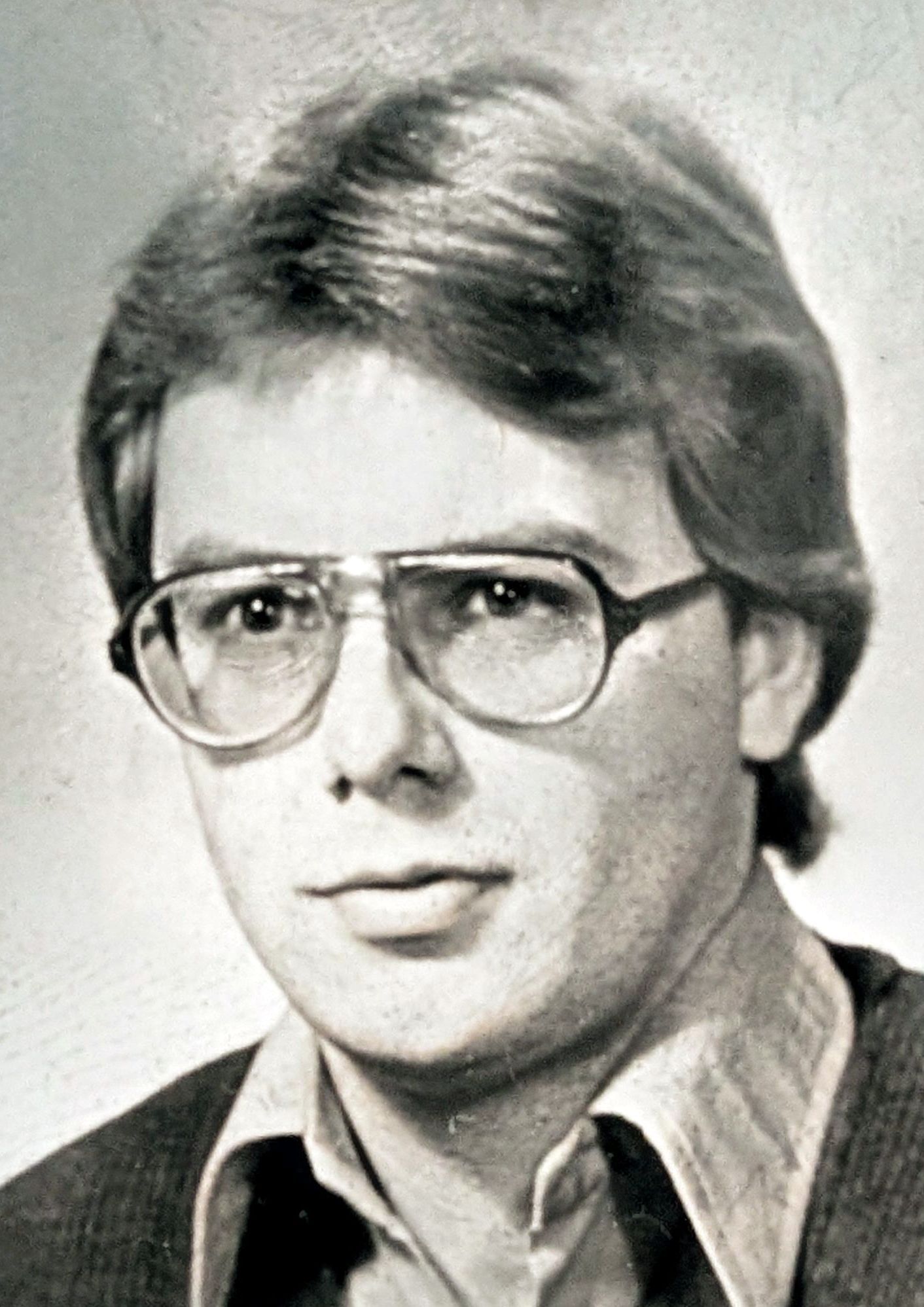
Petr Bruner was born on March 21, 1960 in Most to Jarmila, née Tichá, and Pavel Bruner. He spent his early childhood alternately with his grandparents in Kolinec and Volyně. His paternal grandparents had a relatively large farm with forests and fields, they also owned a tavern, a butcher shop and a carriage shop. The Communists took away a large part of their property after 1948. His family was religious, and he attended religious classes and ministered in the local church. He lived through the invasion of the Warsaw Pact troops in Kolinec as an eight-year-old. At the beginning of normalisation he began to have problems because of his faith and was eventually not accepted to any secondary school. It was only thanks to the intercession of a certain regional secretary that he was able to enter an apprenticeship at the Škoda factory in Plzeň. Eventually, he was able to continue his studies and after graduation he was even accepted to study engineering - but he dropped out after three semesters. He served his basic military service as a tank commander in Jihlava. During the Velvet Revolution he participated in demonstrations in Pilsen. After the fall of the regime, he worked in Germany for over twenty years. In 2025 he lived in his grandparents’ house in Kolinec.