Jan Brumovský

* 1937

  • "I was surprised how many spectators came. They didn't know football there at all, or almost not at all. And the individual teams that were there showed what the game was about, what it looked like, whether it was interesting for the spectators or not. I have the impression that all the teams did well, because football caught on there. It's amazing that actually today there are even, well, it's been over 60 years that some Japanese players are playing in top clubs. So they're individuals, but it's just caught on. We did a good job there."

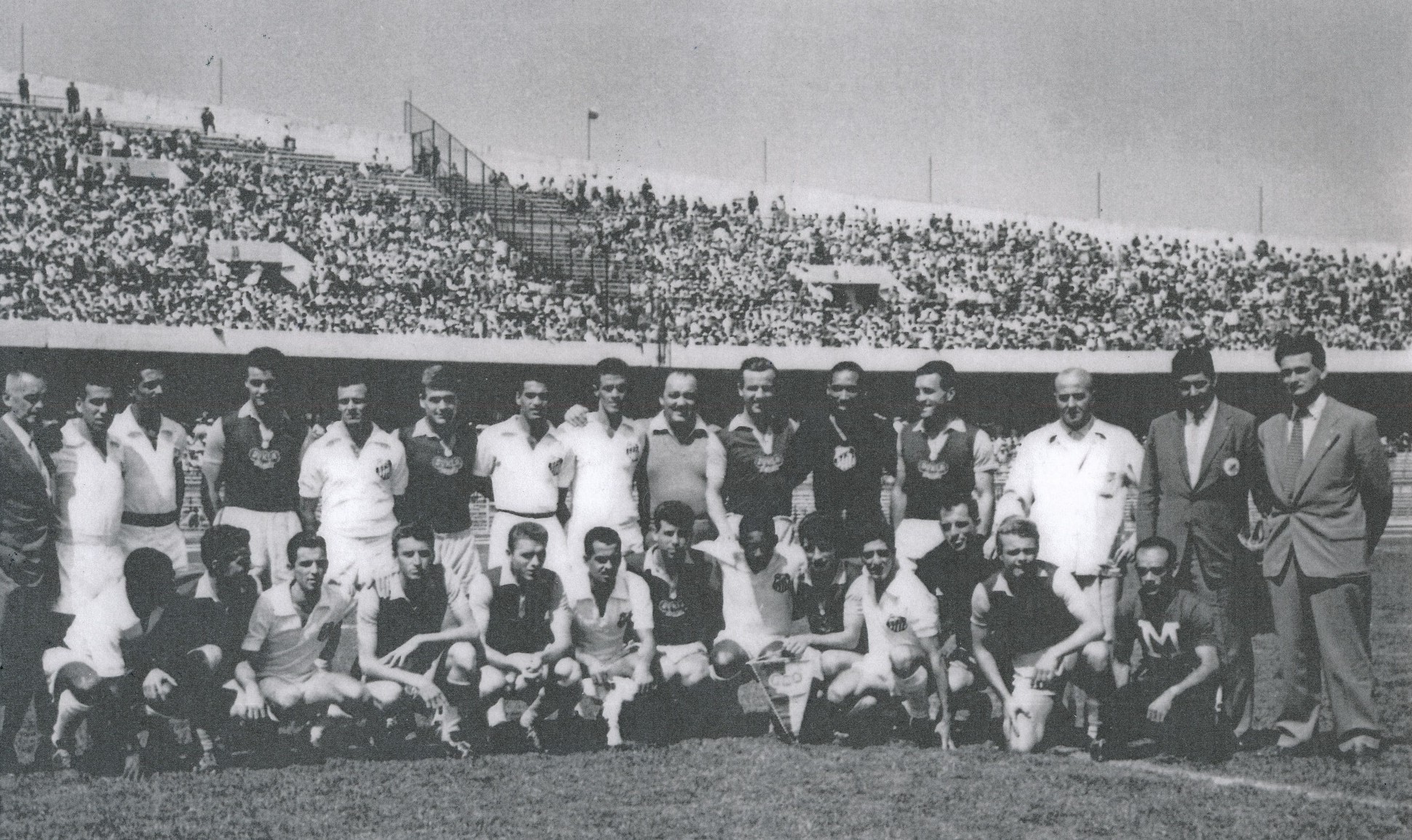
  • "So Pelé played for the star Santos, so you played against him too?" - "Of course, but there were five players in the team who were world champions. It's a real bummer on your lungs when you're playing at two thousand two hundred meters high. It's true that we had ozone in the cabin... we breathed ozone, I mean, they gave us oxygen. We were fed up with it. You got the impression on the field that if you did three sprints, if you tried to breathe, you'd have nothing in you. But we broke them and we didn't even believe it ourselves. But we broke them. Jarda Borovička scored once a year and he scored too. It was awfully nice, people would have given us what we wanted."

  • "The goals in the quarter-final against the Japanese... so I remember scoring twice, but I don't remember them. But the goal in the final, you can't forget that one because it's a huge experience. I don't know how many of our footballers scored a goal in the final at the Olympics, because I think there were two. I'm not sure, because in the 80's they won 1-0, so one scored, and otherwise there were virtually no finals. So that's a rarity in a way. But I still see that goal to this day and I'll probably always see it. Because I know how the centre from one side went into the penalty area and I knew 100% that the defender would run it down. It's interesting that it turned out that way. And yeah, he underran it and I took it on my chest on that run. That was between the 10 and the big whitewash, but I knew I couldn't let it - the ball - go to the ground because if I let it go to the ground, the running back that was there would kick it away. All that was in my head at that moment. It ran through me. So I took it off my chest, I got a hooker - if I would have let go, it would have been gone. I got hooked, but I scored with my left. Well, I'm not very good with my left, but there was no time for that, it had to be done there quickly. I say I can't forget that one."

  • Full recordings
  • 1

    Praha, 09.07.2024

    (audio)
    duration: 01:50:29
    media recorded in project Tipsport for Legends
Full recordings are available only for logged users.

Playing for Dukla was my dream since childhood
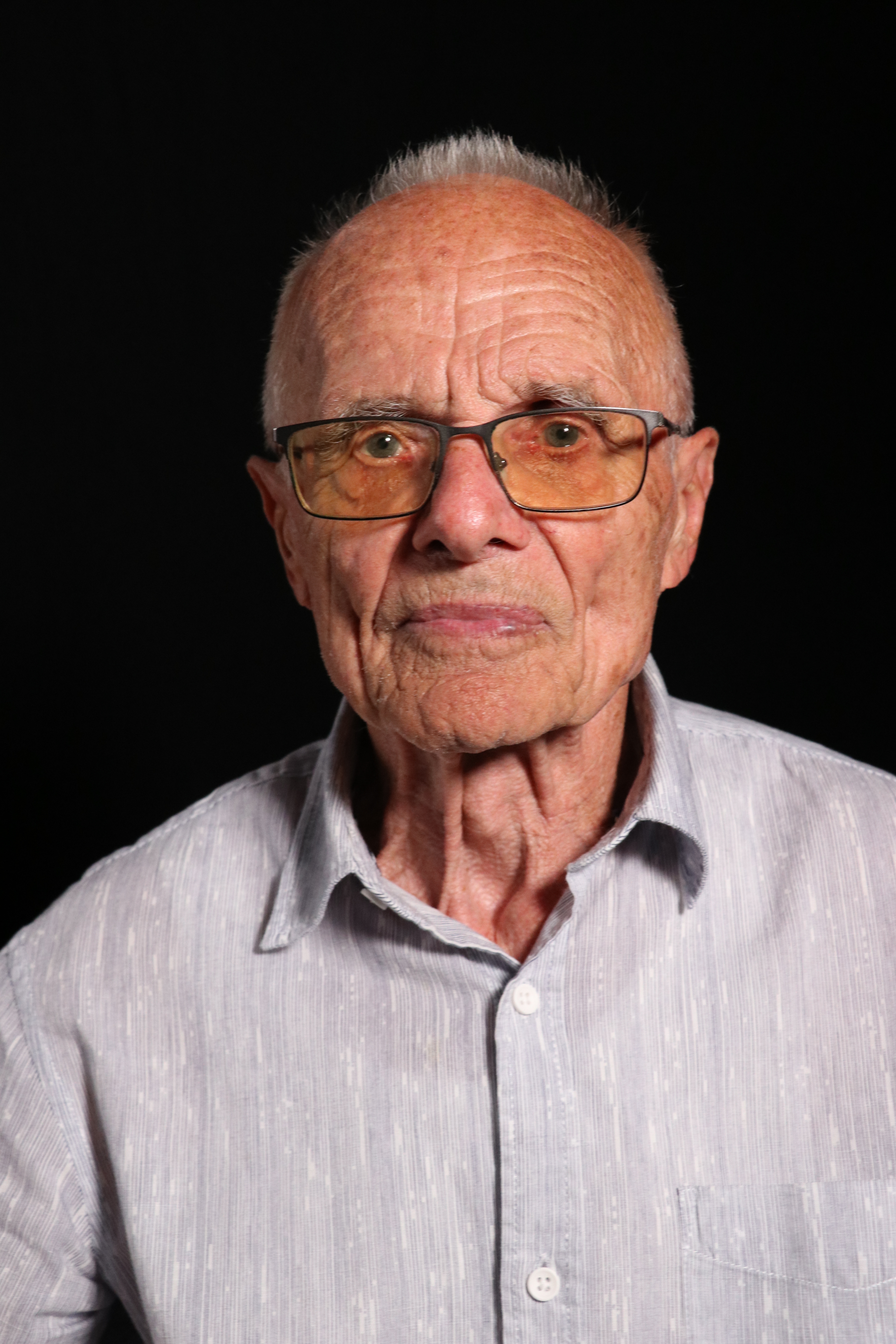
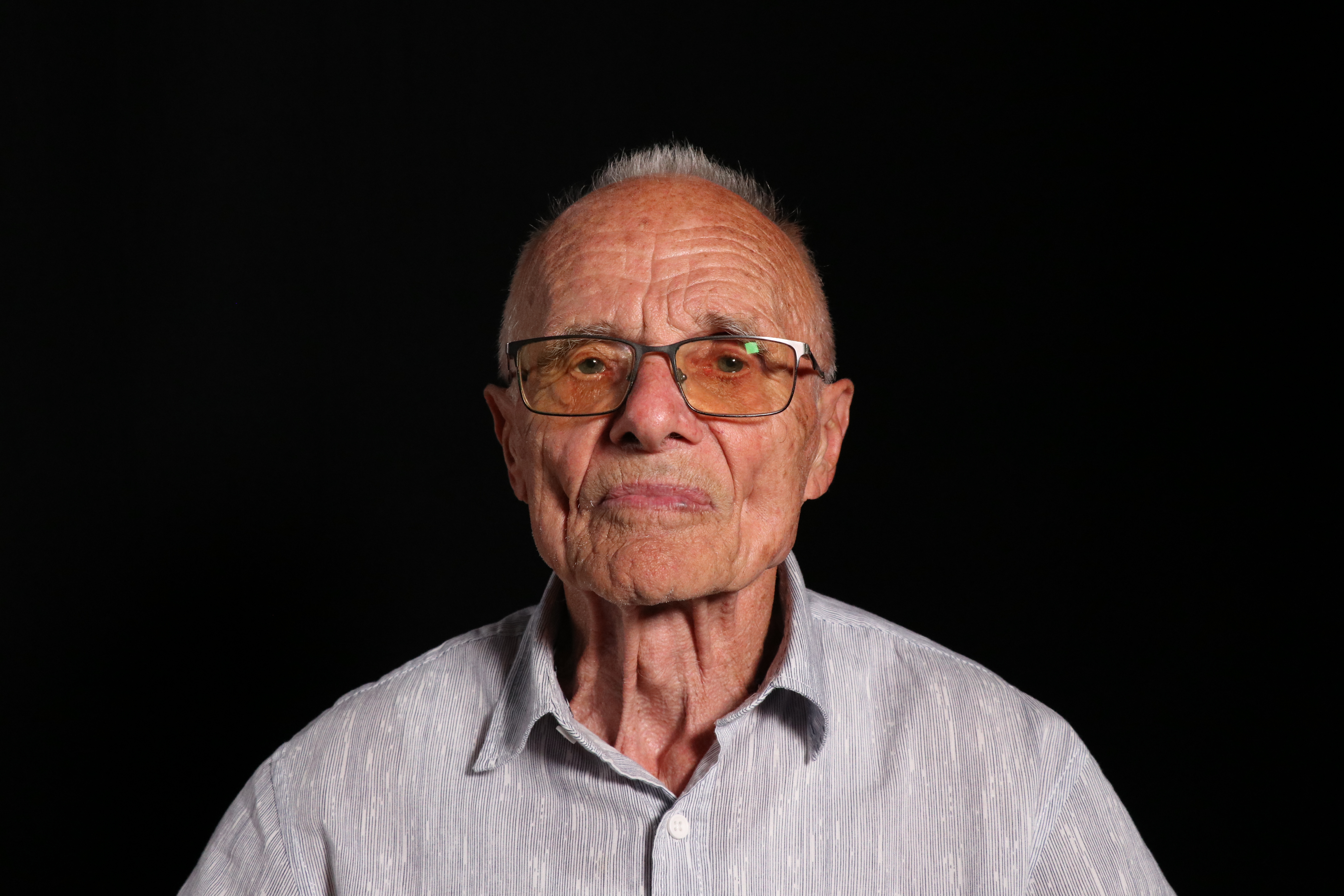
Jan Brumovsky during filming
photo: Archive - Post Bellum

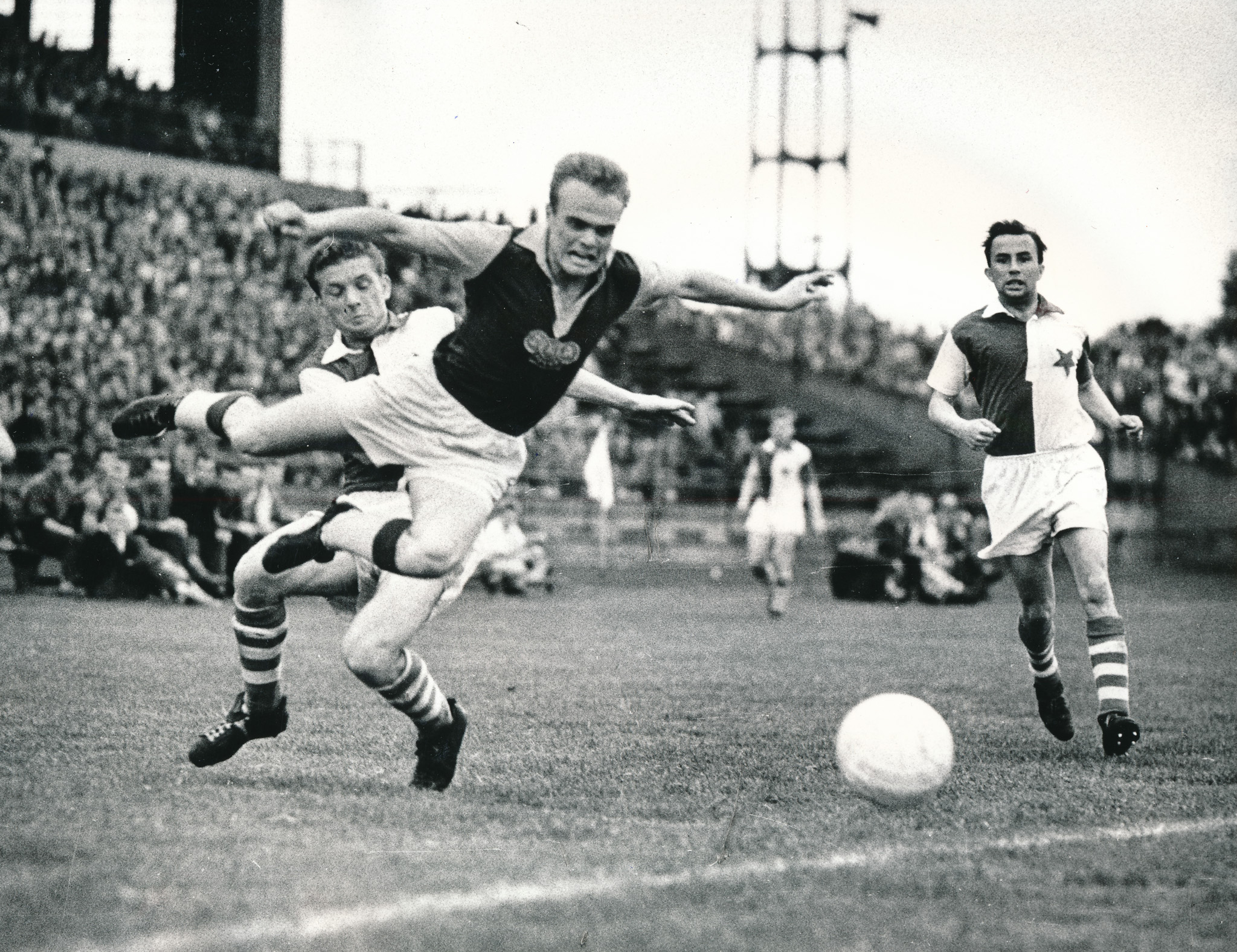
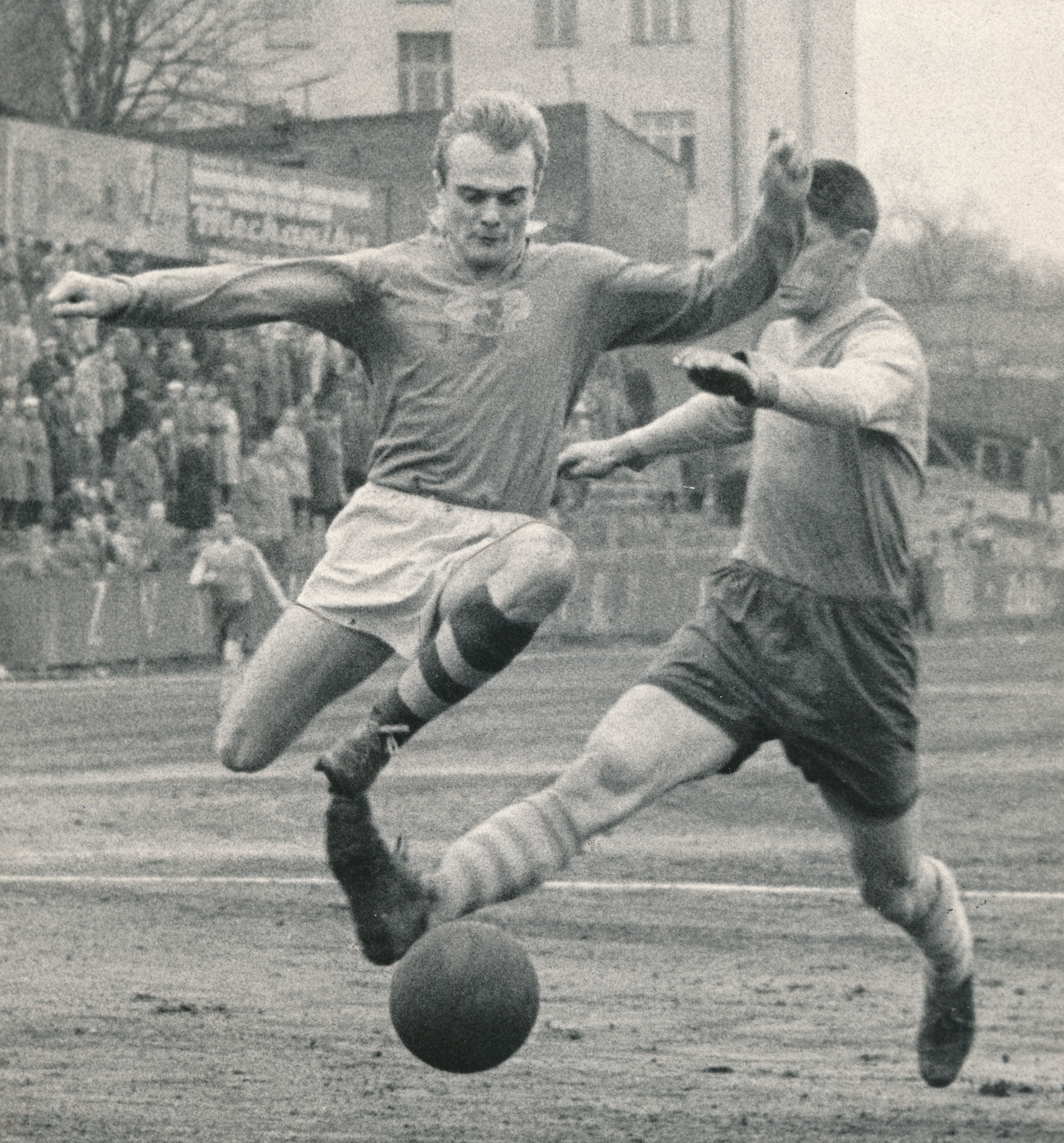
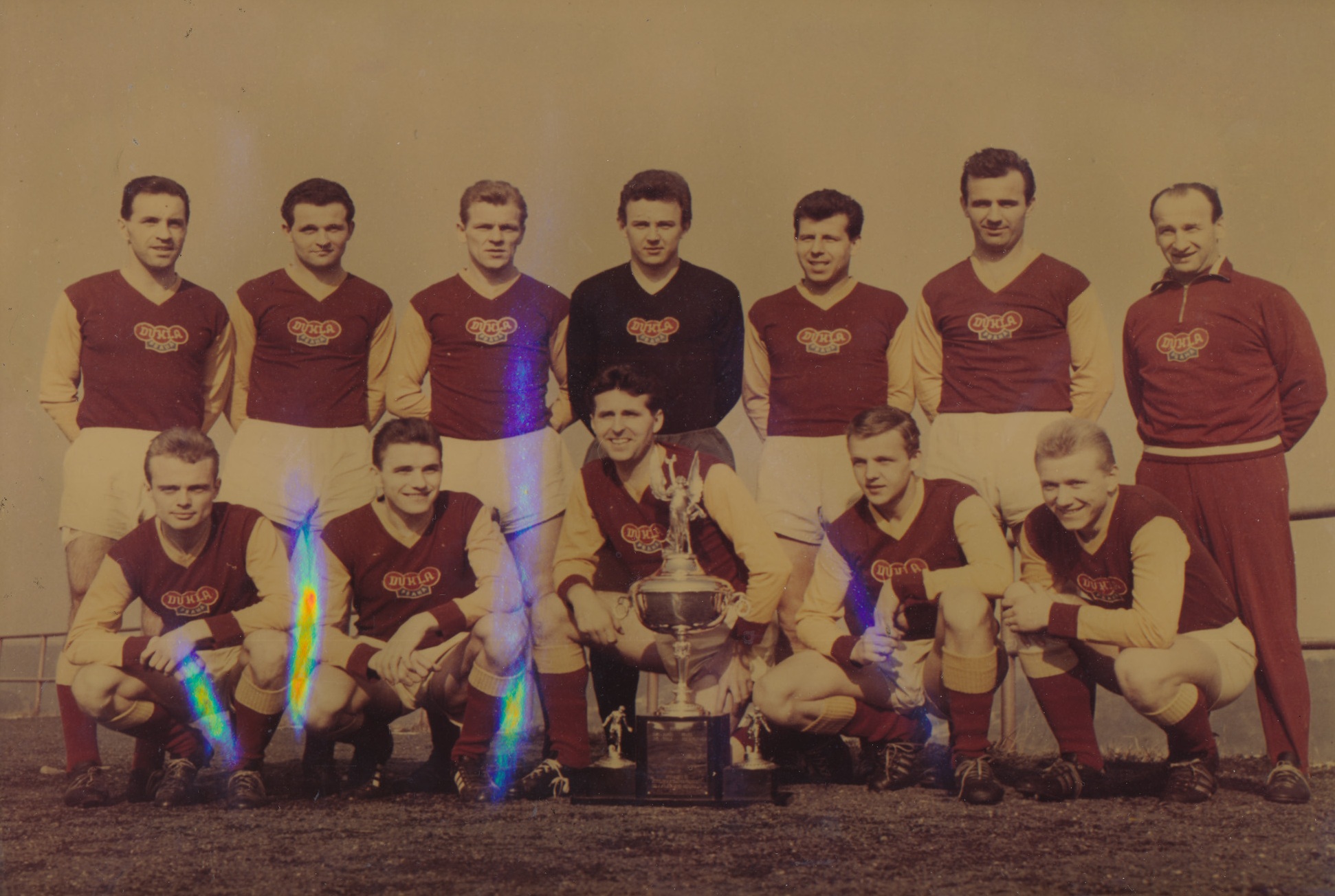
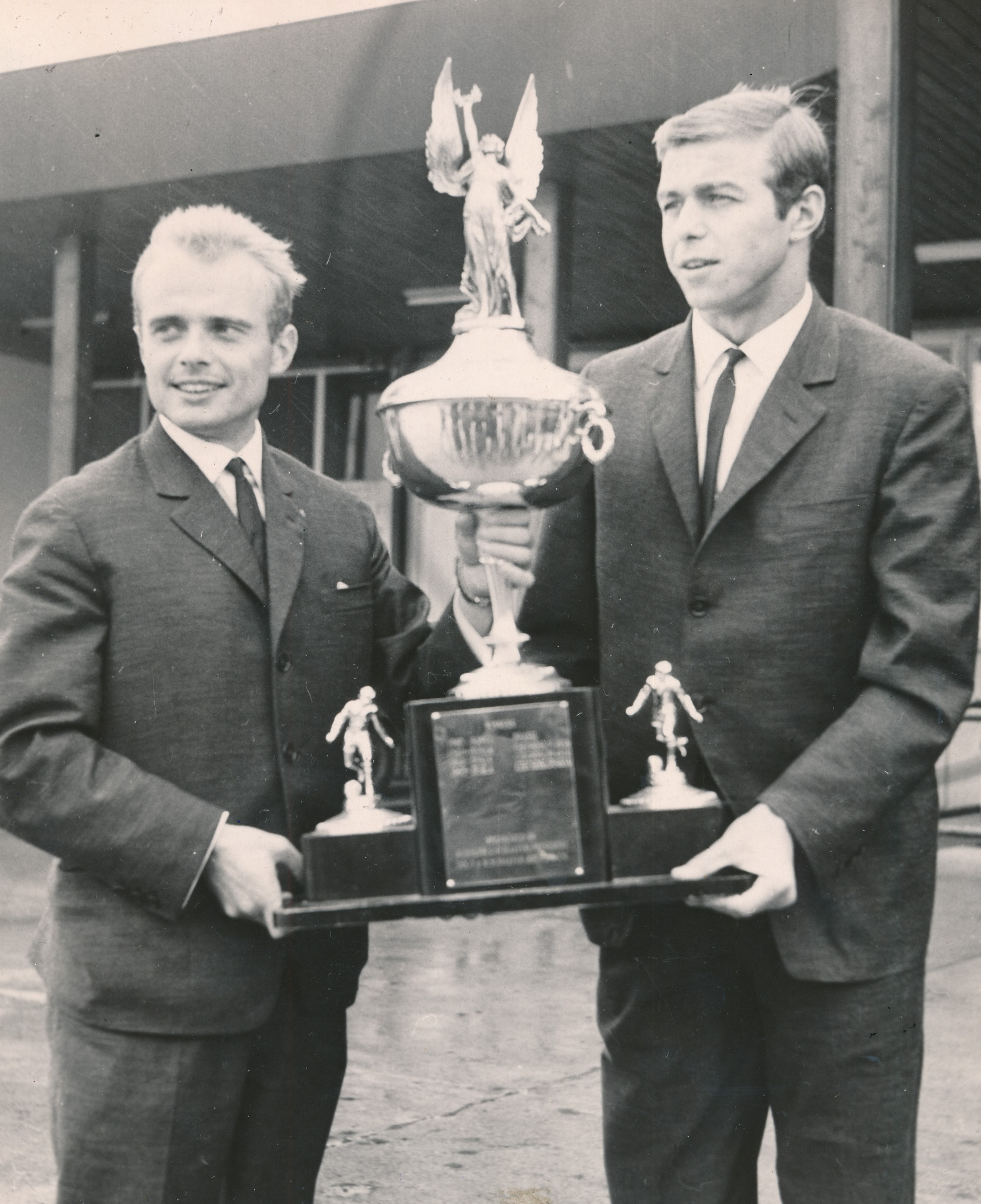
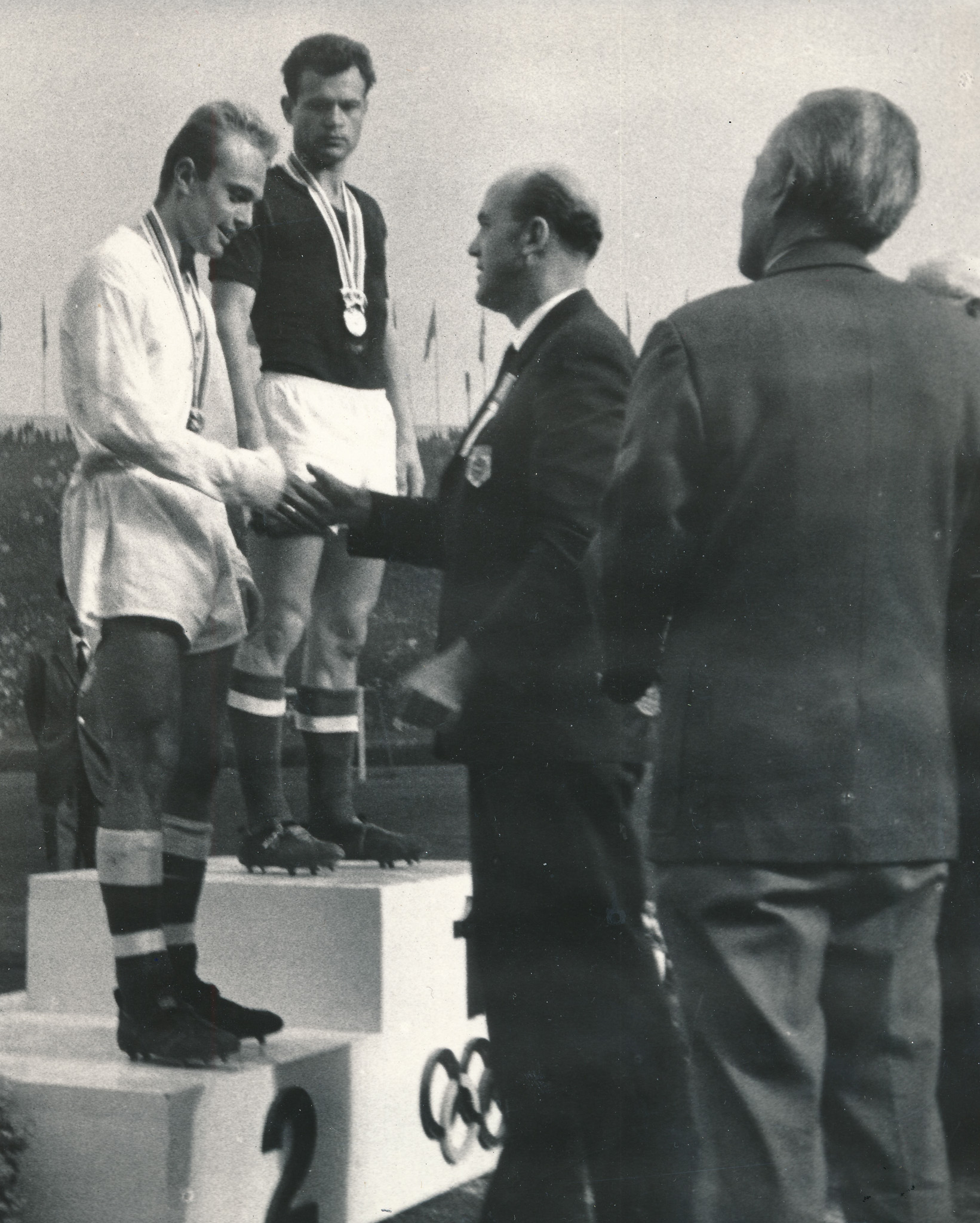
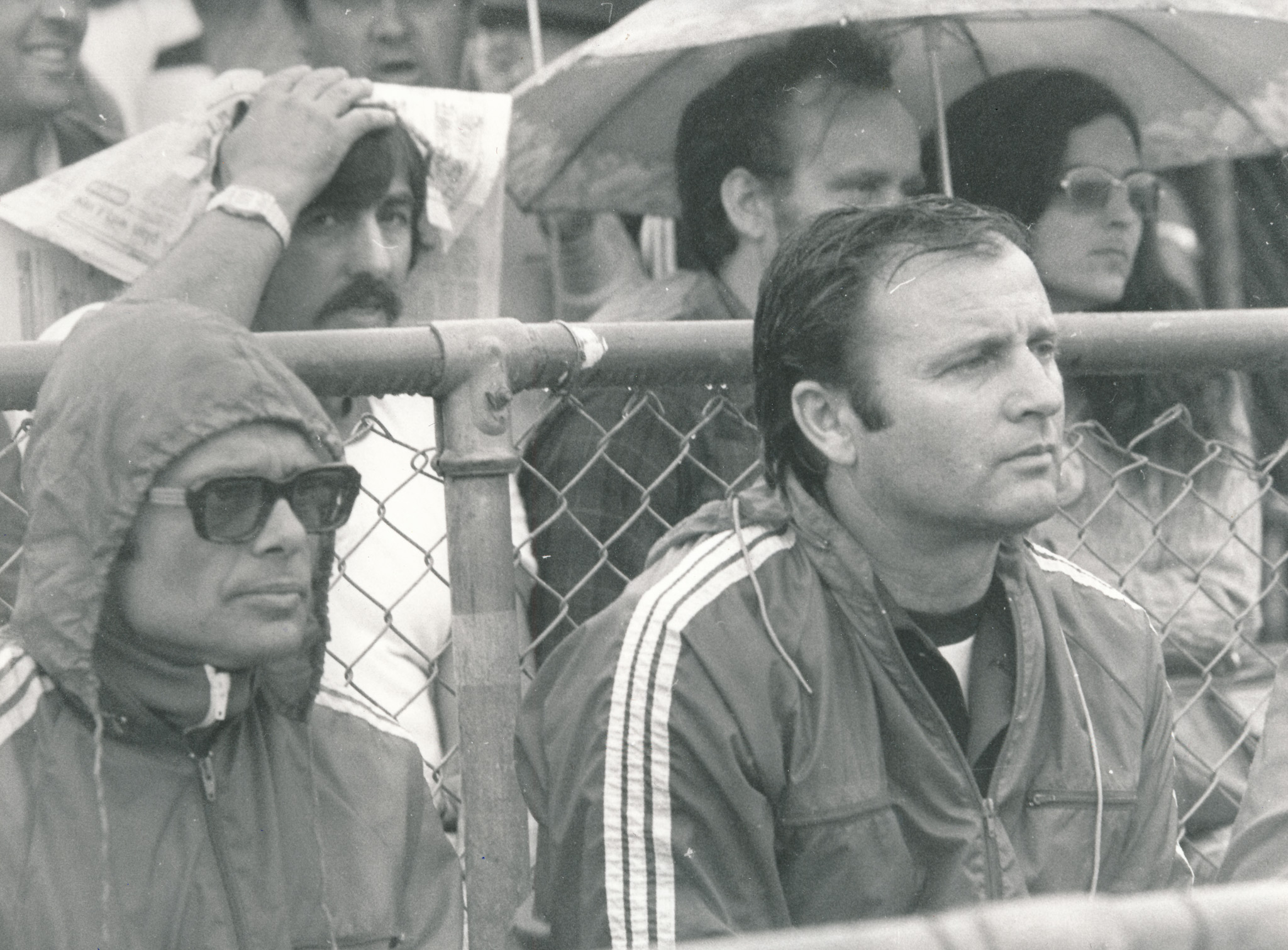
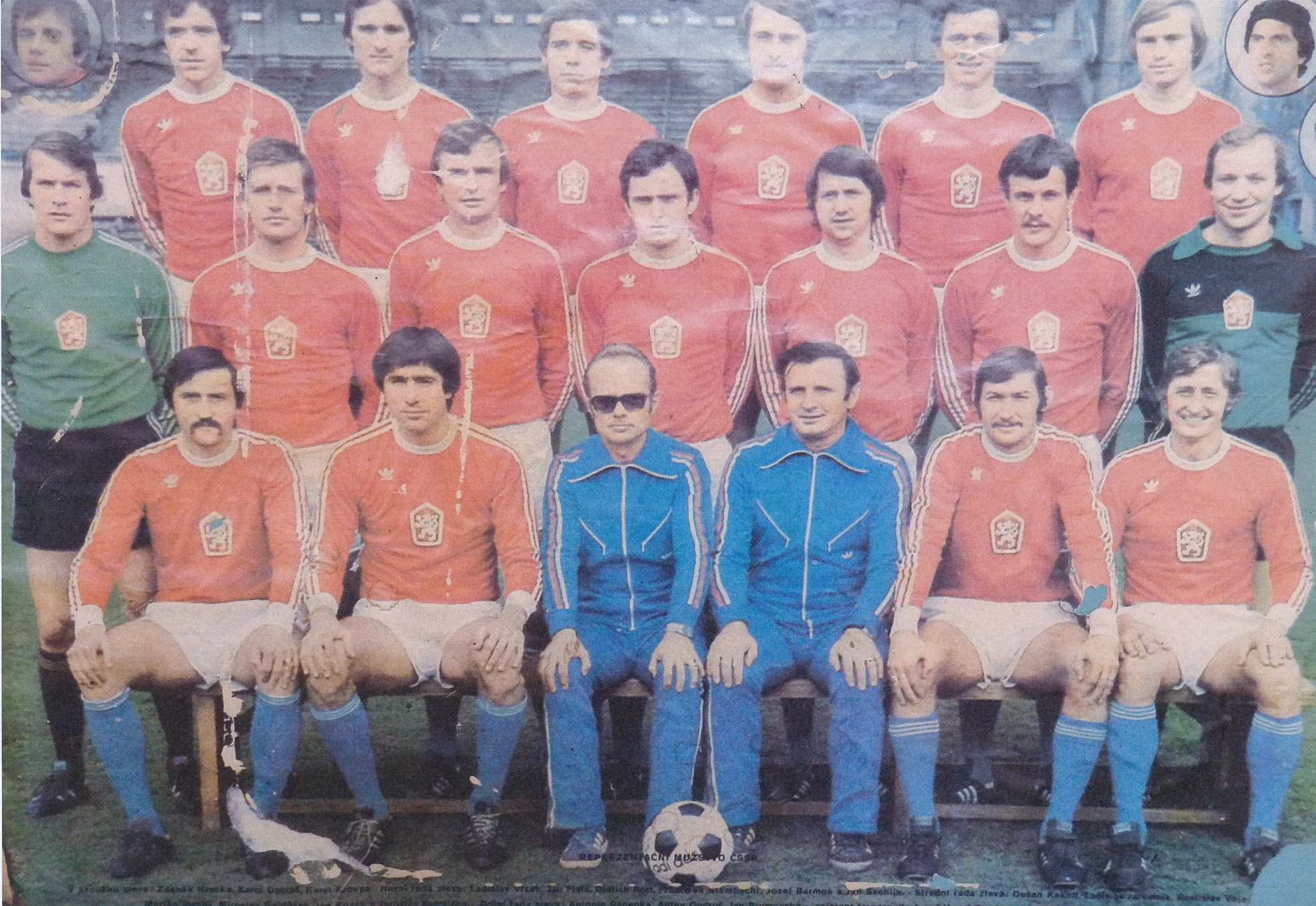
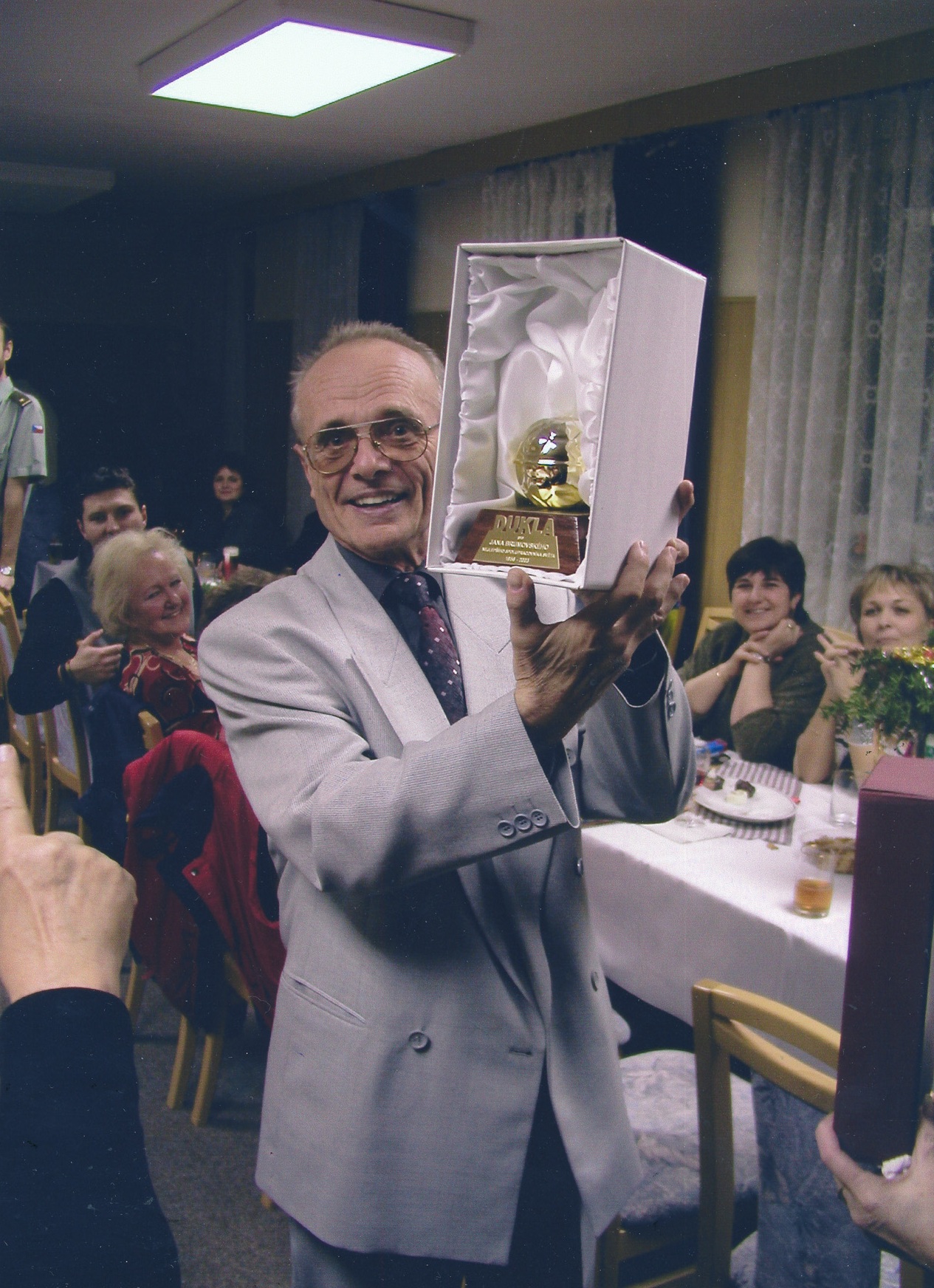
Jan Brumovský was born on June 26, 1937 in Levice, Slovakia. From childhood he was drawn to football and playing with a ball, which he actively pursued with his friends in Slaný, where the family moved before the Second World War. After the war, his father got a job in Teplice in North Bohemia and the family moved again. There, little Jan started attending the youth club Hvězda Trnovany, where he was subsequently spotted by Tatran Teplice and offered a transfer. Here Jan Brumovský played as a striker and actively trained. His talent was noticed by the Prague club Dukla Praha, where he subsequently transferred as part of his compulsory military service. After his military training, he was able to devote himself fully to football and playing for the A team. Eventually, he stayed with Dukla for thirteen seasons and won a total of six championship titles, including the famous golden era when Dukla became four consecutive Czechoslovak league champions. He also won the famous America’s Cup four times with Prague Dukla, making it the most successful club in the history of the competition. In total, he played 230 games for Dukla in the Czechoslovak league and scored 42 goals. In addition, he also made several appearances for the Czechoslovak national team and made it to the Olympic team, which made it to the finals of the 1964 Summer Olympics in Tokyo, where it lost to Hungary. After finishing his active sports career, he completed his university education and began to pursue a coaching career as an assistant coach. In this position he achieved third place in the 1980 European Football Championship alongside Jozef Venglos. After the Velvet Revolution he worked in the sports department of Dukla Prague. At the time of filming (2024) he lived with his wife in Prague.