Marie Breníková

* 1949

  • "Like all young people, I went to Palach's grave. Rome was the first to erect a monument to him. The Italians sent me a postcard with a photo of his monument. Once I went to Olšany and met Mrs Palachová there. I gathered a little courage and said: 'Mrs Palachová, I have a postcard of the monument. Maybe it would be more important to you than to me. If you want, I'll send it to you.' I corresponded with Mrs Palachová. The poor woman always wrote to me: 'Never write the address on the back. Don't write anything.' She must have been under a lot of pressure. For us, Palach was - and still is - a person who did an incredible thing."

  • "Everyone was excited. Dubček was God. It was something incredible that was happening to us. It was an amazing atmosphere. An amazing time. But then it suddenly got hectic. On August 21, at 4:30 in the morning, I was taking the bus to work." - "By train?" - By bus. The radio was already saying, 'Keep calm.' I thought, 'What's going on?' I walked out of the house to the bus stop. The bus came. I got to Prague. Everywhere was quiet. Nothing was happening. They dropped us off on the river bank that day. I went to Strojexport." - "That was on Wenceslas Square?" - "It was on Wenceslas Square. When I got to Jirásek Bridge, I think it was Jirásek Bridge, it was still quiet. When I entered the bridge, suddenly there were trucks and there were soldiers sitting in them wearing helmets and holding guns between their knees. I was so freaked out that I thought maybe the war had started or something. I completely lost track of where I was. I had to ask how to get to Wenceslas Square. They directed me, and when I got to Wenceslas Square, it was already lively. They were already shooting, because the first attack was on the museum."

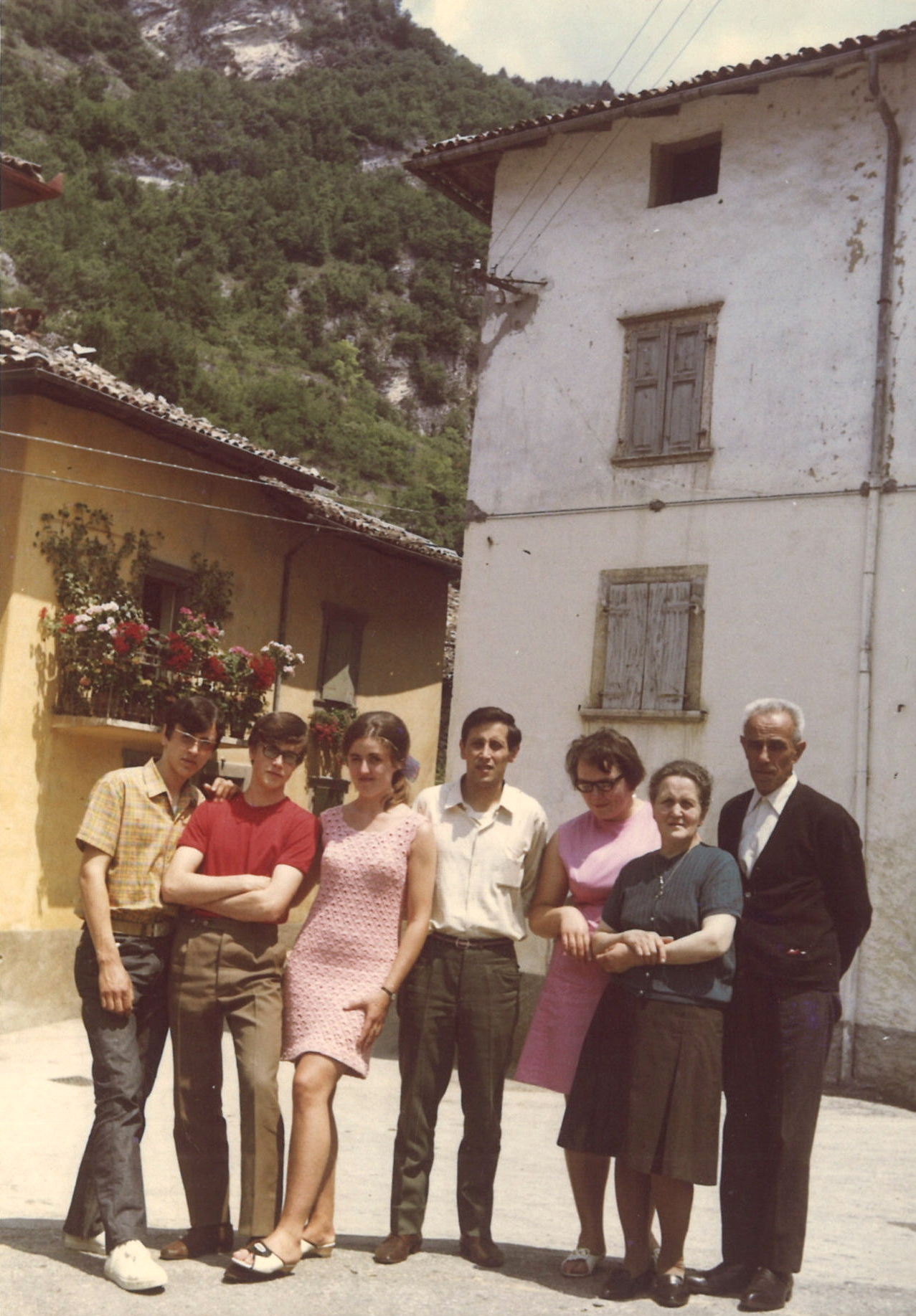
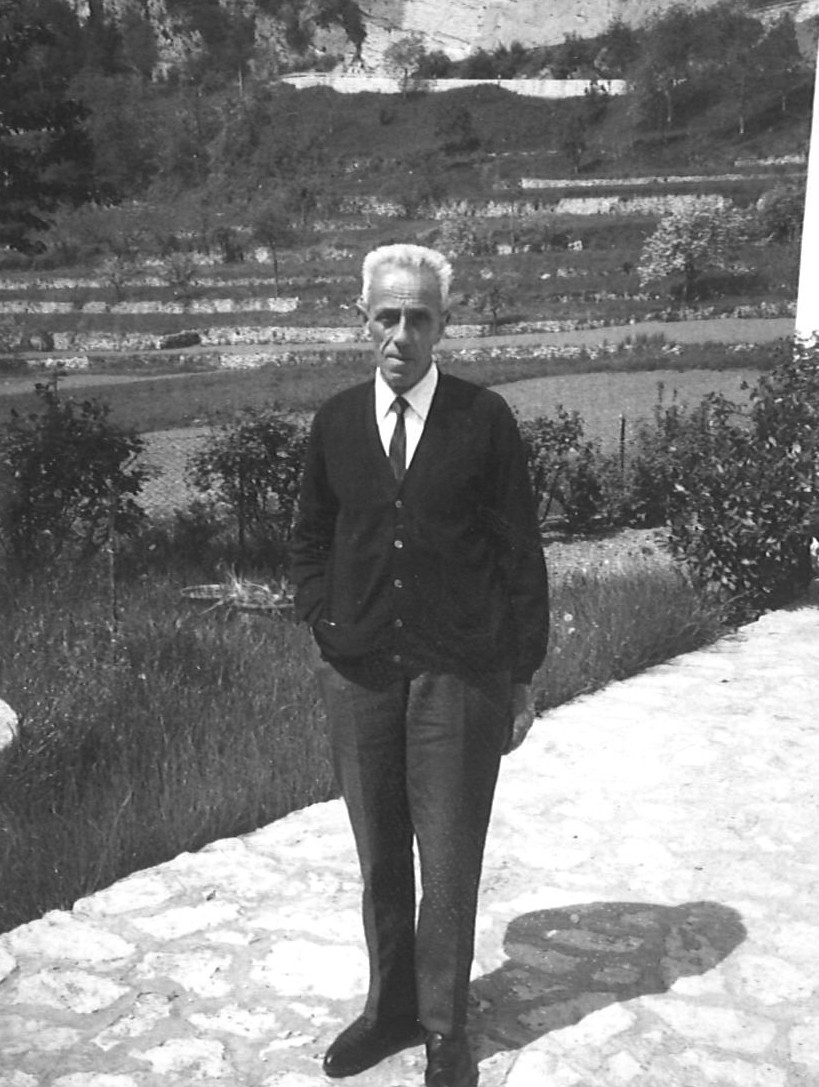
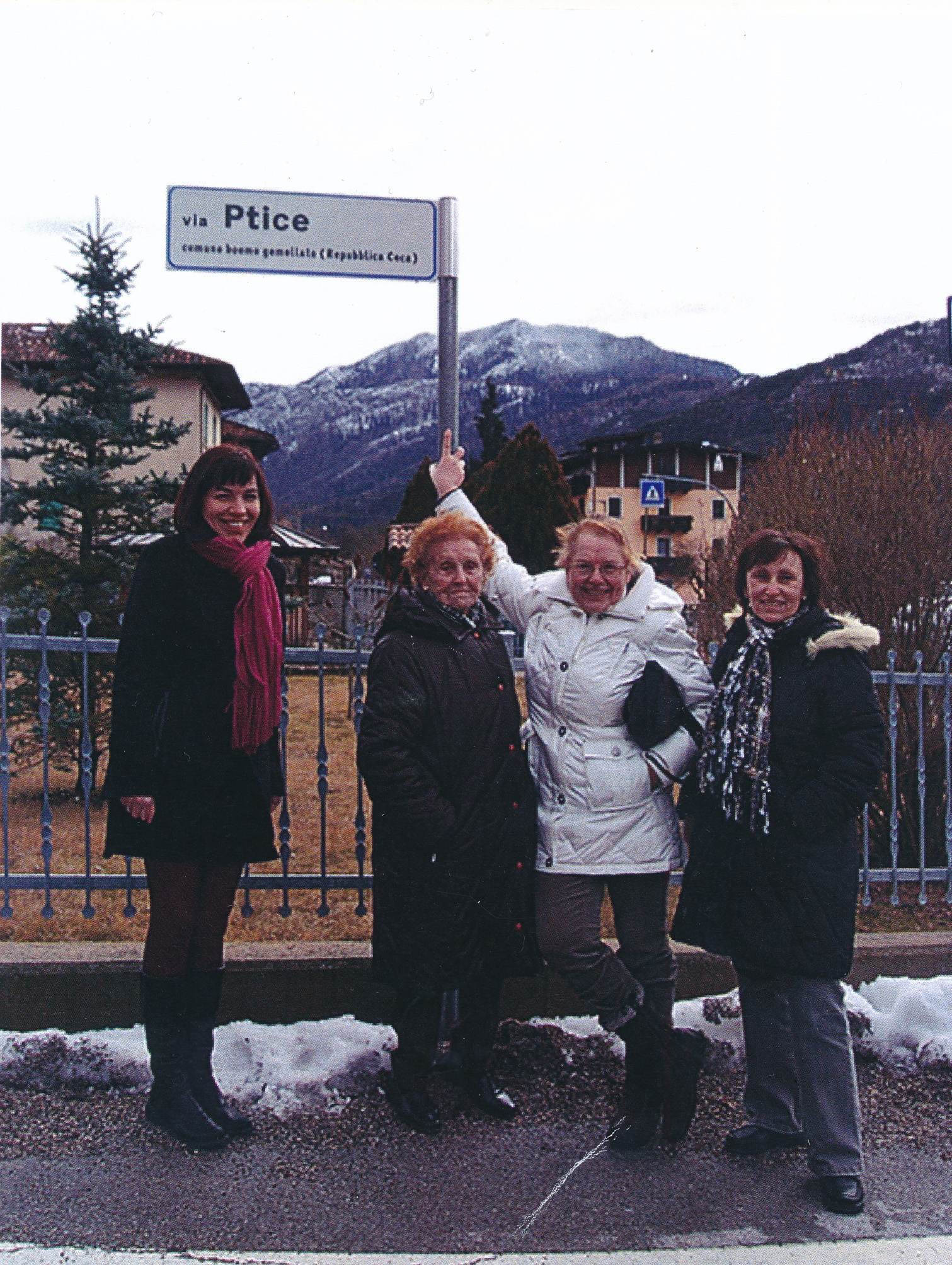
  • "The house is opposite, and Mr. Luigi is on the balcony. And now I'm starting to realize. I thought, 'What am I doing here? I don't even know these people. I can't talk to them. I actually invited myself. What am I coming here to do? It's a completely ridiculous situation.' I thought, 'Maybe we should turn around and go back. I don't know.' I opened the car door and started to get out. Mr. Luigi was standing on the balcony, looking sad that we hadn't arrived. Suddenly he noticed us, because he had a photo of me, and he just said, 'Maria.' I said the only word I knew in Italian: 'Sì.' In that moment, something happened that changed my whole life. The square had been empty. Within a minute, there was a crowd, a real crowd, around us. And now we could hear from all sides, 'Czech buchty, good buchty. I'm a little goose keeper, my shoes are torn. Pepík bought a goat, he gave a fiver for it. We'll give the old woman a rake to rake with, we'll give the young girl a boy to love. Bread, milk.'[Czech folk nursery rhymes and words, ed.] We heard all this. They mined from their minds everything they remembered from their time with us. They surrounded us, we didn't even take out our luggage. And now they were trying to tell us everything. I was watching it like crazy. It really changed my life because it spoke to me so much that I devoted everything to it afterwards. Mr. Luigi used to come here. He came here with other people. We used to go on drives around the country. It was unbelievable. We were looking for friends from the World War I. We managed to get a lot of people who had seen each other after 50 or 60 years. Incredible things."

  • Full recordings
  • 1

    Unhošť, 17.10.2023

    (audio)
    duration: 34:22
    media recorded in project The Stories of Our Neigbours
  • 2

    Praha, 27.03.2024

    (audio)
    duration: 02:23:22
    media recorded in project Stories of 20th Century
Full recordings are available only for logged users.

I have never experienced such love again
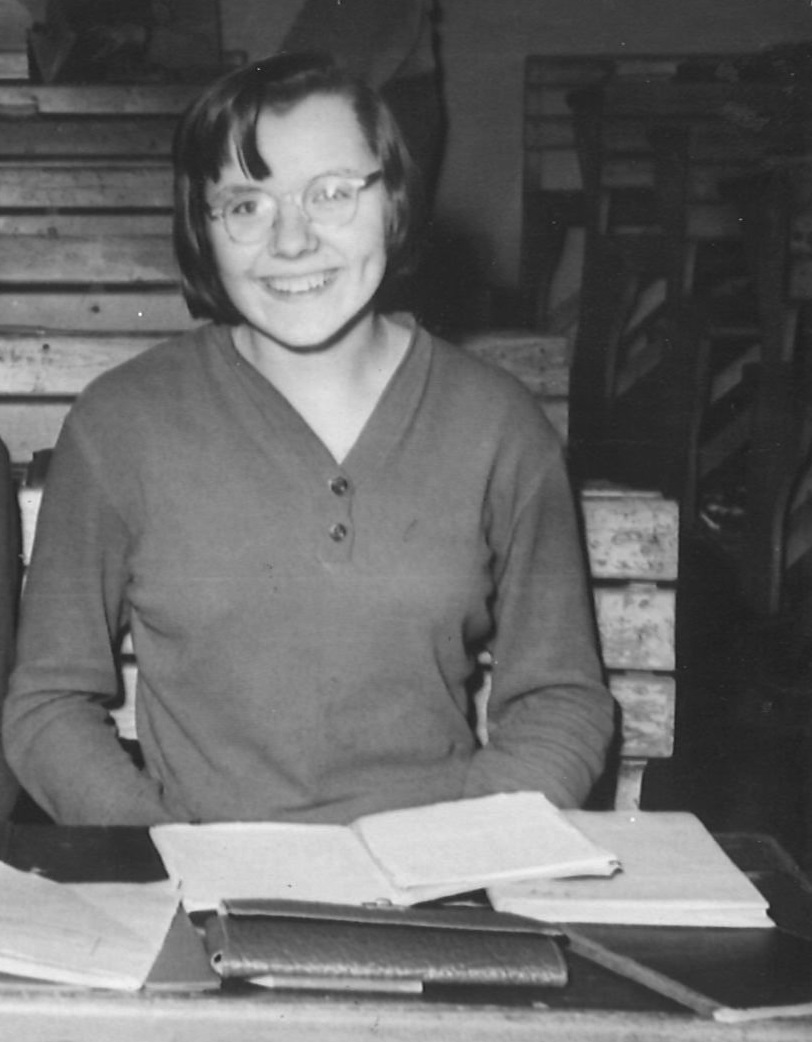
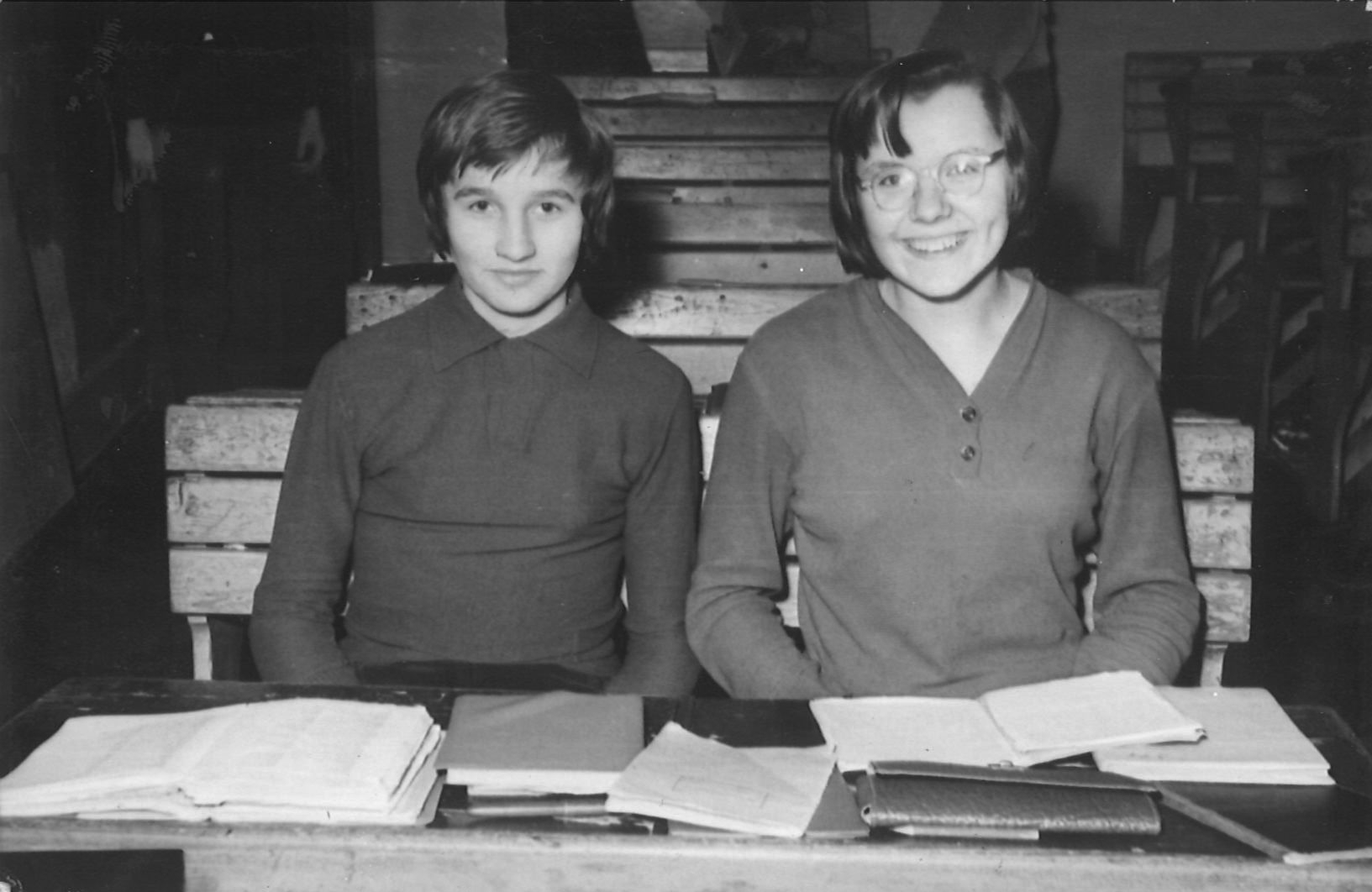
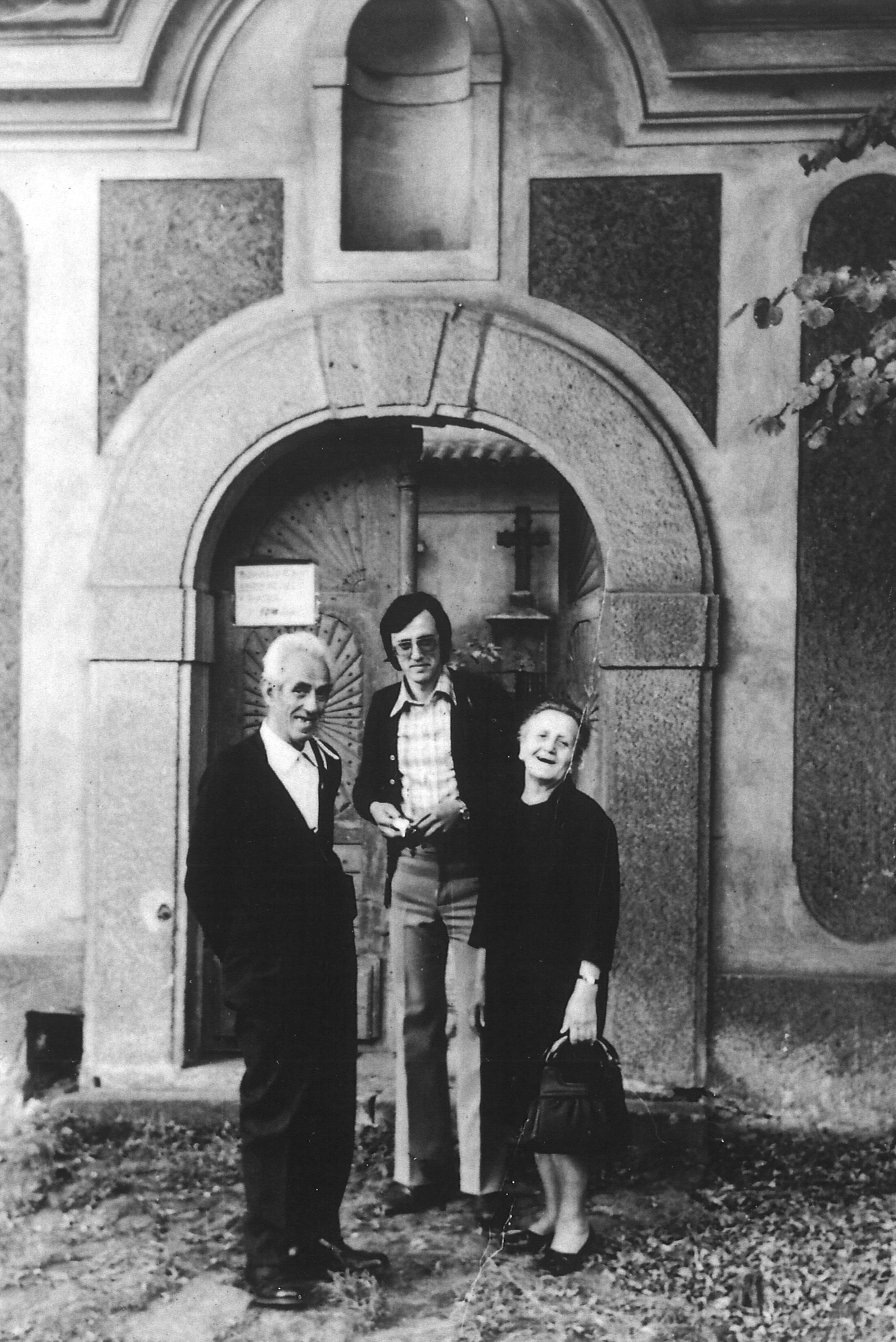
Marie Breníková at primary school
photo: Archive of Marie Breníková

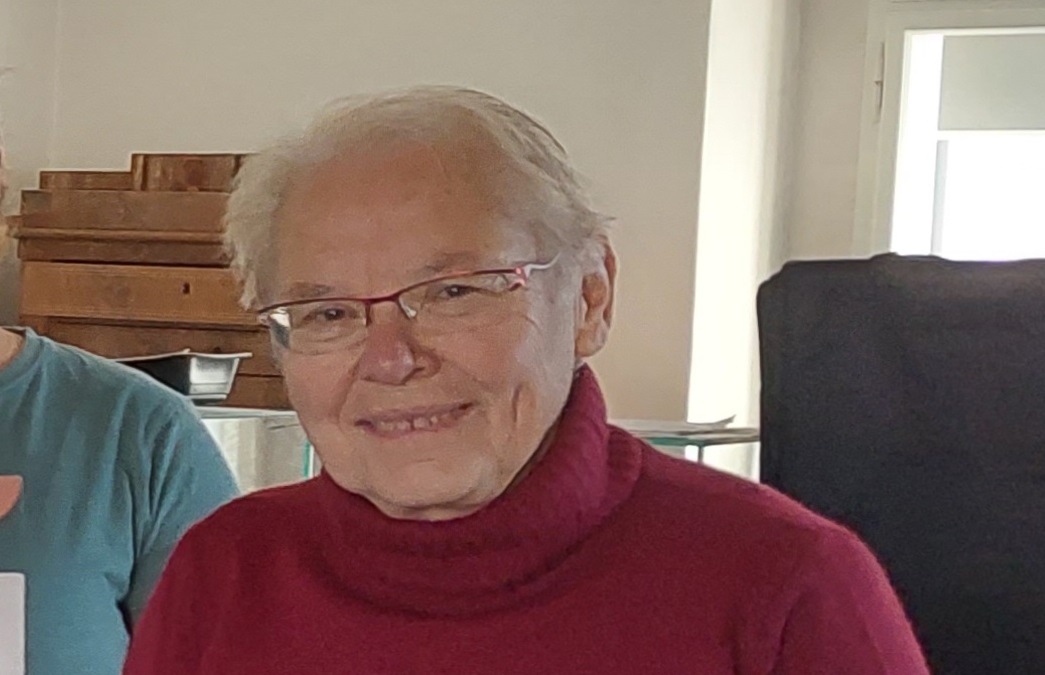
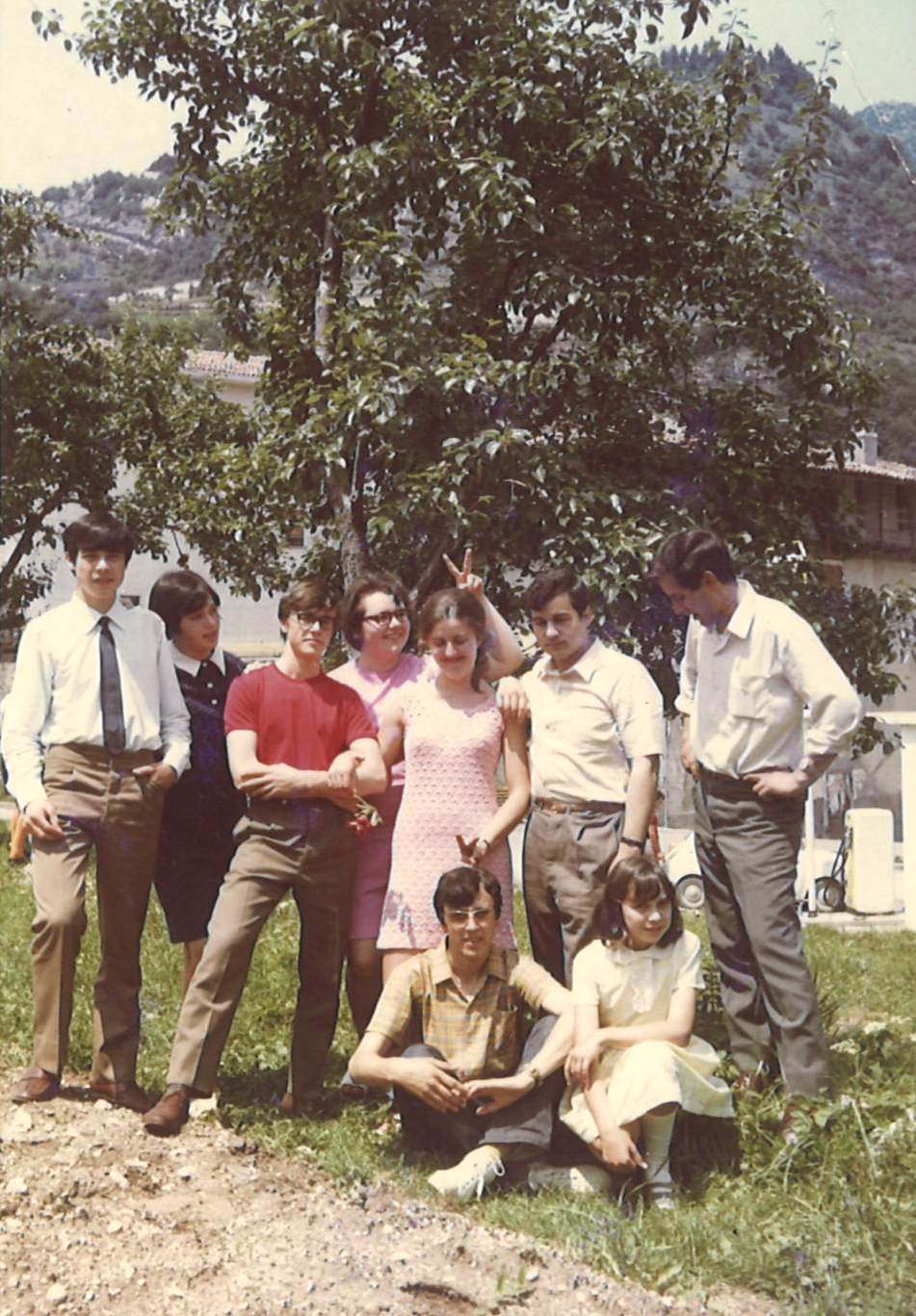
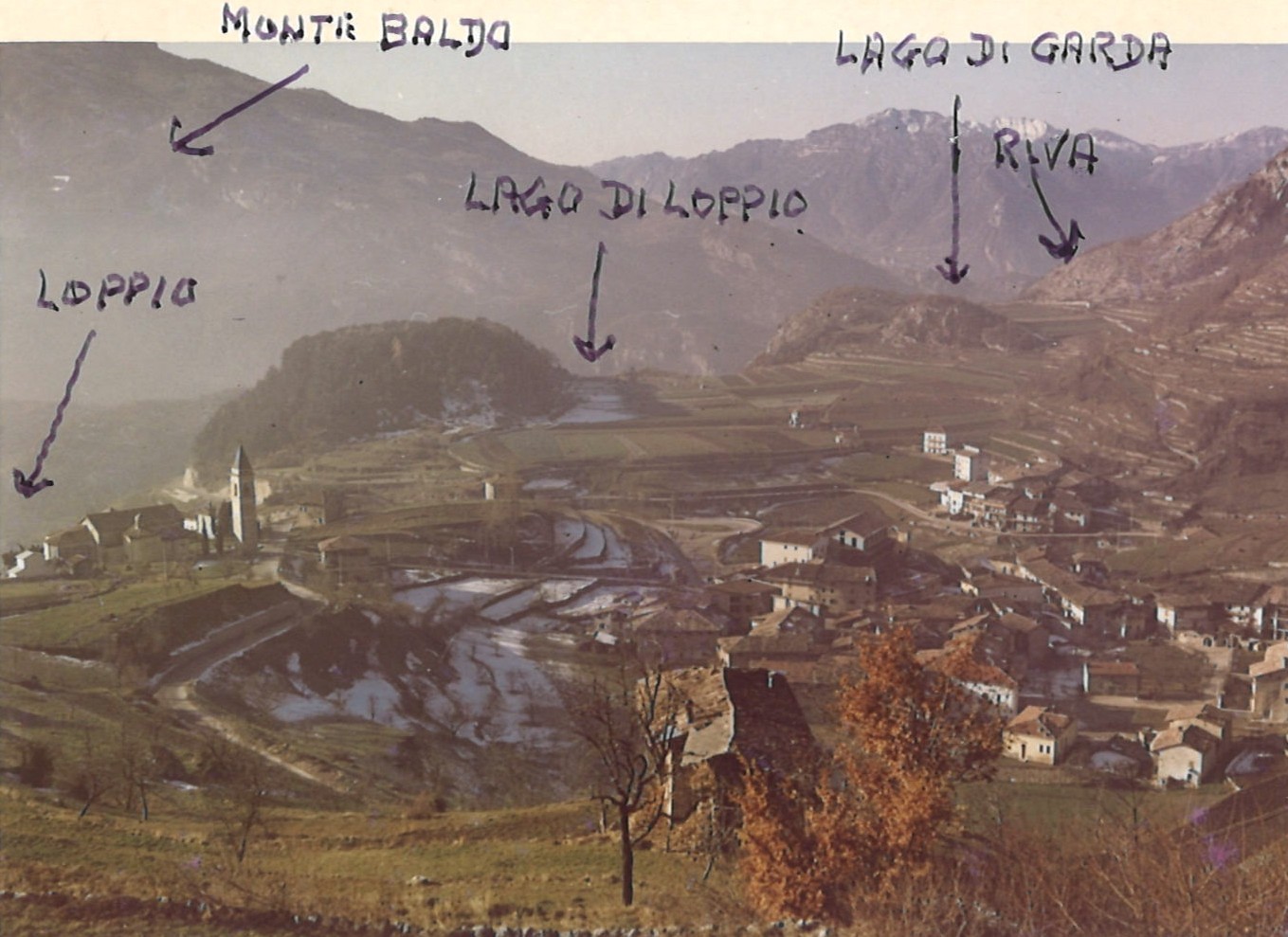
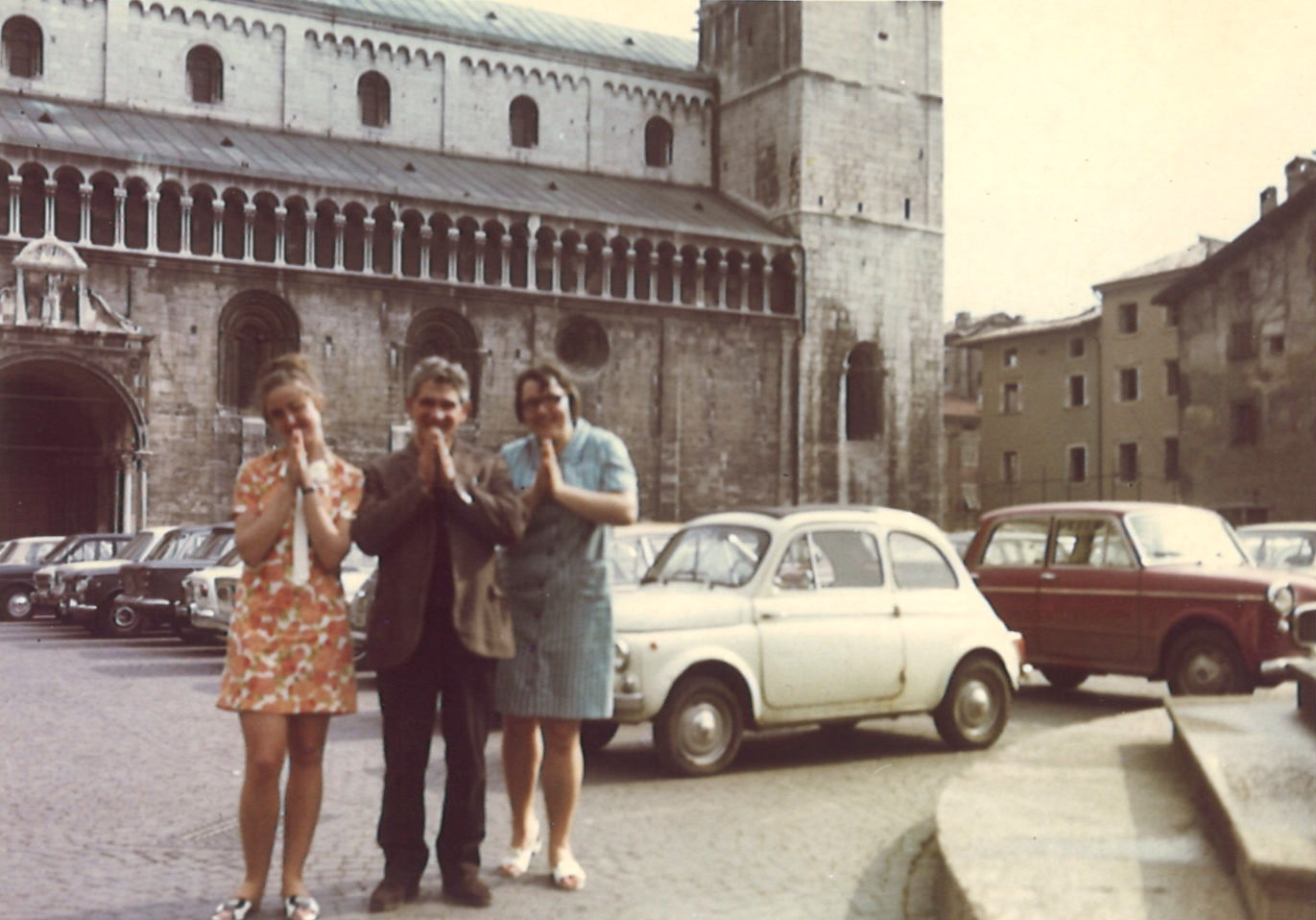
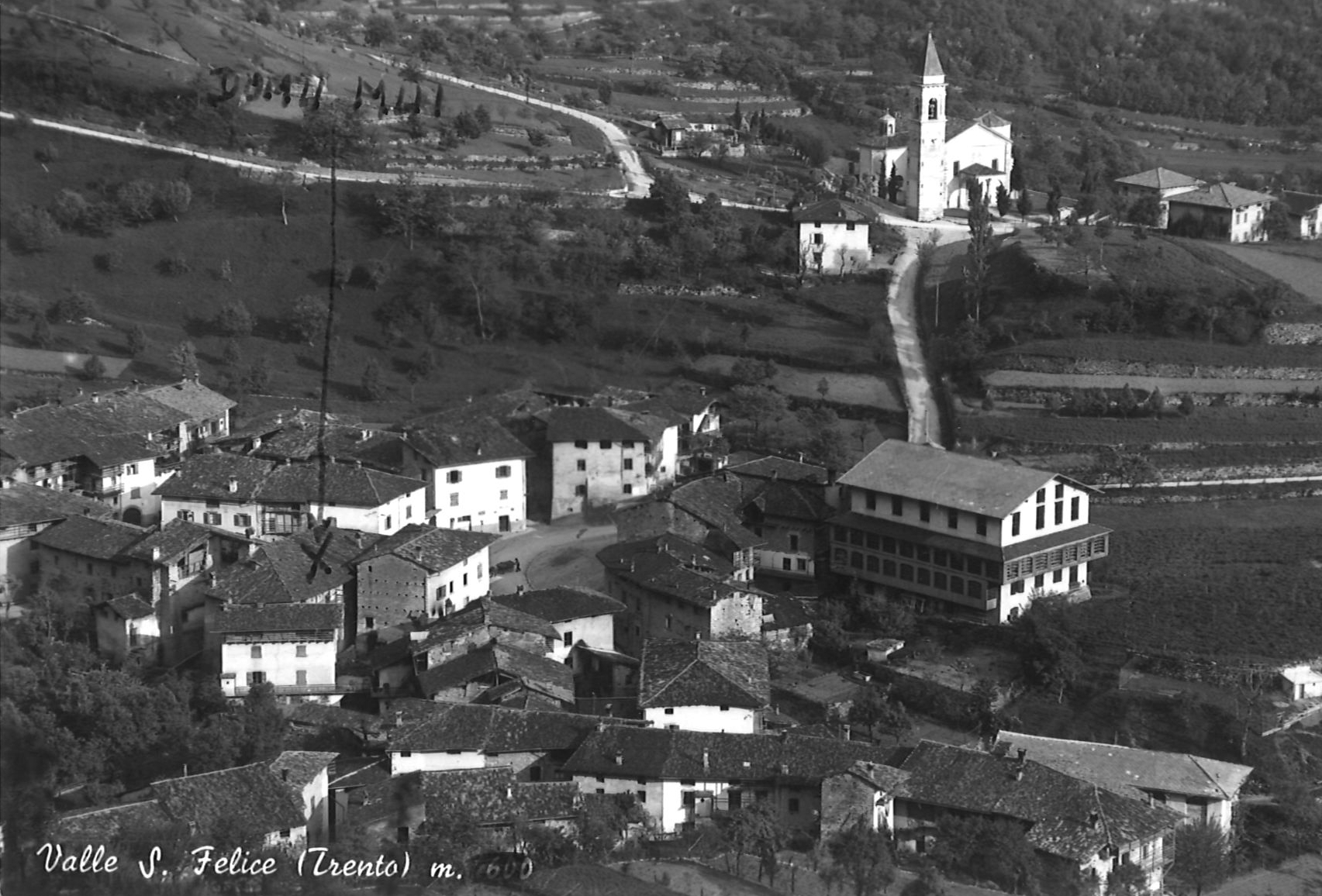
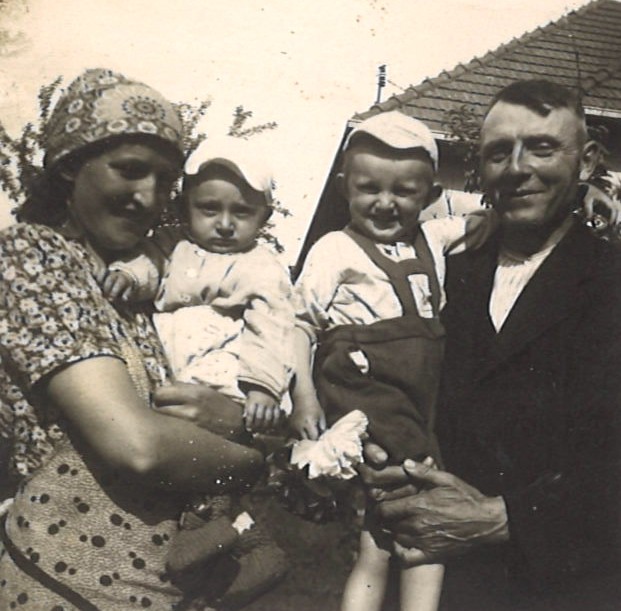
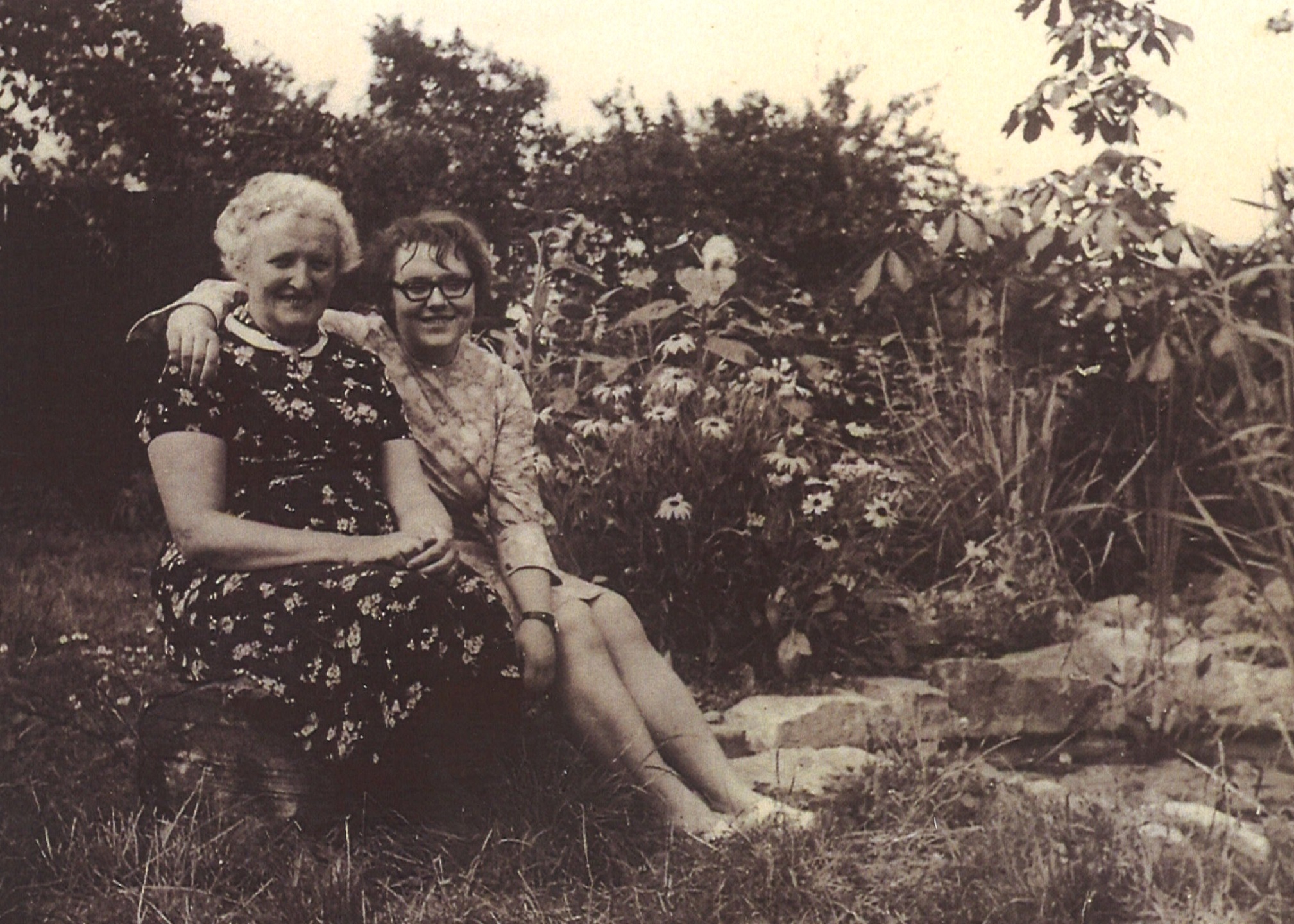
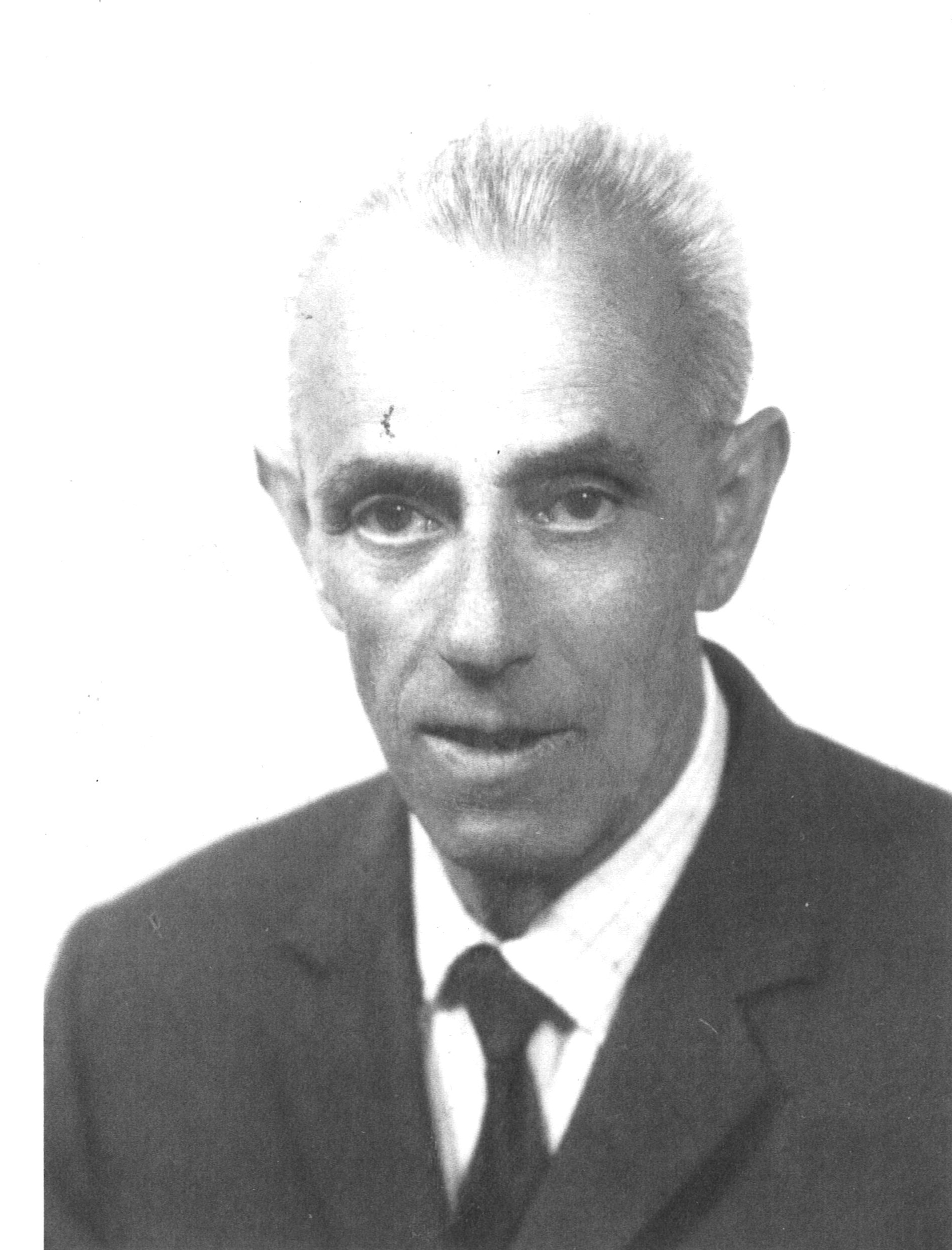
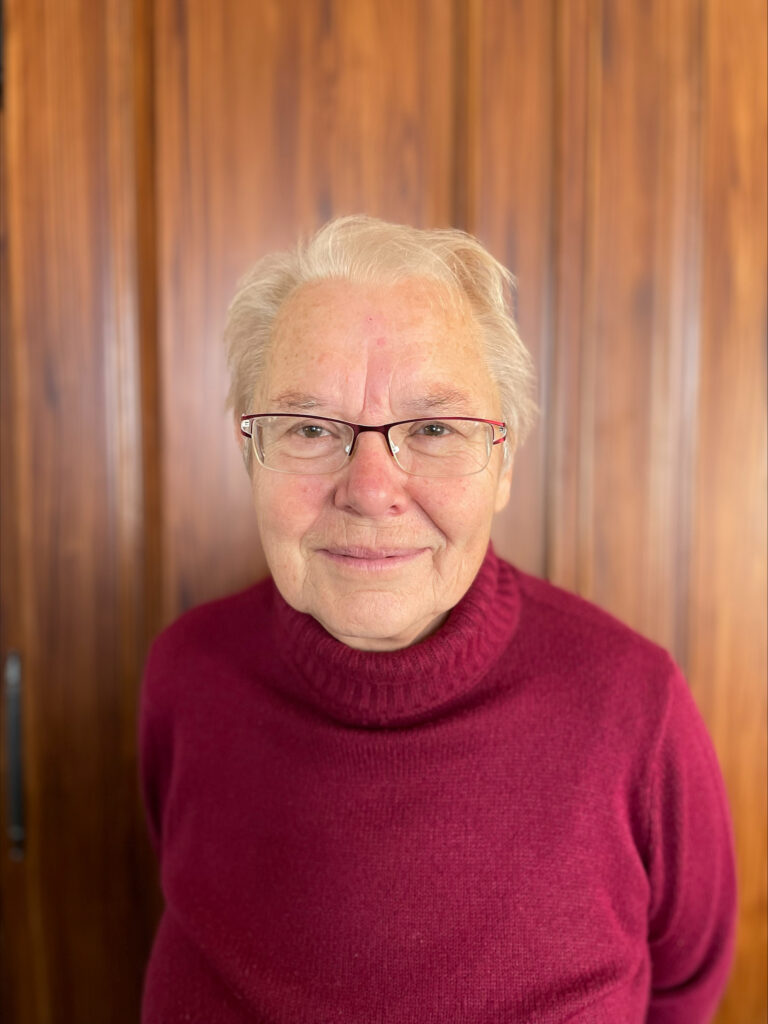
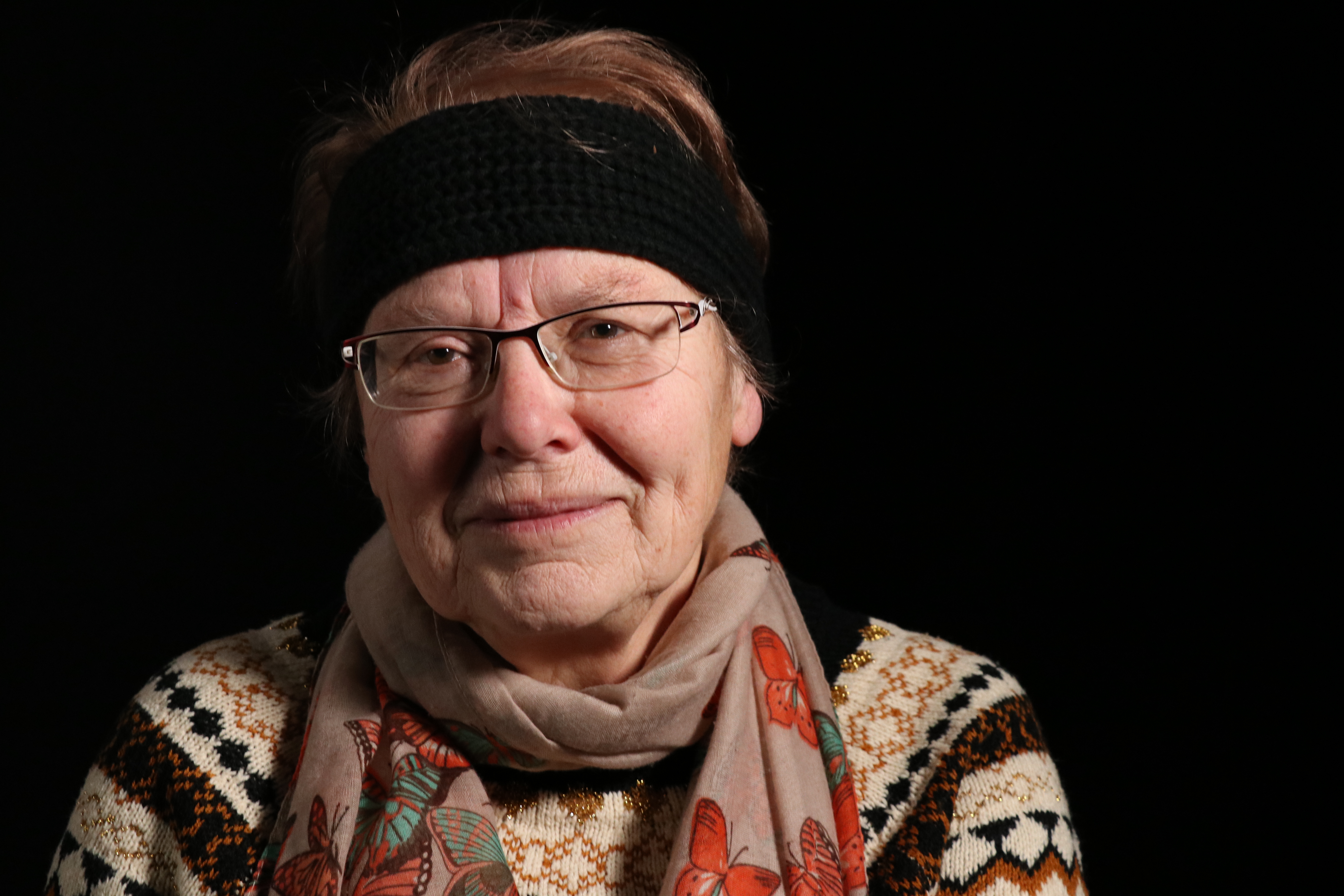
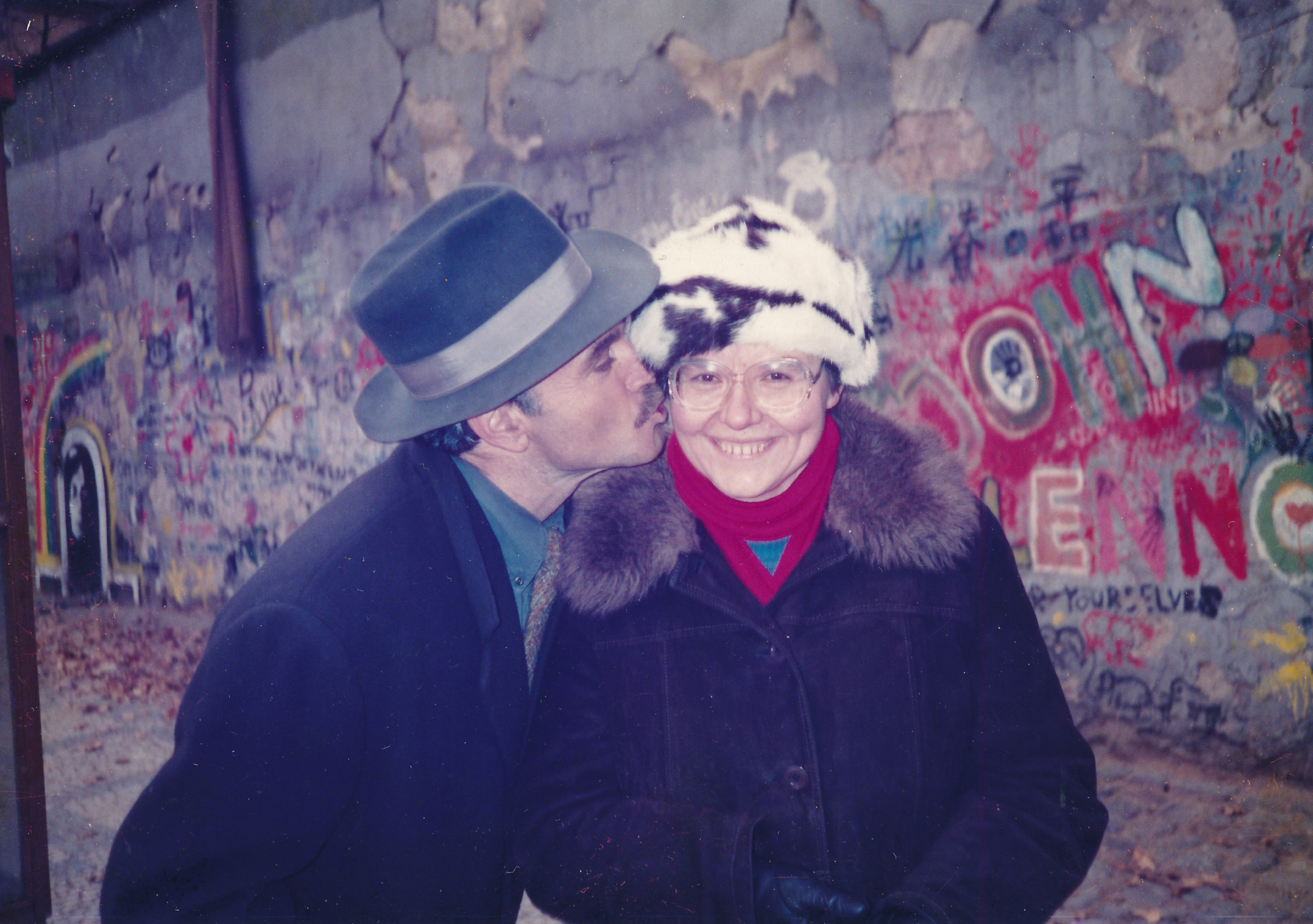
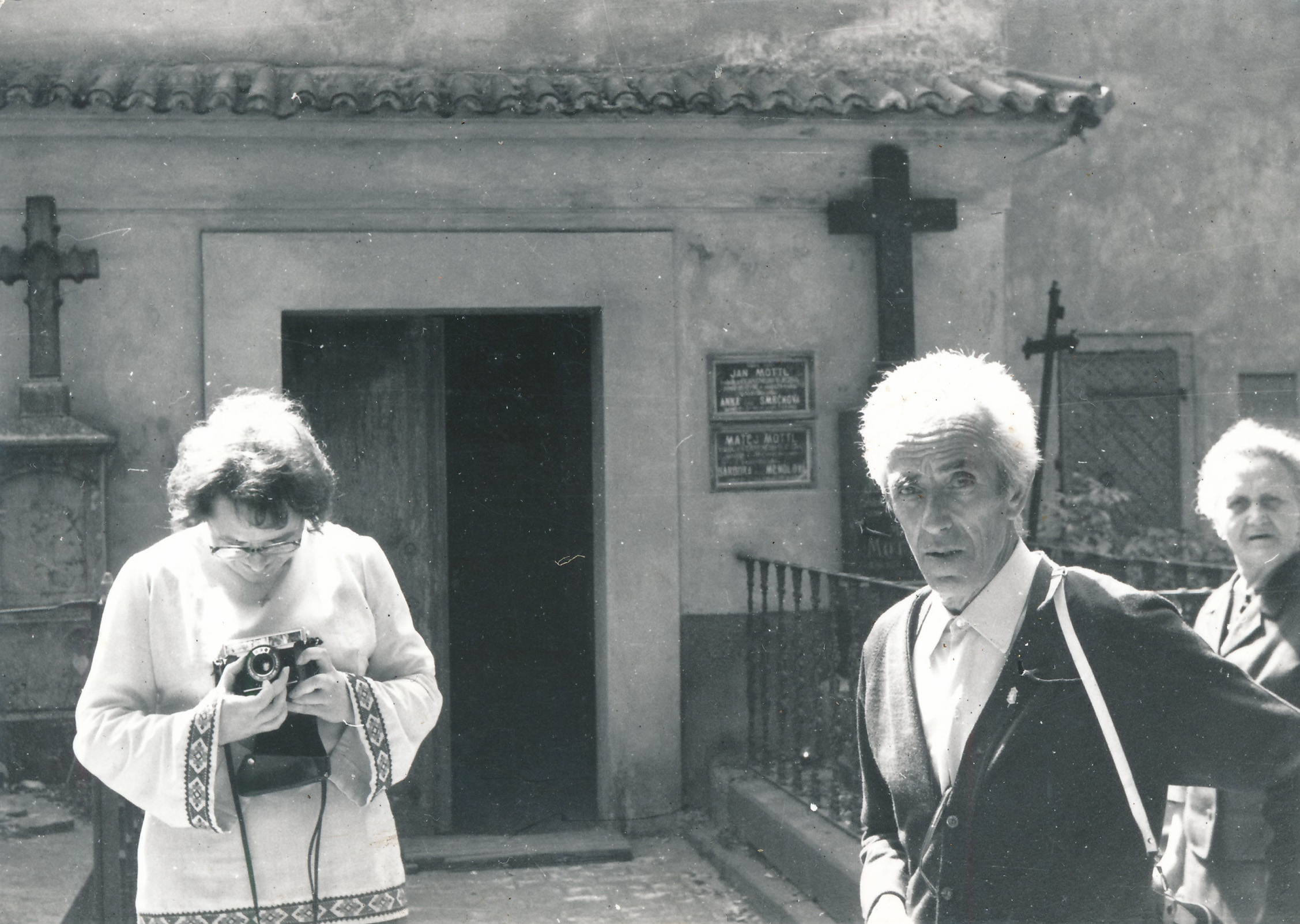
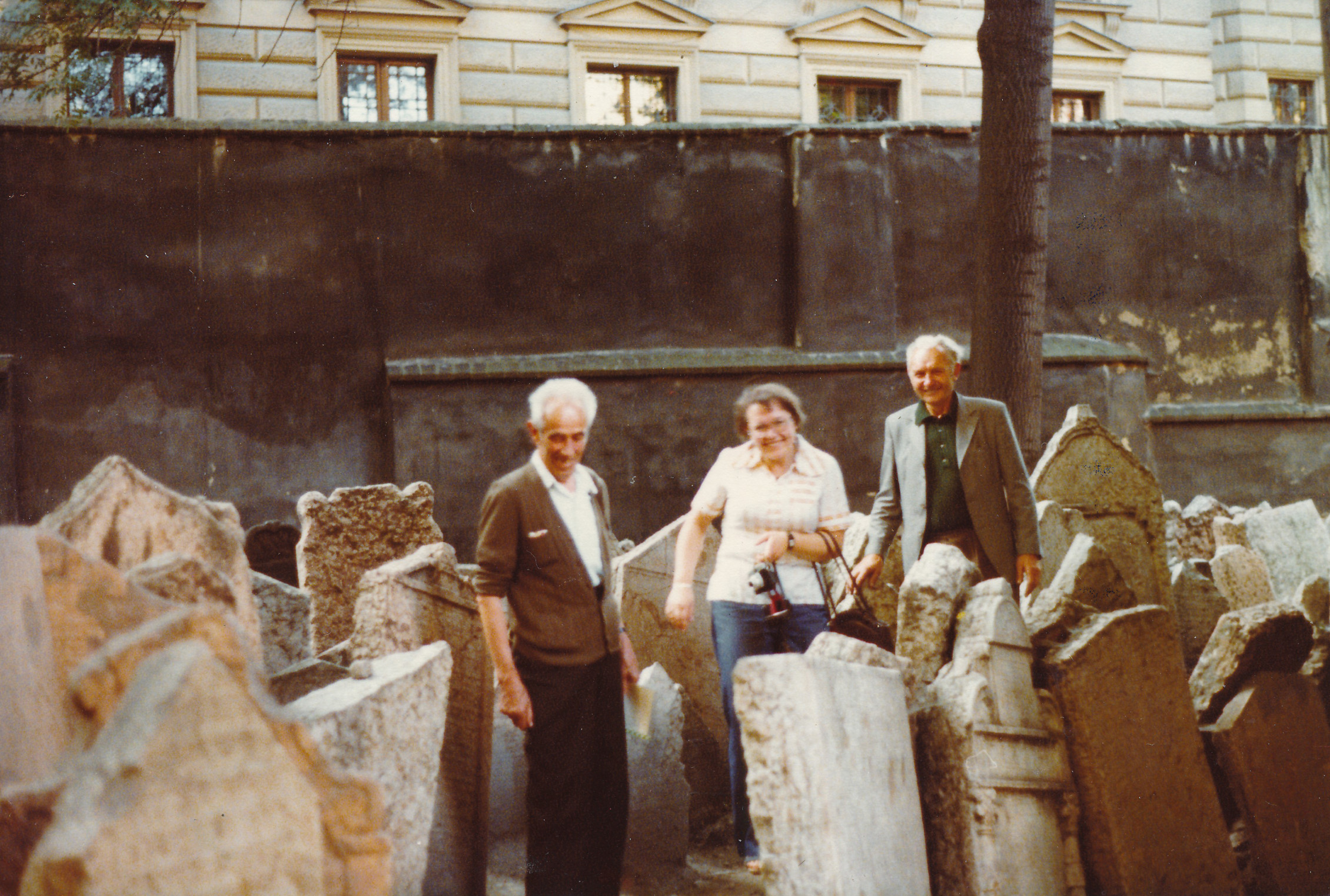
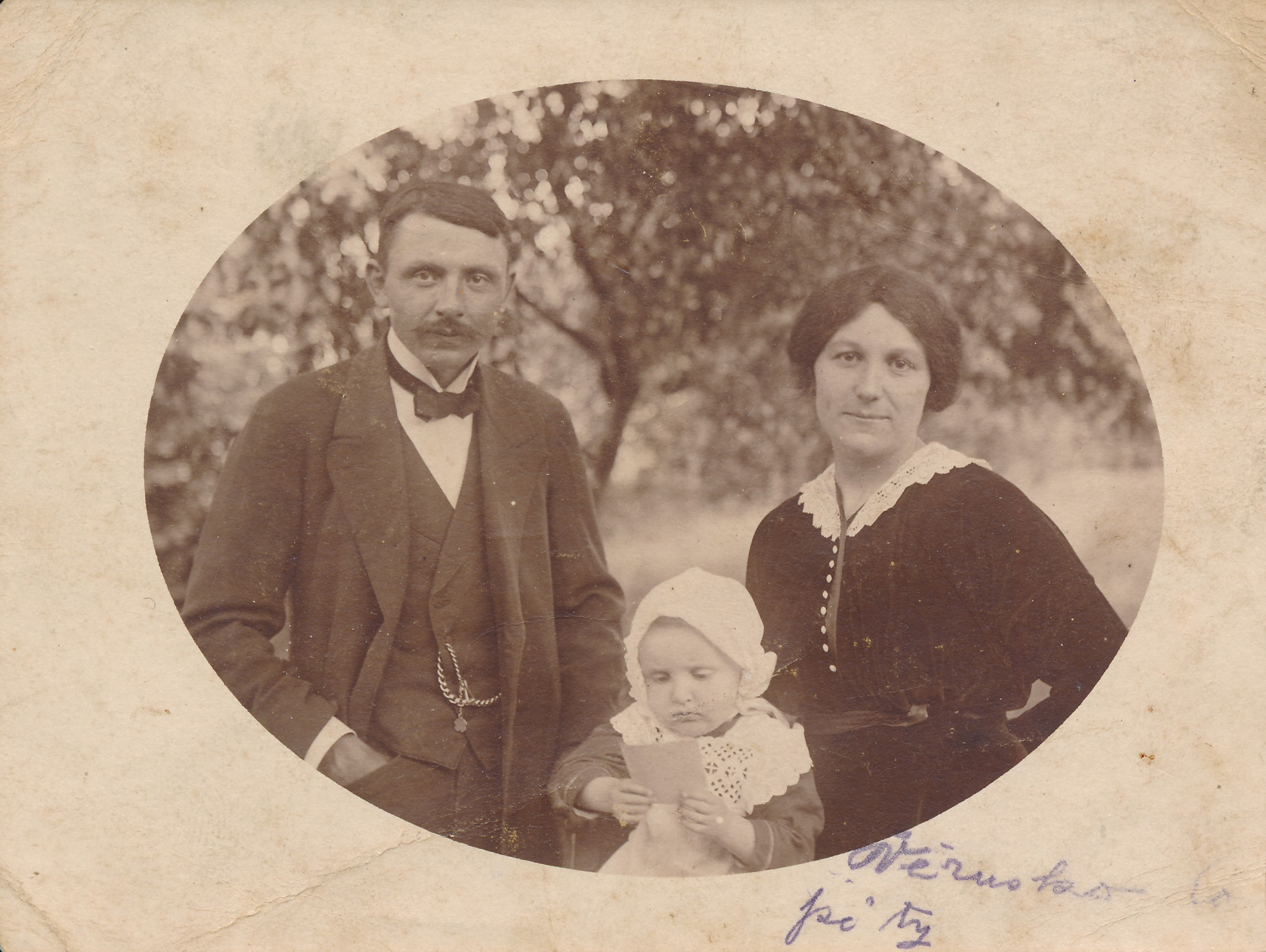
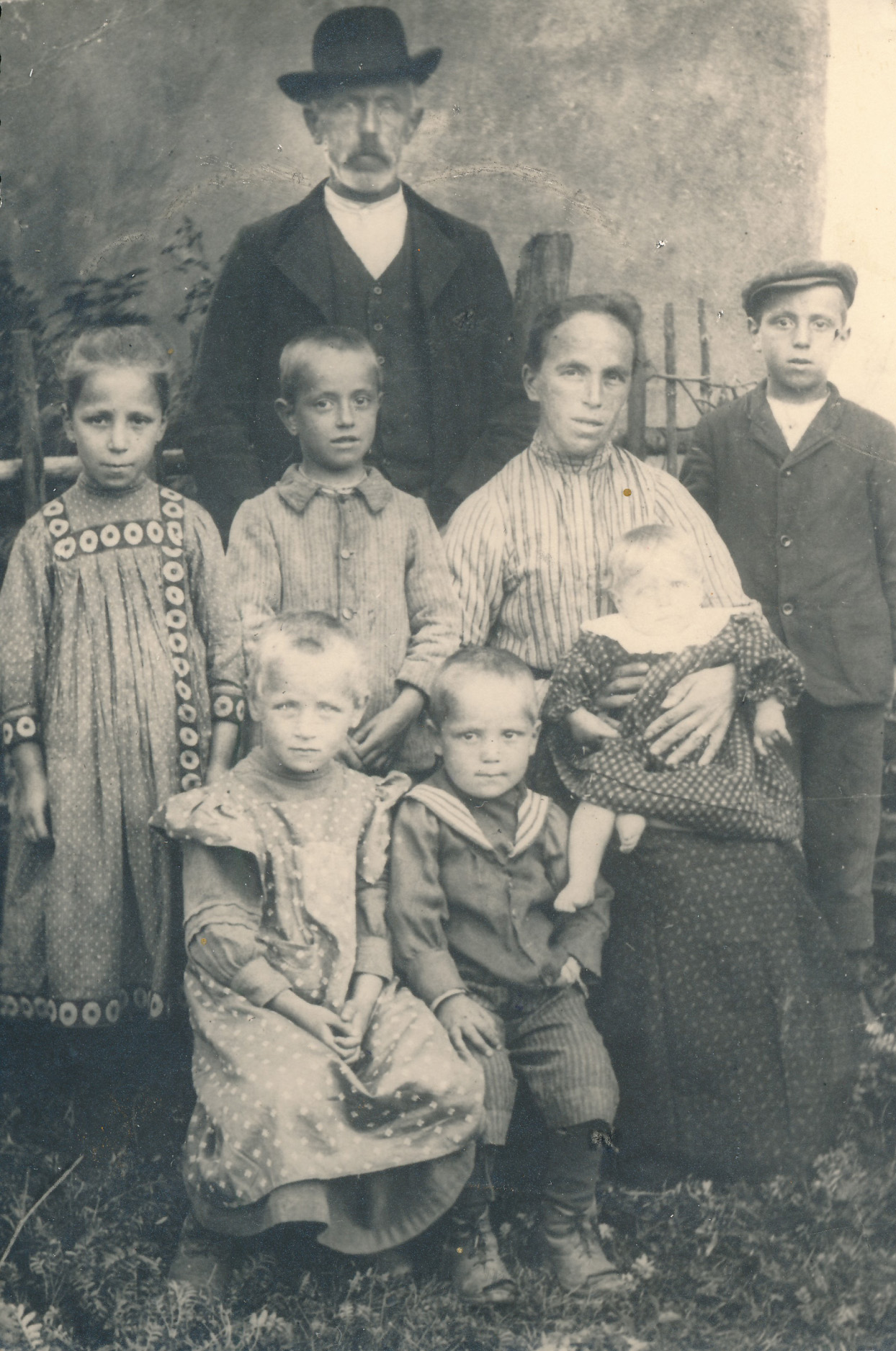
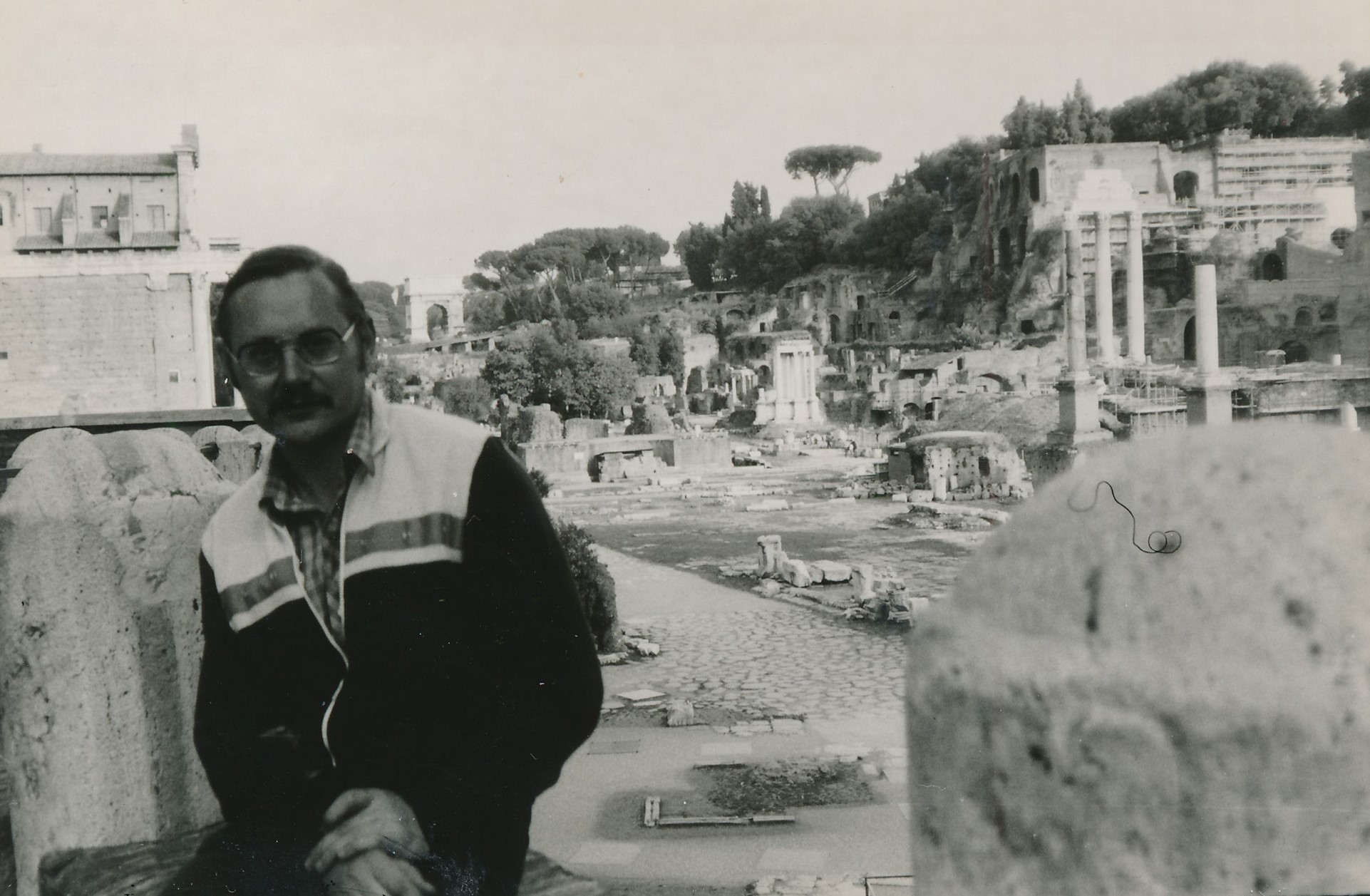
Marie Breníková was born on 3 March 1949 in Kladno. She spent her childhood in Ptice, where her parents Jaroslav Breník and Marie Breníková inherited a large farm from her father’s parents after their wedding in the spring of 1945. In the second half of the 1960s, she accidentally learned about her family’s surprising history with the farm. She discovered that during the World War I, Italian displaced people from the Valle di Ledro area of the province of Trento had lived and worked on the farm of her grandparents, František Breník and Miroslava Breníková, née Špačková. In June 1969, Marie Breníková went on holiday to Italy, where she visited the family of Luigi Gentili, who had lived on their farm with his parents and siblings as a child. This visit changed Maria Breníková’s life completely. She has remained in close contact with his family ever since. Later on, other Italians began to visit her in Prague and she helped them to find the families they had lived with during the war. Because of these contacts, Maria Breníková was interrogated by State Security. During the normalisation period she worked in the centre of Prague as a clerk and later as a fire technician. In the 1970s she passed the state exam in Italian and the tour guide exam. She was working as a guide at the time of the recording in 2024.