For two weeks they trudged on foot with a pram from Kladsko to Berlin
Download image
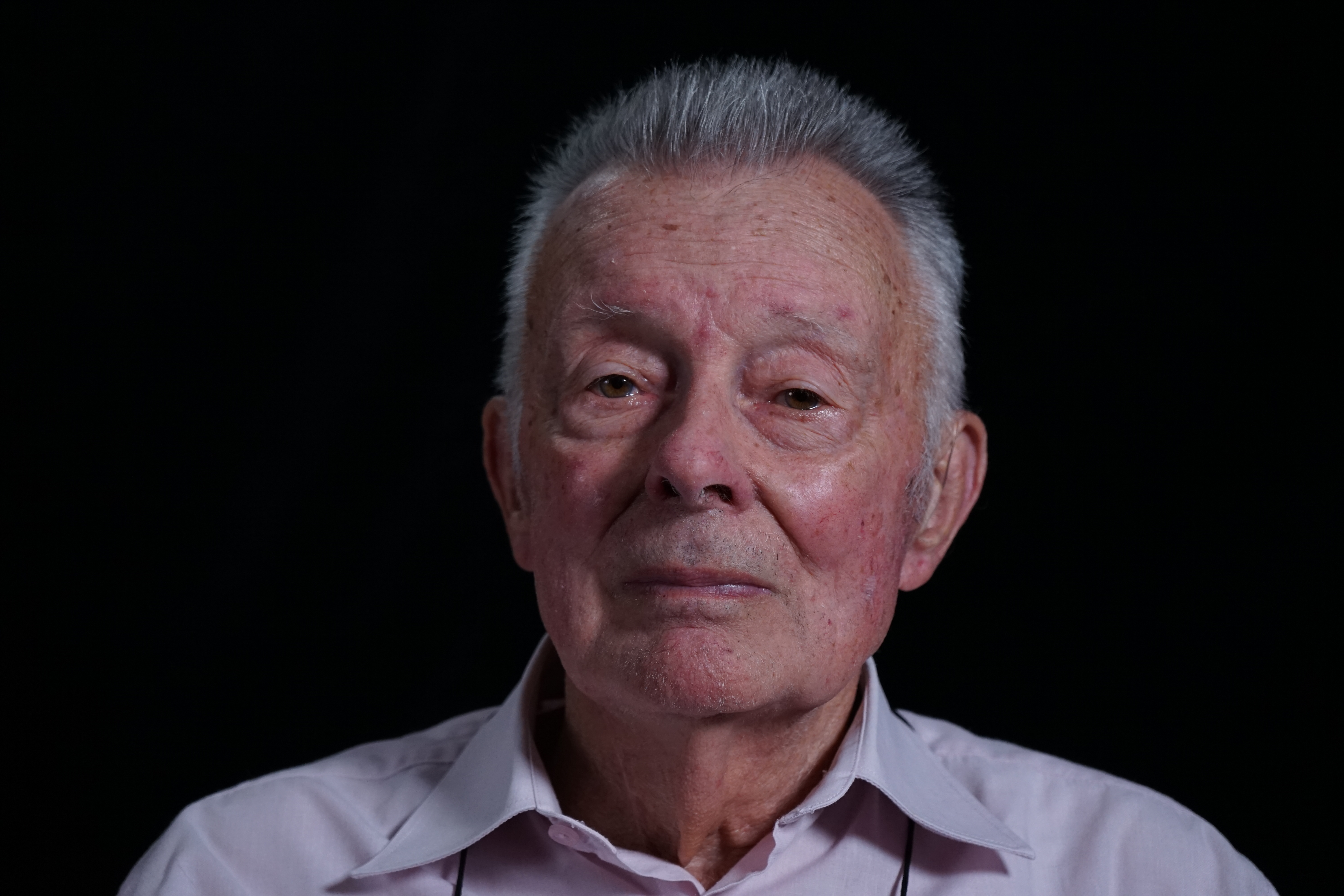
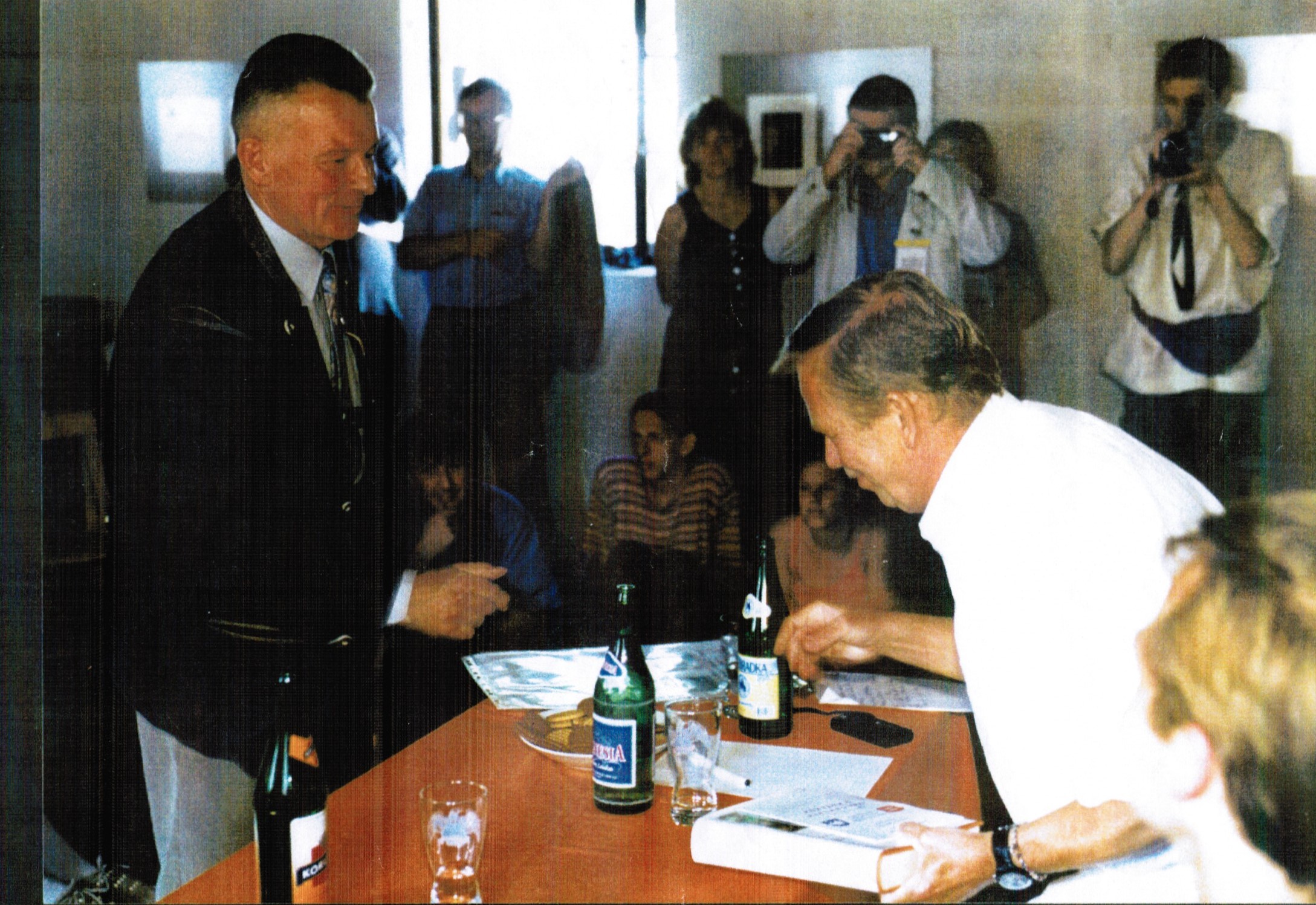
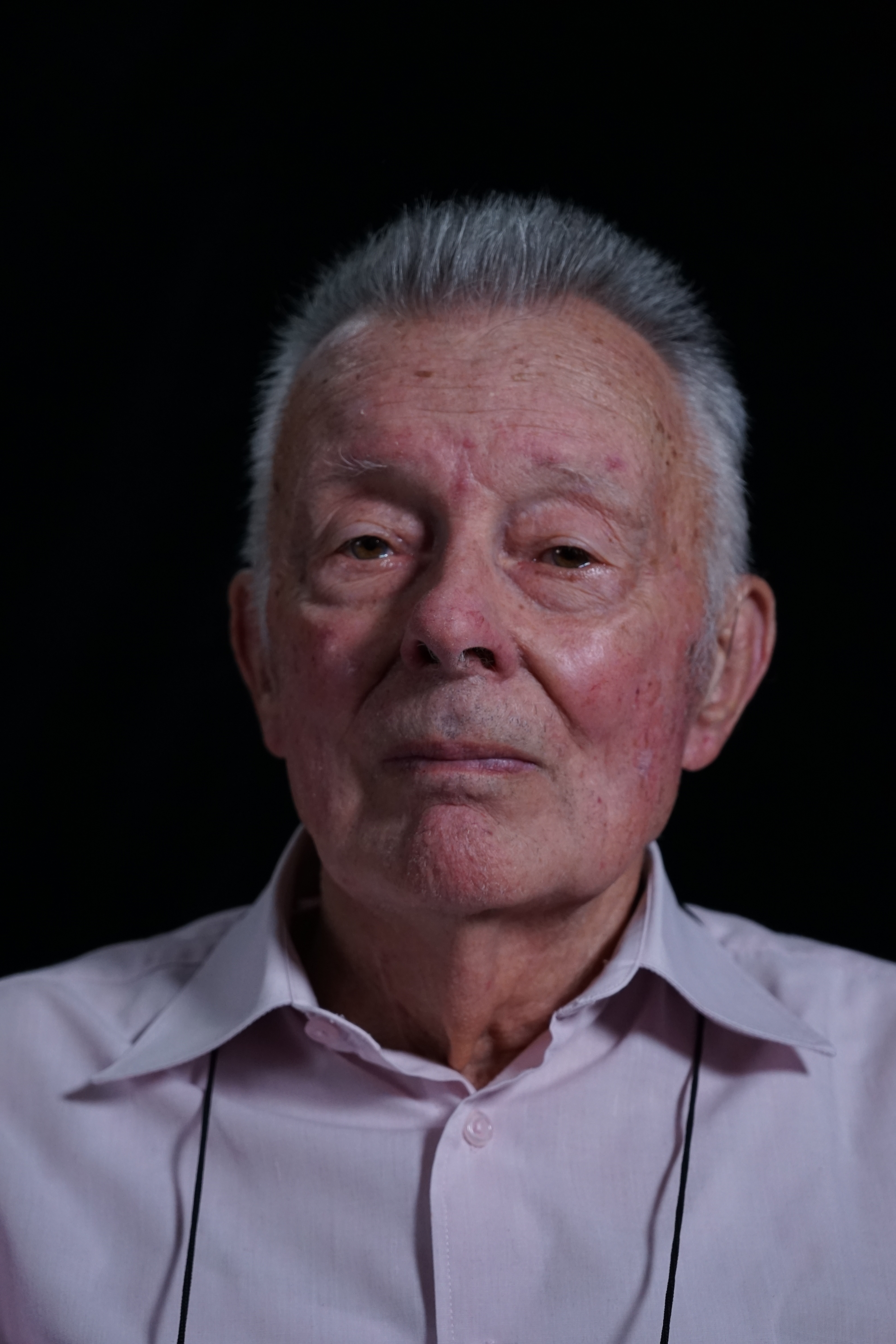
Ernst Birke was born on 7 September 1935 in Trutnov (Trautenau), but spent his childhood in Broumov (Braunau) in eastern Bohemia. His father Ernst Birke studied art education and taught at secondary schools, his mother Elisabeth Birke, née Martinetz, died young. Her father remarried to Margot Birke and they had three daughters. In 1941 he entered the German school in Broumov. In the autumn of 1944, his father enlisted in the German army and served in northern Germany. The witness experienced the arrival of the Soviet army in Broumov, with about ten soldiers staying at their home. At the end of May, my father returned home, was arrested and sent to Soviet captivity in Kursk. In July 1945, he had to leave the apartment with his stepmother and sisters. They walked on foot under surveillance to Tlumačov, across the border with Poland. They walked from Kladsko to Berlin to my stepmother’s parents. In Berlin they survived the freezing winter and he started school. In 1949 his father returned and the whole family gradually moved to West Germany near Stuttgart. He studied at the University of Tübingen and in Vienna. He joined the German army and served in various places in the Federal Republic of Germany. He married and he and his wife had three children. He came to Broumov again after 1989. In 2001, he presented Václav Havel with the Book of Compatriots of the Broumov Compatriot Association. For many years he served as chairman of the Broumov/Sudetenland Association (Heimatkreis Braunau / Sudetenland e.V.) In 2016 he received the Broumov Memorial Certificate. In 2001 he was instrumental in signing a partnership agreement between the cities of Broumov and Forchheim, which is also the patron city of the association. In 2025 he lived in Schongau, Bavaria.