"I considered emigrating at one point. And that was when I auditioned for the Zurich Symphony Orchestra. And when I came back, The summened me to Pragokoncert, where it was one State Security guy next to another, and they were so friendly with me, talking about how I had a good time there, congratulating me on my success, and saying that I was certainly happy, which of course I was, because the salary in the Zurich Symphony to this day is about something different than here. Well, yeah, it was just that he was playing the good cop. And then the other one came and said, 'We'll let you go, we'll sign the contract, we've got it all here.' They had everything ready. 'But what we need you to do is to write down from time to time who you were hanging out with, what the person said, that kind of thing.' I realised at that point that I was like, oh, so it's not just that they would take half of my salary, they took half of everybody's fee, but it's also this. And because, even though it doesn't seem like it now, I'm a very introverted person, I got up and left. And from then on, I wasn't allowed to go anywhere by myself."
"My sister used to be the first one to go to work, and she got up at five o'clock in the morning and ran upstairs all scared, saying, 'Dad, there's some weird play on the radio.' She thought it was a play. So we all ran down to the radio and we listened and my dad said, 'That's not a play. The Russians are here, that's to be expected.' All the nations that border us today, they were standing on the border. The Western world must have seen it and said nothing, did nothing. And basically for me personally it's a second Munich agreement because they gave them the green light. And nobody went anywhere, we didn't go to work or school, we were sitting by the radio and listening to it. You could already hear the raids on Ruzyně, planes flying over us. And in the evening, a group of tanks drove down our street, the Podléšková street.
They were going to Spořilov, because there's a hill there, and they were heading for Prague. So there were tanks, cannons.
Mrs. Horáček, the wife of Mr. Jaroslav Horáček, the bassist from the National Theatre, was in the window.
She was looking, her tears were flowing like this, she was crying. I noticed that, because my parents were just like stones. They knew what was going on after the 1945, what they could do. They knew what had happened after the forty-eighth, and now it was the sixty-eighth, and their life just seemed to be haunted by these horrible events. Even Mum, who was very emotionally involved in everything, didn't cry. I could just see them staring. I still hadn't figured out what it was all about. However, it was clear to me that a certain next stage of life was going to change and now it would be up to us how we handled it, of course. And not only on us, on the whole environment, on the whole of Europe basically."
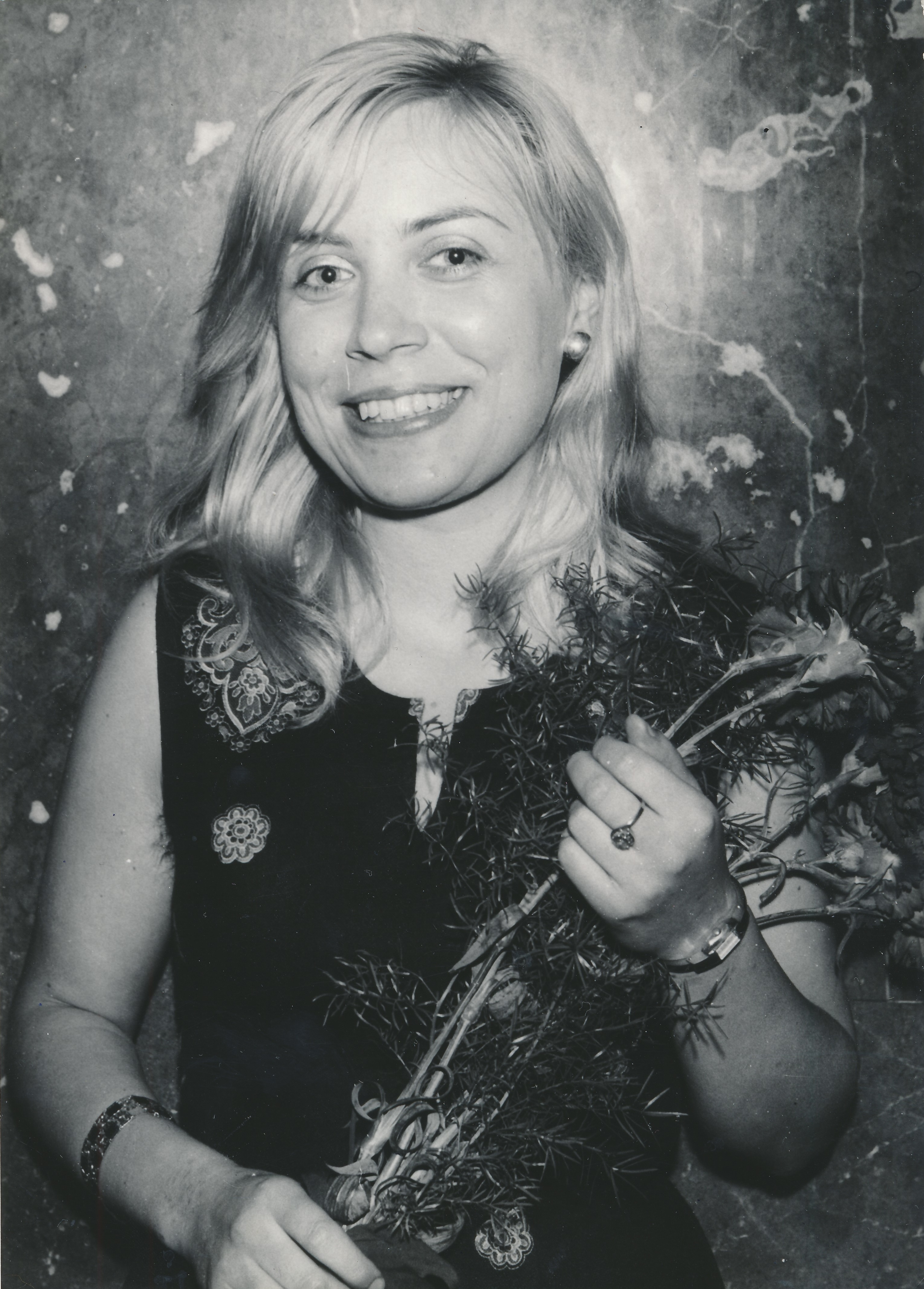
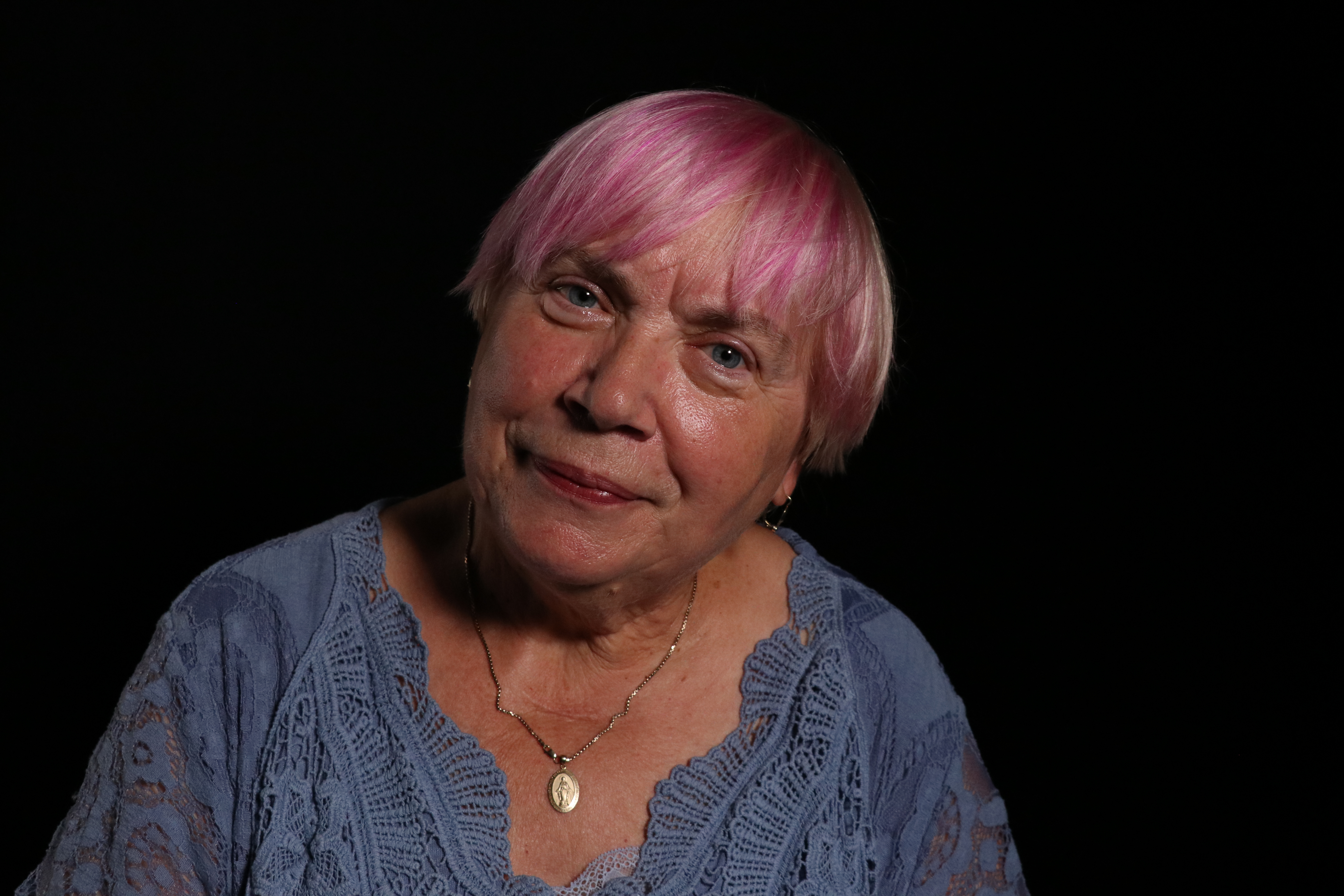
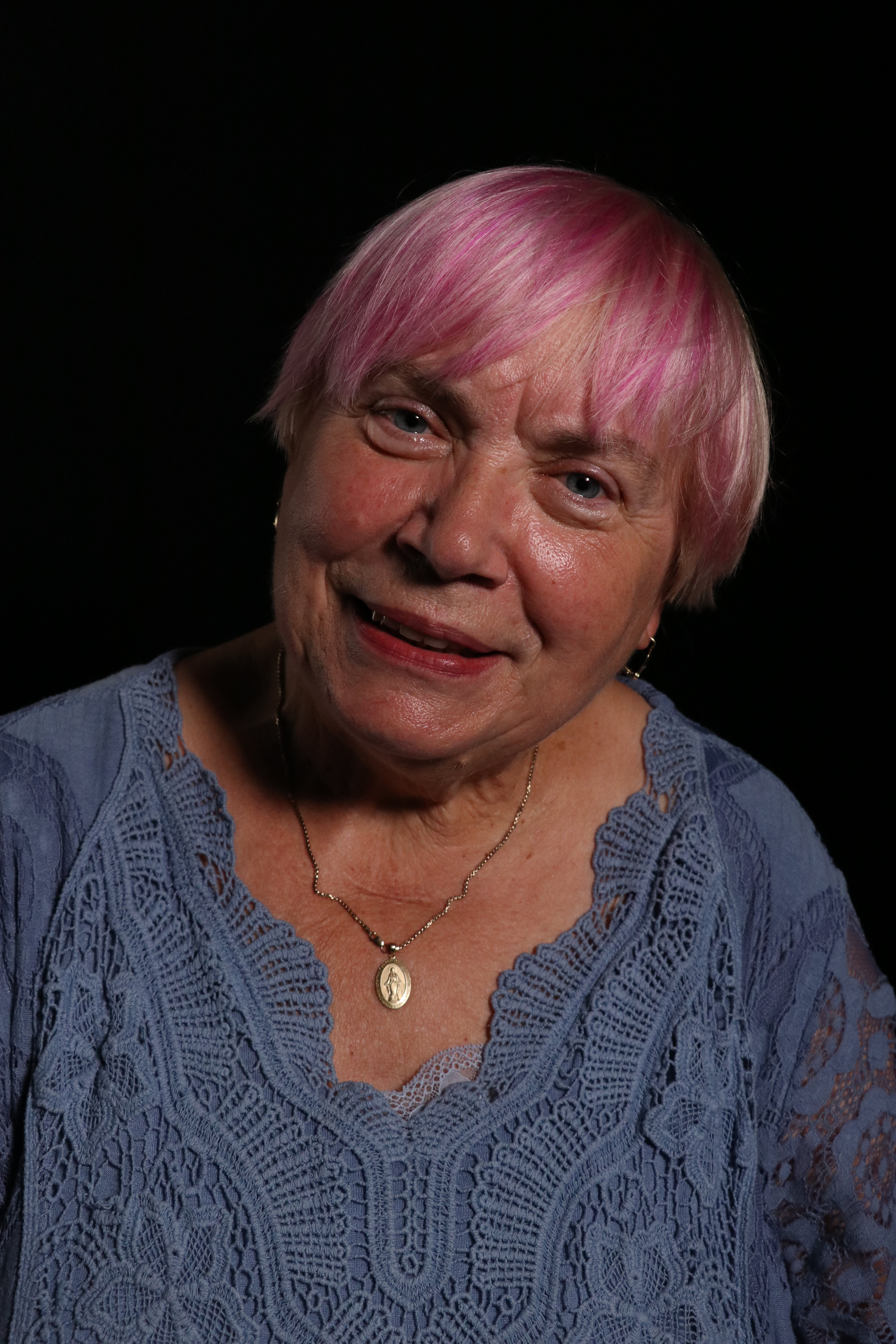
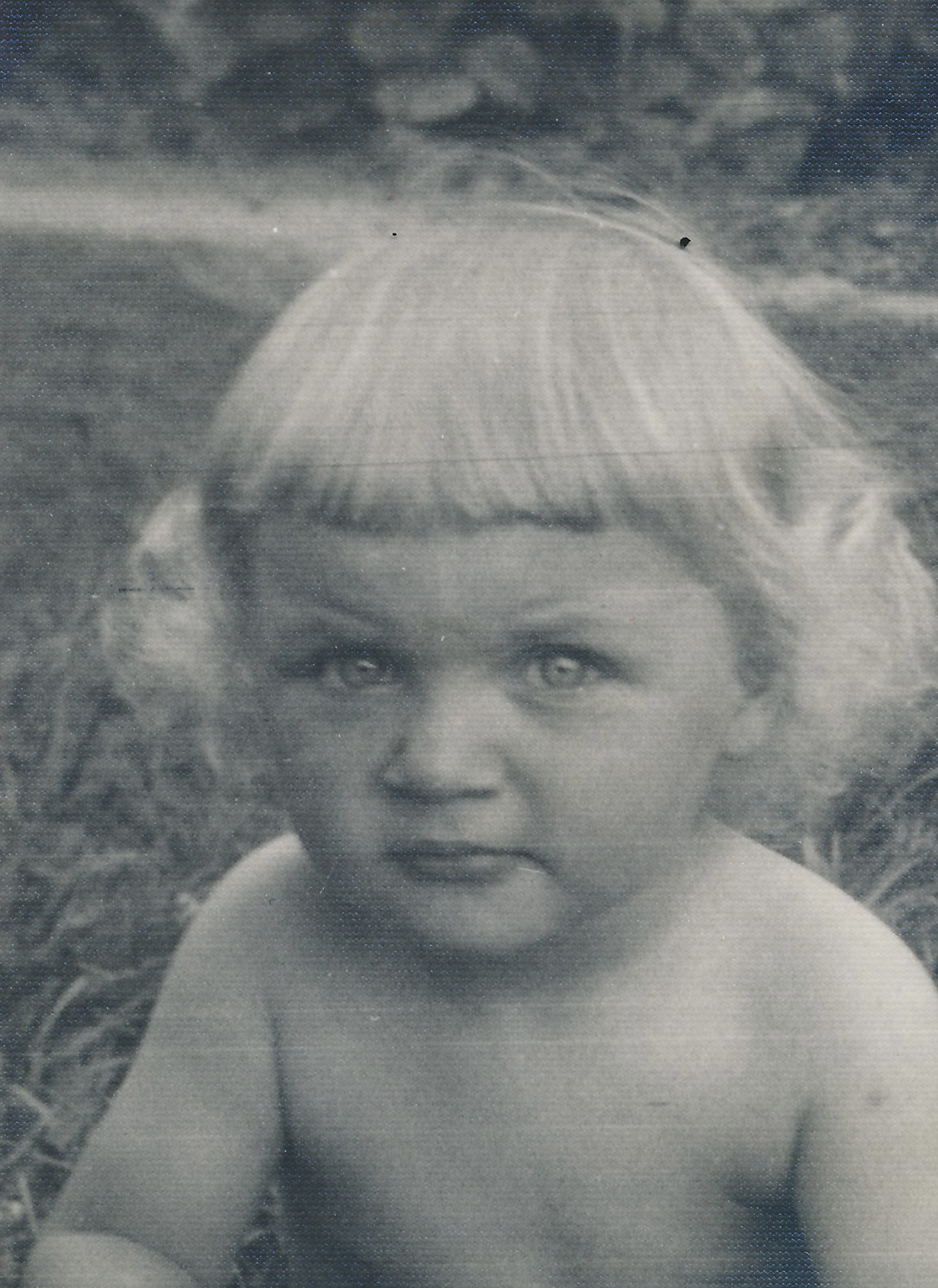
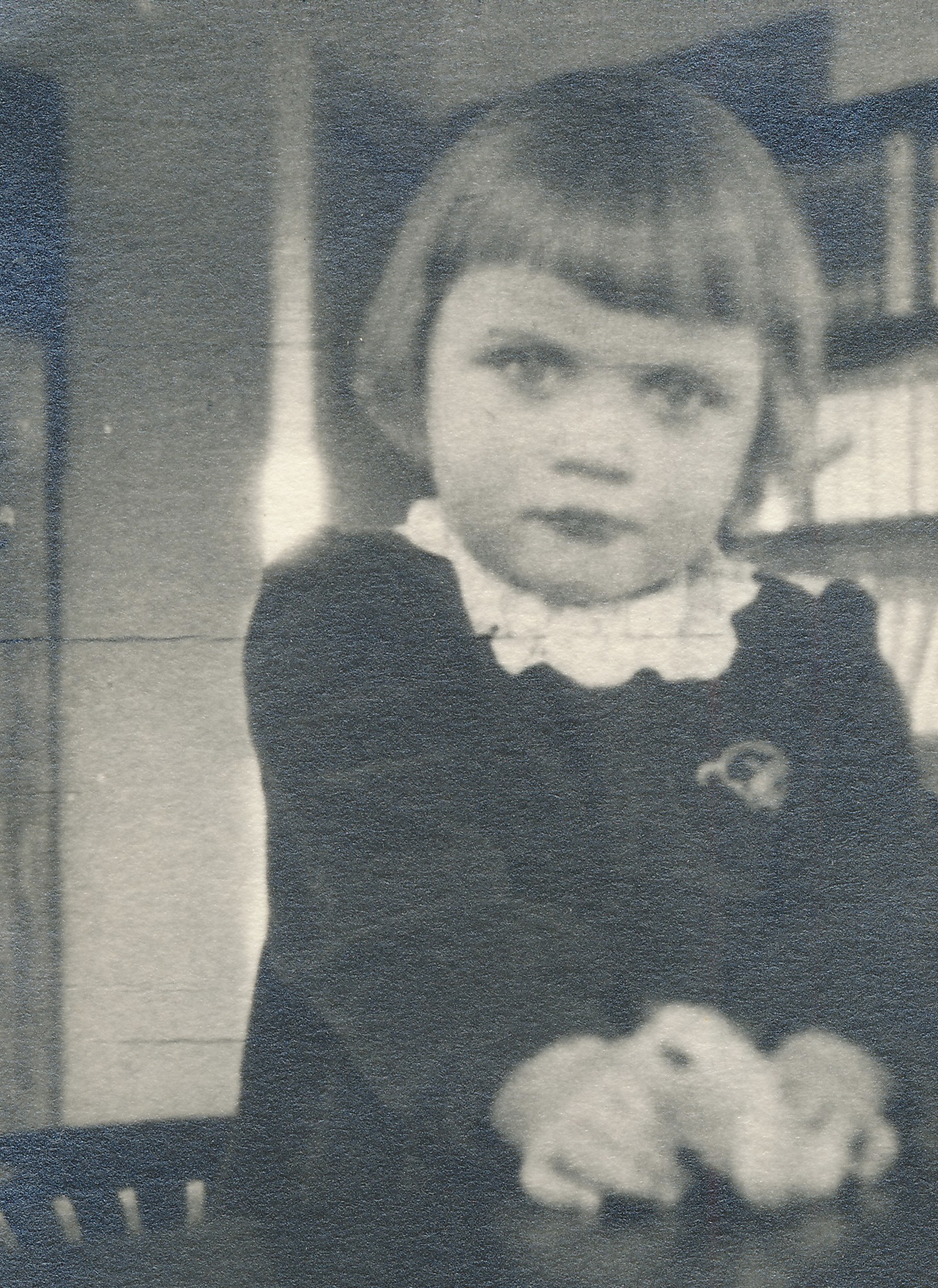
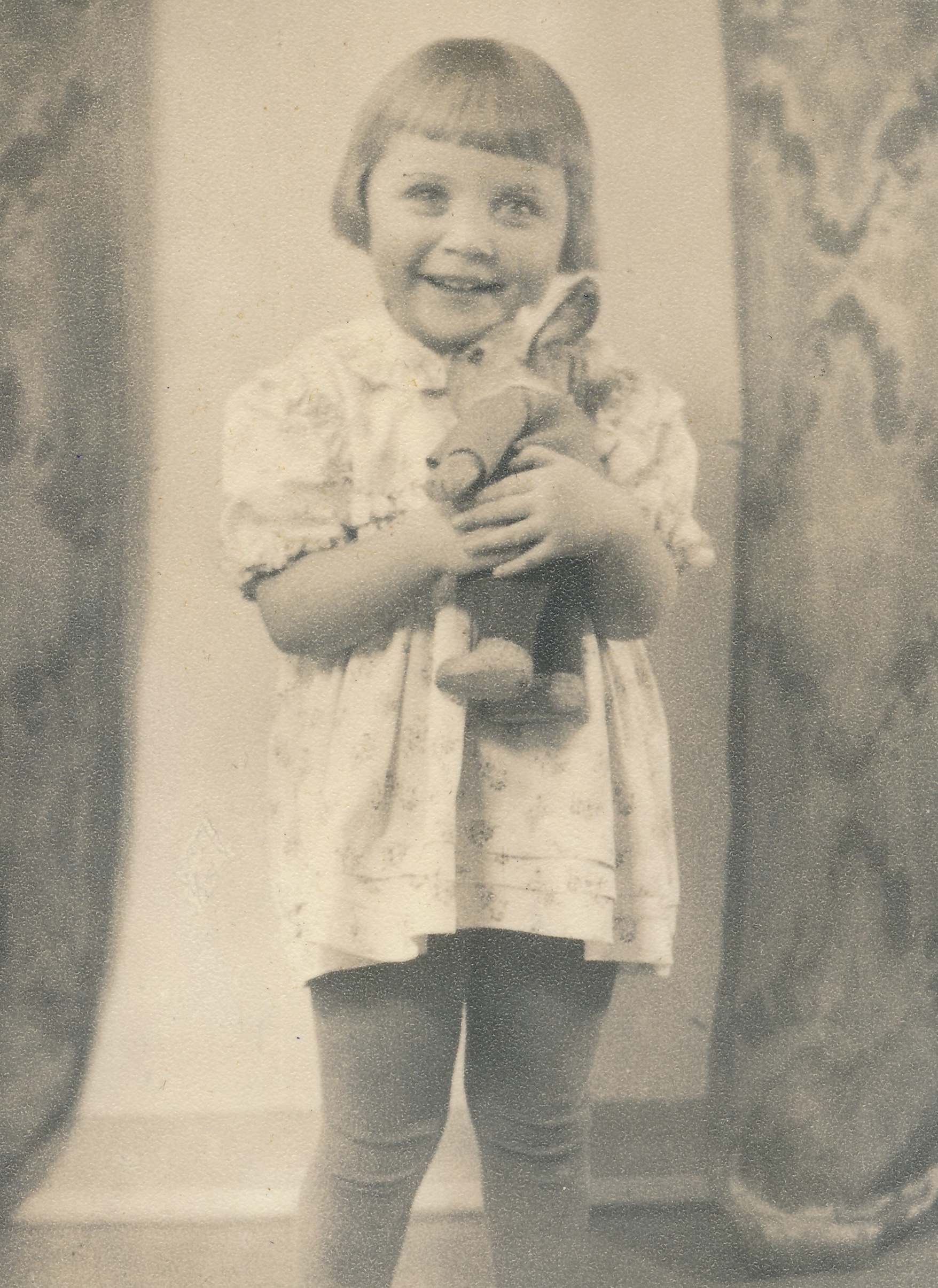
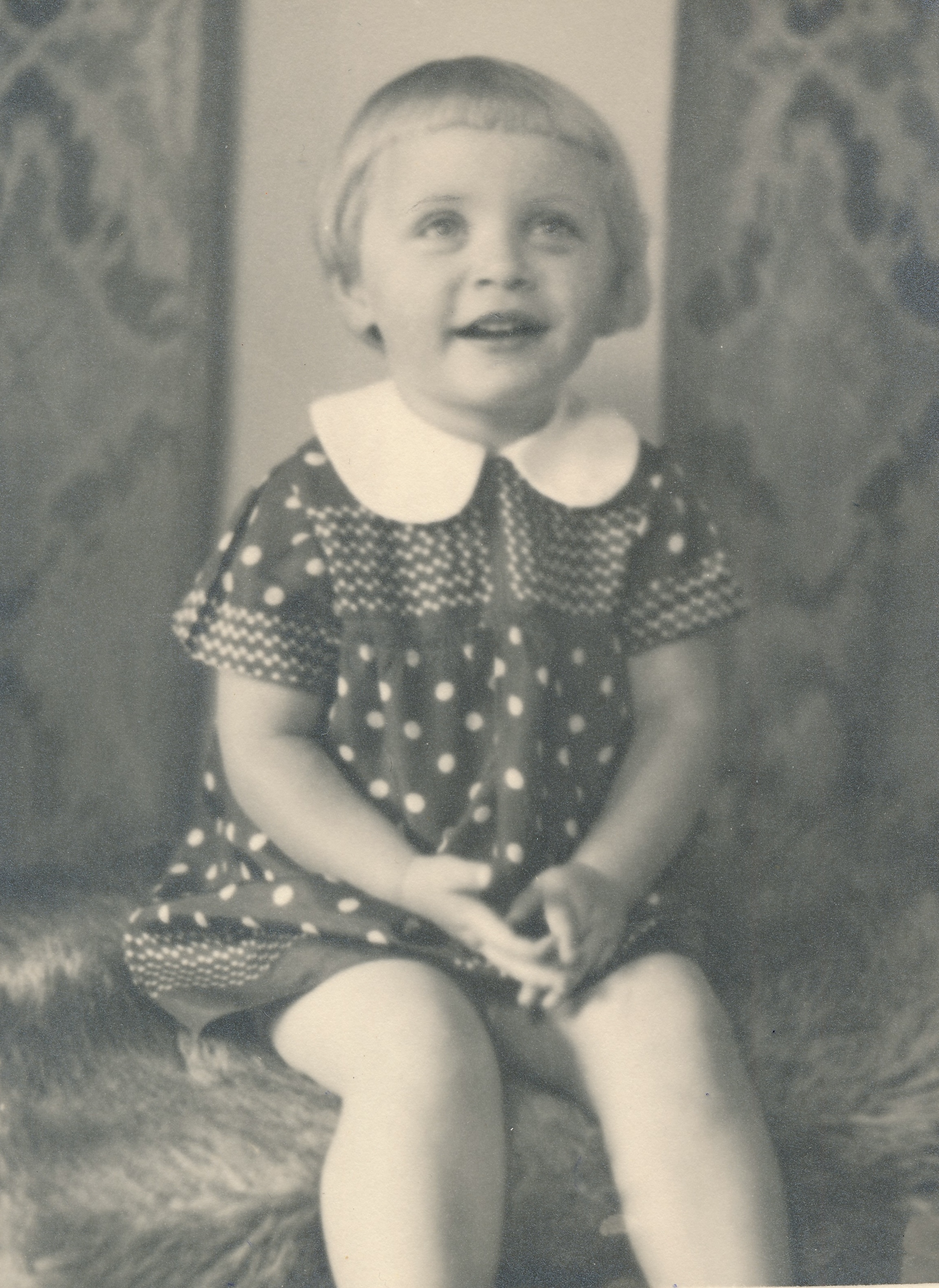
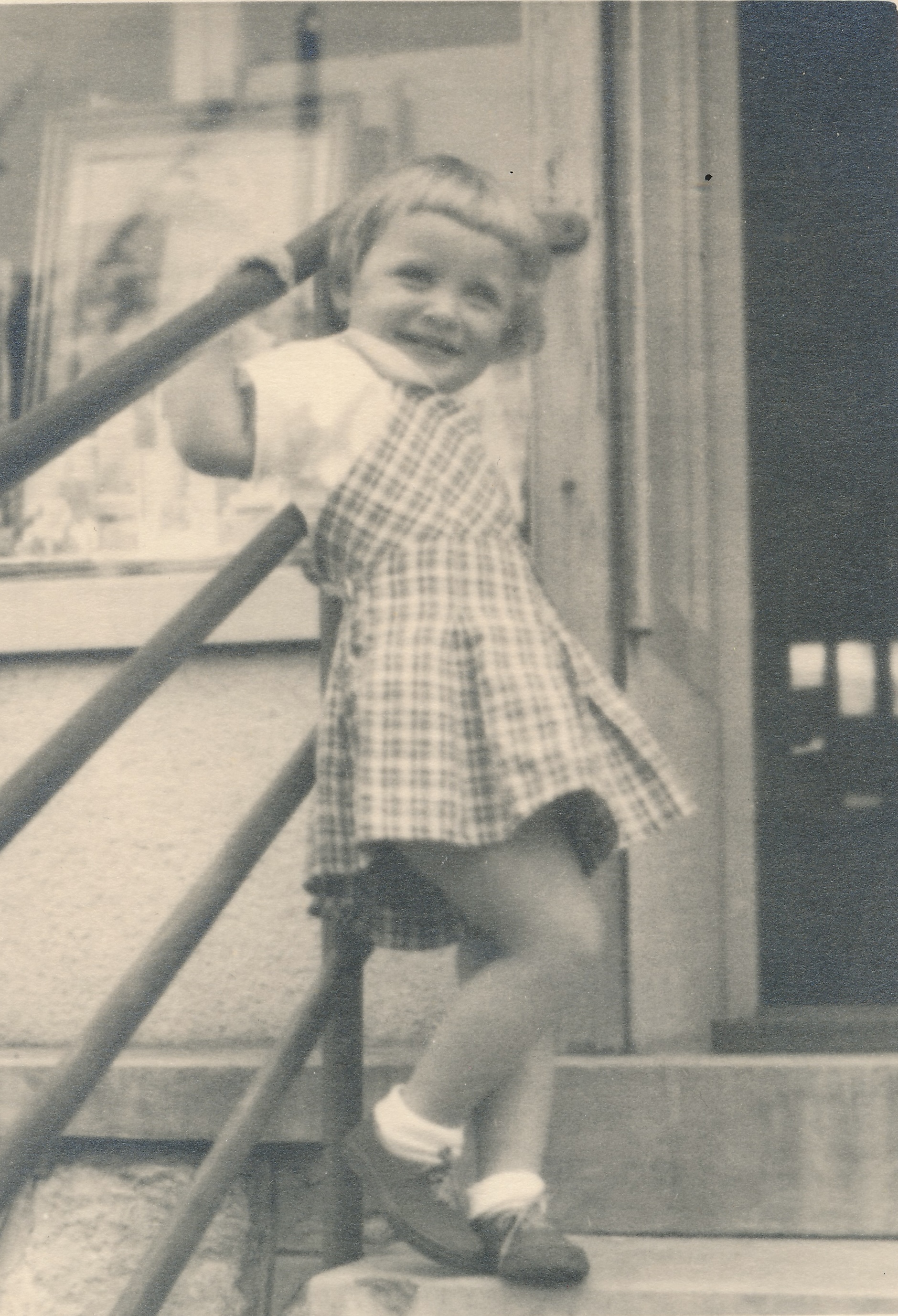
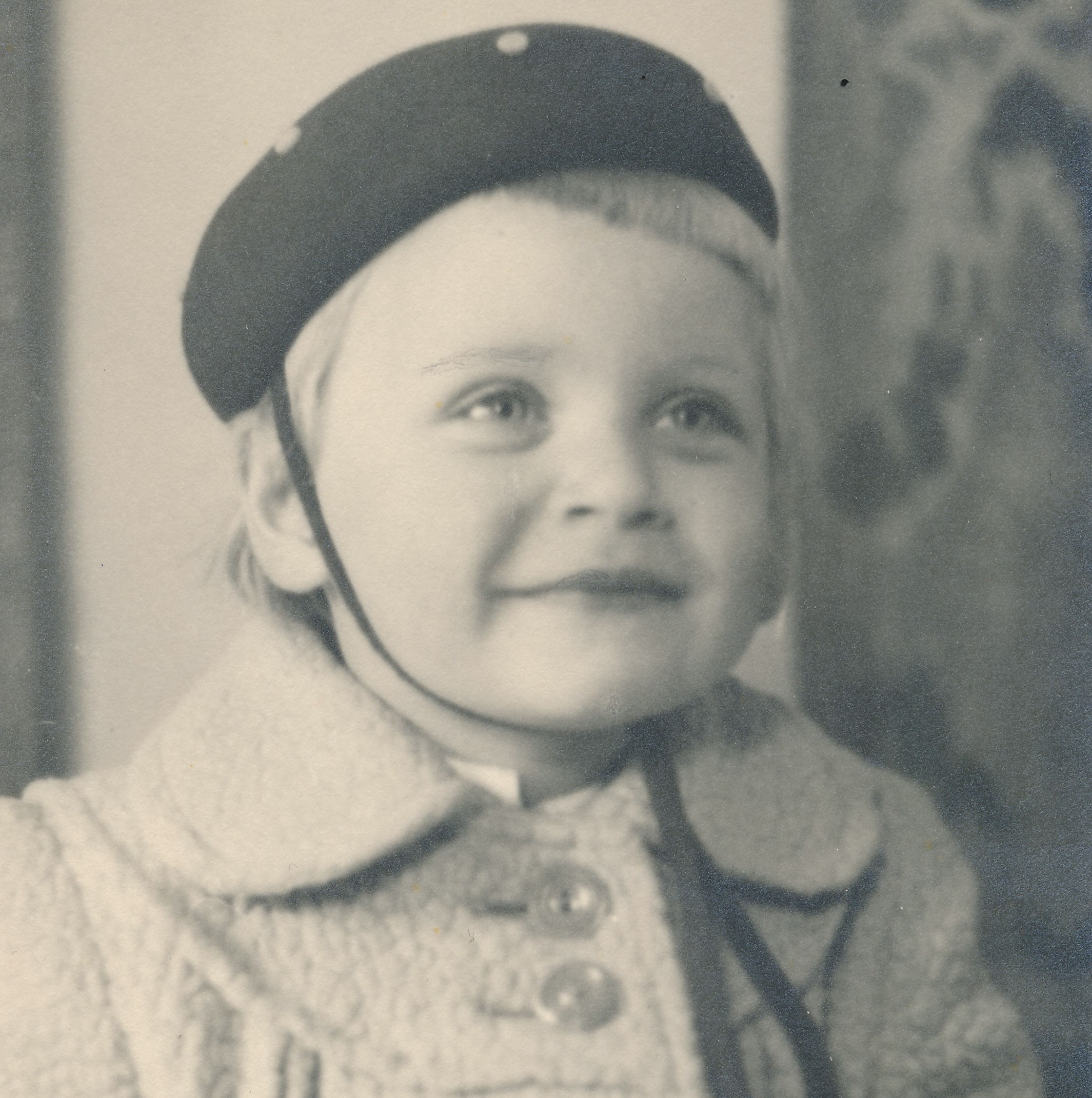
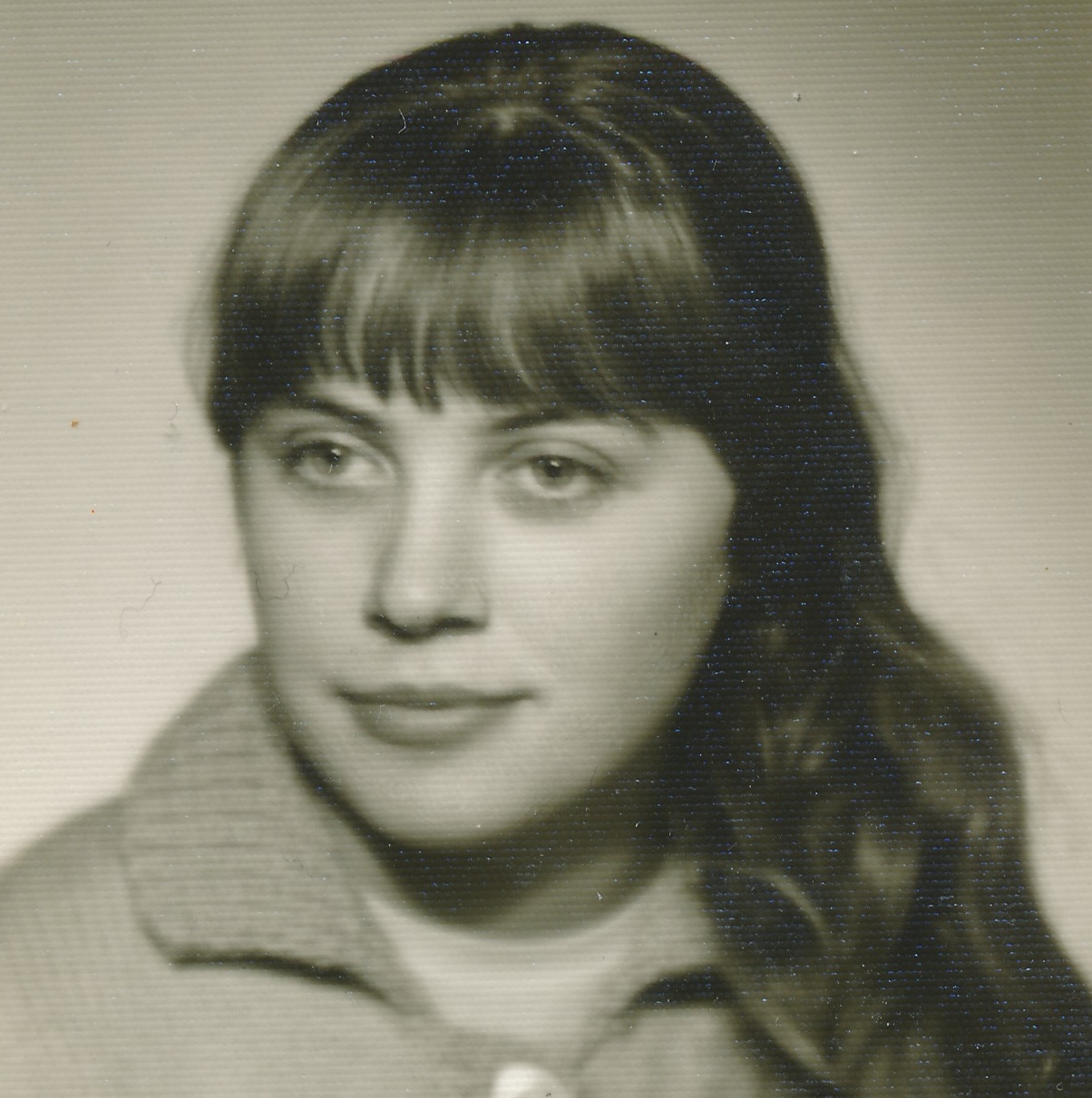
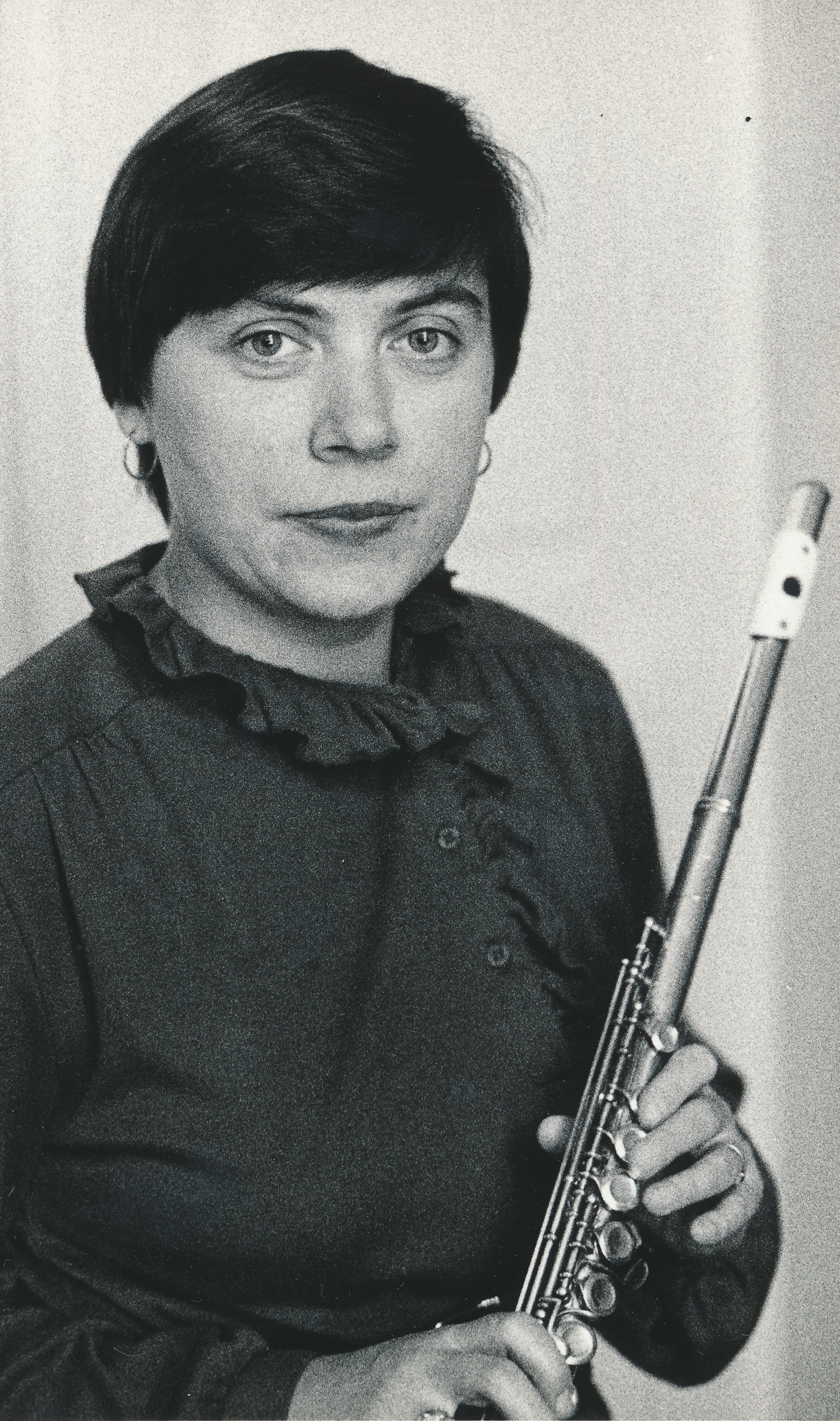
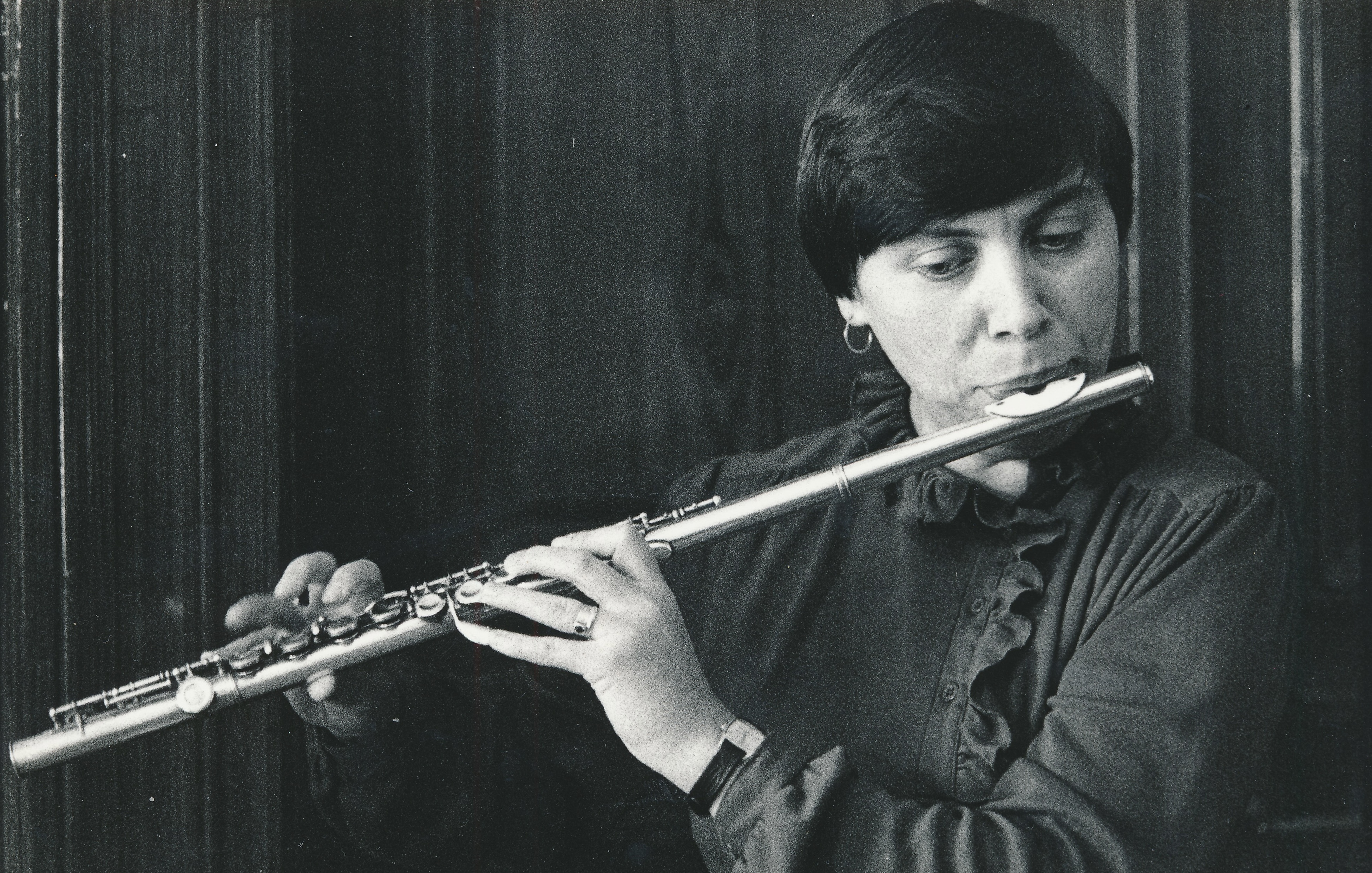
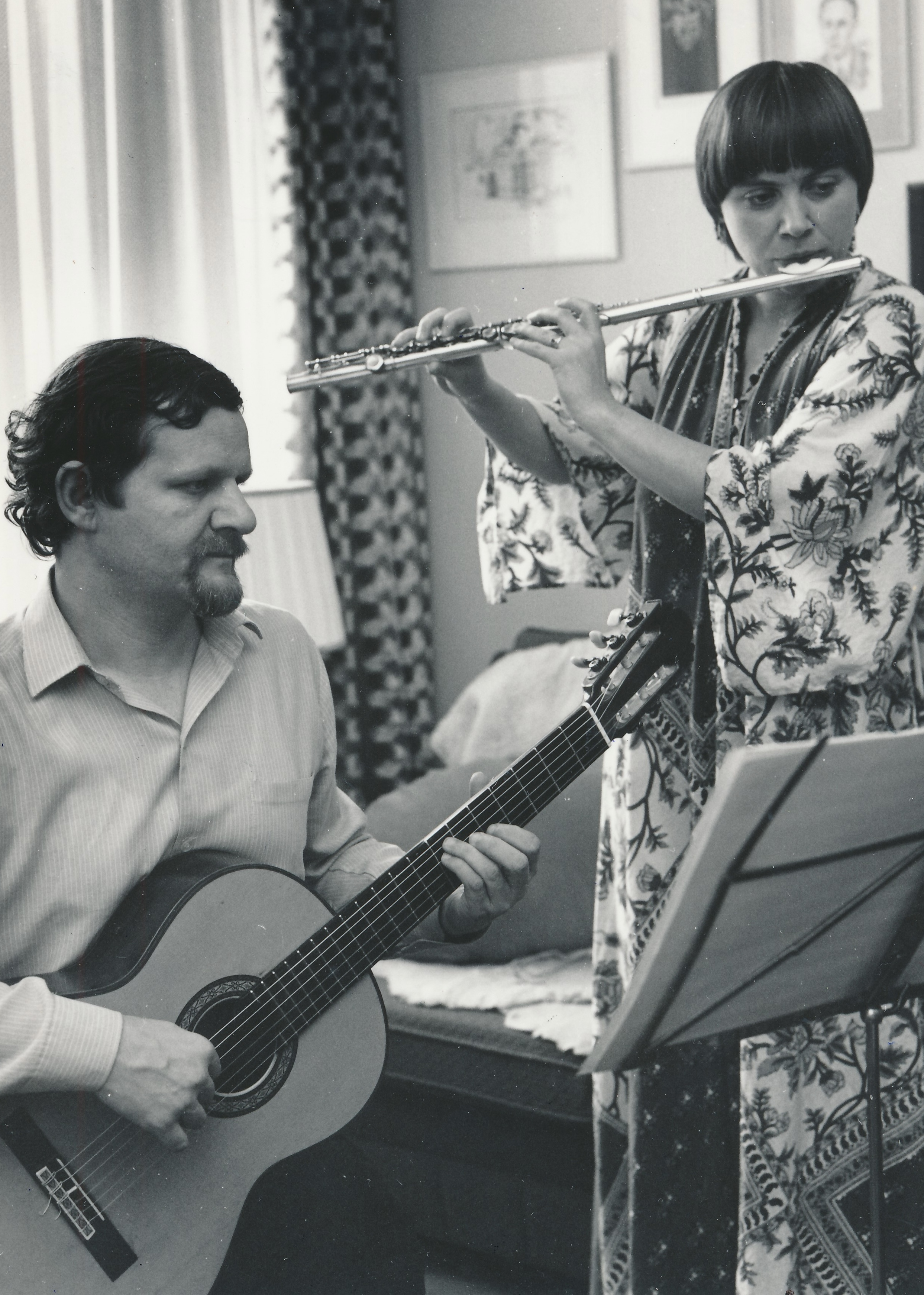
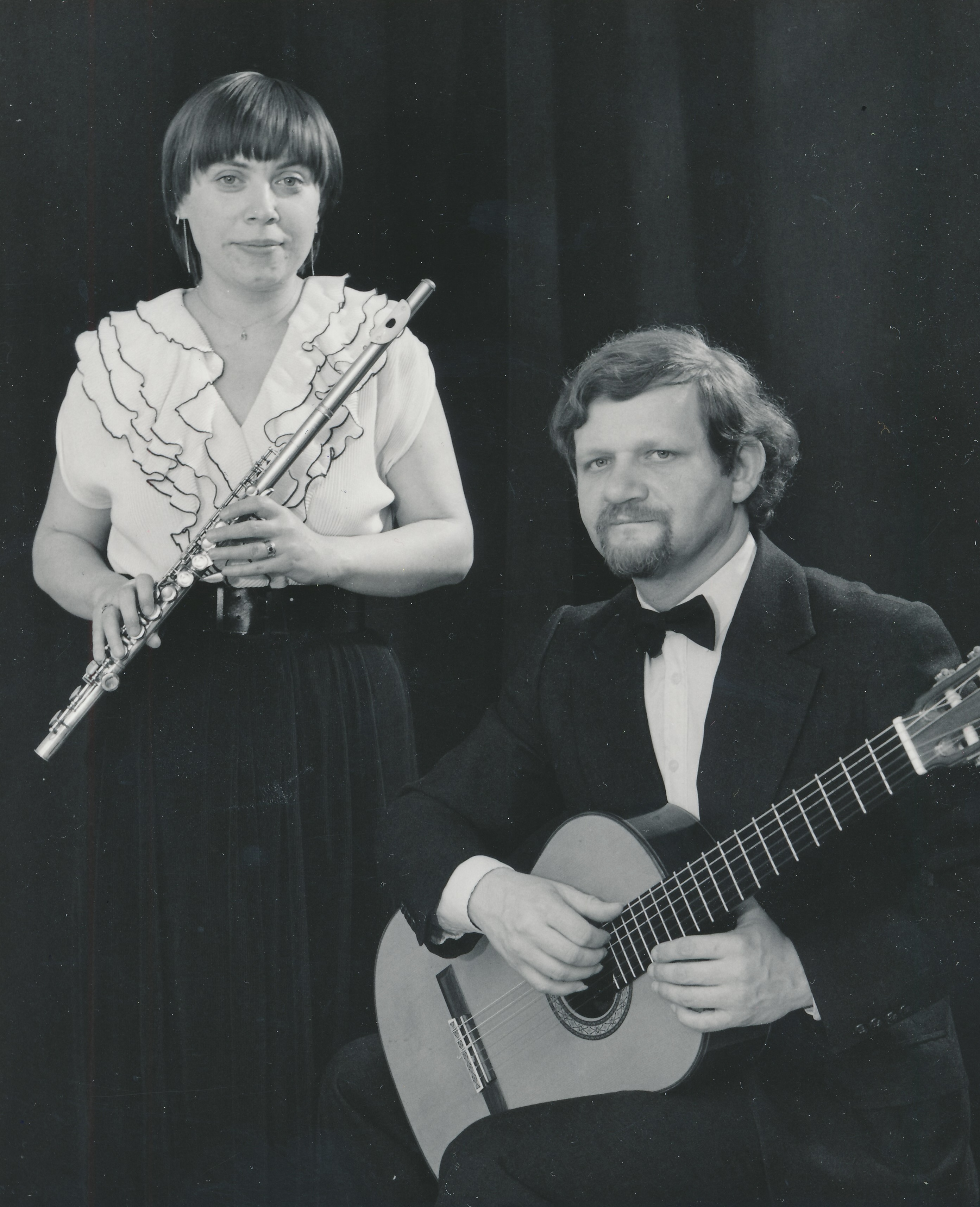
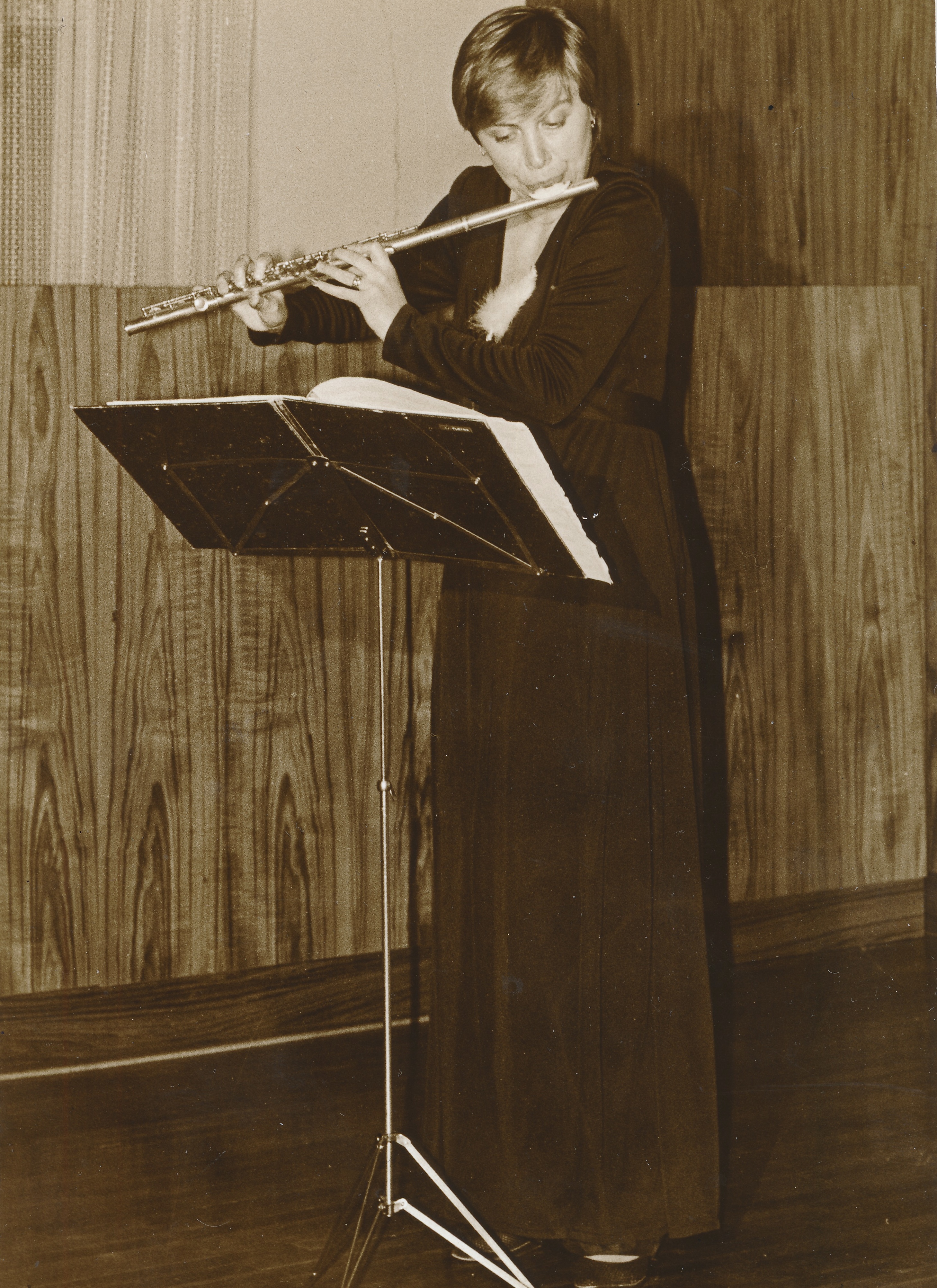
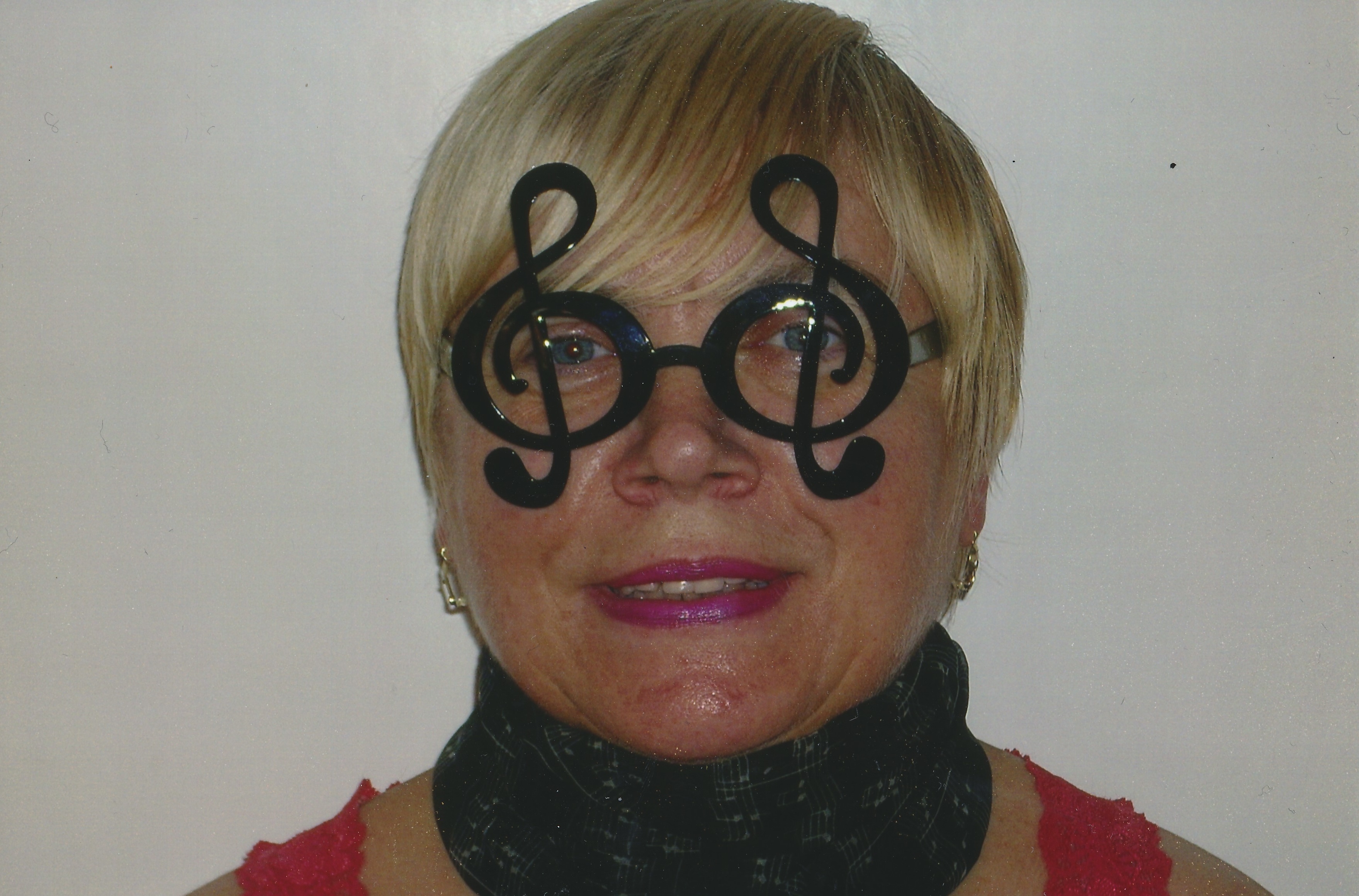
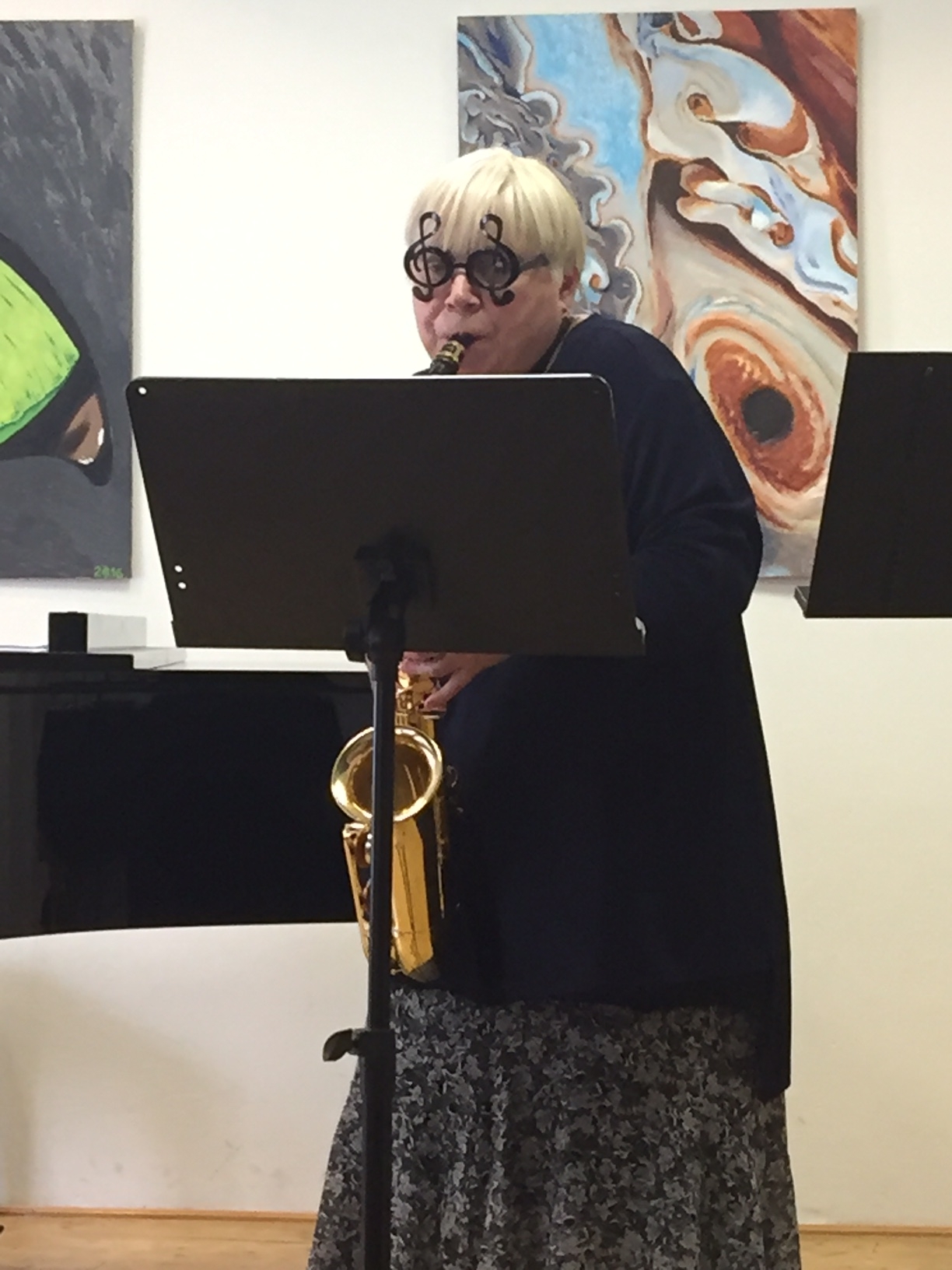
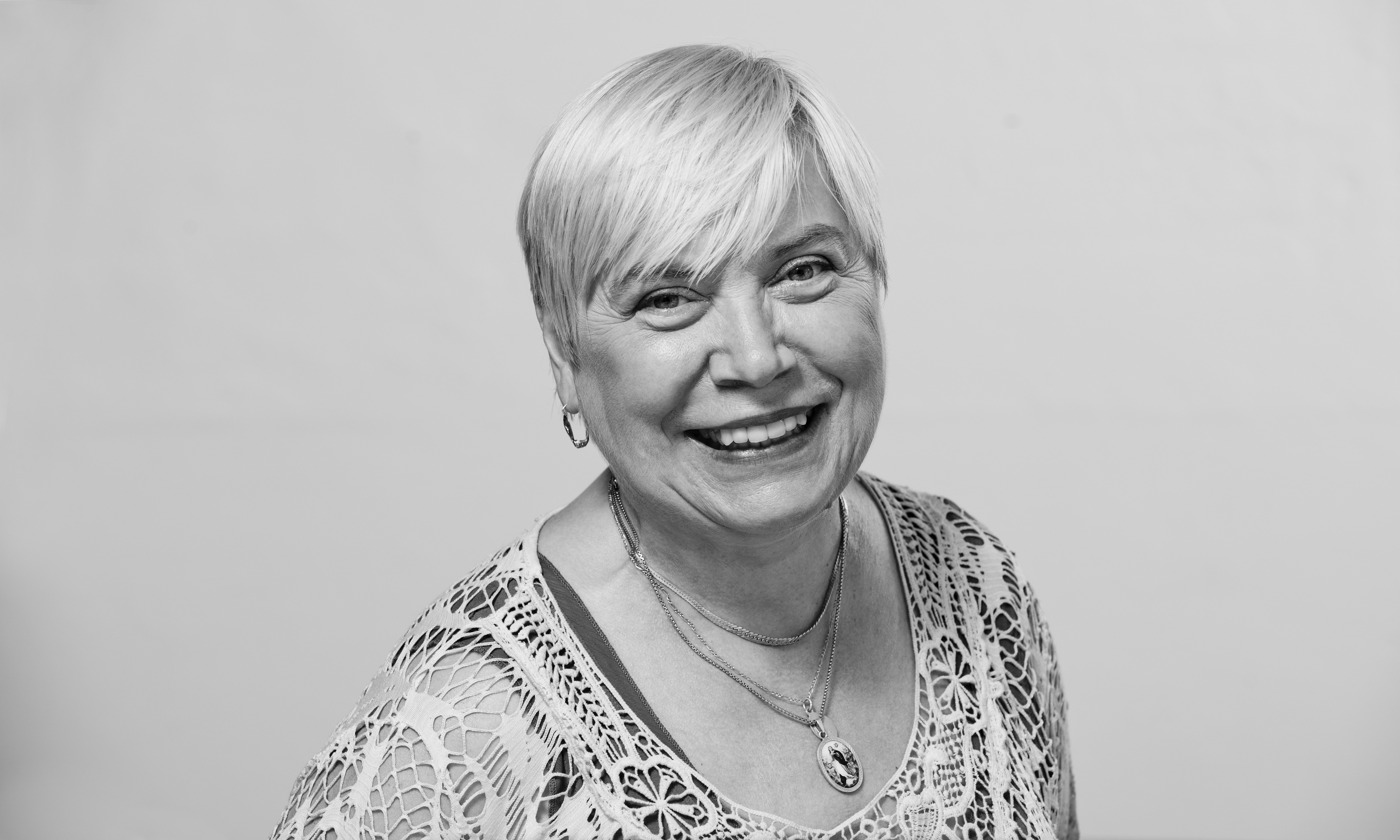
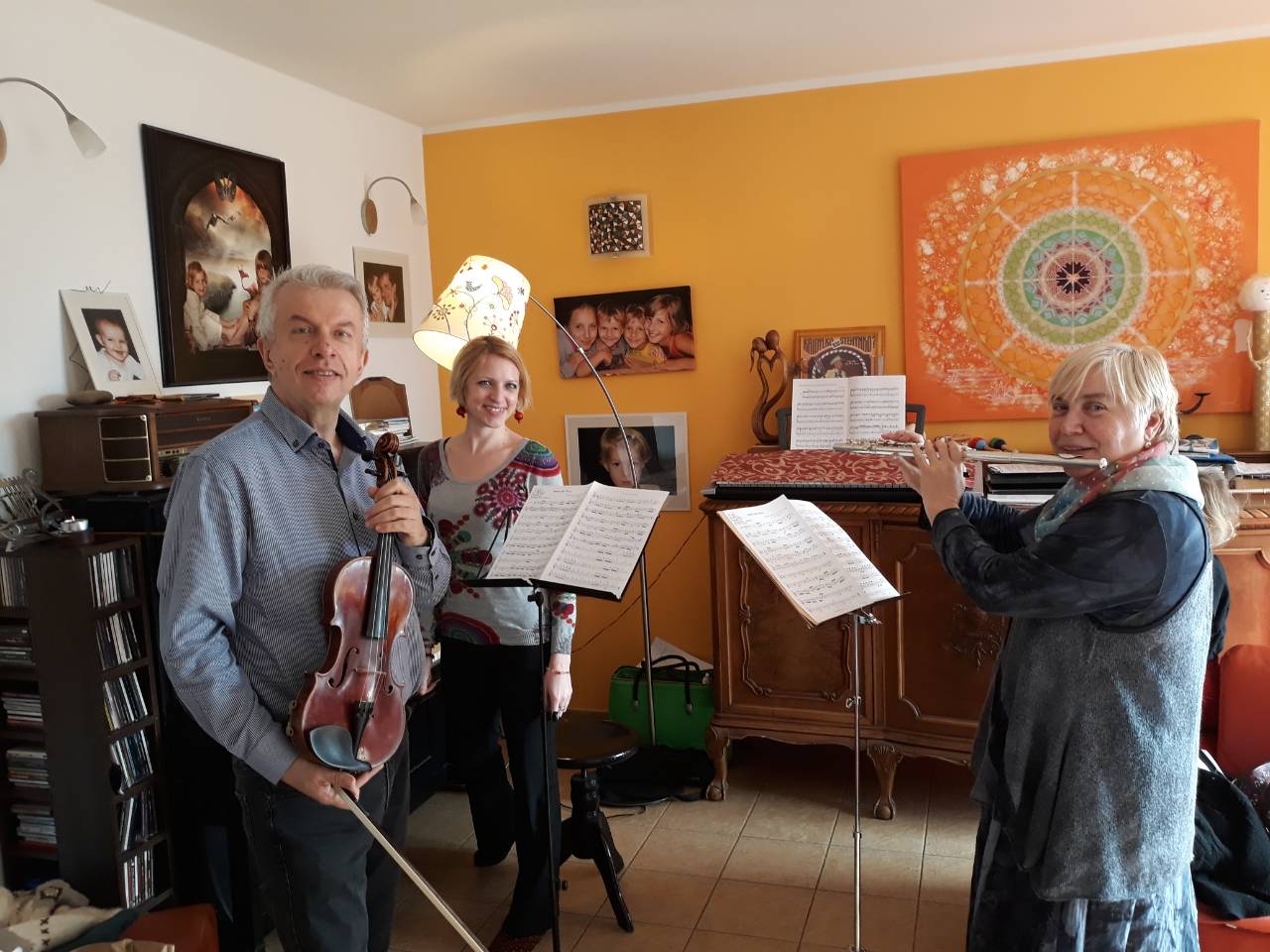
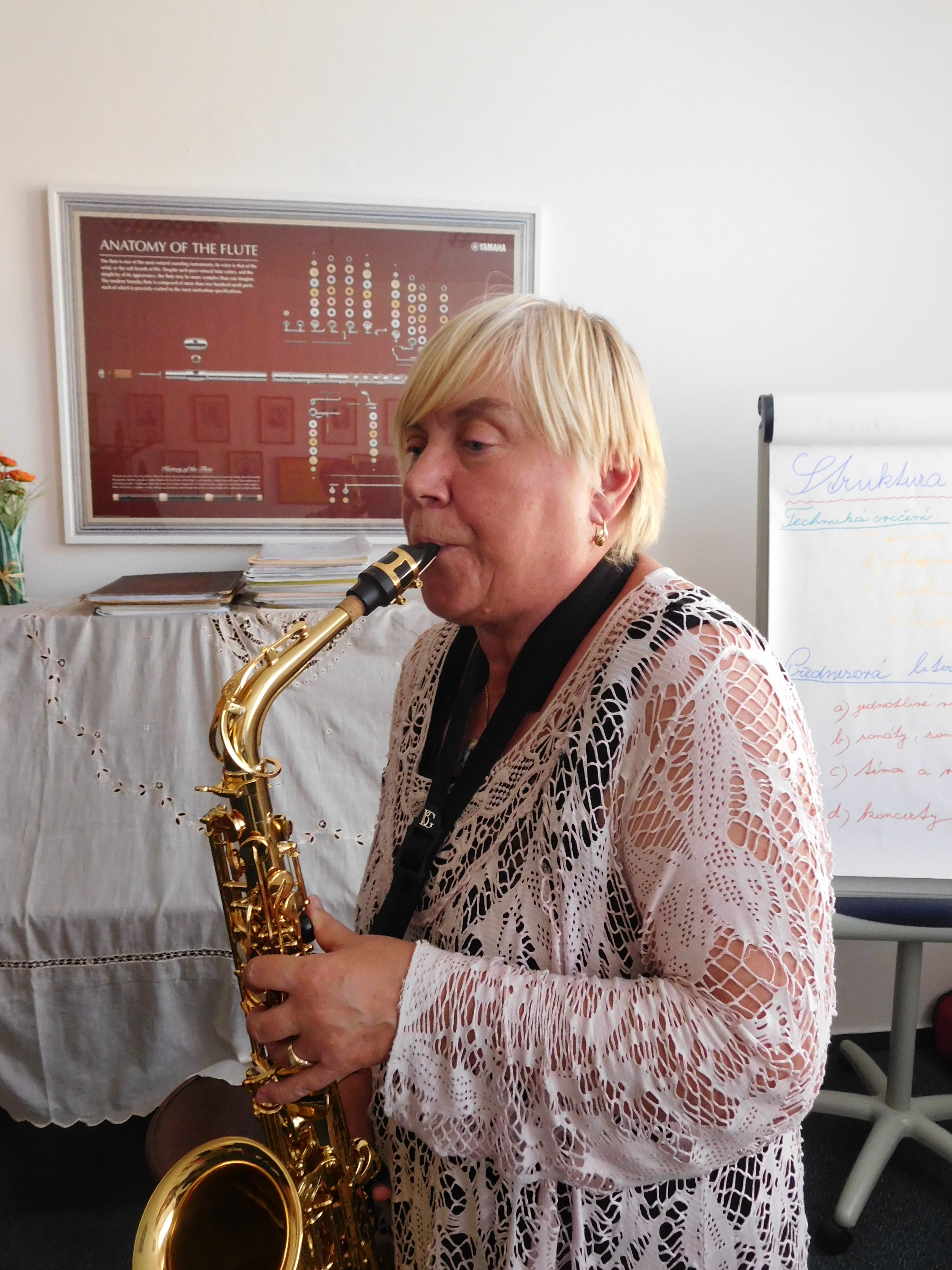
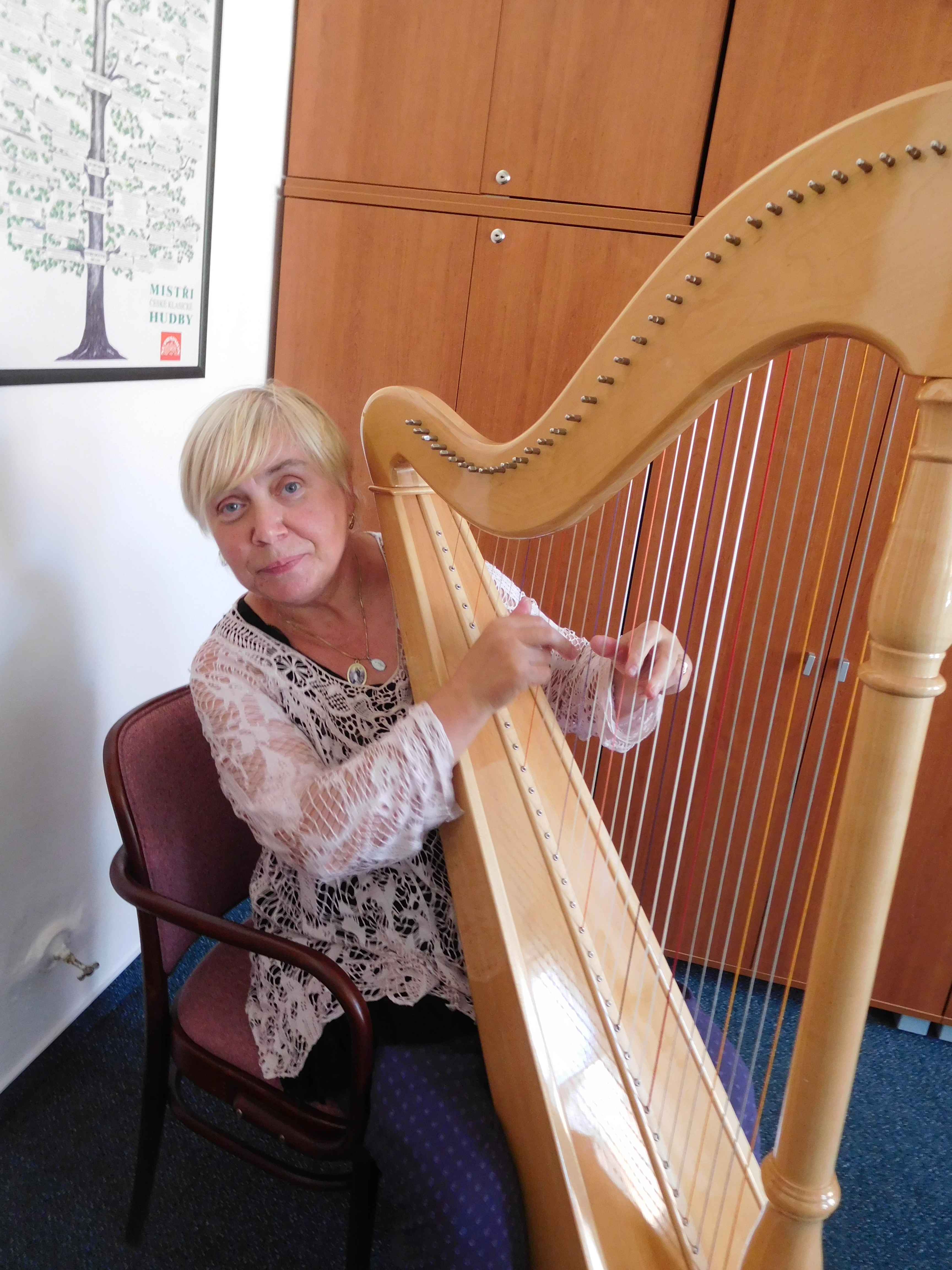
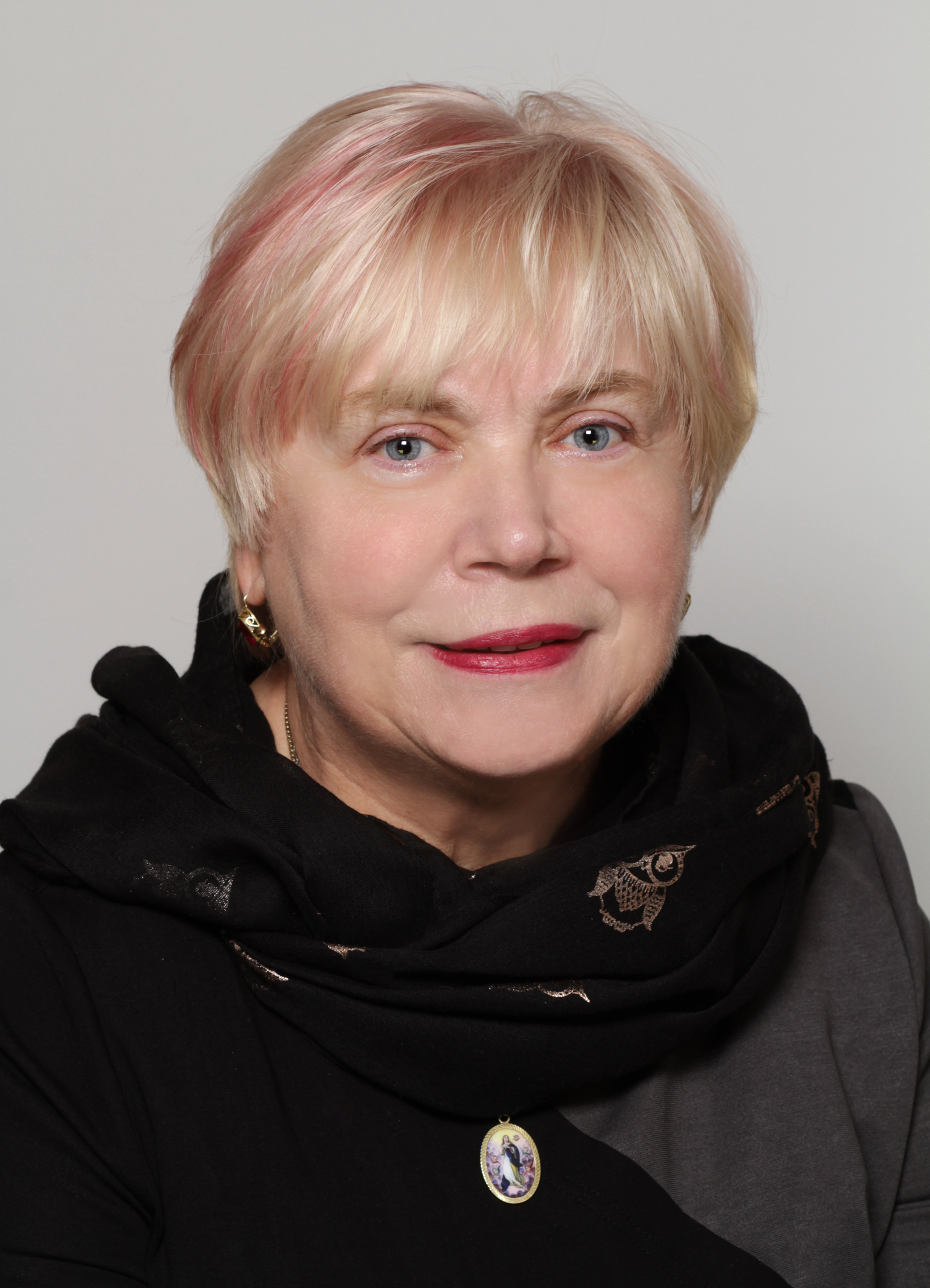
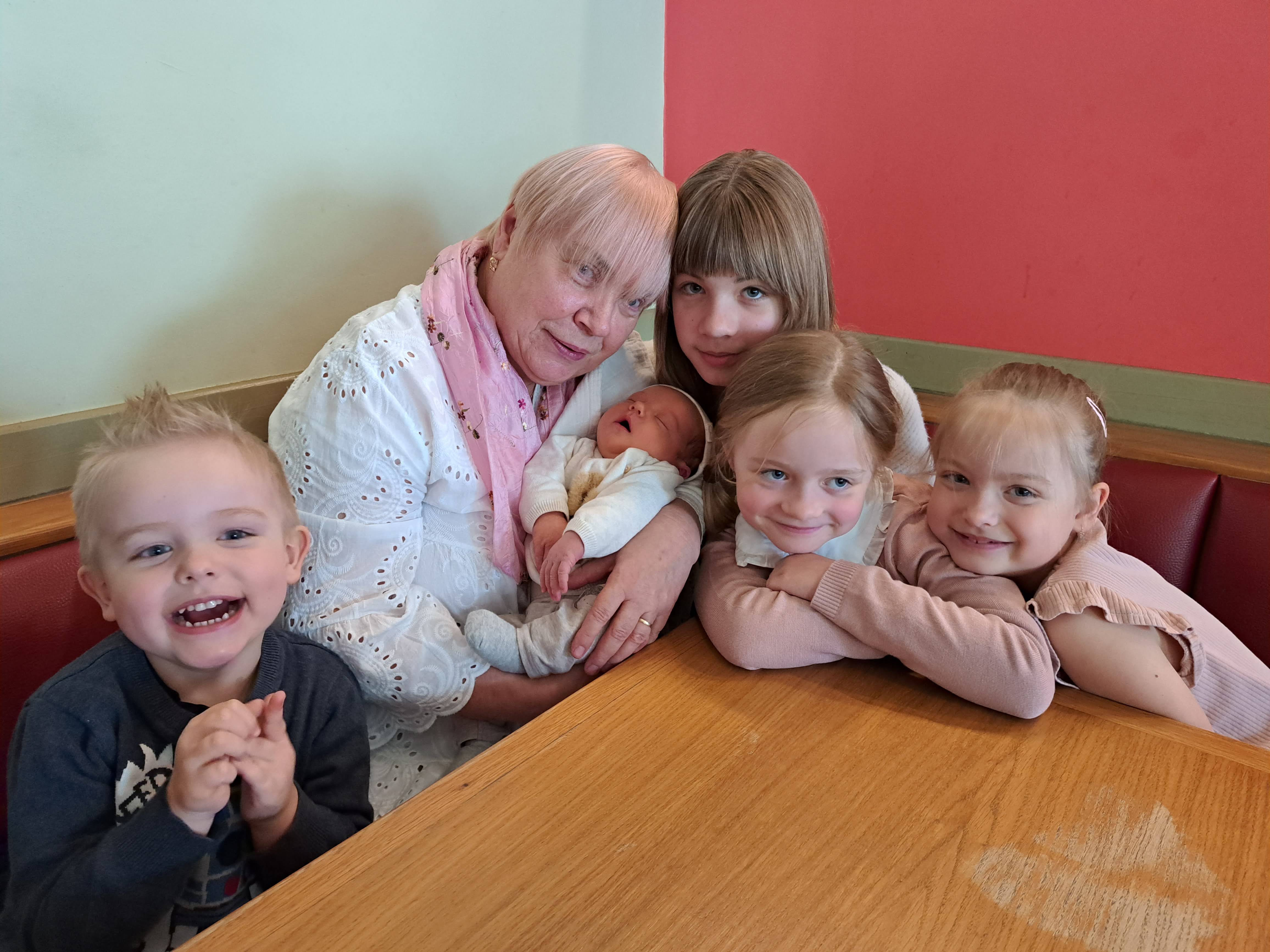
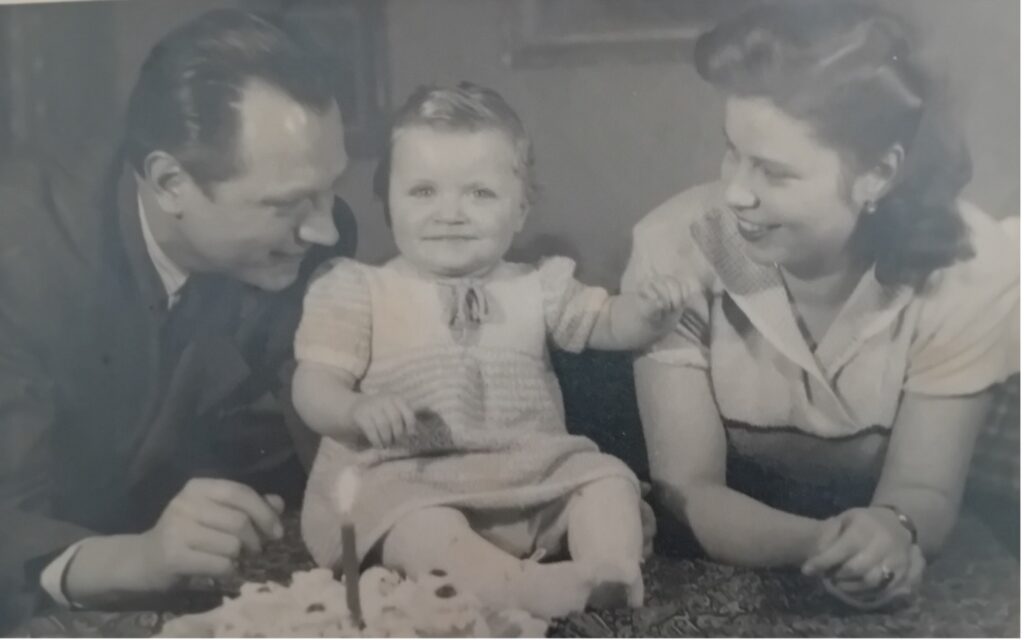
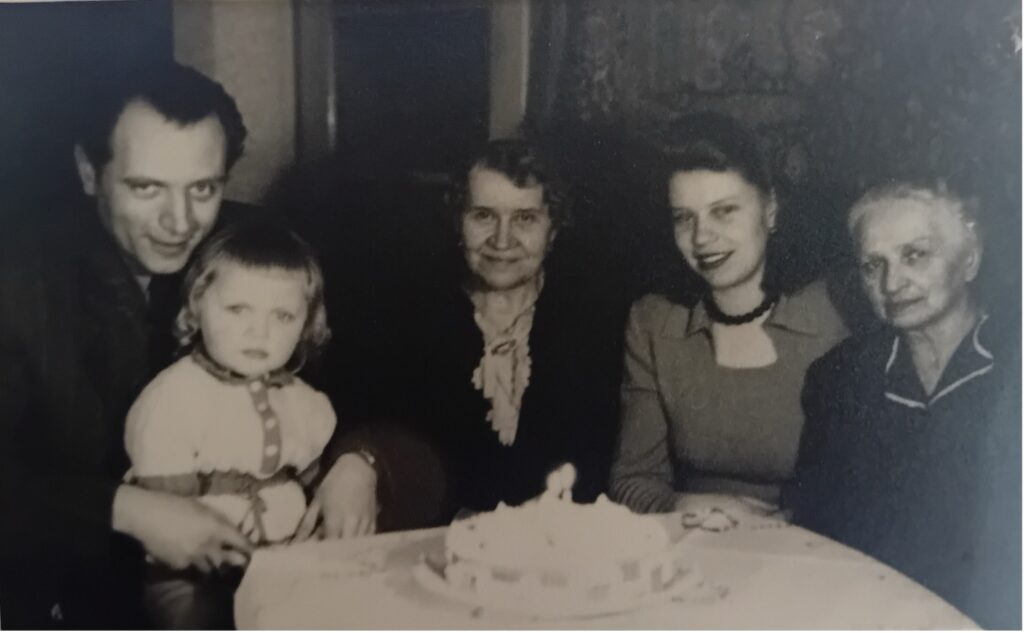
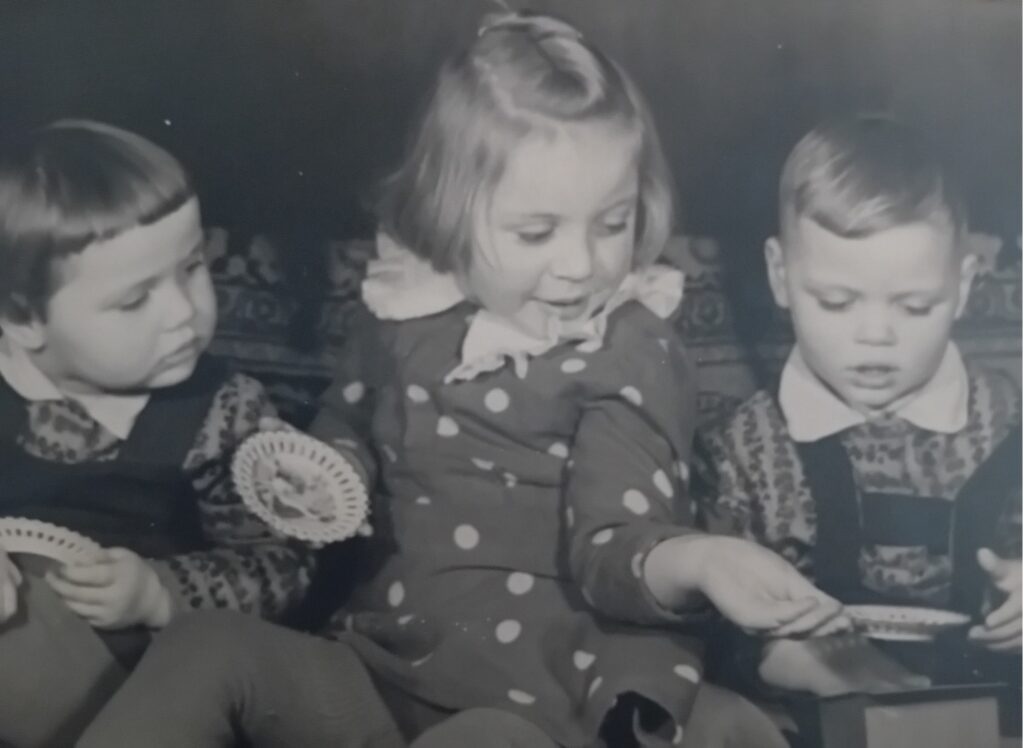
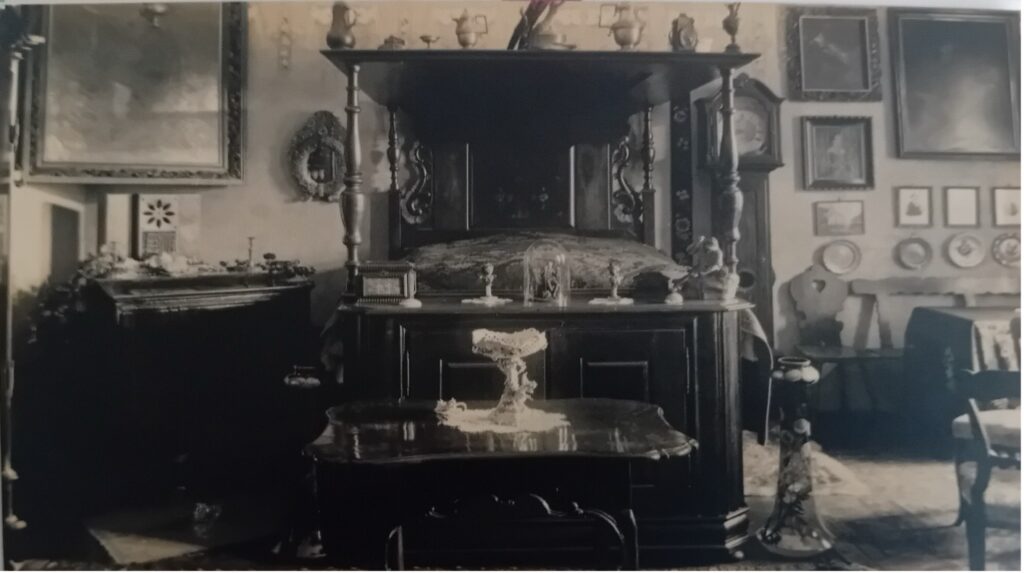
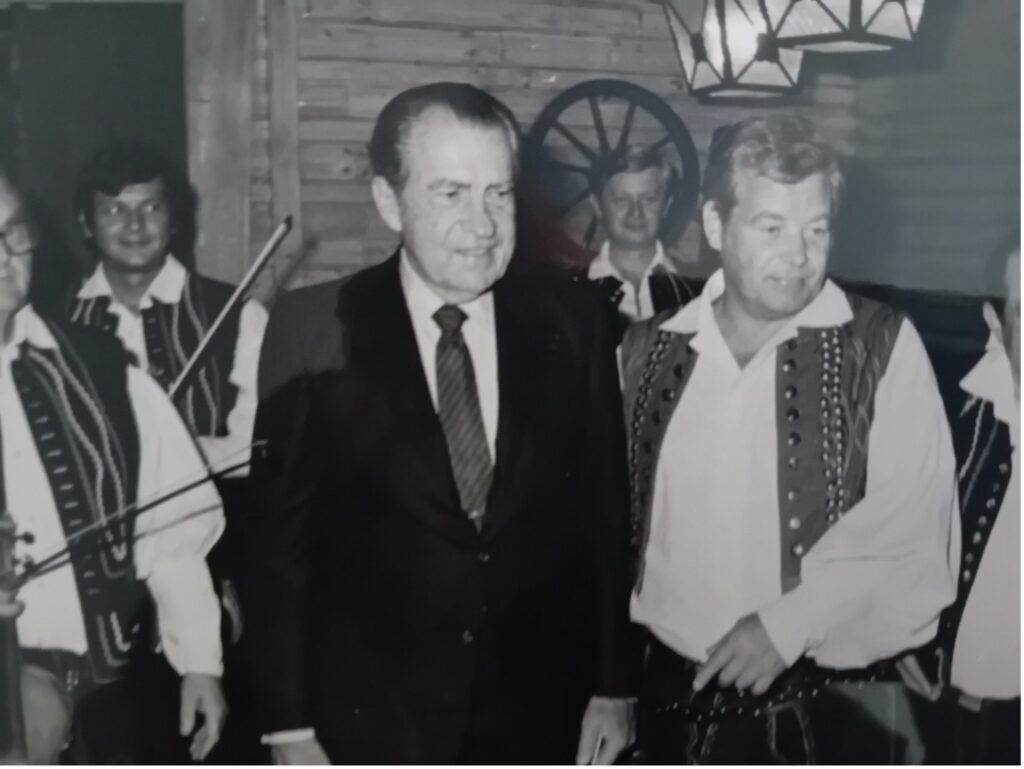
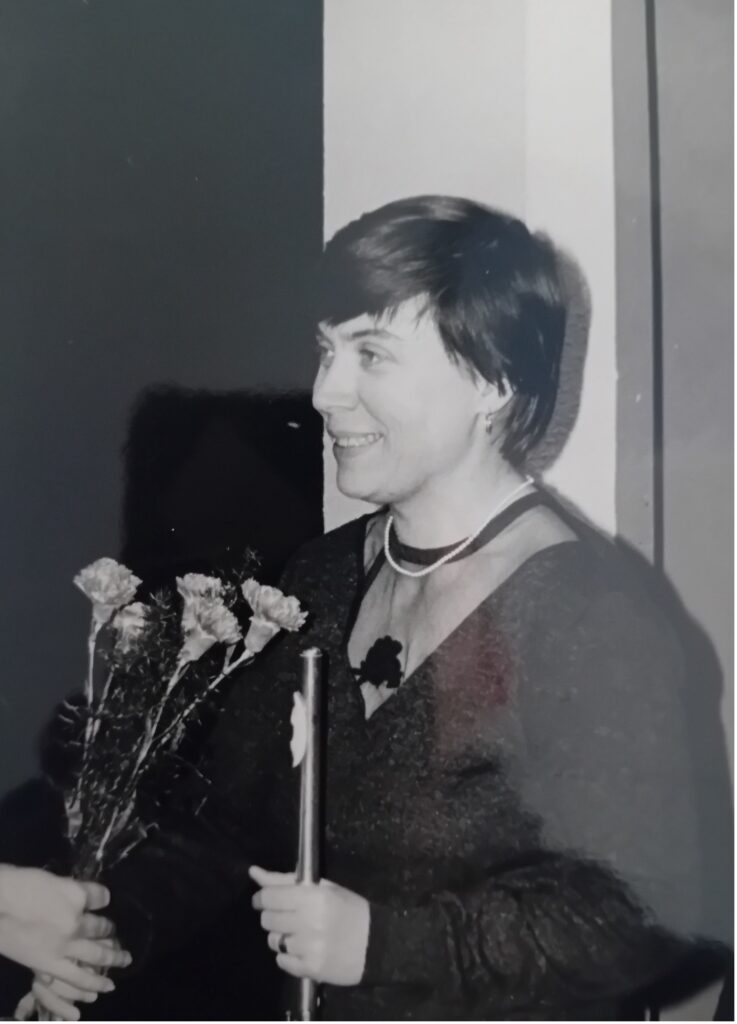
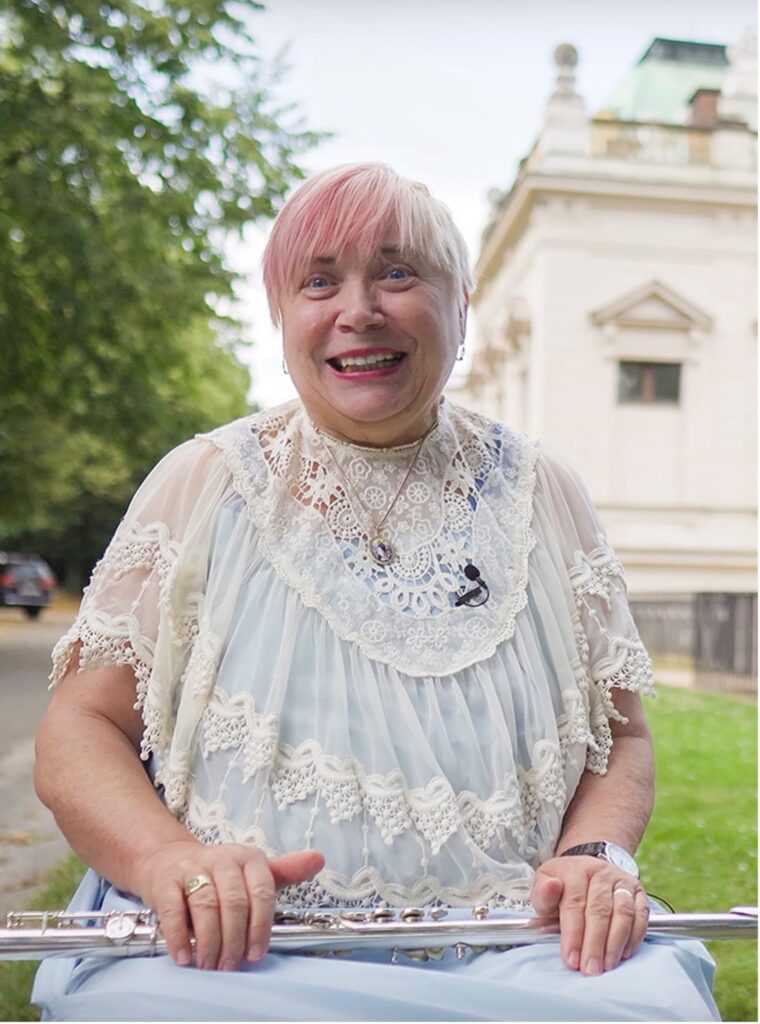
Magdaléna Bílková Tůmová was born on 21 February 1950 in Prague into a time that was not kind to her family. Her maternal and paternal grandparents had extensive properties confiscated. The family of her mother Blanka, née Šulcová, owned a brickyard, her father Ing. Karel Tůma was the son of a military doctor. The grandparents were evicted from the houses they owned and lived in material hardship. All this, of course, affected the parents of the witness. Not only did they lose their financial security, but they were also unable to pursue their professions. Her mother, a musician and singer, never exercised her talent, and in time was only allowed to work as a music teacher. The father, a gifted engineer, did not achieve any career advancement and knew that he was under constant surveillance at work. Thus, his parents retreated into private life and lived only for their family. The witness adopted this attitude and brought into her life a distrust of social change and a reluctance to take an active role in it. At the same time, however, she did not betray her values, refusing to join the Communist Party and to cooperate with State Security. She devoted her life to her family and art. She fully immersed herself in playing the flute and teaching. Her faith and desire to be a good person deepened during the tragic events of her life. At the time of recording, she was living in Prague and still dedicated to music.