Tomáš Bergman

* 1953

  • "I didn't like the regime. I hated it, really. I read a lot about the 1950s. I studied that, and I really hated the regime." - "What did you hate most about it?" - "Everything. The absurdity. The sheer mendacity. The manipulation. A state controlled from Russia. Everything. I didn't find a single good thing about it. I worked as an economist. The CEO said we had to build this many apartments. We put the paperwork together somehow. The number of times I did annual reports, I'd just look out the window and say, 'I'll put this figure in... Or I'll put that one in...' Everything was a lie."

  • "I drove a lot, and I'd blow through my paycheck in a month or two. Then Václav Benda offered me financial help. He said he had the resources to help. When I had spent it all, I came to see Václav Benda. We talked for an hour or so, discussing politics, the church and the situation... Then he sat down at the table, took like 3000 crowns from his drawer and gave it to me so that I could go on driving and do what was needed. It was a great help to me. It enabled me to ignore money and go anywhere. For example, they sent me to get some documents, and I just took the car and went. I picked up the docs, brought them to Prague and delivered the samizdat. It was a big help for me. First of all, intellectually: it gave me an insight into the Prague dissent circles. Second, it helped me financially. Also, I would like to say I didn't feel like a dissident. I felt like someone helping out those who bore the brunt of the opposition. I was the one in the grey zone, and when it was necessary, I would drive somewhere... Until the publication of the samizdat Velehrad, which could be deemed a kind of dissent. Other than that, I considered myself a lowly labourer just helping out."

  • "Everything was extremely limited for us and we were aware of that. Occasionally we would get a book from, say, the Christian Academy in Rome, and it showed us the real world was somewhere else. It lived differently. I had no passport. Whenever I applied for a passport or an exit permit, I was told that me having a passport was not in the interest of the socialist homeland. We were restricted and lived as best we could."

  • Full recordings
  • 1

    Praha, 03.04.2025

    (audio)
    duration: 02:18:51
    media recorded in project Stories of the 20th Century TV
  • 2

    Praha, 04.04.2025

    (audio)
    duration: 01:44:27
    media recorded in project Stories of 20th Century
Full recordings are available only for logged users.

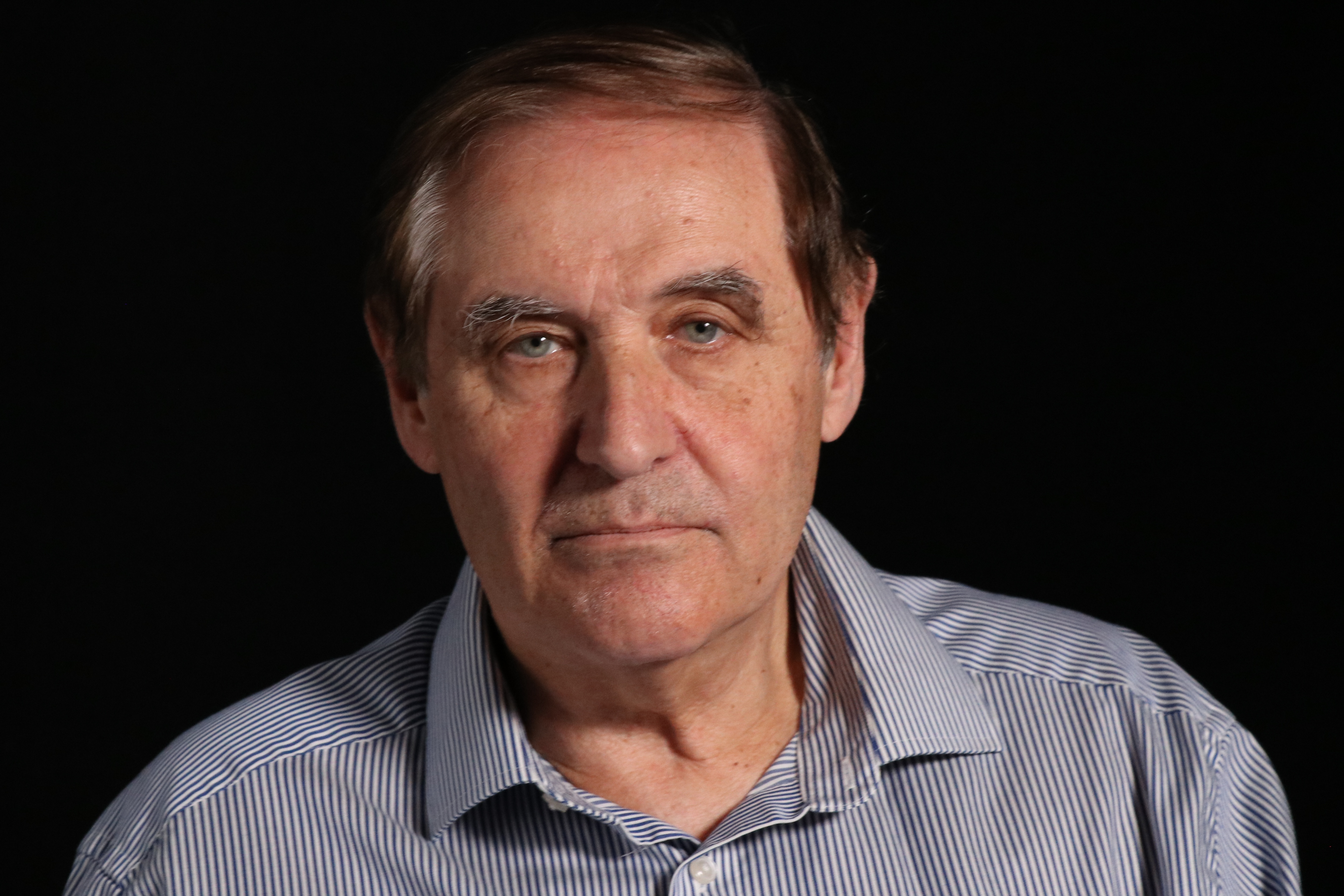
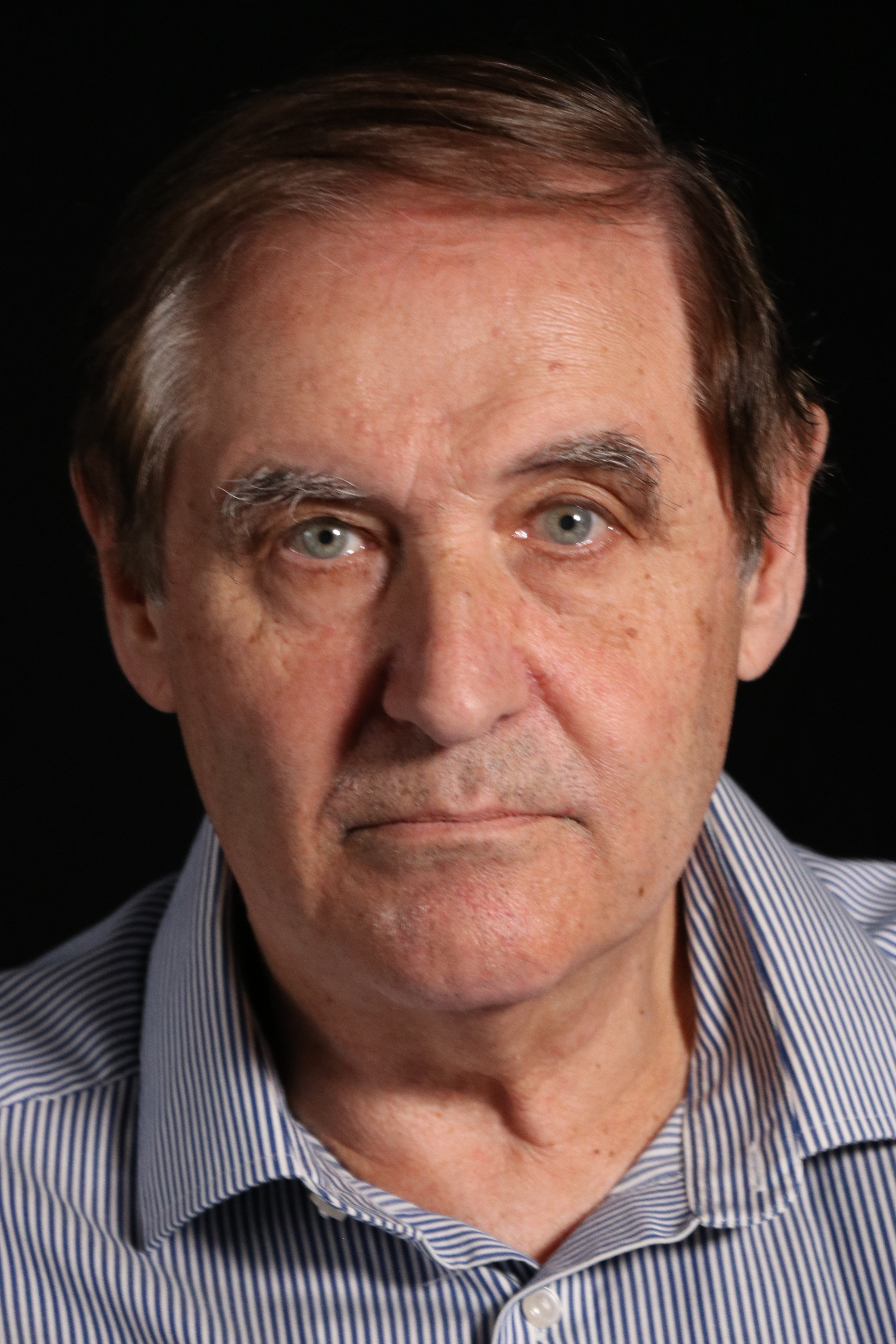
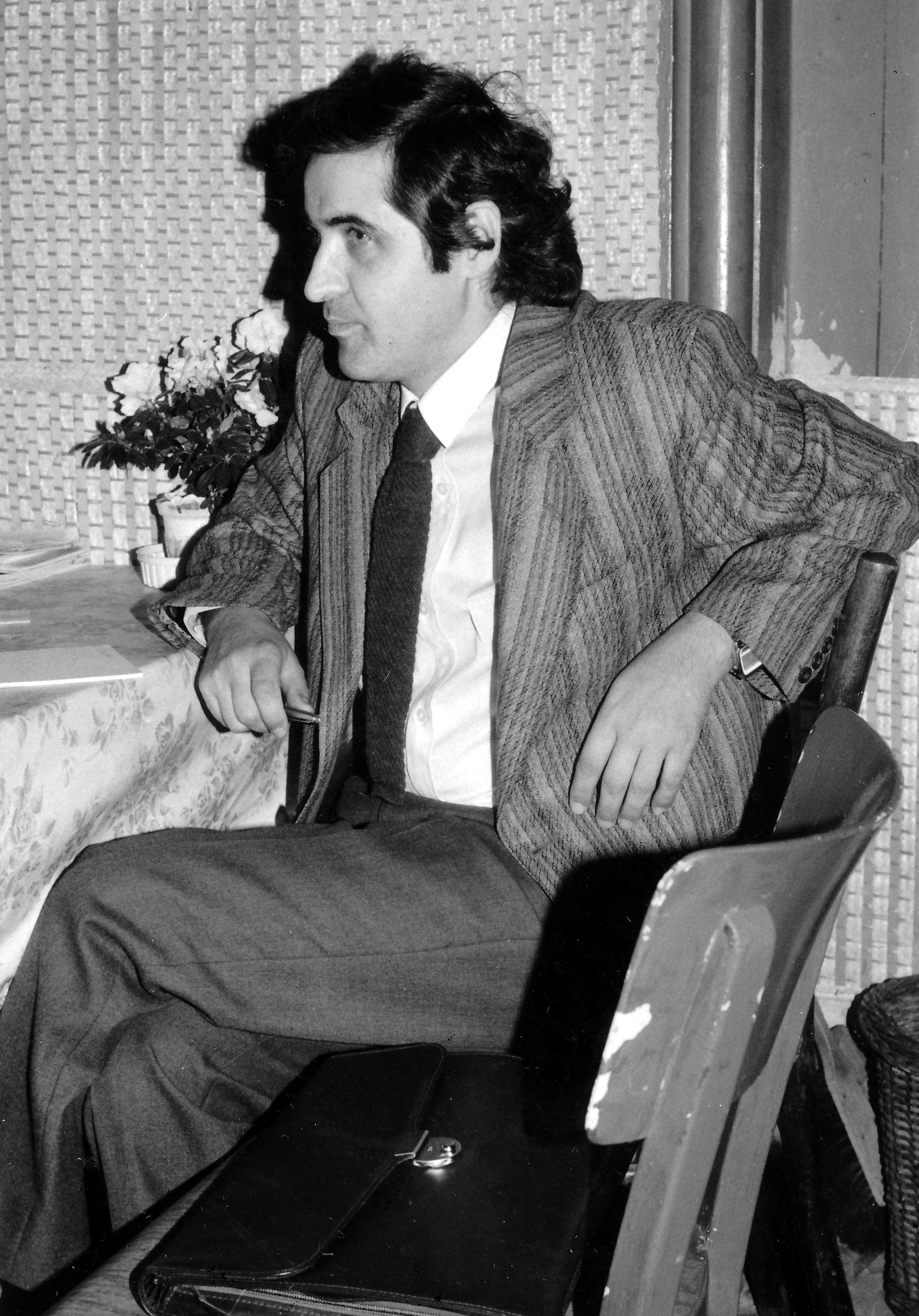
He shuttled back and forth, his hands on the steering wheel. He was a dissident labourer
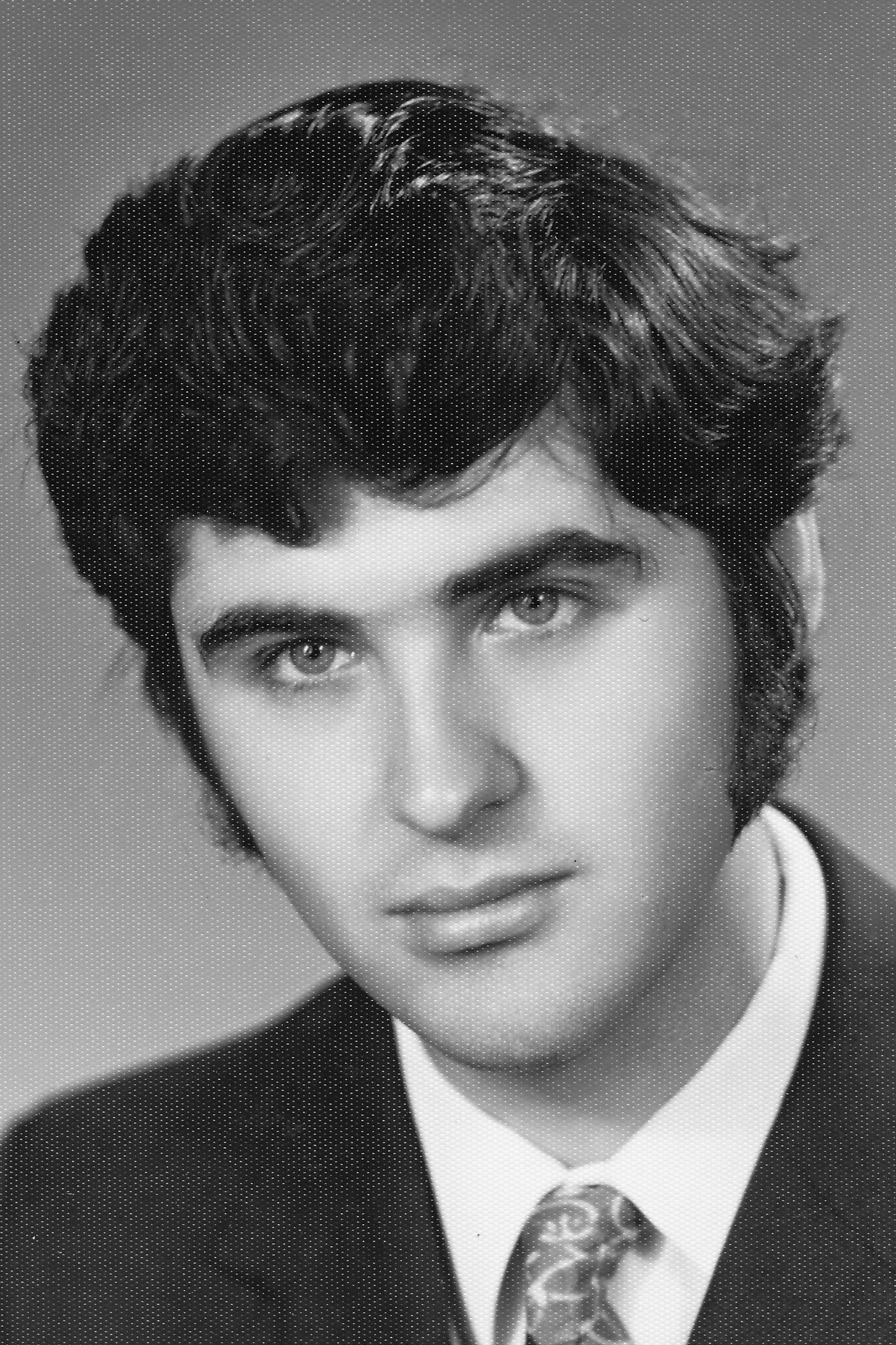
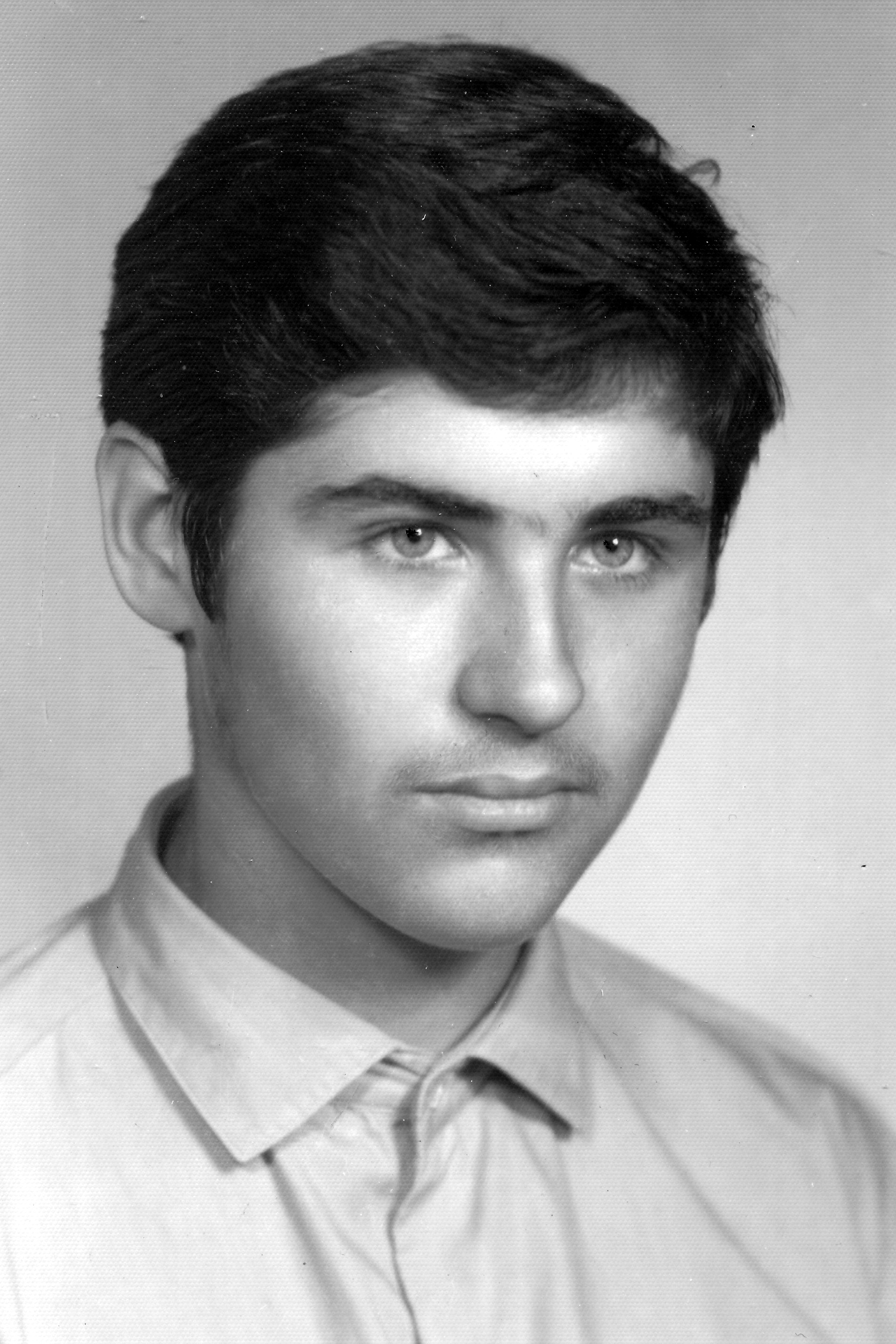
Tomáš Bergman, 1970s
photo: Tomáš Bergman's archive

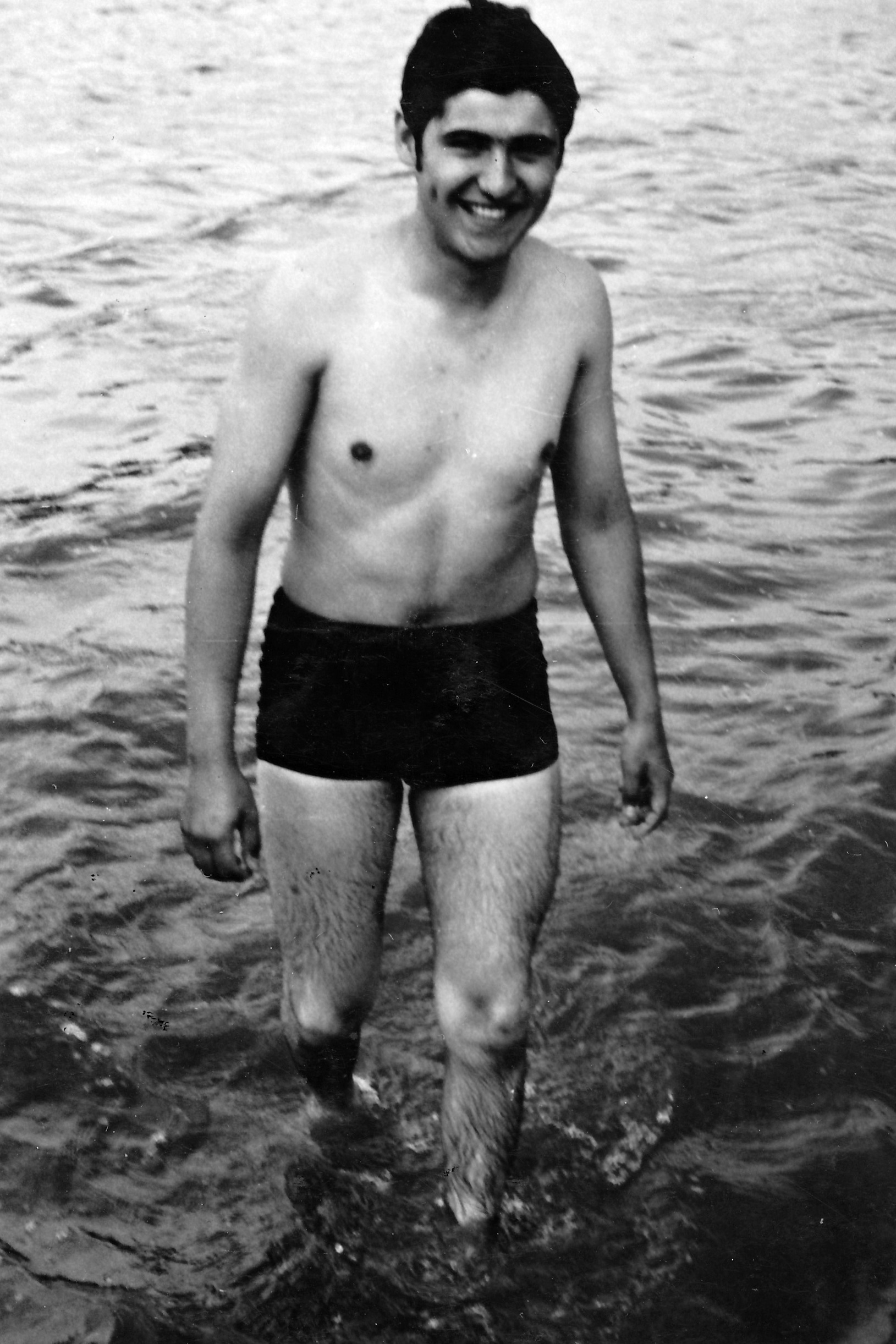
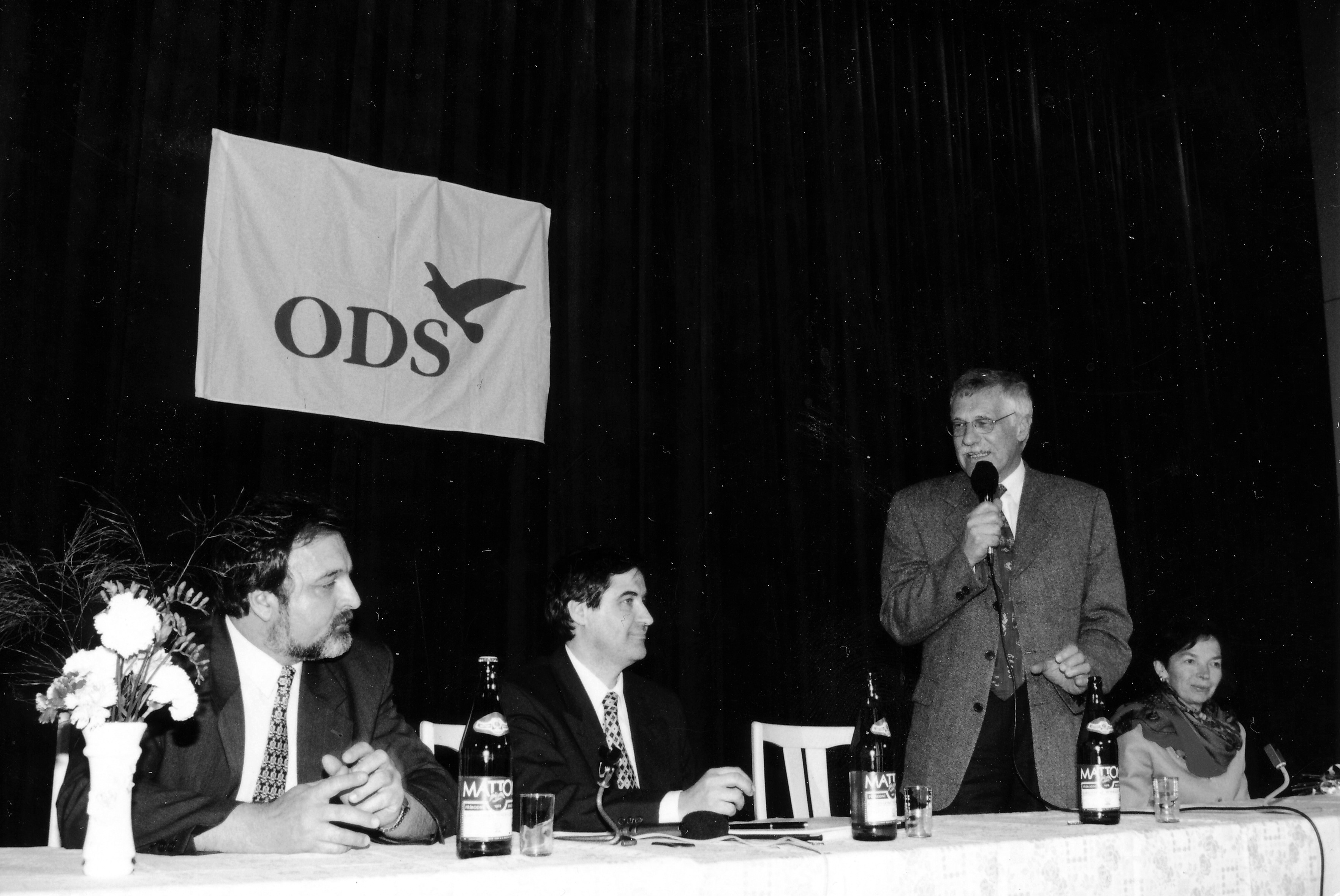
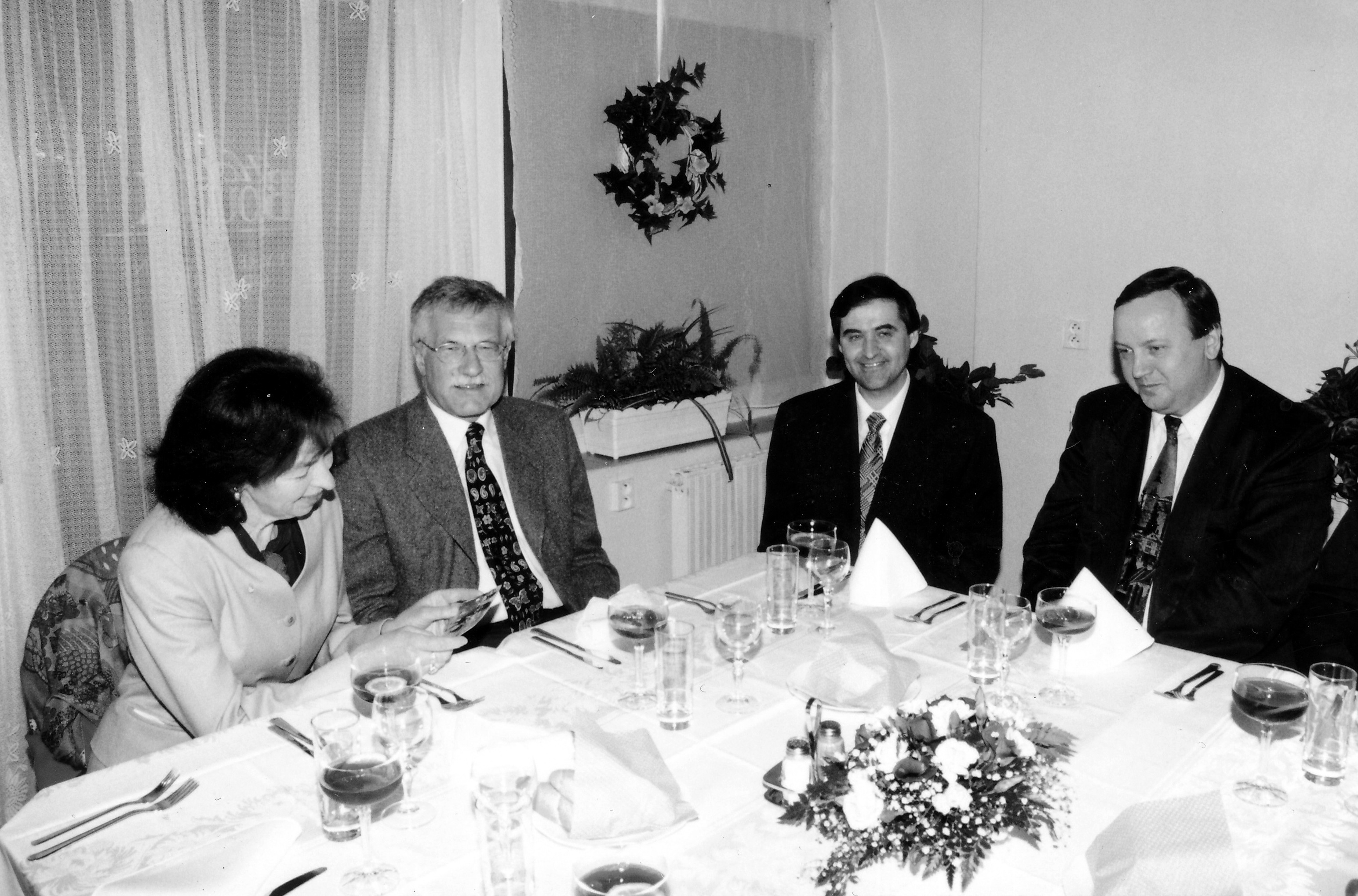
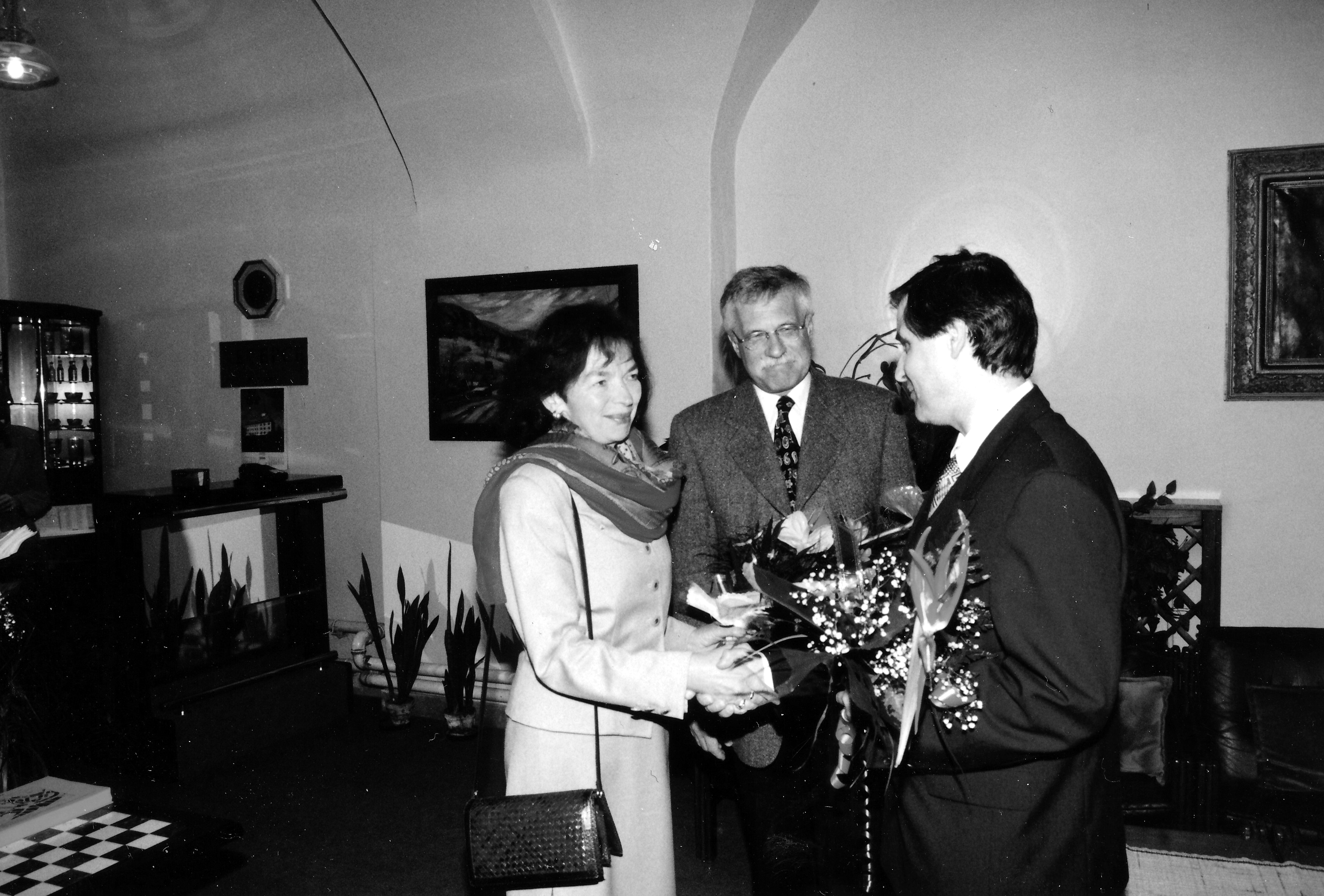
Tomáš Bergman was born in Olomouc on 30 December 1953. From age 15, he apprenticed at Fatra Napajedla and was interested in religion, philosophy, literature and classical music. He became close to Christian communities in both Protestant and Catholic environments. He visited and organized secret communities of believers. Following his military service, he worked at Pozemní stavby Gottwaldov. He studied theology in residential seminaries taught by Father Josef Zvěřina. He distributed samizdat between Moravia and Prague, becoming friends with the Christian dissidents - Václav Benda, Pavel Záleský and Václav Malý. In 1988 he co-founded the samizdat magazine Velehrad. After 1989, he helped found the Christian Democratic Party, then joined the ODS and was an MP from 1996 to 1998. He changed his surname from Květák to Bergman in 2007. He conducted business and studied theology. In 2005 he was still in business and living in Prague.