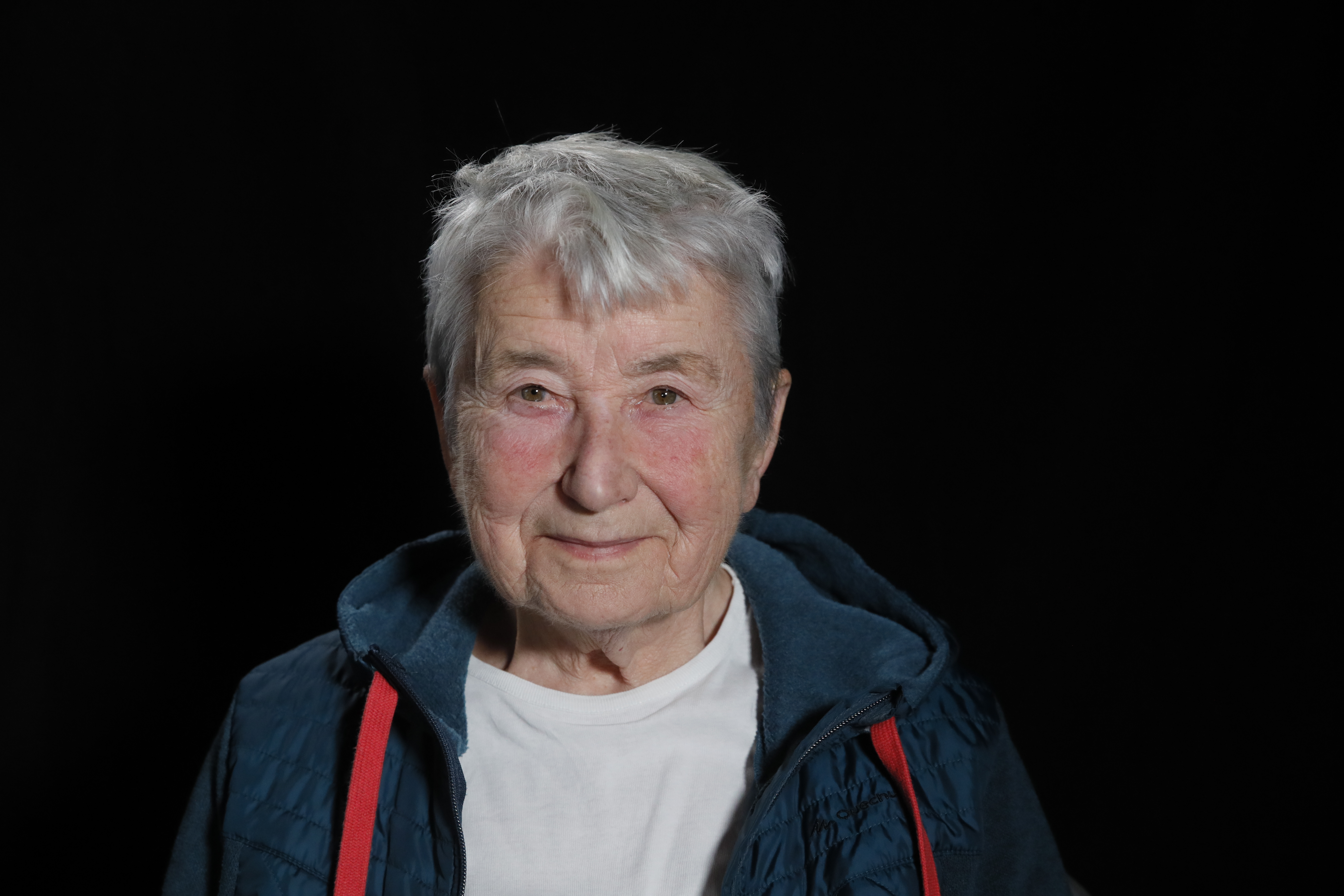
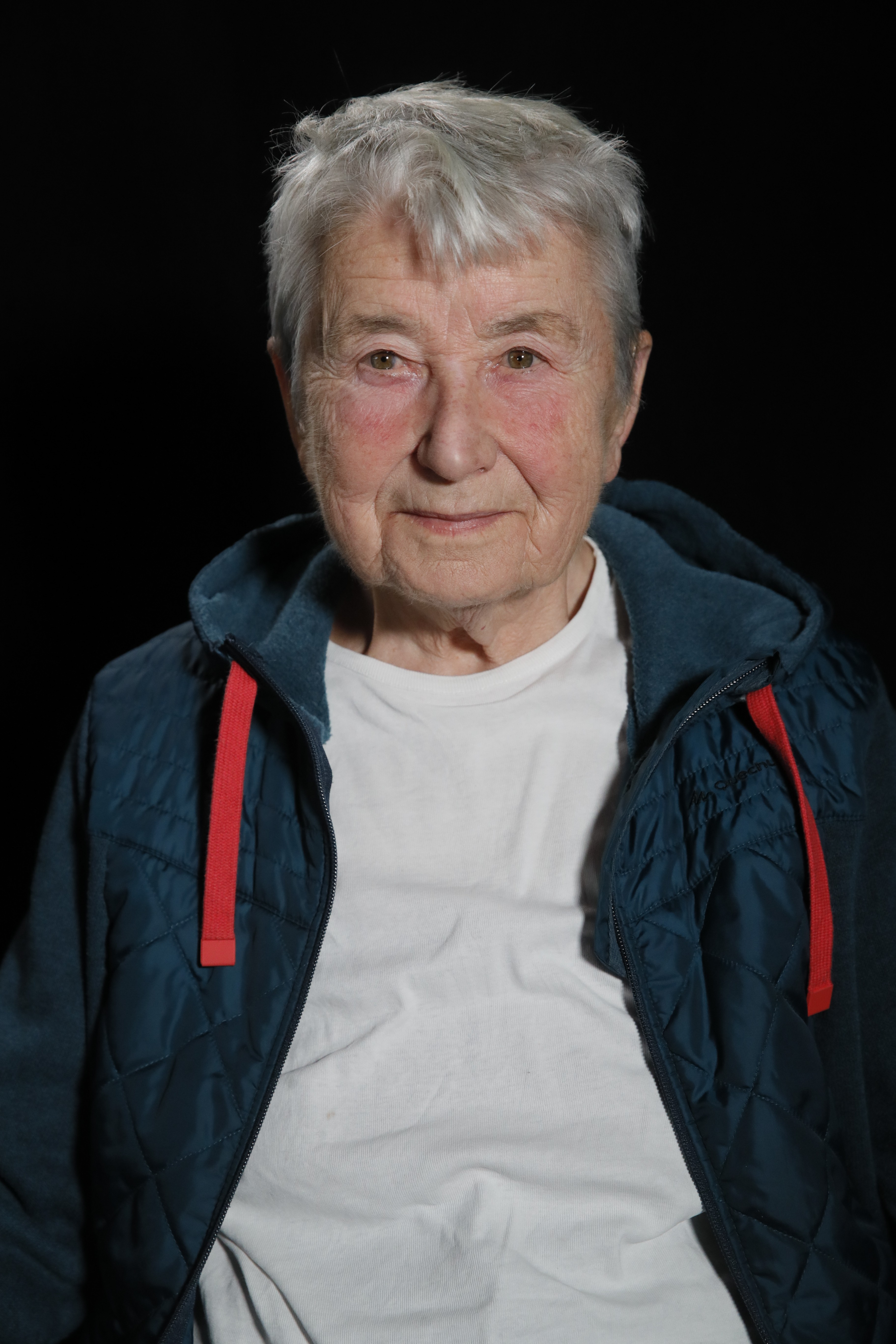
Waltraud Benová

* 1939

  • "What is worse is that German has never been so banned in our country as it was after the war. Even as children we had to have a white label that we were German, even adults of course. It was like the mark of Cain. Everybody could dare with us. It wasn't pleasant. I remember only one thing. I met a teacher once with my mother. We went and we said, 'Hello.' He said, 'Back.' Mummy was walking with me. I wanted to run away right away. I wanted to make a circle. We were going home. Mum said, 'No, we're going back.' She took my hand and we went back. The second time we said, 'Hello.' He let us pass. These are experiences you can't forget."

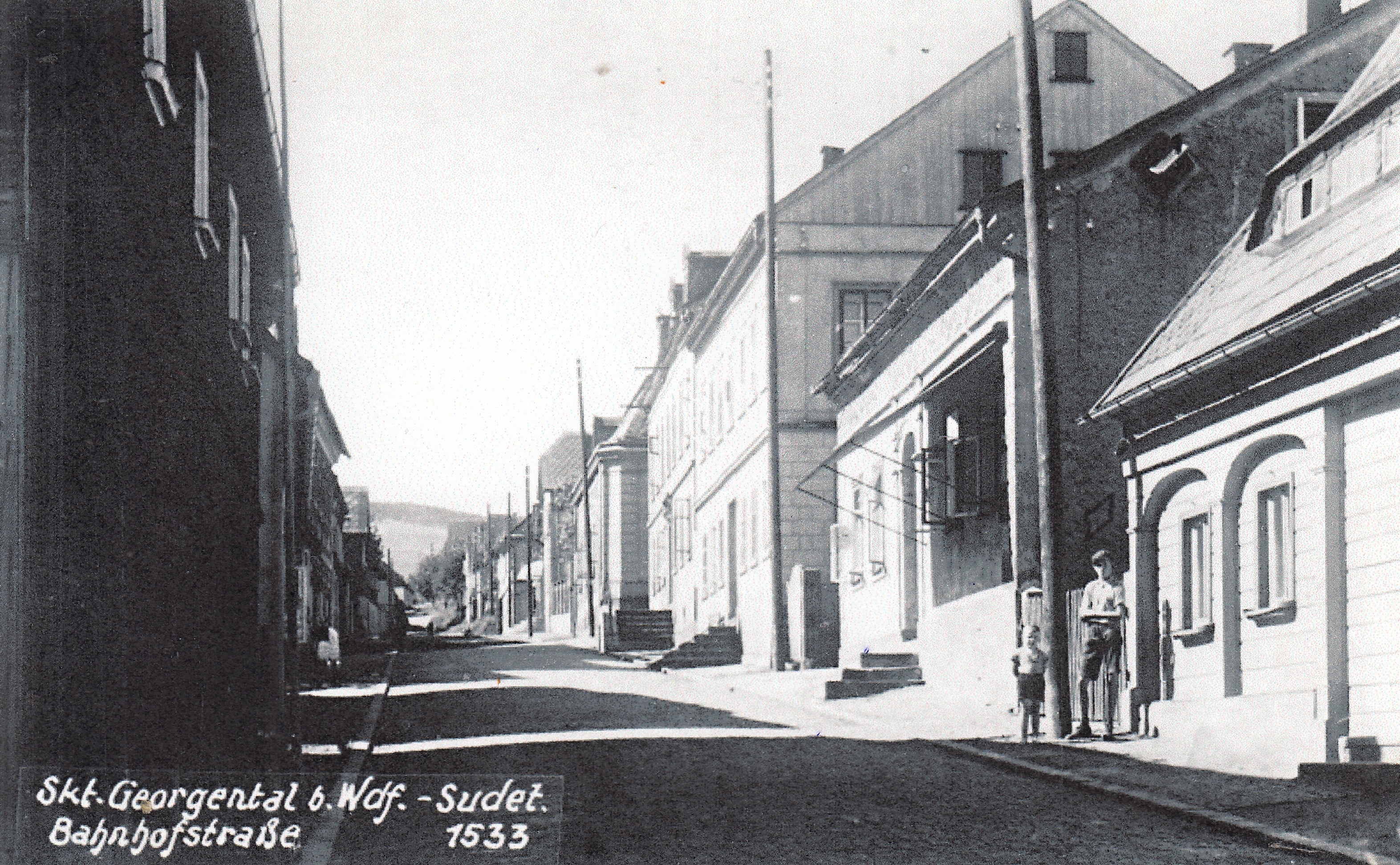
  • "The relatives who were displaced tried to stay just behind the border. We are not far from the border. They were hungry, they had nothing and they were mostly standing by the border. How they communicated I don't know, but I know that our mother didn't have much property either, but she cooked potato soup and brought it to relatives at the border because they were hungry. Nobody wanted to be displaced because they were going into uncertainty, into bombed-out Germany, and nobody was waiting for them there."

  • "It wasn't so bad because when the sirens went off, we went to the basement. In the basement we had children's wicker chairs and we sat on them. We had a kerosene lamp. My mother would read to us or tell us stories, but she didn't read us fairy tales.She always read us stories of the Tolštejn knights and the whole area, from the silver mine. There was a silver mine near us. It was very nice. We always liked it when the sirens would go off." - "Did you enjoy the raids as a child?" - "We didn't find them dangerous. Mummy stayed calm. She wasn't horrified. We always experienced calm. Mummy had time to be with us during the raid."

  • "Well, yes, because those who were displaced, those who came to that bombed-out Germany, maybe they didn't get food stamps. And in Podluží, that Velveta, it's almost right on the border. And somehow it was arranged that those who could, came to the border from the other side and my mother cooked soup, potato soup, because we had fields on Křížová Mountain. That was, that was illegal, that was already all confiscated, but that was illegal... somehow we came to the potatoes, so she cooked a pot of potato soup, and then my brother and I, my sister and I had to stay at home, we were making a little house under the table, that's where we were hidden, and meanwhile they took the soup to the border."

  • "In the year forty-five I was six and my brother, who was older, they had taken him to school, he was four years older, but they didn't want me. So then my mother went there with me to the headmaster to take me to school, and he just kept saying, I remember that, he even just said, 'You're going to be displaced anyway, it's no use me taking her to school, you're going to be displaced anyway.' So in the forty-sixth year we were still there, well, so she went there with me again, every week, and finally when my mother wouldn't leave it, so he took me to the school. And my first day of school wasn't September 1, it wasn't until October 15. The German pupils were sitting in the last desks, nobody understood a word, and when we talked amongst ourselves, of course we were punished, that's was obvious. But in the third grade, by that time I knew so much Czech, I don't know what we did then, I wasn't alone, there were more of us, we all got a note in the student book. I was the only one with an A and I said, 'I don't care, my mom can't read it anyway!' Because she didn't know Czech."

  • Full recordings
  • 1

    Varnsdorf, 15.11.2021

    (audio)
    duration: 01:36:50
    media recorded in project The Stories of Our Neigbours
  • 2

    Ústí nad Labem, 06.02.2025

    (audio)
    duration: 01:53:13
    media recorded in project Příběhy regionu - Ústecký kraj
Full recordings are available only for logged users.

Politicians are not to be trusted, that’s how I was brought up
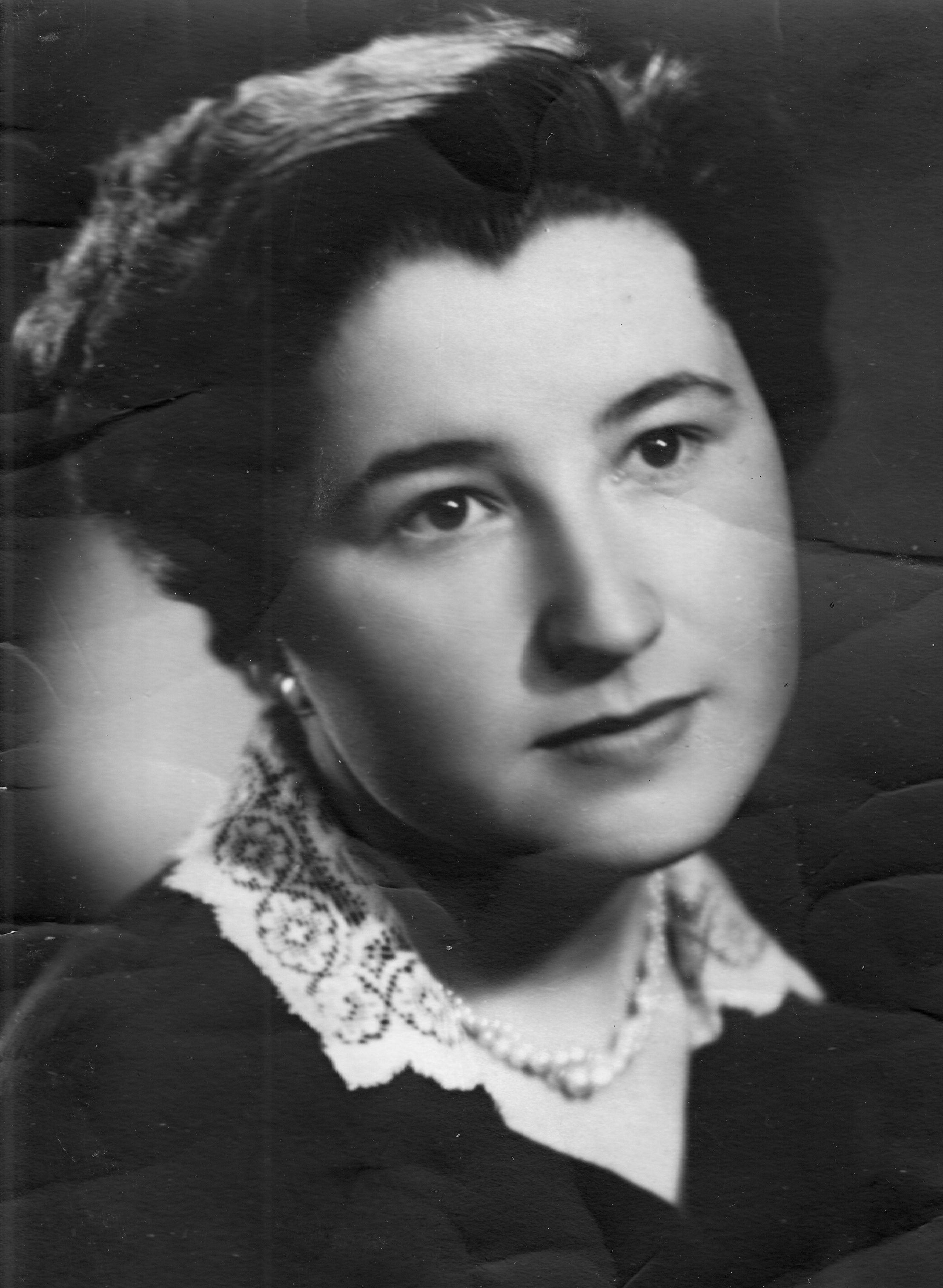
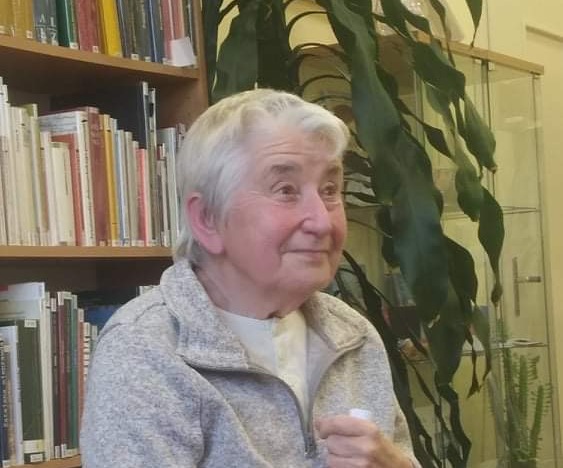
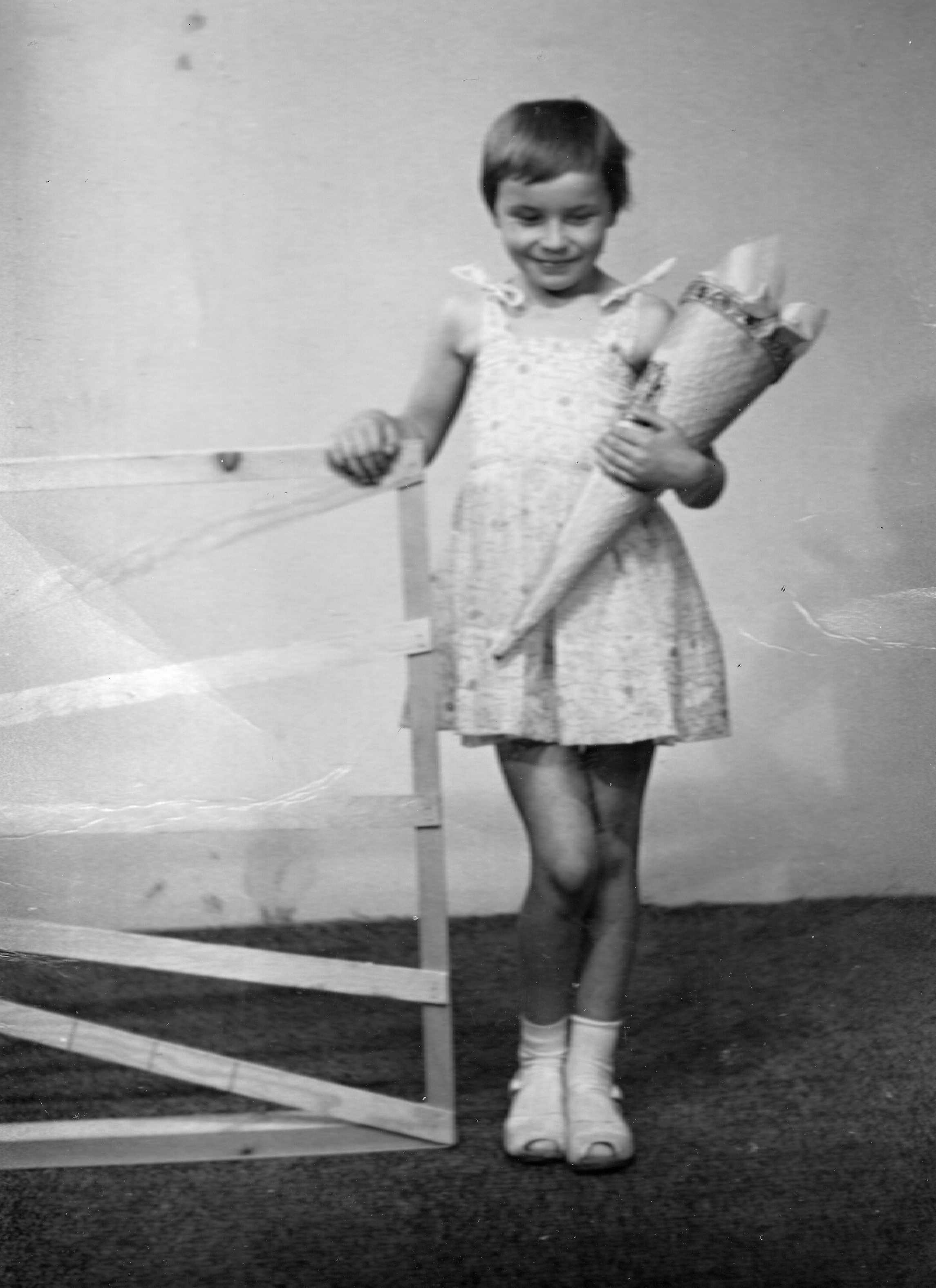
Waltraud Benová, 1957
photo: Witness´s archive

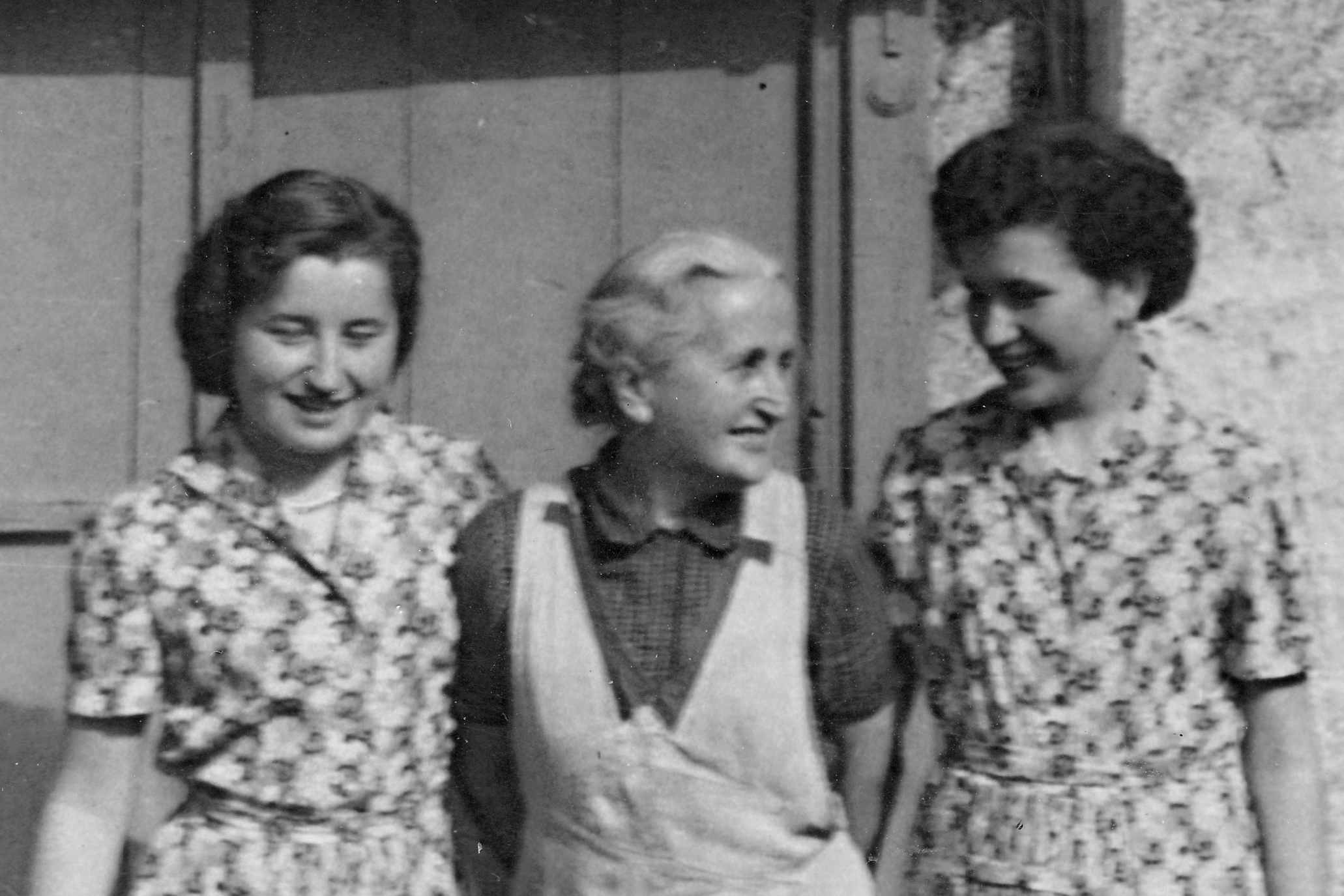
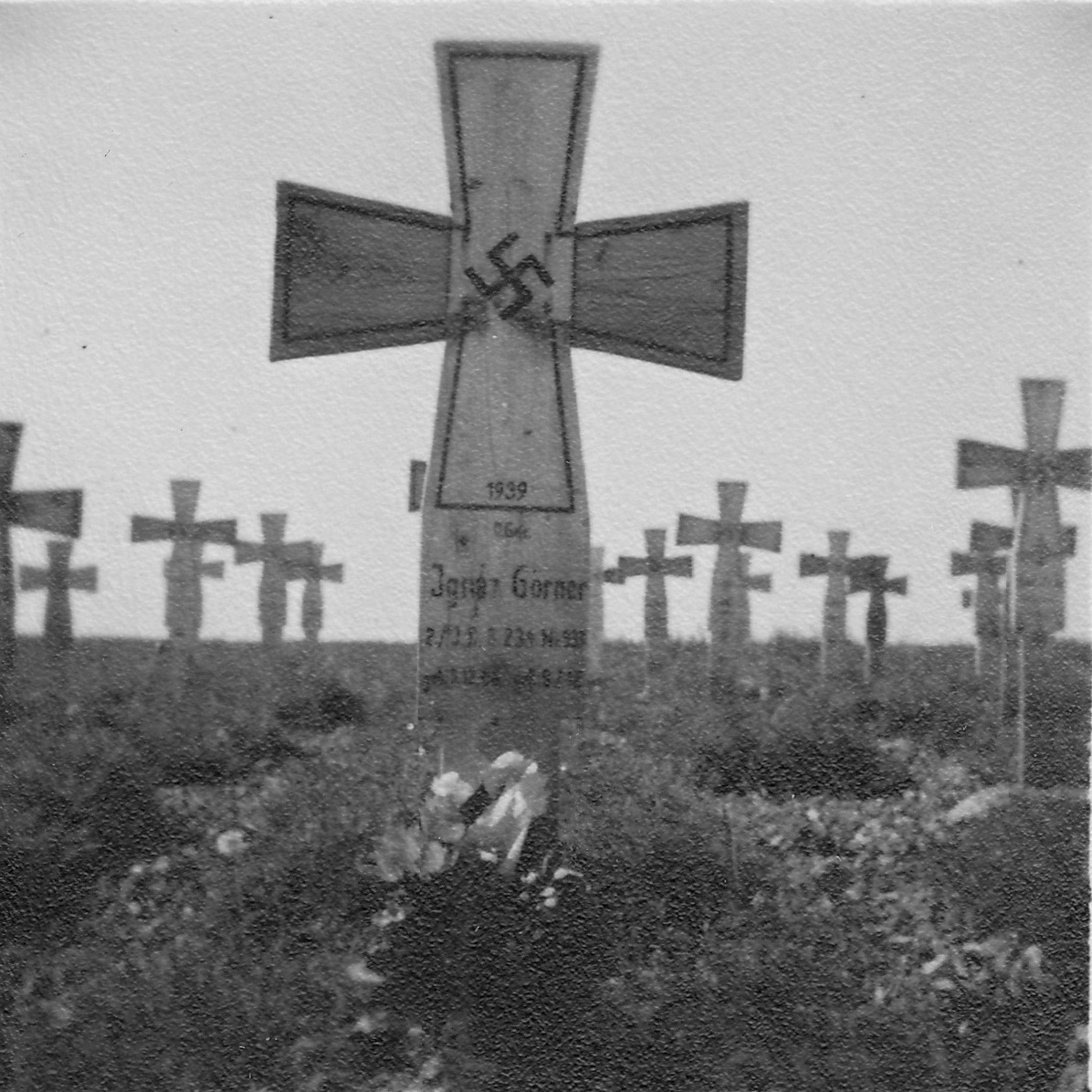
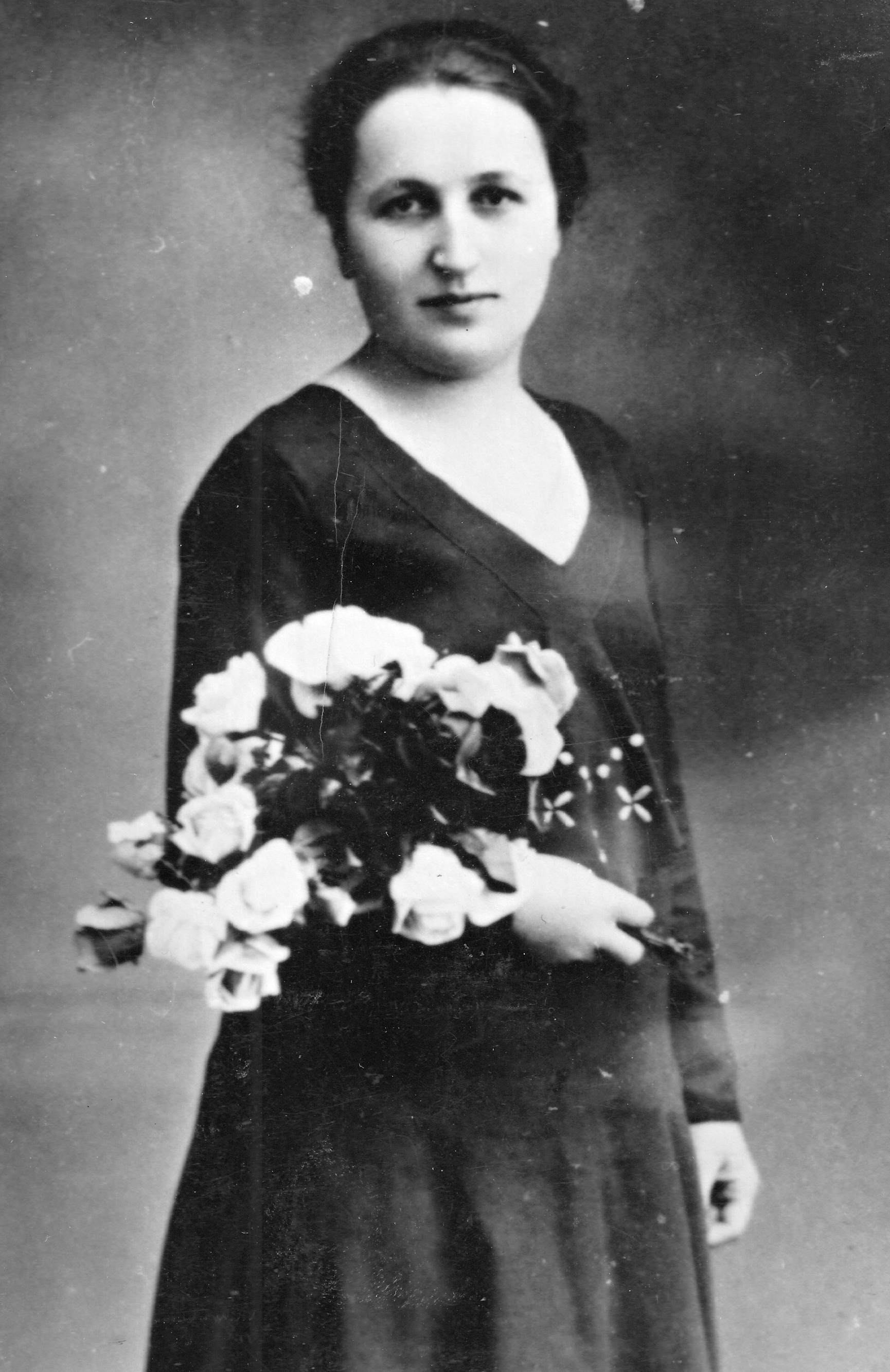
Waltraud Benová was born on 21 December 1936 in Varnsdorf. Both her parents were German. She grew up together with her mother and her two siblings in Jiřetín pod Jedlovou. Her mother’s name was Marta Görner, née Salomon, (1908). Her father Ignaz Görner (1909) was killed as a Wehrmacht soldier in 1942 at the front near Kiev. Her mother worked in the Ignaz Richter textile factory in Dolní Podluží and her father originally worked as a bricklayer. After the war, Waltraud Benová was supposed to start primary school, but the headmaster did not accept her as a German waiting for deportation. In October 1946, thanks to her mother’s repeated requests, she finally entered the school. Her family did not have to join the removal because no one could be found to take over her mother’s hard work in the factory. All other relatives were gradually moved to East Germany near the border. After primary school, she was admitted to a three-year medical school. When she was nineteen, her mother died. She married in 1959 and had two daughters. She worked all her life as a nurse, first at the district doctor’s office in Dolní Podluží, and later in the internal medicine department at the hospital in Krásná Lípa. At the time of recording in 2025, she lived in Studánka (part of Varnsdorf).