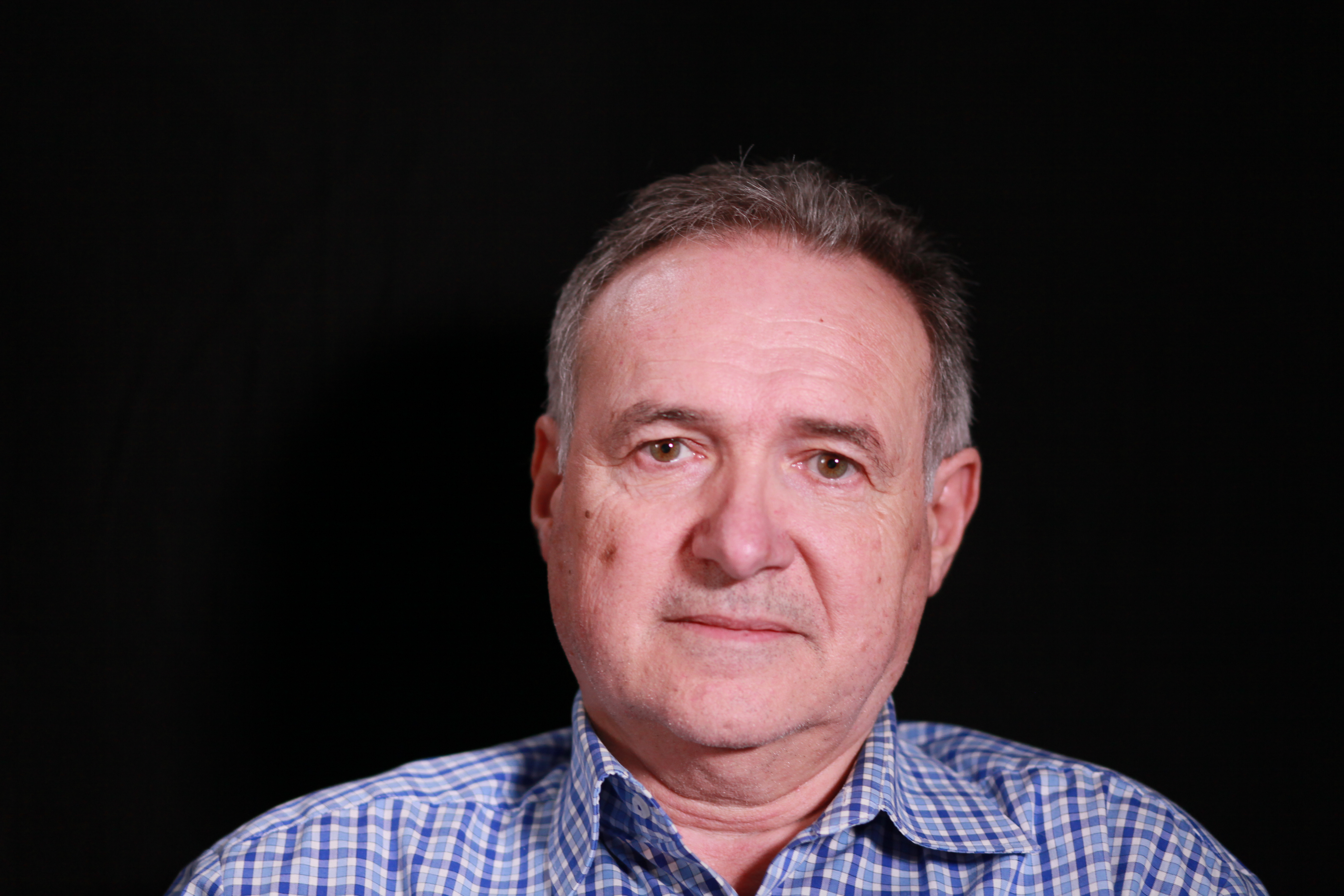
It was clear at that moment that communism must finally die
Download image
Mgr. Václav Keprt was born on 9 August 1960 in Šumperk. He grew up in Zábřeh na Moravě in the family of Miloslav Keprt and Ludmila Keprtová - his parents and his two siblings led him to the Catholic faith from an early age. The family was persecuted by the communist regime, mainly because of his father’s unrelenting views, his signing of the 2000 words petition, and his refusal to accept the Soviet occupation of August 1968. Miloslav Keprt also helped to re-establish the Scout - Junák movement during the relaxation of the 1960s, where his son Václav also joined the Wolf Cub Troop. During the onset of normalisation, the regime banned scouting again and Václav witnessed their camping equipment and scouting items being taken away by people from the town council. In 1970, they wanted to accuse his father of subverting the republic and sentence him to prison. Fortunately, due to lack of evidence and witnesses willing to testify against him, this did not happen. But the regime found another way to take revenge - his father lost his job as a planner in the engineering industry and had to take up the not very recognized profession of a skin picker and buyer. His son Václav was not allowed to study secondary school. So he trained as a gardener and at the age of fifteen he first met the Catholic priest František Kunetka, who introduced him to a secret Christian community, which later led to his acquaintance and friendship with the philosopher and theologian Josef Zvěřina. Václav Keprt was involved in the distribution of samizdat during the normalisation period and during the Velvet Revolution in 1989 he co-founded a cell of the Civic Forum in the local cooperative farm. During the democratic era he helped to rebuild the scouting, which had been banned by the regime, and during the first half of the 1990s he led the Zábřež Charity. Since 2003, he has been the director of the Archdiocesan Charity Olomouc, where he has been involved in many aid activities at home and abroad. In 2024, he received the Charity Award for his lifelong contribution to the organisation. At the time of the interview, Václav Keprt was living in Zábřeh, Moravia.