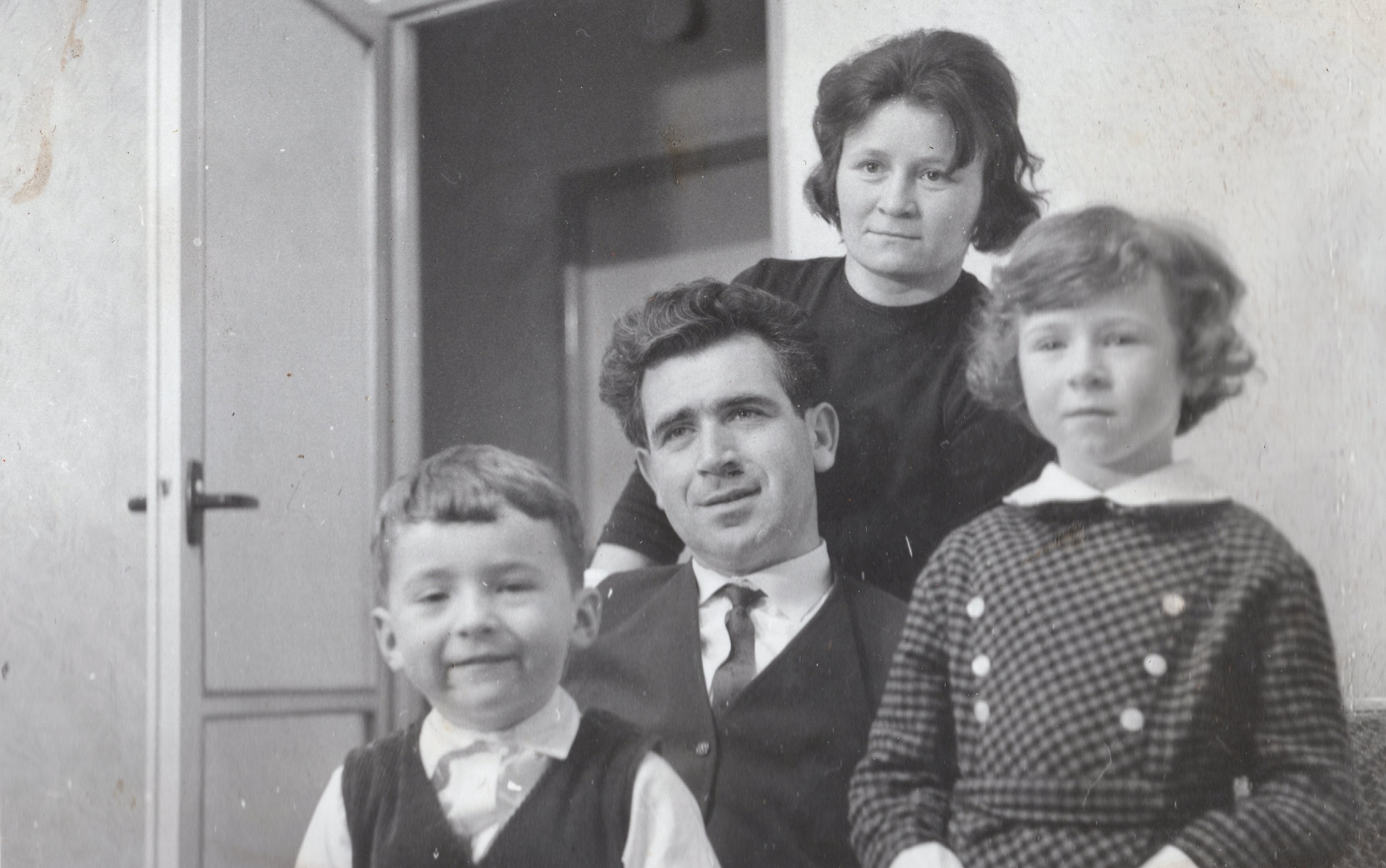
Anežka Vavrousová

* 1940

  • "My mother already knew what was going to happen because a neighbour in Životice told her. And he told her that old Mr. Warcop wasn't home yet either. Grandfather wasn't home yet either. They hadn't let him go until they left with Daddy. Grandpa must have heard because it wasn't even 300 metres until he had to get off. It was already a stubble field, the corn had been cut, and they showed him: march! Next to the road there was a boy lying who had been going from Suchá to pick up blueberries, and they shot him there. I wonder if he was twenty years old. So Daddy saw it. And there was an old cottage next door, and they had a cow, and the old grandmother was grazing the cow. In front of the woods, and she heard him begging them, 'Let me live. I'll give you everything. I have kids, after all.' He was screaming so loud and they told him to run to the woods. He turned around and they shot him in the head, but they didn't shoot him completely because he was screaming so much. He fell backwards, so they shot him in the head again. Afterwards, Mrs. Gajdusová said, 'He's not screaming anymore, he's not screaming anymore.'"

  • "Then, when they [the Gestapo] left, my mother had already seen my father driving the cart up the hill, and now, when he arrived in the yard, she said: 'Teodor, the Gestapo was here. It was here for you this morning and now again.' 'And what do they still want me to do? I haven't done anything.' I don't know. There were two of them.' He started to get ready for church because he always went to church at seven-thirty. It was a Polish [mass]. He would always go to the Polish one and my mum would prepare lunch. 'And before you even go to church, I'm going to go and get milk through the woods.' Well, yeah, only she was stopped there by the army and asked where she was going. So she's going to her parents to get milk. 'You can go there, but you can't go back.' And now she passes a neighbour called Mr Folwarczny and he says, 'Warcop, what are you doing here? Half of Životice is shot up, what are you doing here?' Only then did my mother realize why they kept coming to his house."

  • "The policeman here who had the Great Dane, that was Sattler. He used to walk the dog. When we saw Sattler walking with the dog, we ran. We had a wooden fence and there was a hole in it and we looked through the hole to see if he was coming towards us or not, and as he was approaching we ran towards the woods. We were scared, not so much of Sattler, because we had no idea what kind of person he was, but we were terribly scared of the dog. Then he came and Mummy was just to give birth to my sister. She was lying there in bed and he came and ripped everything out from under her. 'What are you looking for? I'm about to give birth.' The midwife was walking in the yard and he threw it all out and came in with the dog. He was in the bedroom. He's gone through everything. So we were scared of this man, what was going to happen. And he always came when Daddy was out. I remember him stumping around in his boots."

  • Full recordings
  • 1

    Dolní Bludovice, 28.07.2024

    (audio)
    duration: 01:35:40
Full recordings are available only for logged users.

“I have young children,” Daddy was begging before the execution.
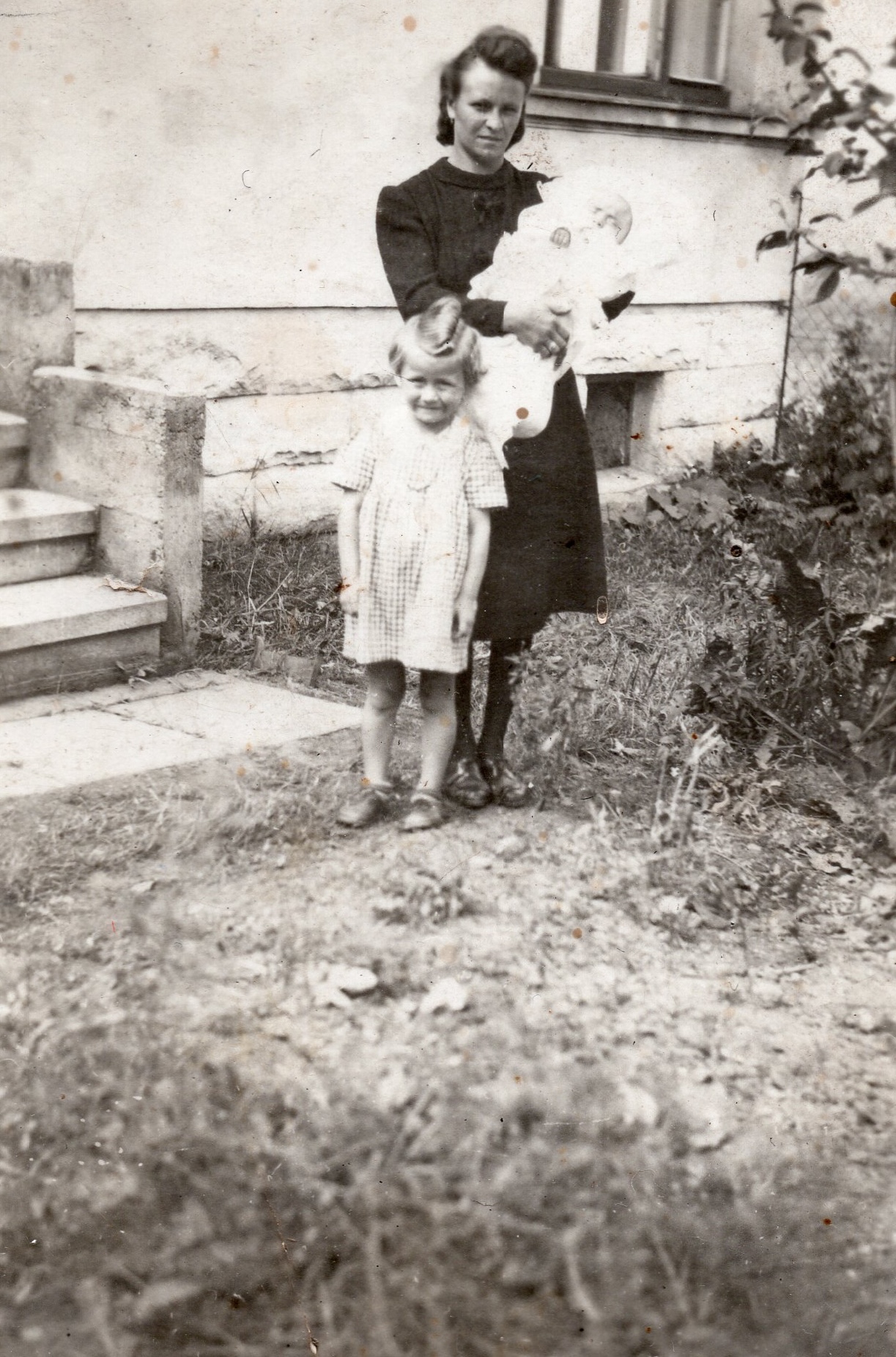
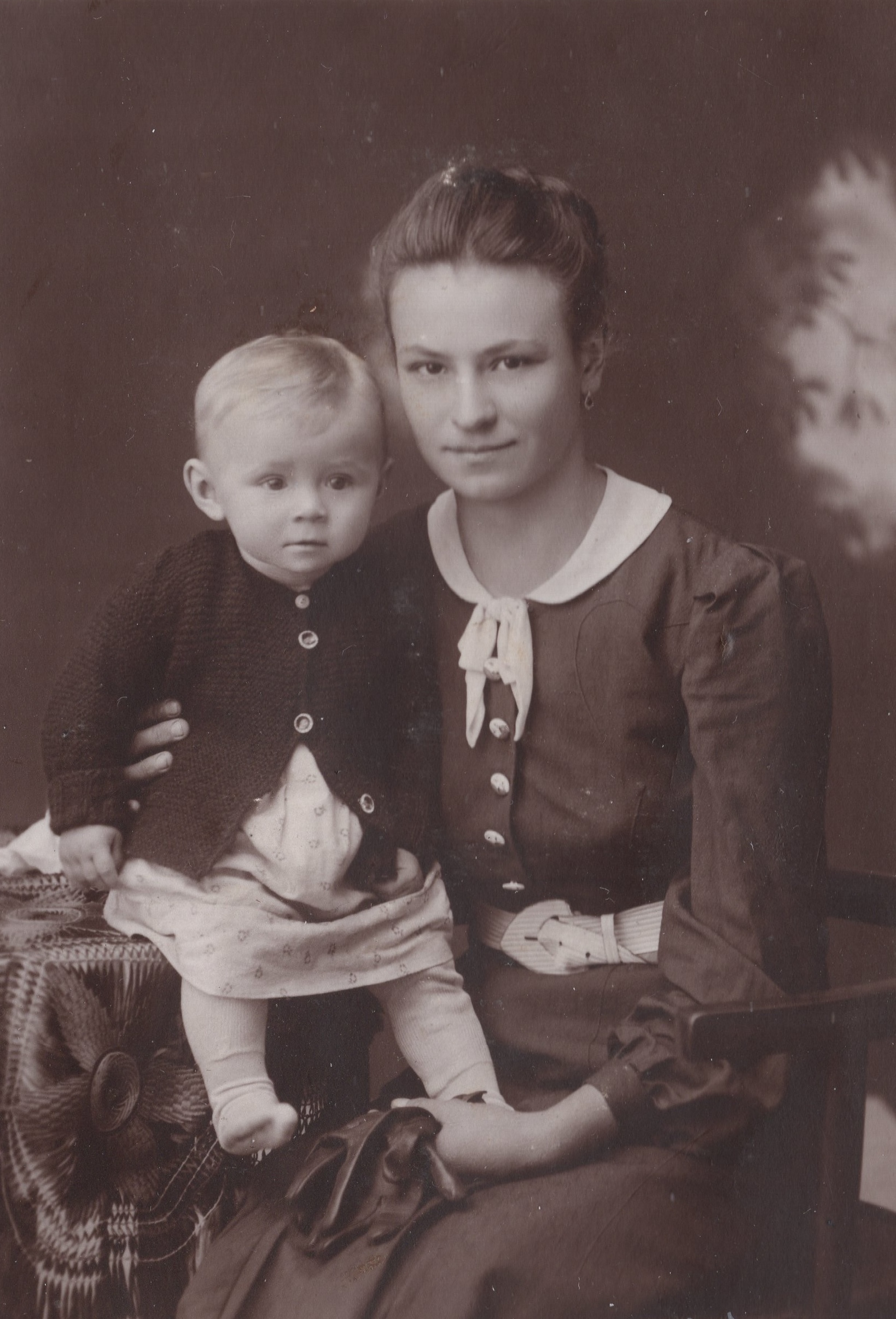
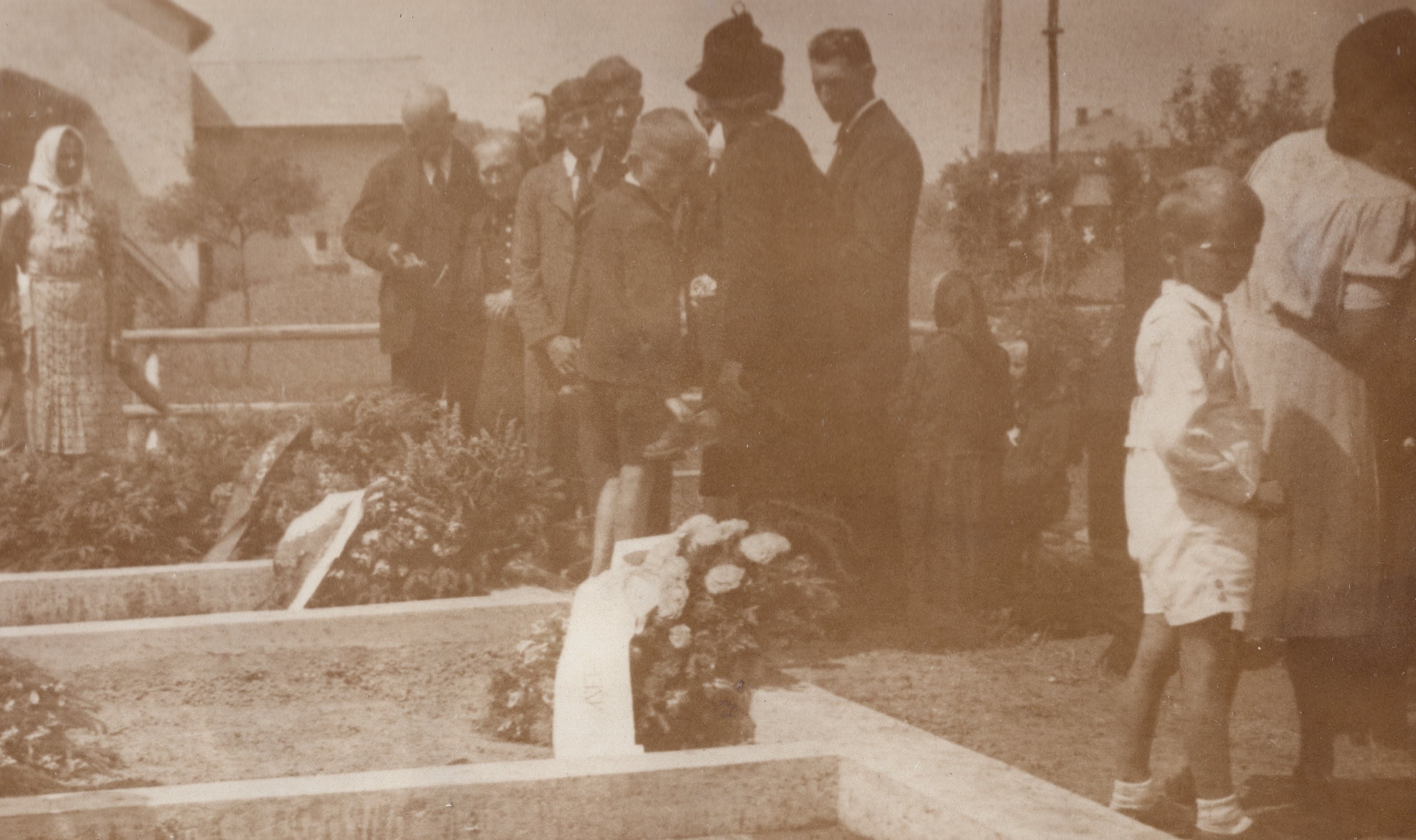
With mother and sister shortly after the Životice tragedy
photo: Witness´s archive

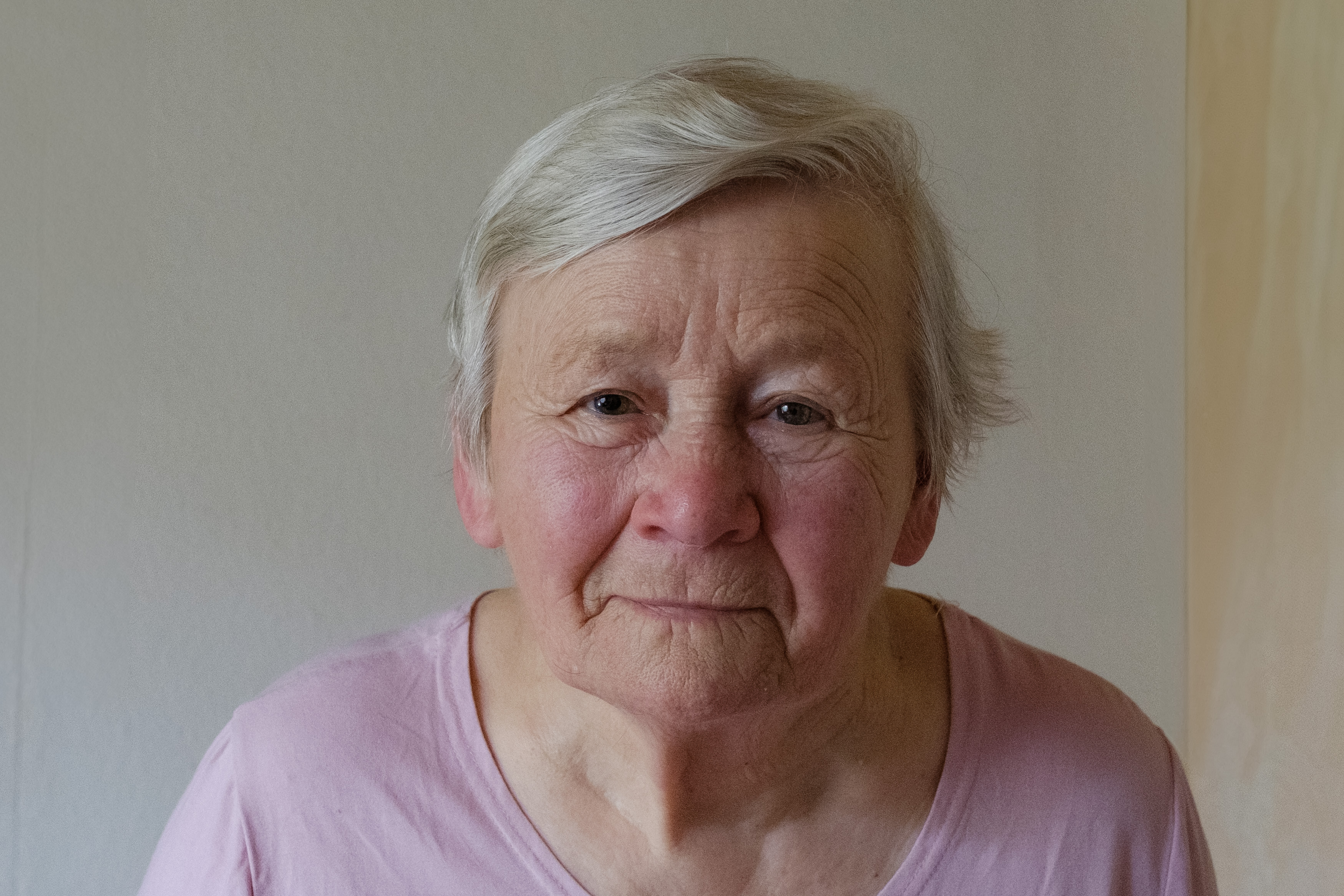
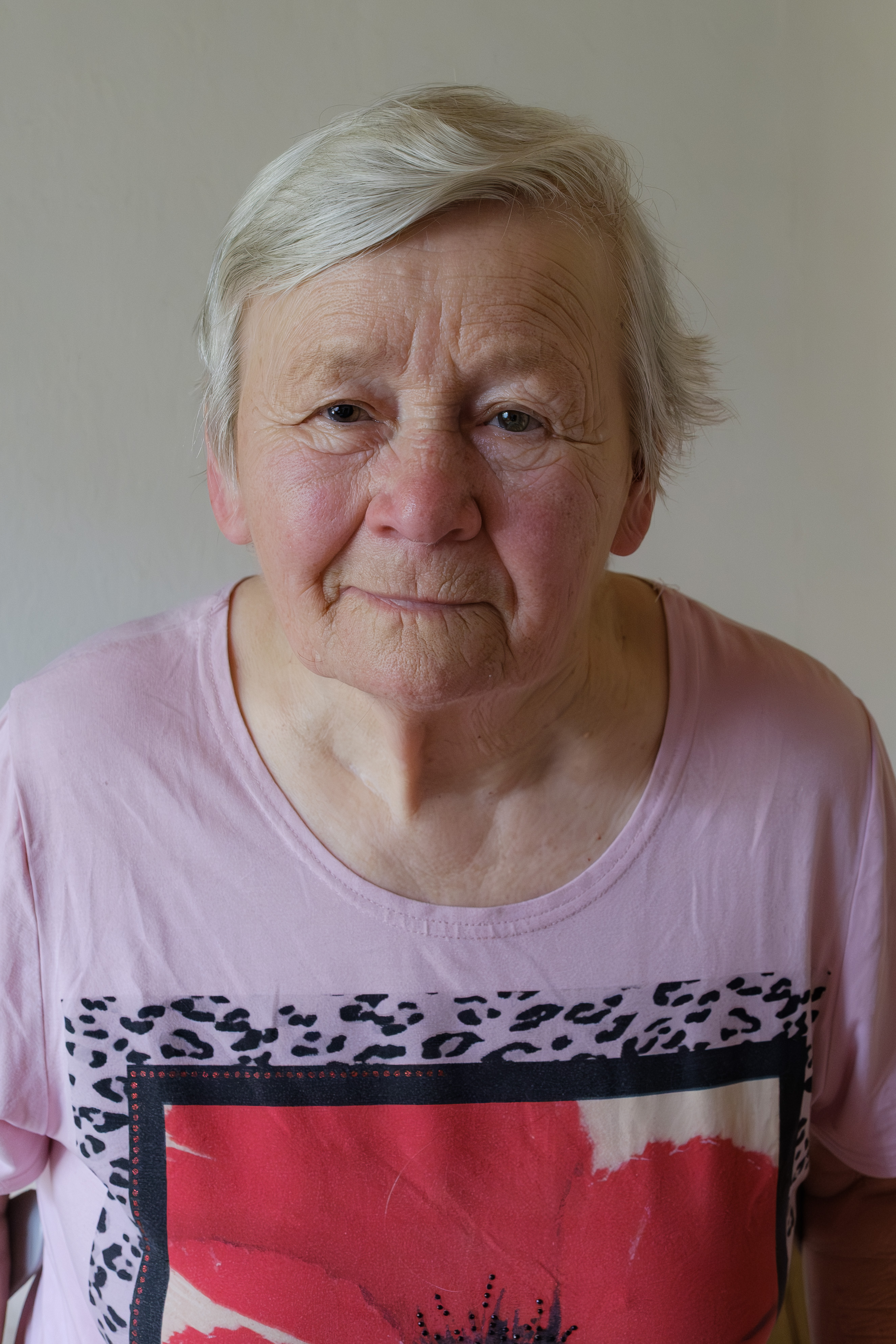
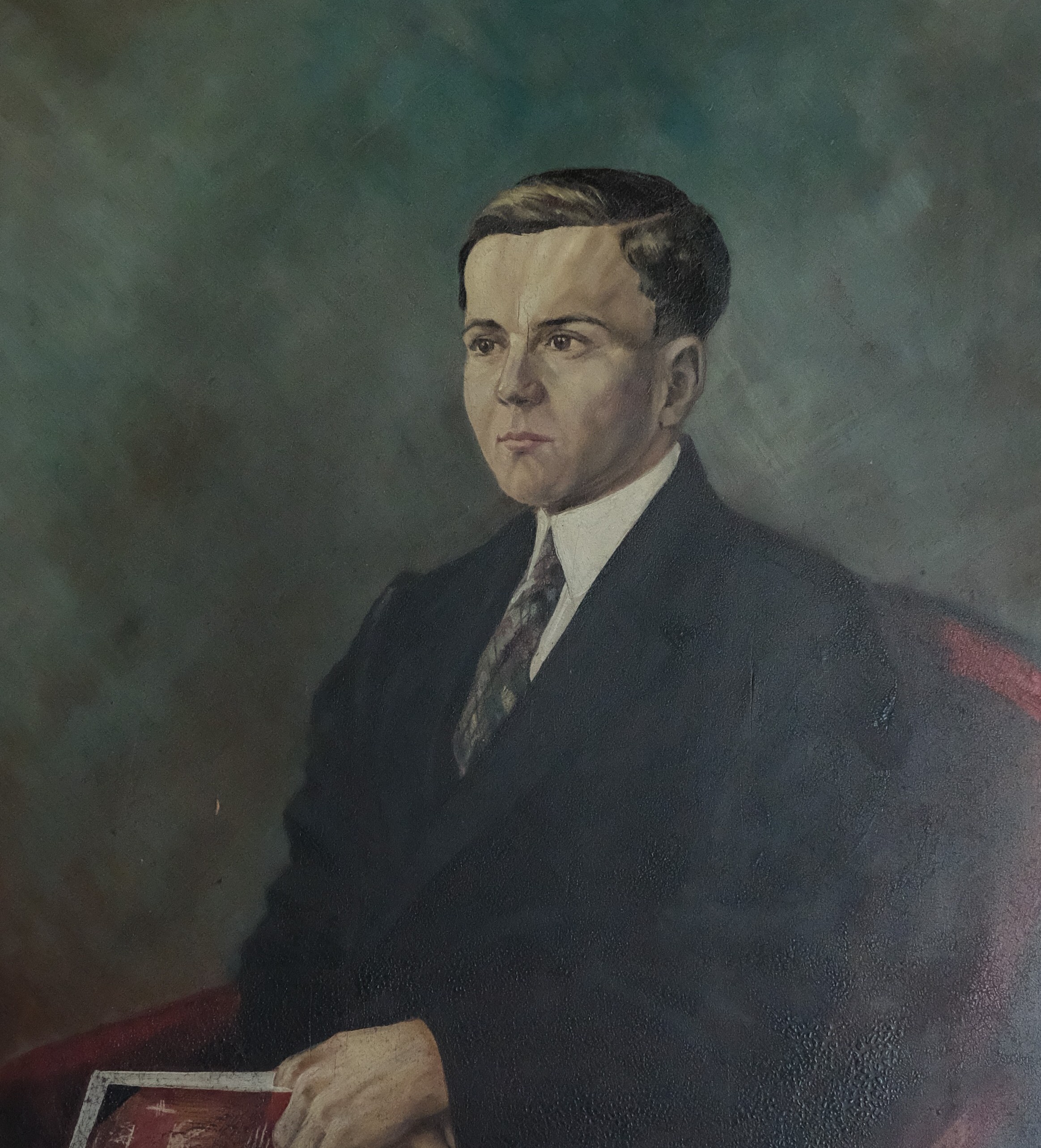
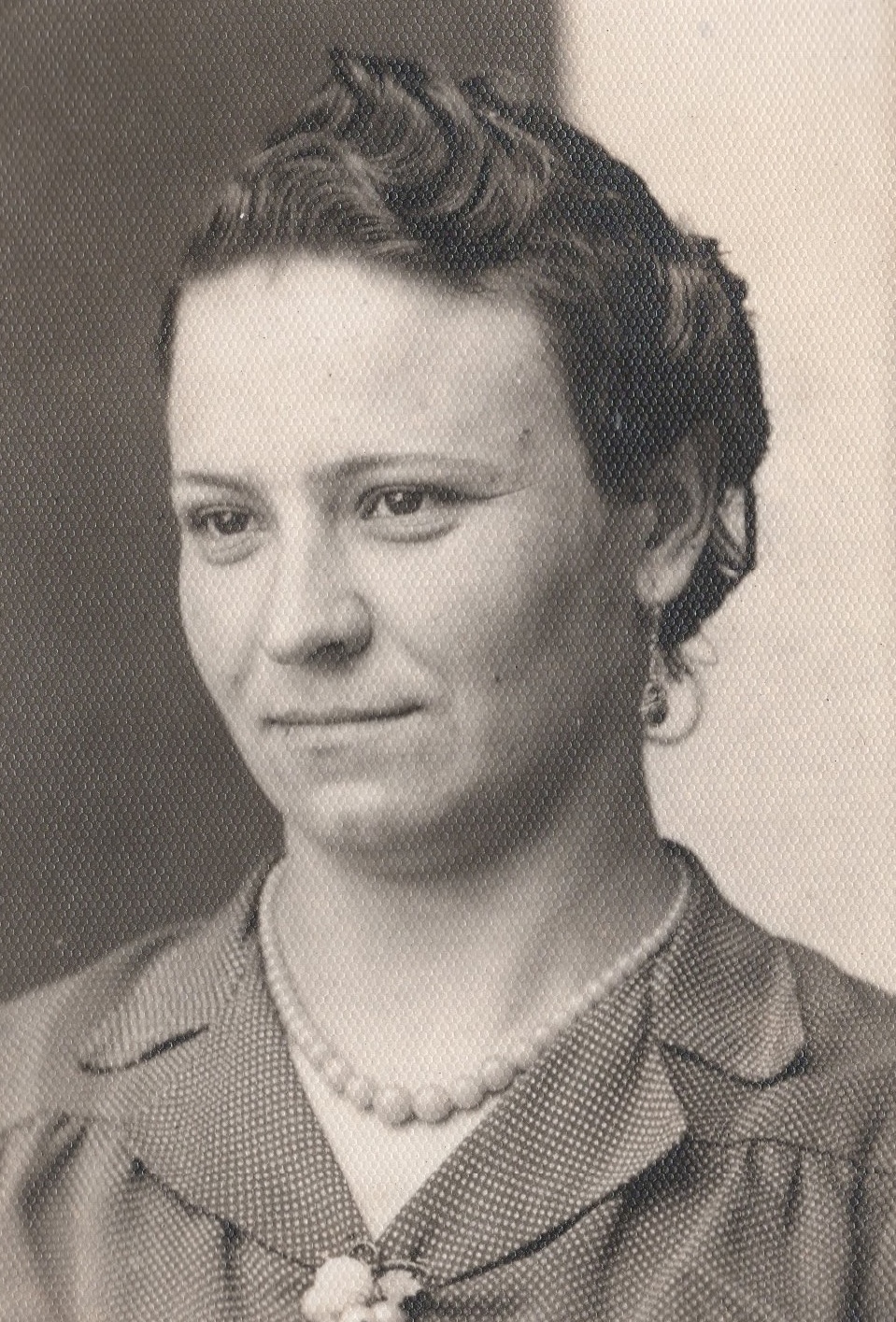
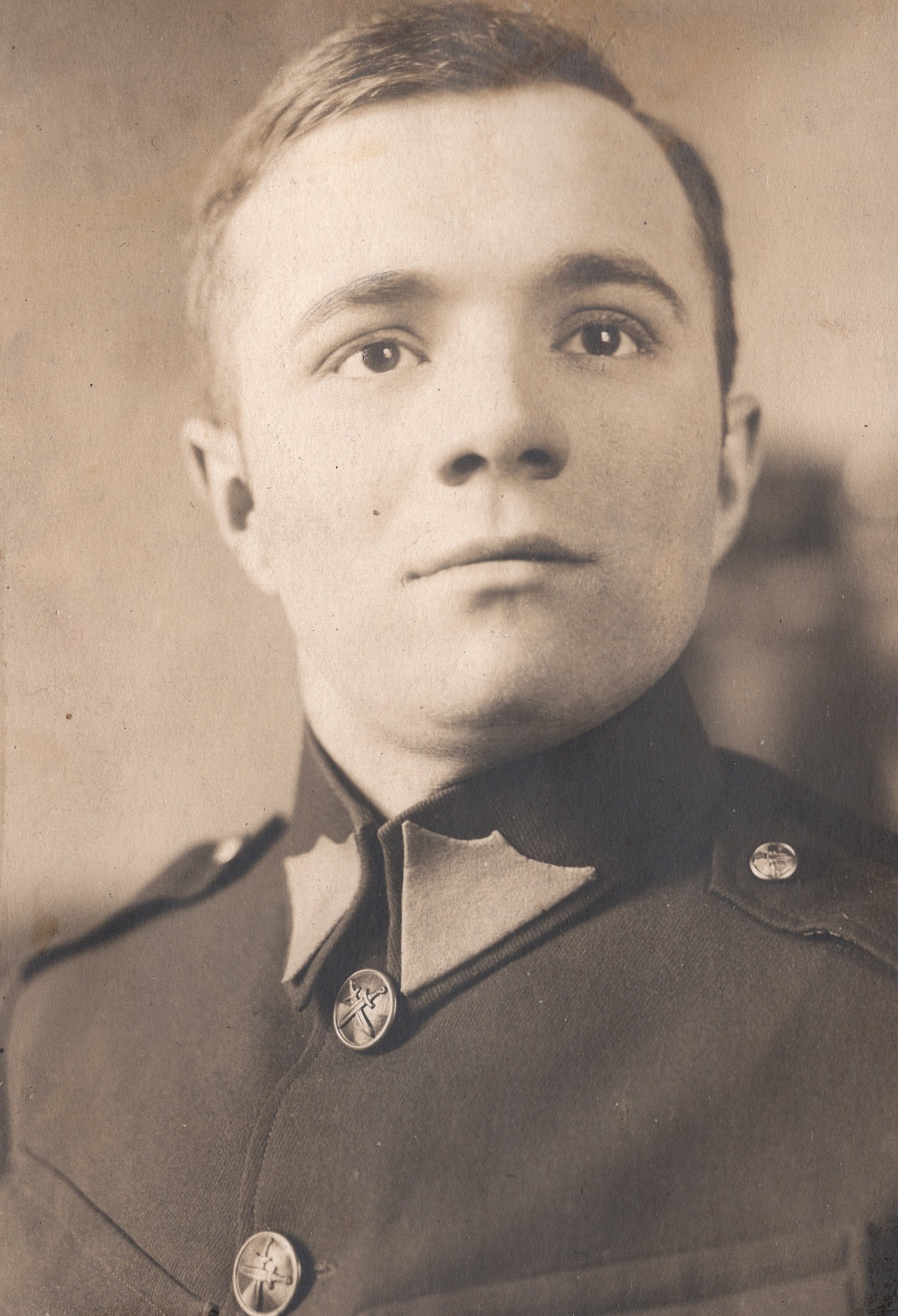
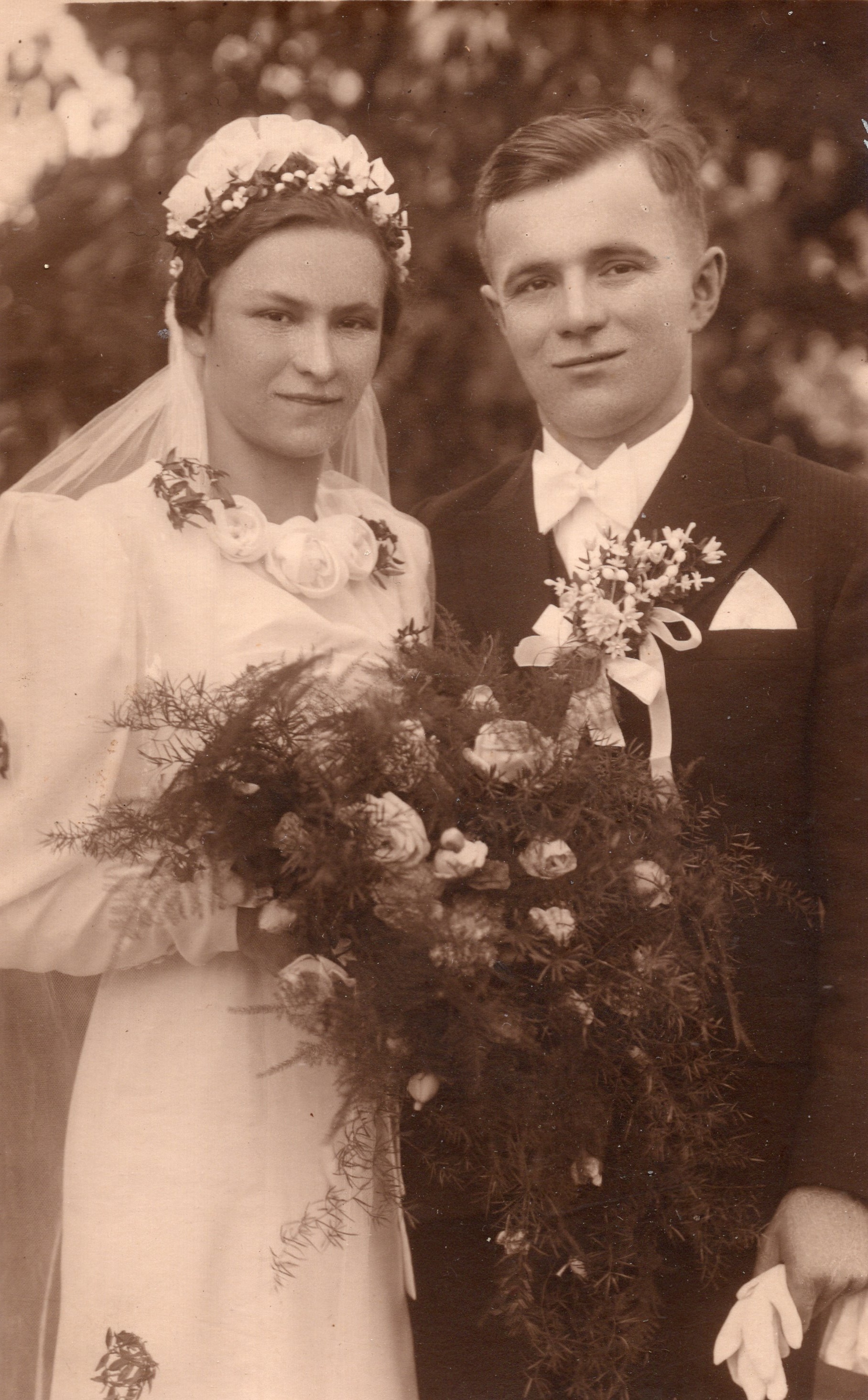
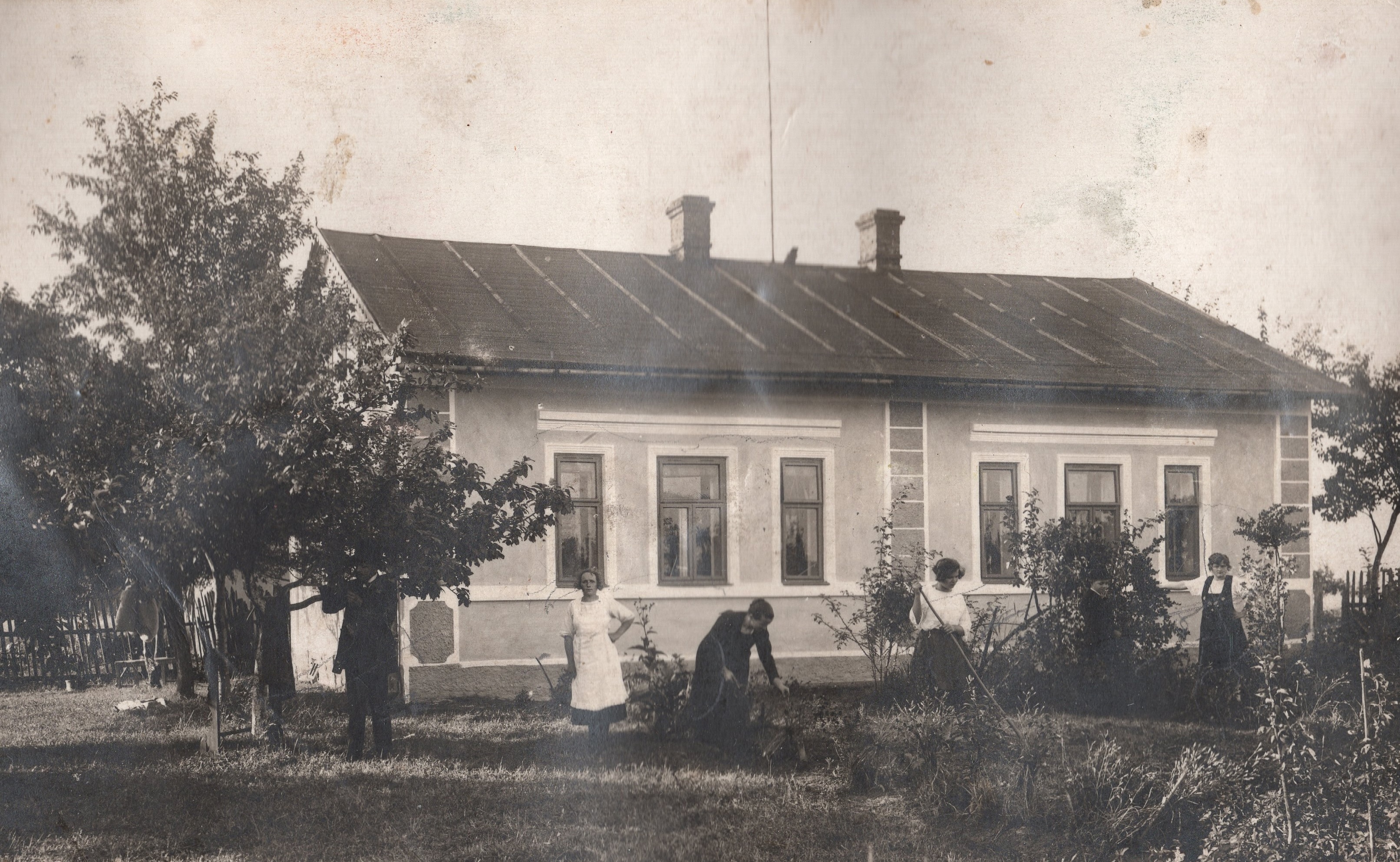
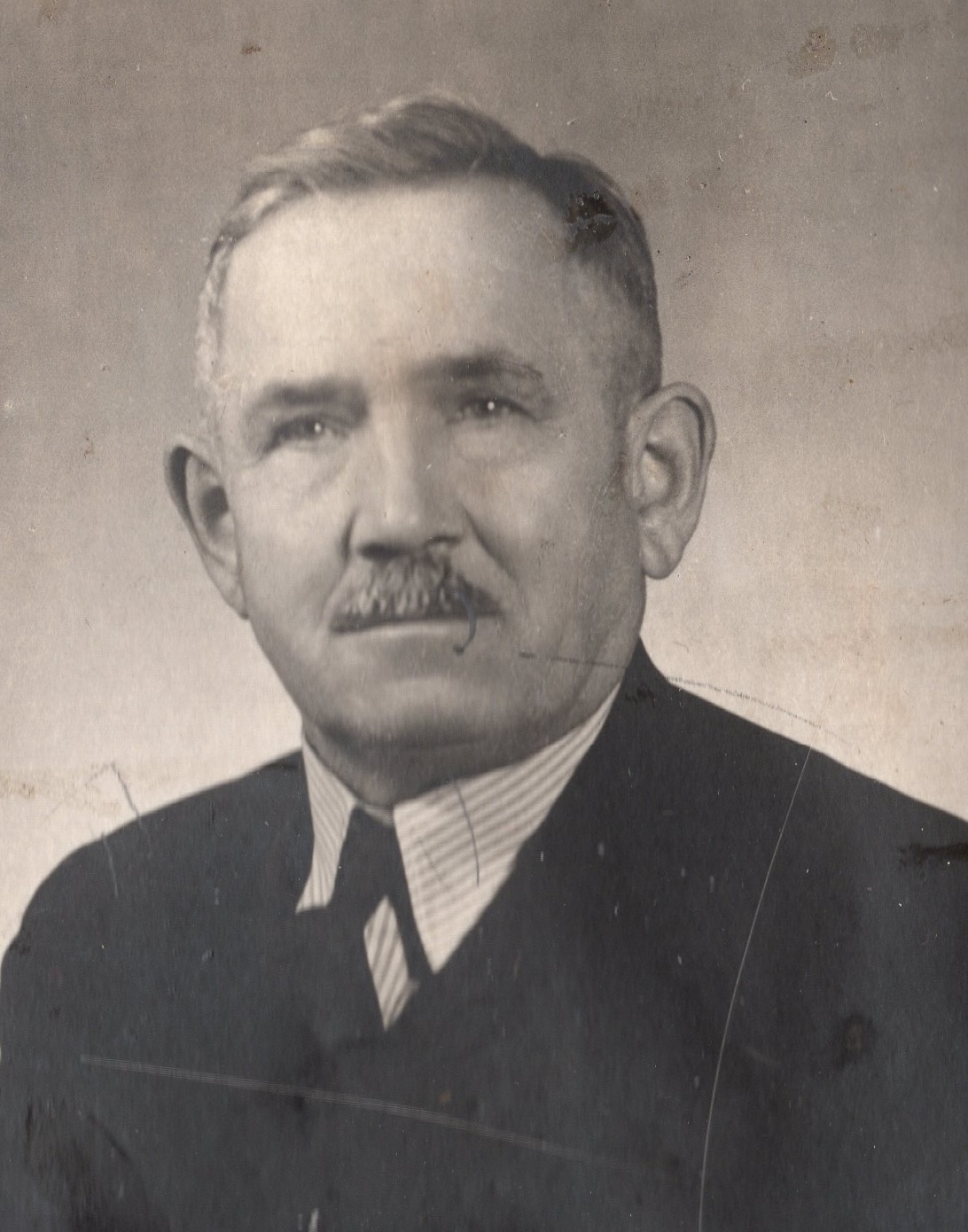
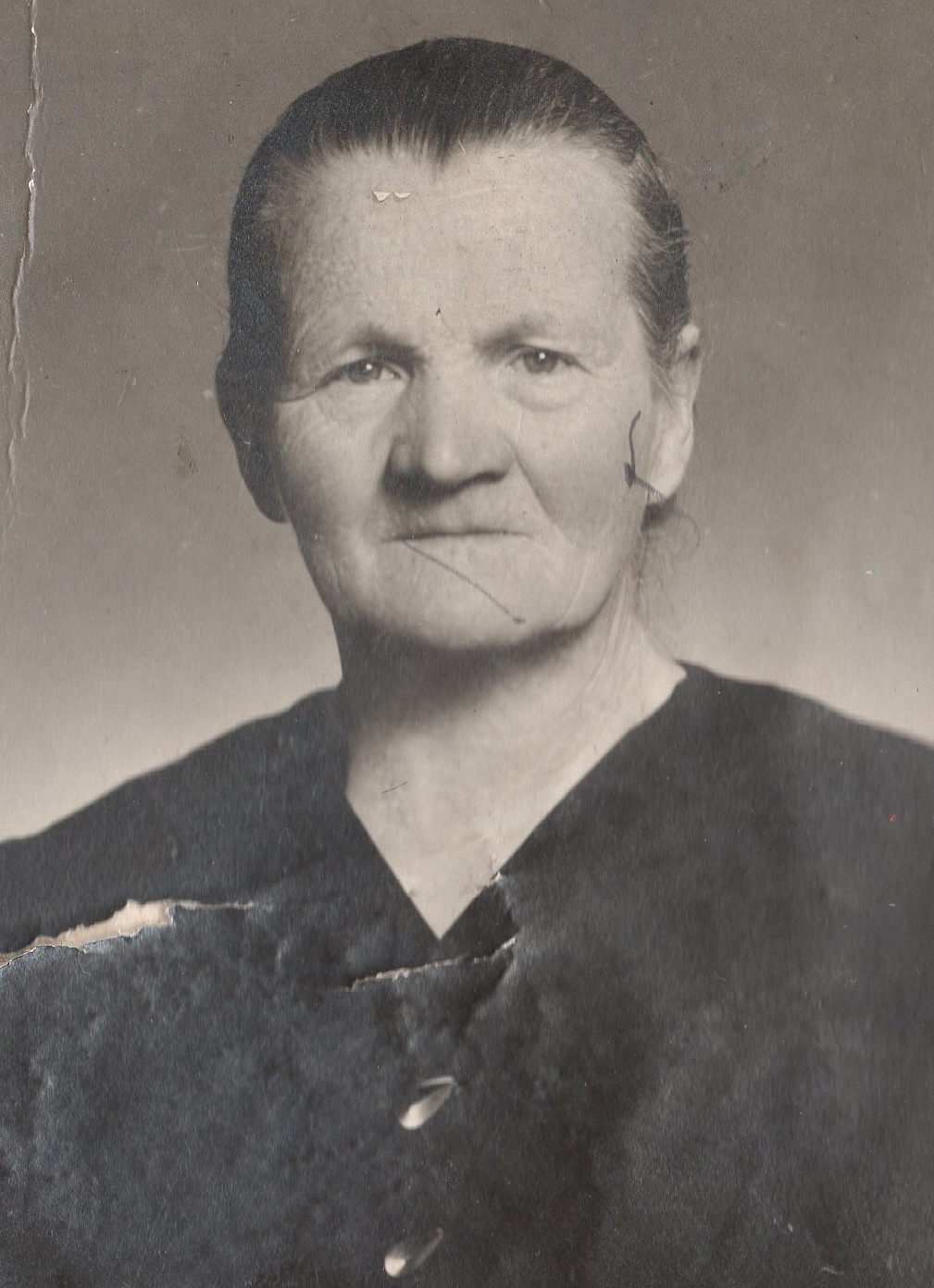
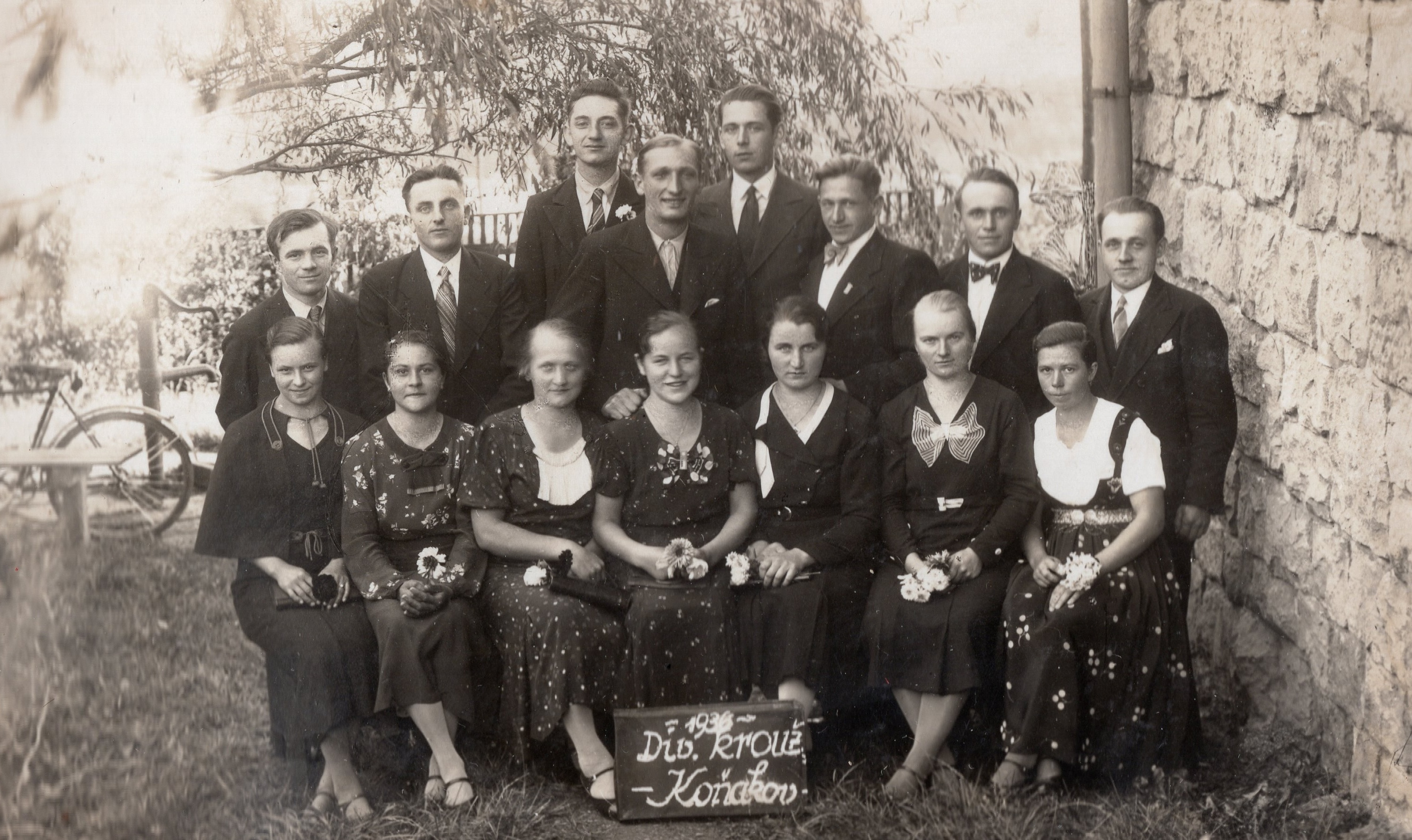
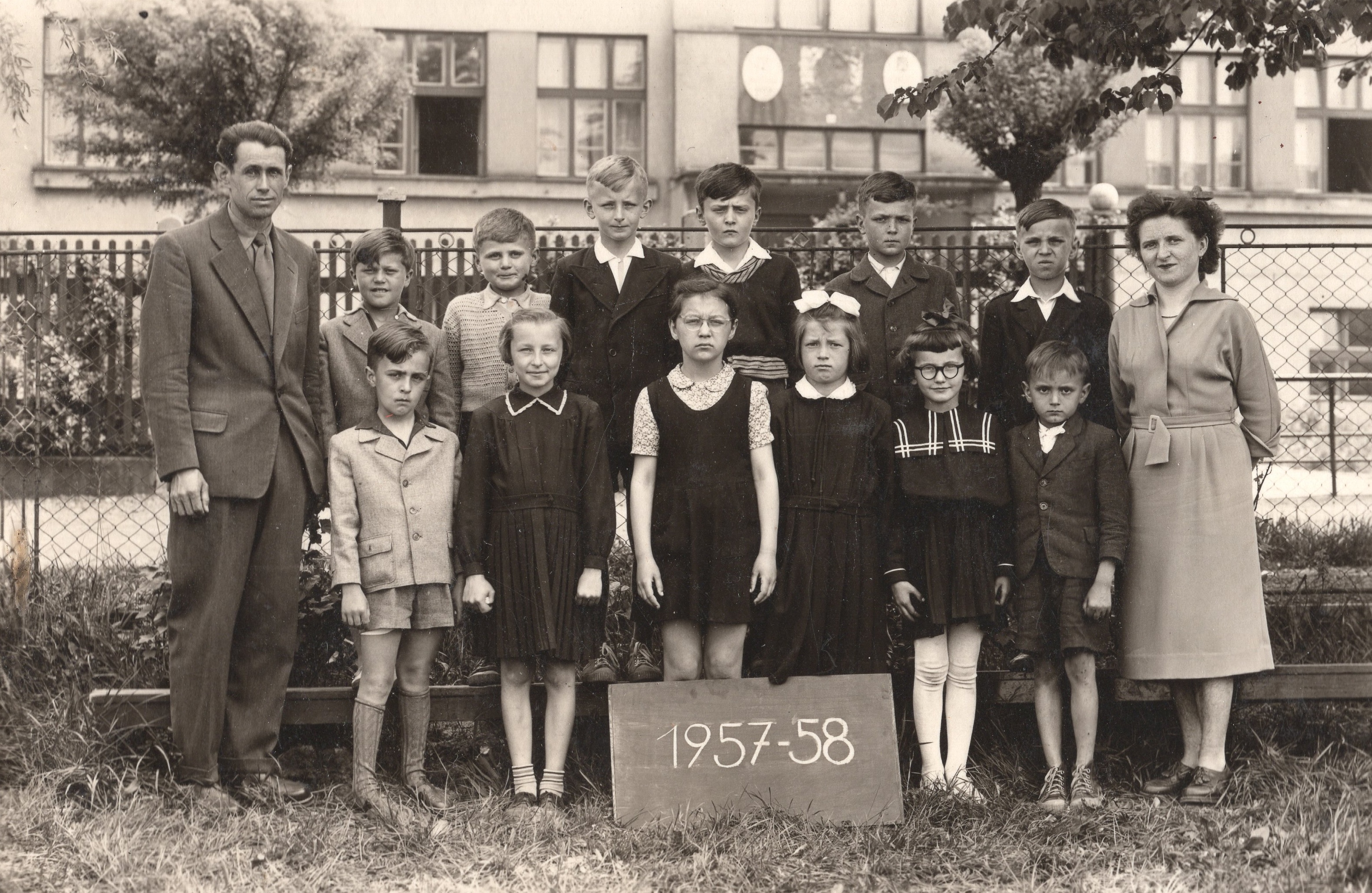
Anežka Vavrousová, née Warcopová, was born in a hospital in Český Těšín on 7 January 1940. Her father, Teodor Warcop, came from Životice. Mother Marie, née Jurnostová, was born in Koňákov. They met there at the fair. The young couple initially lived with their parents in Životice. Later they built a house in Dolní Bludovice. It was also here that the villa, which housed the police station run by the infamous Fritz Sattler, stood. With his large Great Dane, he regularly terrorised the locals. Most of all, he targeted the family of the witnessed. Then in 1944, when a gunfight took place between Kamiński’s resistance group and members of the Gestapo in Isydor Mokrosh’s pub, Teodor Warcop became one of the victims of the retaliation. As a Pole, he refused to accept the Volkslist, which was the main selection criterion. On August 6, 1944, Gestapo officers, together with Fritz Sattler, took Teodor Warcop from his house and the criminal assistant Josef Gradel shot him near the Zywicki forest. Gradel was one of the few people sentenced to death after the war. The family had a small farm to look after. After Anežka Vavrousová graduated from primary school, her teacher recommended the Tyrš School in Prague because of her sporting talent. She was not allowed to do so, so she found a job at the Třinec Ironworks in the coke plant as a machine greaser. Later she worked in a heating plant in Horní Suchá. At the time of recording in 2024, she lived in Havířov-Bludovice, in the same house from which her father had been taken by the Gestapo 80 years earlier.