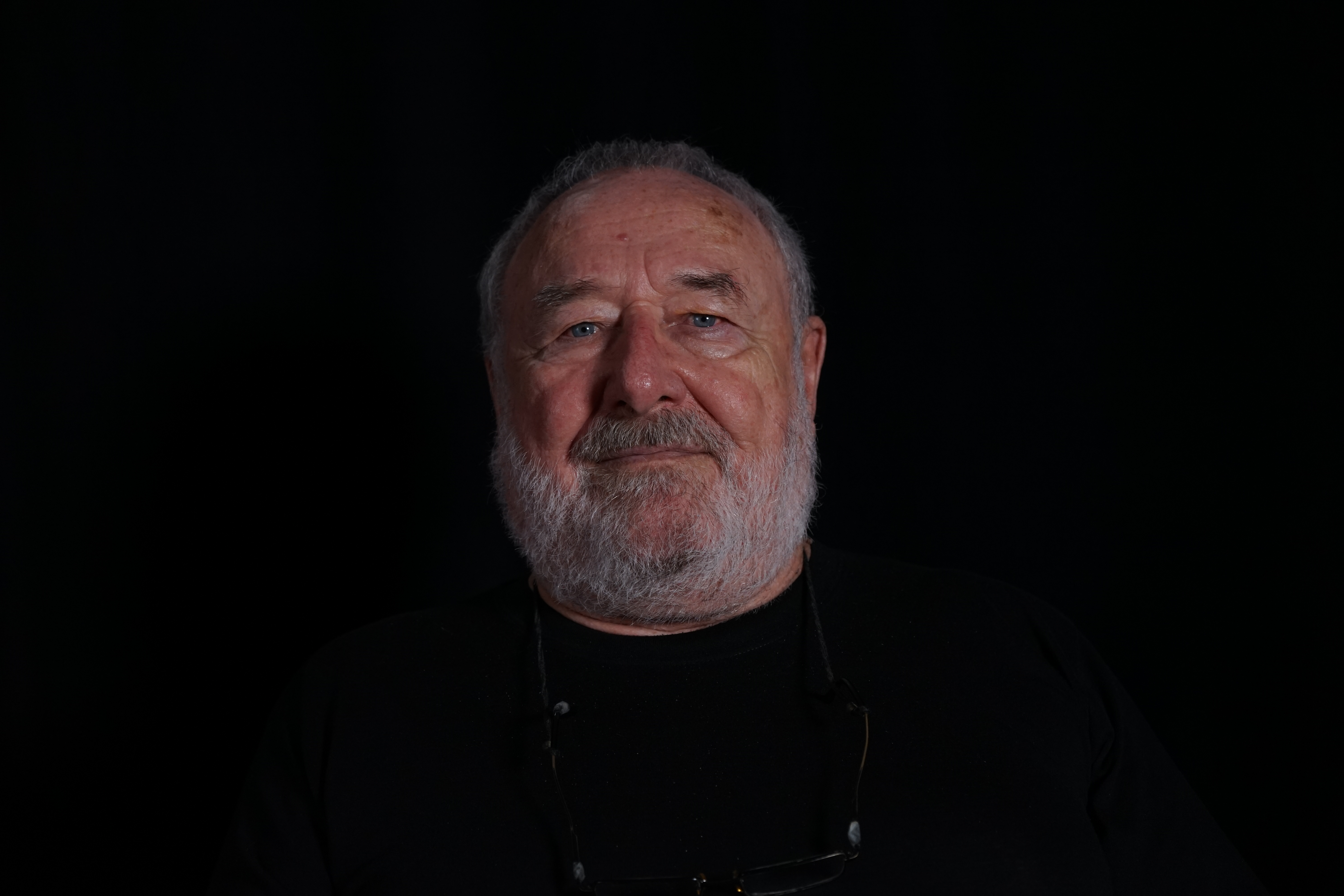
RNDr. Jan Vaněk

* 1947

  • "Of course, visitor numbers were and are one of the things that weigh most heavily on the Krkonoše. At that time, the Krkonoše Mountains were visited by 8-10 million people per year, or, to be precise, per number of days of stay. It wasn't that 10 million people were here at one time, but it was their days of stay. It brought with it a lot of problems. Problems with waste and garbage, untreated sewage and a whole host of other problems that had to be named first and then addressed. The solution was that they started to monitor the sewage in connection with the septic tanks that were then in use or the discharge of sewage into the ground that was then in use. I remember that there were noodles floating under Peter's hut on the border of the forest and the enclave. That was unbearable. They were literally dumping residue there."

  • "A new Giant's Hut was to be built, which the Interhotels have allowed to be almost destroyed by their inaction. And when a new one was to be built, a meeting was called directly on the Luční bouda and in the vicinity where the Amber Trail to Poland is. I was there with Ing. Svoboda, with whom we argued against the construction of the Giant's Hut, that it should not be built, dismantled and taken away. The then district officials... district communists, literally, were there discussing with us for a while and then one of the fat cats said, 'So, comrade doctor, you've had your say and this is how it's going to be.' He then instructed the then director of the district road administration to start weighing the material from the Luční bouda towards the border. The material was indeed piled there, and after a few dozen cars of material had been piled there, it stopped because it was found that there were no funds to build a new Giant's Hut. That material is still there to this day. Alien material that lies to the east for several dozen metres along the Amber Trail. It's already overgrown, so there's no point in extracting it from here. And this is how the comrades made their ad hoc decisions."

  • "I didn't have to go through the sparkles, but I eventually joined Pioneer. There was nothing else to do... everyone from the village was there. Take a kid who was out of line in any way. It was enough that my mother took care of the chapel in Řípec and I was sometimes nicknamed the churchman."

  • Full recordings
  • 1

    ED Žacléř, 28.04.2025

    (audio)
    duration: 01:55:37
    media recorded in project Příběhy regionu - HRK REG ED
Full recordings are available only for logged users.

Nature attracted me with its diversity
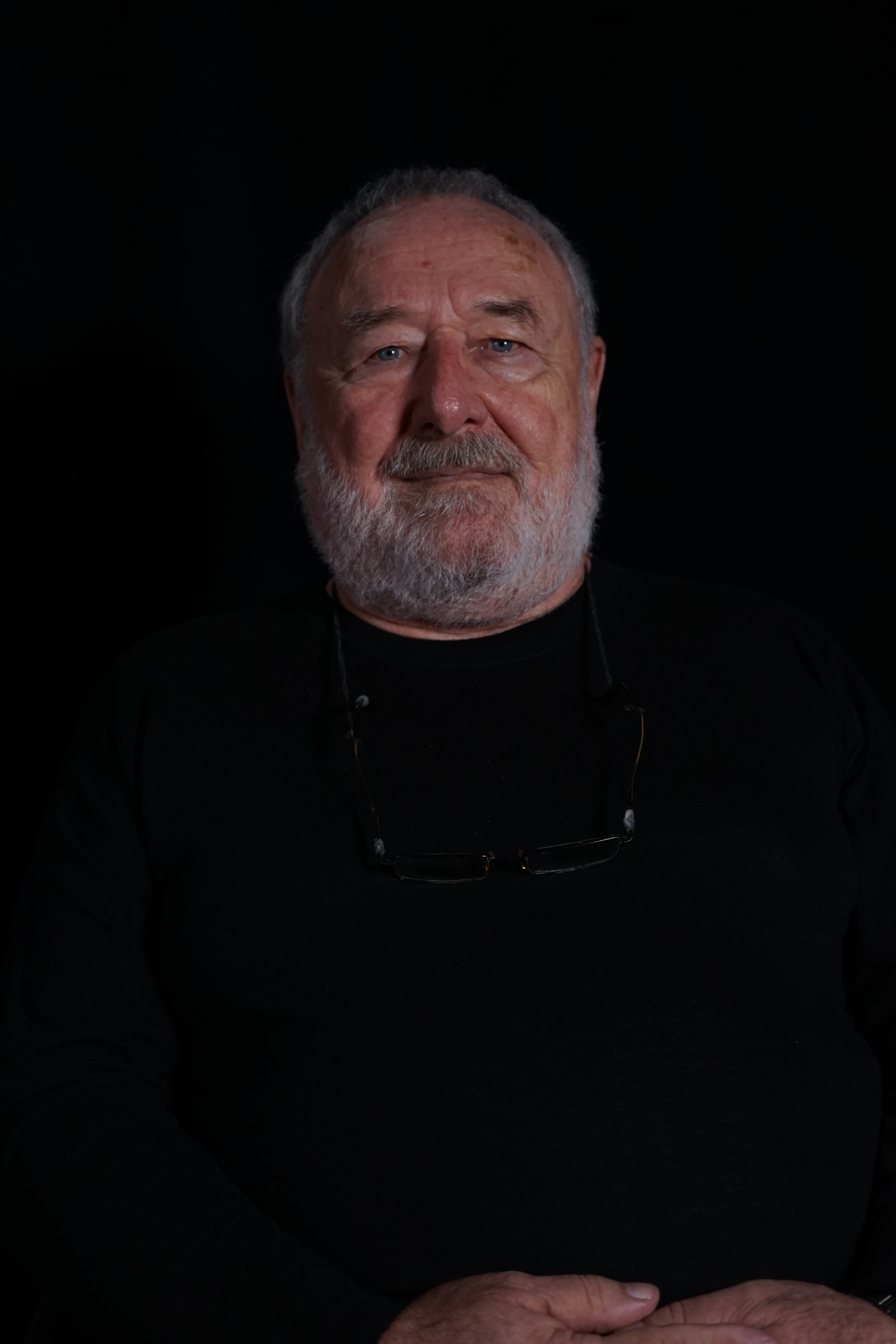
Jan Vaněk in 2025
Jan Vaněk in 2025
photo: Post Bellum

Jan Vaněk was born on April 27, 1947 in České Budějovice. He developed his love for nature since his early childhood. When he was still attending primary school, he cooperated with the Hydrometeorological Institute. His further studies were directed to the Secondary General Education School in Soběslav, from which he successfully graduated. After graduation he headed to Charles University (UK), where he studied systematic zoology with a specialization in entomology. During his university studies he became a member of the student police, with which he participated in the funeral of Jan Palach and also in the student strike in January 1969. He graduated from Charles University in 1970. In the same year he joined the KRNAP Administration. He enlisted for one year of compulsory military service in 1972. In 1976 he married Eva, née Vaněčková, with whom he raised two sons. Thanks to his work and scientific activities, he received the KRNAP Administration Director’s Award in 2014. At the time of filming for Memory of Nations, in 2025, he lived in Vrchlabí.