"I was one of the representatives of the dissent there (at the Water Constructions company). They knew about me, what my views were, everyone there knew that I had been expelled and thrown out of the CTK (Czechoslovak Press Agency). And as soon as things started moving, we set up a committee and signed a petition. Well, we just set up a Civic Forum there. The director behaved very nicely. You know, but he was worried about the business, so that we wouldn't mess it up somehow, and there wouldn't be any sanctions from the communists who were still in power at that time. There was even a rumour at one time that they were militia coming from South Bohemia to Prague. So the director called us together, the exponents, and asked if we should cut back a little. And we said to him, 'Mr. Director, when if not now.' He understood and never stopped us from doing anything, so it all went well for us."
"But at the time I thought, as everything was loosening up, that the Communist Party would do some self-reflection. Also, a lot of Communist Party members were involved in dissent. So I was under the impression that by joining I would somehow help the cause. That didn't happen. And after 1968, there were background checks, and there I was excluded, not just crossed out, but excluded, because there was no effort to come to an agreement in those answers of mine. I said history will show who was right. Well, that irritated them that I was not willing to cooperate."
"Before I left (my job at the Albanian Embassy) I was invited to the Ministry of the Interior and they asked me questions that they thought I might get caught up in. And they wanted to know to what extent I was willing to accommodate them. But the questions were very obvious. For example, they asked me where the Albanians had a radio. Well, everybody there knew that (at the embassy), the cleaning lady and the heating engineer knew that, but they weren't allowed to go there. So I calmly said where it was, but that we were not allowed there. They probably got the impression from that that there might be some cooperation with me. So after that I met twice more in the restaurant with a representative of the security forces. Again, they were such casual conversations, his behaviour was very polite, non-aggressive. Well, during the second meeting, he offered me cooperation. And that he would get me a job at a good embassy, like the Swedish one. I refused, saying that I wasn't up to it and that it would end in failure. He didn't insist, but he eased up a lot and that was the end of it."
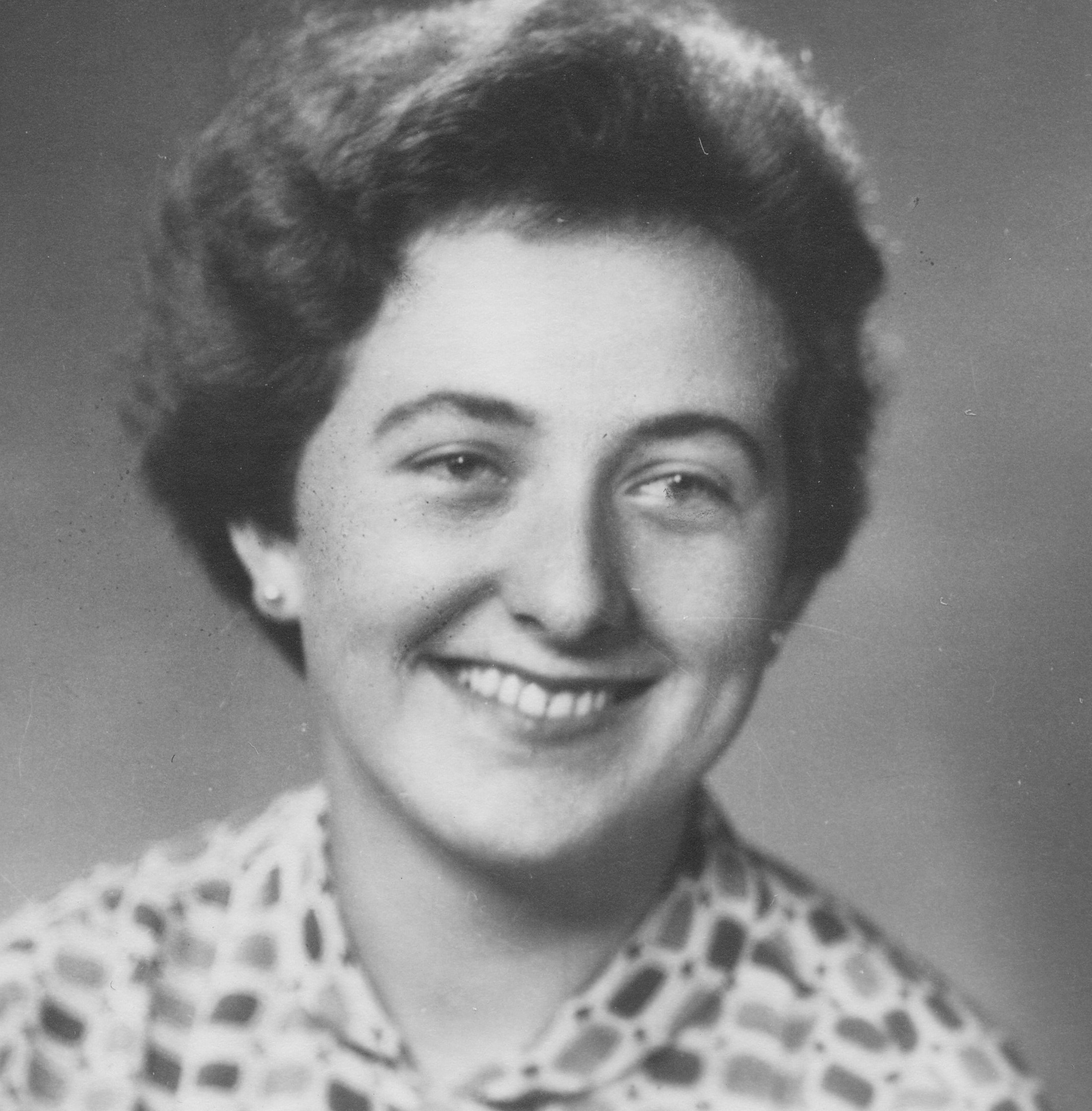
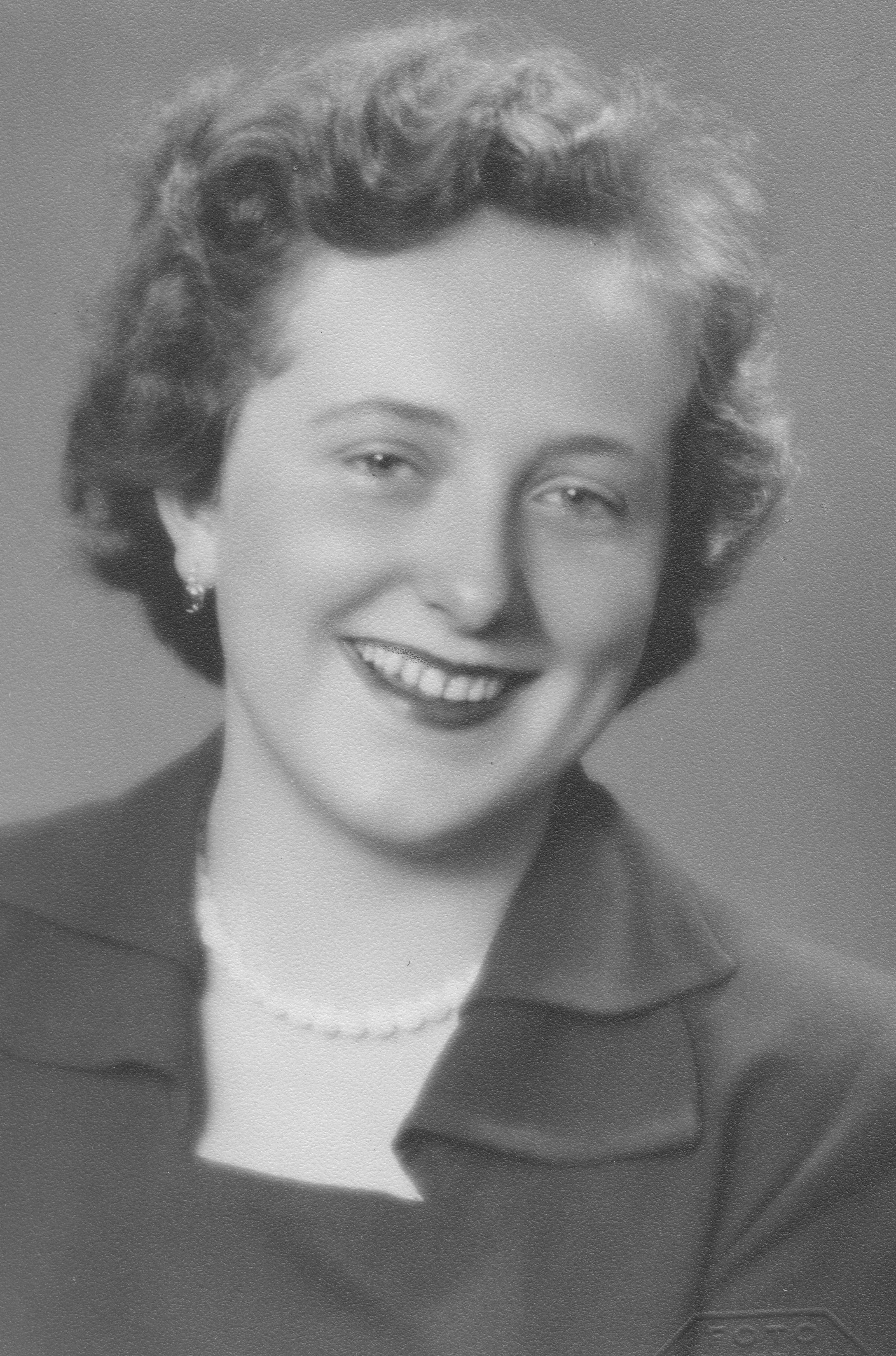
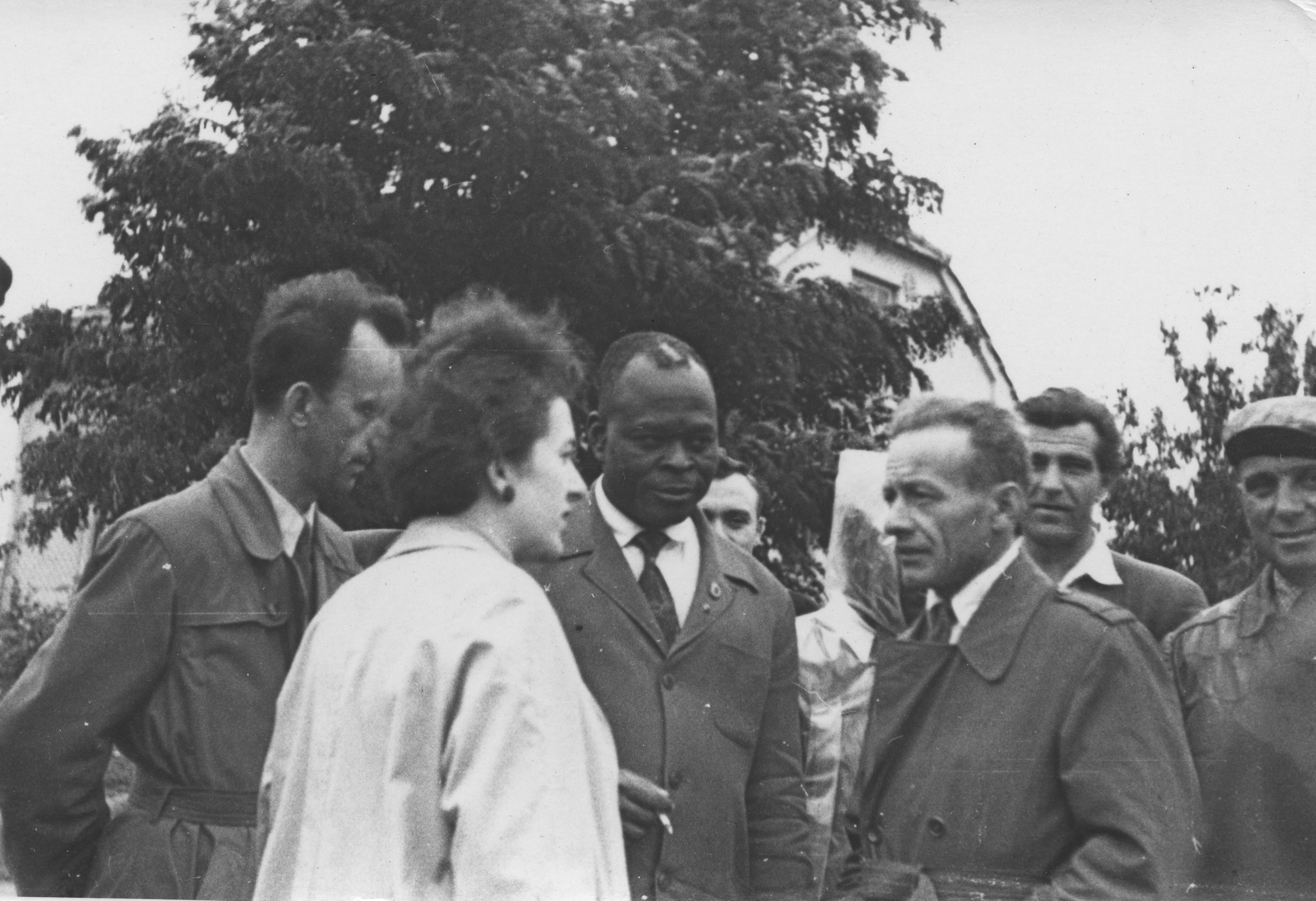
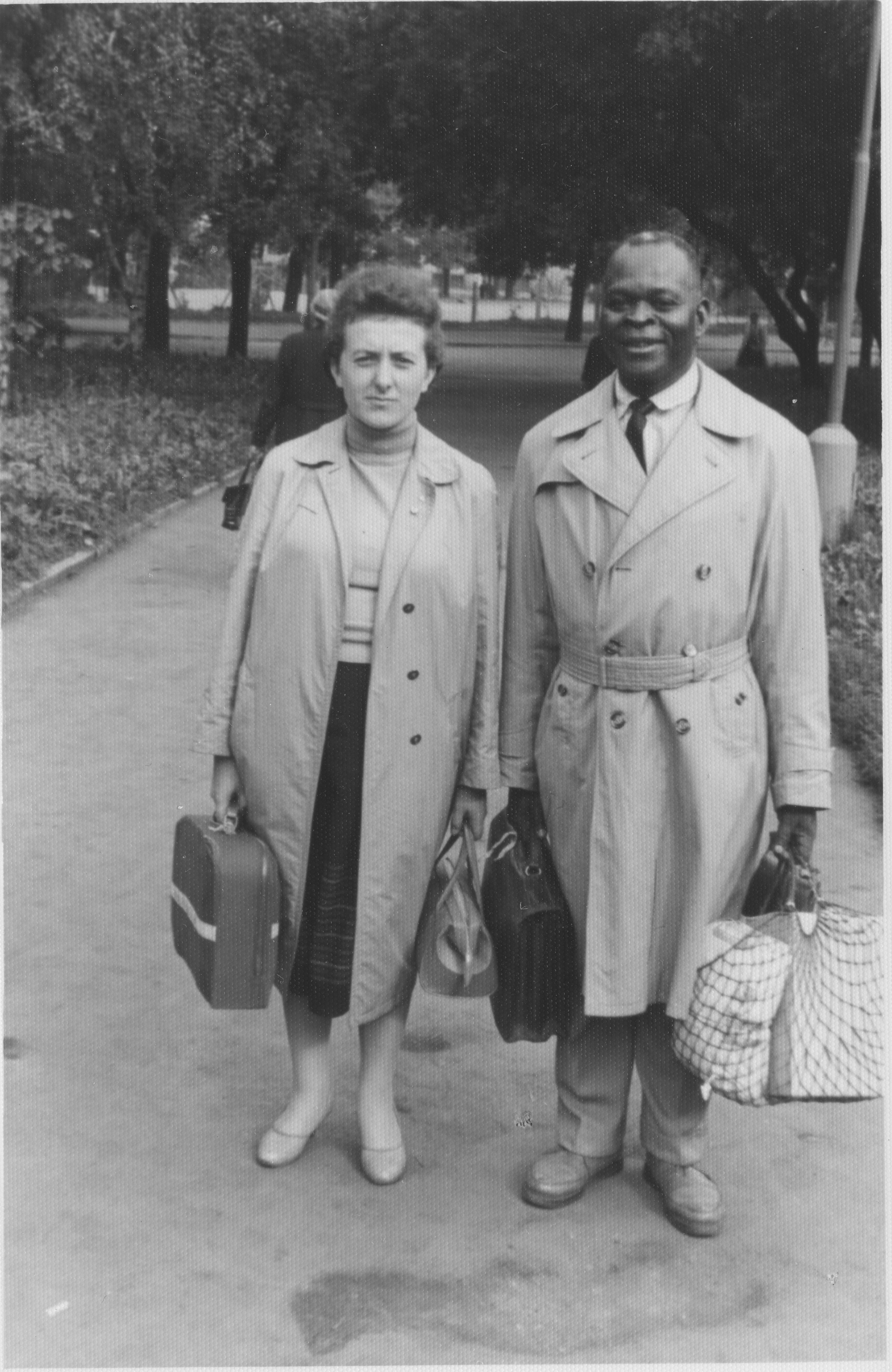
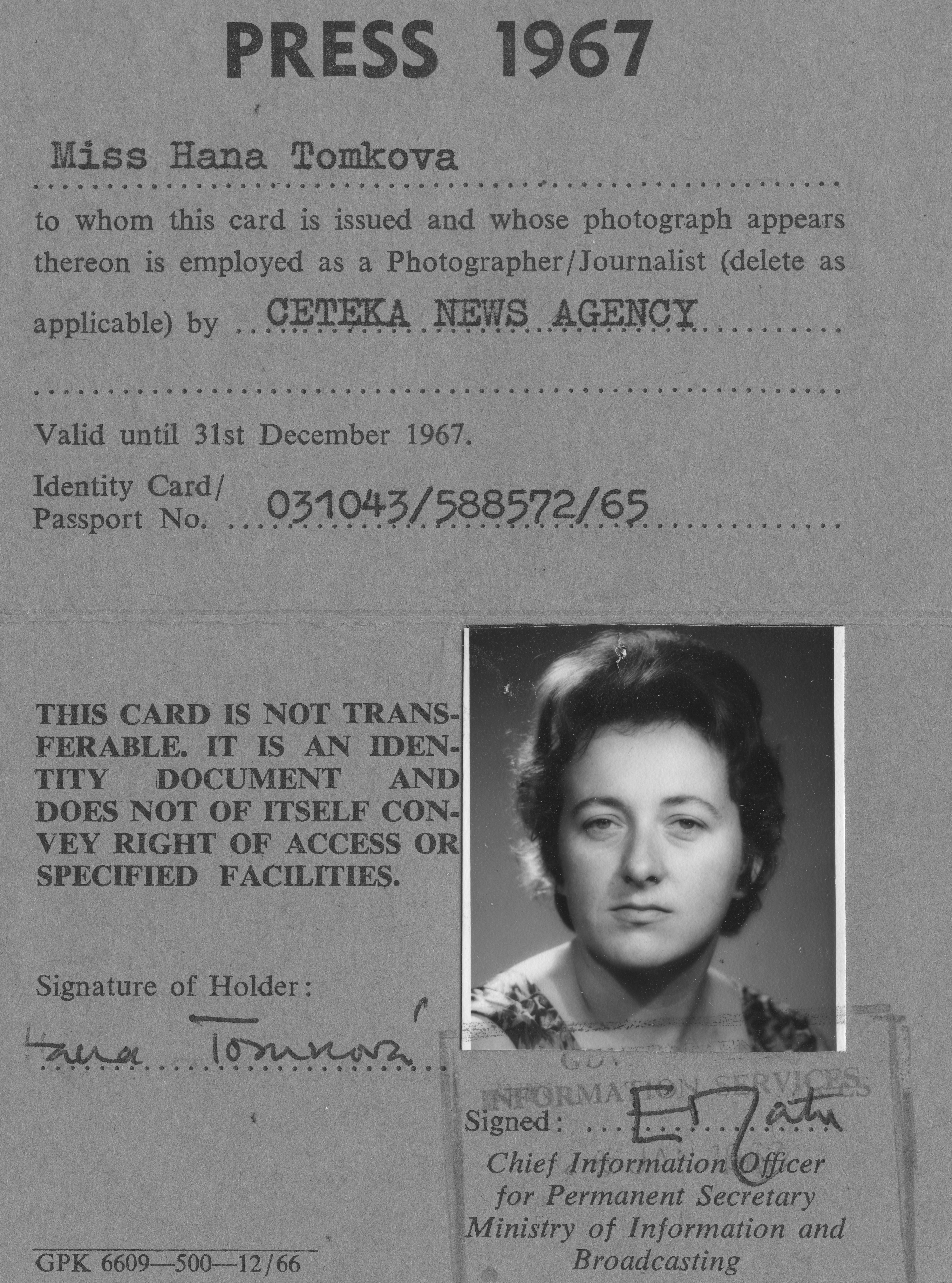
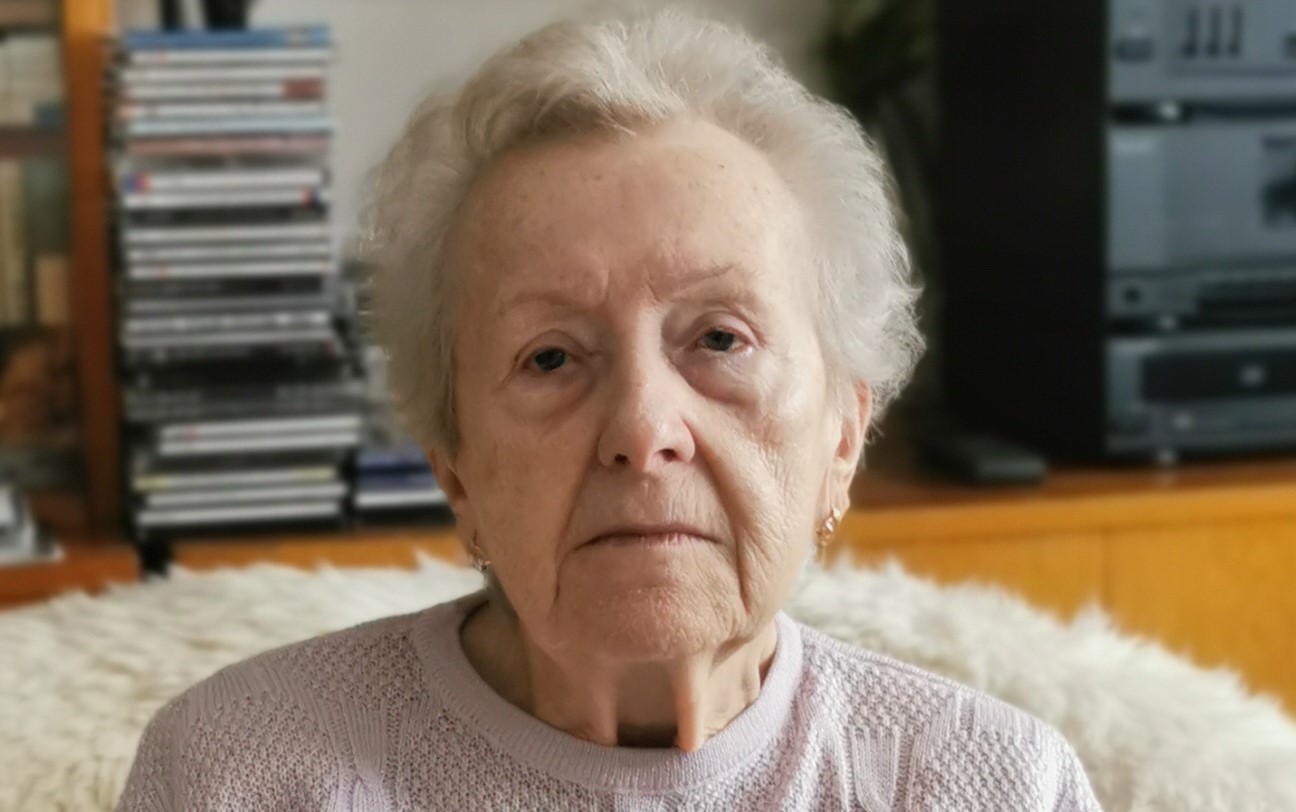
Hana Tomková was born on March 24, 1934 in Vysoké Mýto, East Bohemia. Her father Josef Tomka worked as a veterinarian in the town and her mother Anna Tomková was a housewife. Her brother Milan Tomka grew up with her. In 1952 she went to Prague to study French and Albanian at the Faculty of Arts of Charles University. Thanks to her language skills, she got her first job. From 1960 she worked at the Albanian Embassy in Prague. At this time State Security became interested in her. Later, they wanted to persuade her to cooperate, which Hana Tomková refused. In 1962 she joined the Czechoslovak Press Agency (CTK) as an editor and remained there until her forced departure in 1975. As part of her employment at CTK, she was sent to Kenya, Africa. She had to leave the agency because of her views on the occupation of Czechoslovakia in 1968. She then joined the national enterprise Water Constructions, where she translated materials for prototype structures. After 1989, she briefly returned to CTK and also worked for the Security Information Service. She also translated fiction and taught Albanian at university and to KFOR soldiers. She has never been married. Her interests include travelling. Before her brother Milan Tomka died, she often travelled with him.