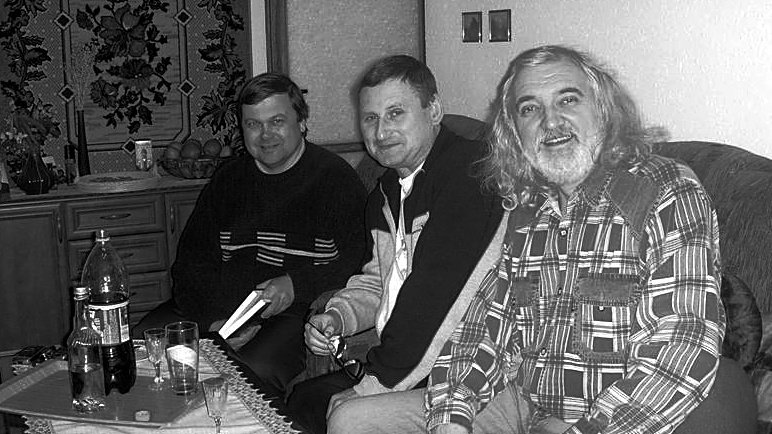
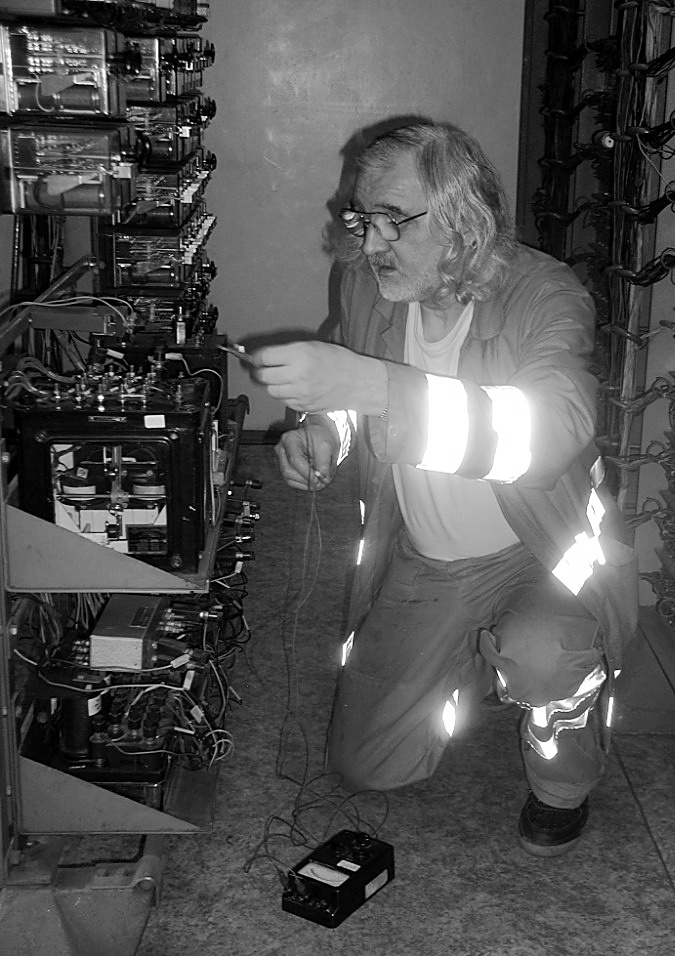
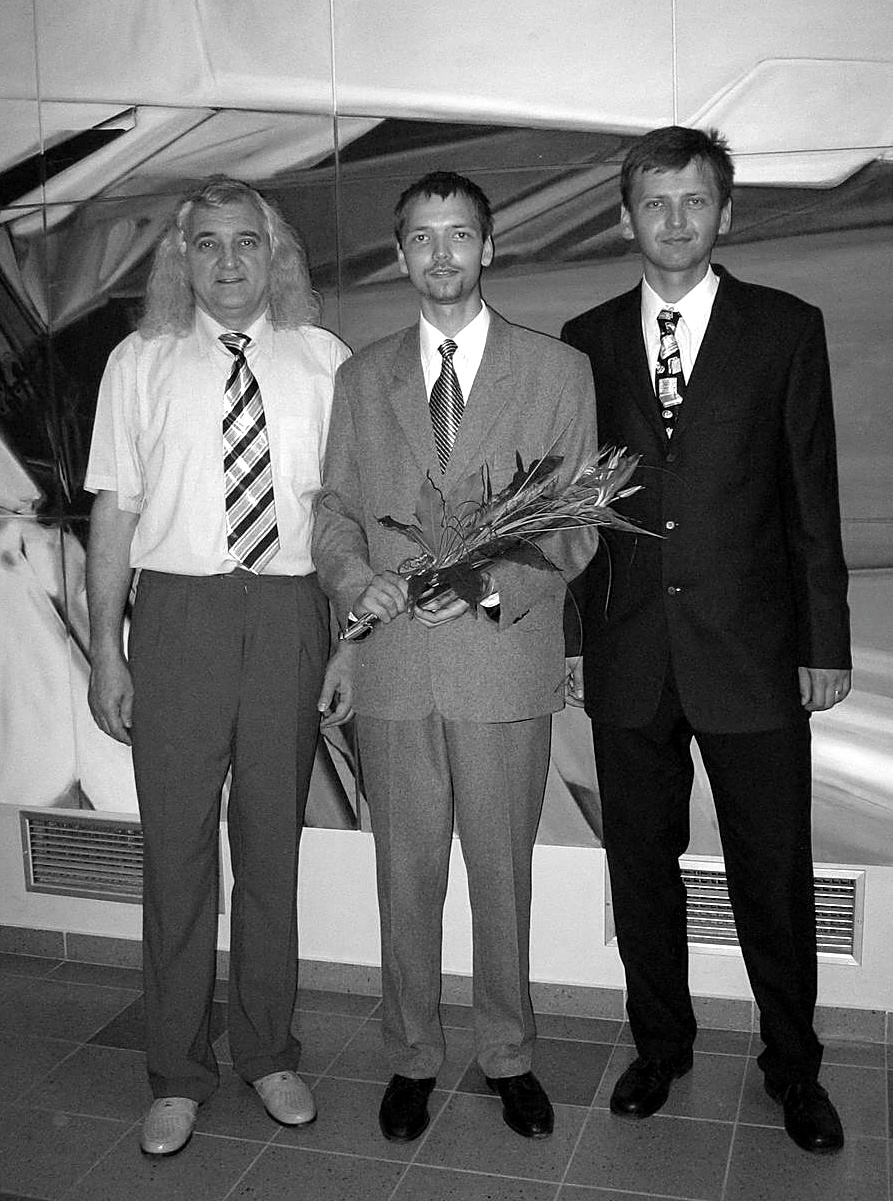
Jiří Tieftrunk

* 1951

  • "When someone says today that listening to foreign radio was banned, I have to laugh. I would understand it in the fifties. That must have really scared people. That was no fun. Anyone could point a finger at anyone and maybe make up a story just because they wanted to get a revenge on their neighbour, accusing them of listening to Radio Free Europe and spreading the news. We can go even further back in time. During the Protectorate, there was a wheel on the receivers warning that listening to foreign radio was punishable by years of imprisonment or death. There's no debate about that. But to say in the seventies that listening to foreign radio was forbidden, I had to laugh."

  • "Radio Free Europe had shortwave transmitters in Portugal. The ionospheric bounce was getting the signal to Central Europe. The Eastern Bloc countries had no territory in Western Europe to build jammers and get the ionospheric bounce to send the jamming signal into central Europe. They had to build the jammers on their territory, let's say in Ukraine, and the ionospheric bounce was getting the jamming signal to us. The problem is, the ionosphere changes with the Sun's illumination. As the Earth rotates, the ionosphere over eastern Europe loses its ability to reflect the jammer signal from Ukraine before the ionosphere over Western Europe does, which is supposed to reflect the signal from Portugal to our territory. So, especially in the wintertime, the ionosphere over Eastern Europe was breaking up and losing its ability to reflect while the ionosphere over Western Europe still had that ability, and the jamming signal from the East had a much lower chance of covering up the useful RFE signal. That was an ideal situation for us listeners. I also said it at the StB interview: 'Physics is physics. The ionosphere is the ionosphere. You can't do anything about it.'"

  • "Also, because I had some knowledge of communication technology from school, I knew that a radio needed an antenna, especially for the short waves. So I took a long wire, terminated it with a banana pin and inserted it into the antenna socket in the radio." - "And what happened?" - "The shortwave radio sort of jolted and suddenly there were a lot of stations in different languages. I didn't know basic English at the time, nothing. But I recall catching a station one morning that said, 'Aichi radio Europa libera!´ It gave me the impression that they were Italians. I didn't know it was Romanian. It was actually Radio Free Europe in Romanian."

  • Full recordings
  • 1

    Ostrava, 25.03.2025

    (audio)
    duration: 02:11:28
  • 2

    Ostrava, 28.03.2025

    (audio)
    duration: 02:35:03
Full recordings are available only for logged users.

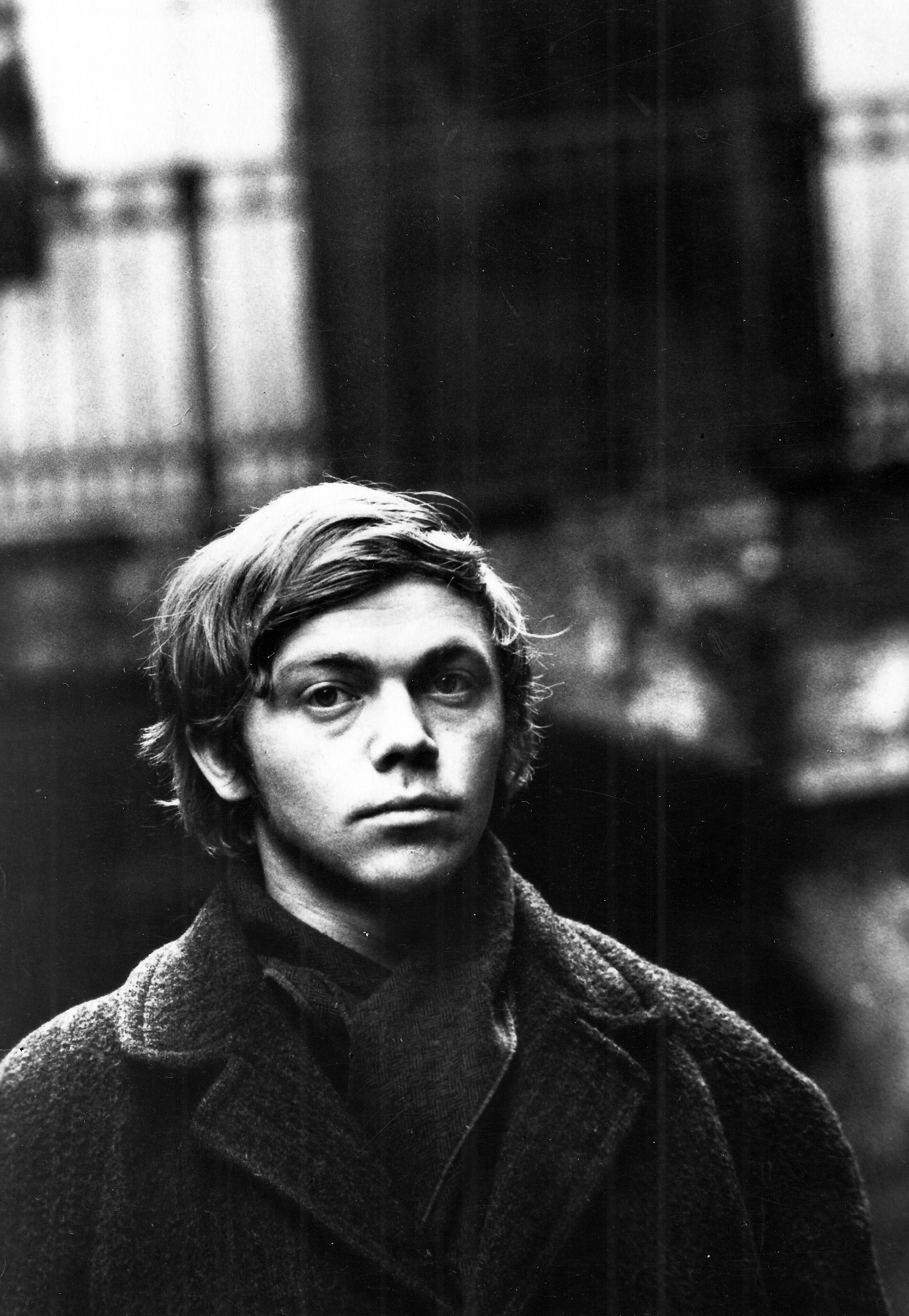
The ionosphere is the ionosphere, and there’s nothing you can do about it, he explained to the secret police
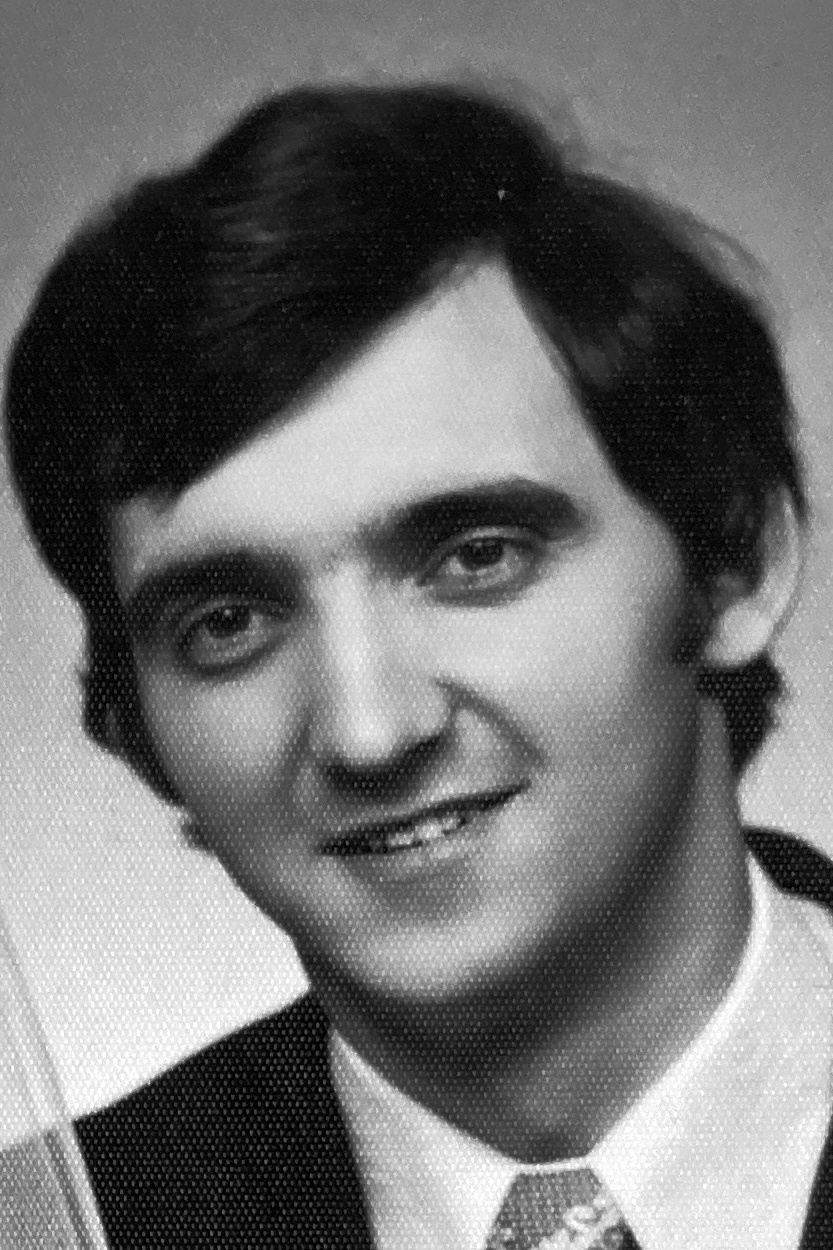
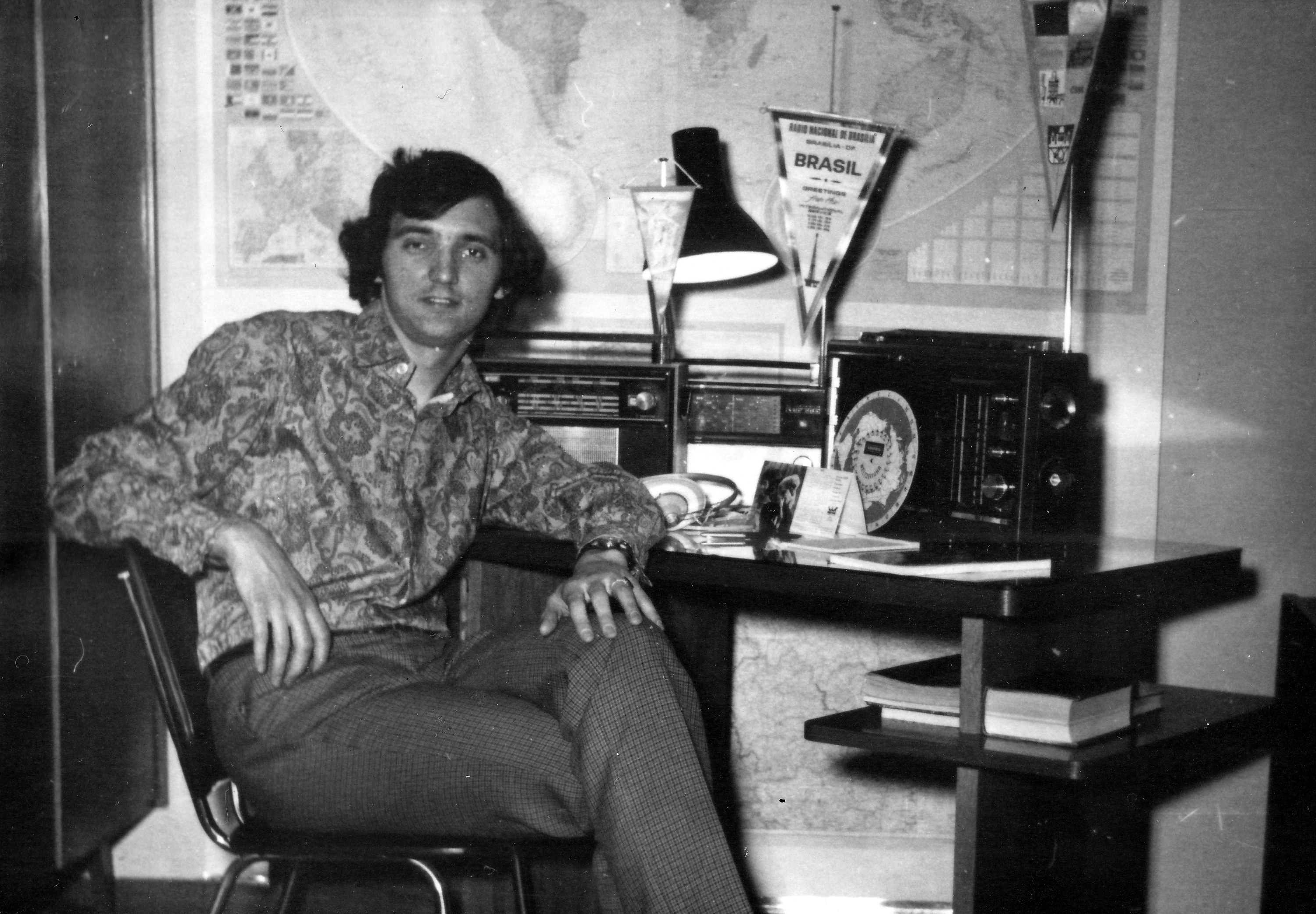
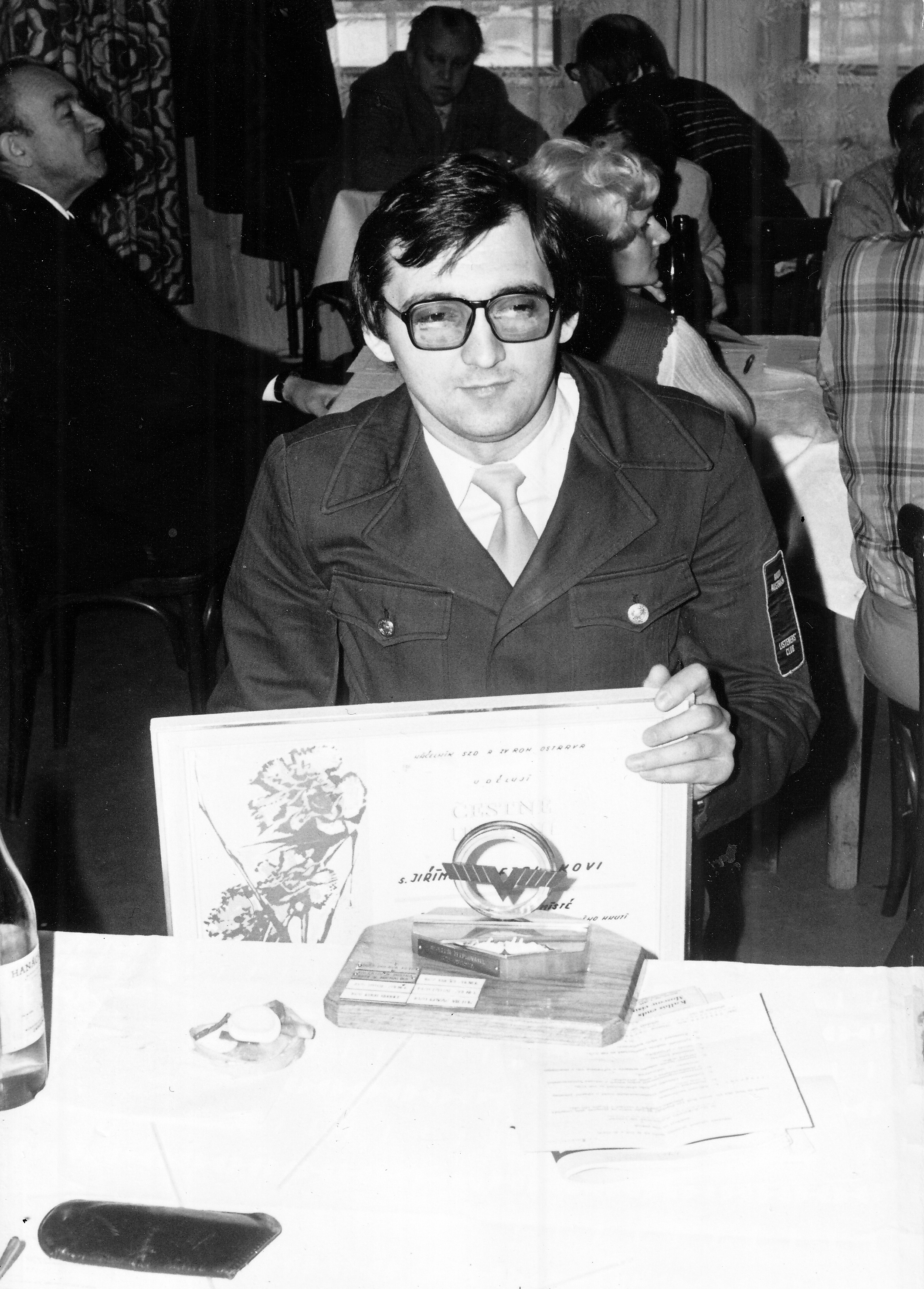
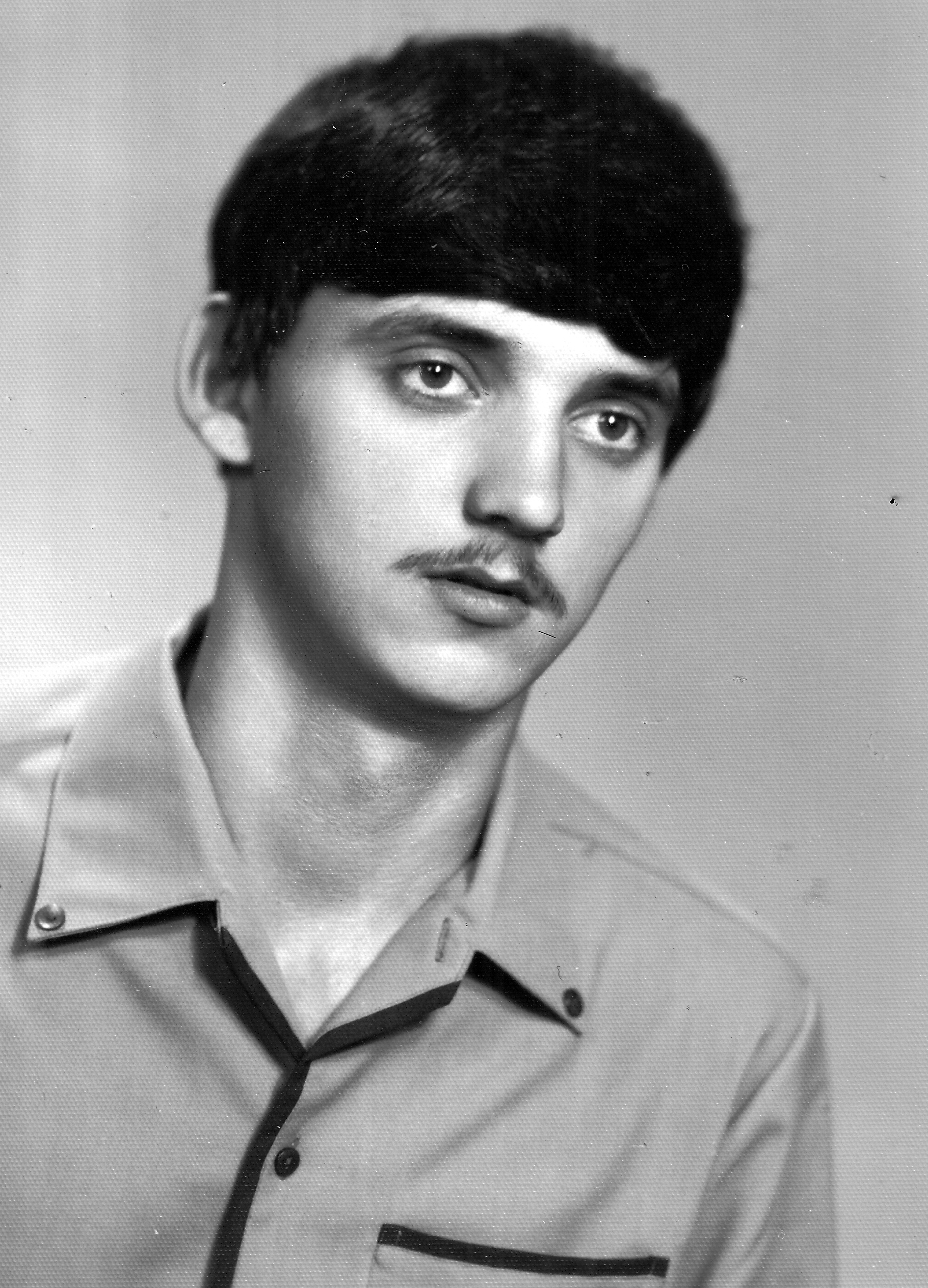
Jiří Tieftrunk, 1976
photo: Jiří Tieftrunk's archive

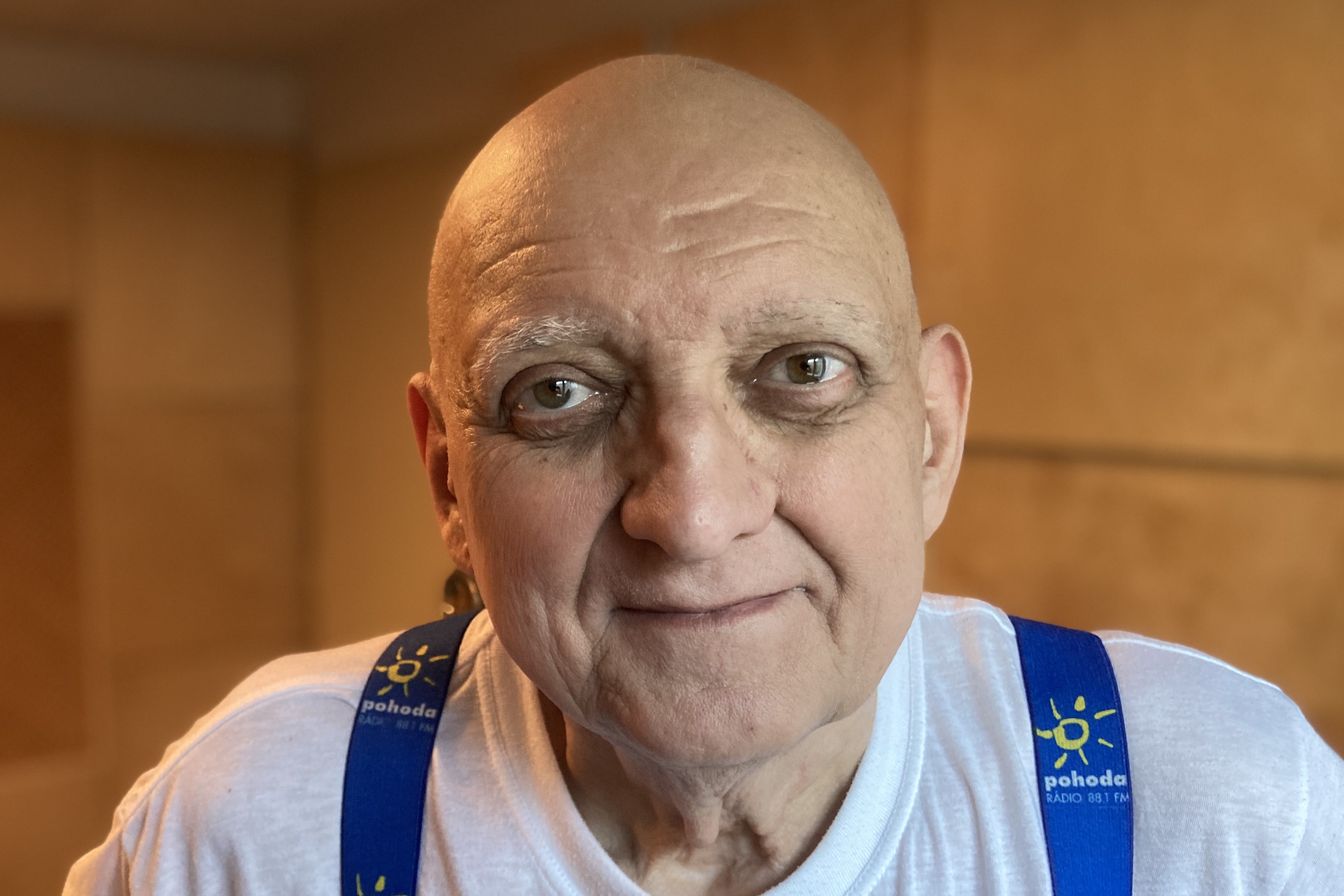
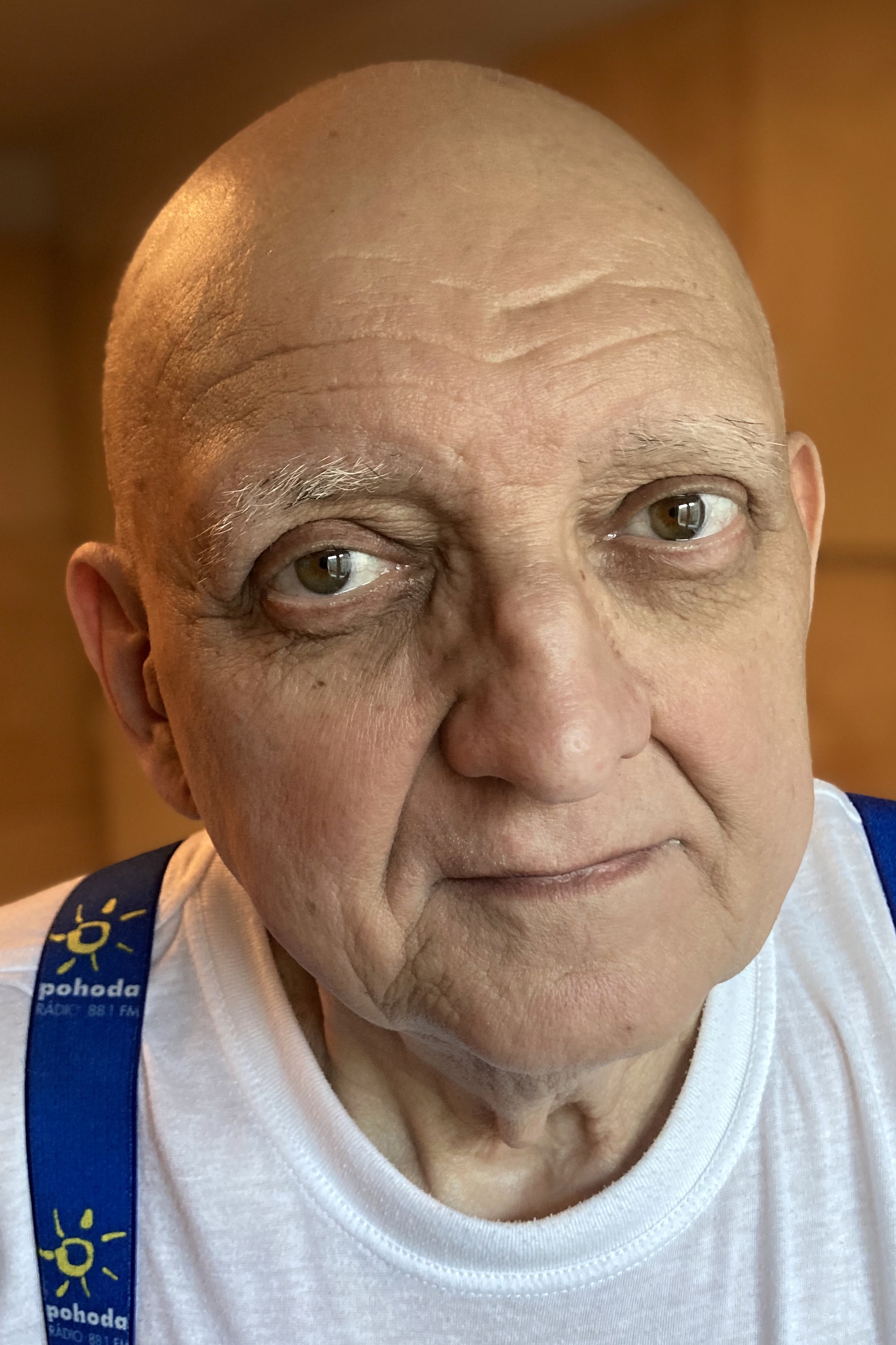
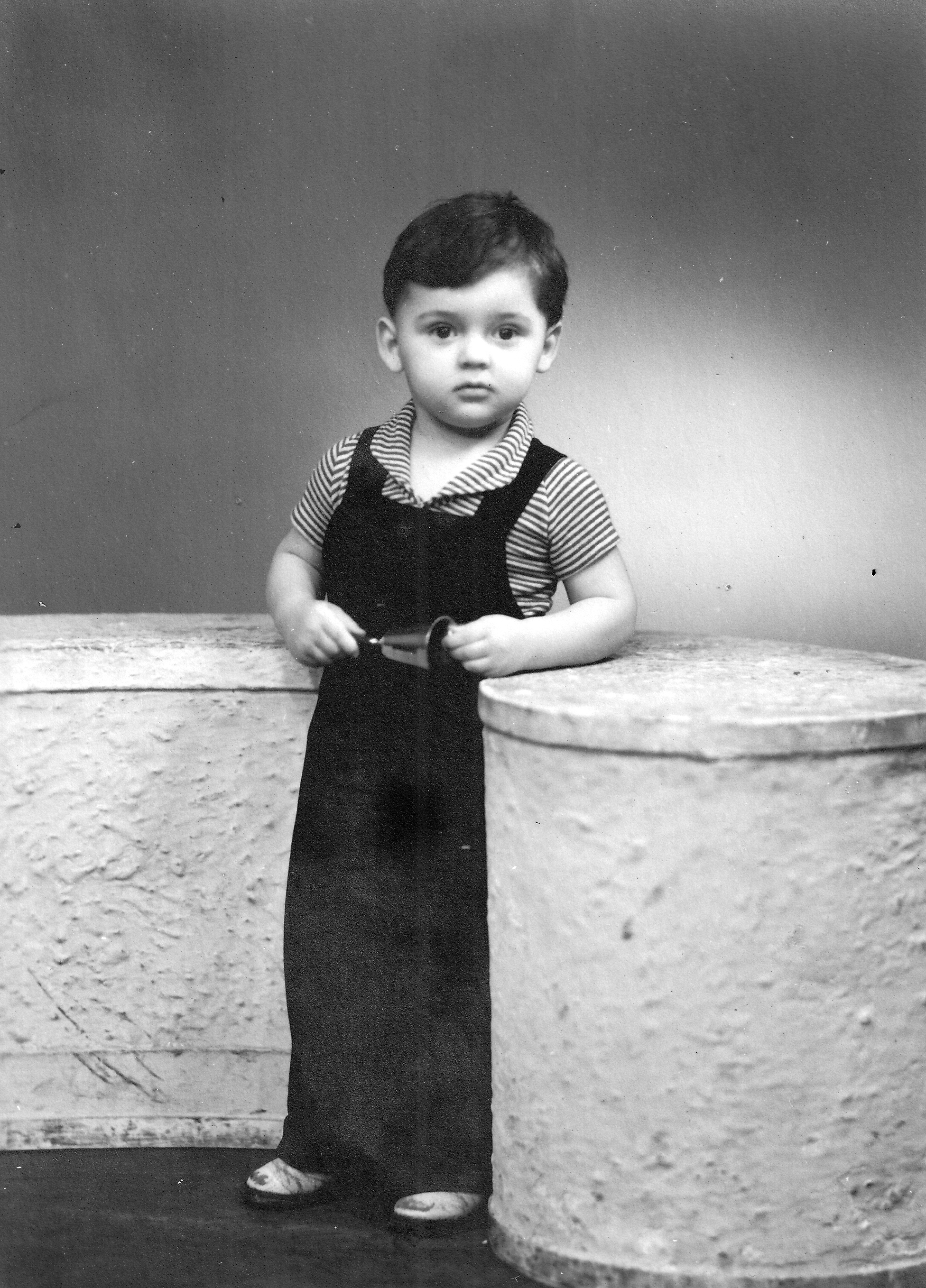
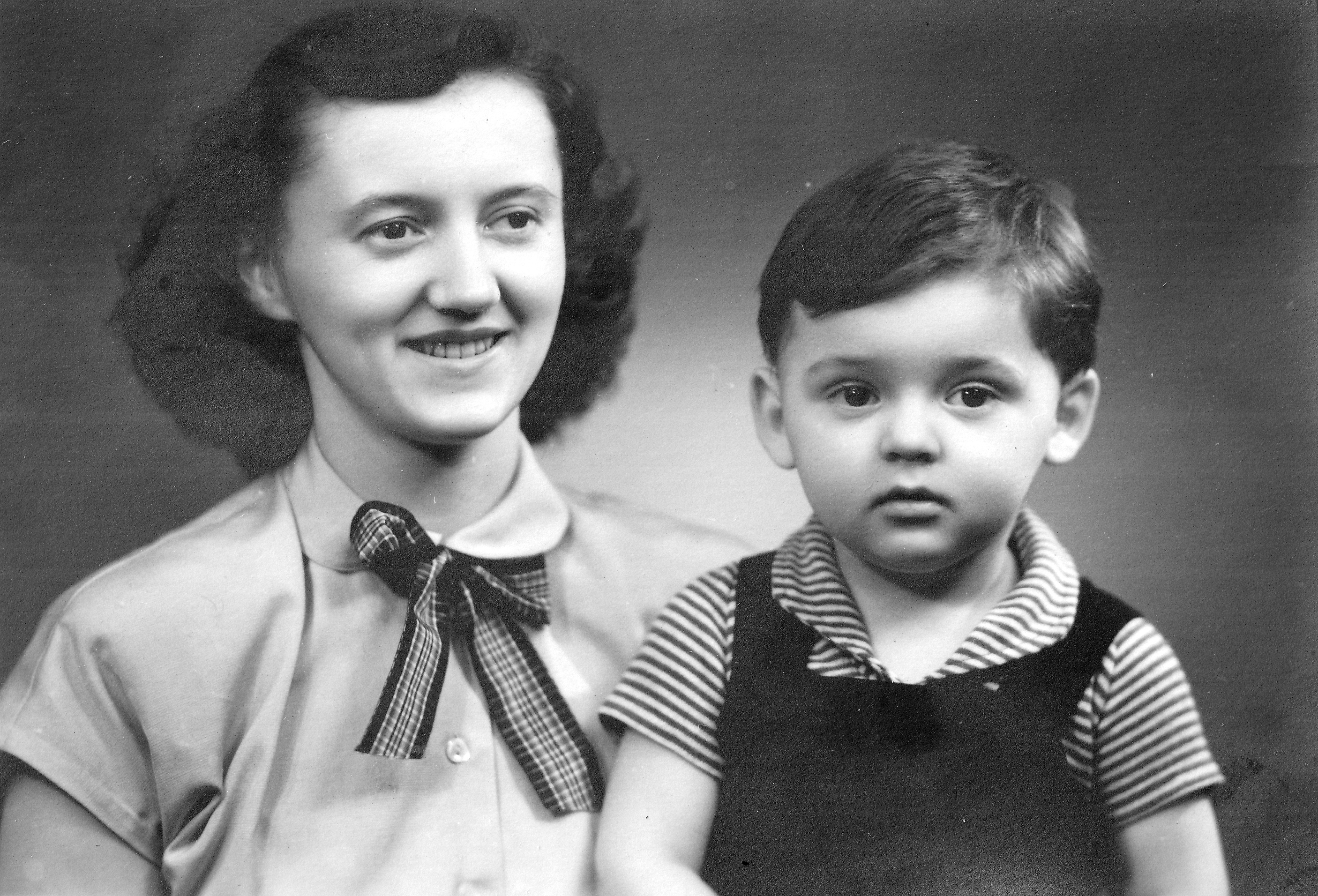
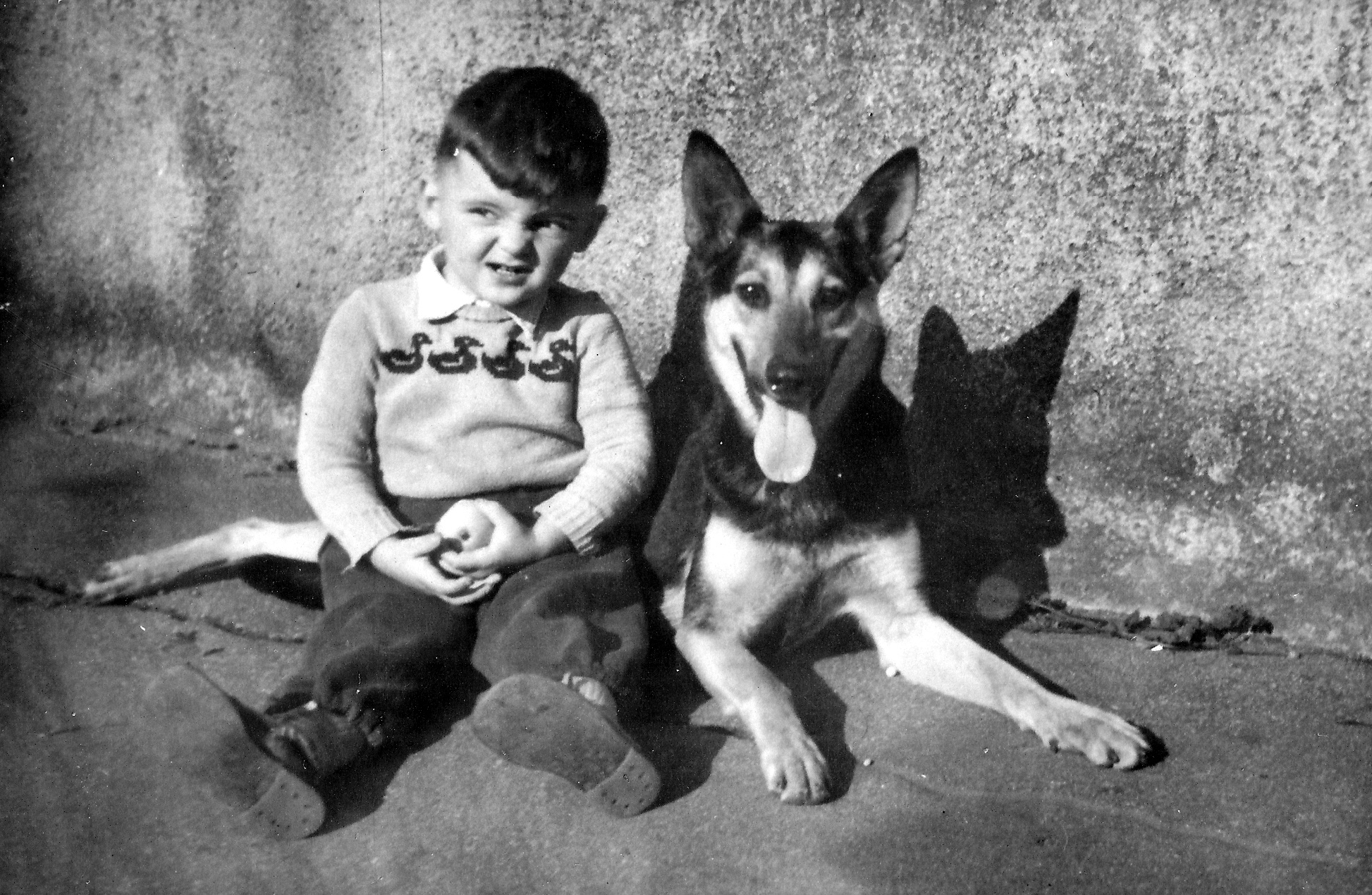
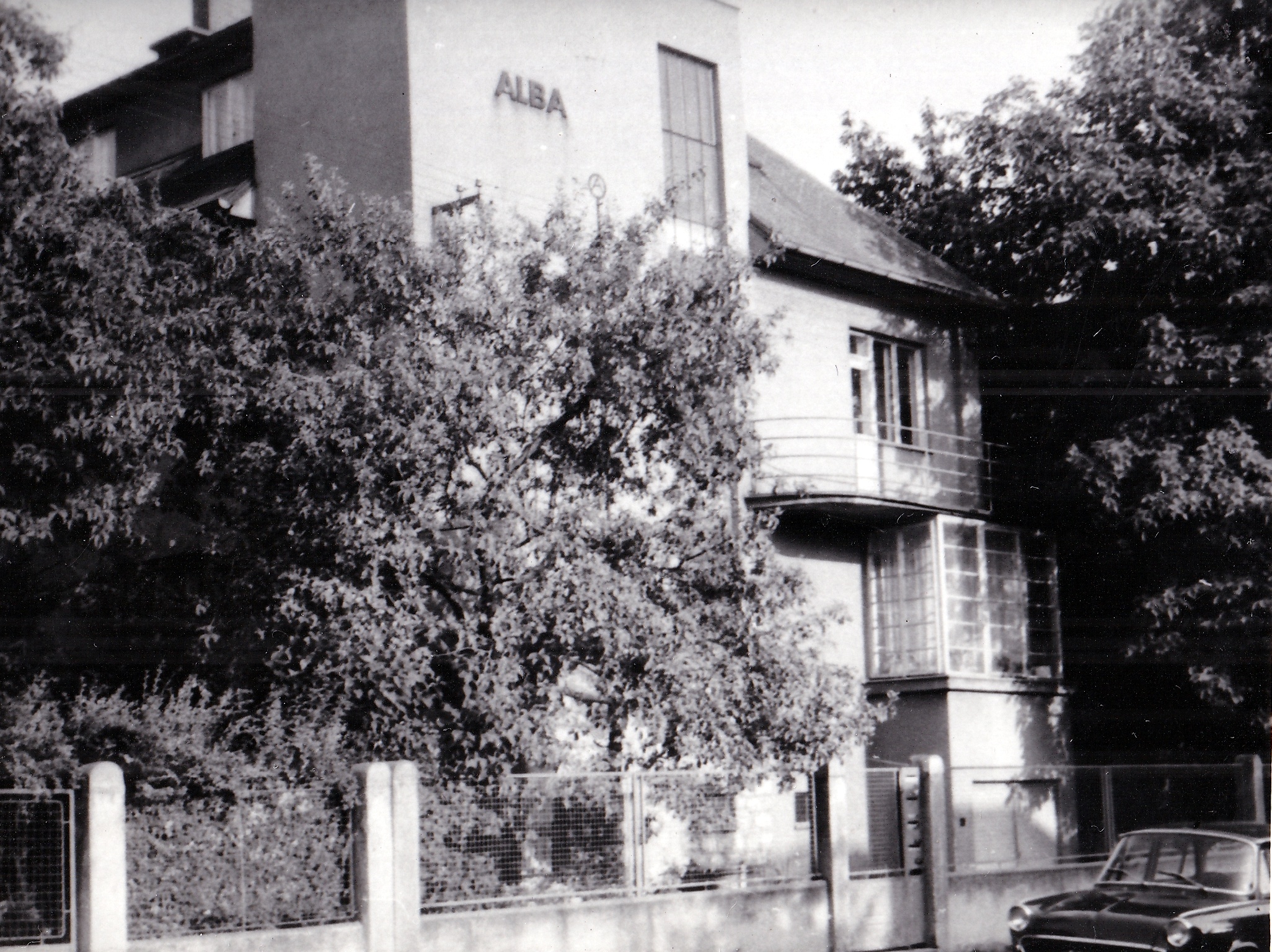
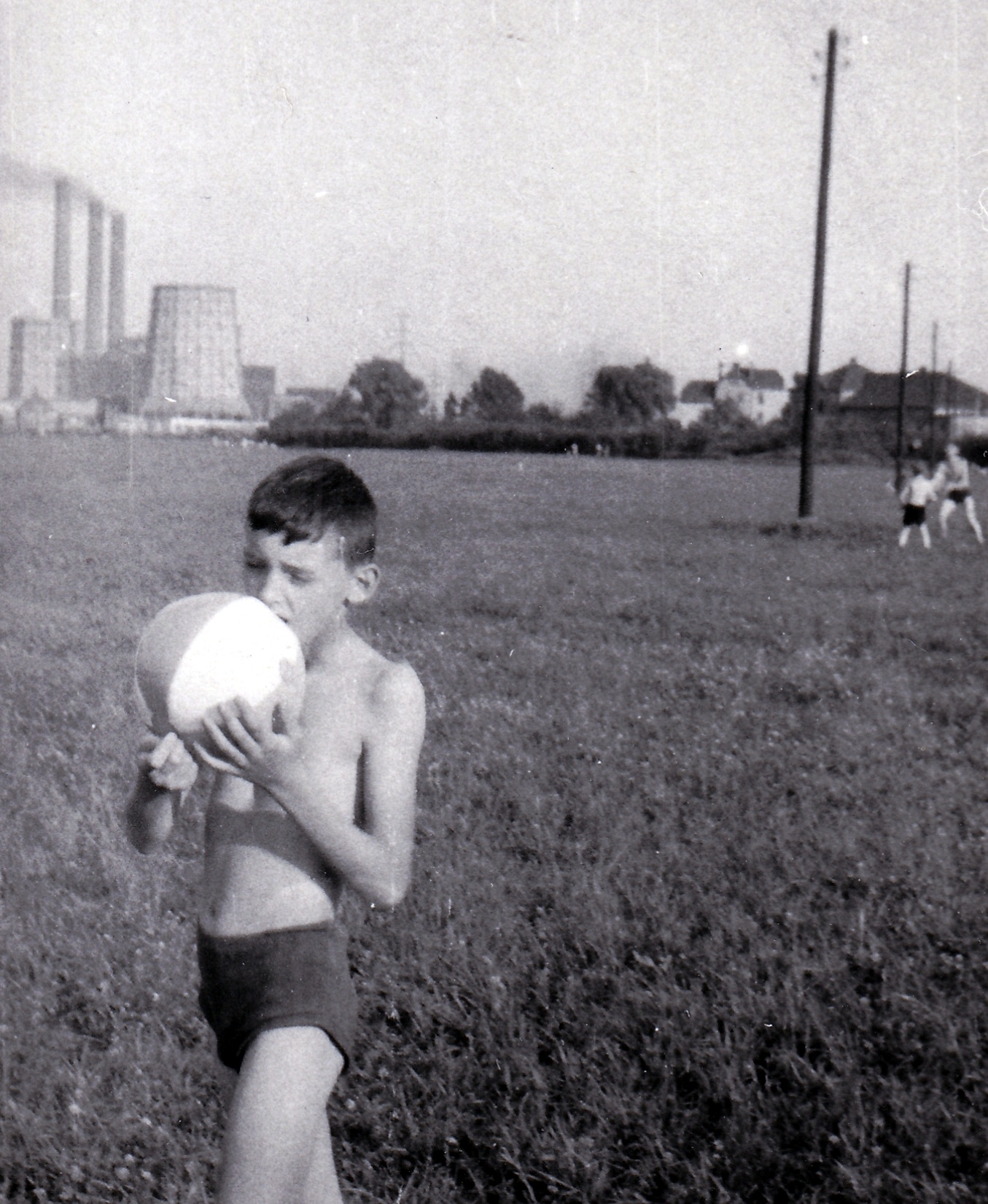
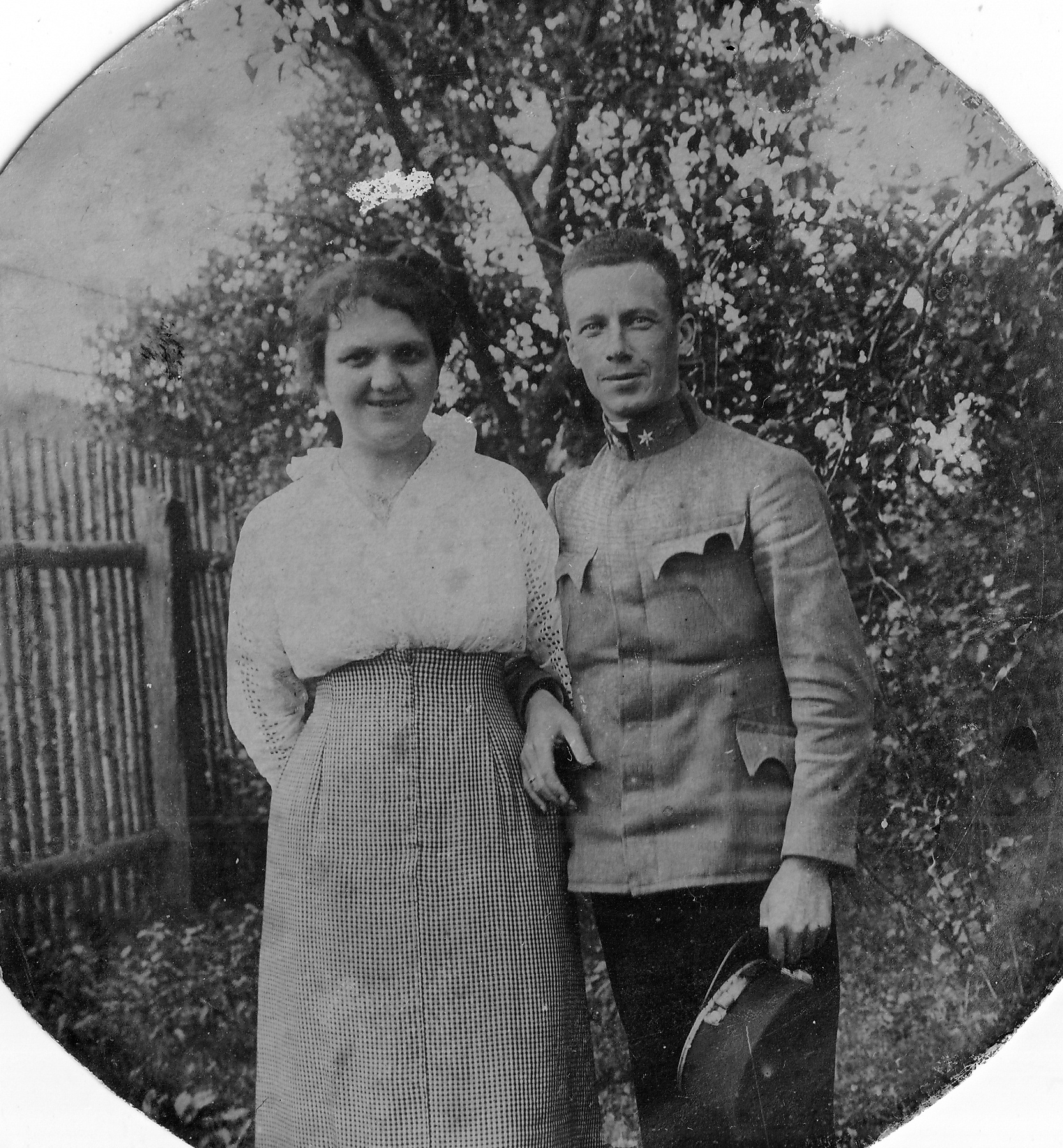
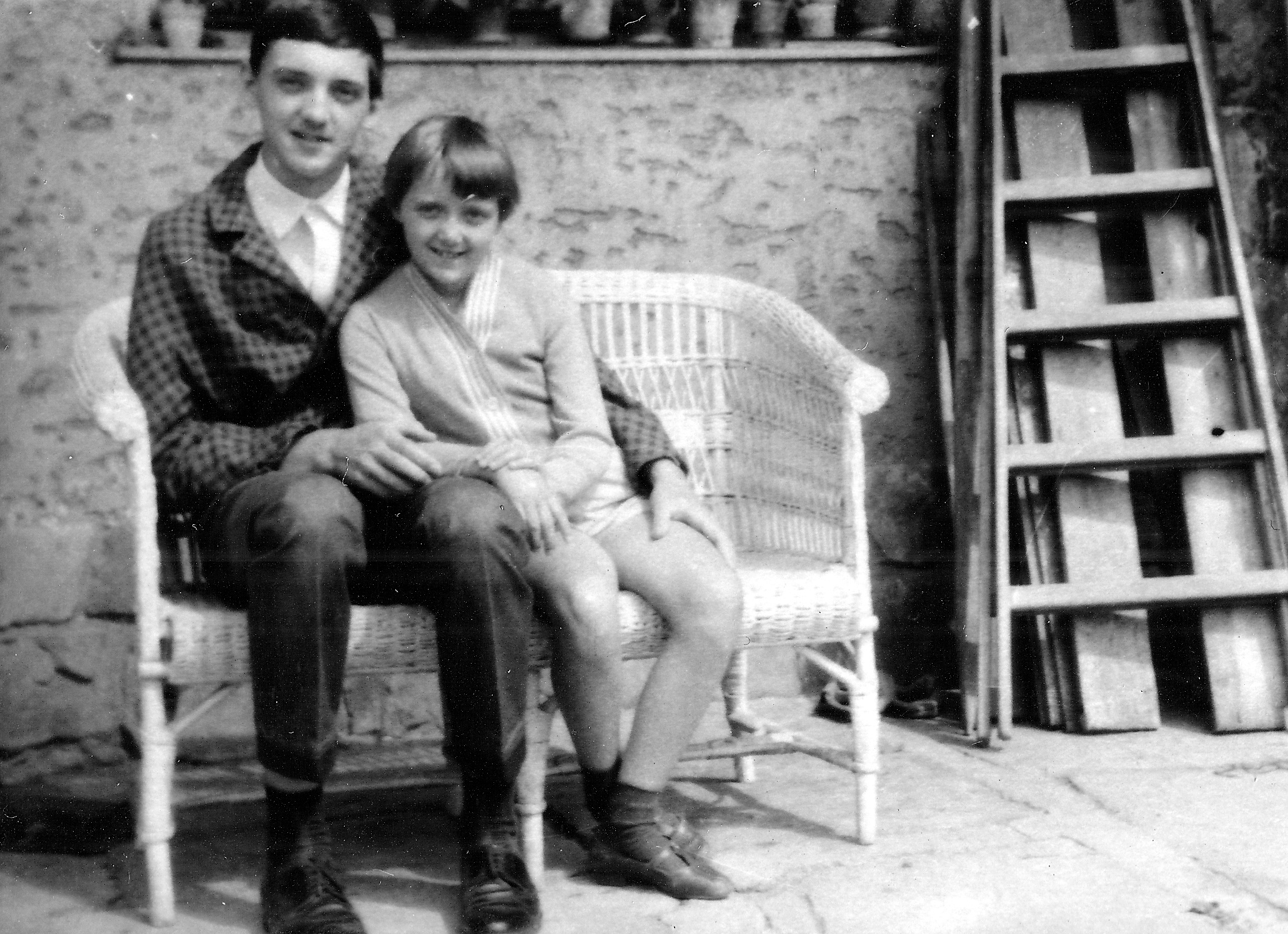
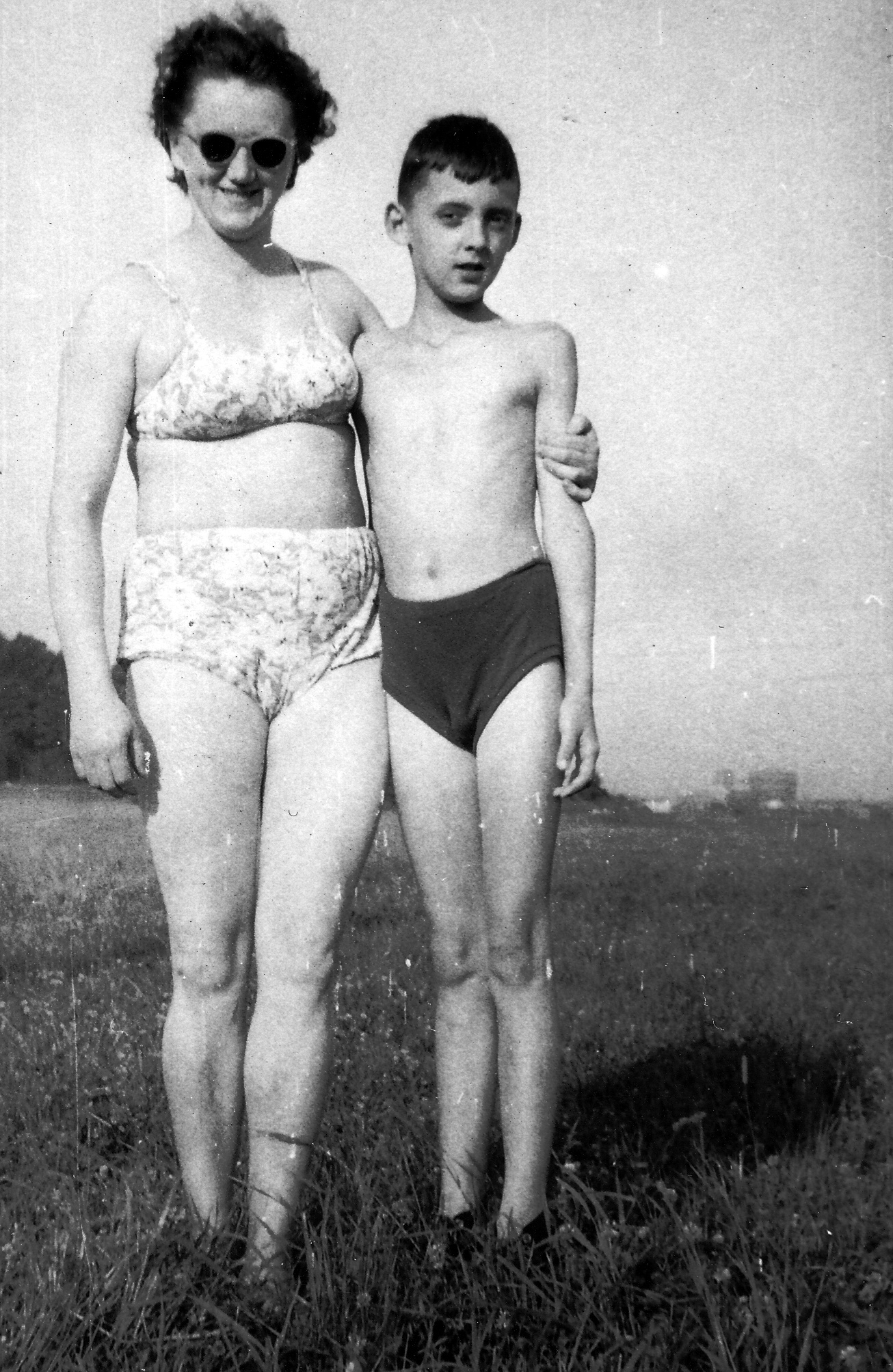
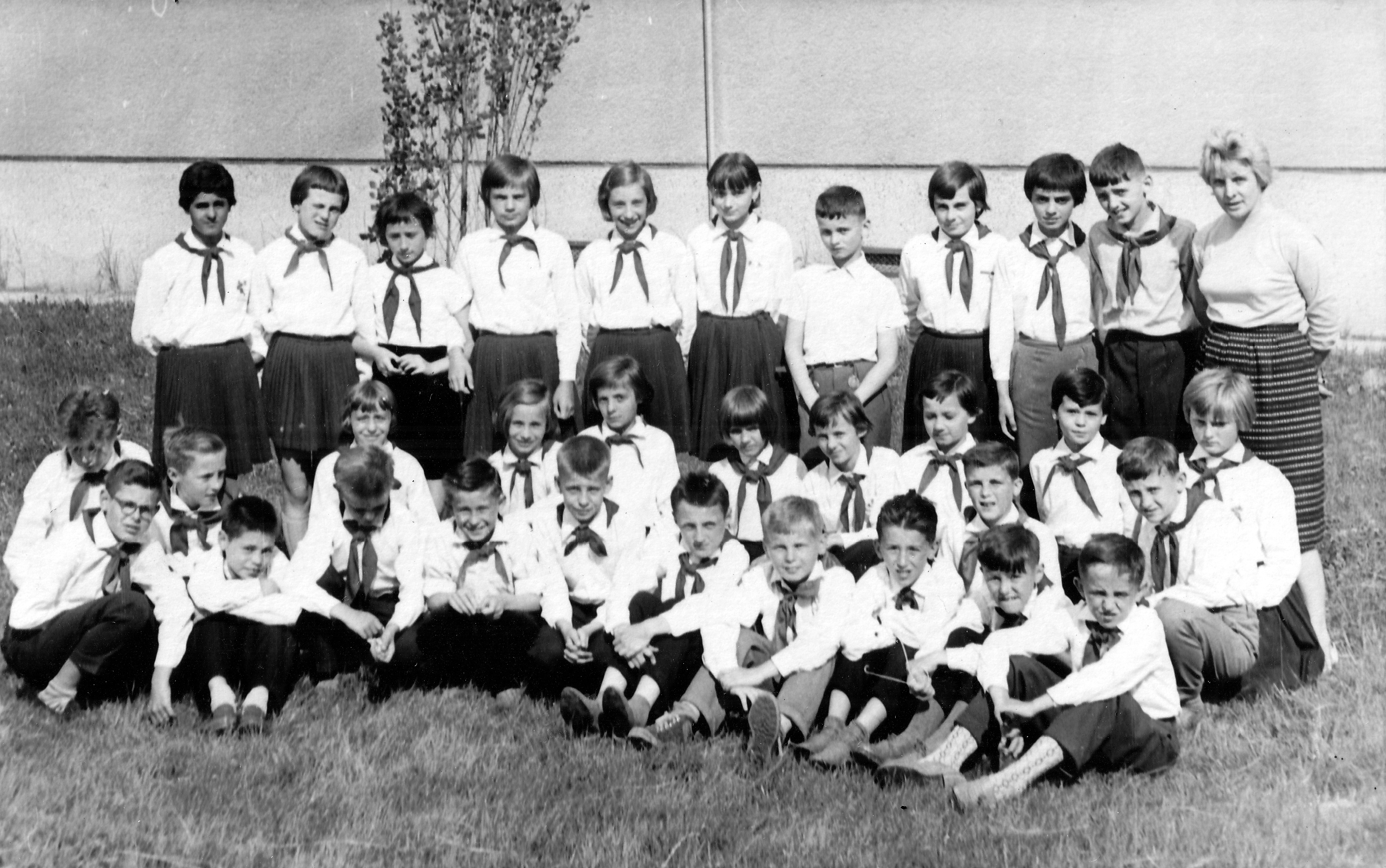
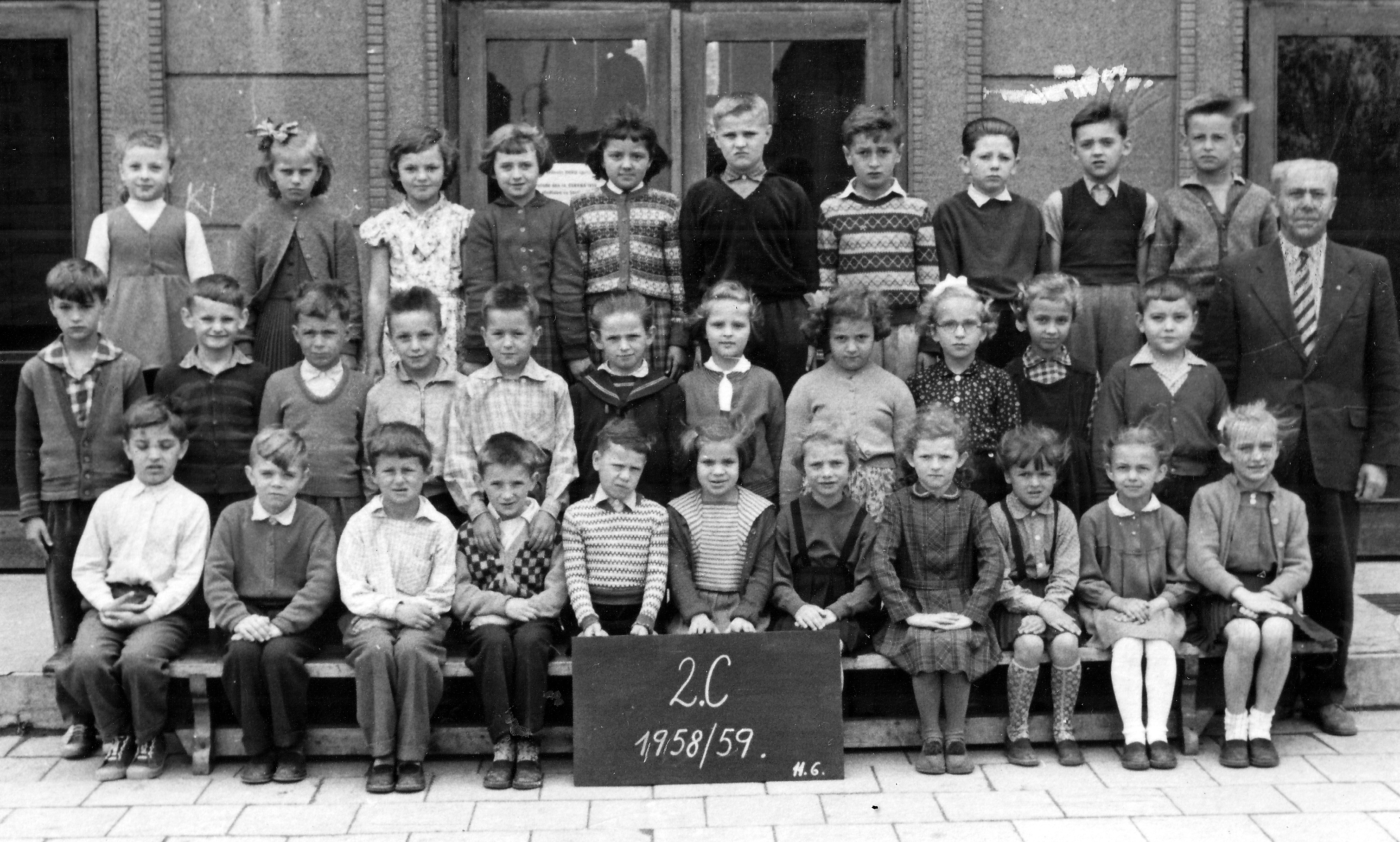
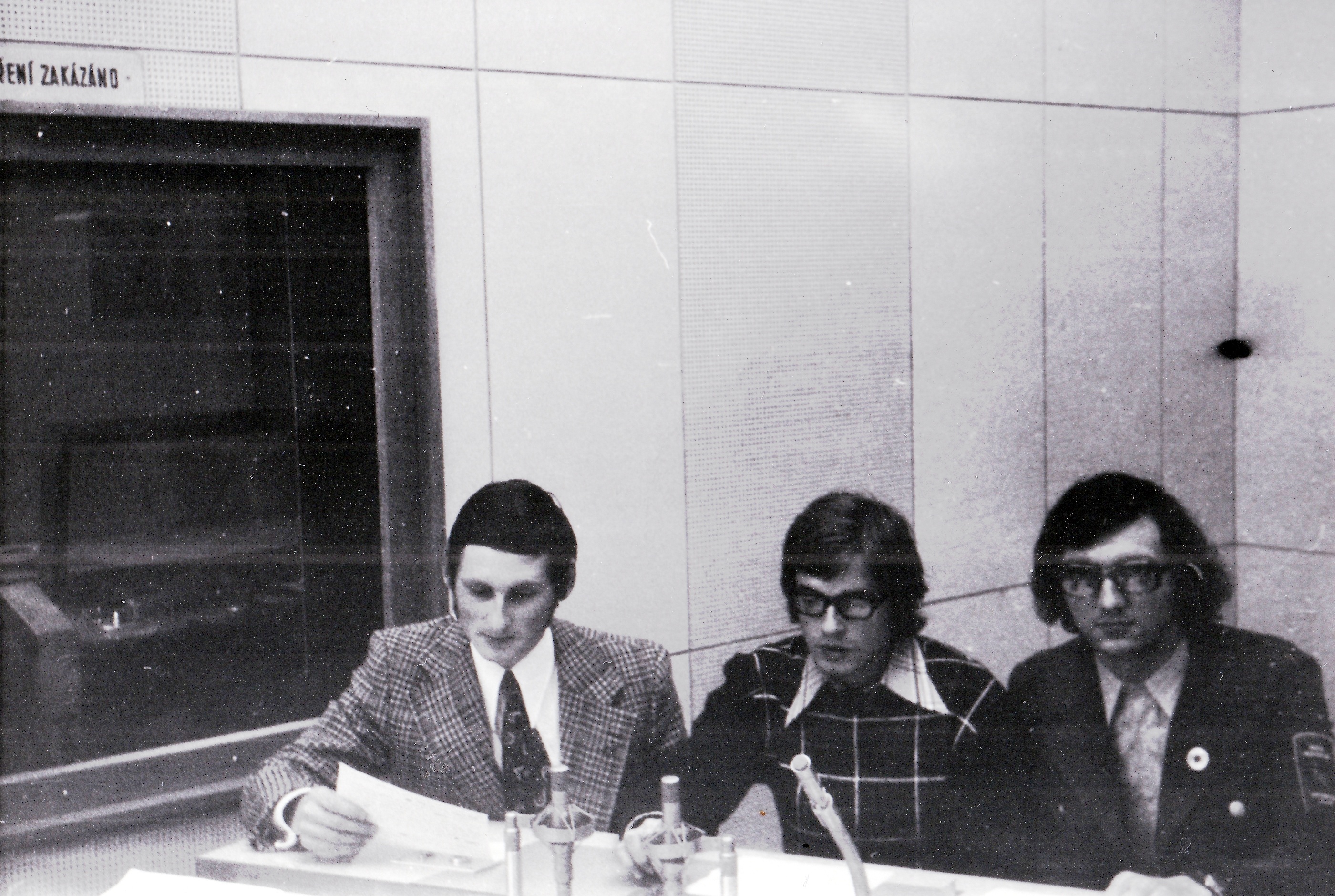
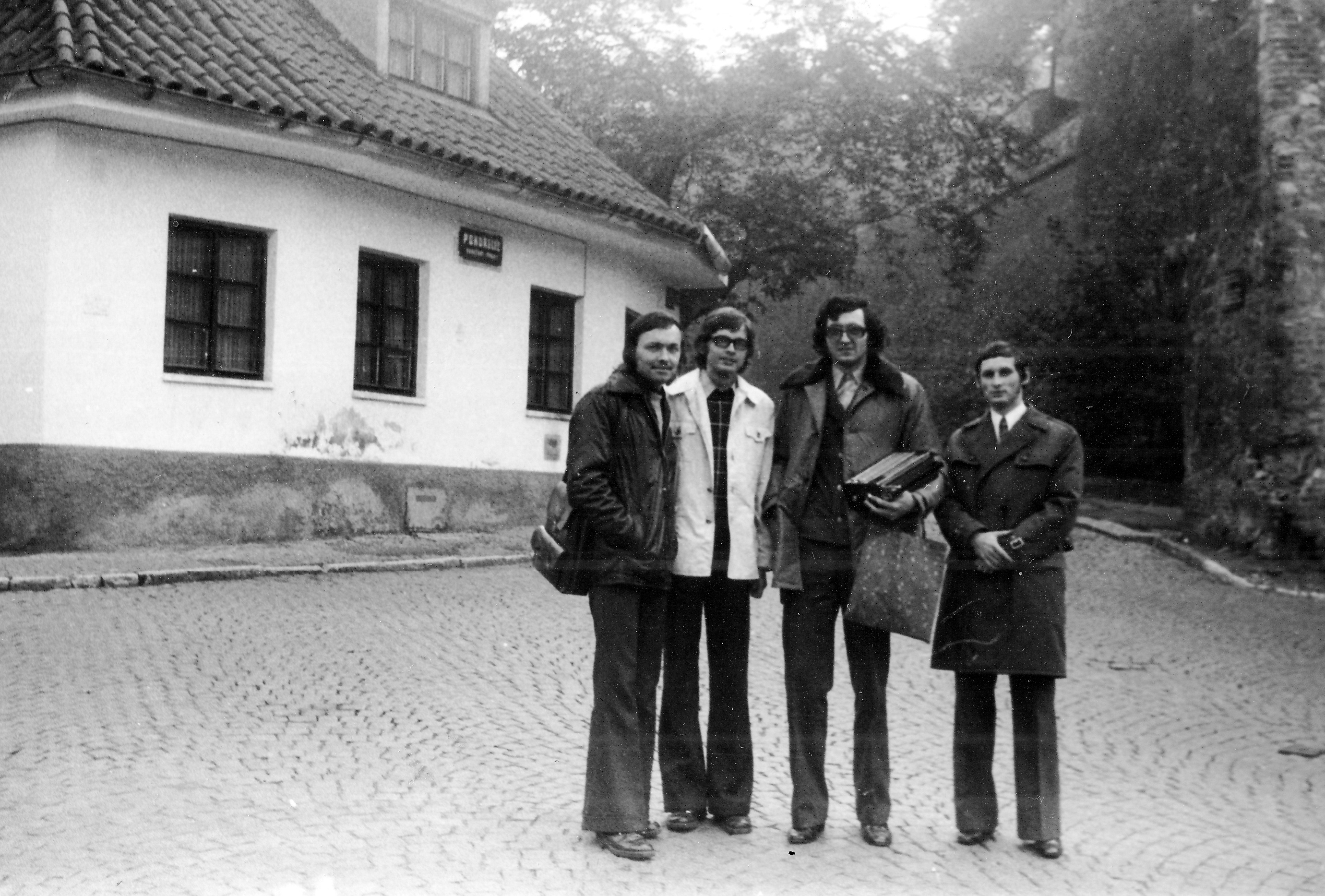
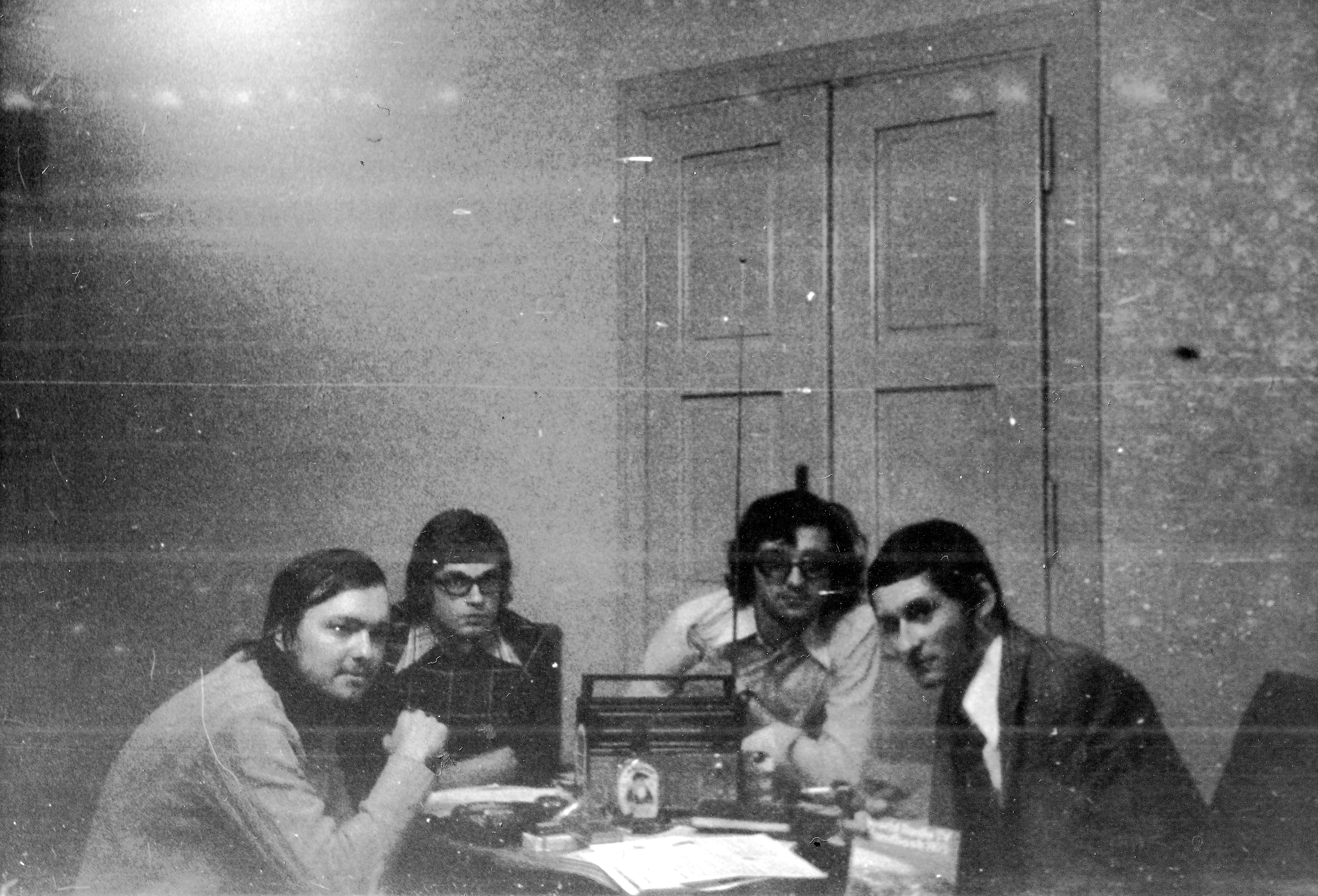
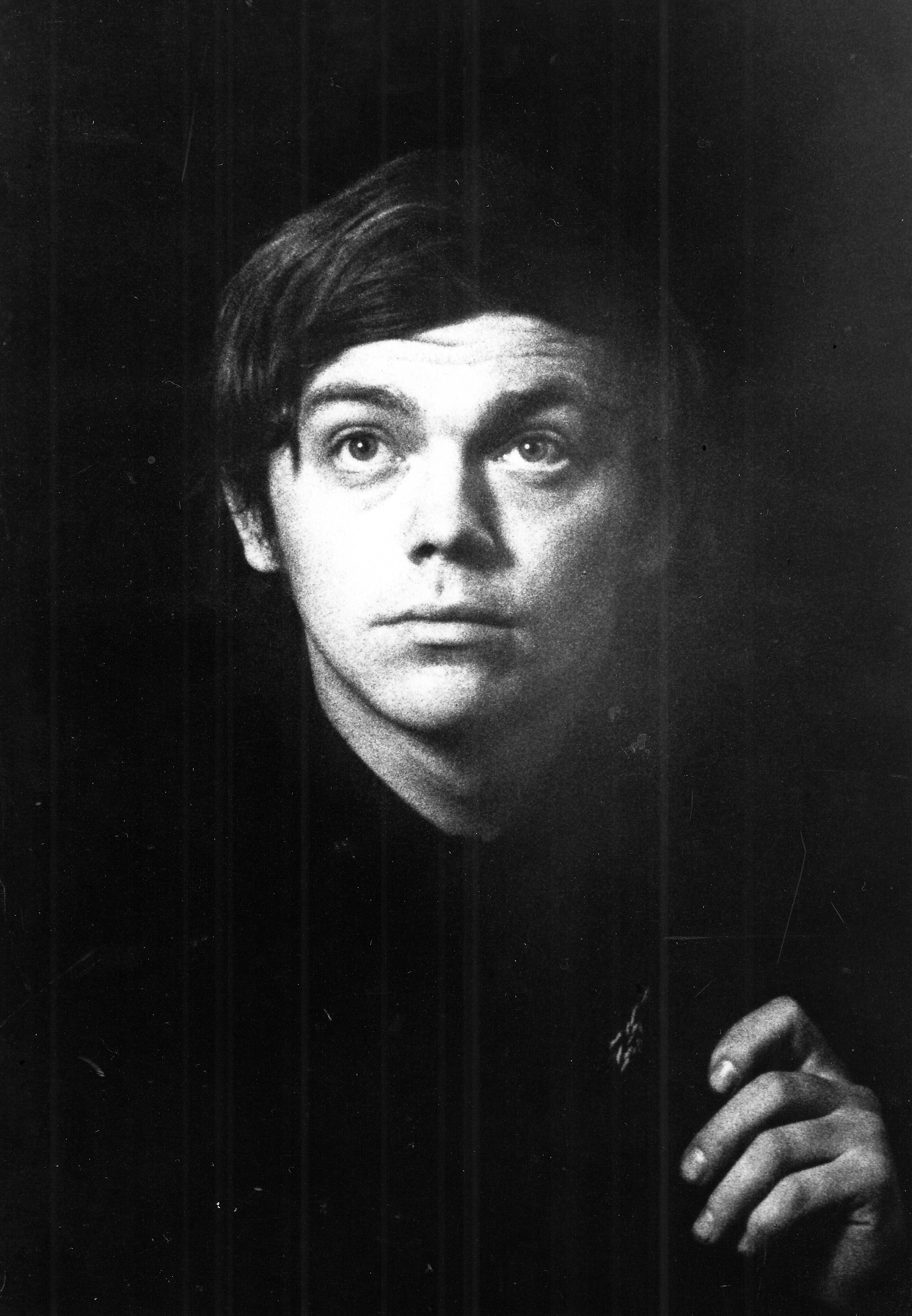
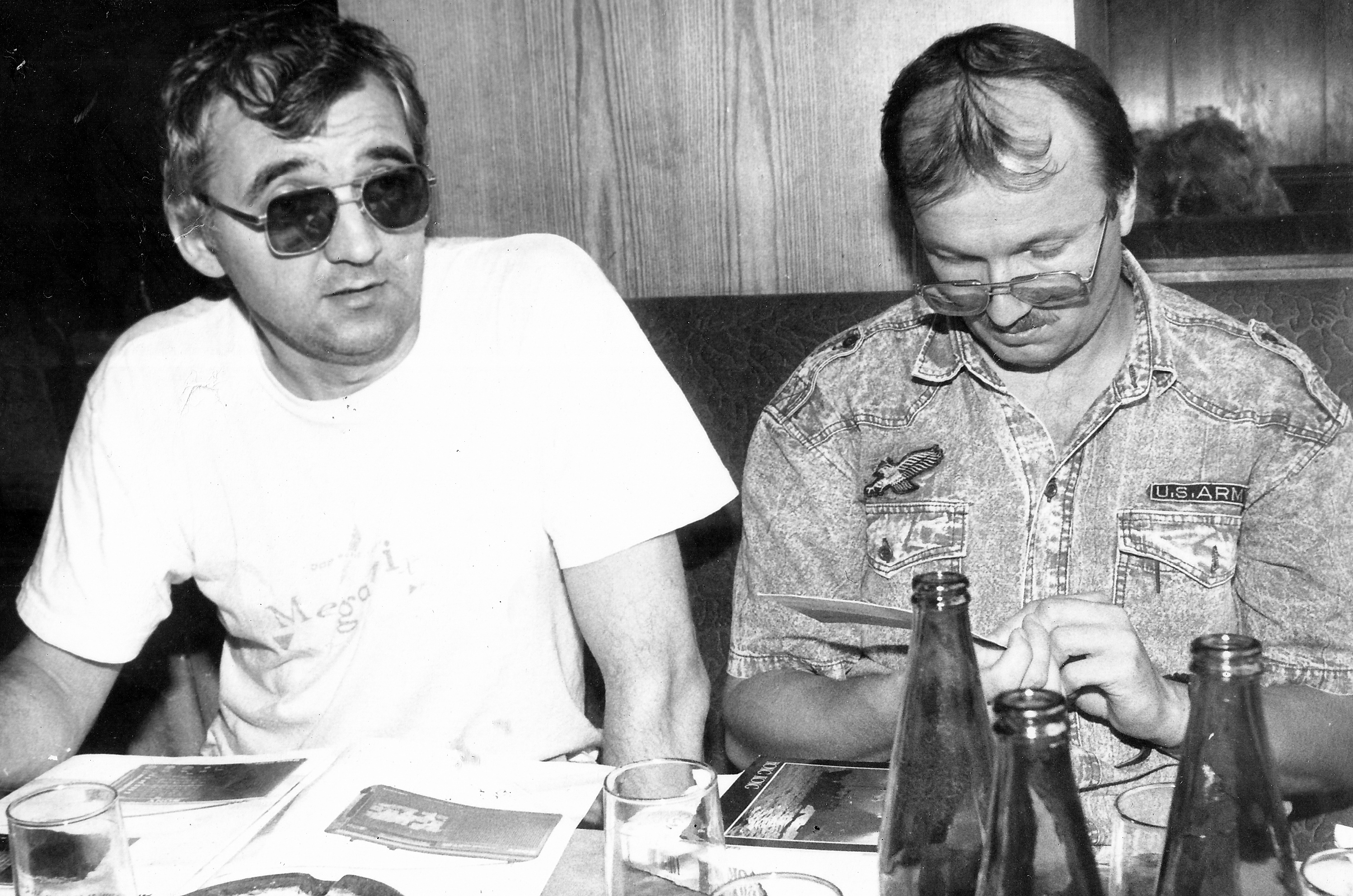
Jiří Tieftrunk was born in Olomouc on 6 July 1951. His mother Vlasta née Marková completed a medical school. His father Jiří worked on the railway. At age six, Jiří Tieftrunk moved with his mother to Ostrava and then to Havířov. He completed a railway high school in Česká Třebová and worked as a station technician. After work, he did “deixing”, i.e. hunting for shortwave broadcasts from stations all over the world. He also listened to foreign radio broadcasts in Czech, especially RFE. He wrote letters to stations behind the Iron Curtain, focusing on music shows. He was interrogated by the State Security Service (StB) which filed him as a person under investigation. He gained a detailed insight into the system using which the communist regime jammed the broadcasts its so-called hostile stations. Since the 1990s, he has authored radio music programmes, mainly at Czech Radio Ostrava. Jiří Tieftrunk lived in Ostrava during the filming for Memory of Nation in March 2025.