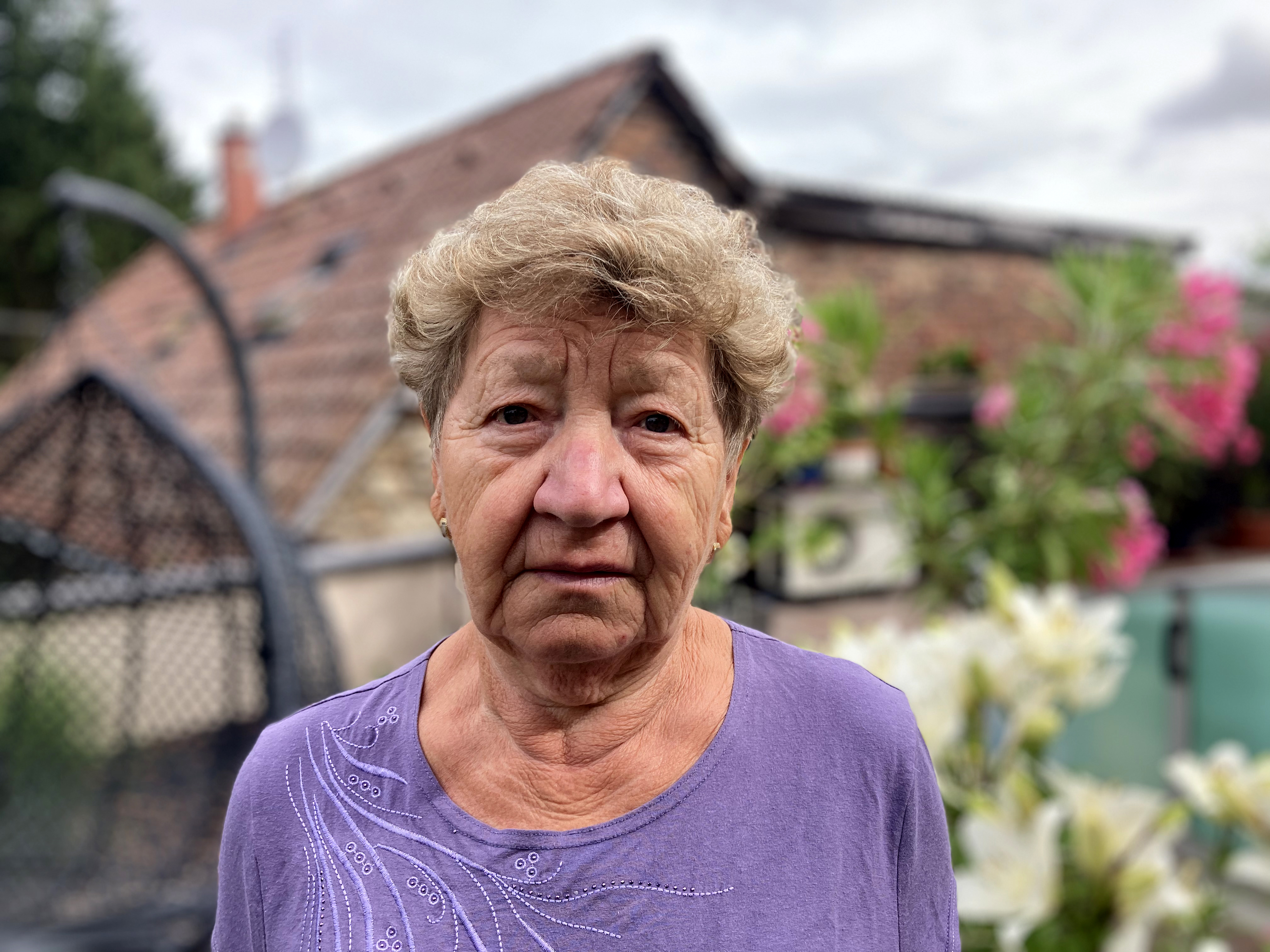
Jindřiška Šulcová

* 1949

  • "I used to work in Vinařice. We head at night and in the morning that the Russians were here, had attacked us and so on... But I had to go to work, didn't I. It had never encountered anything like that. I just got on the bus and went to work. We met tanks on the way, and I couldn't get back home from work. How on earth do I get home? My fiancé was in the army. Somebody eventually brought me back from Vinařice, but it was such that we were quite scared. And you know, there's a little alleyway down here below us, and the tanks were going down that alley and turned sharply up here like that, and the basalt stones and the road asphalt was flying all over the place. They just ruined it here, bloody Russians!"

  • "I have to tell you about the history of our village. We had an almost life-size statue of Garrigue Masaryk here in 1968. We call the place 'the mound'. There are linden trees and the pedestal is still there. When people hid church bells, they also took down the Masaryk statue and buried it in the ground. My aunt who died at age 103 told me the village forge was the hub of everyting. They put the Masaryk statue in the forge, put on coat and a hat on disguise it, and then buried it in the ground. When they dug it up, they knocked off its hand. The statue held its hand like that, and it got knocked off. My dad arranged for the statue to be repaired, and there was a big event in 1968. I still have the little invitation note. Radio Free Europe was there, Sláva Volný, and they unveiled the Masaryk statue again. He belonged to the village. I was maybe 20 years old by then, so it's 56 years now. Of course, the communists hated him, and late in the evening they smashed the statue, completely smashed it and disposed of it, so there was no Masaryk the next morning."

  • "I remember being maybe six years old when they were canvassing for a farm cooperative. There was a thunderstorm and it was late, it was dark, so it must have been late, summer time. Communist bigwigs were going around the village and talking people into joining the JZD. Our two cows ended up in that farmhouse. I mean, there was a big debate for a long time before that. My mother went to work in the JZD. I can say she was happy, though. See, cows need care every day, weekdays and holidays, and you have to do it every time, morning, noon, evening. Working at the coop, JZD, she took the morning shift and then had the afternoon off. She could work at home and in the field and stuff, do the housework. She really liked that, and she actually made money. She never complained of anyone harming her. My sister's six years older. She wanted to go to high school after elementary. The local authority used to write recommendations. Of course, they said, 'You have land in the JZD, so let her work there'. It was like, if you were in the party, you got in, if you weren't... My dad was a big rebel. He had been in the party for a while, none of us ever was, but he was. He wasn't a dyed-in-the-wool communist, though, and when he didn't like something, he just threw his party membership back at them. He was such a rebel. He said some 'nice words' to them and walked away. But since my mum was a member of the Women's Union, not particularly active but still a member, my sister eventually got into high school. She completed college just fine, too."

  • Full recordings
  • 1

    Přelíc , 07.07.2025

    (audio)
    duration: 01:08:15
    media recorded in project Stories of 20th Century
Full recordings are available only for logged users.

Masaryk’s was a thorn in the communists’ side; they kept only the pedestal
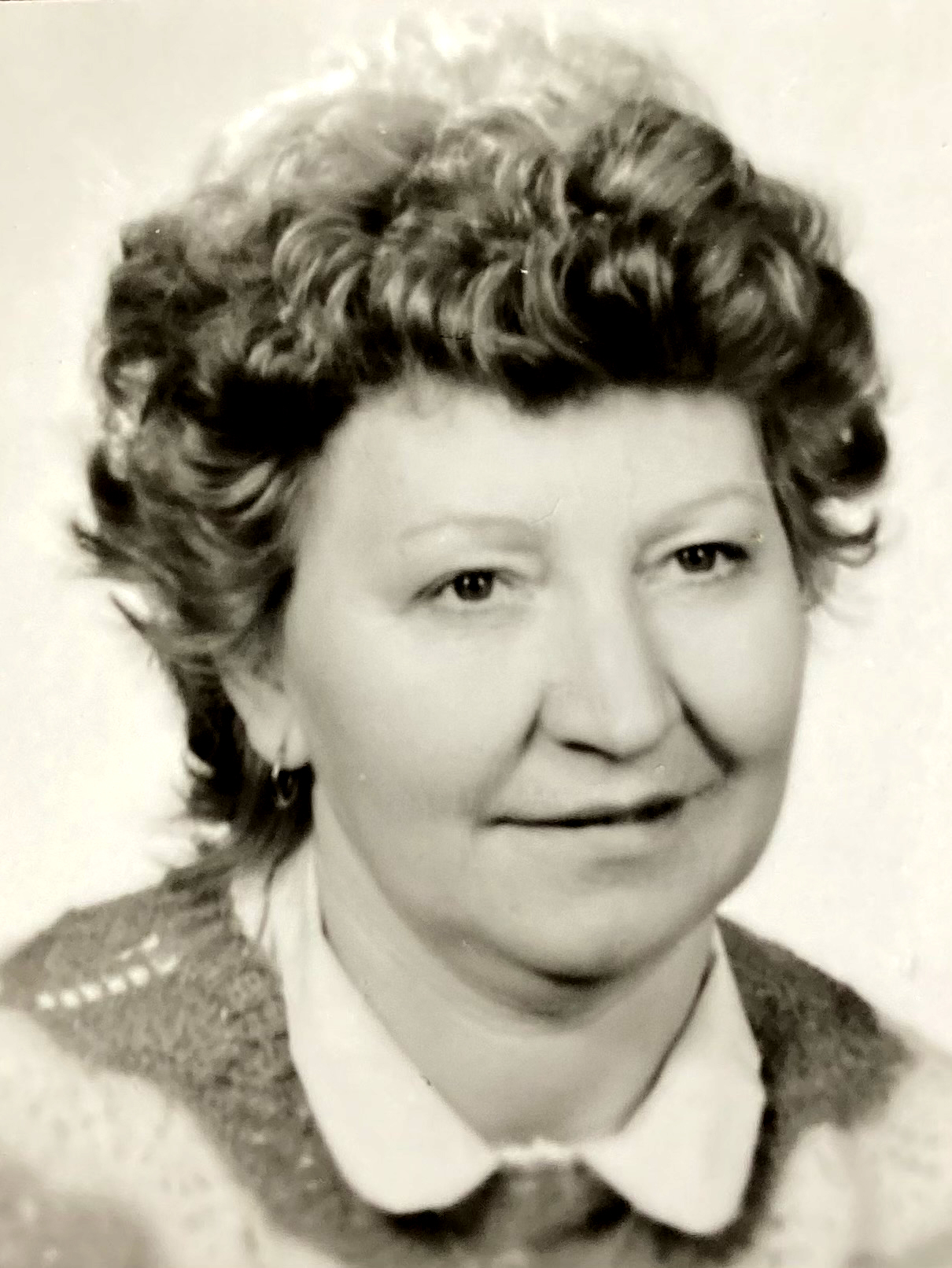
Jindřiška Šulcová, 1984
photo: Witness's archive

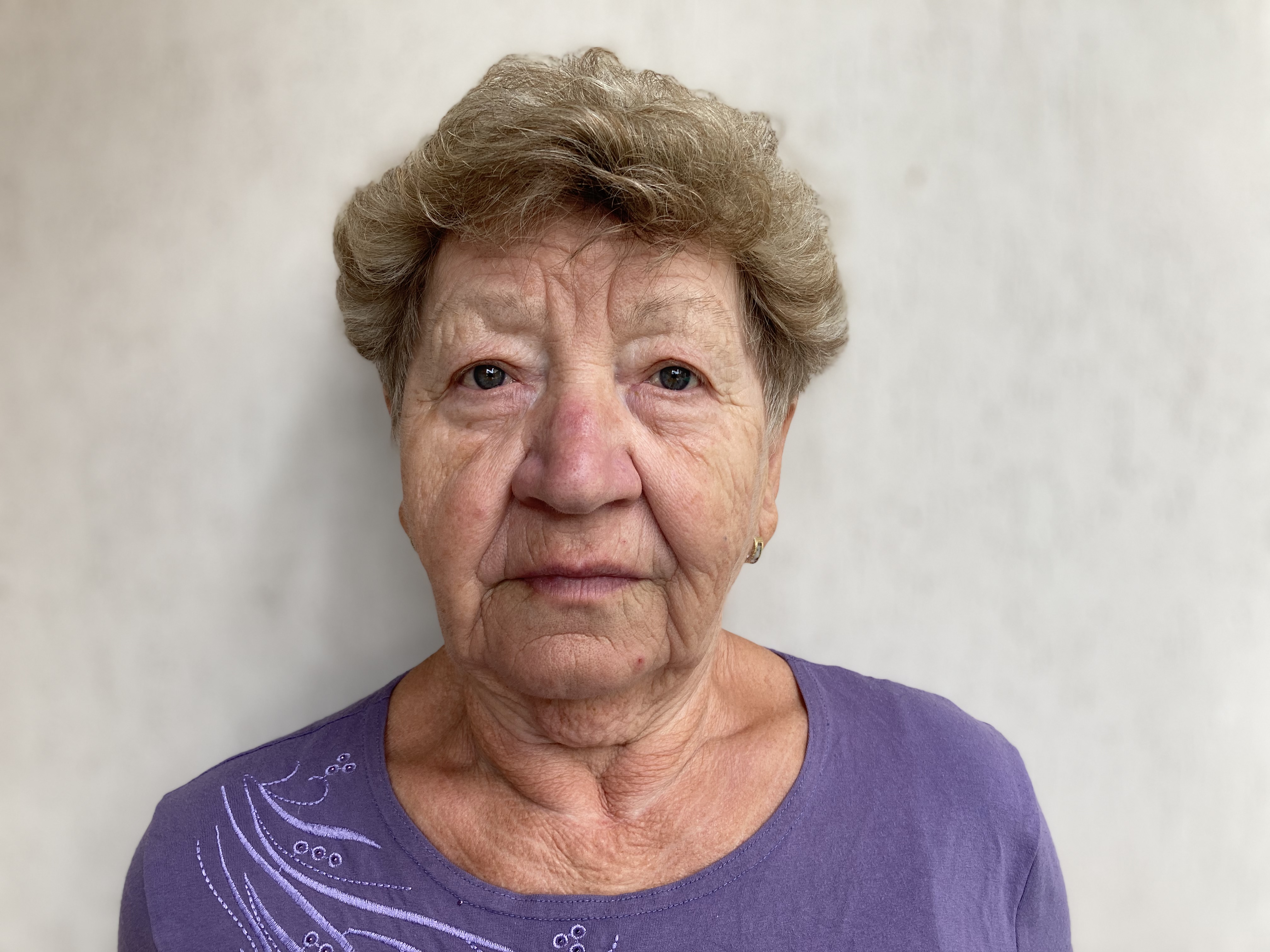
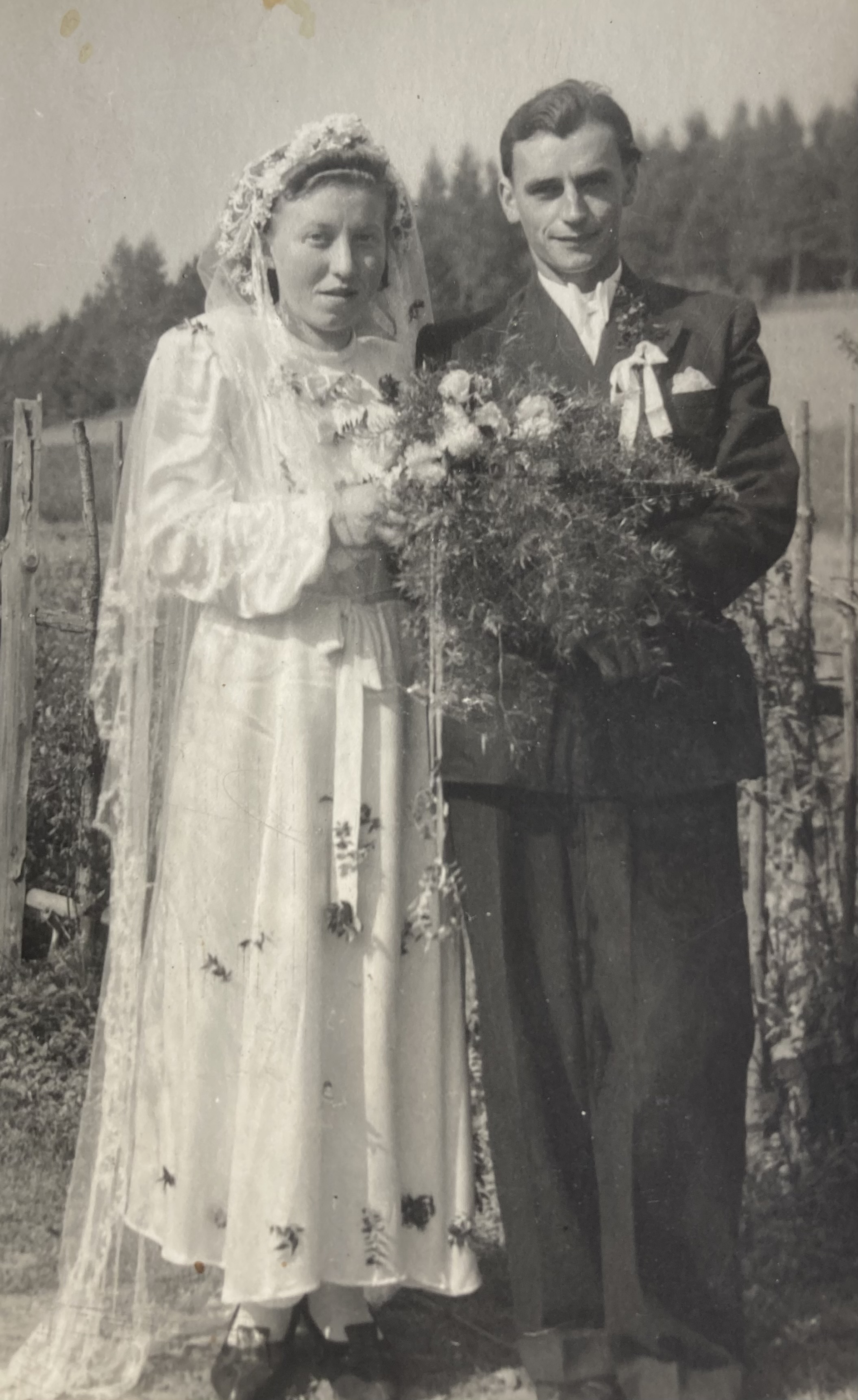
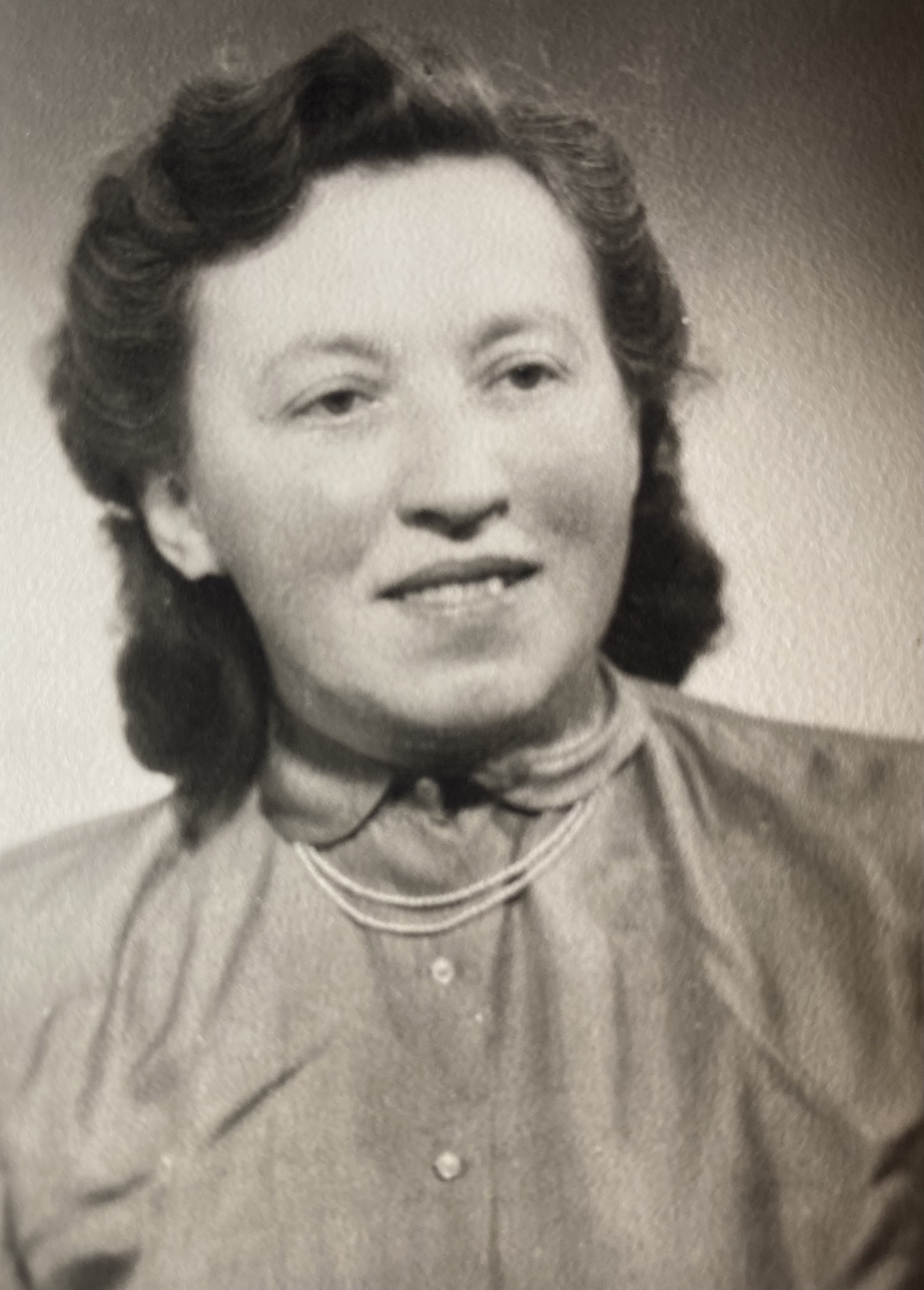
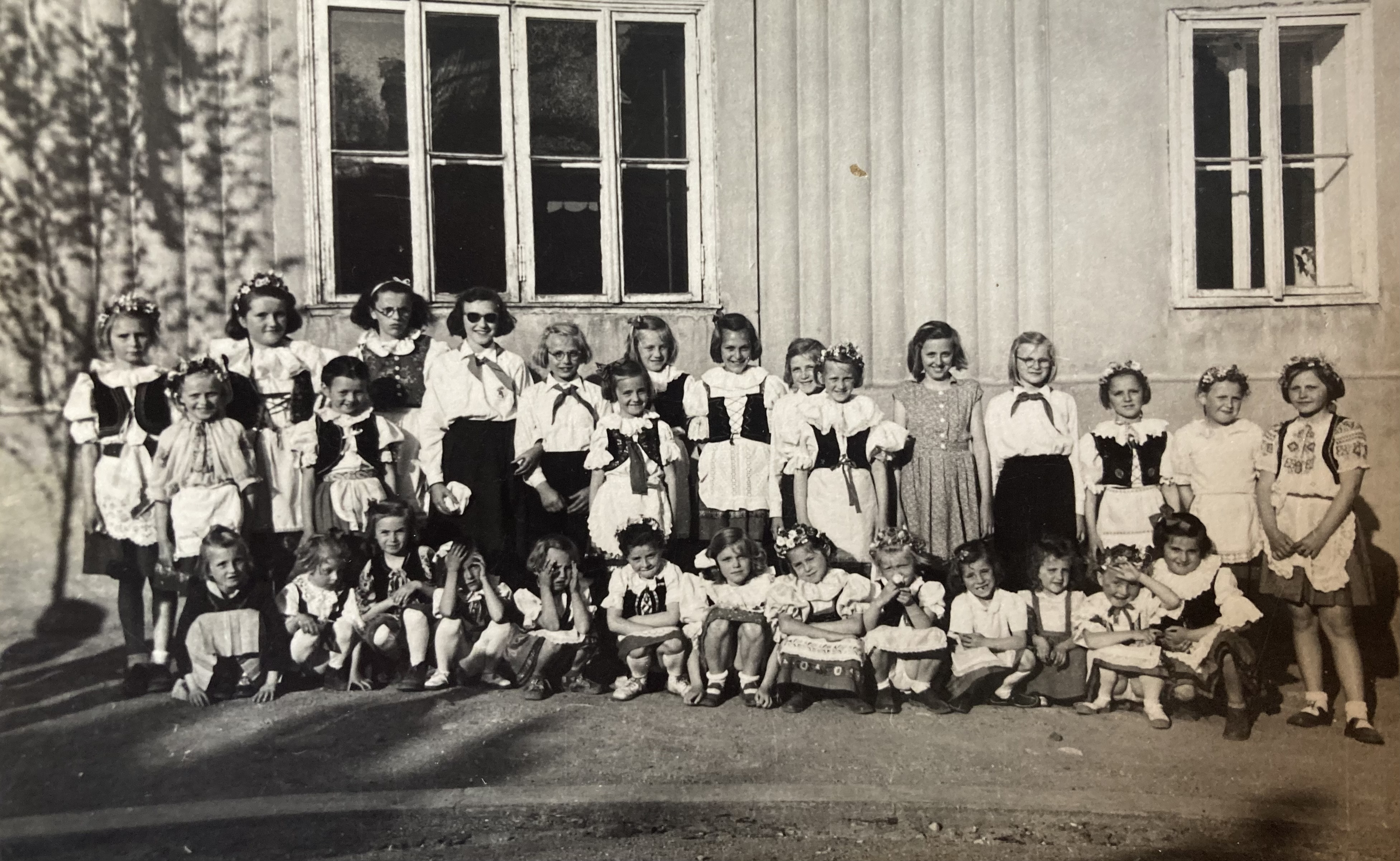
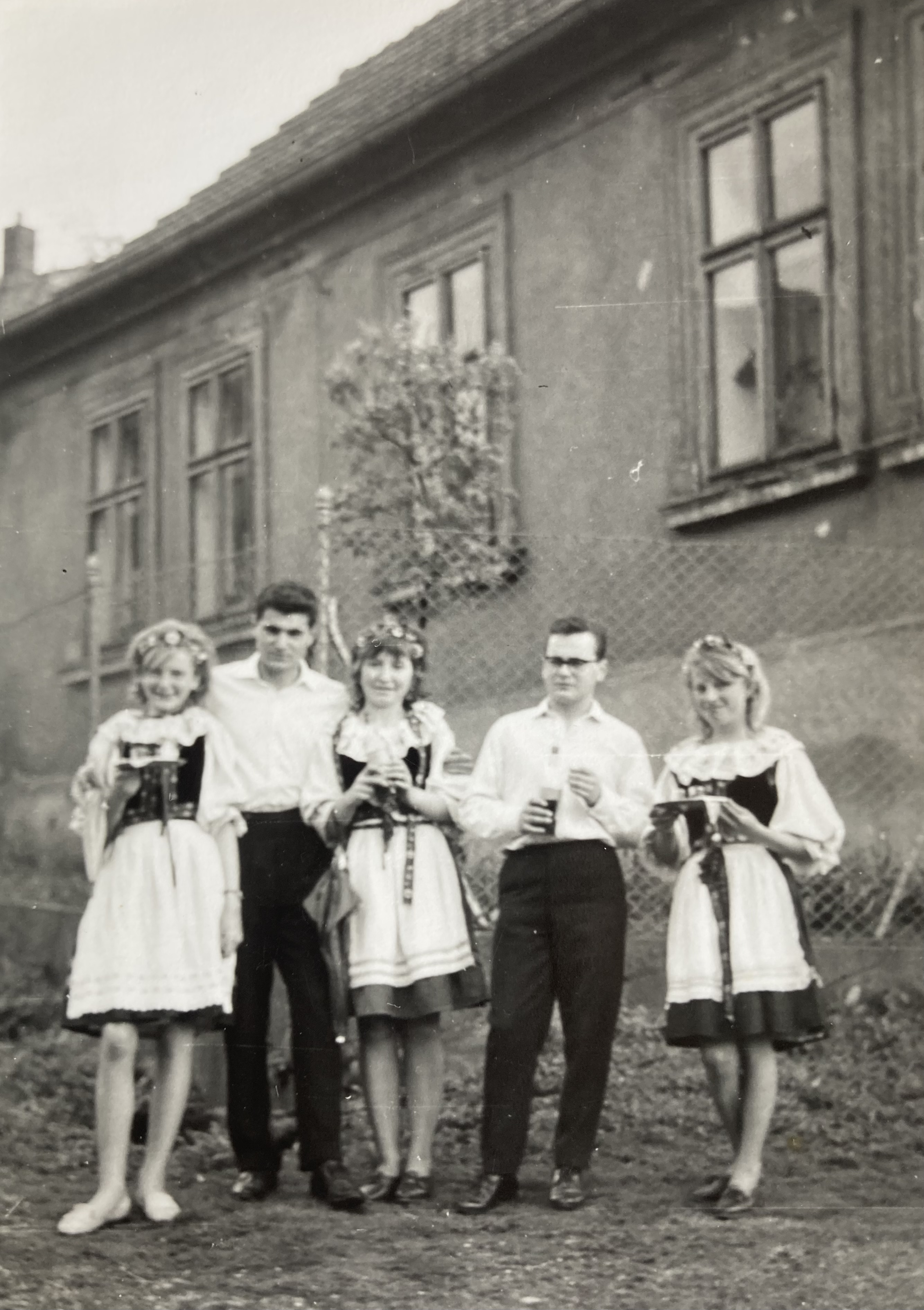
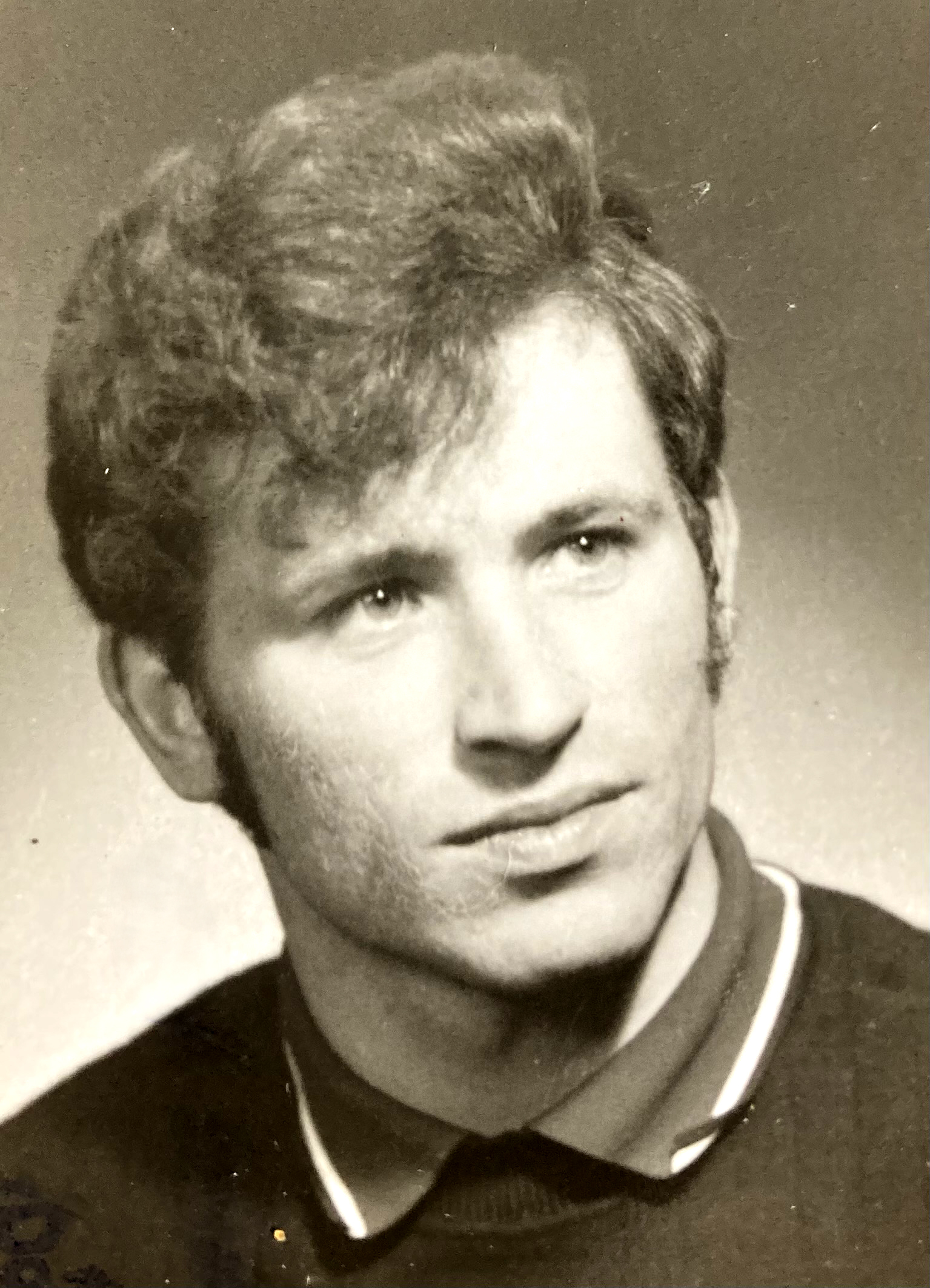
Jindřiška Šulcová, née Soukupová, was born in Slaný on 6 April 1949. She spent her childhood in Přelíc where the family owned a small farm. They were also referred to as ‘metal-farmers’ because her father Jindřich Soukup also worked at Poldi Kladno. When she was about six years old, the communists confiscated their cows and land and her mother had to join a farming cooperative (JZD). They were left with only a small field on which they were allowed to continue farming. In the spring of 1968, they looked forward to a better tomorrow, and her father even contributed to the reopening of a T. G. Masaryk statue. By the next day, however, the local communists destroyed the statue, and the August invasion put an end to any remaining hopes. Jindřiška Šulcová trained as a shop assistant and worked as a shop manager all her life. After the Velvet Revolution, she immediately set up her own business and opened a shop in her own house. To this day (2025) she has kept her relation to the family land, and she and her husband farm a field where they grow everything they need. At the time of the filming in 2025, she was living in Přelíc.