Stanislav Štýs

* 1930

  • "V žádném případě jsem jim prostě na nic nekývnul. Pravděpodobně tam byli někteří moc horliví – když jsem s nimi jednal, tak už někam dávali, že jsem nějakým kandidátem nebo nevím čím. Ale já opravdu ničím nebyl."

  • "Prvně mě kontaktovali ti dva, kteří mě navštívili v tom roce asi 1962. A dodatečně jsem si uvědomil, že mi vlastně nabízeli, že se z té šlamastiky, když jsem prozradil státní tajemství, můžu dostat, že by to zařídili. Já jim na to neskočil, protože jsem si takovou věc ani neuvědomil. Pak jsem s nimi přišel do styku, když jsem byl na generálním ředitelství. Pracoval jsem společně s kolegou, který byl také lesníkem, a za ním – já to nevěděl – jednou přišli Američani a měli zájem o mapy revíru. To bylo hodně později. Tohle jsem nevěděl. Byli jsme spolu v kanceláři, přišla bezpečnost, každého nás vzali jinam do jiné místnosti. Tam jsem čekal asi hodinu, o co jde. Přišel za mnou jeden a řekl, že jsem se podílel na zapůjčení map revíru Američanům. Já o tom nevěděl. Dlouho mě přemlouval, že by to mohla být velká šlamastika, že bych mohl být zavřený, a já opravdu nevěděl, že ten kolega jim ty mapy půjčil. Dopadlo to tak, že mě odvedli do mé kanceláře, a od té doby jsem s nimi nepřišel do styku."

  • "Jednou večer asi tak v devět nebo v deset hodin někdo zvoní. Ležel jsem v obýváku na gauči. Šel jsem otevřít v pyžamu a tam stáli dva pánové, ani se nepředstavili a zeptali se, jestli mohou jít dál. Šli jsme dovnitř a požádali mě, jestli bych se nemohl obléknout. To mi sice bylo divné, ale říkal jsem si, že když budu s někým diskutovat, je slušnost být oblečený. Zeptali se, jestli jsem si vědom toho, že jsem vyzradil státní tajemství. Otevřel jsem oči a řekl jsem, že si nejsem ničeho vědom. V té době totiž těžba a údaje o těžbě byly státním tajemstvím. My jsme to nemohli brát v úvahu, i když já to věděl, protože když jsme dělali mapy, hlídal nás na Báňských projektech tajný děděk. Jednou nám jedna mapa ulétla z okna, byl z toho cirkus, ale ředitel to nějak zahladil. Tak se mnou diskutovali a přesvědčovali mě, že se to nesmí a že to pro mě může mít vážné důsledky. A že by věděli, jak mi pomoct, a já nepochopil, o co jde. Pochopil jsem to až nedávno. Odešli beze mě."

  • "My parents wanted me to continue studying in the Czech school, so they sent me to friends in Jimlín near Opočno. We also had relatives in several villages in the area. It was exactly on the borders of the Protectorate and I joined the Czech third class there. I've never been an excellent student, but neither has I been bad. I had to take everything honestly. My mother took a train to Postoloprt every month and walked through Malnice to the last village, where we had our uncle Fistl. She always let me know and I secretly crossed the border from Opočno. I don't even know how many times I had to crawl through the gorge, because the Germans were watching it there. But then I could spend the day with my mother, who soon left, and I went back across the border. That's how I went to school there for a year."

  • "The Ehl family lived next door. It was a mixed marriage, Mrs. Ehl was Czech and Mr. Ehl was German. We communicated with them because he spoke very good Czech. To this day, I remember him telling us once: ´I am happy to have joined the Rotes Kreuz, so that I could participate in the social organisation and did not have to join the NSDAP.´ Obviously only after the war we discovered that the Ehls kept two Russian prisoners hidden in the back of the shop."

  • "One of the four people in our re-cultivation department was Mr. Ondráček. A very educated farmer and an intelligent man. Later I found out that he was the son of a landowner from the Pilsen region, whose family was expelled, and he got to town of Most. This is how he came to us, where he did agricultural re-cultivation. He knew very well how harmful it was what was being prepared and was done [drafting the draws]. Then we had many such as Mr. Ondráček among us. Foresters and farmers came to us, who had to leave the usual farming, and found work in the field of re-cultivation."

  • "When the period came around 1968, I was clearly among those who refused to agree to the joining. I was lucky I wasn't fired completely. Perhaps because at that time I was the head of the re-cultivation department at the General Directorate of [the mines in Most] and I also had the opportunity to influence reclamation throughout the district. I was replaced by a man who knew nothing about reclamation. I ended up with a minimum wage, but I did the same job anyway. One of my best colleagues at the time was forest engineer Pařízek, who was also in charge of reclamation at the Ministry of Industry and Energy. During that time, we often discussed matters together, and he once said to me: ´What options do we have now? We will either run abroad or make ourselves the kind of specialists they need us much.´“

  • “Milda Moc and I also wanted to do our bit to damage the German empire. It was very naive. The Germans were building anti-tank barriers out of thick logs on the road to Klíny, just uphill of Chudeřín, and the barriers were anchored on both sides, and they used pneumatic hammers and left it there for the night, and Milda Moc and I chucked stones into it, and then when they started it up, it broke down. The probably sorted it out somehow, repaired it or brought new equipment and finished it up. But we later found out that they also planted mines under the road in places were there were passes. From Chudeřín through Loučná all the way to Klíny. So we drew up a map and marked it, and then when a Russian scout came along - perhaps half a day before the Russian soldiers came - so we gave him the map, and they managed to remove the mines in time and go down the road in safety.”

  • “During that year of 44 and then 45, we had air raids here. Because the Germans had built the so-called Hydrák, later the Stalin Works, today’s chemical plant, to produce petrol here. Because they didn’t have any resources in Germany, and they didn’t get past the Caucasus., so the Allies - mainly American and British pilots - made raids on places like this, it wasn’t just here. And as soon as they announced that the enemy union was flying over Germany in the direction of Magdeburg Dessau, we knew they were coming to us. To begin with there were a lot of fly overs, they’d fly say 12,000 metres high, and there’d be 20, 30, 50 of them just flying by, perhaps going to bomb some other place. An air raid would always be announced, and we had to get into some shelter. The Germans dug out a shaft into the Ore Mountains. But on 12 May 1944 they really flew up and started dropping bombs on the chemical plant. We were outside because beforehand, when they flew by, we didn’t go hide anywhere because we thought they’d just fly by again, but this time they started dropping them. And I was in the woods with my best colleague Milda Moc, on a rock overlooking Chudeřín, and we watched from there as they dropped bombs on the chemical plant. We didn’t realise how dangerous that was even at such a distance, because the Germans had tens or even hundreds of anti-air guns here in the close vicinity, and they shot shells up into the sky and the shrapnel then came flying down. And that was very dangerous because if a shrapnel so much as touched someone, they’d be dead on the spot.”

  • “Here in this case I have something of a lifelong fortune, not just in my family, those closest to me, but also when we go to visit the Benedikt, we go there often, you know it, it’s a beautiful place. I saw it when it was an old mine shaft, and I did the recultivation there. I also know about the various difficulties, but in the end it all turned out okay. So all those projects, Benedikt, Autodrom, Hipodrom, Matylda... all those have a bit of my merit in them. Of course, there were always dozens, hundreds, even thousands of people working on it throughout the whole region. So for me it’s my lifelong fortunate that when I travel through the region, I see a forest here, a nice field there, a lake, and I know that there’s a bit of my work in it. It’s double the fortune, as they say.”

  • Full recordings
  • 1

    v Mostě, 18.04.2016

    (audio)
    duration: 01:15:50
    media recorded in project The Stories of Our Neigbours
  • 2

    Most, 09.07.2019

    (audio)
    duration: 01:53:43
    media recorded in project Stories of the 20th Century TV
  • 3

    Chomutov, 16.09.2025

    (audio)
    duration: 02:37:15
    media recorded in project Příběhy regionu - Ústecký kraj
Full recordings are available only for logged users.

Suddenly, Dad shouted from downstairs: Hitler’s dead!
With Harmonica
With Harmonica
photo: Archiv pamětníka

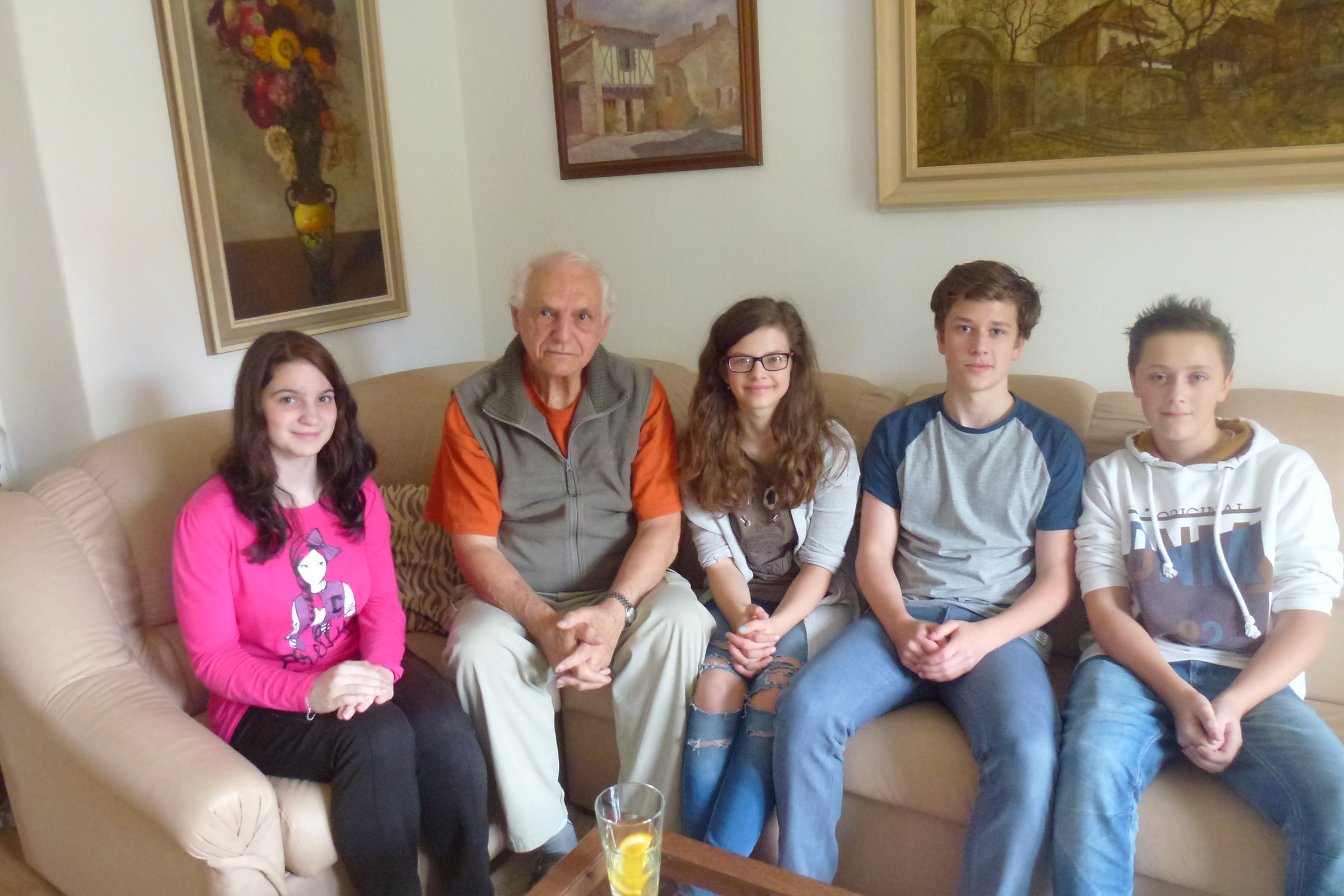
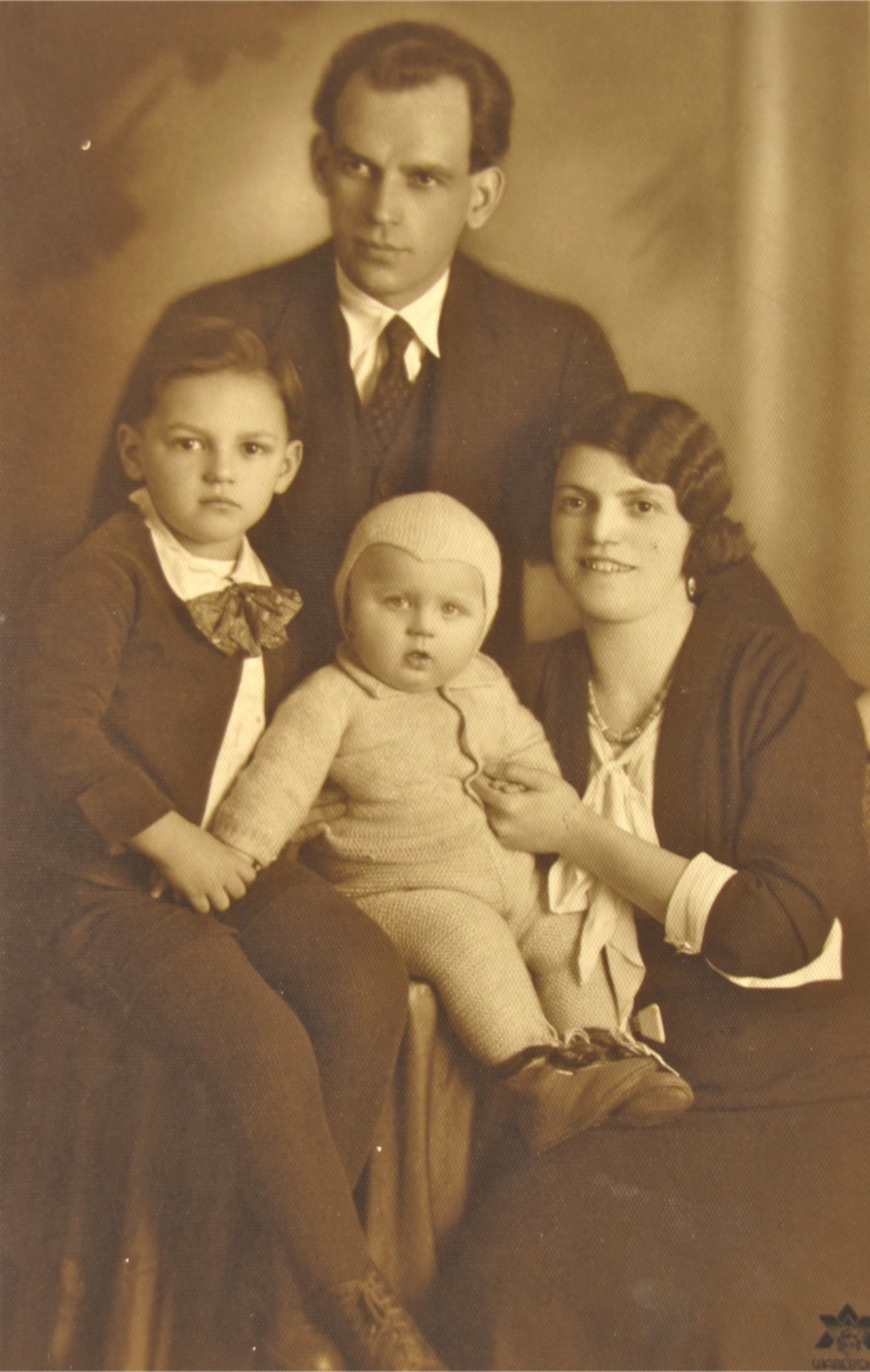
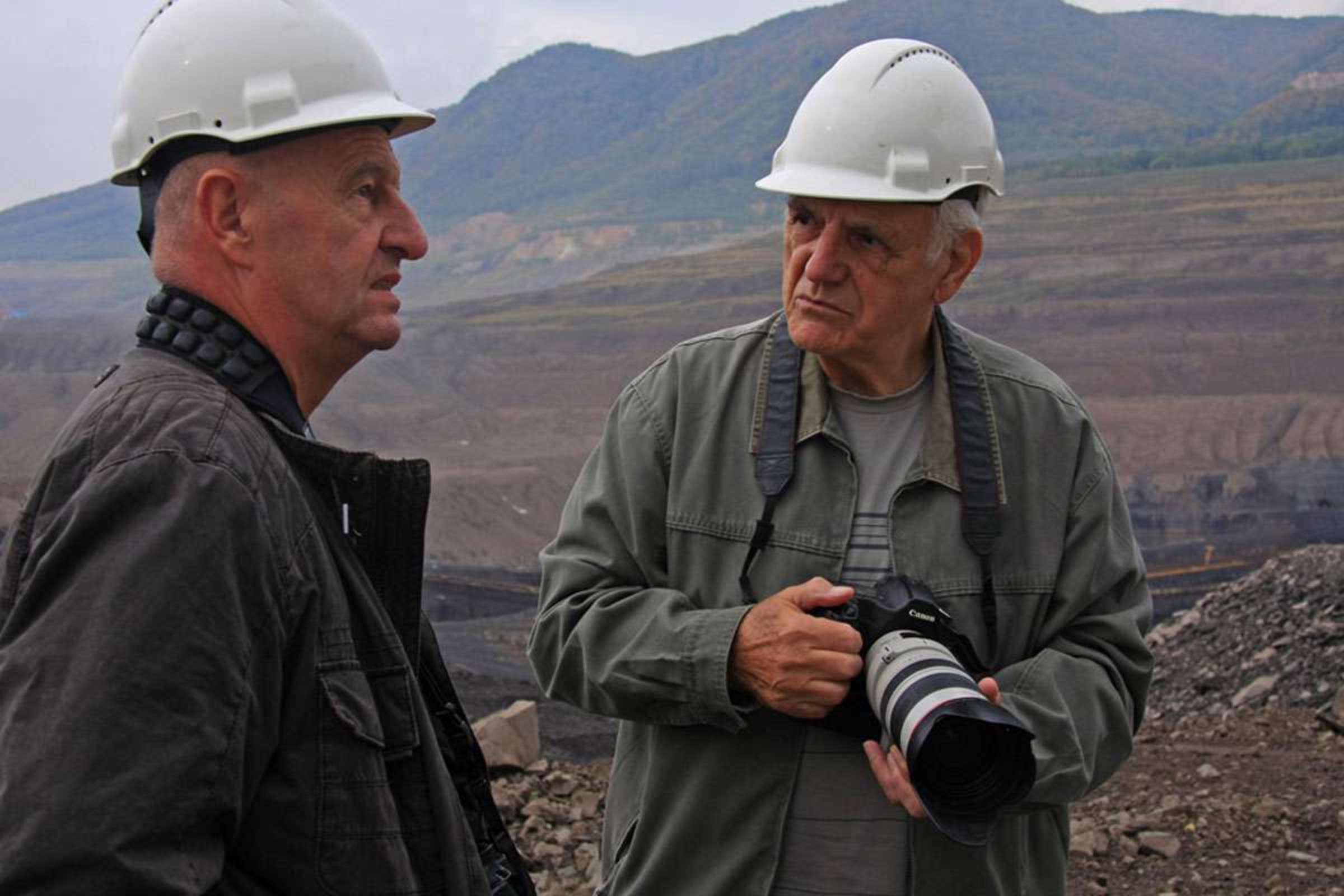
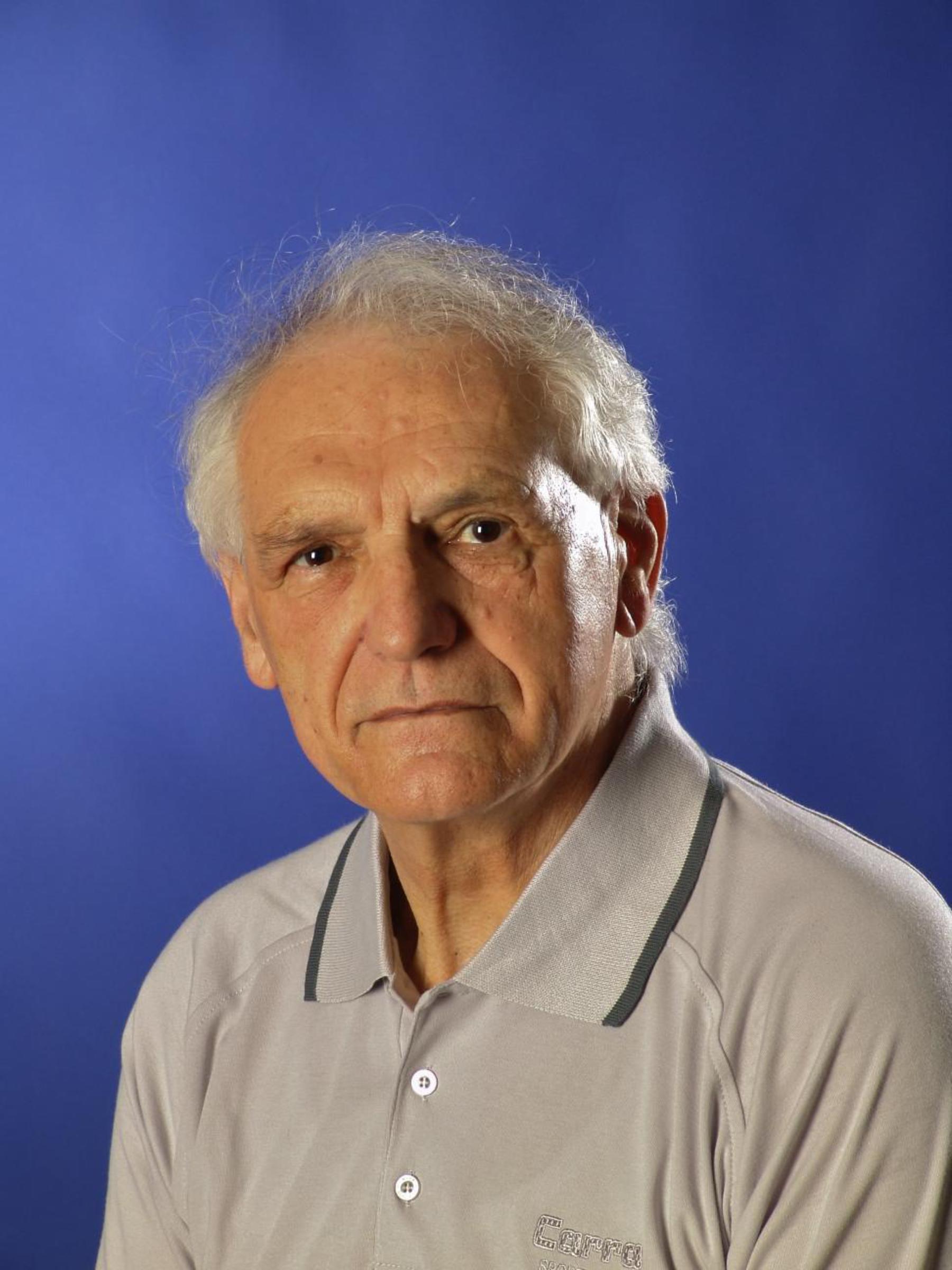
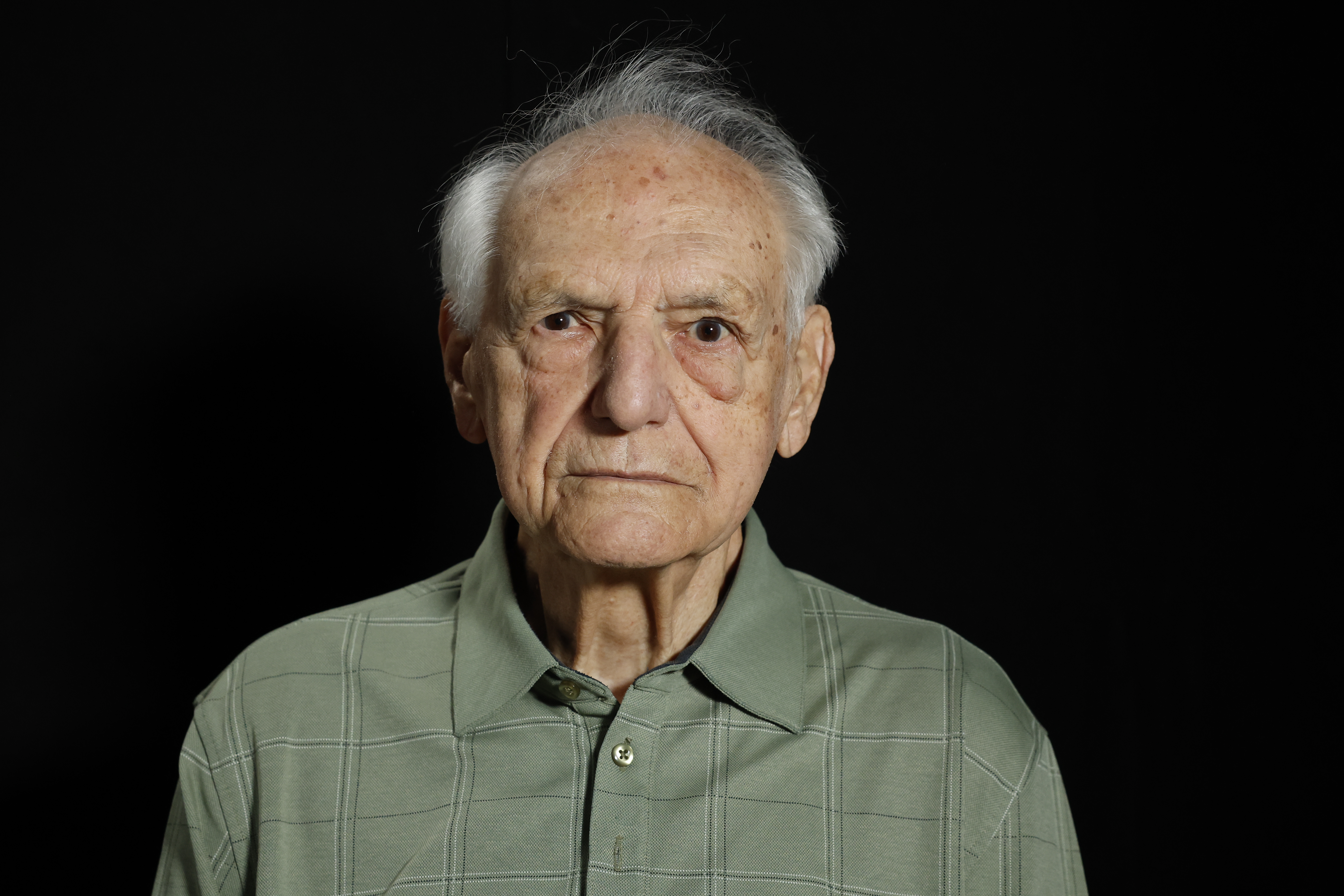
Stanislav Štýs was born on 22 October 1930. He spent his childhood in Chudeřín, close to Záluží near Litvínov. He grew up with his brother in a miner’s family. He was shaken by the events he experienced during World War II. He witnessed the bombing of the chemical plant in Záluží near Litvínov. He worked in a joiner’s workshop together with POWs. After the war he earned a degree at the Forestry Faculty of the Czech Technical University in Prague, and he worked himself up to one of the most successful forestry engineers in Czechoslovakia. In the aftermath of the 1968 invasion, he was expelled from the Communist Party. He devoted his life to recultivation and the protection of the environment. He helped create parks, forests, and ponds in areas devastated by lignite mining. He lectures on recultivation at universities and has written numerous books and participated in several films on the subject.