Miroslav Štrobl

* 1946

  • "I will not forget a full Wenceslas Square. It was fully crowded. We all knew everyone there, of course. And now you saw, when we knew each other, we all saw each other's plate. And Bohouš Kučera has it beautifully filmed - Kučera, who does those amateur film nights at the cinema. He has a beautiful documentary where there's a full square. Jarka Večeřílková was still interviewing somebody, different shop assistants, but there was a policeman, he was still in his National Security Corps uniform. And this Jarka also turned the microphone on him. And now you see how this man starts babbling, starts talking, as if it's good... How we lied to ourselves. So it was amazing, and then we even went to Prague to Letna, and that was great. It was great there. That's what you're glad to have experienced, well."

  • "And maybe with the hindsight of the years, and age qualifies me to say that, I can say we were naive. That we thought that socialism could somehow be reformed. Well, it can't. It can't. But nobody at the beginning, if somebody had said it was obvious, it wasn't. They couldn't have seen it coming. Nobody could have guessed that it would just collapse, but we had beautiful months where we could do anything. I'll never forget when I was at a Louis Armstrong concert in Lucerna, for example. That's unforgettable. And then at that party at the Semafor Theatre, when we were almost standing on our heads and Armstrong was playing his trumpet. It still gives me the creeps. And experiences like that that stay with you. And then the sadness that suddenly it's gone and it wasn't there anymore. And the ugly seventies were starting. But they were beautiful years."

  • "Kutná Hora as such, where I have lived since I was born, can be said to have basically not known the Second World War. Kutná Hora was completely uninteresting in terms of war events. There was nothing here, there was no industry here. So the only way one got to know, let's say, the war, so I'm simplifying it a little bit, but the only way one got to know the atmosphere of the world war was, on the one hand, the rationing of food and so on, but mainly how the Jewish families gradually disappeared from the society. Because my parents, my mother and father, had many friends here among the families of Kutná Hora, not only Jewish families. And then it would suddenly happen that, for example, mother and her friend would go to the corso on the square, where they had met Mrs. Hornstein. And she wasn't there anymore. So, according to this disappearance, I say, it's a little bit schematized, so the war, the atmosphere of the war, was felt here like this. I didn't experience it as a one year old boy, but that's what my parents maybe communicated to me afterwards when I was a little bit older."

  • Full recordings
  • 1

    Kutná Hora, 15.11.2024

    (audio)
    duration: 01:45:58
    media recorded in project The Stories of Our Neigbours
Full recordings are available only for logged users.

The secondary technical school was a mistake, the culture made sense to me
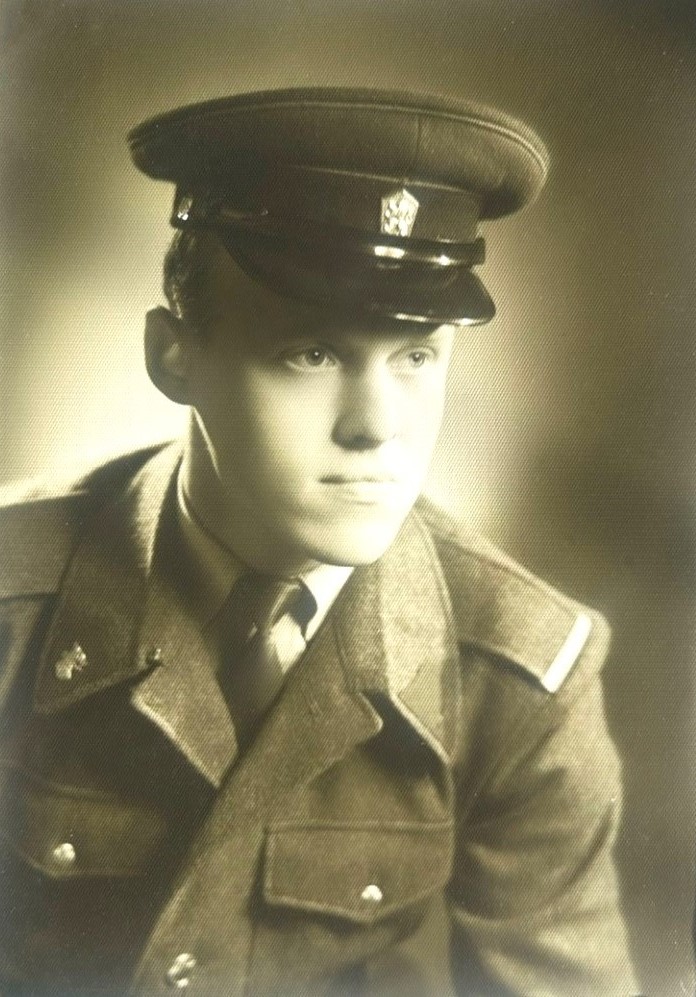
Miroslav Štrobl during his military service, 1965
photo: Witness´s archive

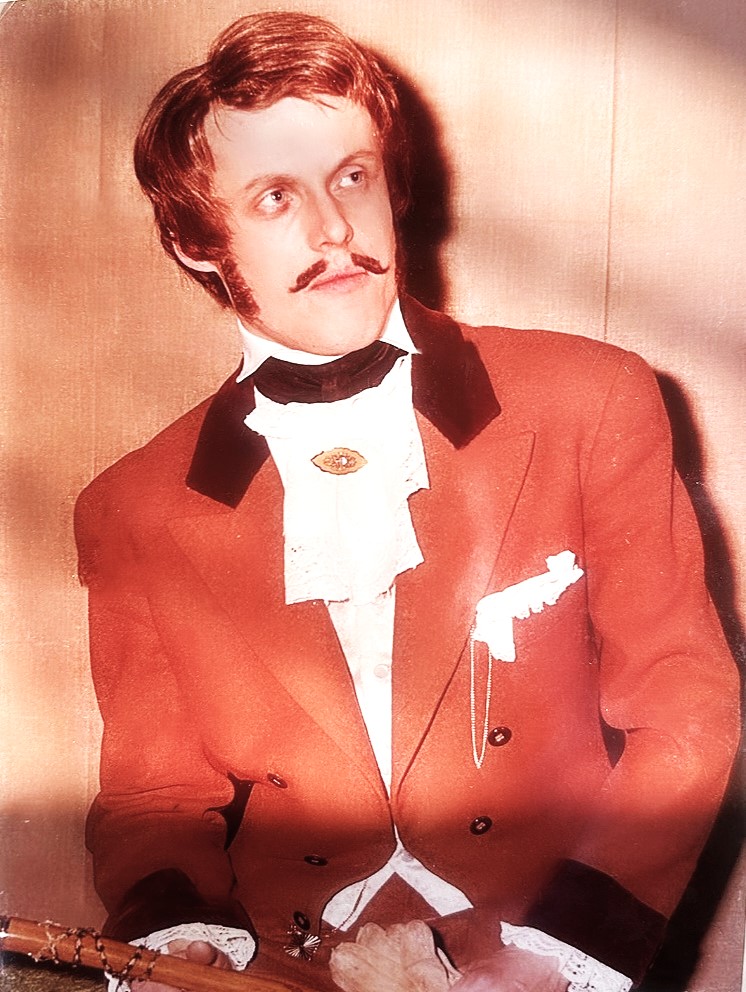
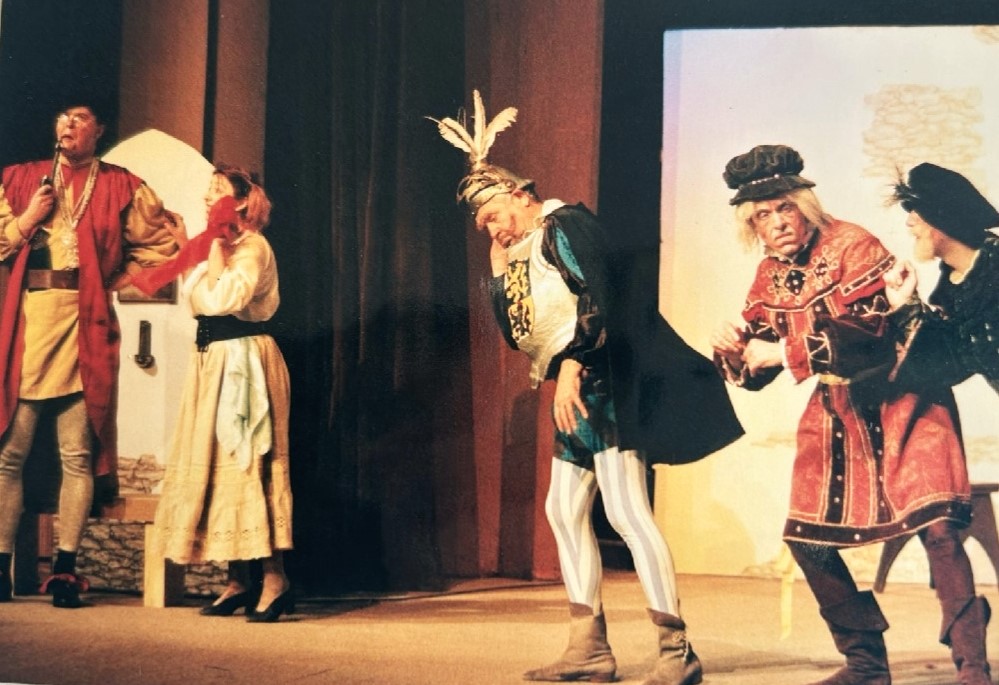
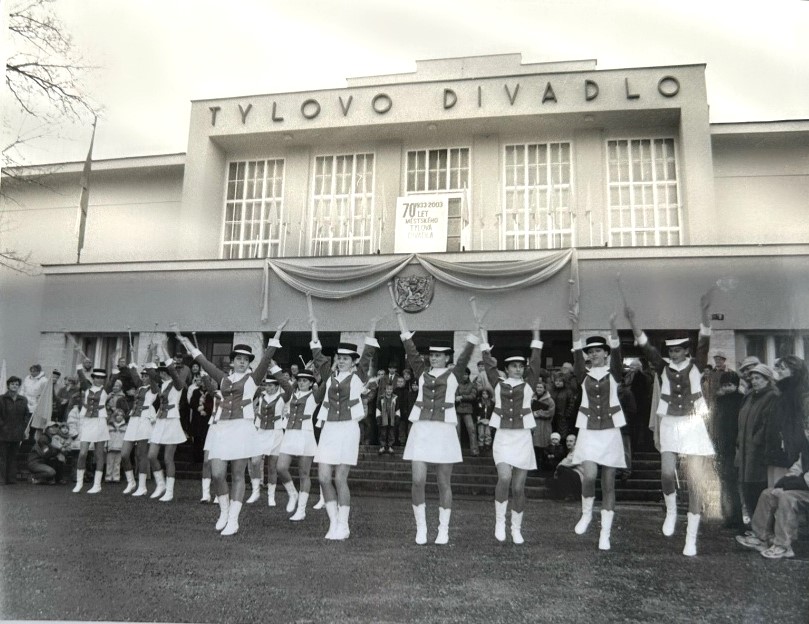
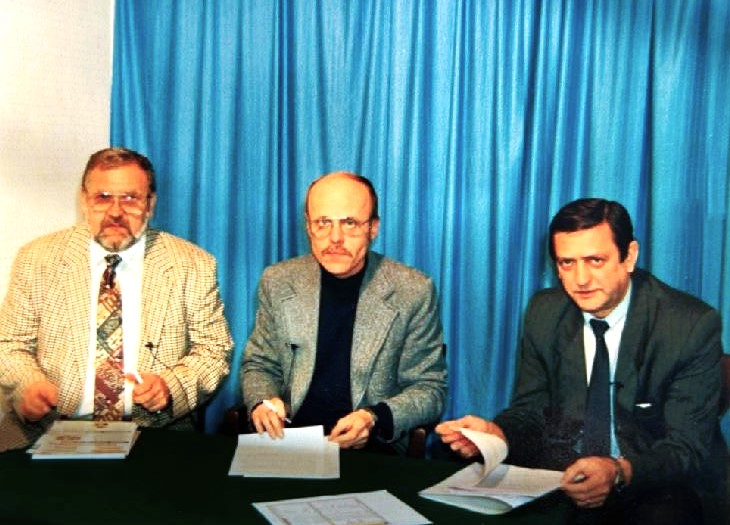
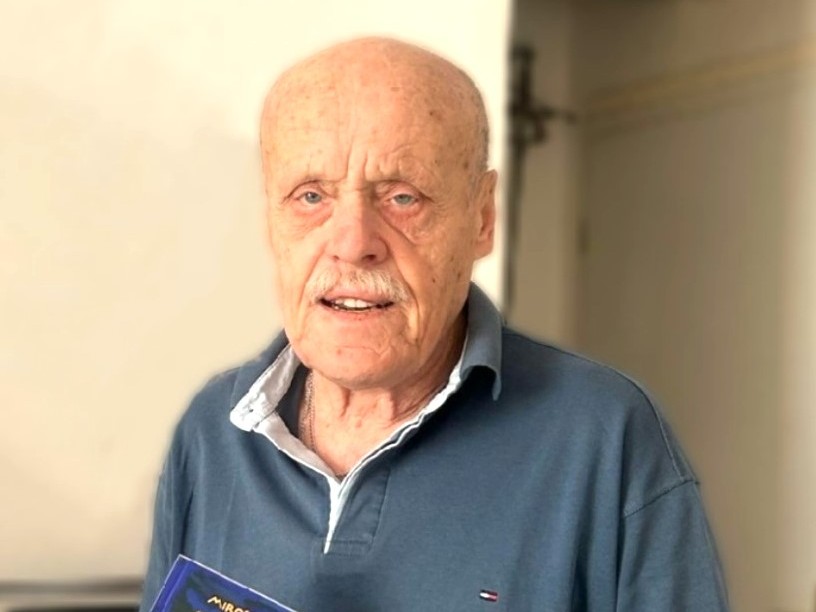
Miroslav Štrobl was born on 8 February 1946 in Kolín. Both his parents were civil servants. He graduated from secondary technical and aviation repair school, but from his youth he was attracted to the theatre. After the war in Český Těšín he joined the Aircraft Repair in Kbely. Thanks to this, he experienced the Prague Spring in the capital. After the occupation, he returned to his native Kutná Hora, worked briefly for ČKD, but then was offered to work with the Kutná Hora Cultural Centre. He became a prominent face of the local Tyl Theatre and devoted his entire life to local culture. In 1982 he came under the radar of State Security and was persuaded to cooperate, but he refused. After the Velvet Revolution he was appointed director of the Tyl Theatre and held this position until 2003. Today Miroslav Štrobl guides tourists around Kutná Hora, where he passes on his knowledge and love of history. In addition, he is also the author of several books, including Kutná Hora Tales, Respectful Homage and Respectful Servant. He was living in Kutná Hora in 2024.