Ján Šramko

* 1938

  • "The only thing I remember from the Slovak National Uprising is that all my uncles and neighbours came out en masse to the square, I was a child... I was six years old. So what I remember, I admired that they went, there were lines and they were given a rifle. I wanted a rifle too. But they didn't give it to me as a kid. And then these old cars would come and they'd get in and drive off. I don't know if it was to the woods or just to a gathering place somewhere. And then the bad times started, when the Gestapo was on the rampage, we didn't go out of the house anymore. We weren't allowed to go to school, we weren't allowed to go out of the house, into town. Curfew. But to this day I still wonder how our mother could cook if we weren´t allowed to go out."

  • "The most shocking thing I can remember, I saw it with my own eyes. There was a clothes merchant, Bruner* was his name. He was a German. Which side of German he belonged to, I don't know. And so this Red Guard at that time - and it's true, I'm sorry to say it was so - they put him on a wagon with no handrail, just a plateau, and they drove him around the city for a demonstration, tied up, bound up lying down. And at that time, as boys with Dušan Kybel, we said, 'What if we cut his handcuffs?' He might give us something. Because Bruner, the shopkeeper, we knew him, my mother used to go and buy some shirts from him sometimes. We knew he had money. That was the most horrible picture I saw in my life in Liptovský Mikuláš after the war." - "How did it turn out with him?" - "They shot him." * or Brunner - the exact written form of his German name was not given by the witness during the recording, as was the case with the name of his friend Dušan.

  • "I've always respected their achievements in World War II, the sacrifices and all that. When that army did such a dirty trick - the army, I mean, those guys weren't to blame, the leadership, what do you want? Can you like them? You can't. It's as if my neighbour were having an affair with my wife while I'm away. Or force his way in and take what he wants. That's the same thing. I say - to this day, and I won't retract it, it was a pure, by all rules, occupation."

  • Full recordings
  • 1

    Olomouc, 04.07.2021

    (audio)
    duration: 02:08:26
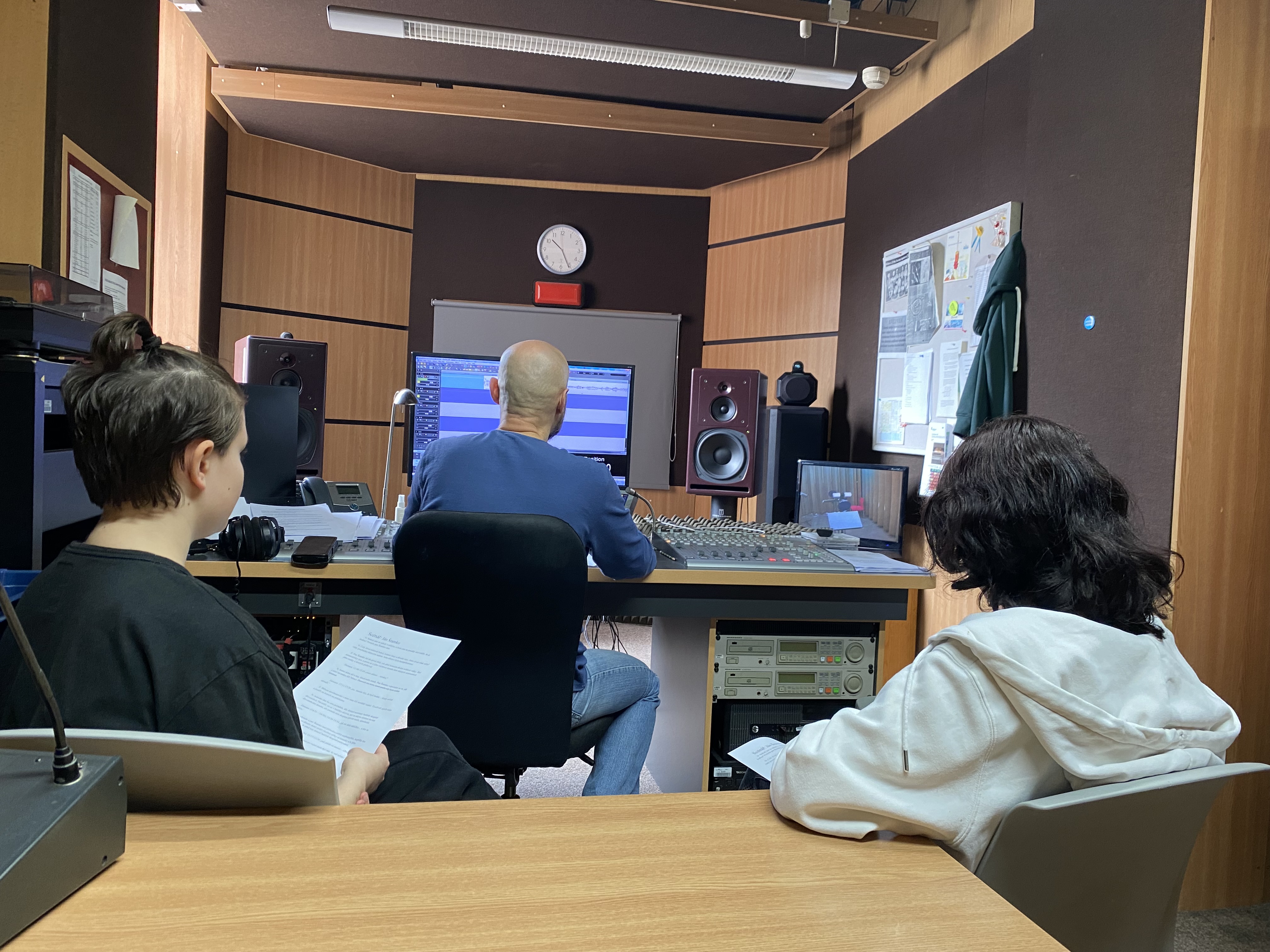
    media recorded in project Stories of the region - Central Moravia
  • 2

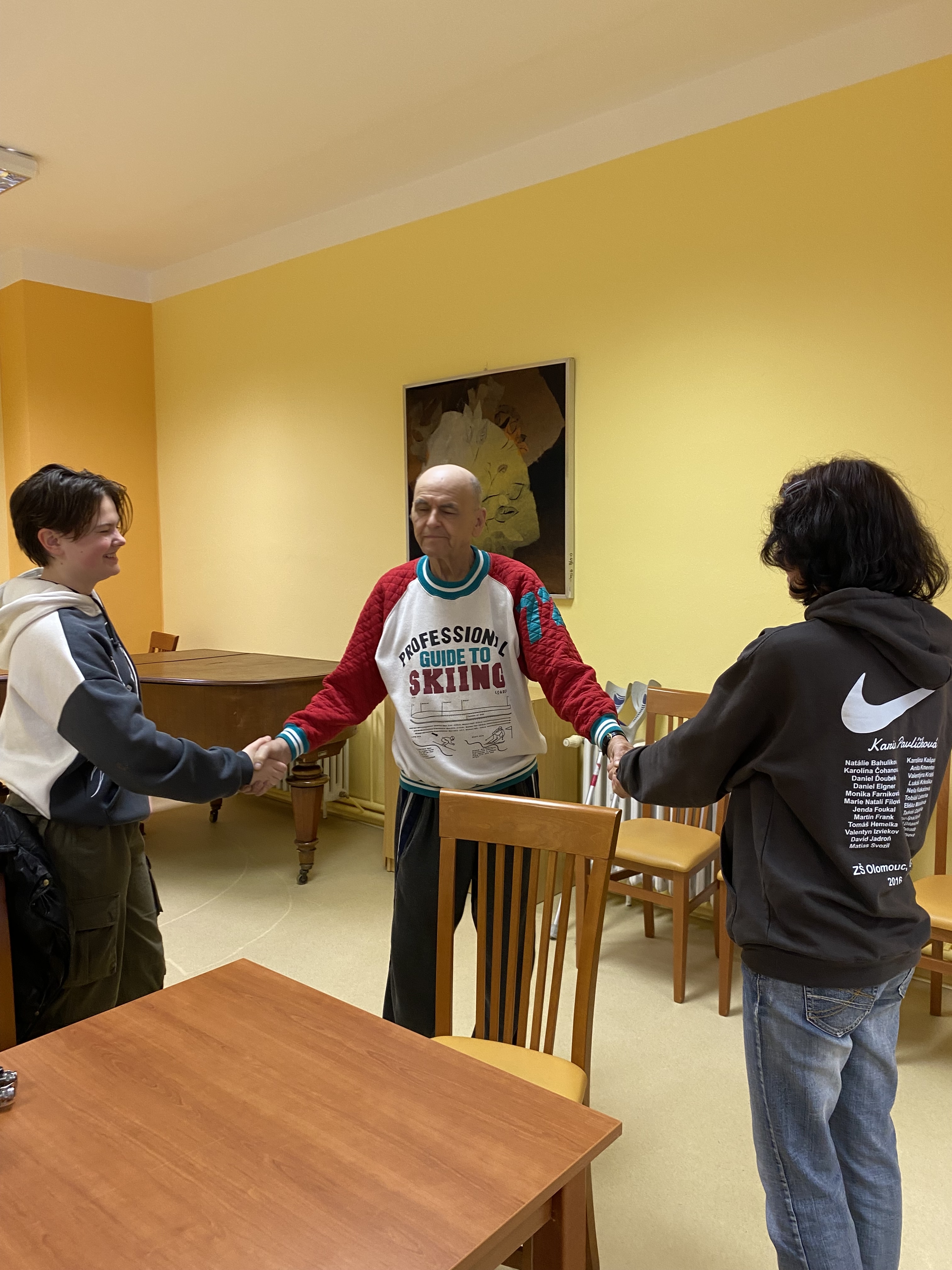
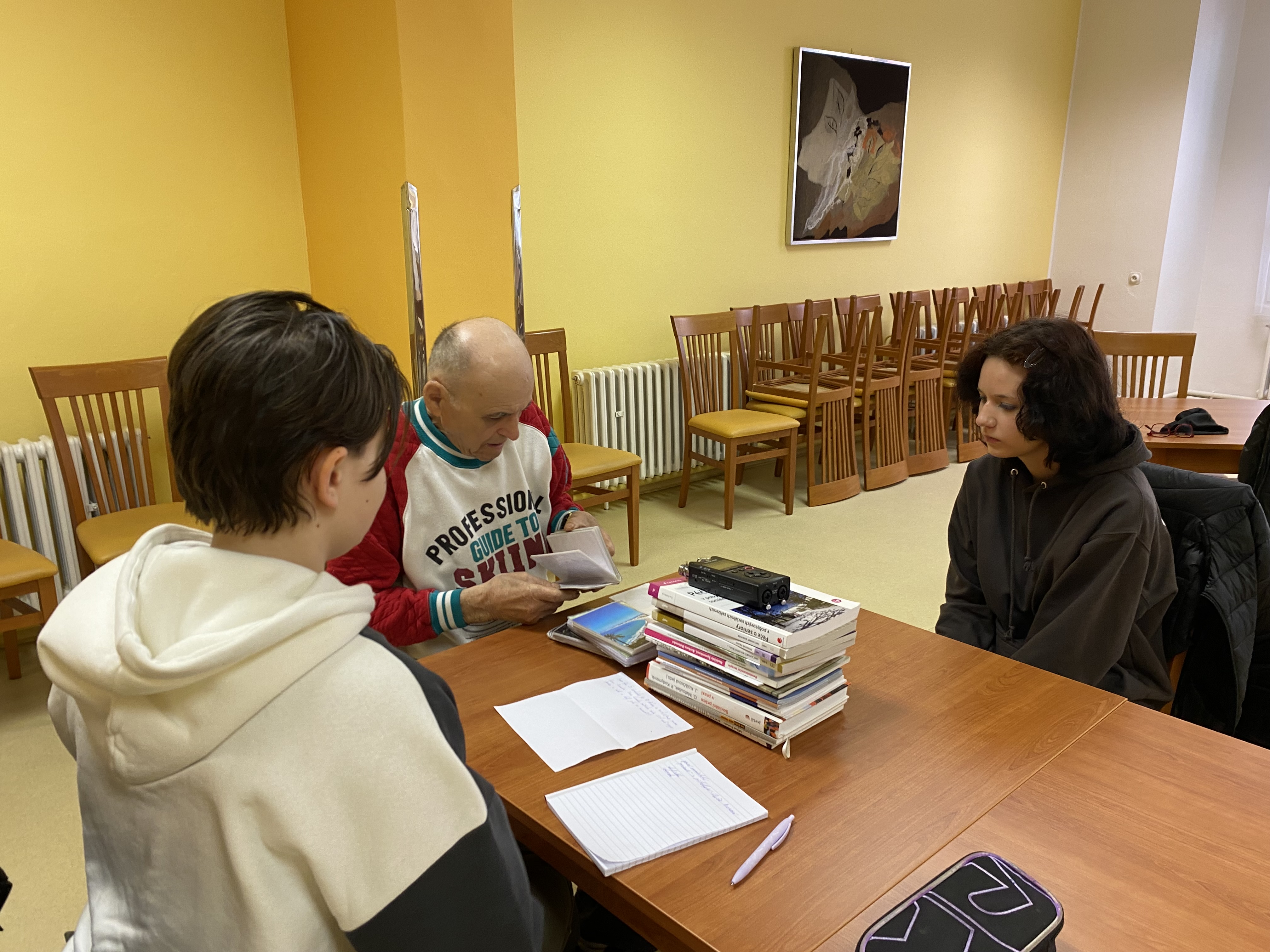
    Olomouc, 08.04.2025

    (audio)
    duration: 01:21:22
    media recorded in project The Stories of Our Neigbours
Full recordings are available only for logged users.

The occupation was a foul trick. It was as if my neighbour were having an affair with my wife. He forced his way in and took what he wanted
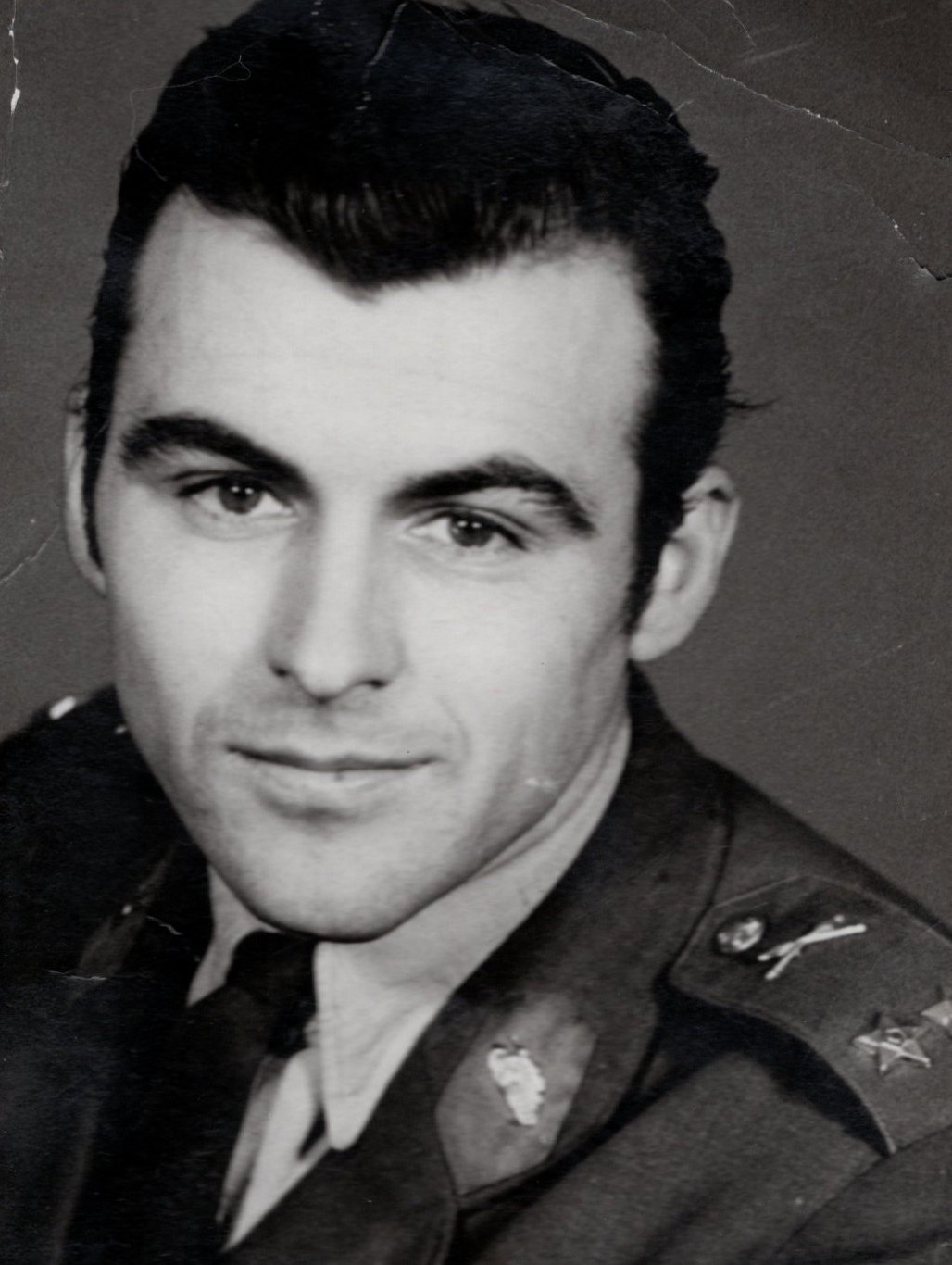
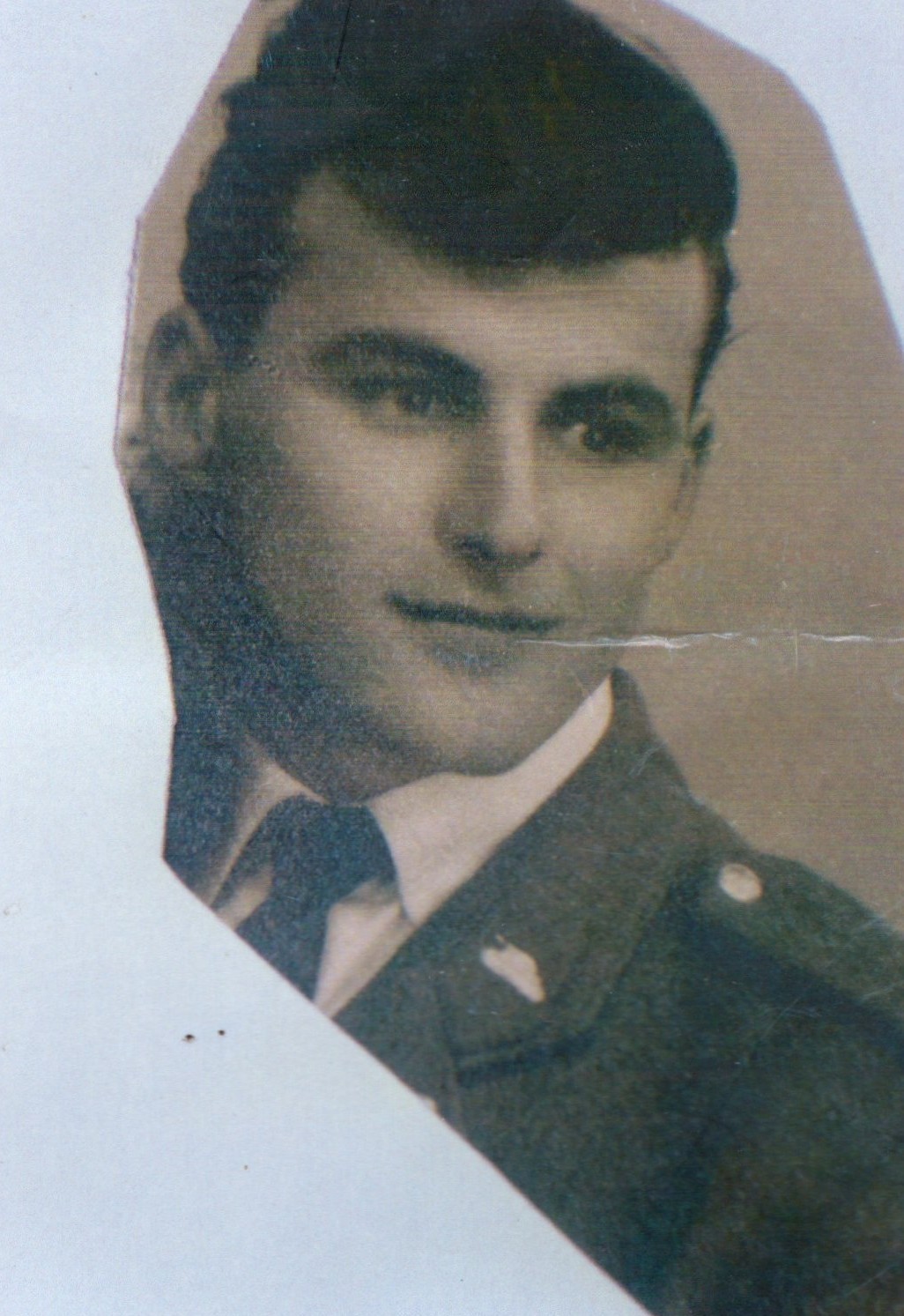
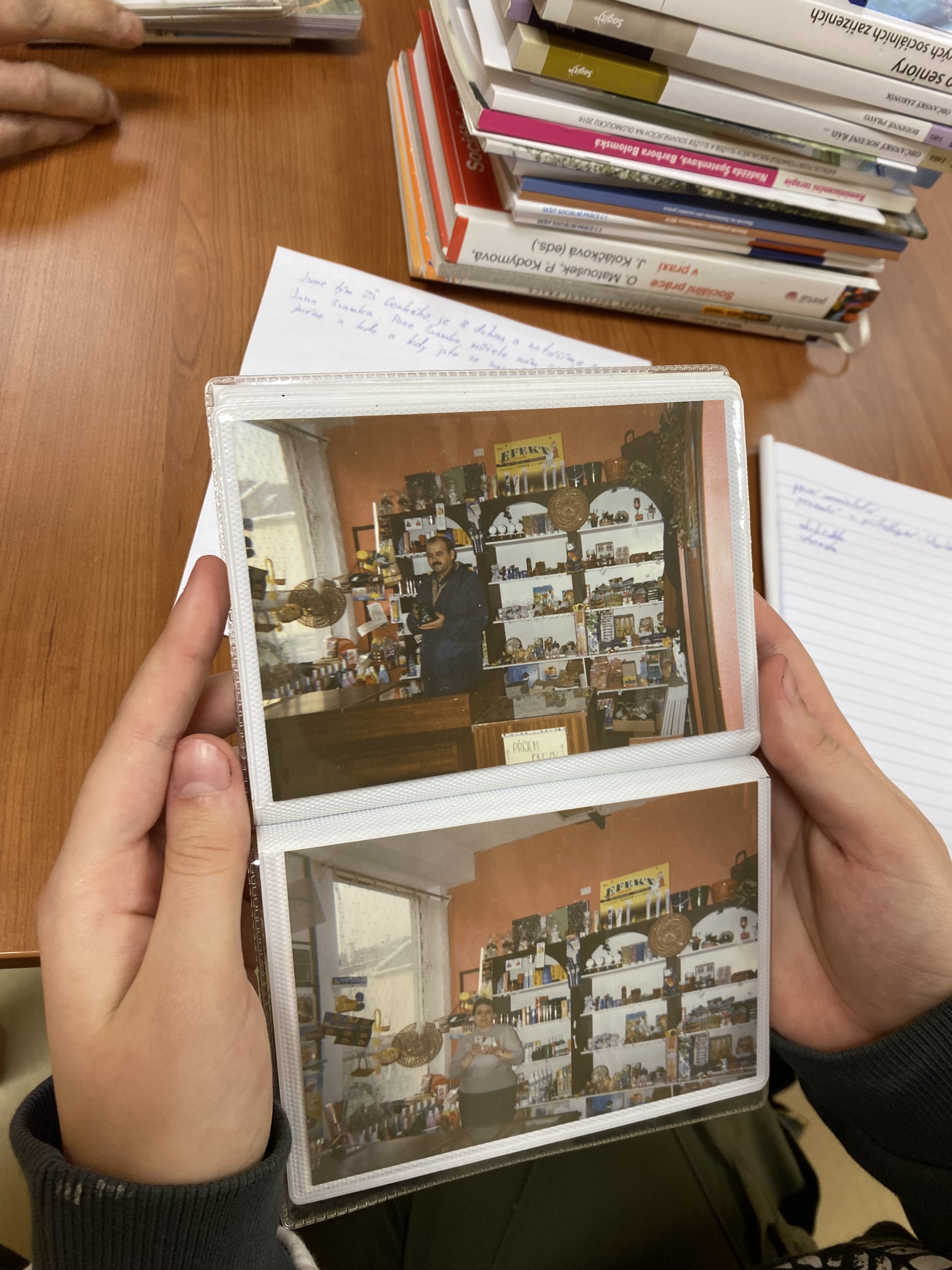
Ján Šramko in 1961
Ján Šramko in 1961
photo: witness´s archive

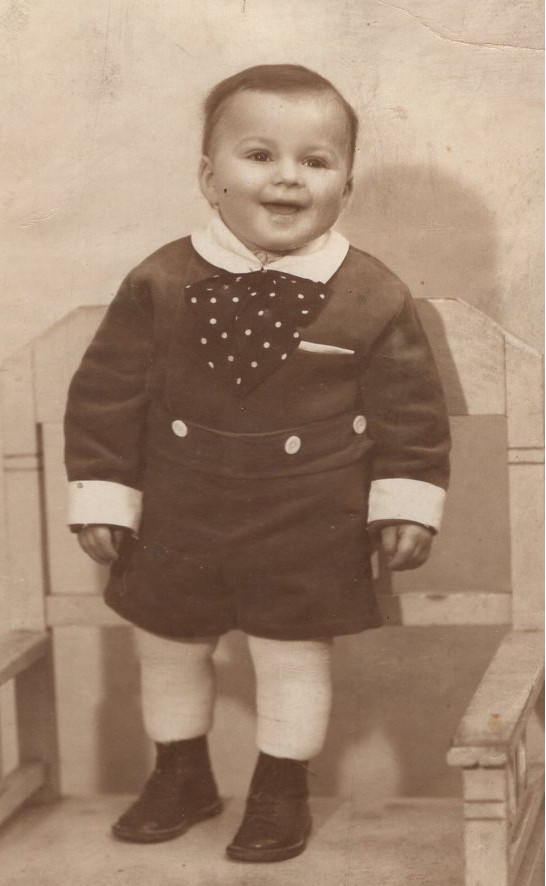
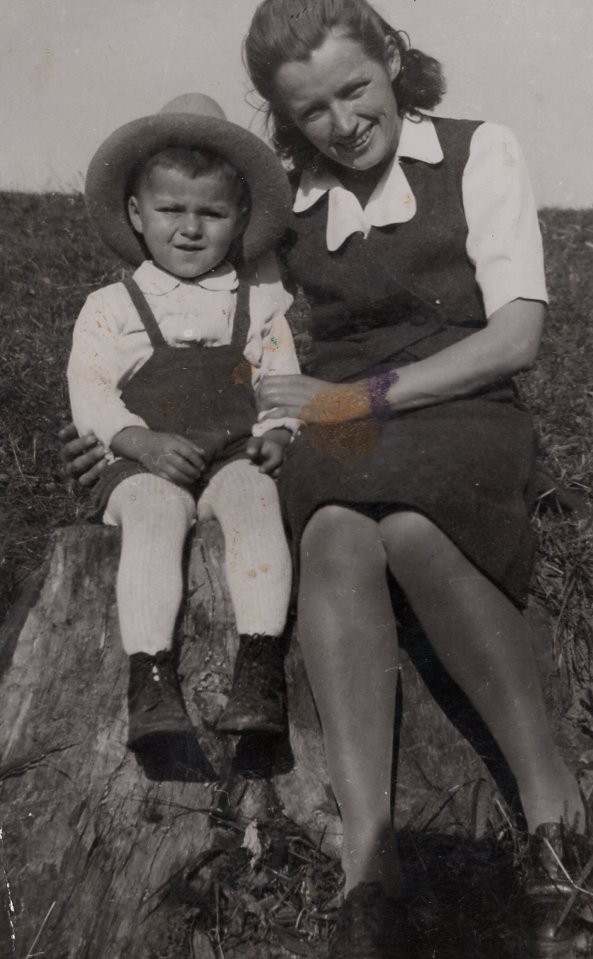
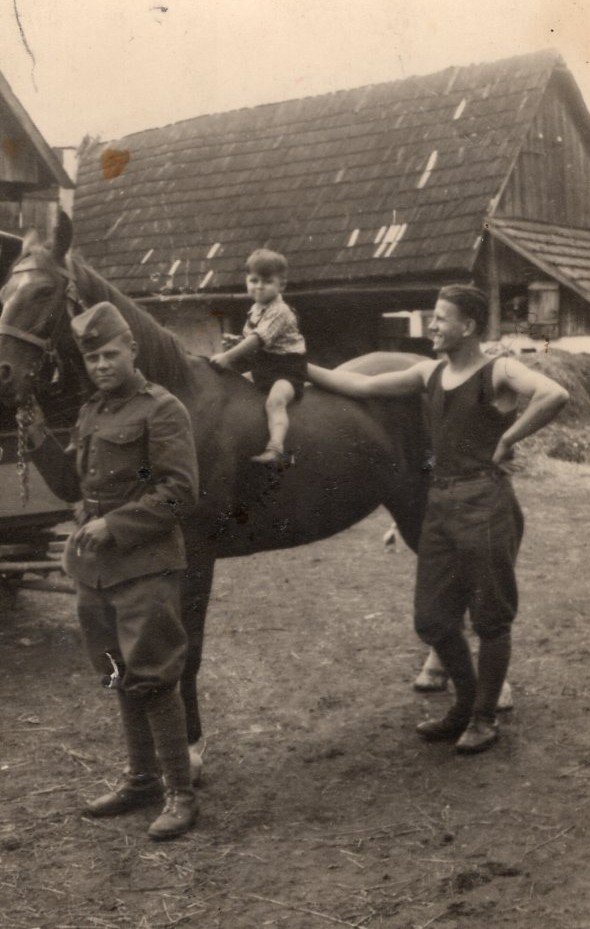
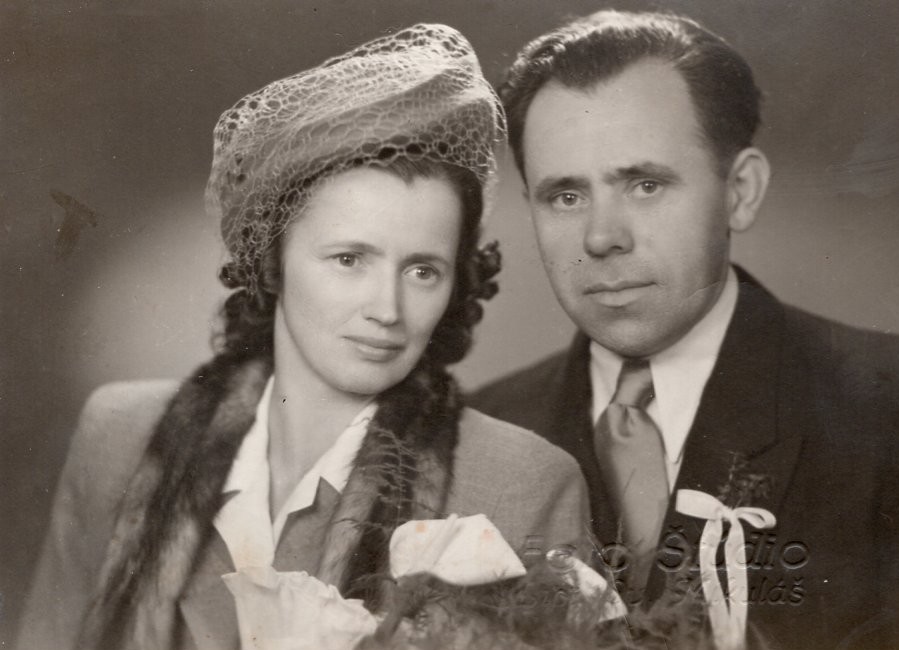
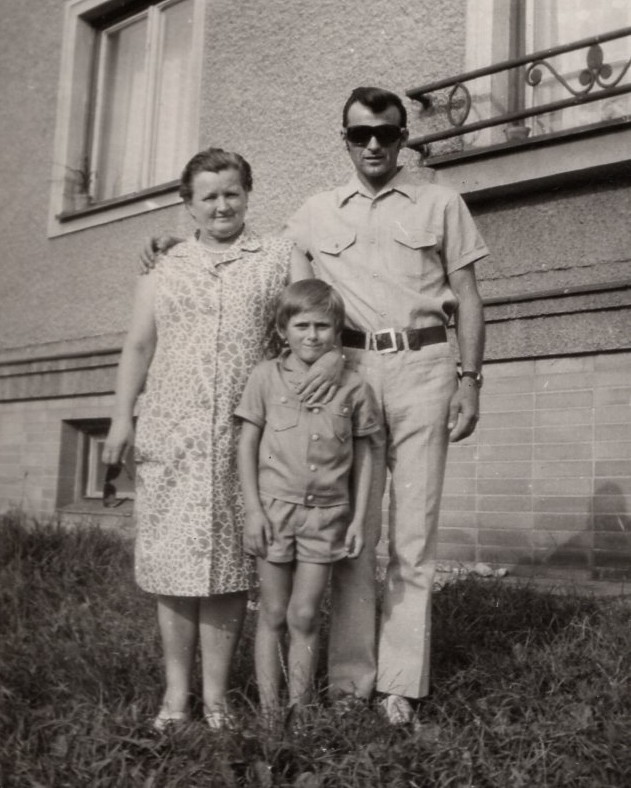
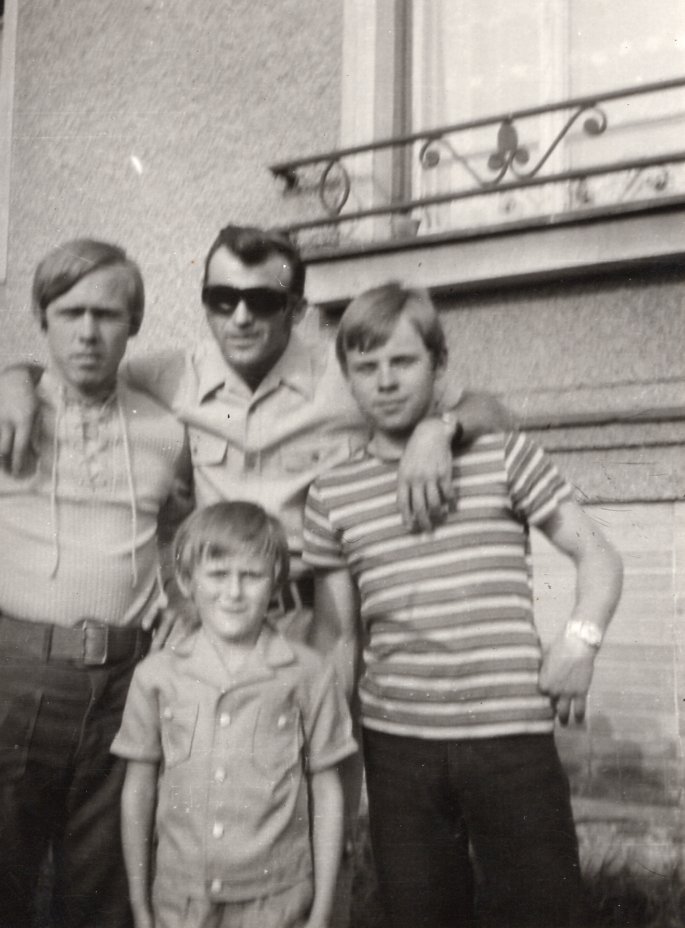
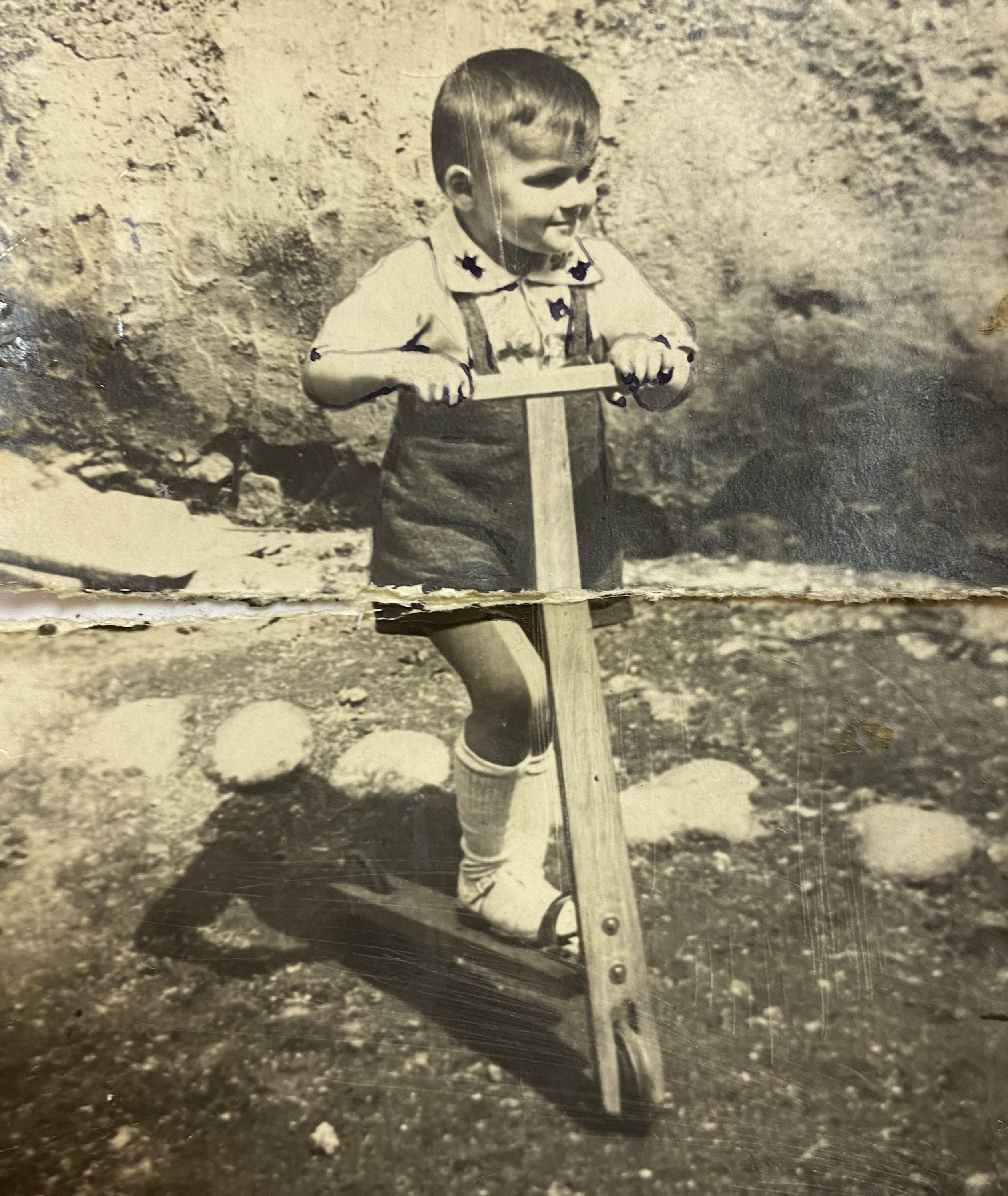
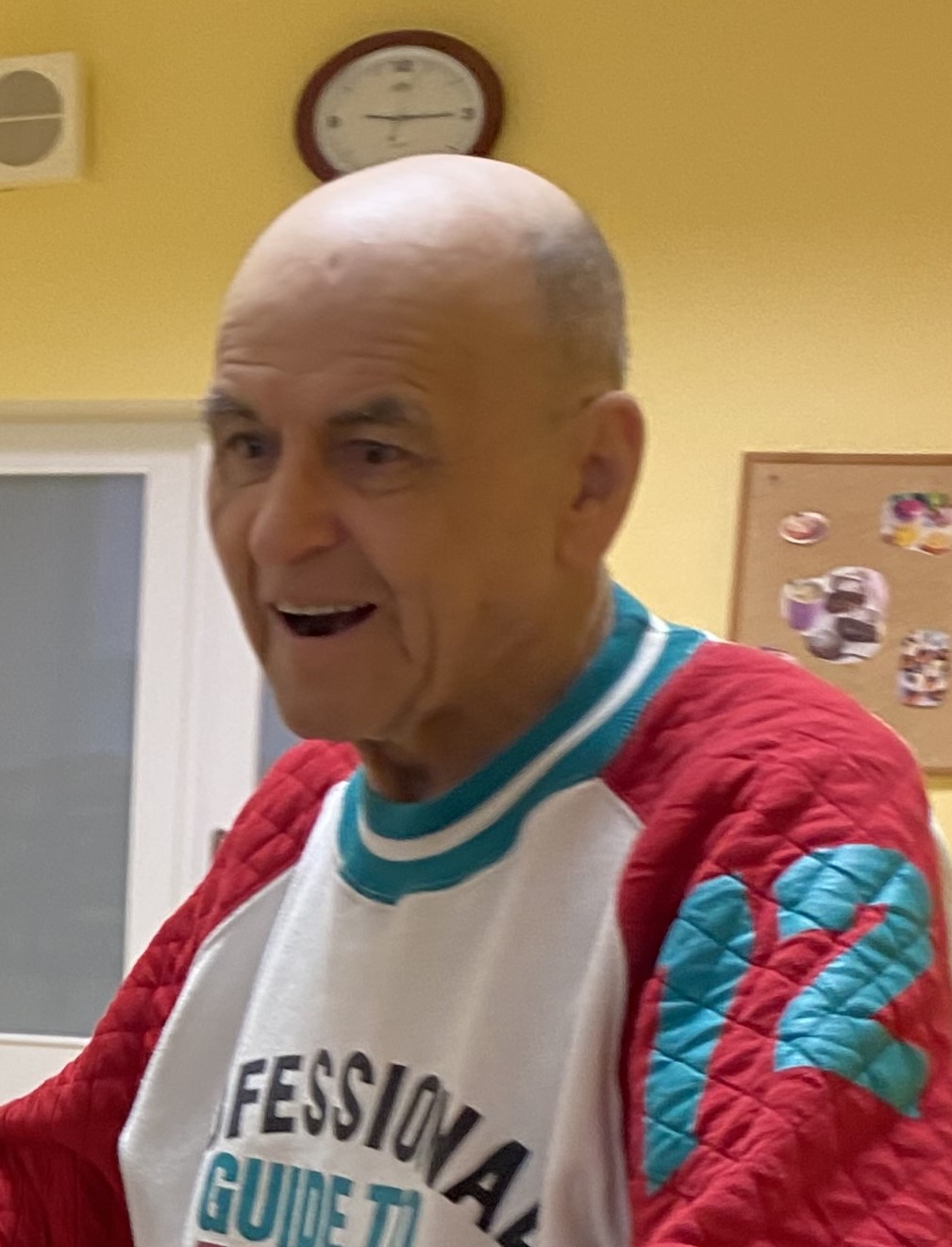
Ján Šramko was born on 21 January 1938 in Liptovský Mikuláš. Less than two years into his life, the World War II broke out. Although he remembers nothing of its beginning, the Slovak National Uprising and the liberation of Czechoslovakia, during which he hid with his mother in the cellar, are etched in his memory. As well as the post-war confrontation between the locals and the Germans and their collaborators. After the war, at his stepfather’s request, he trained as a miner. When a colleague tragically died while working in the mine, the witness was wrongly convicted of disrupting the economic plan. To escape the unjust punishment, he began to study at a military school. He served in the army for a number of years, later retiring to civilian life. Although he was not a direct enemy of the ruling regime, he unequivocally condemned the occupation in 1968 and still holds the view that it was a betrayal. In 2021, at the time of filming for Memory of Nations, he was living in a home for the elderly in Olomouc.