"I was in America. I was doing my PhD in America, I was watching it on TV and I was jumping with joy. It was such a joy that I can't even describe. I think in this book I was trying to sort of understand the regime, understand what a terrible regime it was, how terrible the destruction... I don't judge. I'm describing it and analyzing it, but when we talk like this in conversation, it was a regime that... There's probably a lot of other people doing the same or worse, but it was a regime that did so much damage. A regime that destroyed so many lives, so much talent. I felt in 1989, when I wasn't as clear about it as I am today, that 1989 was a divide between that terrible regime and the future. It wasn't and isn't so clear, but I think the fact that that regime ended is historically very important. What the study of history has also taught me is that history lives in the present. That is, the horror that we had then, that we lived in, and for which, to paraphrase Havel, we were partly responsible, continues to this day. That is what we see in today's situation. At the same time we, got something from Havel's mission. To live in truth. I think we have the horrors within us, but we also have Havel in us as in 'live in truth'. That's one thing. Second, I listen to Radio Vltava live every morning when I come here before I start working on something else. I go to theatres and concerts and exhibitions. There's so much creativity here. Not that there isn't in other nations, but there's such creativity here that I say the Czech nation will never die out. It will live forever because it is so creative."
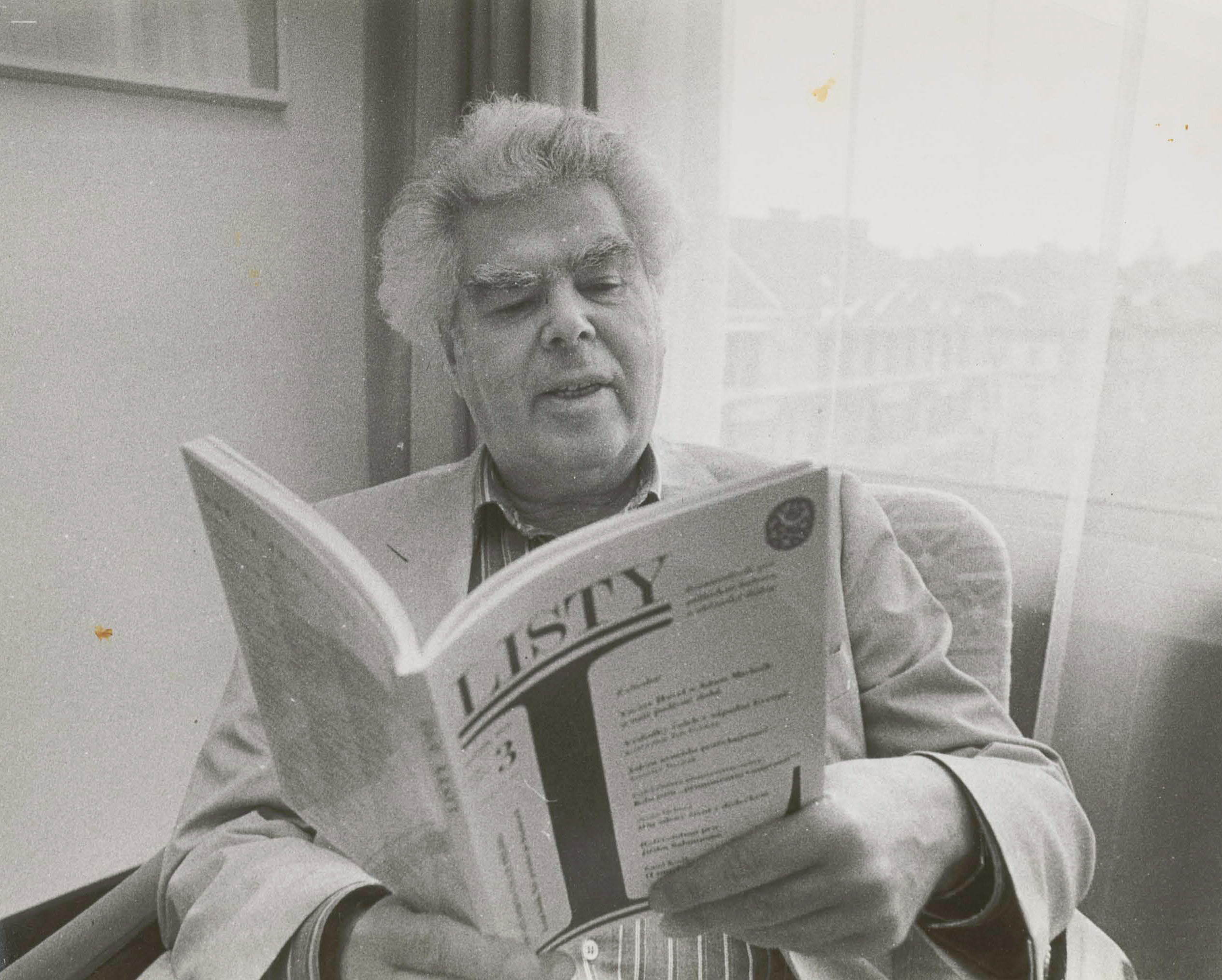
"Jiří Pelikán was the director of Czechoslovak Television when he left Czechoslovakia. He went to Rome, immediately established himself and cooperated mainly with Western journalists and television and radio. And over the initial weeks, months and the first two years he wrote mainly about Czechoslovakia. Since he was the director of the International Union of Students in the 1950s, then the director of Czechoslovak Television from 1963 until 1968, he had tremendous international relations. When he left in 1968 at the behest of the Soviets and the normalization regime, he settled in Rome and in 1969 published an article in the London Times saying what exile meant to him. Exile means above all, to not keep quiet. He founded the Listy magazine in 1970, though it only started circulating in 1971, and it begins with the words 'Why we must not be silent'. That's the point, that's what he was after. We must not be silent about what is happening in Czechoslovakia. How do we do it? In Czechoslovakia, speech was silent. Listy for years was devoted to making sure that the Czech word, Czech creativity, political, writerly, poetic, of all kinds, not sculpture and not painting, of course, but that Czechoslovak creativity amd ideas could not be silenced by a regime as illegitimate as Husák's. Listy was made to express everything that could not be said in Czechoslovakia. It was mainly Czechoslovak articles, which had to get out of Czechoslovakia to be published in the Listy, and the Listy then had to get to Czechoslovakia. It was all such a complicated system that the articles that were written here had to get out, they were published outside in the Listy, and the published Listy articles had to get back here. This was a massive and dangerous job, with a few dozen or so people giving their time, but mainly they were targeted by the police and many of them were in prison, in and out. We know them today. Jiří Pelikán got the money for it, got dozens of contacts outside and here, and the magazine ran non-stop between 1971 and 1989. I think the magazine was extremely important. There were other magazines, like Pavel Tigrid's Svědectví, which had a different mission. Listy had the mission of continuing the ideas of democratic socialism from 1971 to 1989. At the same time, it was pluralistic because it published articles not only by socialists or only by people who wanted to continue the Prague Spring, but also, especially after 1983, a lot of articles by Václav Havel."
"In the meantime, I think it's 22 and 23 [August], Vladimir and the TV team left for the Kleť transmitter in southern Bohemia, and from there they broadcast until 26 August when they were warned that Soviet tanks and troops were approaching the transmitter, and so they left. Some of the technicians returned to Prague and Vladimir crossed the border into Austria. Before he left, he asked a co-worker to tell my mother that he was leaving for Vienna and to come and join him, which my mother did on 28 [August]. Of course I went with her, and we arrived in Vienna. The experience was incredibly difficult. Even when I think back today about leaving Czechoslovakia in 1968, I say, 'That was nothing', but when I really think about it, it was traumatic. It was traumatic because the invasion was traumatic. Not the actual departure, but the invasion: it was so unexpected. Even though people started saying afterwards, 'What did you expect? This was bound to happen'. No, it didn't have to happen, we didn't think that way. We just really thought that democratic socialism was possible. I was 19. I think a large part of society thought that some change was possible. Those who say that it was impossible and that they knew it, I think they're not all telling the truth. We left a week later, I got a ticket from a Jewish organization and I was able to go to London where I started my studies as British universities opened their doors to Czechoslovak students, and we were able to start immediately and have scholarships, which was fantastic."
"It's 1945 and the war is not yet over. My mother hears at the British Club in London that Bergen-Belsen has been liberated. What motivated her at age 19, it's unbelievable. She says, 'I'm going to Bergen-Belsen', which they knew nothing about. 'What if my mother is there', though they thought she was dead. How exactly they put it together I don't know, but the fact is she went to Brussels, to the Royal Air Force Headquarters and they arranged for her to take a Dakota to Celle, which was an airport near Bergen-Belsen. She flew there, and there was a car waiting for her, organised by a Jewish rabbi from Brussels, to take her near Bergen-Belsen, which is infested with typhus. She gets out of the car and asks the commander at the gate, 'Is Anna Ornstein here?' He tells her what he does. Then there's this Margaret, and she takes her to the shack where her mother is. She comes into the hut and Margaret says, 'Ruth, wait outside here because your mother is very weak with typhus and I have to prepare her for you being here.' So she sort of prepares her, tells her that a group of British nurses have arrived. And Anka, who's lying on the floor, weighing merely forty kilos, says, 'Come on, how can my daughter be among the nurses?' My mother said she couldn't take it anymore, she burst into the room and saw the old lady lying on the floor, and she fainted when she saw her daughter. A Belgian doctor comes in, gives her a shot, she pulls herself together, and now there's a lovely conversation between a mother and her daughter where the mother - toothless and grey-haired, the beautiful mother, Anna Ornstein - asks her daughter, 'Do you have a picture of Dad?' Ruth takes out a photo of Dad, and the grandmother, toothless, grey, forty pounds, says, 'He's gotten old.' Mum said this was just incredible, coming from her mother, who I'm sure hadn't seen herself in the mirror for a long time. Then she asks her if she has any clothes for her to wear, and she asks her if she has any lipstick, and she begins to live again. That's very interesting and terribly painful for me, because even though this is what this mother of mine experienced in 1945, she could never forgive her mother for letting her leave on her own at age 13. And even though she saw this horror, even though Bergen-Belsen in early May or mid-May was no longer the Bergen-Belsen of 15 April when the British and Canadian troops came in to actually find these mountains and mountains of dead bodies, naked and lying in excrement, she didn't experience that. It had changed in a month, but probably not completely. And even though she had seen the horror her mother had spent four years in, she had never forgiven her in her life. That's my interpretation; she never talked about it. My mom didn't talk about things that were painful. She never talked about them."
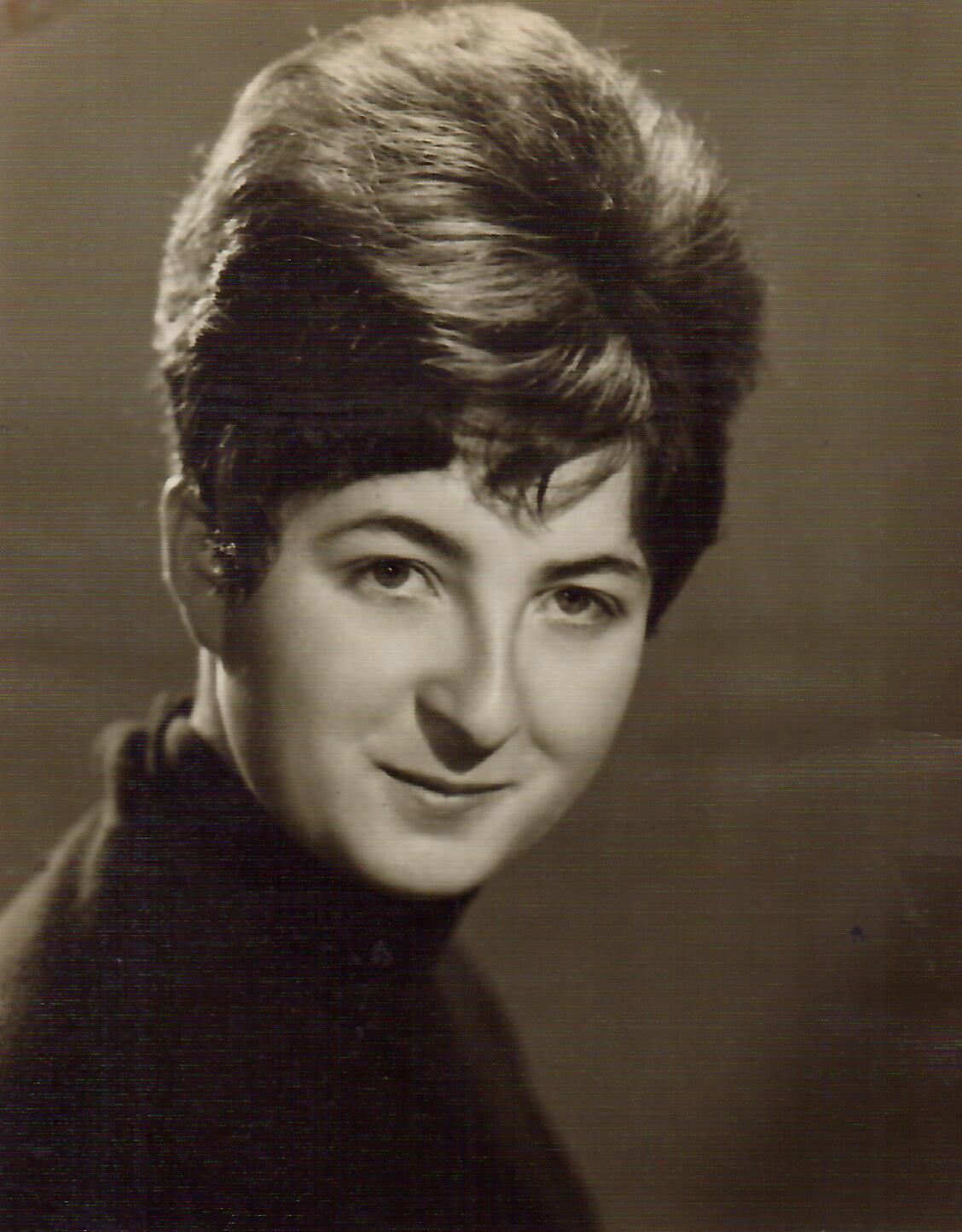
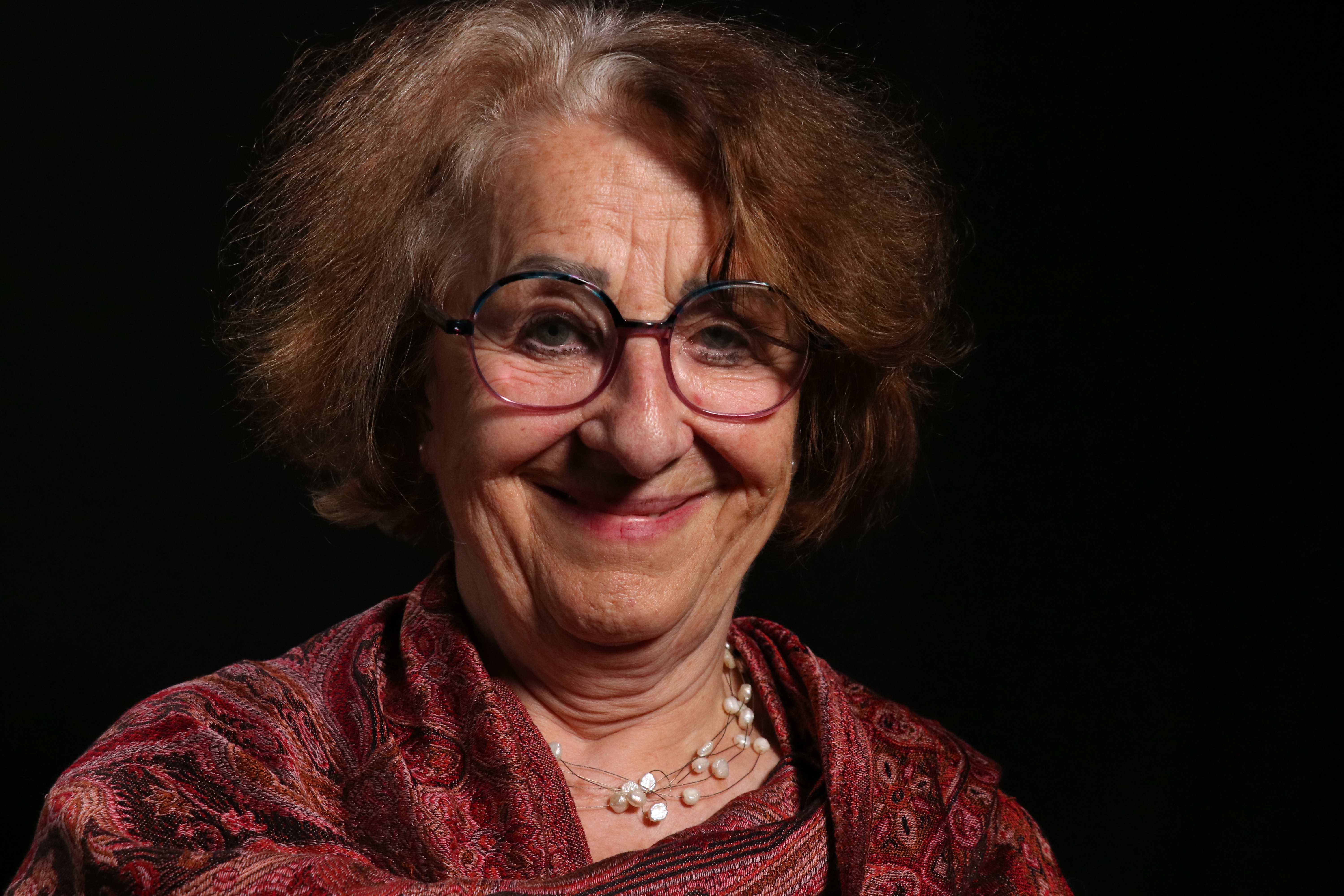
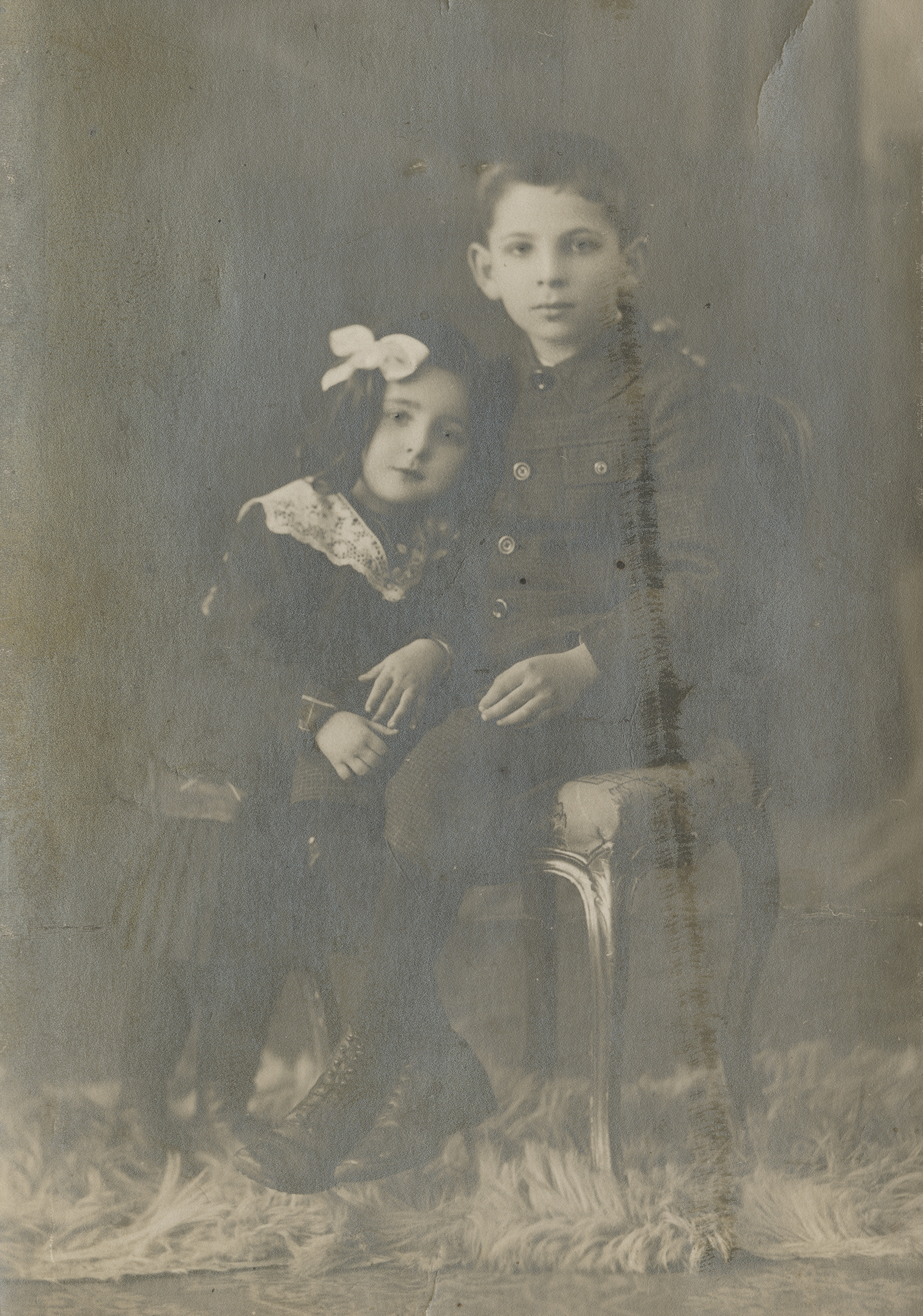
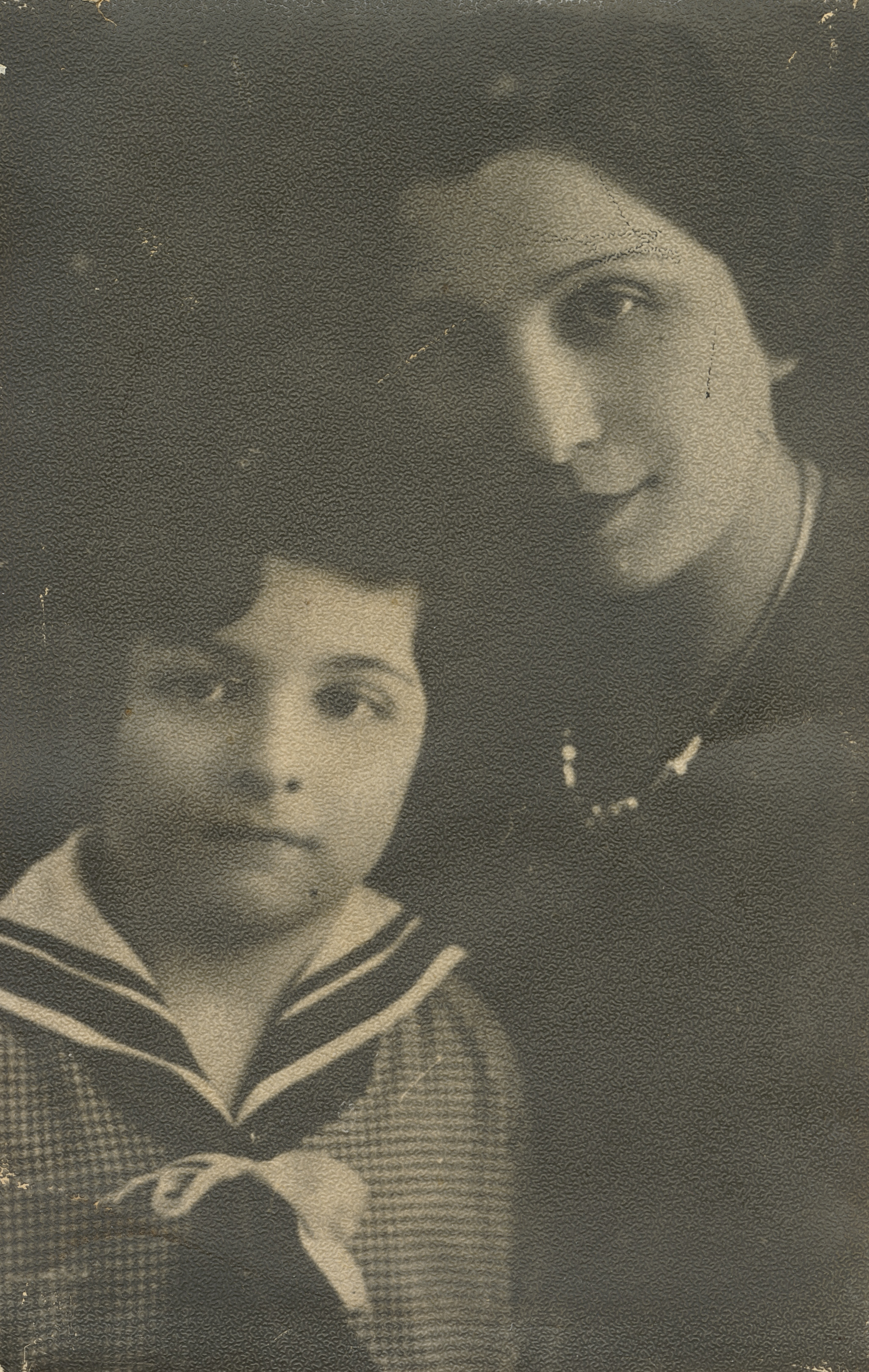
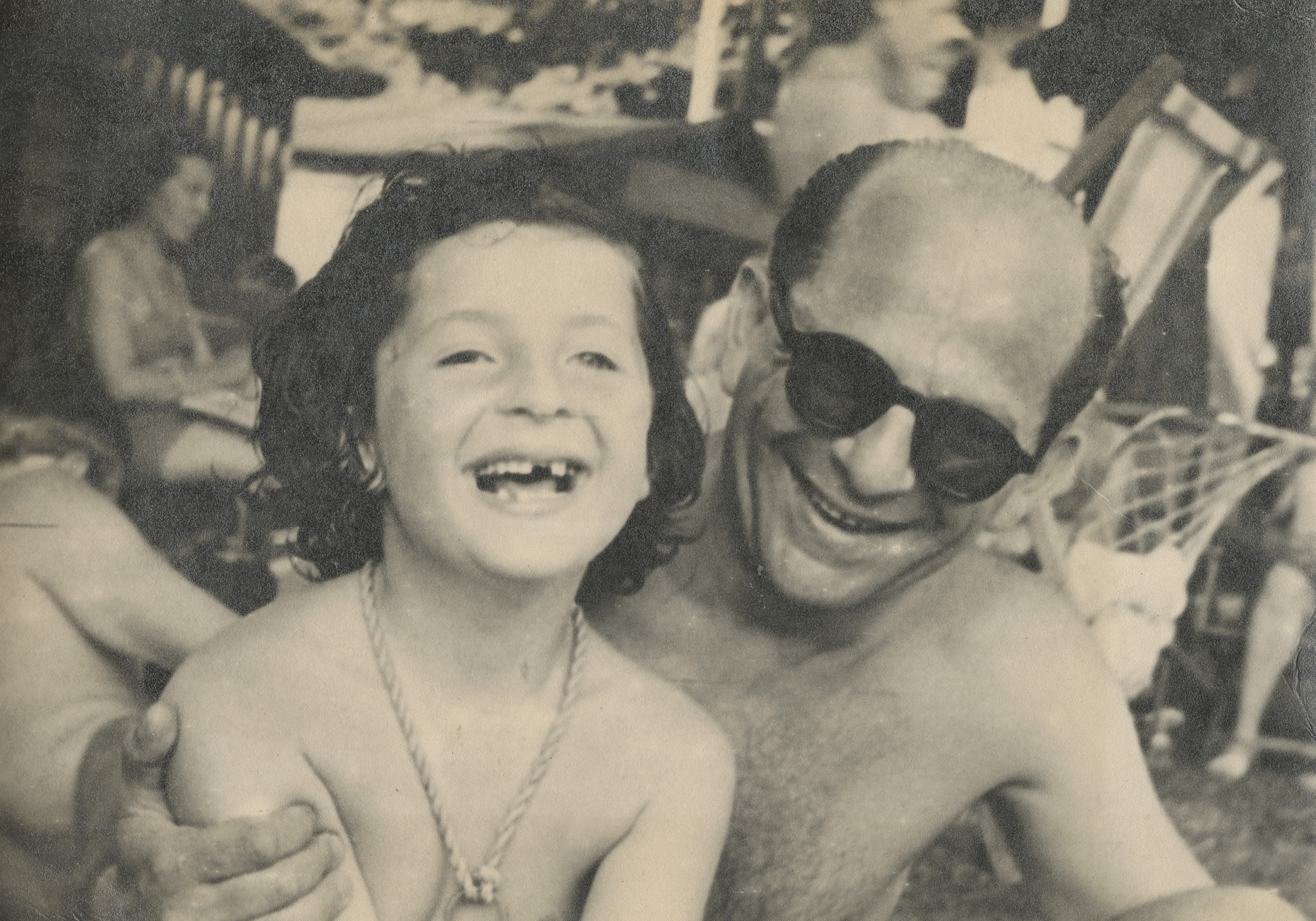
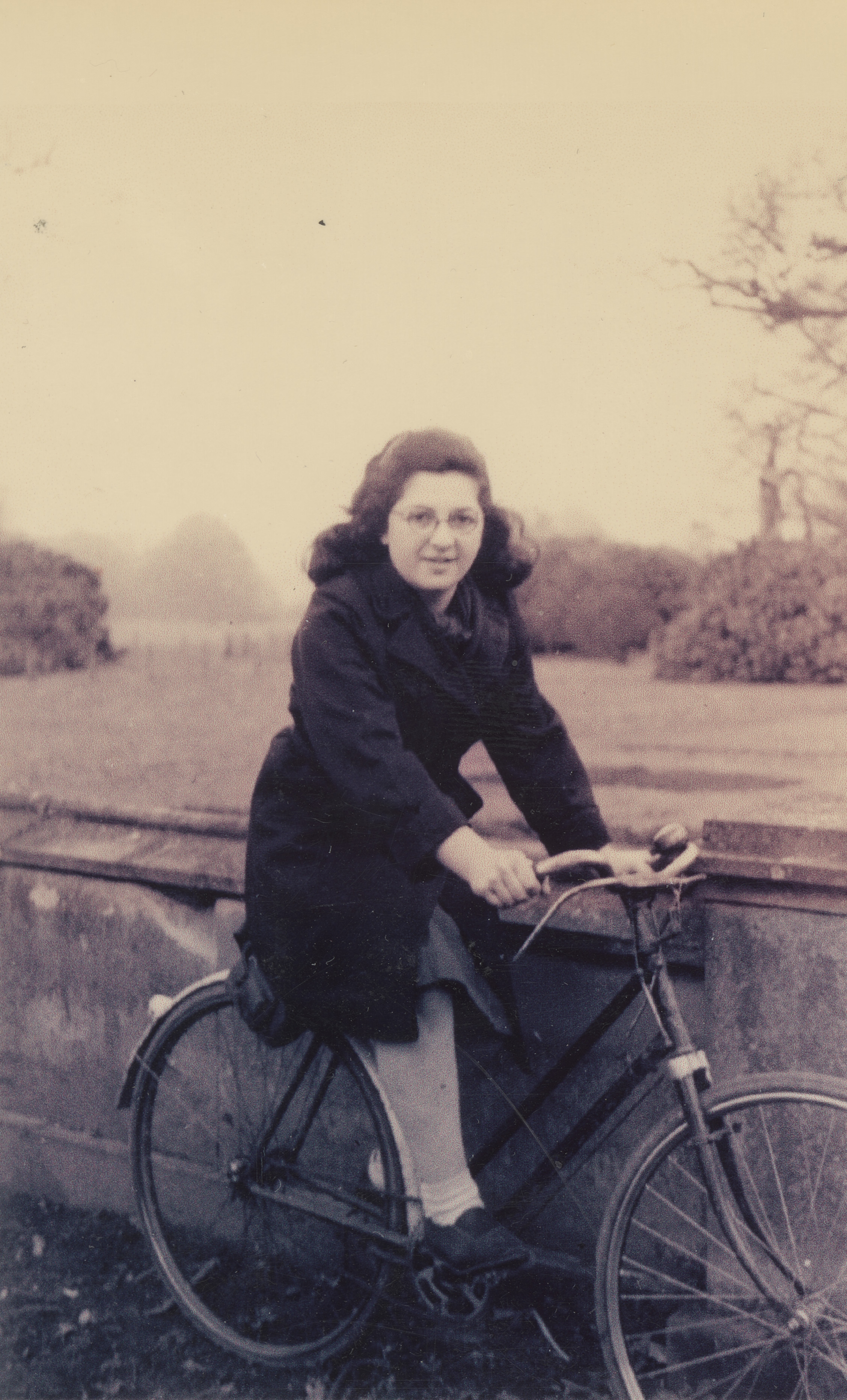
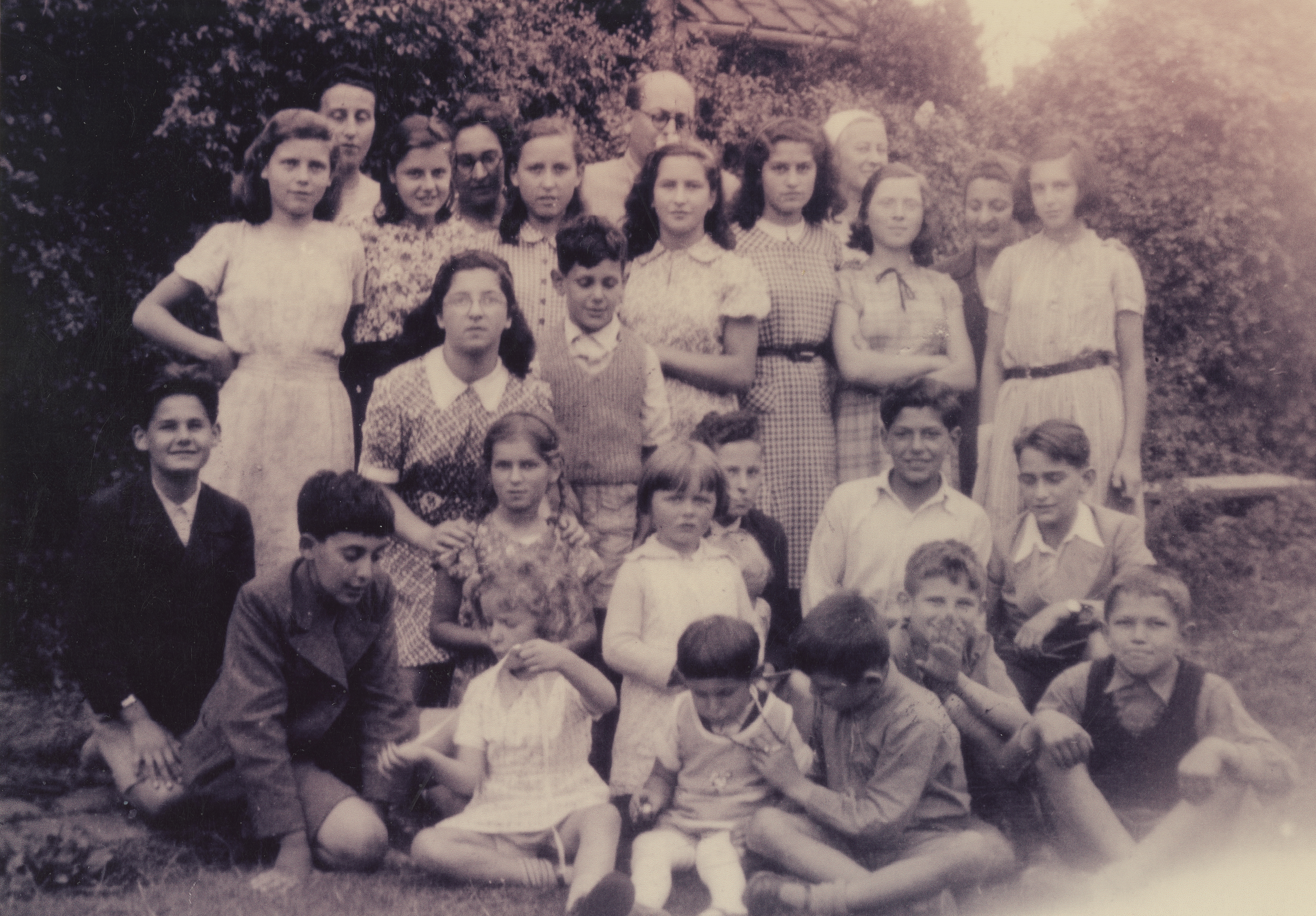
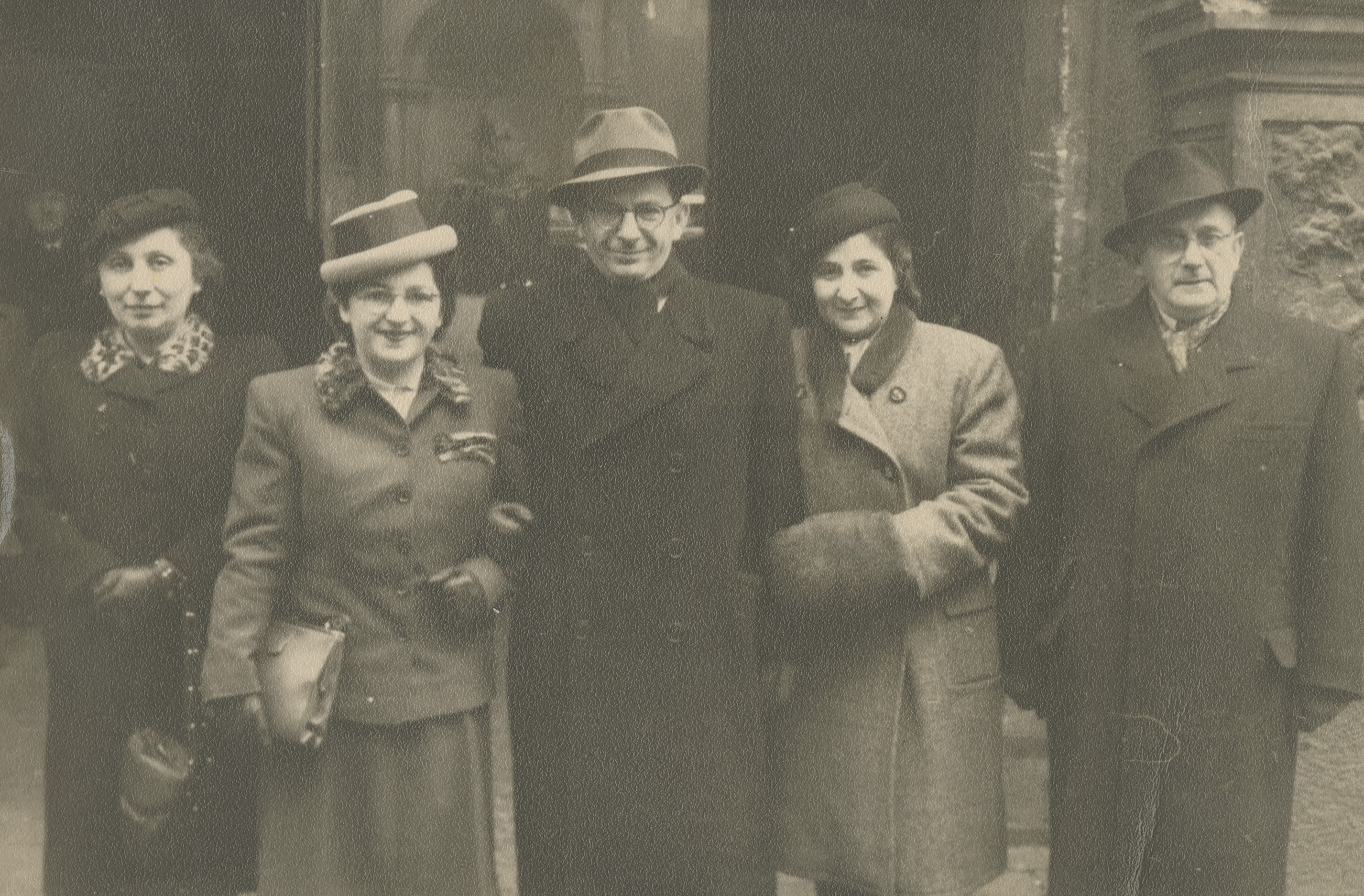
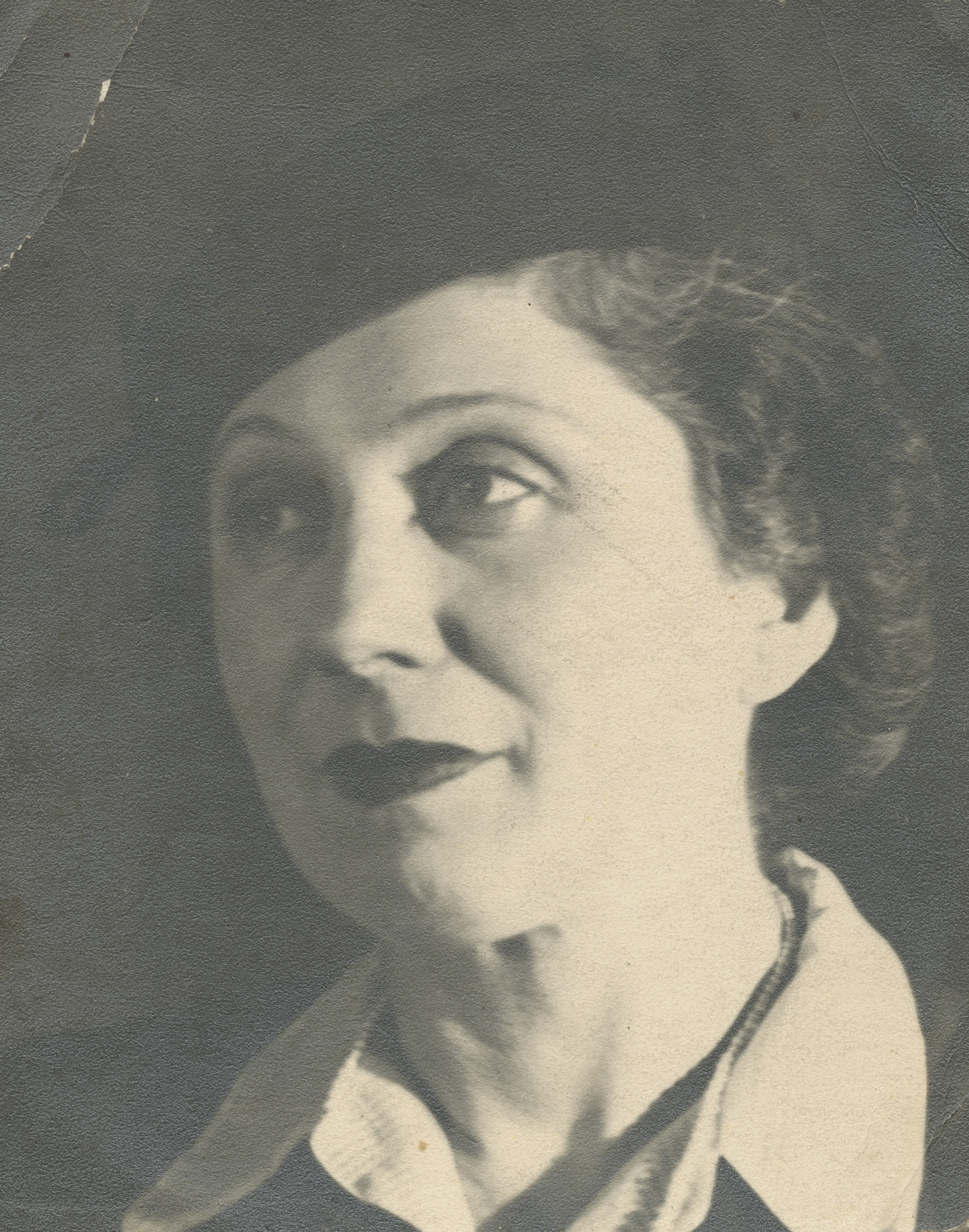
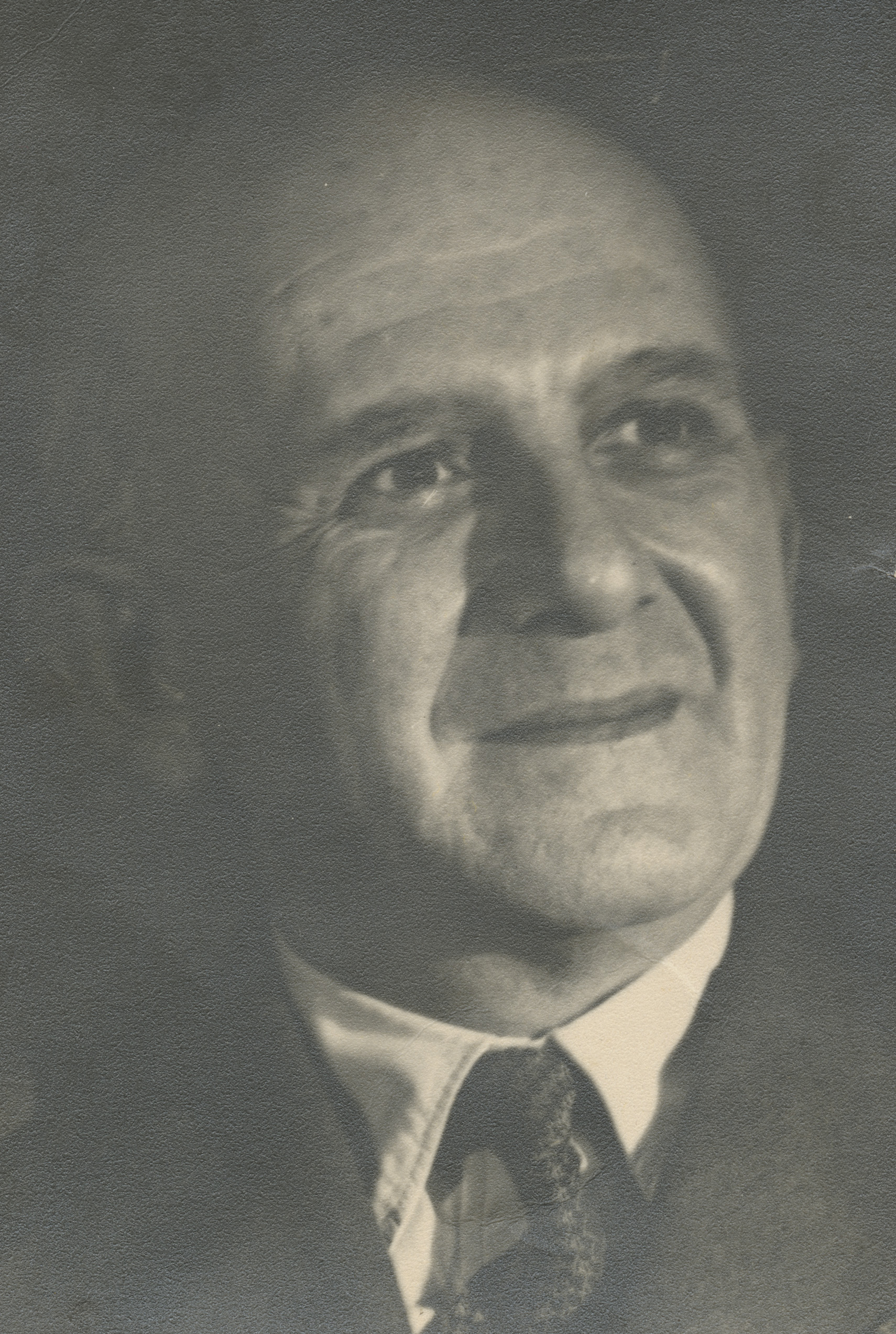
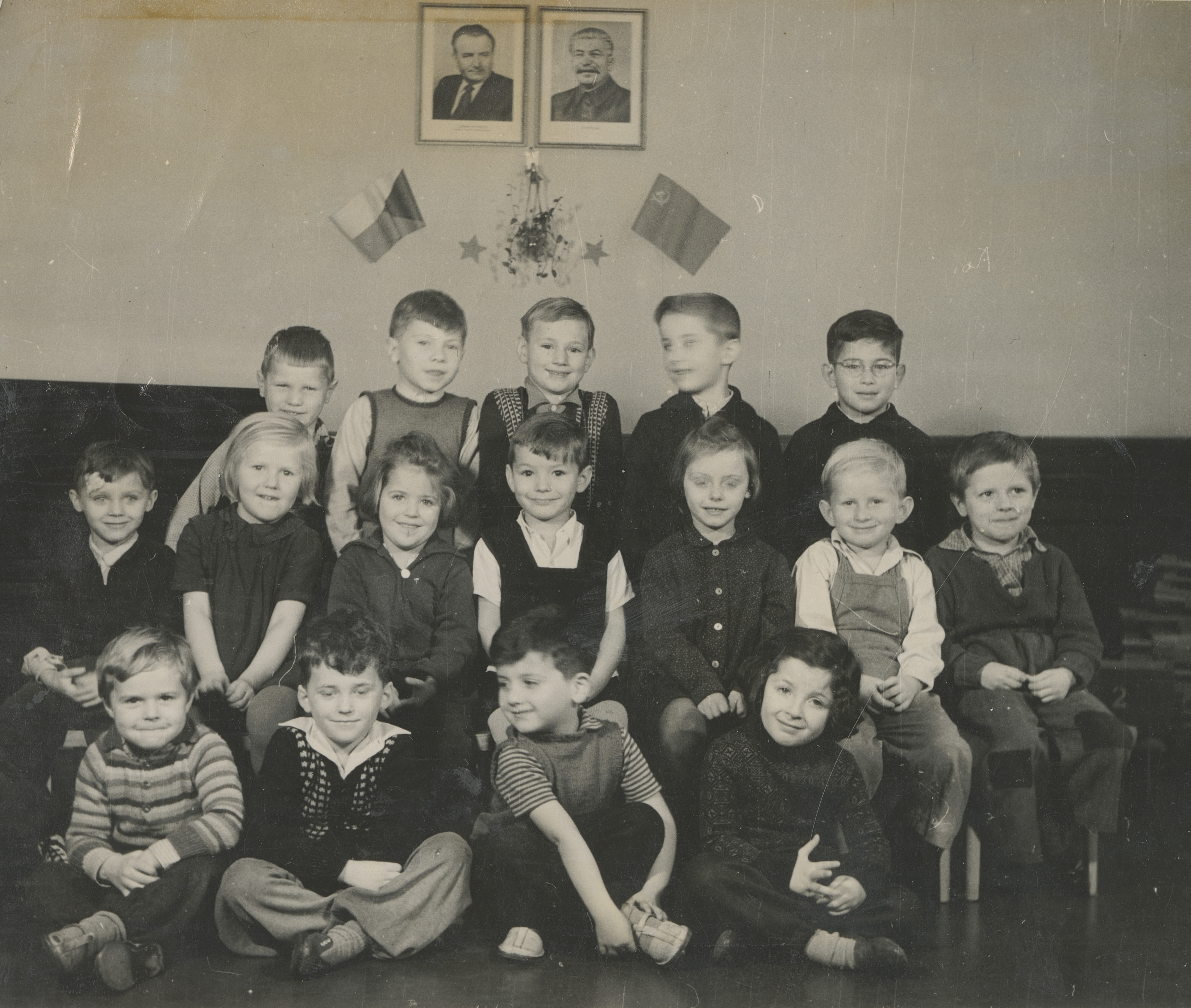
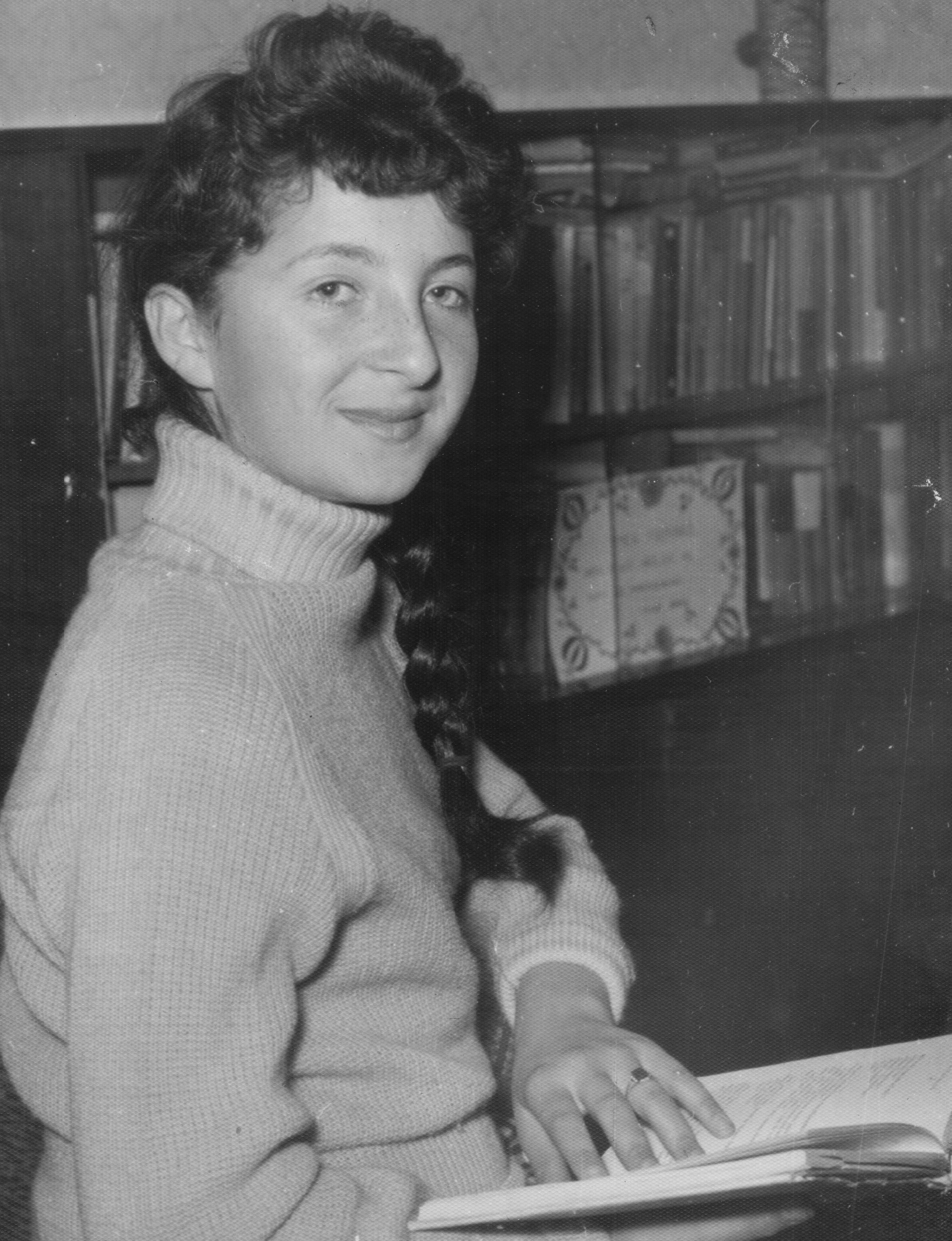
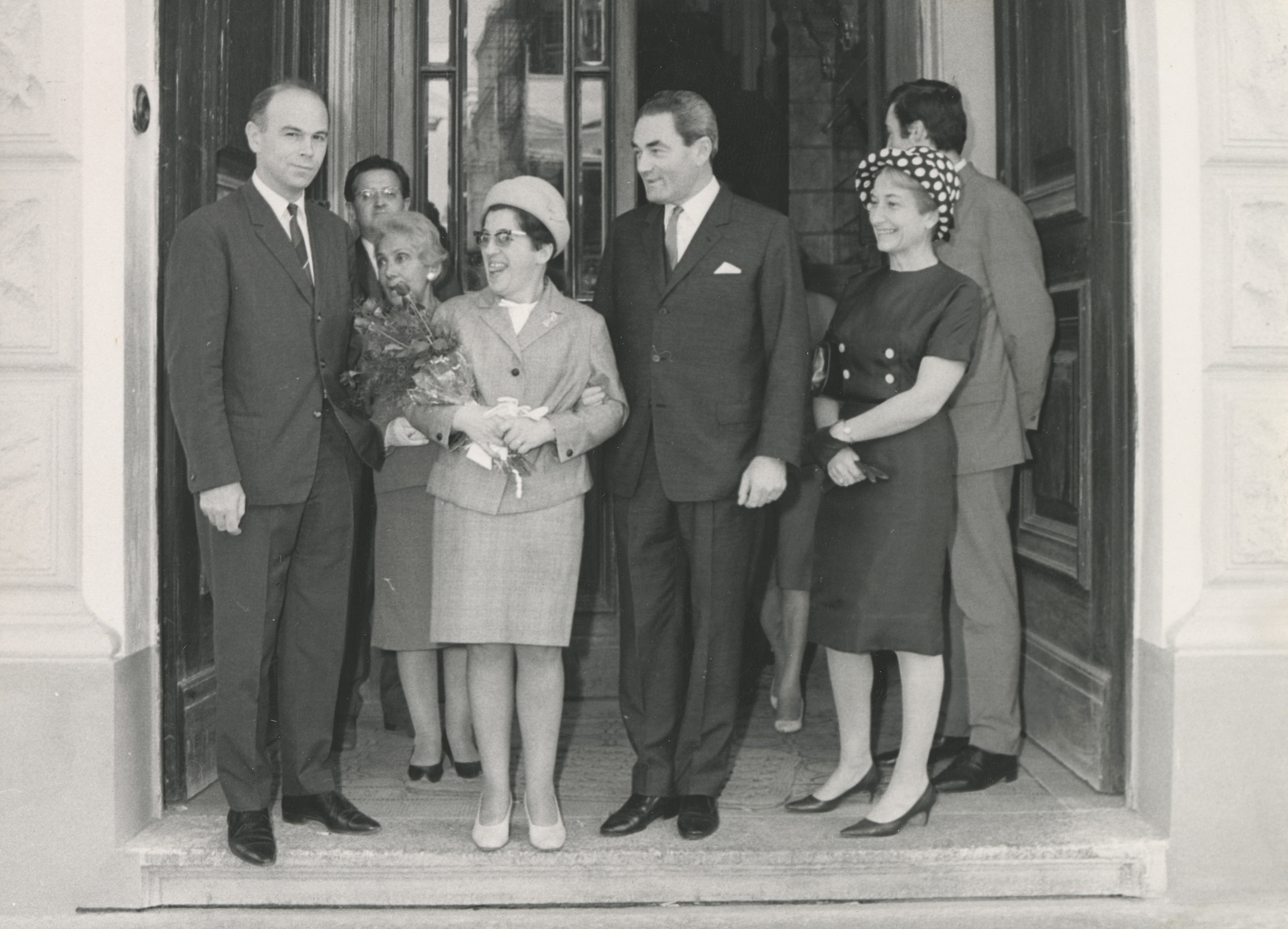
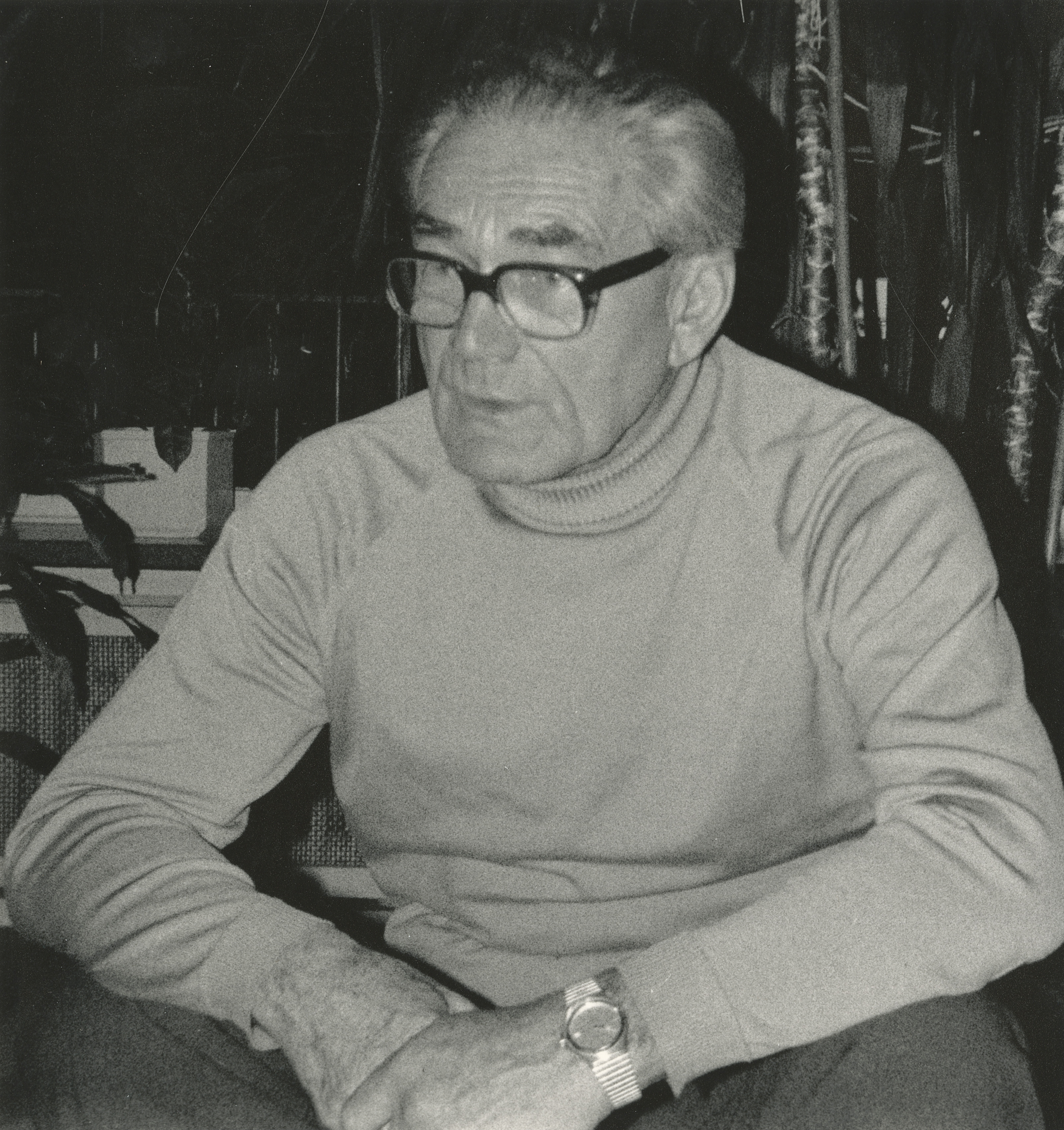
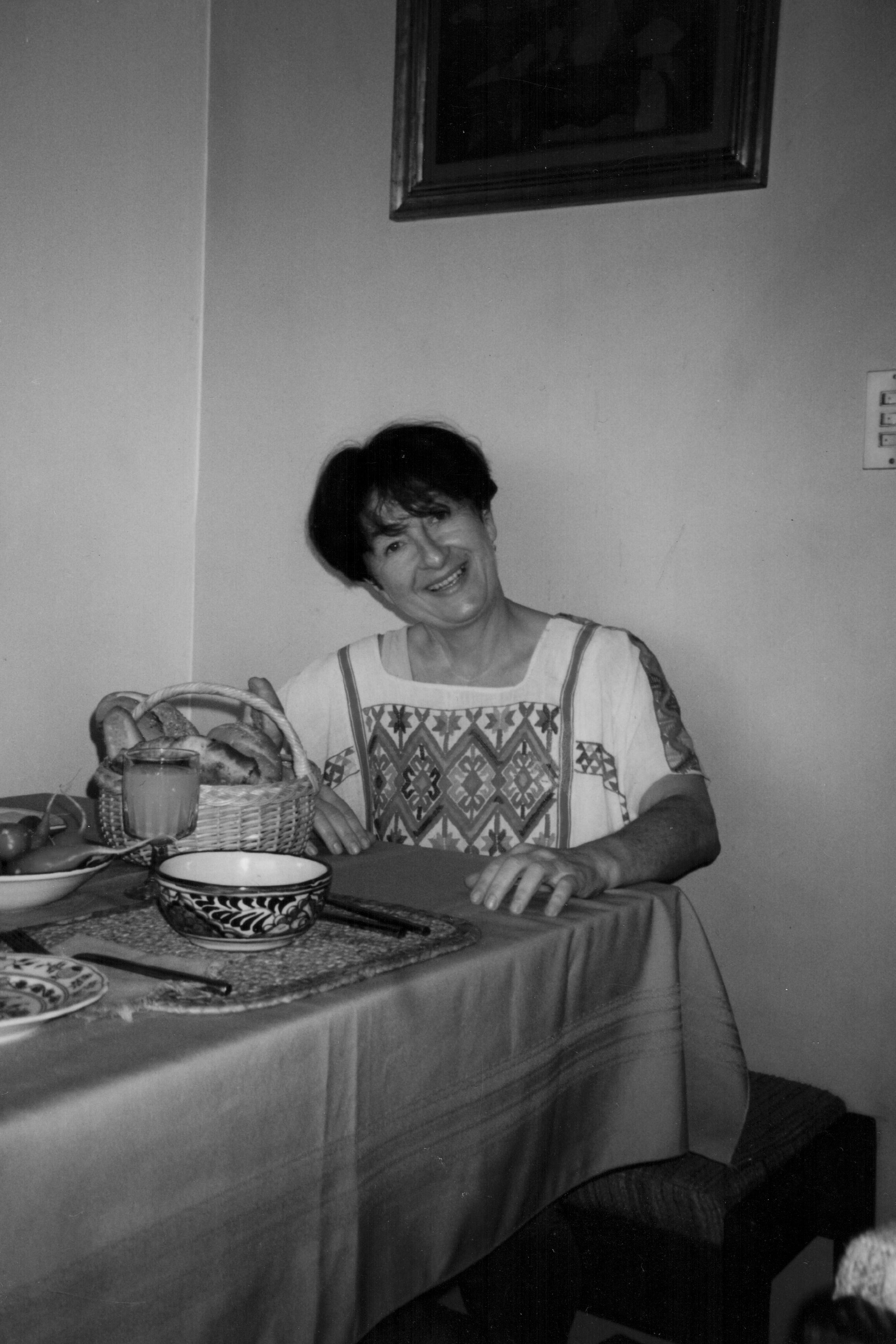
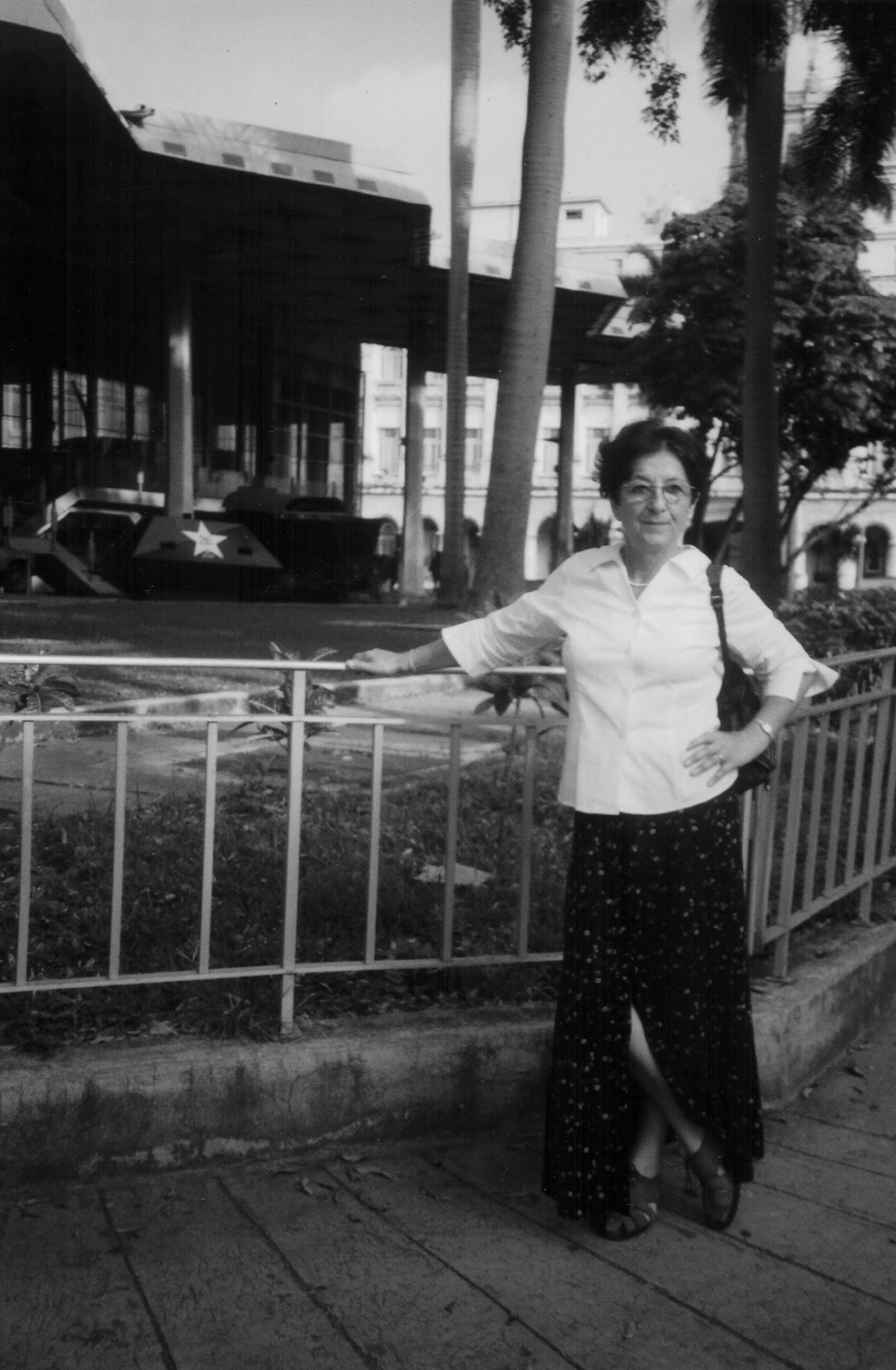
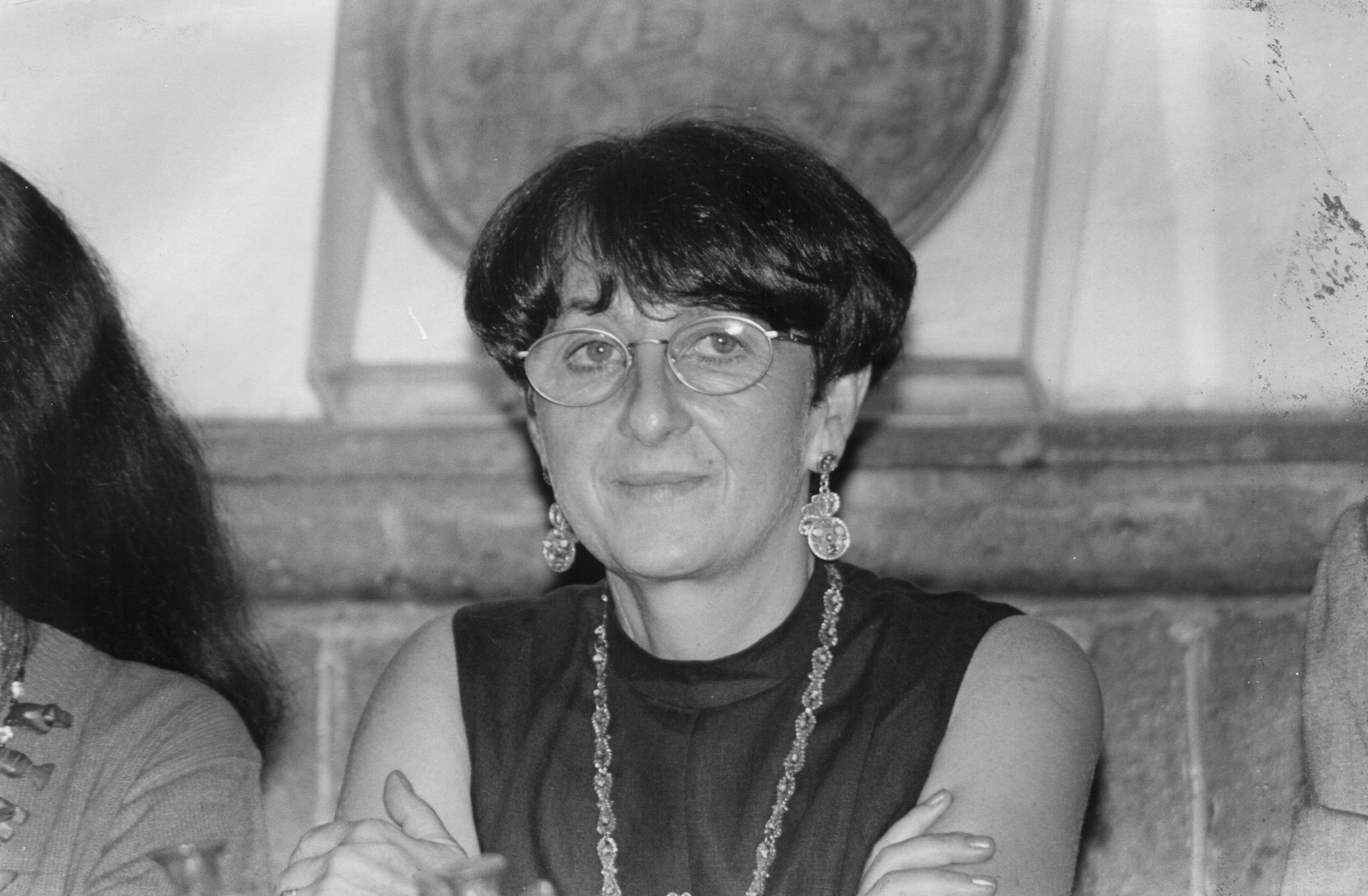
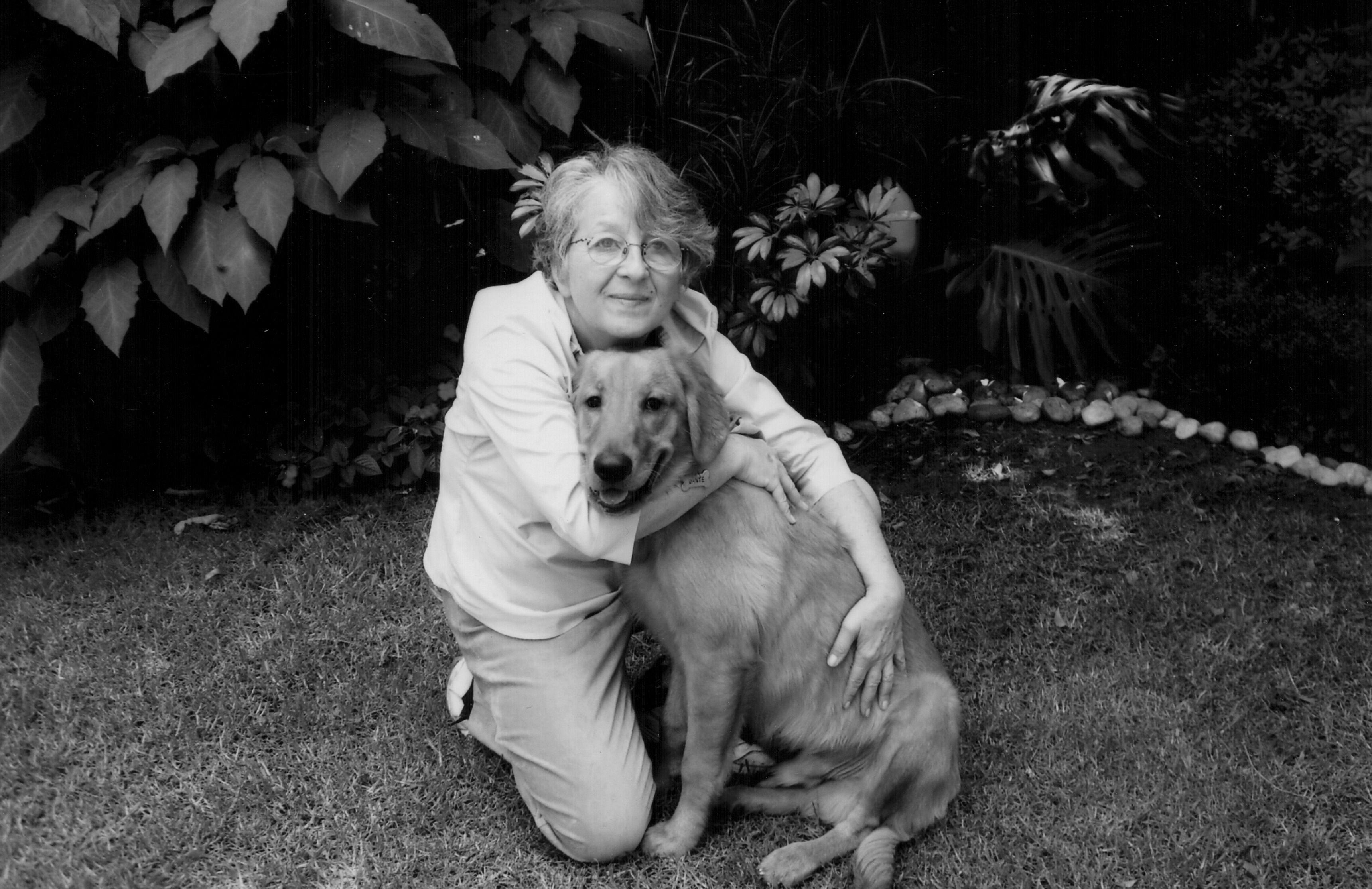
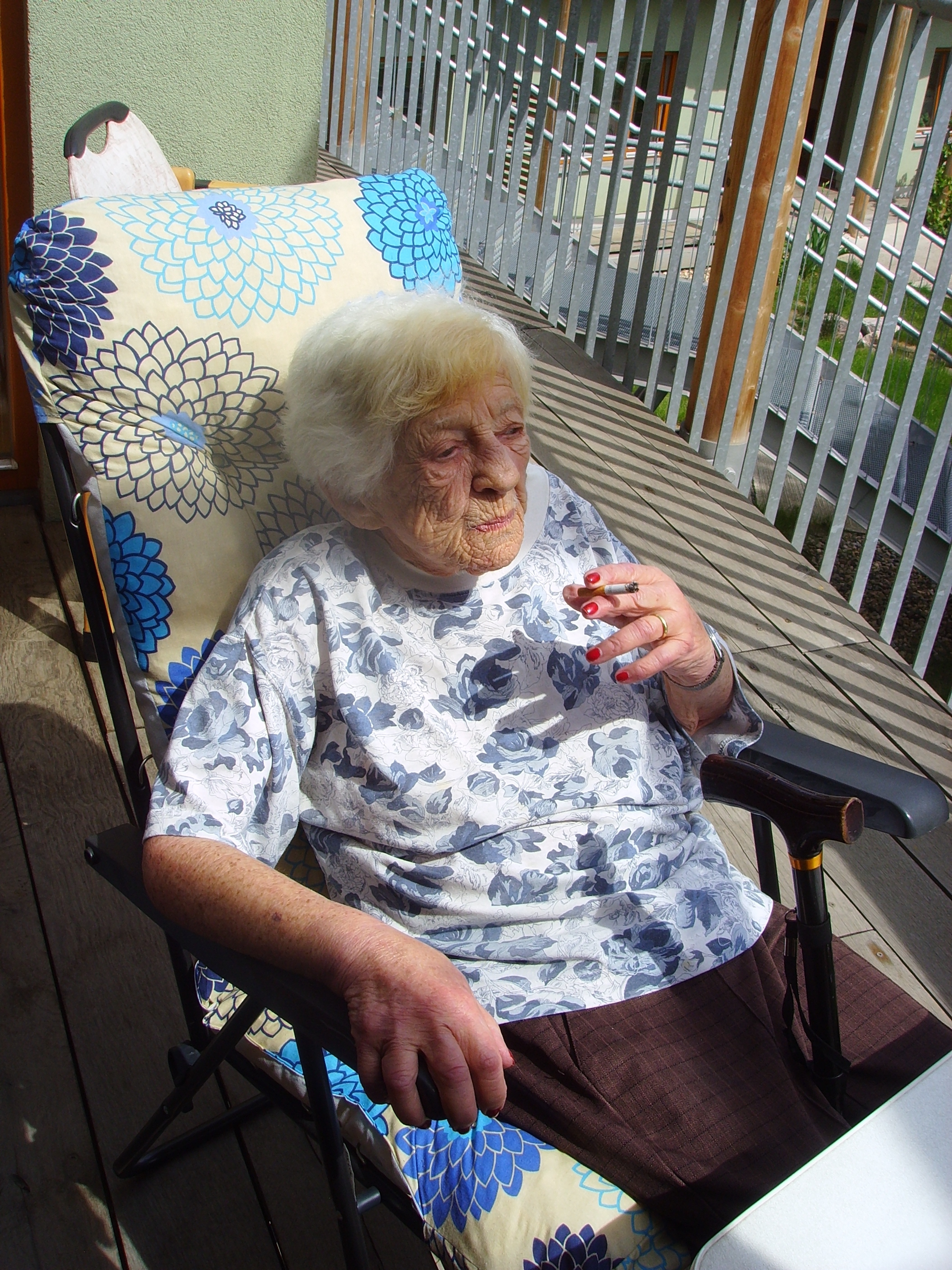
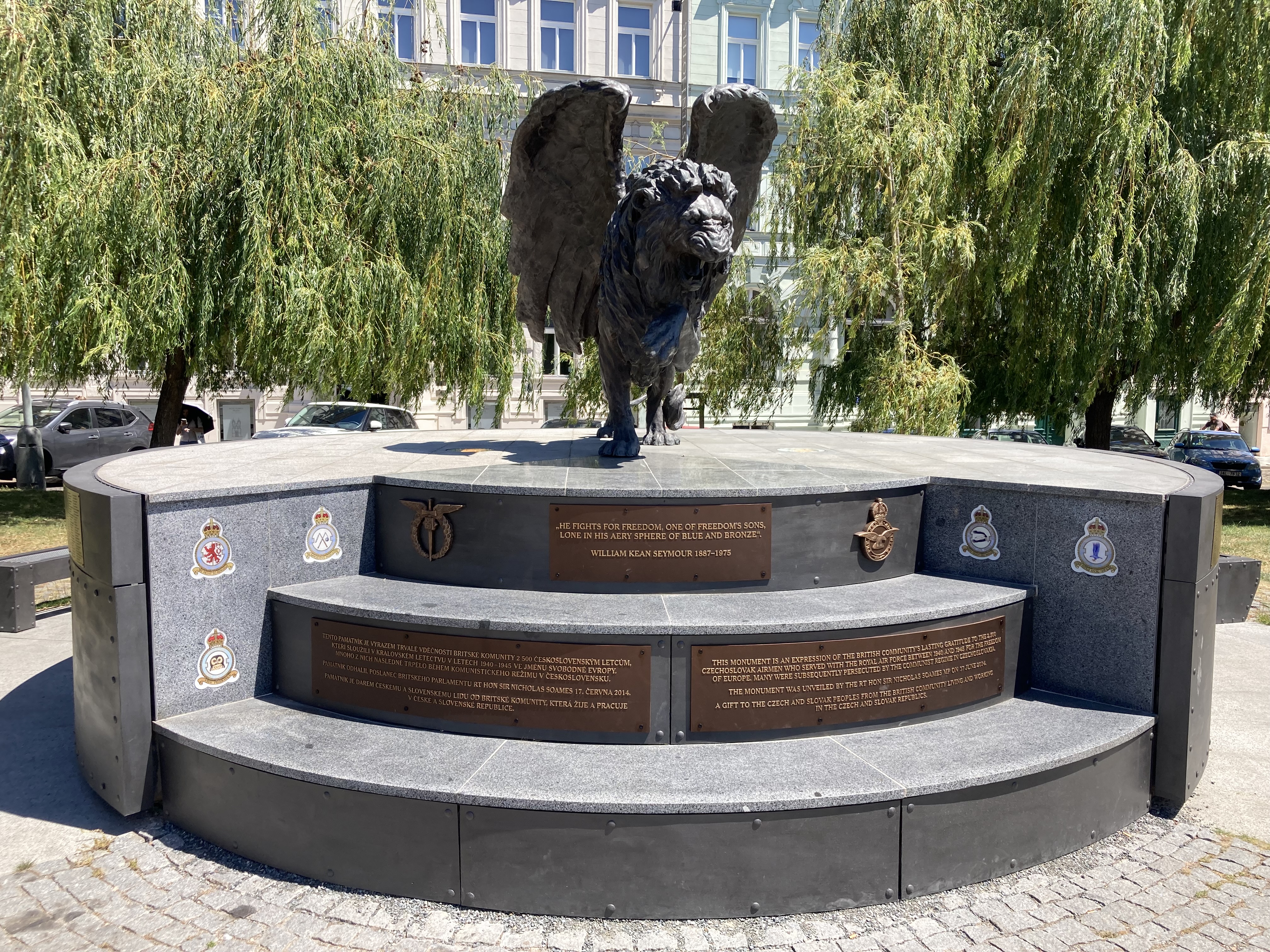
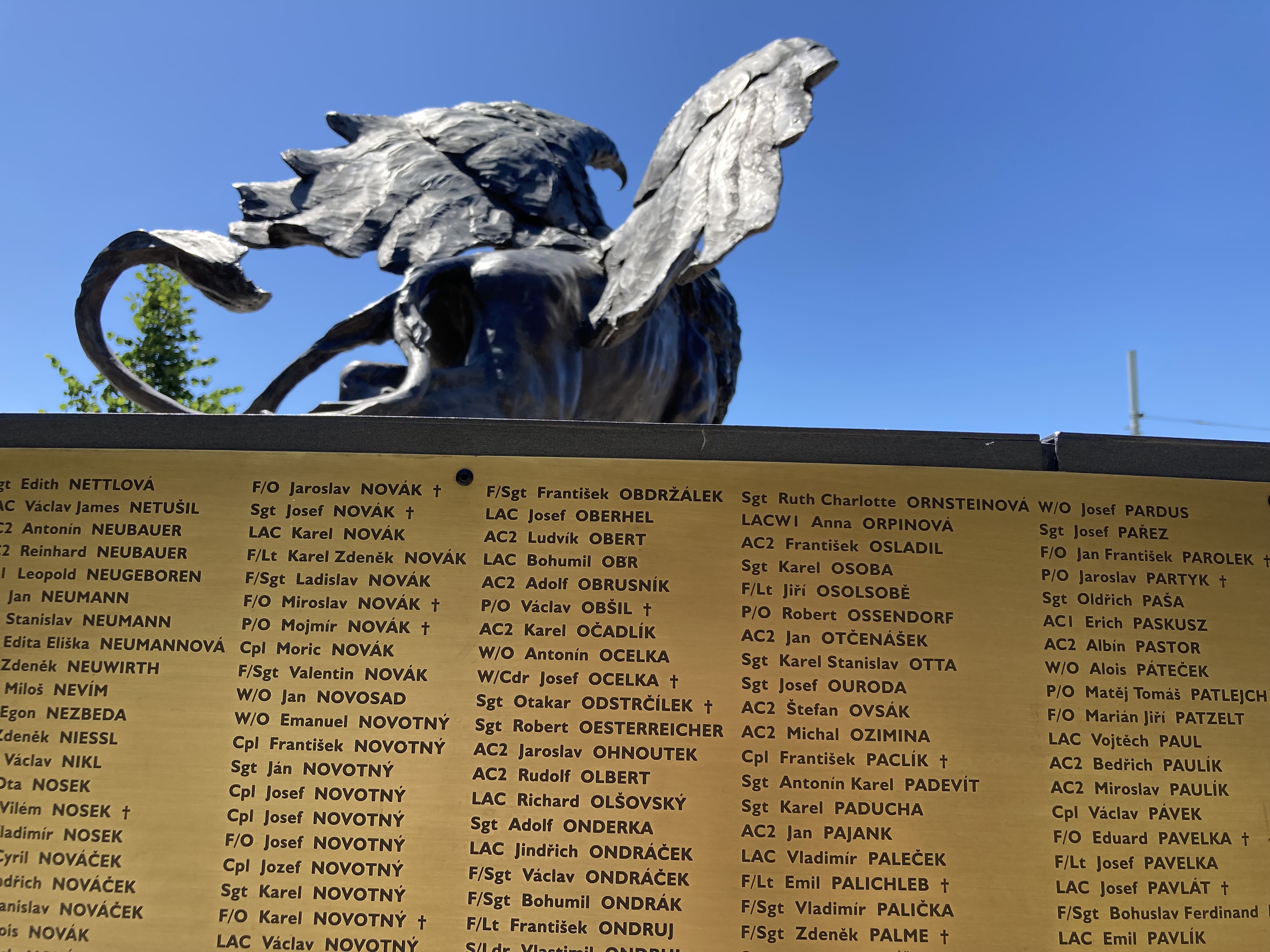
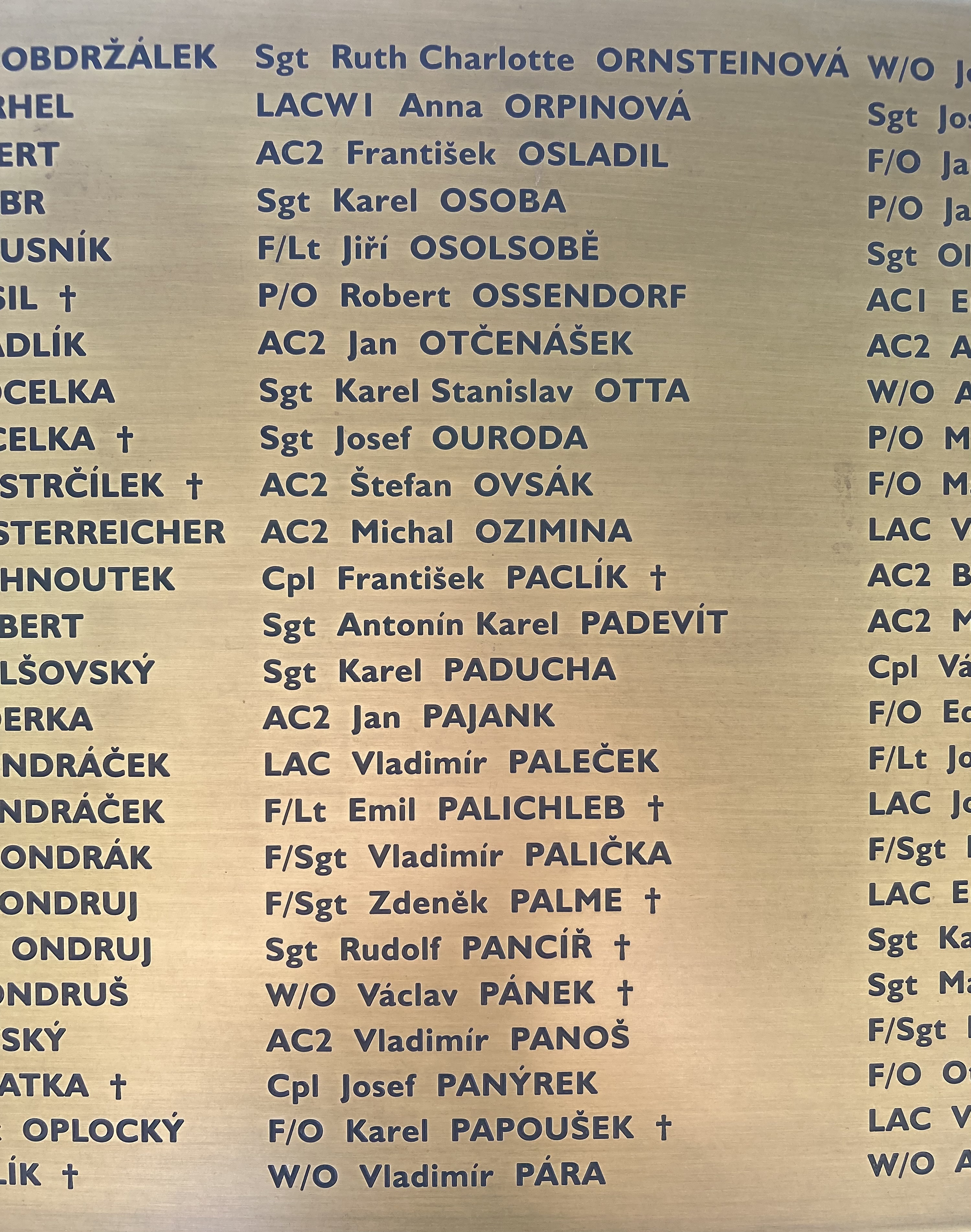
Daniela Spenser, née Grollová, was born in Prague on 19 January 1948 into a Jewish family affected by the dramatic events of World War II. Her mother Ruth Ornstein fled with her father to the UK in 1939 at age 13. She served in the Women’s Auxiliary Air Force (WAAF) during the war. In April 1945, she miraculously found her mother Anna Ornstein in the newly liberated Bergen-Belsen. Anna did not want to leave the occupied Czechoslovakia and thus went through the hell of the Holocaust. Daniela’s father Kurt Groll fought in the British army in the Middle East and Greece where he was captured by the Germans. After the war, he returned to Czechoslovakia and met Ruth Ornstein by chance on a train from Paris in 1946. They married, but their relationship was marred by post-war estrangement, and when they failed to emigrate in 1949, their marriage fell apart. In 1950, the witness’s mother lost her job at Czechoslovak Radio due to her Jewish background and previous service in the Allied army. Thanks to her language skills, she found a new job with the International Student Union and then the World Trade Union Federation, but from 1958 on she was forced to collaborate with the StB to keep her job. In 1967, she married Vladimír Tosek, a Czech TV editor and a great supporter of the reformist communism of the Prague Spring. Daniela’s childhood and adolescence were marked by a broken relationship with her mother. At age 18, she went to London as an au pair, learned English, and returned just months before the August 1968 invasion. When her mother told her on 27 August that she was leaving Czechoslovakia, she did not hesitate to go with her. While she was able to study in London thanks to the World Jewish Organisation and a new life began for her, Ruth and Vladimir Toseks found fulfilment in emigration only in 1971 when the left-wing exile magazine Listy launched in Rome. Daniela had meanwhile married in London, studied Spanish and Latin American literature and anthropology, and decided to move to Mexico for field research. The Velvet Revolution of 1989 found her in the United States, finishing her PhD in history. Although she had her Czechoslovak citizenship returned, she settled permanently in Mexico City to raise her son and pursue her academic career as a historian at the Centro de Investigaciones y Estudios Superiores en Antropología Social. Vladimír Tosek did not live to see the end of all hopes for the success of democratic socialism, and Ruth Tosková returned to Czechoslovakia alone in 1989. She died on 28 August 2013, and a year later her name appeared on the newly unveiled monument, The Winged Lion, dedicated to the memory of Czechoslovak RAF pilots. In 2025, Daniela Spenser published a book entitled Riven Times, Riven Lives, in which she describes the history of World War II and the communist era in Czechoslovakia as the background of the destinies of her mother and her entire family.