Ludmila Sochorová

* 1934

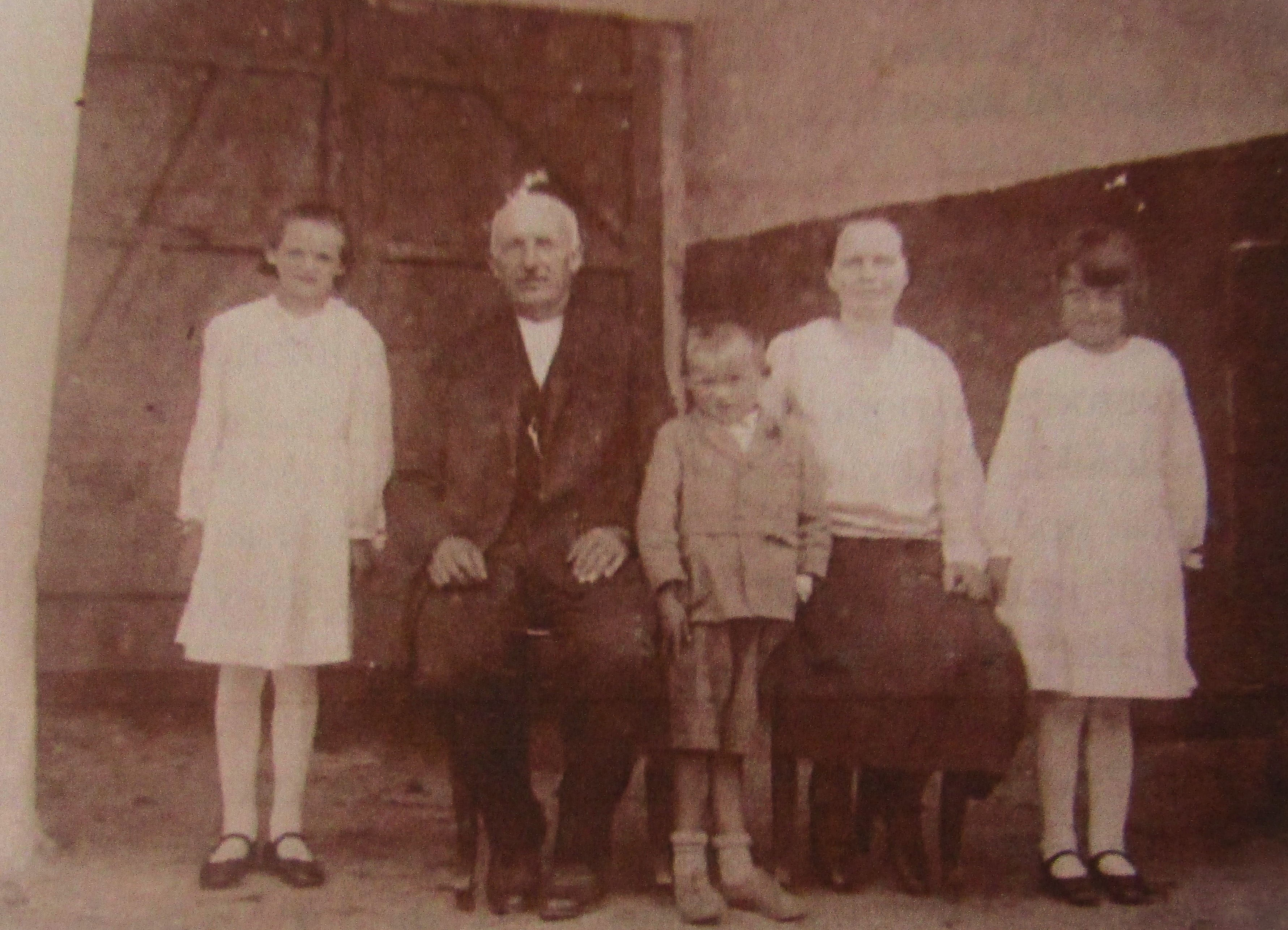
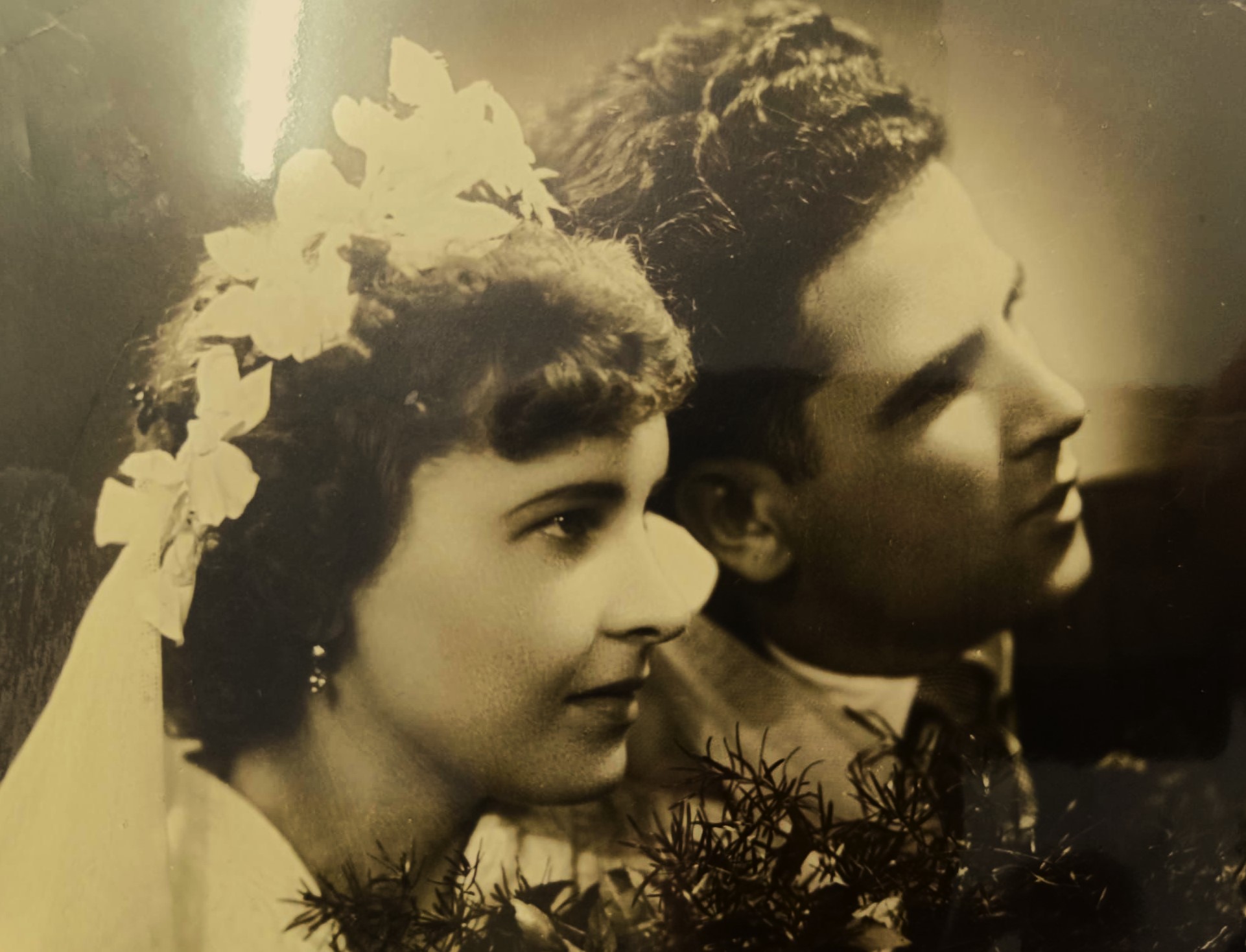
  • "From my childhood I remember fondly my eldest sister's wedding, who was getting married when she was twenty-two years old and I was not yet eight. I was a bridesmaid, I had a bachelor, we carried the veil - I remember that. But on the very day of the wedding, in April 1942, my father received a letter from the recomando, it said that all our property was being confiscated and that he would be arrested. So in all the wedding pictures he looks like he's at a funeral - just terribly sad. Now there was another problem: a lot of people were invited to the wedding, we had a big family and a lot of friends. With everything on ration cards, we were wondering how we were going to manage the wedding. There was nothing to do but illegaly kill a pig in the night. Nobody was allowed to know that. The butcher had to come, he had to have a steady hand to prick the pig so it didn't scream in the night, so no mutton, pushers and things like that could be done. Quickly, in that night, everything had to be processed. My mother only baked a whole baking sheet of black sausage meat, and otherwise everything had to be clean, tidy, not a drop of blood anywhere in the morning. I had to go to sleep at my aunt's so I couldn't say anything."

  • "Because my dad spoke Russian well, there was a staff at our house. There were high-ranking officers there, they slept at our house, we had to leave our sleeping quarters at home and they settled in our house, so you know I remember that. I can still remember the one guy washing himself halfway in the kitchen, taking his watch off and putting it on the kitchen table. Mother made him dinner, he ate, he looked, where's his watch? The watch was gone, and some of the crumpet they had, their servants, I guess that's who... because that was the main thing - give me times! They had a lot of 'times' on their hands."

  • "In Bohdalov they [the partisans] were... As they were draining the distillery before the Russians came, so they couldn't get drunk, they were draining distilleries everywhere. And so in Bohdalov, when people knew that, they were already saying, 'They've already drained over there, over there...' I remember that. They were discharging everywhere, that was already known in Bohdalov, where there was also a distillery, and so people were already patrolling at night. There was a service, when it would flow. And now actually one night someone was banging on our window: 'Wake up, it's leaking, wake up!' So everybody grabbed buckets, jugs, whoever had what, and ran to the distillery to get alcohol. I remember it as if it were today."

  • "No, he didn't get in [to the legions], because they first put him in some foundries in Moscow. There he would have lost his life, how terrible it was. So then they put him in the country with some men and he rode with oxen. He said, 'I felt at home, a lark over my head, riding with the oxen. They were good to me, those men, I had enough food.' But listen, they all ate from a common bowl. If it was a Sunday, for example, everybody - just the sons and that - everybody was together in one house, a bunch of people, the kids, everybody. And there was an elder of the family and the granny, her name was Agafia. She was cooking on an open fire, and she was pushing casseroles around. Daddy said when she was making some porridge, sometimes there was a complete blackness of those... what are they called... not cockroaches, that's what they're called in Russia..." - "That's the Russians, isn't it?" - "Yes, like cockroaches. So the granny drove them out of the casserole and served the food. On Sunday they had meat. She killed a chicken, cooked it in soup, everyone ate from a common bowl, and only when the old man knocked on the bowl with his spoon did the fight over the meat begin. He said, 'Whoever did not hurry did not eat.'"

  • Full recordings
  • 1

    Jihlava, 08.07.2025

    (audio)
    duration: 30:35
    media recorded in project Field reports
  • 2

    Jihlava, 23.10.2025

    (audio)
    duration: 01:09:42
    media recorded in project The Stories of Our Neigbours
Full recordings are available only for logged users.

Our property was confiscated by the Nazis and the Communists
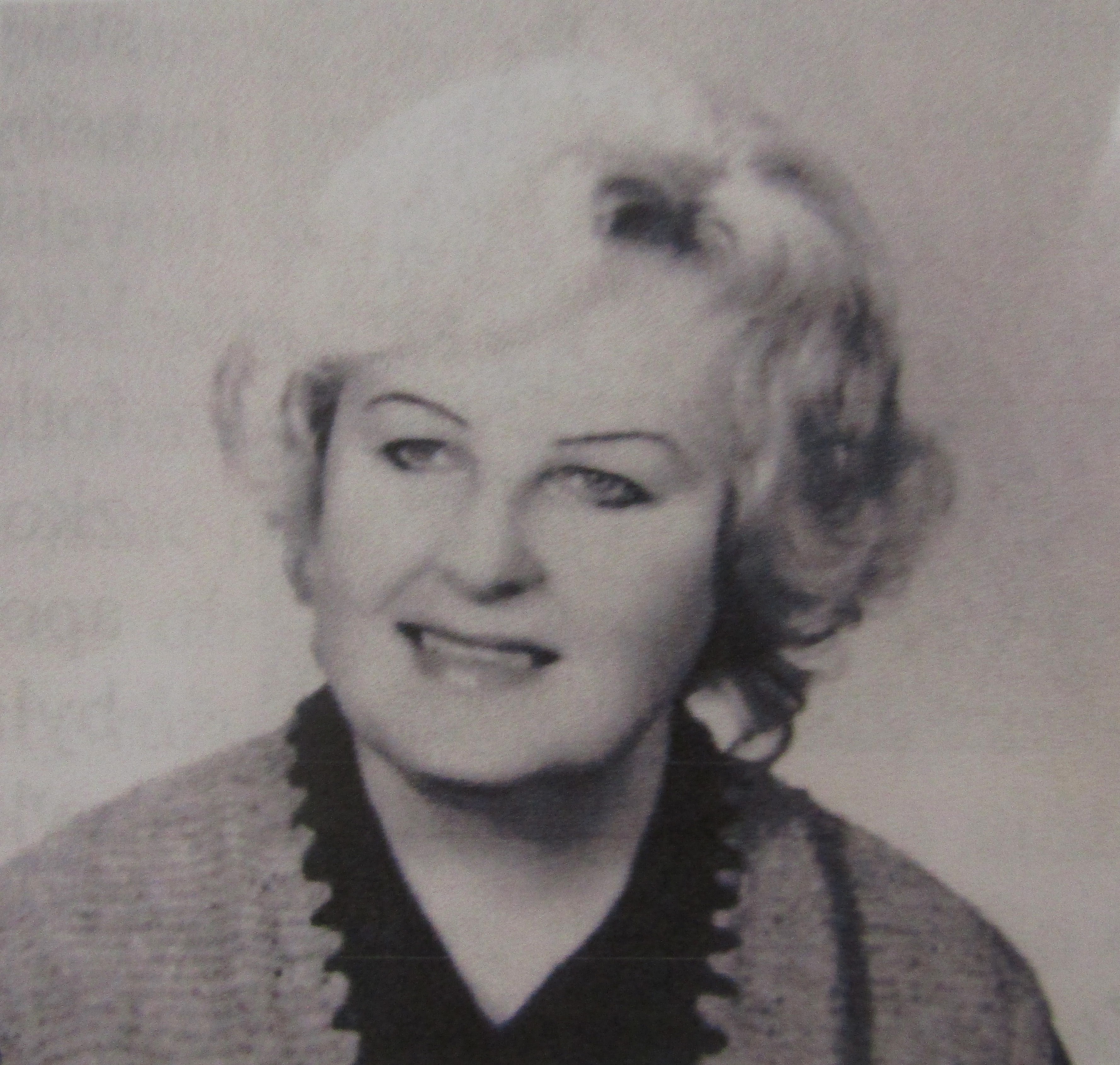
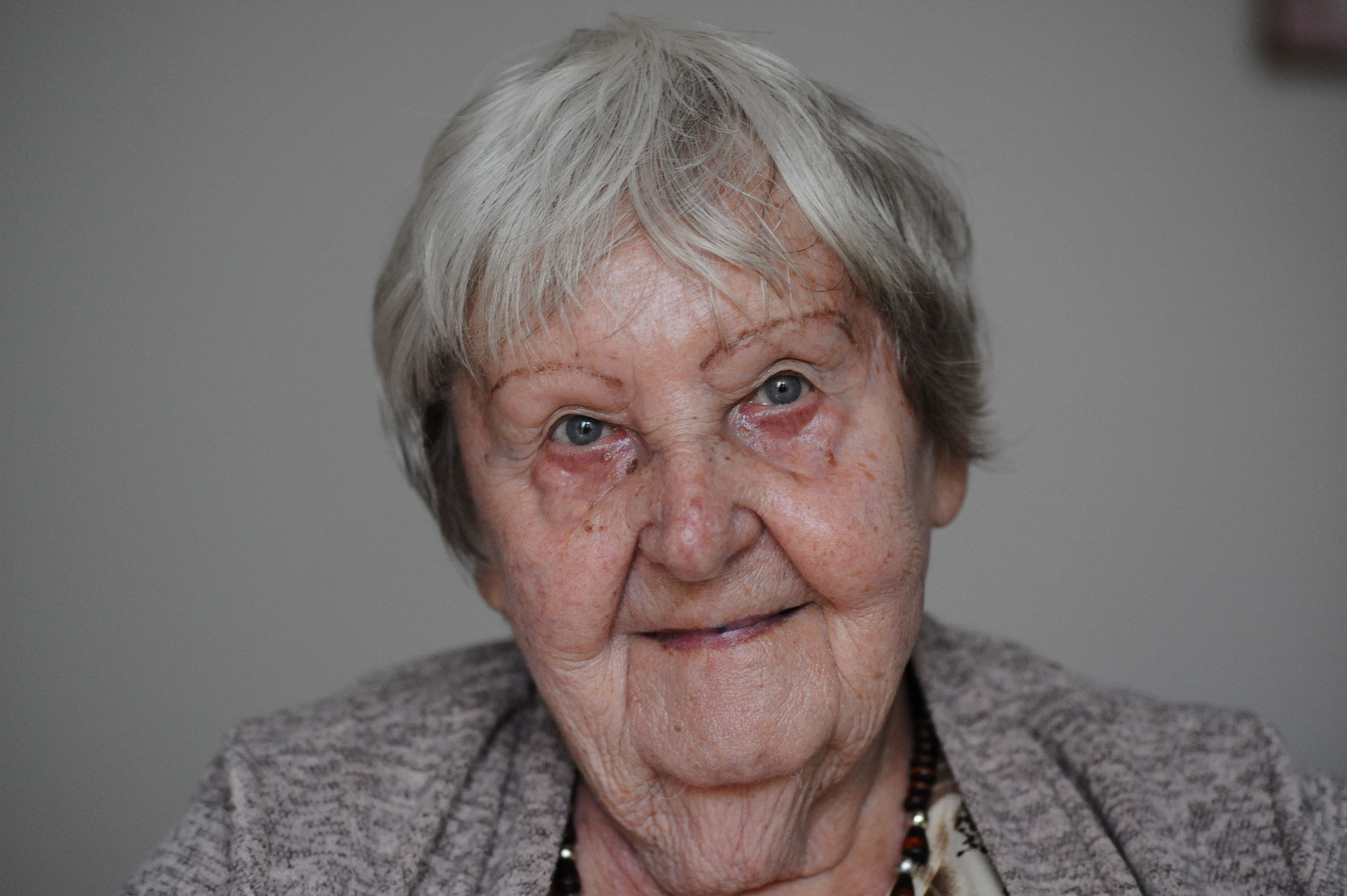
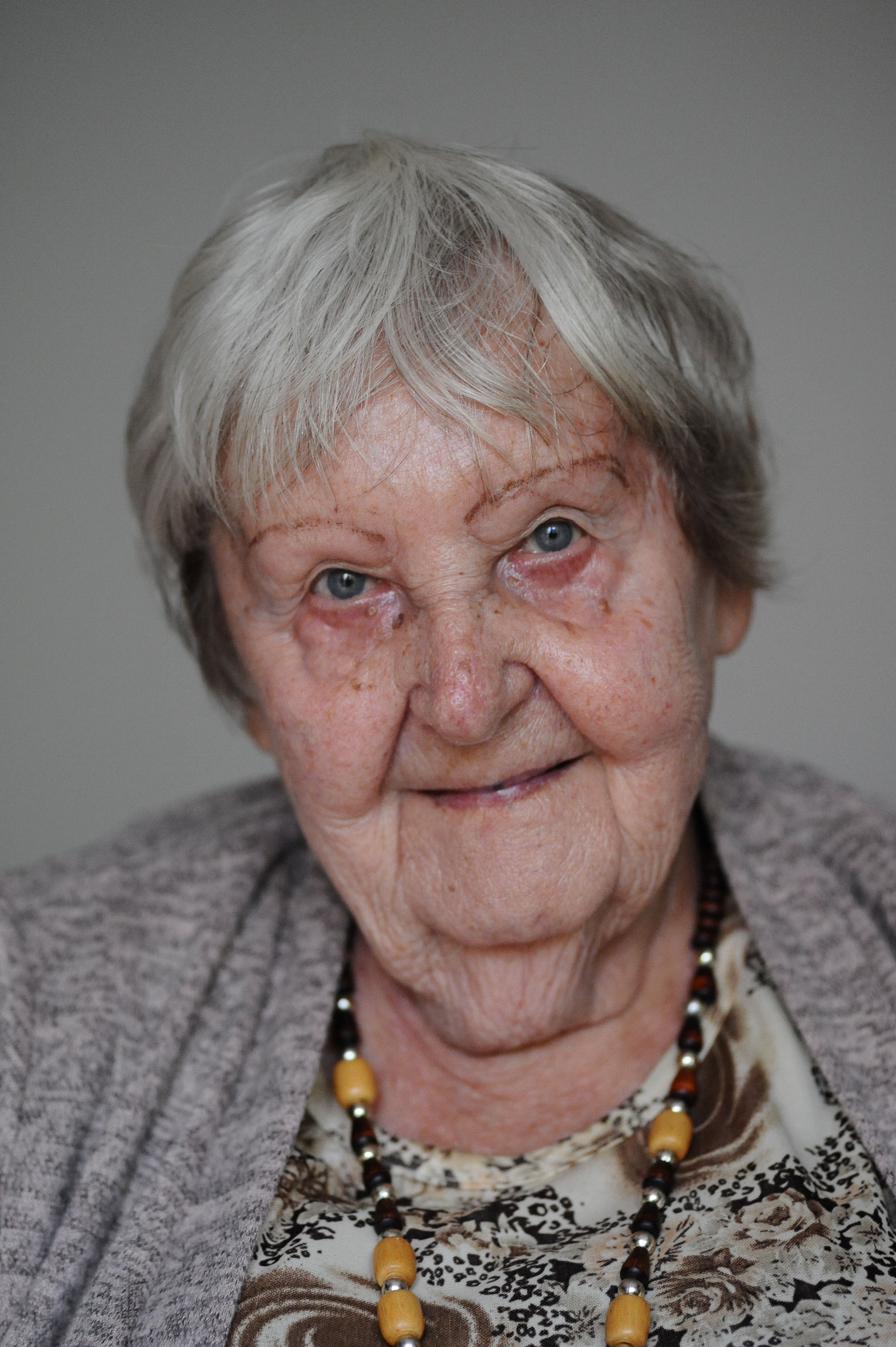
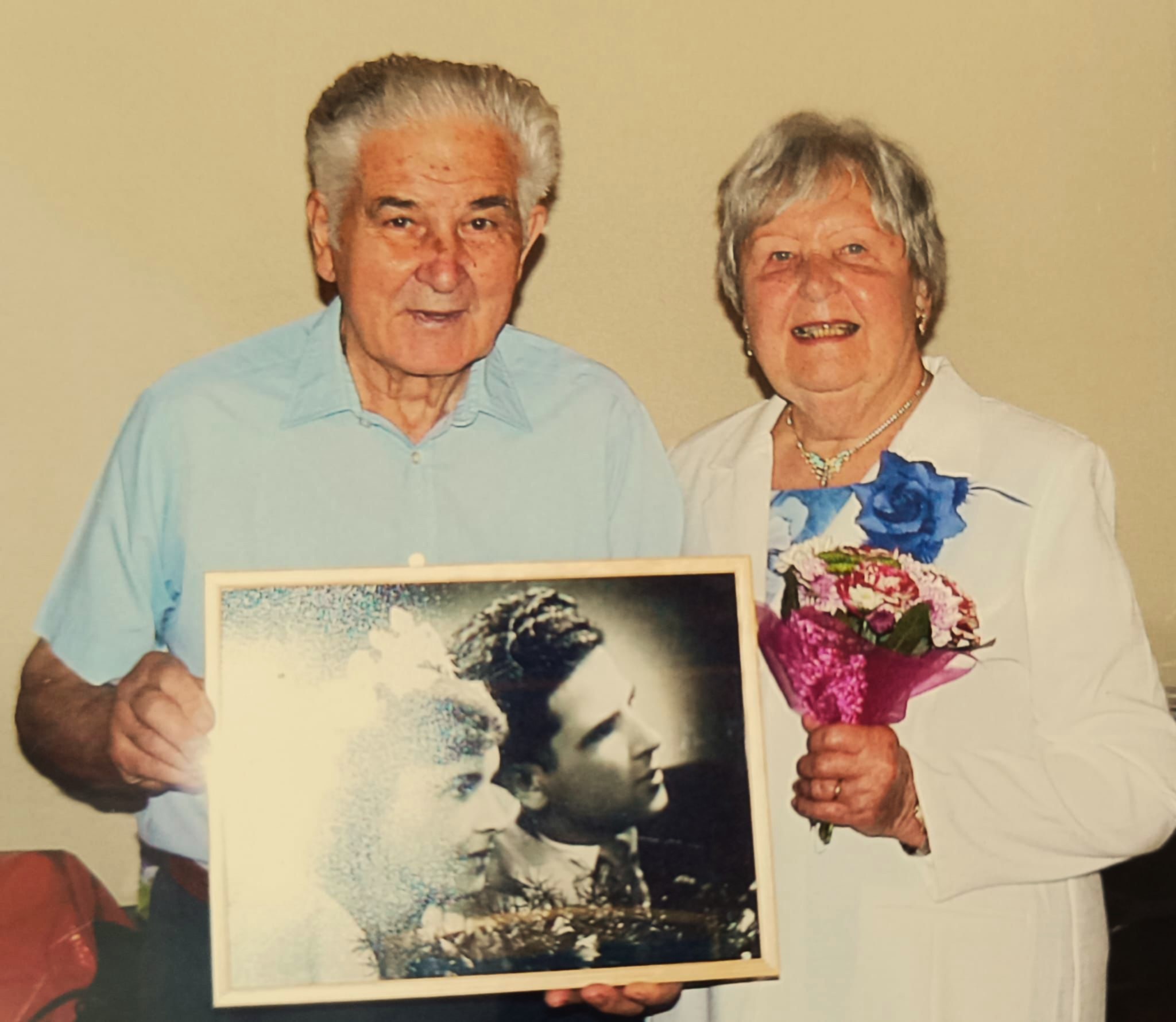
Ludmila Sochorová, nee. Augustinová, Jihlava
photo: archive of the witness

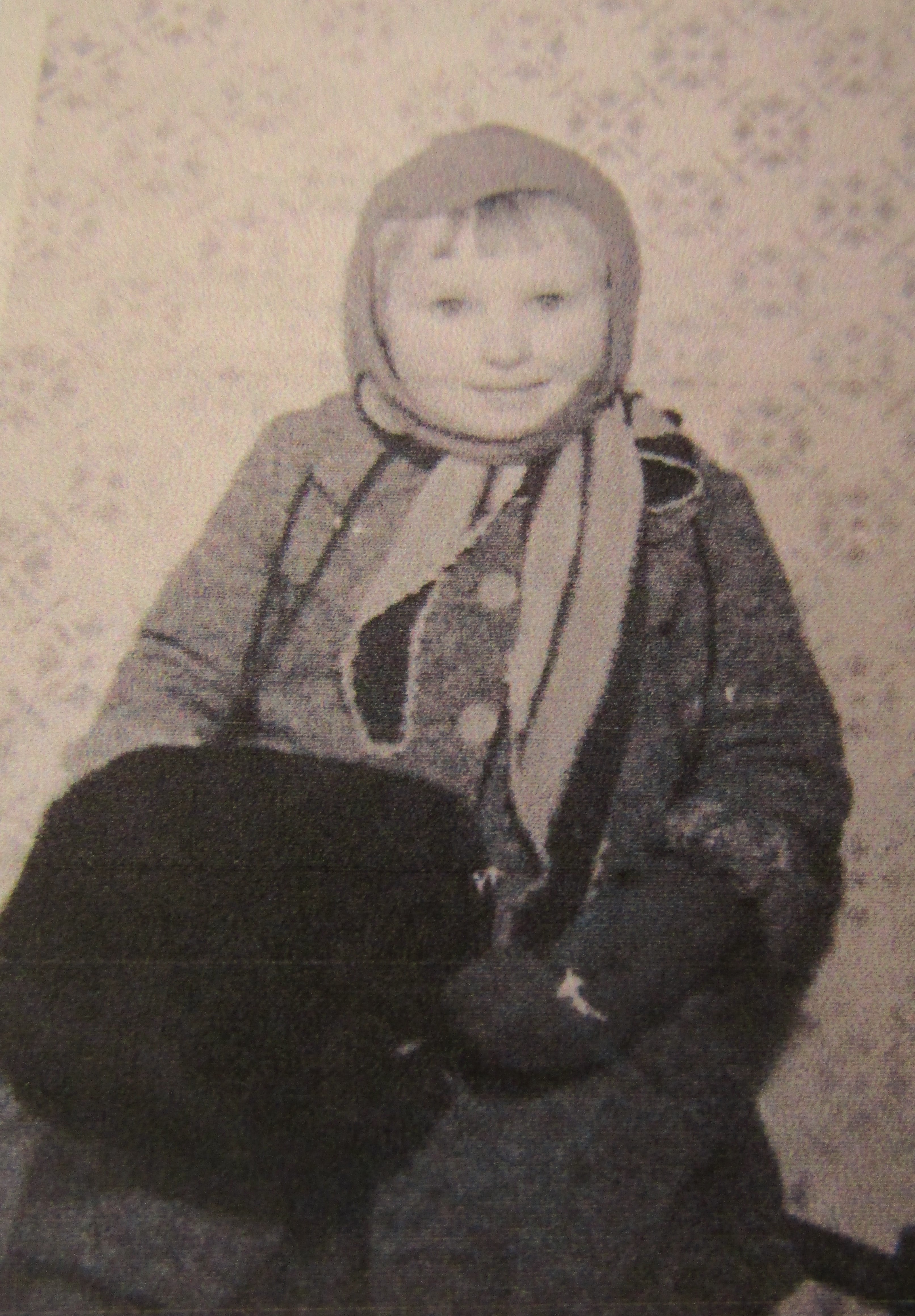
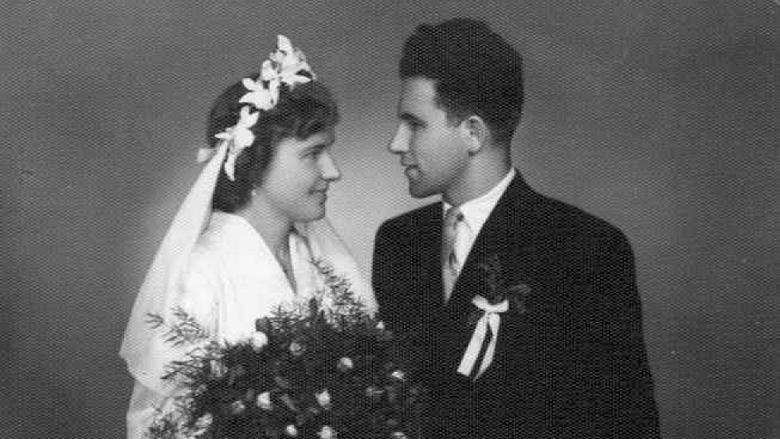
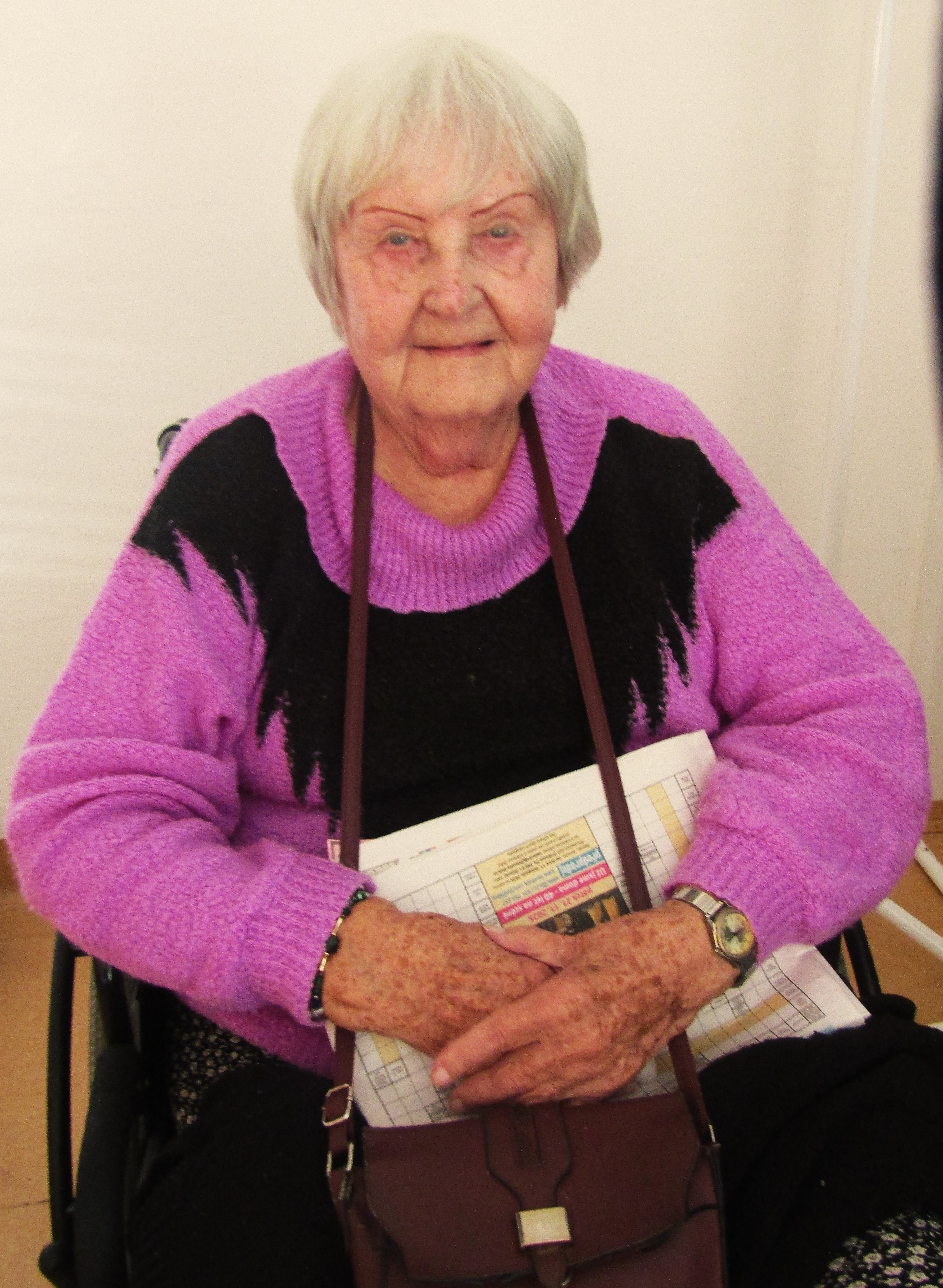
Ludmila Sochorová, née Augustinová, was born on 7 September 1934 in Bohdalov in the Bohemian-Moravian Highlands. She grew up in a farming family with an older brother and two sisters and from childhood helped with the running of the farm, including taking care of the fields and animals. During the war, her father was arrested and imprisoned for helping a Russian refugee, and the family had all their possessions confiscated, which were fortunately returned to them after the war. They lost everything again after 1948, when the property was seized by the communist government. After her father’s death in 1955, the farm was taken over by her brother, who was condemned by the regime as a kulak; thanks to an amnesty after the death of President Antonín Zápotocký, he was released in 1957. Ludmila first studied for two years at medical school - she wanted to be a midwife - and after its abolition she completed a higher social school as an educator. The following year she worked at the Children’s Home in Černovice near Tabor. In 1954 she married Miloslav Sochor. Later she worked in administration at the District Building Housing Cooperative in Jihlava, where she remained until her retirement in 1990. She and her husband raised their daughter Miloslava (1957). In 2026 Ludmila Sochorová lived in a home for the elderly in Jihlava.