We had to live with the regime and bear everything good and bad
Download image
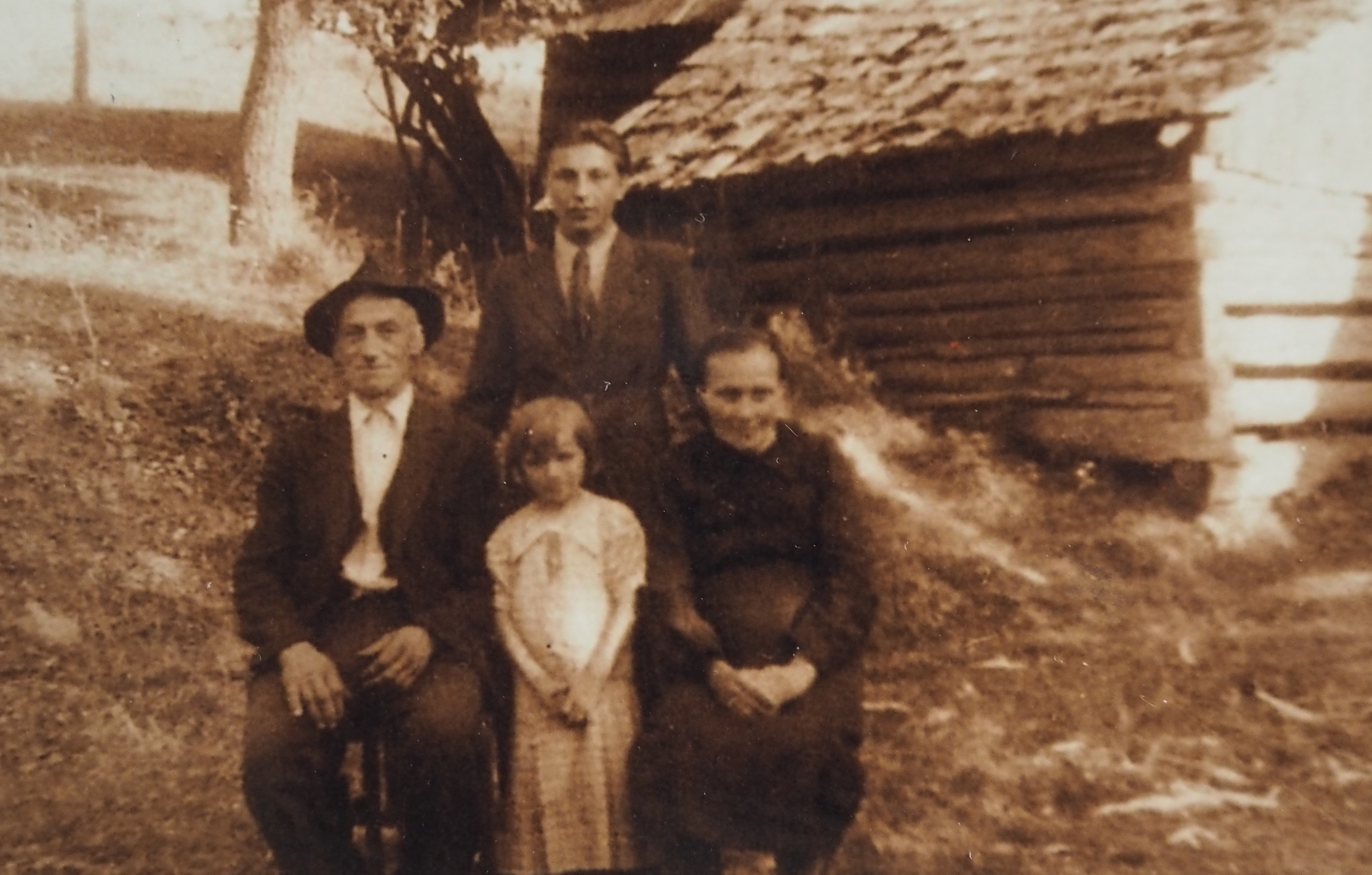
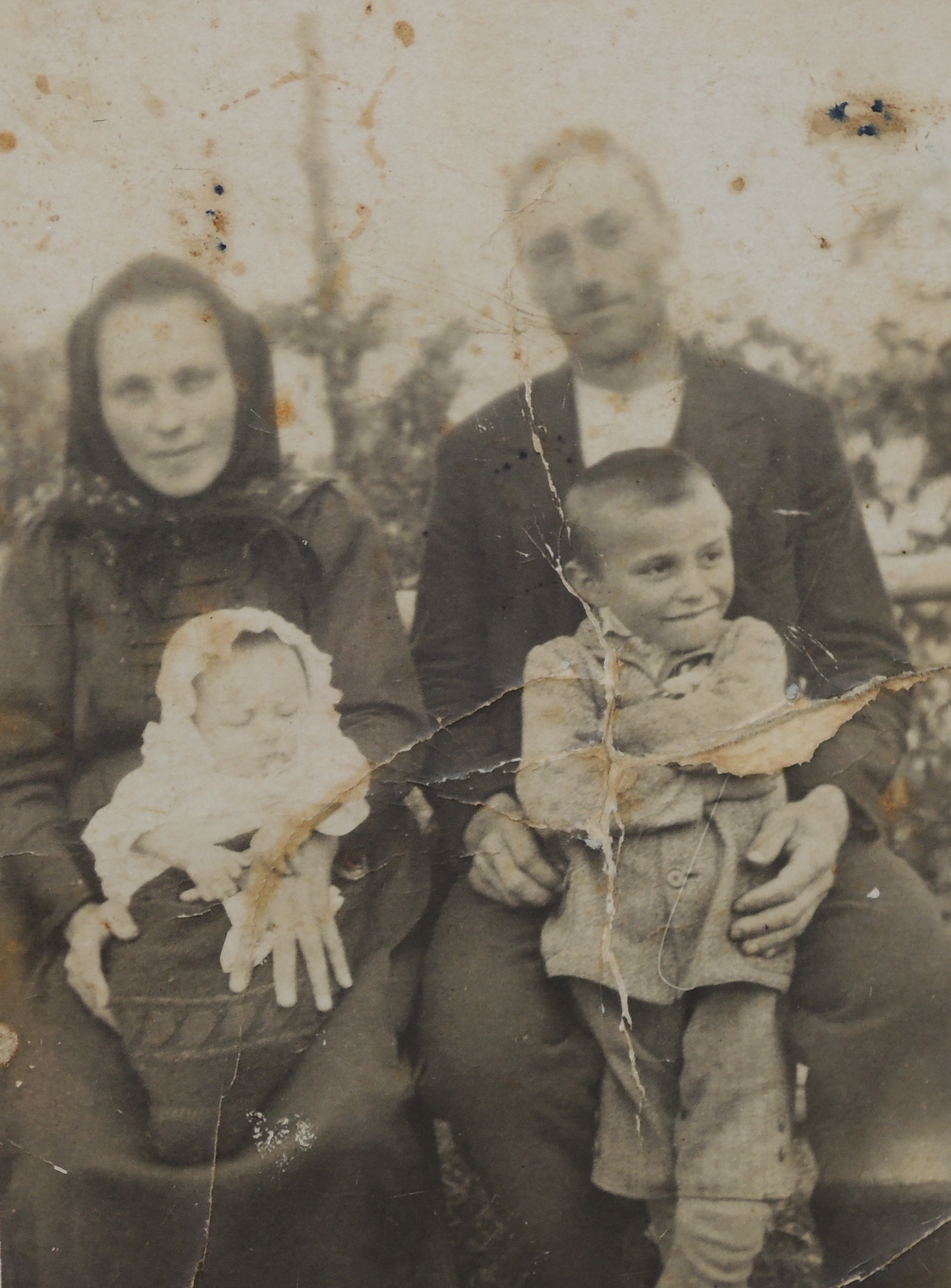
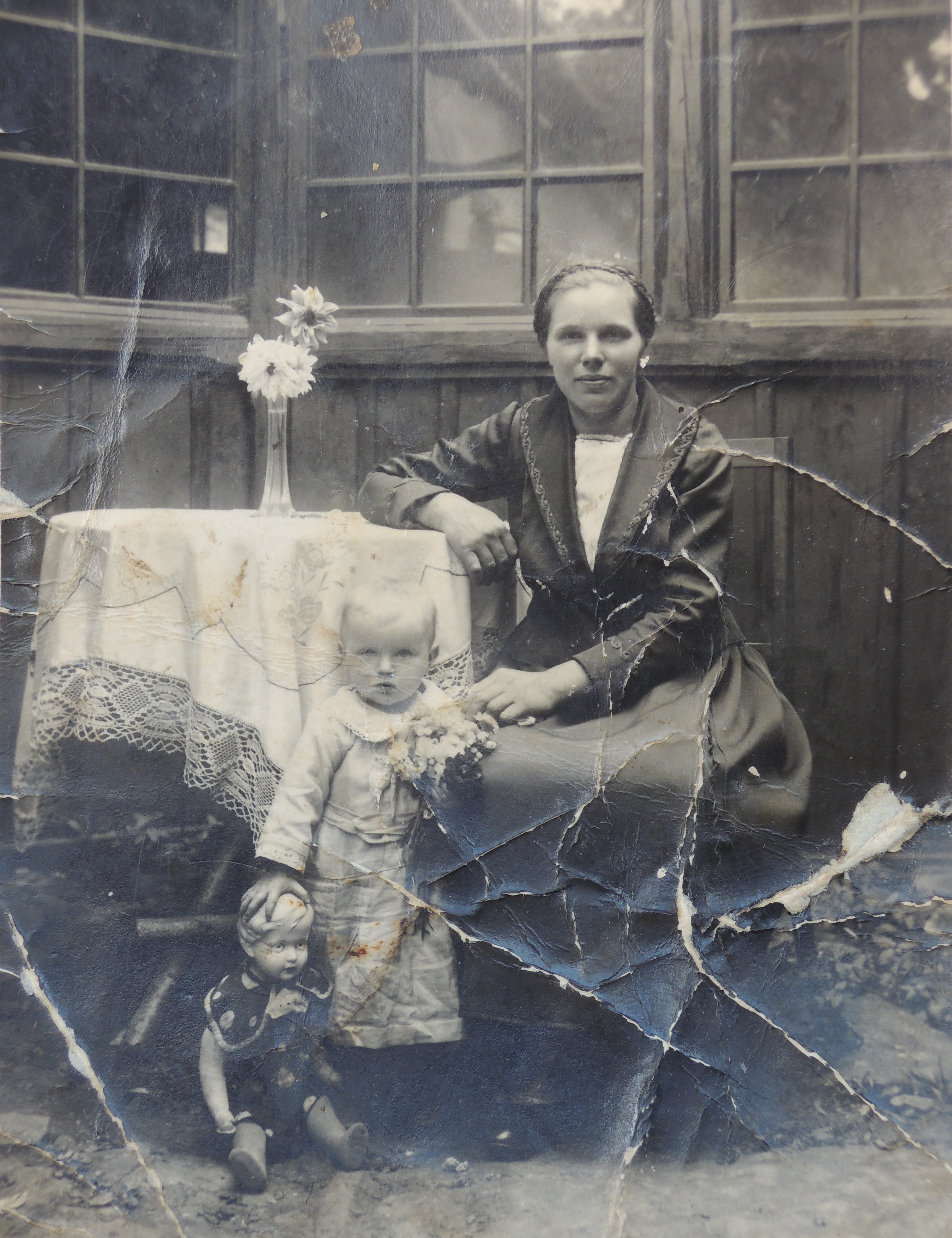
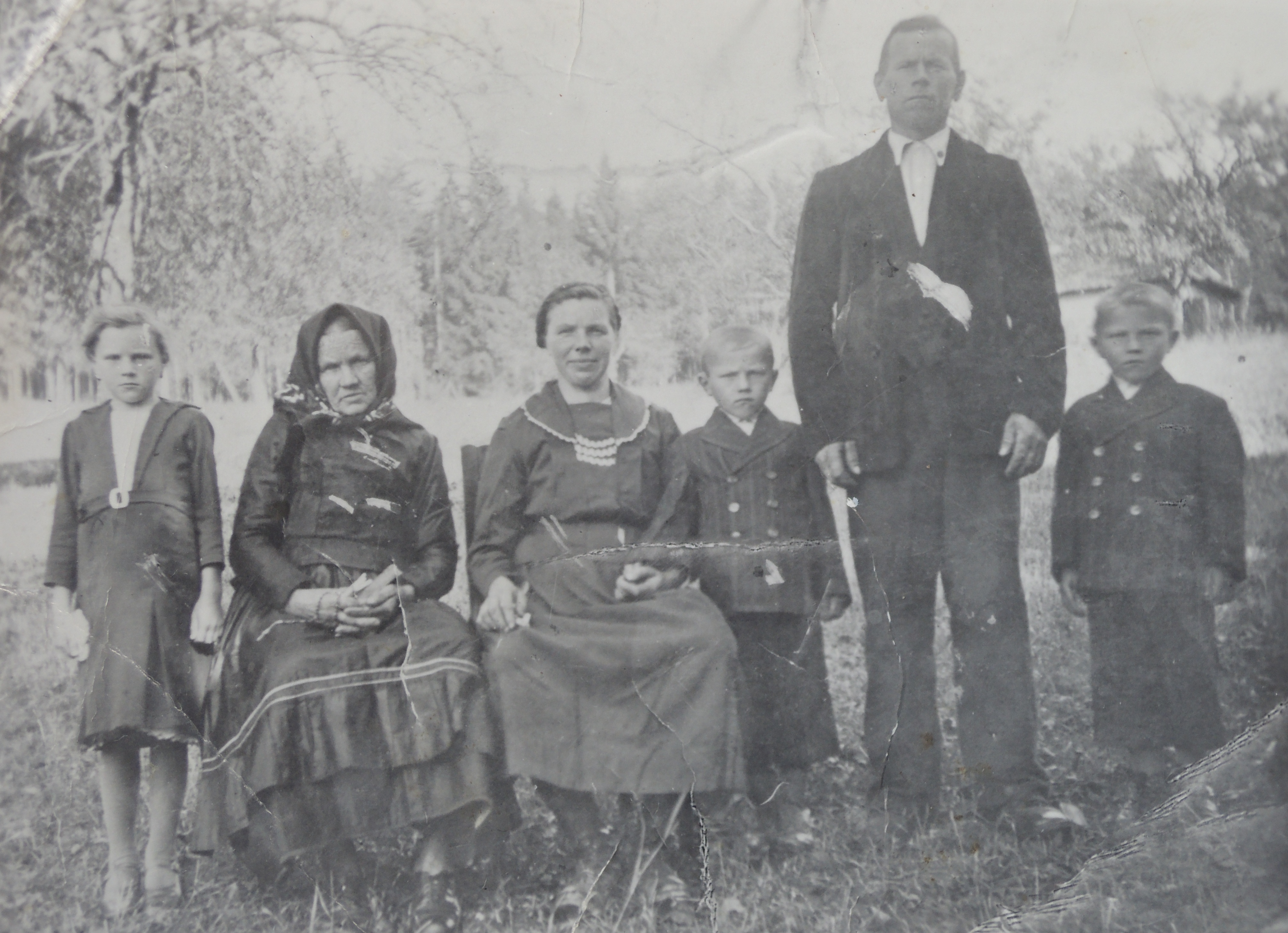
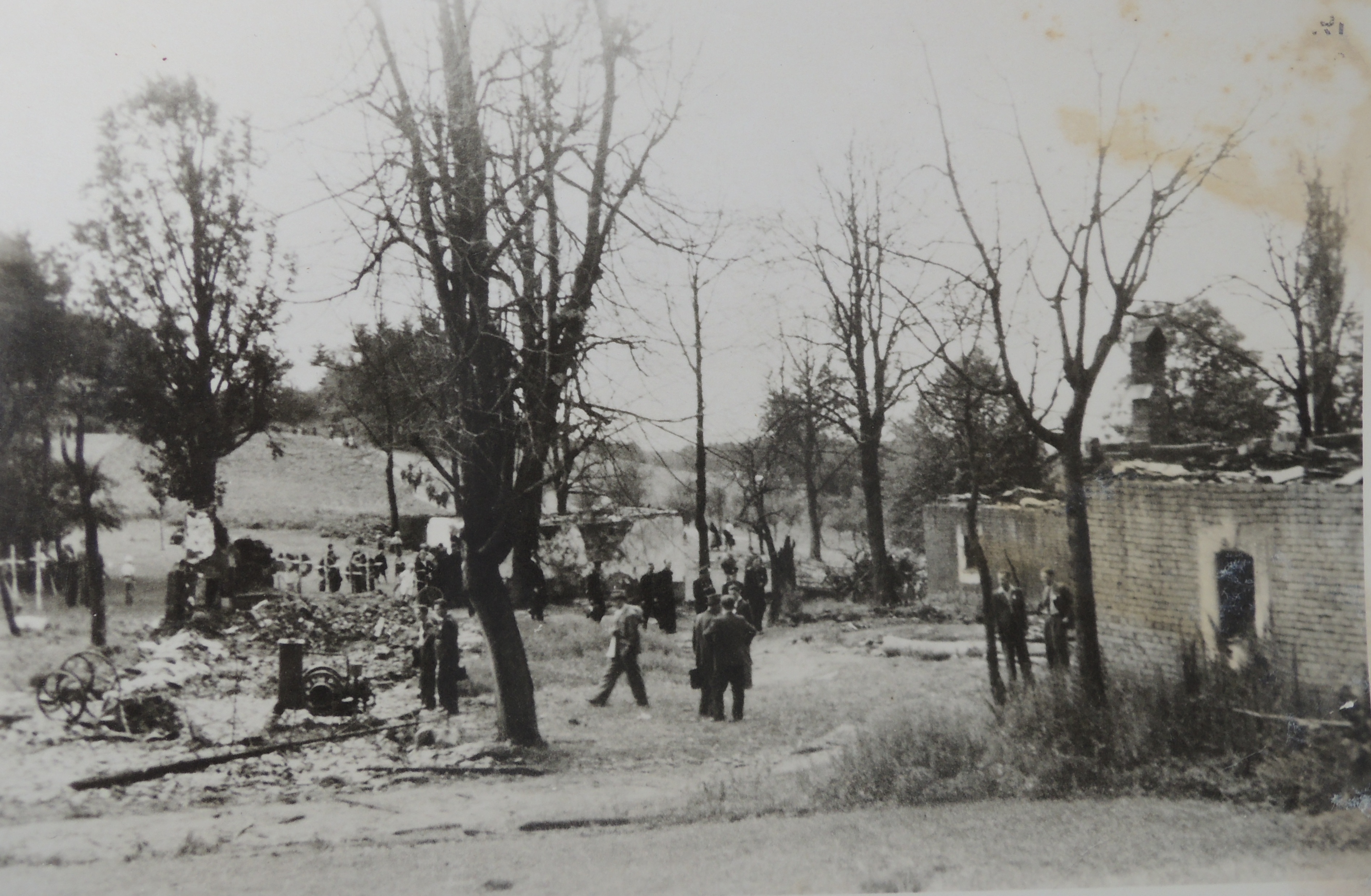
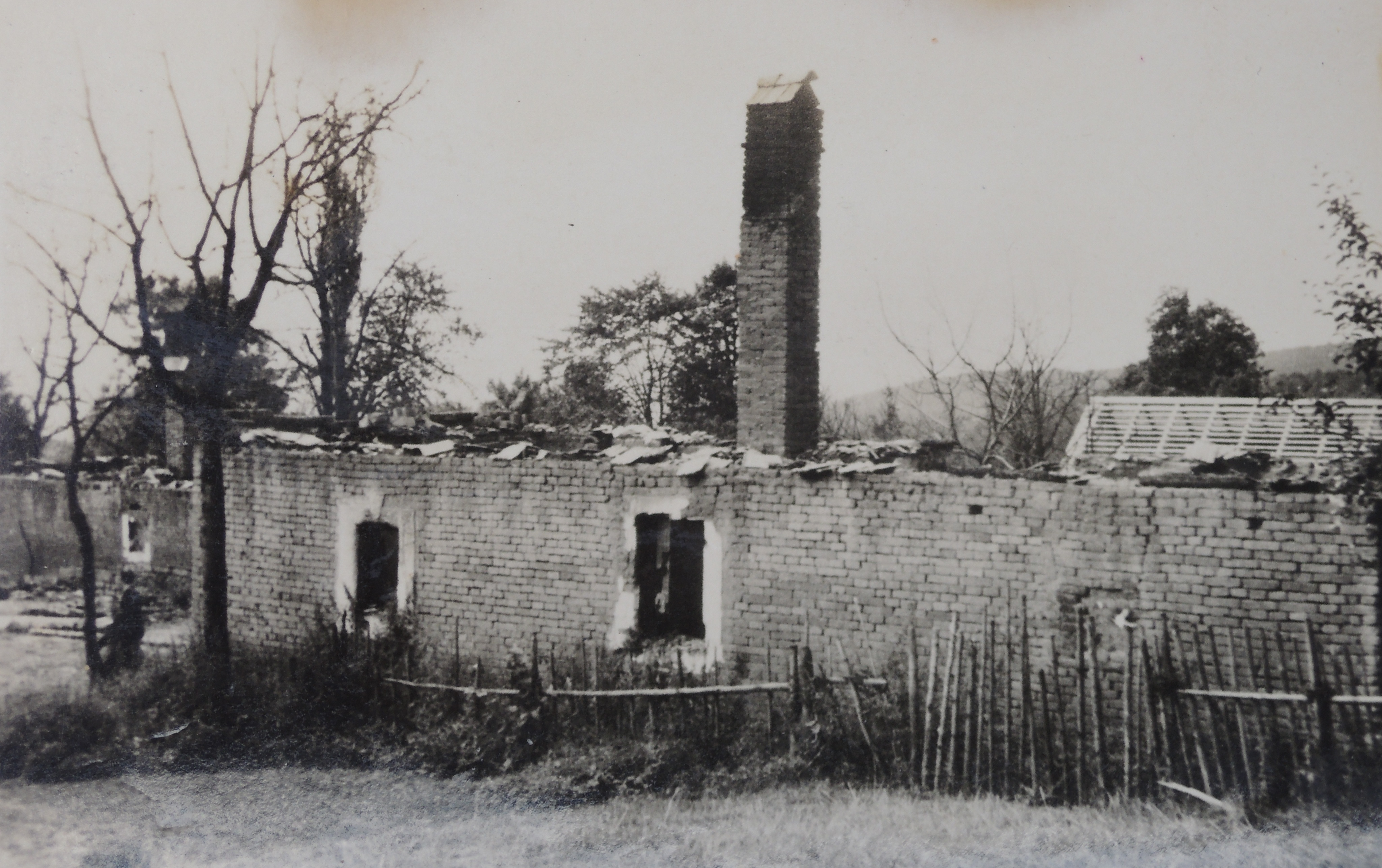
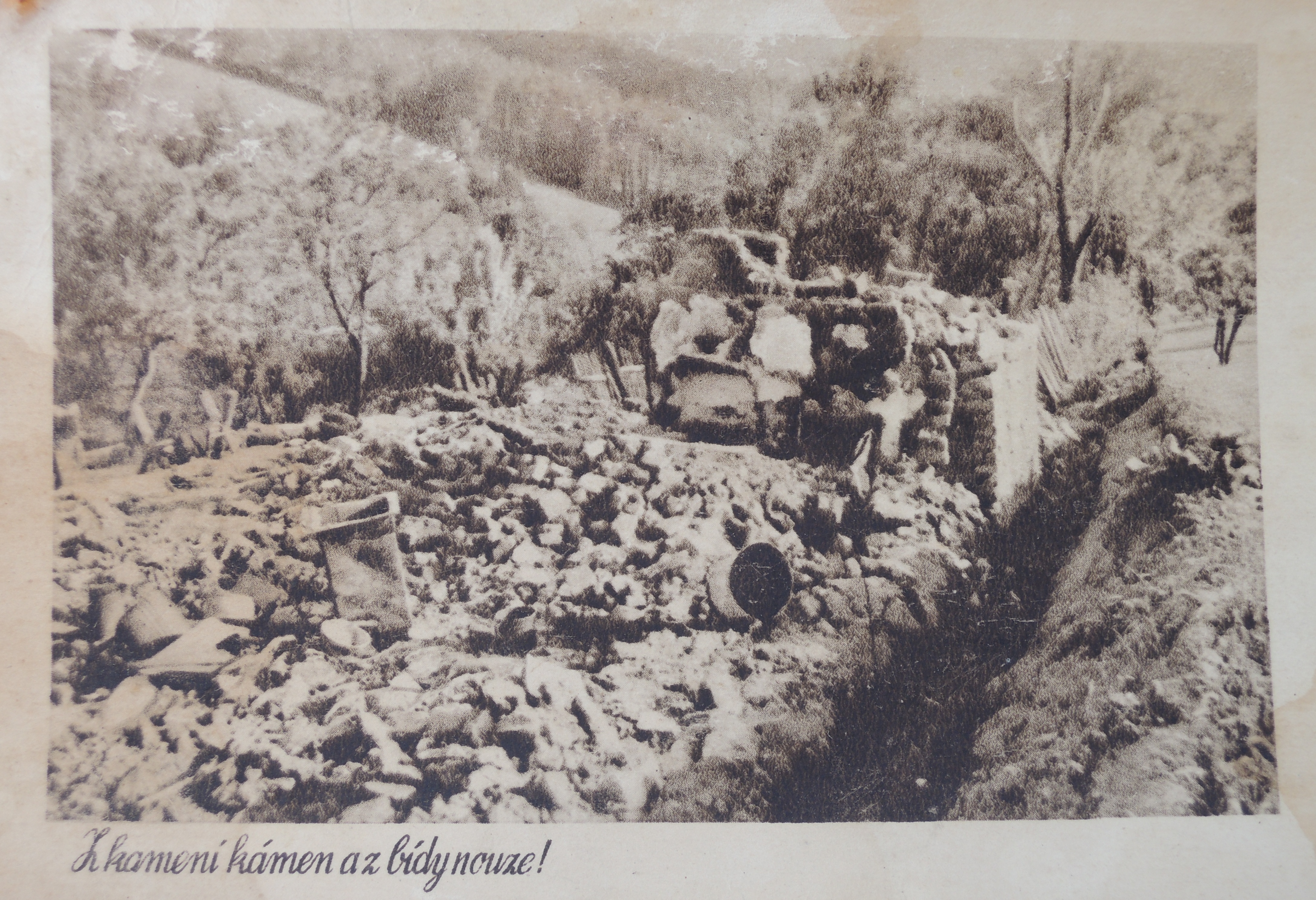
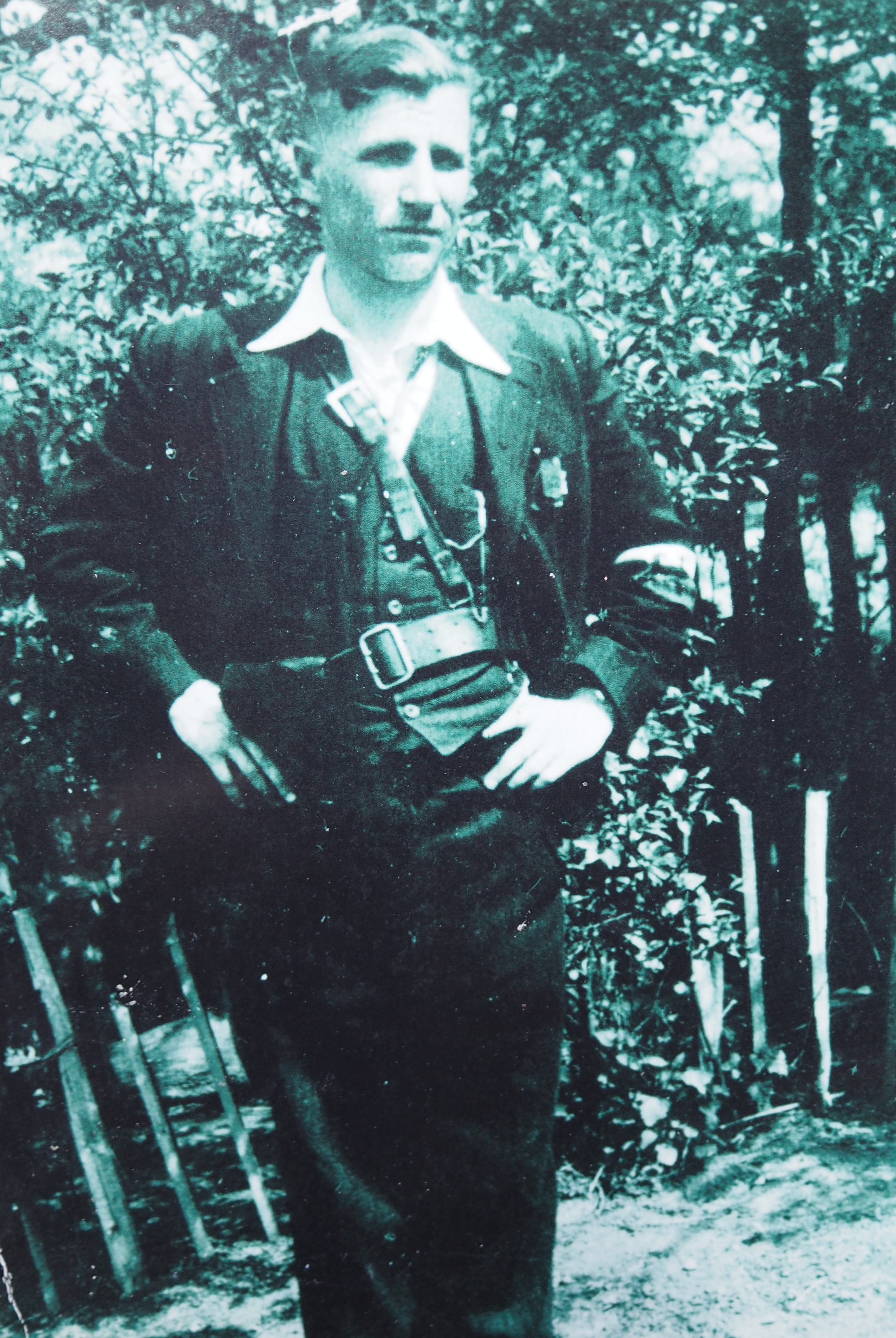
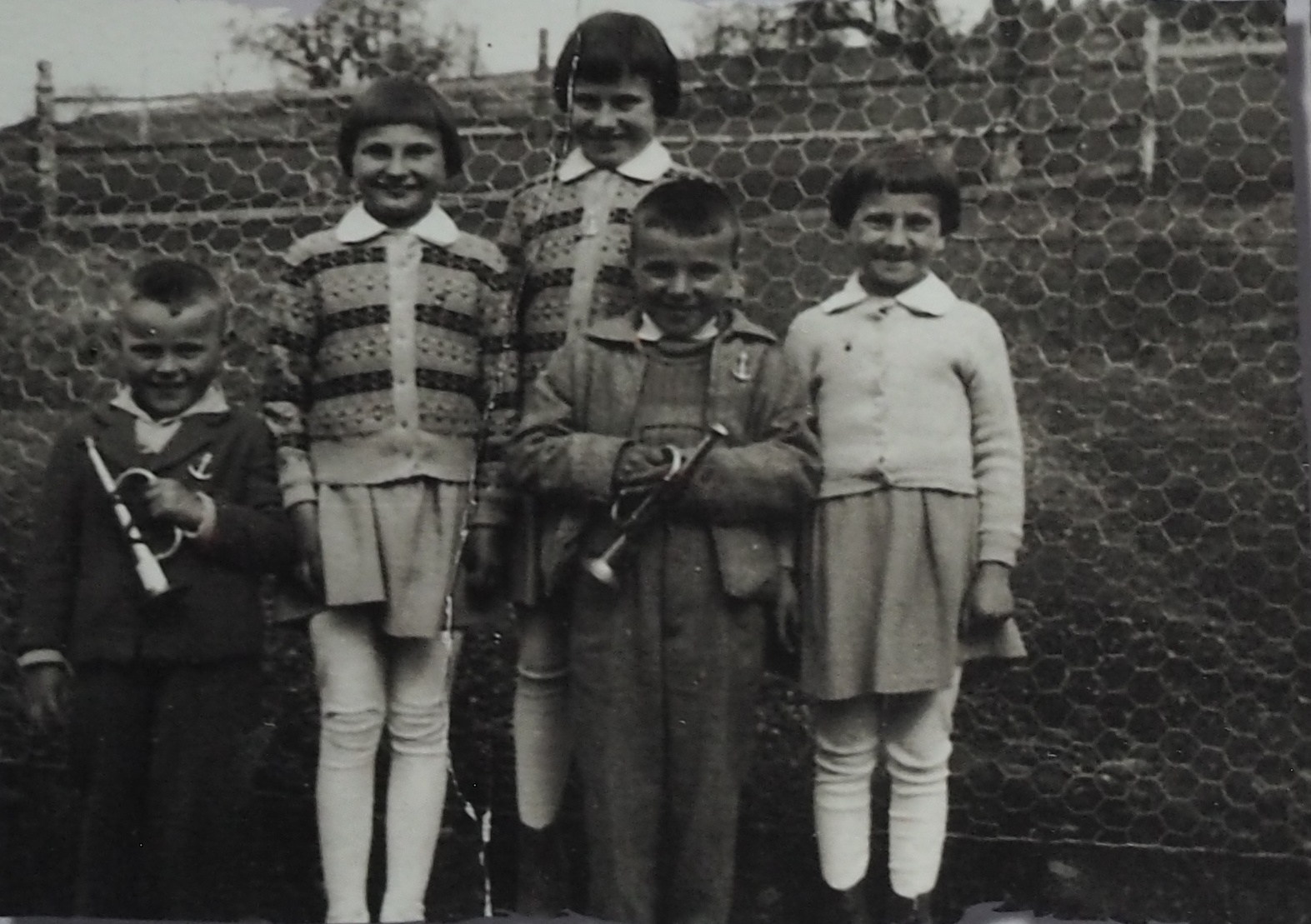
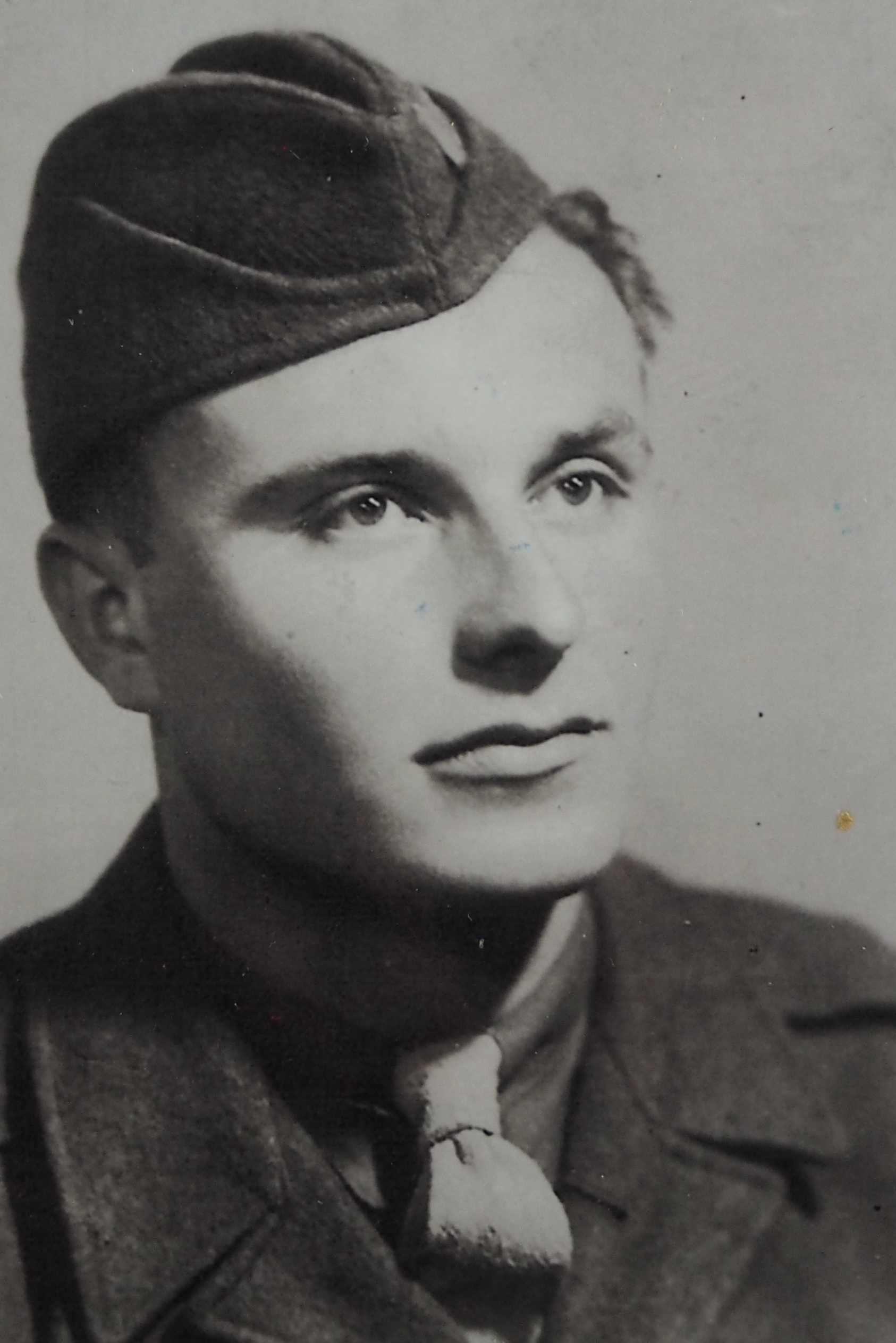
František Sochora was born on 16 March 1927 in Tichov in Moravian Wallachia. He was born and raised in pasture settlement Sochorák near Ploština. His parents František and Terezie, née Stachová, made their living by farming and occasional work in the woods. In 1944, František started to work on digging trenches near Valašské Meziříčí. When they were ordered to move closer to the proceeding battlefront to Ostrava, he ran away. At the same, partisans were already awaiting him at his place. They built a bunker in Sochora’s barn which served as a shelter and a hospital, and a doctor Kotulán from the hospital in Vizovice went there. František became first a messenger, later a fully-fledged member of the Ploština group. He took part in an attack on Hungarian army supplying unit thanks to which the group fundamentally equipped themselves with arms, or in actions of sabotage concerning telephone lines. During the burning of pasture settlement Ploština he hid himself with his family in woods. During the liberating fights he together with the Partisan Brigade of Jan Žižka joined the Romanians and he took part in one attack on German units. After the war, he was confronted because of his membership with Ploština group by the inhabitants of nearby villages and was even beaten. After the communist coup, in 1949, the witness’s father František Sochora was arrested. In 1950, he was sentenced to 14 years in prison for high treason because he supported resistance group Světlana (the amnesty later reduced it to 9 years and he was released after 7 years). In the 1950s the family then lost their farm because they were forced to pass the field on to the cooperative farm (JZD). František Sochora worked in Pozemní stavby for most of his life. For many years, František Sochora lived in his wife’s family house in Ploština which they rebuilt, later he lived in Újezd near Valašské Klobouky.