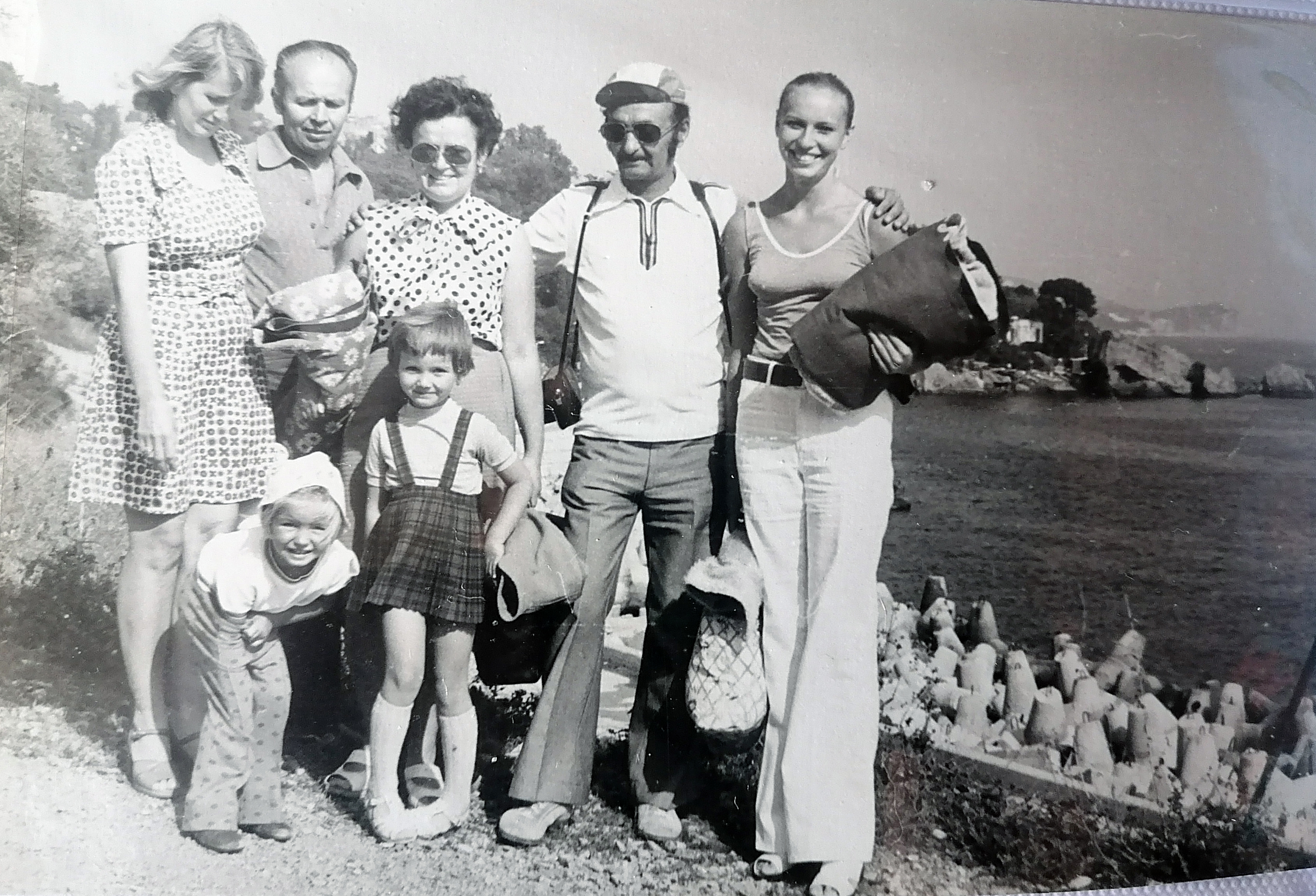
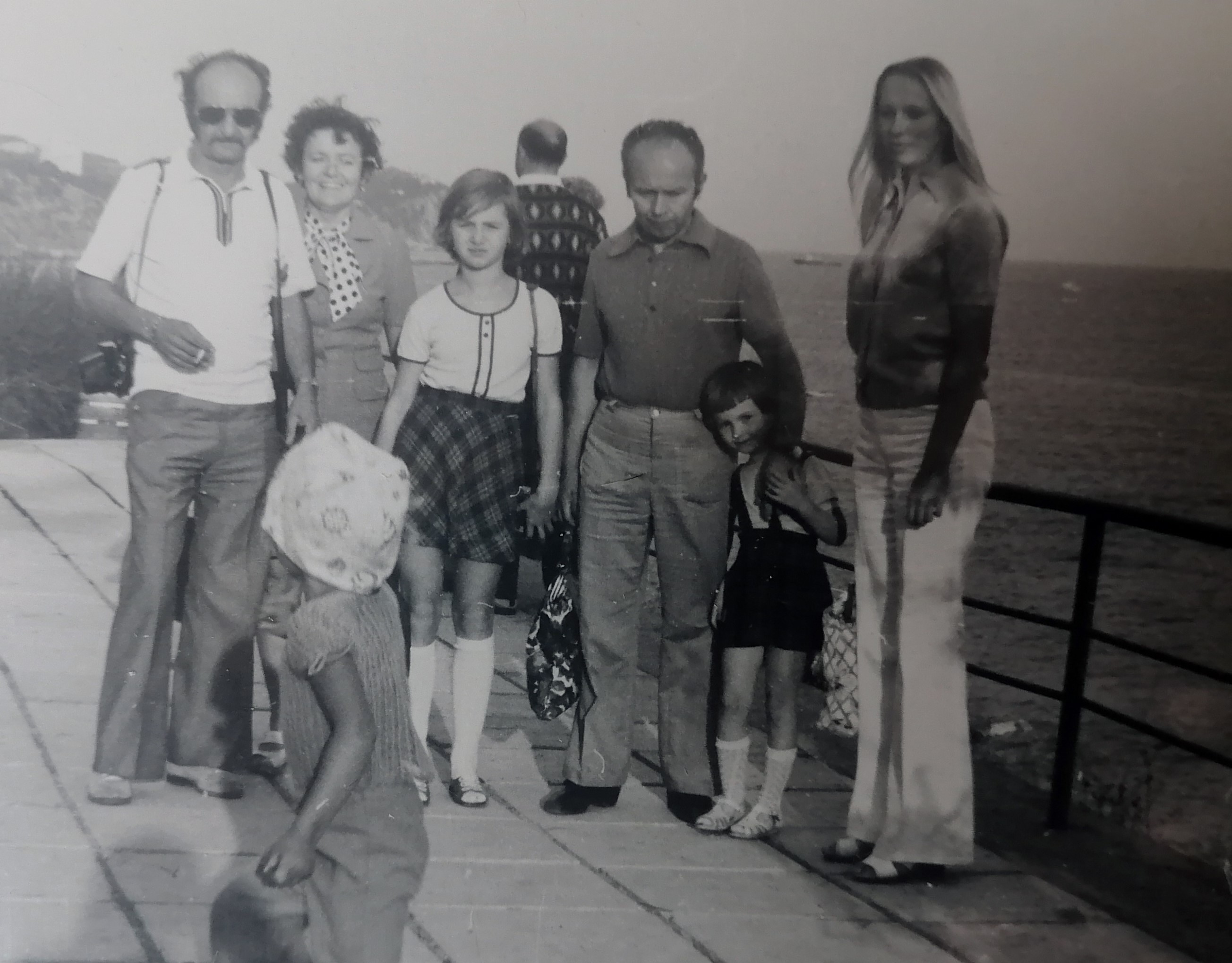
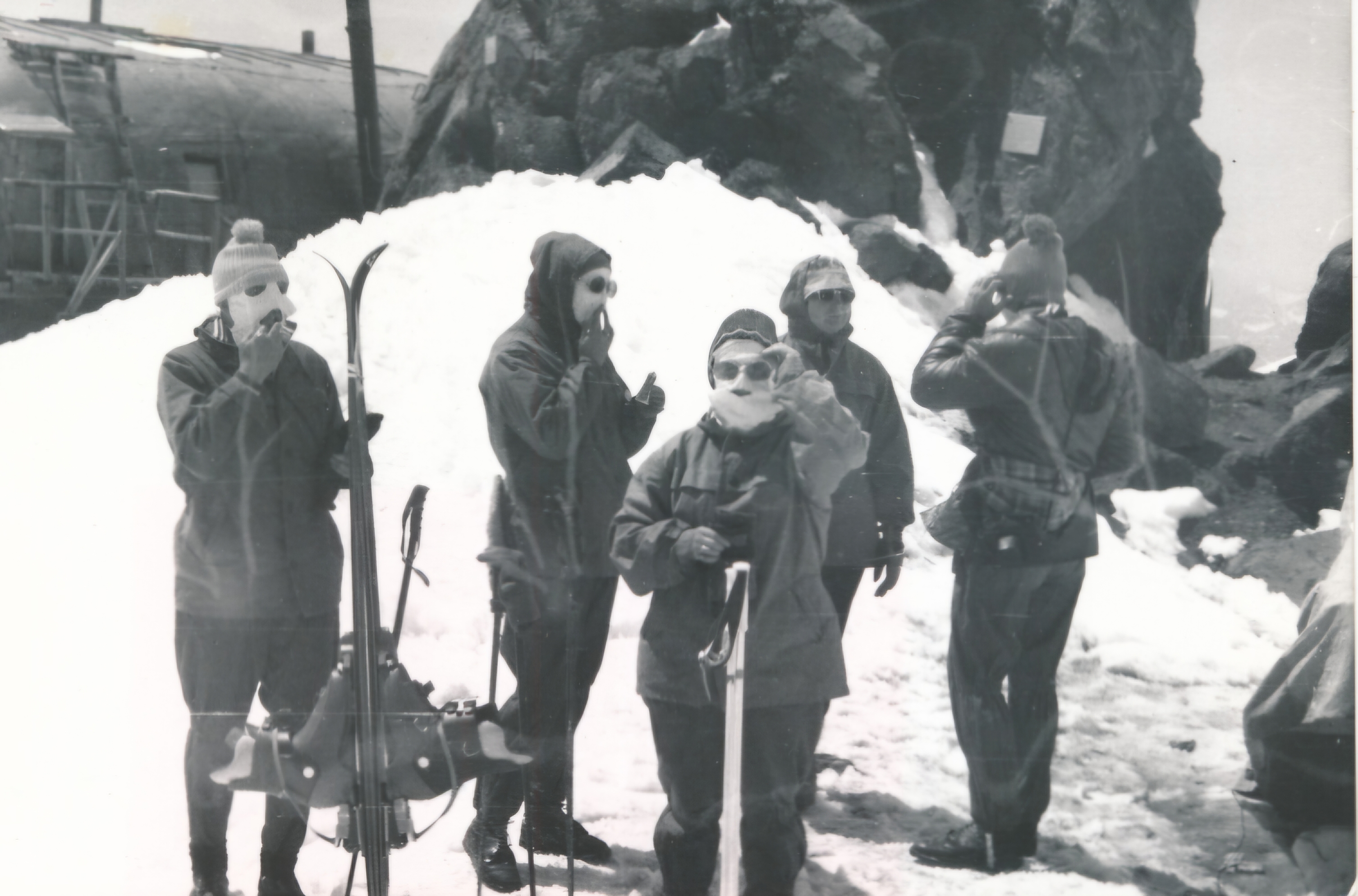
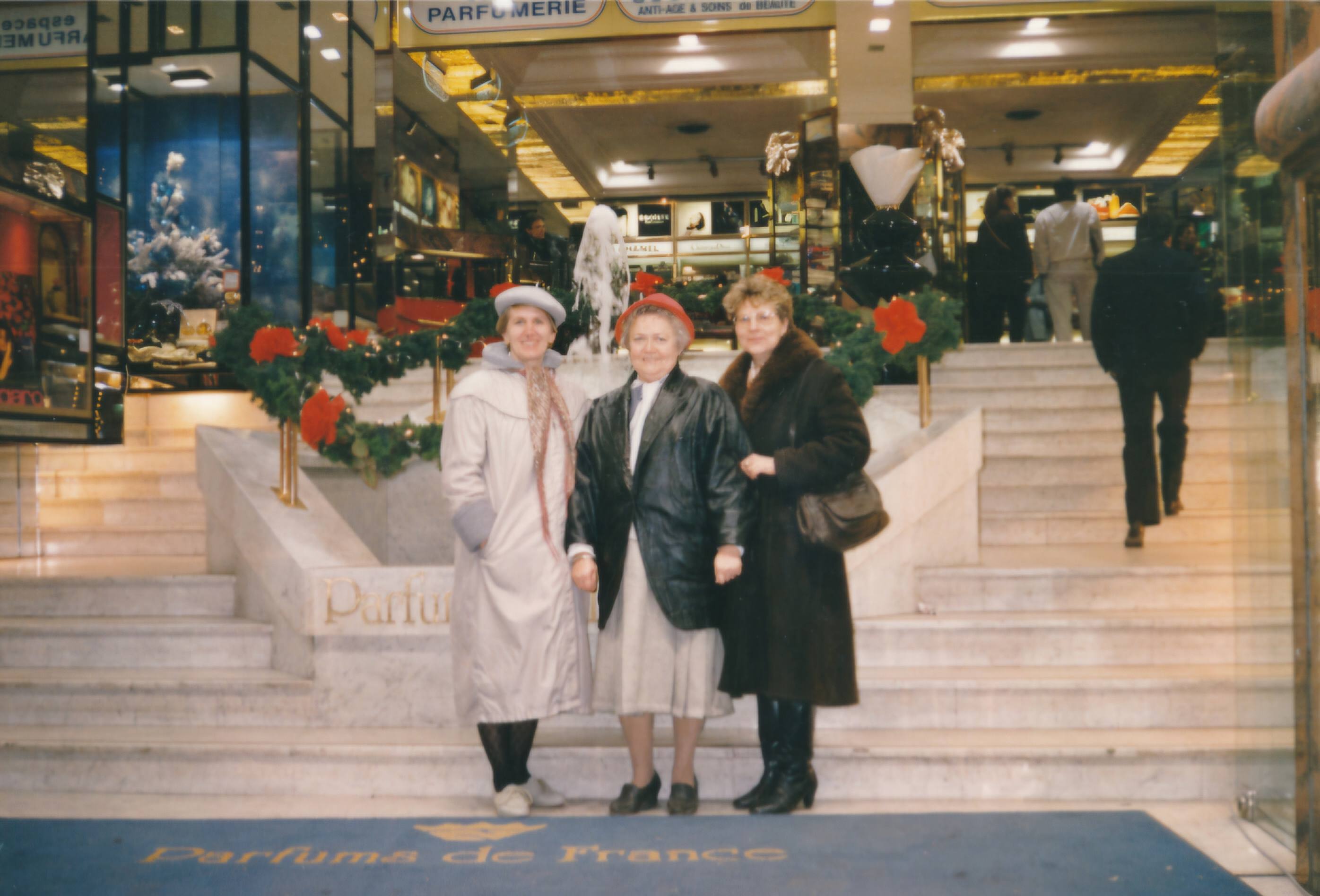
"We immediately applied for an entry visa to France. Instead of going to get an entry visa and a transit visa through West Germany, we went to my father-in-law's funeral. In the meantime, I managed to exchange money at the bank. There were three of us. Imagine that, we each got eight and a half dollars for the whole trip, which was exactly 115 francs. That was hardly enough for fuel from Strasbourg down to Lannemézan. So, instead of going to arrange it, we went to my father-in-law's funeral on Friday. And only on Monday we went to get the papers. My husband went to the French Embassy, I went to the German Embassy. The Western one didn't have an embassy, they only had attachés here in the Eastern one. The queue was still on the street. Noon came, nobody was there and I was alone, my husband was not there. That's what I tell the lady at the window. She says: 'It's all right, when your husband comes, knock. The attaché will be here at two o'clock and he'll sign it for you.' My husband came, we knocked. Within a few minutes we had a transit visa. Then we started packing and the next day we left, as they say 'omnia meum mecum porto, I'm taking everything I have with me'. We had a Dauphine, a Peugeot four [it was Renault, ed.]. Poor thing was so crammed that his knees were spread. Here the Mencl family lent us a roof bag and we set off for the south of France."
"When we graduated, our class teacher Jarmilka, we didn't call her anything else, she was very nice, she came. I could see she was upset, she didn't even look at me. Pavel Jandů rushed out to her: 'So, professor, how did it go?' 'Children, go home, you'll find out the results at the end of the final exams.' But there were results in the classroom next to us. Mr. Sís came out and said, 'You've excelled, you'll probably get a distinction.' He was probably a little bit.... Anyway. Then came the interviews. That was awful. The chairman of the committee didn't know how to justify the marks 2 I got. Three 2 and 1. The only one who gave me a 1 was Michal Kličko, our Russian teacher. I don't blame them. The fifty-second year was the worst year ever. It was the... staged trials and so on. That was really the worst year. So I don't blame the cantors for just giving in and giving me the 2. The Youth Union guy: 'You don't mind working in the Youth Union if you're a kulak...' Terrible, really terrible. I would be able to answer that today. But at the time, I was a totally stunned. It was terrible. Terrible."
"In April of '45, the Germans were already fleeing westward from the Russian army. So they closed our schools and we went to the Brdatky, now the Talich Valley, to the pub once a week for half a day. I'm not sure now, I didn't verify the date. We were there on a Monday, and my friend had a terrific fright because there were fighter planes flying over us, there was a forest nursery, people were working there. When the air raid was announced, we ran for cover in the woods. Jiřka was terrified, we couldn't calm her down. We were crawling in the young forest under the spruce trees. Nothing happened, so I went home to Veselá. That was an hour and a half away. There's a little flat area there, now a golf course. I sat there and watched the fighter planes fly over me, and nothing happened. And on Tuesday, the bombing of Beroun came. And imagine that, in the place where I was watching the planes, two bombs fell. Exactly at that spot."
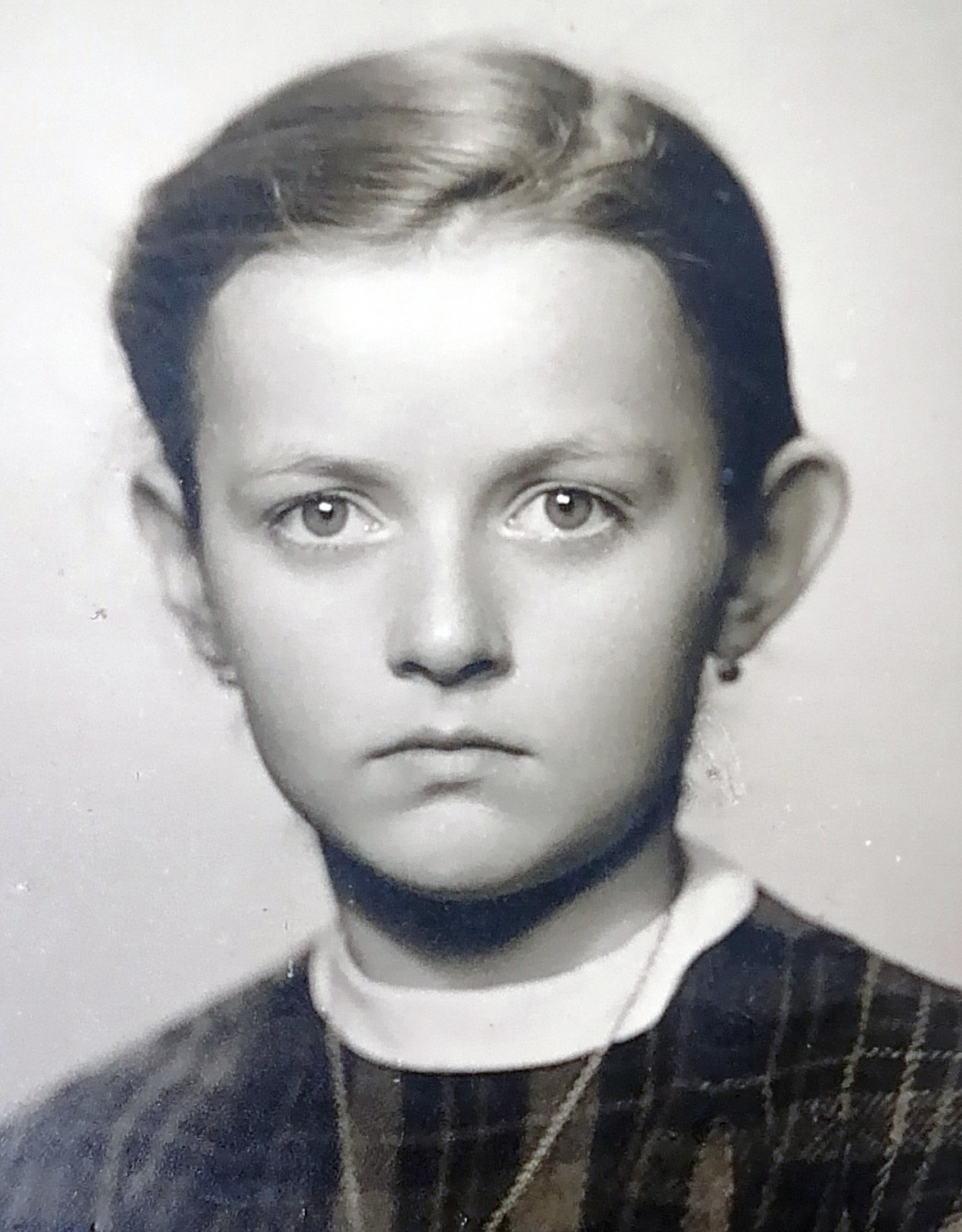
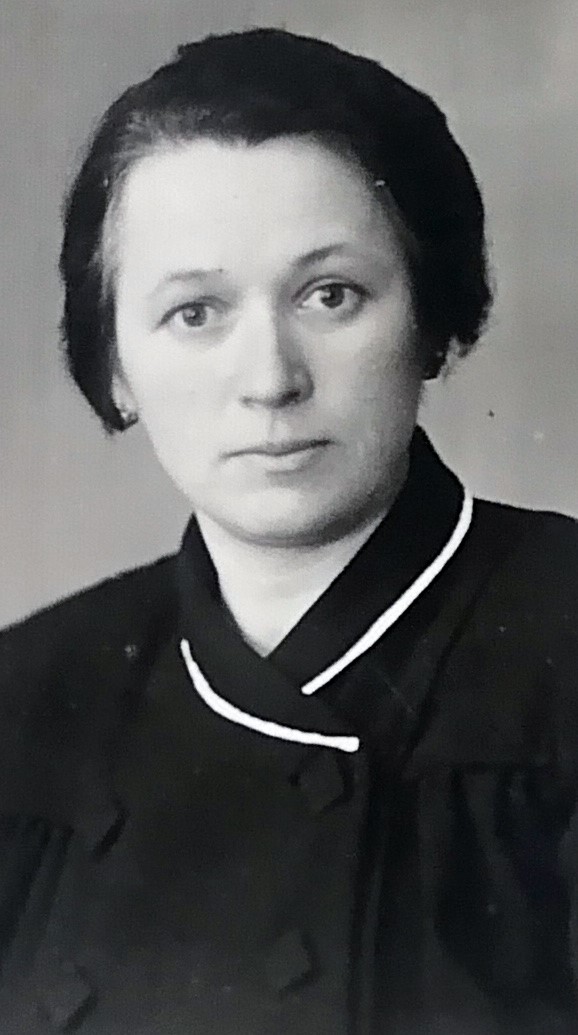
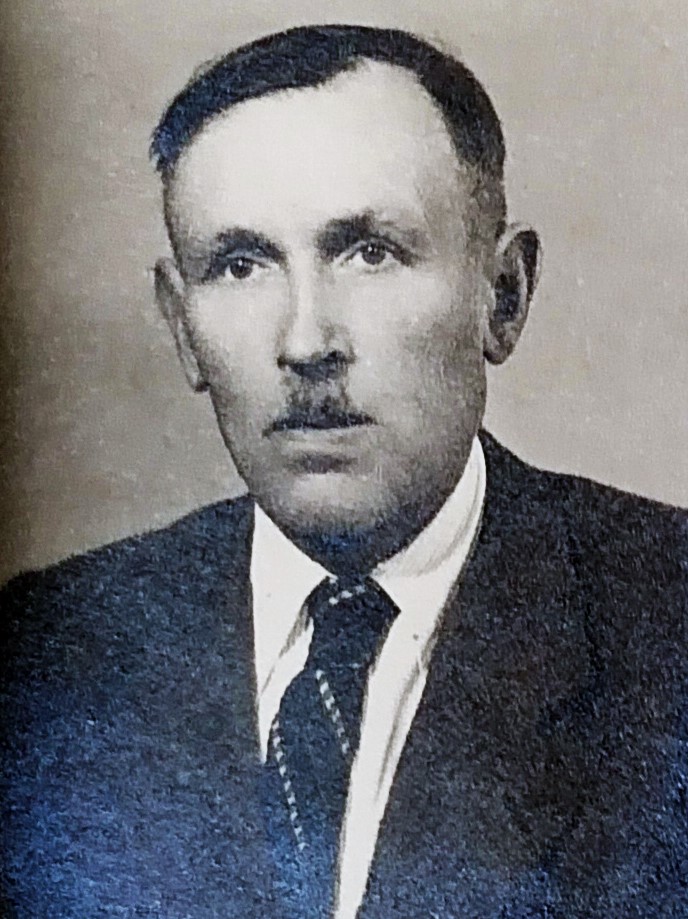
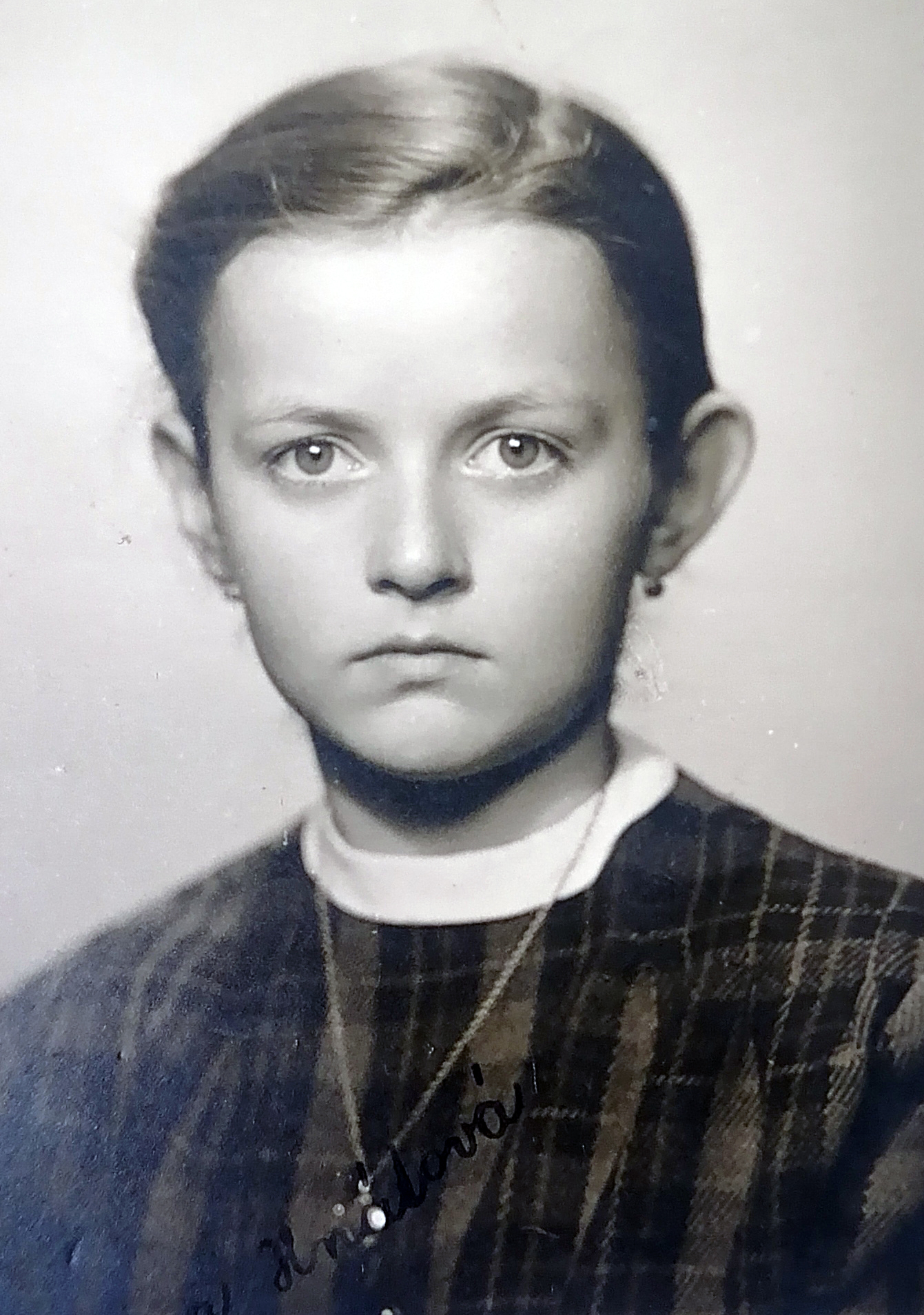
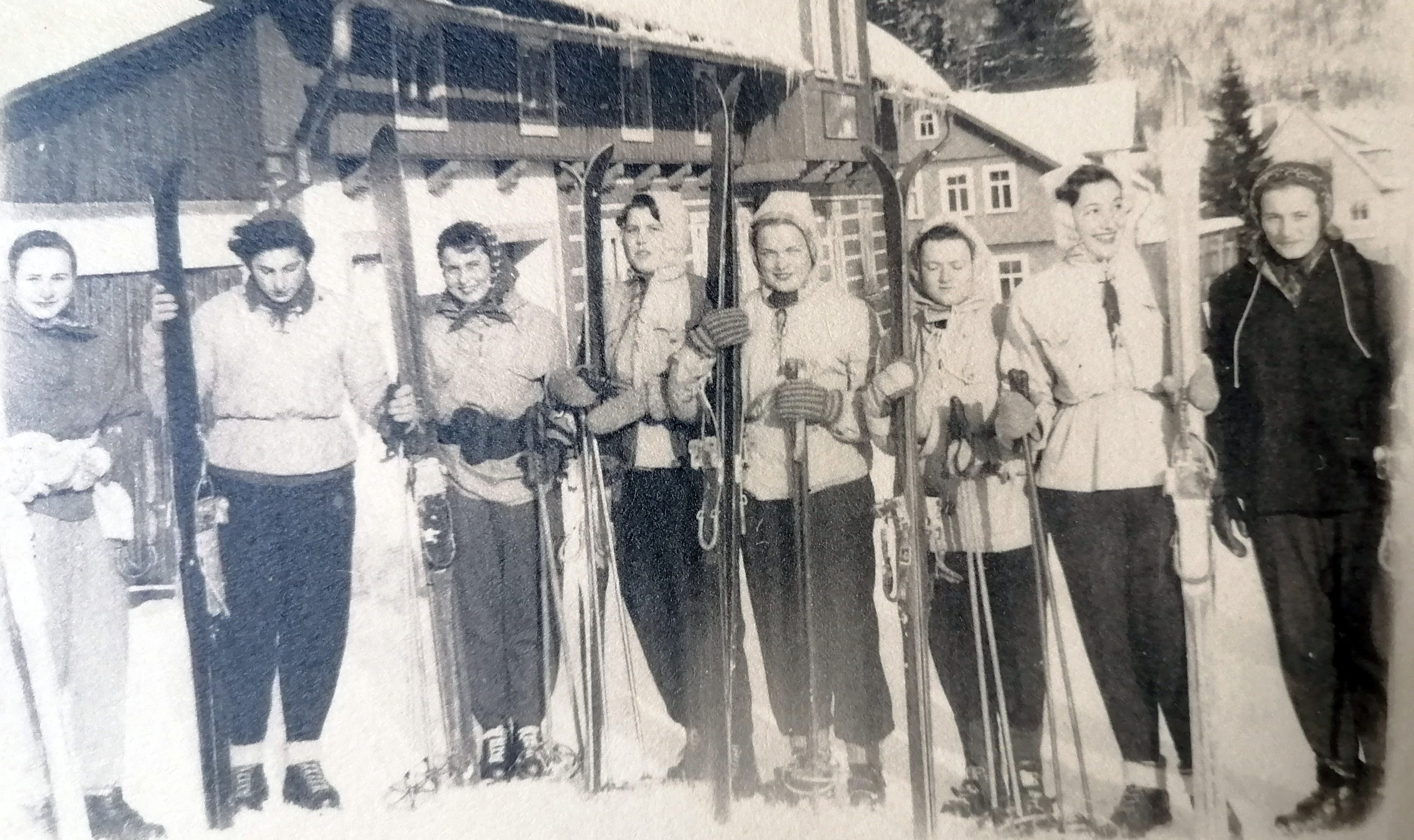
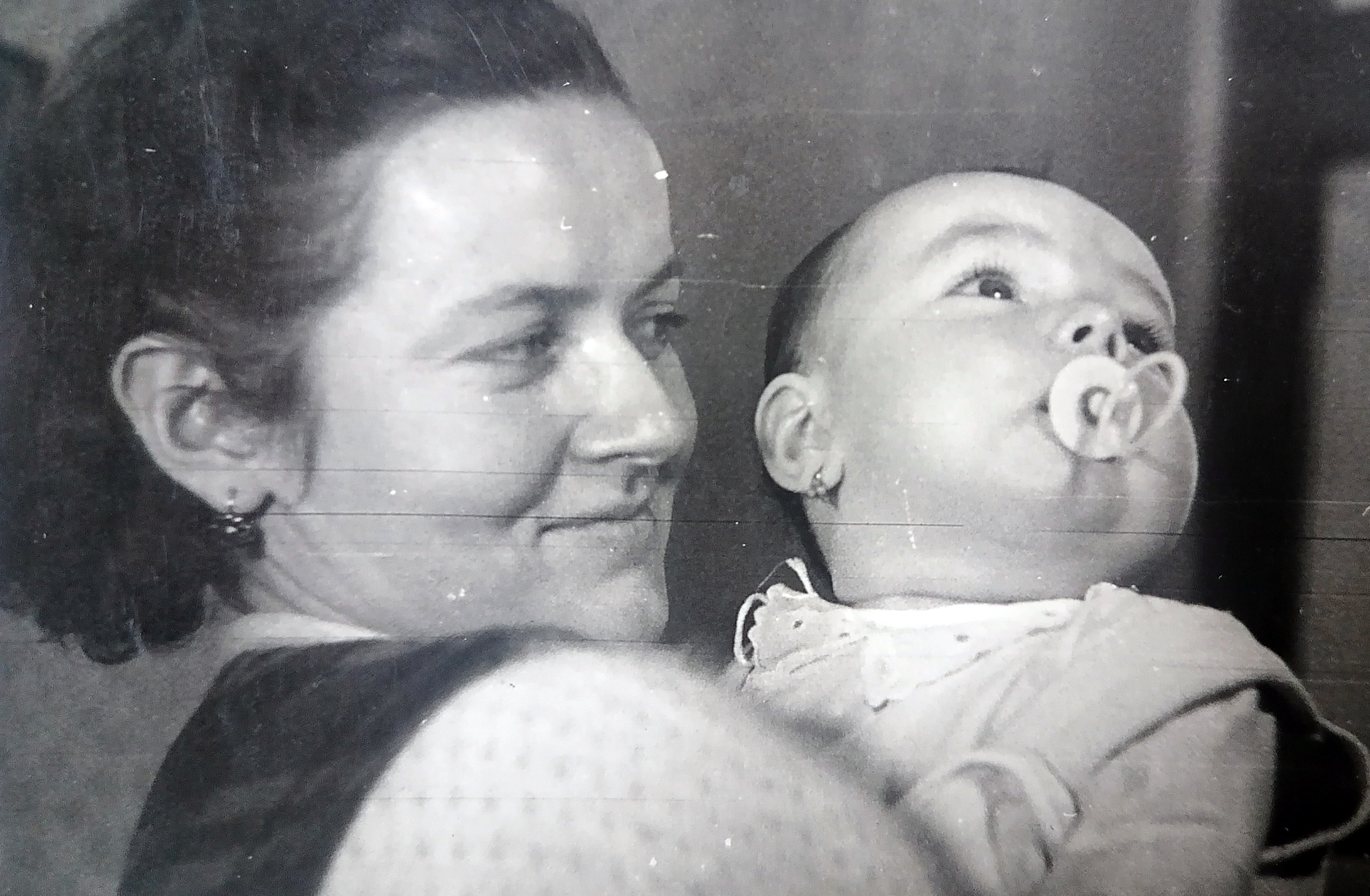
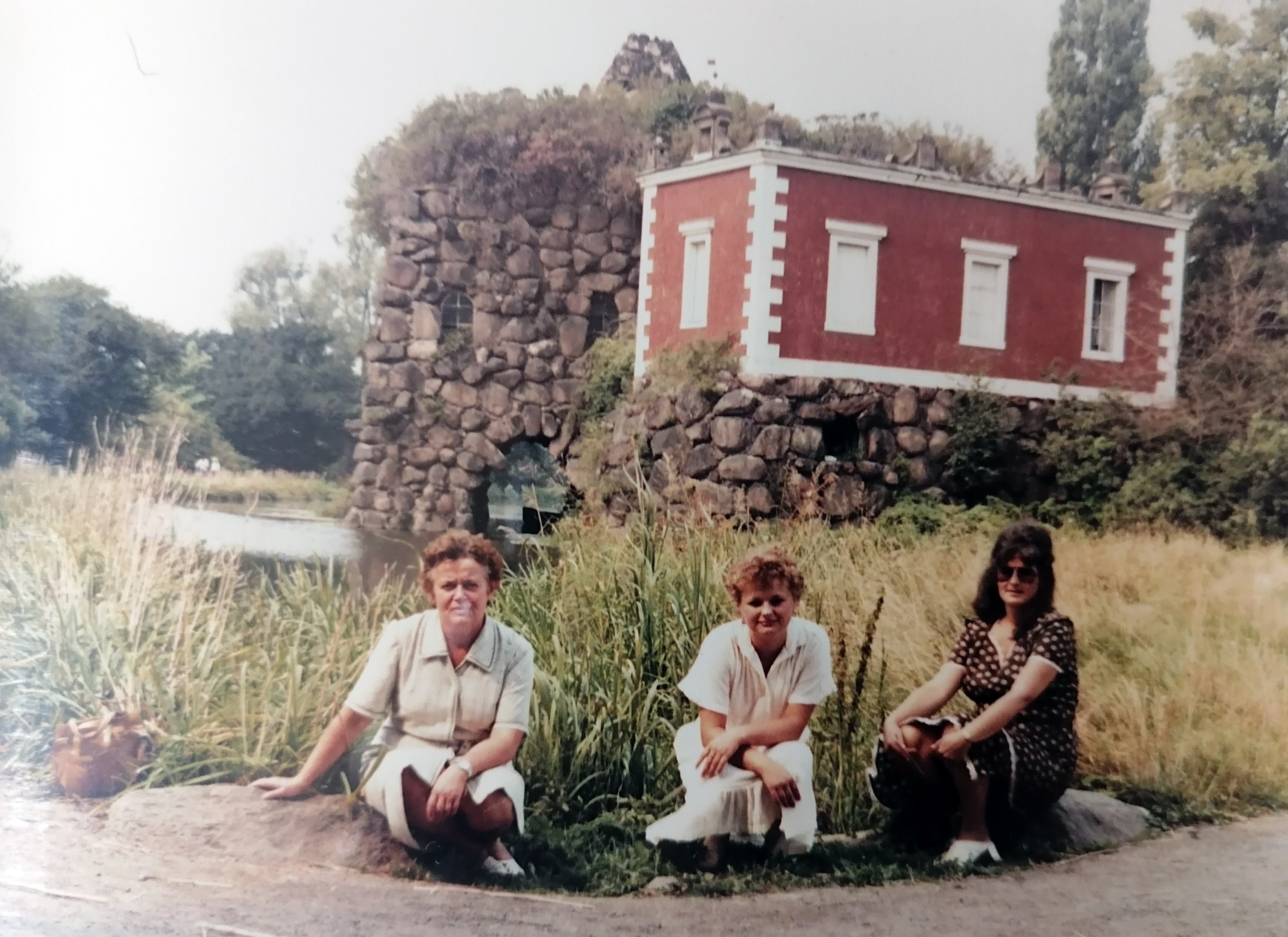
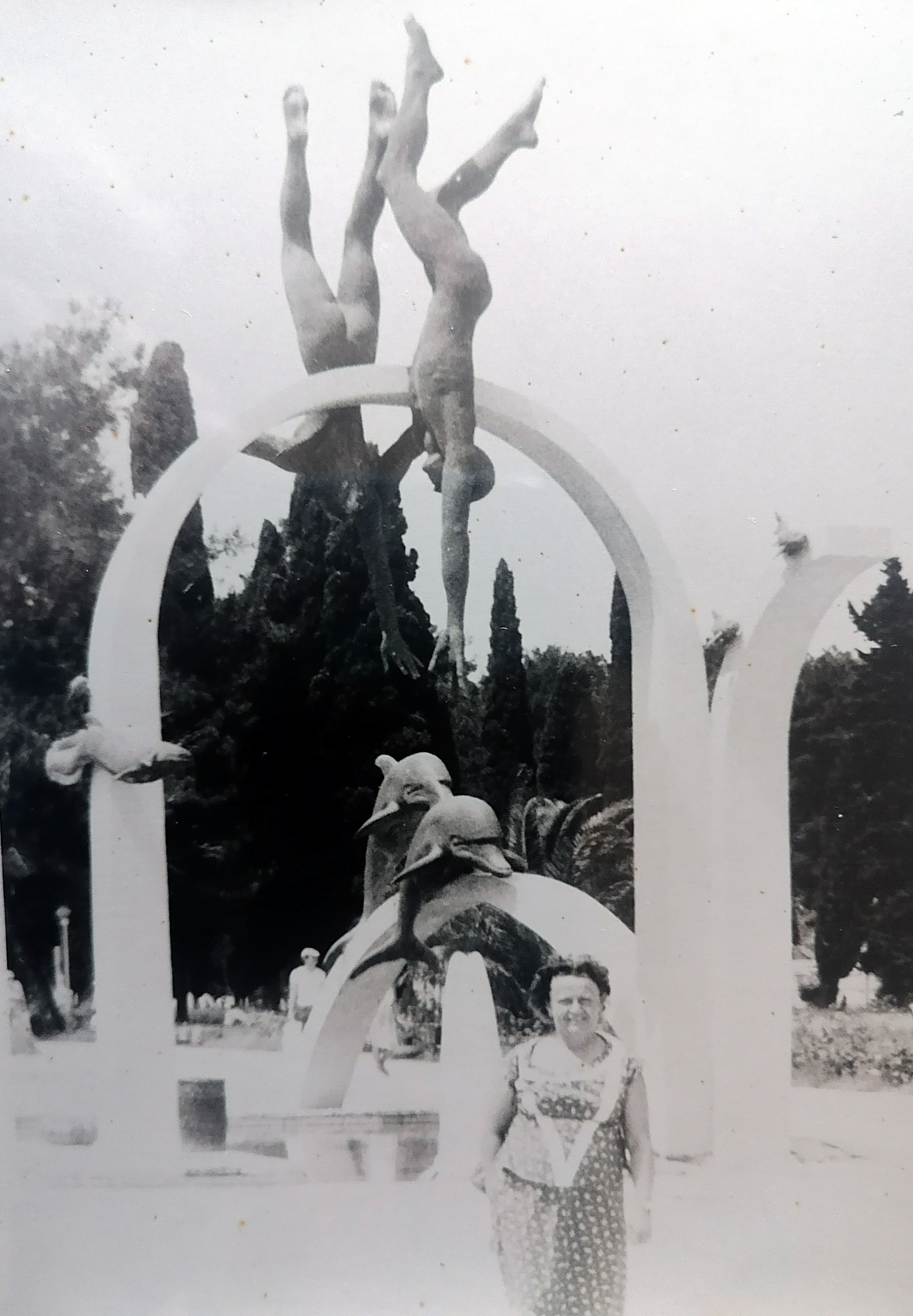
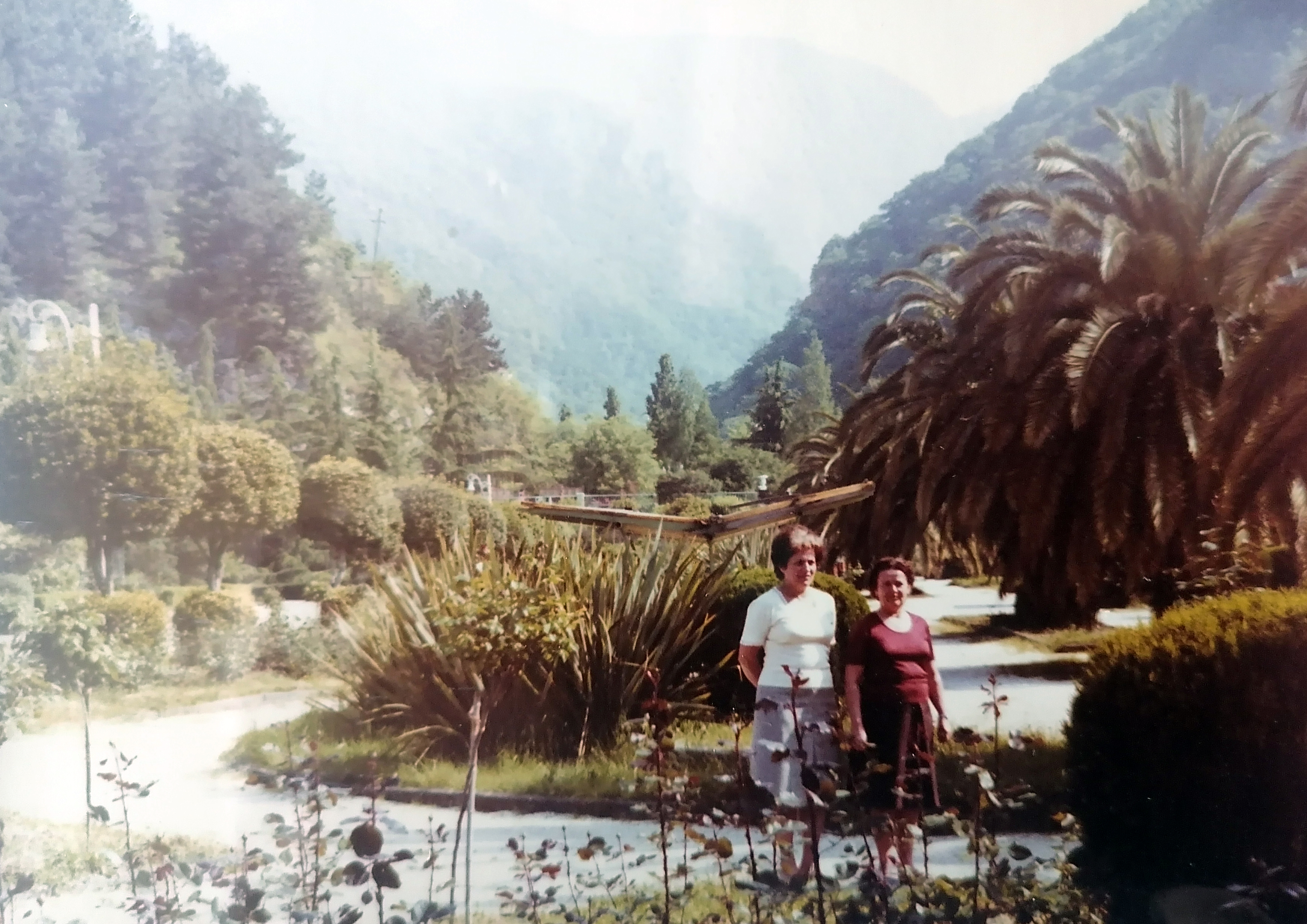
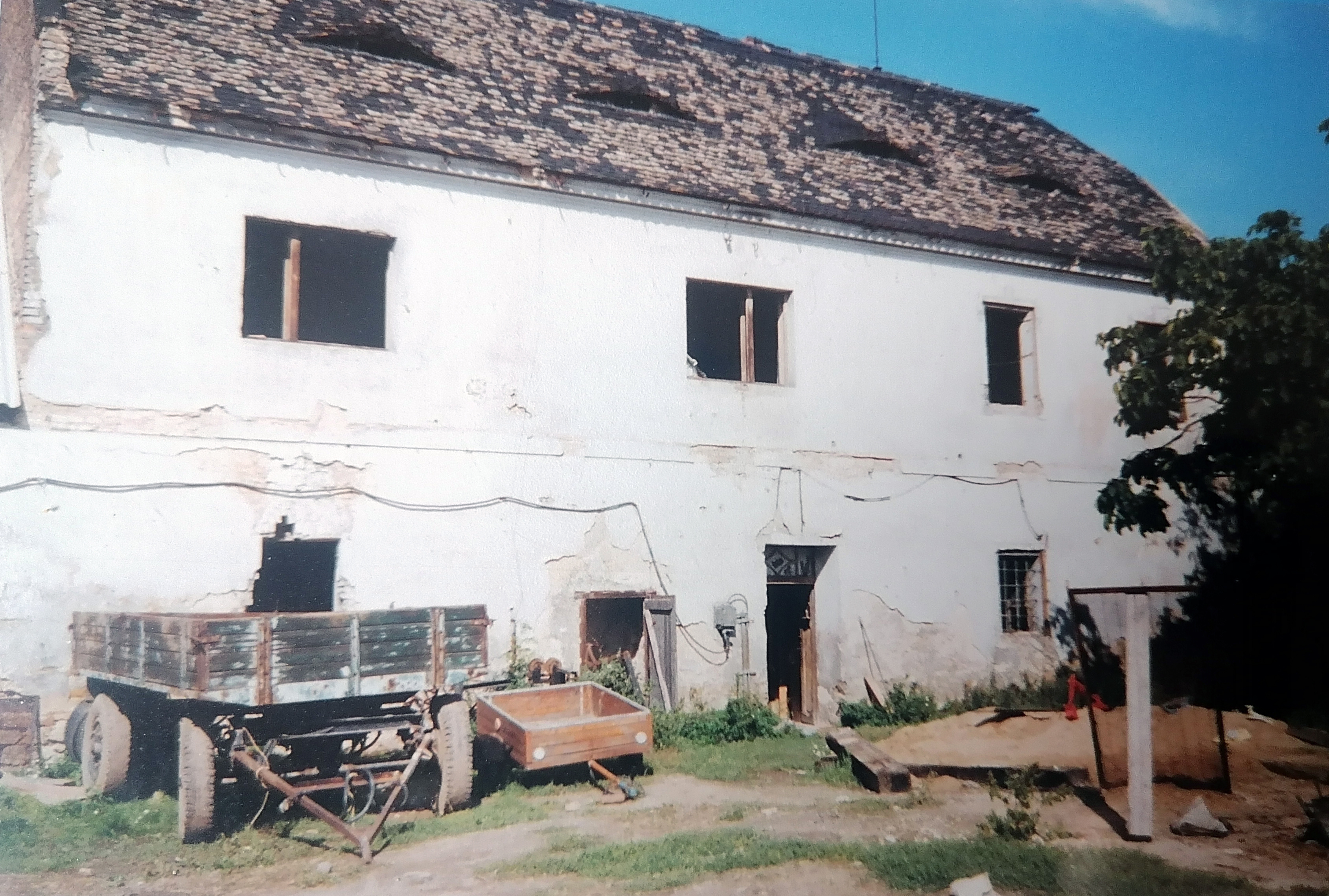
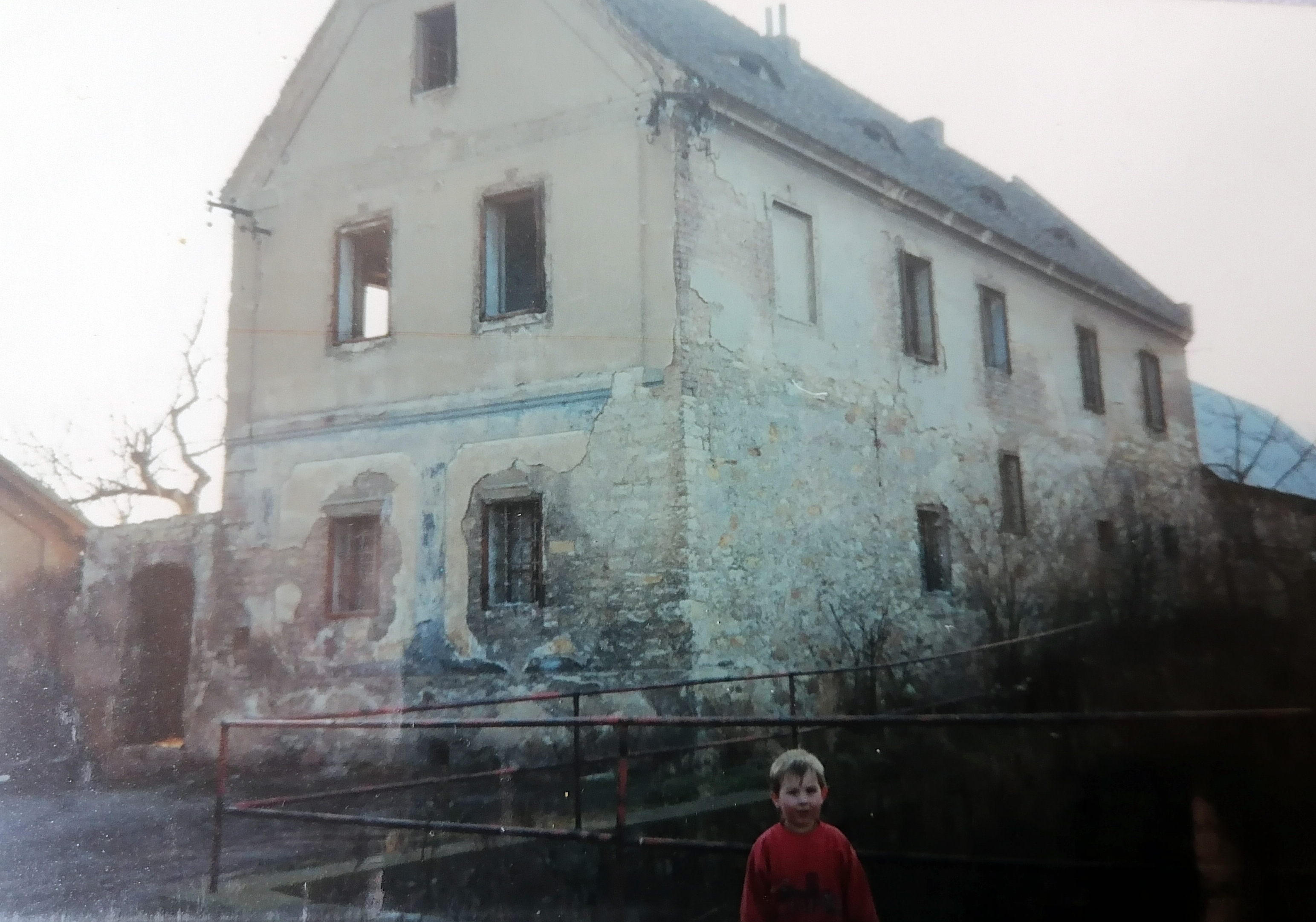
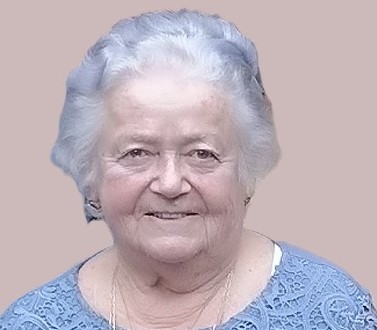
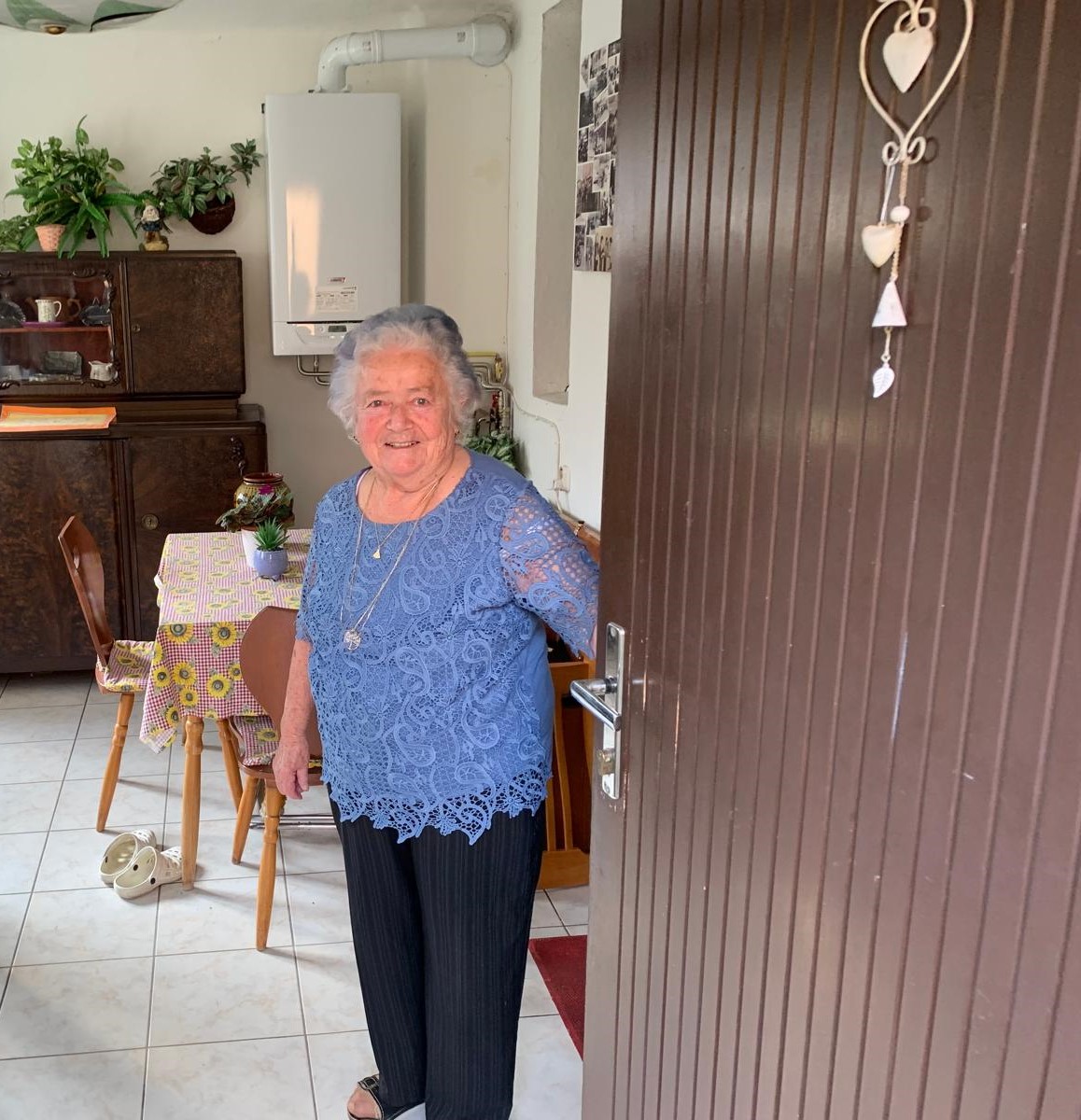
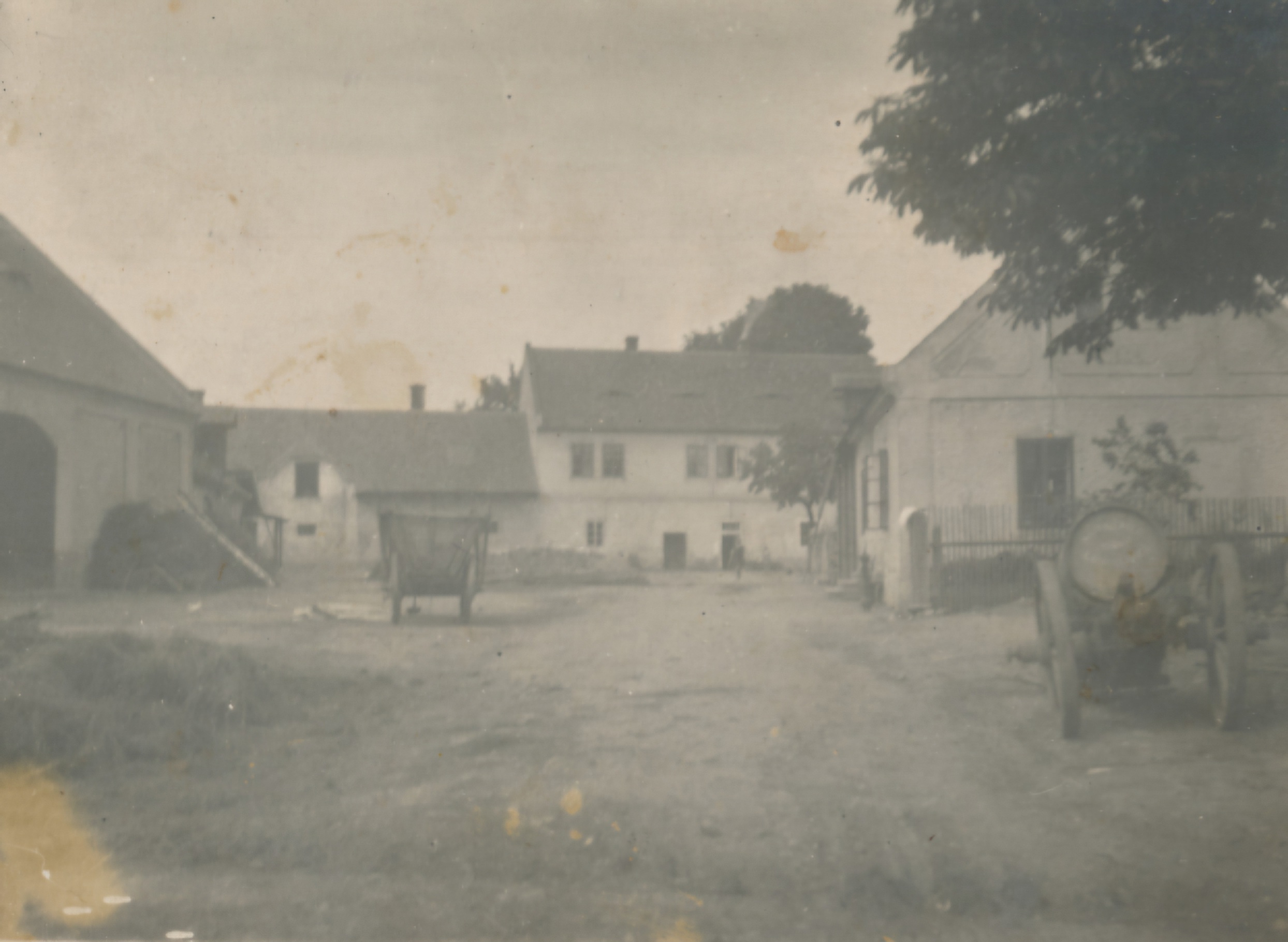
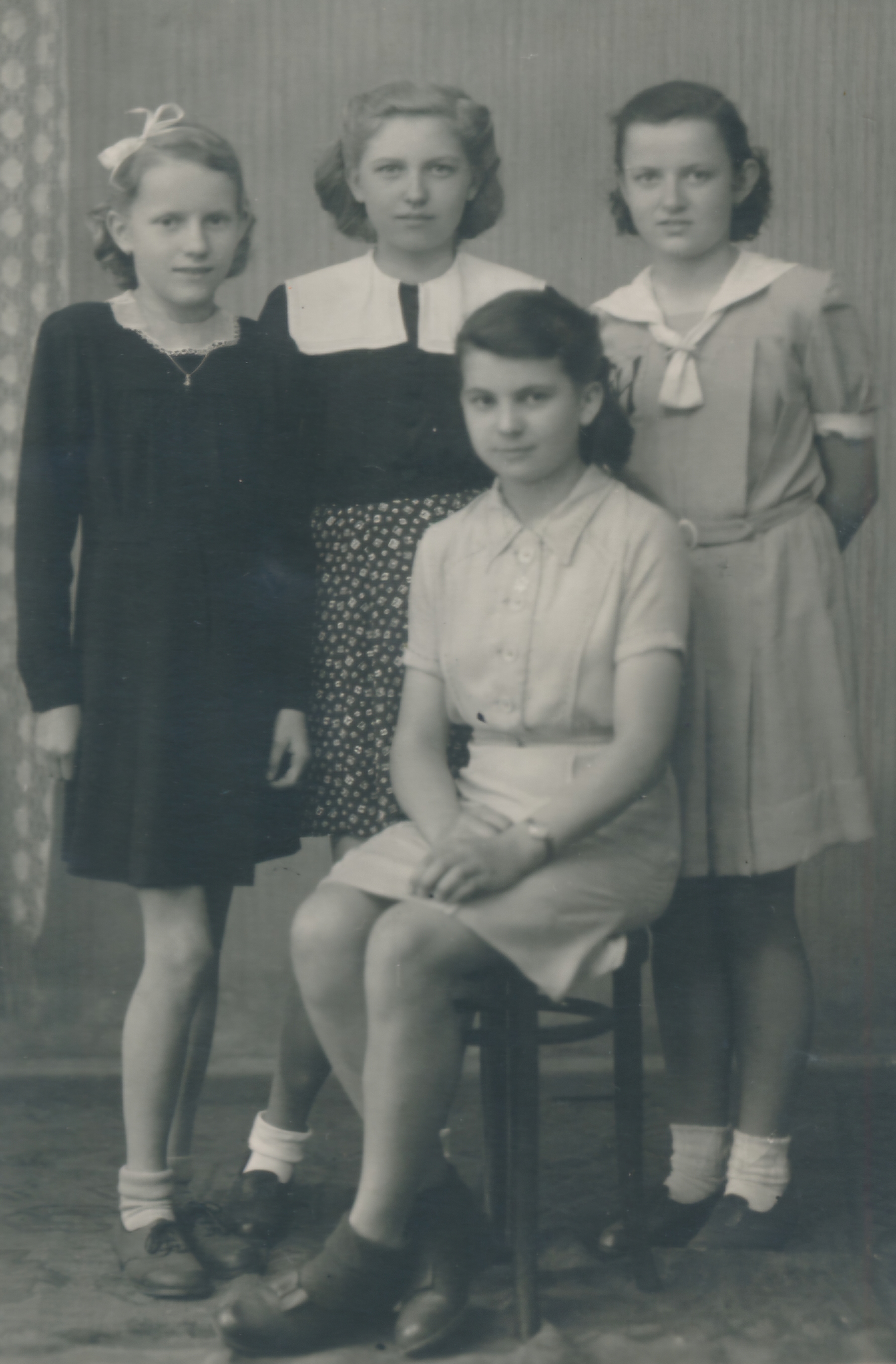
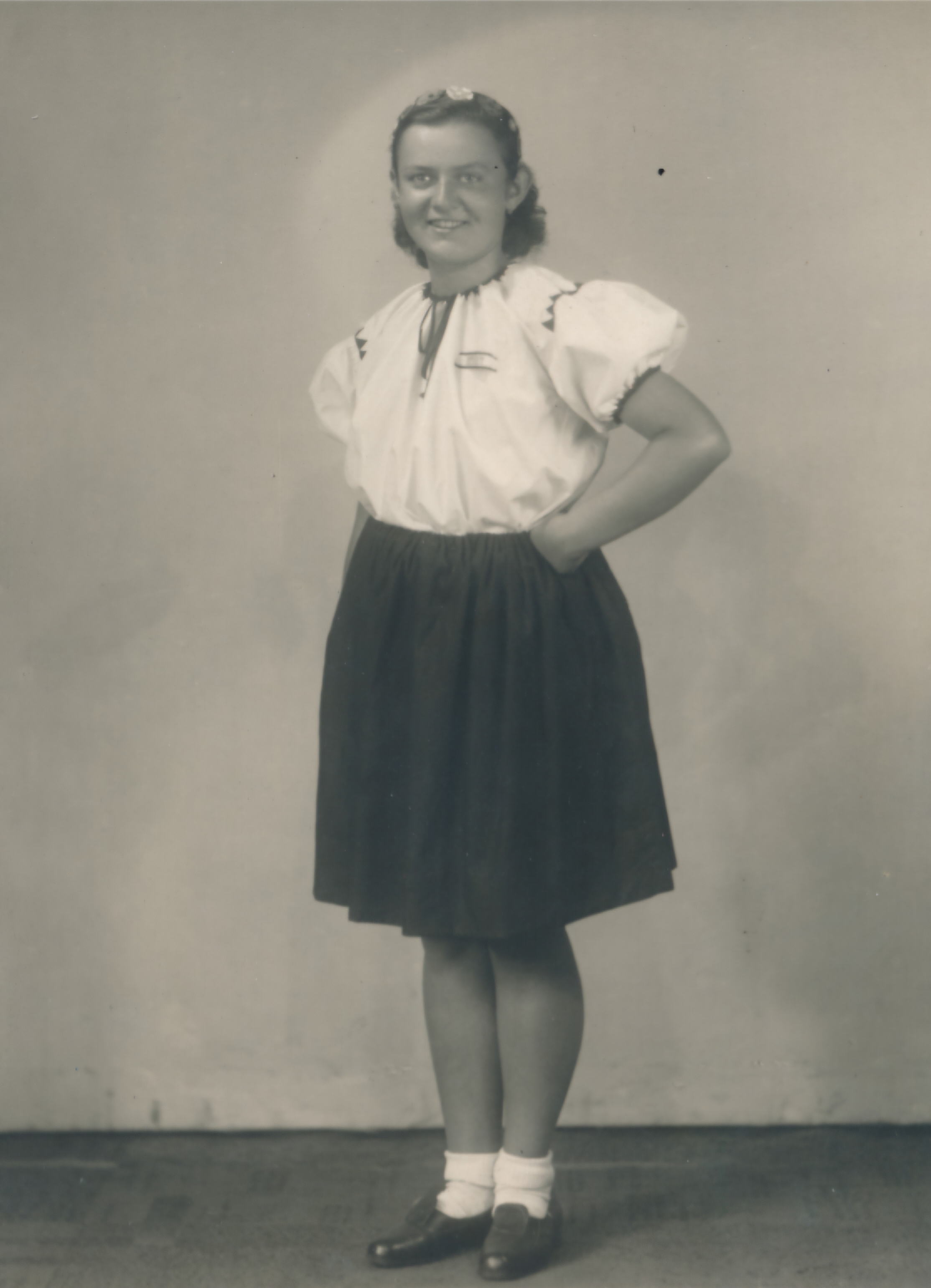
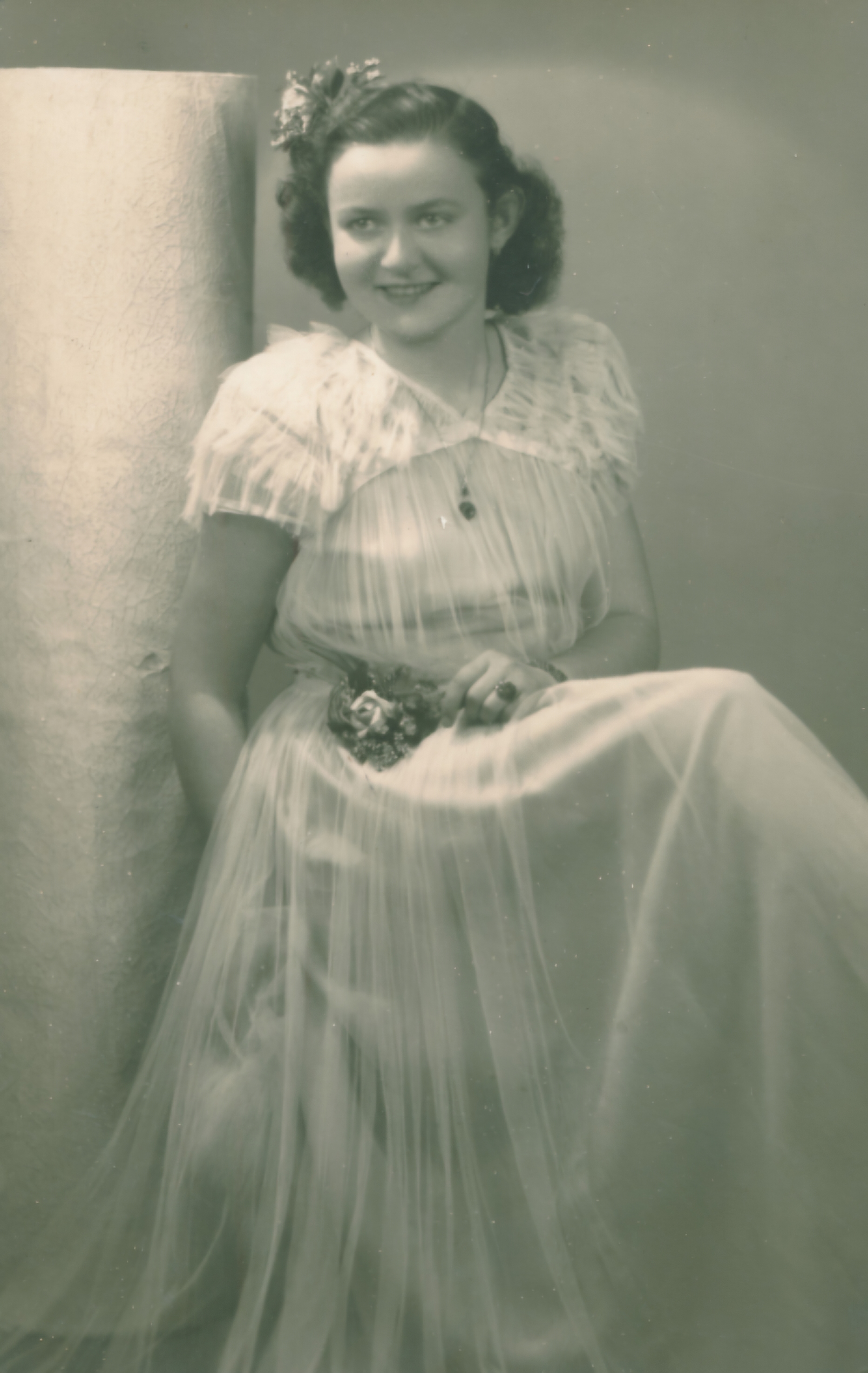
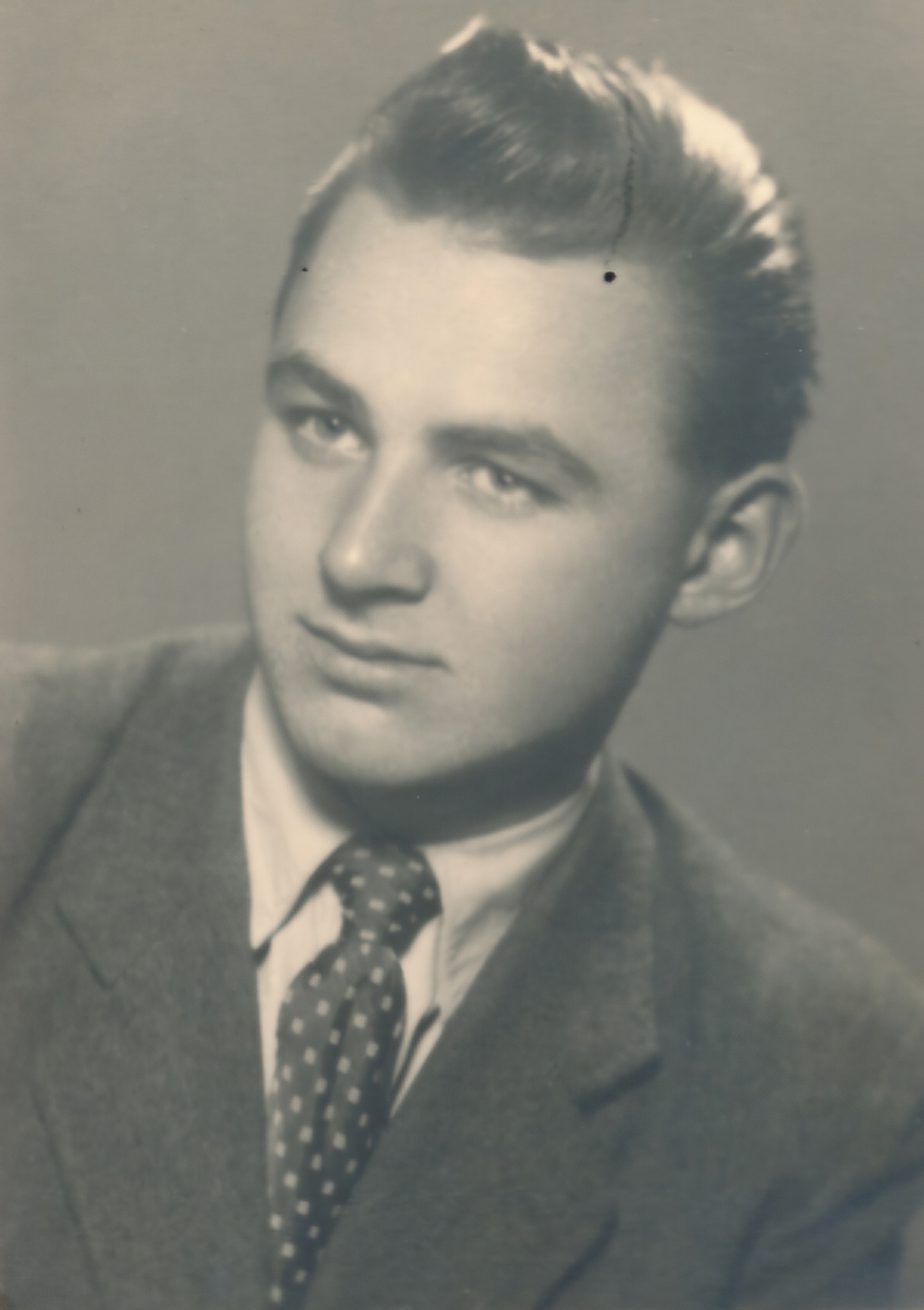
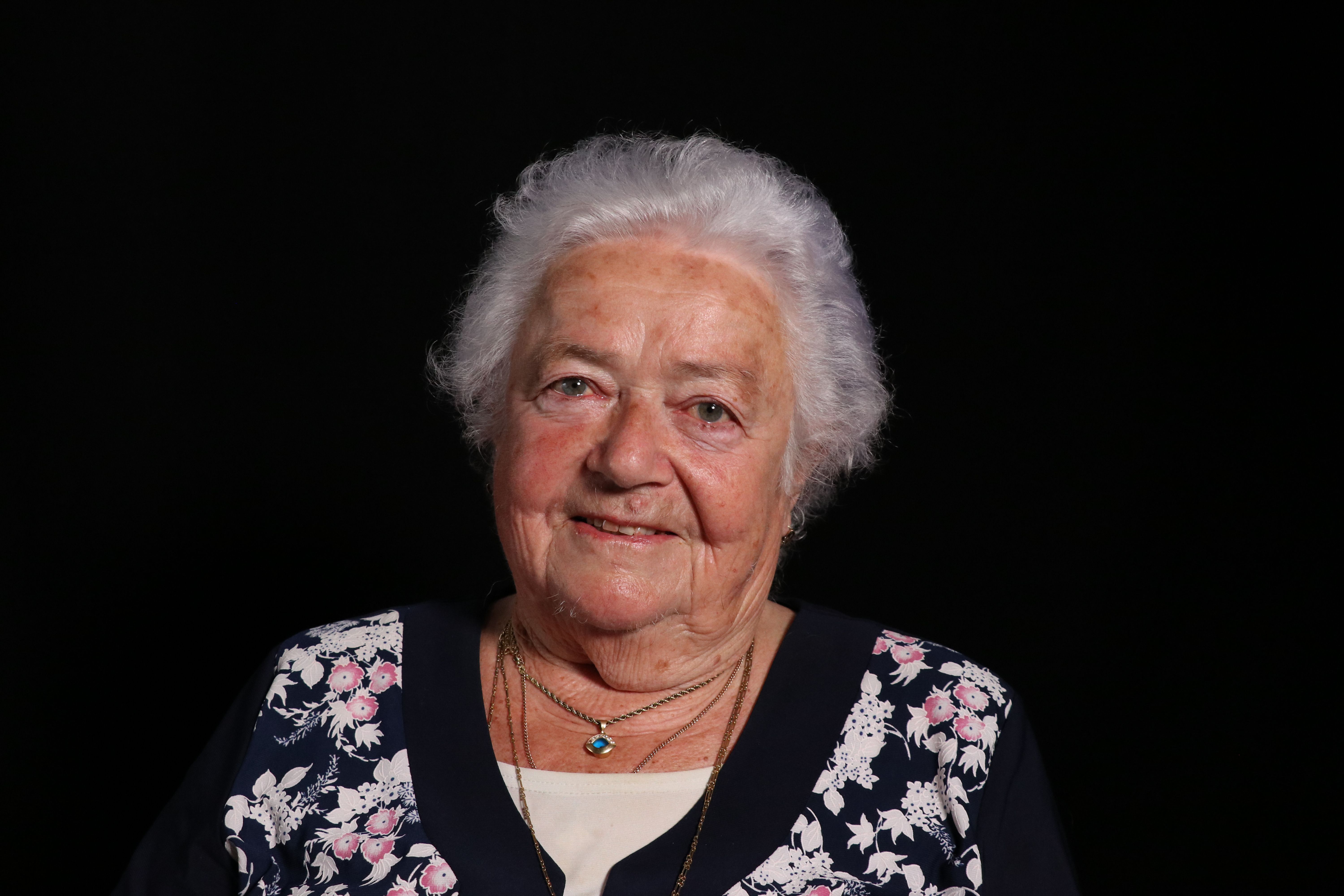
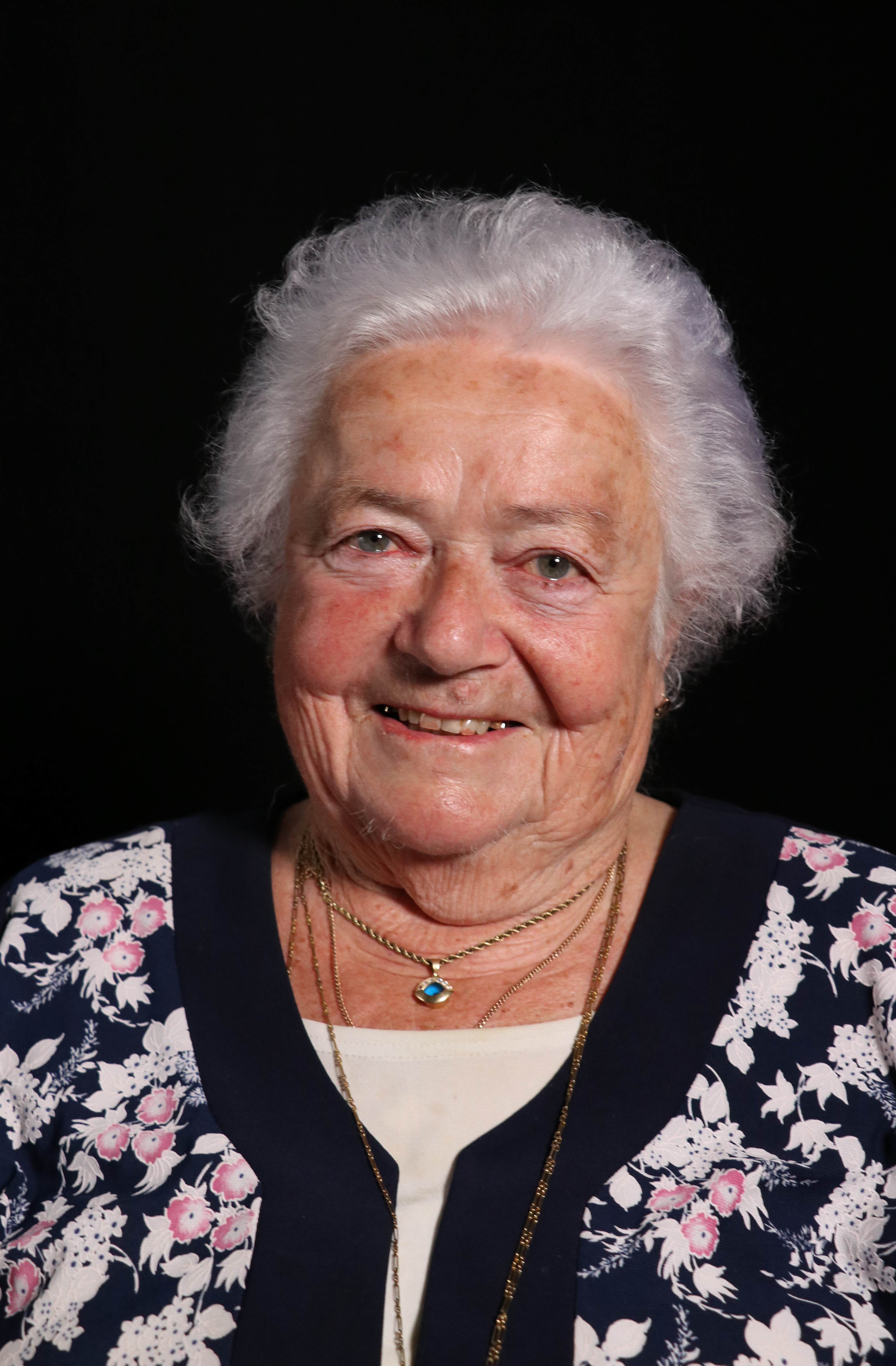
Bohuslava Slobodová was born on 5 April 1934 as the eldest daughter of young landowners in Malé Žernosky in Litoměřice, where she experienced bullying from German youth. After the mobilization in 1938, she moved to the inland to her aunts in Beroun without her parents. She and her parents survived the war and the bombing in April 1945. In 1952, the farm was taken away from the family by the communists, and the young girl was denied a school-leaving certificate with distinction, although she had excelled in her exams, and she was not allowed to continue her studies. She found happiness with her second husband, a keen motorist, with whom she travelled all over Europe. In 1968, they managed to visit the south of France. Her travels brought her many friendships that she still maintains. After 1989, the farm in Malé Žernoseky returned to the family as a ruin. Bohuslava Slobodová spent most of her life in the economic sphere of local government, working as an accountant until 2024. In 2025, she was living in Králův Dvůr near Beroun and was active in the Zvonek Club, an association of the disabled with a focus on cancer patients.