Alexandr Skalický

* 1932

  • "In Prague, at the Michal Rittstein exhibition, I was stopped by the police, who checked everyone who went to the exhibition. There were several police officers, they stopped me and one of them asked me, 'Please, how is it possible that you are going to such an exhibition so far away?I told them, 'Look, I am interested in art. I also go to see the beauty of nature. We go to Šerlich, to the Bukačka forest and to various places, and I am going to see this exhibition because I have never met this artist before.´ They said, 'Please, how can you like this?' Artists who express themselves in this way are not enemies of the state. No artist is or can be an enemy of the state because he works for the state and makes a statement about his life and shows how he sees the world. It is possible to accept or not to accept this. The reason for forbidding or commanding something and considering him an enemy would not be reasonable. Look, you are the officers who are in charge of enforcing the laws of this state. You have to understand that you cannot create confrontations when there is no reason for any confrontations.'"

  • "We were working normally and I said to Zdeněk [Crh]: 'What do you think? I thought they were going to expel us, but it turned out they weren’t. He said: ‘Don’t worry, don’t worry, we’ll find out soon enough.’ The evaluation began. A commission of all the professors came, and among them were also political officials who oversaw education at the academy. Before the commission started, [Vlastimil] Rada called me to his office and said: ‘Listen, you know what kind of trouble has happened here. We have to be clear: some students will have to leave the school, and you are one of them. Now tell me, would you like to stay here? If you do, I will stand up for you. I will say that I’ll make sure you finish your studies without problems. Come back in a week and tell me what you’ve decided. If you refuse my support, then you will be expelled.’”

  • "Once we walked on the terrain according to the map and compass and we reached a hill near Borová. We heated up some goulash soup there. I went out, there was a viewpoint and I looked in all directions. Suddenly, I saw a group of soldiers coming down the road, armed. I didn't say anything, but I watched. When they saw me, they ran and set up positions to run. They started advancing in short rushes. I told the boys: ‘You idiots, look, they might actually shoot at us.’ – ‘Don’t talk nonsense! You’ve got such an imagination!’ They kept moving forward in rushes, and by the road there was an embankment where they hid. I kept watching them through my binoculars. I saw them consulting with each other. Then they attached magazines to their submachine guns, their rapid-fire rifles, and hid. Their leader stuck his head out, and I saw him looking at me through his binoculars. He was watching me with binoculars too. I thought to myself: ‘Man, you must see I’m not the enemy.’ I started waving my arms around like a fool, but he kept watching through his binoculars. Nobody moved, everything was still quiet. When they attached the magazines to their submachine guns, I ran back to my boys and told them: ‘You idiots, lie down on the ground immediately, and not a single one of you is to lift his head!’"

  • Full recordings
  • 1

    Náchod, 20.05.2025

    (audio)
    duration: 03:01:09
    media recorded in project Příběhy regionu - HRK REG ED
Full recordings are available only for logged users.

There was this Marxism-Leninism lecturer who went after Picasso, and people just booed her
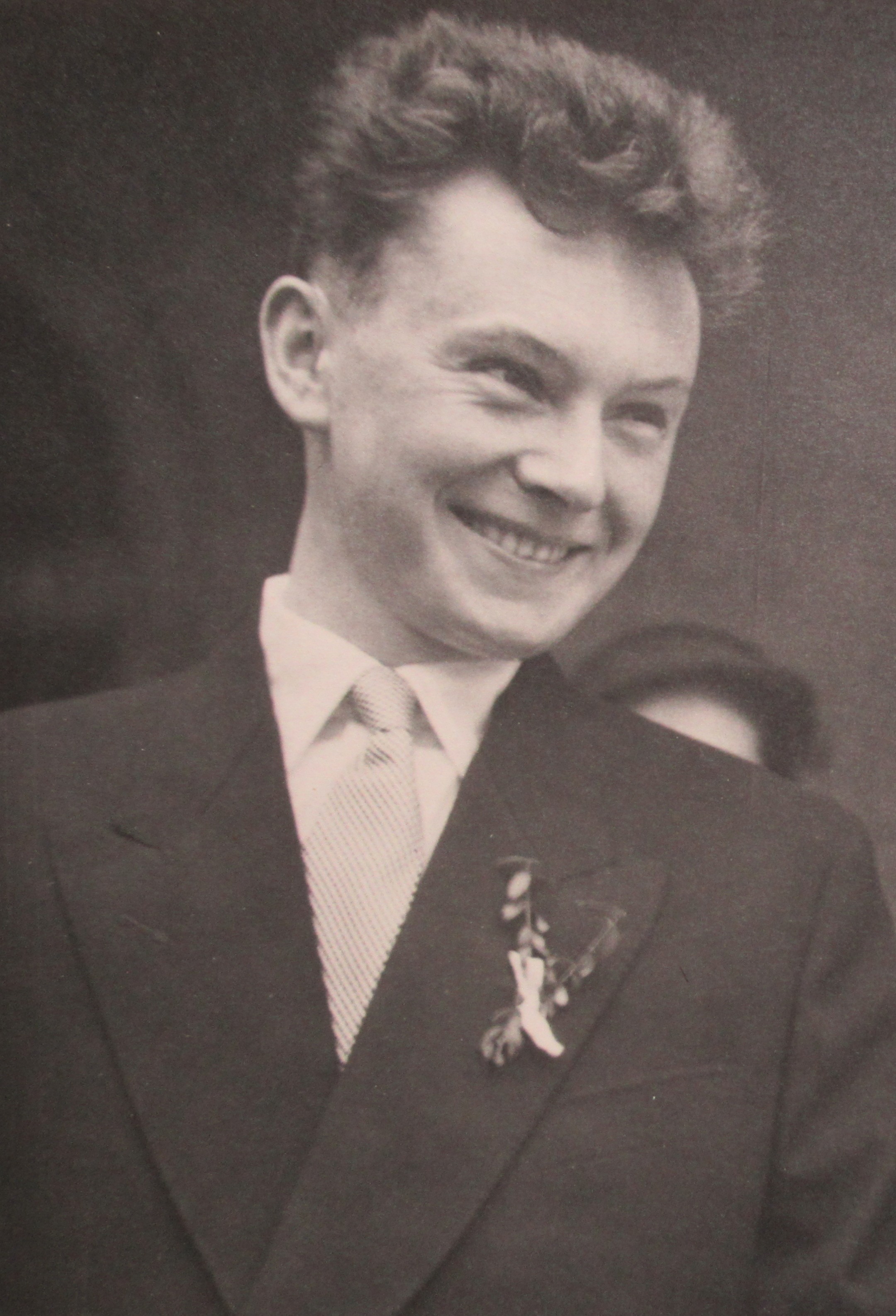
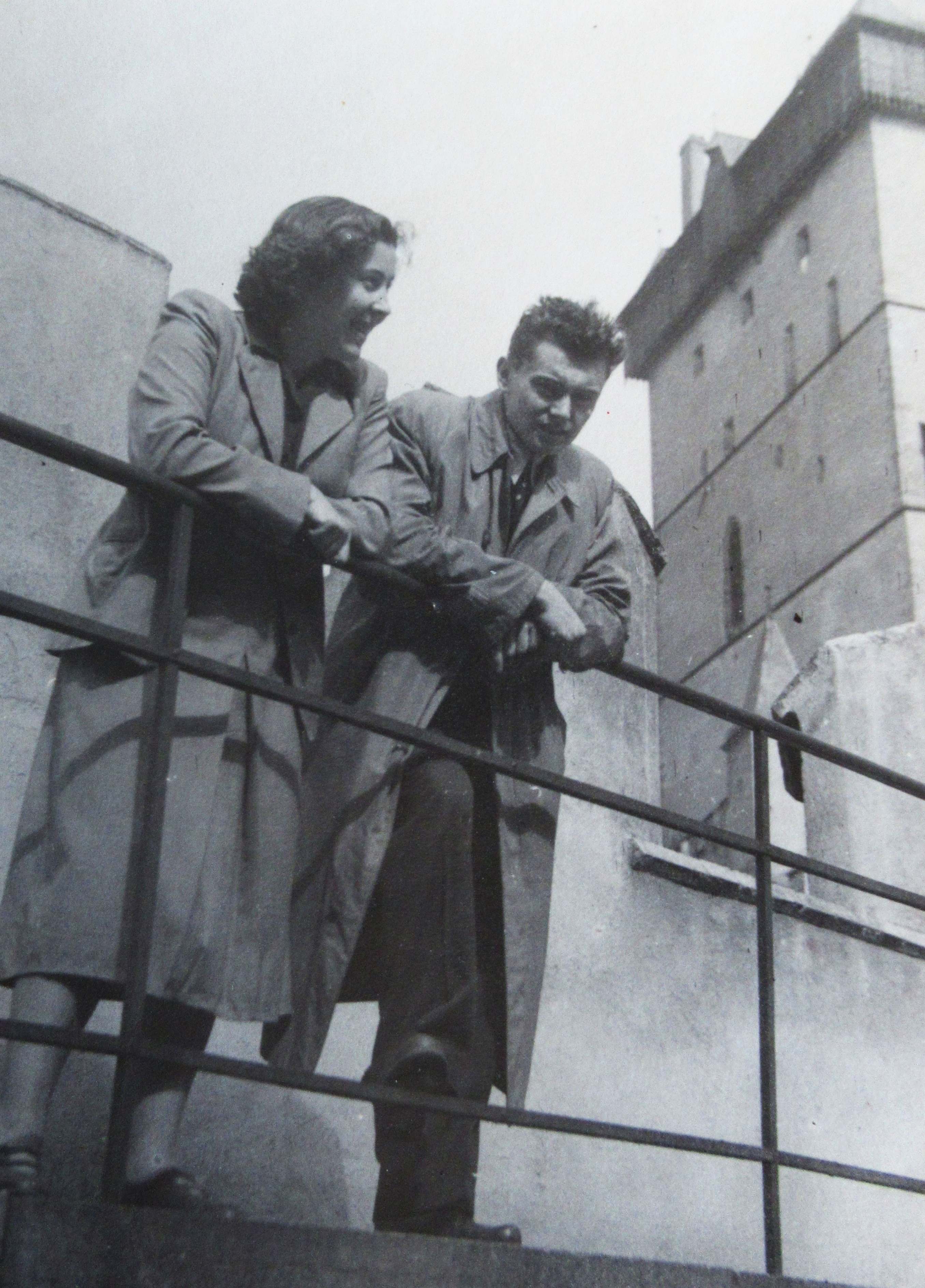
Alexandr Skalický, 1956
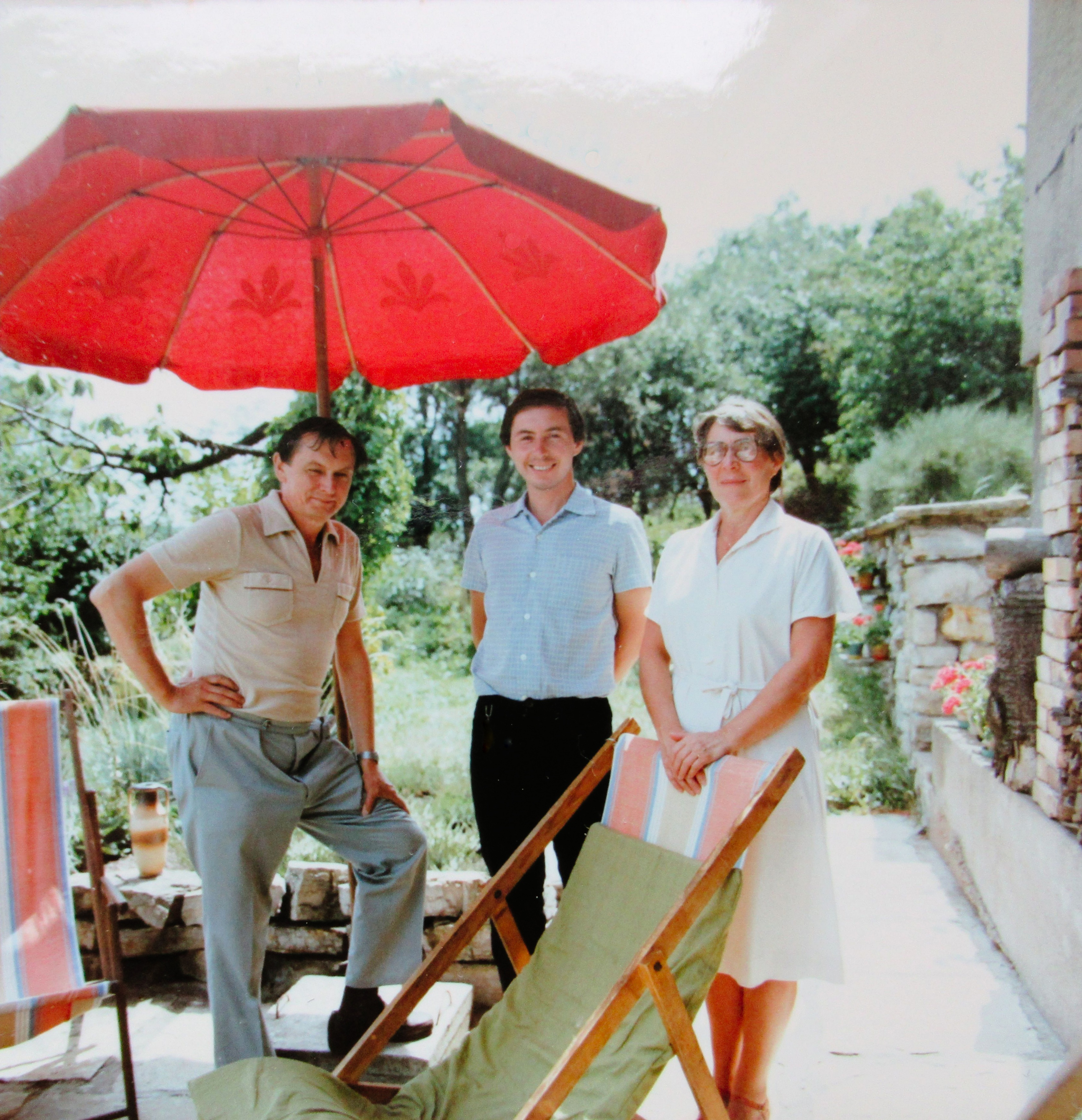
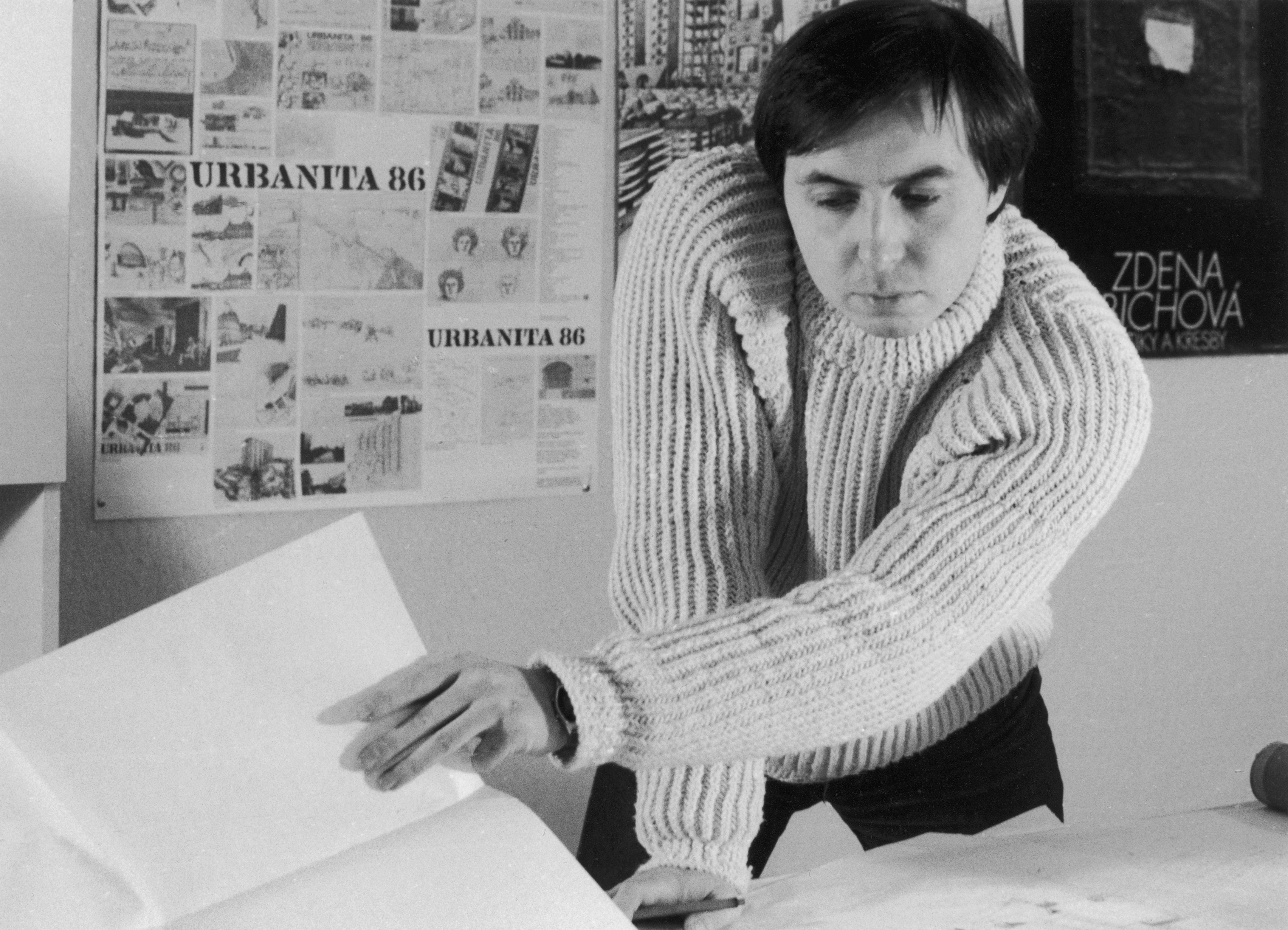
photo: archive of a witness

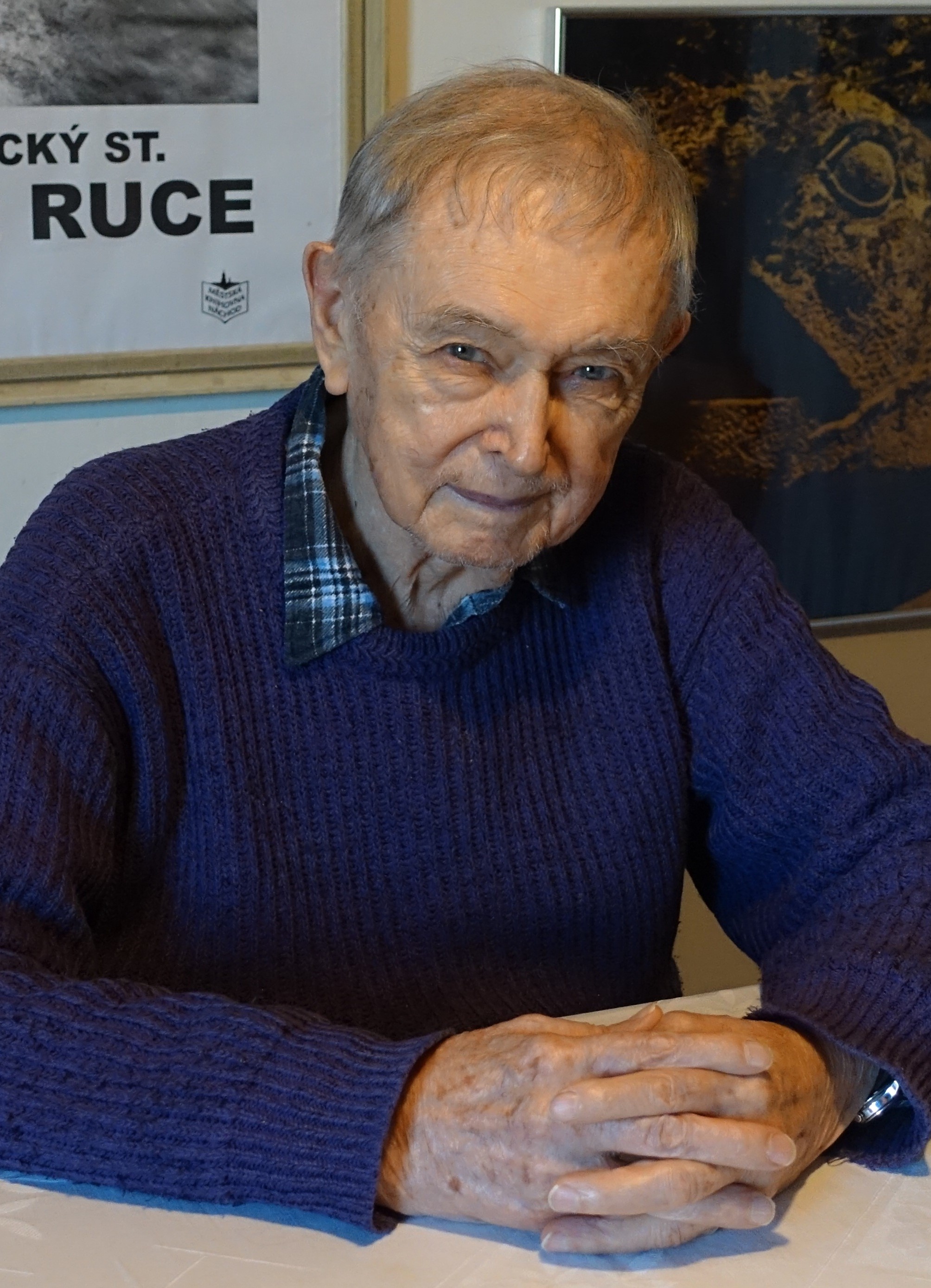
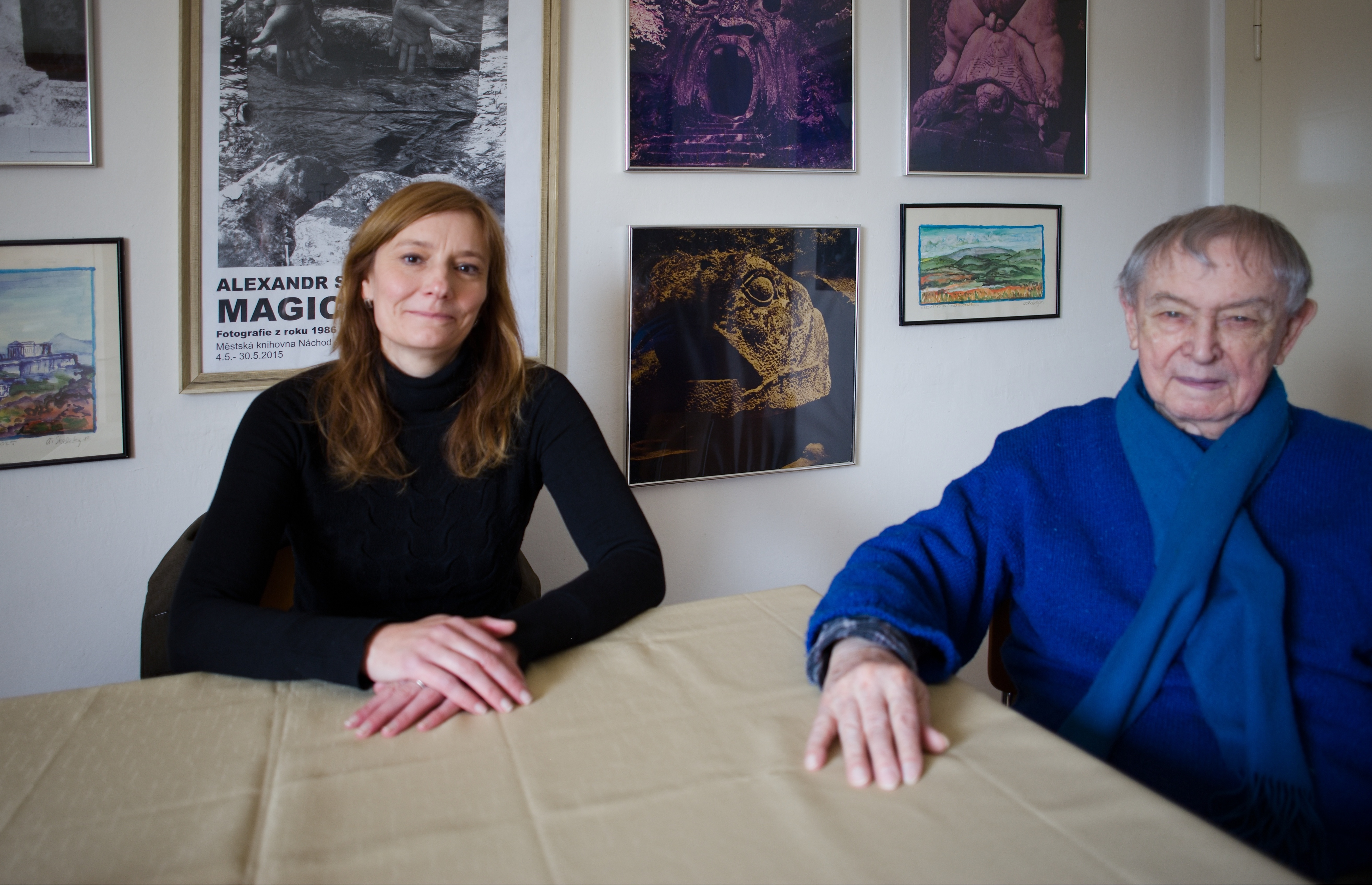
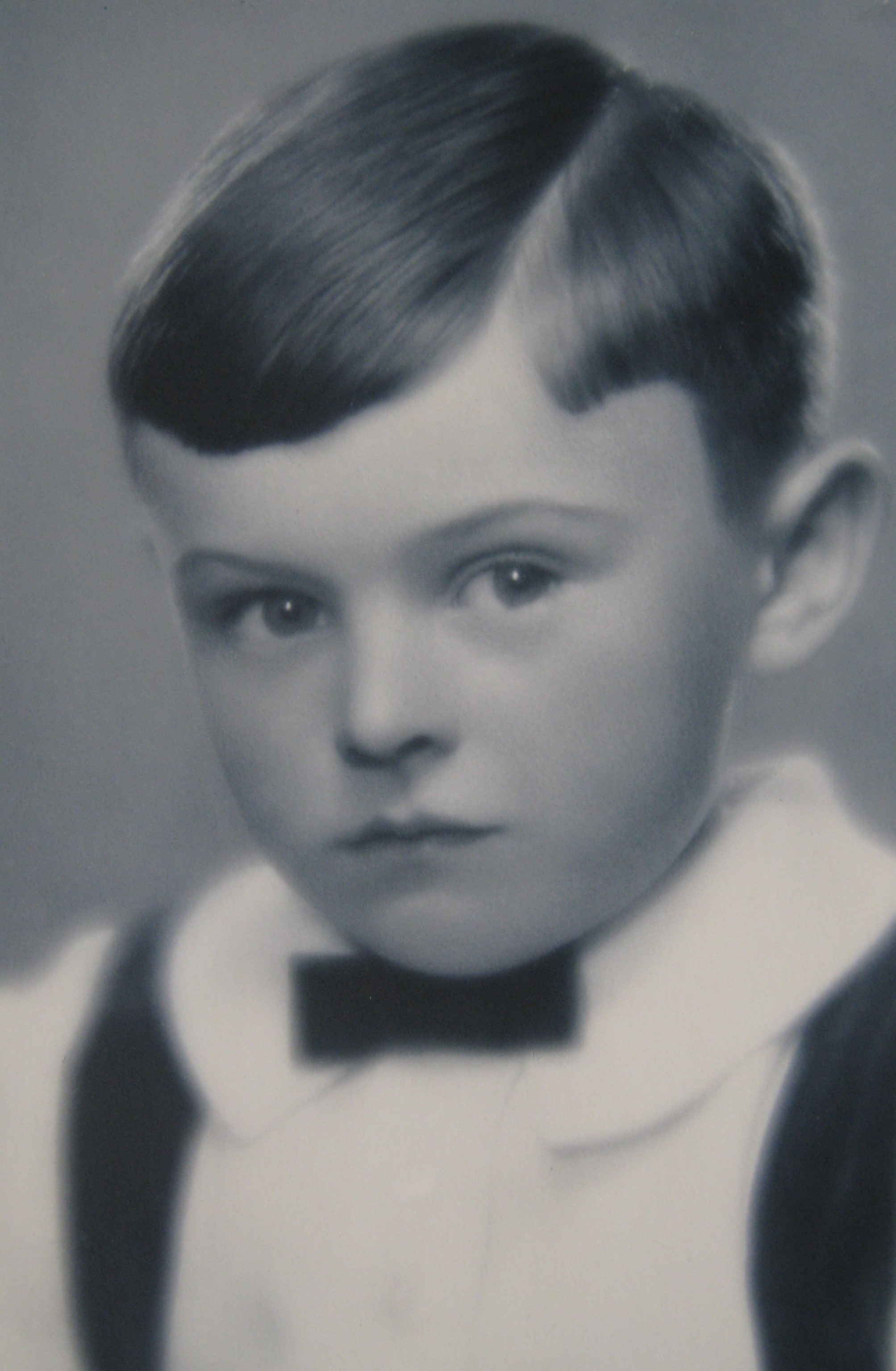
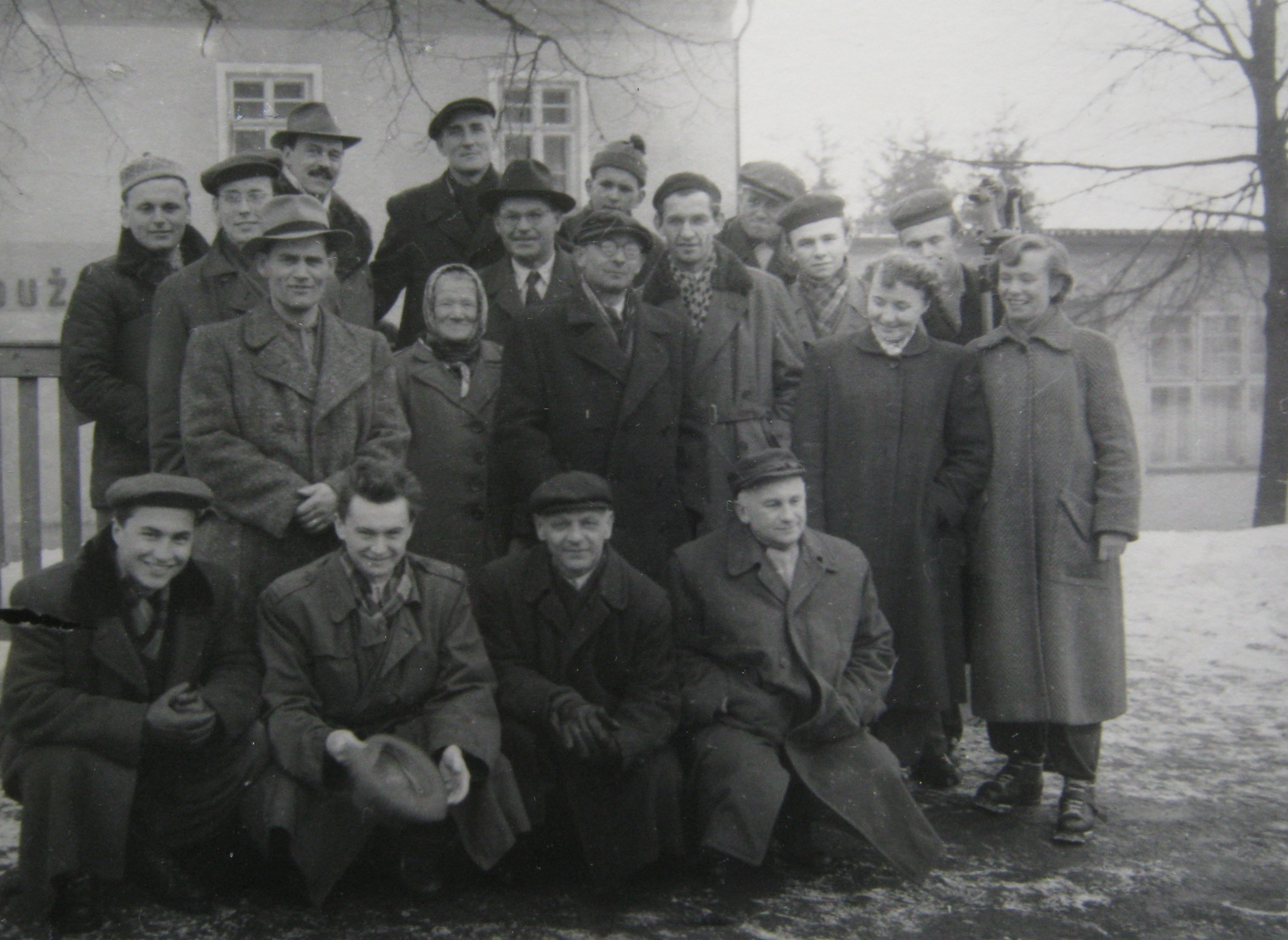
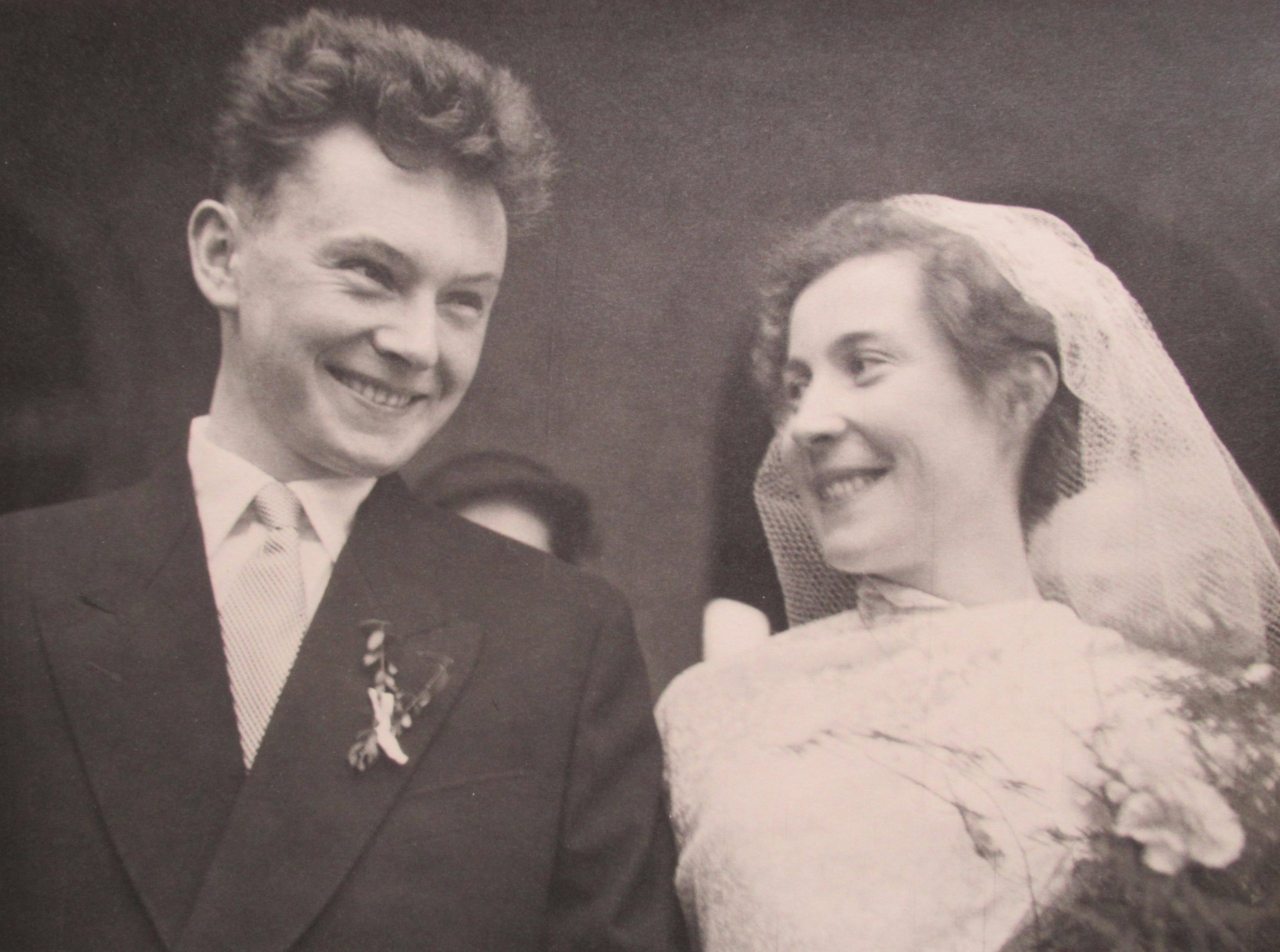
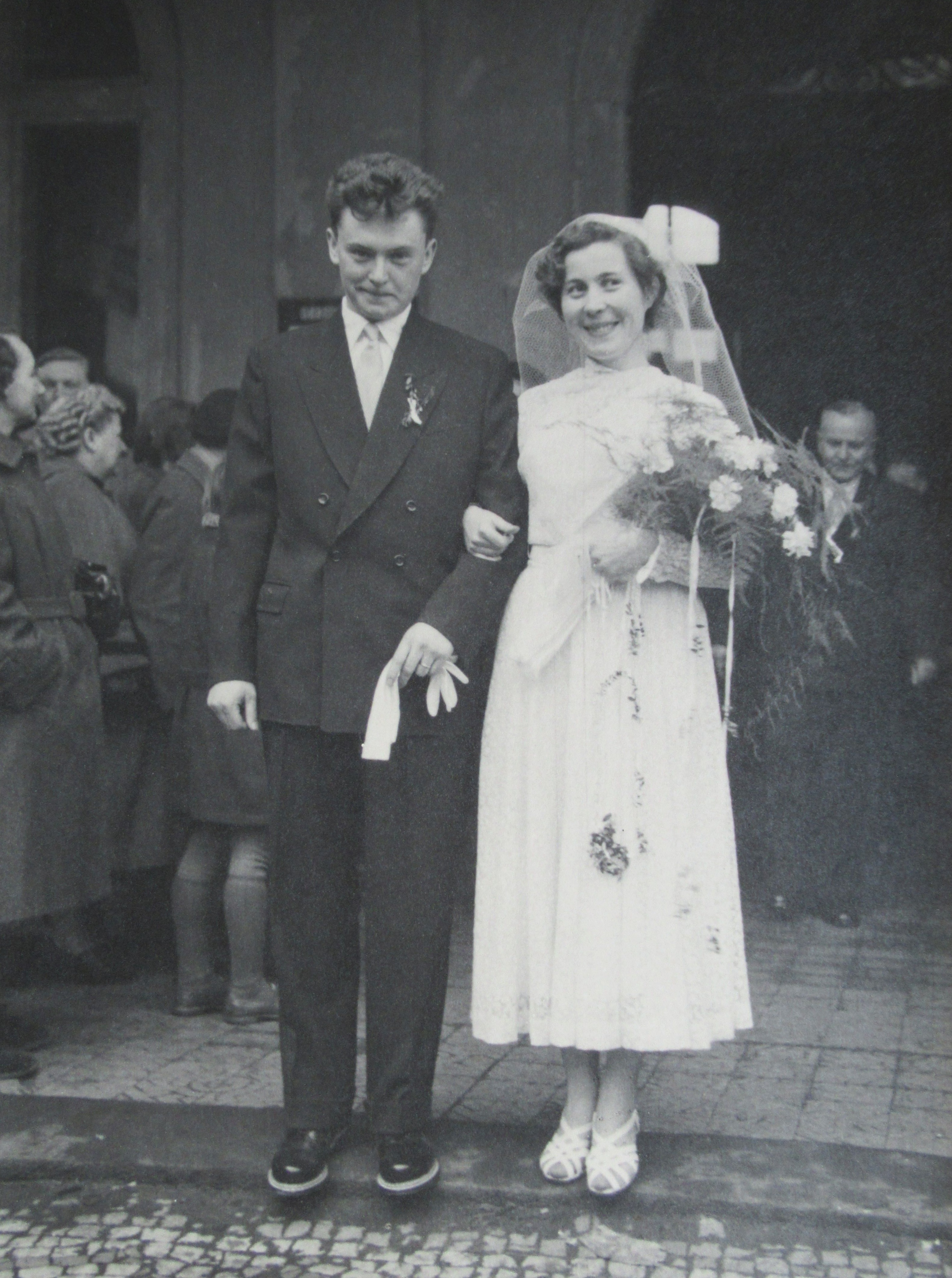
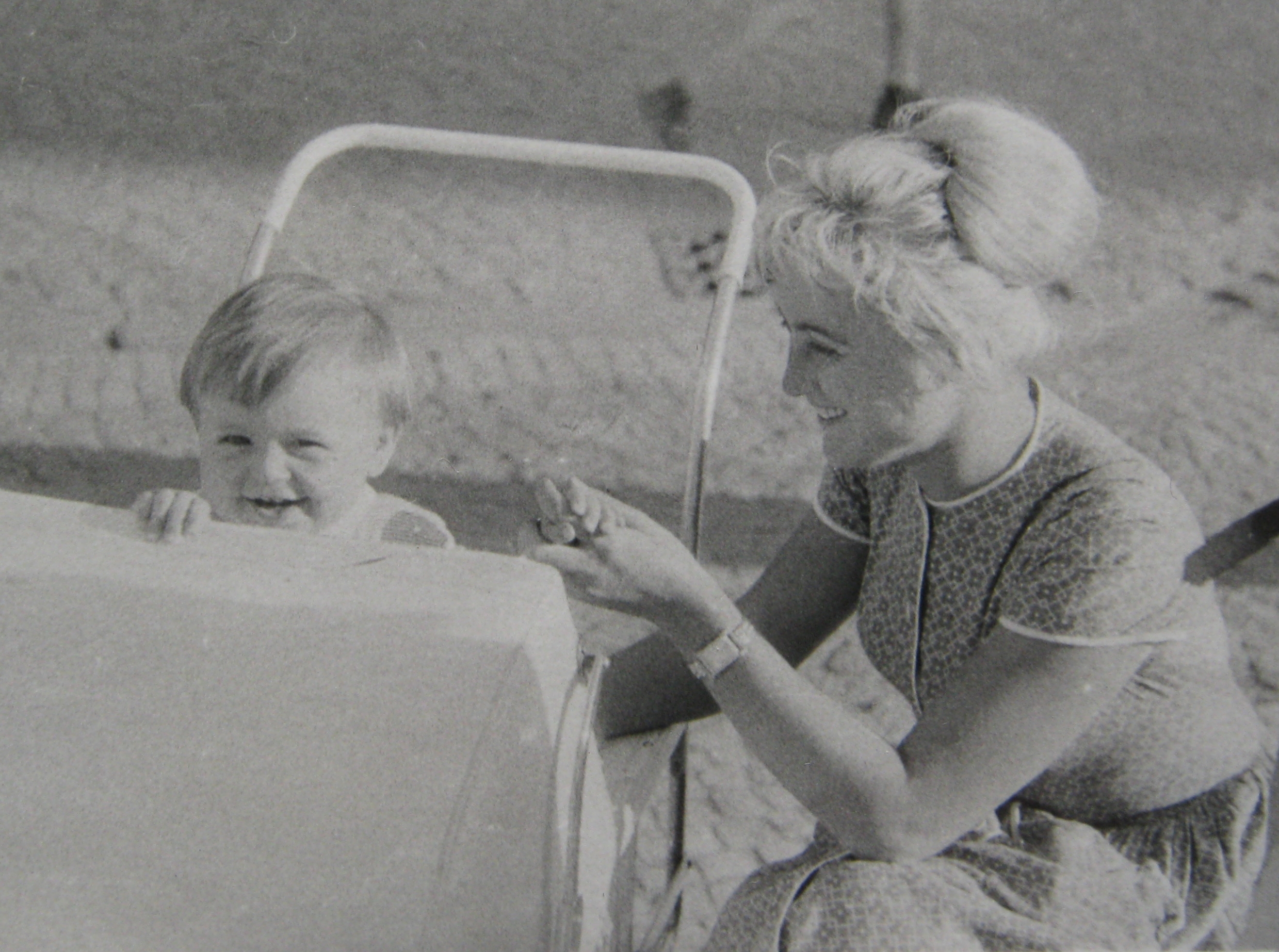
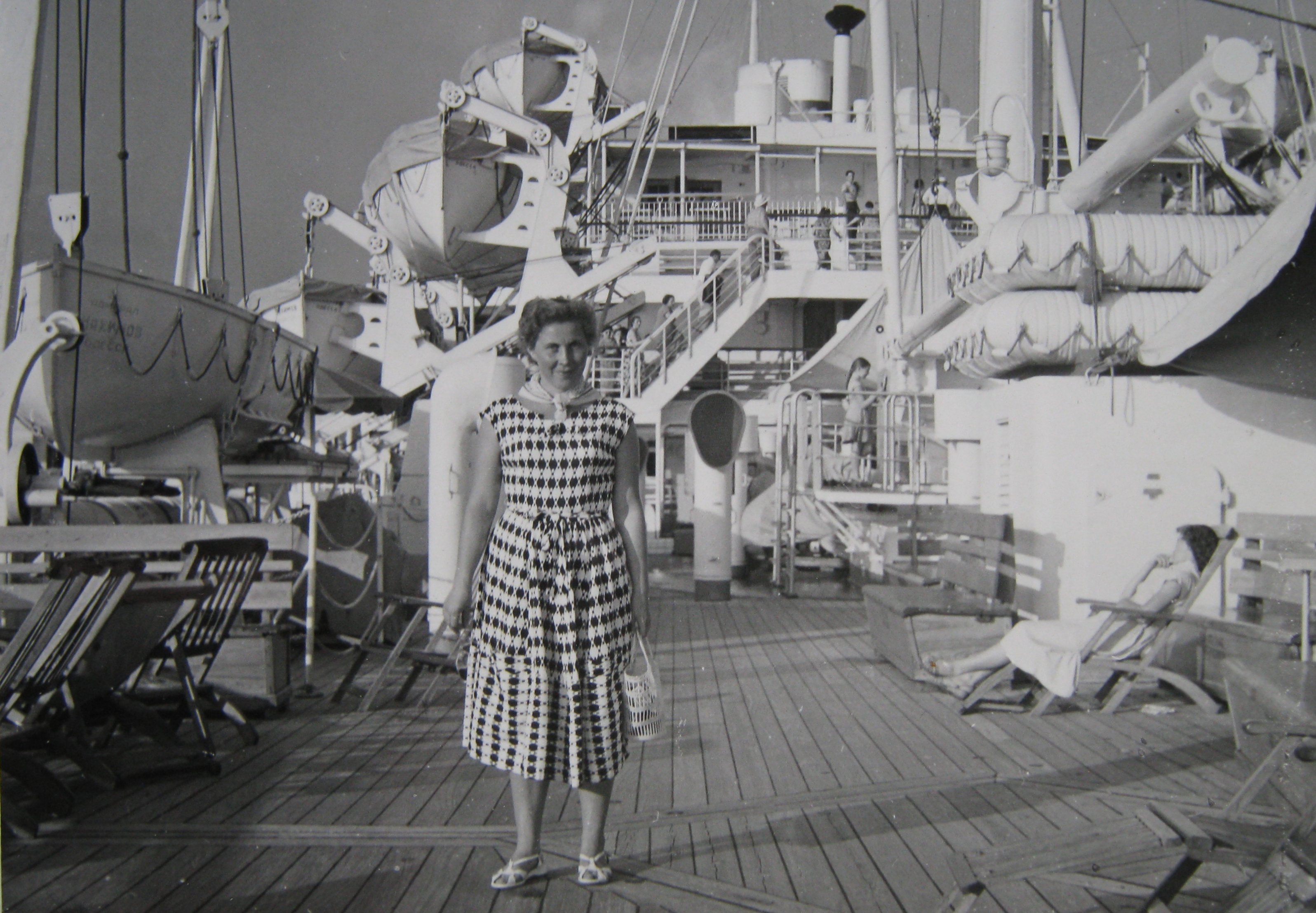
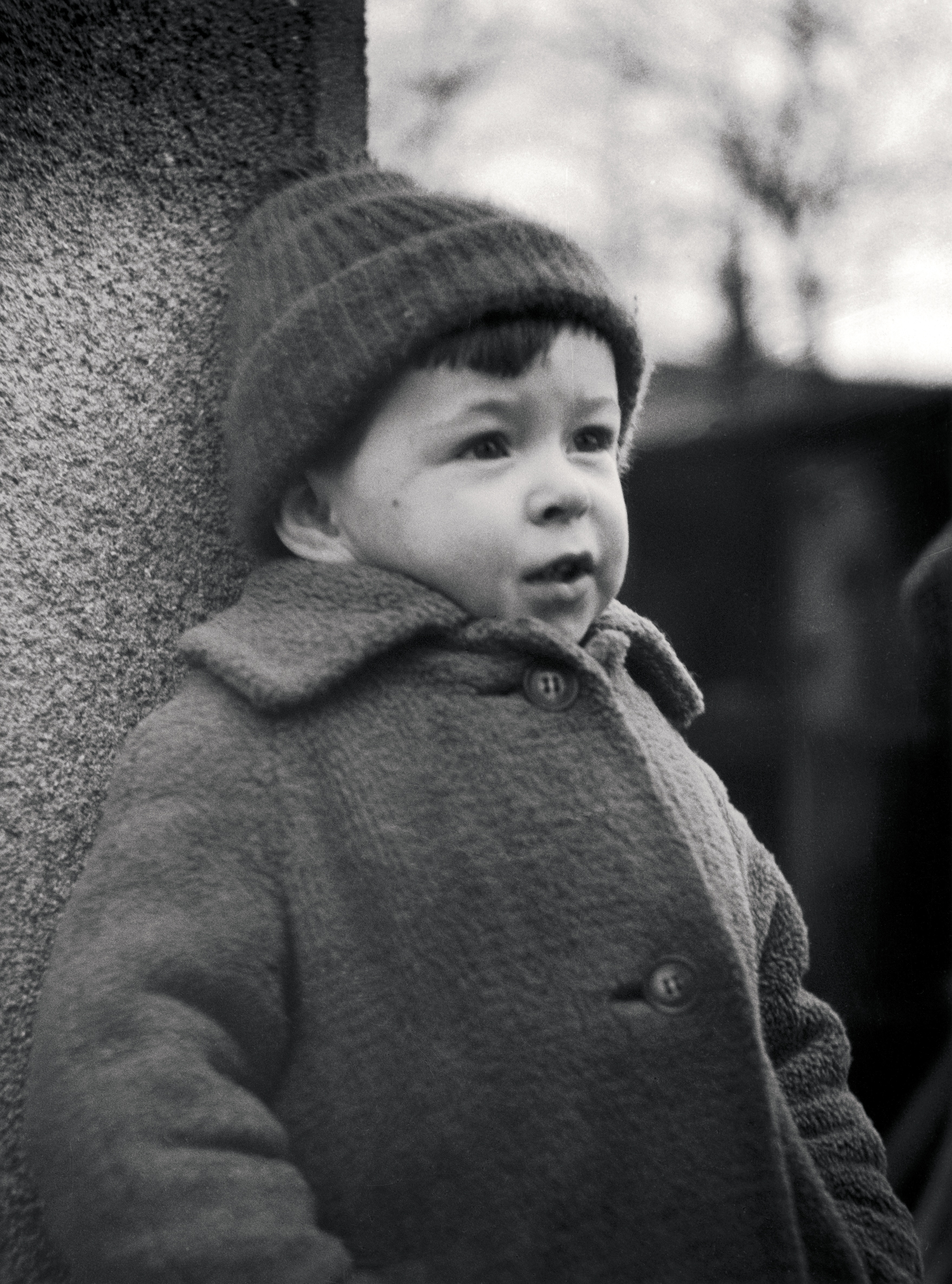
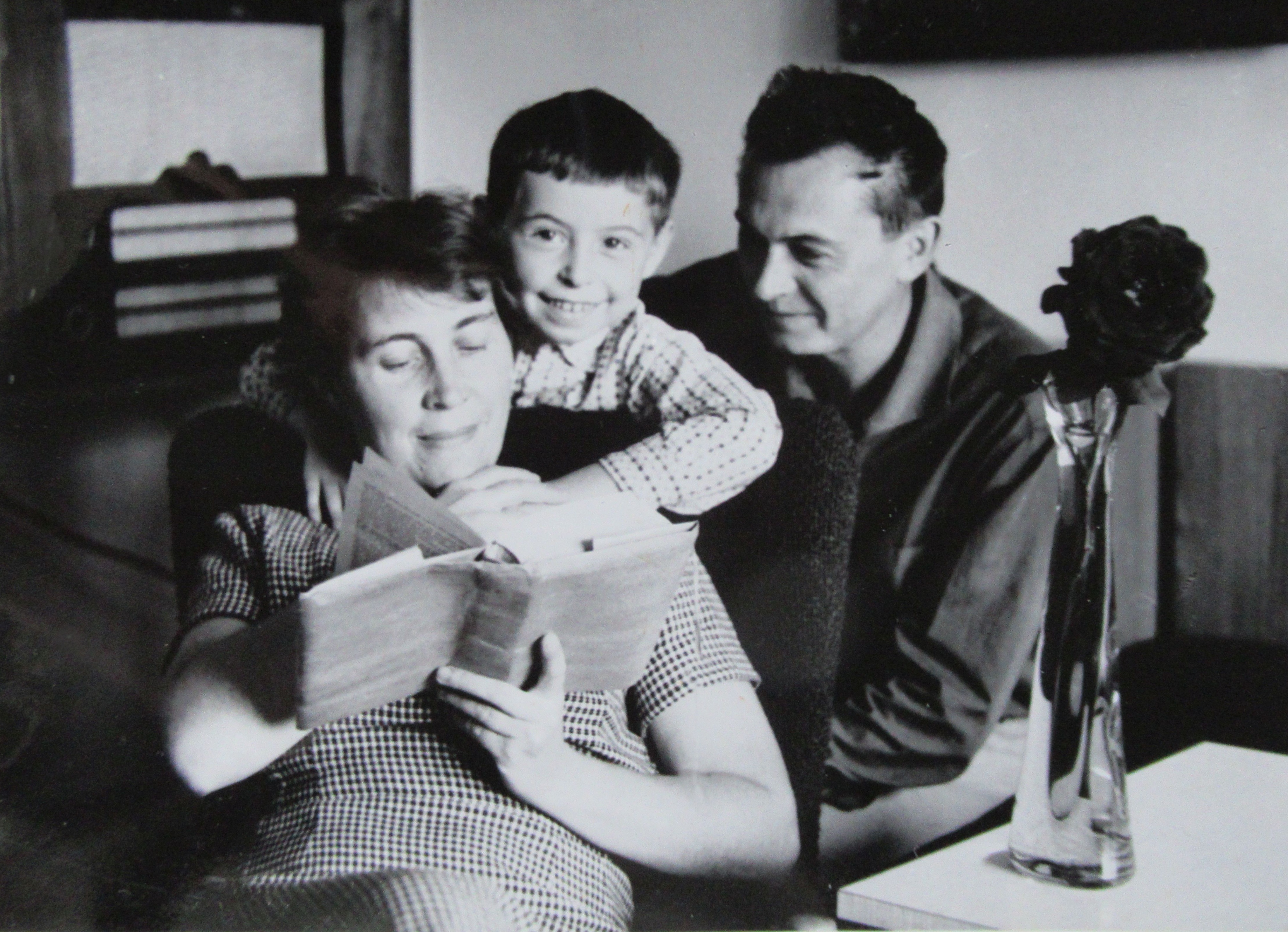
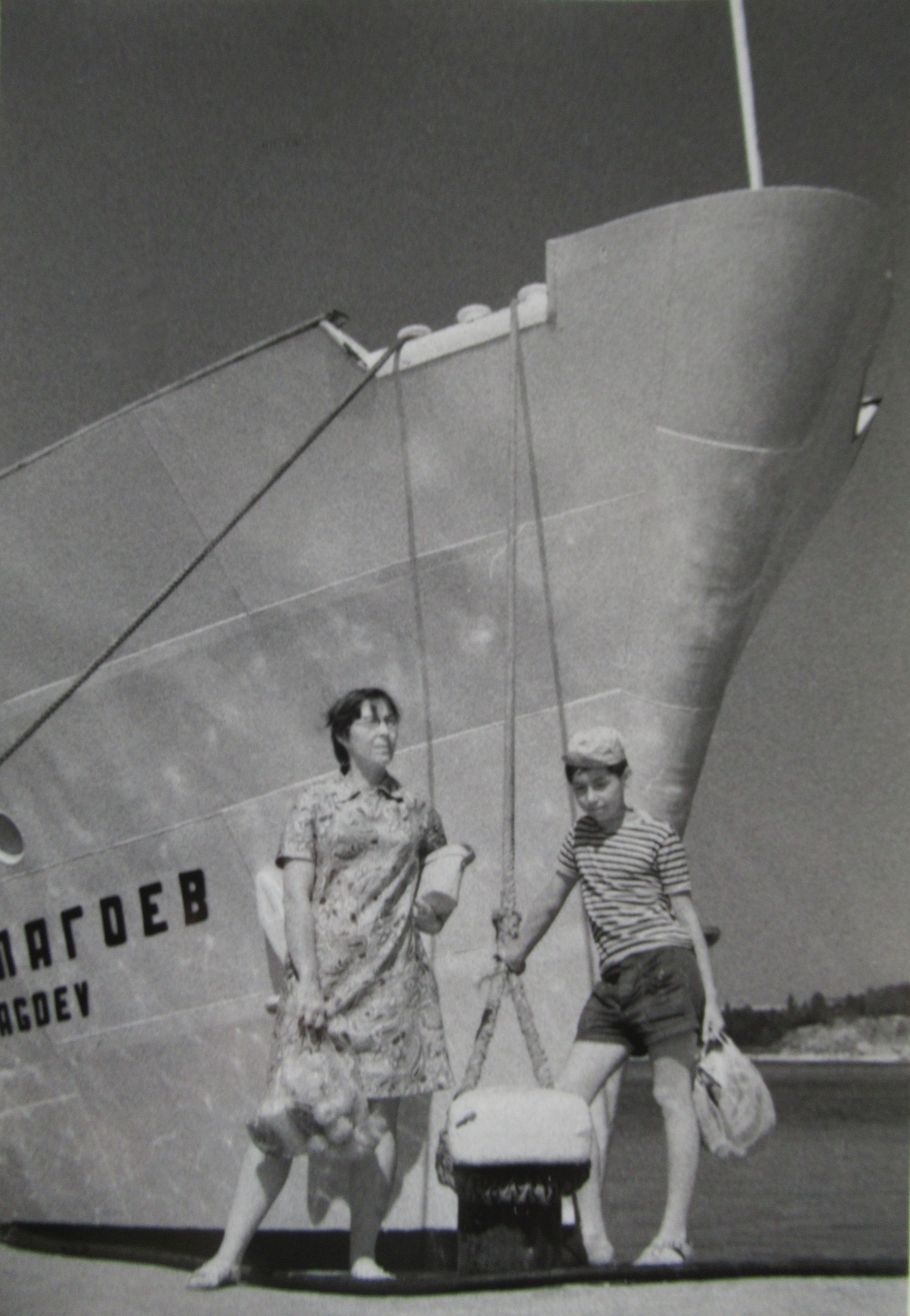
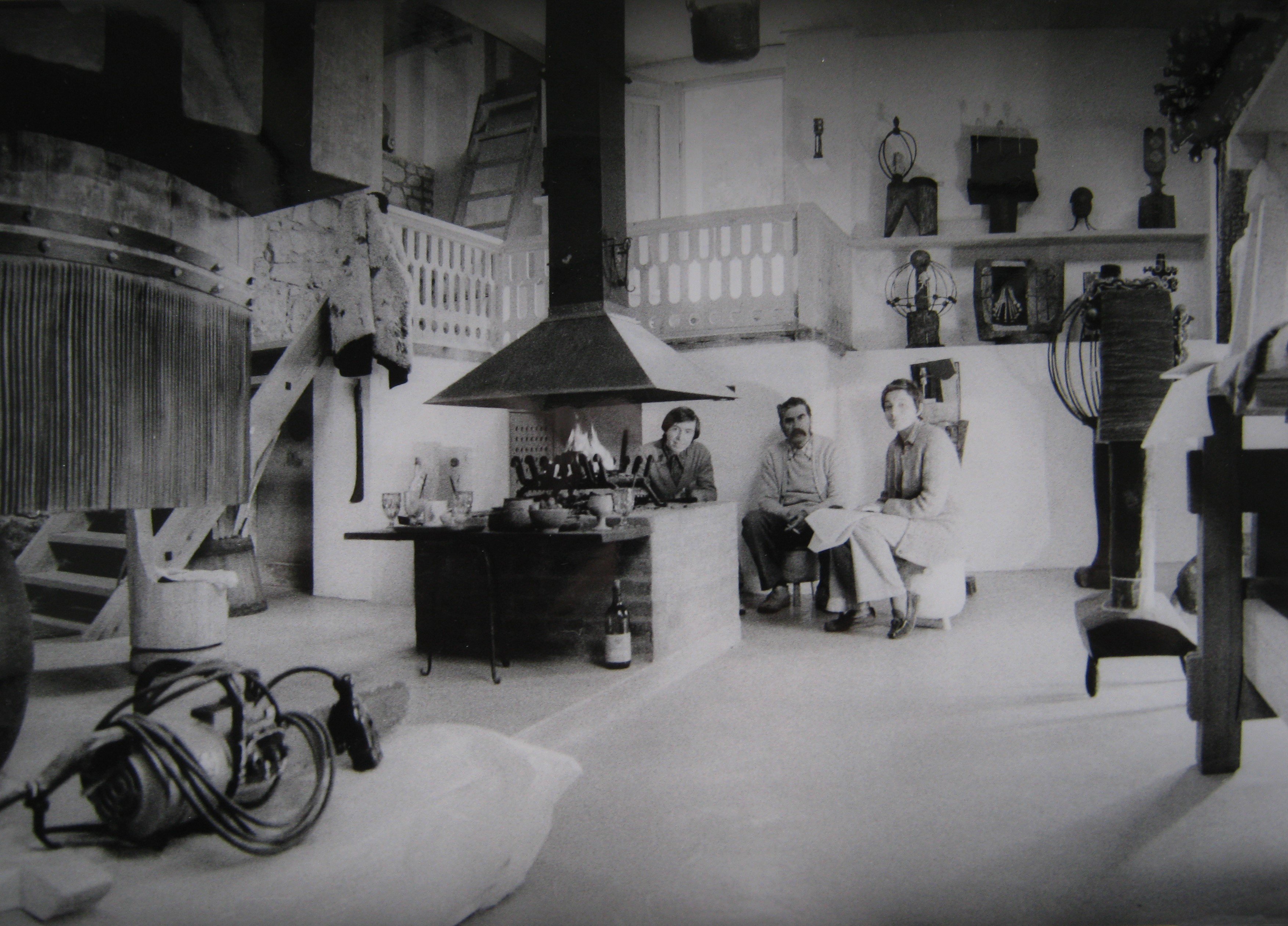
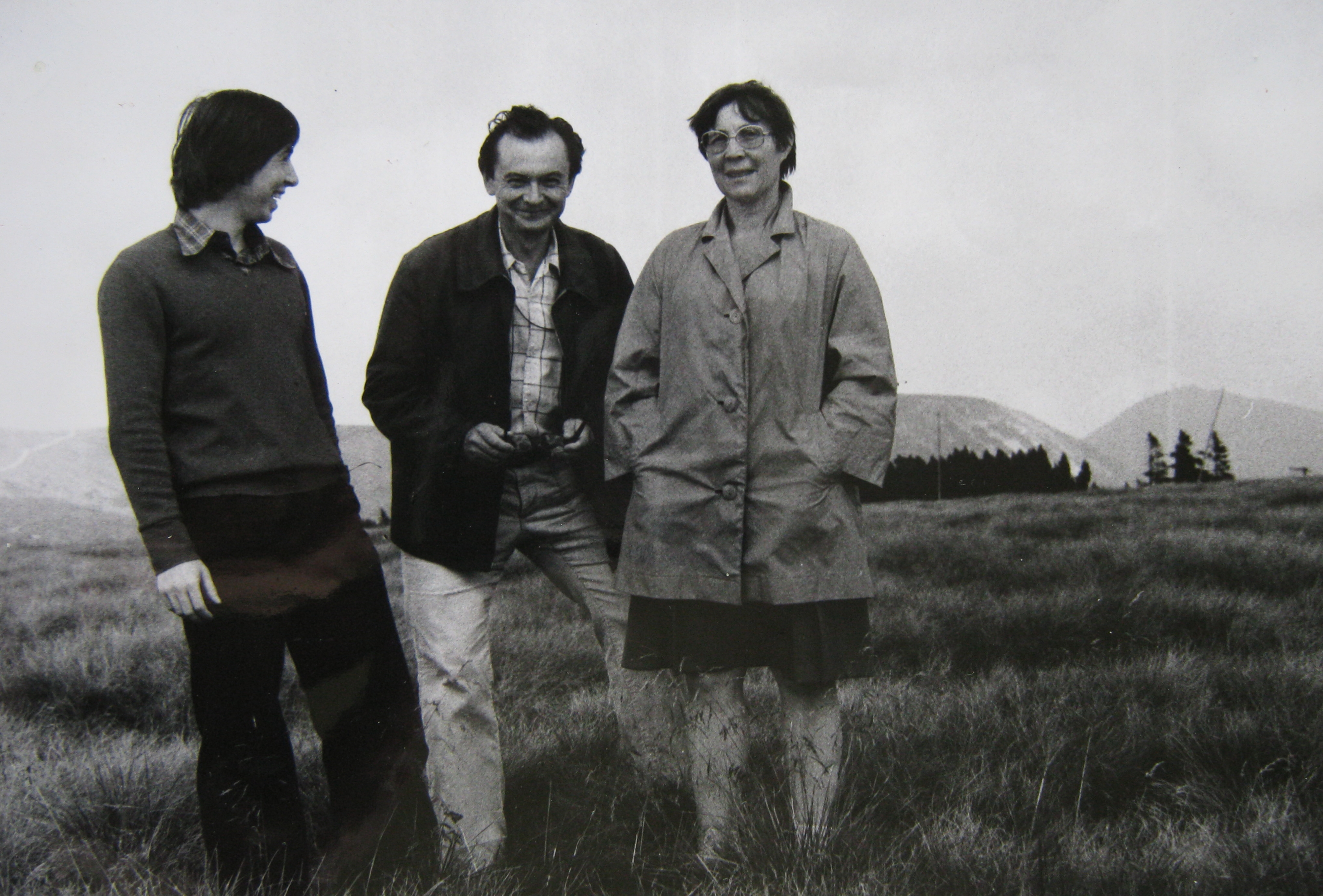
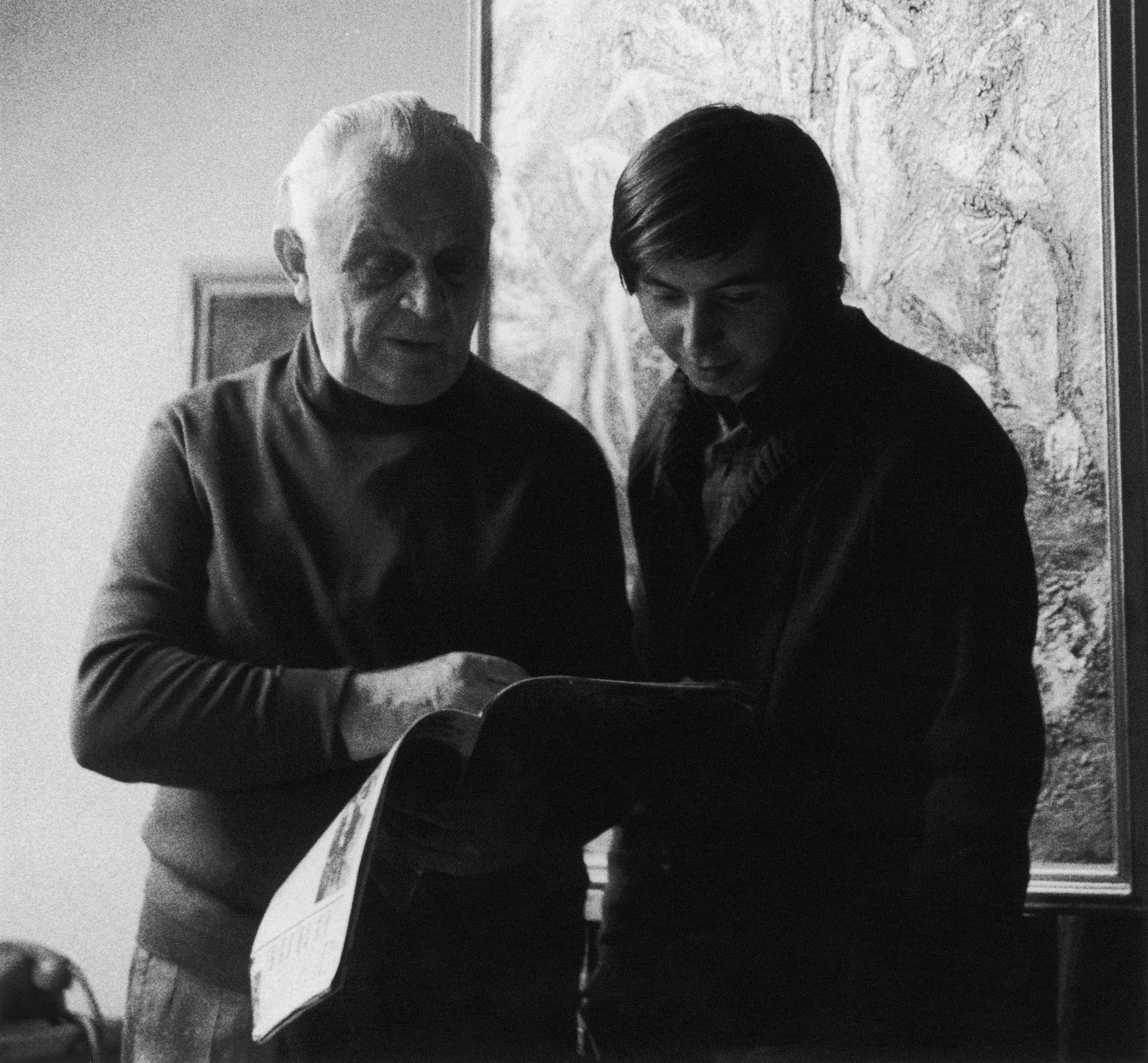
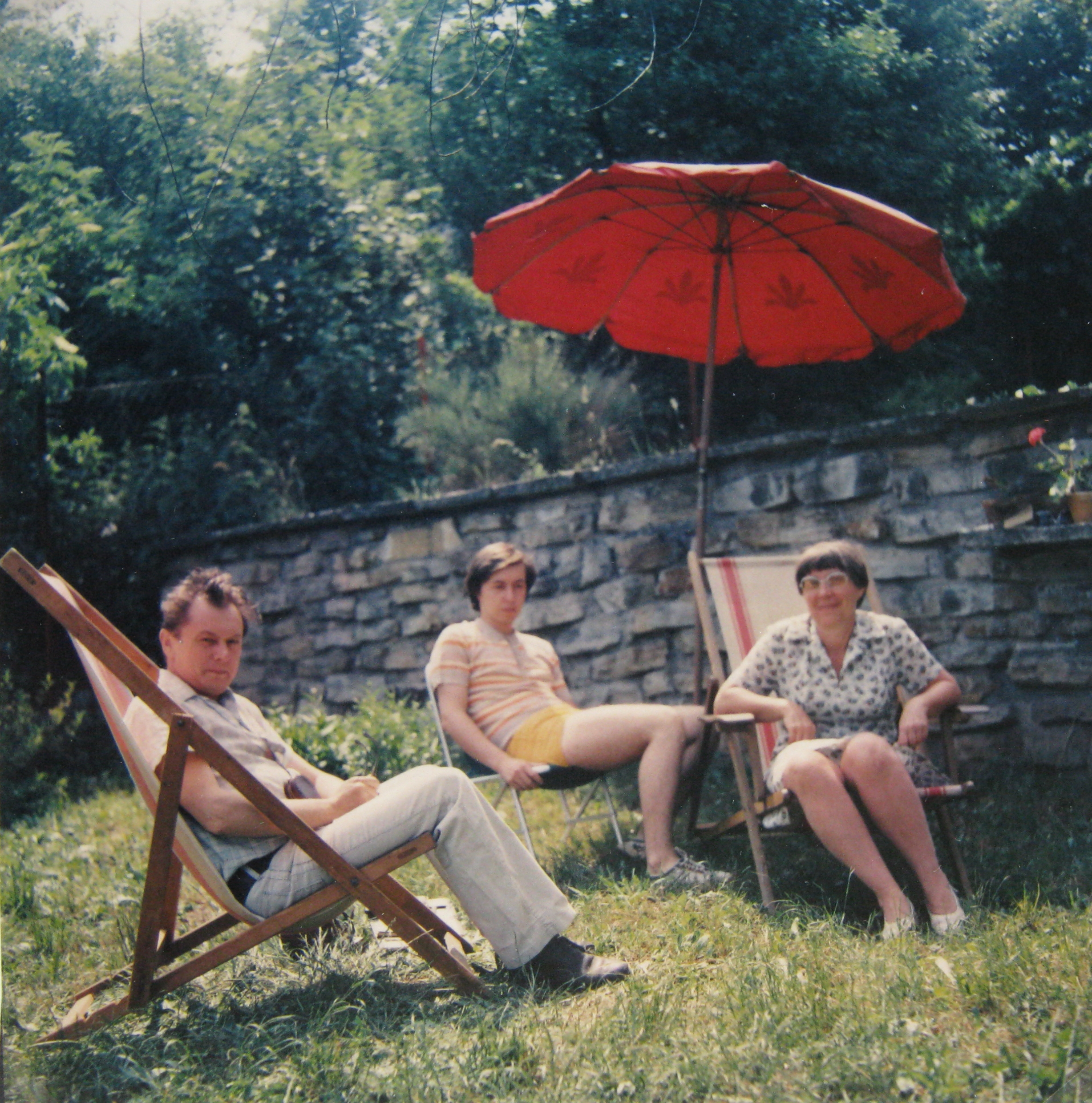
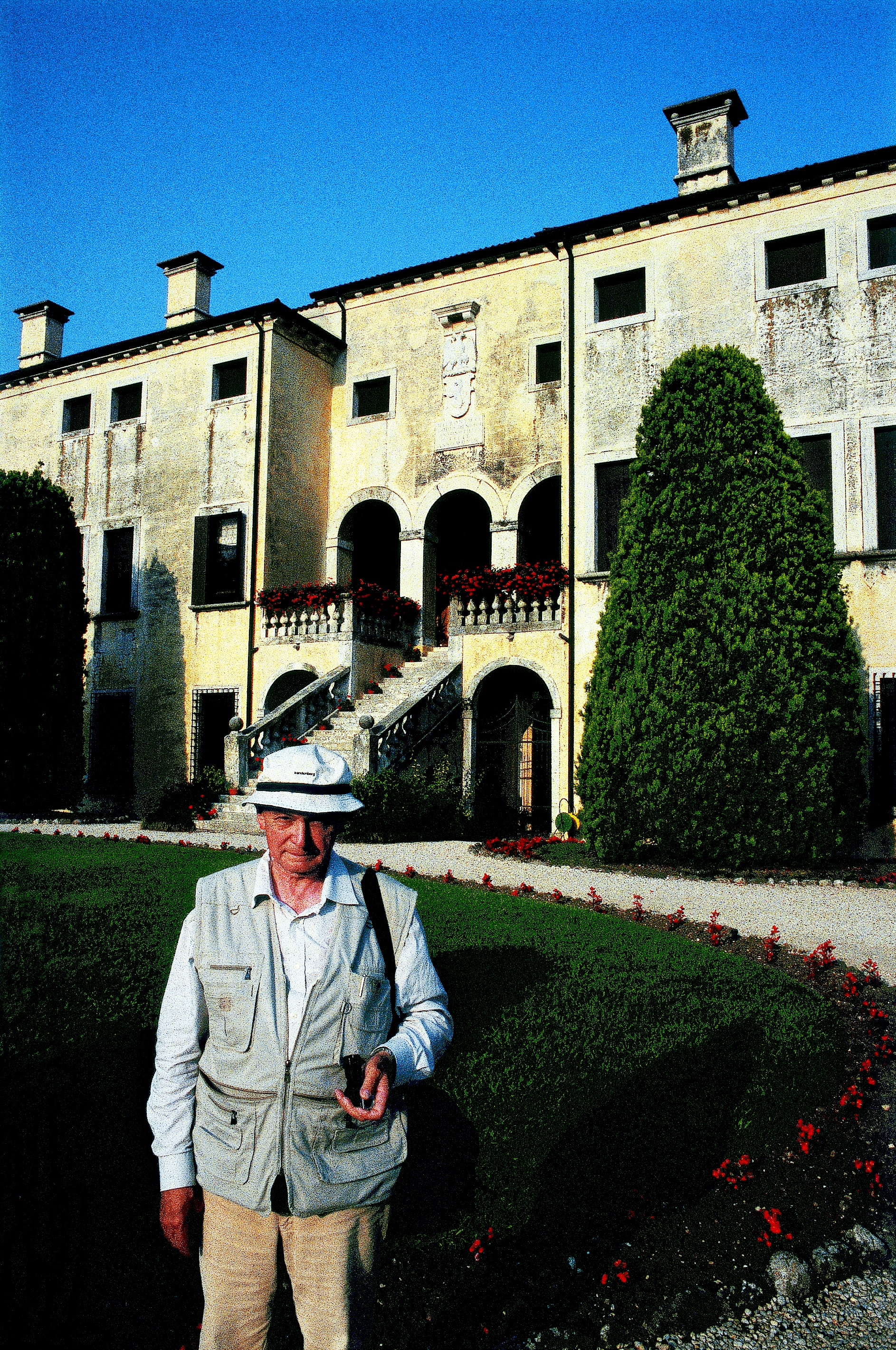
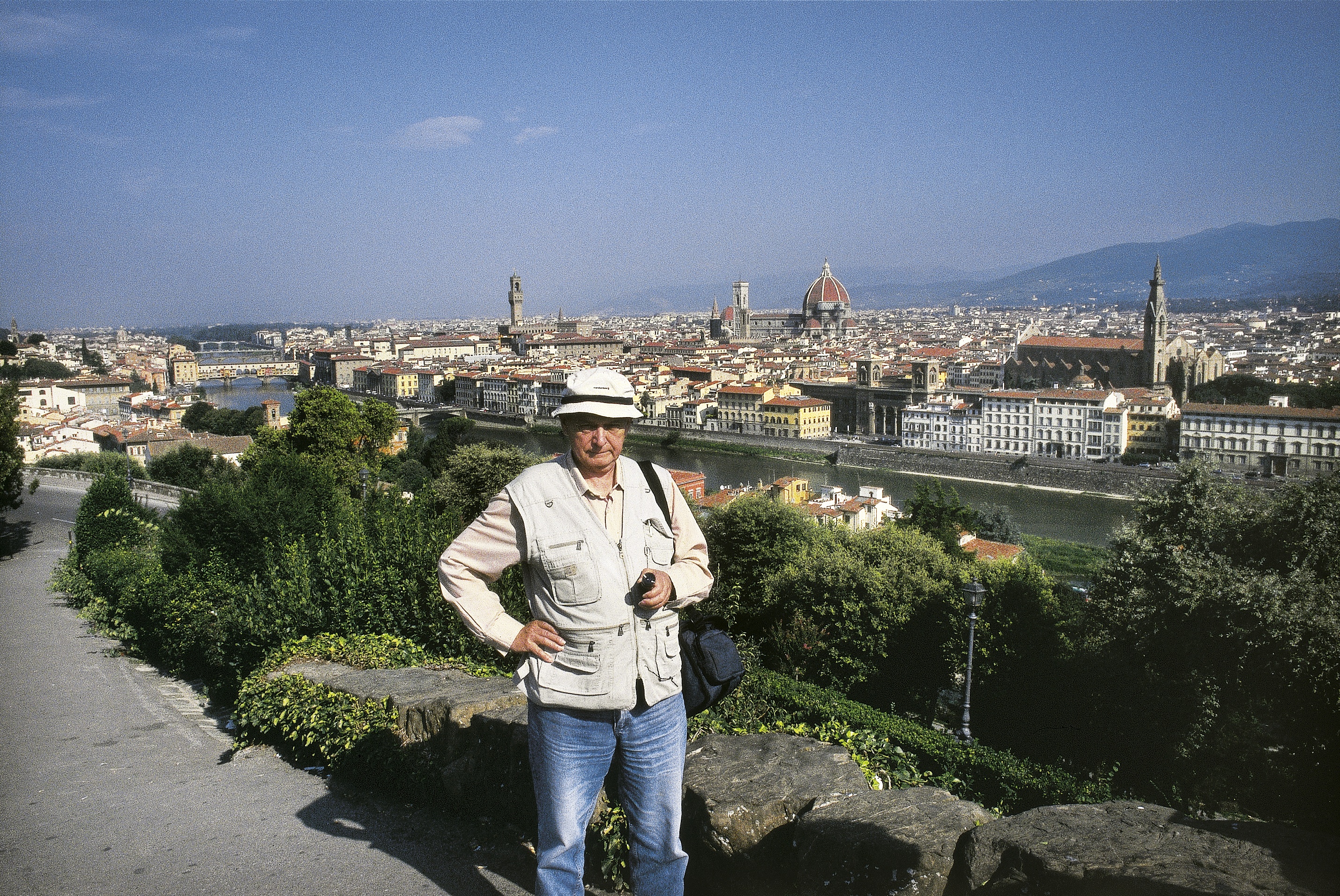
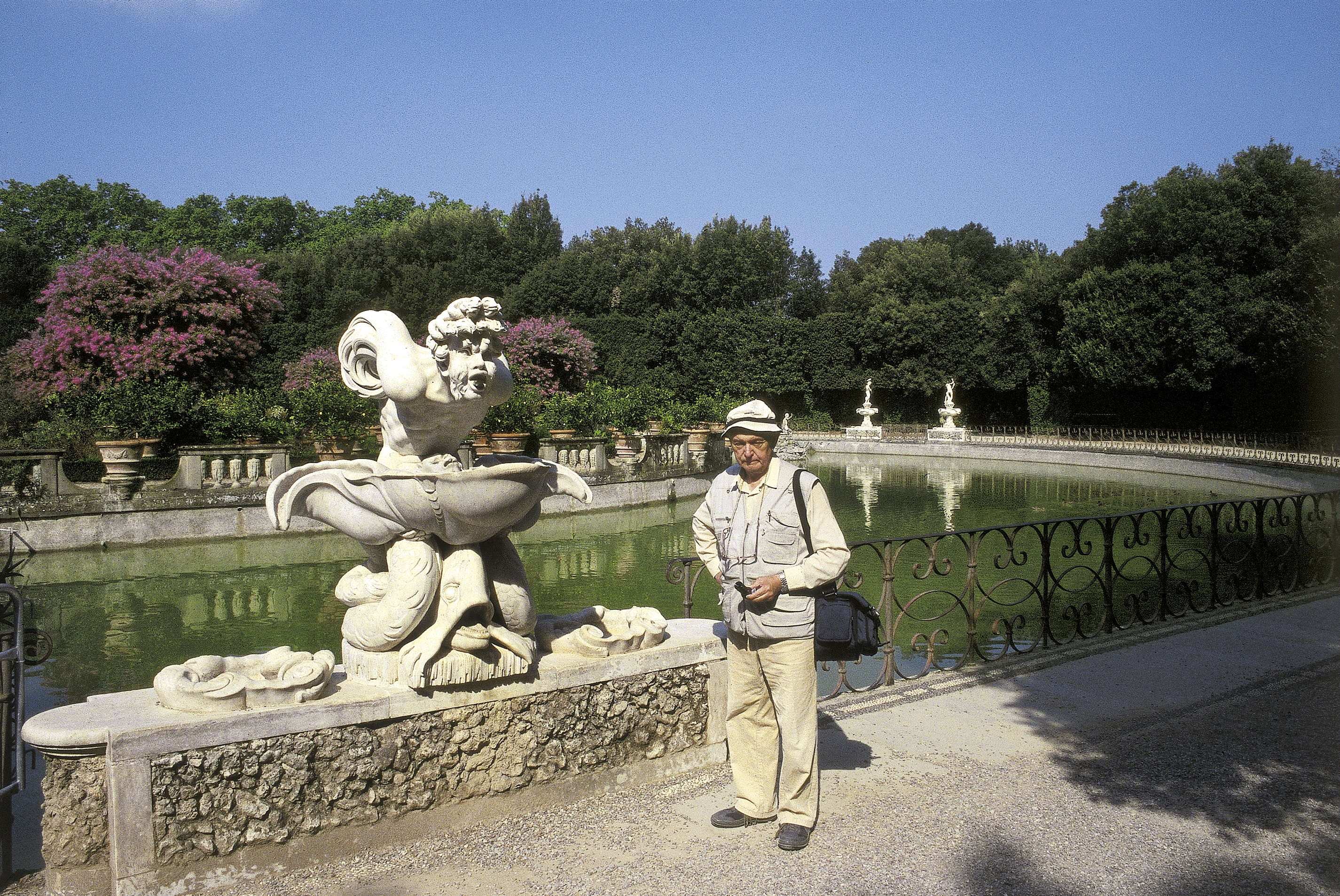
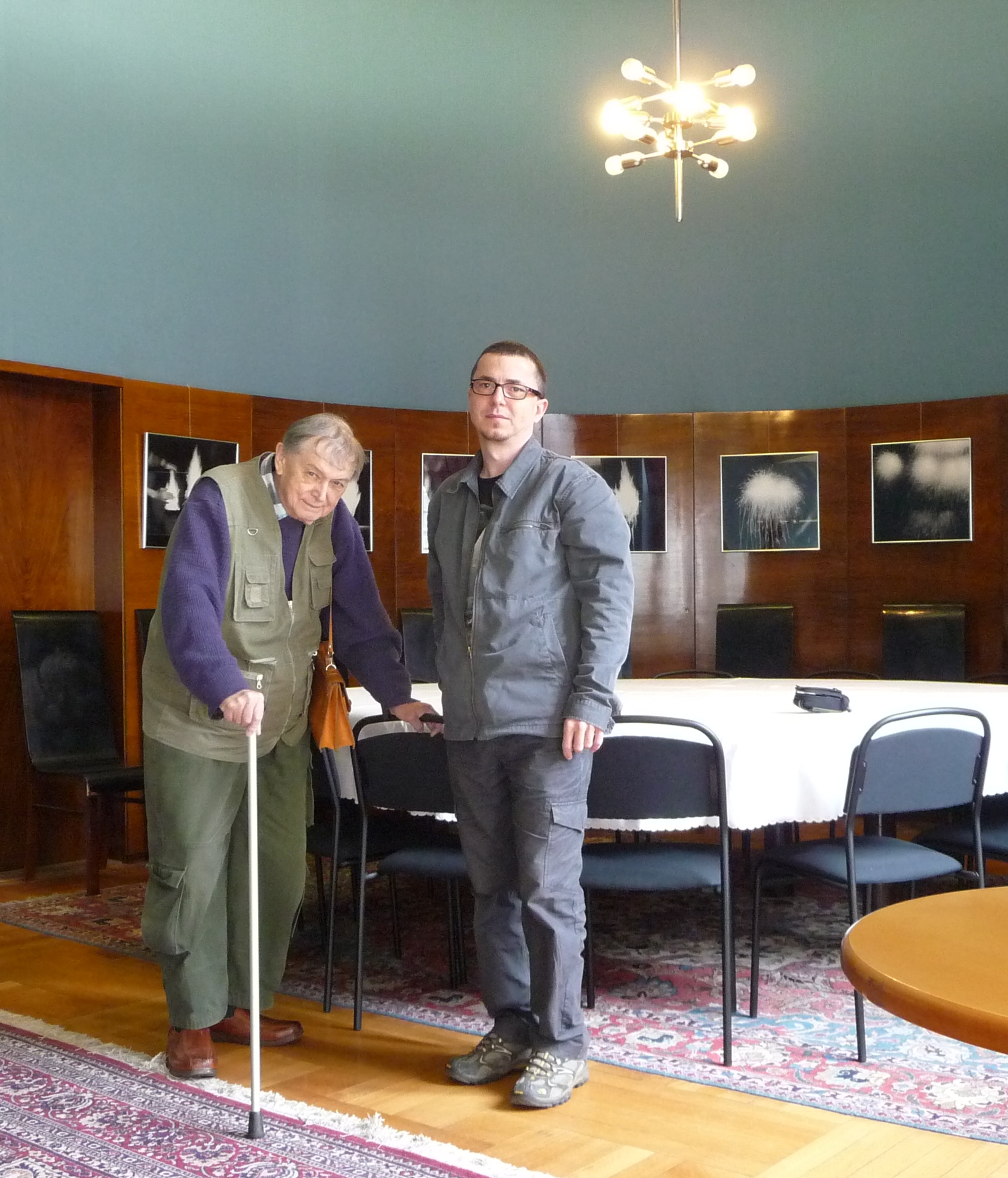
He was born on September 7, 1932 in Prague to a military doctor and a music teacher. Until 1939 he lived in Josefov in East Bohemia, where he experienced the arrival of the German army. His father became the chief physician at the hospital in Náchod, the family moved there and he graduated from the gymnasium. In 1945 he became a member of the Junák. In 1952 he passed the exams at the Academy of Fine Arts in Prague, a year later he had to leave the school due to political pressures and studied for a year at the surveying school in Prague. From 1956 to 1960 he worked at the District Museum in Broumov. In his spare time he painted, photographed portraits of artists and monuments and devoted himself to conceptual art photography. In 1956 he married Jitka Nejezchlebová and in 1958 their son Saša was born. His brother-in-law Přemysl Nejezchleba illegally crossed the border and settled in Australia. From 1960 he worked as a surveyor in Náchod. He also attended unofficial exhibitions and was interrogated by the State Security several times. From the 1980s he exhibited and wrote professional articles for many magazines. From 1985 to 1987 he studied at the Conservatory of Photography in Hradec Králové. In the 1990s he worked for the Institute of Heritage in Pardubice. In 2019 he received the Jéža Plečnik Award. In 2025 he lived in Náchod.