"But then who do you think is a secret collaborator? You took the code name Mikeš, went to meetings in the conspiracy flat, there were not a few of those meetings, reports were made from them. If this does not meet the definition of a secret collaborator, who is a secret collaborator?"
"In my opinion, a collaborator is someone who seeks to hurt other people, to harm them. If he's snooping and sniffing around, let's say, to report it."
"I told this directly to the State Security chief, JUDr. Horký, I told him at the time. I said, 'And now I'm going to Benešov for a priests' conference, where I'll tell all the priests.' And of course State Security invited the district church secretary there, and when I got there there were only two or priests there. And I was upset, angry that I had to deal with this. I said to the secretary, 'And I'm fed up with this. And I'm going to tell all the priests here today what's going on.' And the secretary was ready, because the secretary never went to these spiritual meetings, he wasn't interested in these things. He was only interested in who was sitting next to whom and what they were saying, that was his task. The secretary says to me, 'And what happened to you?' I say, 'I have been harrassed by State Security for three and a half years.' And I'm going to tell all the priests here today.' He takes me by the shoulders in a friendly way and says, 'Pastor, I beg you, in your own interest, don't say anything here today. And I will certainly help you to get rid of them.' In the end I didn't say anything, it was a bit of diplomacy on my part too."
"Your attitude towards the State Security officers has changed. At first, you were a defiant person who said, if you want to see me, then summon me in writing. But something happened and suddenly you agreed to volunteer to go to some conspiracy flat? What changed?"
"No, no, nothing changed there, my attitude was still the same. And they were actually stupid for thinking that. How could I work with them when I was working with the complete opposite pole, the secret church."
"Then why did you meet with them?"
"It was to deceive the enemy."
"What does that mean?"
"It means that I really didn't give a damn about them, and they knew it too, after all, they wrote it in those last pages of my tome. But what could I do, I was going to stand it, no matter what."
"Like what I did in the beginning, keep my distance. There were priests who insisted, even at the cost of losing state approval."
"Yes, but I didn't want to lose state approval."
"From the autumn of 1984 until the end of 1988 you were a secret collaborator of State Security under the code name Mikeš. Why did you accept the role of informer?"
"I must say one thing. I was always annoyed when I learned that someone was an informer and collaborator. I never lent myself to that. The fact that I was led like that - they did what they wanted in my presence. Of course, they were trying to see if I would sign it, trying to see what I would call it. It was such a silent suffering that I carried like a cross."
"But you agreed to be a collaborator at the meeting on October 18, 1984?"
"That Mr. Velíšek was quite pushy - you're going to be our collaborator now. And he wanted me to sign it, I didn't agree to it, I absolutely refused. They led me that way, but that was their problem, not mine."
"In your agent's file we read that 'the binding took place in the State Security office in Vlašim' at the district department of Public Security. The excuse for entering the building - a witness statement about a traffic accident - you supposedly didn't have to use because you didn't meet anyone. The State Security men spoke of 'mutually advantageous' contacts - namely, you would not be transferred again and you would not lose your state approval to exercise a religious function. They wanted you to give a written commitment to the contact, but you refused. Why?"
"I considered it a betrayal to talk about someone, to give testimony or information in this way. That was downright repugnant to me. And well, when they wanted it that way, I simply didn't protest again."
"It was a test for me, of course. I didn't sign anything for them, no way. That Velíšek was always bringing me this commitment, 'just sign it and we'll put the date on there some other time', and I thanked and didn't do it. And anyway, you see, I kind of rode my own luck anyway, that I didn't give that full trust to the Lord. Even though nothing happened, I didn't hurt anybody, I didn't betray anybody."
"It was unpleasant for me. Chancellor Oldřich Henych was the one who once said to me when I was leaving Pardubice: 'Jaroslav, from tomorrow you can no longer celebrate mass in public, only behind closed doors.' That meant I would be without state approval. I burst into tears. He was a scoundrel, but he was quite soft-hearted. He found it embarrassing when a young priest suddenly cried in front of him. In the end, I was only without state approval for about a month. They took it away from me, but they gave it right back. That was such abuse."
"I used to go to the housekeeper, we called her Miss from the rectory, she was already over seventy. I helped her, it was quite important to me and to her. She used to invite priests from the surrounding parishes, once every six months, for a pilgrimage or a holy day. She would prepare some food, order me to do it, advise me exactly how to do it, because I wouldn't know how to do it. That's how I came to the church world. Those priests when they got together, when I heard them speak, I loved to listen to them because they had a lot of beautiful wisdom. I never heard such things in my life as I heard in the rectory when the parish priests were telling. There, too, I saw how important it is never to be taken in by anyone to cooperate or to do anything wrong."
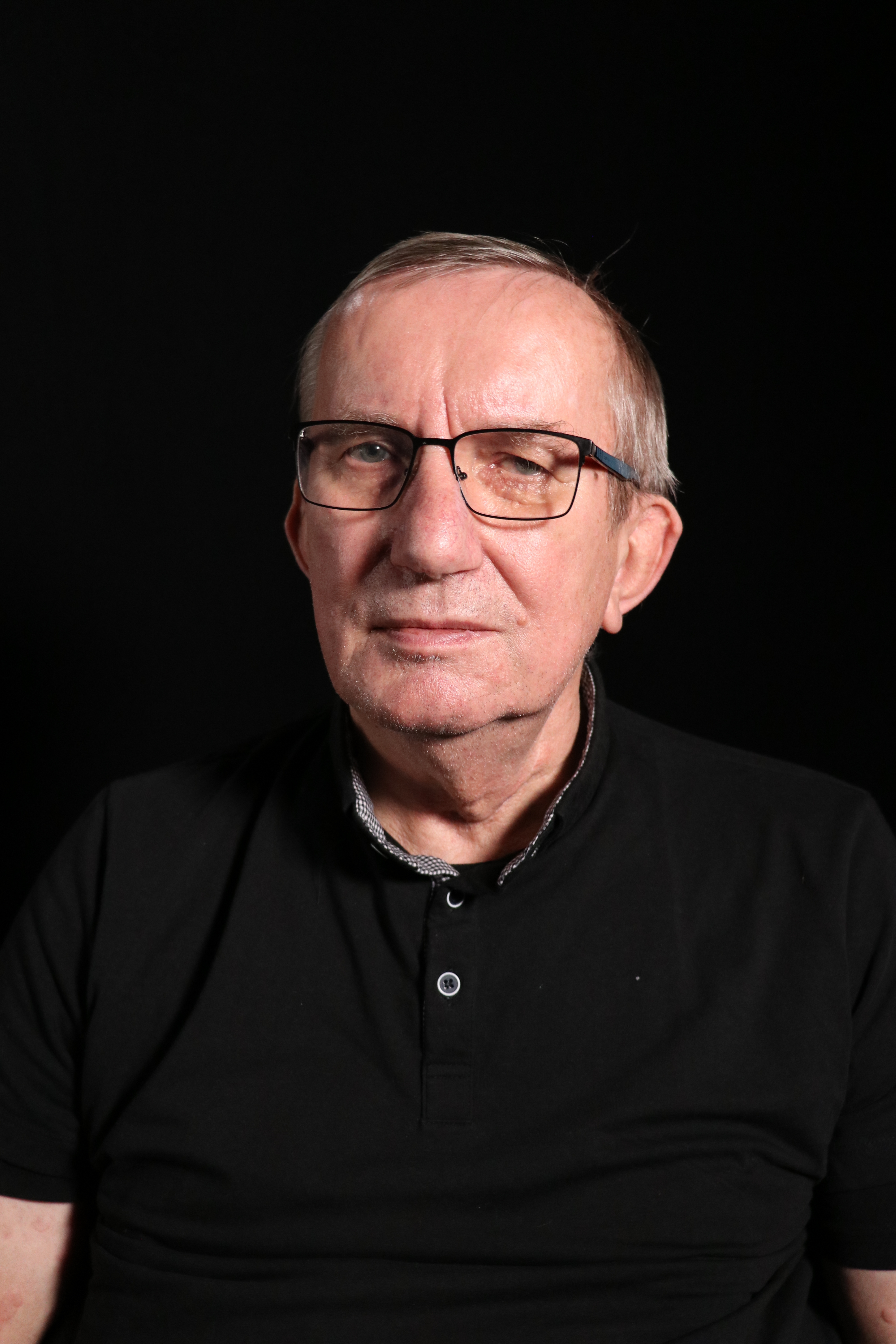
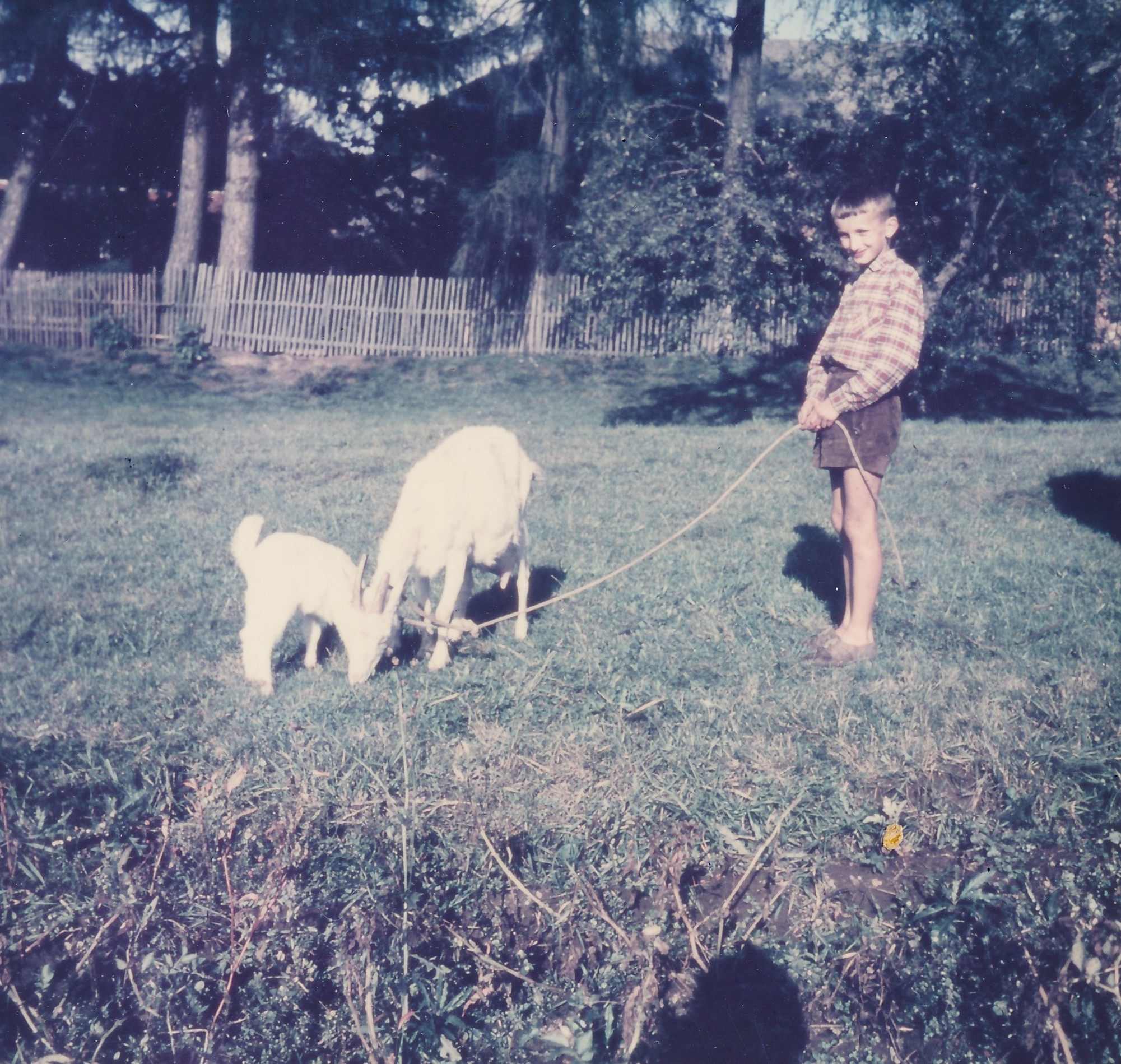
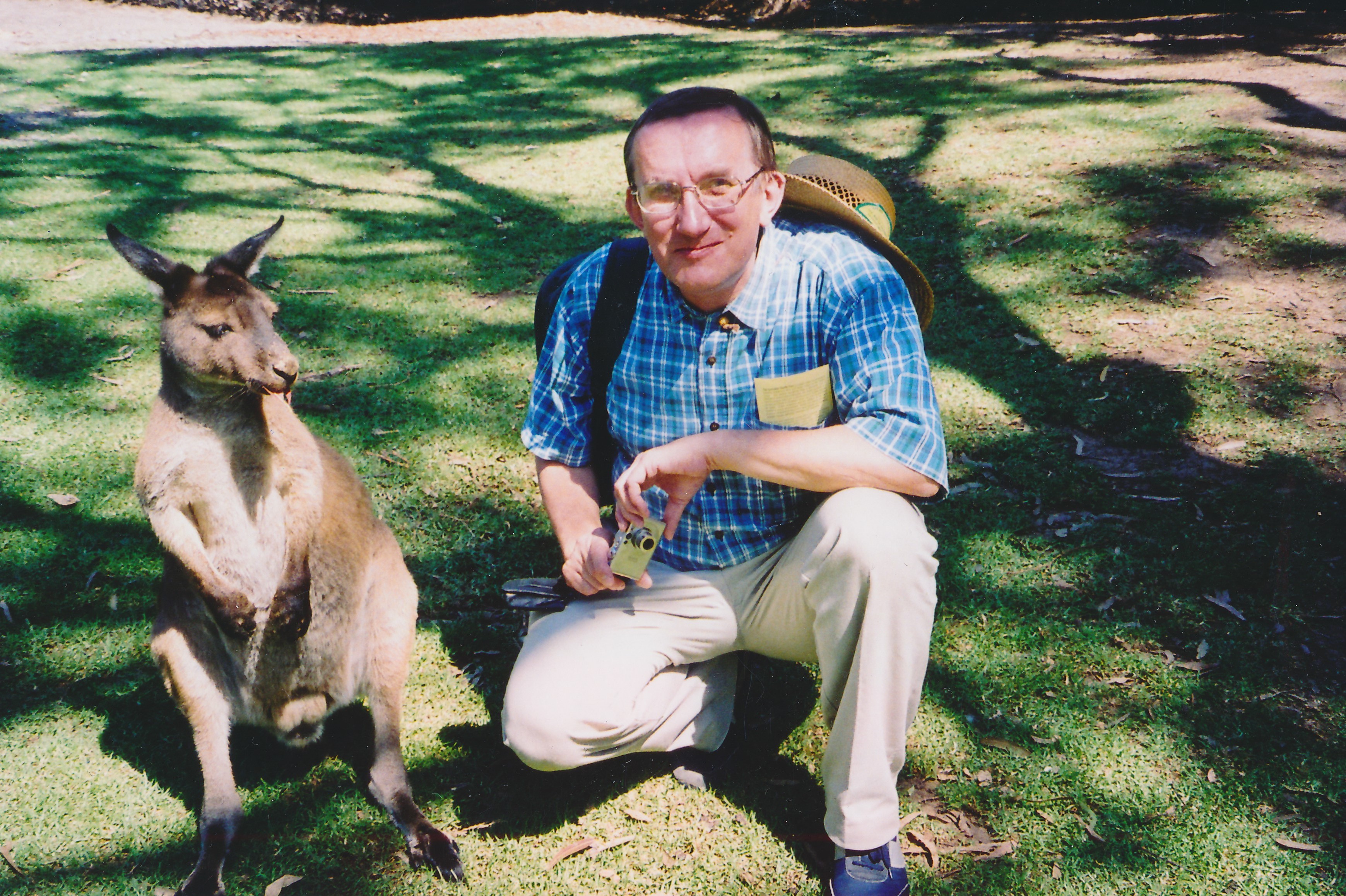
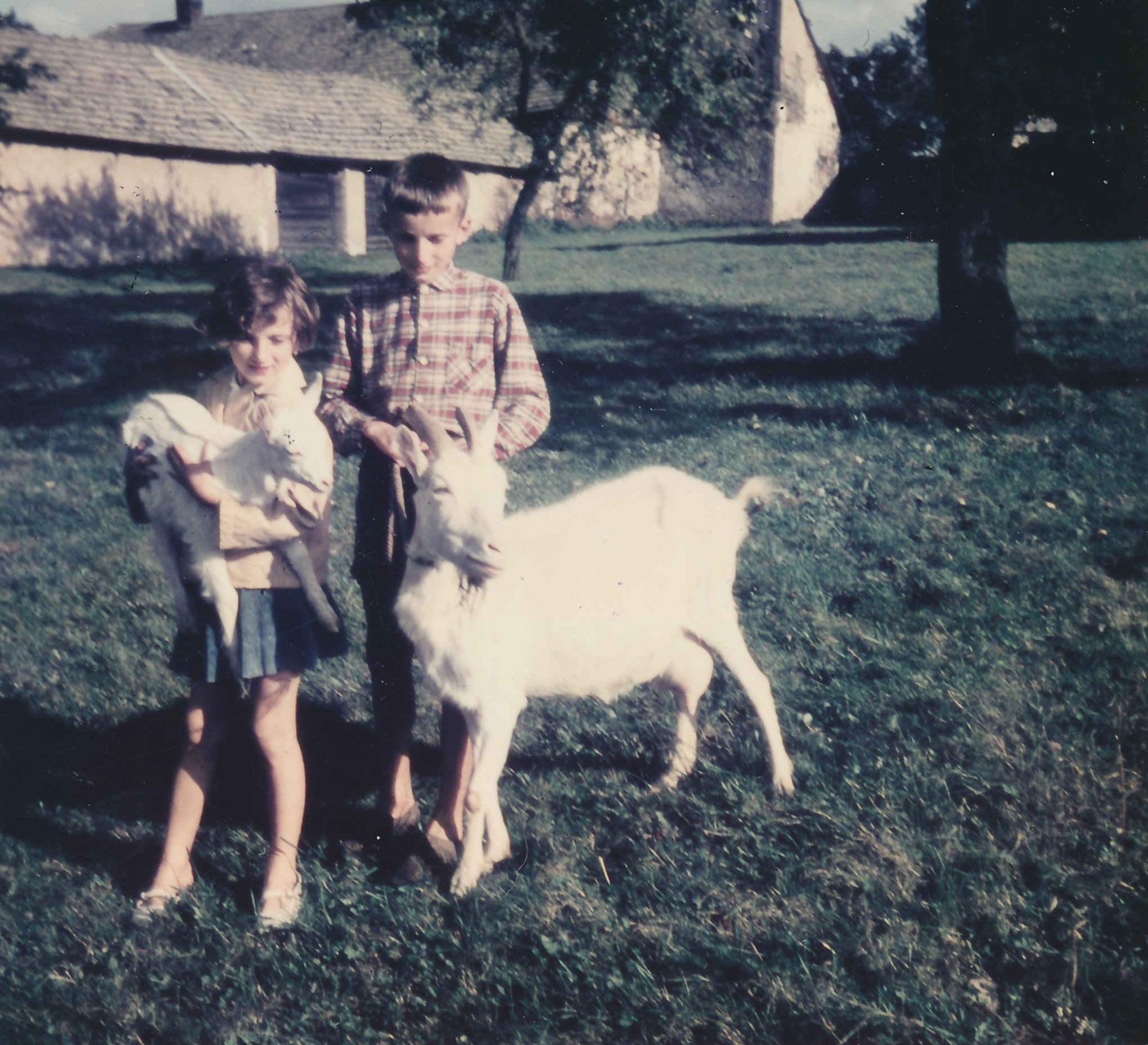
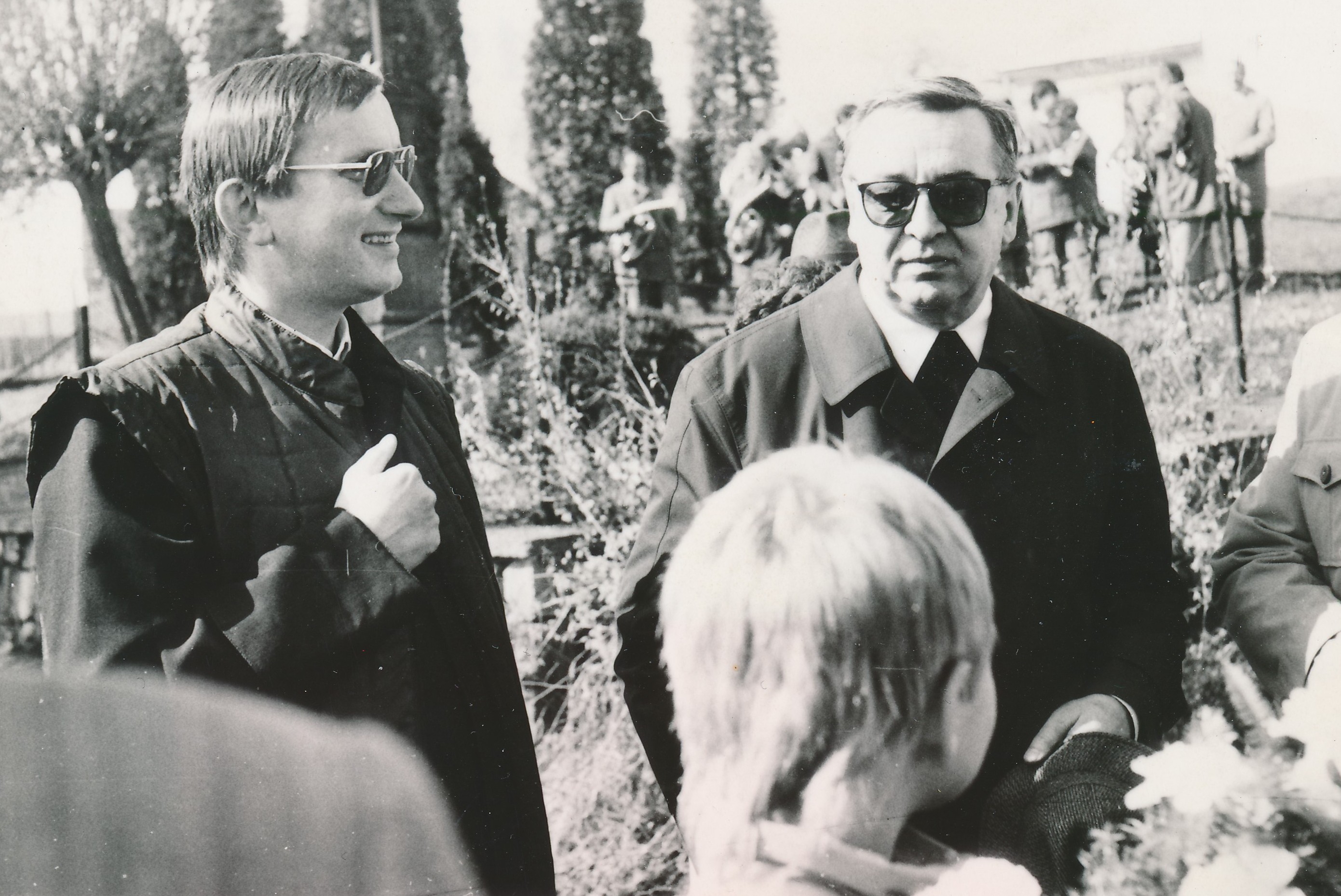
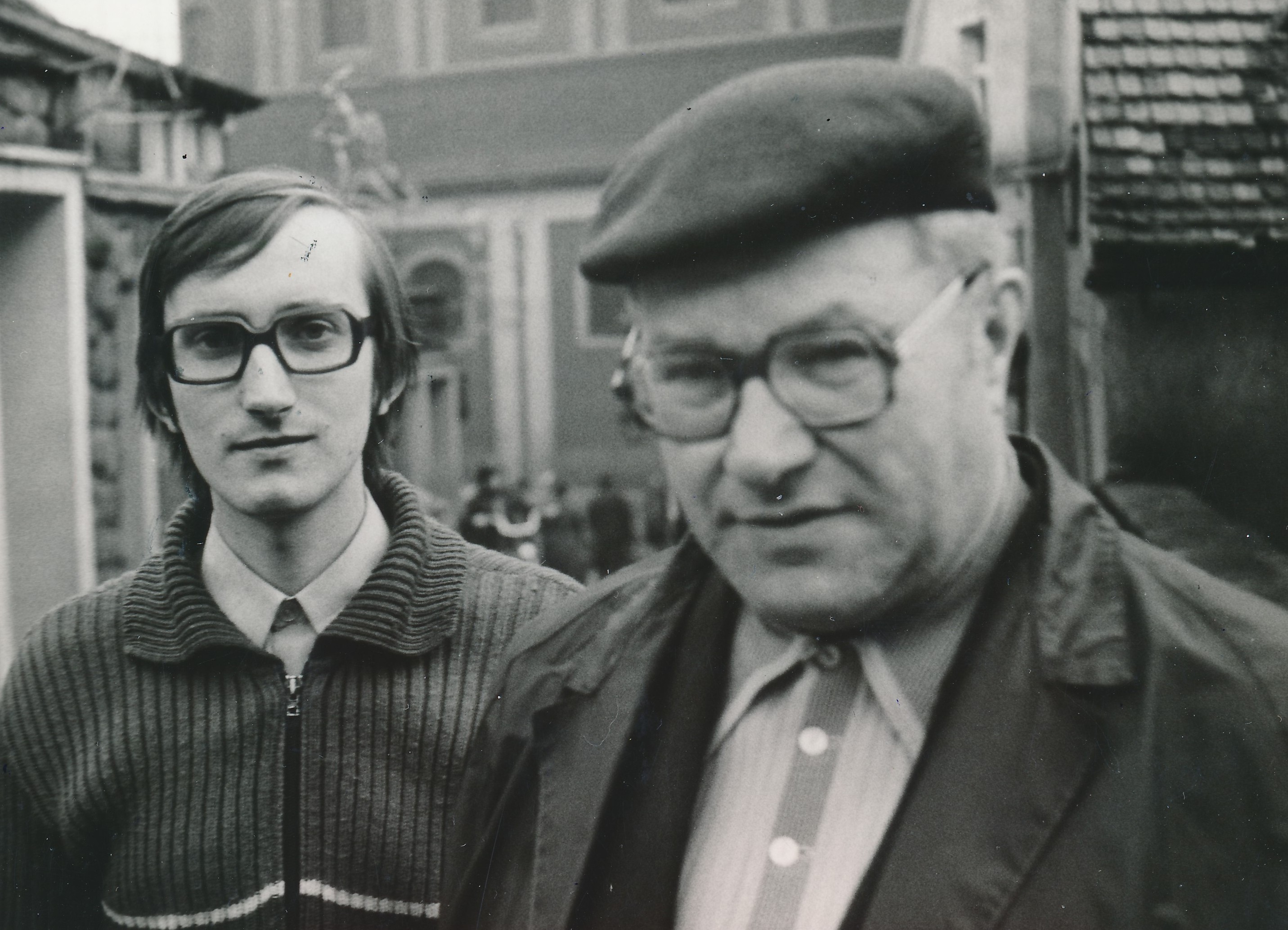
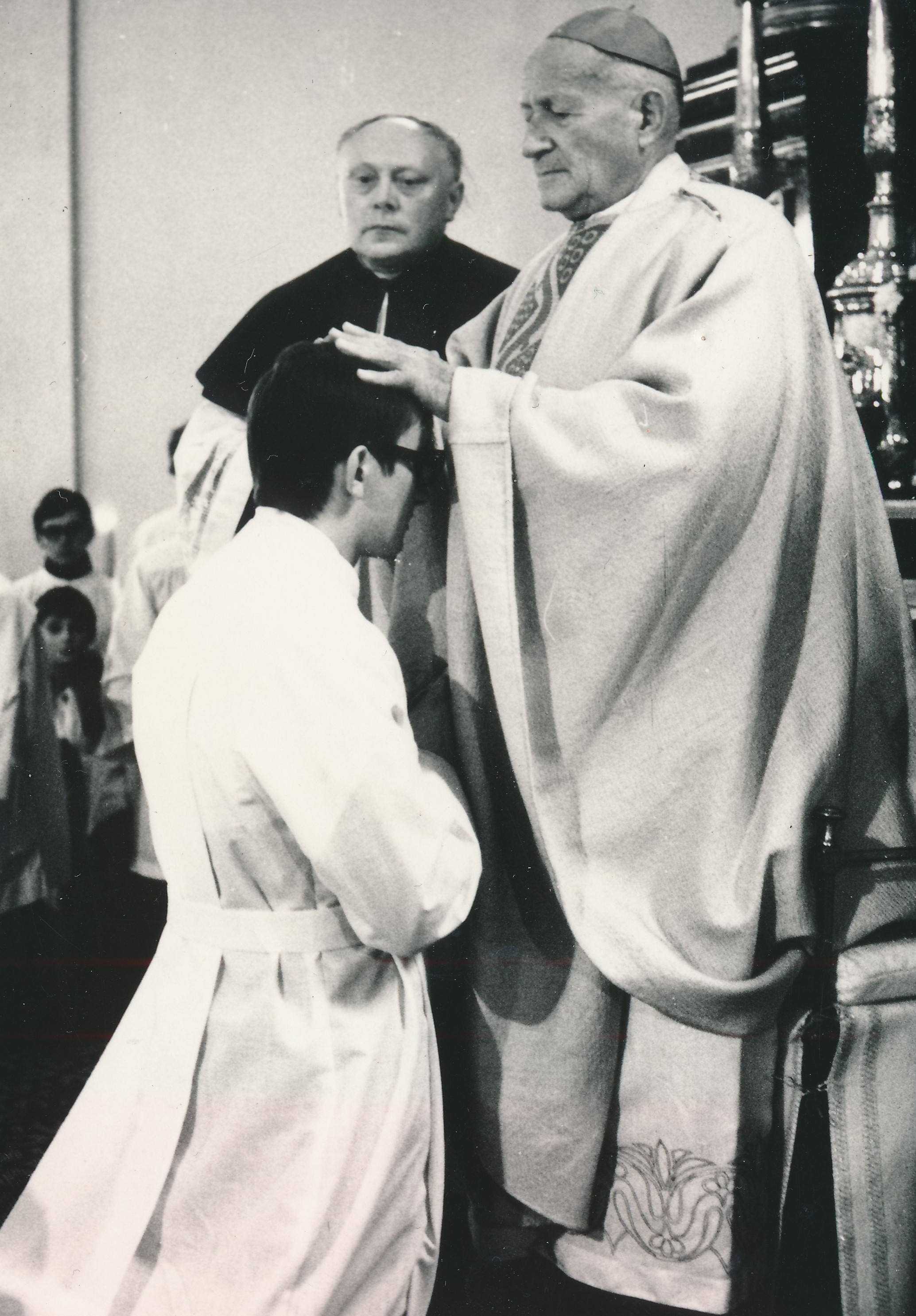
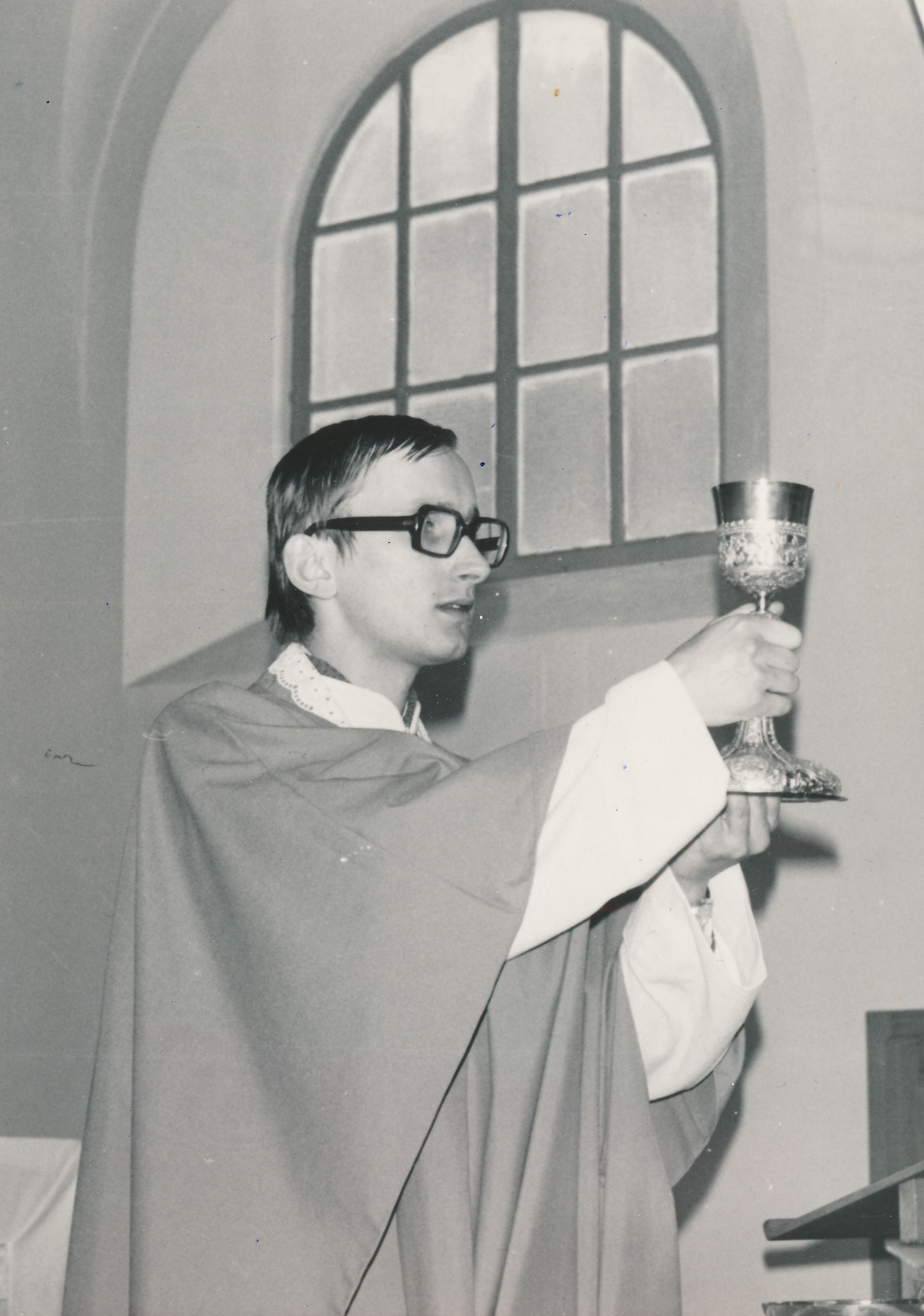
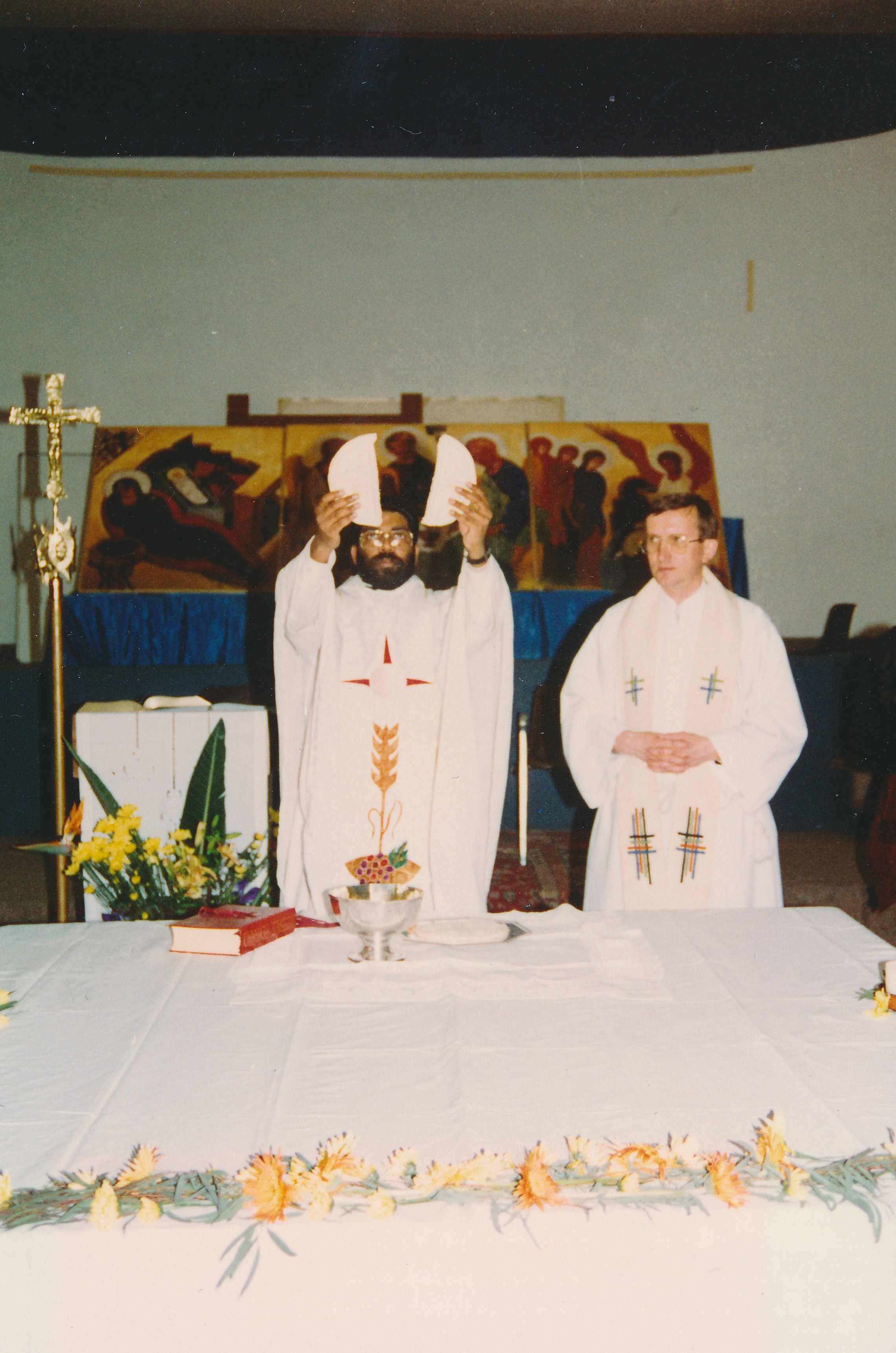
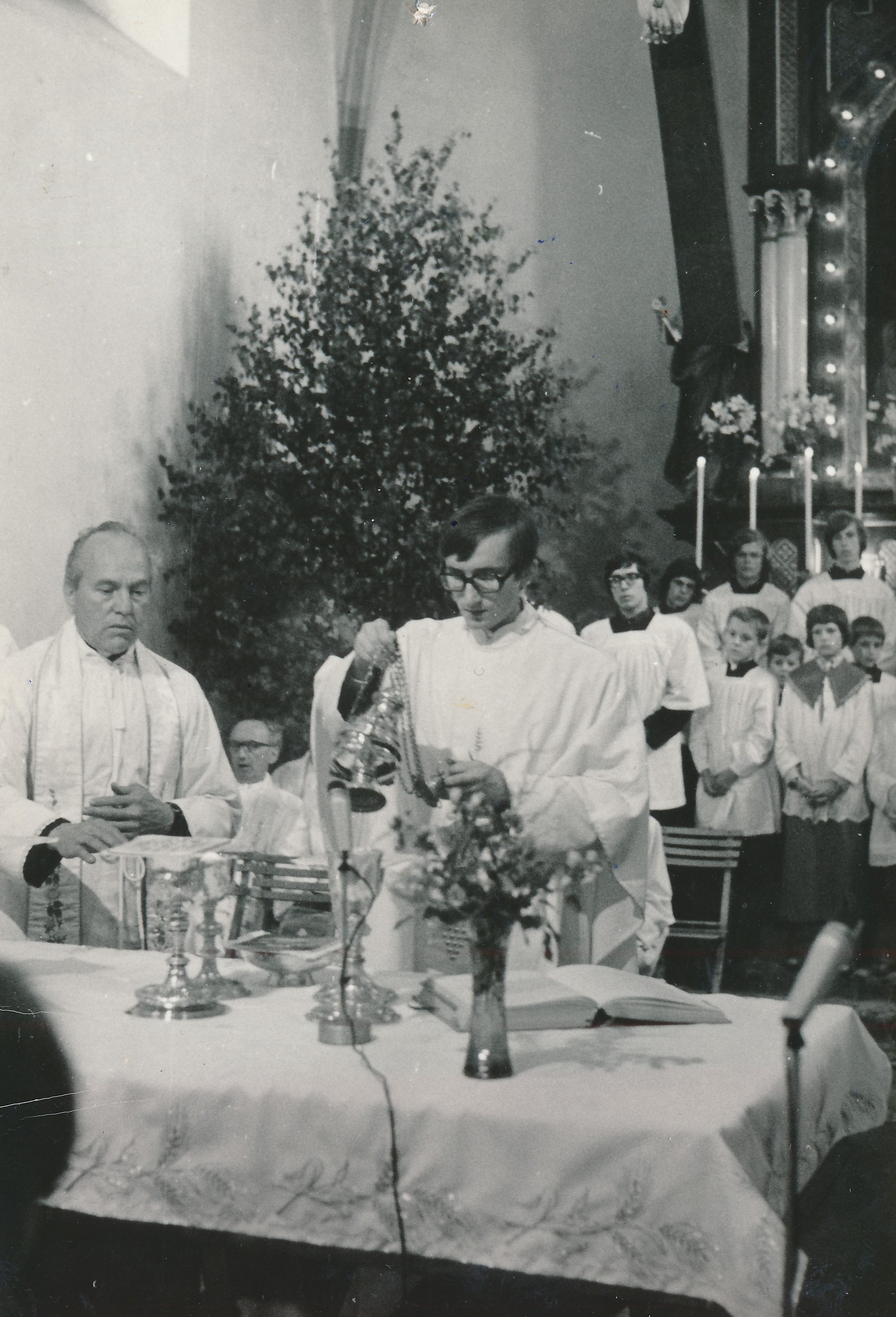
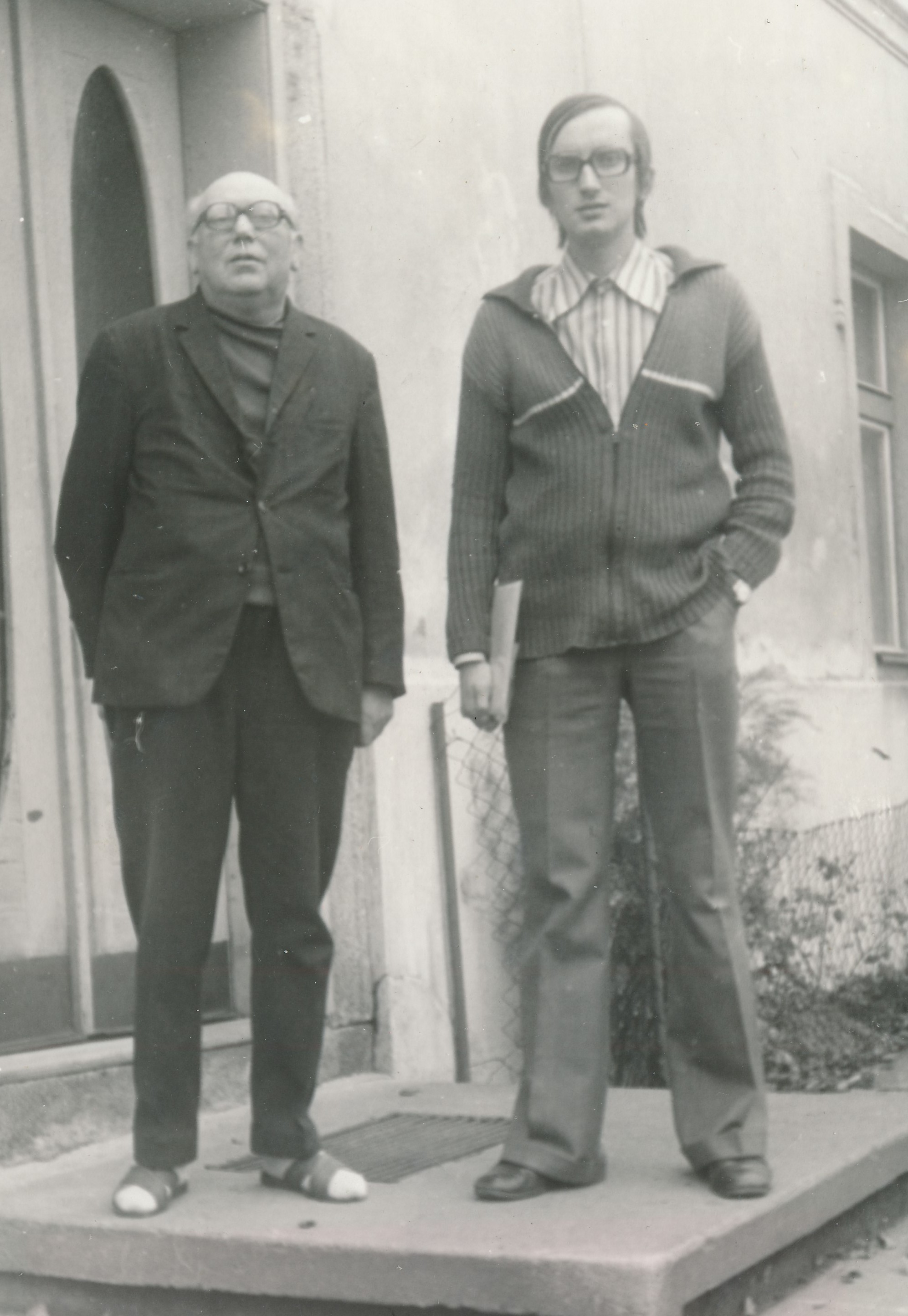
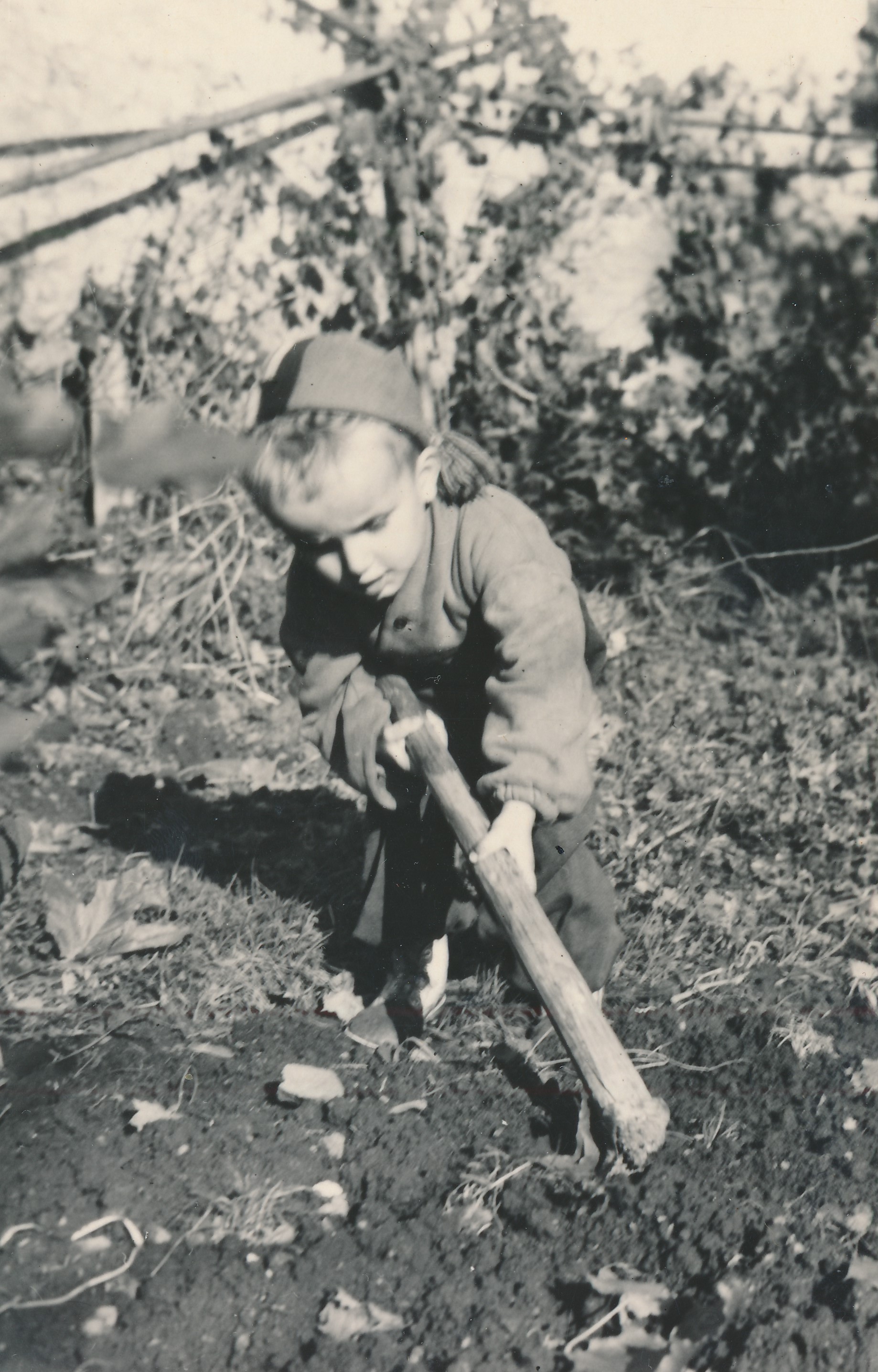
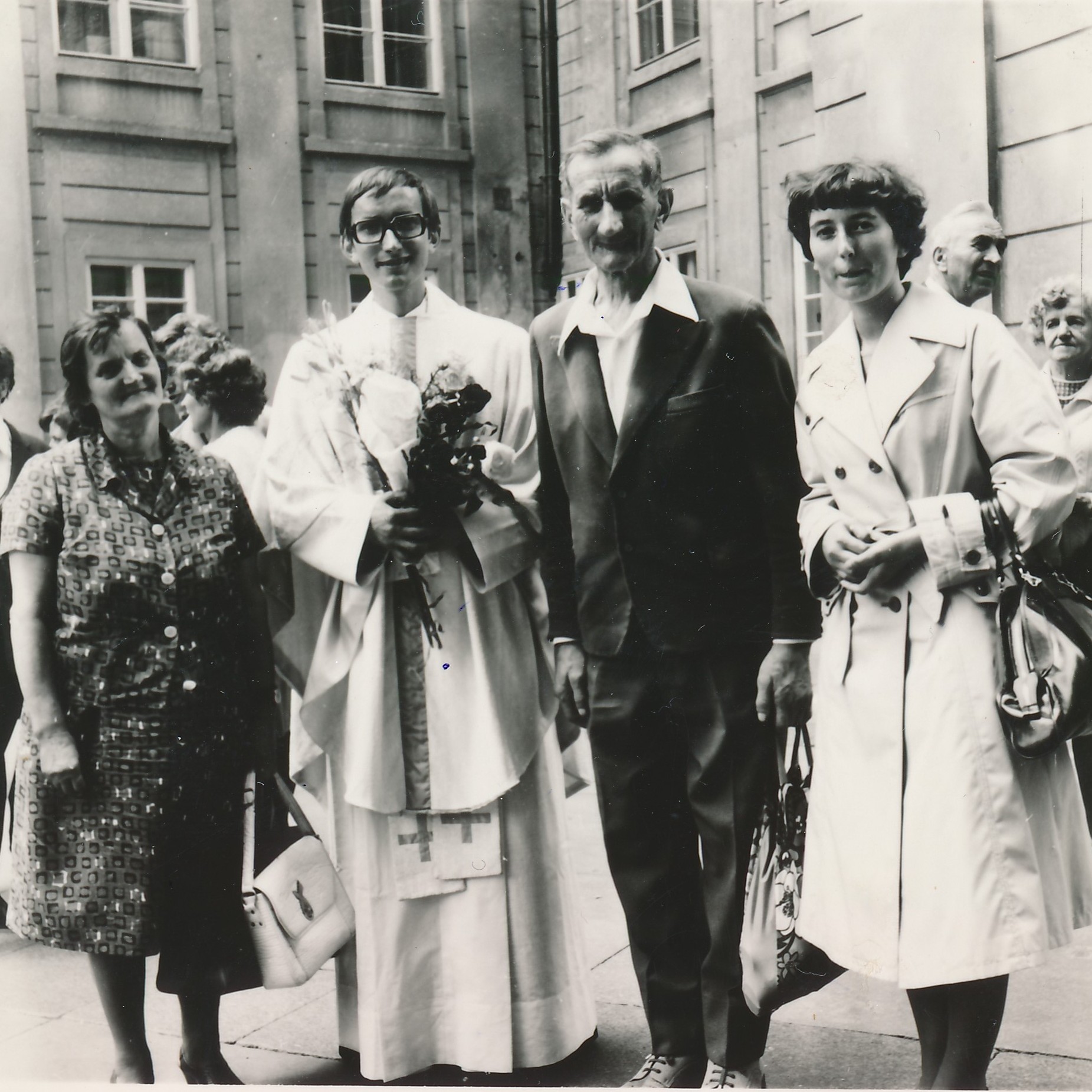
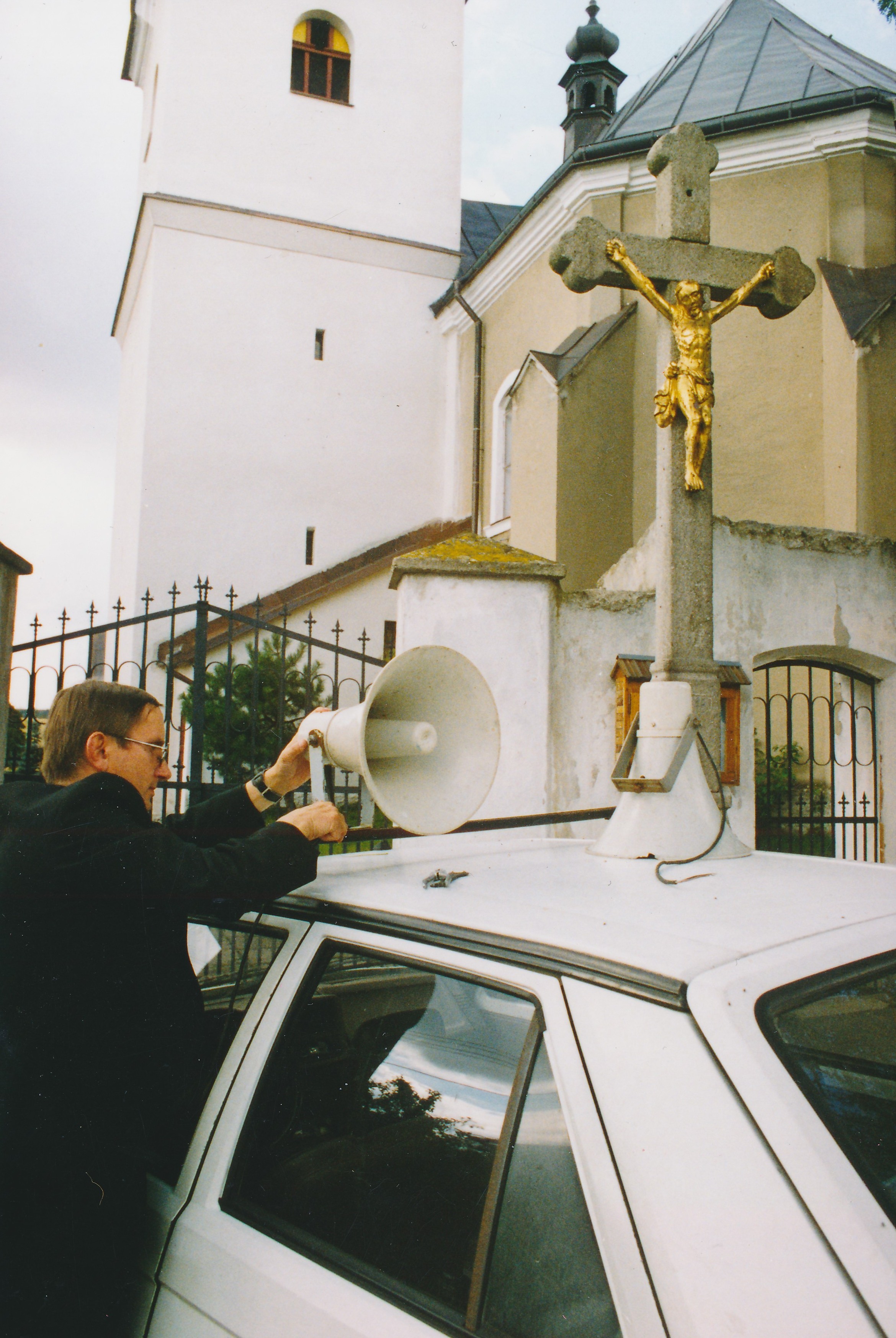
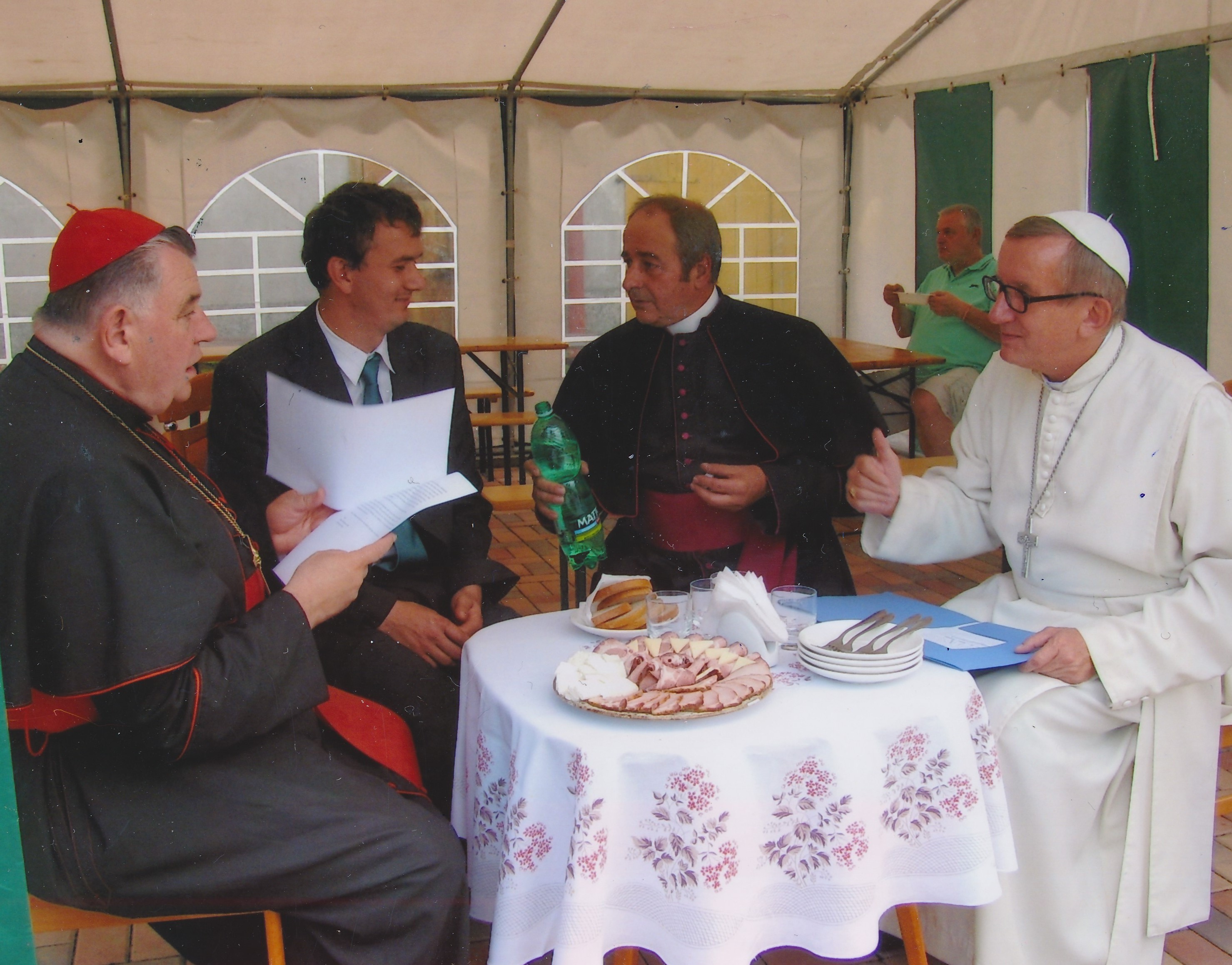
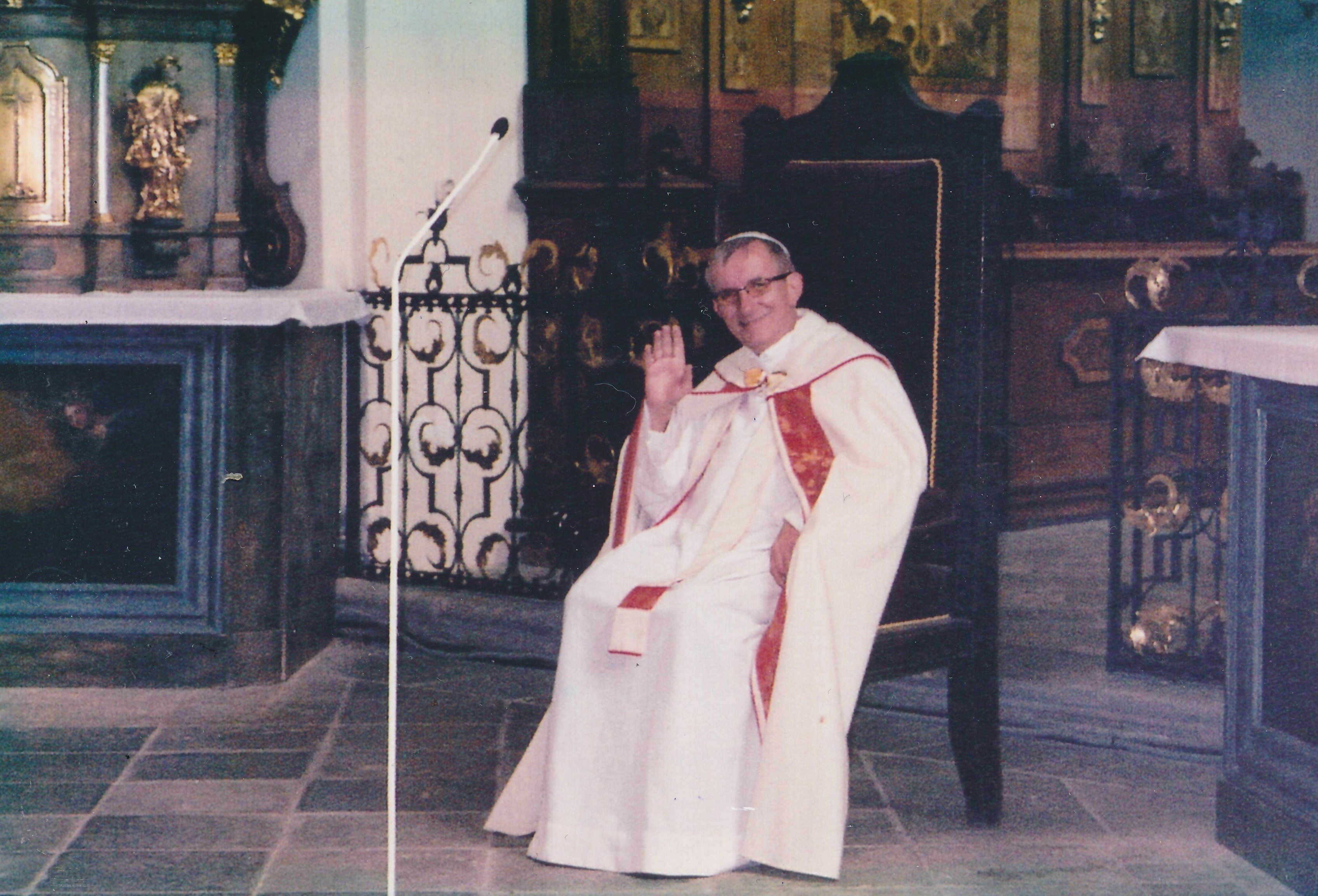
Jáchym Jaroslav Šimek (Jáchym is a monastic name) was born on 3 June 1952 and spent his childhood in Nížkov near Havlíčkův Brod. His father, Josef Šimek, came from poor circumstances but managed to build a farm; when the communists took it away from him, he collapsed and later burned down his own house and cowshed. His mother Věra (maiden name Růžičková) was the daughter of a landowner and a farmer; his grandfather Jan Růžička ended up in one of the camps near Jáchymov after the communist coup. There was a church a few metres from the house where he lived as a child, and he considered it a second home, building altars and preaching from an early age. He graduated from the general education school in Žďár nad Sázavou and in 1968 entered the seminary in Litoměřice. From 1972 to 1974 he was in the army and due to his health he was put in charge of the sauna and the bar for the officers. In July 1977, he was ordained a priest by Cardinal František Tomášek in St. Vitus Cathedral at Prague Castle. He started his priestly career in Křížová near Havlíčkův Brod, then became a chaplain before the revolution in Náchod, Ostružno in the Jičín region, Pardubice and finally from 1983 to 1990 he was a parish priest in Keblov. In 1979, State Security became interested in him because of his contacts with an active group of religious youth in Náchod. State Security was bothered by the fact that he preached modern sermons, gathered youth around him and generally tried to win as many people as possible to the faith. In 1984, he became a secret collaborator of State Security under the code name Mikeš and remained so until 1988, meeting with State Security more than sixty times, including in a conspiratorial flat in Vlašim, and their conversations resulted in 23 reports. After 1990 he was a parish priest in Pardubice and then in Havlíčkův Brod. After the revolution he started his own business, making “parish priest’s socks” in his native Nížkov. At the beginning of the 1990s he joined the Premonstratensian Order and went to Rome for two years, where he studied theology and spiritual theology. From 2003 to 2008 he was in charge of Czech emigrants in Australia as a priest. From 2013 to 2022 he was Abbot of Želiv Monastery, today he is Abbot Emeritus.