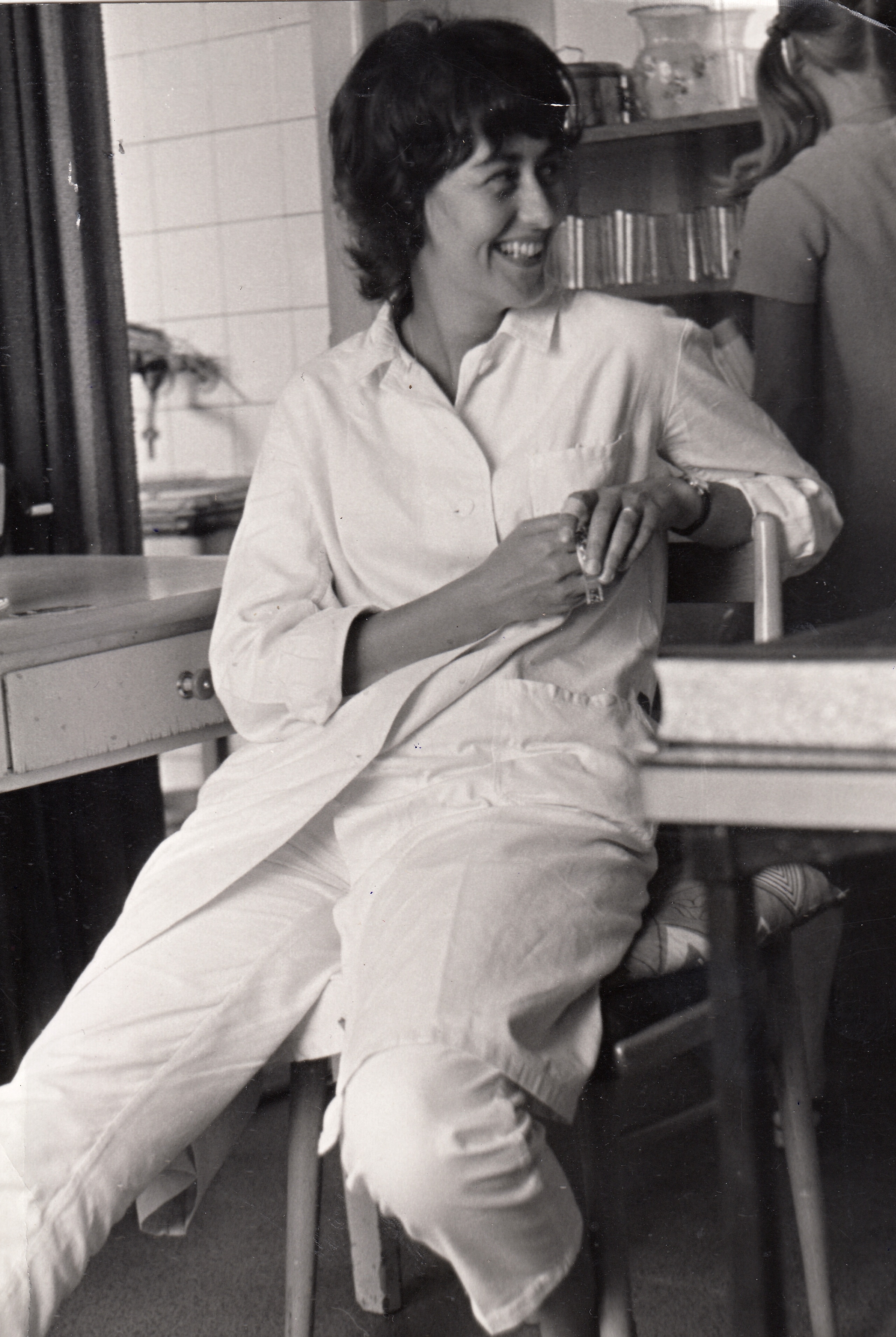
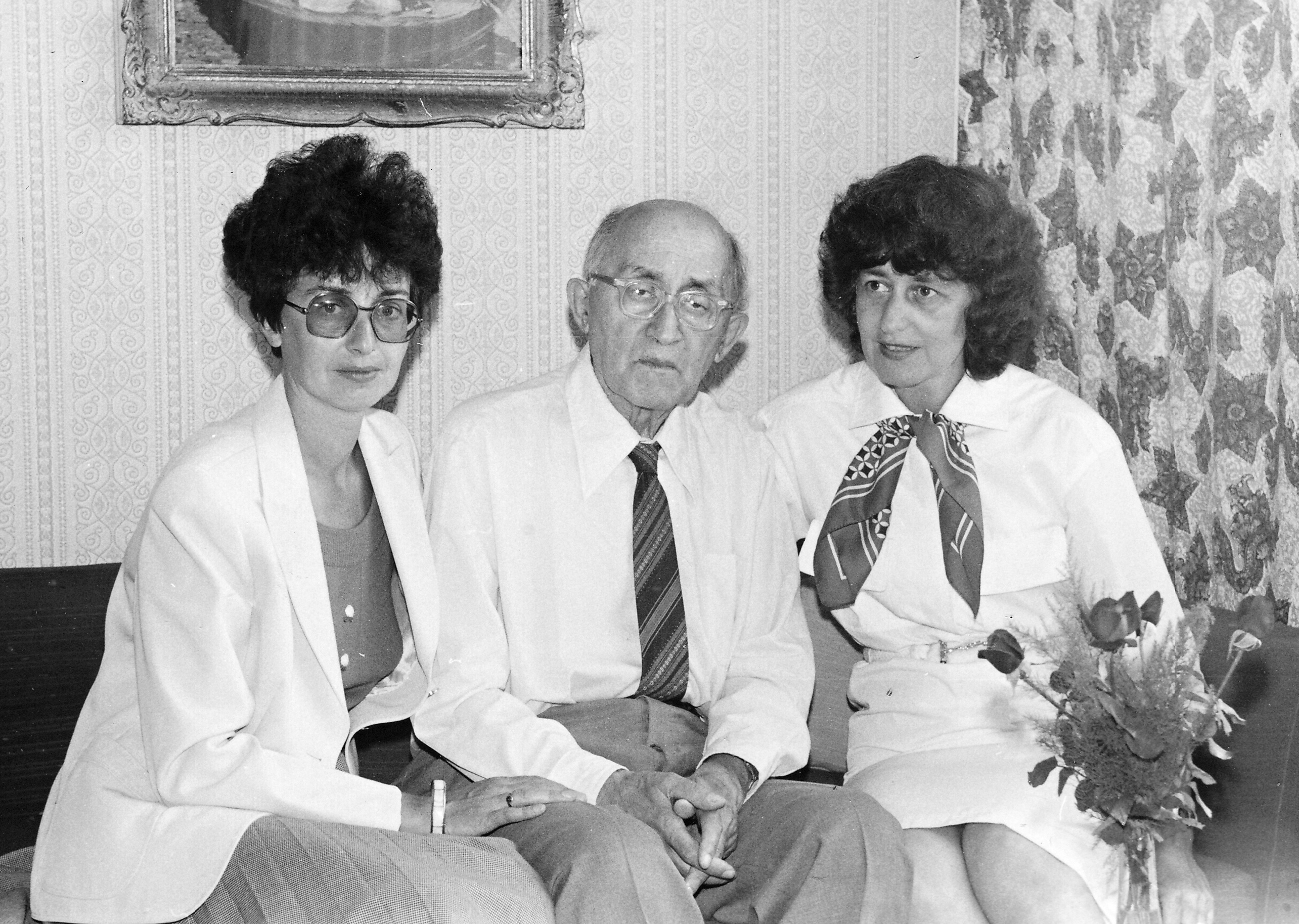
Yvonne Sieberová

* 1938

  • "Typhus broke out and leaving was forbidden. I remember airplanes flying, likely to Prague, and we were looking at them and thinking they couldn't drop bombs at us. I don't know how we knew, but we told ourselves that. At the end of the war, girls started sewing tricolours and we all wore tricolours. On 13 May in the evening, daddy came for me and told me to come with him. I don't know if it was just a truck or a moving truck. There were a few pieces of furniture in it and me and dad and some other gentlemen got behind the furniture and they drove us to Prague. We arrived in Prague sometime at night and we went home."

  • "When I came back from Terezín, I was two kilos heavier. First, the change of air was good for me, and second, I ate everything because I was hungry. There was this infamous sour white sauce. I don't know what it was made of. It was very unpopular; people hated it but I loved it. I always ate it all. It was called Saure Tunke. That was good for me. Then they moved us to another house in the square, but I don't know which one it was. Towards the end of the war, they put us in a model house in a side street. It was beautifully done. I remember there was a big hall, and Noah and animals and fairy stories painted all over the walls. There were little tables and chairs and little rooms were around the perimeter, small bedrooms that were carved out of wood. There were bunk beds, a little table, and everything was carved out of wood, it was very nice."

  • "When we arrived in Terezín, they took us to wooden barracks and debugged us, examined us and what not. We went through that, and when we kids we were finished they took us to a big house in the Terezín square where we stayed. I got into a big room where there were bunk beds around both walls and two bunk beds back-to-back in the middle. They were three-level bunk beds, and I was on the second level. There was a little Dutch girl lying on the bunk that was stuck to mine. She had just one arm and said her dad and mum had been killed. I thought in my stupid little head that they'd cut off my hand too and also kill my dad and mum. I don't recall much else; I just know they always ran us out in the morning when they were cleaning up. It was February; I came there on 25 February, and it was foggy. It used to be there a lot. I had no friends; never made any. I would wander around the square alone, and I remember that one day, when it was foggy, I came close to a house and someone said, "Halt!" It was the camp headquarters, and a guard was standing in front."

  • Full recordings
  • 1

    Ústí nad Labem, 05.02.2025

    (audio)
    duration: 01:13:38
    media recorded in project Příběhy regionu - Ústecký kraj
Full recordings are available only for logged users.

My father and I escaped from Terezín hidden in a wagon with furniture.
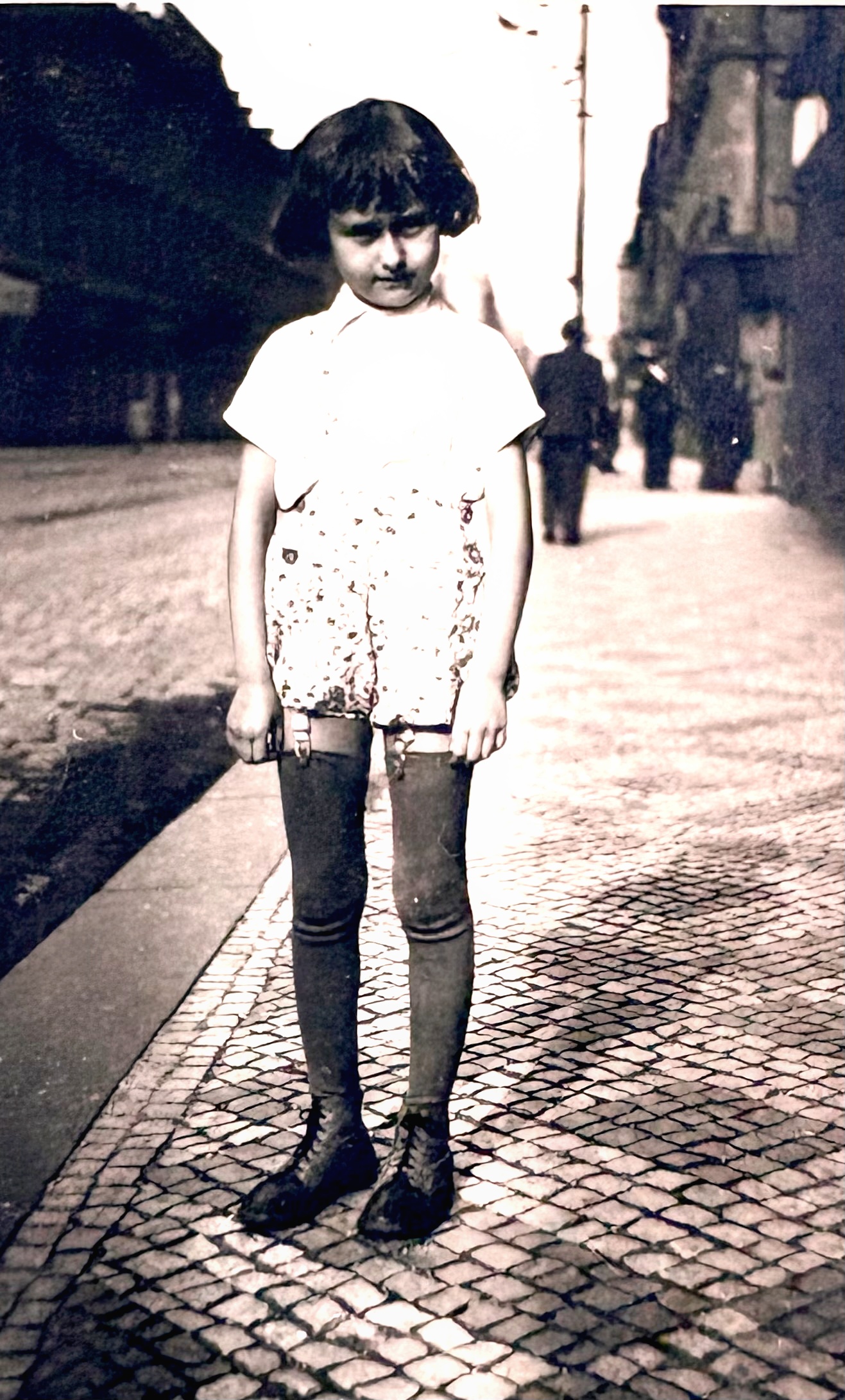
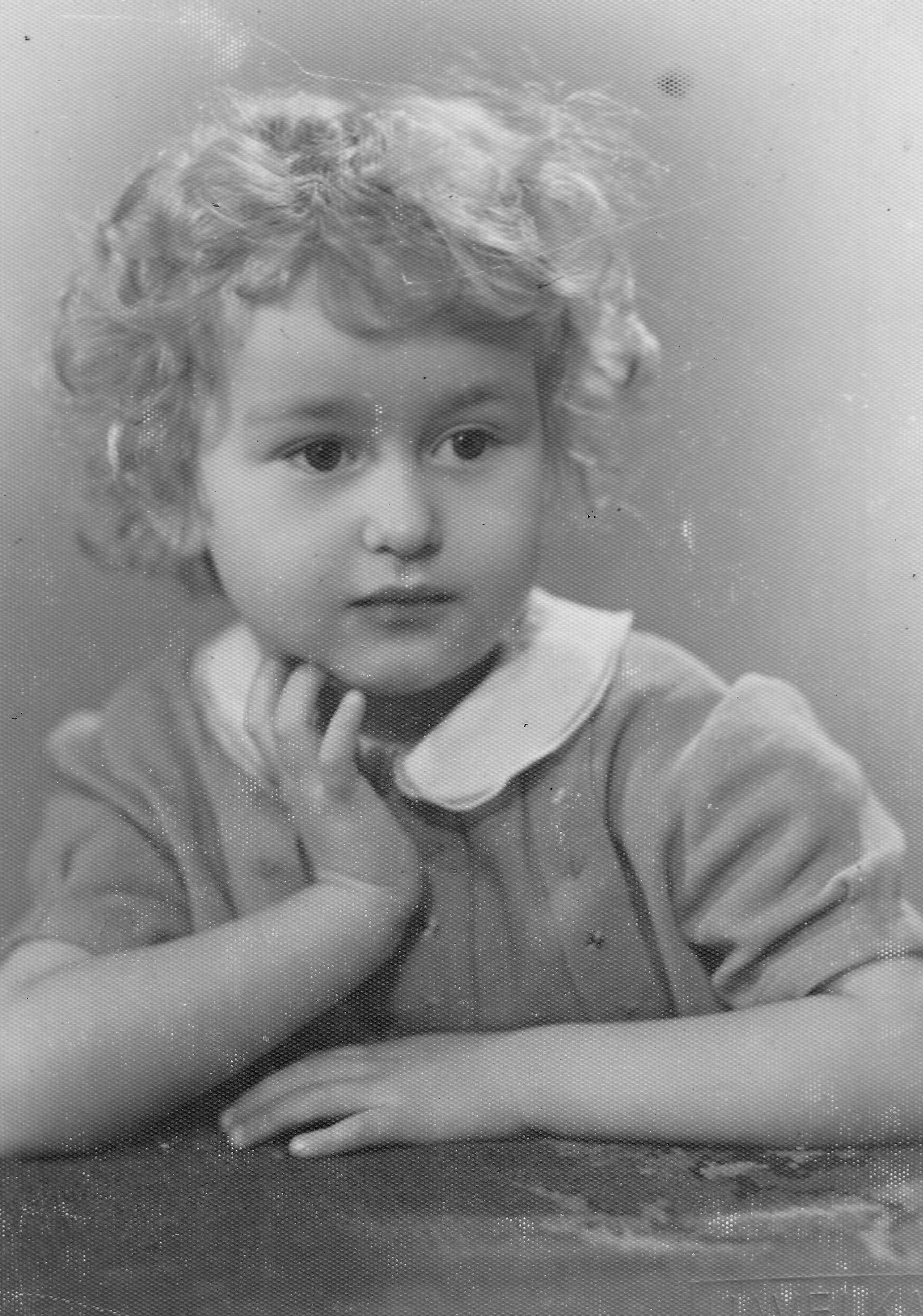
Yvonne Sieberová in Prague after returning from the Terezín ghetto, 1945
photo: Witness

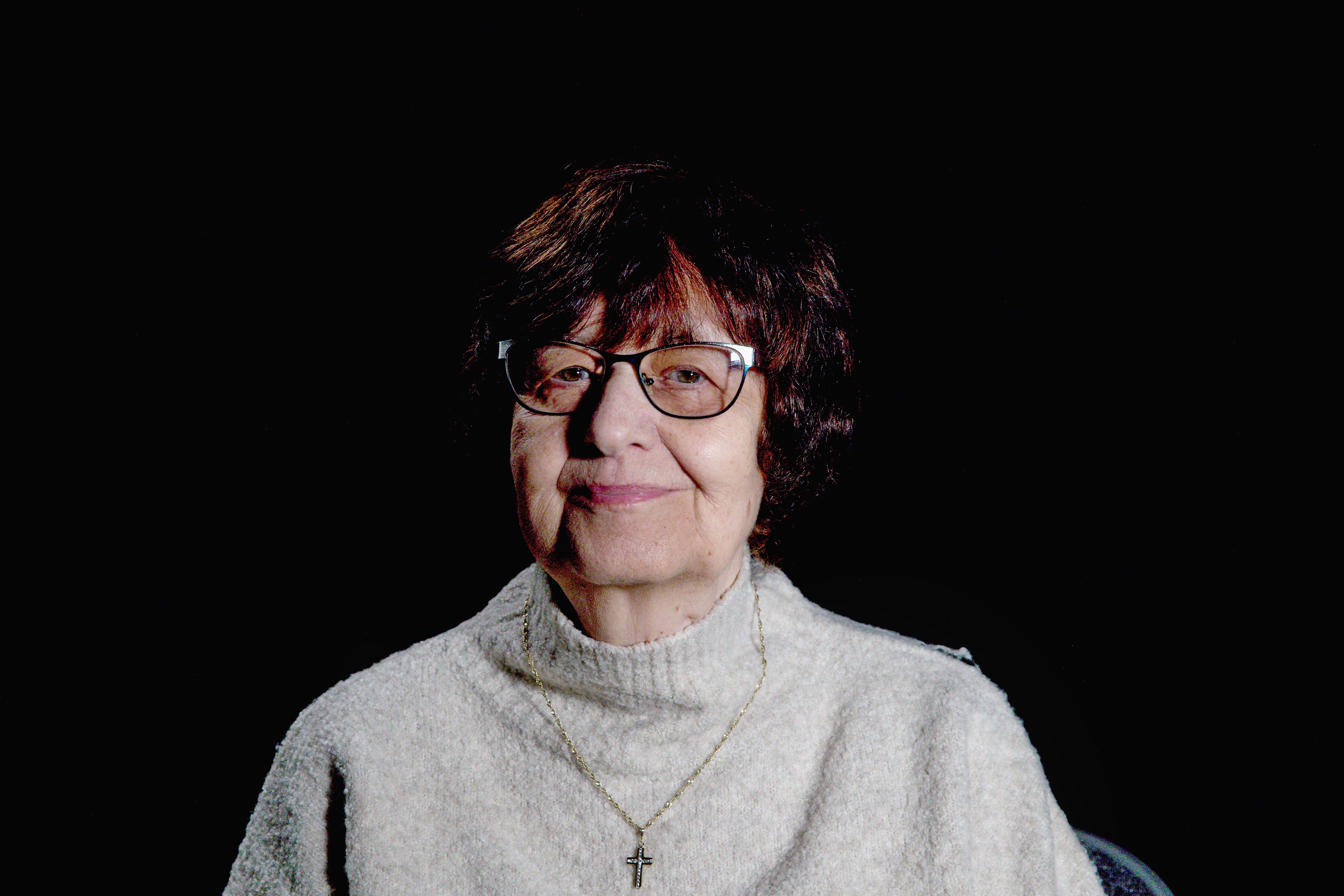
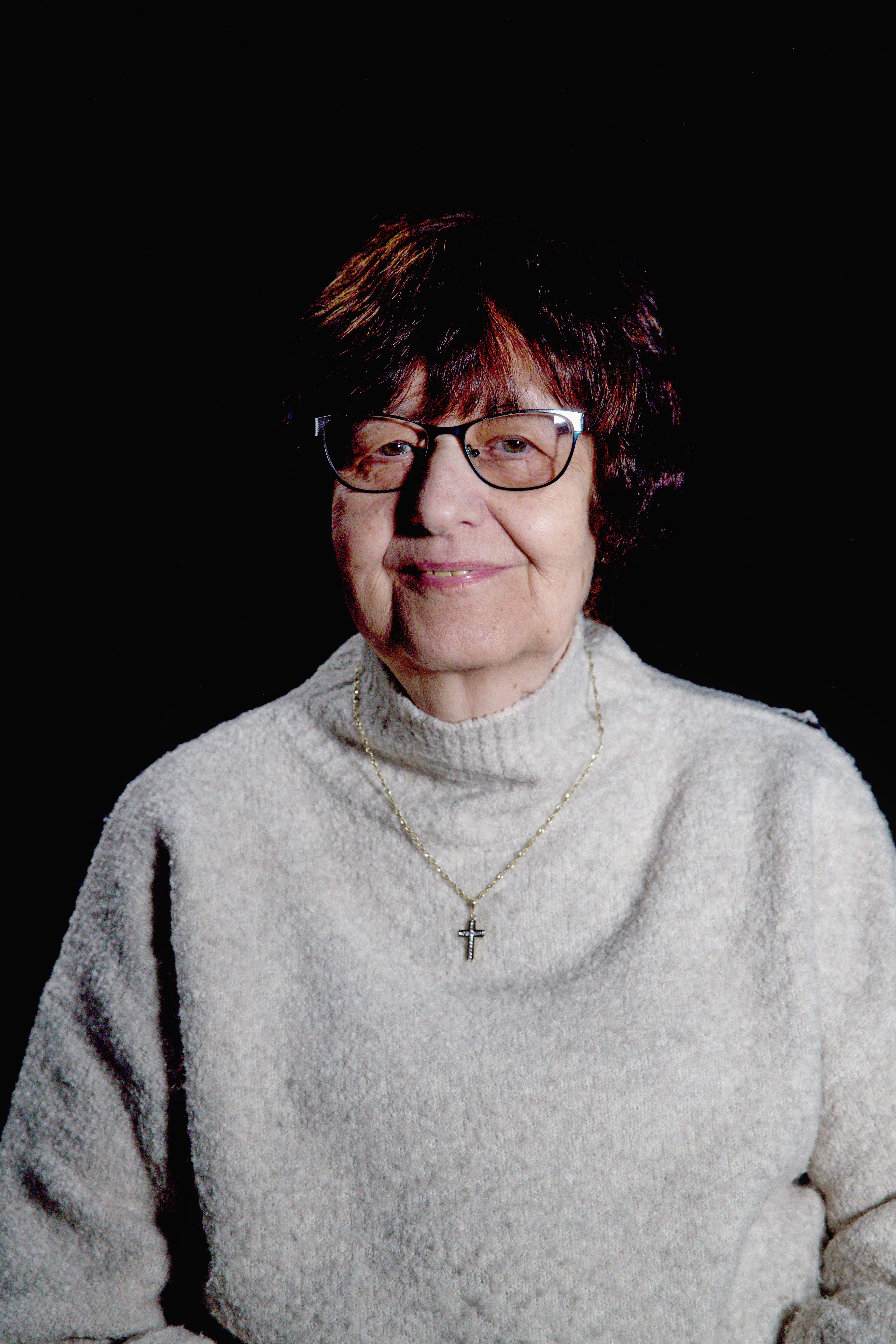
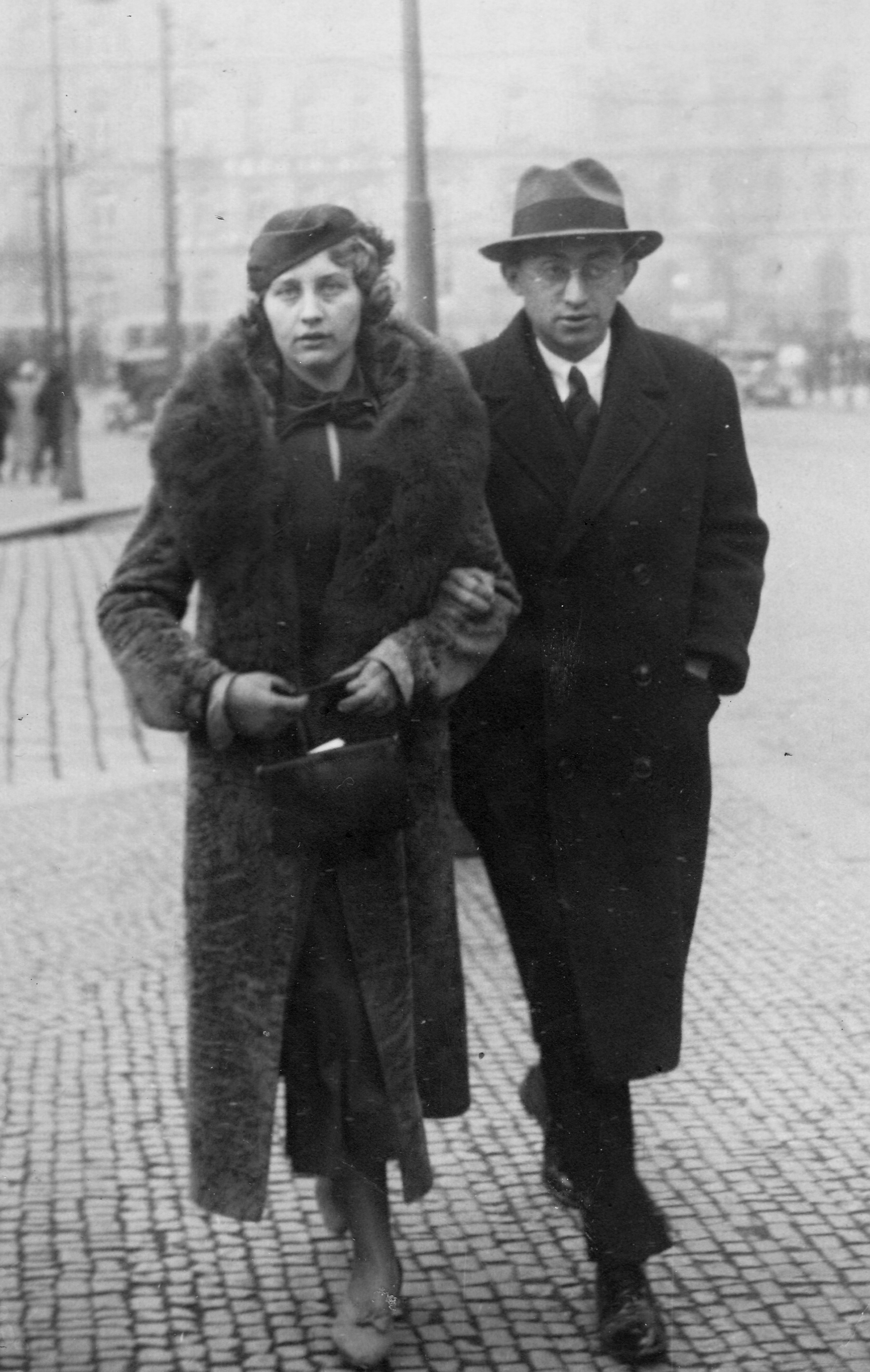
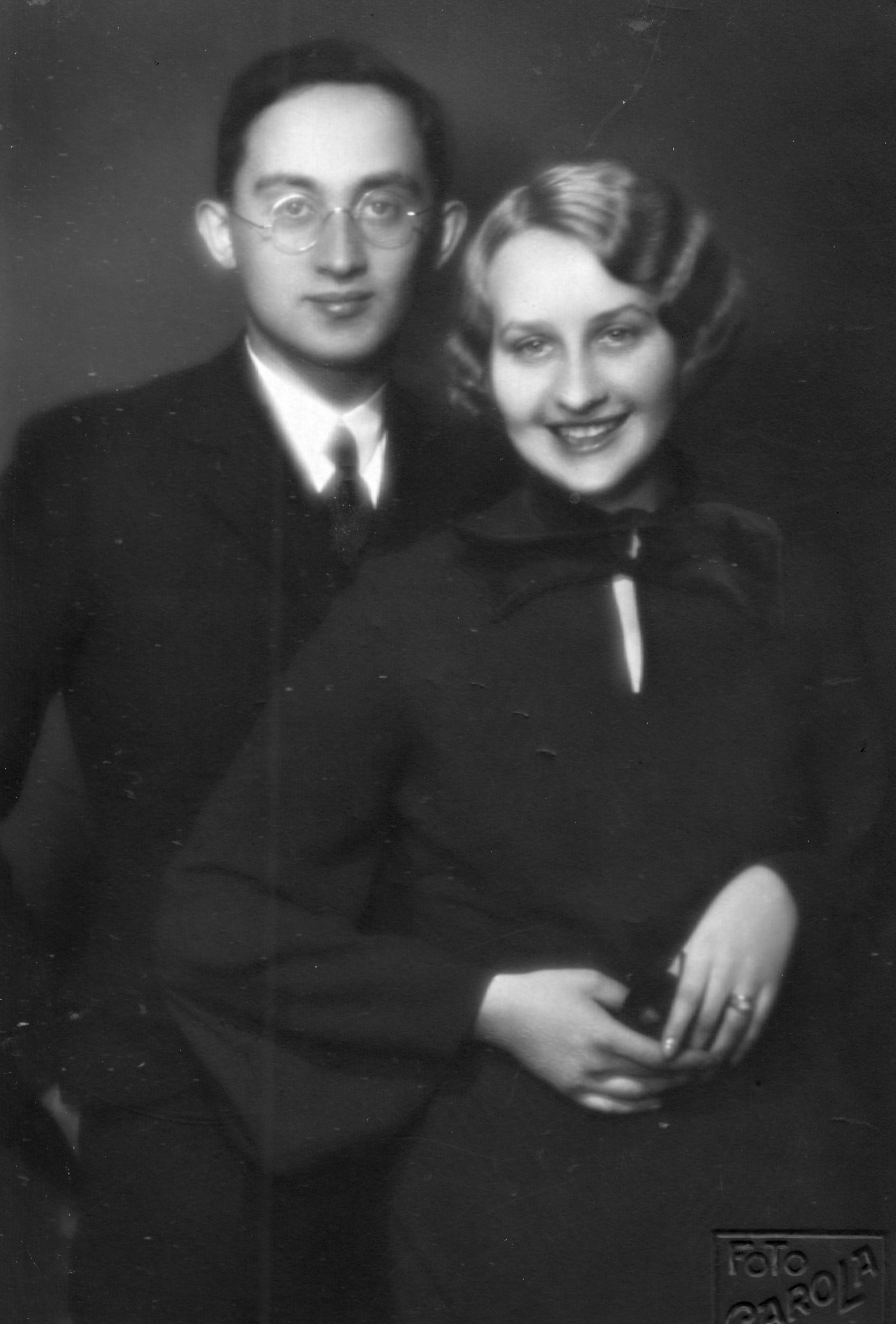
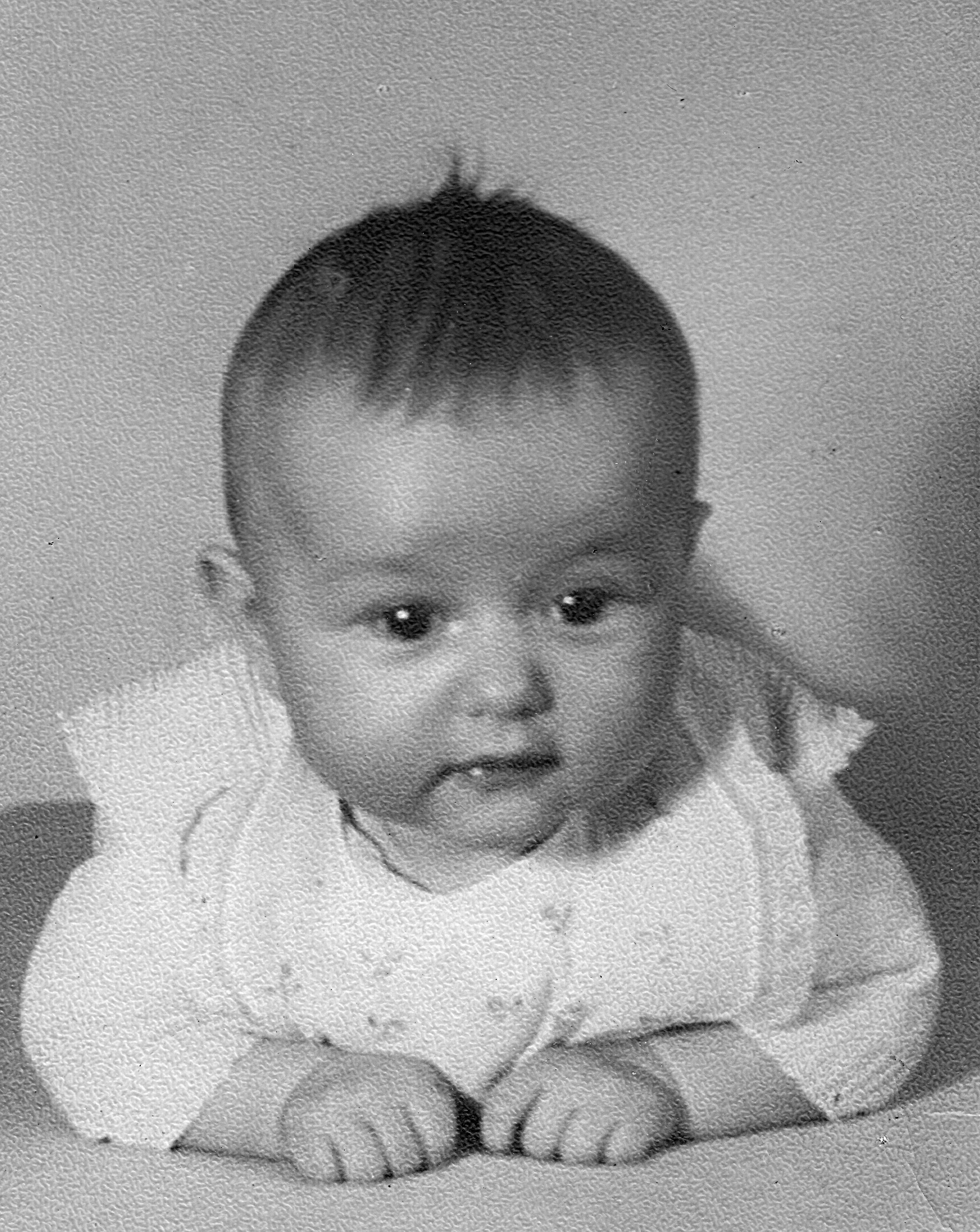
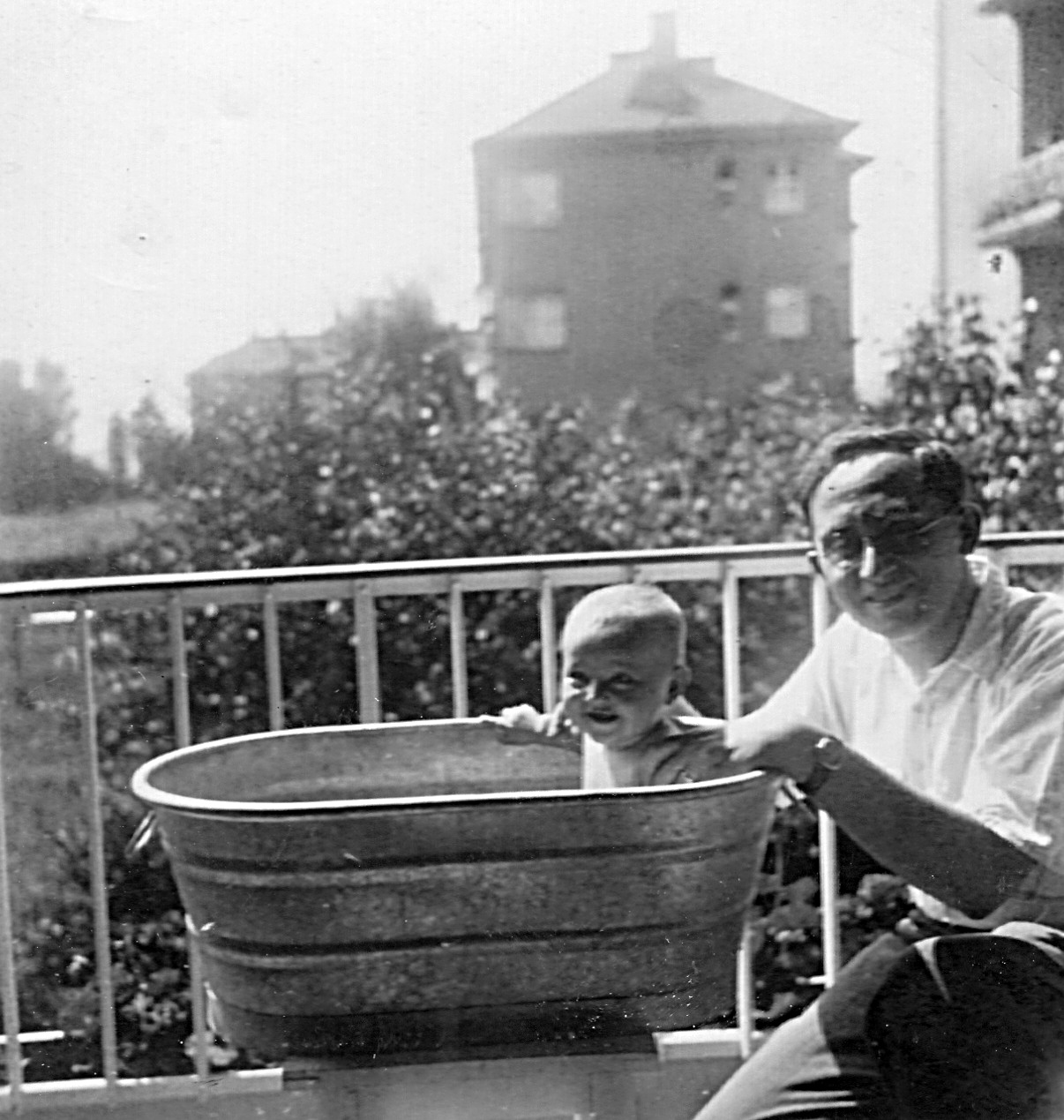
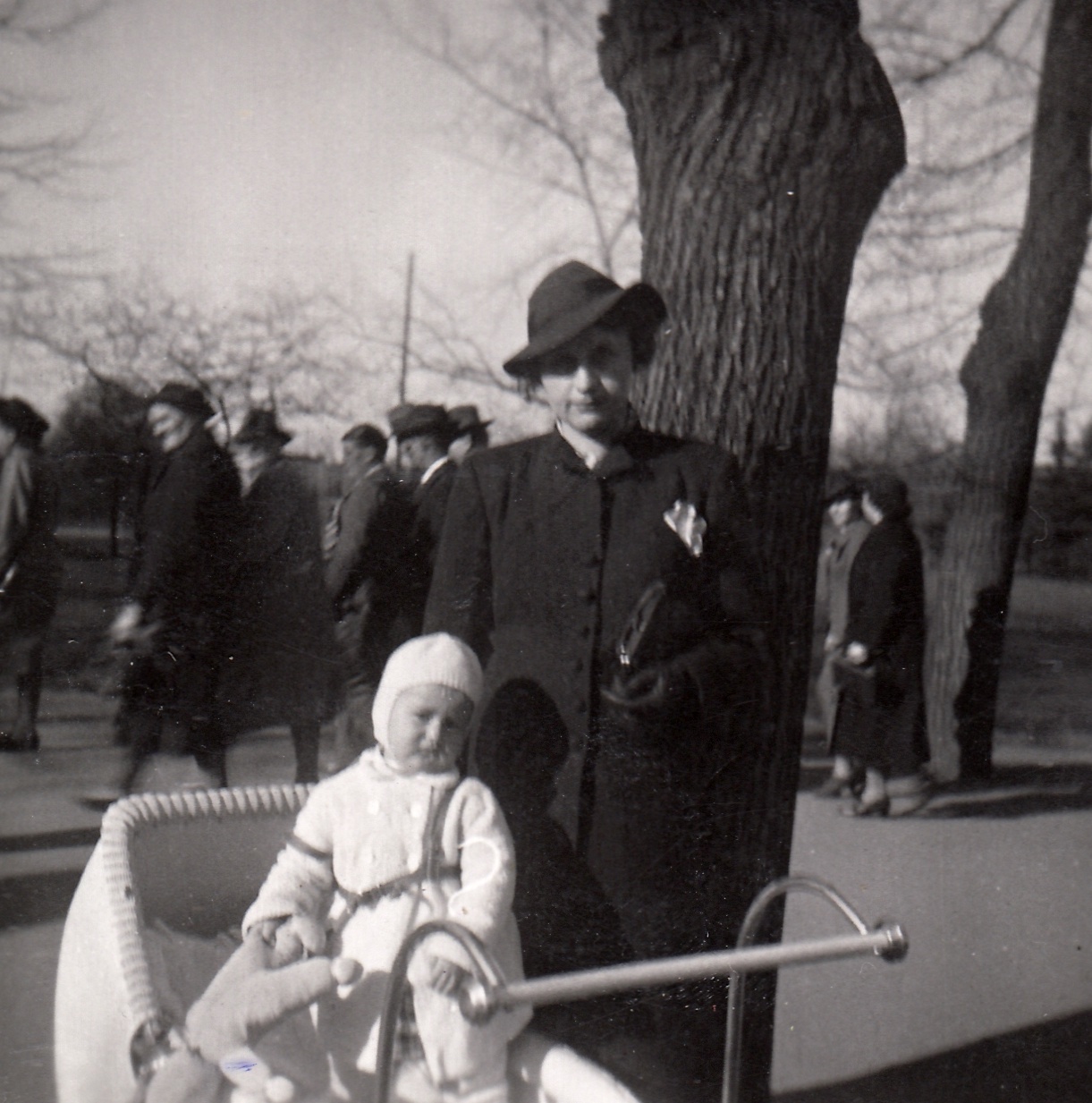
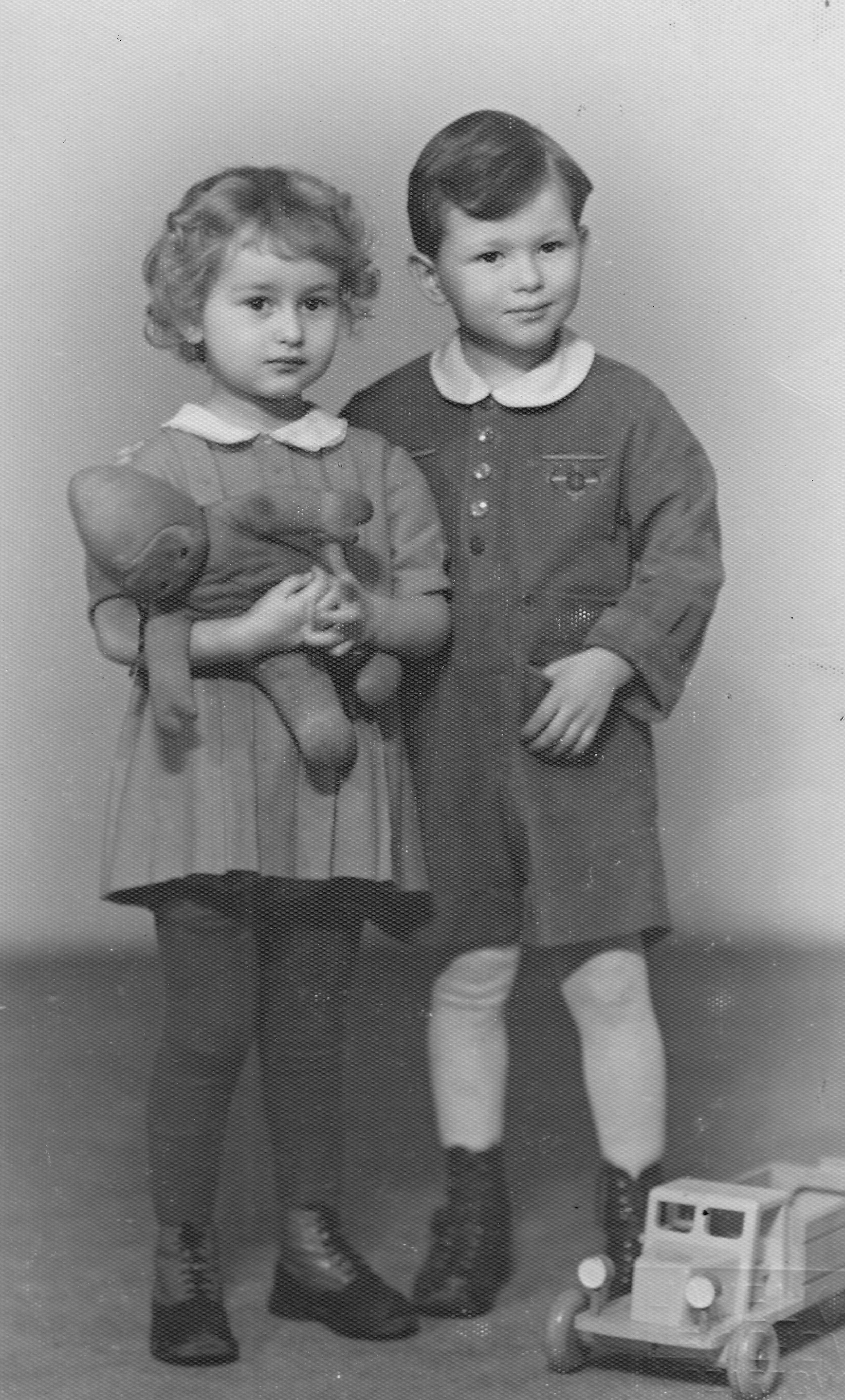
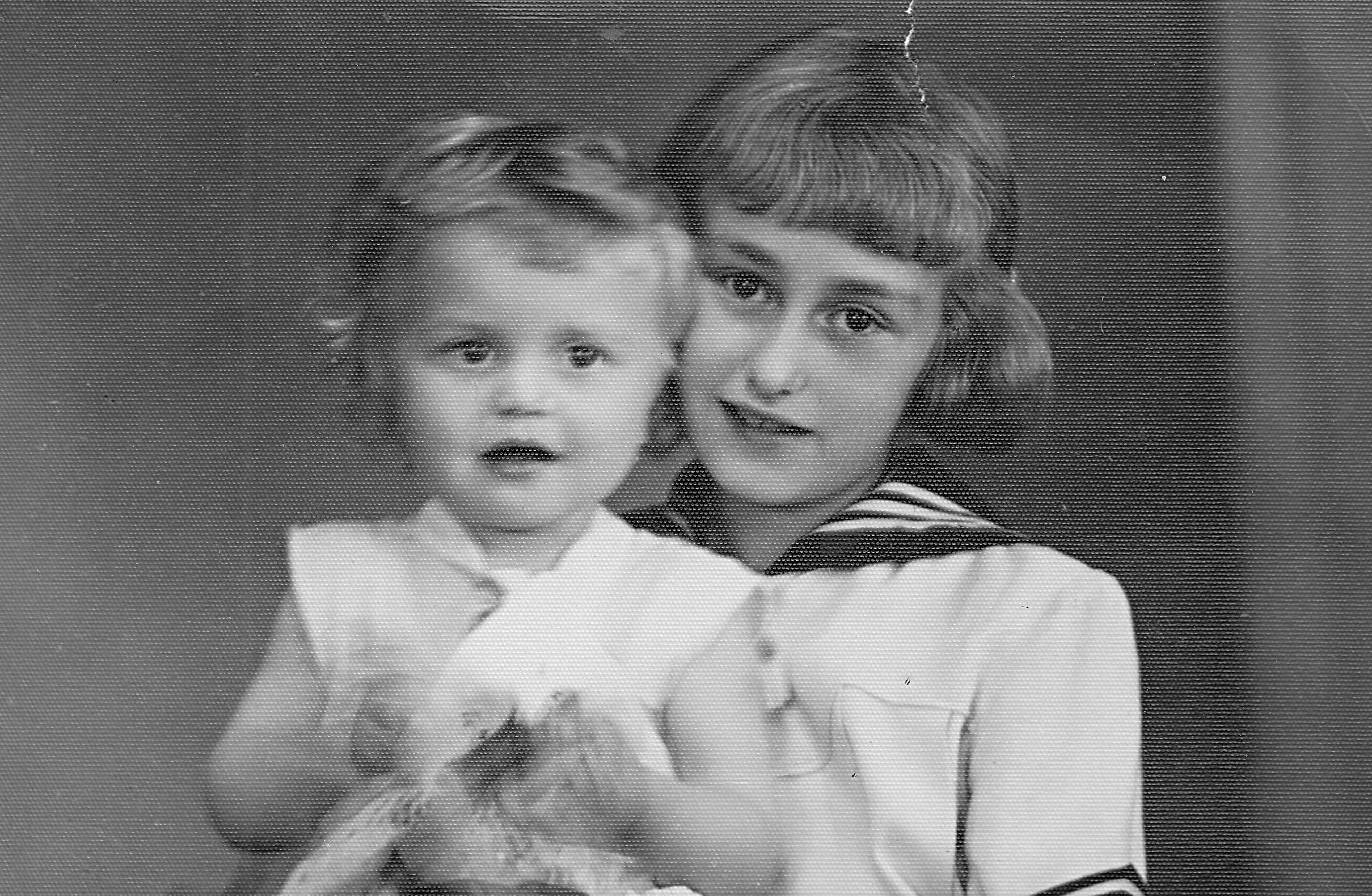
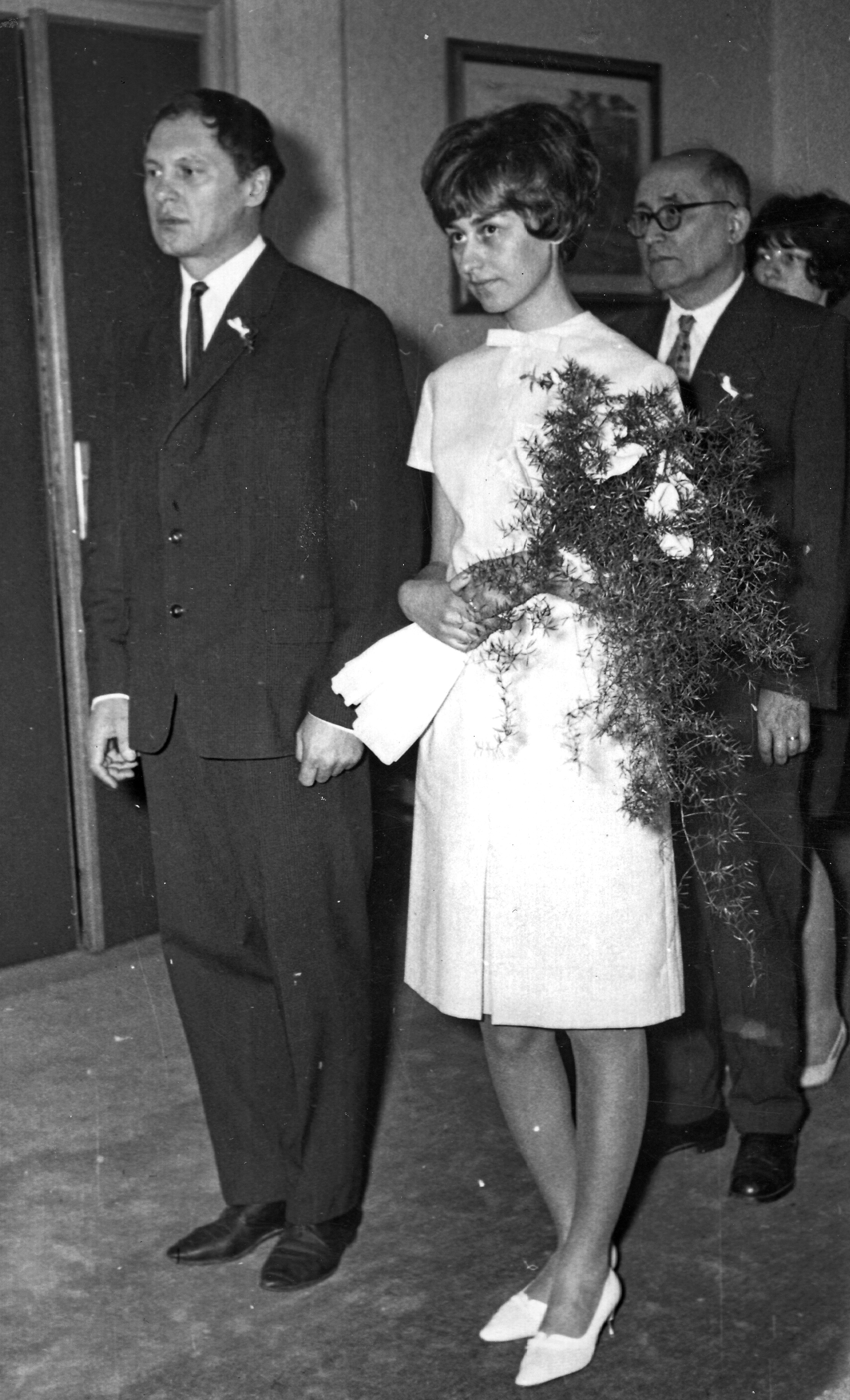
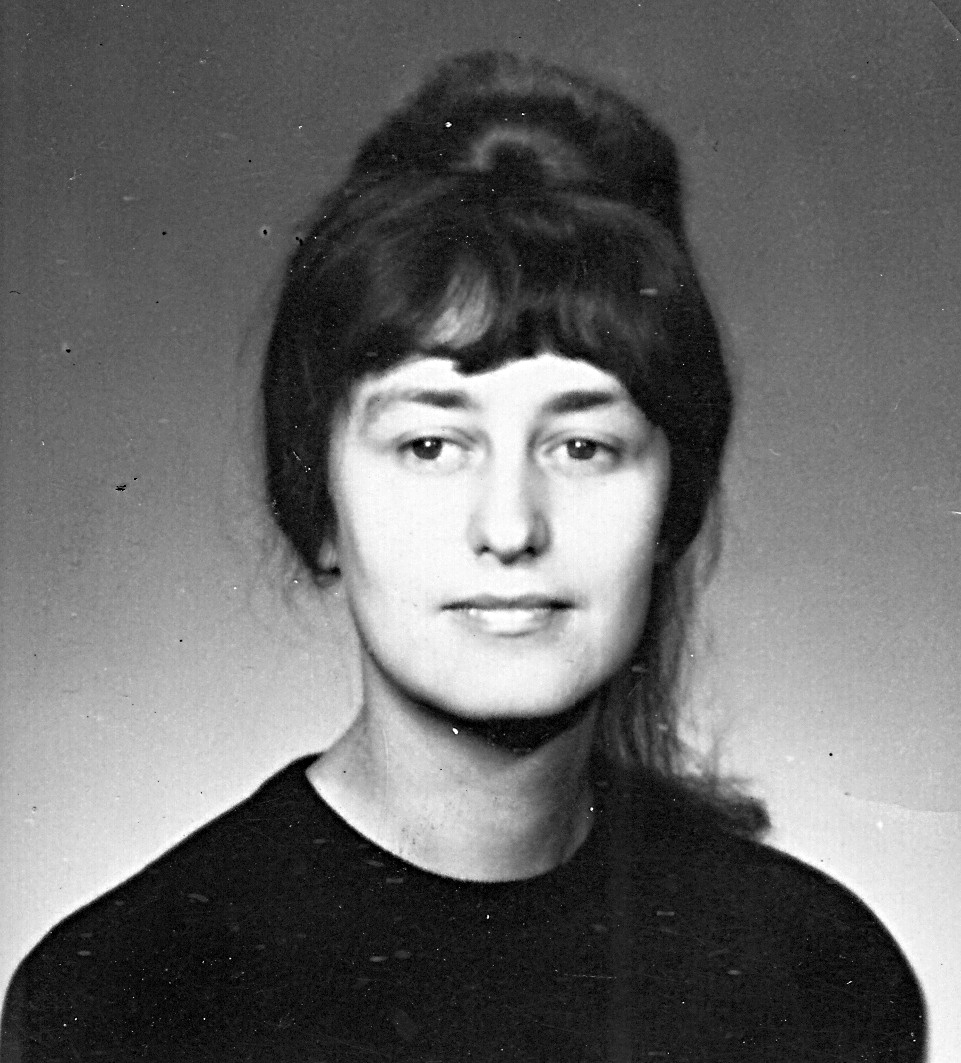
Yvonne Sieberová, née Krafft, was born on 4 February 1938. Half her ancestors (on her father’s side) were Jewish. After the Munich Agreement, she and her mother Edith Krafft left Ústí nad Labem for Carpathian Ruthenia to stay with the mother’s parents. Her father Otto Kraft subsequently bought an apartment in Prague where they reunited with him after six months. The father was a chemist, but in Prague he was only allowed to work in the former Jewish synagogue that served as a warehouse for looted Jewish furniture. A Nazi soldier kicked them out of their Prague apartment in 1941. They lived with their uncle, but his family had to leave for the Terezín ghetto. In early 1945, the witness’s father also had to go there, and she followed a few weeks later. Yvonne Sieber remembers the Terezín ghetto only in fragments. She recalls that during her stay in the ghetto she gained two kilos in weight. The only thing she liked was the sour white sauce there. After the end of the war, she left the ghetto secretly together with her father in a furniture truck. Her father converted to the Christian faith after the war. Shortly thereafter, they moved to Litvínov, where the father joined the chemical plants. In Litvínov, she married Jiří Sieber and they raised daughter Michaela. The witness worked first in the local chemical plant, then in medical laboratories in Most and Litvínov. She retired in 1994. She was living in Litvínov in February 2025.