"What annoyed me was that why are they punishing my children and not us. Well, of course, they were punishing us too, but why were they taking it out on the children? I didn't finish it though, I went to the headmistress who told me she hadn't slept for a few nights, she couldn't give it.... And she admitted to me, sort of off the record, that they had got a list of pupils from the district party committee that they were not supposed to give recommendations [to study]. So when I reproached her that she had my daughter on the board [the daughter of the witness was on the board of the best pupils of the school] and she did not give her a recommendation, she told me that she was following the order from the district party committee. So then I got so angry with the communists because they seemed so bad. I didn't understand... there were a whole lot of people who were there just formally. For that matter, at one time, I don't know what year exactly, there were over four million party members. Well, for God's sake... there were ten million of us and four million were communists? Come on, kids and old people, come on, just about everybody was in the party. And they had to be, because if they weren't, they'd be in so much trouble. And because one didn't want to hurt his family, one joined the party. To keep himself in a certain level, a certain job. In those leading positions, you couldn't do it without being a member of the party at all."
"No, I saw the pretense in the party. It annoyed me that they were in the party, and they thought something else. They're just in that party for selfish reasons. And that annoyed me, I don't have to be with people like that. I either believed it, and so I was probably stupid, not probably, certainly stupid, naive. But if I believed it, I fought for it too. But then when I found out about the situation, I said I'm not going to be there with those people. No, I wouldn't. And run somewhere else? Well, so many people emigrated afterwards in 1968, but most who emigrated had a relative there or just had someone to turn to. We didn't have anybody anywhere. And even running away from Příbram to somewhere else, to some other city, what would be the point? But everybody who dealt with me always said, we know you as a terribly responsible, good doctor, and I don't know what all. They sweet-talked me, but they couldn't intervene. Or - well, they couldn't - they didn't want to."
"Life was just completely different back then. I also joined the party then. We recited poems by Pavel Kohout. And all that, as he goes on to tell about it, you can read. There was just such a huge enthusiasm that we were actually building a new social order. And so, as Arnošt Lustig then writes beautifully about it, when he writes, the communist movement at the beginning was really, it was ideals for a better tomorrow, for greater justice. Before all this... people saw a light in front of them that was gradually fading out until they ended up in darkness. And Lustig himself went through Auschwitz-Birkenau, he writes very well about the communists. That he didn't know people as brave as the communists in that concentration camp. That they supported those who were frightened, trampled on. How they just believed in their bright tomorrows, and so they encouraged them. He also writes about the communists who were able to... ...so selfless that they could tear a piece of food from their mouths and give it to the hungry."
"They were terribly cold, they didn't have decent clothes. They had that striped uniform they got, with their prison number. And then, otherwise, when they were bombed or when they were transported, when they were escaping, they were locked up in that wagon for several days, for example, where the windows were broken out by the air raid, and they had to stay there in that cold without food, without drink, and in terrible cold. Or just in those quarters, and then towards the end of the war, when they bombed those quarters, they had no windows either. Well, she describes terrible things there. Or she told horrible things, because to go to the toilet, for example, was a problem. There was a sort of bucket in the corner, and whoever was nearer might get in, and whoever was further away, if they got up off the floor and went, they wouldn't get to their place back. Because there were a number of those, or many of those who were sitting or were squating, and as soon as a spot opened up, they would take it. And the one that wanted to come back, they didn't get to take their place. Well, it was just kind of a fight for life. And then when they came in there was dysentery and typhoid fever raging... it's unbelievable that those people survived at all."
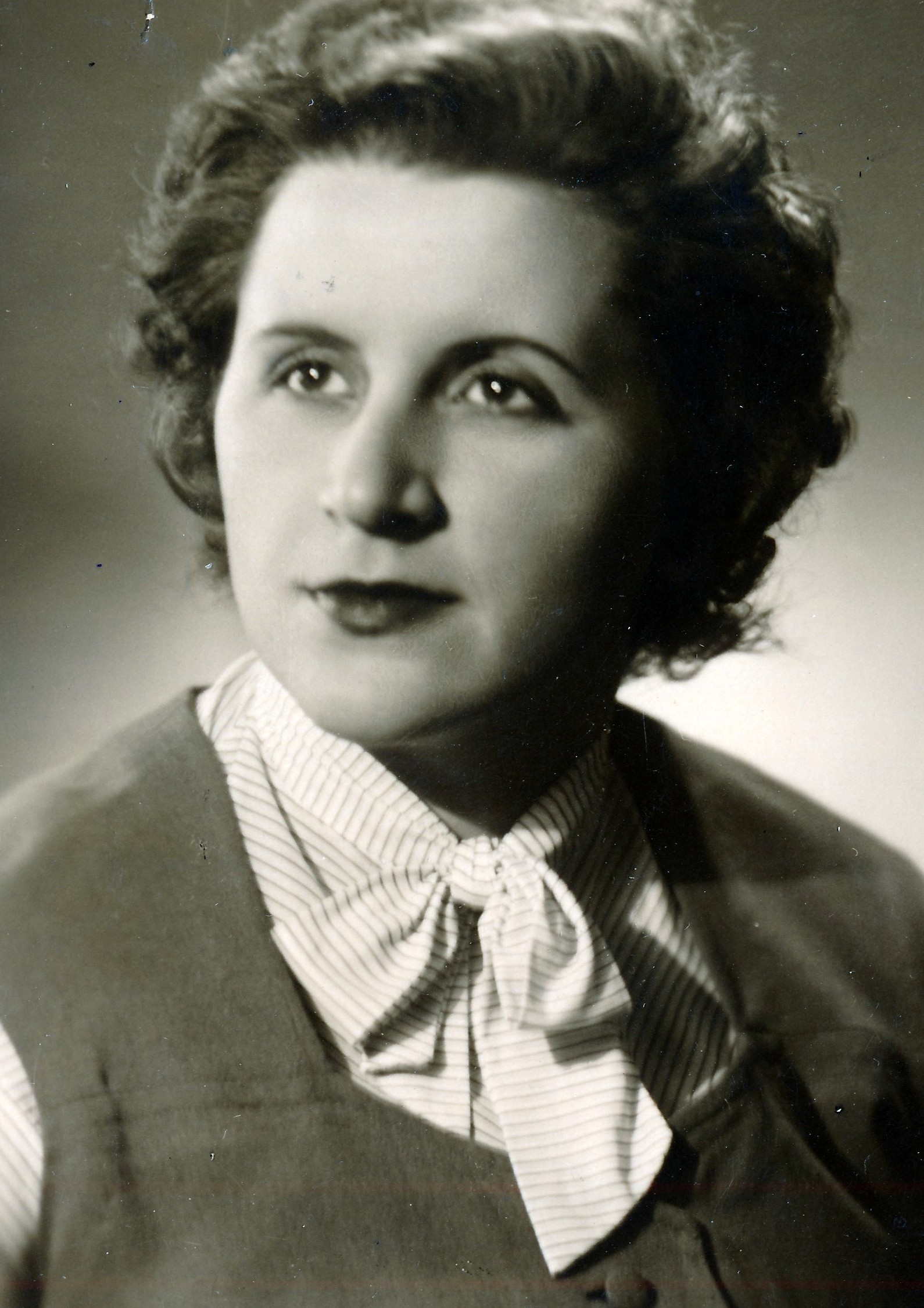
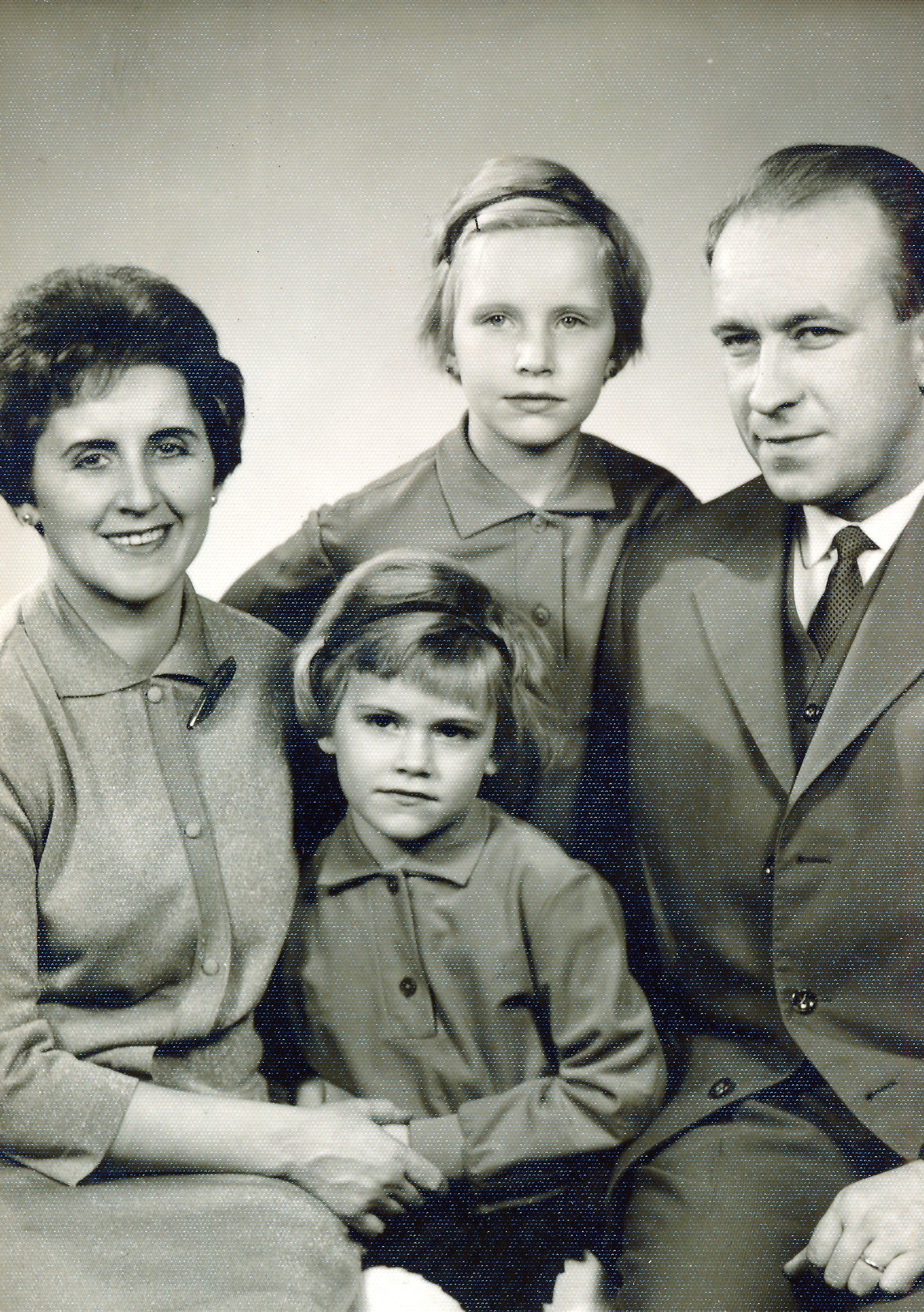
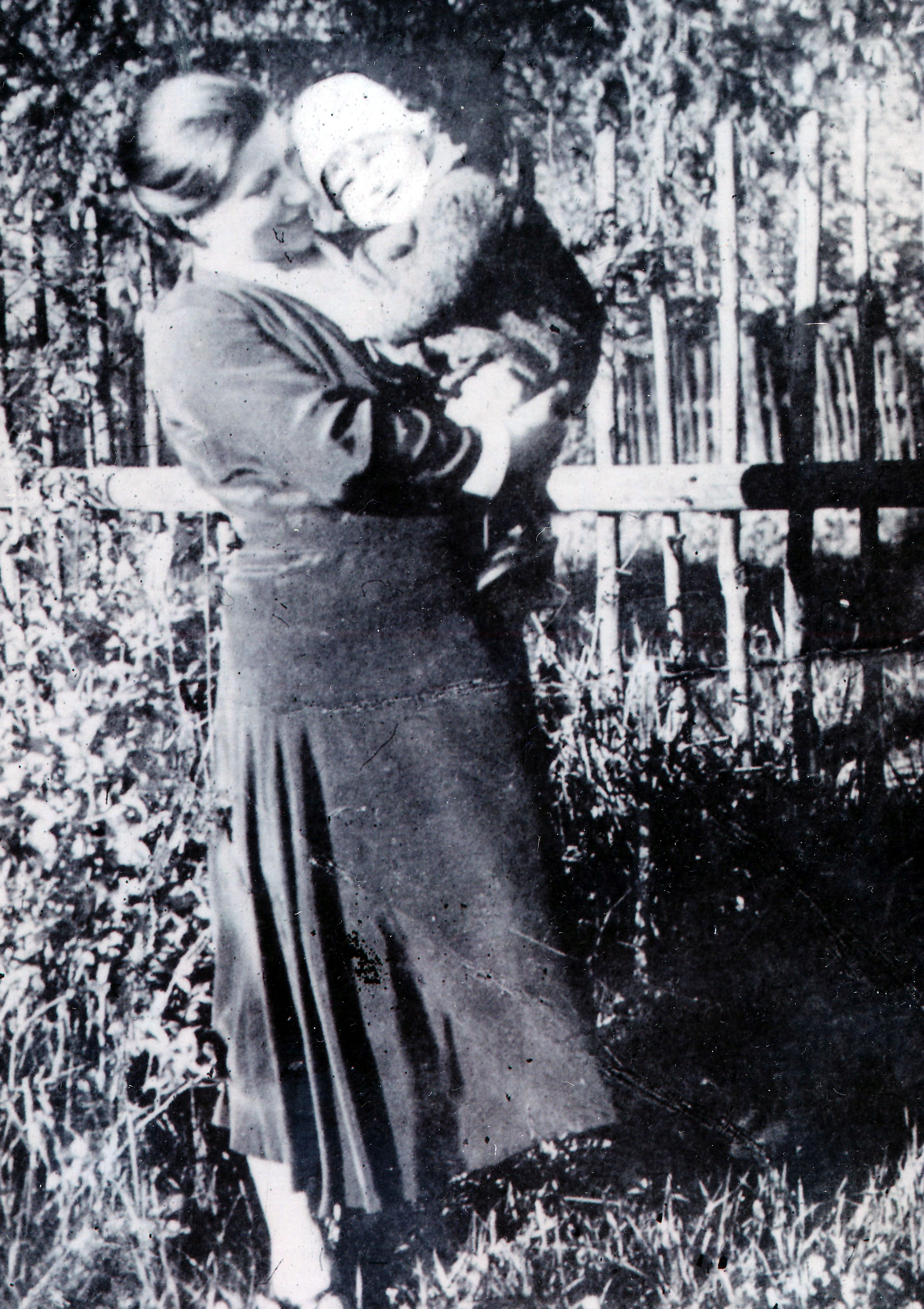
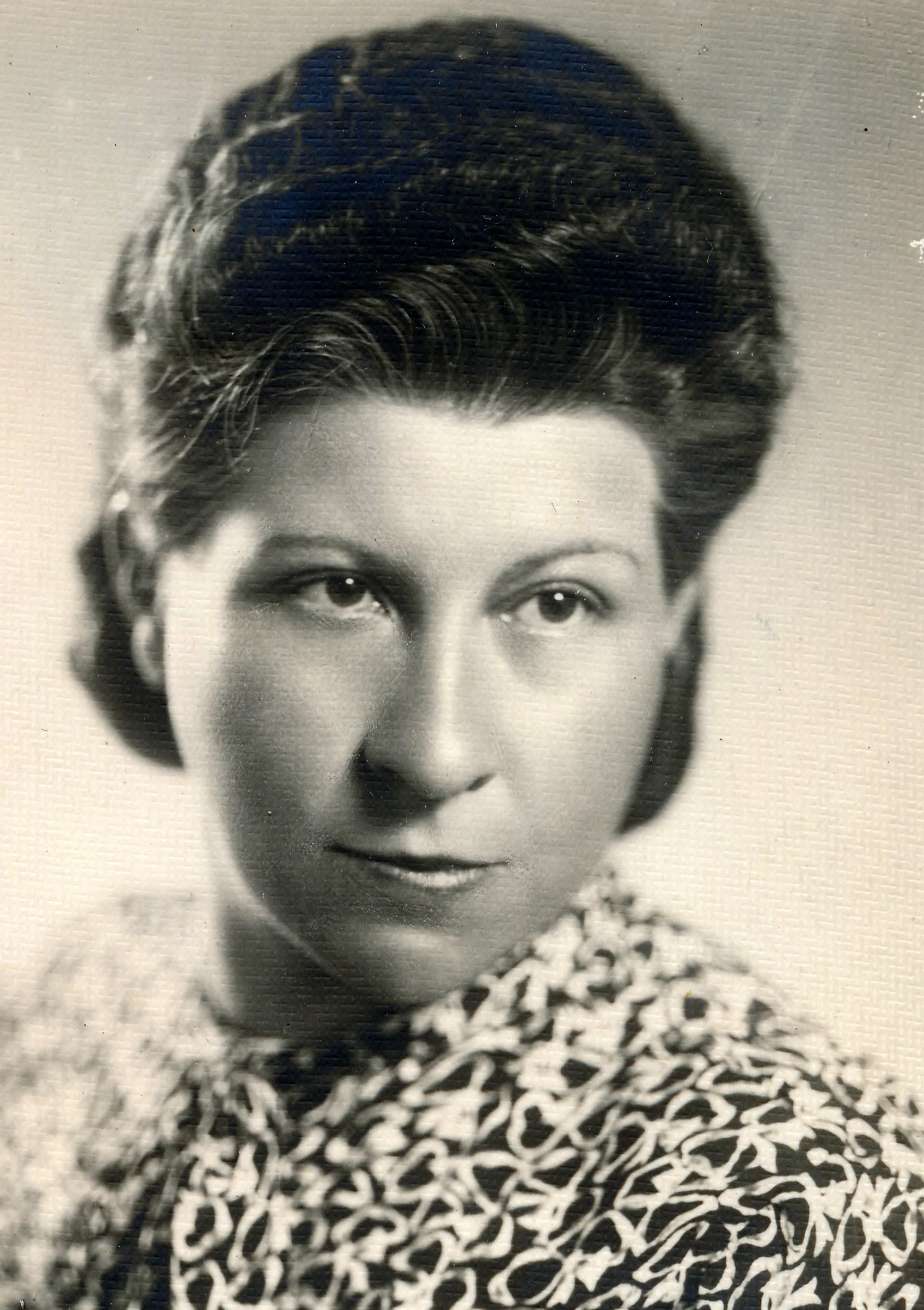
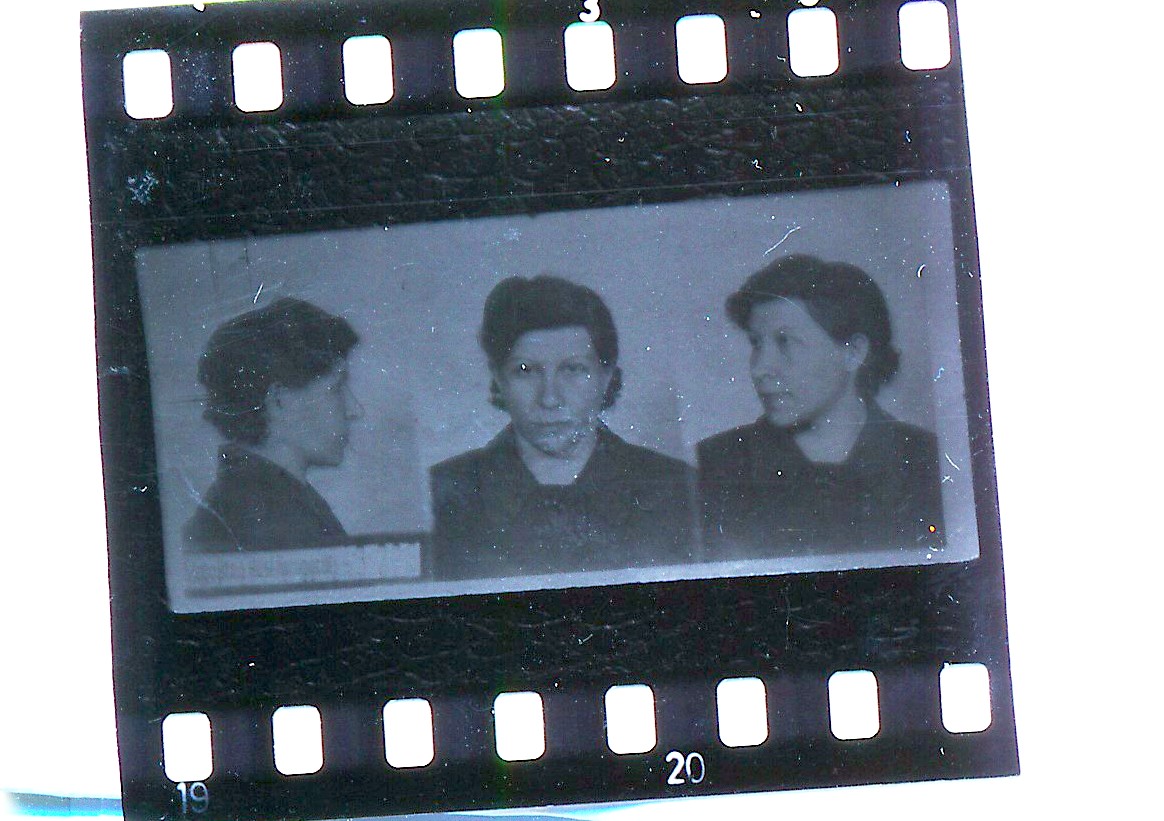
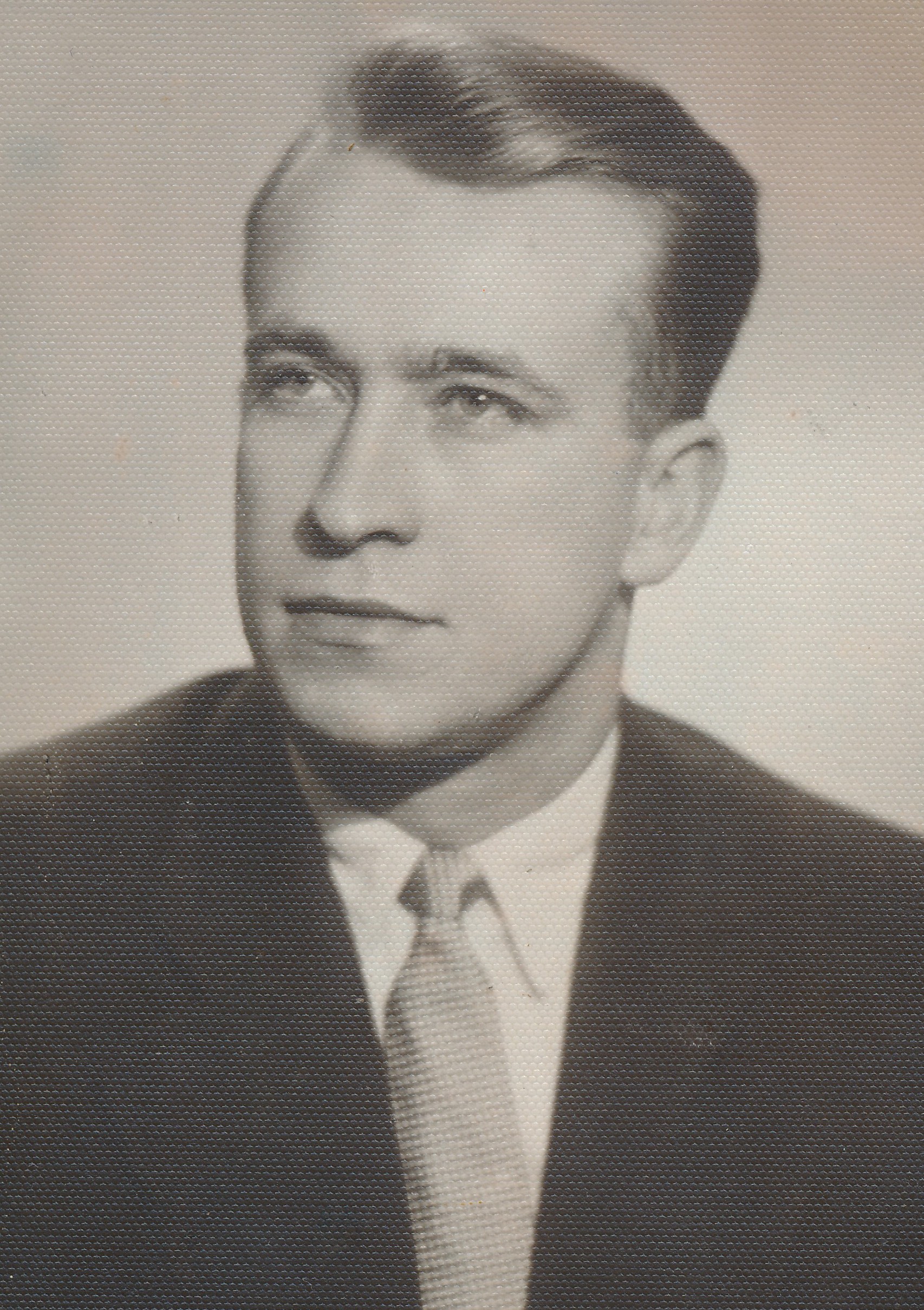
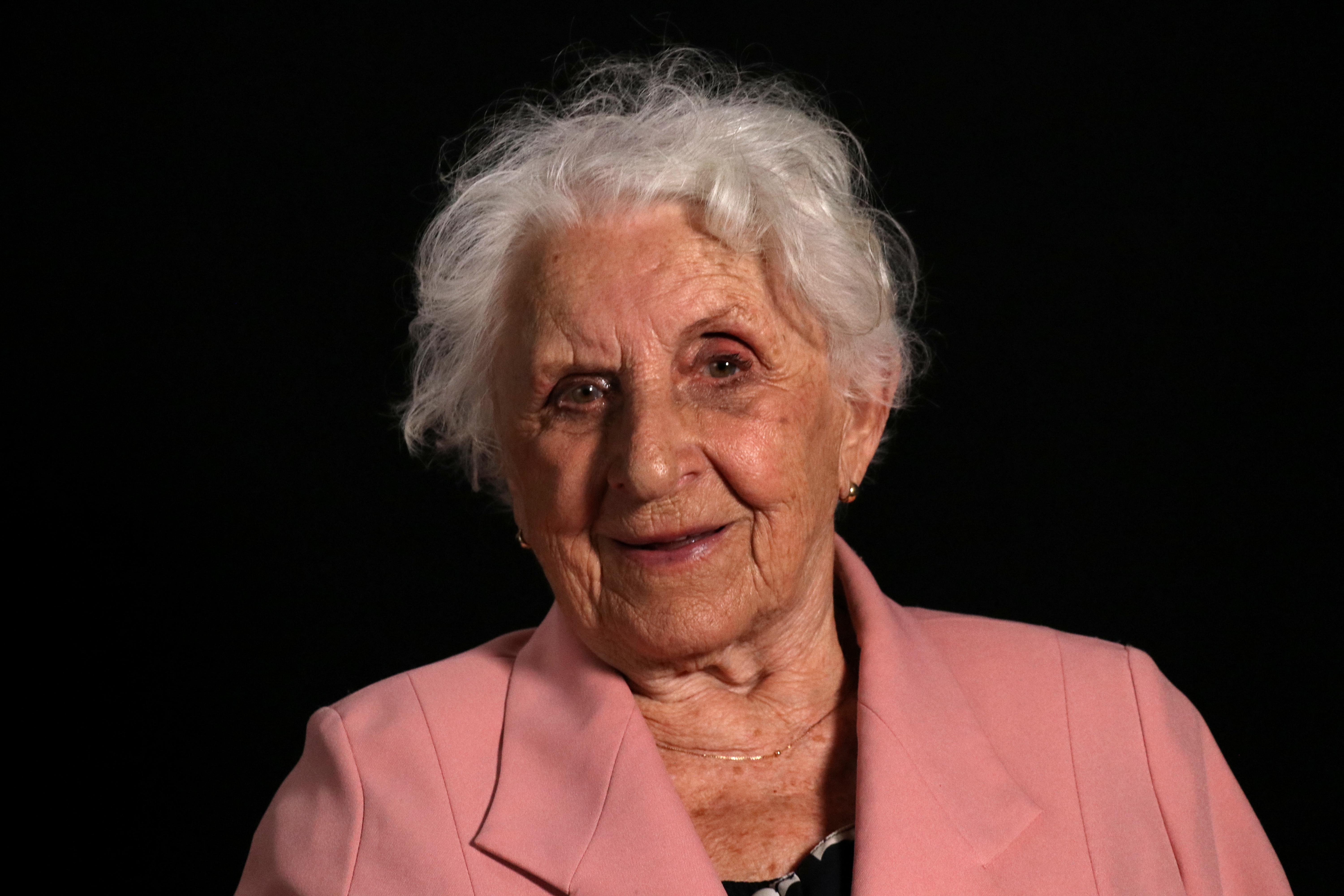
Marie Ševcová, maiden name Dušánková, was born on 9 February 1932 in Náchod. She grew up in nearby Nový Hrádek. Her parents were Emílie and František Dušánek. Maria’s left-leaning mother Emílie joined the Communist Party in 1931 and shortly after the German occupation of Czechoslovakia she joined the anti-Nazi resistance. In 1943, Emilie was arrested, spent a year in the Gestapo prison in the Small Fortress of Terezín, and was deported to the Ravensbrück women’s concentration camp in early 1944. After the liquidation of the camp, Emílie Dušánková managed to escape from the death march and returned home in early June 1945. Shortly after the end of the war, the family moved to Broumov, where they acquired the house left by the expelled Germans. After graduating from the secondary medical school, Marie was accepted to study at the medical faculty in Hradec Králové. After a year she left for the then Soviet Union, where she completed her studies. At a very young age, influenced by her mother and the building spirit of the times, she joined the Communist Party of Czechoslovakia. In 1968, however, she left the party. She wanted to express her disapproval of the occupation of Czechoslovakia by the Warsaw Pact troops, but she also resented the hypocrisy and opportunist attitude of some party members. In 1970, her husband Josef Ševc, a doctor and scientist, was expelled from the party. He also had to leave his post as director of the Institute for Occupational Hygiene in the Uranium Industry, which he had helped to build. Marie Ševcová devoted herself professionally to dermatology. She is the mother of two daughters and lives (year 2025) in Prague.