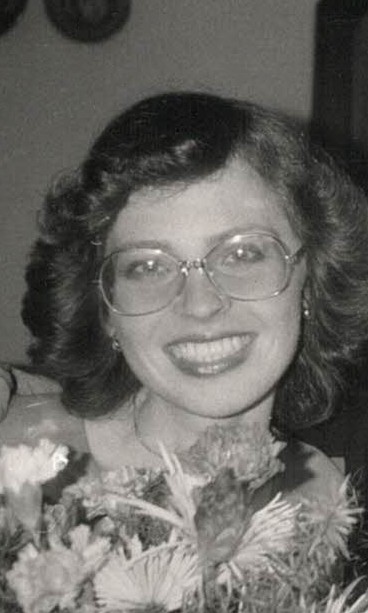
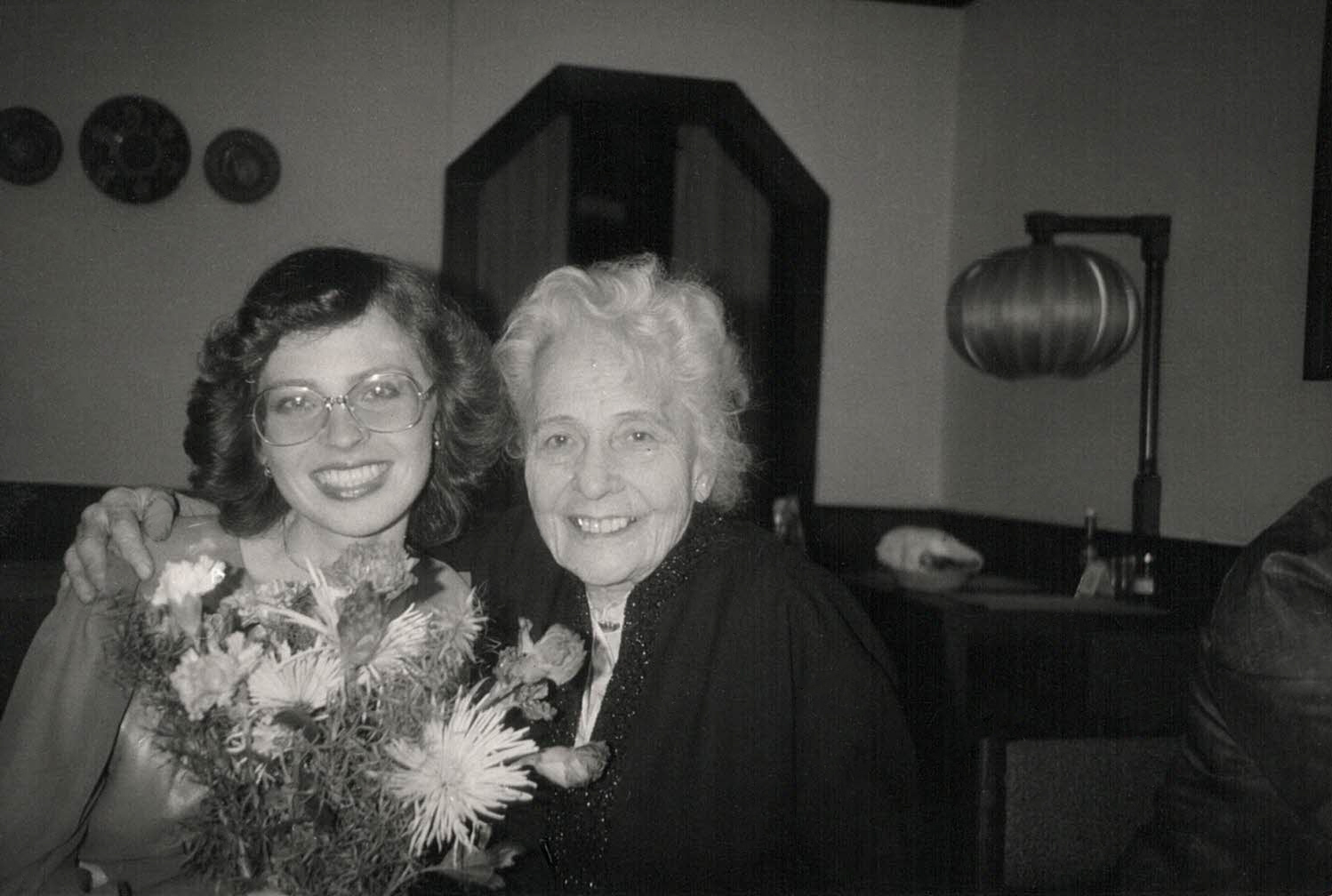
"It was not only because my mother was a tour guide, but mainly because she worked as an interpreter at trade fairs. She was with French companies, so there were those contacts. The way it worked at the fairs was that people who were together at the stand also went to dinner together. And they also came to our house where they were invited to dinner. So all kinds of friendships were formed there. So that's how my sister and I got to go to France a couple of times after that, because they invited us. There must have been an invitation. And because of that, I got to go abroad as a relatively young child and I learned the language better than if I had just learned it here in a language school.
- Do you remember anyone in particular from your visits? Who stuck out to you that had dinner with you?
It was definitely the ladies from Dior. My mother worked for the French cosmetics company Christian Dior for several years and several of the ladies who went there used to come to us. They were very nice ladies. I stayed with one family a couple of times on holidays after that. They had a weekend house, a beautiful stone house on an island in Brittany, so it was very romantic. I was there once, my sister was there once. So even though there was the Iron Curtain, there were always cracks in it. And the regime let the child sleep because he knew that his parents wouldn't leave him there."
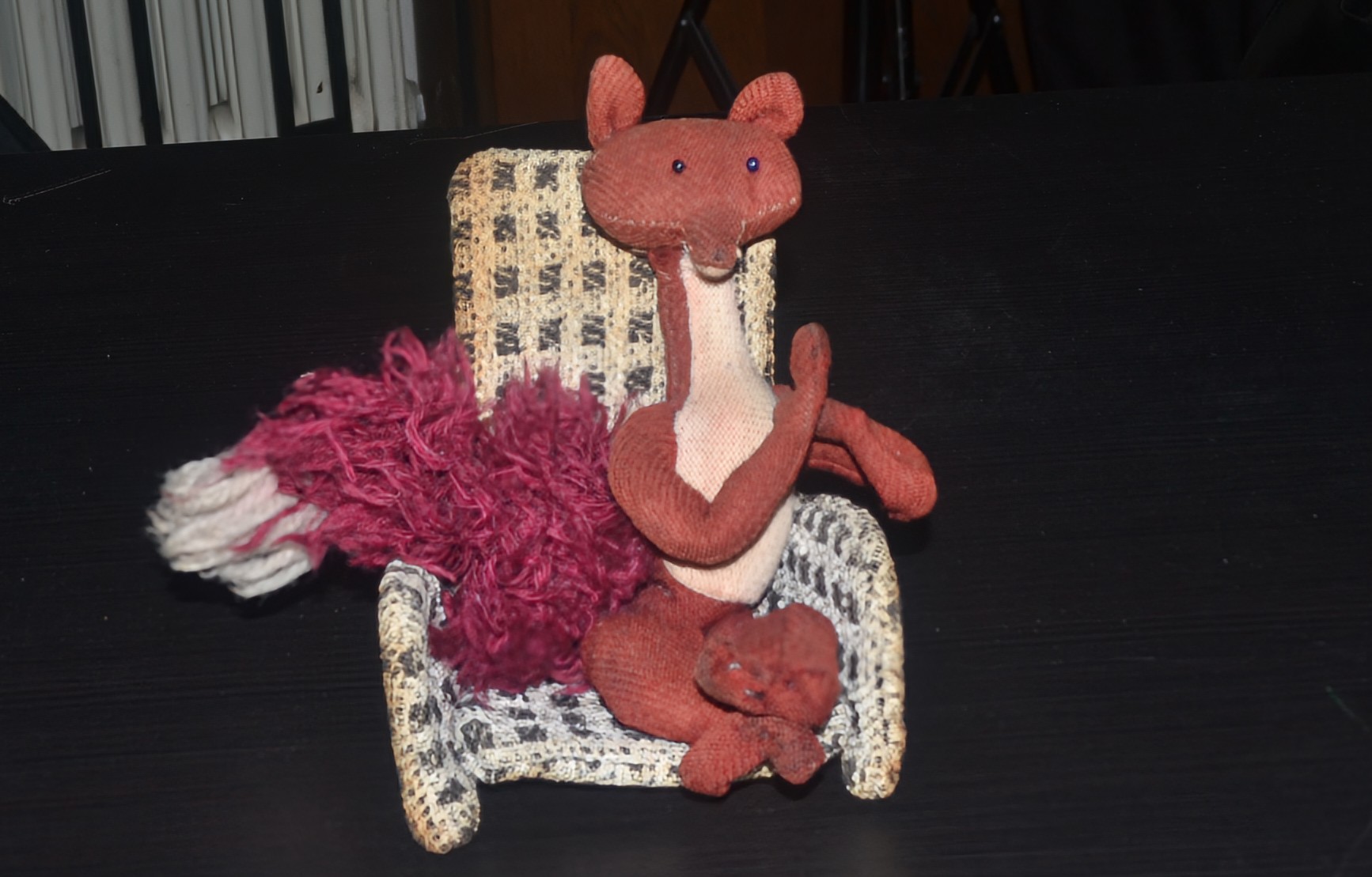
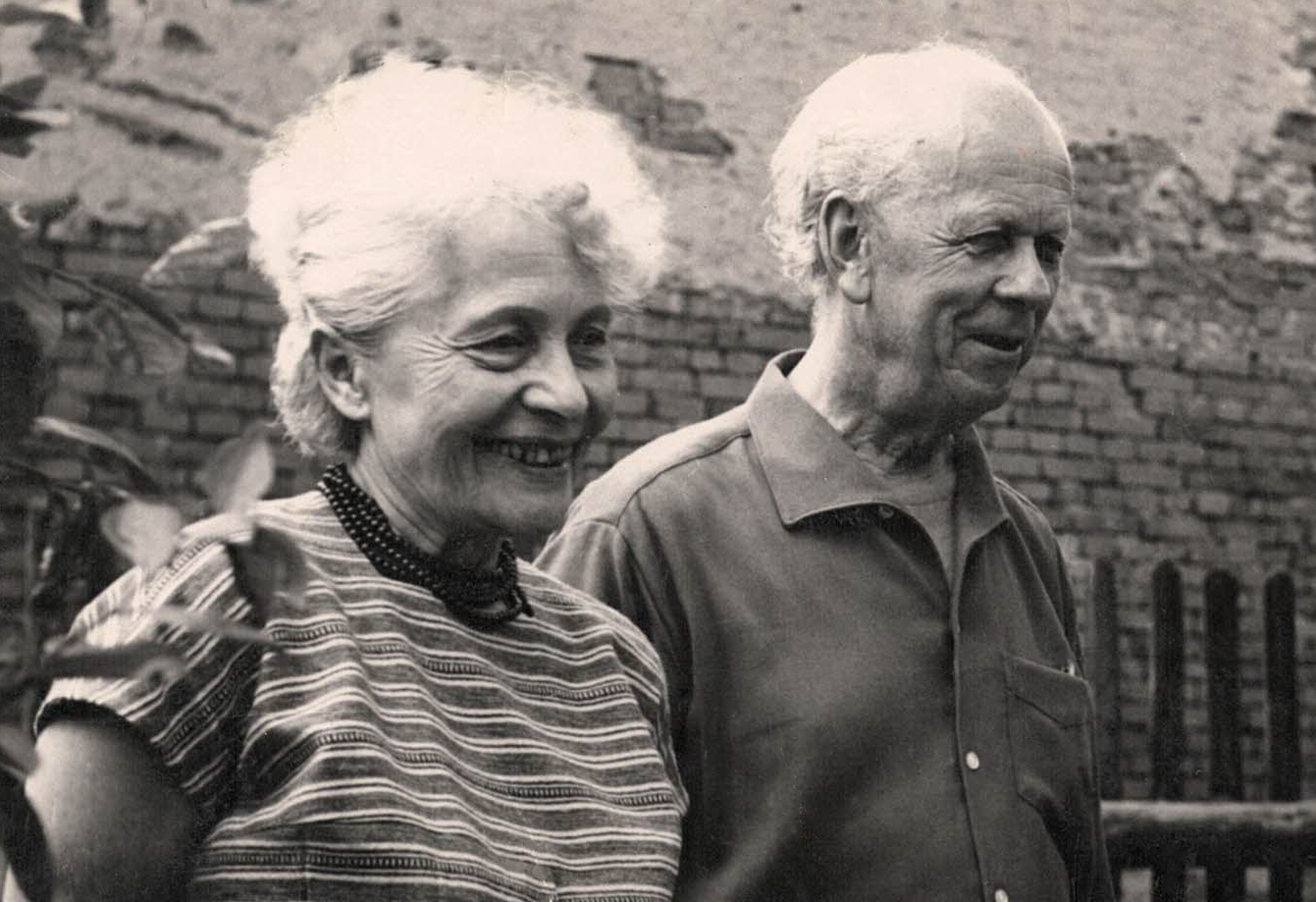
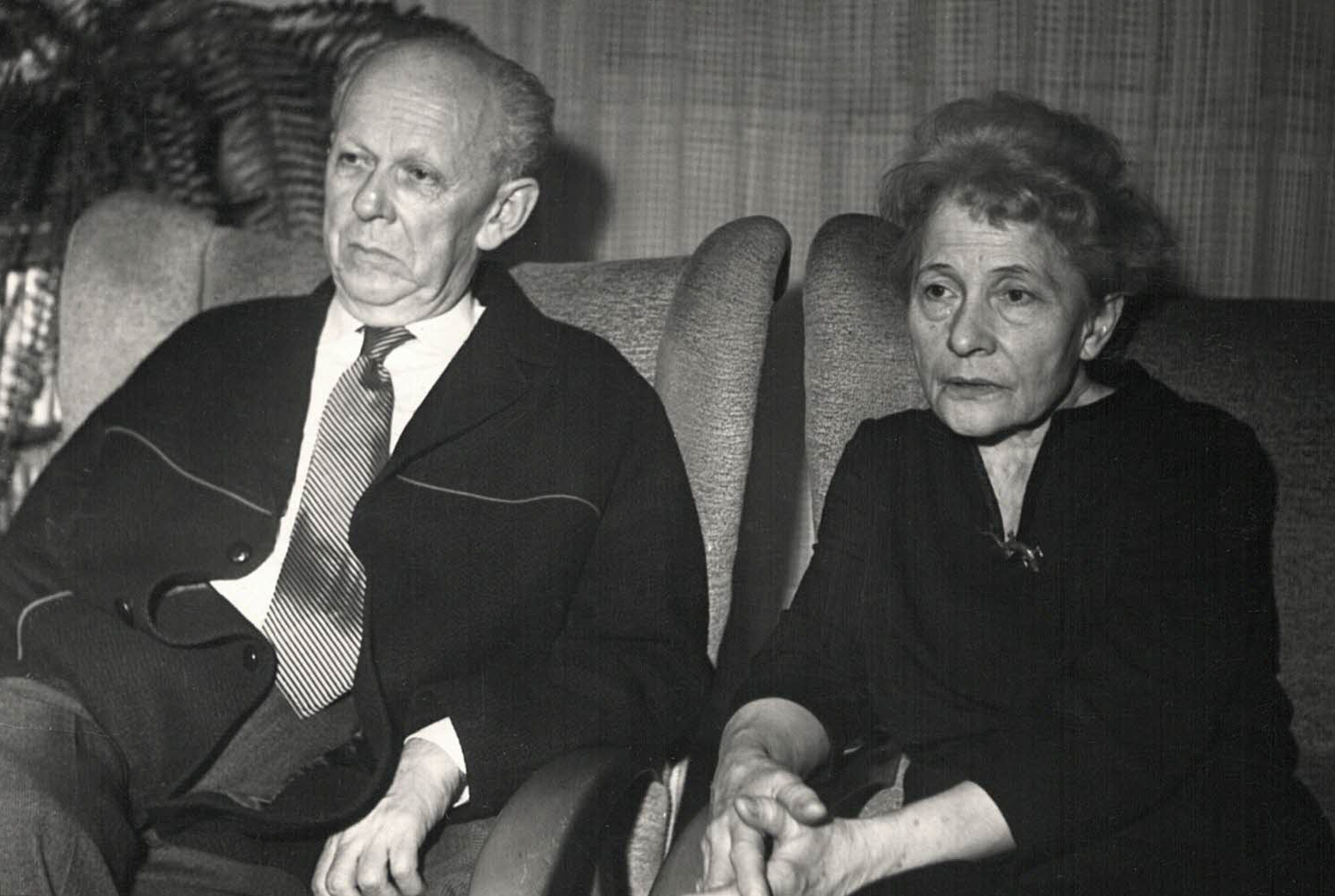
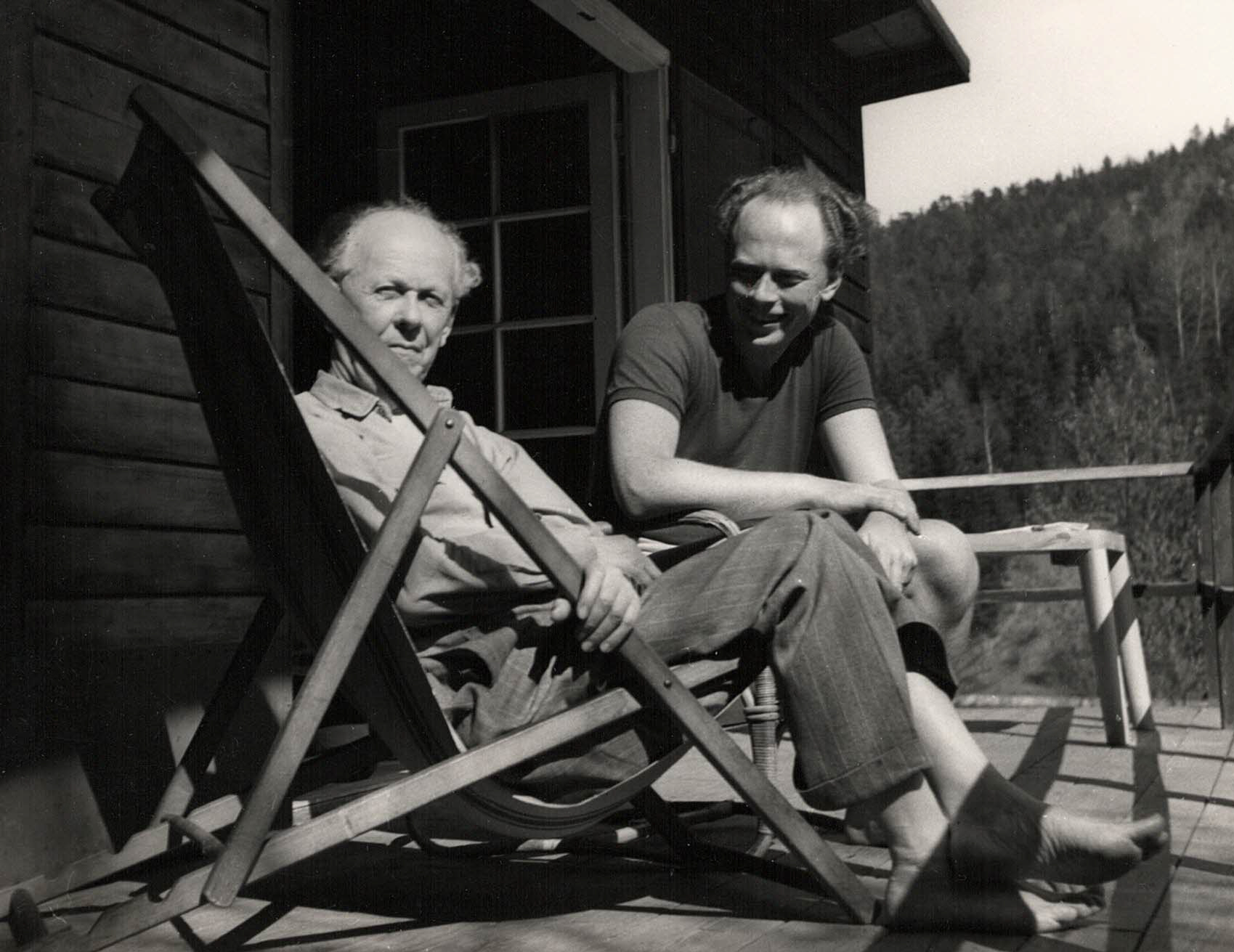
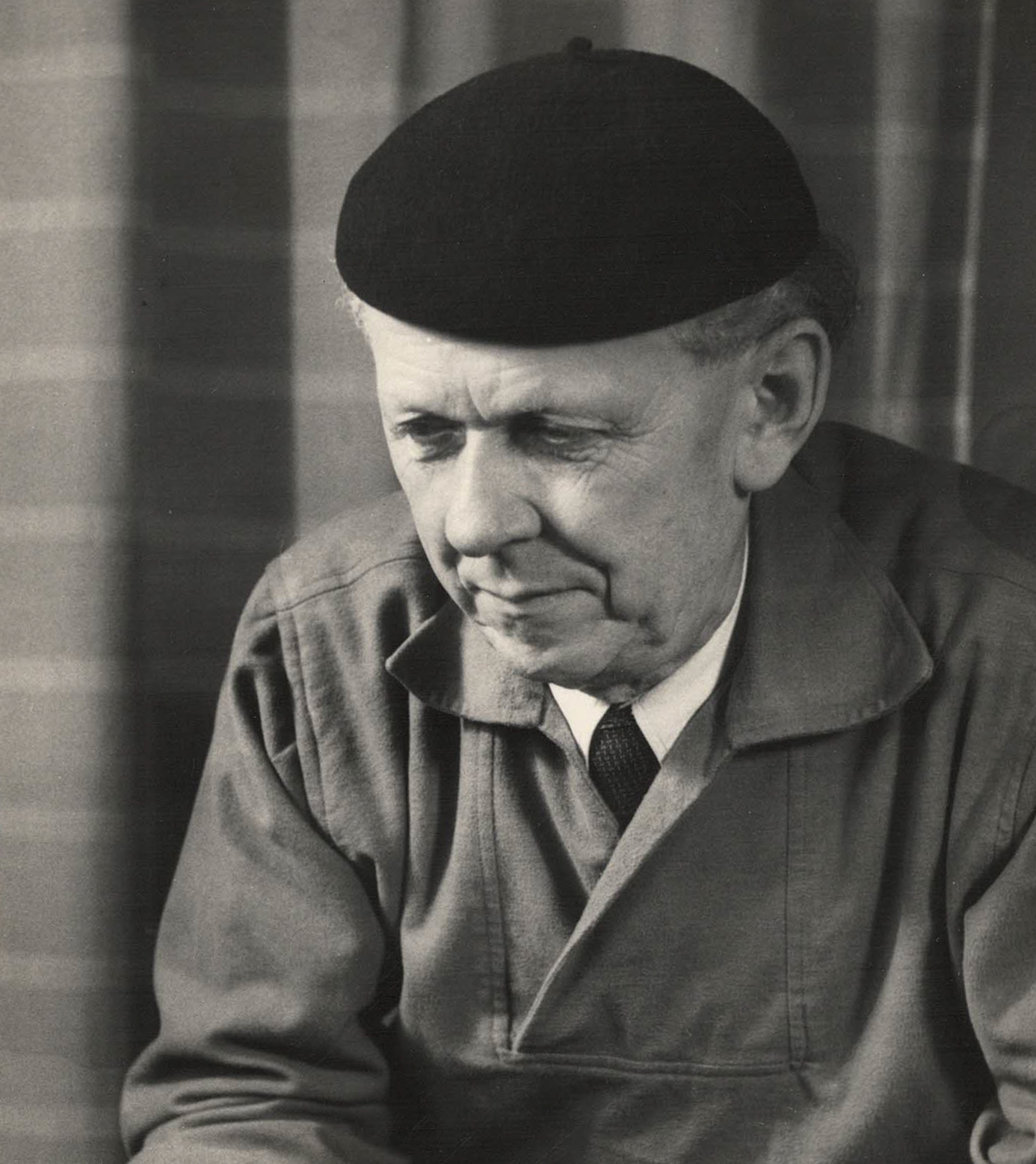
"We used to live with the doll and we used to visit Grandma and Grandpa Fuchs on Saturdays as children. We would come in the afternoon and get a treat and then Daddy and Mummy would talk to Grandpa and Grandma would take us into her room, which was behind the kitchen, and teach us how to paint, how to model with plasticine, and she tried to teach me how to sew, which was not successful. She was trying to instill in us an artistic sense - drawing, making sculptures, that sort of thing. She played with us, we made figures out of chestnuts and things like that. Things that kids do with their grandmother. Grandpa was on a pedestal for us. Then he was an old, white-haired gentleman. We always thought he was a bit grand, but he was nice. He always said: 'Pavlina, Zuzanka, show me your school reports!' So we showed our reports and Grandpa praised us. But then again, he talked with Daddy and Mummy, he never played with us. He wasn't a grandfather who carried his children on his back and made them a horse. When we could go to see him in the studio, it was a great feast. He used to come in the studio in a white coat and he had pencils and curves and rulers, which is not the case nowadays, everything is done by computer, but there were rolls of paper and transparent paper and all these pencils sharpened - we loved that."
"I think the atmosphere in the two families was very different. There was an artistic, a bit bohemian atmosphere in the Fuchs' house, because there were a lot of artists, they were visiting exhibitions and all kinds of cultural events. So it was a completely different atmosphere. Whereas on my mother's side it was - it's going to sound bad if I say it - a kind of petty bourgeois family, a petty bourgeois environment, which also had a cultural life, but in a completely different style. The bohemianism was certainly not there. The families didn't socialize that much, but for example when the Fuchs came to our house for Christmas, you could see it. You could feel that it was a different atmosphere. Even though they respected each other very much, you could tell it was a different environment. So I grew up on the border of two worlds."
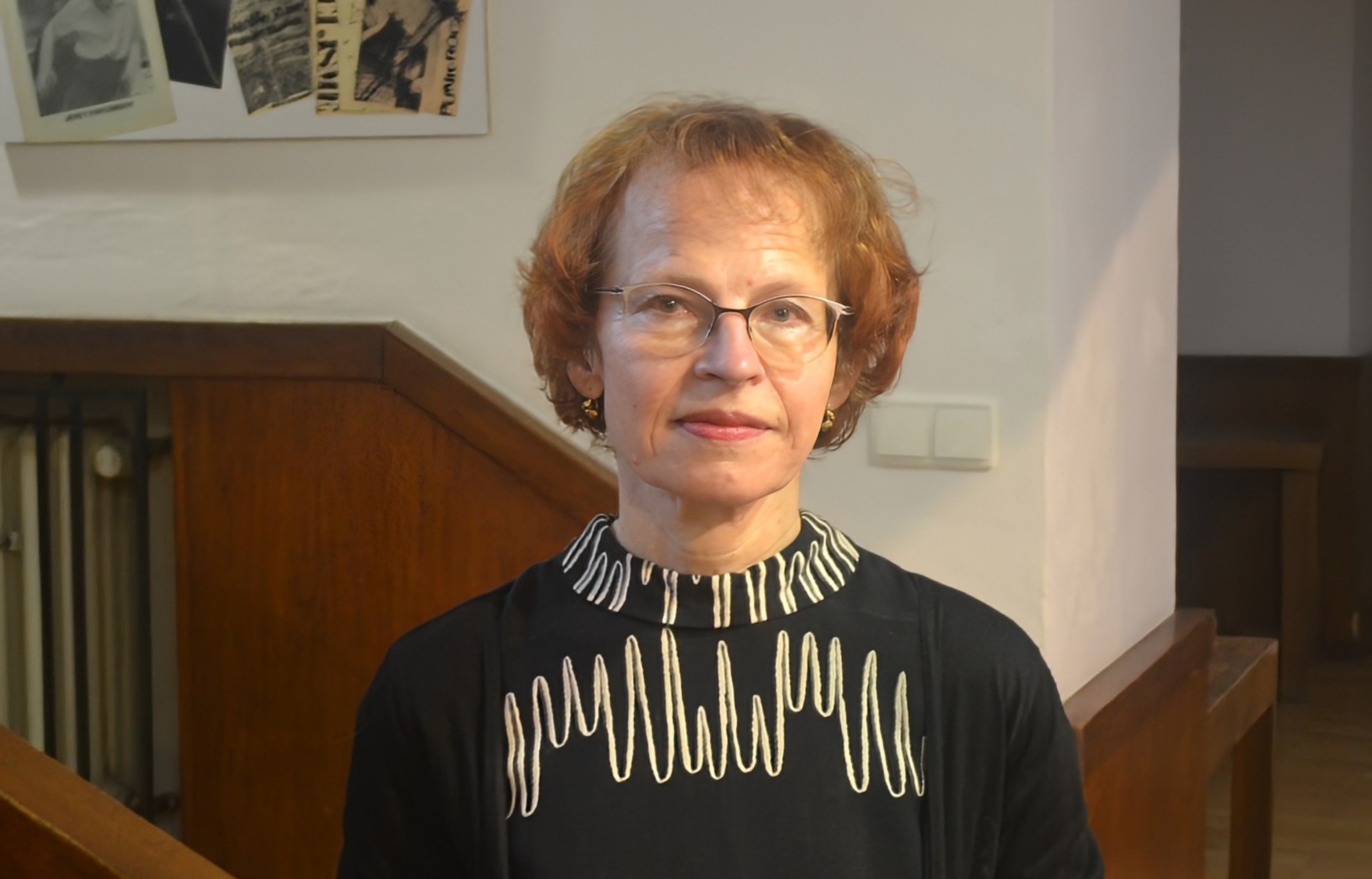
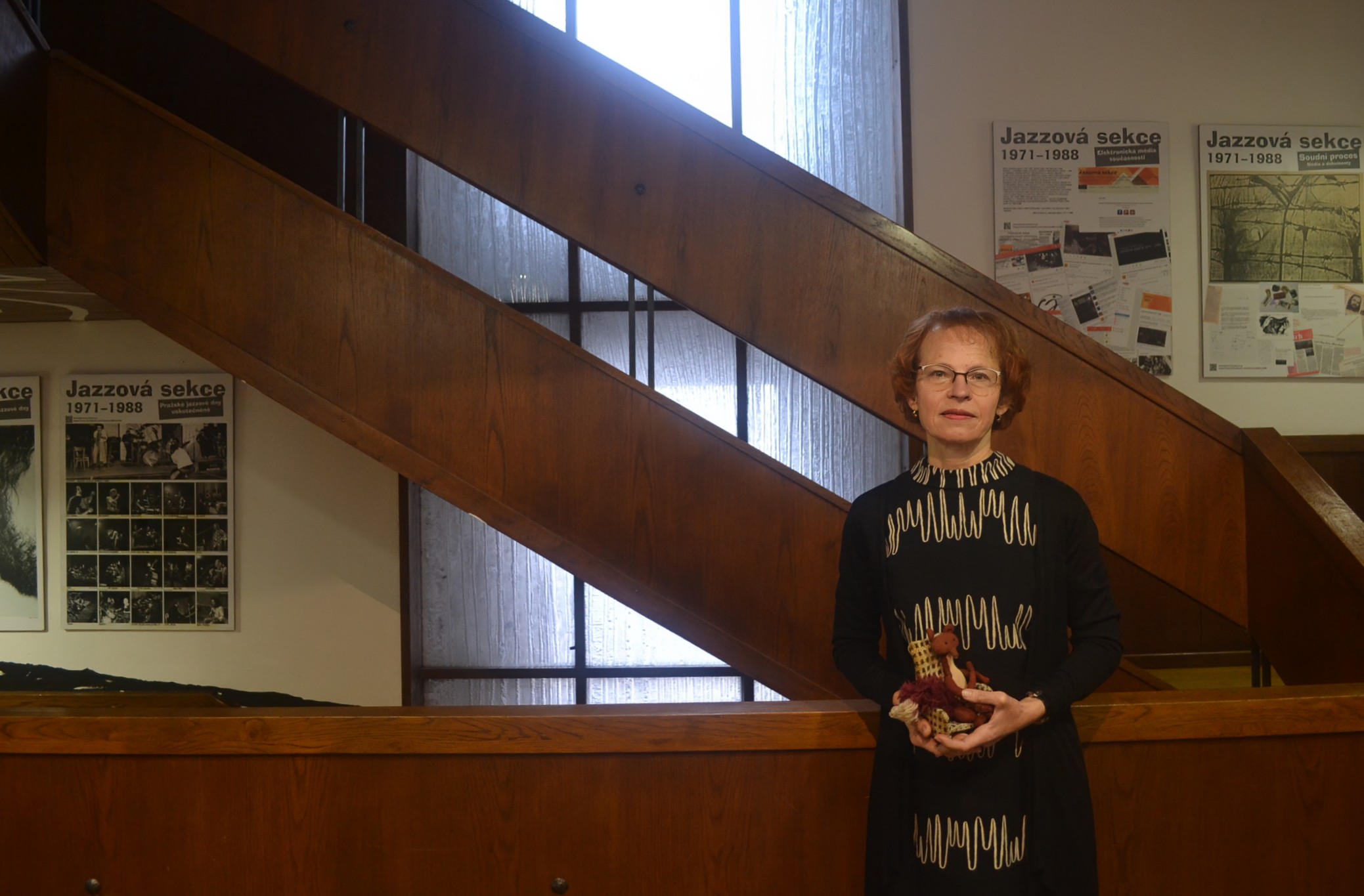
Pavla Seitlová, née Fuchsová, was born on 22 July 1958 in Brno. Pavla Seitlová’s childhood was exceptional in the people she moved among. Her grandfather was the European architect Bohuslav Fuchs. Her father Kamil Fuchs and aunt Alena Korvasová were also devoted to architecture. Her grandmother, the designer Drahomíra Fuchsová, was also an inspiring person for the witness. From the other side of the family, she inherited a talent for languages and, following the example of her mother Věra Fuchsová, decided to study languages. In 1977, she entered Jan Evangelista Purkyně University and successfully graduated in 1982. During her studies, she completed a study stay in the GDR and France. She worked at the Moravian Museum in Brno as a translator and interpreter. She remained loyal to the Moravian Museum all her life. In 2025, she lived in Brno and supported the commemorative events held on the 130th anniversary of the birth of Bohuslav Fuchs.
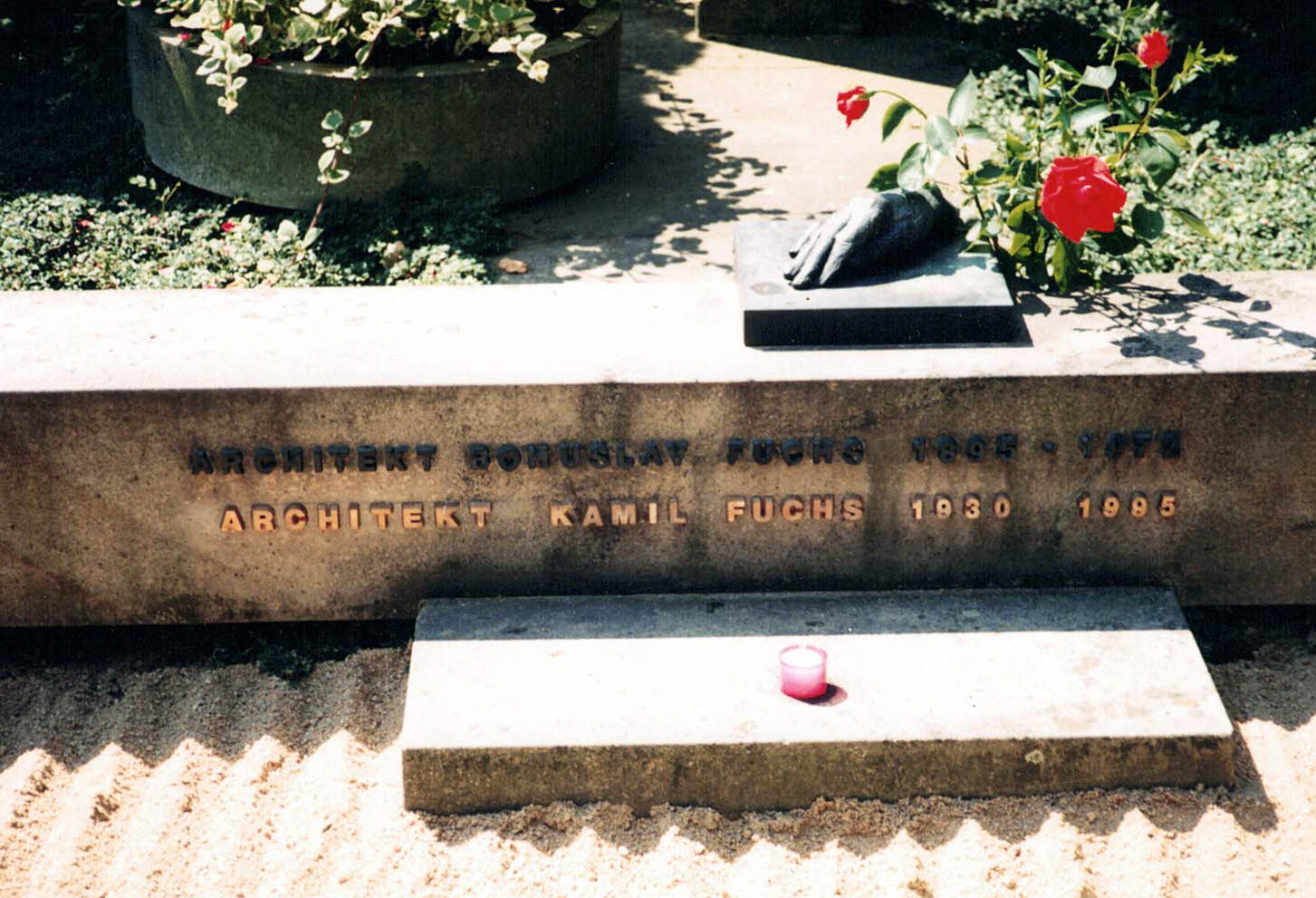
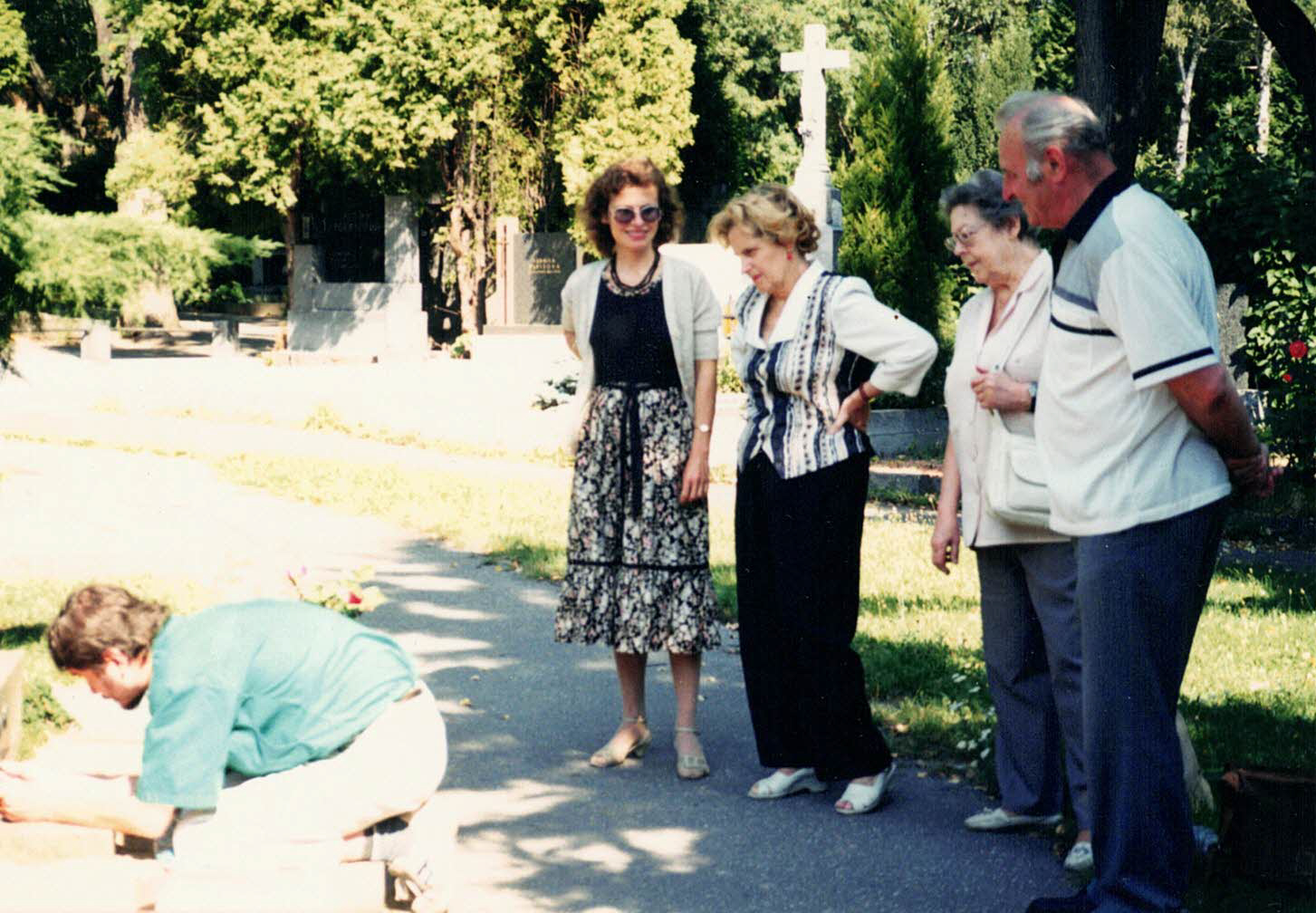
At the Brno cemetery during the installation of the inscription "Kamil Fuchs" - 1996. From left: Pavla Seitlová, Věra Fuchsová, Alena and Mojmír Korvas
At the Brno cemetery during the installation of the inscription "Kamil Fuchs" - 1996. From left: Pavla Seitlová, Věra Fuchsová, Alena and Mojmír Korvas