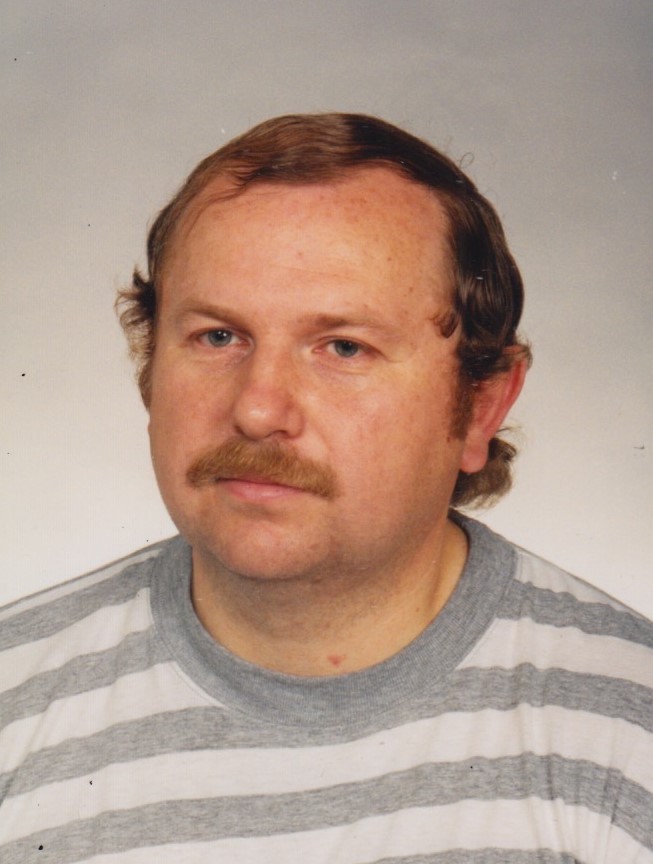
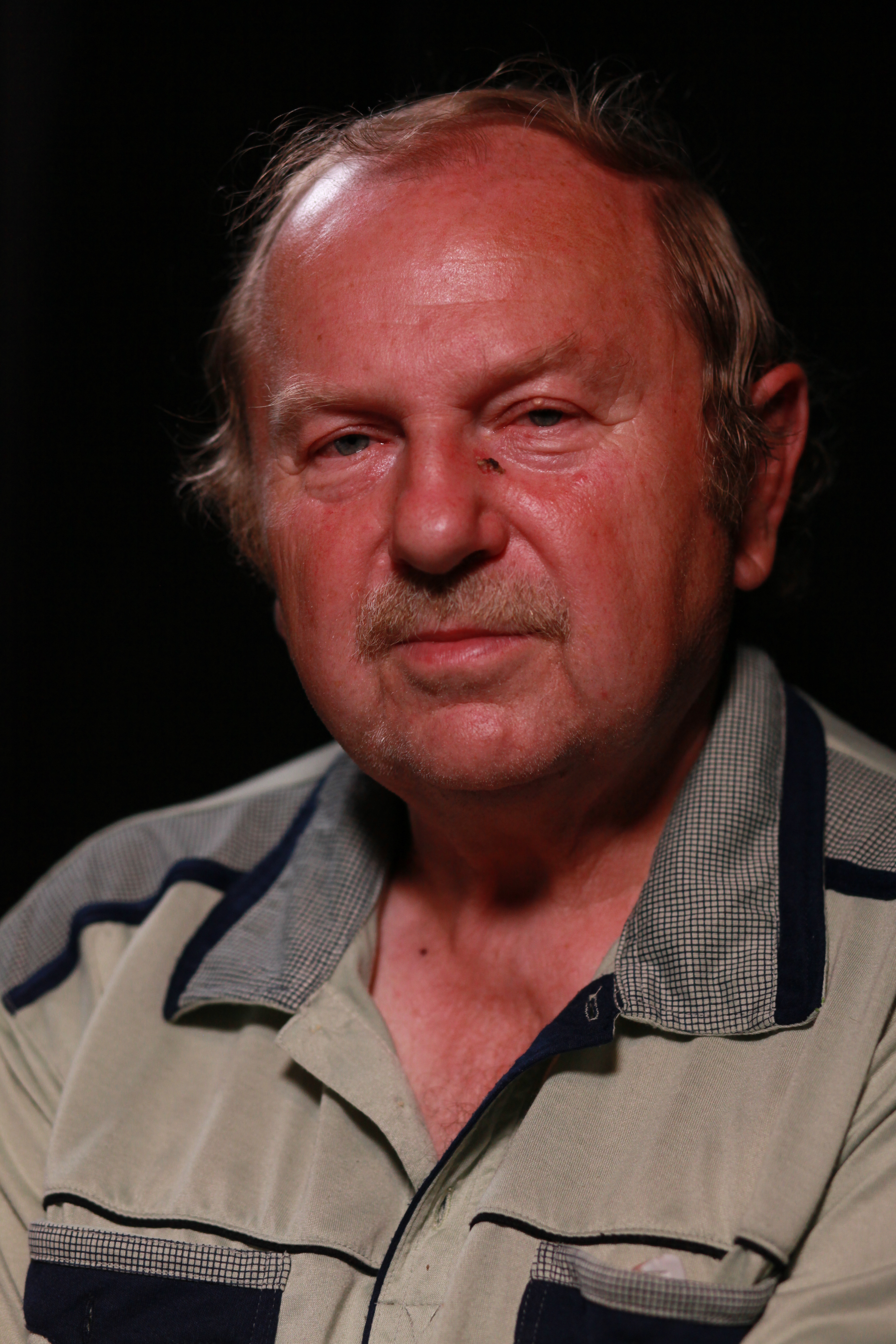
Radomír Šebek

* 1957

  • "A lot of people committed suicide. They hanged themselves there. Not in the workplace, but in the room. I even cut one of them off. I'd been there about three years, they knew me. They ran up to me and said 'Radek, come and cut him off.' So I went, I had to cut him off, we threw him to the iron door, we banged on the door for the guards: 'There's a dead one here, come to drag him away.' Well, they dragged him away."

  • "I had some information because I had colleagues who studied with me and had been at the border. So I had some information about which way it would be possible. Somehow it came down to the fact that it would be best through the western military circuit. At Folmava, just at the crossing, that's where the border narrowed. Otherwise, it was a border of maybe three kilometres, that zone where there were pitfalls. But there was a stream running by the crossing and it narrowed there. And that's where, according to the information I had at the time, I was supposed to be able to rrun through. So I took a chance, got across the stream, ran. But they were hiding somewhere, two border guards with a dog."

  • Full recordings
  • 1

    Brno, 19.06.2025

    (audio)
    duration: 01:22:05
    media recorded in project Příběhy regionu - JMK REG ED
Full recordings are available only for logged users.

I got across the stream and ran. But they were hiding somewhere - two border guards with a dog
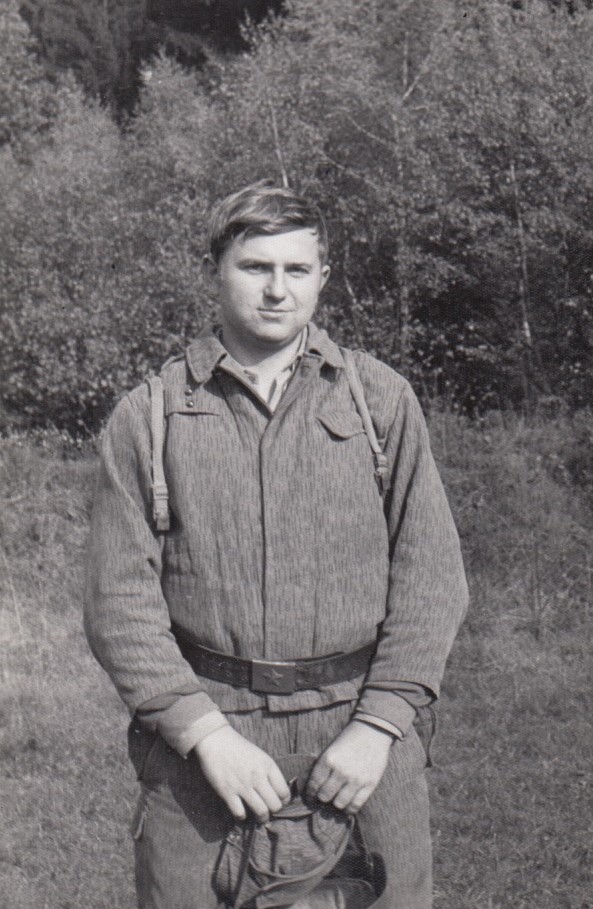
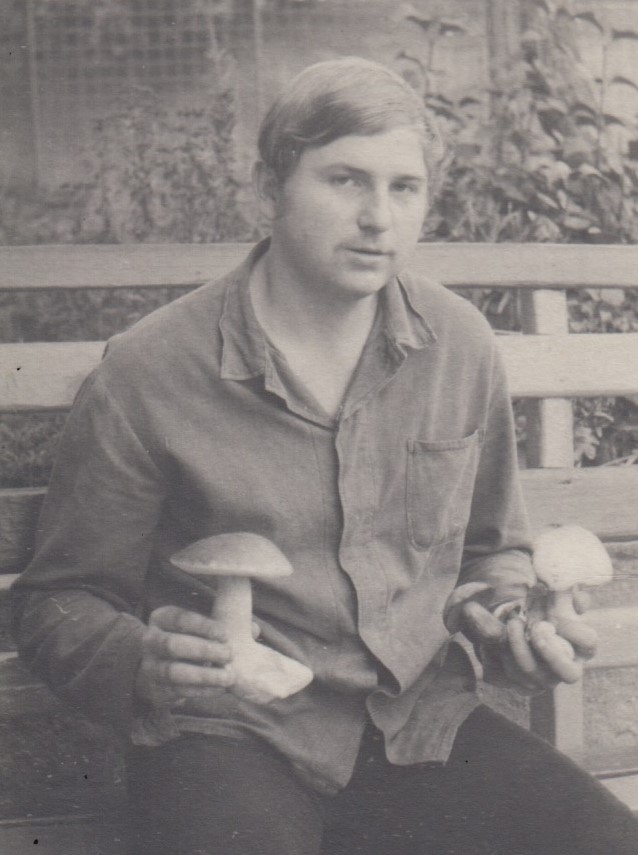
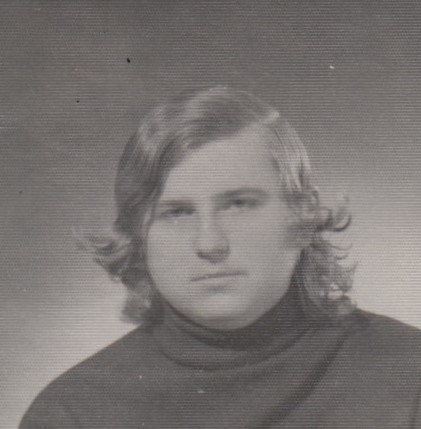
Radomír Šebek (1970s)
photo: Witness´s archive

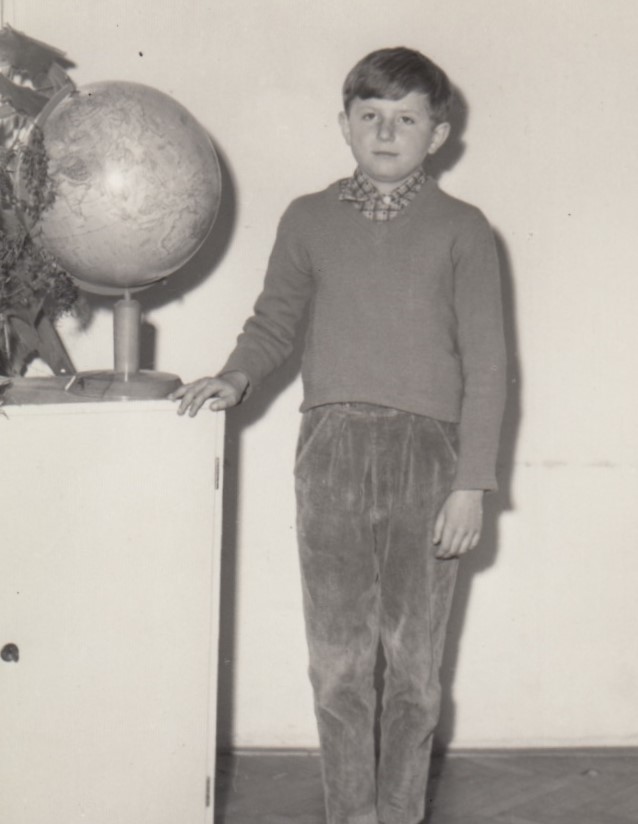
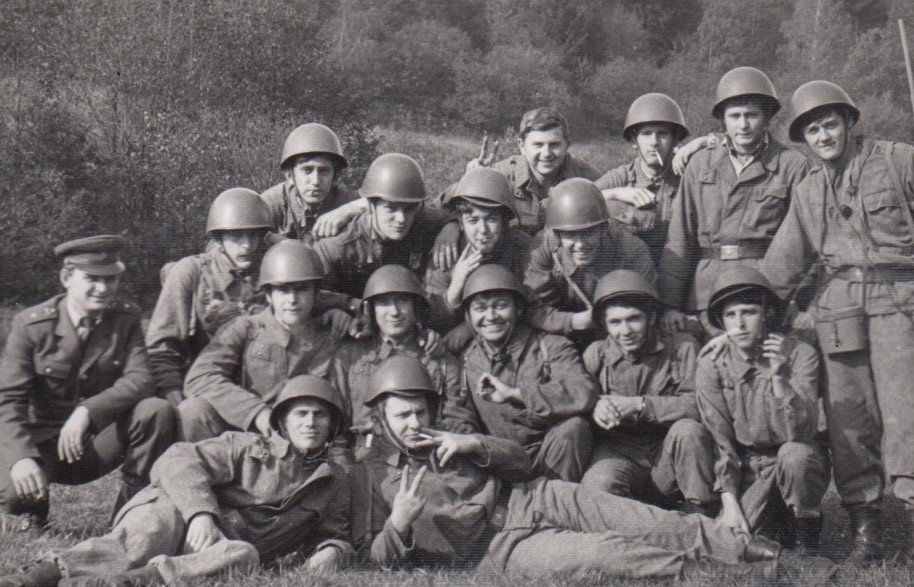
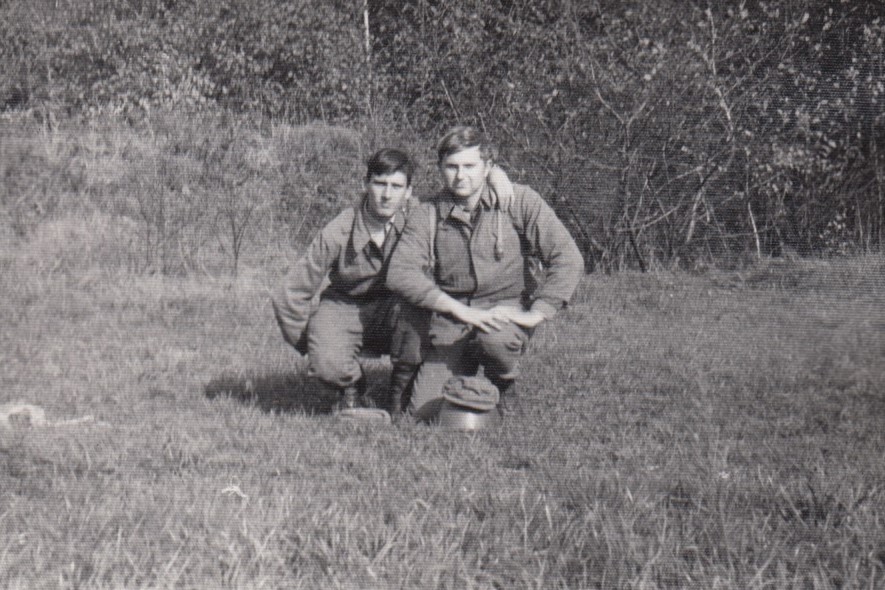
Radomír Šebek was born on 20 July 1957 in Brno. Both parents - Anna and Antonín Šebek - worked in Adamovské Engineering Works. He grew up with his brother Antonín, five years older, in the village of Habrůvka (his mother’s birthplace) in the Blansko region. In the first half of the 1970s, he trained as an auto mechanic at the Czechoslovak State Automobile Transport (ČSAD) Blansko and worked at the company for the following year. He then decided to become a professional soldier and from 1975 to 1977 he attended a two-year officer’s school in Martin, Slovakia. From August 1977 he served in the rank of second lieutenant as commander of the engineer company in Sereď. Shortly afterwards, in December 1977, he decided to emigrate illegally across the Czechoslovak western border. He was detained by border guards while attempting to escape and spent the next five years in the infamous Minkovice camp. After his release from prison, he worked on a number of manual job positions. At the time of the interview for Memory of Nations in 2025, he was living in Habrůvka.