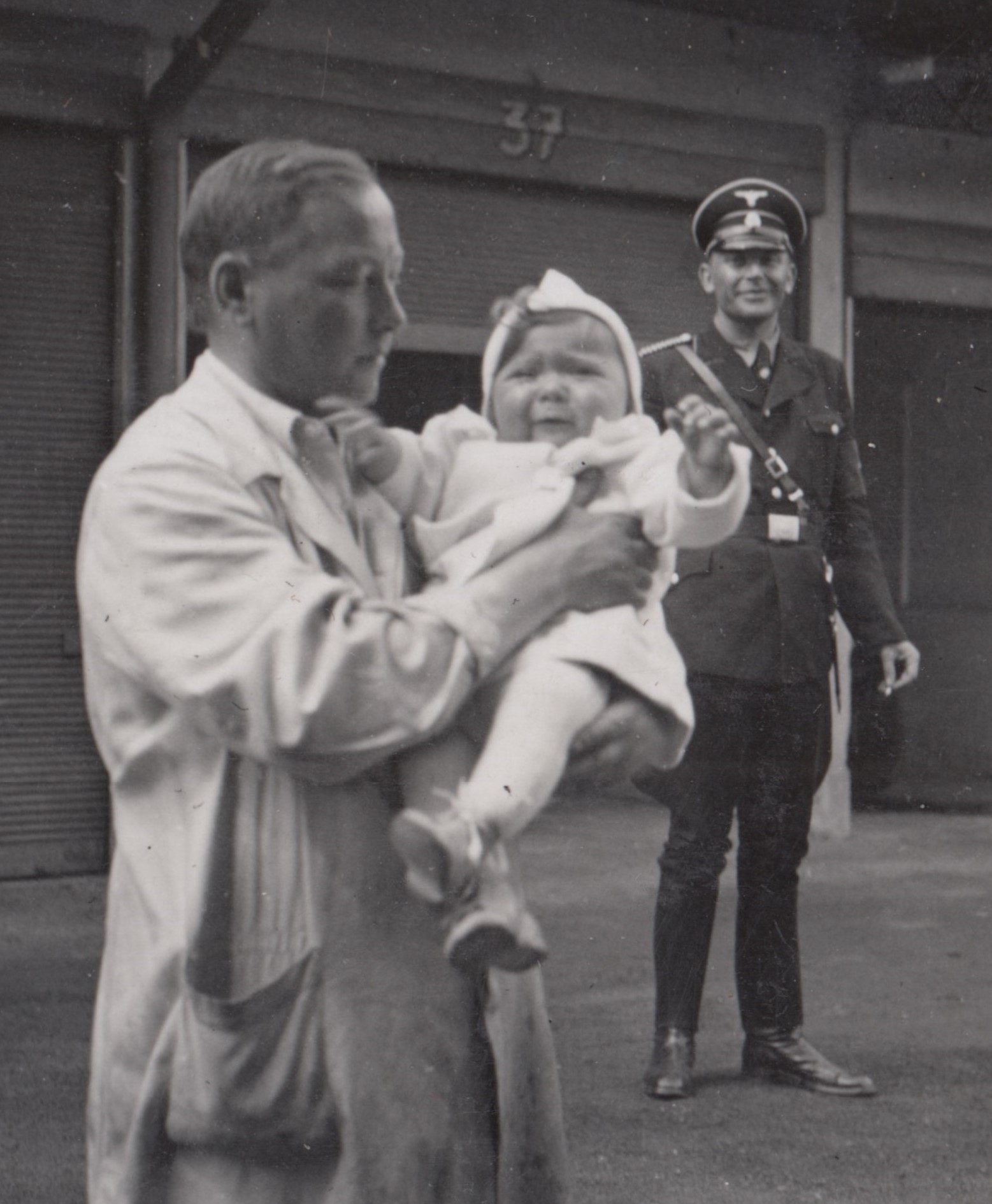
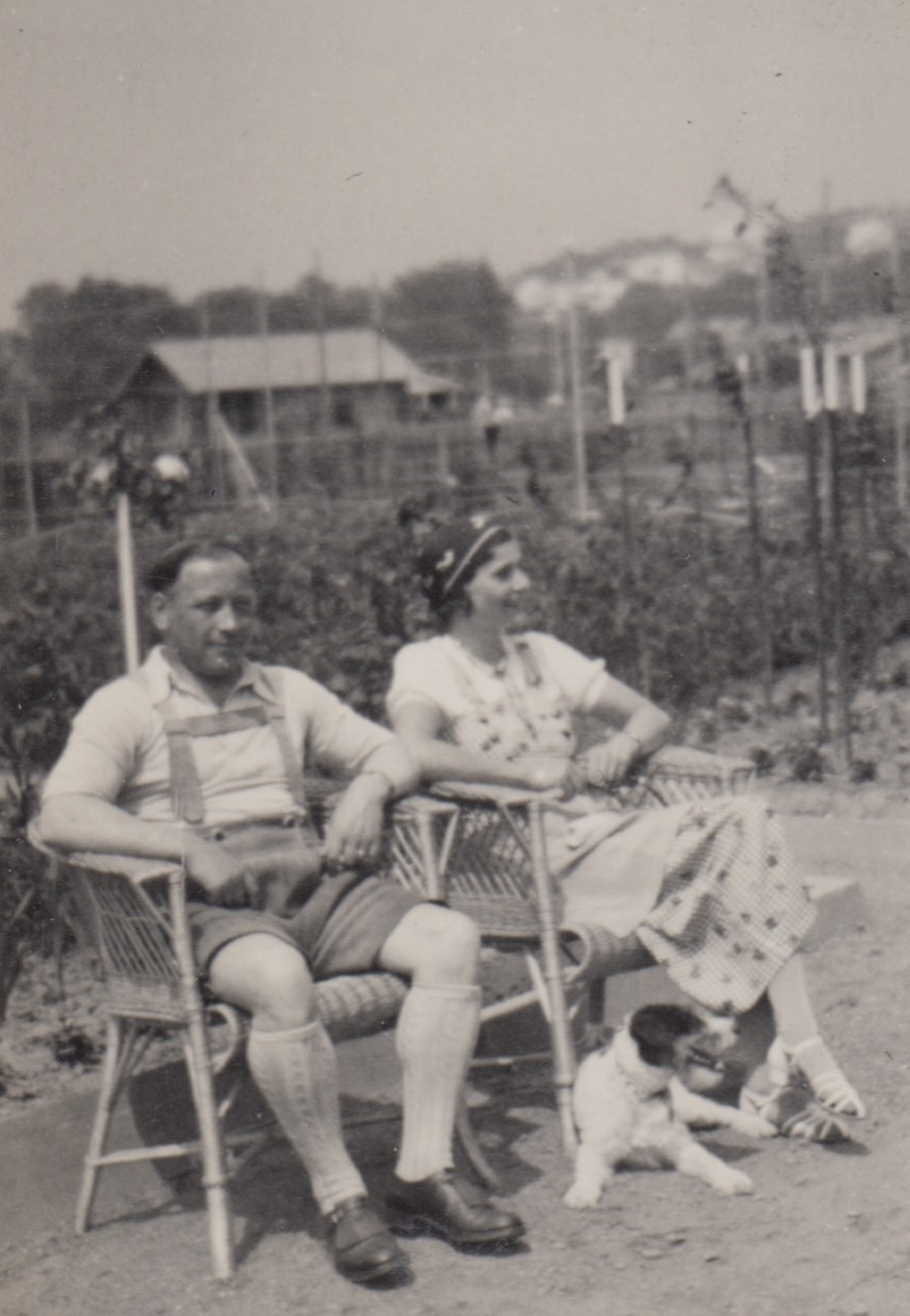
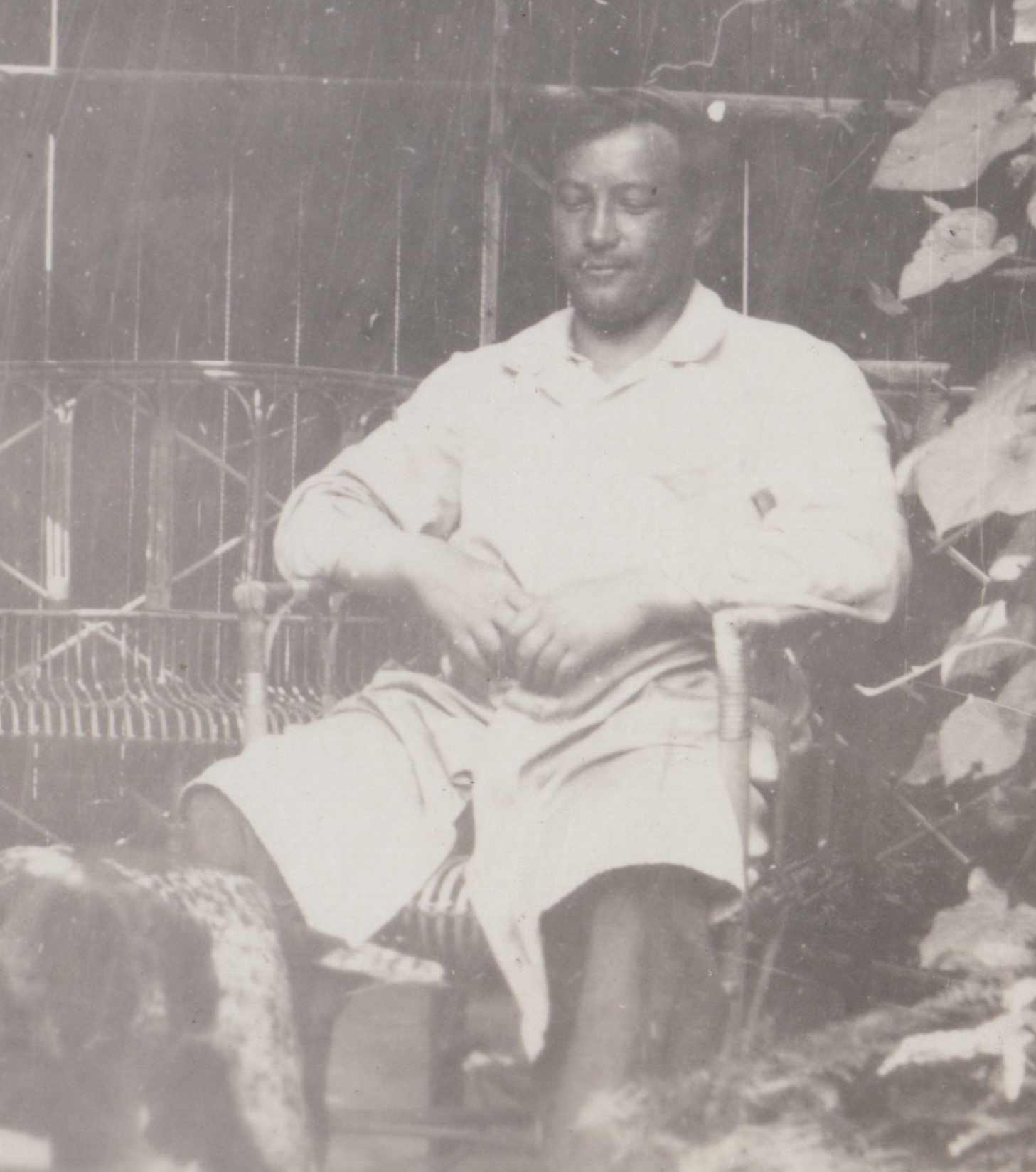
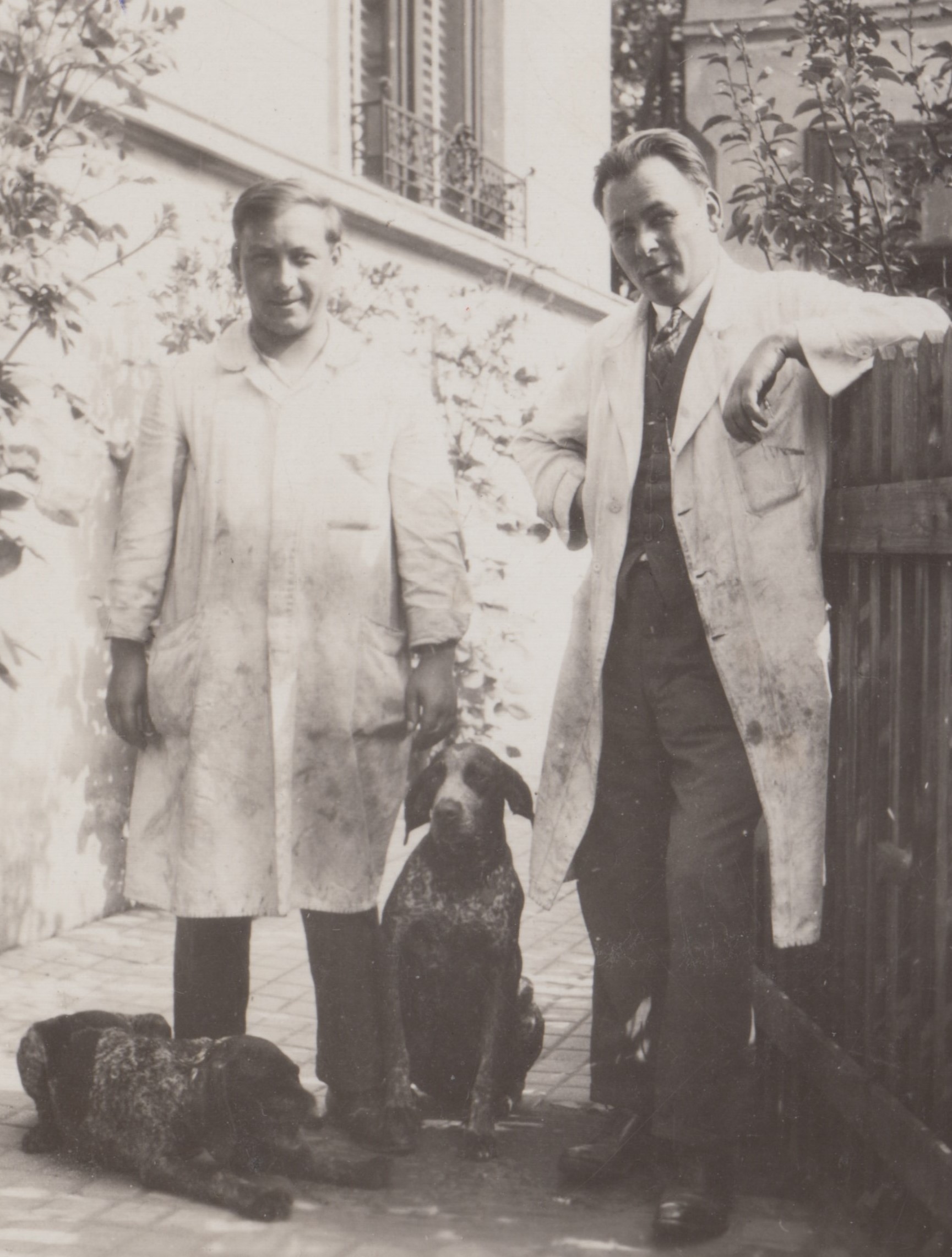
"All I can say is that my father couldn't bear losing everything. He was used to having it all - hunting, a car... He had everything even as a soldier because he was a mechanic and repaired German Wehrmacht vehicles in his own shop and did quite well. Every night, he drank and then started swearing because he couldn't come to terms with his mother's death. My mother did better although she had been through a lot. I don't even want to know what she went through, not least that the Russians lived in our house. I don't know if everything went well, but in any case the Russians lived there for a few weeks and my mother was with me in the cellar. Then the Russians also burst into the camp, but my mother never said a word about it, nothing. She always said, forget everything, start over, and she was a happy and loving mother and grandmother until the end, and she never swore at the Czechs. She harboured no hatred or anything like that, I never experienced that with my mother. Never."
"As we were walking, a worker came up to us. He lived in a company apartment on our property and his children played with. To me, he was Tondo. He tried to bring our family together. He found out that my mother's sister was near by, as was my grandmother, and after consulting some other men who were there, he accompanied us and walked beside us for a long time, thus protecting us. Then he told my mother he had to say goodbye because he would be replaced by another guard. My mother gave him the last watch she still had as a thank you.
We learned later that he had moved into our villa, but otherwise I don't recall any other people from the march. All I know is, he held a piece of wood in his hand - I didn't find out that it was a baton until later, when my grandma said she got beaten with it. We were not beaten. My maternal grandmother was hit in the hand so hard because she didn't want to let go of a suitcase, and so her hand was damaged for life. She could still do manual work, but her hand was never quite right again. Other than that, I don't really remember anything. My mother made sure I was as far away from everything as possible, protecting me and isolating me so I wouldn't notice anything."
"Then the Russians moved into the house and my mother and aunt Steffi had to cook for them. That was relatively good for us. I have a bad memory about me and my mother. The Russians would occasionally come downstairs, most likely because they wanted to see my mother, and of course I immediately started screaming. The major came and asked why I was screaming. My mother told him I was afraid of drunken Russians. The major said he had forbidden it, and lay down in bed and covered himself. Then a Russian soldier came down - I can see it as if it were today - and the major jumped up and stuck two fingers up his nose as if he were a trained bear. He then called all the Russians present, had them lined up and shot the man in front of their and my mother's eyes. My mother was then allowed to bury him. Then the Russians were to move away and the major nailed a sign on the house asking that Czechs let us stay in the house, but of course that didn't help."
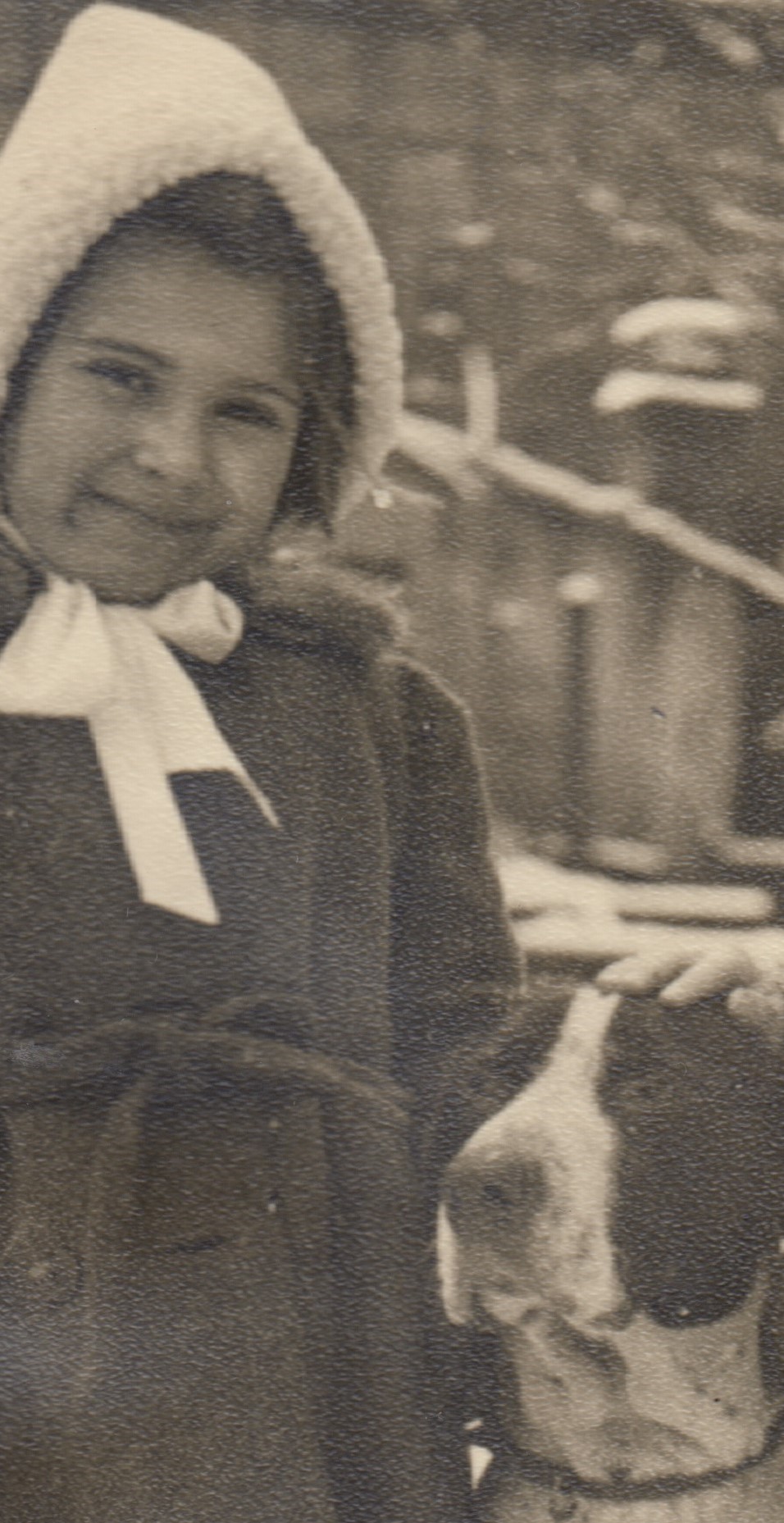
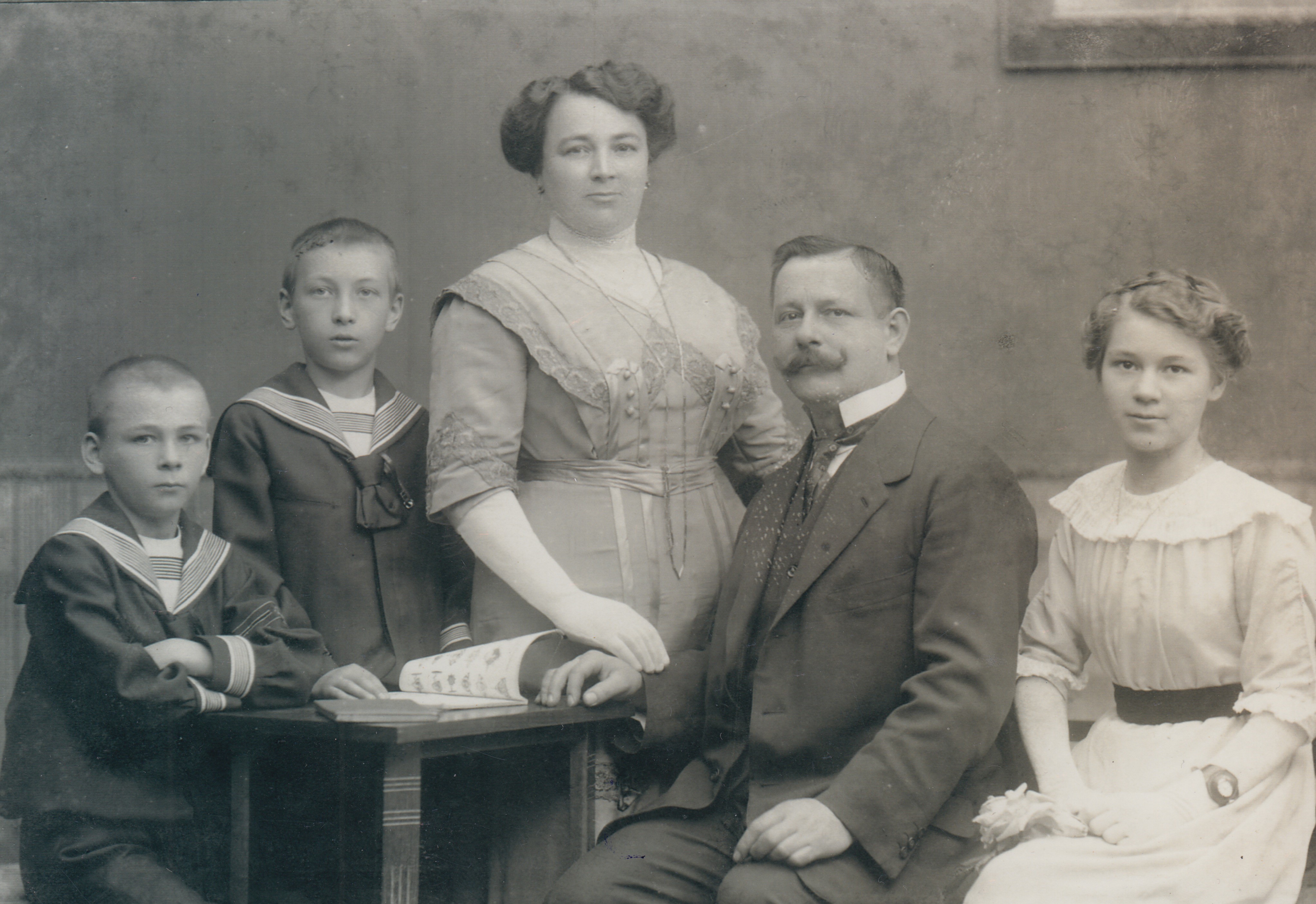
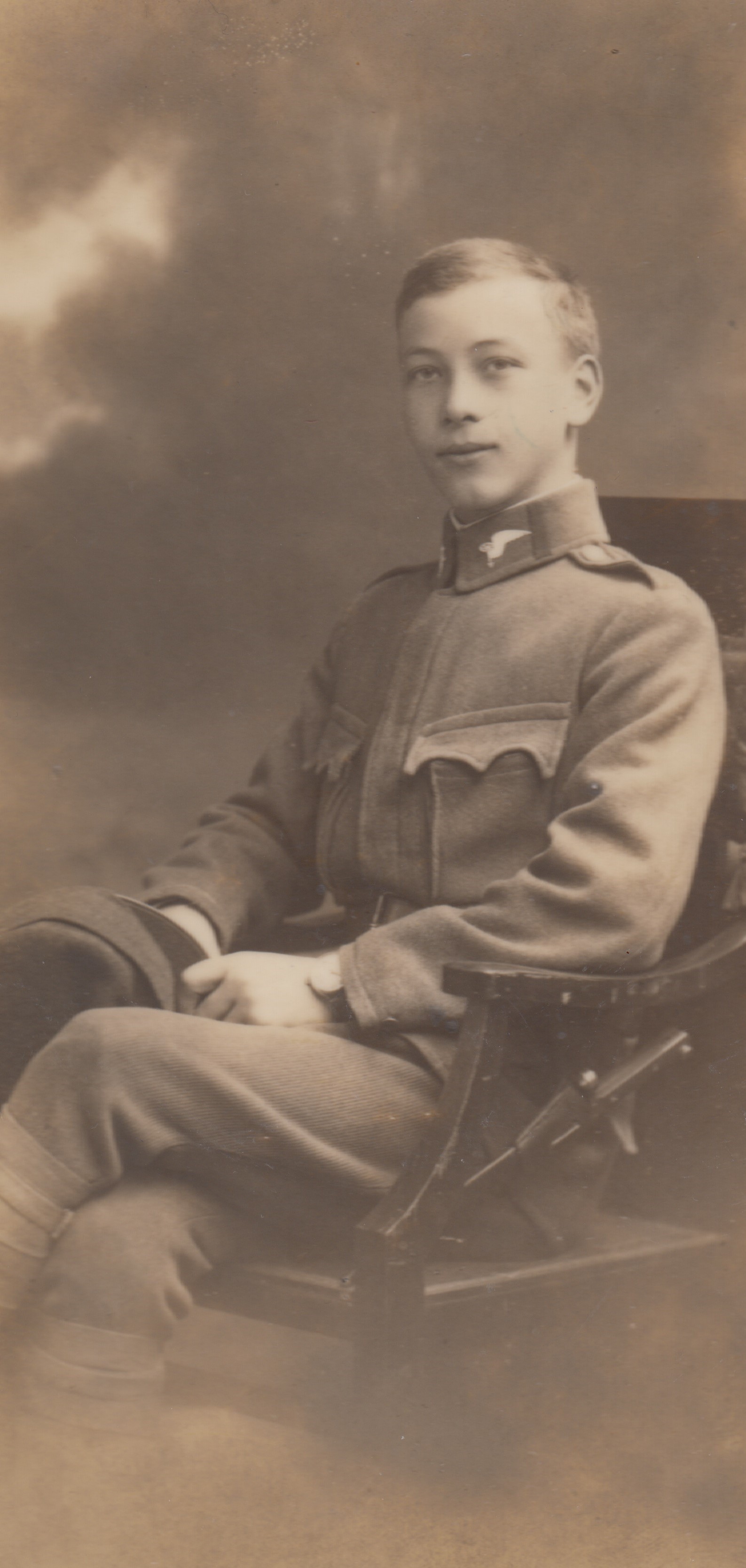
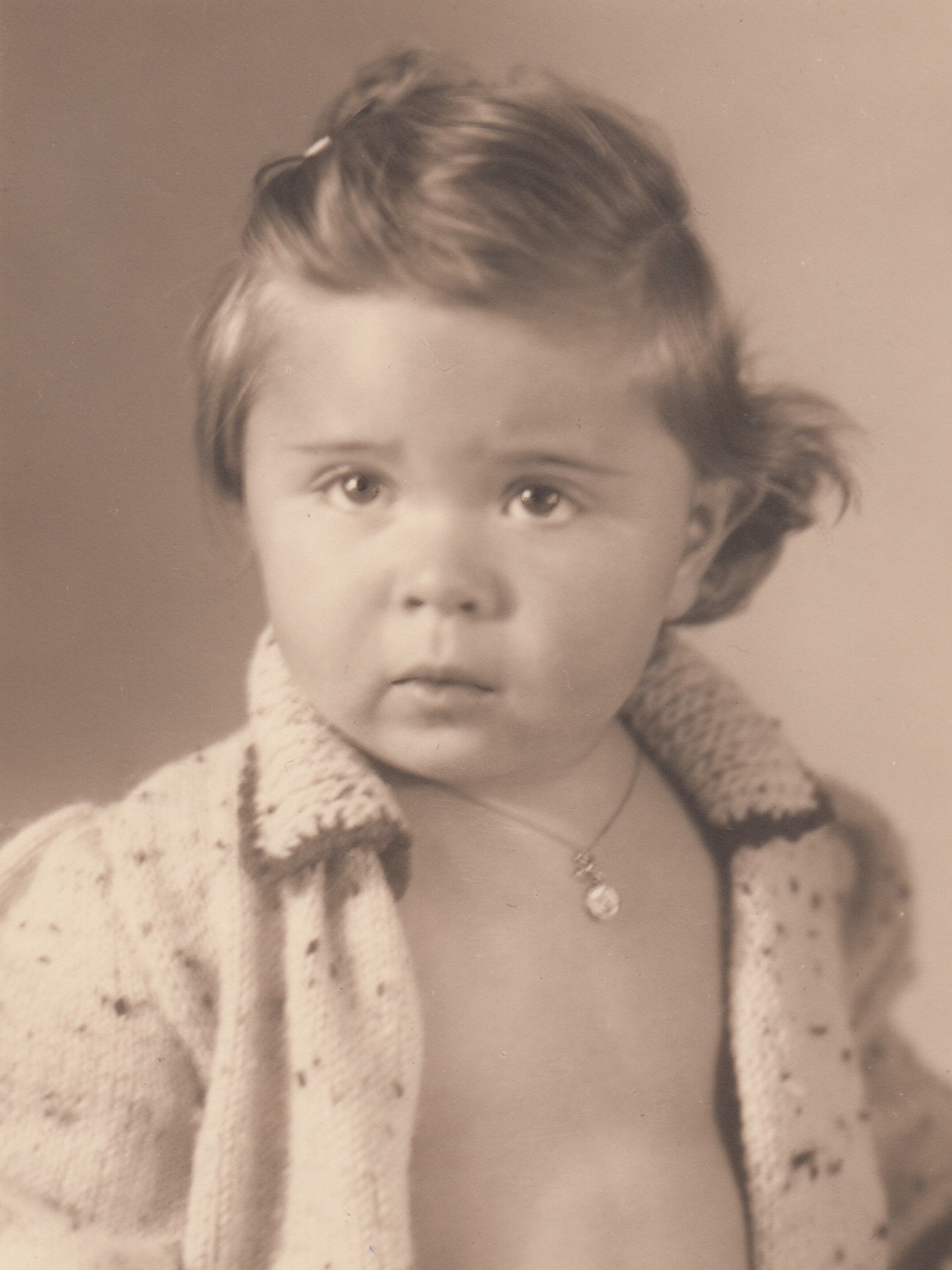
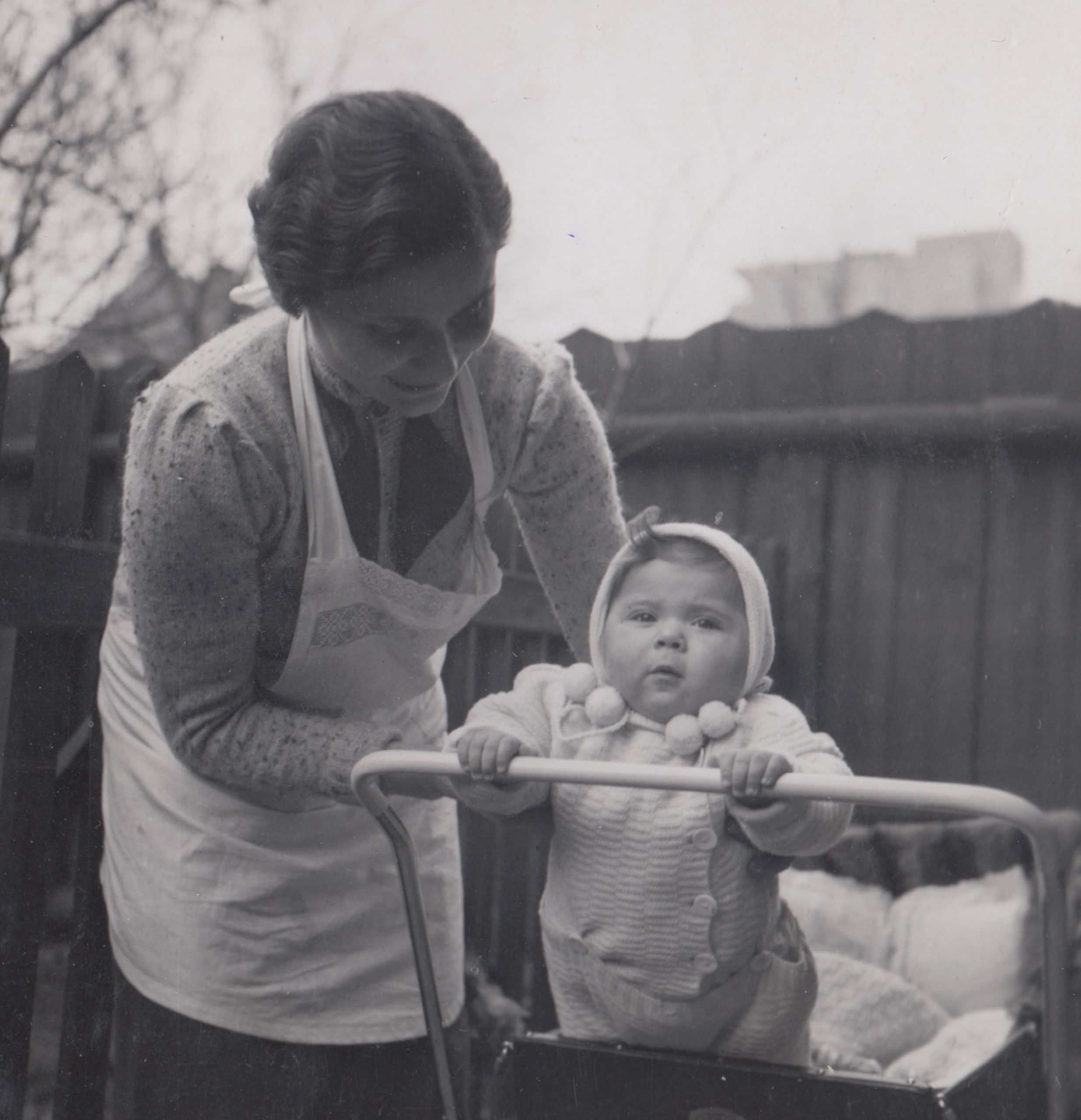
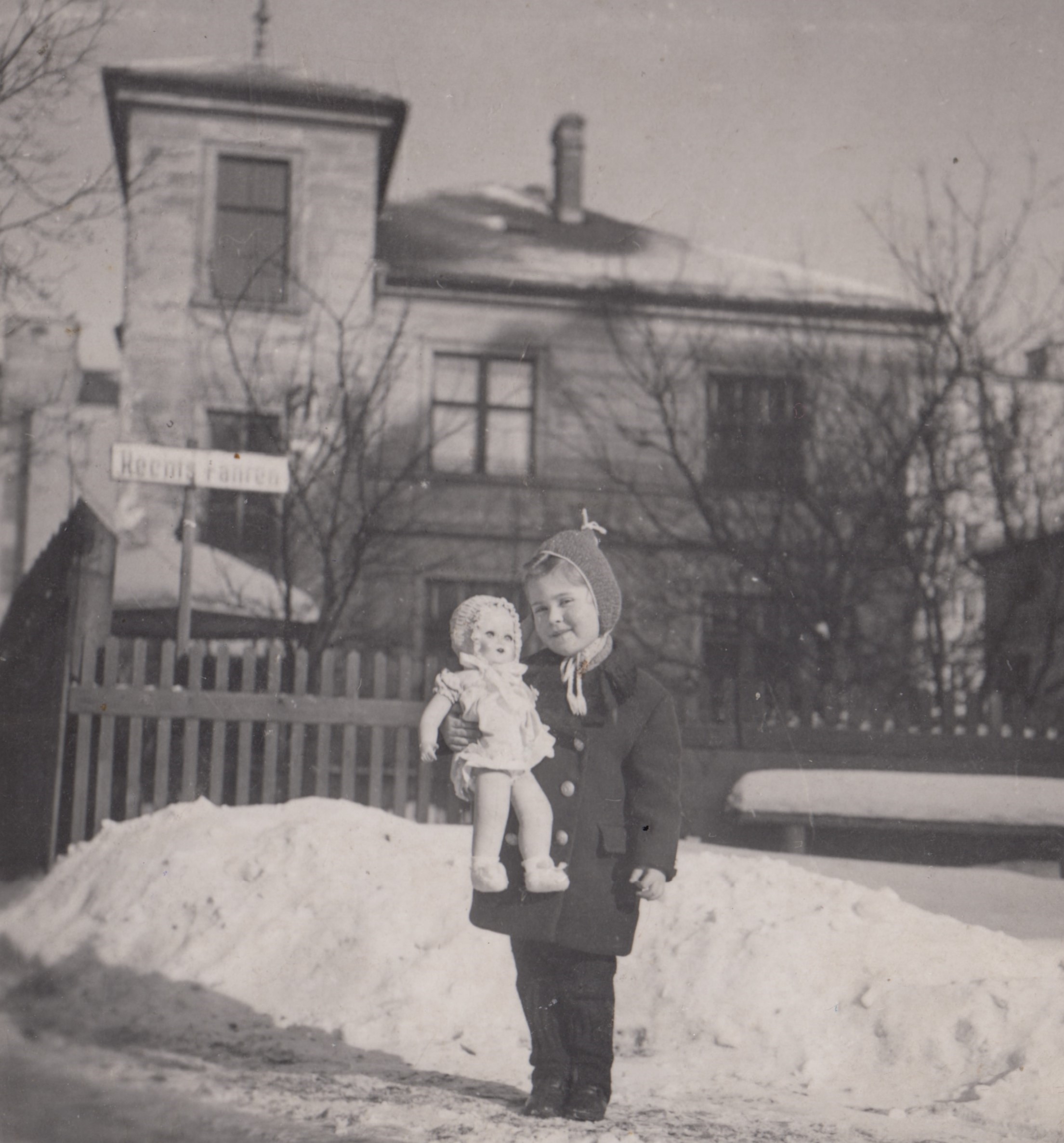
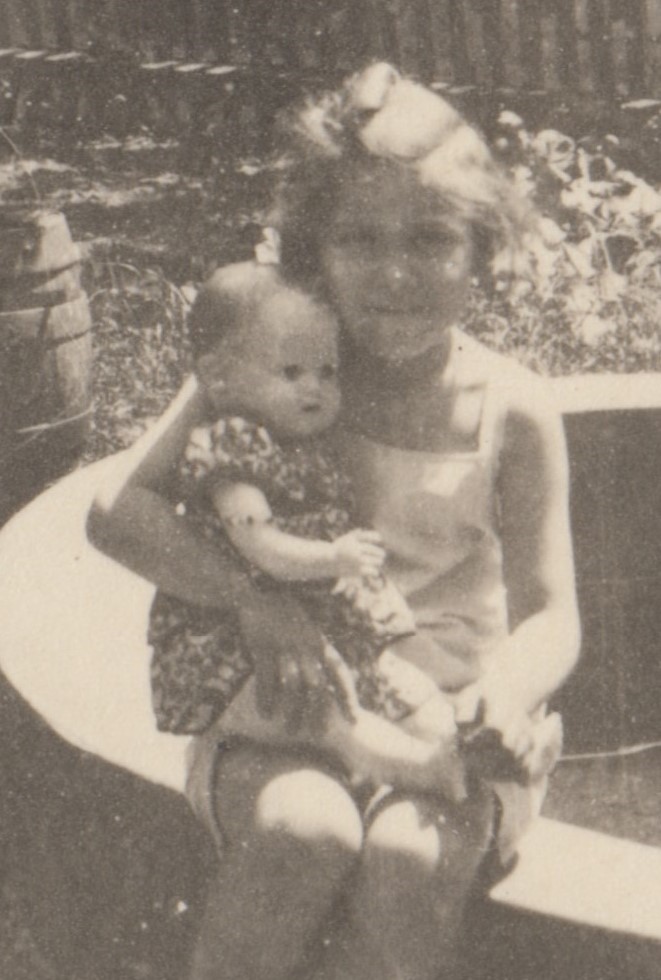
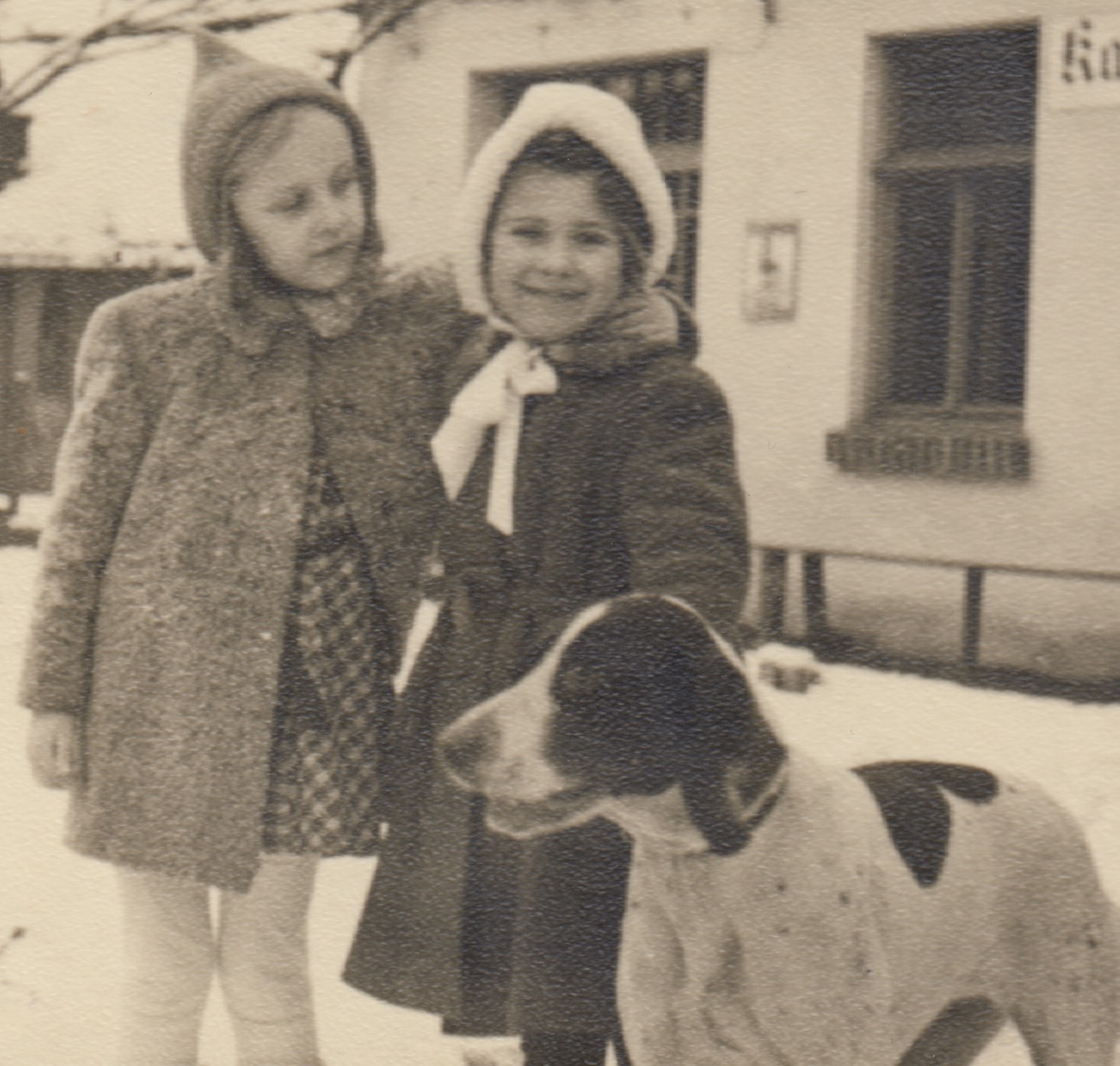
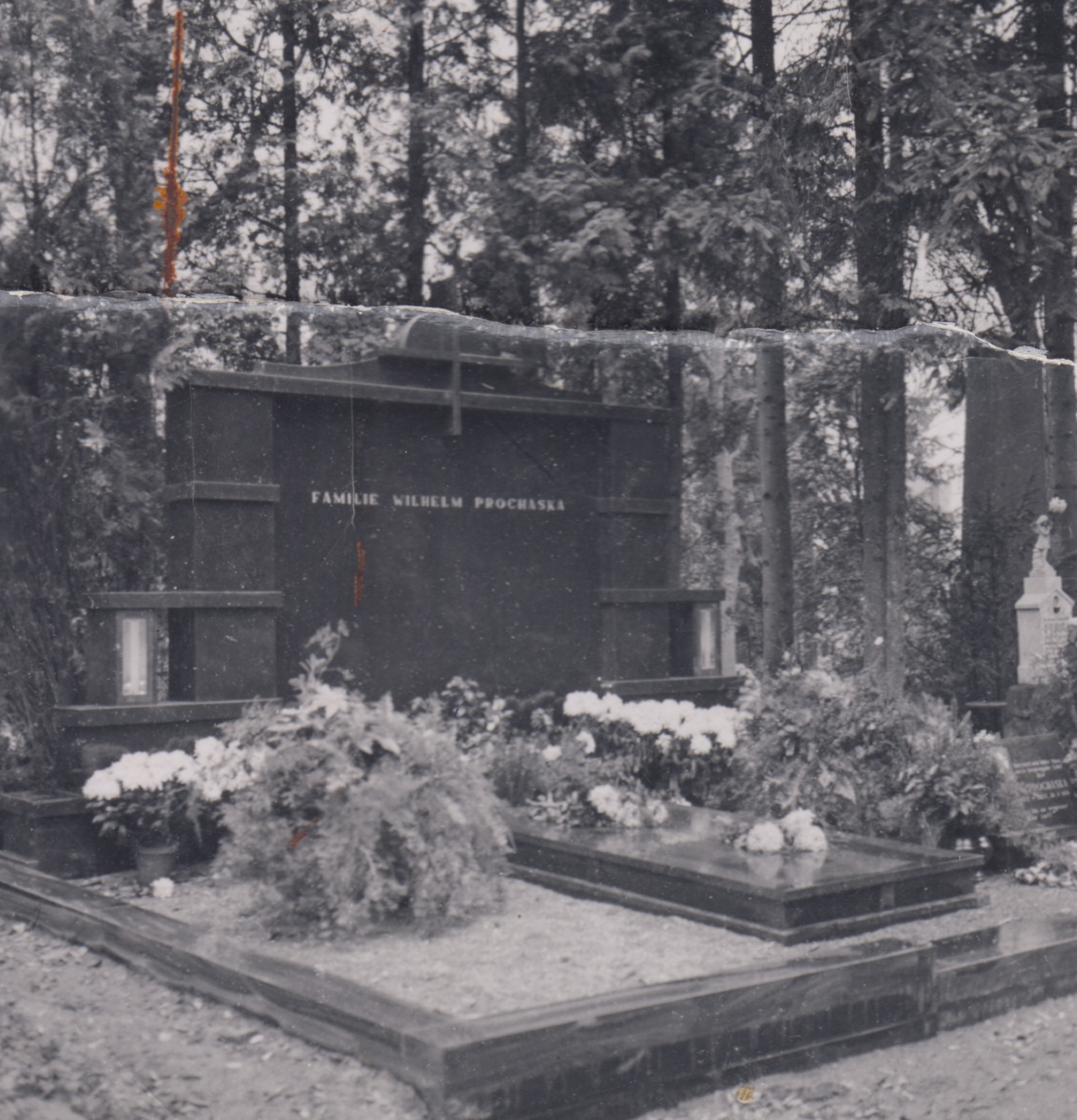
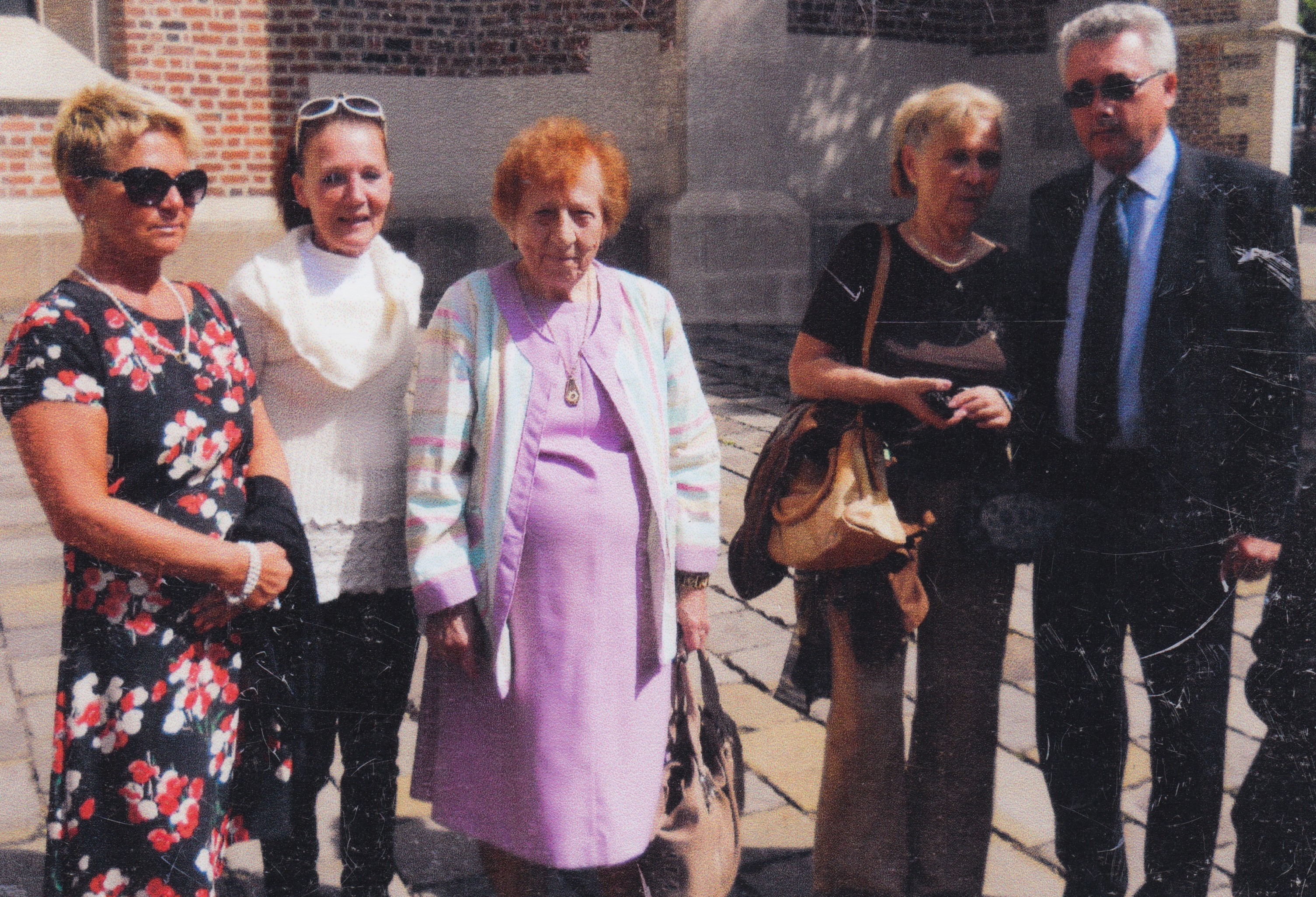
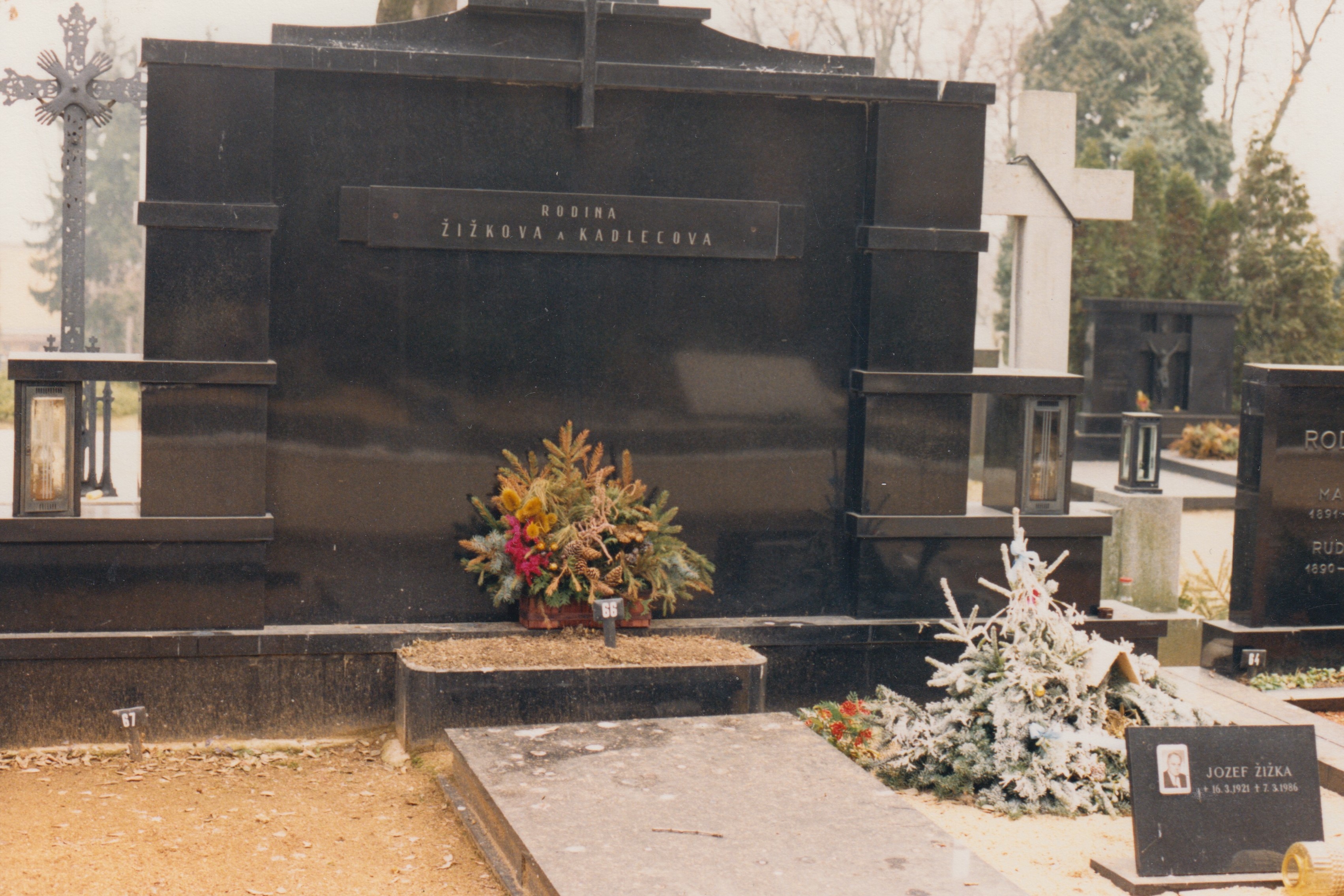
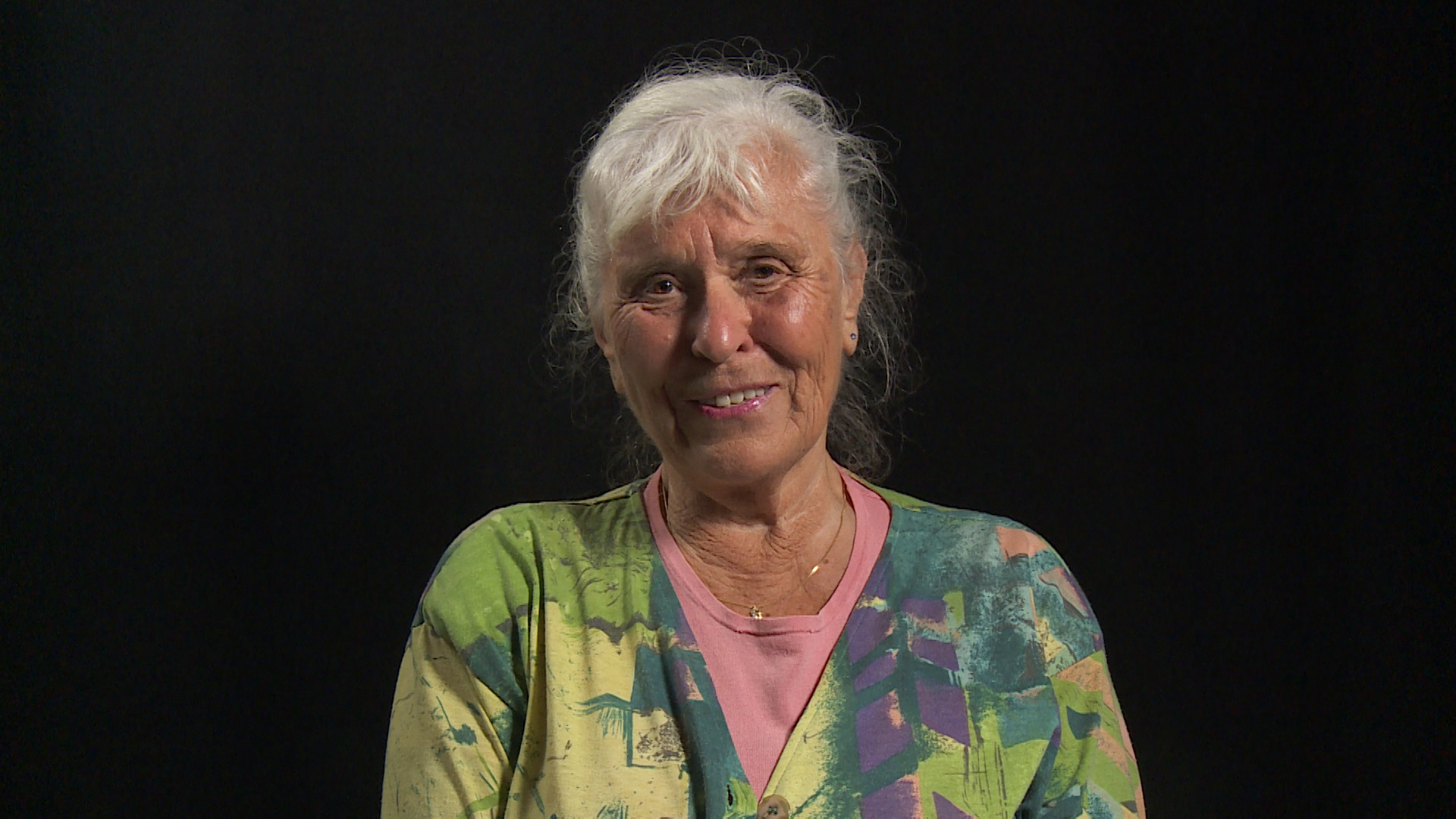
Gertrude Schreckeneder, née Procháska, was born in Brno on 19 June 1938 into a German family. Her father Karl Procháska enlisted in the Wehrmacht during World War II. As a child, she experienced air raids on Brno. At the time, the family had to accommodate Soviet soldiers. Although she grew up in Brno, she never learned Czech. After the war, she was expelled from Brno along with her mother Antonia Prochásková and other Germans, and went through the camps in Pohořelice and Poysdorf. The Brno death march and the loss of her home marked her entire life. The family property in Brno was expropriated in 1956. She found a new life in Vienna, although her Brno accent was a problem. She and her mother visited Brno again in the 1970s. Each member of the family coped with the expulsion in their own way. The witness was living in Vienna in 2020.