Marie Satrapová

* 1942

  • "Mum got to Germany for the first time in eighteen years, yet they almost didn't let her go. She went to the consulate in Prague; my husband took her to the station on his motorcycle. She was so scared, but we had nothing else but the motorbike. He drove her to Týniště I think. She had the best milkmaid [of the farm] award in her purse or what. She waited at the consulate until the evening, and [her father's] funeral was to take place the next day. She really wanted to go, but they slammed the door in her face and said they would only continue tomorrow. She begged them to let her go to the funeral, as it was to be held the next day. She thought it was over, she was about to break down, what was she was going to do? Going back home was tough, all the way up to the hills with no bus service... she had no money, nothing. So she took out..." - "The award." - "It's almost paradoxical to say that. Unbelievable [things] happen sometimes. She eventually left. She arrived and the [relatives] were waiting for her at the station."

  • "My mother would have [come back after the bombing] with us kids with those people. My grandmother from Rychnov wrote 'It's quiet [in the Protectorate], peace - well, not peace, but 'bring the children here'. So my mother packed us up, not speaking a word of Czech, and my father couldn't go with her because he was bound by a contract somewhere in the mines..." - "In Germany..." - "He couldn't leave. He put my mother on the train with her packs and suitcases and she rode with us for two days and two nights from Germany on trains full of troops. They passed [the younger sister] on because the trains were so packed that nobody could walk through. When the train stopped, the charity nurses would come and call out for children were. They passed the children via windows and feed them, wash them, change nappies and bring them back... terrible."

  • Full recordings
  • 1

    Rychnov nad Kněžnou, 07.07.2025

    (audio)
    duration: 02:09:30
    media recorded in project Příběhy regionu - HRK REG ED
Full recordings are available only for logged users.

After the war, it was even harder than during the war.
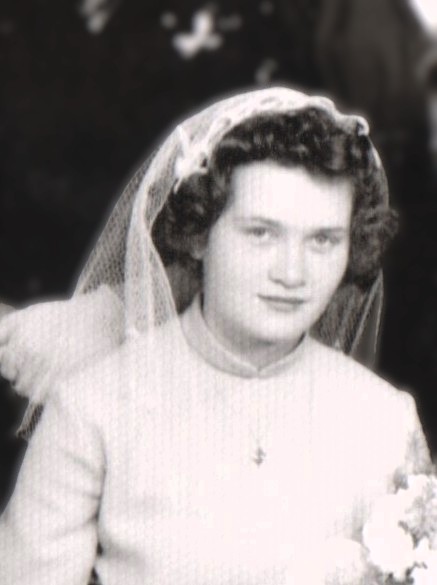
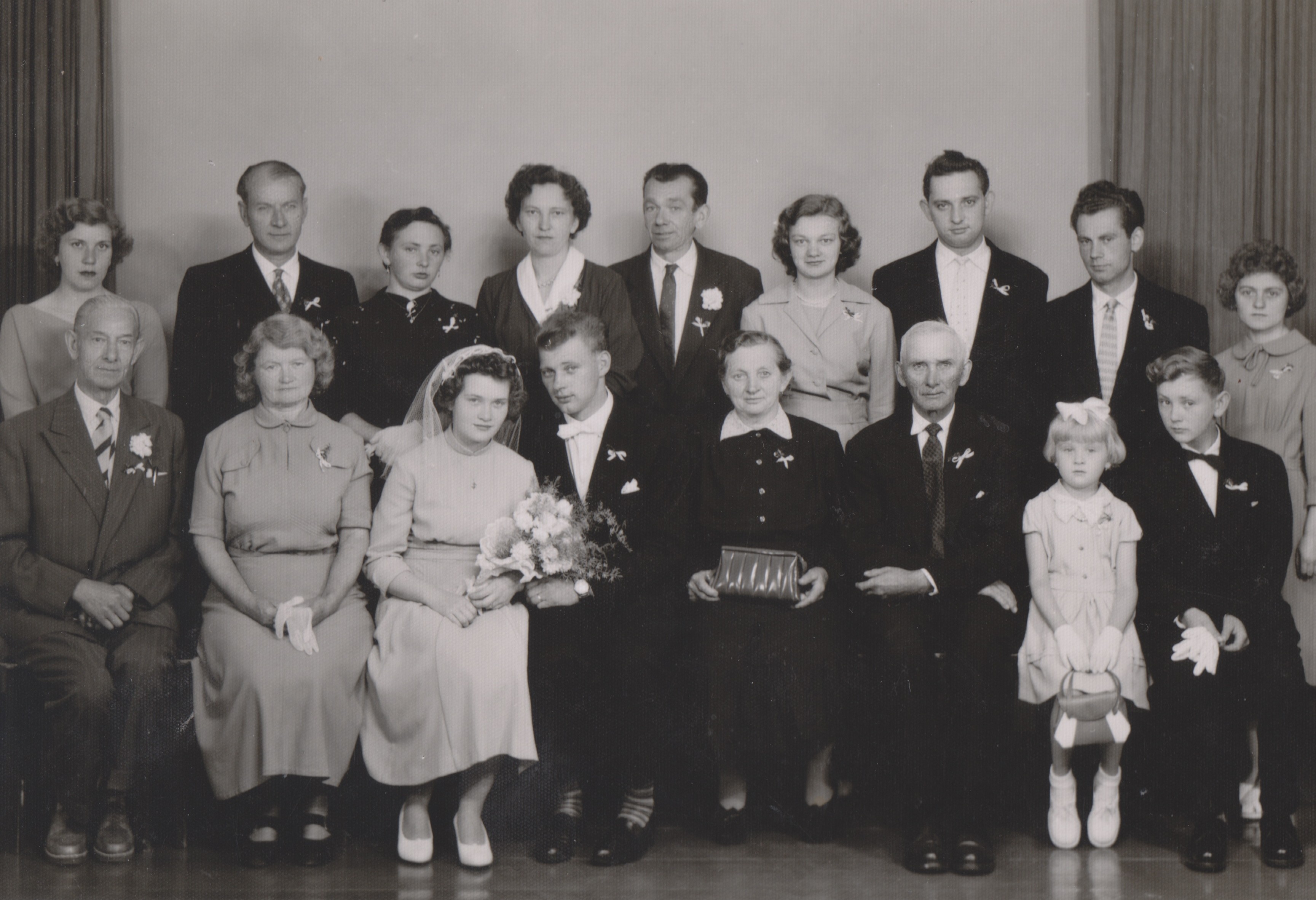
Marie Satrapová's wedding photo, 1960
photo: Marie Satrapová's archive

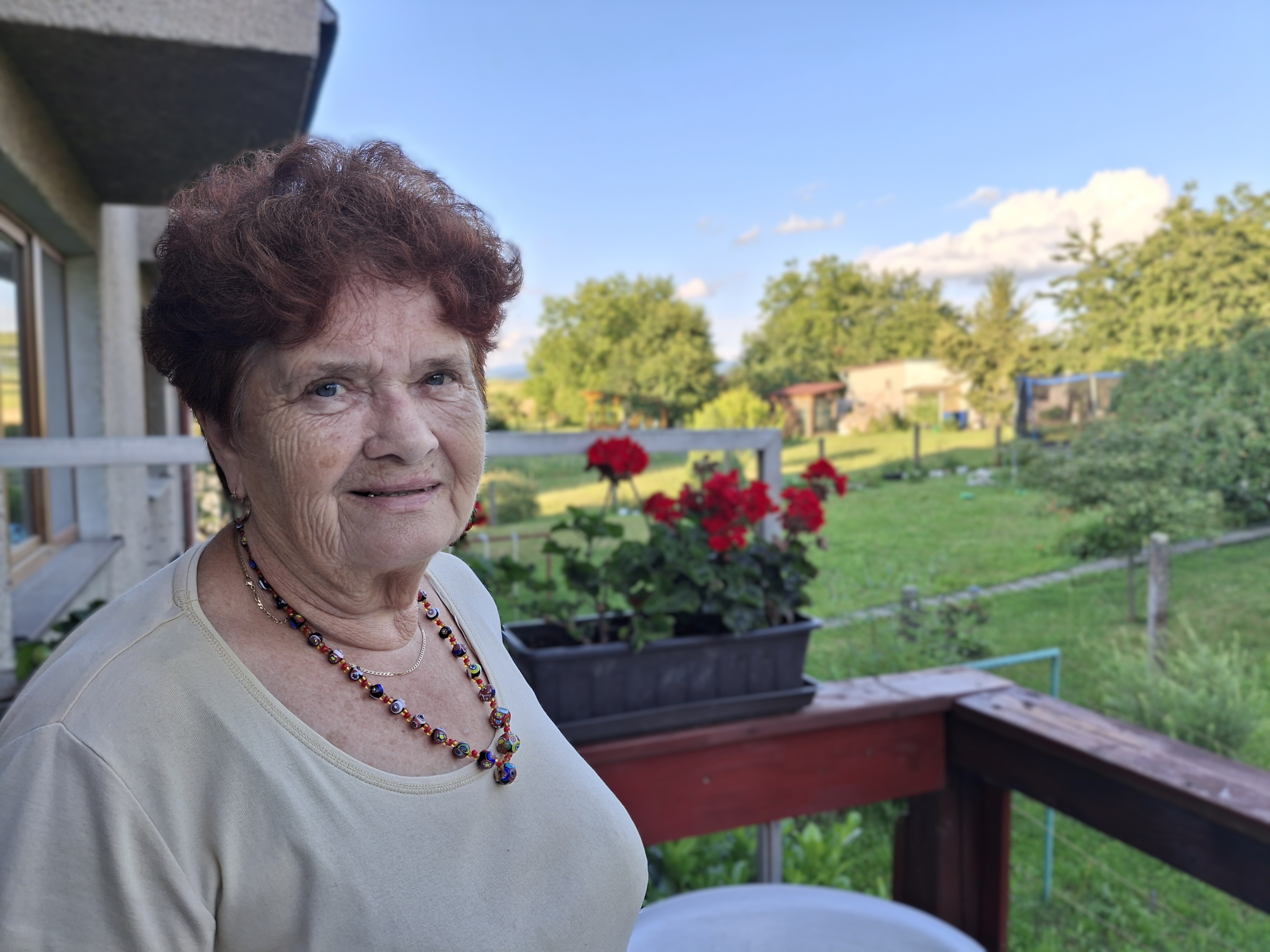
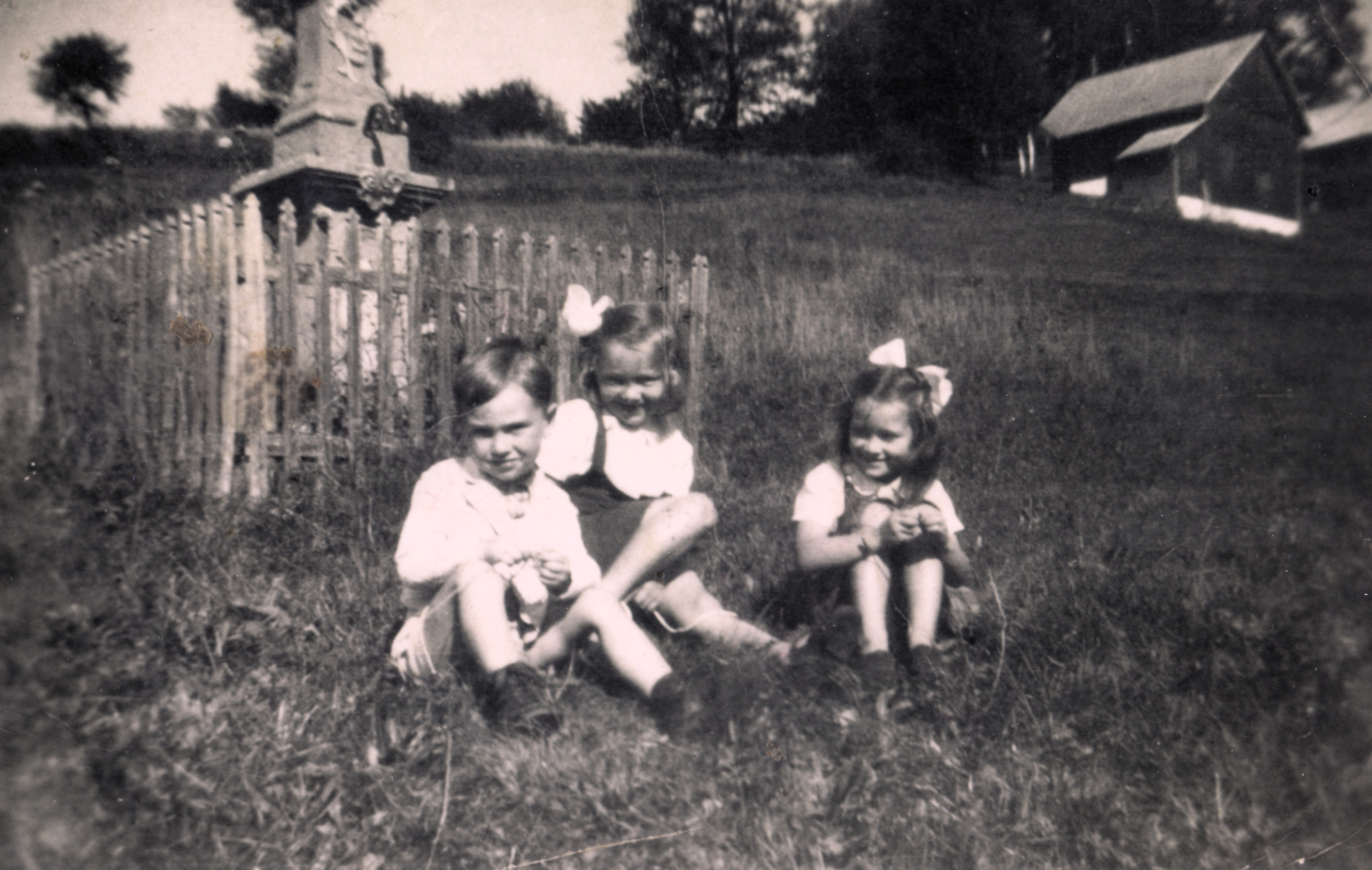
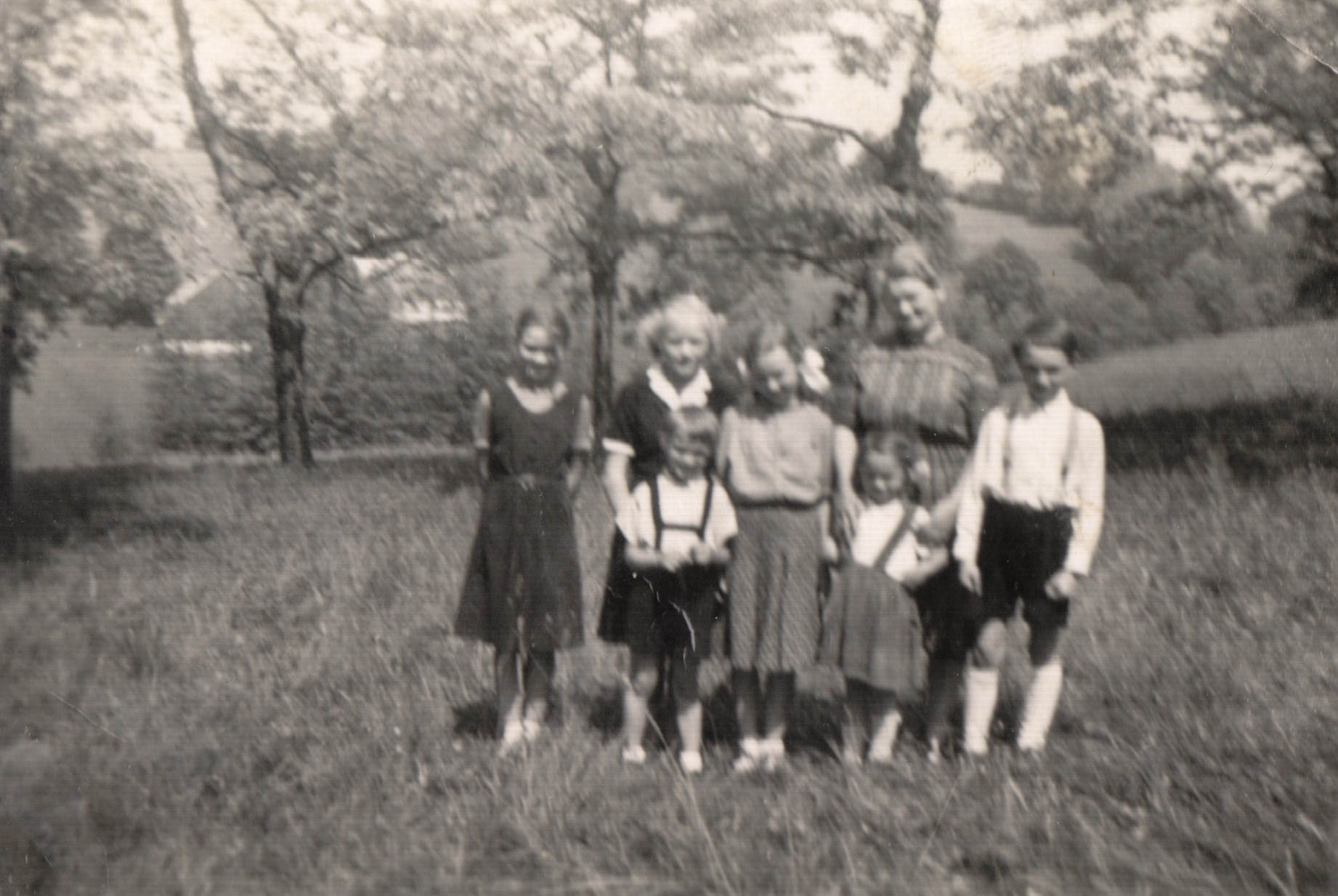
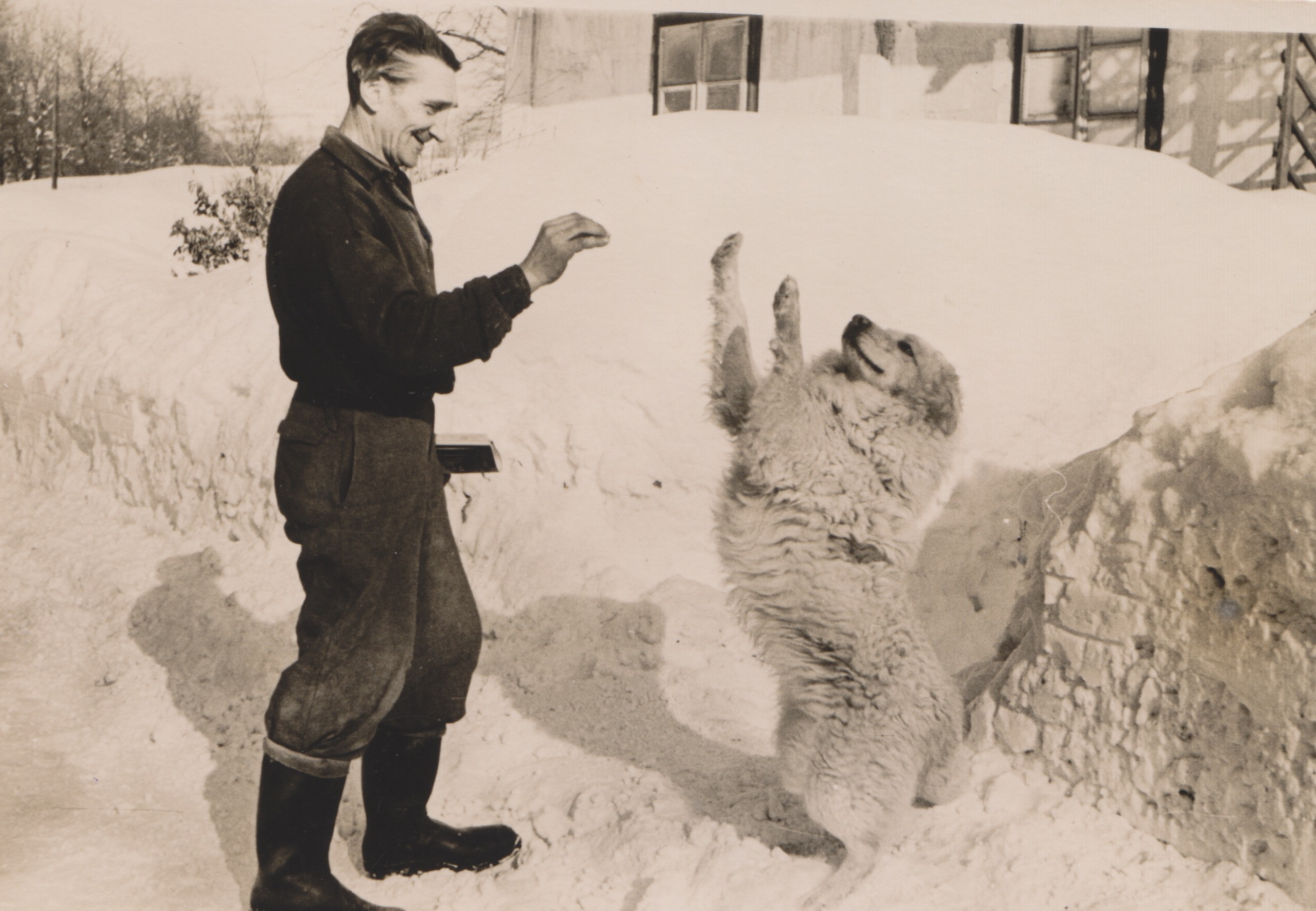
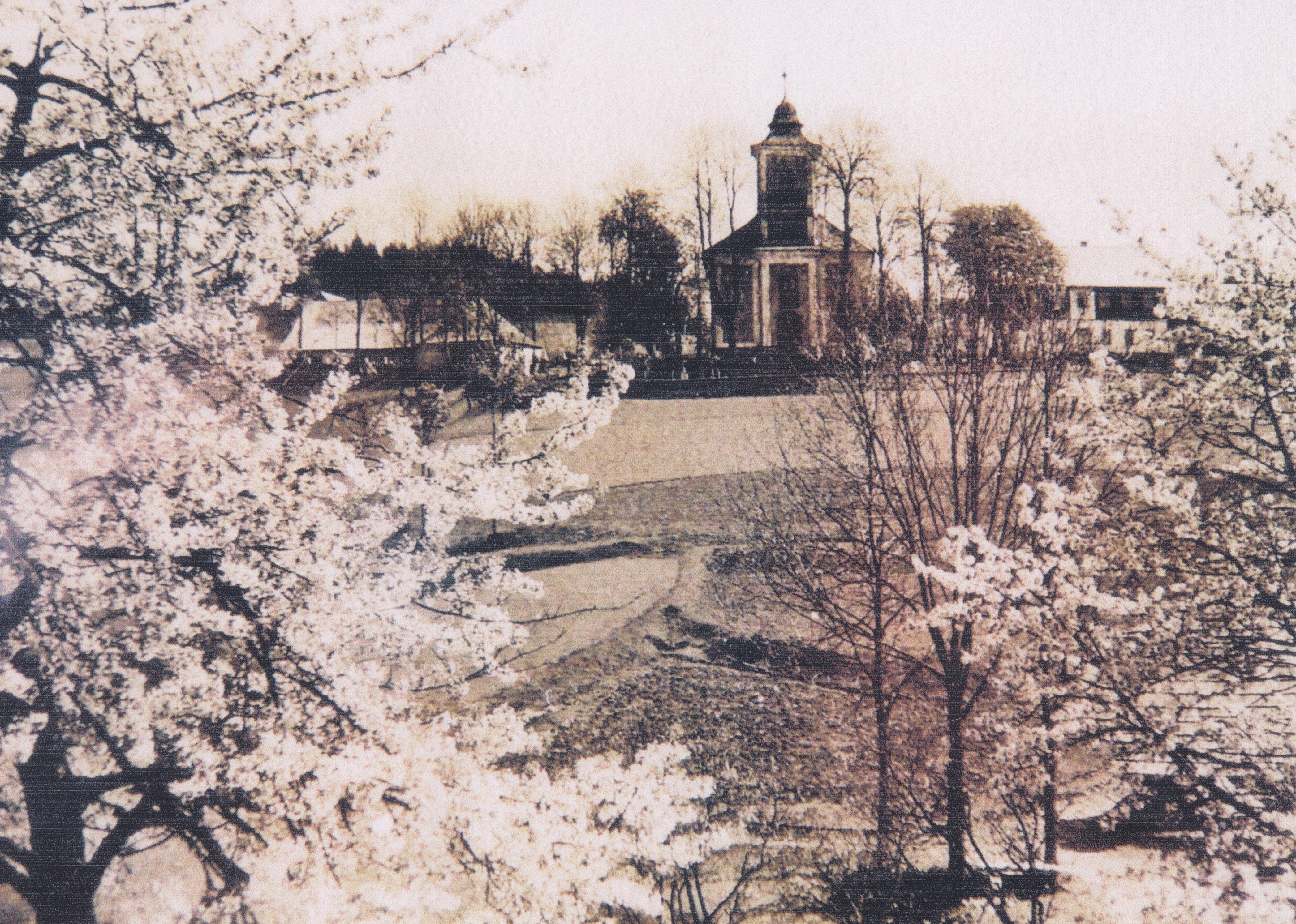
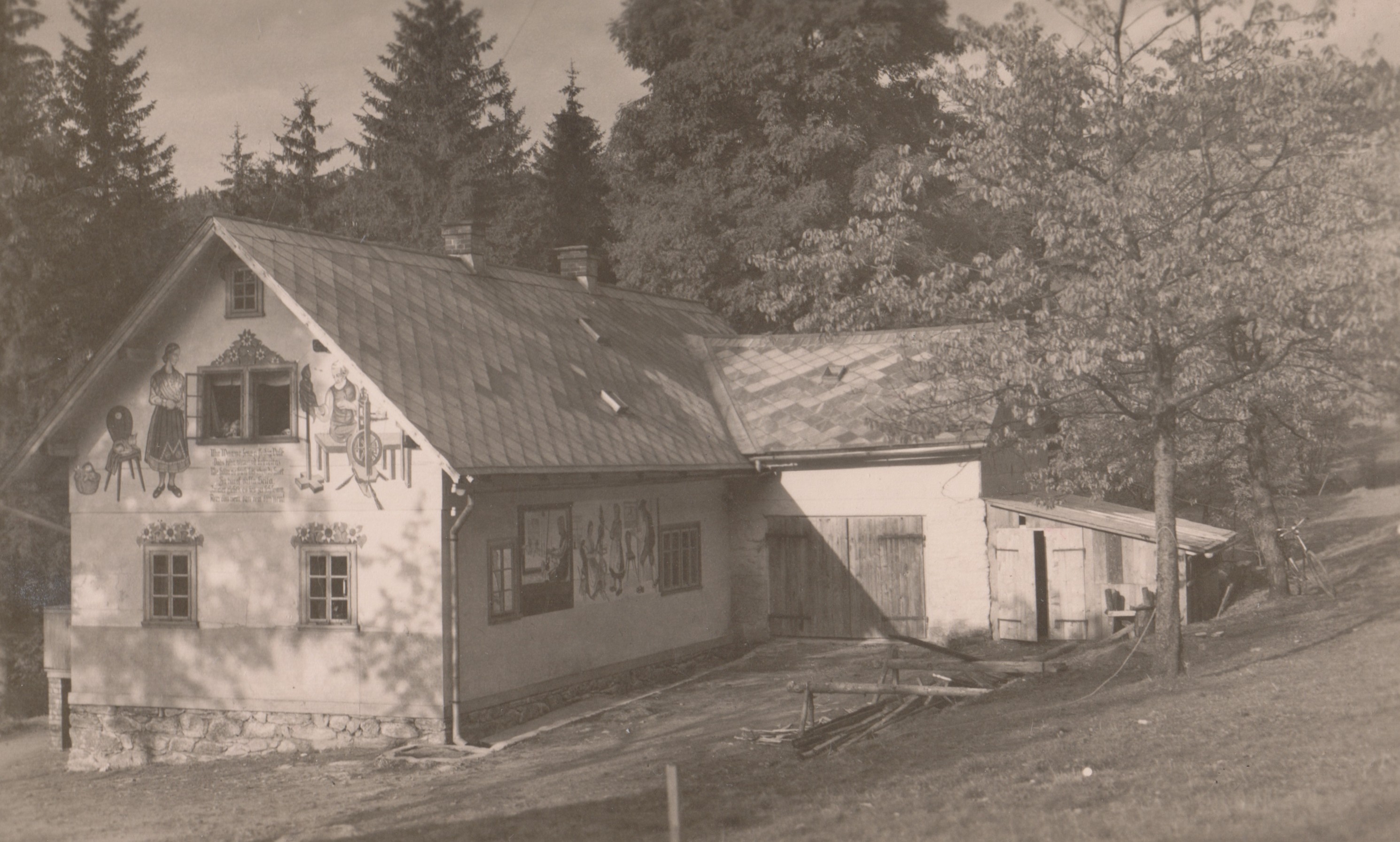
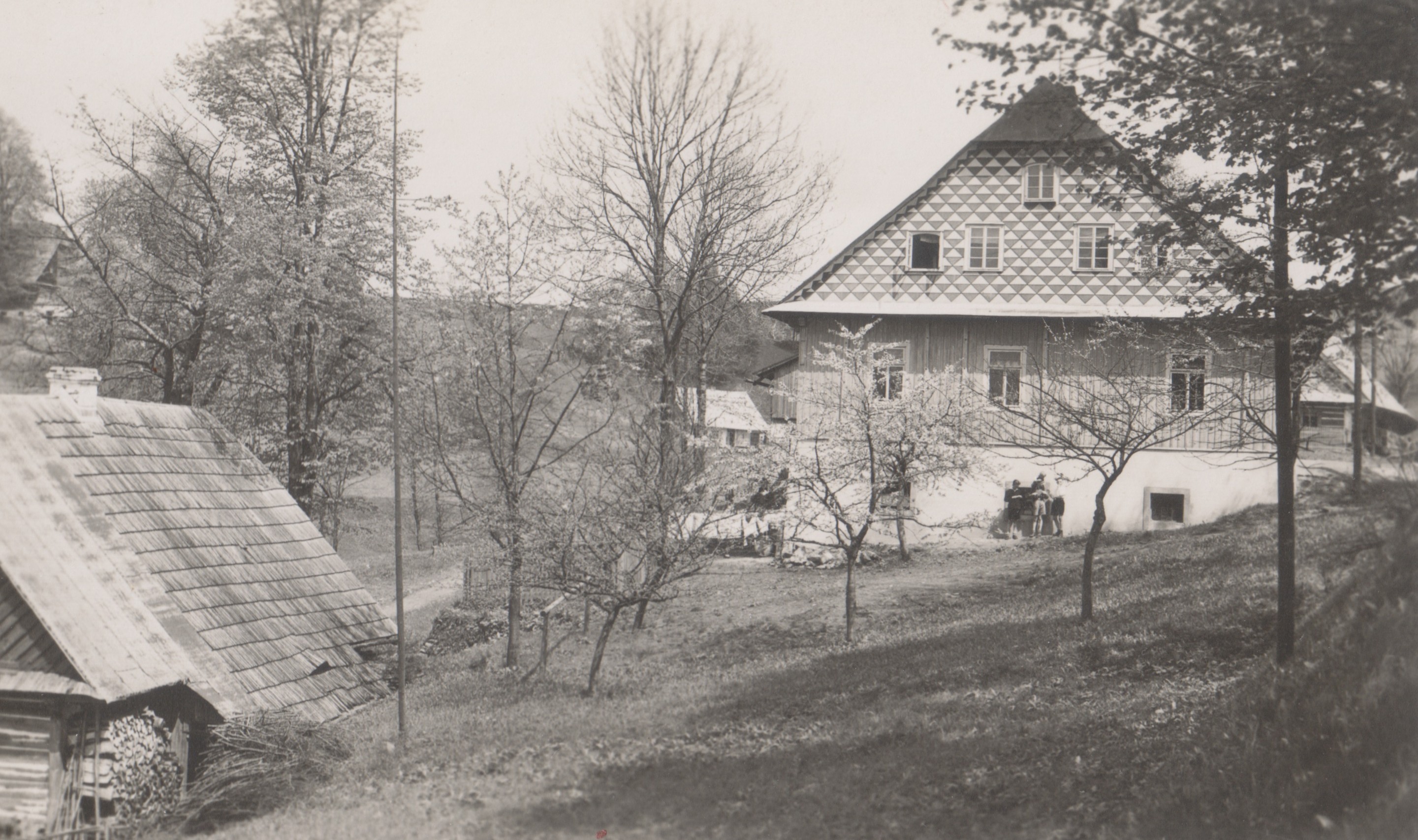
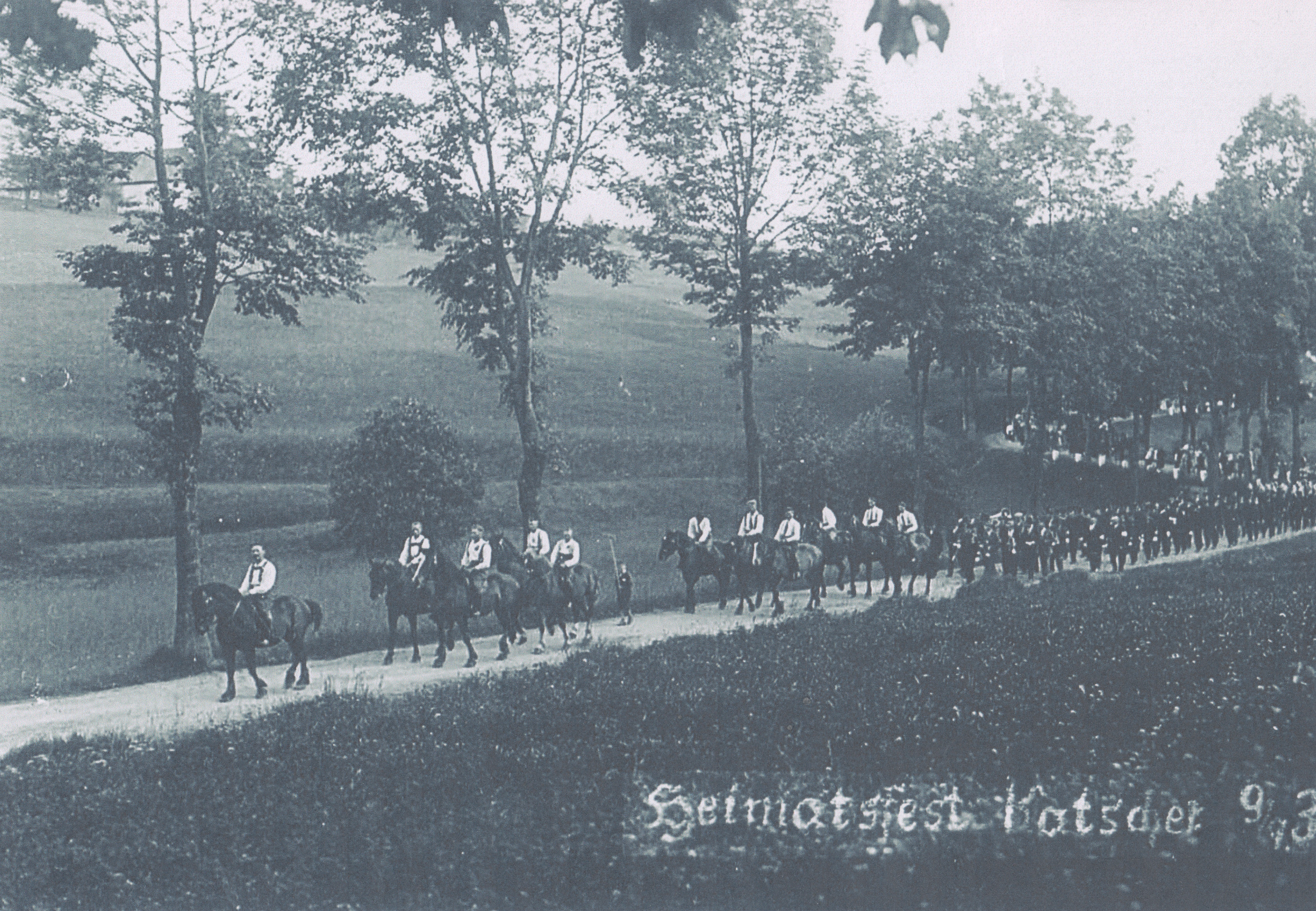
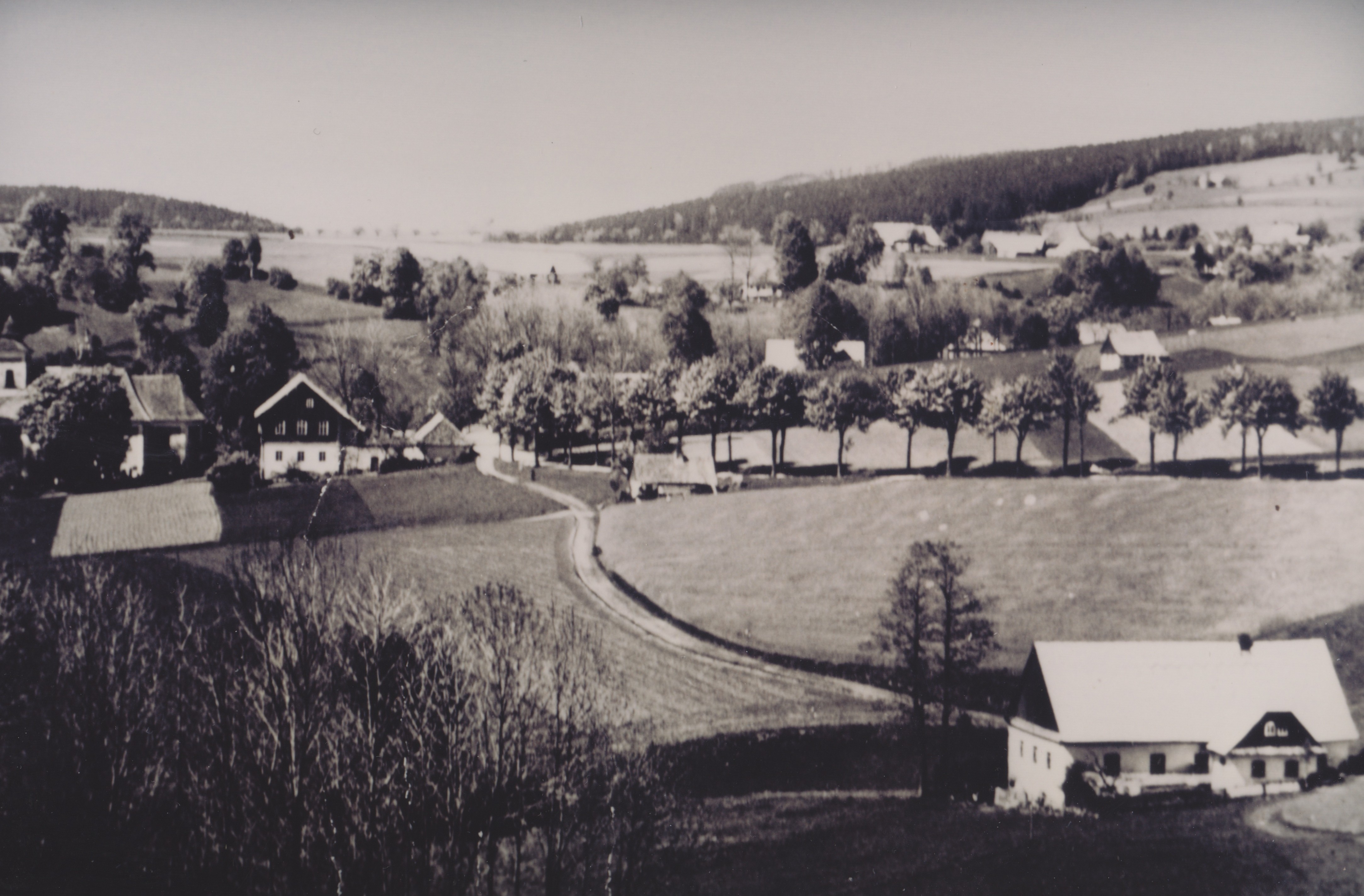
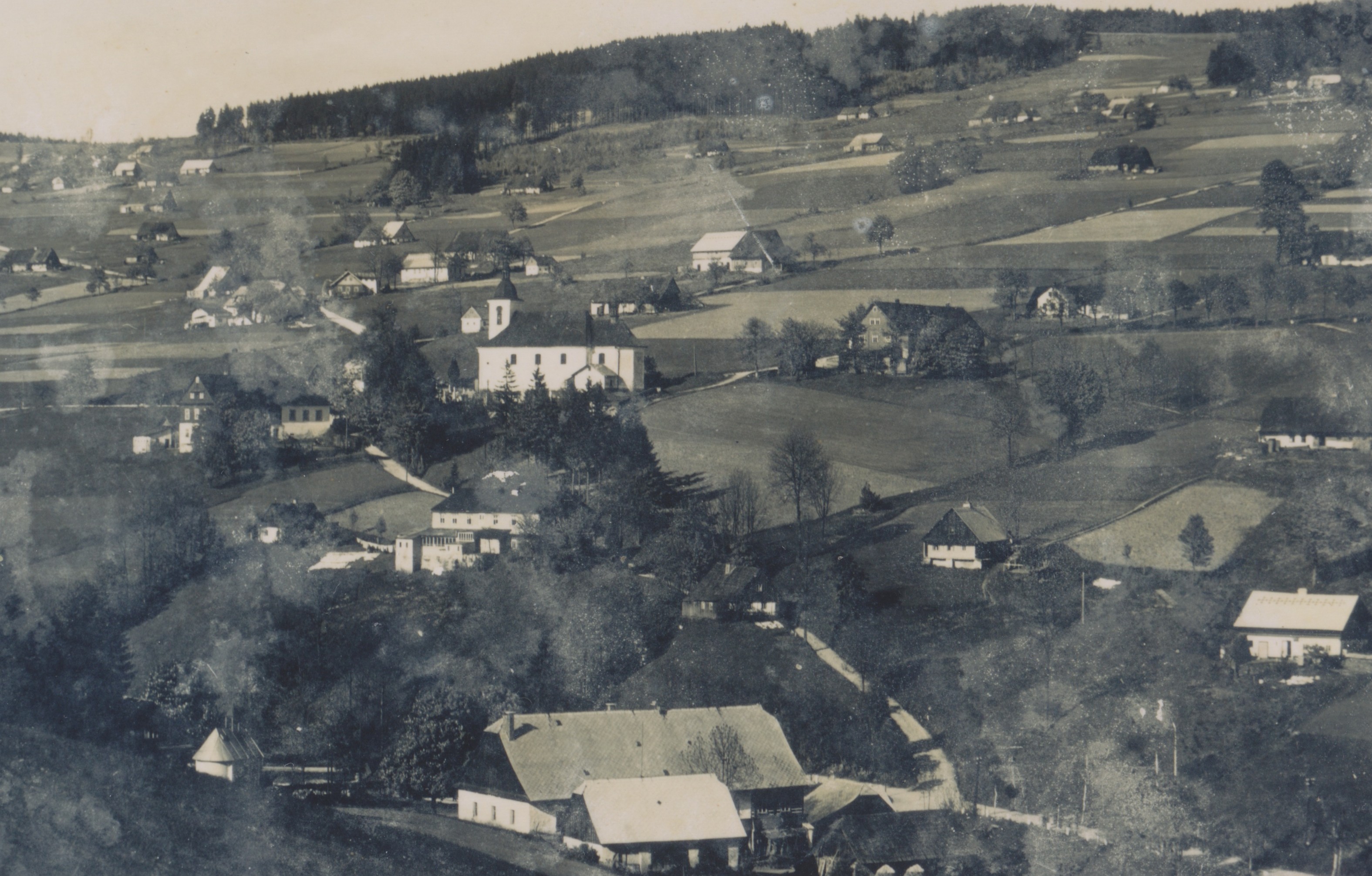
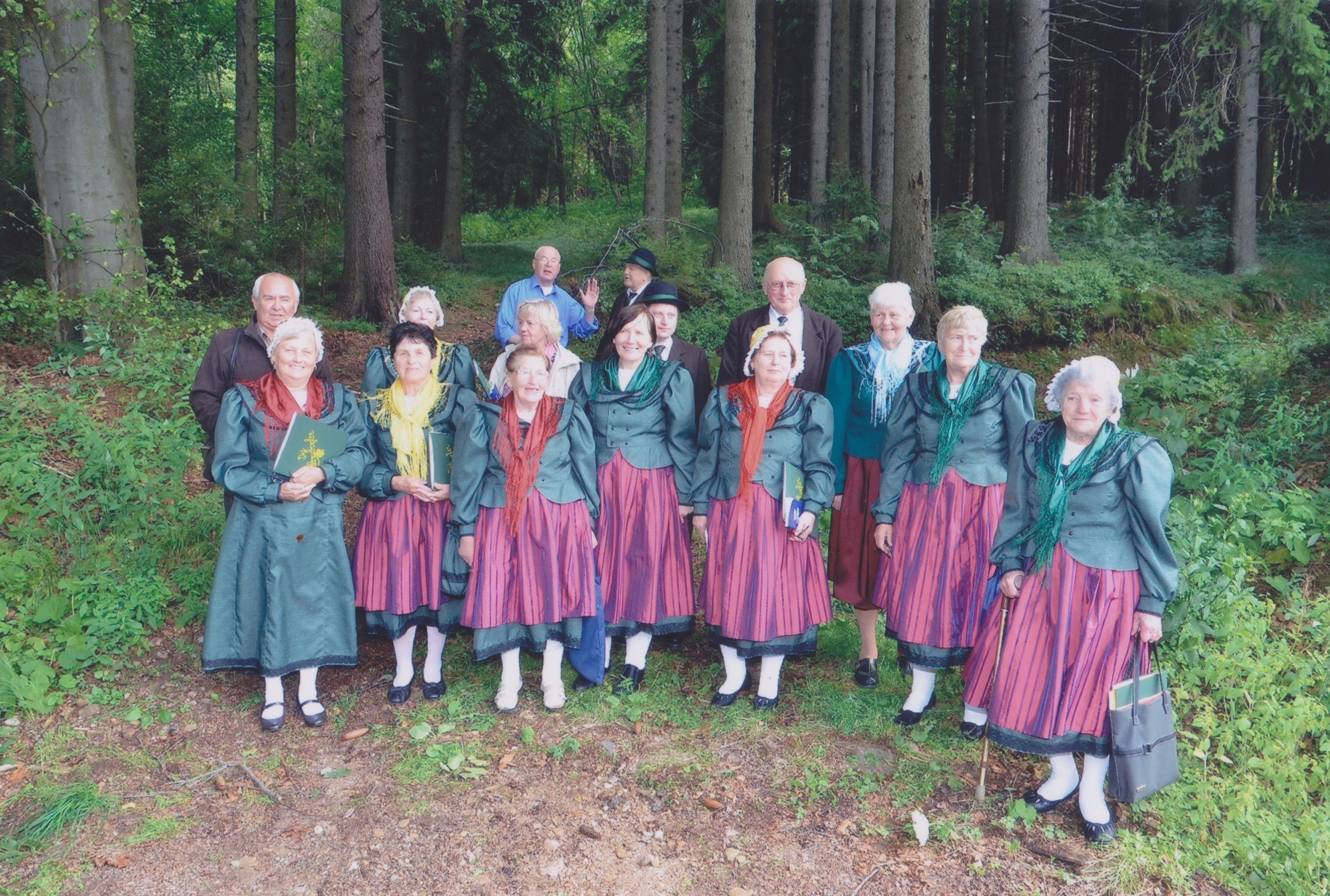
Marie Satrapová was born Magdalena in Eschweiler, Germany on 23 December 1942 as the first of five children. Her mother Magdalena was German, her father Jiří Peters a Czech who came to Germany for work. Since the Allies had bombed her hometown, her mother with daughters fled to her future husband’s family in Rychnov. The father joined them secretly later on. The family went from living in prosperity to poverty. They were not registered with the Czech authorities and had no title to food stamps. They lived very modestly in Kačerov, a village in the former Sudetenland. As a child, the witness saw the post-war transformation of the borderland and the forced population exchange. Speaking excellent German, she maintained contact with many of the former inhabitants who would return to their hometown later on. She married Karel Satrapa, also coming from a mixed marriage, in 1960. Her mother moved permanently to Germany in 1964, as did her two siblings. Since then, she faced frequent interrogations by the State Security. After the Velvet Revolution, she and her husband ran a small hiker pub in Kačerov. She spent most of her productive caring of St. Catherine’s Church in Kačerov. She sings in the ensemble Die Adlergebirger which preserves the original folk songs of the German population of the Orlické Mountains. She lived in Rychnov nad Kněžnou in 2025 and enjoyed many grandchildren and great-grandchildren.