What are they doing here? Nobody invited them!
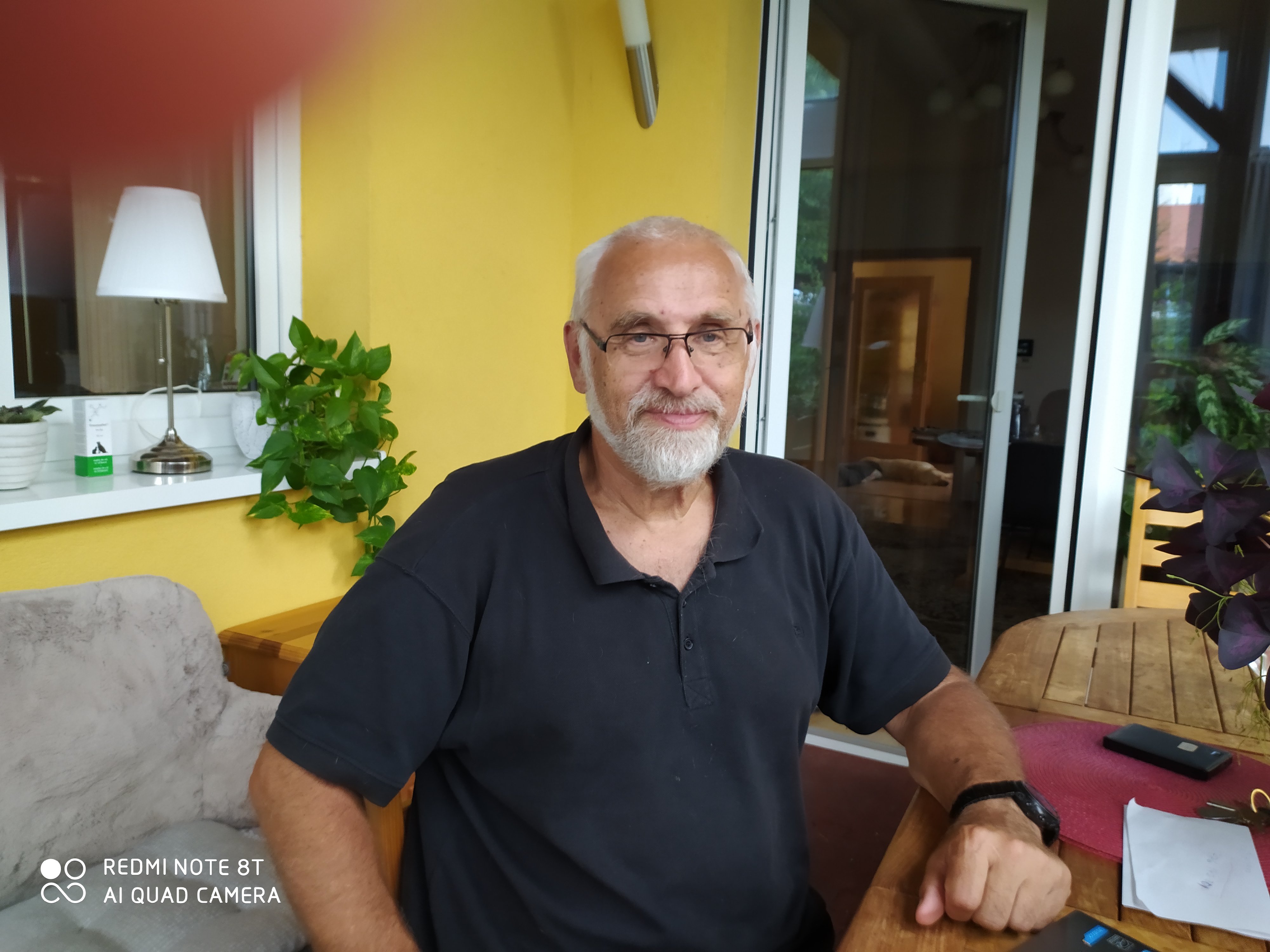
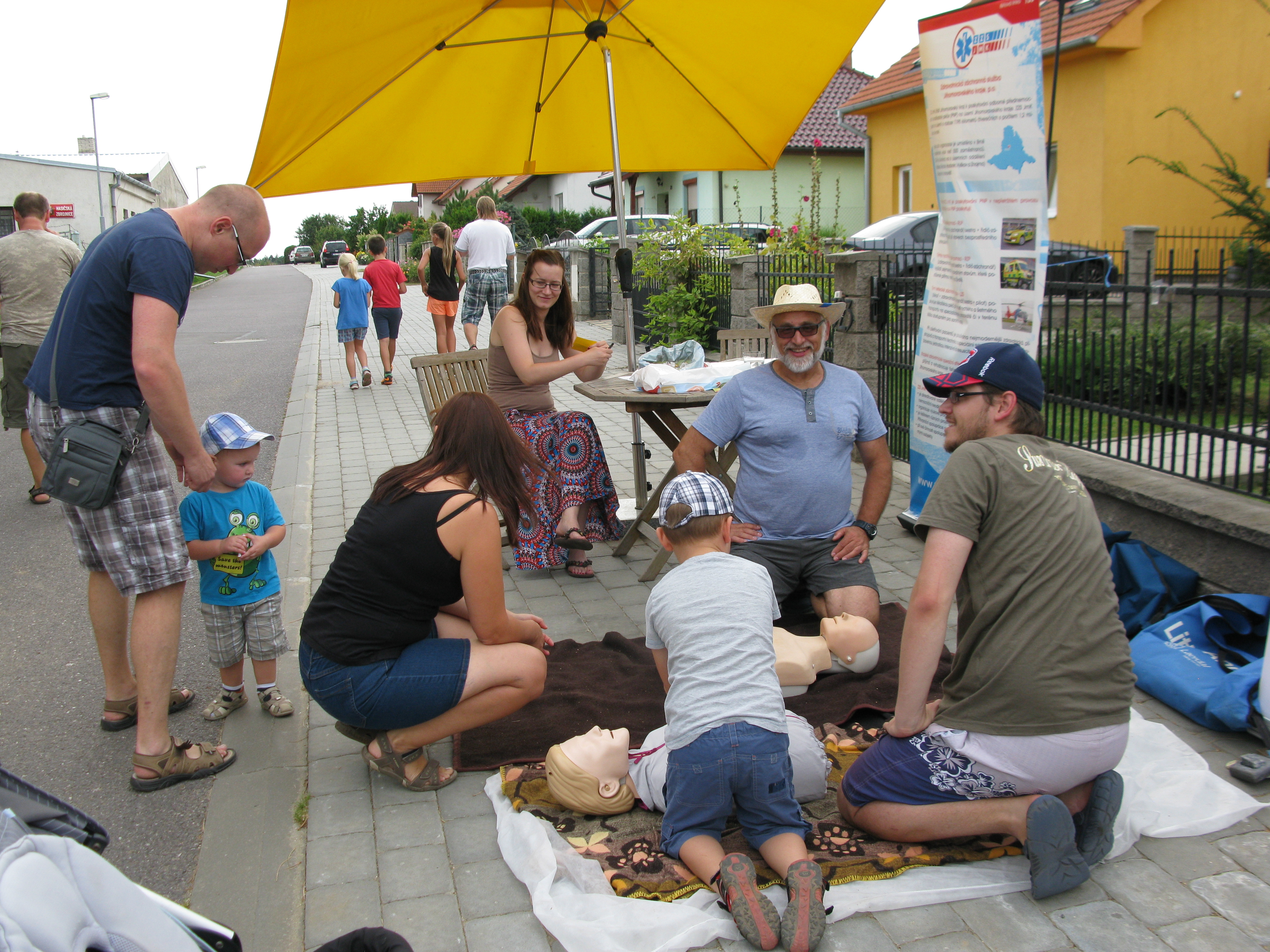
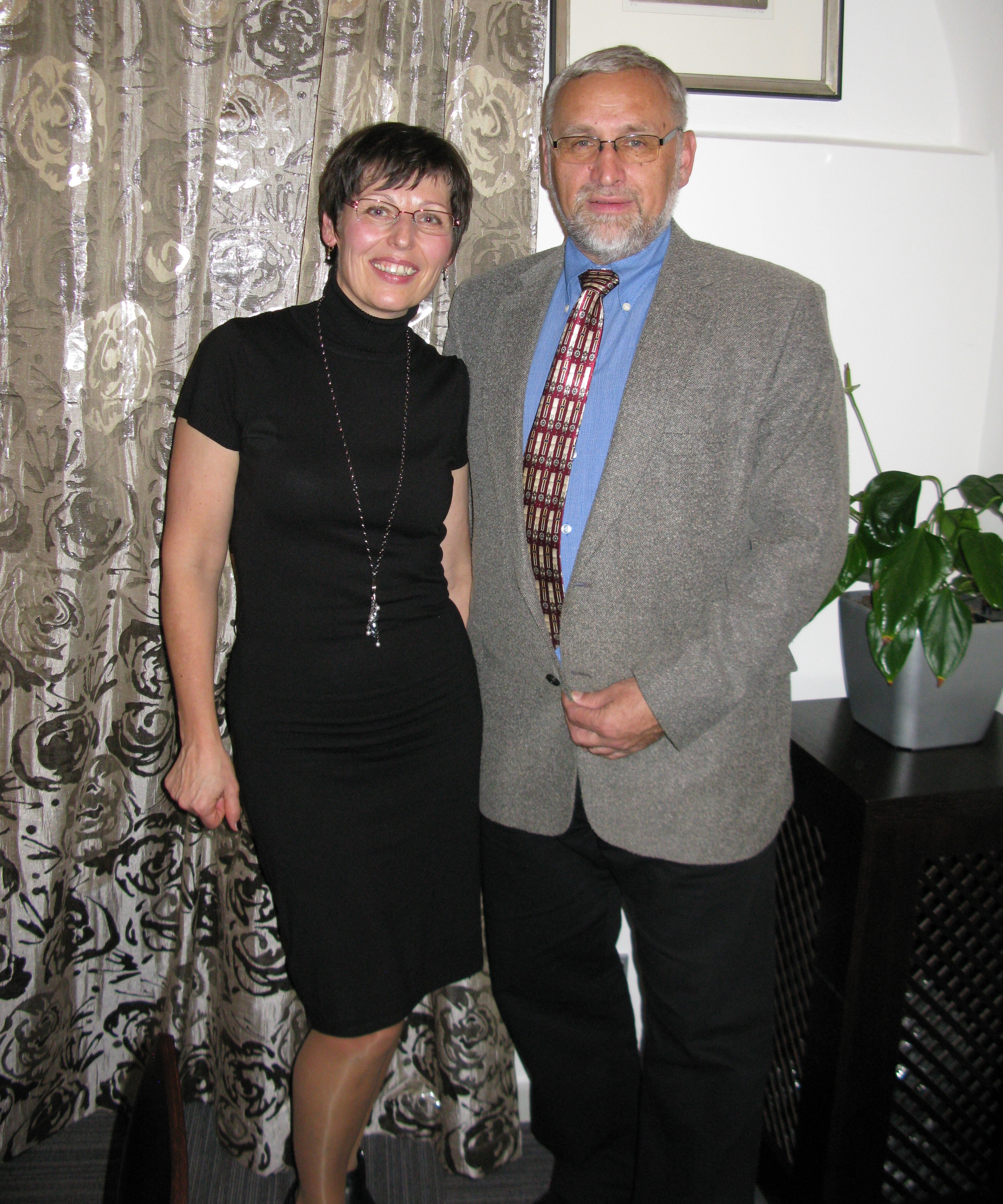
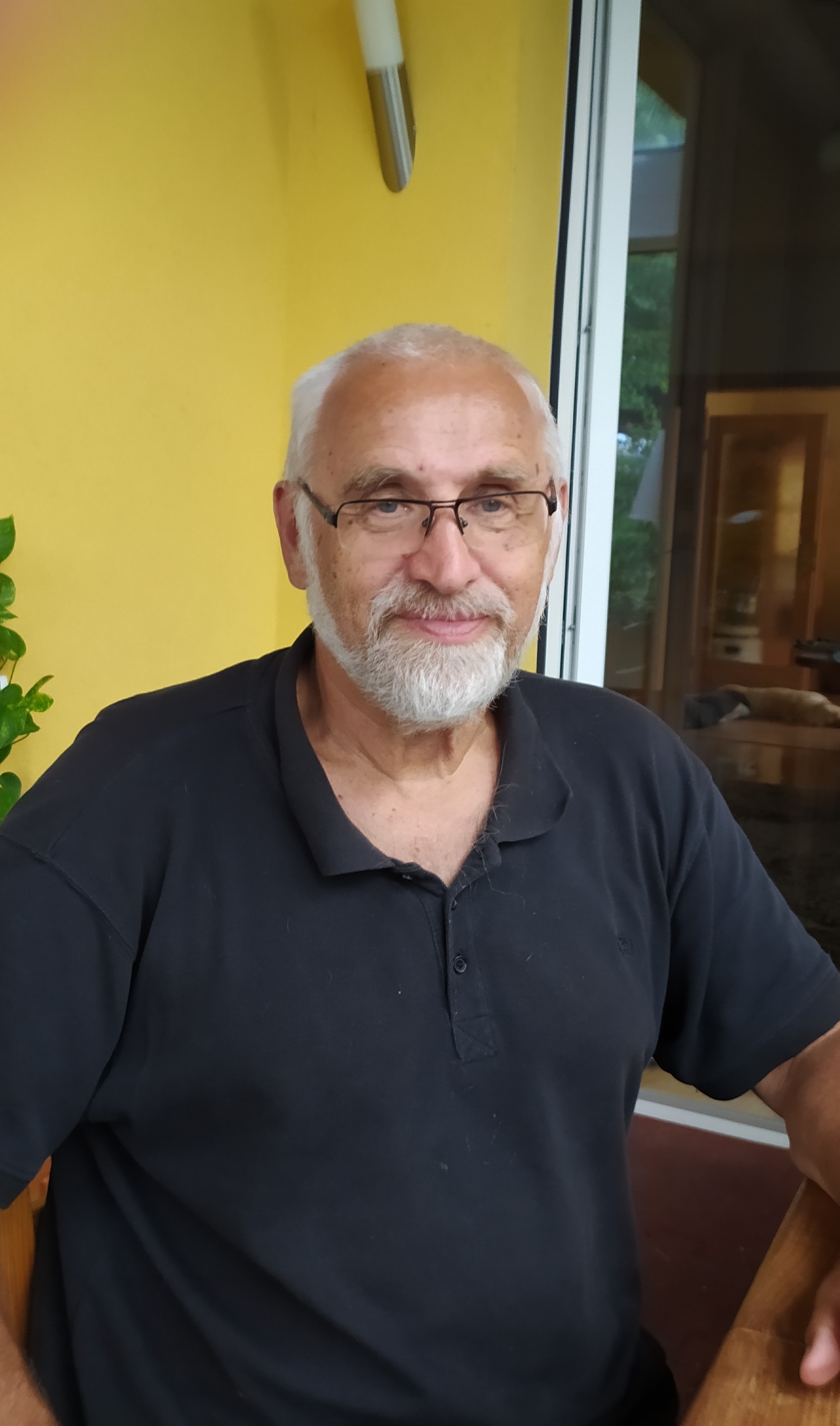
Arnošt Růžička was born on 14 September 1951 in Znojmo. His mother Helena Růžička worked as a blue-collar worker in Gustav Kliment Enterprise where shoes were made. Witness´s father Arnošt worked as a secretary of the Czech National Social Party, the party which operated in socialist Czechoslovakia as part of the so-called National Front. His father had to leave the position after the occupation in August 1968 and he worked as a blue-collar worker. Arnošt Růžička got to know about Warsaw Pact troops invasion of Czechoslovakia in Bzenec where he was staying at his aunt´s Leopolda Hladíková. He and his schoolmates from the Secondary general school in Znojmo wrote a petition against occupation and he gave it to the local headquarters of the occupation troops. Petr Spilka, Dukovany Nuclear Power Plant’s future spokesperson belonged to the schoolmates mentioned above. After passing his Secondary school-leaving exam, the witness applied to study Medicine in Brno, however, he was not successful. He believes that it might have been because of his father´s bad cadre profile. He made his living as an educator in after-school care for a year. He later tried to get to the Faculty of Medicine again. He was successful this time, however, he states, that his father´s acquaintances paradoxically helped him. In 1971, Arnošt Růžička got married to his girlfriend Miroslava. They had two children in the following years. After his university studies in medicine, he worked as a doctor in his hometown. Initially, he worked in the anaesthesia and resuscitation department, and since 1987 in the ambulance service. He describes normalisation as a time of the greatest hypocrisy. He enthusiastically welcomed the Velvet Revolution and participated in the demonstrations in Znojmo. At the time of the interview (2021) he was retired and lived in Suchohrdly near Znojmo.