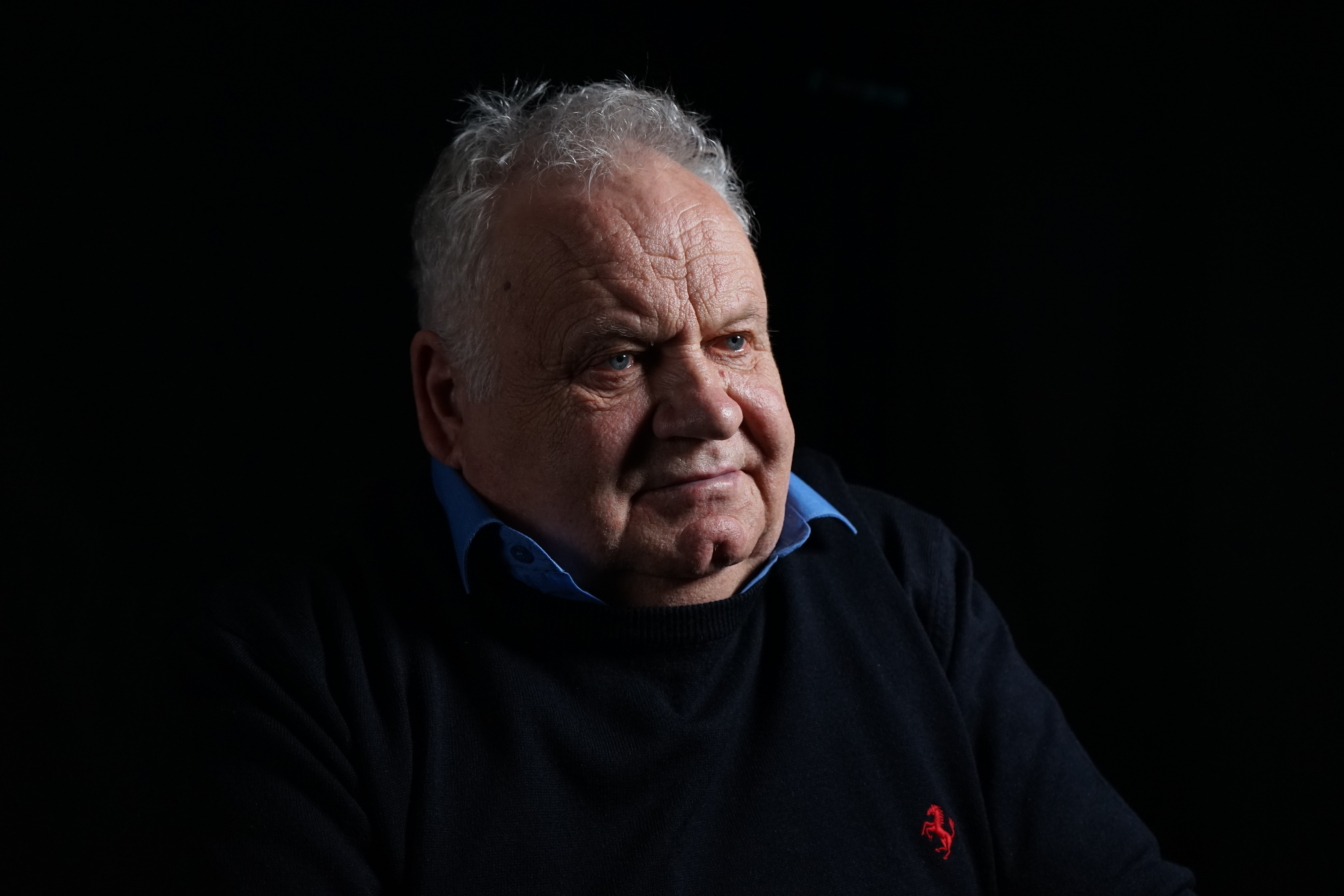
Jiří Rožek

* 1956

  • "Coincidentally, I worked at Elitex and there was a militia there. It was a building, a small barracks and there were changing rooms, they had uniforms there. There was an armory downstairs and they had machine guns in there. And we painted the windows there that fall. And they were these guys who were going down there - different masters and they were all comrades who were going down there on that militia. And at that time they used to go to Orlické hory to patrol, so that some cyclists wouldn't come to us, because there was something going on in Poland. And that was the first time - I had the window open and I was painting the frame, sitting at the table - and that was the first time I heard the name Havel. One of them said, 'Please, you wouldn't want Havel to be president.'"

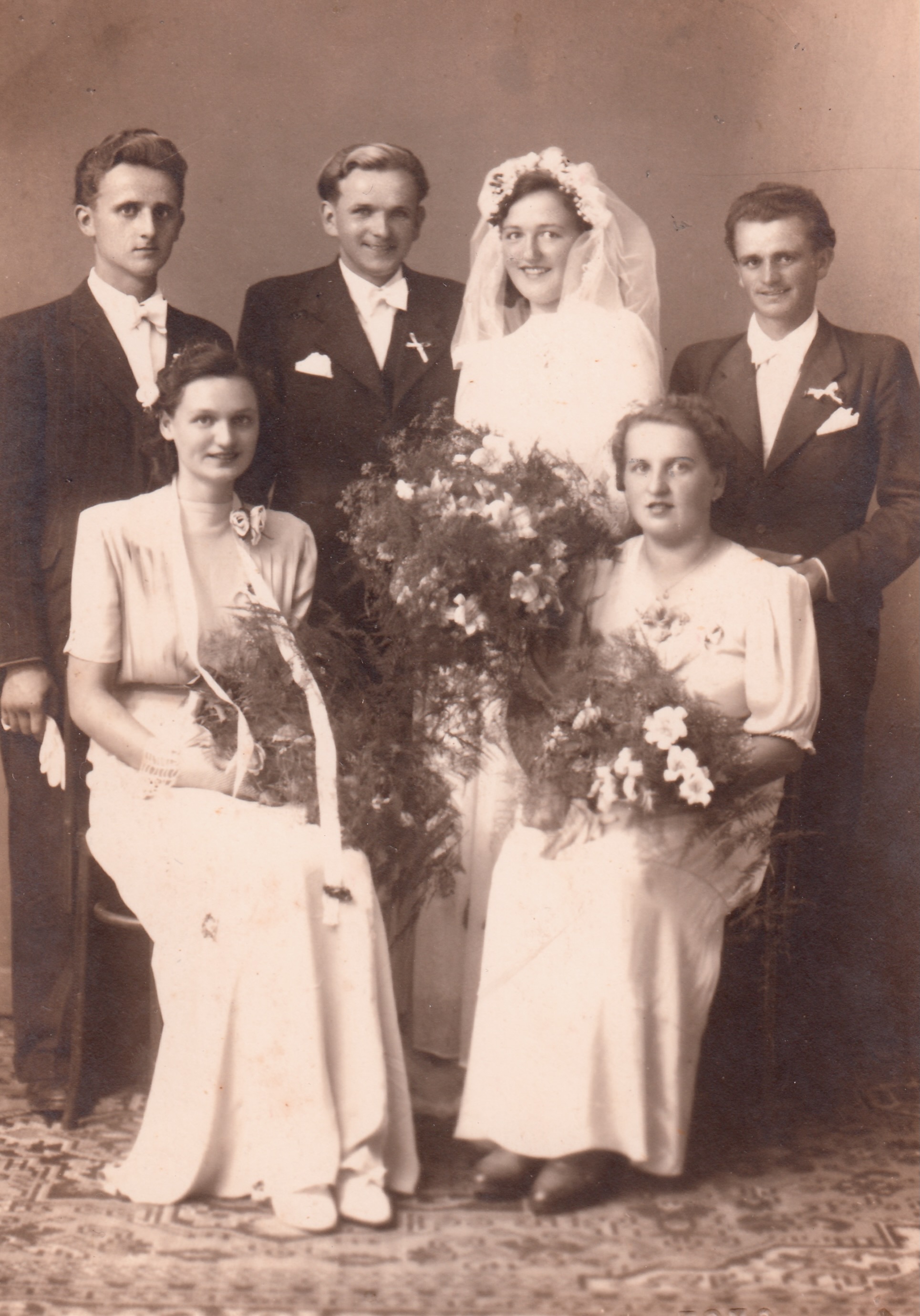
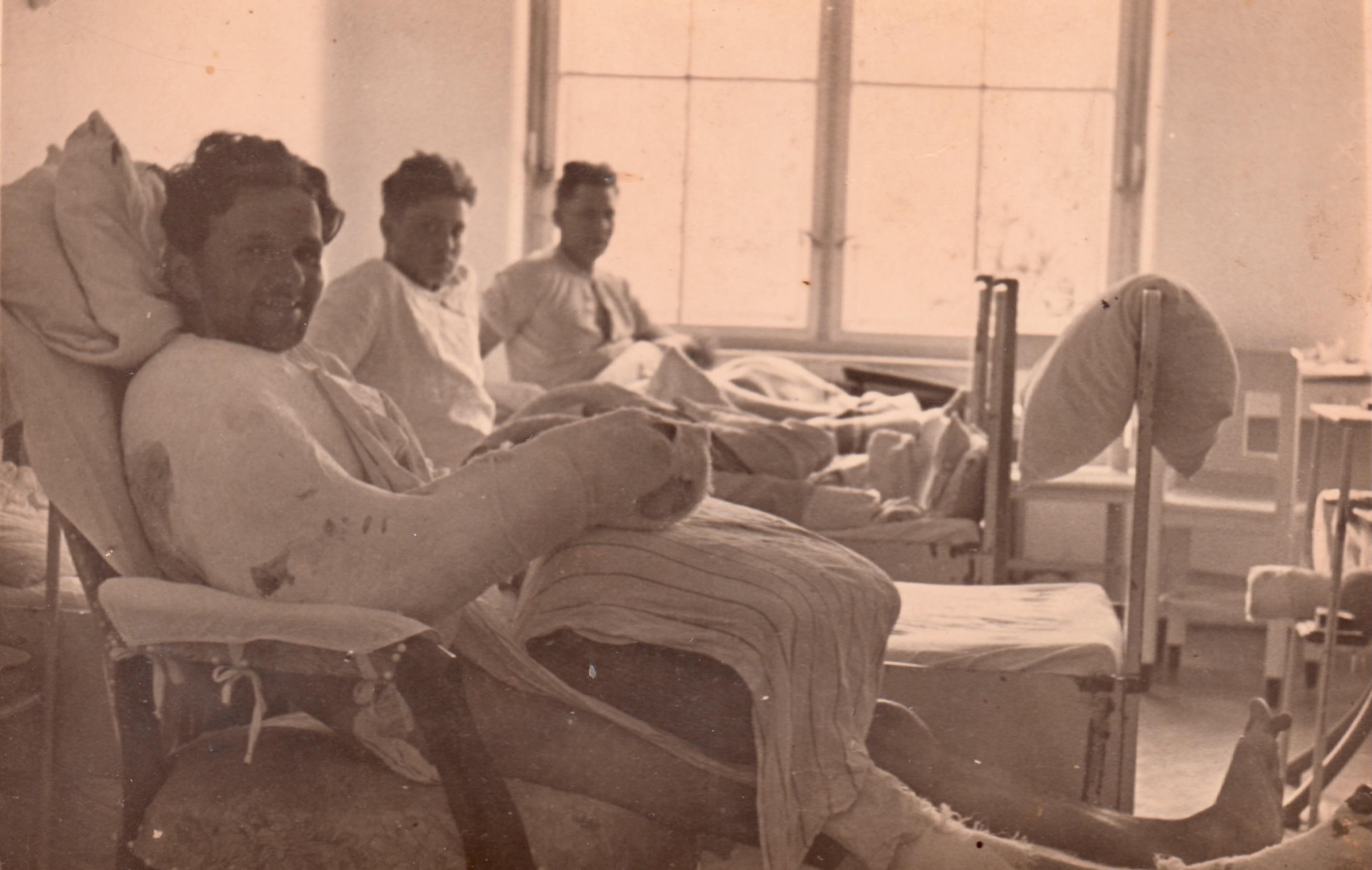
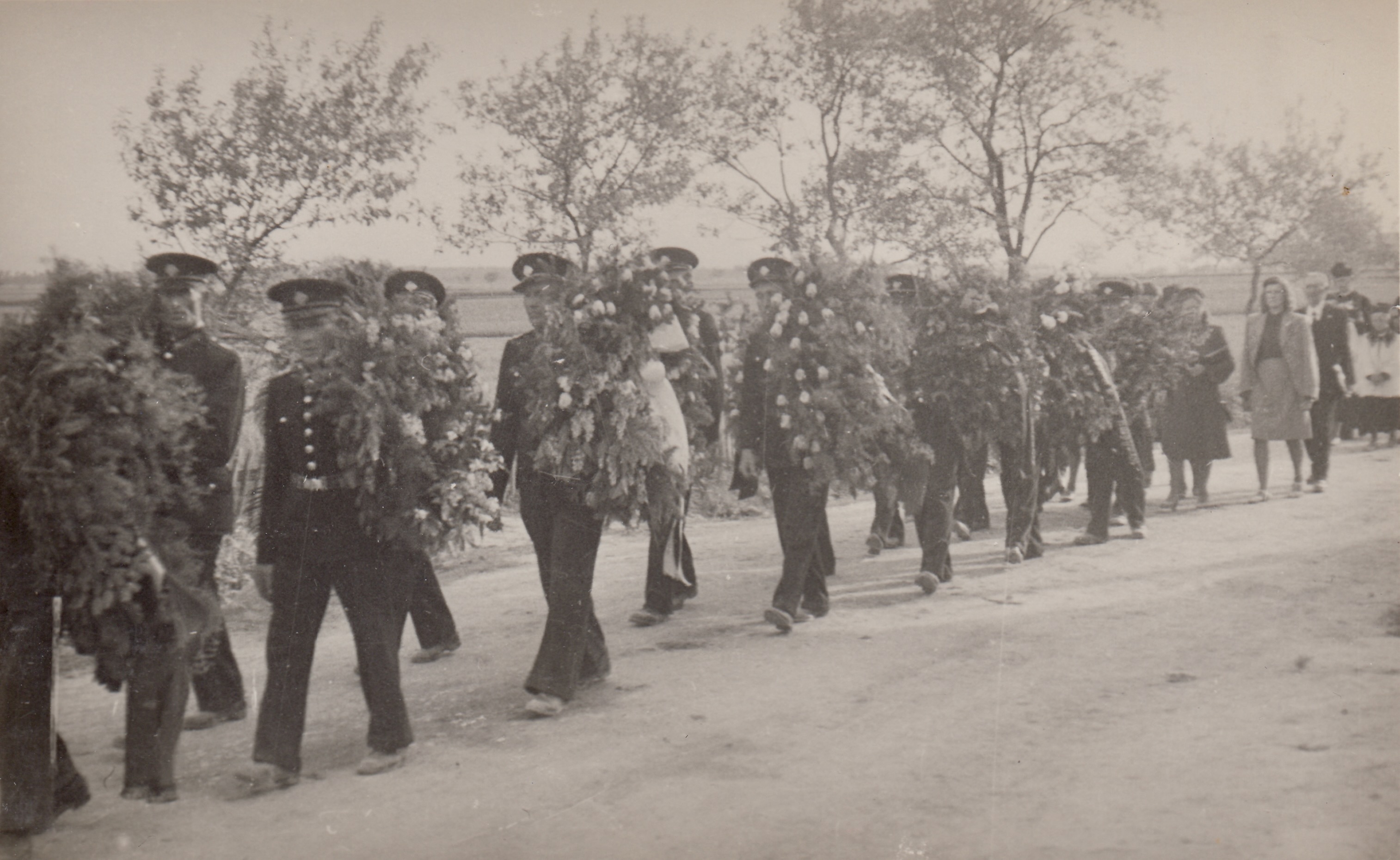
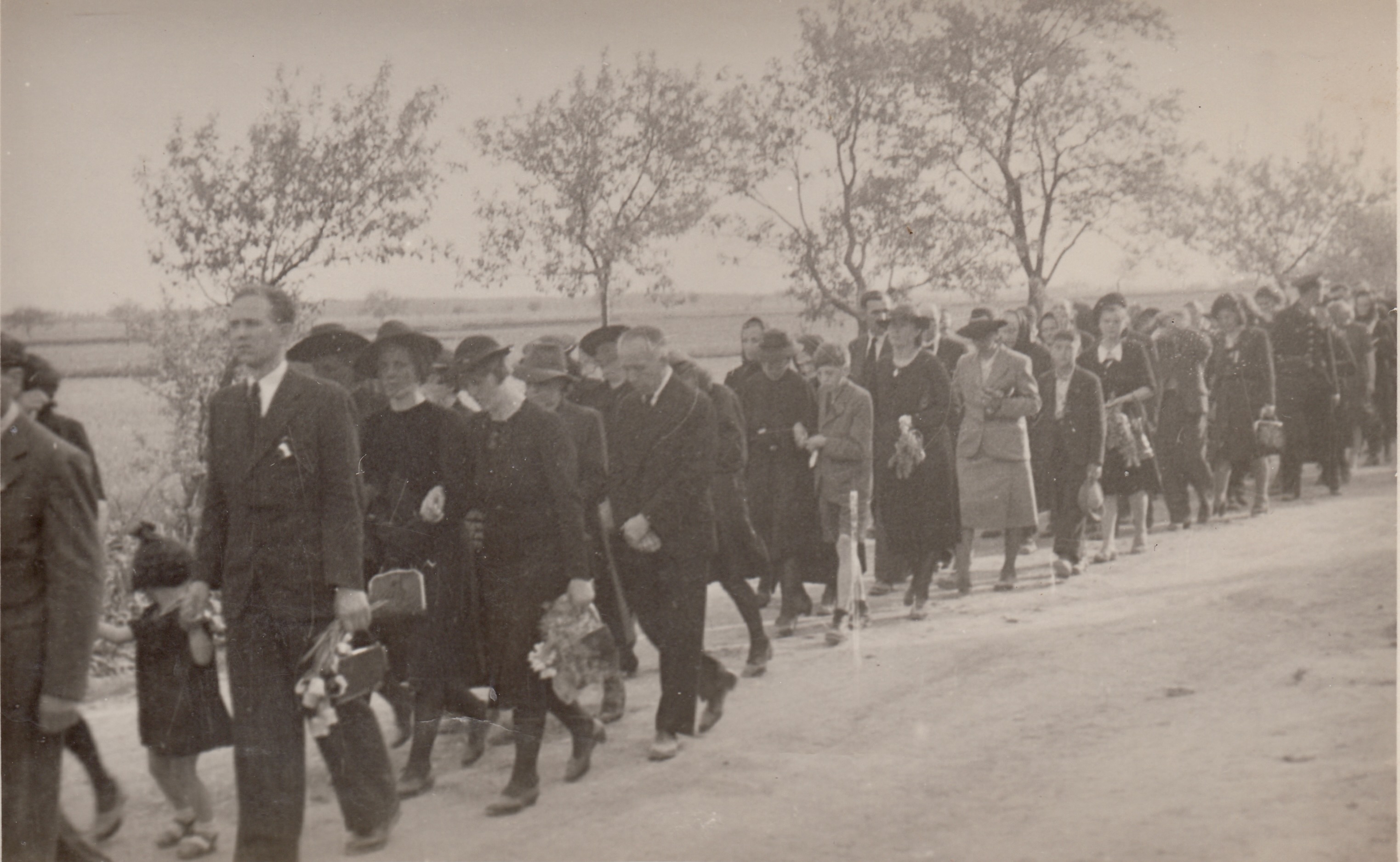
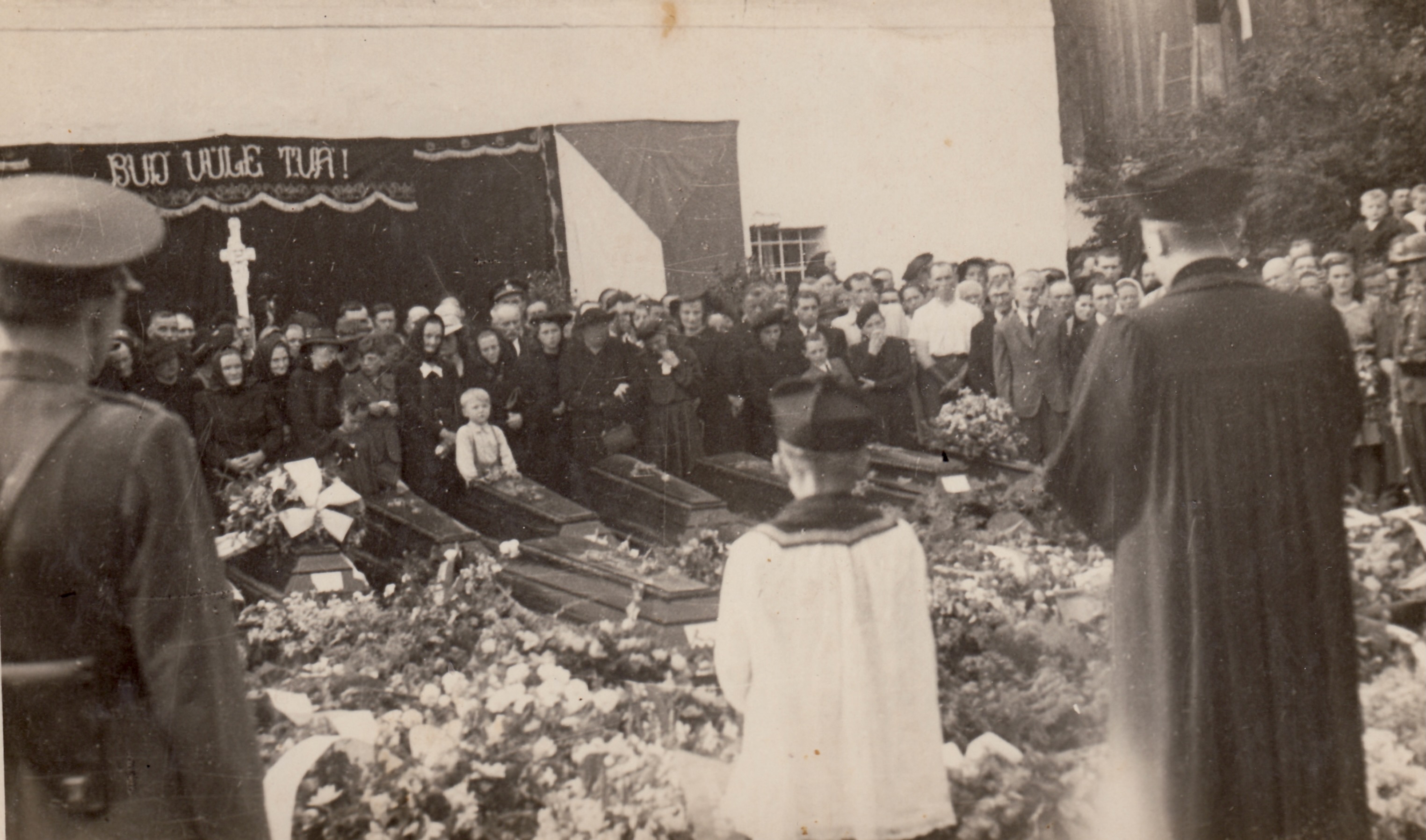
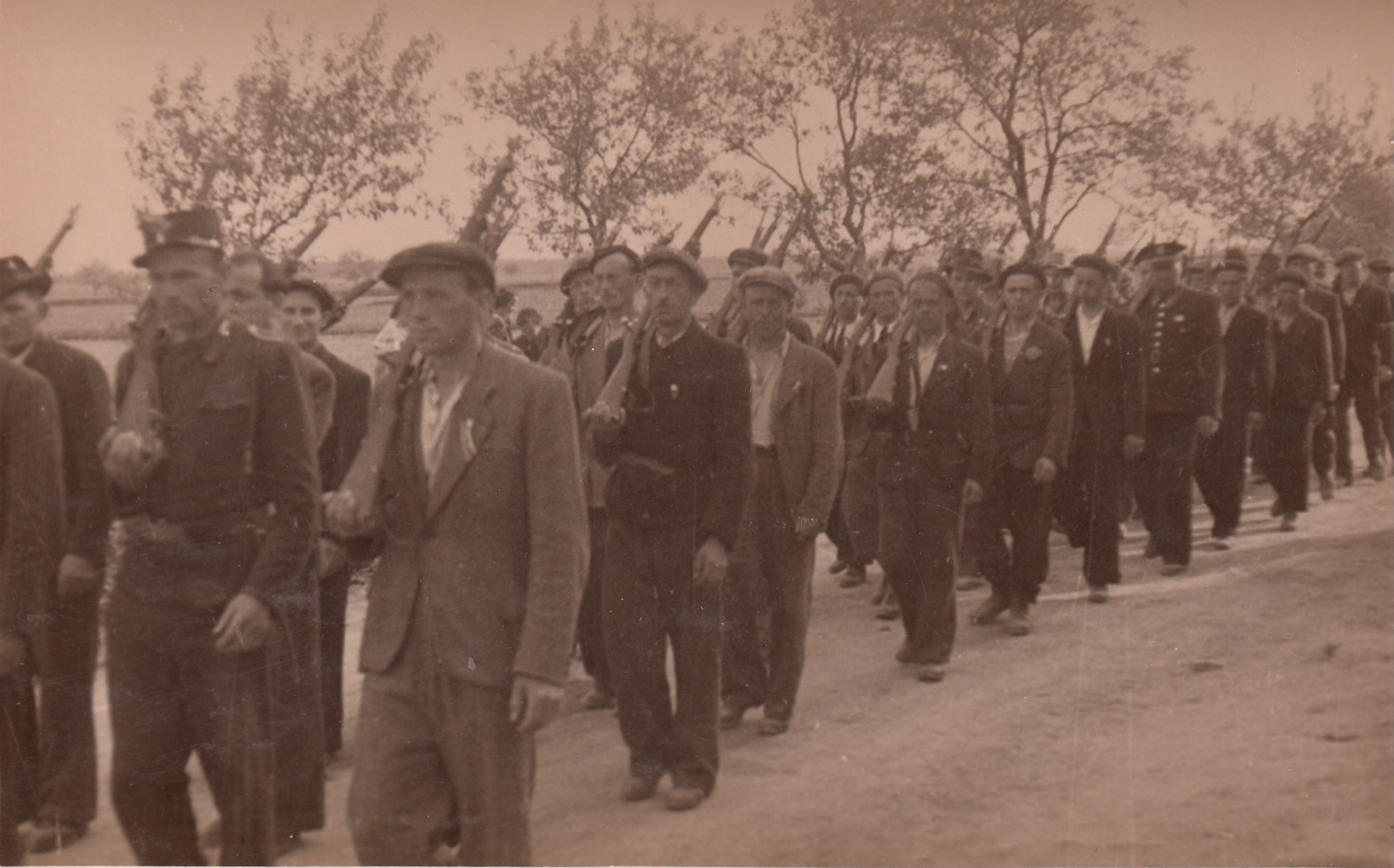
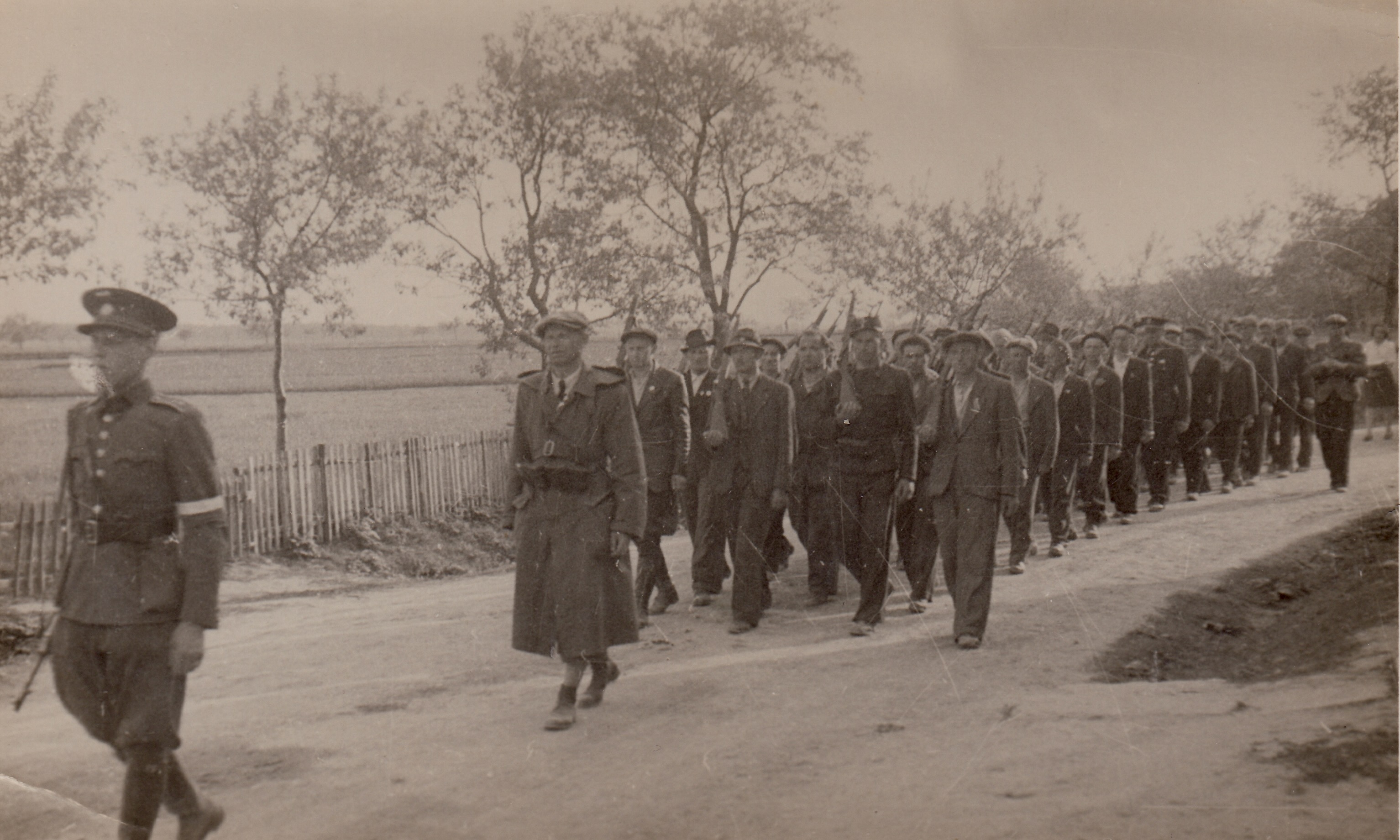
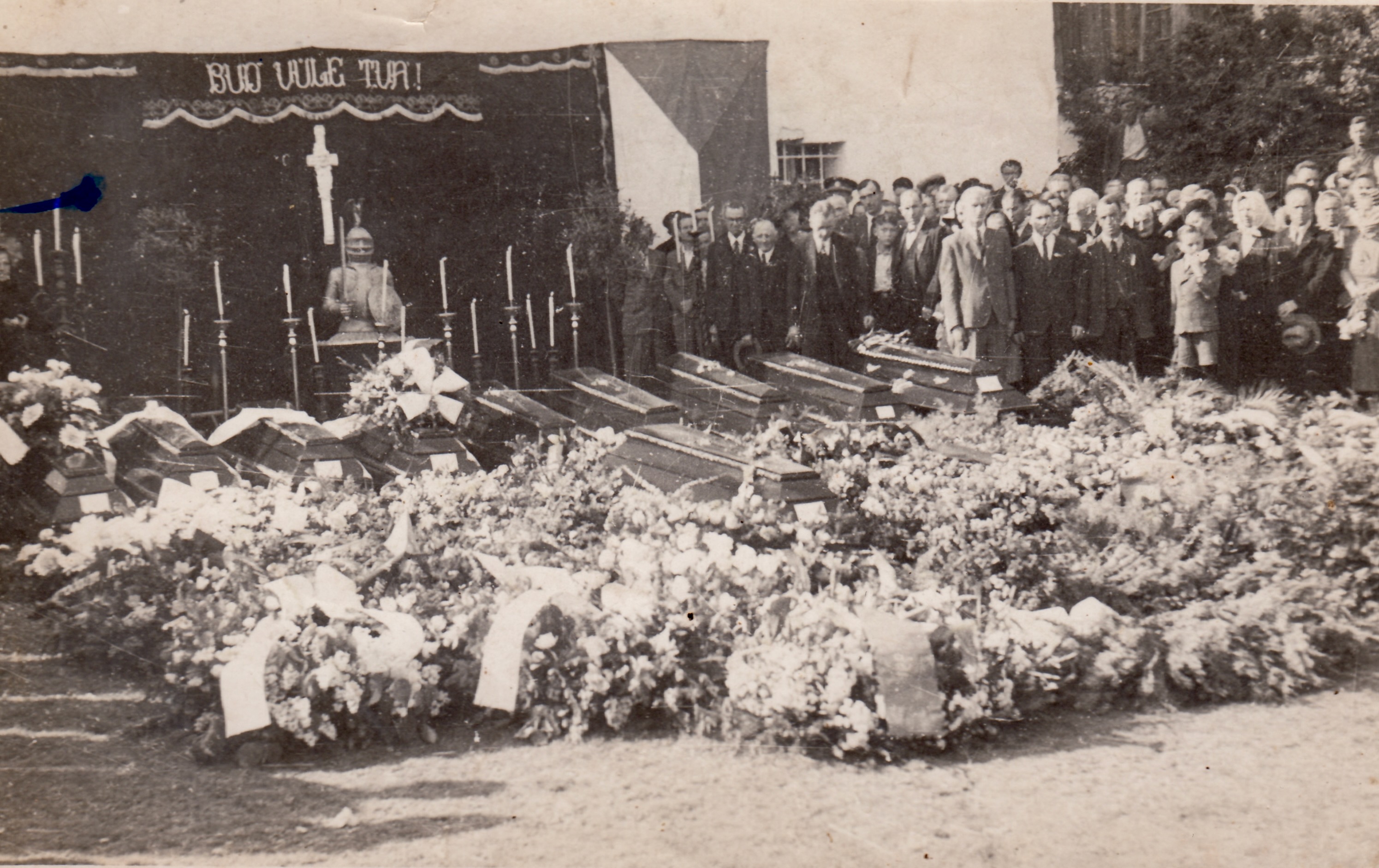
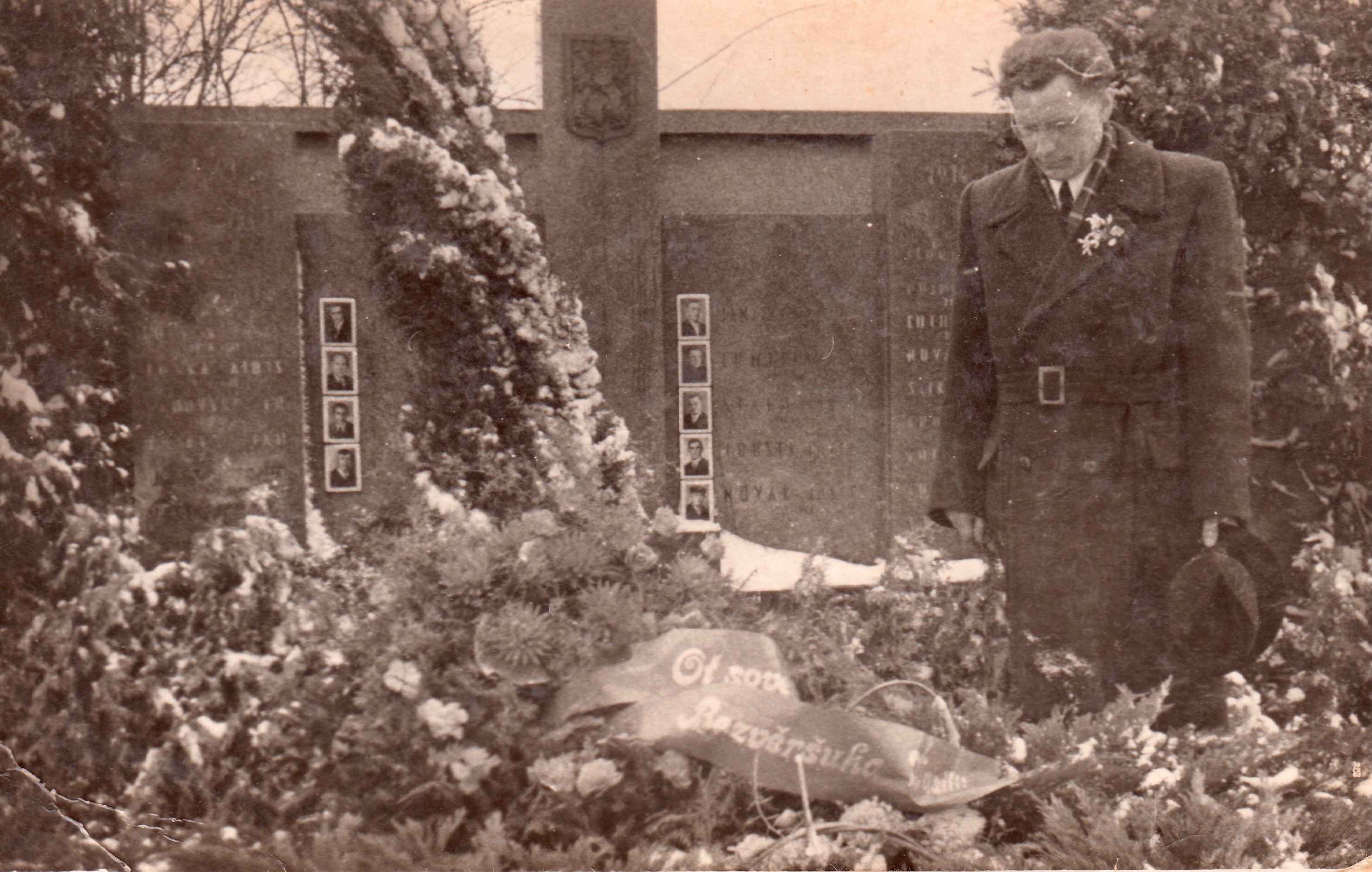
  • "When the war ended in the forty-fifth year, the Germans - if they were in Vysoké Mýto - wanted to get through Skuteč to the Western soldiers, to the Americans. And my dad was over 30 years old at that time and the war was over. And some conscious brass hat called those who had finished the war, and said that from Luže to Skuteč - there's even a monument made there, that the Germans would march through there. And that they had to stop them. So these young boys were there. The Germans came, shot them. Dad had seven bullets. He was lying on Košumberk, I have photos. I have photos from the funeral of those young boys. I don't know how many were there. And my grandfather, it was across the field from Bělá, so he saw that something was going on there. So he took the horses and those who were still alive, he took to Košumberk to the hospital, to the sanatorium."

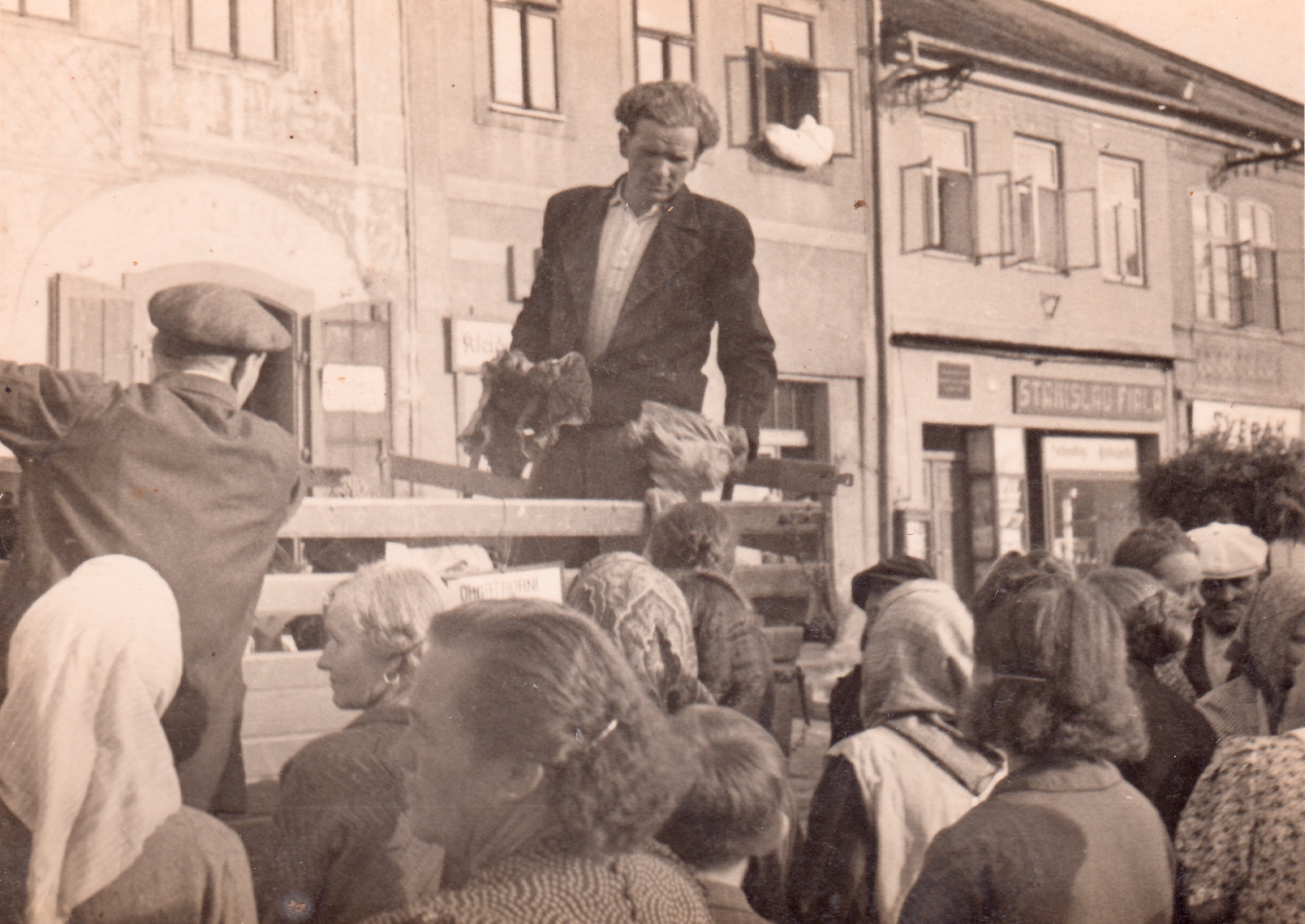
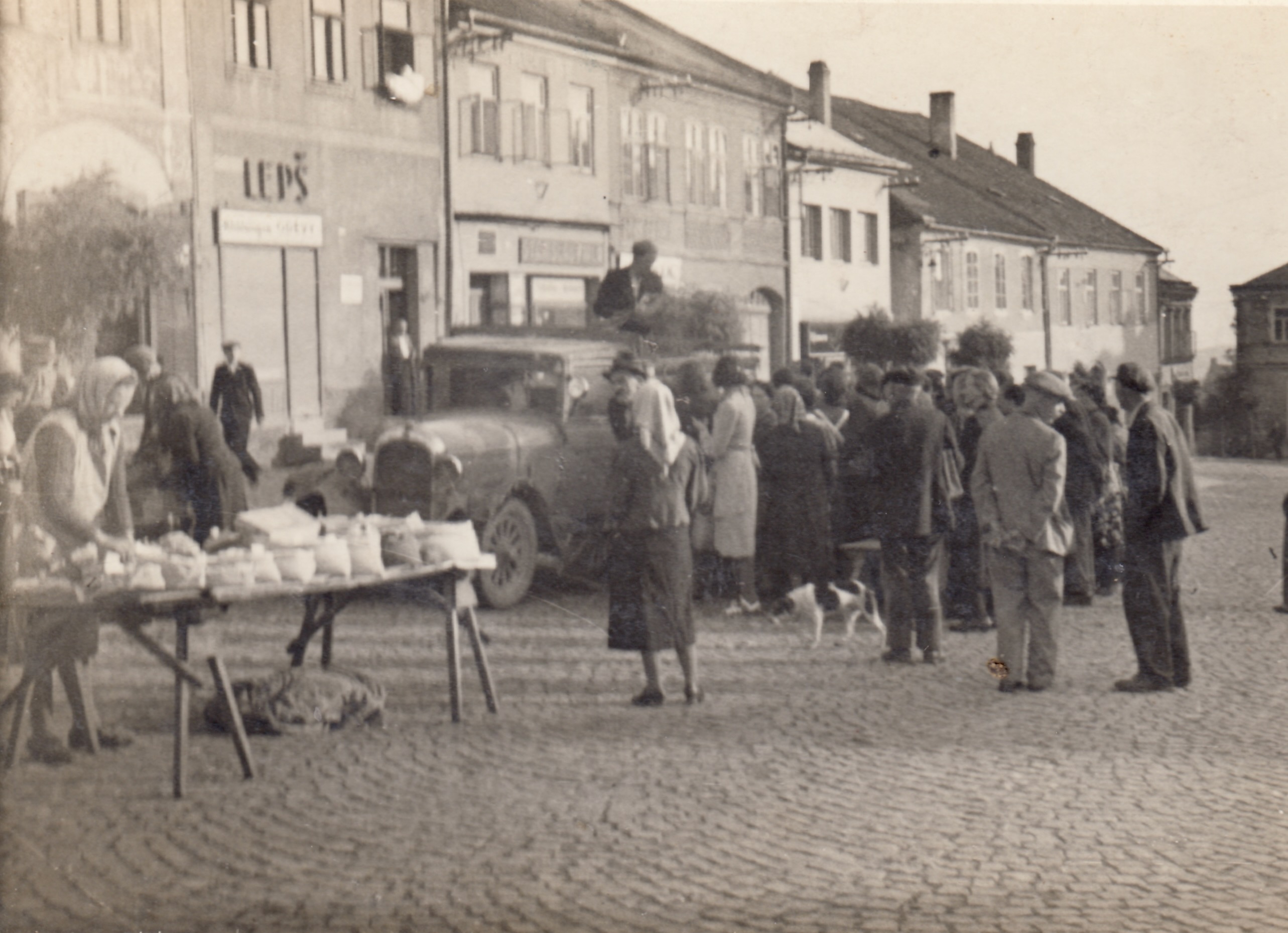
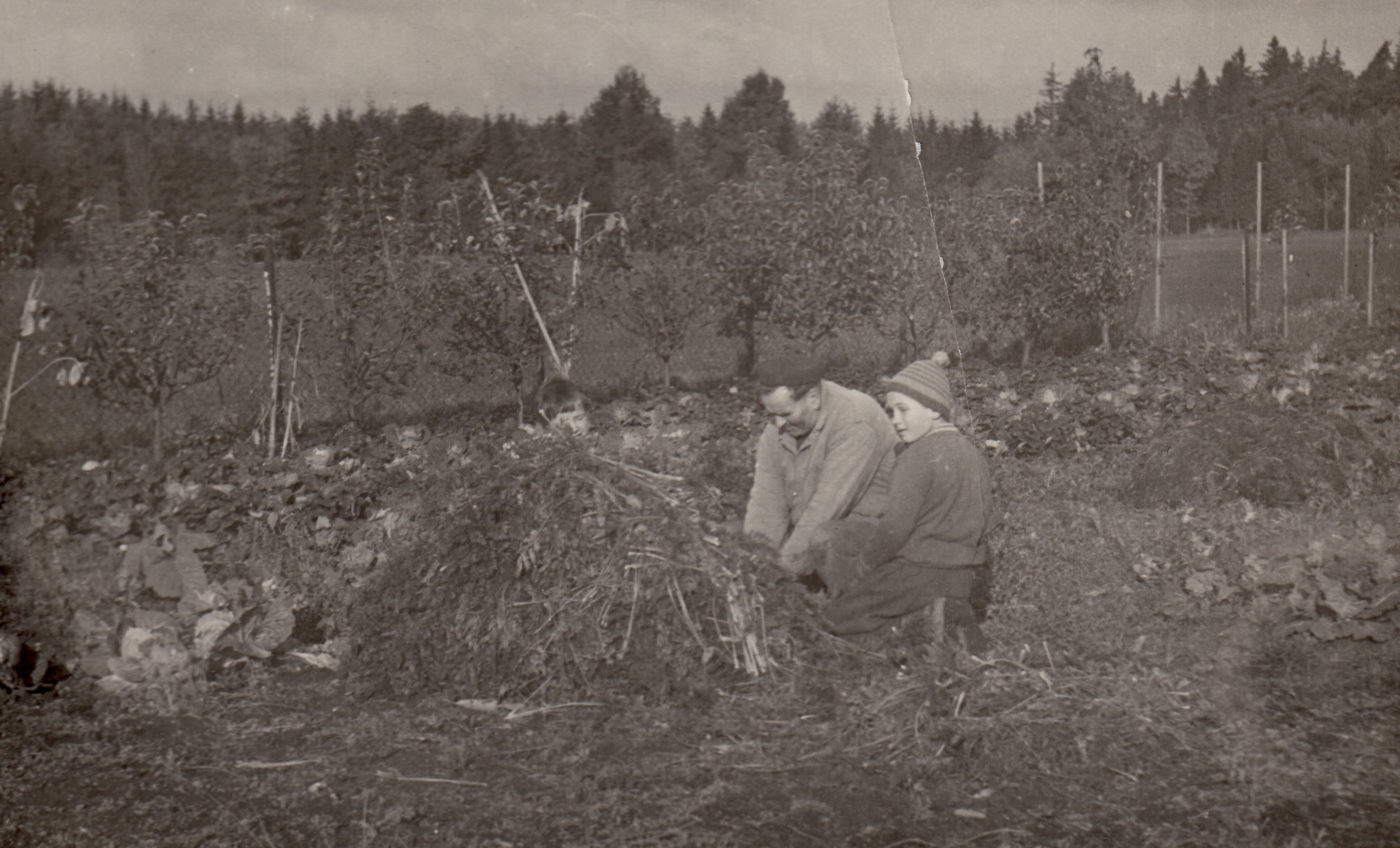
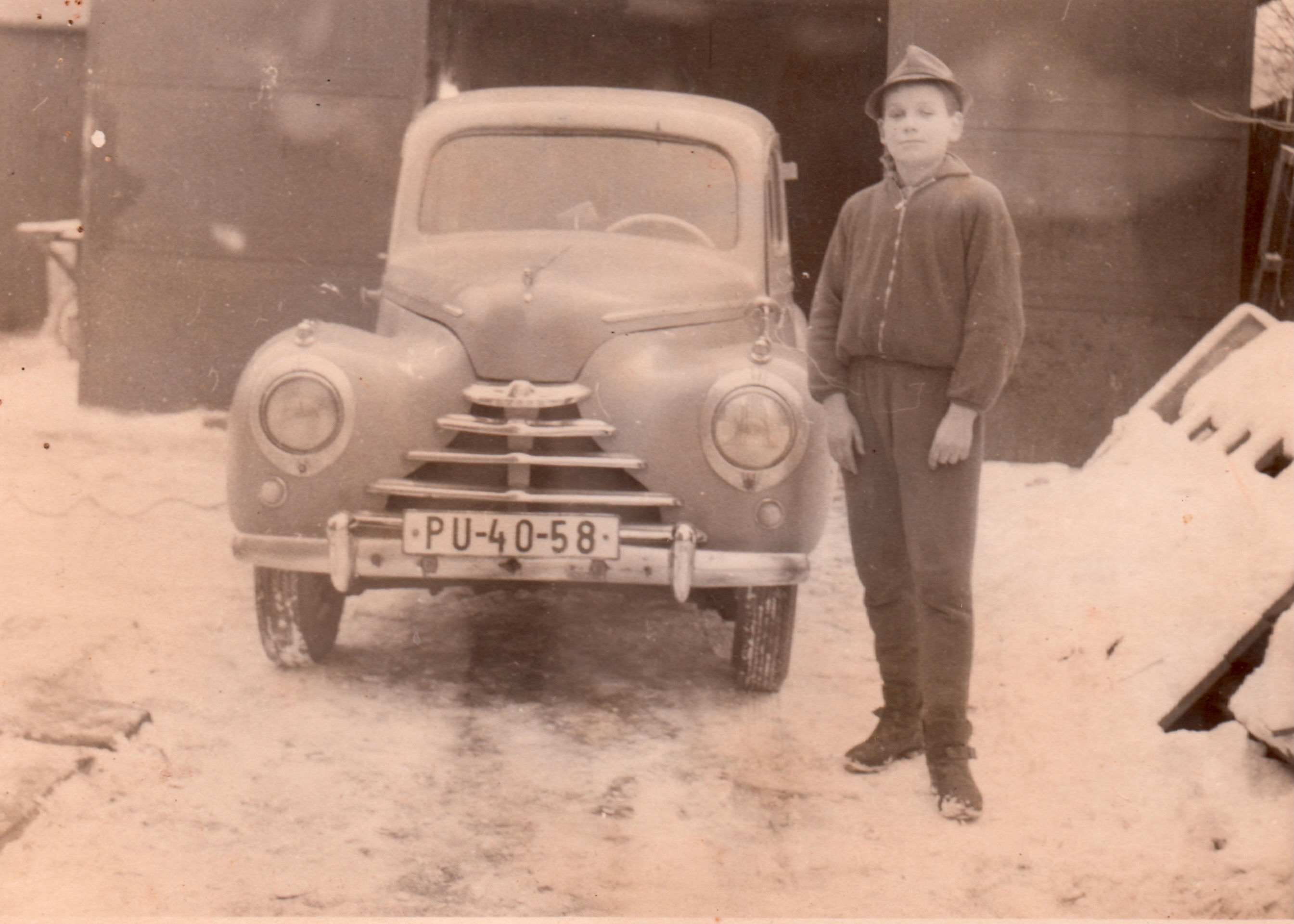
  • "The problem was then in the fifties when they banned it from being sold anywhere. It just wasn't allowed to go to the market like now, now it's allowed. Before, you just drove into the square and either a policeman came or didn't come to tell you, 'Pick up and leave,' or he wrote it down. But then I was riding with my dad and I wasn't of legal age, so they couldn't get on me. I didn't have an ID."

  • Full recordings
  • 1

    Horní Jelení, 11.12.2024

    (audio)
    duration: 35:21
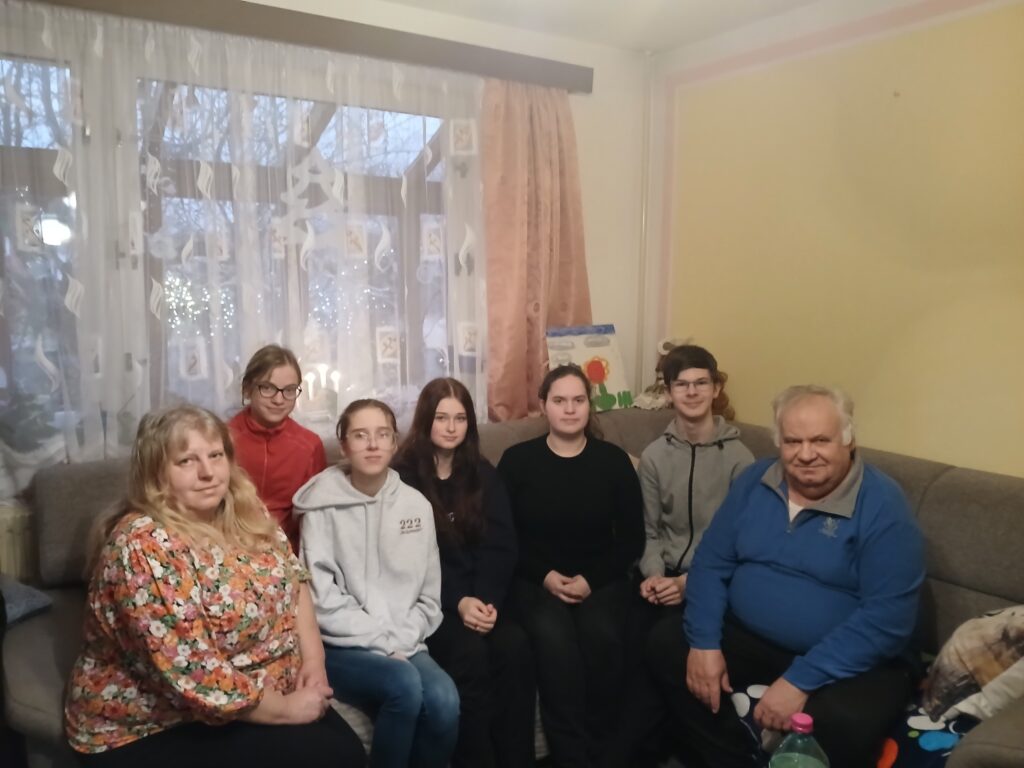
    media recorded in project The Stories of Our Neigbours
  • 2

    Hradec Králové, 24.04.2025

    (audio)
    duration: 01:27:28
    media recorded in project Příběhy regionu - HRK REG ED
Full recordings are available only for logged users.

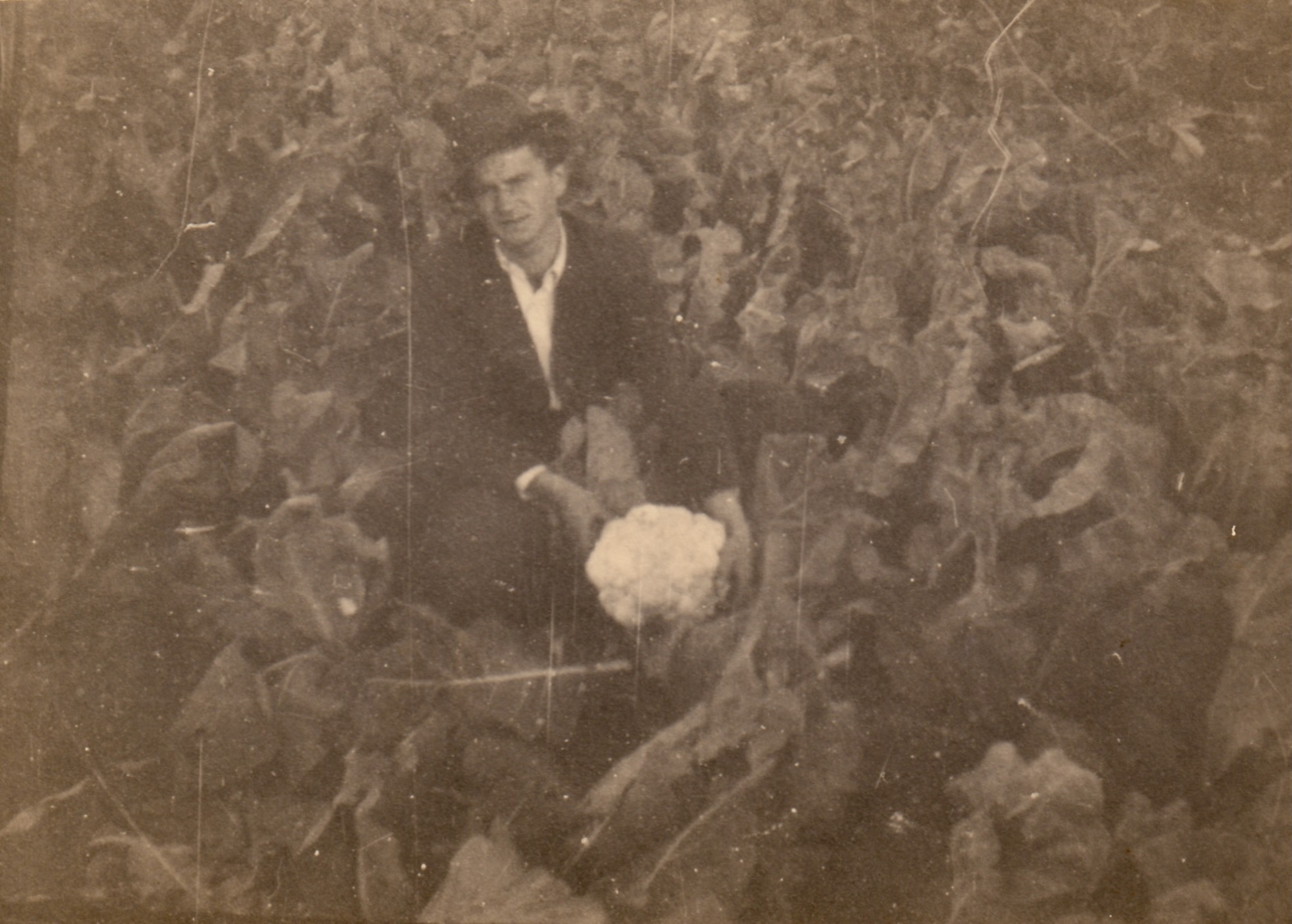
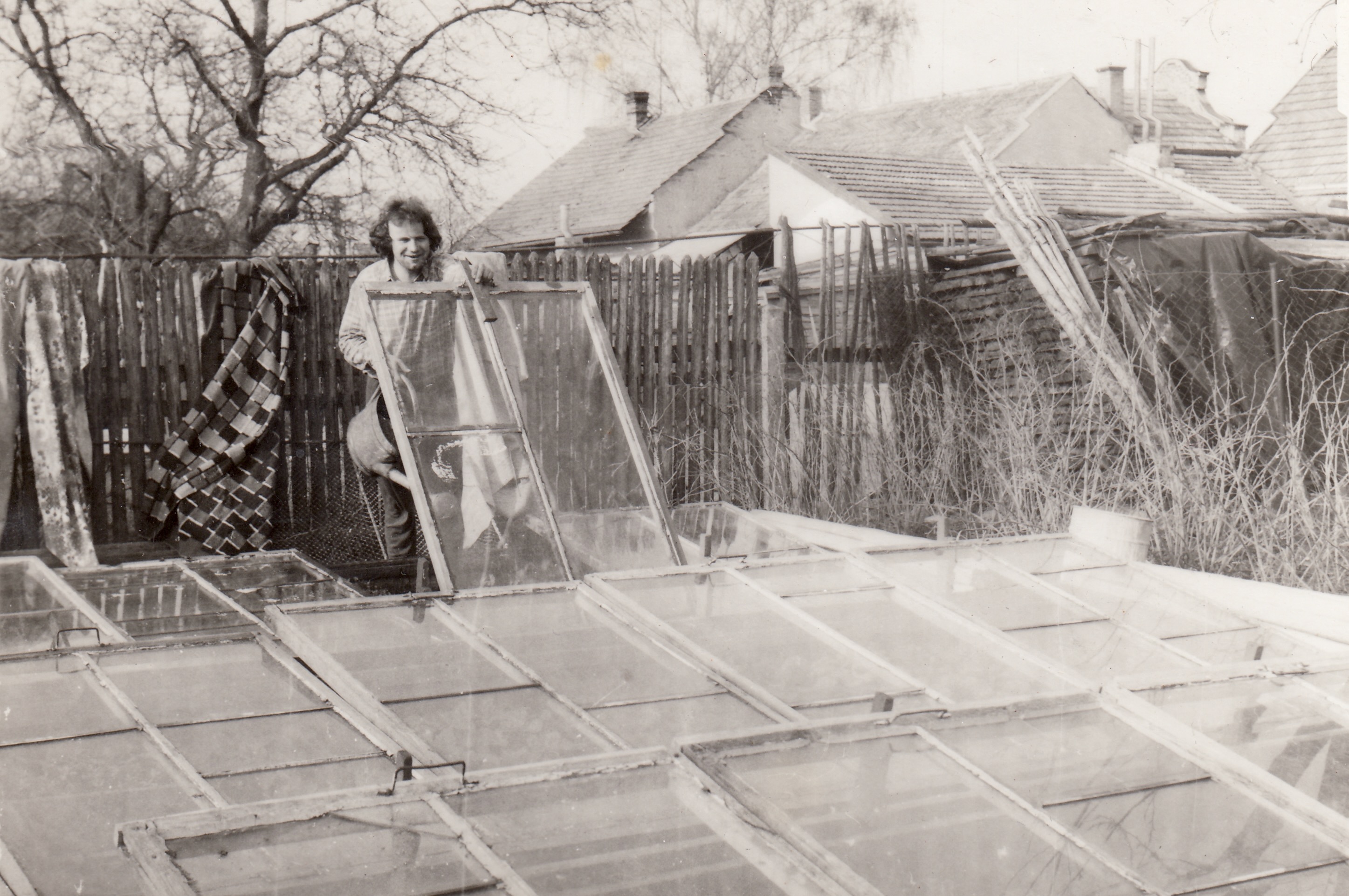
In the 50s my father sold vegetables secretly from the trunk of the car, in the 80s I already had a contract with the state
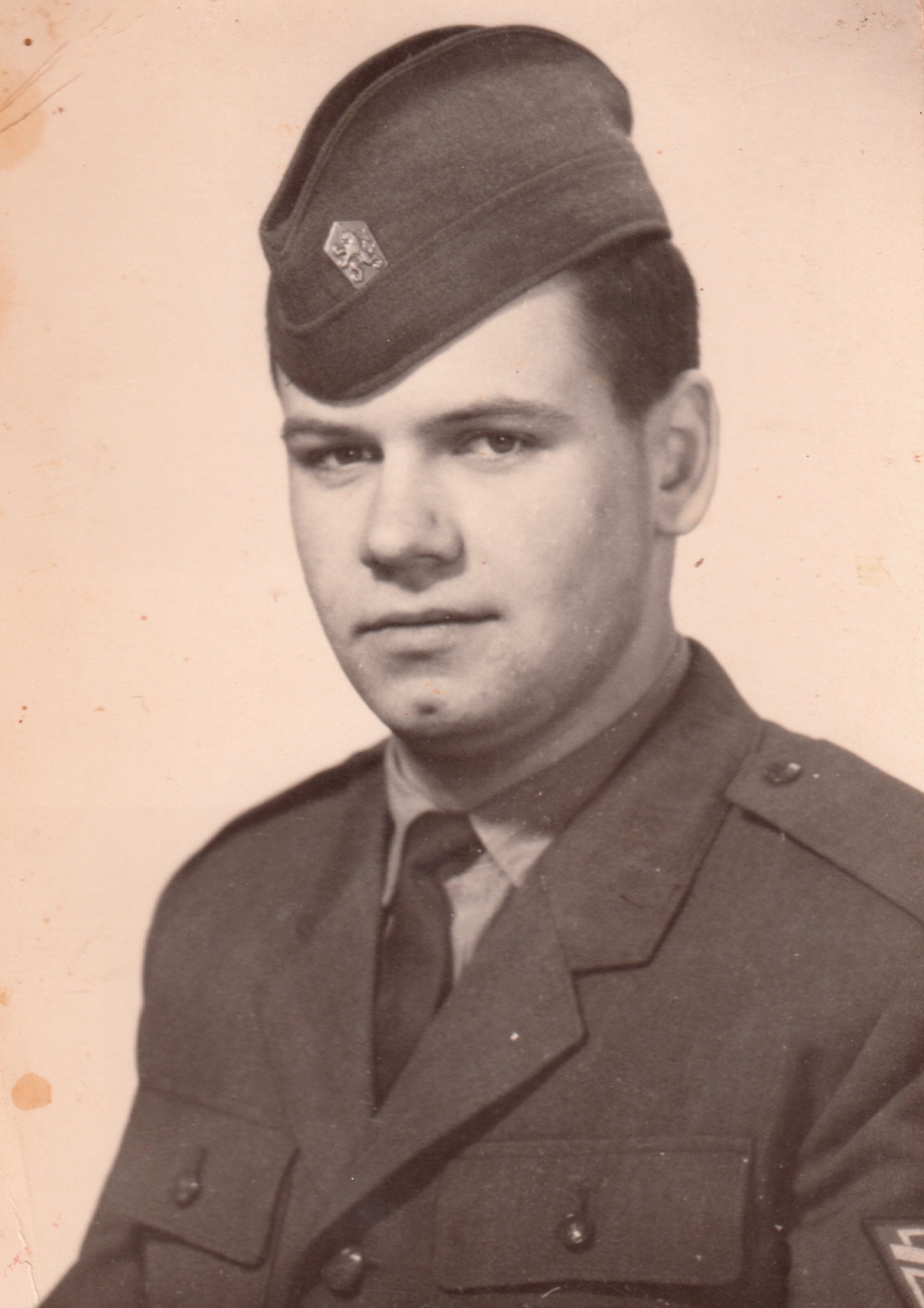
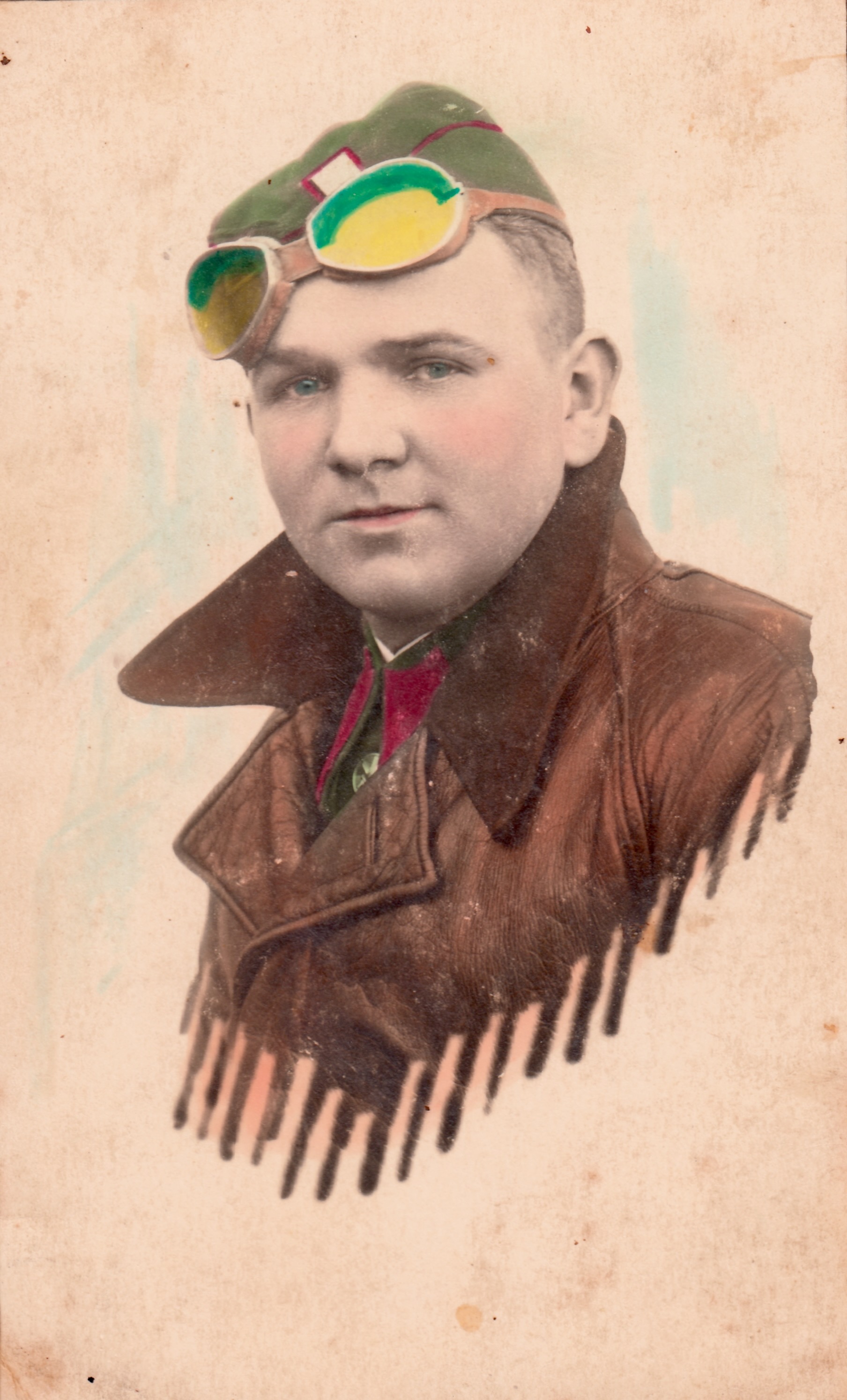
Jiří Rožek at the army, 1974
photo: Archive of the witness

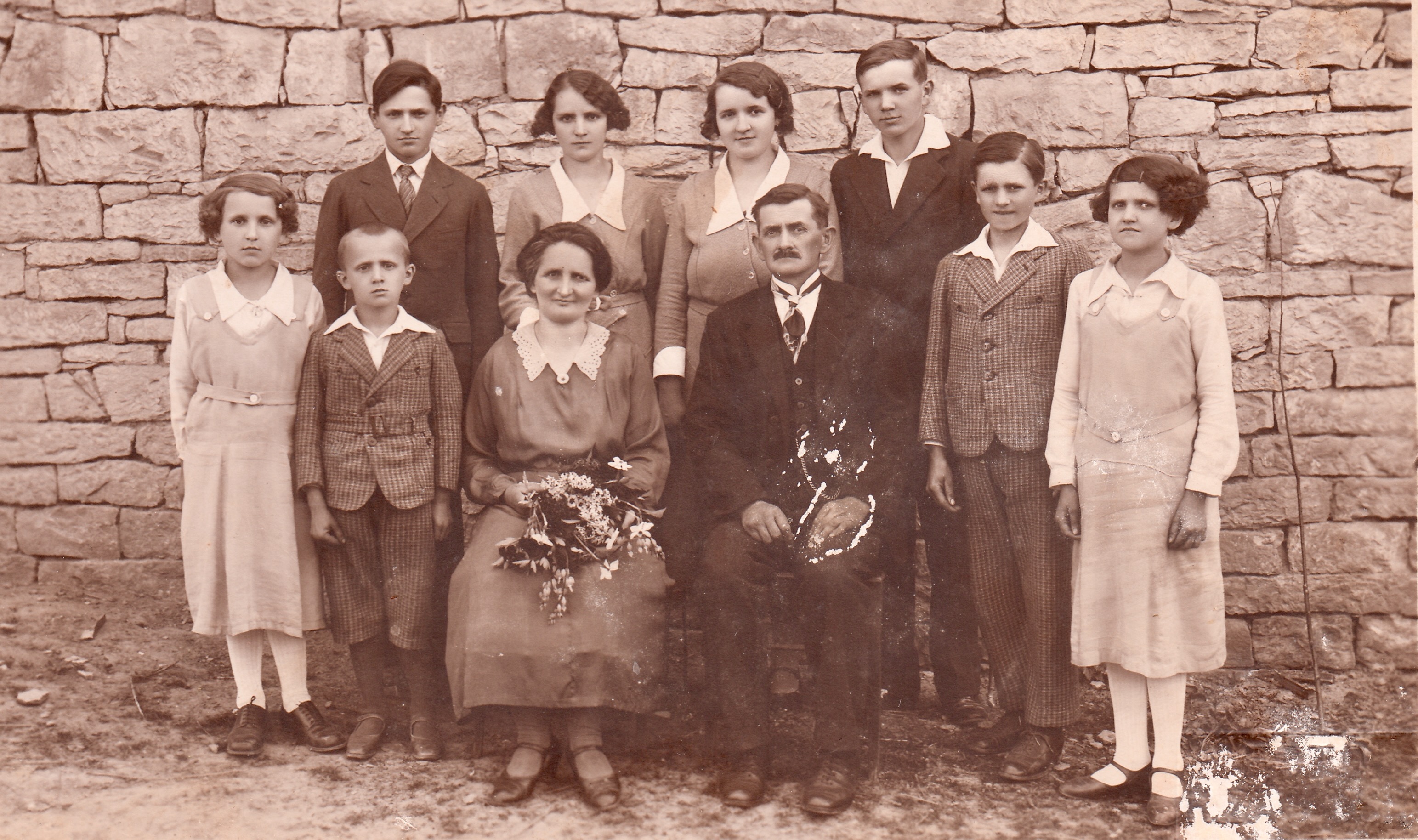
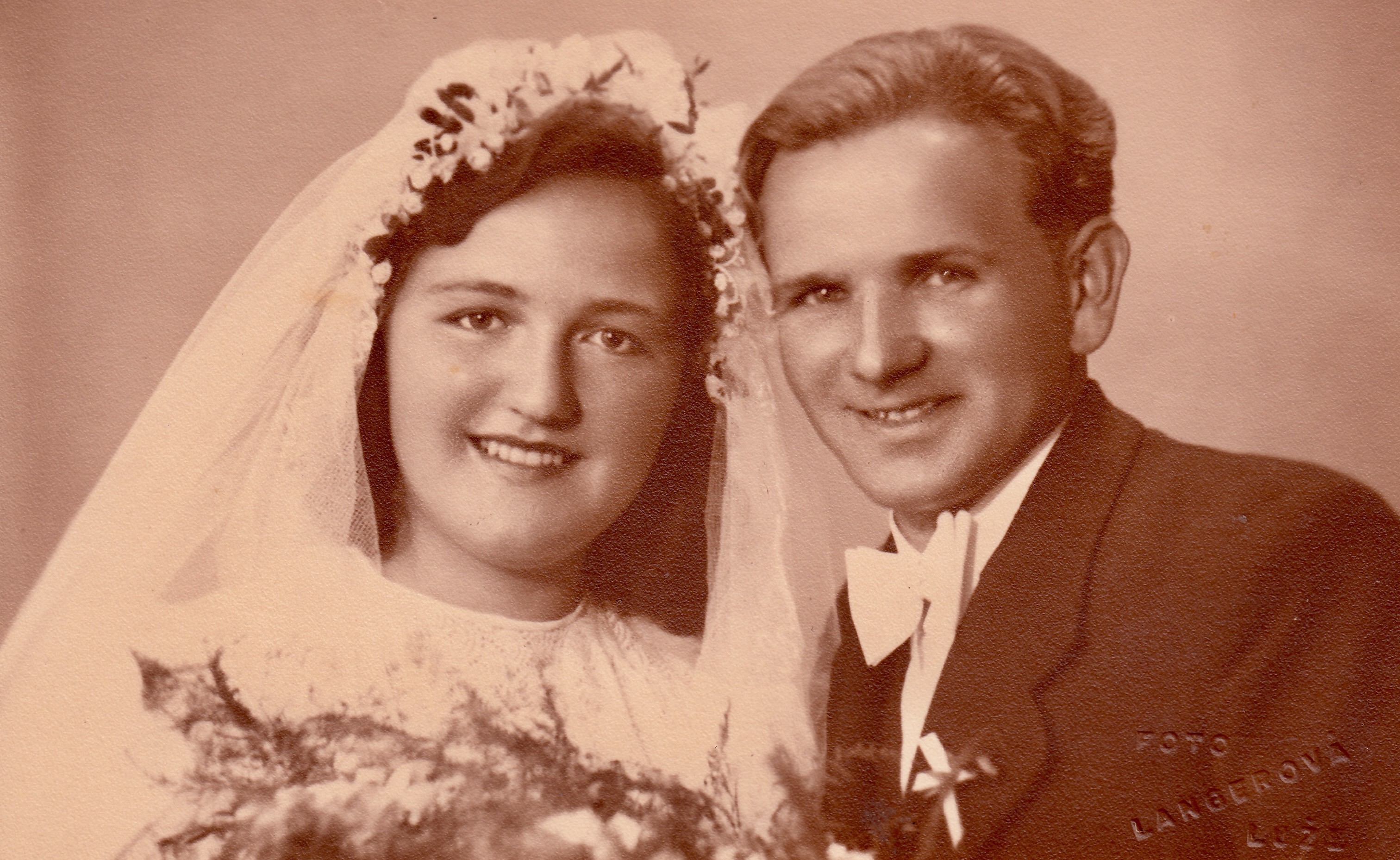
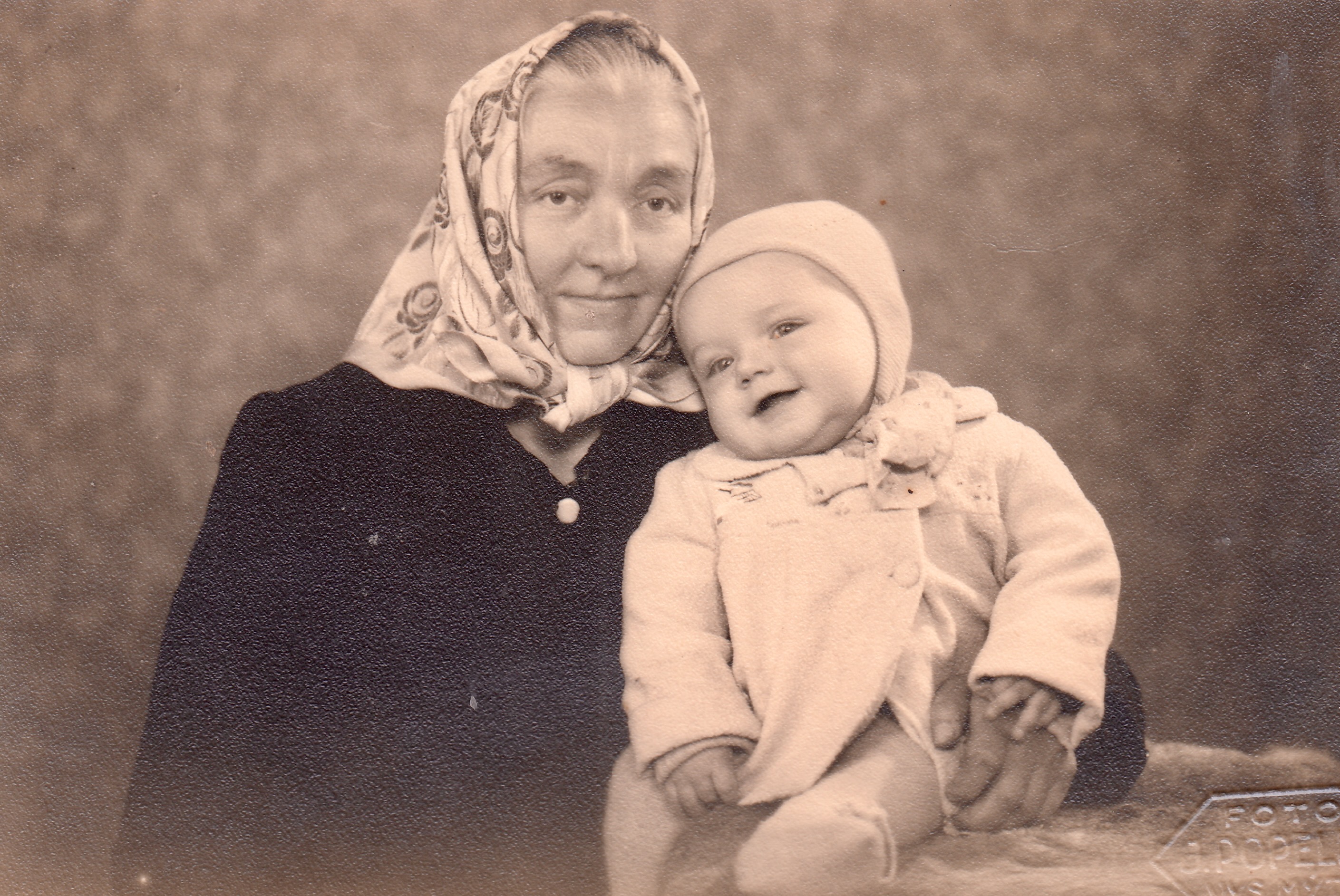
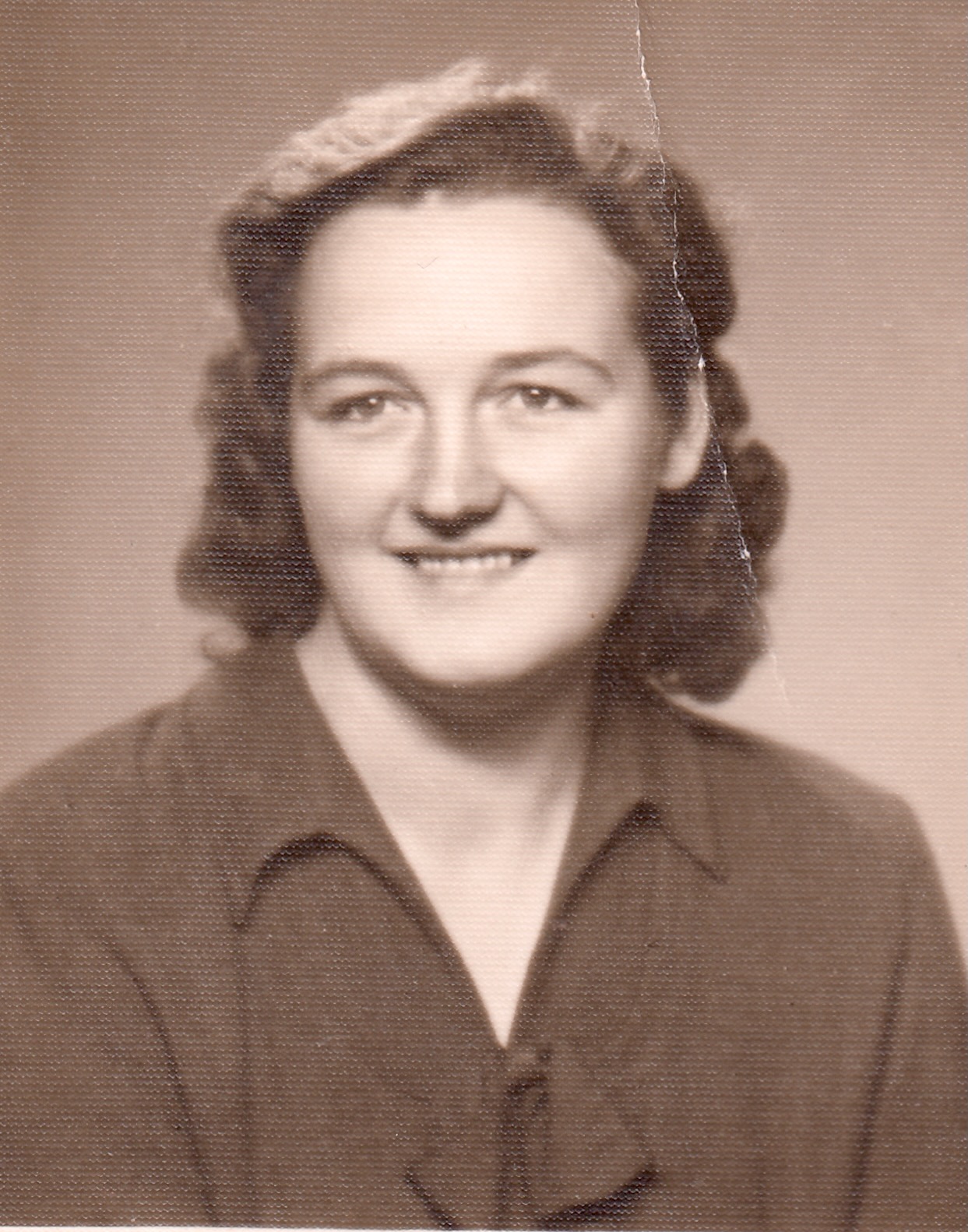
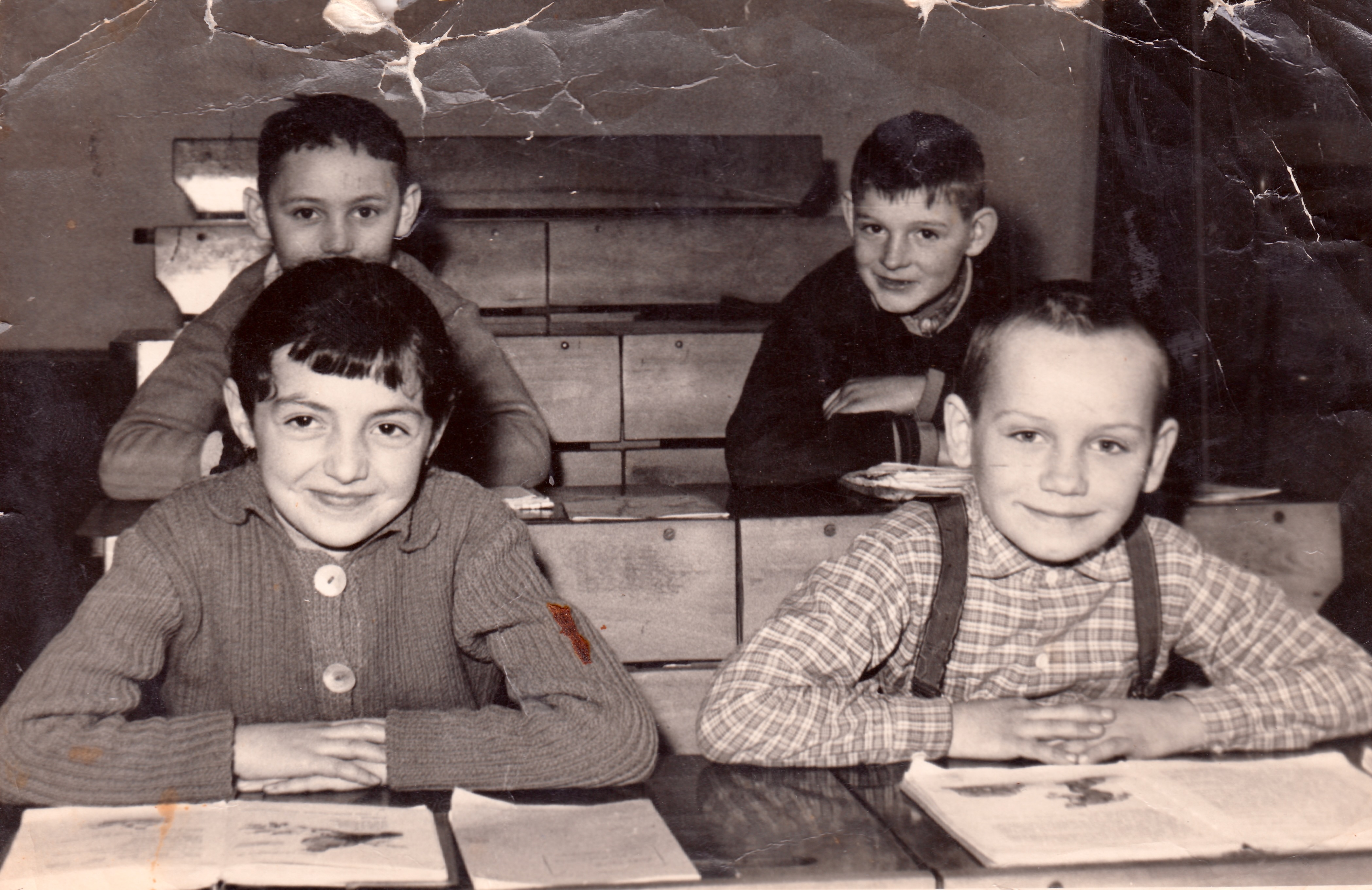
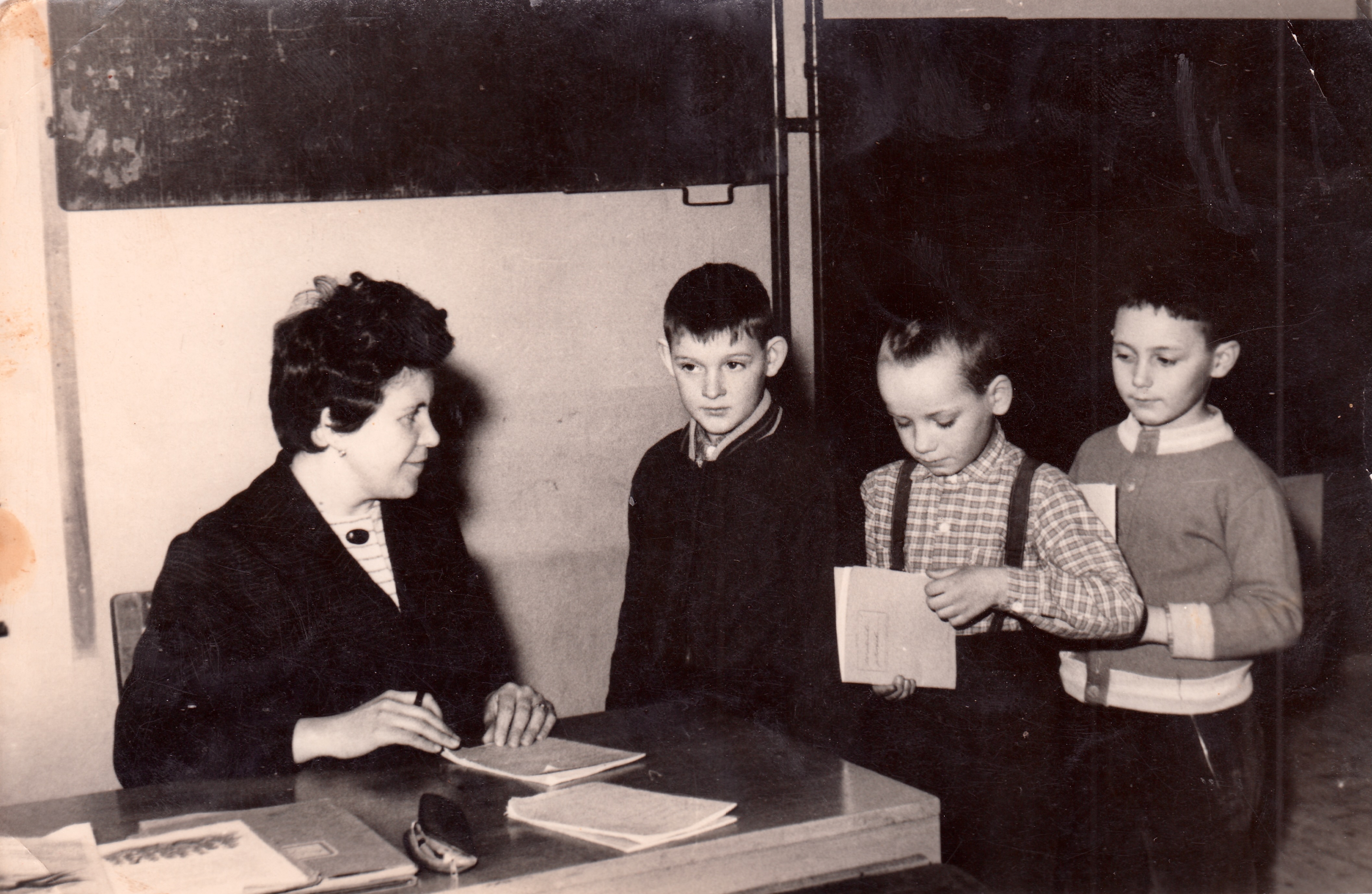
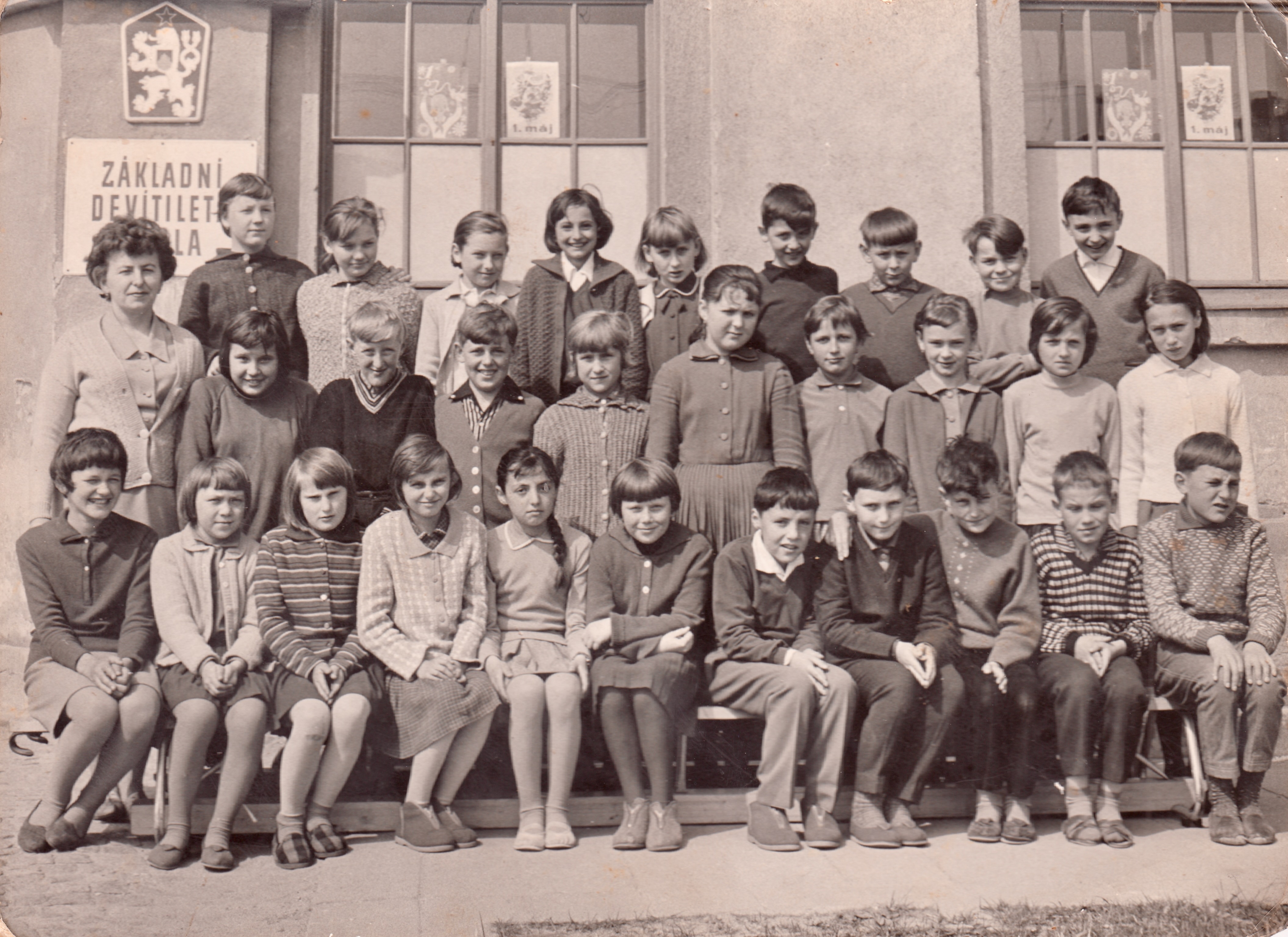
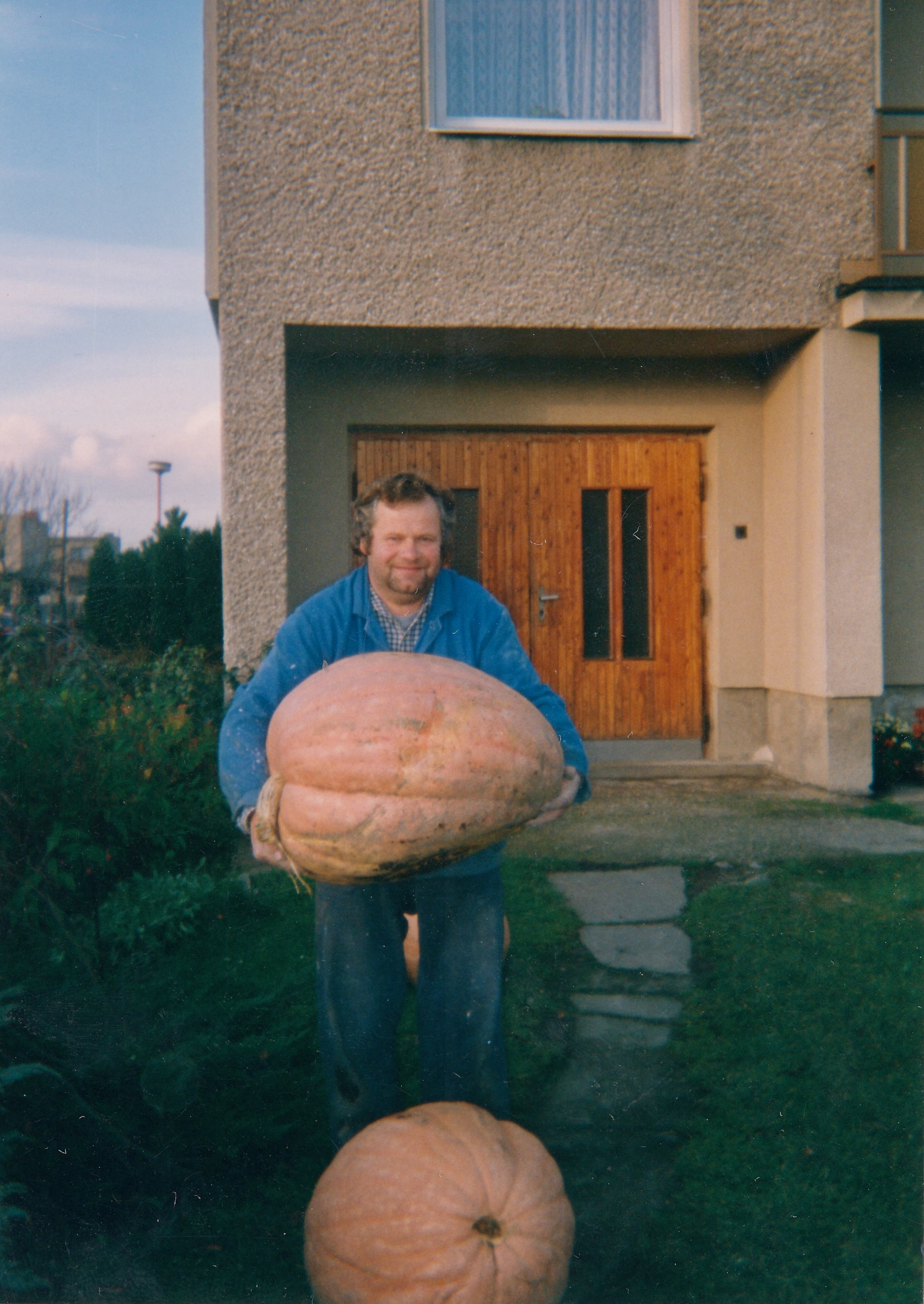
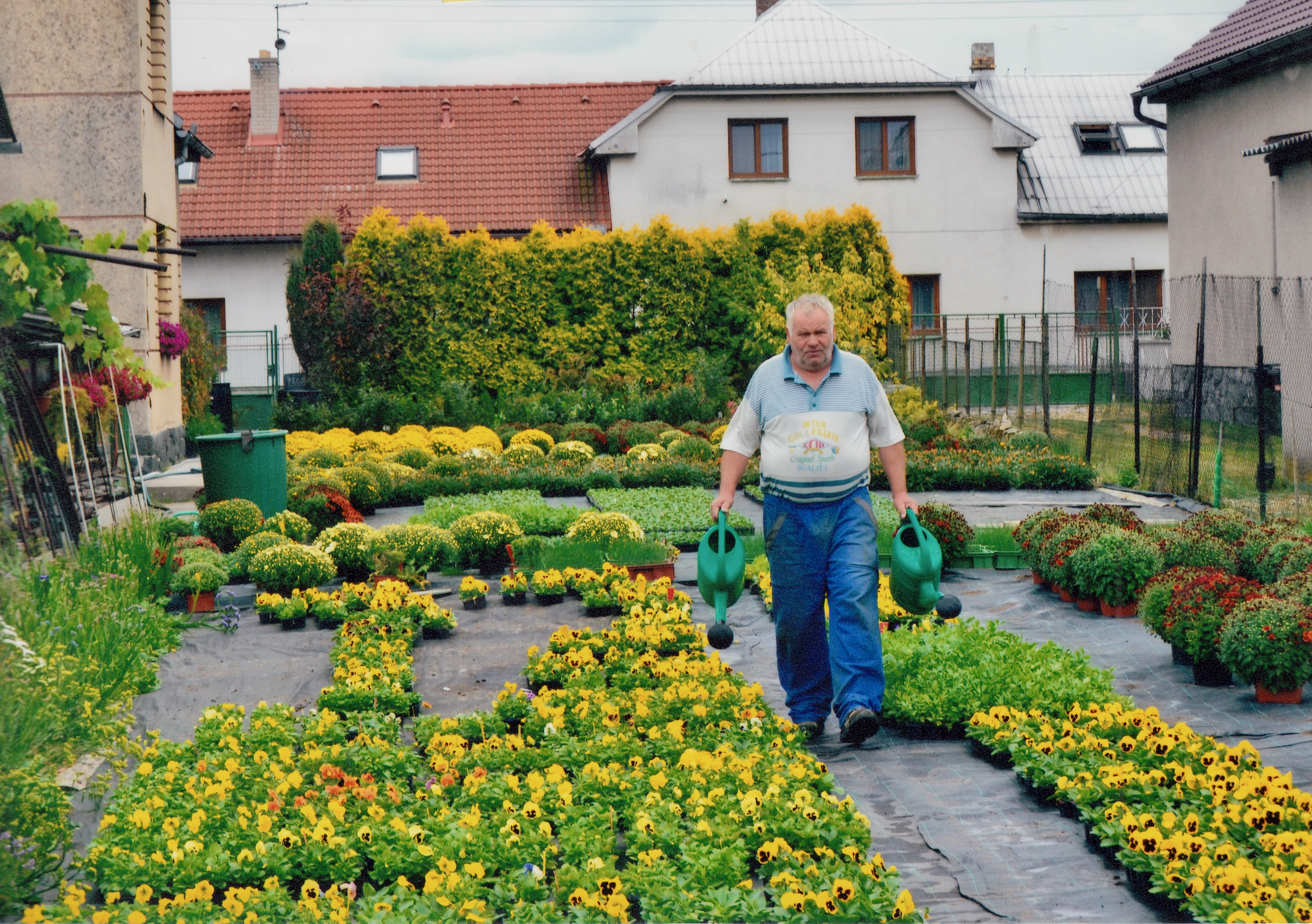
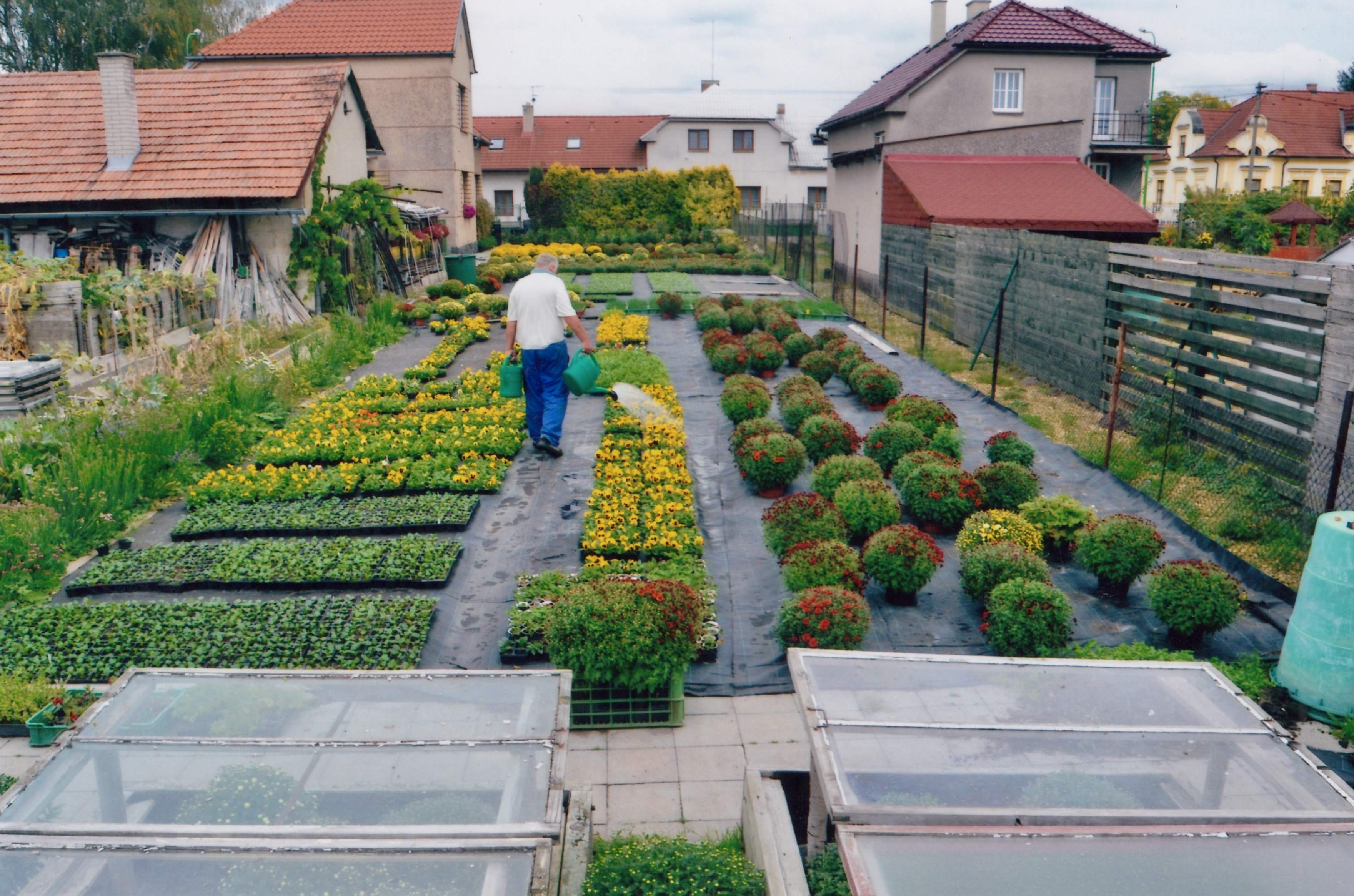
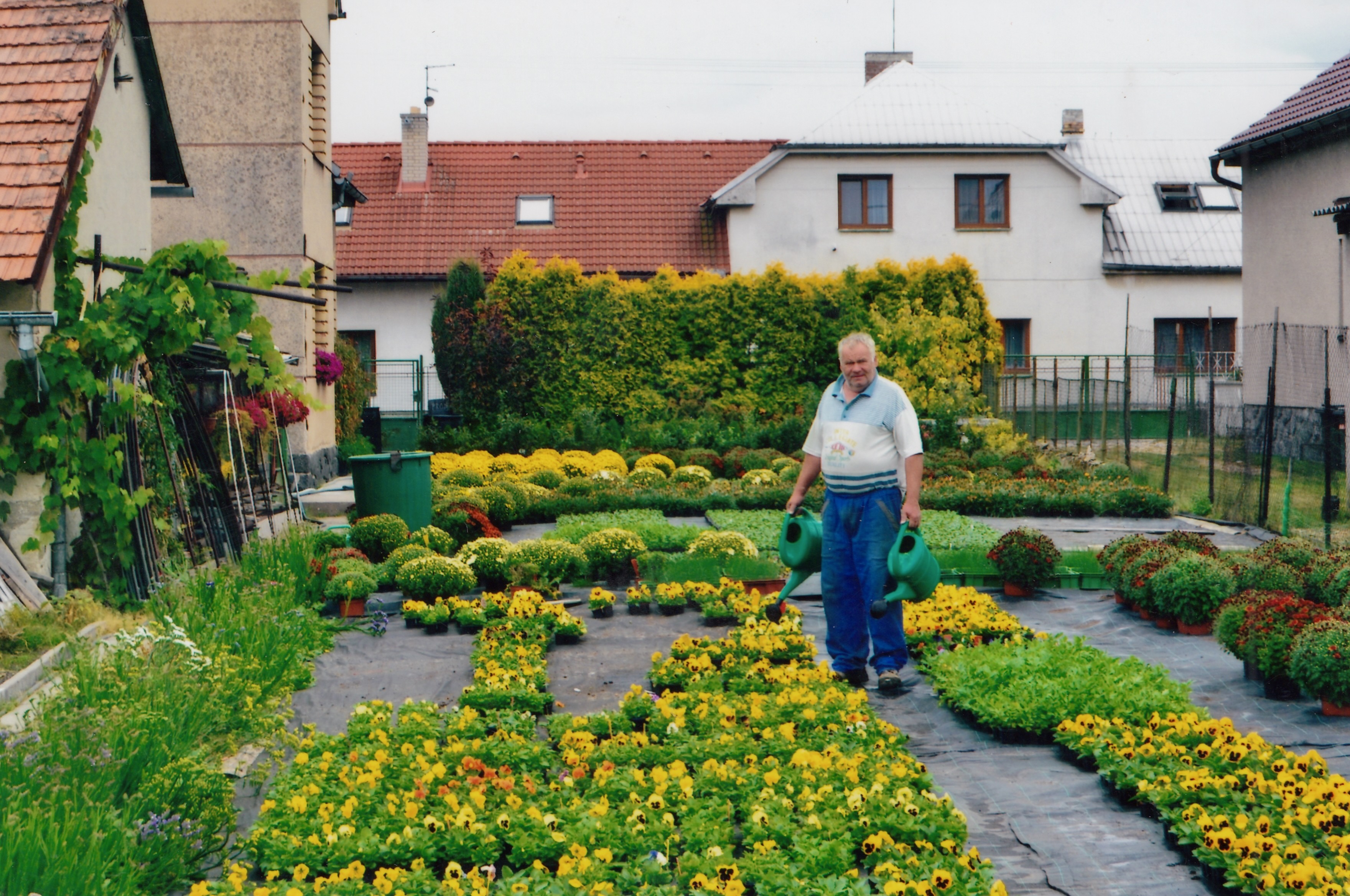
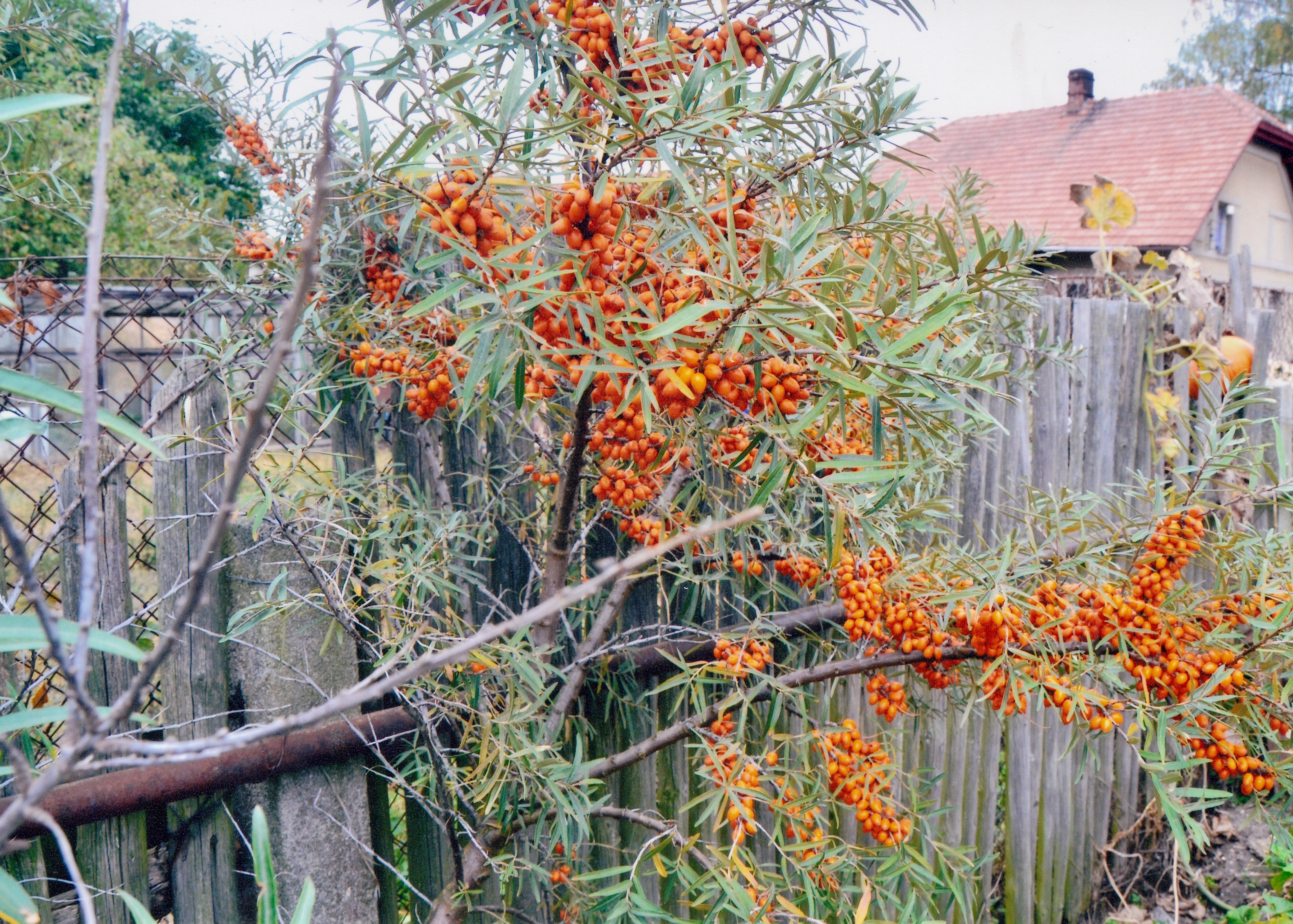
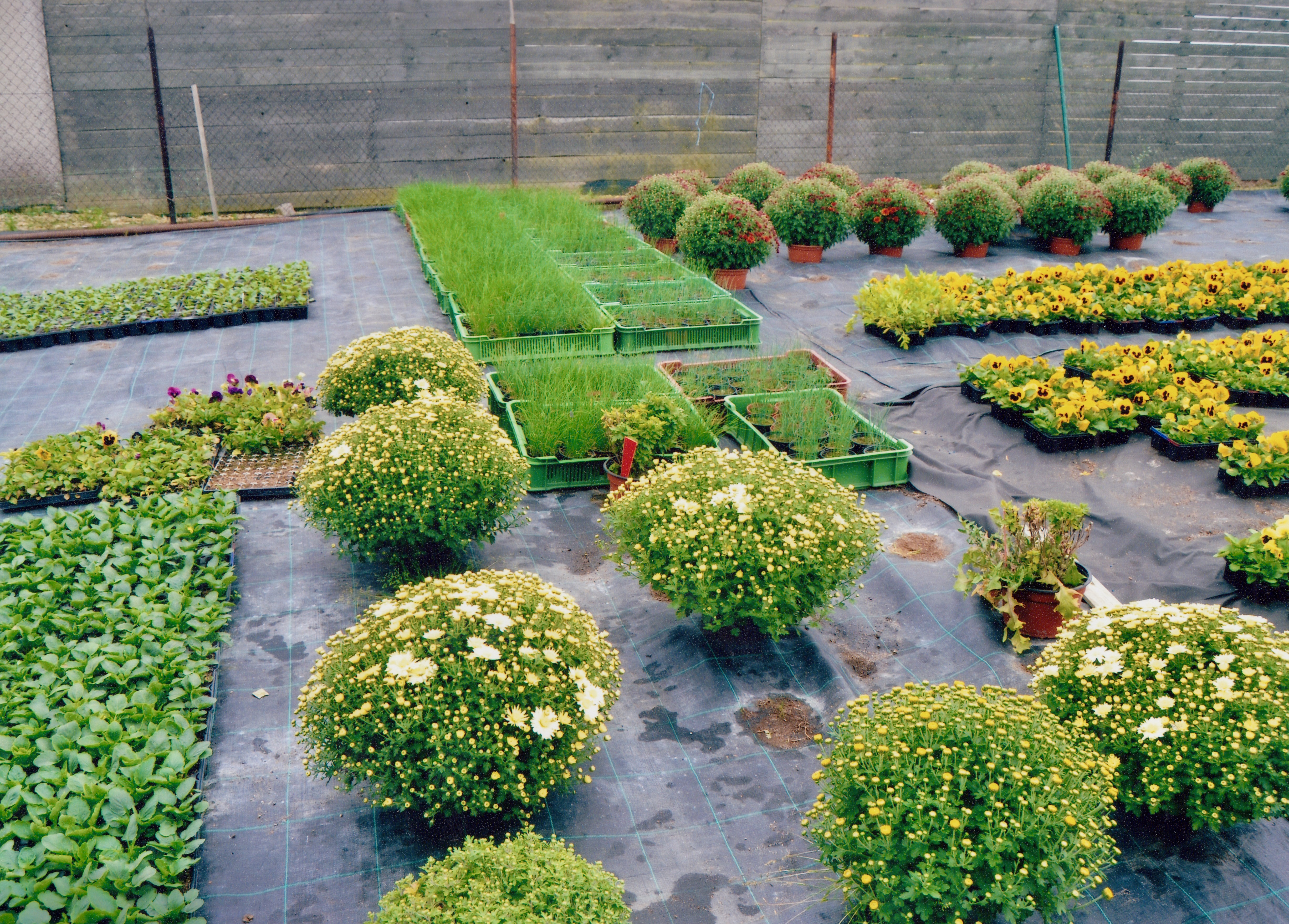
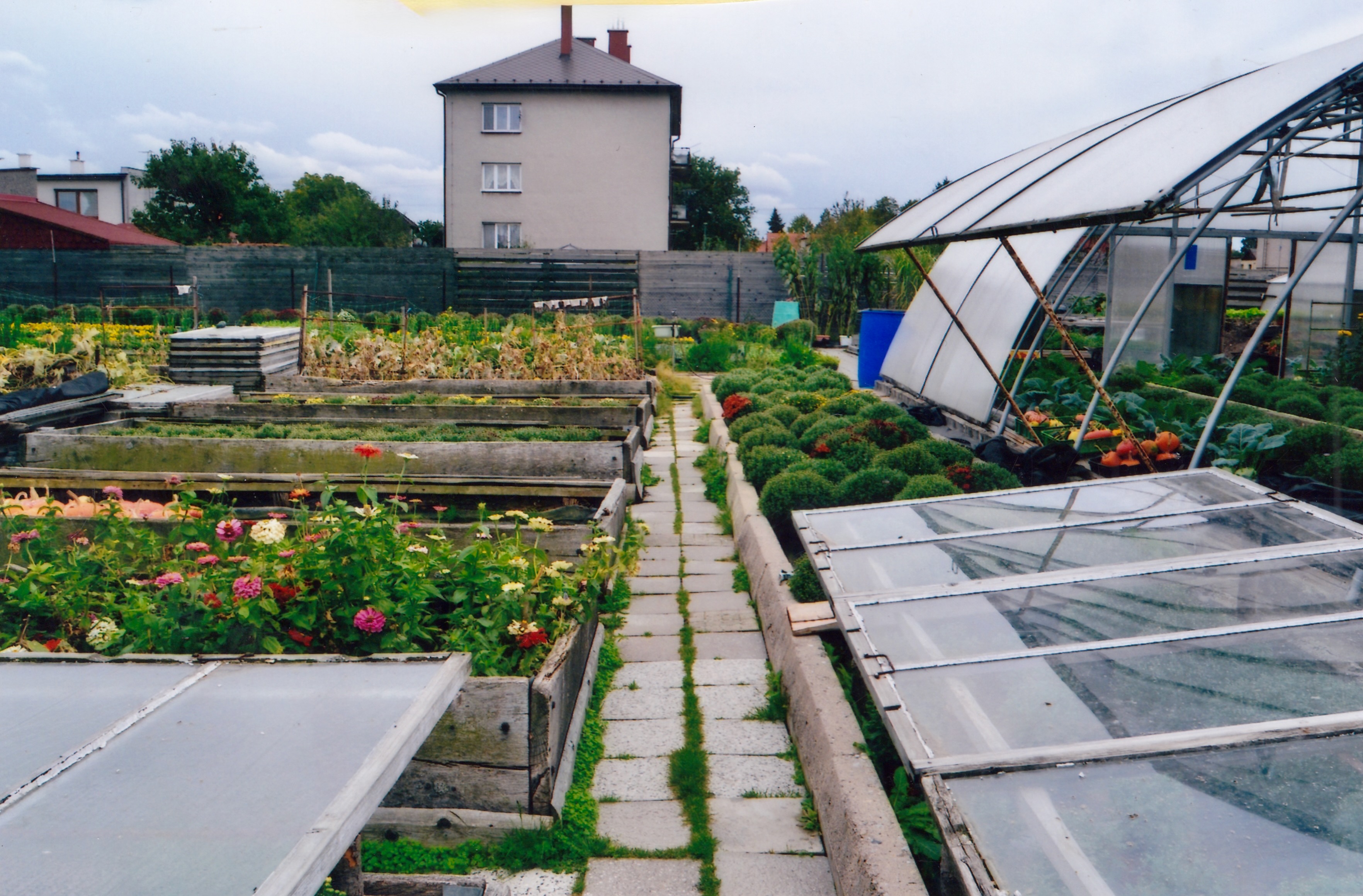
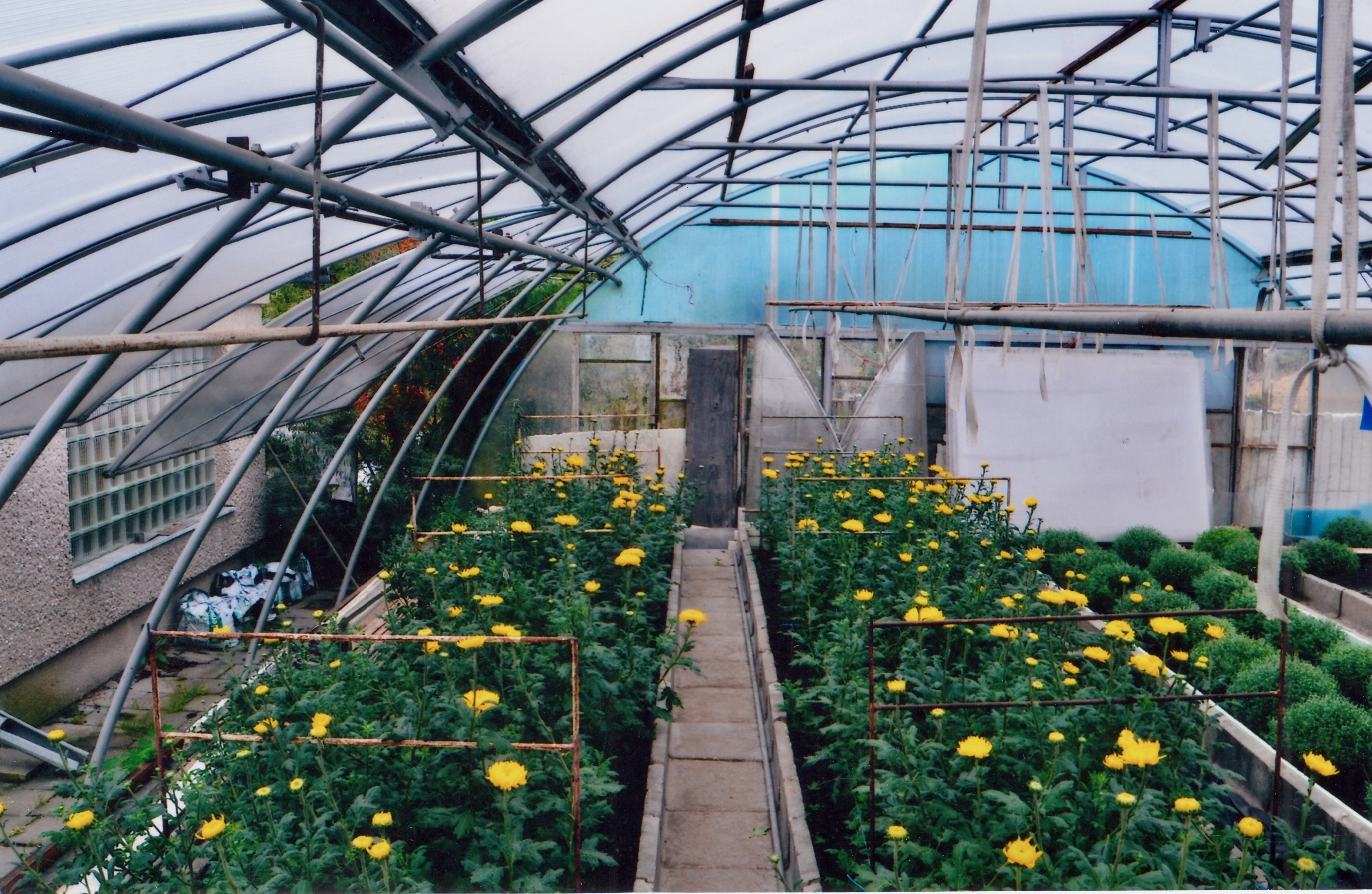
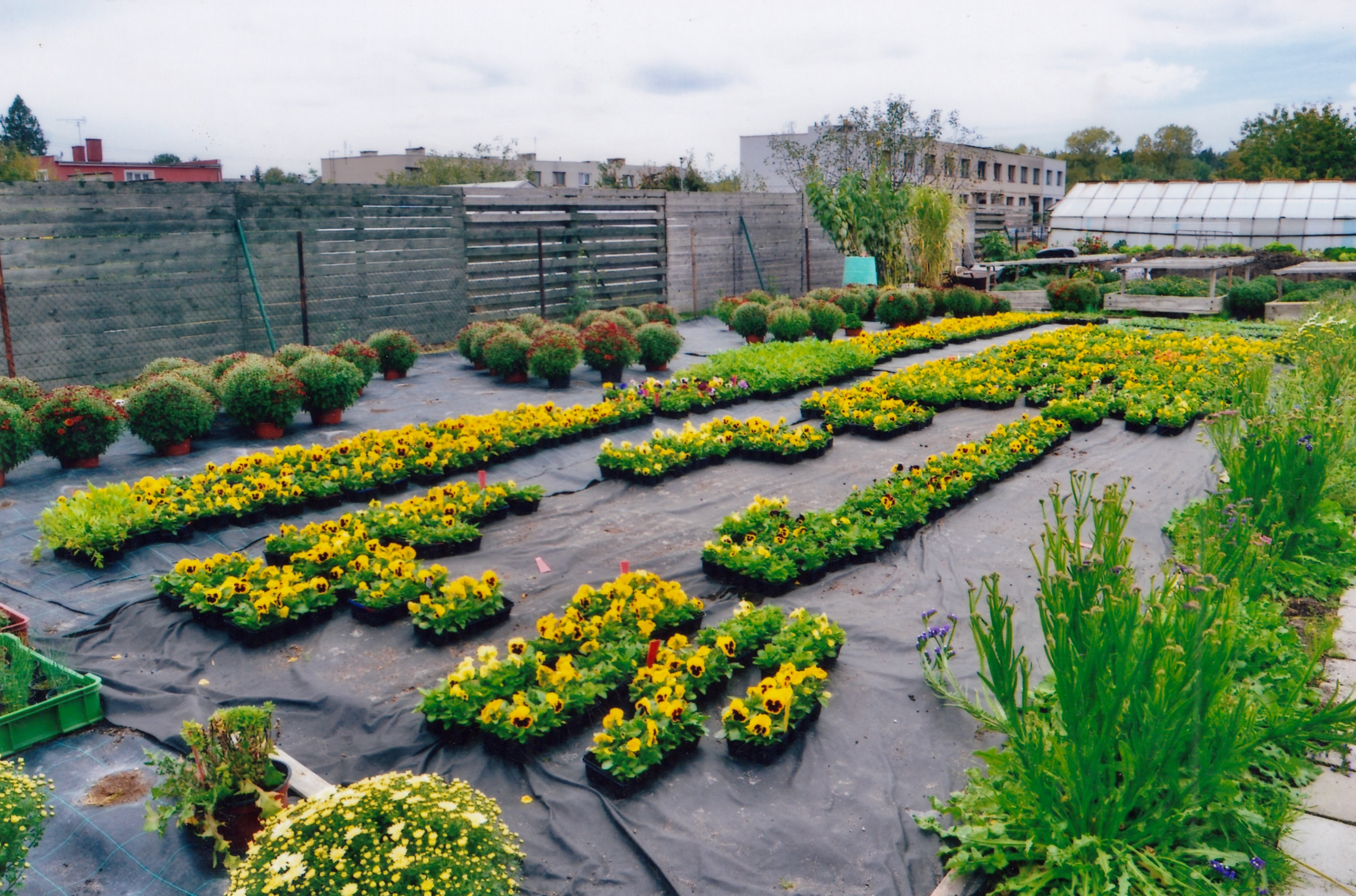
Jiří Rožek was born on February 23, 1956 in Vysoké Mýto. His grandparents (in Bělá u Luže) and later his parents (in Horní Jelení) owned a family gardening business. His parents ran it even during the communist period. During the liberation, his father Josef Rožek was severely wounded in a firefight with a German unit near the village of Luže on May 9, 1945. He trained as a room painter and worked in municipal services until the Velvet Revolution in 1989. In addition, he took over the family gardening business and sold vegetables. Brother Zdeněk emigrated to Great Britain in 1969. After the fall of the communist regime in Czechoslovakia in 1989, he turned his full attention to private business, growing and selling flowers and vegetables. In 2025, he and his wife lived in Horní Jelení, continuing the family tradition.