David Řasa

* 1974

  • "At the time, [Zbyšek Jindra] came to me with this idea that it would be good to do something like this. Together we put together the text. At that time - and I had never mentioned this before - my economics school classmate Eliška Paštiková helped us with it. I don't know why I never mentioned it. I don't know, I didn't realize or it's all been so long. At that time I didn't put any importance to it and it all seemed so obvious to me. And it didn't even occur to me that anyone would ever ask me about it, and in the better case, that anyone would care, or in the worse case, that the communists would start interrogating me. It was good to know or to remember as little as possible. So we actually put the text together like this. Since I was in the economics school and there we had typing and this friend and classmate of mine, Eliška, we typed it. I don't know how many copies there were at that time, but a lot, because we typed it through photocopiers, and I don't know how many photocopiers we crammed in - four or five, so there were a lot of copies. And at that time I know that Onegin, I think Rusín and other guys put it up all over Teplice, on buses and stuff."

  • "When we got our ID cards, I don't remember exactly, it's been a while, so I have a feeling it was in 1989, definitely under the communists. So I upgraded my ID a little bit. At that time the Czechoslovak state emblem had a Czech lion. Instead of a chest, it had... I think it was Tatras, and instead of a crown, it had a communist five-pointed star. So I wrote in the star the U.S. On the page, I don't remember which page it was, where the chief's signature was, there was some kind of communist leader, so I couldn't think of anything better than to write Vinnetou in print."

  • "When I got there, there were two gentlemen there. One by one they asked me if I knew why I was there. So I said I didn't know. Then they asked me about the demonstrations, if I'd seen it somewhere, and I said, 'Oh yeah, I've seen it, or I've read it somewhere. It's posted up.' And then all of a sudden they asked or told me that I supposedly wrote it. They told me that they had also detained Zbyšek Jindra, Onegin. And that he said that he took the machine from me and that he wrote the whole thing and that I didn't know anything about it. So I said, 'No, that's nonsense. I didn't lend the machine to anybody.' So I decided to deny it when they told me that. Of course I didn't believe them, not a word. I thought they were playing us and they were going to blame it on Zbyšek or then gradually on me. So I decided I'd deny it. In the meantime, one of the State Security guys started to test the machine, put paper in it and started tapping like a woodpecker. And I said to him, 'This is a German machine, there are no commas and hooks.' Because I had read it, so I told them that I had seen it and that it was impossible to write on this. And they just told me to shut up and not to be smart. After, well, I guess I overreacted a little bit, after about five minutes the cop was like, 'But it's a German machine!' I laughed, and the laughter passed right away, because the other cop slapped me and I fell off my chair."

  • Full recordings
  • 1

    Ústí nad Labem, 09.08.2025

    (audio)
    duration: 01:14:30
    media recorded in project Příběhy regionu - Ústecký kraj
Full recordings are available only for logged users.

I would never have thought that the ecological demonstrations would be a prologue to the Velvet Revolution
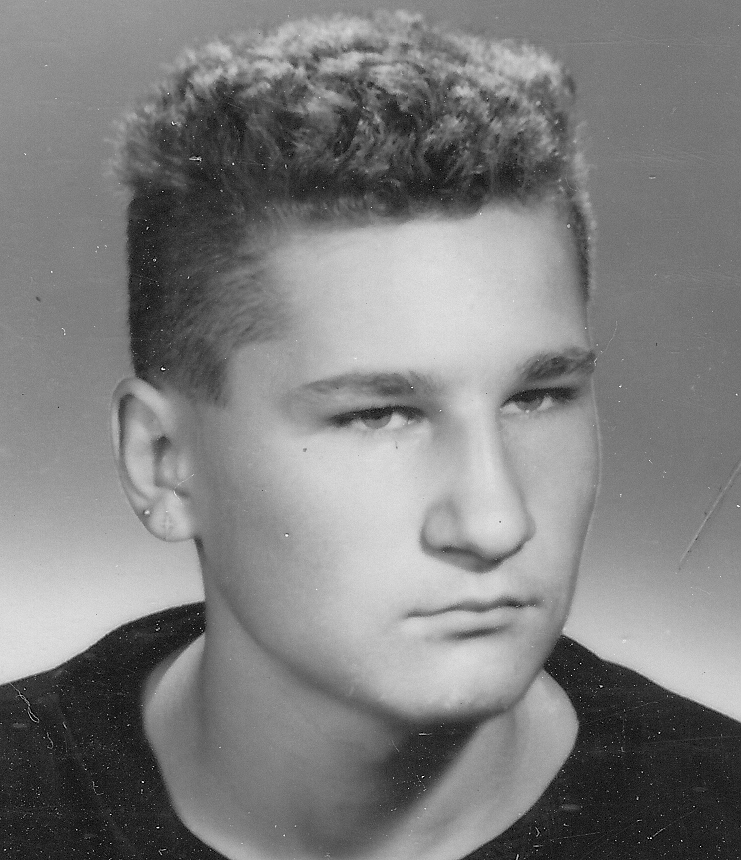
David Řasa (Krčmář) as a 15-year-old boy, 1989
photo: Witness´s archive

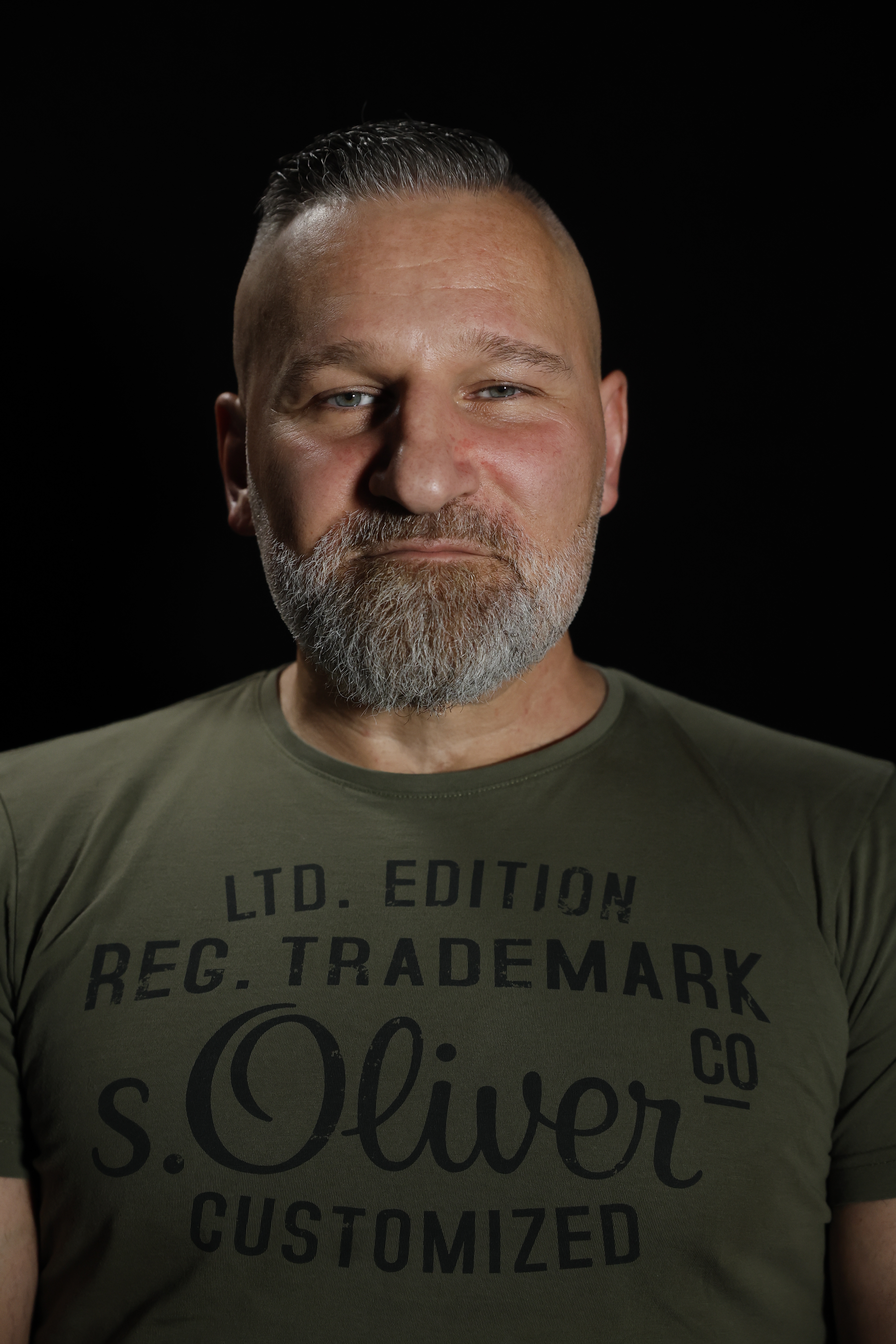
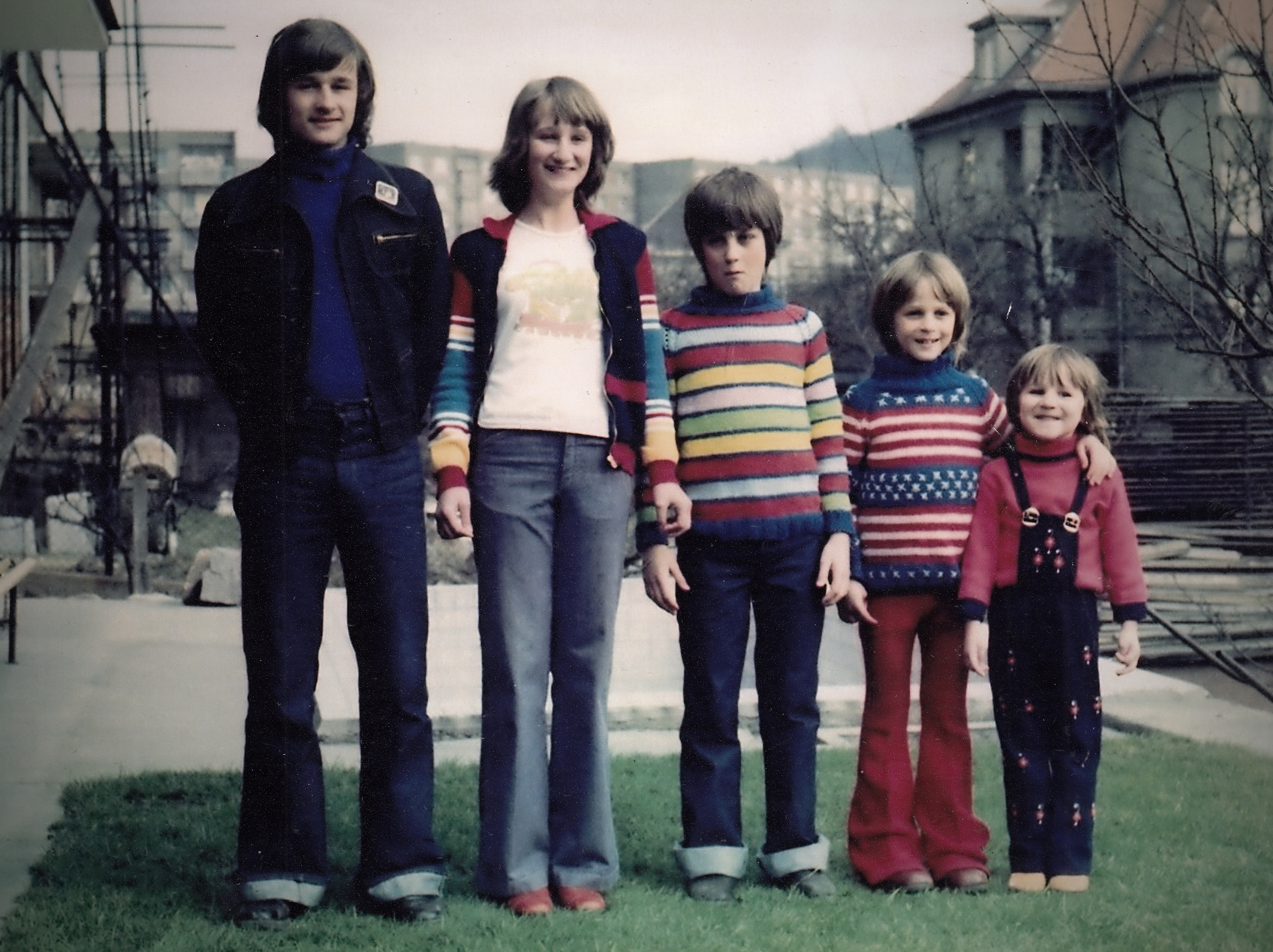
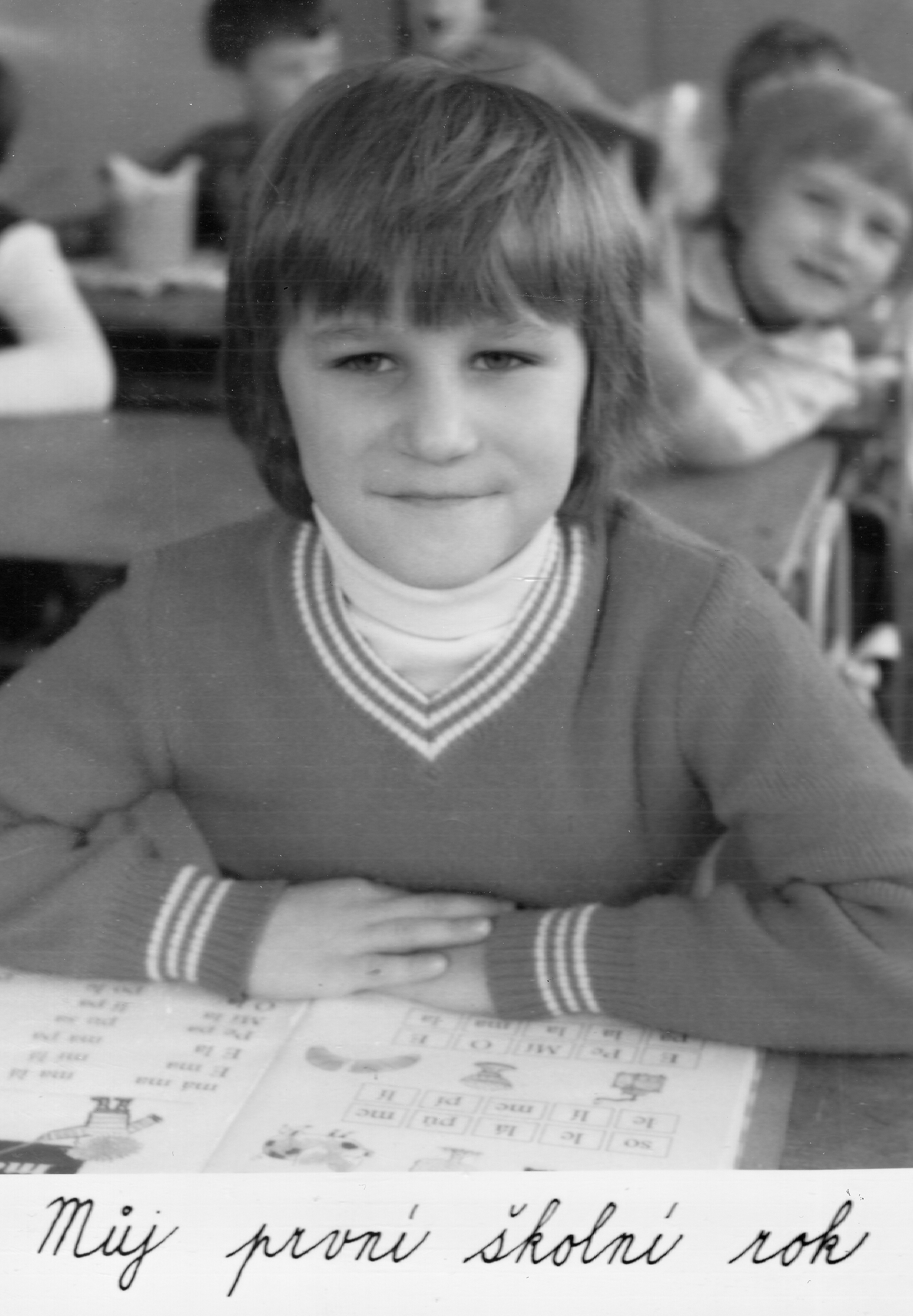
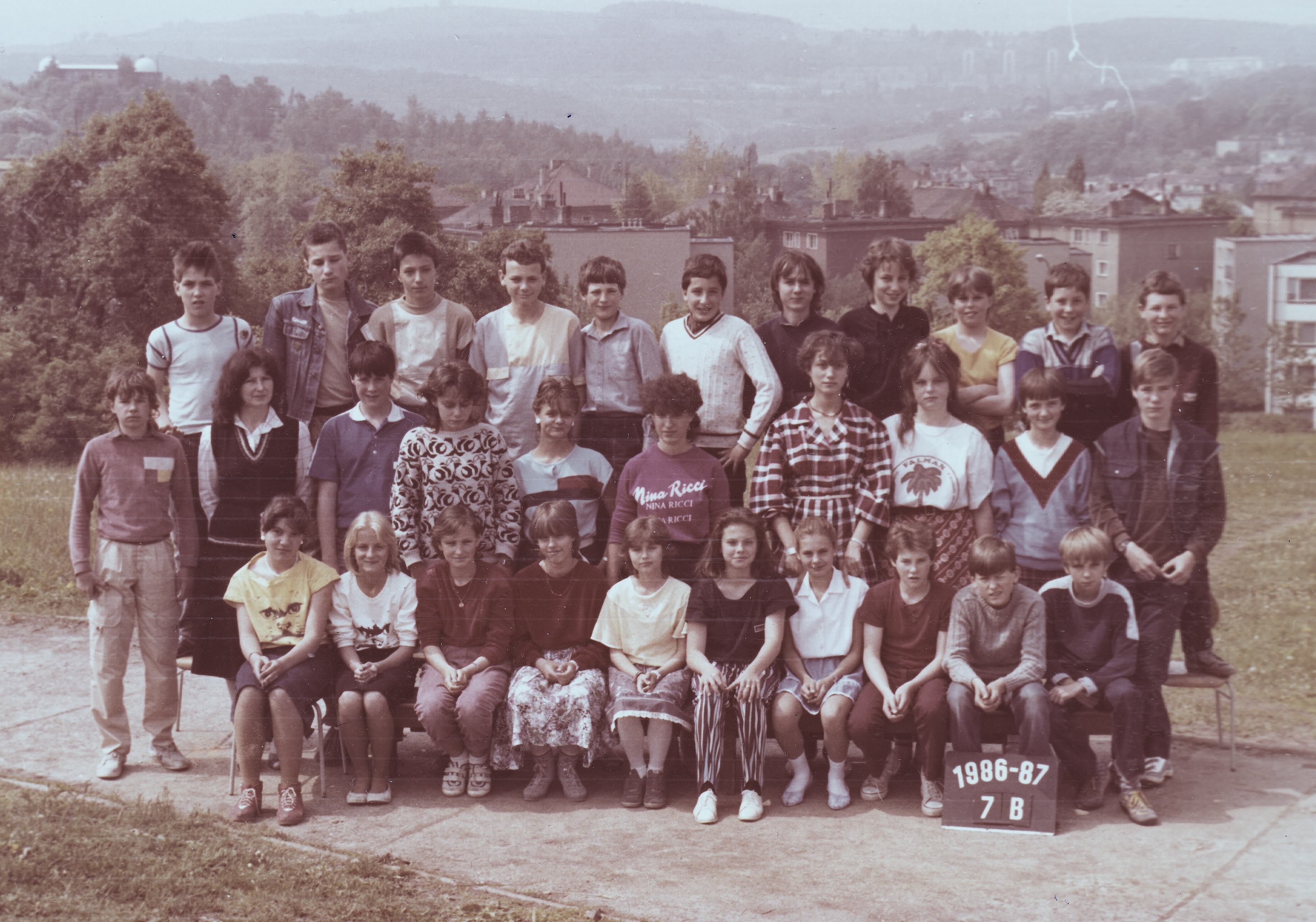
David Řasa was born on 18 March 1974 in Teplice to parents Ursula and František Krčmář. He grew up in the Šanov district of Teplice, where, thanks to his older siblings, he met a community of young people who were united by their negative attitude towards the communist regime and punk music. The catastrophic state of the air in the northern Bohemian town of Teplice forced him and his friend Zbyšek Jindra to organise protest actions, which later became known as ecological demonstrations. He was involved in the creation of information leaflets, thanks to which they summoned the residents of Teplice to demonstrations in the city centre. After the discovery, both organisers were arrested by State Security and subjected to interrogation, during which David Řasa was also physically assaulted. After his release, he subsequently took part in all the environmental demonstrations, including a public dialogue with leading officials of the Teplice Communist Party at the local ice rink. For his activities in November 1989, he should have been expelled from secondary school and subsequently punished, but because of the fall of the communist regime, none of this happened. He graduated from the secondary school of economics and stayed in Teplice. After starting a family, he moved to Rozvadov, where he worked, for example, in the security service or as a casino operator. In 2022, he received a certificate as a participant in the resistance and resistance against the Comintern and became its youngest holder. At the time of recording (2025) he was living in Teplice again and working in Germany.