Anna Plobner

* 1932

  • "We stayed in the Soviet zone over the Christmas holidays and left at the beginning of January. We packed what we could carry and took it. What we couldn't carry, we left behind. We took one suitcase. Most of the stuff stayed there. The dishes, the bed, etc., because my father thought we could take it later. But unfortunately that was no longer possible. We lost it twice. Then we crossed the border, the border of the Soviet zone. And that's when the Americans tightened the controls, because they didn't want too many people crossing the border, and they captured us. When we crossed the border, the horsemen came on horseback. First we had to walk a long way and then they took us in a car. I don't remember the name of the place we arrived at night. My mother had to get out of the car first. They sent her to the women's prison, my father to the men's prison. My father wouldn't let my brother go, he took him with him. And my sister and I went to the transit refugee camp, in the middle of the night. That's when the family was separated. Only later did we realize that the men's prison was right next to the refugee camp. So we took my brother with us to the camp."

  • "We had to stay there for almost 14 days because there was an outbreak of disease in the women's prison, so no one was allowed in. Then we had to go back to the Soviet zone. The truck was already there. The Americans would have left the under-18s on the west side of the border. And parents should have thought twice about volunteering to stay. Parents wanted to go back home. But we didn't have any support, so we would have had to go back. So my father went to the mayor and begged him, literally begged him, to write a confirmation that we could go to Bärnau to see my aunt. And then we were allowed to travel with it. Yes, we were also afraid that this certificate might not help us. But thank God we made it to Bärnau."

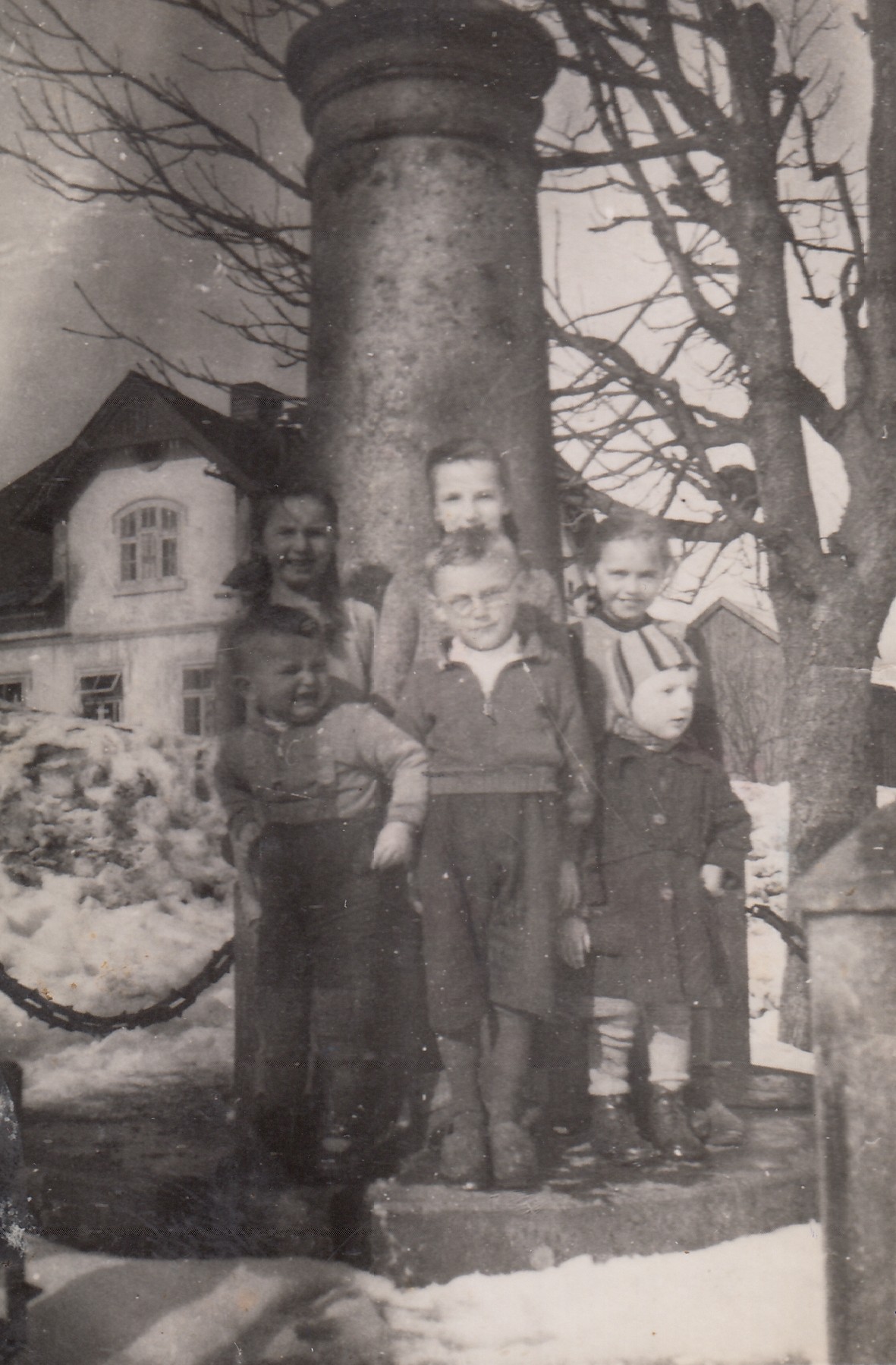
  • "But we couldn't, because my sister served in a pub, so she had to work and couldn't come home at night, she had to wash dishes in the kitchen, so it was impossible to go in the dark. And that's why we were the last ones to go. Almost last. That was the last transport from Pavlův Studenec, and on the sixth of September we were notified, and on the seventh we had to stand on the street with thirty kilos per person. There was a truck right next to the Böttger monument and we had to get in. A few people also got on with us from Zadní Pavlův Studenec, and when we got there, then some from Branka as well, going in the direction of Tachov. We left early in the morning at 8.30 and around 11.00 we were in Tachov. And we went to the camp."

  • Full recordings
  • 1

    Mariánské Lázně, 10.04.2025

    (audio)
    duration: 01:02:54
    media recorded in project Příběhy regionu - PLZ REG ED
Full recordings are available only for logged users.

We lost everything twice, there was nothing but work
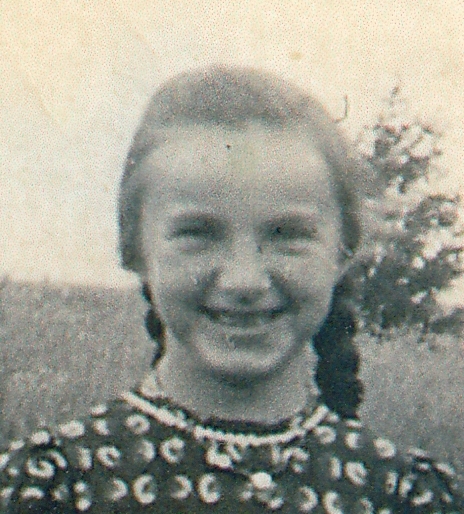
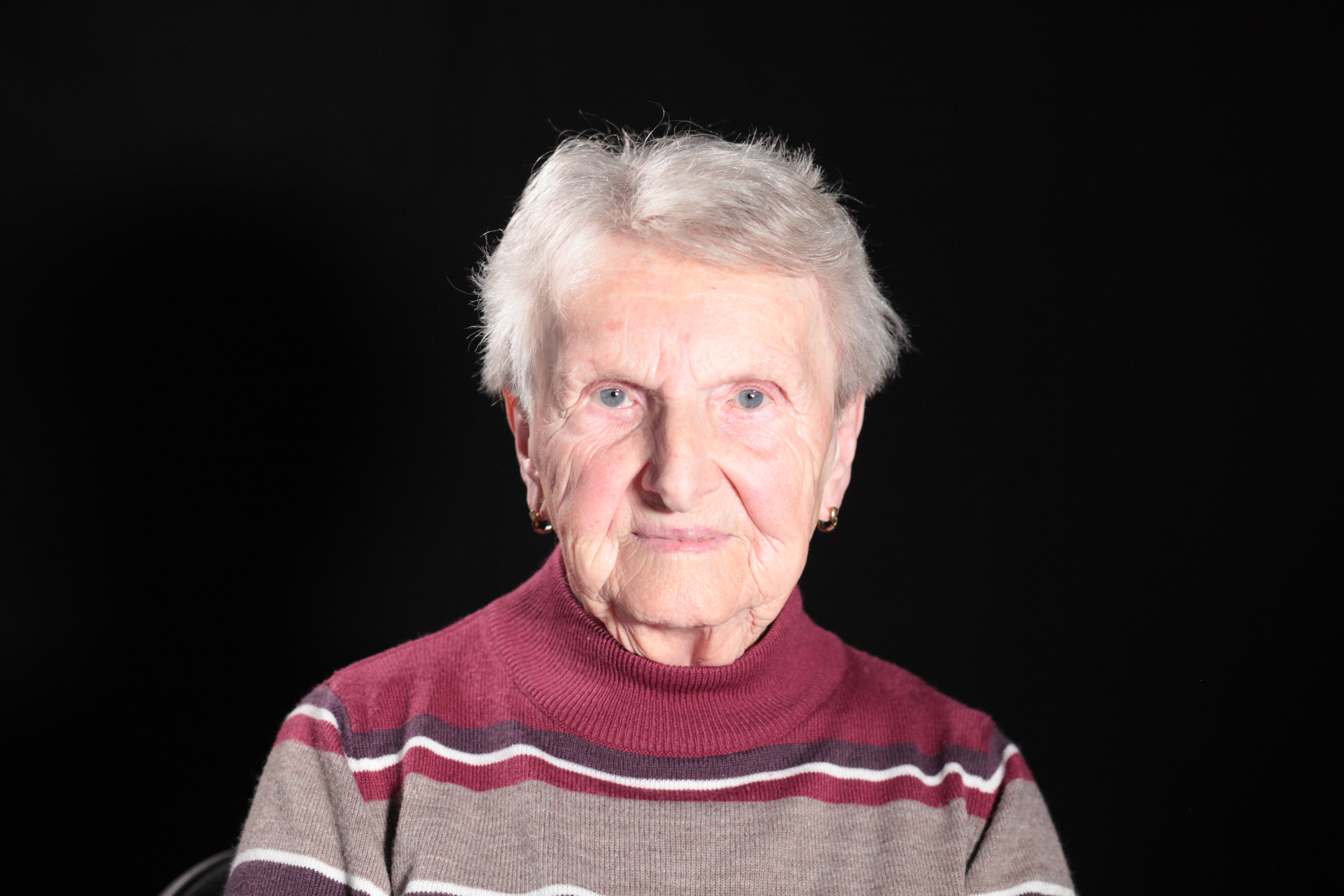
Anna Plobner
Anna Plobner
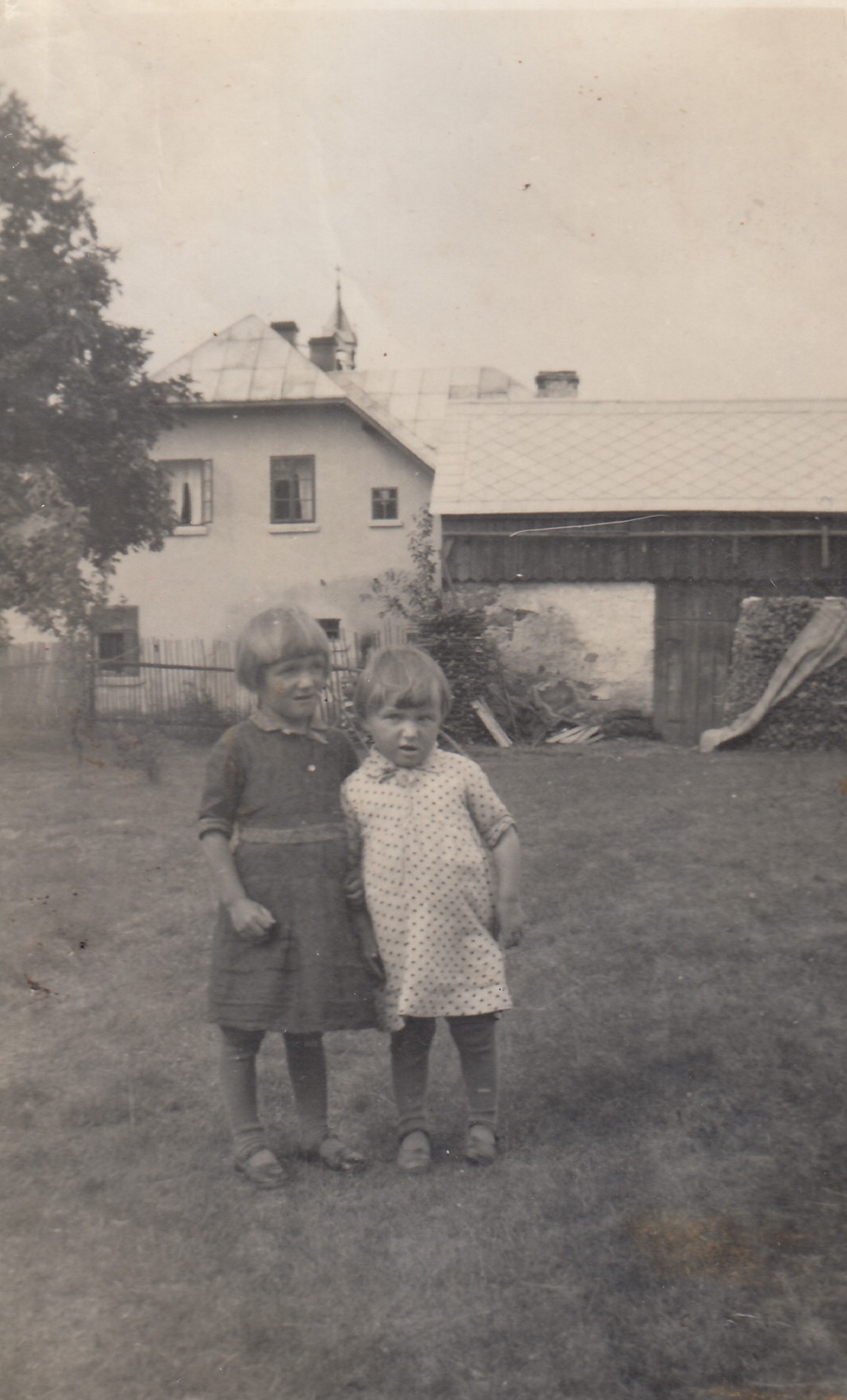
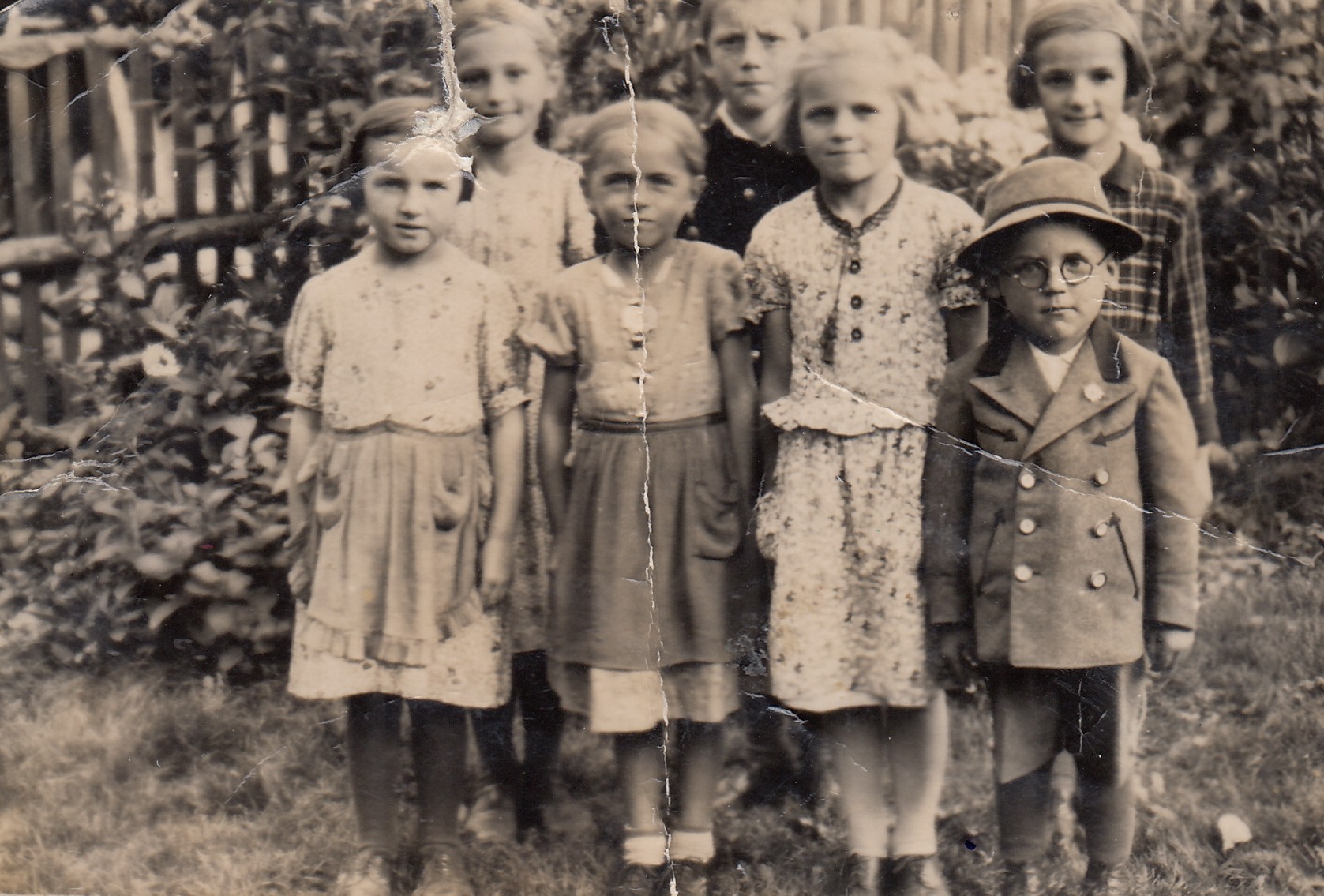
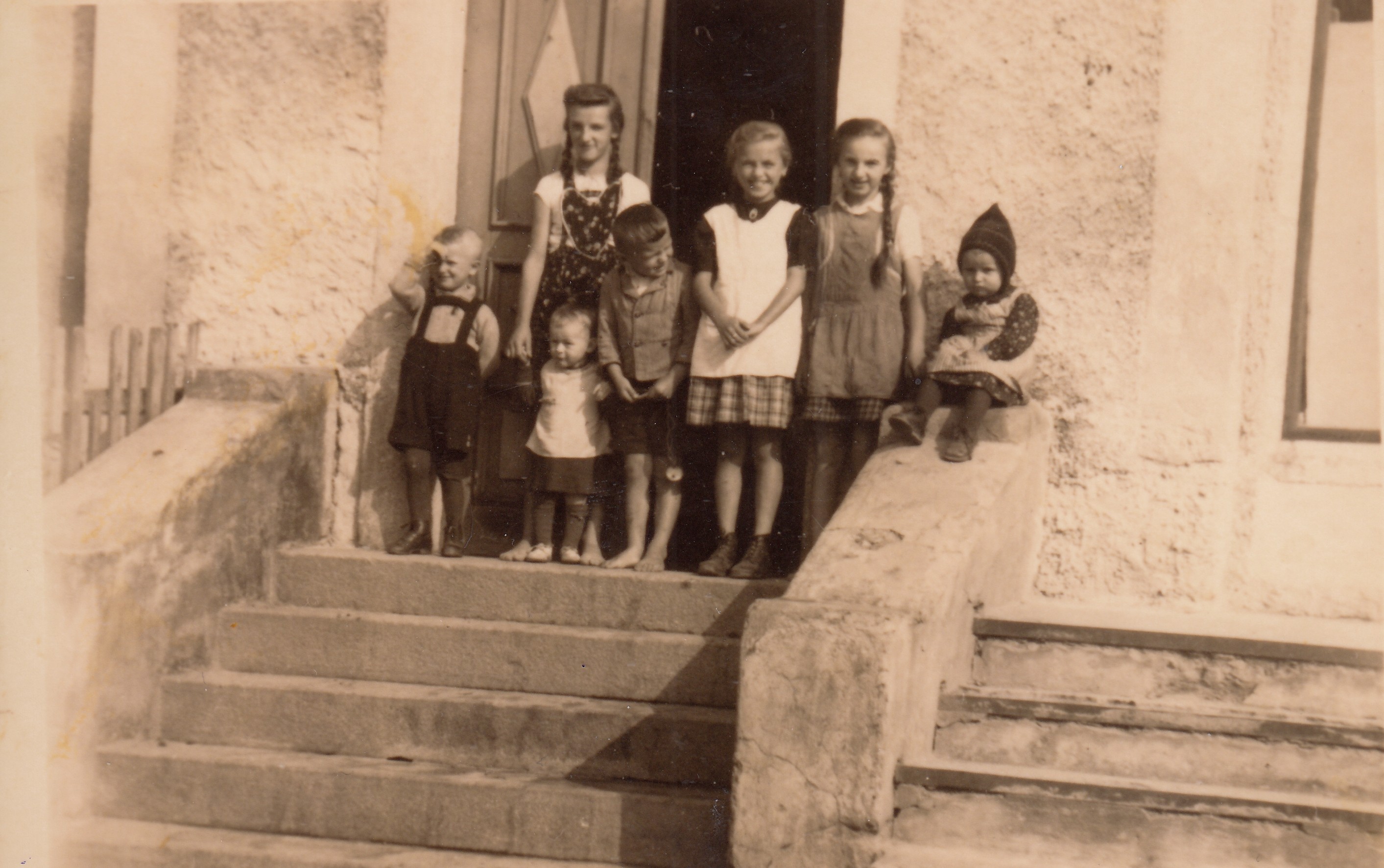
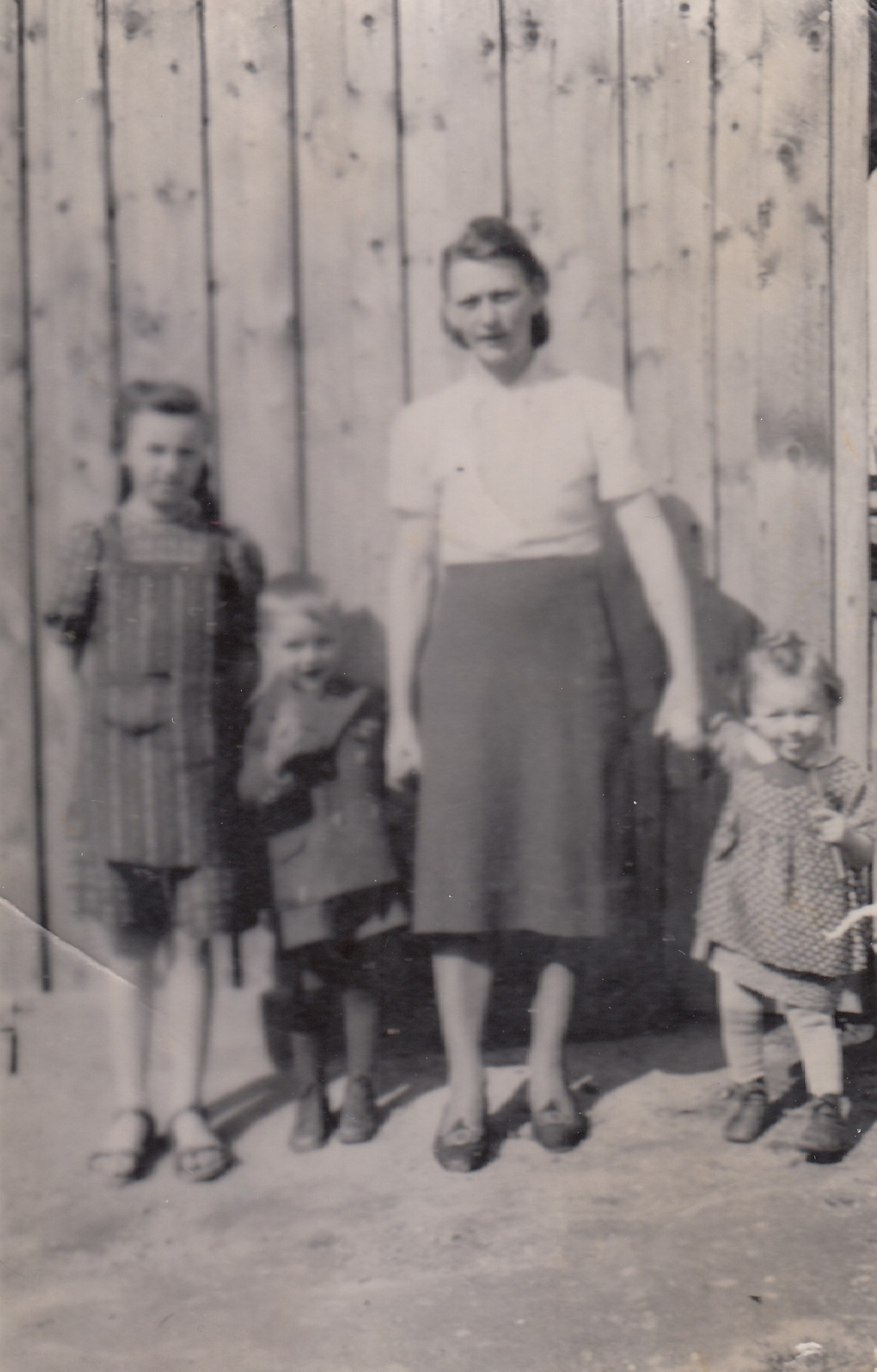
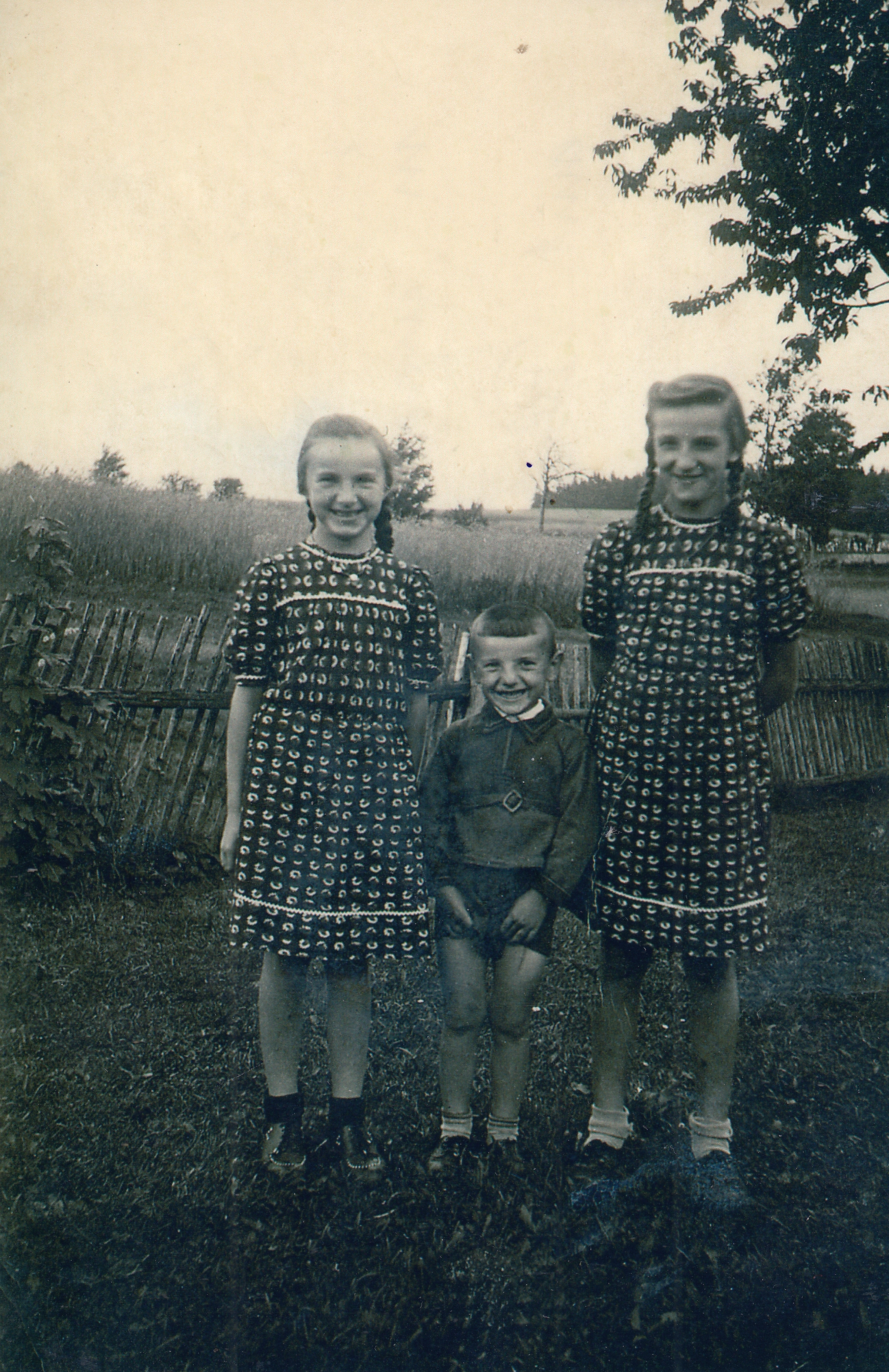
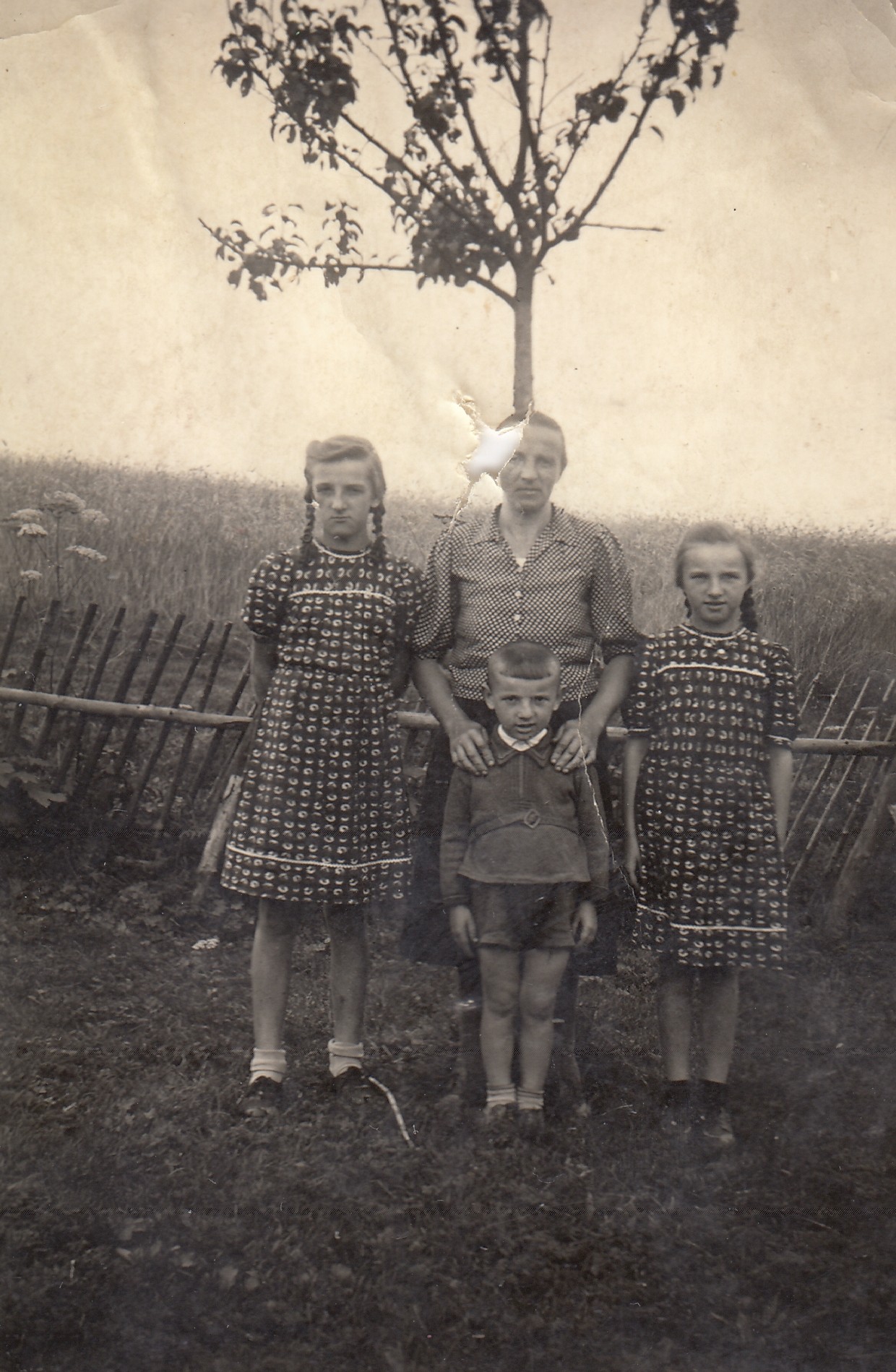
photo: witness´s archive

Anna Plobner was born on 5 February 1932 in the settlement Na Šancích. The settlement belonged administratively to the populous village of Pavlův Studenec in the Tachov region. She grew up there in the family of Josef and Sophie Wallerer together with her older sister Berta and younger brother Joseph. The settlement and the whole village belonged to the Sudetenland, which was annexed by Nazi Germany after the Munich Agreement. Most of the men had to enlist in the war on the side of the Third Reich. This was also the case for the father of the witness. Her mother had to take care of her three children alone, and even when they were young they had to do a lot of work. In the woods, in the fields, on the land. After the war, almost all the local German-speaking population was expelled. The Wallerer family was on the last transport from Studenec, which left the village on September 7, 1946. The transport lasted about two months before its movement stopped in the Soviet zone on 19 November 1946 at the home of a kind woman who gave the family shelter in her house. The deep desire of the whole family, however, was to continue on back to the Czech-German border in Bärnau. Despite the subsequent complications of being first captured at the border in January 1947 in the American zone, they wandered through camps in Lower Bavaria, and after several years in this German area, the father and all the children obtained work in a button factory in Bärnau. Finally, in 1953, they were able to move to their desired location. Anna Plobner later married here in 1961, and her husband was a former classmate from her primary school, a native of the village of Francovy domky in Pavlův Studenec. They started a new family together in Bärnau, raised two children and built a new house with their own hands.