"I was in contact with Tomáš Růžička, who was a doctor of science, and he signed the Charter. When I was in my third year, I decided to sign it too. And that was 1983 or 1984. I met him sometime in 1978 as a boiler operator. And so I let him know if he would arrange a meeting for me to sign it. And at that time the spokesman was Hejdánek, which you can check which year it was, because I'm mixing up the years. And so he announced it. And so I reported it to Hejdánek, and Hejdánek said something to me that was devastating. He said that in no way should I sign it, that I should live up to the intentions of Charter 77, but that they didn't want another student life to be destroyed, that I should finish my studies, that that was my task. And I was absolutely devastated because I had been preparing for a year for this. So I listened to wise counsel. Today I think it was wise advice, but at the time I was terribly disappointed."
"They always started hitting people with those batons. And it was like a combine harvester going and harvesting some grain, this horribly regular machine sound. That was crazy. Now they had some paratroopers in there, they were jumping up, people were shouting at them, swearing at them, the cops. And they were jumping on these ledges like Tarzan, beating people, even in the windows. It was terrible. And then it always ended and they were pushing those transporters again, by the sound of the people screaming. And then only then they started to loosen it up and gave orders to disperse. There was nowhere to disperse. And then they let us go down the alley and beat people up. I didn't even get hit as we were running, so that was weird, but a lot of people were hurt there."
"Suddenly I got summons to state Security - I wasn't even in the democratic initiative yet, that was before. And I was told to bring my passport, so I went there, and they started asking me, 'So what about your friends from the West?' And I said, 'I don't know what you want.' 'Well, tell us something about them.' And I said, 'Well, I don't even know them, I only know their first names.' That's how I tried it there. And they're like, 'Well, what about Frank?' And I said, 'Well Frank, I don't even know his surname.' And they knew his surname. So I knew it too, didn't I. So they told me, and I was like, 'Yeah, yeah, this guy, well what about him, or what are you asking?' 'Well, like what about guns?' And I was like, 'Like what...' 'Well, he's a bodyguard, right?' And by then I was smiling and I was like, 'You know, he doesn't speak English very well, and he was a lifeguard at the time, a lifeguard. Lifeguard in a swimming pool. That's a lifeguard, but he calls it a bodyguard.' So nothing. 'Well, what about the guns?' I said, 'Well, he's taking his hunting test and he's been in the Rocky Mountains hunting rabbits. That's it.' Well, they left me alone. But they were listening to us in a pub somewhere when we were telling the story."
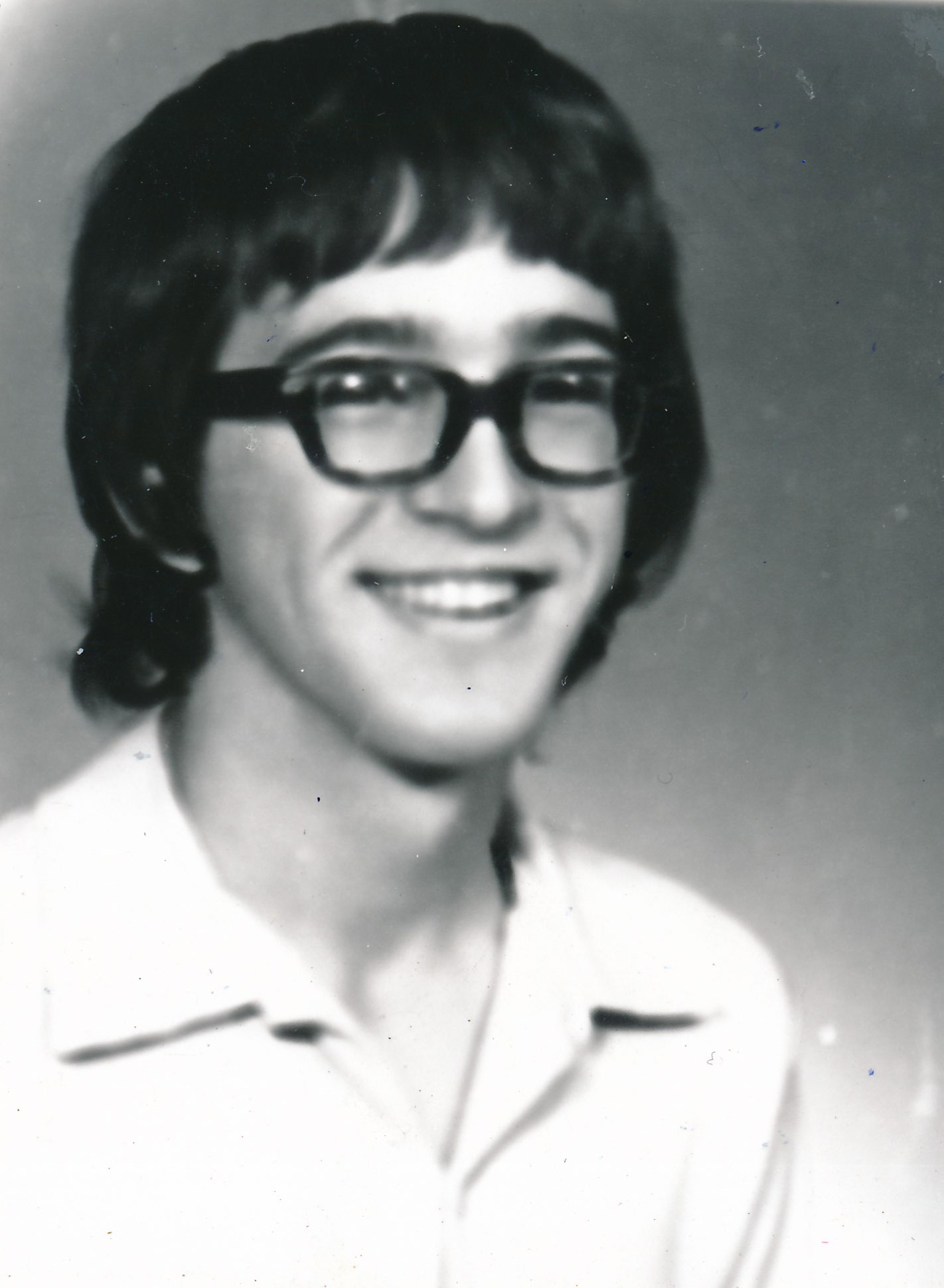
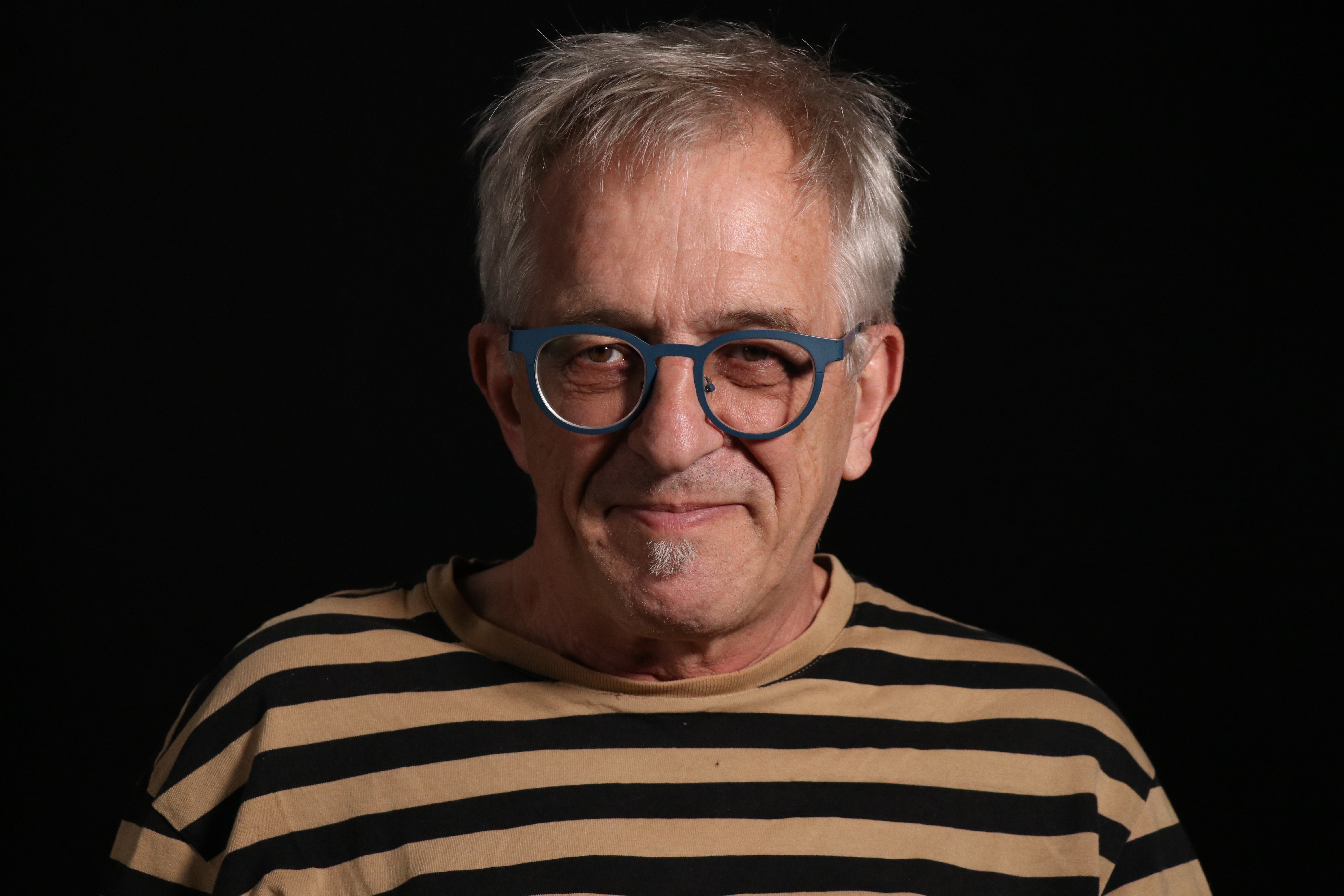
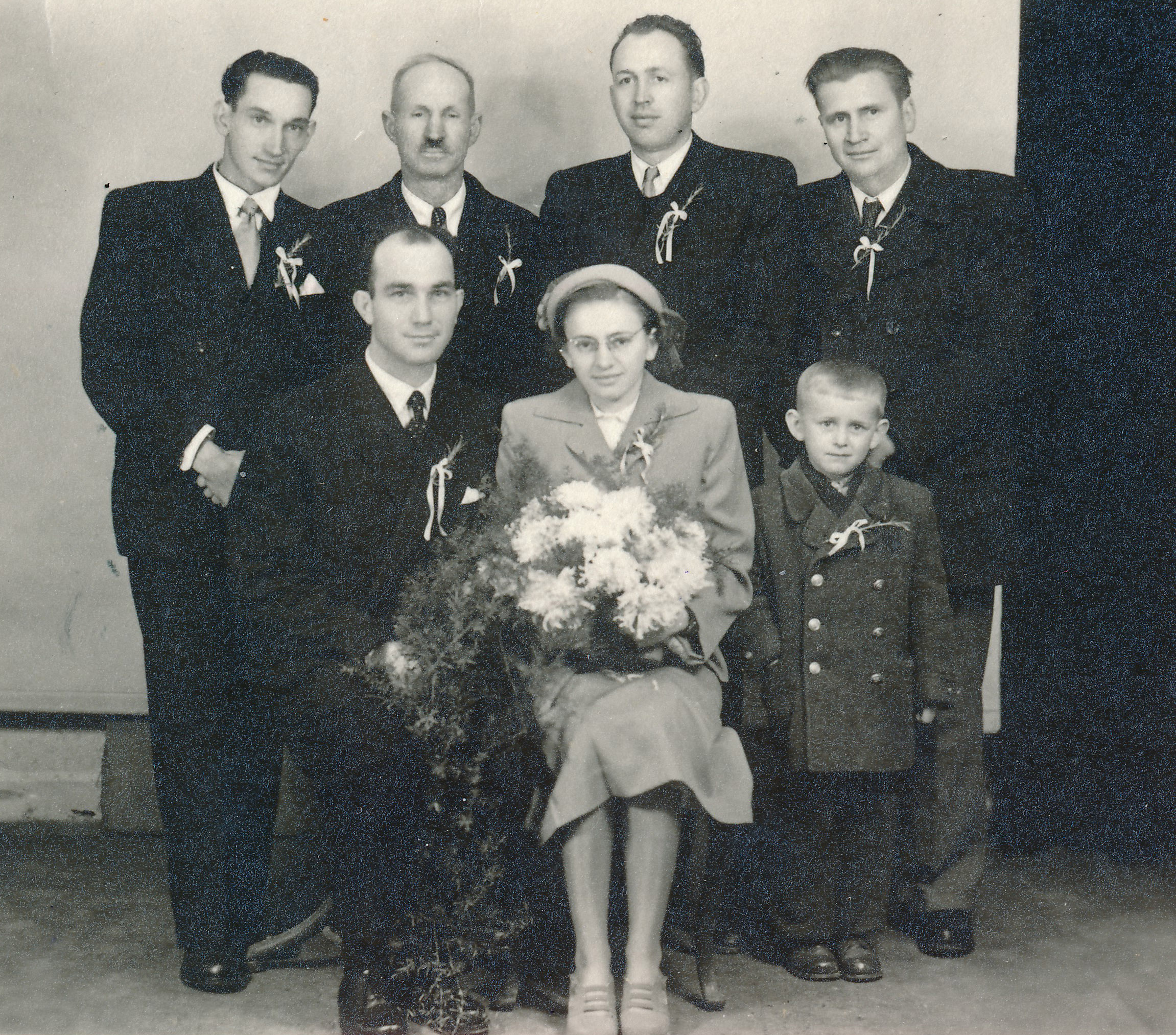
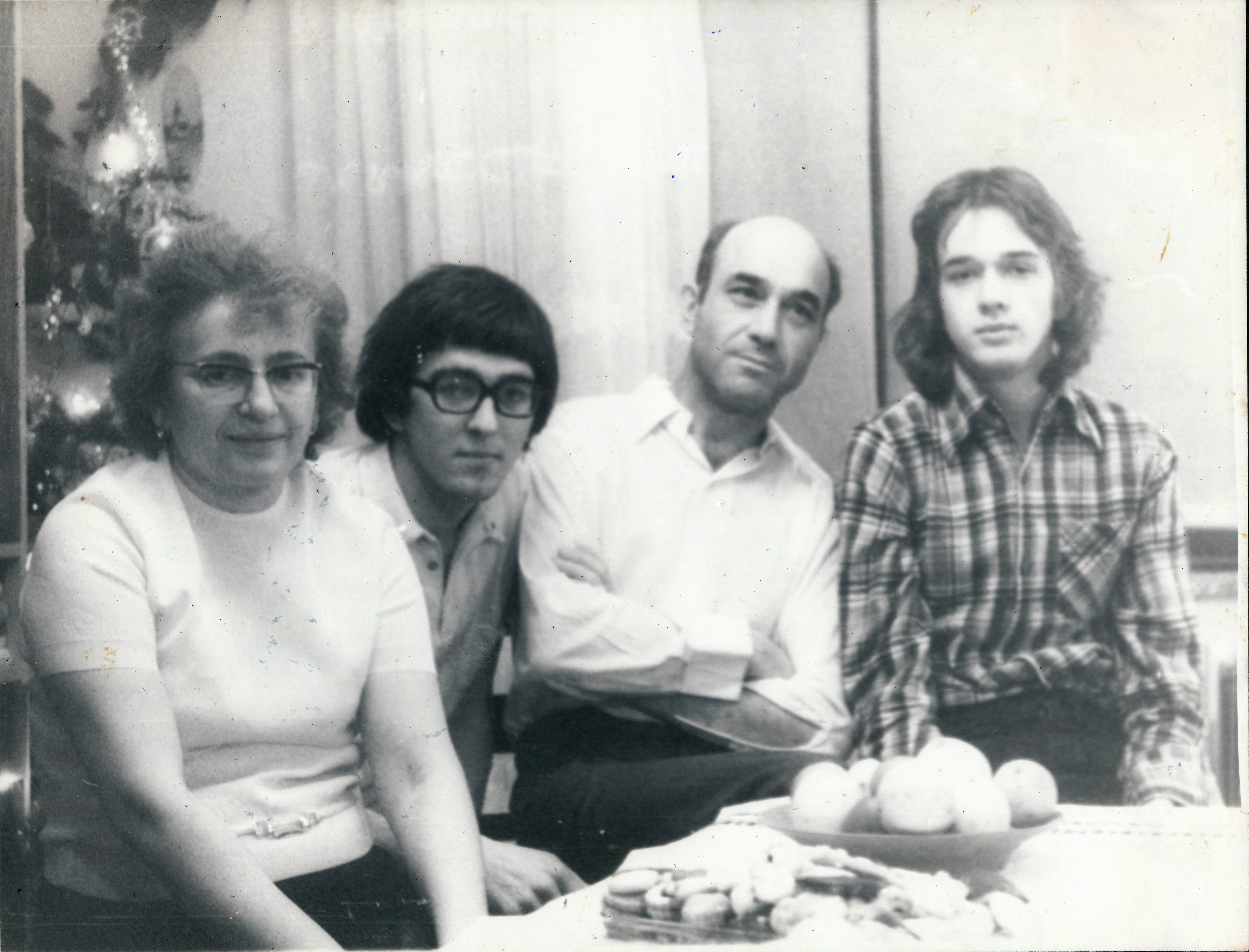
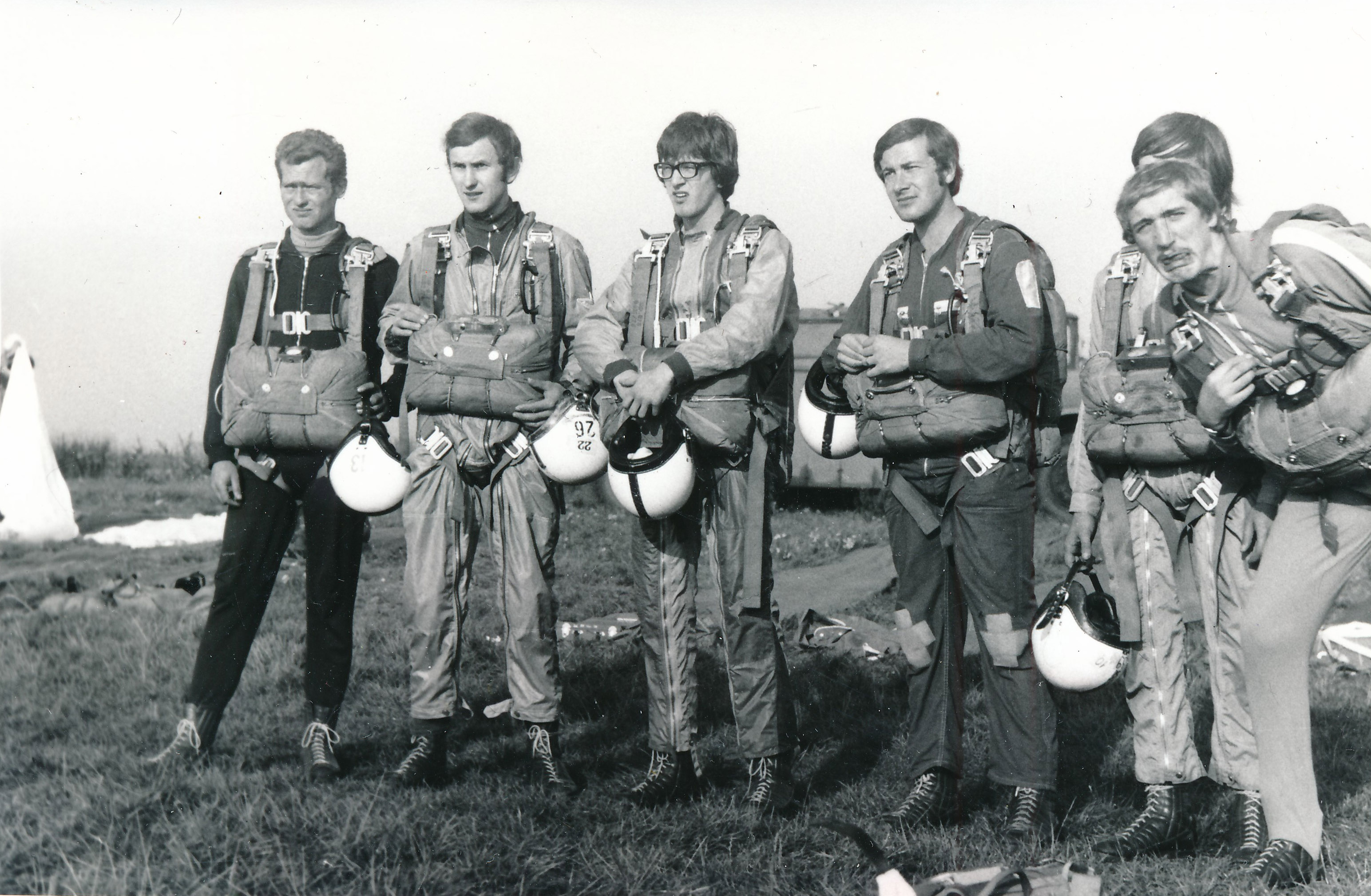
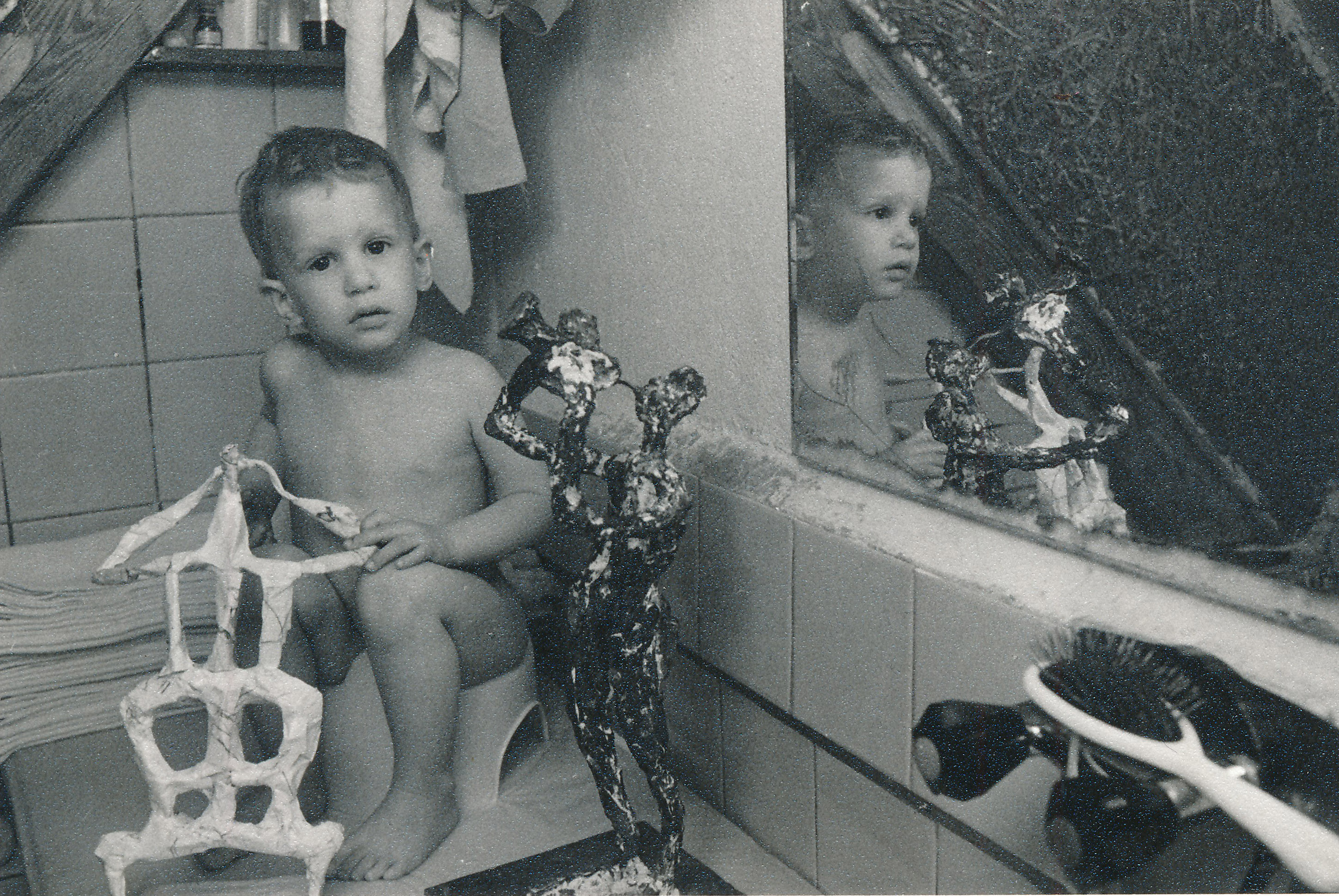
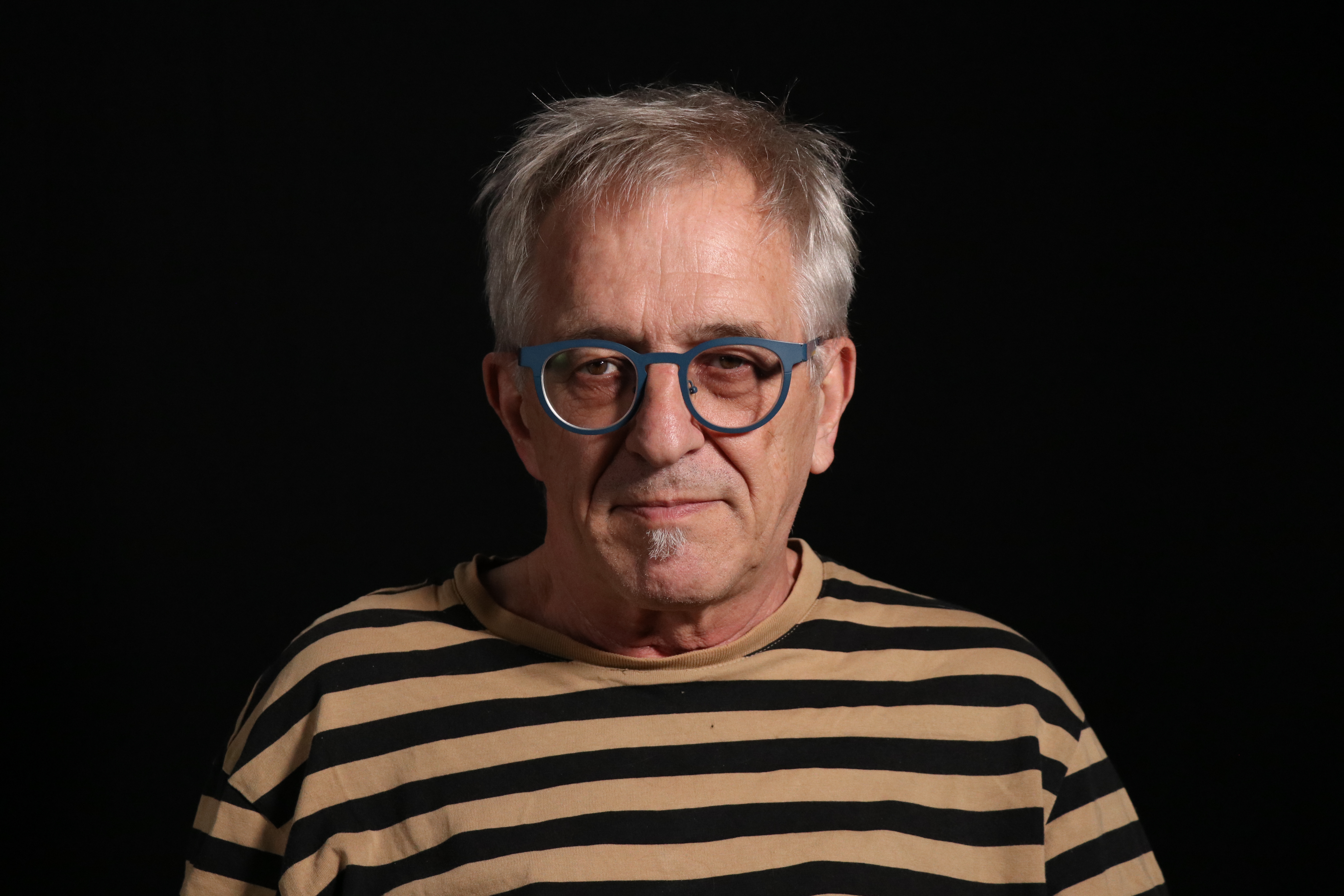
Academic sculptor Jiří Plieštik was born on 28 June 1956 in Nové Město na Moravě and grew up in Žďár nad Sázavou. His father, Josef Plieštik, came from the Slovak Horehronie region and worked as an electrical maintenance foreman, while his mother came from Bohdalov. In his childhood, Jiří Plieštik played sports, liked hiking in nature and lived in an information vacuum. After graduating from secondary school in 1976, he entered the Czech Technical University (CTU) in Prague. He attended evening drawing classes with the painter Helena Hrušková, and when he became familiar with ceramic clay, he decided to study sculpture at the Academy of Fine Arts (AVU) and left the CTU. He got to the Academy of Fine Arts at his sixth attempt, in 1981. In the meantime, he worked as a boiler operator. He joined the politically problematic Jazz Section of the Union of Musicians, participated in the semi-illegal Confrontation exhibitions, exhibited at the Young Gallery and played accordion in the band Krásné nové stroje. He was involved in the Czechoslovak Democratic Initiative. He was followed by State Security (StB) and summoned for interrogation because of his contacts with the West and his activities in the Democratic Initiative. On 17 November 1989, he was present at the police intervention on Národní Street. After 1990 he became an assistant to Karel Nepraš at the Academy of Fine Arts and experienced the reform of the school under the rector Milan Knížák, with whom he also entered into open disputes. In 1996-2000 he was the head of the sculpture preparatory course. He worked as a teacher for almost ten years in Denmark on the island of Samsø, where he led art workshops and participated in symposia and exhibitions in Holland and Germany. After leaving the Academy of Fine Arts in 2000, he began working with architects. He created, for example, a bronze monument commemorating Czechoslovak fighters during the Second World War abroad on Prague’s Vítězné Square. He has long been involved in photography (the series Faces and Hands), drawing, free and applied design, and writing; he has been published in the magazines Revolver Revue, Přítomnost, and Tvar. He has six children from two partnerships. He received the Department of Defense’s Third Resistance Award in 2004 and the Department of the Interior’s Third Resistance Award in 2025. However, he views his dissident activities as a civic duty rather than heroism. At the time of the recording in 2025, he was living in Písečná.