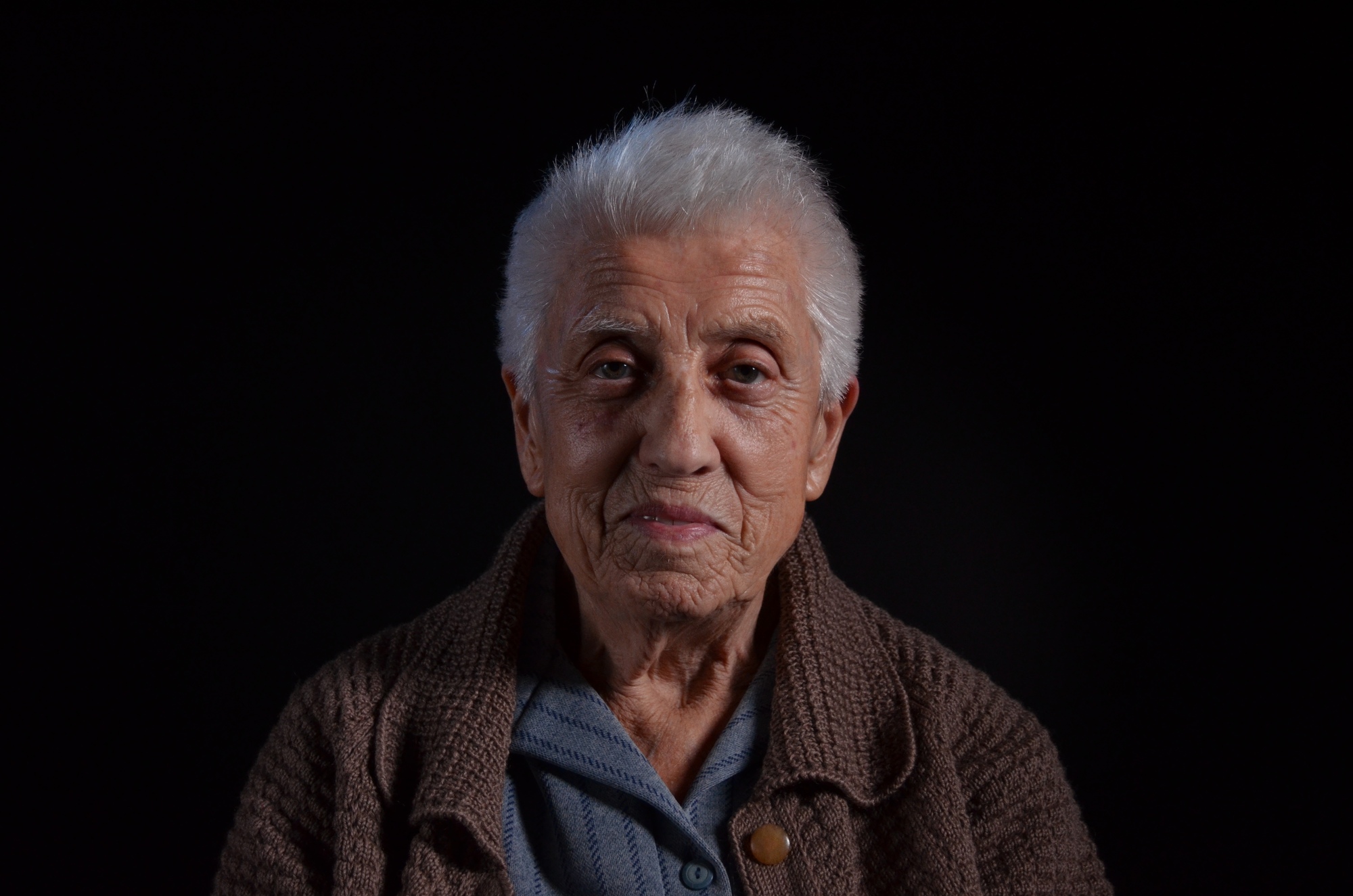
Zdeňka Pižlová

* 1928

  • “Throughout the war we had been a religious family and attended the church which was two villages far. Before the war, that was quite an occasion! When my father returned home after war, before even greeting us, he began throwing down religious pictures and threw them into the stove. He said: ‘If there was anything up there, God would have helped the children whom they took from their mothers and threw them into gas chambers.’ He saw that with his own eyes. And that was it for religion.”

  • “Were you allowed to send some packages to Terezín? “ – “No, we were only allowed to write postcards, seven lines in German so that the Germans could read through them instantly. No packages were allowed to be sent in. There were also kind people among the German wards, we used to send and receive letters through one of them. So daddy received news about how it was looking up with us, how the children were growing up and all that.”

  • “When the Gestapo did the house search at our place I was just returning from school. The women were working at the field, digging up potatoes. They told me: ‘Do not hurry; there is the Gestapo at your place.’ They found leaflets there. One of the Germans took a leaflet and passed to my mom from behind so that she could hide it. This saved the whole family because if they had found those leaflets, they would have also arrested the children.”

  • Full recordings
  • 1

    Plzeň, 19.11.2013

    (audio)
    duration: 45:09
    media recorded in project Stories of the 20th Century TV
  • 2

    Plzeň, 19.11.2013

    ()
    duration: 
    media recorded in project Stories of 20th Century
Full recordings are available only for logged users.

He had not even greeted us and already set out to burn religious pictures
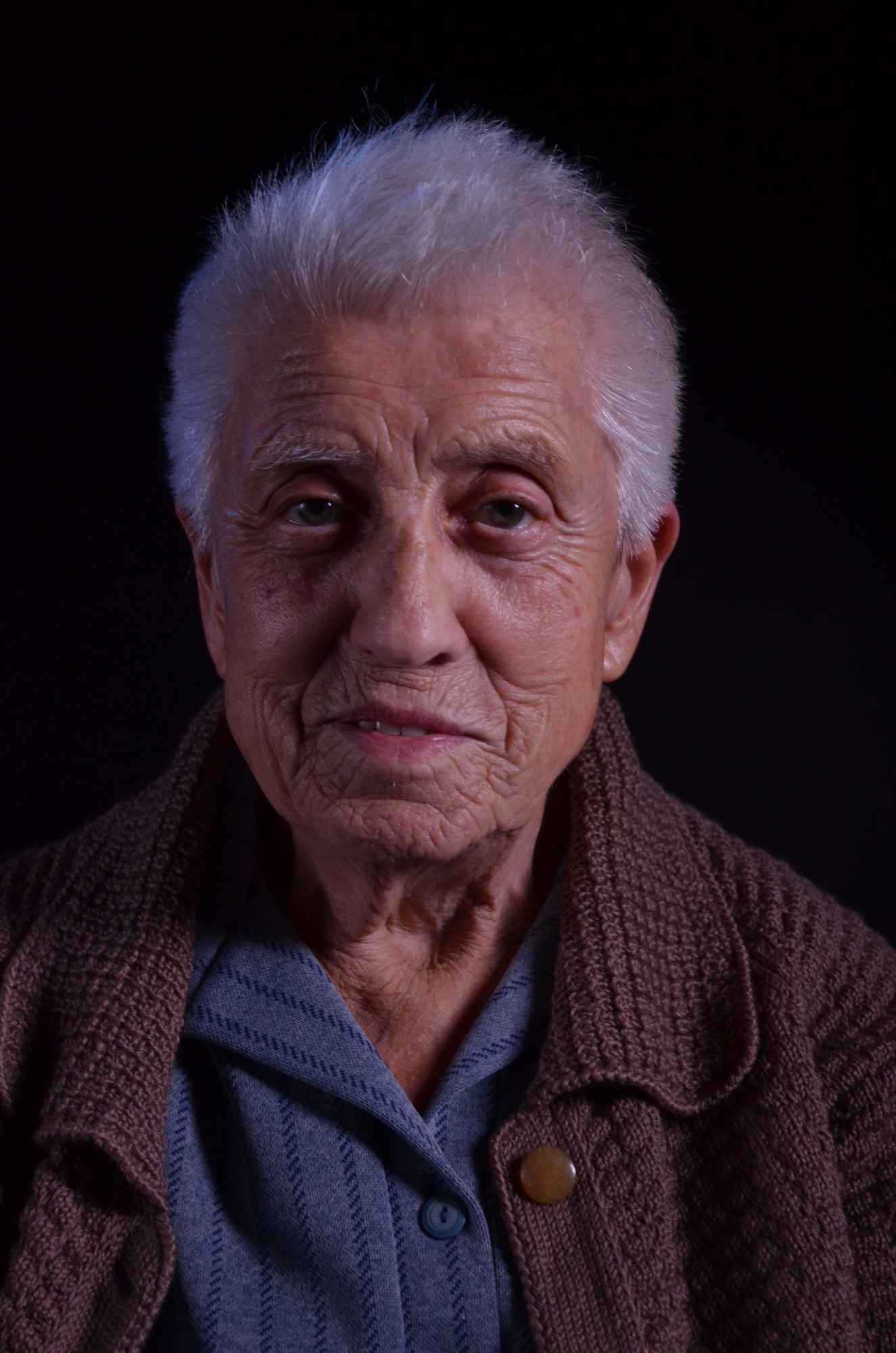
Zdeňka Pižlová was born on 8 May 1928 in Nekmíř near Pilsen. She had enjoyed an undisturbed childhood in the West Bohemian countryside until September 1941 when her father got arrested based on a neighbour’s allegation. He had spent the first year in Terezín, later was transported to the Flossenbürg concentration camp where he had been imprisoned until the end of the war. Following father’s arrest, the family found itself practically without income. Zdeňka had to work manually, not getting the chance to study. After the liberation, she found employment as a shop assistant. In 1947 she got married and with her husband received an equipped store in Přimda, formerly owned by the expelled Germans. She stayed in that one job until retirement, working in a shop for 63 years altogether.