Memory of Nations

Menu
Witnesses
  • Magazine
  • Witnesses
  • About Project
  • Support Us
  • More…
  • Ještě jsme ve válce
  • Příběhy našich sousedů
  • Klub přátel Paměti národa
  • Příběhy 20. století
  • My jsme to nevzdali
  • Běh pro Paměť národa
  • Kolegium Paměti národa
  • Místa Paměti národa
  • Den veteránů
  • E-shop Paměti národa
  • Ceny Paměti národa
  • Workshopy
It's easy to forget. That's why we record and share testimonies that mustn't fade away.
  • Alphabetical index
  • Epics and anniversaries
  • Topics and categories
  • Partners
  • Services
  • e-archive
    Forgotten password?
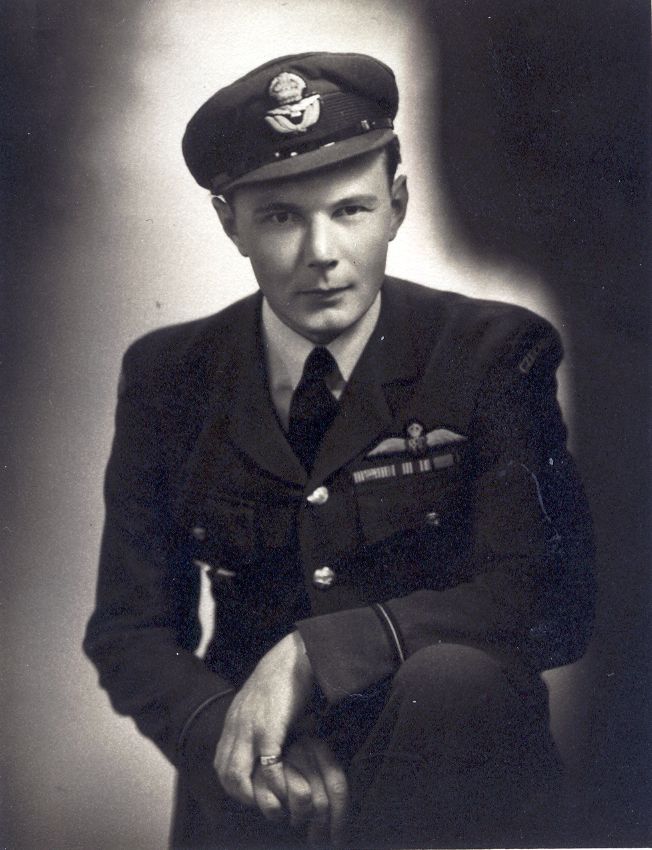
  • The last studio photograph of Jan before he left Britain in 1944
    The last studio photograph of Jan before he left Britain in 1944
    The last studio photograph of Jan before he left Britain in 1944
    Iveta Irvingová
    photo: Archiv pamětnice
    Download image
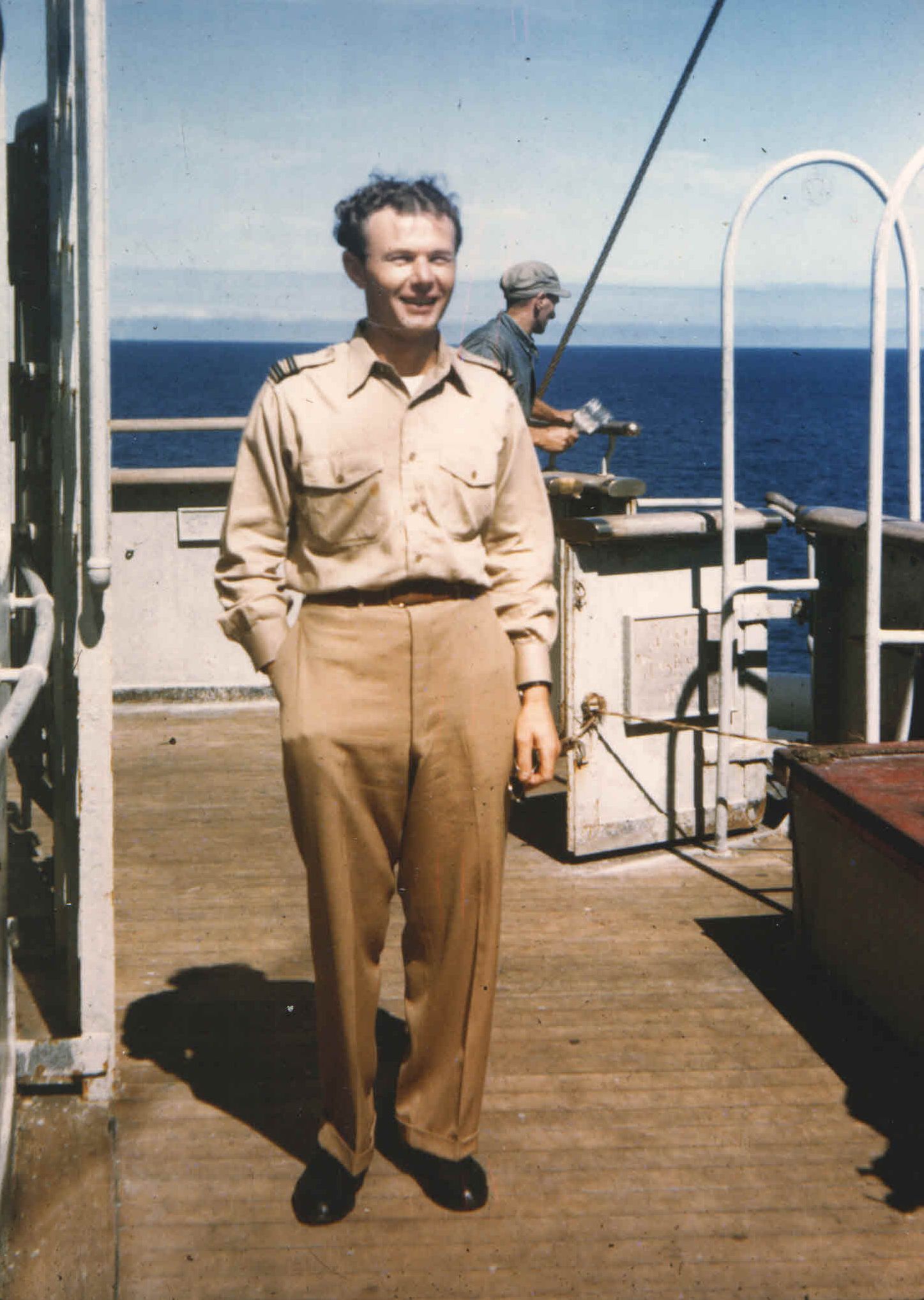
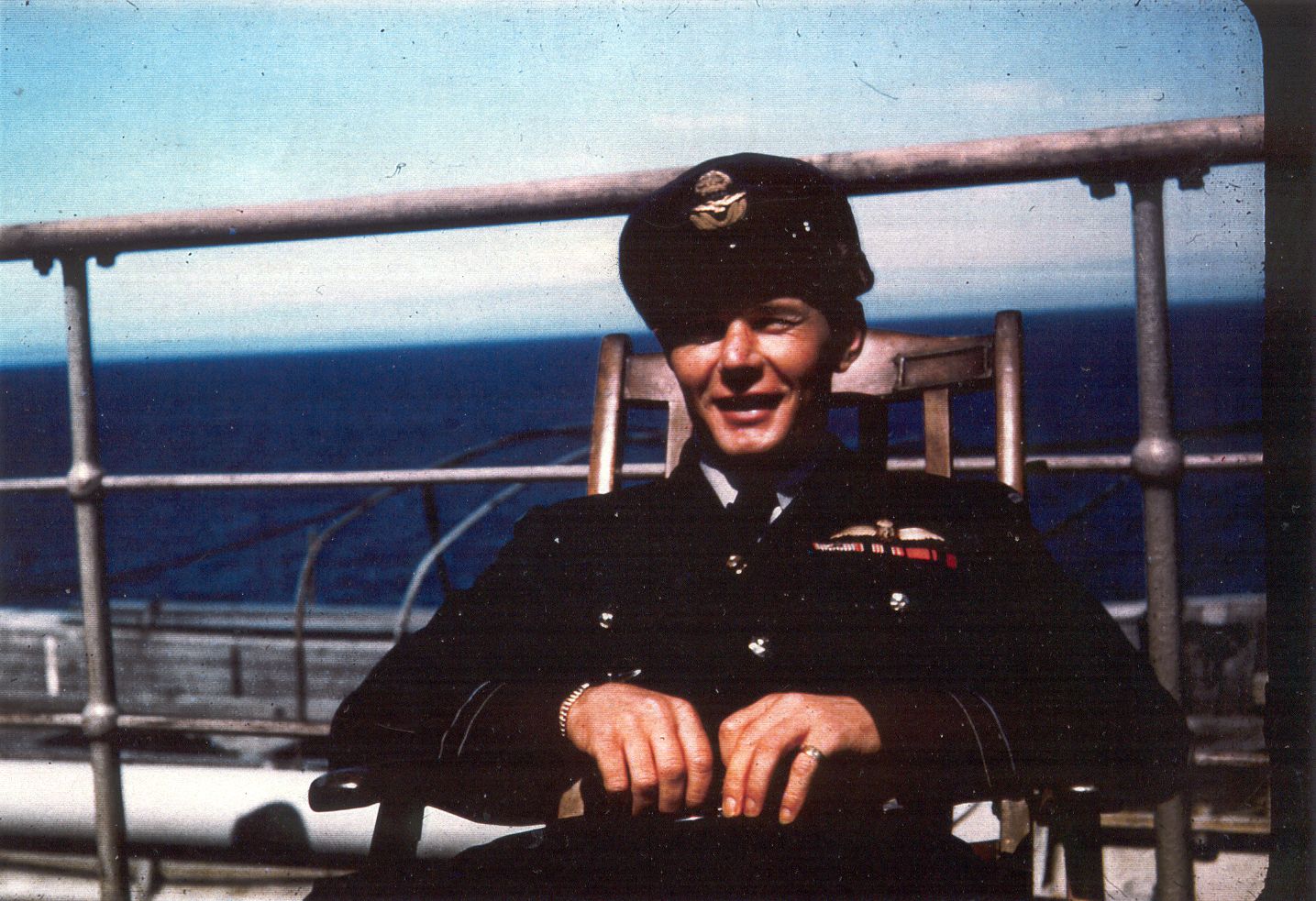
  • Jan on board of the RMS Queen Elizabeth
    Jan on board of the RMS Queen Elizabeth
    Jan on board of the RMS Queen Elizabeth
    Iveta Irvingová
    photo: Archiv pamětnice
    Download image
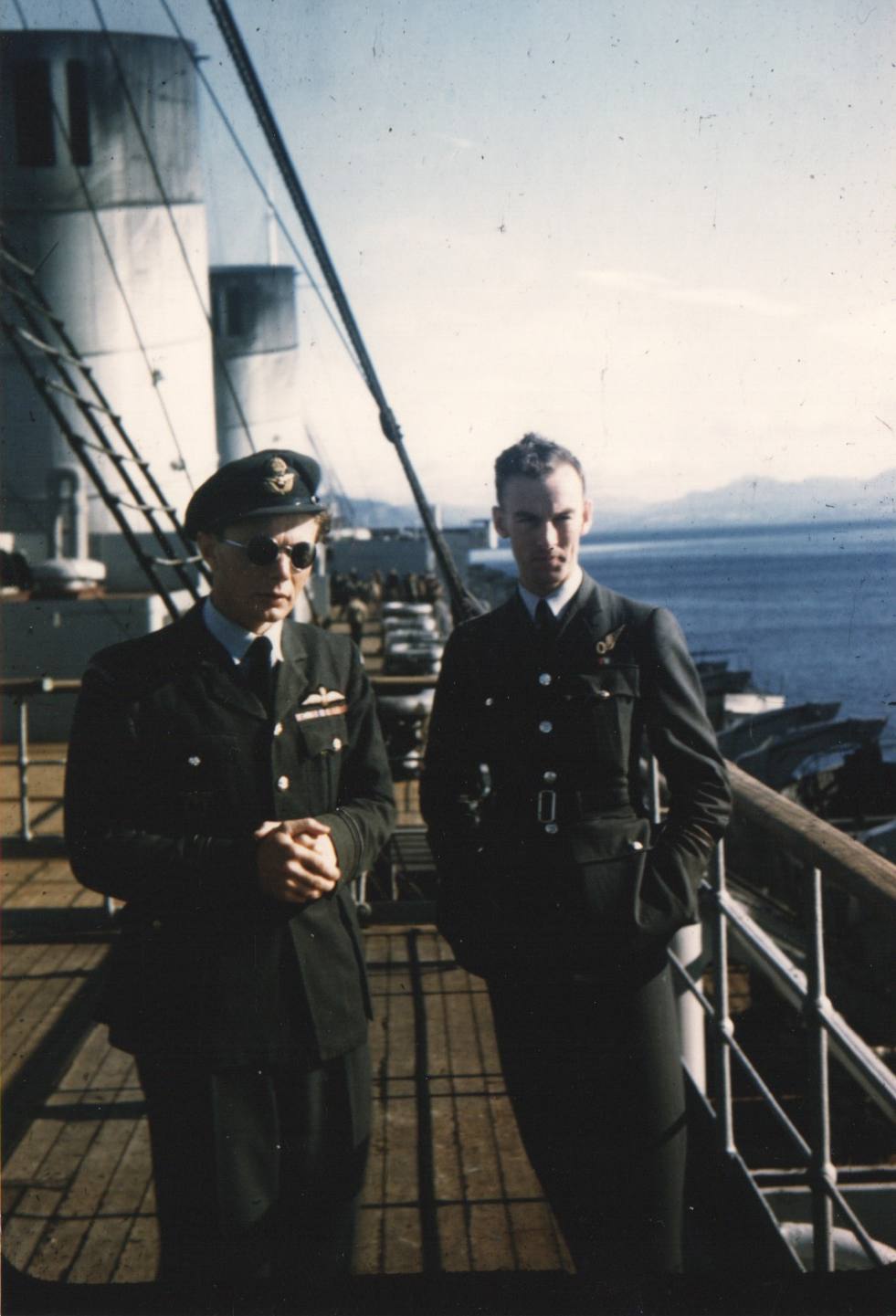
  • Jan on board of the RMS Queen Elizabeth
    Jan on board of the RMS Queen Elizabeth
    Jan on board of the RMS Queen Elizabeth
    Iveta Irvingová
    photo: Archiv pamětnice
    Download image
  • Jan on board of the RMS Queen Elizabeth
    Jan on board of the RMS Queen Elizabeth
    Jan on board of the RMS Queen Elizabeth
    Iveta Irvingová
    photo: Archiv pamětnice
    Download image
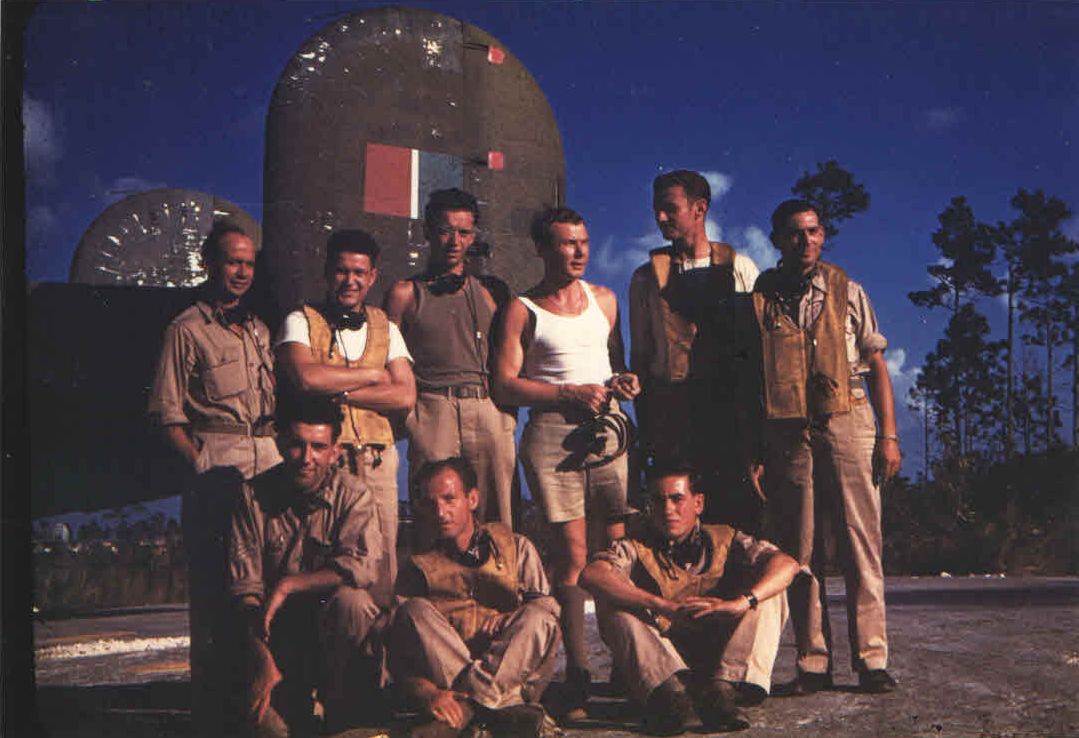
  • Evening at the Windsor Field base in Nassau. Standing, from the left: Karel Truxa, Ladislav Snídal, Josef Klesnil, Jan Irving (wearing a white tank top), Ilja Hrušák, an unknown man, probably British. Sitting, from the left: Karel Spitzkopf, Oskar Krebs, unknown Englishman
    Evening at the Windsor Field base in Nassau. Standing, from the left: Karel Truxa, Ladislav Snídal, Josef Klesnil, Jan Irving (wearing a white tank top), Ilja Hrušák, an unknown man, probably British. Sitting, from the left: Karel Spitzkopf, Oskar Krebs, unknown Englishman
    Evening at the Windsor Field base in Nassau. Standing, from the left: Karel Truxa, Ladislav Snídal, Josef Klesnil, Jan Irving (wearing a white tank top), Ilja Hrušák, an unknown man, probably British. Sitting, from the left: Karel Spitzkopf, Oskar Krebs, unknown Englishman
    Iveta Irvingová
    photo: Archiv pamětnice
    Download image
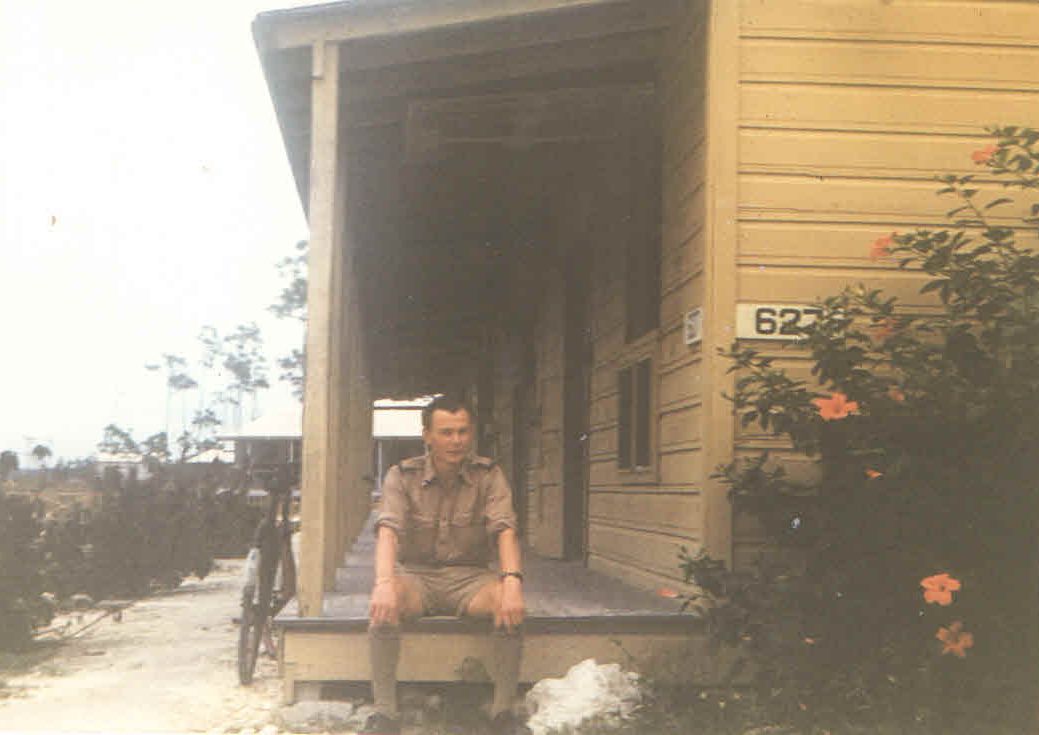
  • Very rare photograph showing the unadorned reality of lodging in the pilots' barracks
    Very rare photograph showing the unadorned reality of lodging in the pilots' barracks
    Very rare photograph showing the unadorned reality of lodging in the pilots' barracks
    Iveta Irvingová
    photo: Archiv pamětnice
    Download image
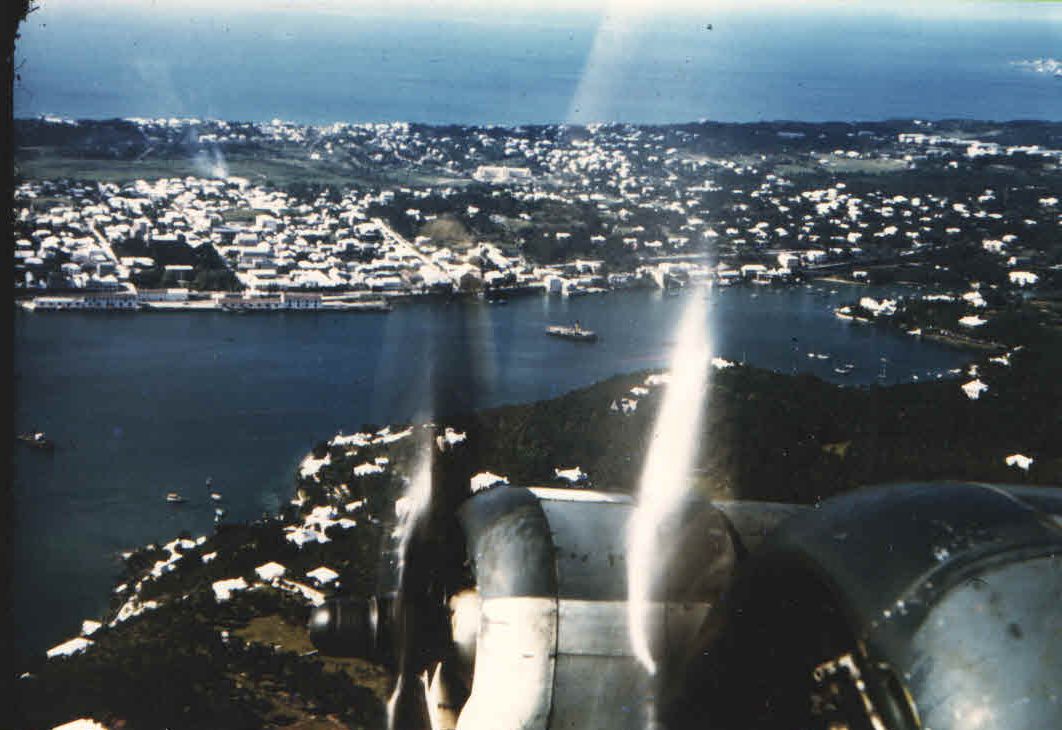
  • Aerial photography was Jan's lifetime passion. This photograph shows a stunning view of the right side of the B-24 flying low over Nassau.
    Aerial photography was Jan's lifetime passion. This photograph shows a stunning view of the right side of the B-24 flying low over Nassau.
    Aerial photography was Jan's lifetime passion. This photograph shows a stunning view of the right side of the B-24 flying low over Nassau.
    Iveta Irvingová
    photo: Archiv pamětnice
    Download image
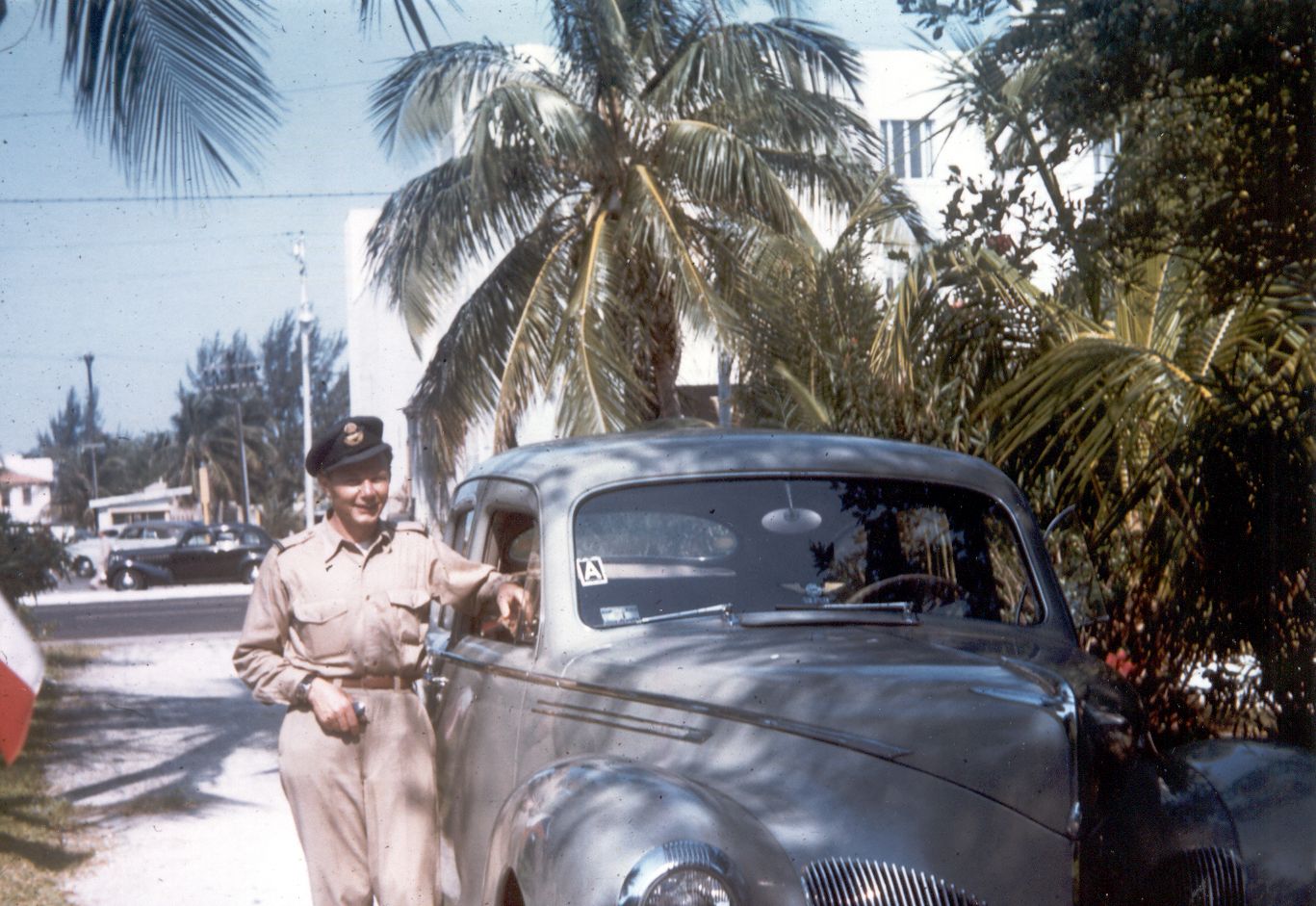
  • Jan with the embassy Pontiac in front of the Czechoslovak embassy in Nassau
    Jan with the embassy Pontiac in front of the Czechoslovak embassy in Nassau
    Jan with the embassy Pontiac in front of the Czechoslovak embassy in Nassau
    Iveta Irvingová
    photo: Archiv pamětnice
    Download image
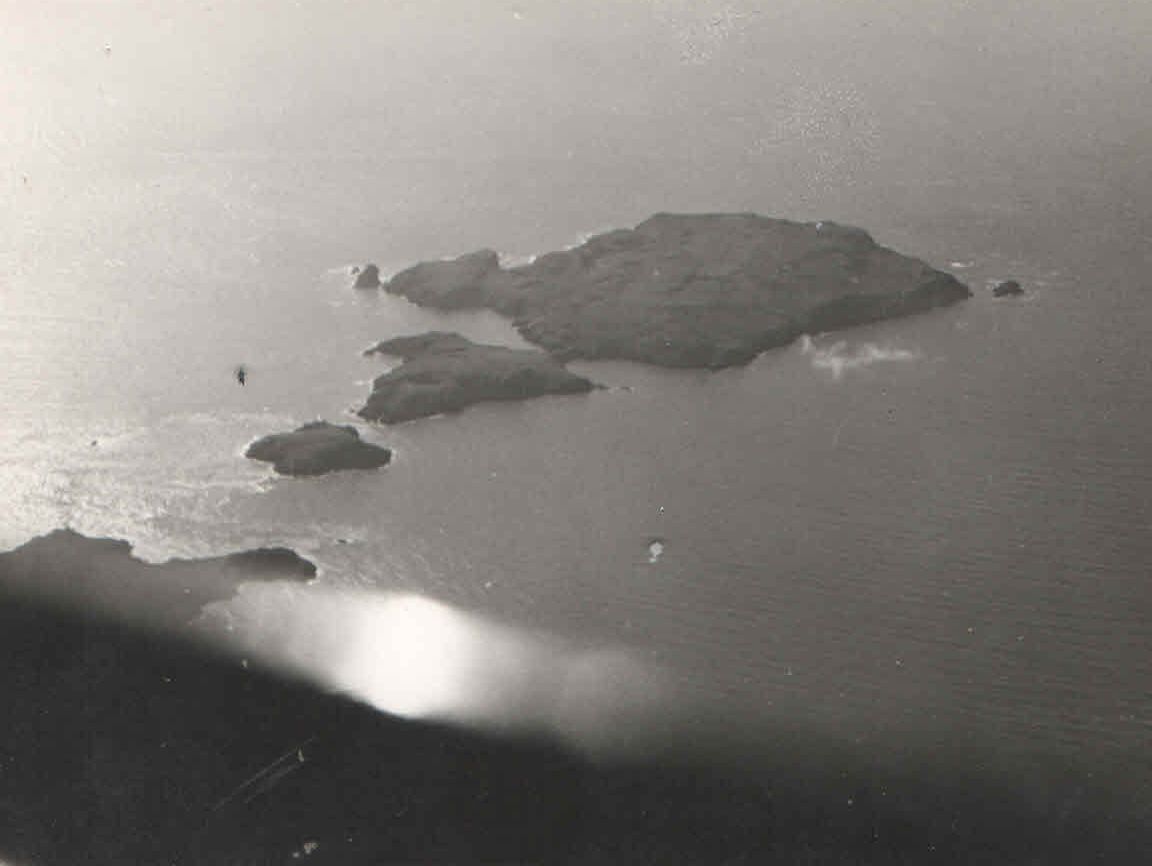
  • A "treasure island" adjacent to Nassau as seen from the pilot's cabin
    A "treasure island" adjacent to Nassau as seen from the pilot's cabin
    A "treasure island" adjacent to Nassau as seen from the pilot's cabin
    Iveta Irvingová
    photo: Archiv pamětnice
    Download image
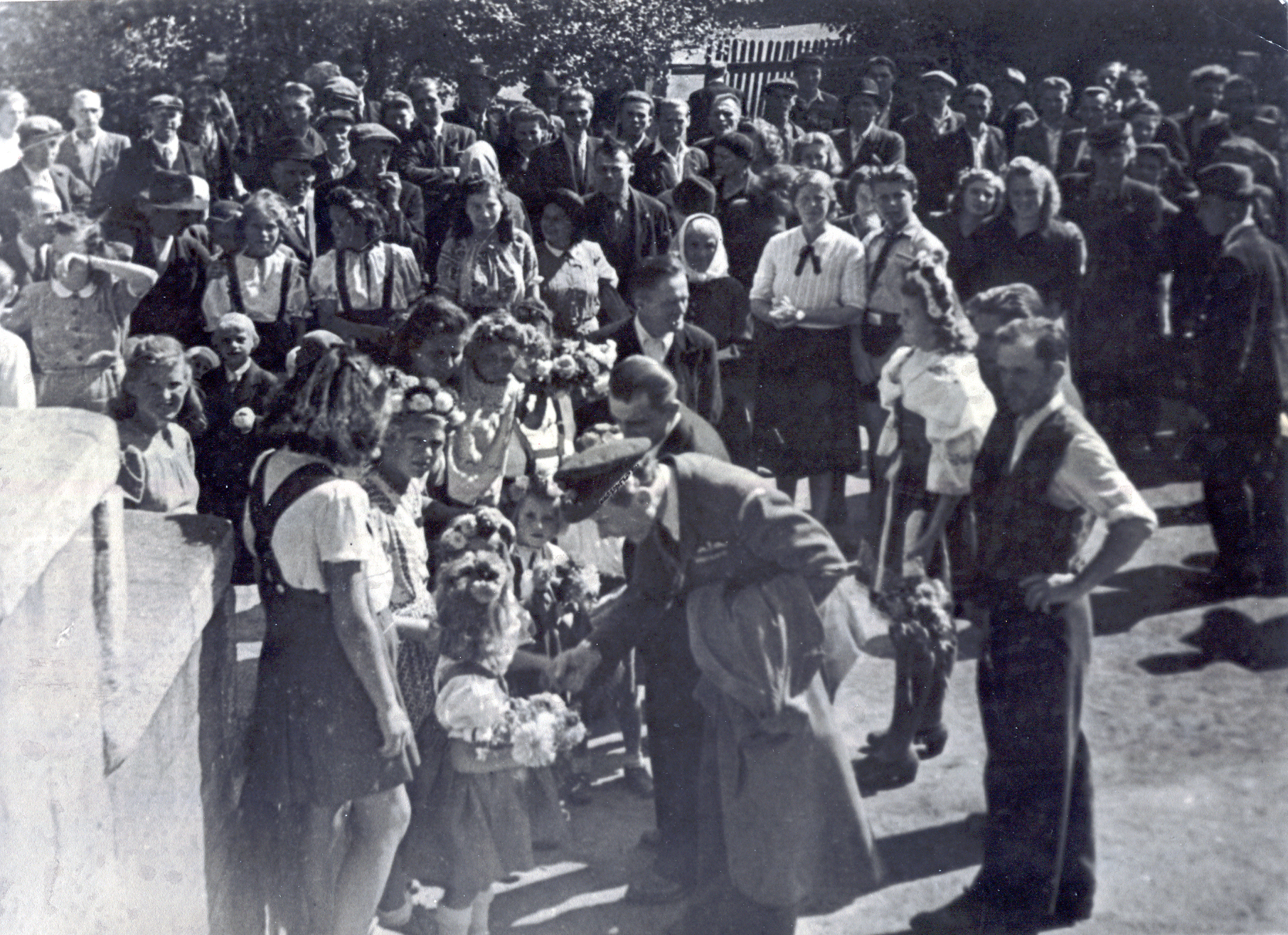
  • The one and only preserved photograph that depicts Jan Irving's return to his homeland: the Nýřany railway station in September 1945. Only one of the little girls in folk costumes is still alive (in 2019). A few from the bigger ones are those orphans who were later raised by Jan's children
    The one and only preserved photograph that depicts Jan Irving's return to his homeland: the Nýřany railway station in September 1945. Only one of the little girls in folk costumes is still alive (in 2019). A few from the bigger ones are those orphans who were later raised by Jan's children
    The one and only preserved photograph that depicts Jan Irving's return to his homeland: the Nýřany railway station in September 1945. Only one of the little girls in folk costumes is still alive (in 2019). A few from the bigger ones are those orphans who were later raised by Jan's children
    Iveta Irvingová
    photo: Archiv pamětnice
    Download image
  • The grandest of military parades was overseen by President Beneš and Mrs. Beneš, state and army dignitaries and thousands of cheering people standing at the sides of Old Town Square. Later, some of the parades took place at Wenceslas' Square
    The grandest of military parades was overseen by President Beneš and Mrs. Beneš, state and army dignitaries and thousands of cheering people standing at the sides of Old Town Square. Later, some of the parades took place at Wenceslas' Square
    The grandest of military parades was overseen by President Beneš and Mrs. Beneš, state and army dignitaries and thousands of cheering people standing at the sides of Old Town Square. Later, some of the parades took place at Wenceslas' Square
    Iveta Irvingová
    photo: Archiv pamětnice
    Download image
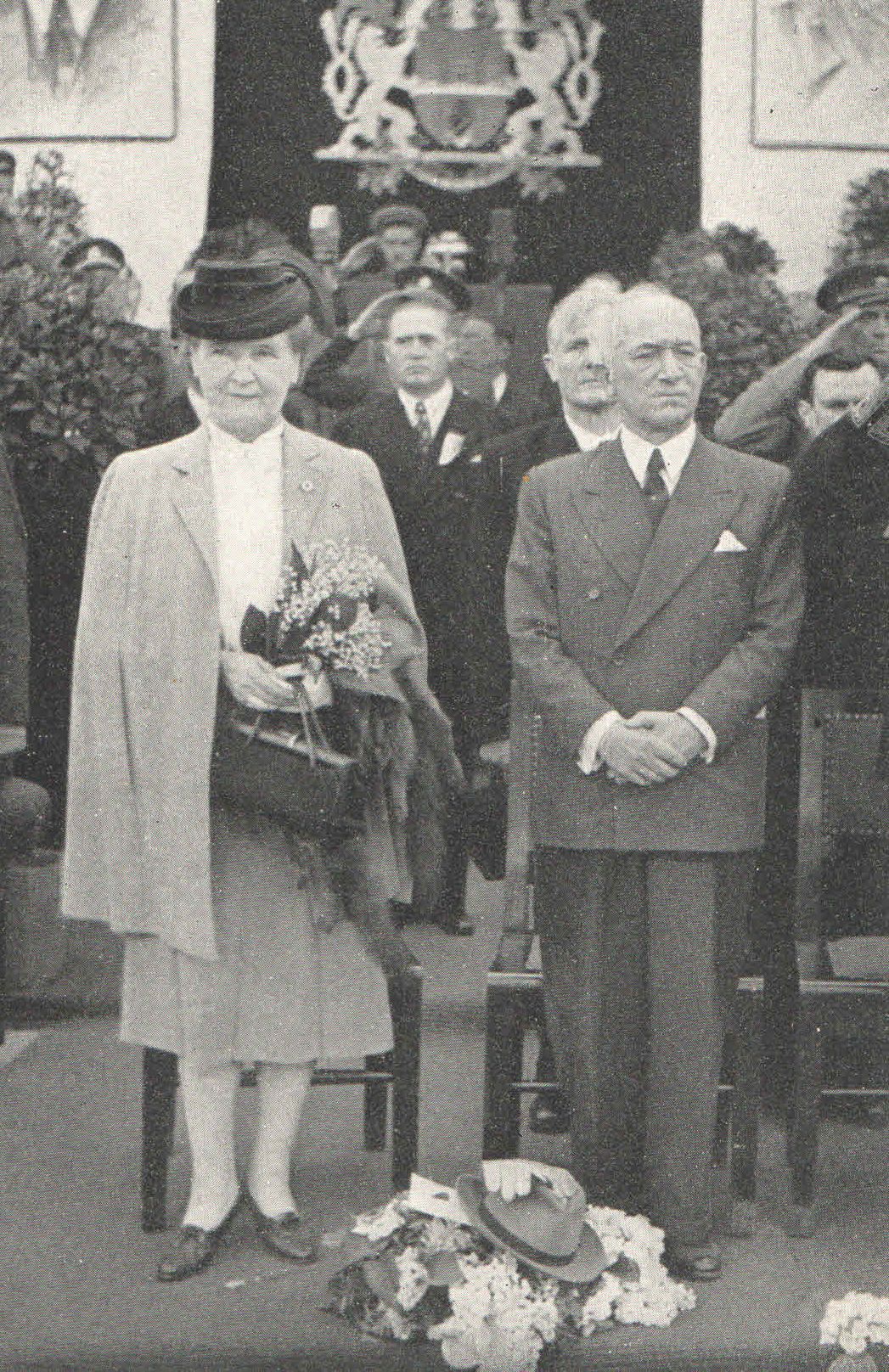
  • The grandest of military parades was overseen by President Beneš and Mrs. Beneš (in the first row), state and army dignitaries and thousands of cheering people standing at the sides of Old Town Square. Later, some of the parades took place at Wenceslas' Square
    The grandest of military parades was overseen by President Beneš and Mrs. Beneš (in the first row), state and army dignitaries and thousands of cheering people standing at the sides of Old Town Square. Later, some of the parades took place at Wenceslas' Square
    The grandest of military parades was overseen by President Beneš and Mrs. Beneš (in the first row), state and army dignitaries and thousands of cheering people standing at the sides of Old Town Square. Later, some of the parades took place at Wenceslas' Square
    Iveta Irvingová
    photo: Archiv pamětnice
    Download image
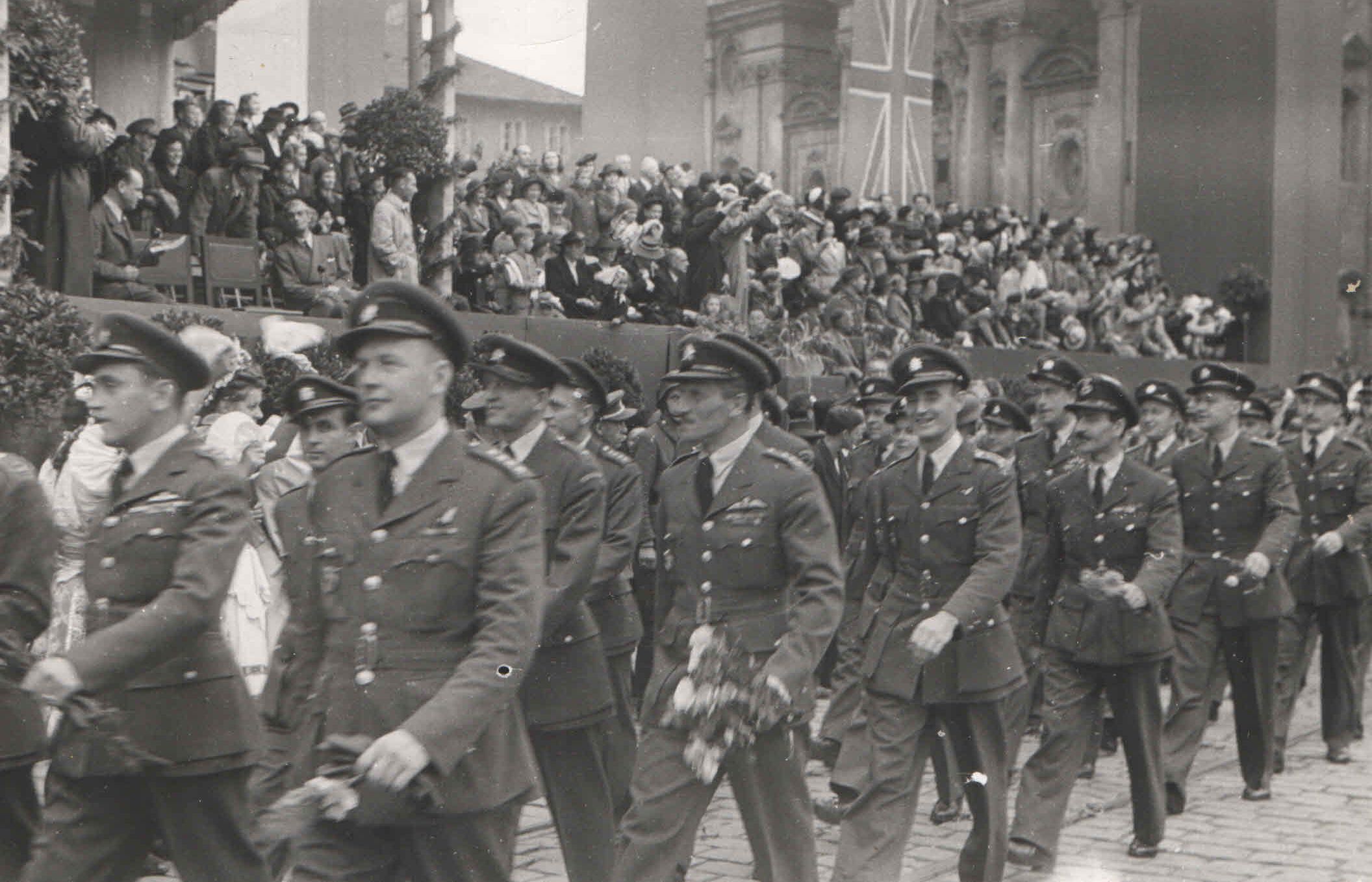
  • The Czechoslovak airmen marching in the parade
    The Czechoslovak airmen marching in the parade
    The Czechoslovak airmen marching in the parade
    Iveta Irvingová
    photo: Archiv pamětnice
    Download image
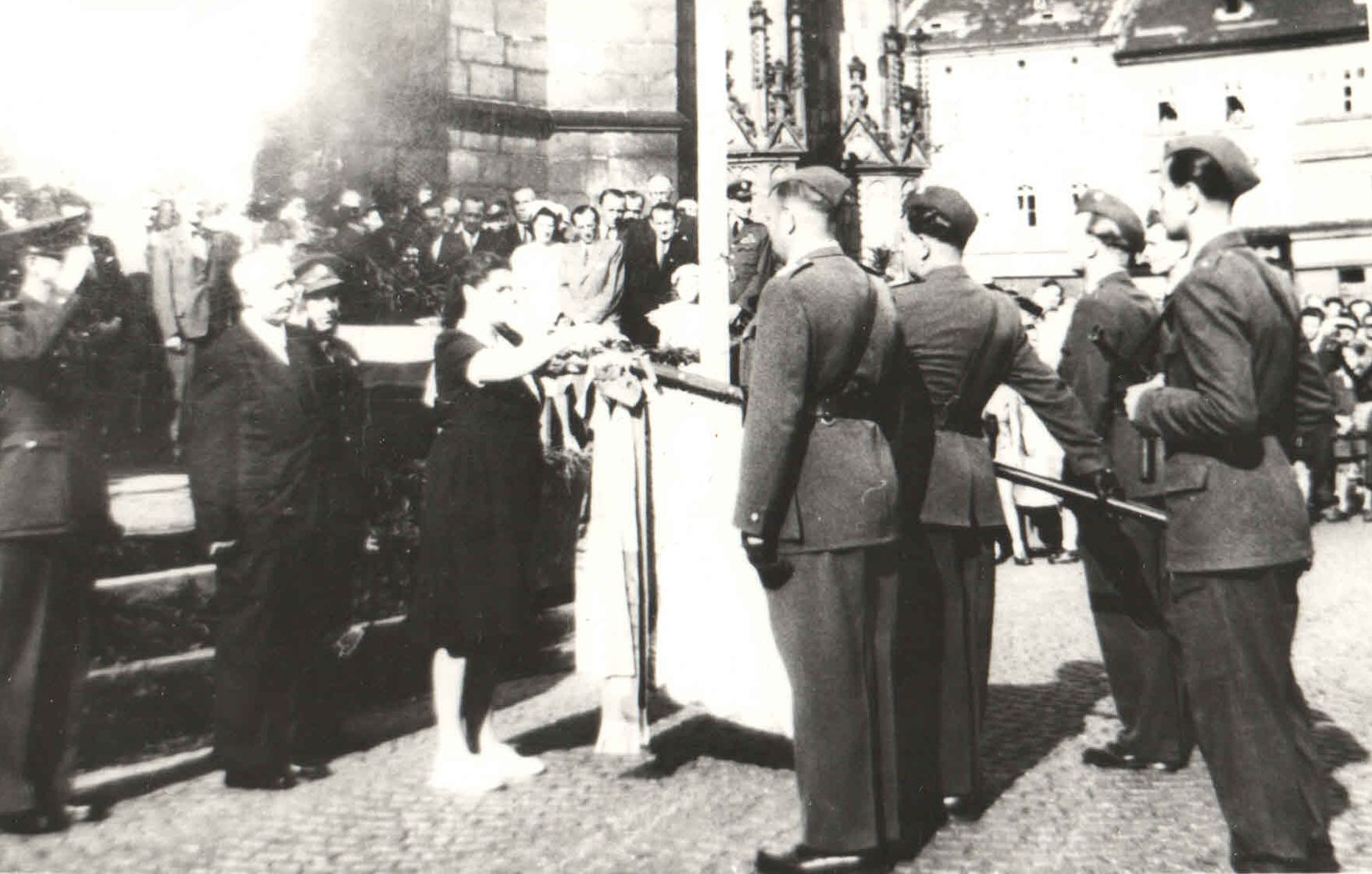
  • The banner bearer is Viktor Kropš, armourer of the No 311 (Czechoslovak) Squadron RAF.
His life would be worth a book as well, especially its dramatic turns after 1948. His squadron was transferred to the Plzeň – Bory air base in 1946. During a military parade held in Plzen in 1945, Viktor met his future wife Jiřina. After the February 1948 Communist coup, they tried to escape the country with the help of a guide but on their way across the Domažlice forests, they were arrested by the border guard. Both Viktor and Jiřina threw themselves at the guardsmen, a fight ensued and Victor even wanted to use his handgun but they were overpowered. Jiřina was sentenced to one year in women's prison and Viktor was held in a long custody, subjected to cruel interrogations and he ended up in the labour camp in the uranium mines of Jáchymov, which permanently damaged his health. Jan helped this family in the hardest times as much as he could and the friendship hardened to almost family bond. Viktor died from the health issues caused by imprisonment only a few years after his release and Jan was asked to lead his daughter Šárka to the altar as a substitute father and Jiřina was like a second mother to Iveta until her death in 2014.
    The banner bearer is Viktor Kropš, armourer of the No 311 (Czechoslovak) Squadron RAF. His life would be worth a book as well, especially its dramatic turns after 1948. His squadron was transferred to the Plzeň – Bory air base in 1946. During a military parade held in Plzen in 1945, Viktor met his future wife Jiřina. After the February 1948 Communist coup, they tried to escape the country with the help of a guide but on their way across the Domažlice forests, they were arrested by the border guard. Both Viktor and Jiřina threw themselves at the guardsmen, a fight ensued and Victor even wanted to use his handgun but they were overpowered. Jiřina was sentenced to one year in women's prison and Viktor was held in a long custody, subjected to cruel interrogations and he ended up in the labour camp in the uranium mines of Jáchymov, which permanently damaged his health. Jan helped this family in the hardest times as much as he could and the friendship hardened to almost family bond. Viktor died from the health issues caused by imprisonment only a few years after his release and Jan was asked to lead his daughter Šárka to the altar as a substitute father and Jiřina was like a second mother to Iveta until her death in 2014.
    The banner bearer is Viktor Kropš, armourer of the No 311 (Czechoslovak) Squadron RAF. His life would be worth a book as well, especially its dramatic turns after 1948. His squadron was transferred to the Plzeň – Bory air base in 1946. During a military parade held in Plzen in 1945, Viktor met his future wife Jiřina. After the February 1948 Communist coup, they tried to escape the country with the help of a guide but on their way across the Domažlice forests, they were arrested by the border guard. Both Viktor and Jiřina threw themselves at the guardsmen, a fight ensued and Victor even wanted to use his handgun but they were overpowered. Jiřina was sentenced to one year in women's prison and Viktor was held in a long custody, subjected to cruel interrogations and he ended up in the labour camp in the uranium mines of Jáchymov, which permanently damaged his health. Jan helped this family in the hardest times as much as he could and the friendship hardened to almost family bond. Viktor died from the health issues caused by imprisonment only a few years after his release and Jan was asked to lead his daughter Šárka to the altar as a substitute father and Jiřina was like a second mother to Iveta until her death in 2014.
    Iveta Irvingová
    photo: Archiv pamětnice
    Download image
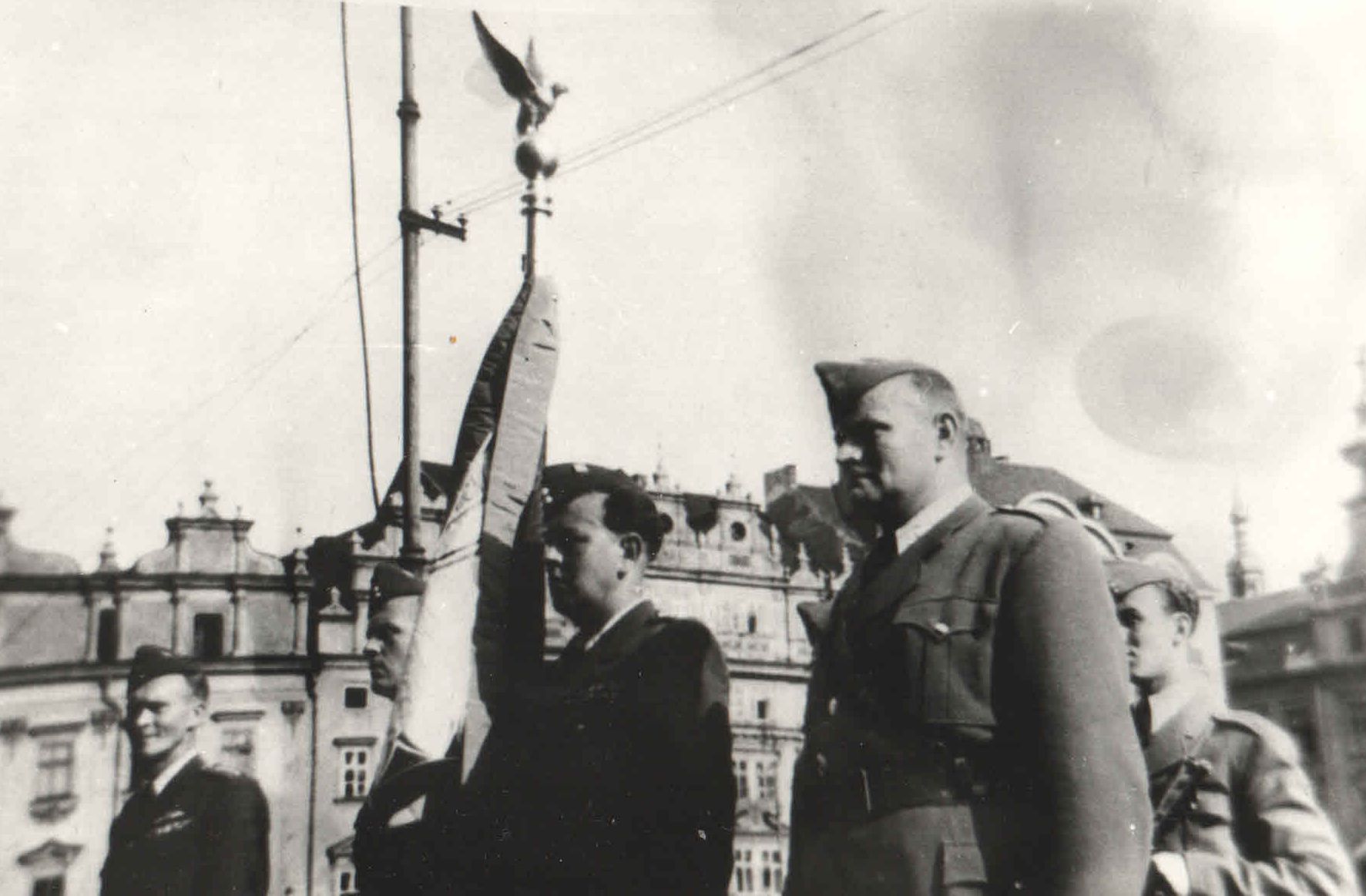
  • The banner bearer is Viktor Kropš, armourer of the No 311 (Czechoslovak) Squadron RAF.
His life would be worth a book as well, especially its dramatic turns after 1948. His squadron was transferred to the Plzeň – Bory air base in 1946. During a military parade held in Plzen in 1945, Viktor met his future wife Jiřina. After the February 1948 Communist coup, they tried to escape the country with the help of a guide but on their way across the Domažlice forests, they were arrested by the border guard. Both Viktor and Jiřina threw themselves at the guardsmen, a fight ensued and Victor even wanted to use his handgun but they were overpowered. Jiřina was sentenced to one year in women's prison and Viktor was held in a long custody, subjected to cruel interrogations and he ended up in the labour camp in the uranium mines of Jáchymov, which permanently damaged his health. Jan helped this family in the hardest times as much as he could and the friendship hardened to almost family bond. When Viktor died only a few years after his release from the health issues caused by imprisonment, Jak was asked to lead his daughter Šárka to the altar as a sort of second father and Jiřina was a second mother to Iveta until her death in 2014.
    The banner bearer is Viktor Kropš, armourer of the No 311 (Czechoslovak) Squadron RAF. His life would be worth a book as well, especially its dramatic turns after 1948. His squadron was transferred to the Plzeň – Bory air base in 1946. During a military parade held in Plzen in 1945, Viktor met his future wife Jiřina. After the February 1948 Communist coup, they tried to escape the country with the help of a guide but on their way across the Domažlice forests, they were arrested by the border guard. Both Viktor and Jiřina threw themselves at the guardsmen, a fight ensued and Victor even wanted to use his handgun but they were overpowered. Jiřina was sentenced to one year in women's prison and Viktor was held in a long custody, subjected to cruel interrogations and he ended up in the labour camp in the uranium mines of Jáchymov, which permanently damaged his health. Jan helped this family in the hardest times as much as he could and the friendship hardened to almost family bond. When Viktor died only a few years after his release from the health issues caused by imprisonment, Jak was asked to lead his daughter Šárka to the altar as a sort of second father and Jiřina was a second mother to Iveta until her death in 2014.
    The banner bearer is Viktor Kropš, armourer of the No 311 (Czechoslovak) Squadron RAF. His life would be worth a book as well, especially its dramatic turns after 1948. His squadron was transferred to the Plzeň – Bory air base in 1946. During a military parade held in Plzen in 1945, Viktor met his future wife Jiřina. After the February 1948 Communist coup, they tried to escape the country with the help of a guide but on their way across the Domažlice forests, they were arrested by the border guard. Both Viktor and Jiřina threw themselves at the guardsmen, a fight ensued and Victor even wanted to use his handgun but they were overpowered. Jiřina was sentenced to one year in women's prison and Viktor was held in a long custody, subjected to cruel interrogations and he ended up in the labour camp in the uranium mines of Jáchymov, which permanently damaged his health. Jan helped this family in the hardest times as much as he could and the friendship hardened to almost family bond. When Viktor died only a few years after his release from the health issues caused by imprisonment, Jak was asked to lead his daughter Šárka to the altar as a sort of second father and Jiřina was a second mother to Iveta until her death in 2014.
    Iveta Irvingová
    photo: Archiv pamětnice
    Download image
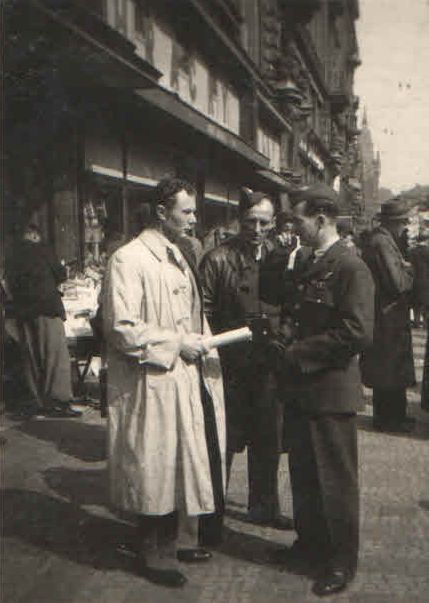
  • Chance meeting with colleagues in the downtown of Prague. Jan is wearing civilian clothes
    Chance meeting with colleagues in the downtown of Prague. Jan is wearing civilian clothes
    Chance meeting with colleagues in the downtown of Prague. Jan is wearing civilian clothes
    Iveta Irvingová
    photo: Archiv pamětnice
    Download image
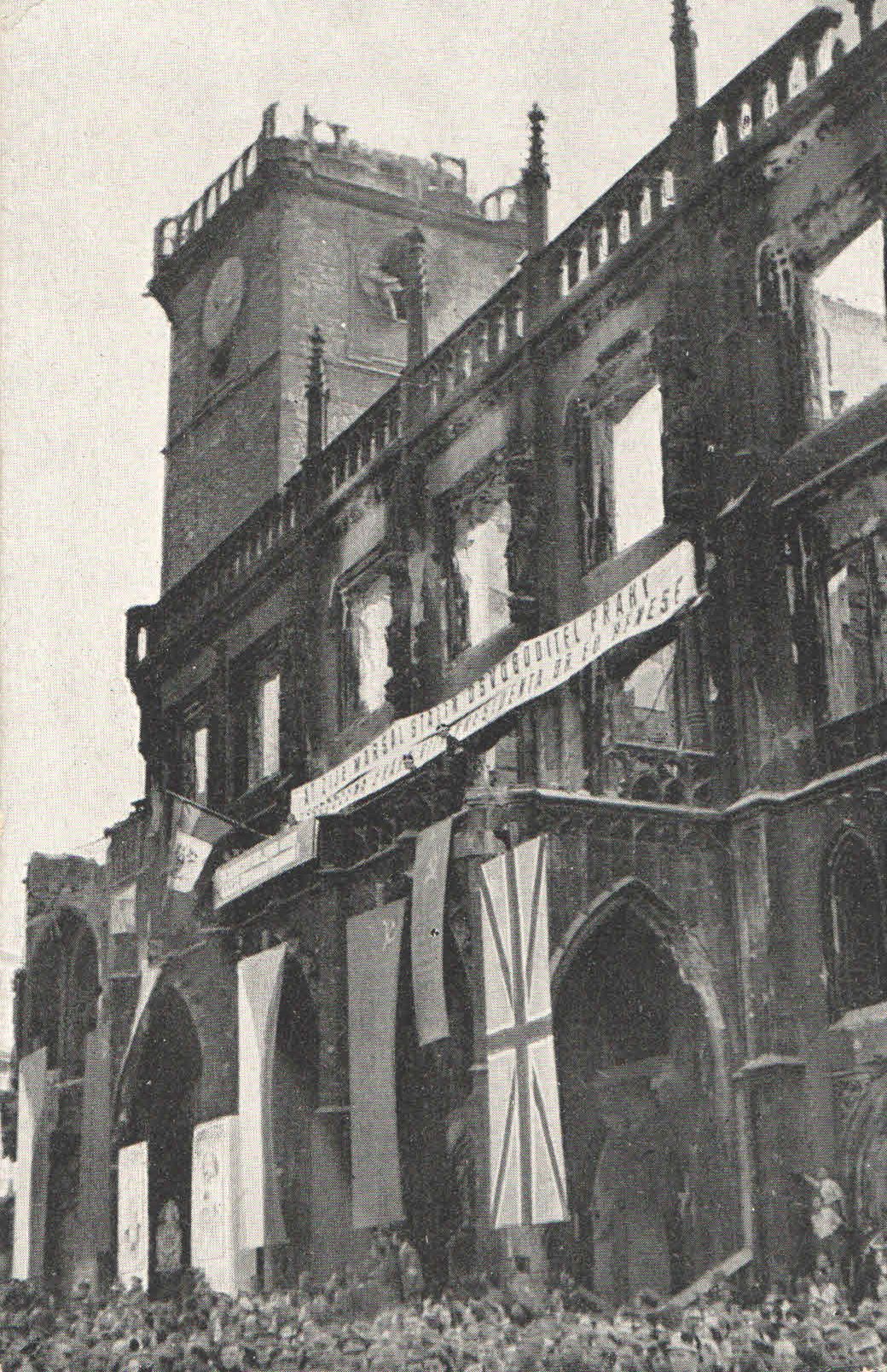
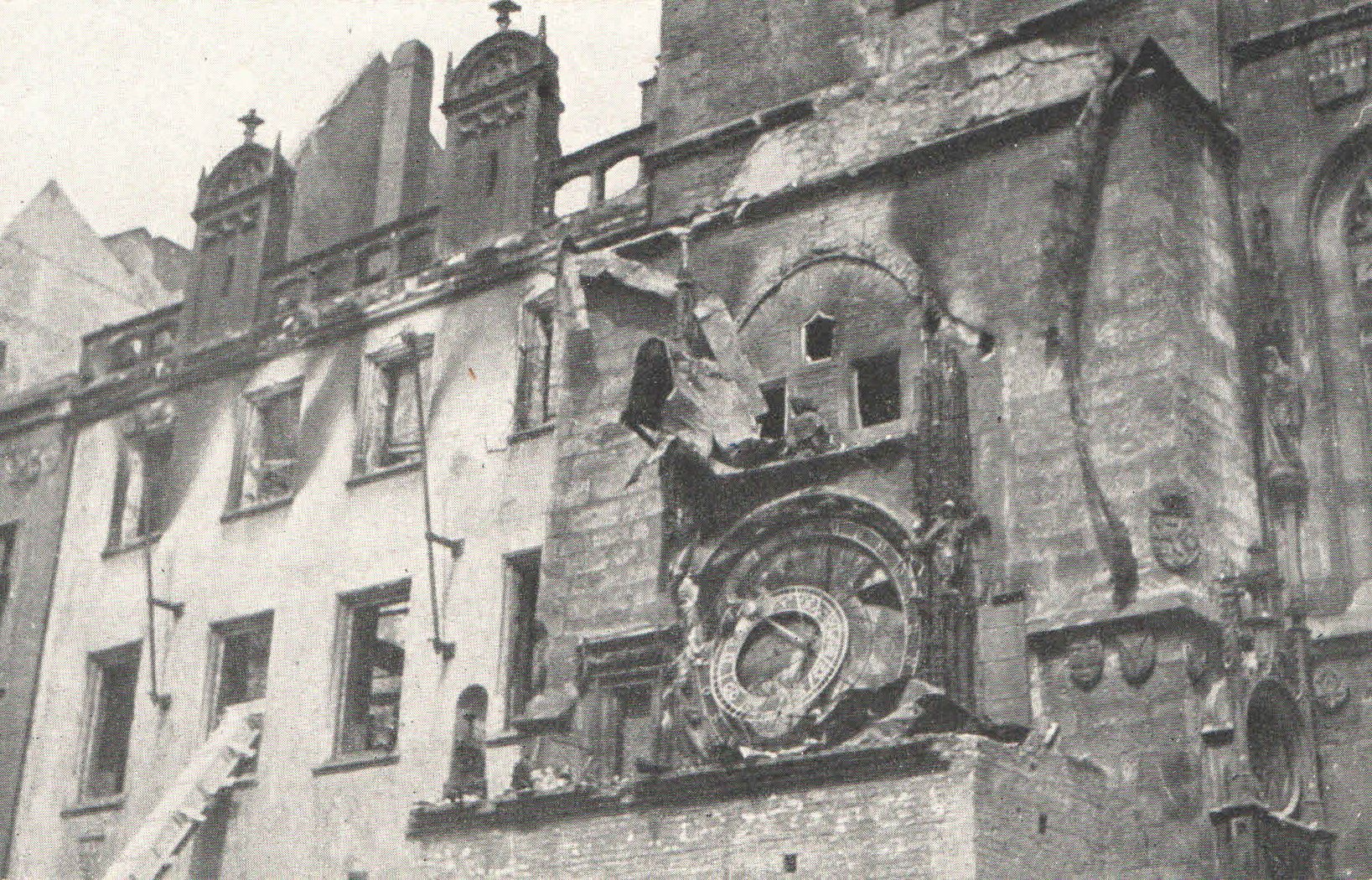
  • The ruins of the Old Town City hall and its heart, the astronomical clock, deeply saddened Jan
    The ruins of the Old Town City hall and its heart, the astronomical clock, deeply saddened Jan
    The ruins of the Old Town City hall and its heart, the astronomical clock, deeply saddened Jan
    Iveta Irvingová
    photo: Archiv pamětnice
    Download image
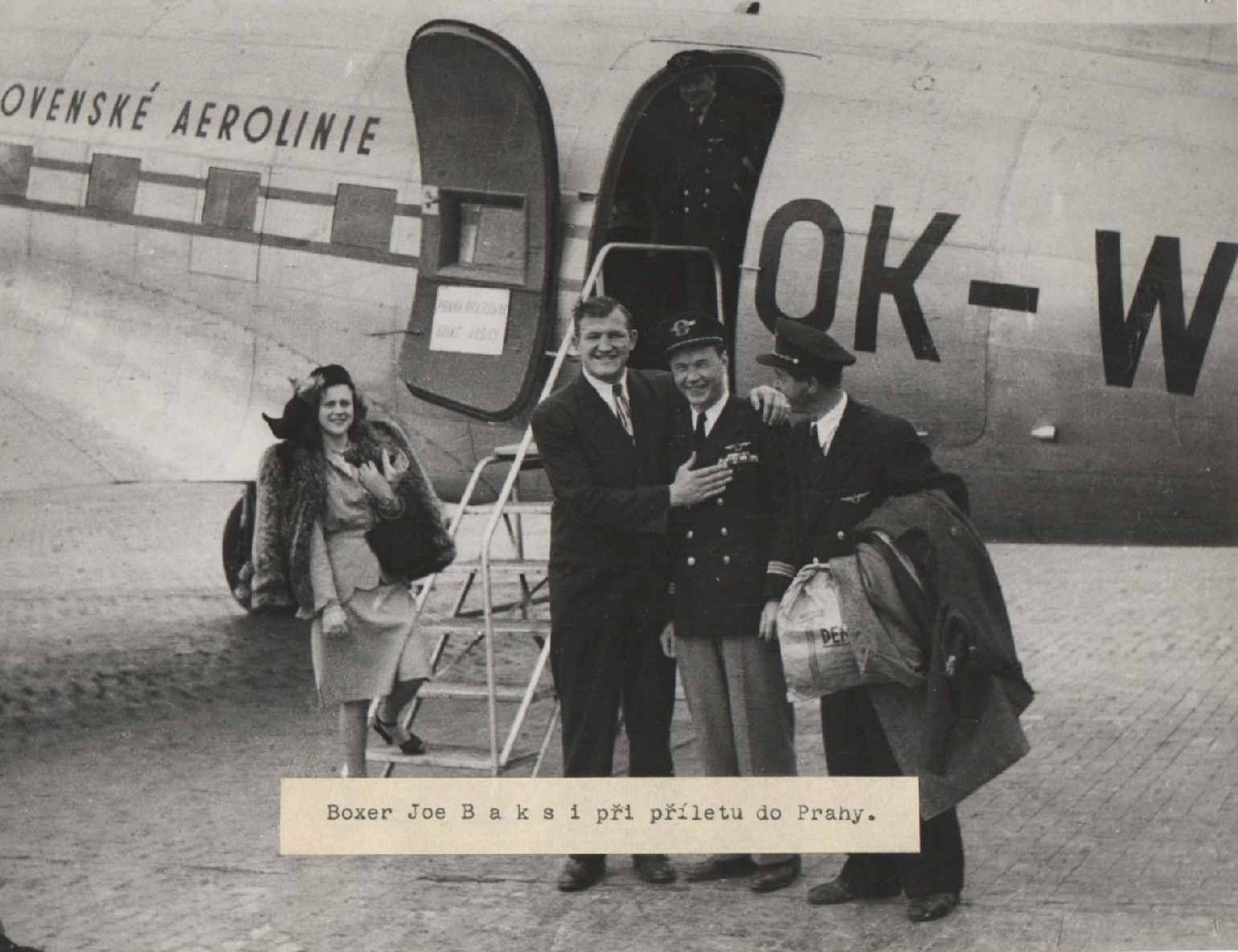
  • Boxer Joe Baksi and his girlfriend after their arrival to Prague in 1946, with captain Irving and the second pilot after they got off the Dakota aircraft
    Boxer Joe Baksi and his girlfriend after their arrival to Prague in 1946, with captain Irving and the second pilot after they got off the Dakota aircraft
    Boxer Joe Baksi and his girlfriend after their arrival to Prague in 1946, with captain Irving and the second pilot after they got off the Dakota aircraft
    Iveta Irvingová
    photo: Archiv pamětnice
    Download image
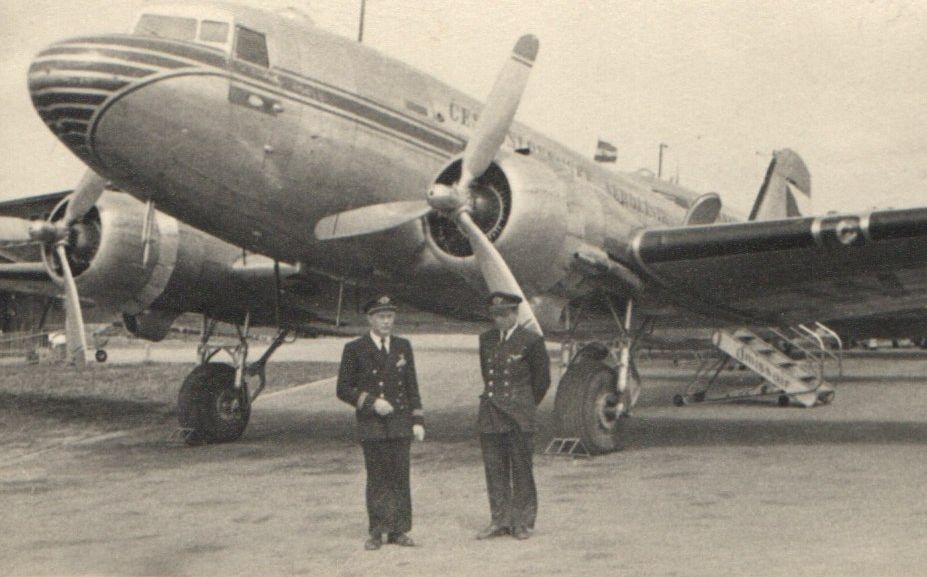
  • Jan (standing, on the left) loved the majestic and allegedly easy to fly DC-3 Dakotas
    Jan (standing, on the left) loved the majestic and allegedly easy to fly DC-3 Dakotas
    Jan (standing, on the left) loved the majestic and allegedly easy to fly DC-3 Dakotas
    Iveta Irvingová
    photo: Archiv pamětnice
    Download image
  • Josef Klouček (in the front) REgional Chief Sokol in Rakovník
    Josef Klouček (in the front) REgional Chief Sokol in Rakovník
    Josef Klouček (in the front) REgional Chief Sokol in Rakovník
    Jana Vítková (* 1939)
    photo: archív pamětnice
    Download image
  • Josef Klouček, the father of the witness (man on the far left) at the arrival of the boys at the Sokol summer camp, which he organized and led
    Josef Klouček, the father of the witness (man on the far left) at the arrival of the boys at the Sokol summer camp, which he organized and led
    Josef Klouček, the father of the witness (man on the far left) at the arrival of the boys at the Sokol summer camp, which he organized and led
    Jana Vítková (* 1939)
    photo: archív pamětnice
    Download image
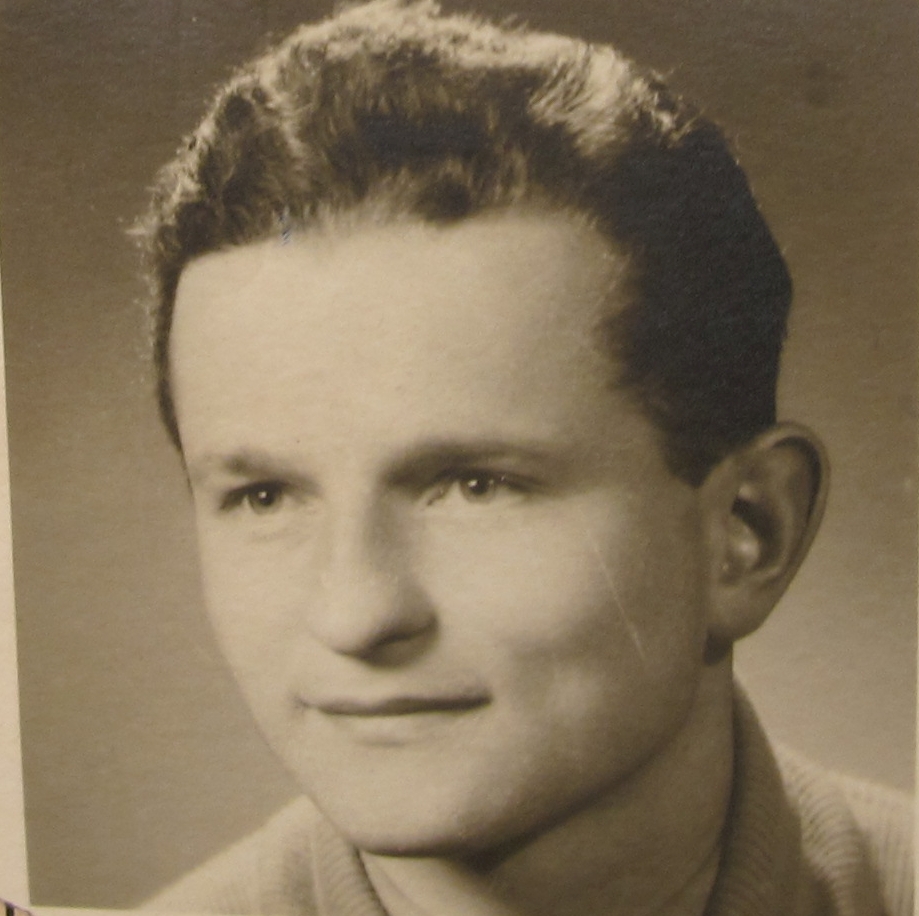
  • Photo of her husband, Jaromír Fuchs, from Secret Police files
    Photo of her husband, Jaromír Fuchs, from Secret Police files
    Photo of her husband, Jaromír Fuchs, from Secret Police files
    Jiřina Fuchsová (* 1943)
    photo: Archiv bezpečnostních složek
    Download image
  • Věra Nývltová studio Post Bellum HK 24. 5. 2019
    Věra Nývltová studio Post Bellum HK 24. 5. 2019
    Věra Nývltová studio Post Bellum HK 24. 5. 2019
    Věra Nývltová (* 1939)
    photo: Studio Post Bellum HK 24.5. 2019
    Download image
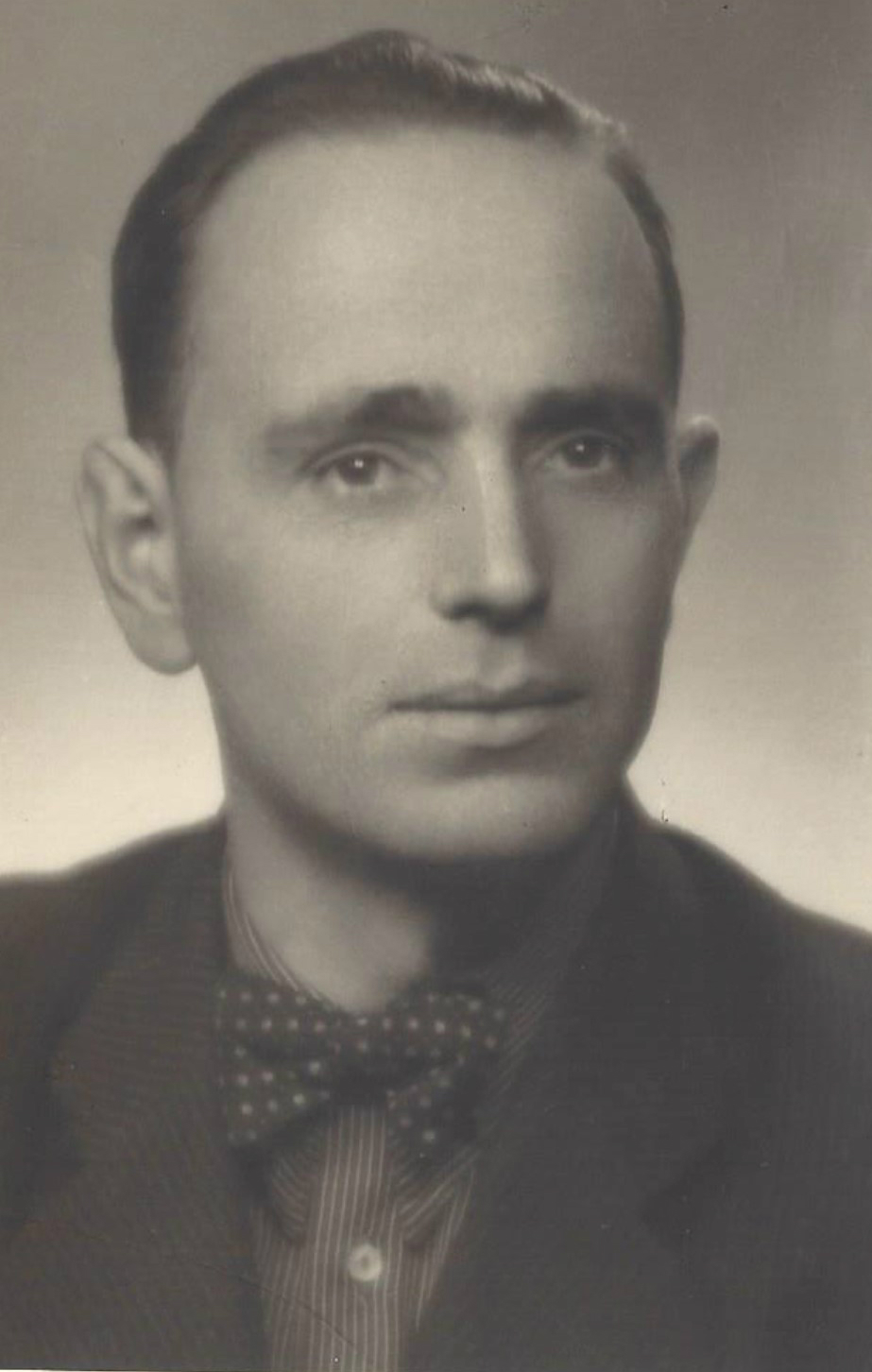
  • Tatínek Václav Vachek
    Tatínek Václav Vachek
    Tatínek Václav Vachek
    Věra Nývltová (* 1939)
    photo: Archív pamětnice
    Download image
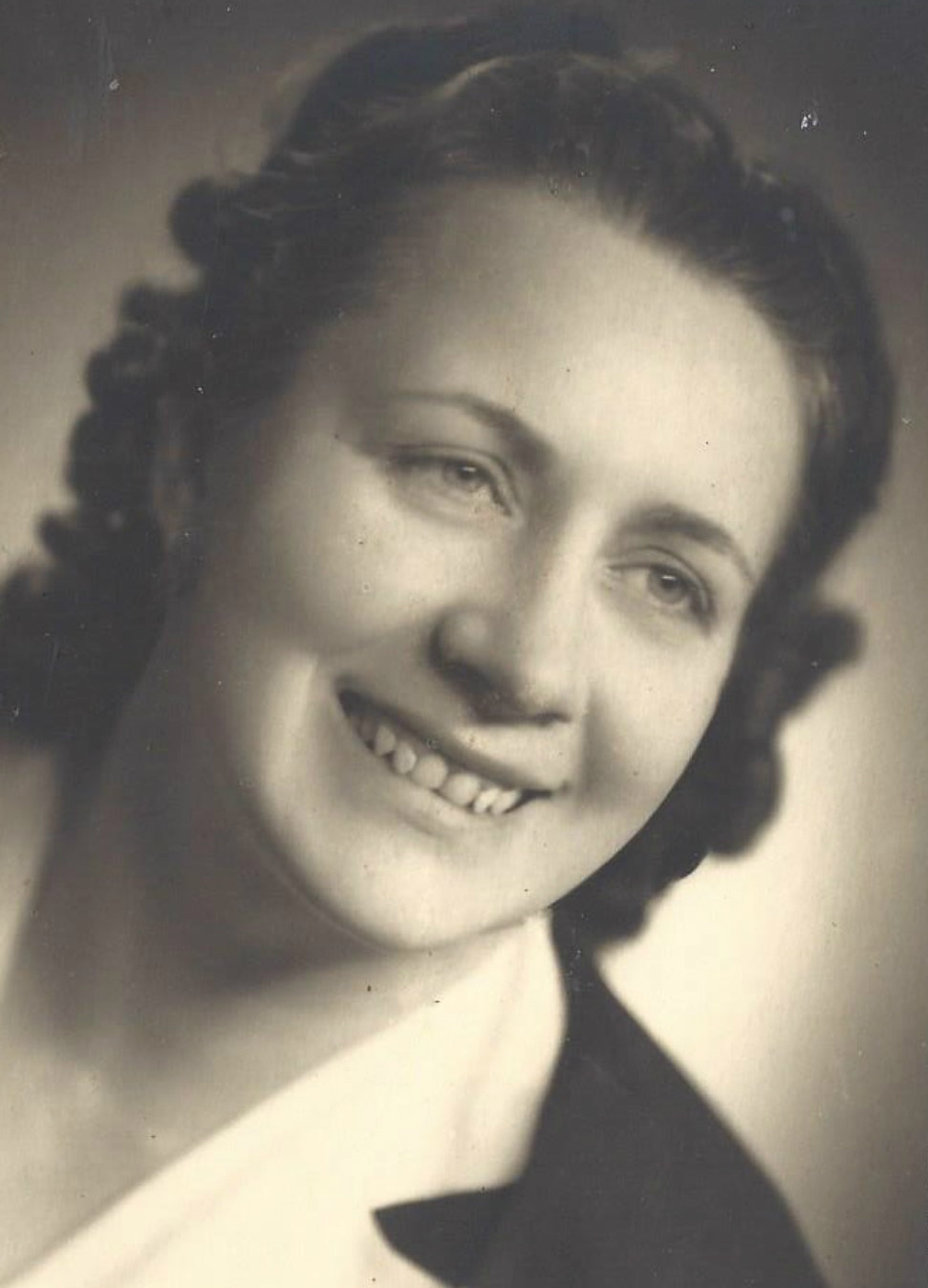
  • Maminka Zdeňka Vachková
    Maminka Zdeňka Vachková
    Maminka Zdeňka Vachková
    Věra Nývltová (* 1939)
    photo: Archív pamětnice
    Download image
  • Previous page ‹ Previous
  • First page 1
  • …
  • Page 1959
  • Page 1960
  • Page 1961
  • Current page 1962
  • Page 1963
  • Page 1964
  • Page 1965
  • …
  • Last page 6340
  • Next page Next ›
 
Tichá hrdinství

Search Resources

  • All

    (245373)
  • Institutions

    (120)
  • Witnesses

    (12117)
  • Photos

    (158484)
  • Clips

    (46597)
  • Links

    (28055)
  • Articles

Statistics
21428 Witnesses the Database
12150 Witness Stories
22063 Registered Researchers
180435 Photos
71149 Clips
Memory of Nations
Archive
Magazine
About project
Support us
e-archive
Founding institutions
Follow us
Facebook
Twitter
Youtube
Instagram
Memory of Nations
USTR

Mapa stránek

© 2008-2026 Memory of Nations

Správu a provoz webu zajišťuje společnost Macron Software.