Ivan Pelíšek

* 1954

  • "The difference between the city and the countryside has again become apparent. Of course we went to the rally in Prague, where it was a big cheerfulness on Letná, the jingling of keys. I had a bag full of those materials there. And now I got off the bus in these Čestice, I remember that, there was snow everywhere, and it was dead there, nothing anywhere. In Prague, the undergorund was plastered with posters from top to bottom, here not a single poster. So I thought, 'So what am I going to do?' So I started sticking it on our notice board that's opposite the pub there, and I was really terrified, because it was the first act of freedom. So I'm sticking it up there and all of a sudden there was a voice behind me going, 'What are you doing?' And I thought I was going to fall, but nothing happened because it was just a local drunk who yelled it at me..."

  • "Those communists in the north were pretty bad, yeah. They were really damaging, doing all kinds of things, little things like that, always writing some complaints about us. One time Husák was going to go there and the parish house was on the side of the state road. And we raked up a pile of leaves there and they also, at that time, well, it had to be perfectly tidy for Husák, he was going to open the new building of the Communist Party in Ústí, so he was going to go there - and suddenly there was a complaint against us that we had a pile of manure there. It wasn't manure, it was leaves. Well, such complaints about us. Then the chairman of the Communists hanged himself after the revolution. So we moved to Čestice - and here I must say I was pleasantly surprised, I guess it was also because people here have such a tradition. There were a lot of newcomers in the north, so they were just nicer here. Even the chairman, Mr. Zábranský, offered me a job right away and just welcomed me. Well, the people here just get along better. Something like that - I met that in South Moravia. There were communists there too, but there was more to do, even in bigbeat. They had more freedom. It was due to the fact that, for example, the mother of the communist leader went to church, and the leader also sometimes went to church, even if he drove 20 km, so that nobody would see him, for Christmas, but he was a little bit more polite. So that was a big difference here. And then my wife and I wrote a letter to Husák in Čestice, this was in 1988, maybe early 1989, a quite decent letter, telling him to resign. Of course, Husák probably didn't read it, but certainly somebody read it, and it went through the system that somebody read it, to the central committee, from there to the region to Budějovice, from there to the district, there was this Bažata, and Bažata came, completely furious, to our poor Mr. Zábranský, who was also a communist, but a good one, and he said that he had to dismiss me, that it was impossible for him to employ such a person. He came to me, Mr. Zabranský, I didn't talk to this Bažata, and he said: 'Mr. Pelíšek, come here like this! Did you write any letter to Husák?' I said, 'Well, we did,' and he said, 'And what did you write to him?' I said, 'Well, to resign.' And he laughed, and of course he wouldn't fire me, because I was just a worker, I didn't play anywhere anymore, I wasn't a drummer, there was no lower category anymore - and there was a law about social parasitism at that time, everybody had to be employed by law. So it was difficult to lay off those workers. And they needed me, so I had a nice life in that workshop afterwards."

  • "When the revolution came, I went to ask if I had had a State Security member on me, if there was a file on me. Well, there was a file on me, but when I looked into it, the interesting thing was that what I reallywas doing against the regime was not there at all. I mean, that we copied various things, texts, especially religious ones, for which my godfather František Lízna went to prison. I remember that he copied a papal encyclical and was sentenced, I don't know how much, but he was sentenced. It was dangerous to copy and multiply anything. Once it happened to me that on May 1 they were looking for some leaflets, the policemen were everywhere, and I went from the Kaplans, they were a kind of dissident Catholic family in Bubeneč, and I went from them to Dejvické Square and I chatted with a friend who also went from there, and I was carrying some leaflets in my hand, moreover on yellow tracing paper. And suddenly I see that we're going straight to the yellow State Security´s Volga car, and I'm holding these papers, so I thought, 'Well, that's the end of it...' And so they loaded us up, and I still had the papers in my hand. They took us to Čkalova Street, which is around the corner, and I folded the papers like this four times and put them in my breast pocket. Nobody noticed it, it was strange, as if they didn't see it. Now we got there, they took my friend in for questioning and I waited in the waiting room and asked where the toilet was, went to the toilet and put the papers up on the water tank. Well, as soon as I was free, I started swearing, complaining, I wanted to be able to call my wife, I called her too - and why did they arrest us in the first place and what are they doing. Well, so they gave me a little fine for having my hair a little longer or shorter than it is on the photo, that's how it used to be given, so they fined me about 50 crowns, which was a lot of money by the way back then. And they let us go, and I had the nerve to go to the toilet and take the papers with me."

  • "In the 1968, when all of a sudden the horrors came out, the censorship stopped, and now, yeah, I was in my teens, so I saw the horrible things that were going on in that beautiful time, the way political prisoners were treated, and I was shocked. So I was basically paralyzed that something like that was possible, and I thought, now that the truth has rolled out, to bring it back. All people know what communists are. And of course, it didn't take long, a few months, and the Russians came, the occupation came. My dad hadn't been in politics for about five years, and in 1968 he got involved in the process and had a couple of radio shows about the eavesdropping in the theatre edressing rooms by Czechoslovakian counterintelligence. So after '68, when he found out the KGB was after him, which our landlady told us they were, because we weren't in the apartment, he ran away and emigrated and I haven't seen him since. Well, our parents had been divorced since 1964. So he emigrated to Italy, where he had a lot of friends, and he died there in 1981 without us ever seeing him."

  • Full recordings
  • 1

    České Budějovice, 26.09.2019

    (audio)
    duration: 41:57
    media recorded in project Příběhy regionu - Jihočeský kraj
  • 2

    České Budějovice , 04.06.2020

    (audio)
    duration: 01:09:21
    media recorded in project Příběhy regionu - Jihočeský kraj
  • 3

    České Budějovice, 21.01.2026

    (audio)
    duration: 01:47:11
    media recorded in project Příběhy regionu - Jihočeský kraj
  • 4

    České Budějovice, 26.01.2026

    (audio)
    duration: 02:40:11
    media recorded in project Příběhy regionu - Jihočeský kraj
Full recordings are available only for logged users.

Until the 1960s I lived in blissful ignorance thinking that socialism was the best and fairest system in the world
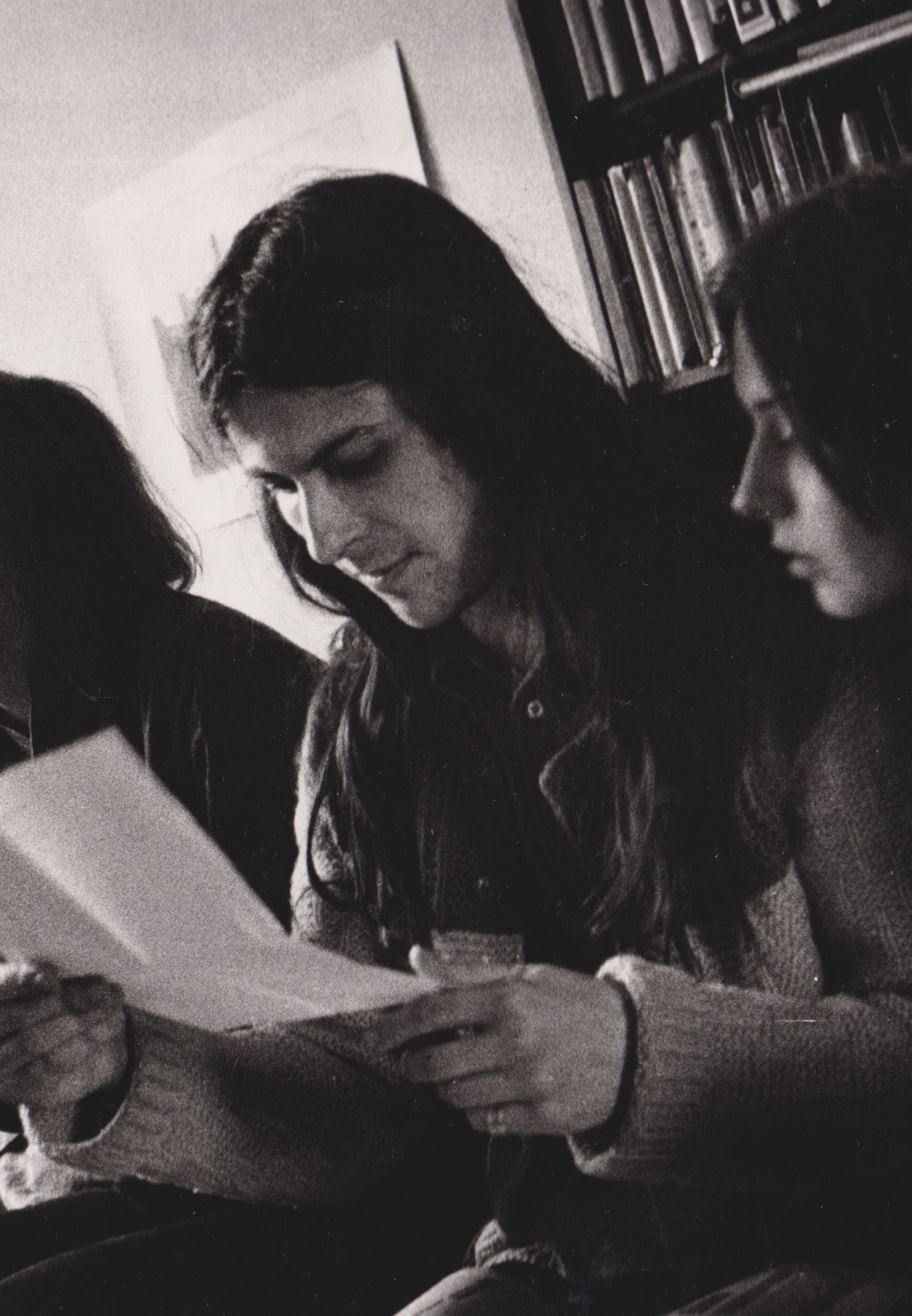
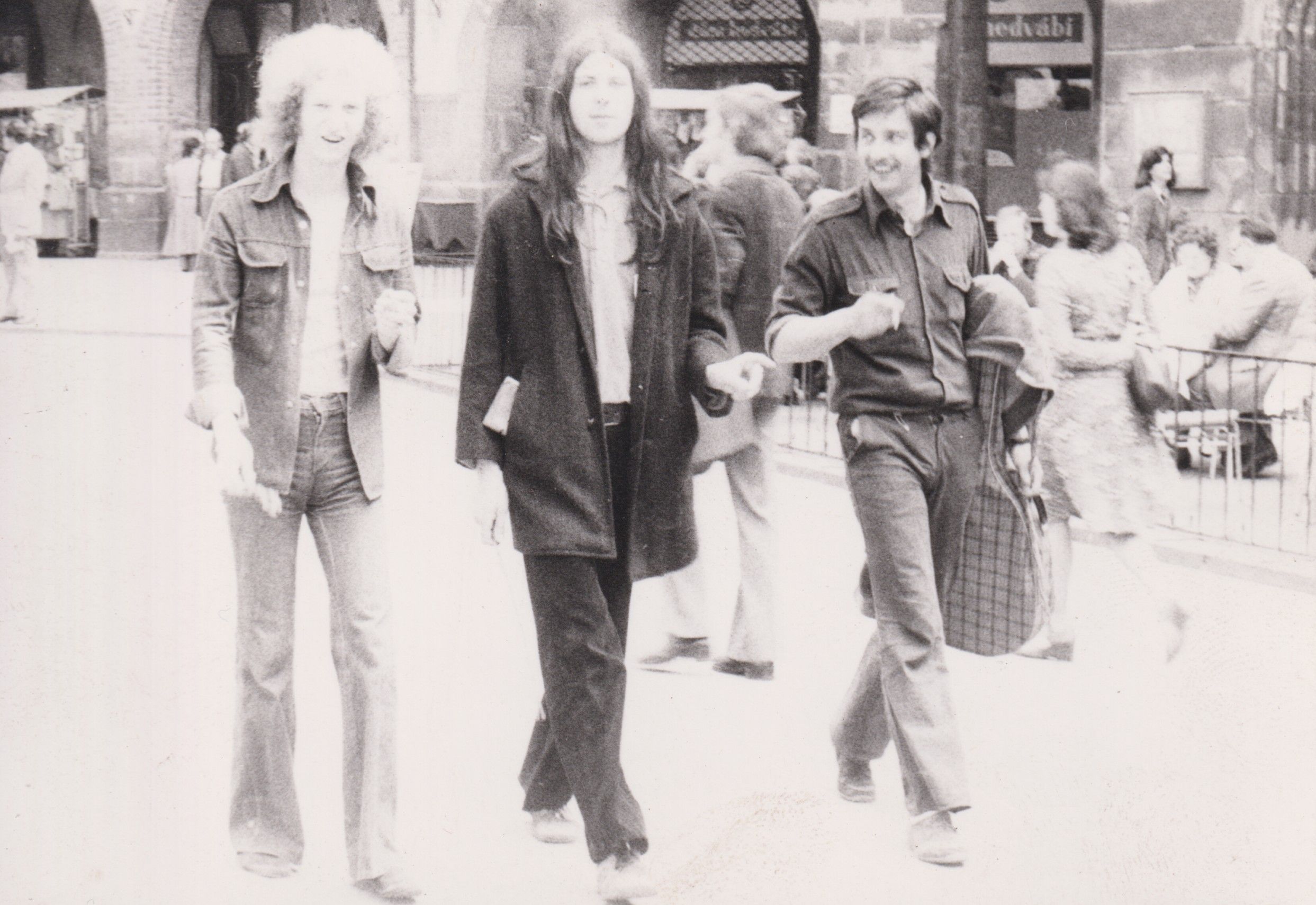
Ivan Pelíšek, 1970s
Ivan Pelíšek, 1970s
photo: Witness´s archive

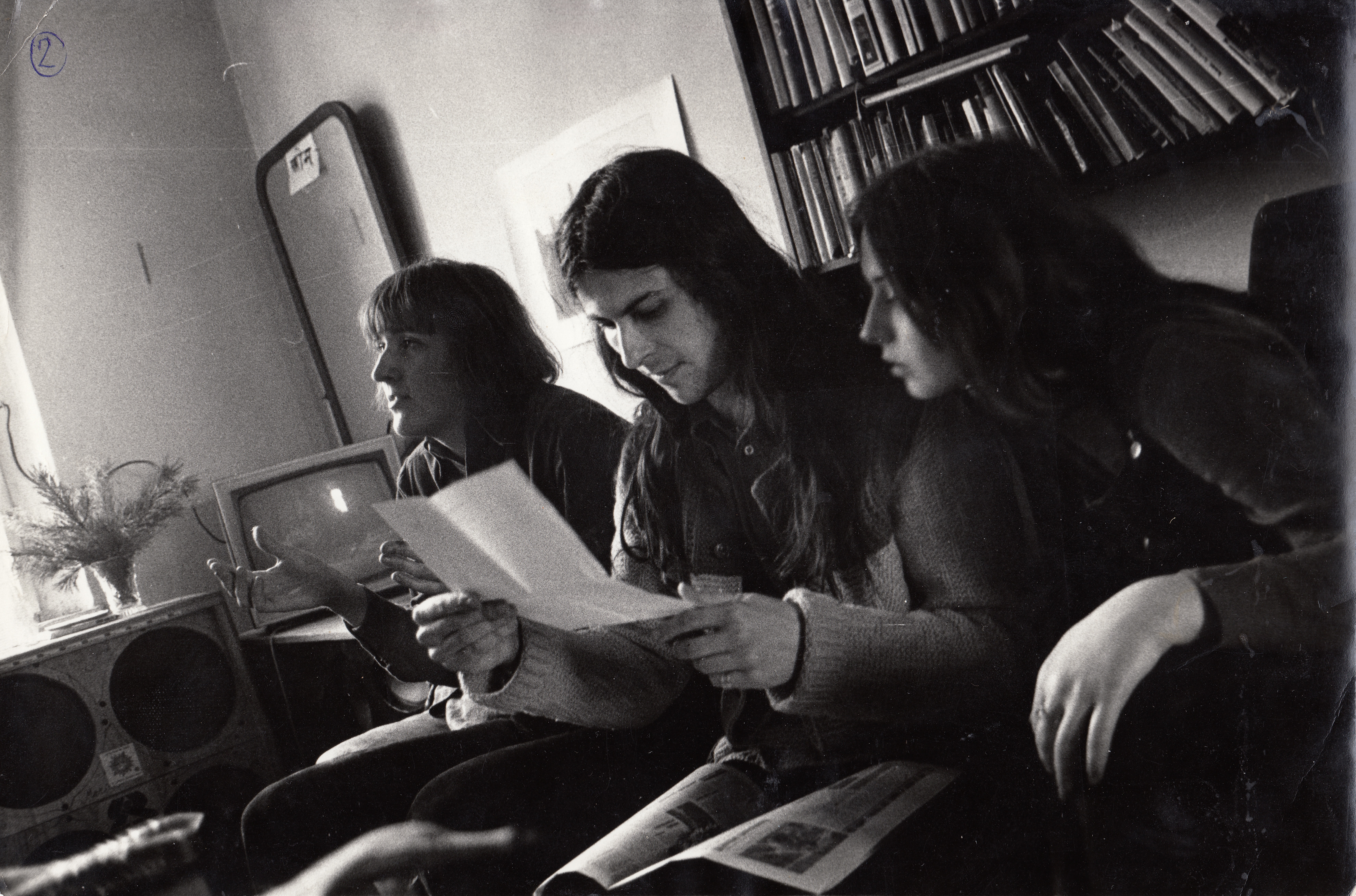
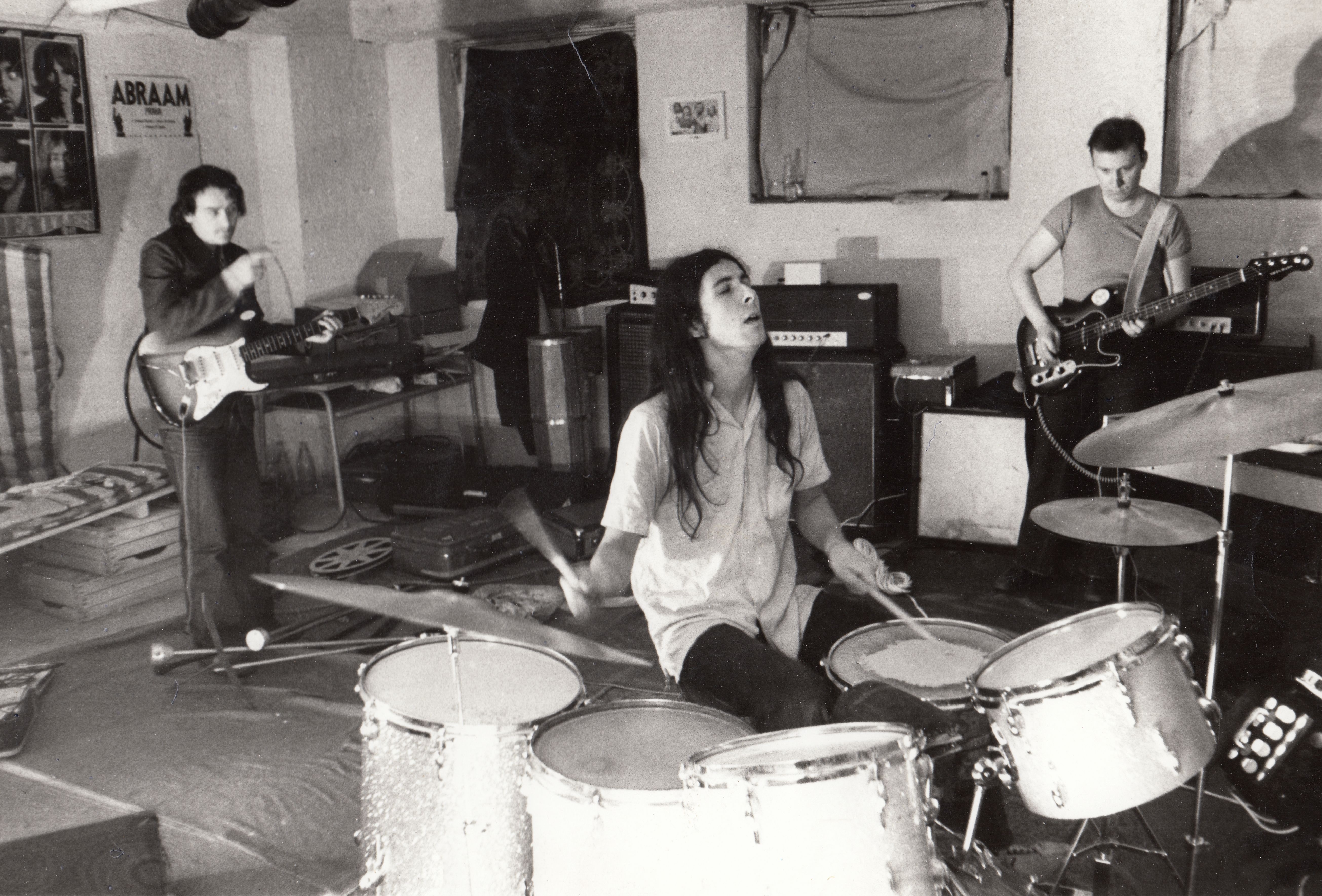
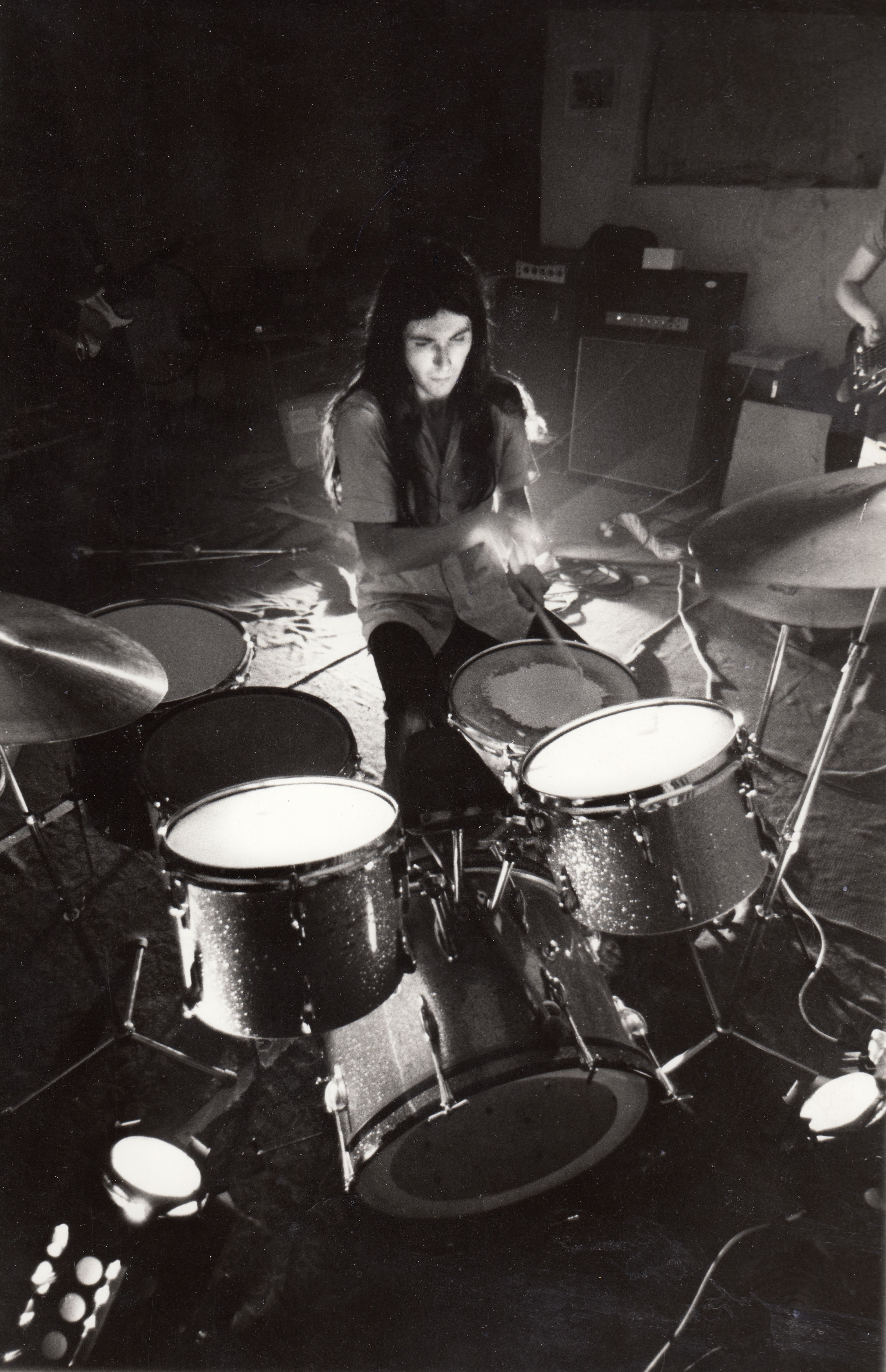
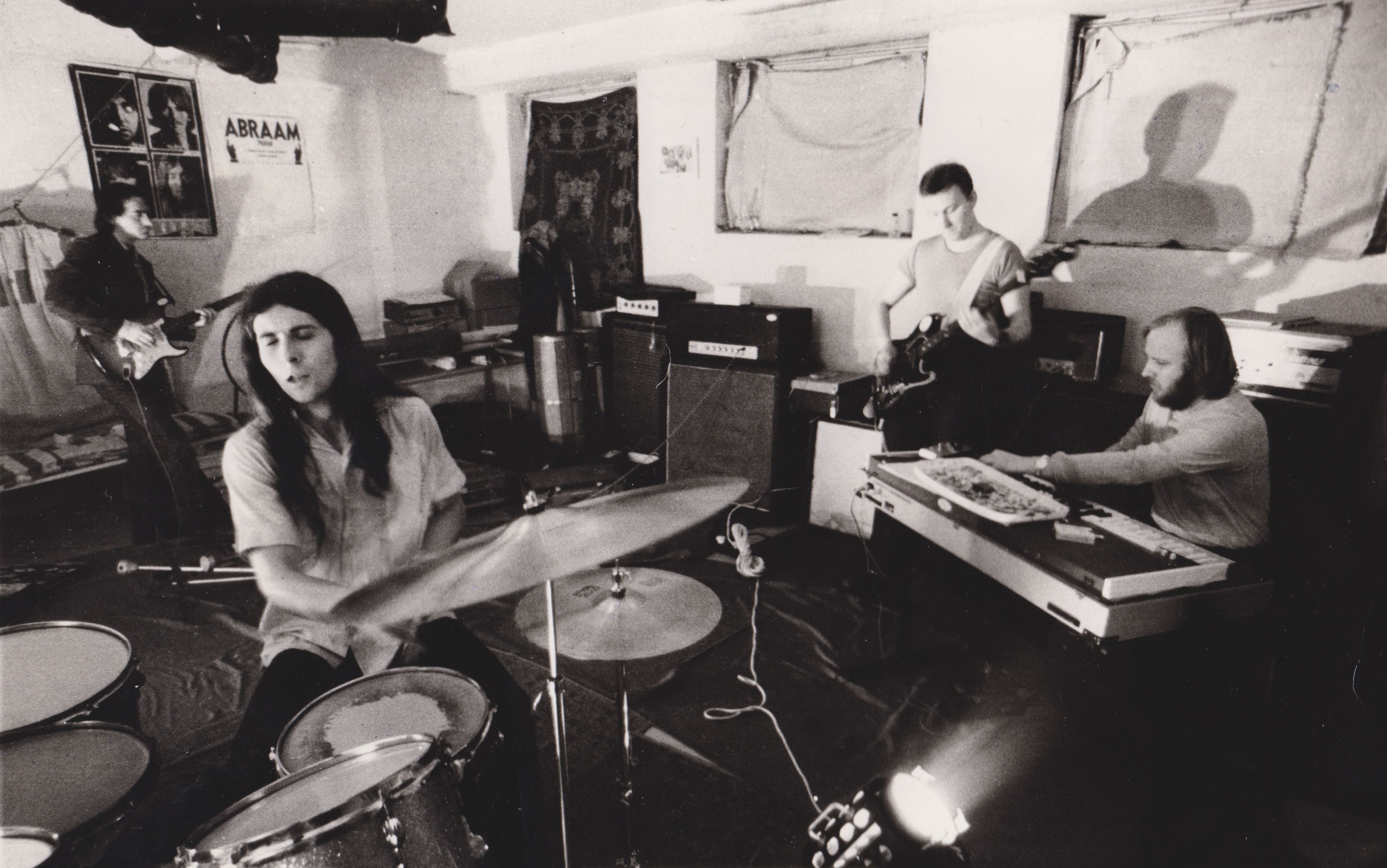
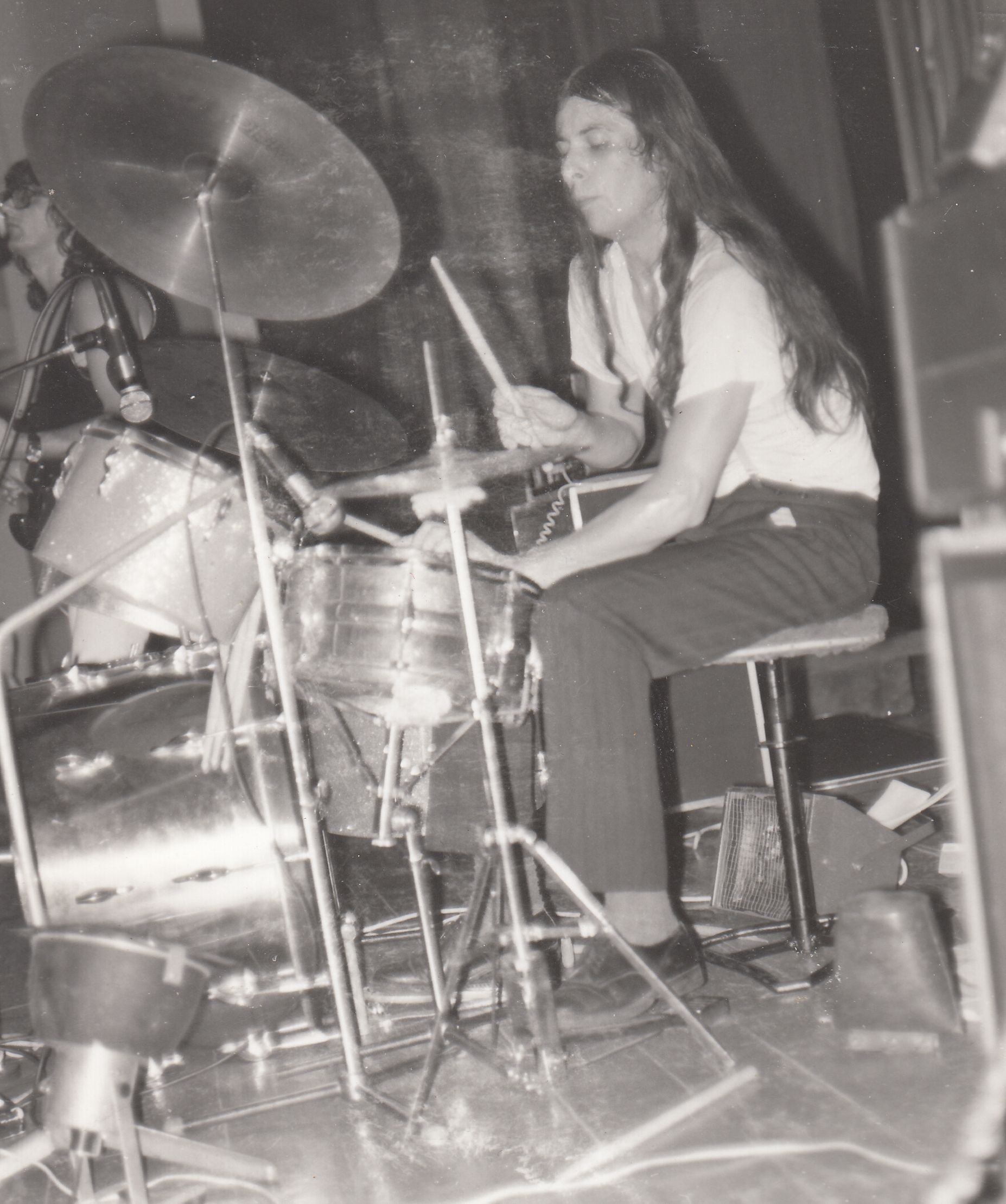
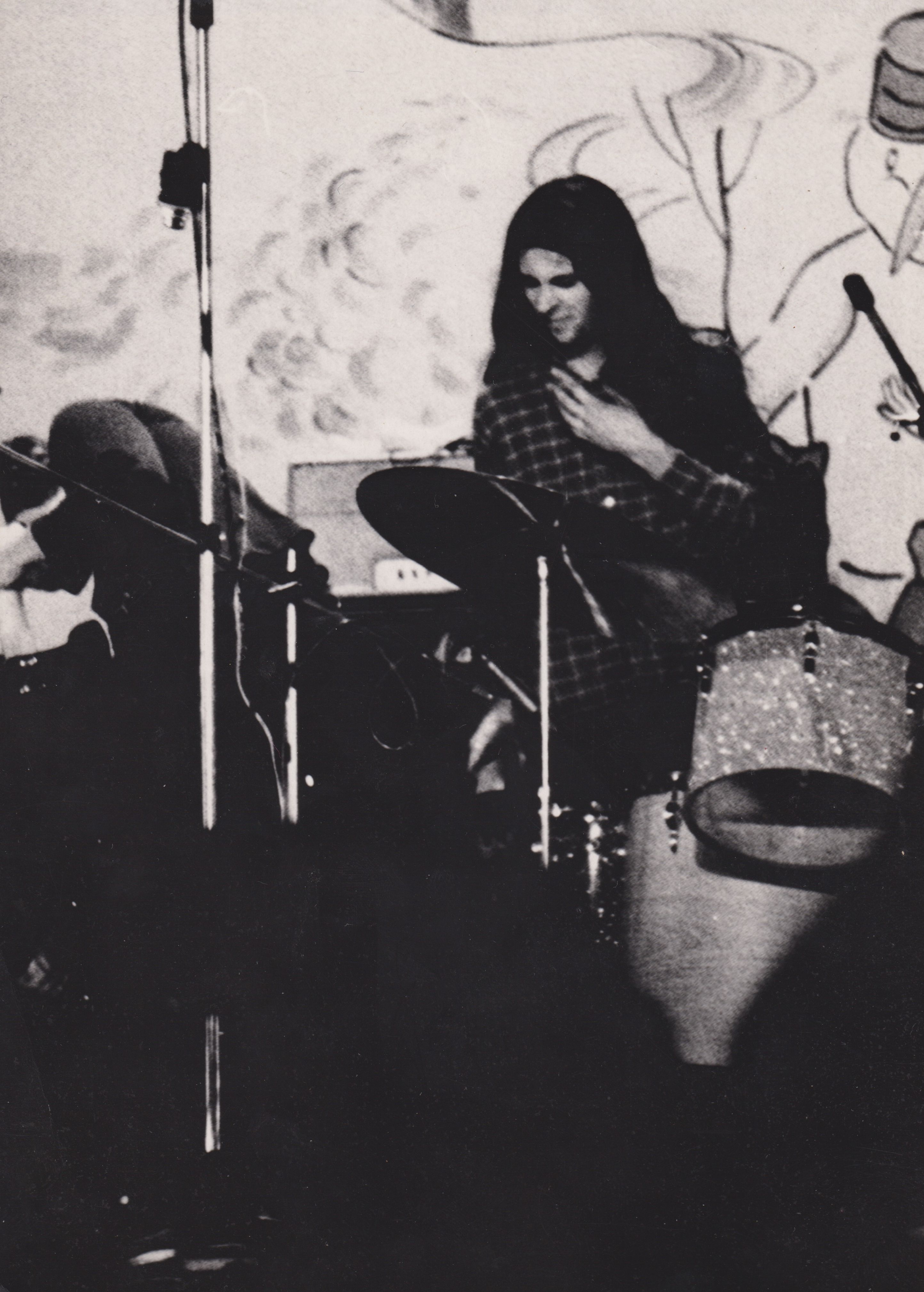
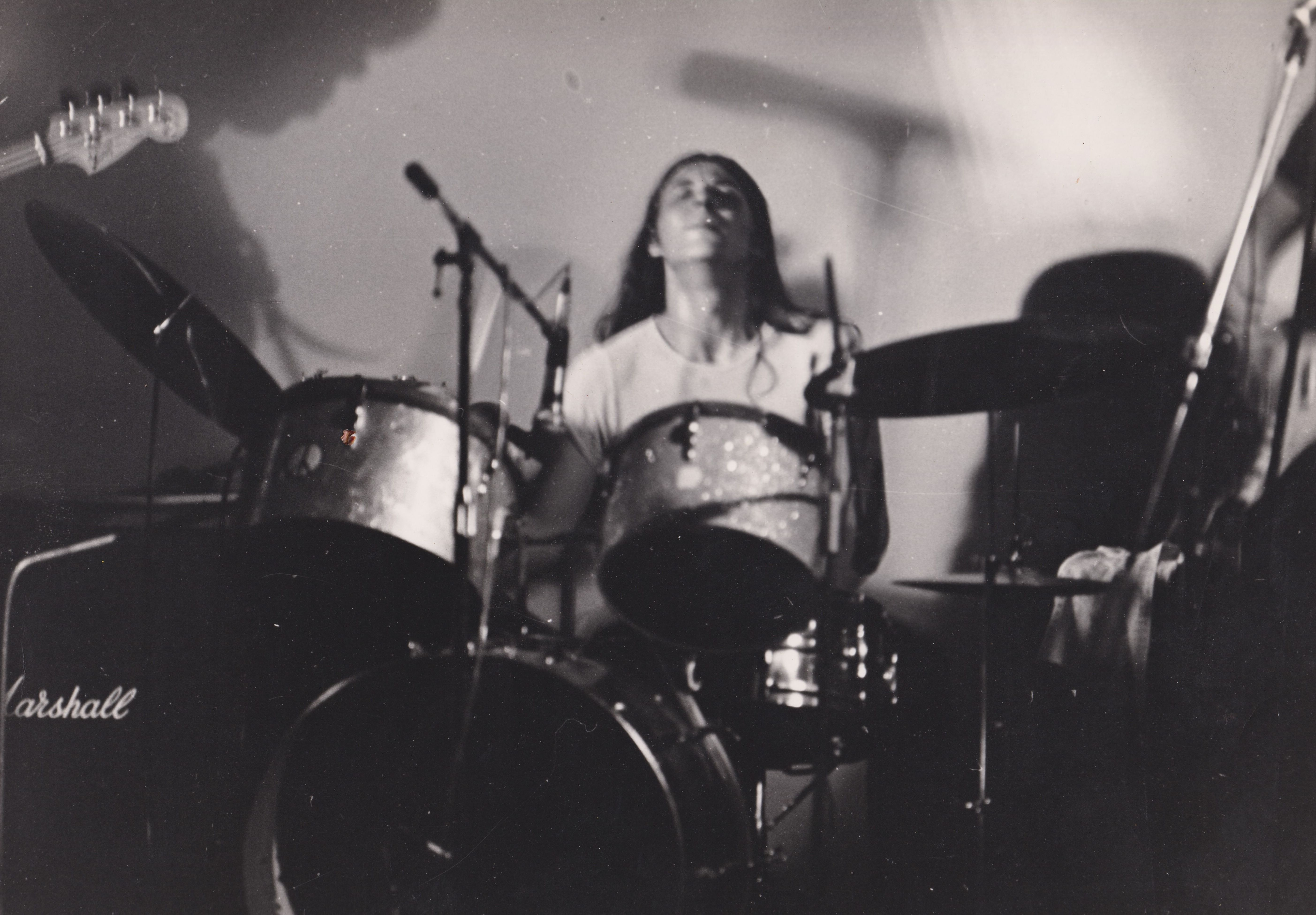
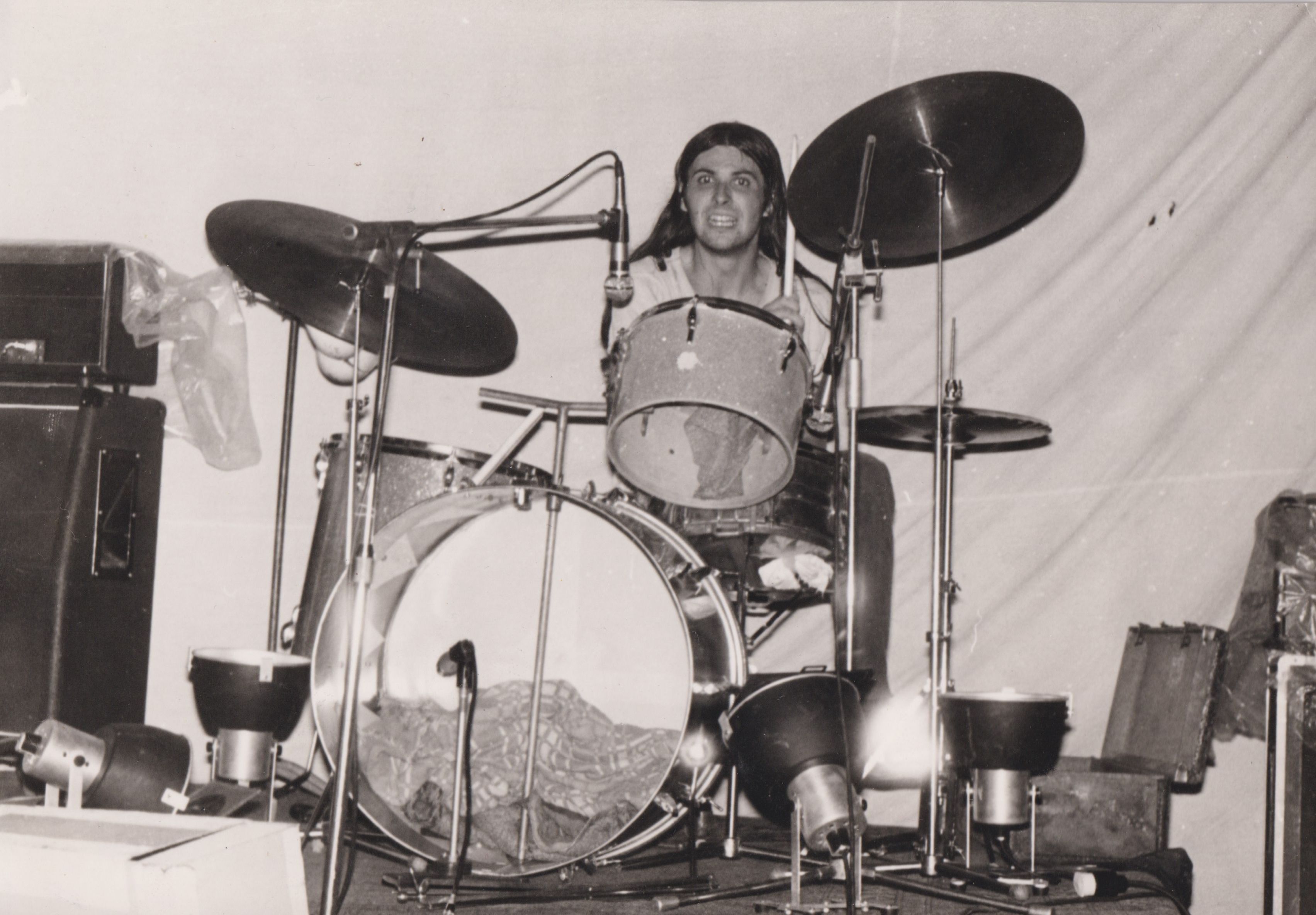
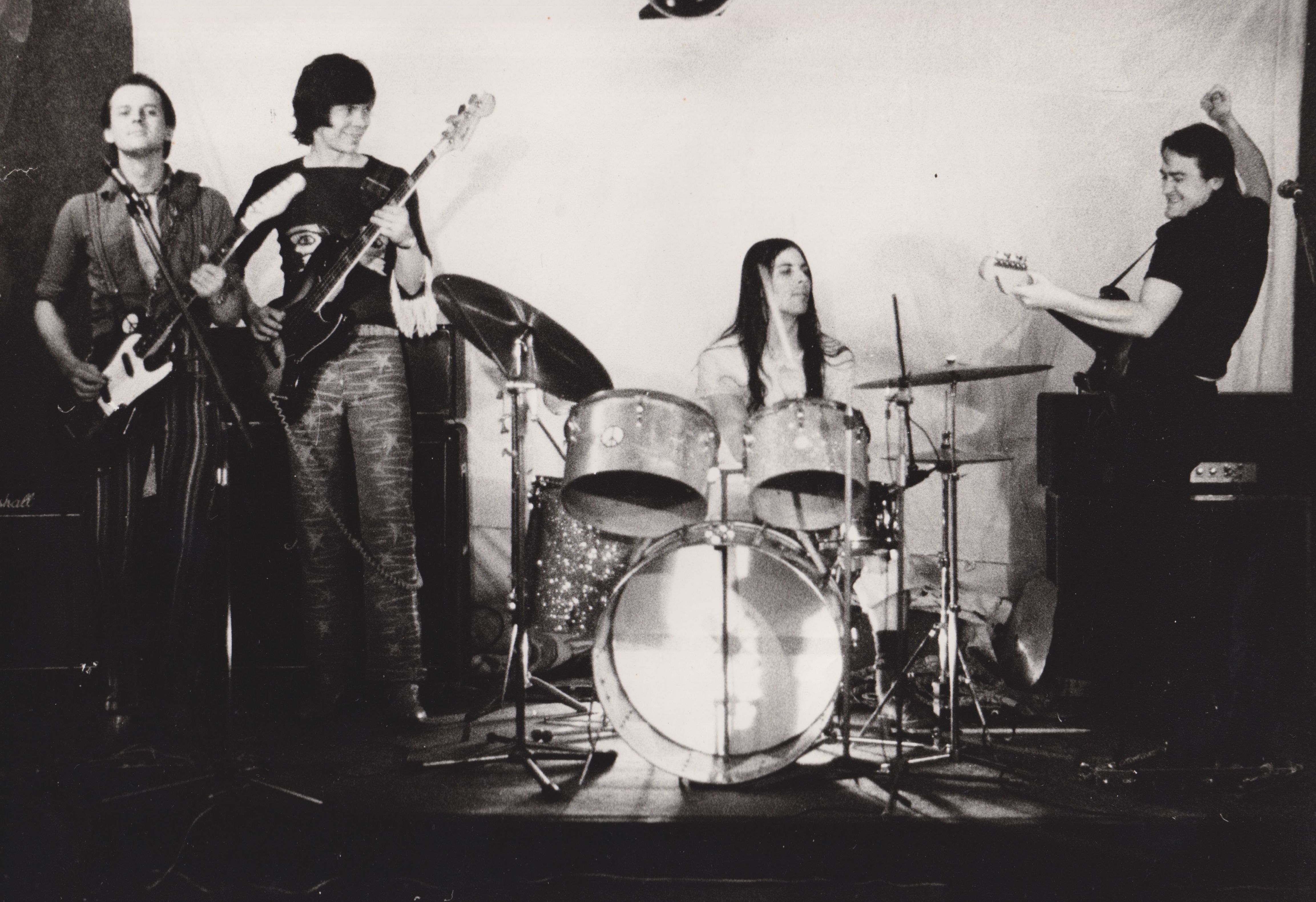
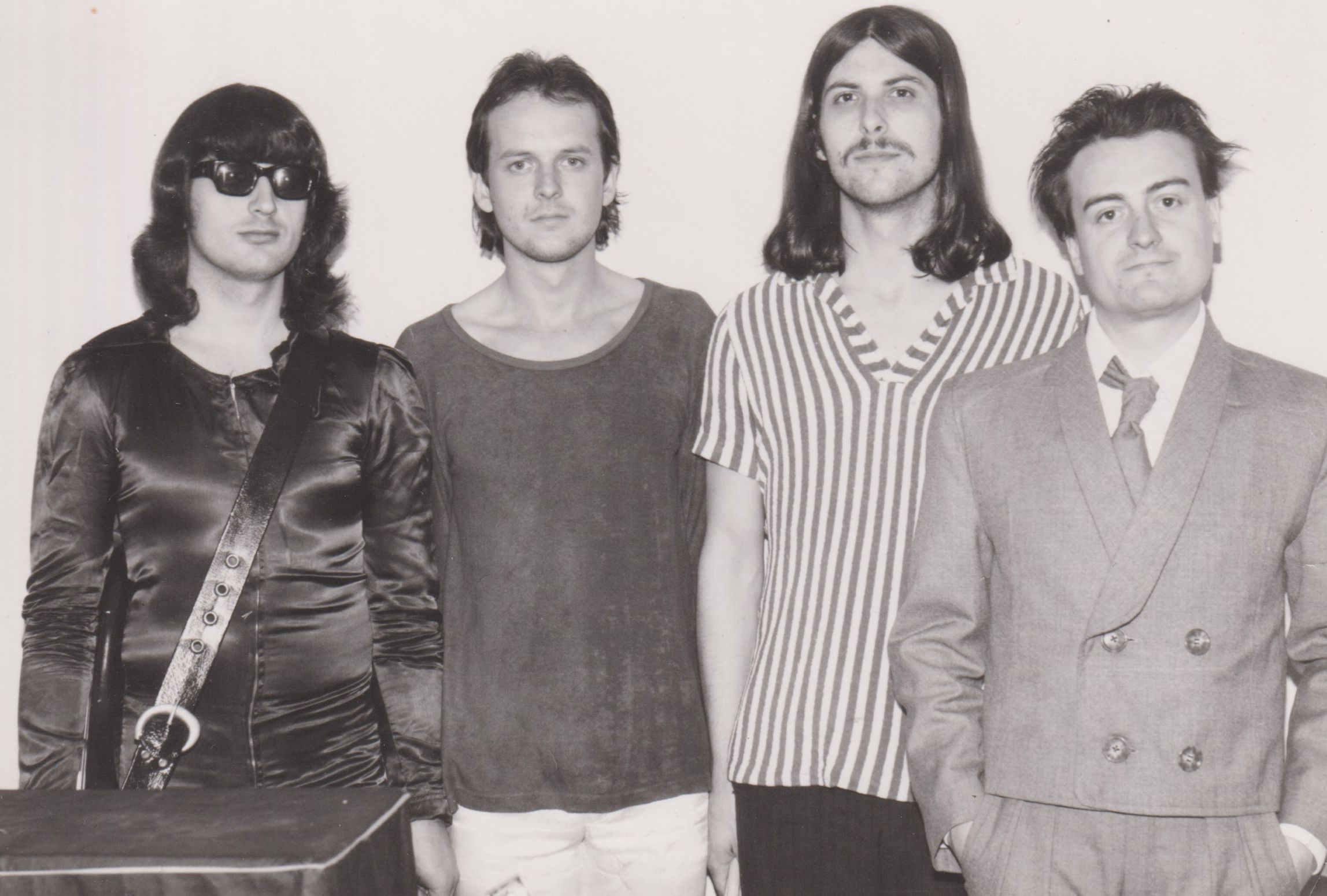
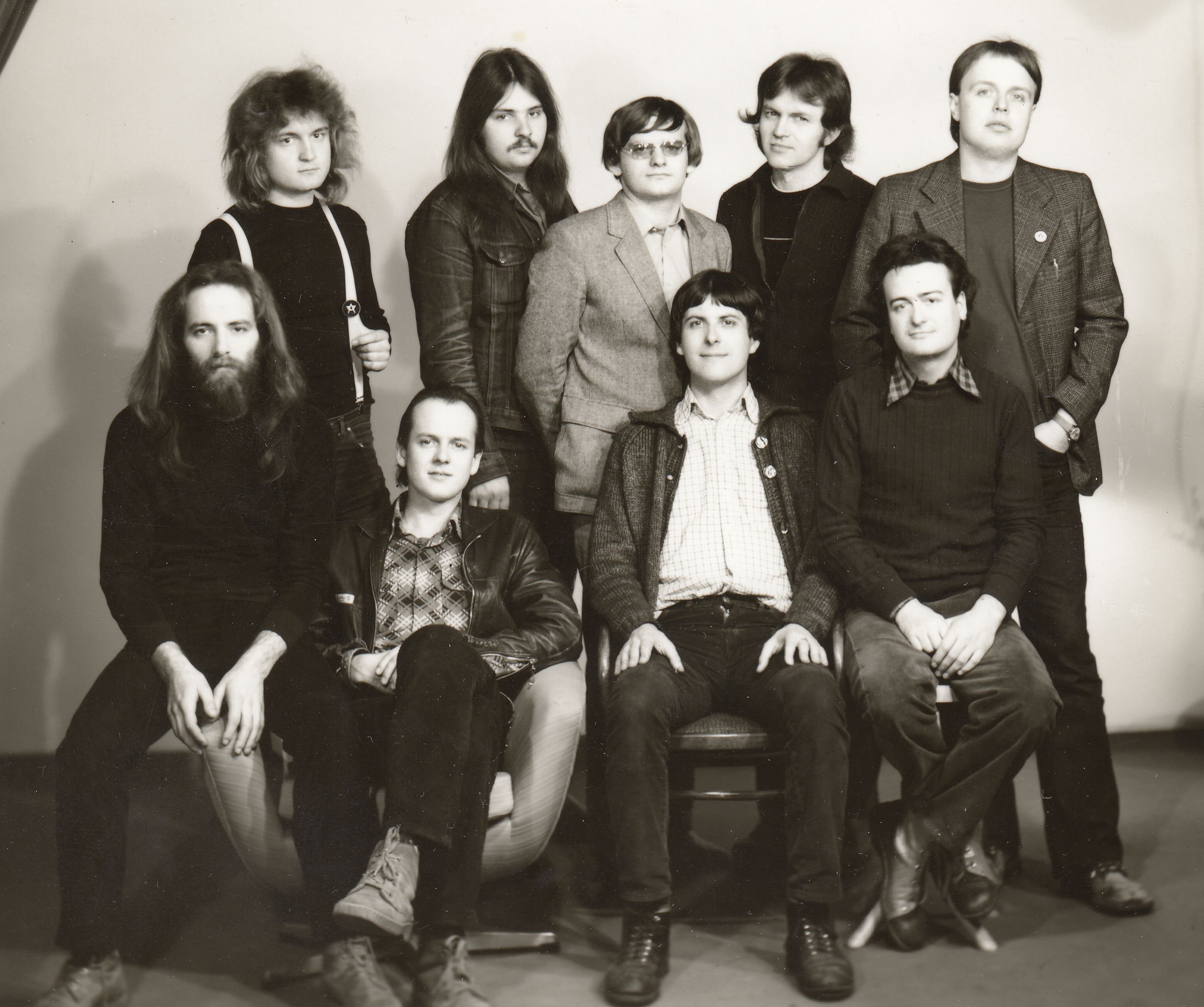
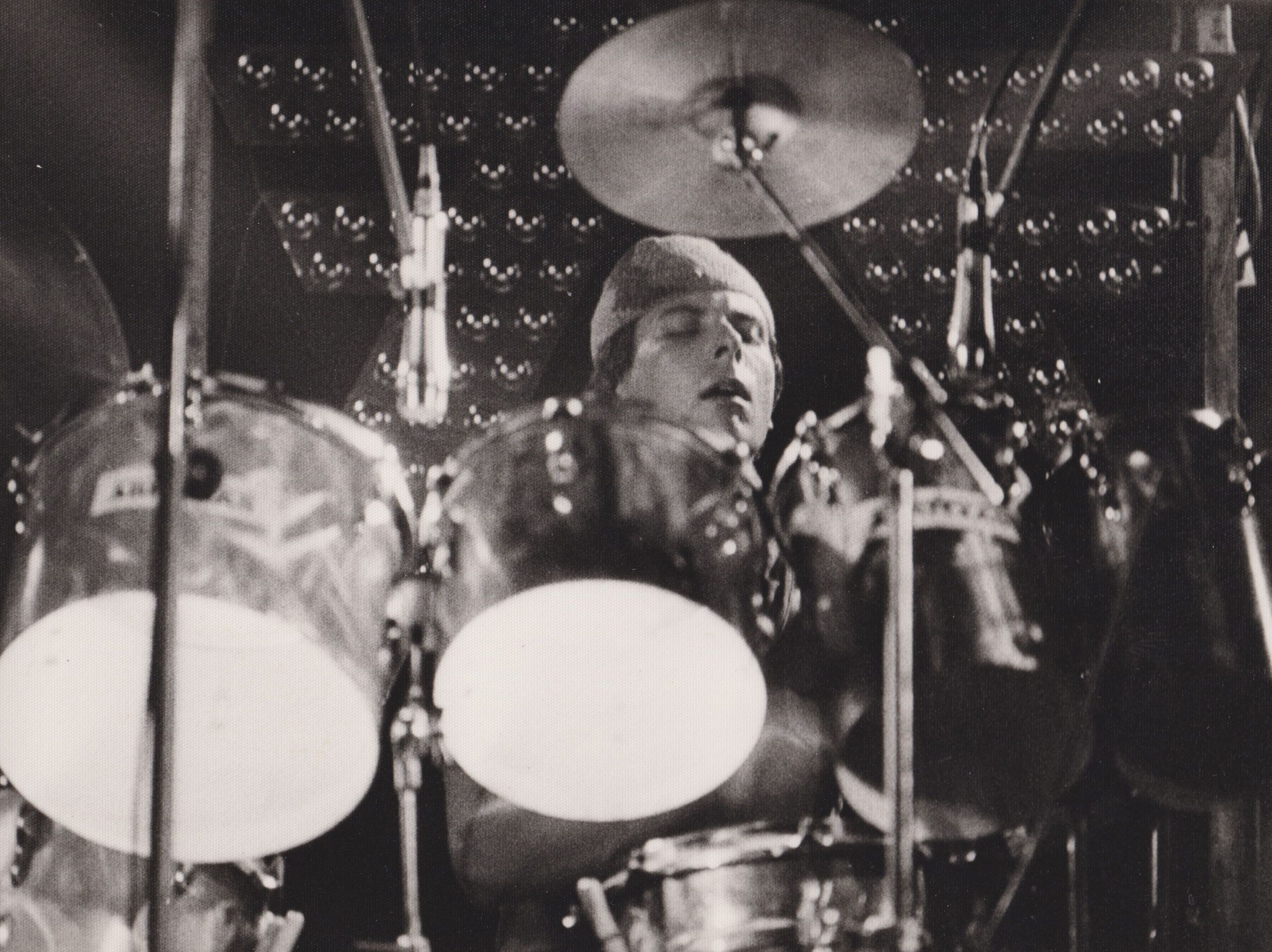
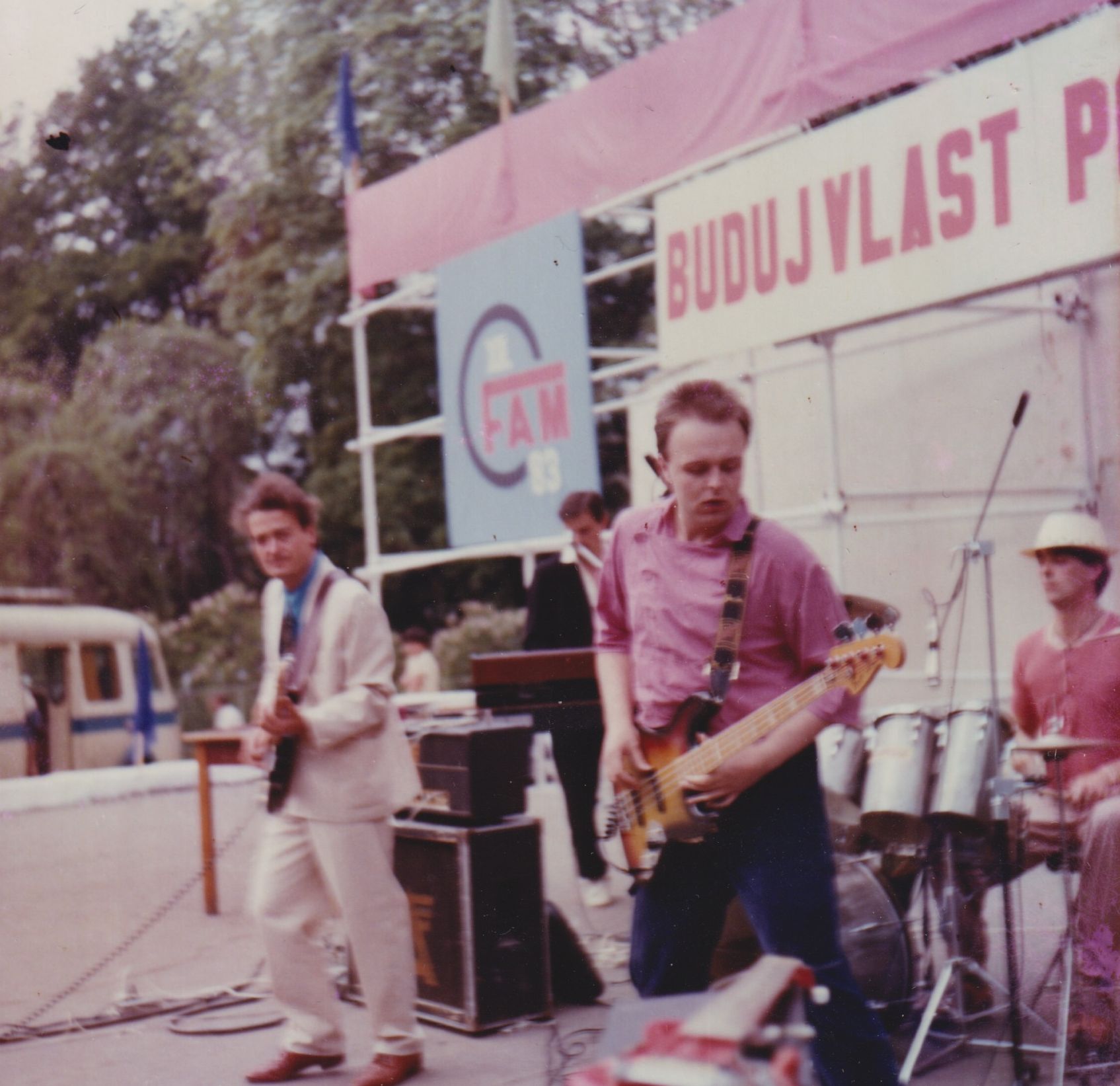
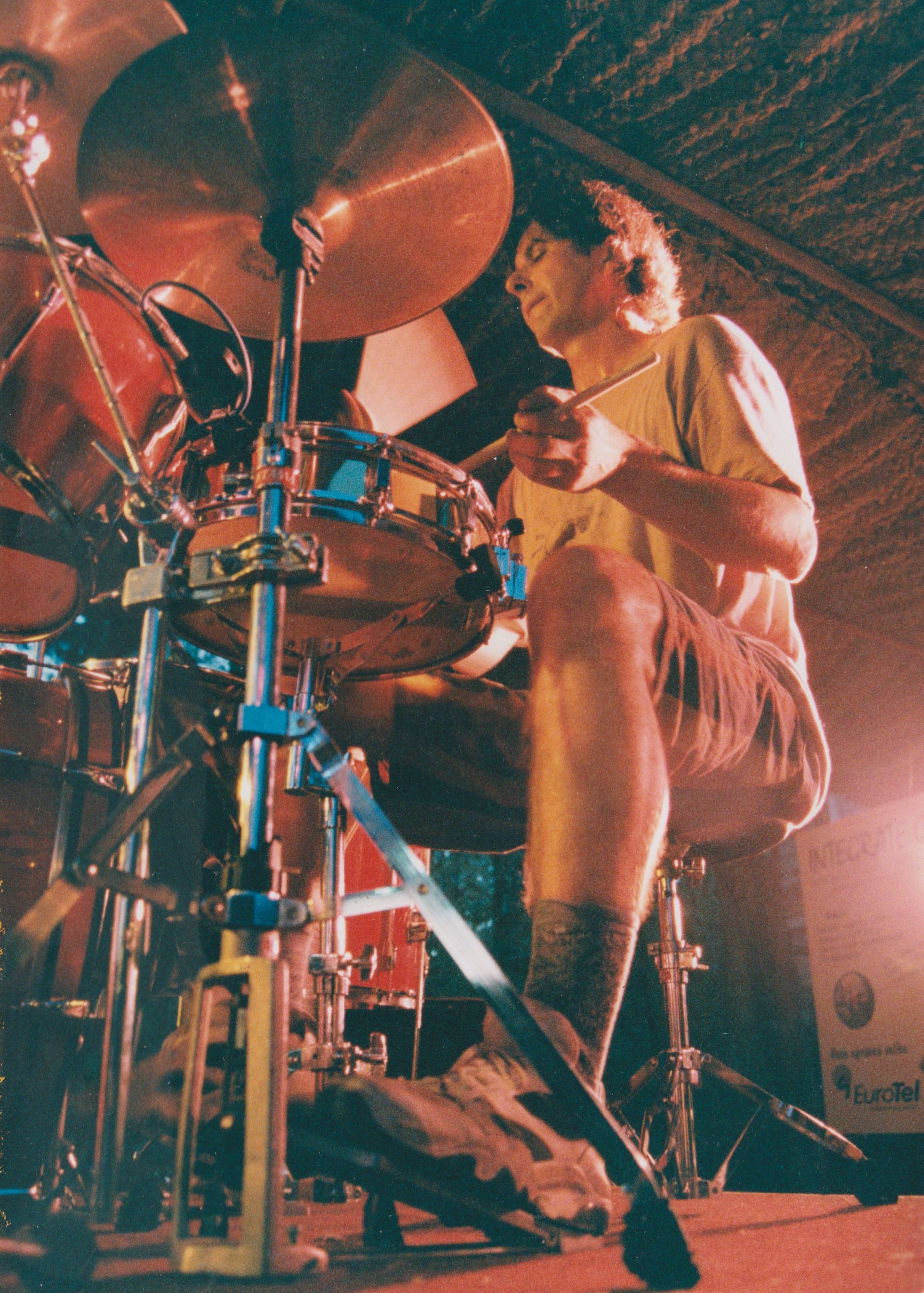
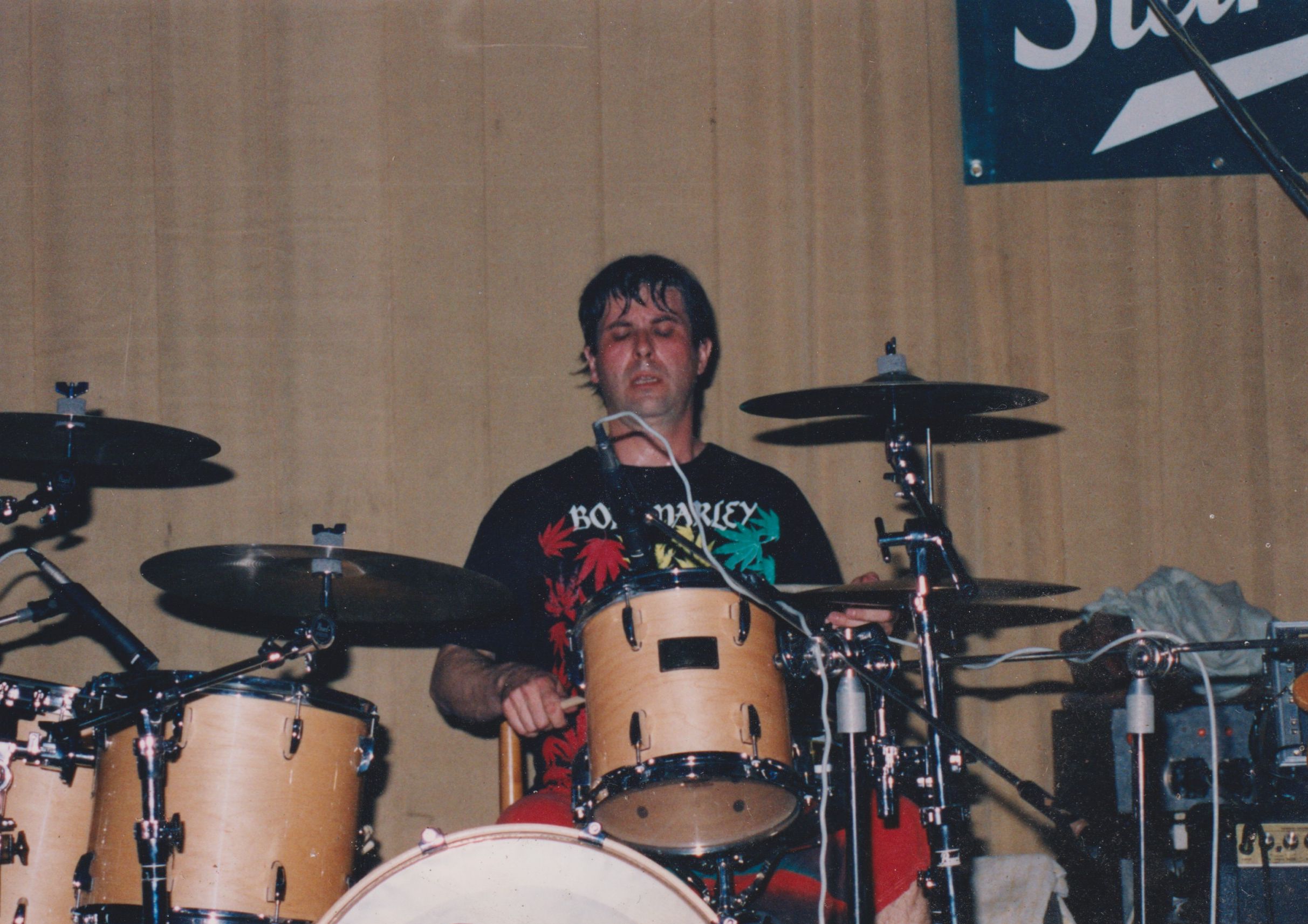
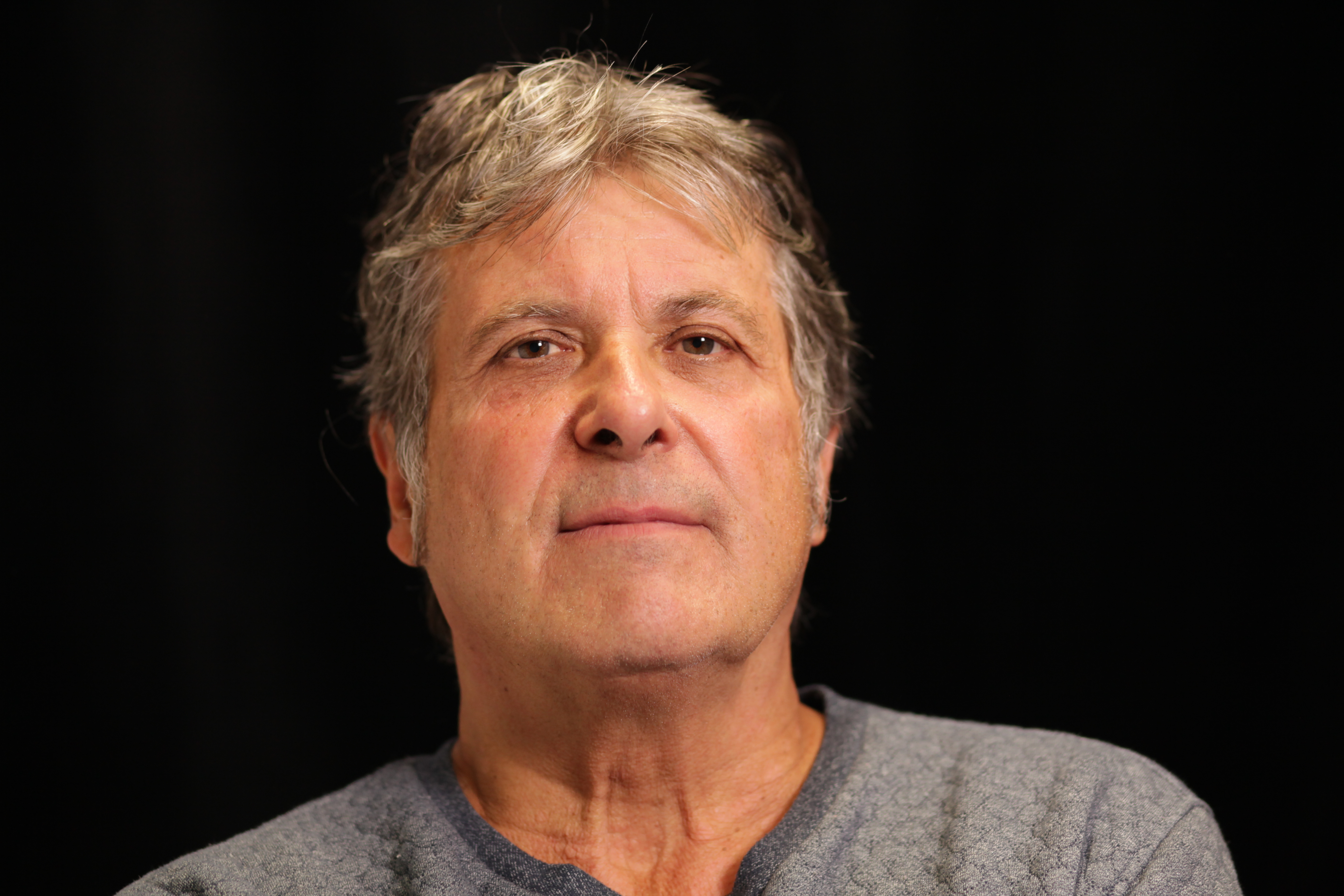
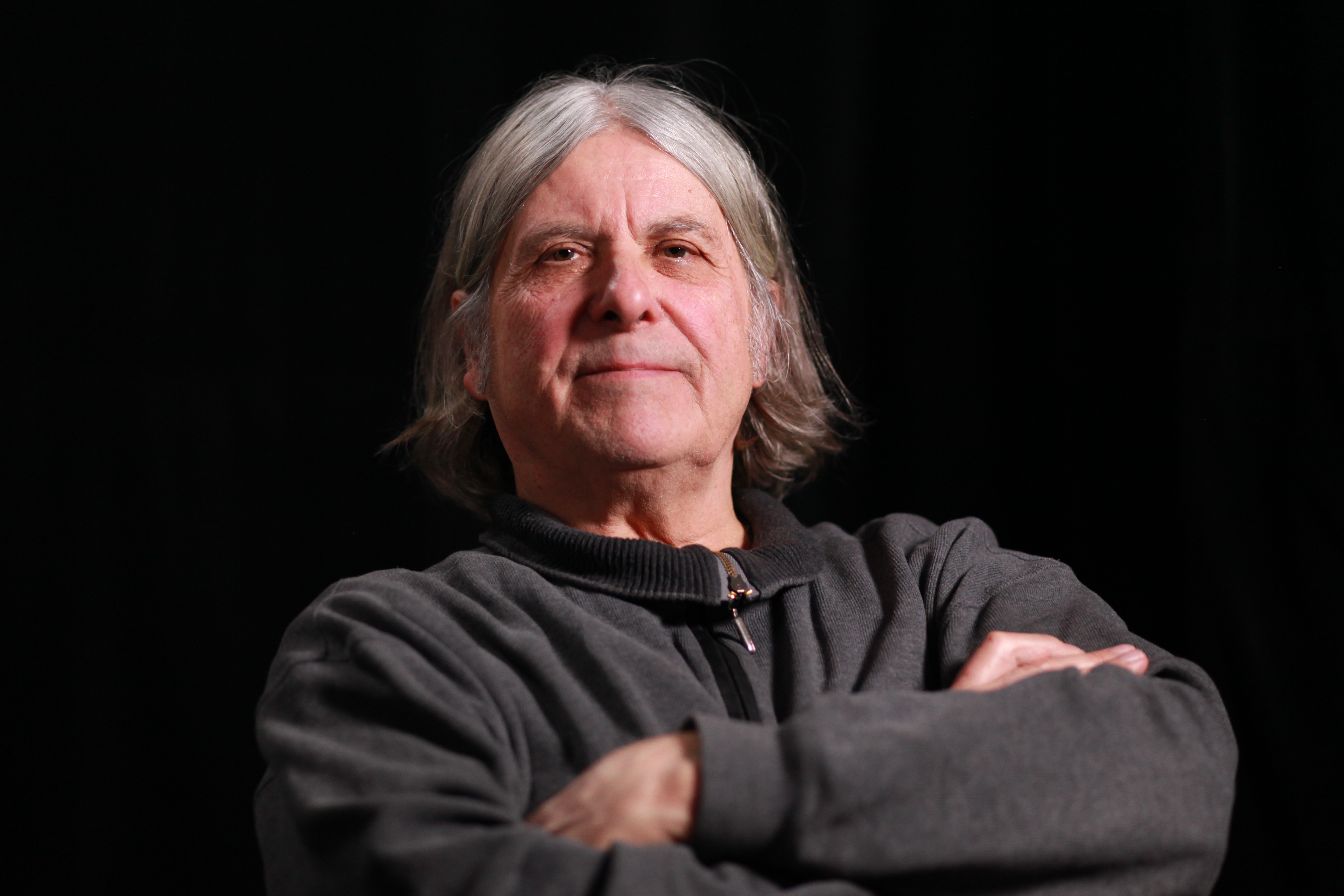
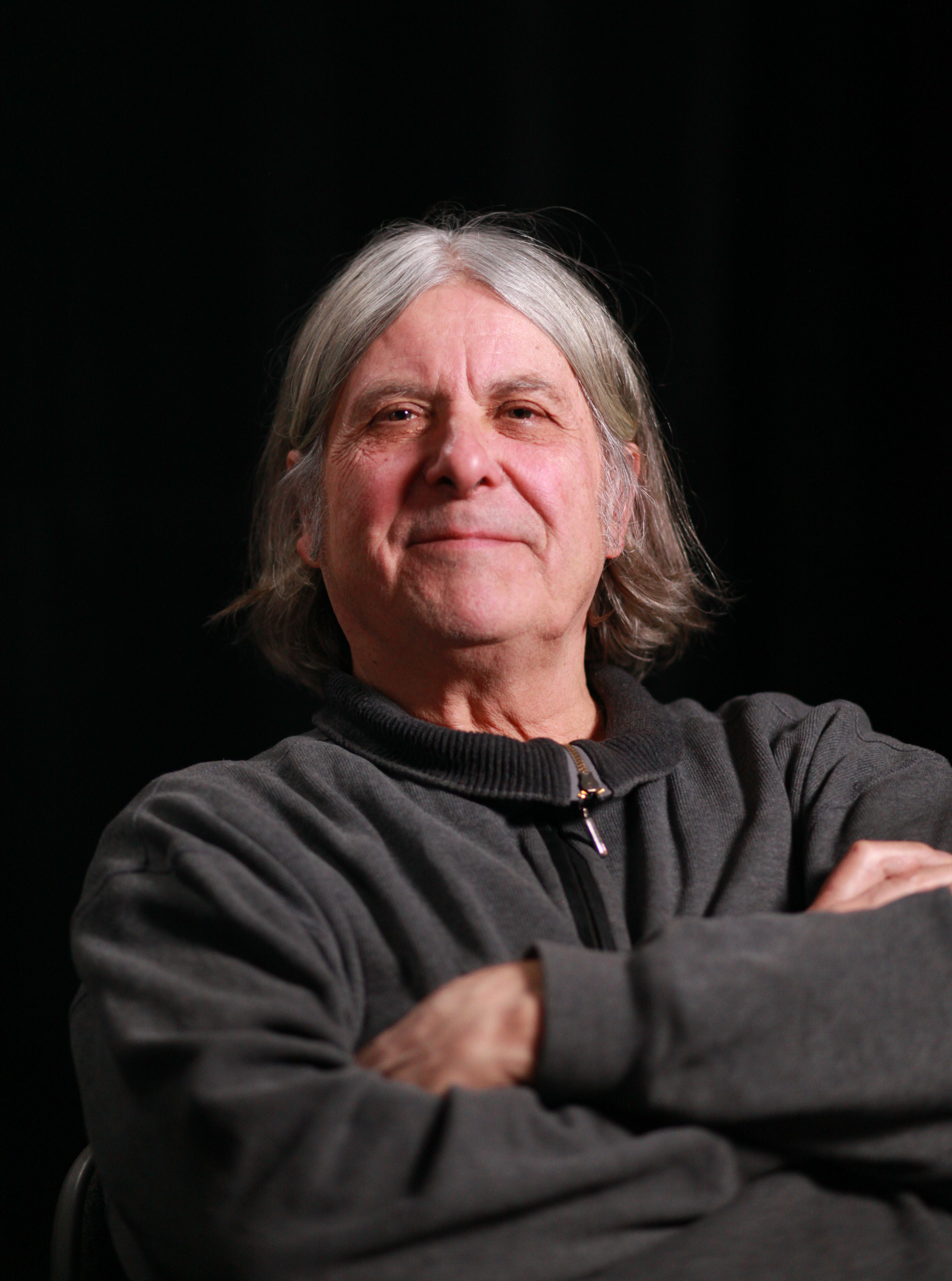
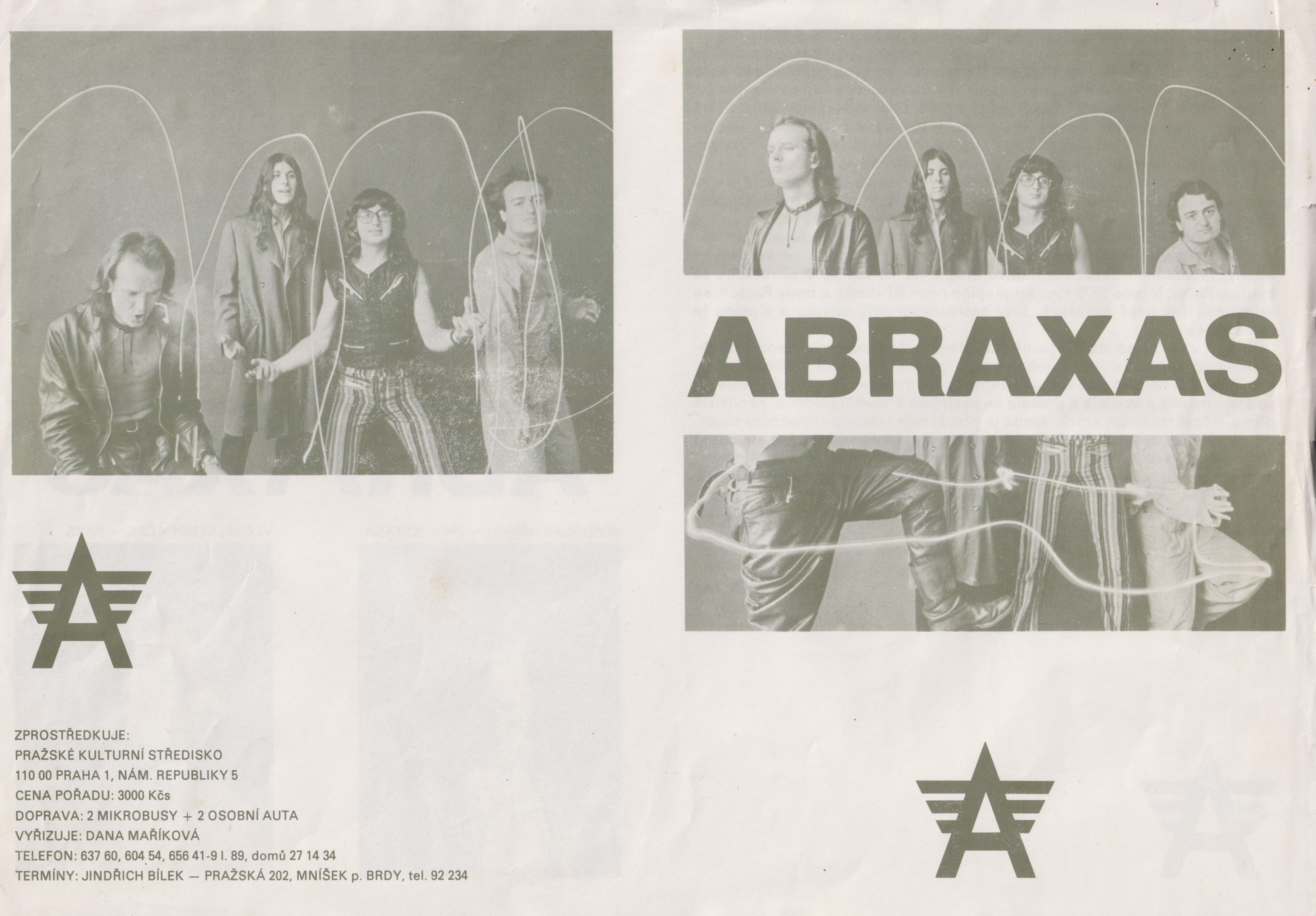
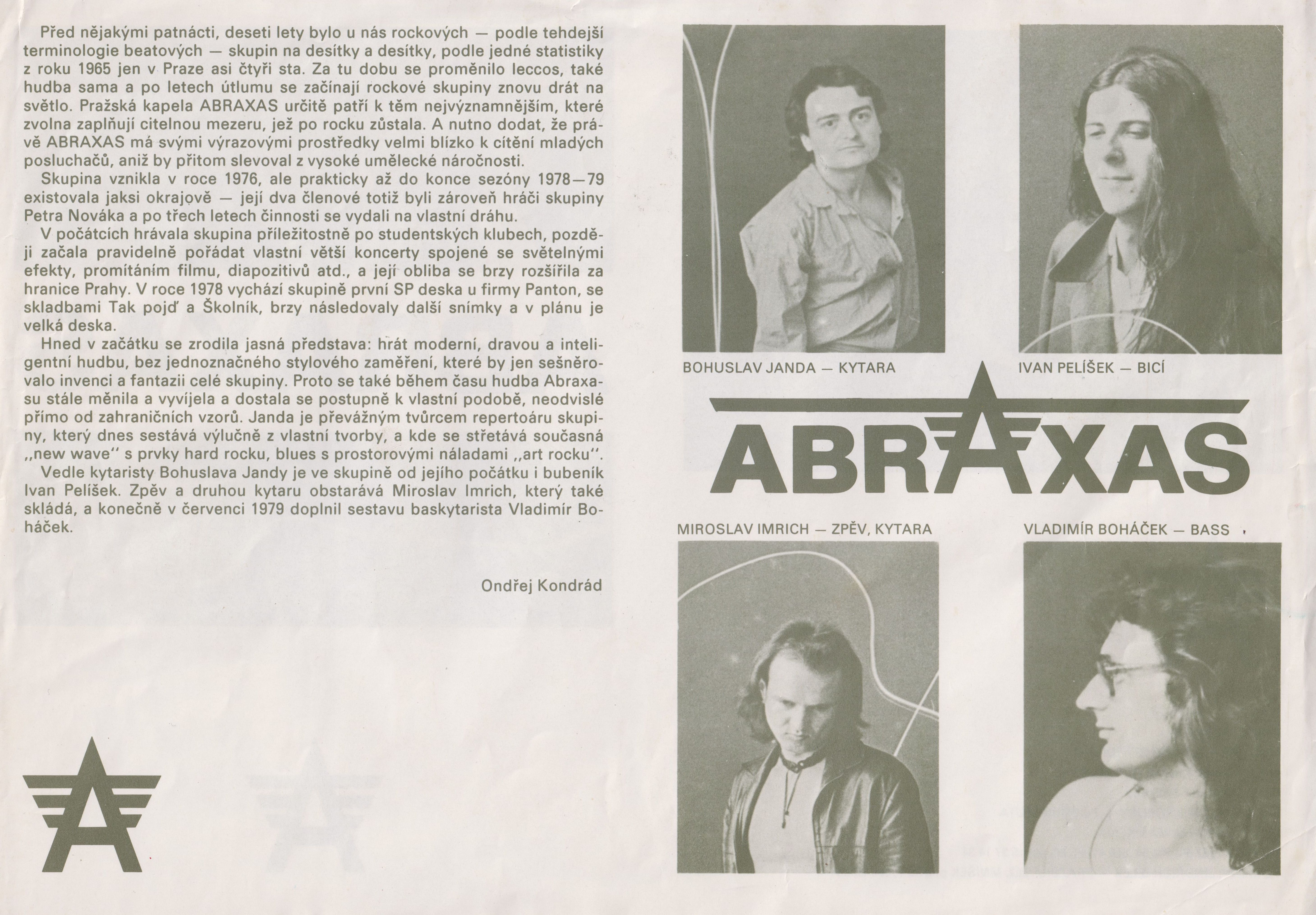
Ivan Pelíšek was born on 18 May 1954 in Prague, the younger of two sons of Václav Pelíšek and Věra Pelíšková. Both his parents joined the Communist Party after the war. His father, Václav Pelíšek, held the high post of Deputy Minister of Education and Culture in the 1950s. In the late 1960s he joined the reform movement within the Communist Party and in 1968 he publicly testified about the wiretapping of artists in the theatre dressing rooms by State Security. After the occupation of Czechoslovakia in August 1968, he emigrated to Italy, where he died in 1981. Ivan Pelíšek trained as an artistic carpenter in 1974. From his youth he played percussion instruments. In the mid-1970s, he managed to pass the so-called test performance, i.e. to obtain official approval for public concerts, and from 1976 he worked as a professional drummer with a freelance worker registration on his ID card. For the first two years he played with Petr Novák’s band, and from 1978 to 1984 he was a member of Abraxas. In the second half of the 1970s, he became close to the Czech underground, became friends with the dissident Catholic Kaplan family and established contacts with the underground church. At the age of 27 he was baptized, and his godfather was the Jesuit František Lízna. In 1983 he moved with his family to Dolánky in northern Bohemia, where they lived in the local parish house. A year before the Velvet Revolution they moved to Čestice in South Bohemia. In 1988 he signed Charter 77 and became a member of the Movement for Civil Liberty. He was actively involved in the events of the Velvet Revolution and co-founded the Civic Forum in Čestice. In 1990 he founded the Peelwood company, which successfully specialises in the production of drumsticks for drummers. In 2026 he was living in Čestice.