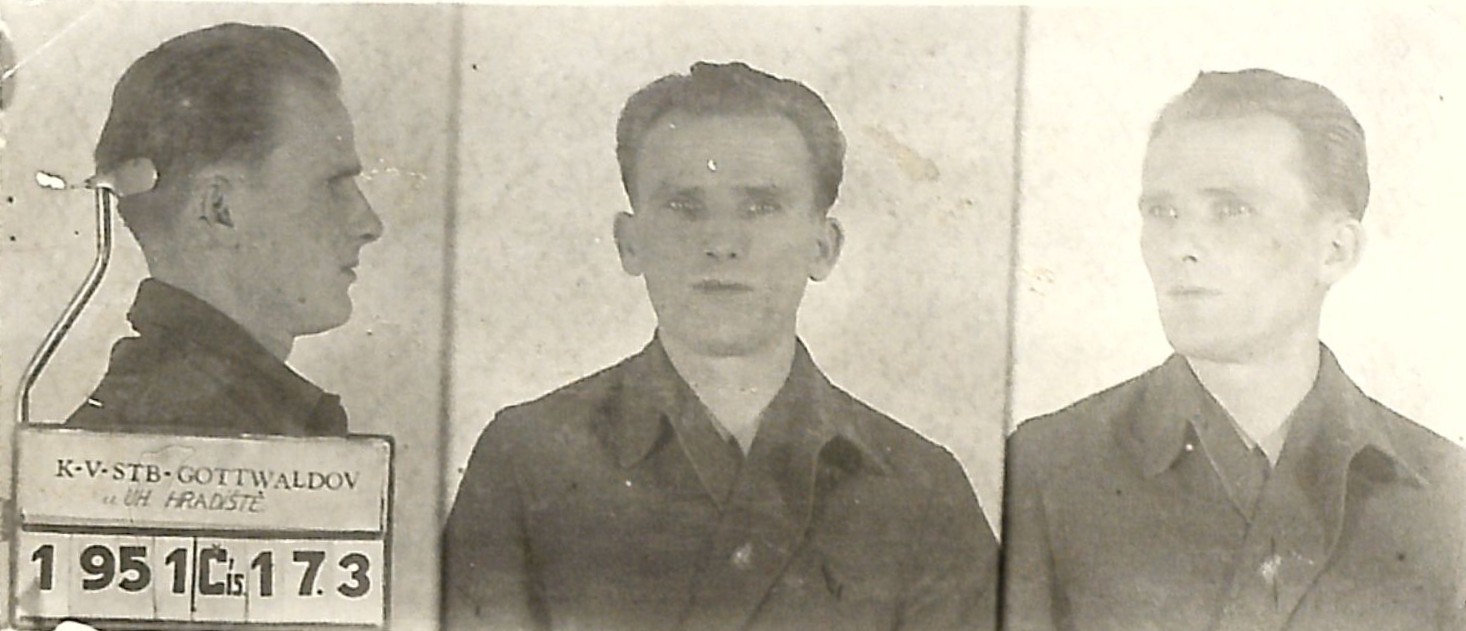
She was only allowed to hug her father in Ruzyně, she was bullied at school because of him

Download image
Julie Pavelková was born on 18 June 1948 in Podolí near Uherské Hradiště into the family of Antonín Měrka, a soldier by profession. Her childhood was strongly marked by the arrest of her father in 1951. He was sentenced to twenty-two years in prison for his anti-communist resistance during the trial of Vaculka and associates. The witness grew up in the oppressive atmosphere of prison visits. The family lived very modestly. Her grandparents and her aunt Jarmila Vaculka, the wife of political prisoner Antonín Vaculka, helped her considerably. The Communists released Antonín Měrka after almost ten years on amnesty. Due to her poor cadre profile, the witness was not allowed to study secondary school and had to train as a telephonist. In 1971, she married Stanislav Pavelka and together they raised three children, with their Christian faith as their support in difficult times. After the Velvet Revolution in 1989, Julie Pavelková felt great relief and obtained moral and legal rehabilitation for her father, who had died before the fall of the regime.