"August came and somewhere I said it was an occupation or something, I don't know how. Somebody must have reported on me, either one of the teachers or one of the staff or whoever - I don't know. So I was... I was lucky I had an inspector who knew me and advised me. First he advised me to go back to Soběchleby, that didn't help much. So I was sent to the primary school for five years, first to fourth grade, to Bezuchov, a one-room school. But that's what I remember most - there I learned to work, to learn and to appreciate everything."
"I saw a lynch. Wait, how should I describe it to you... So: how is the river Bečva, it's not far from where I lived, about a hundred or two hundred metres. There, sometime after the war, in the summer, when it was very hot, a German was running away. He was supposed to be a soldier, probably a senior officer, and he was running with a German woman. Yes, he was. She didn't speak Czech, I know that for sure, she was shouting in German. Partisans or some gunmen found them there. After the war, the Russians were stationed in the switching station. We used to go and watch them as children, I remember,they bathed naked. They took off their clothes. I also remember one Russian soldier, Misha, after the war. He was a Mongol and he stole our red shorts - I still remember that. And about the Germans: the soldier was said to have fought back, so there was probably a man shot. The German was caught. I can see it to this day - she was wearing a fur coat because she was carrying valuable things. They tied her with some kind of rope and led her through the village. They were local people, I don't want to name them, they are no longer alive. They were beating her with a whip."
"I know he was at the congress and that it turned out badly for him. There was probably an informer on the train he was taking home. Someone asked him where he had been and he replied that what had happened there was horrible and that it meant the end of democracy. Subsequently, a denunciation came. He was stripped of the post he held at the district level and at the same time lost his clerical post at the railway. Eventually he ended up as a sweeper in the Přerov engineering works. In order to have a higher pension, he later apprenticed as a foundryman or some such trade in Ostrava."
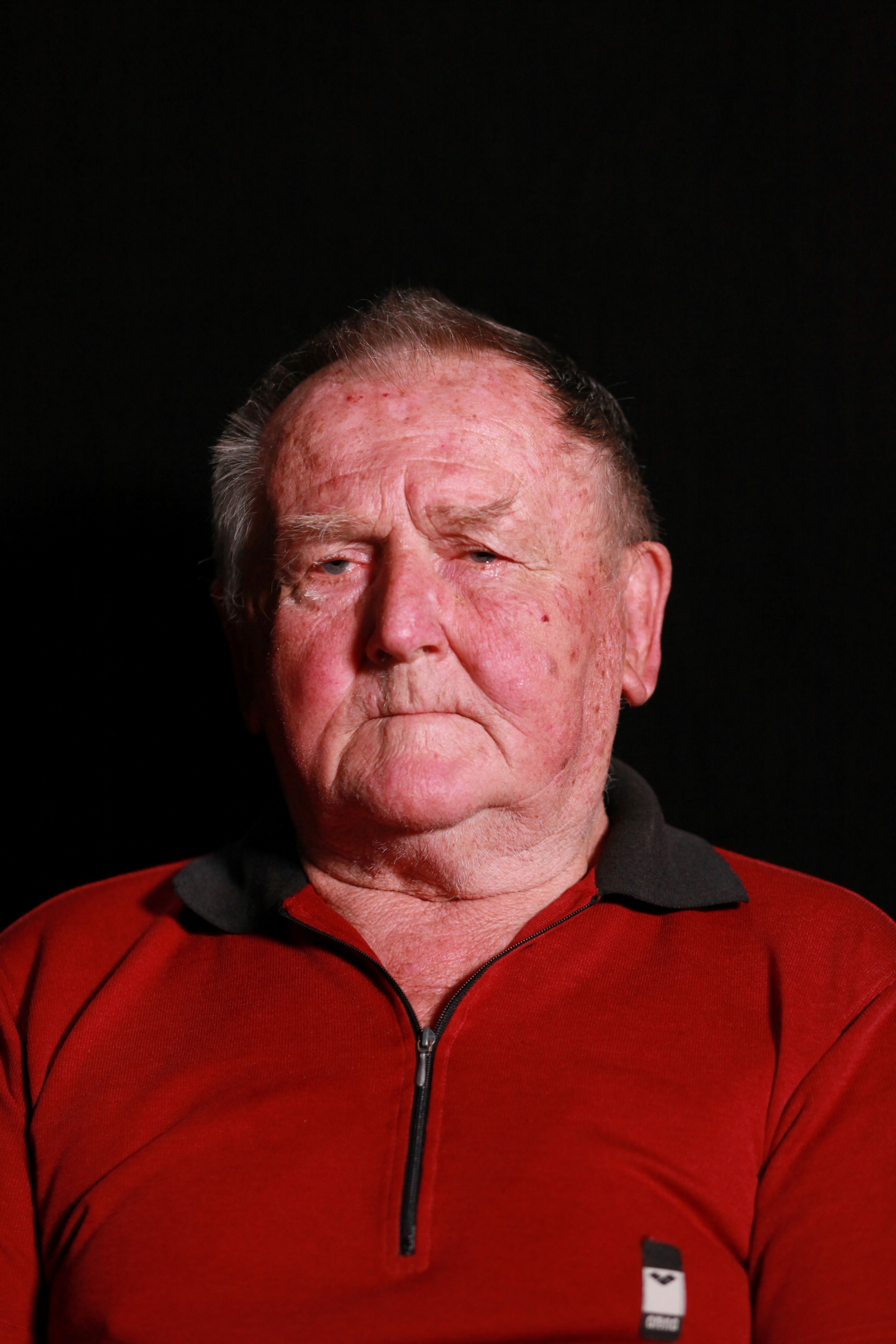
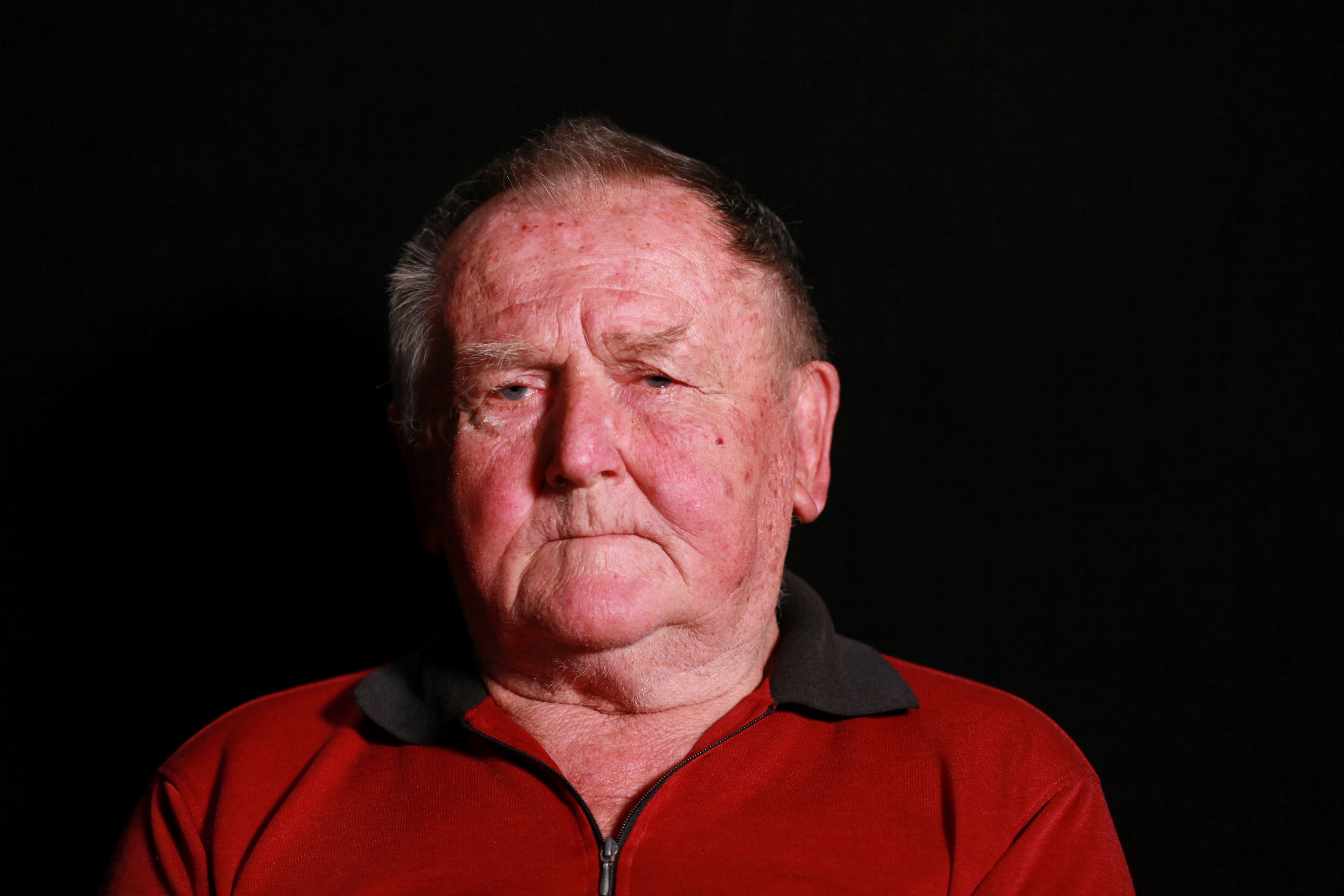
Eduard Pajdla was born on February 19, 1937 in Dluhonice, in the building number 28, as the second of three children. His father Jaroslav came from Přerov, worked as a railway clerk, had Czech-German ancestors, some of his relatives had to join the removal after 1945. He was a member of the Social Democrats and until 1948 a vice-mayor of Přerov. His parents farmed ten hectares of fields and later joined a cooperative farm (JZD). Eduard Pajdla witnessed local war events and the liberation of Dluhonice as a child, as well as the post-war lynching of Germans. After 1948, his father was deprived of his public office due to criticism of the Communist Party of Czechoslovakia (KSČ), he lost his job as a railway clerk, and then worked as a sweeper in the Přerov Engineering Works. Eduard Pajdla graduated from Secondary Agricultural Technical School in Přerov, majoring in plant breeding, and after graduation he joined the Research Institute of Vegetable Science in Slavonín as an assistant in the field of plant genetics and physiology. While working, he completed his education by distance study at the Pedagogical Institute in Olomouc and then at the Faculty of Science of Palacký University. He became a teacher for the first grade. He taught at primary schools in Soběchleby, and later at the primary optical school in Přerov, from where he was dismissed after 1968 for criticising the invasion of the Warsaw Pact troops. After a short return to Soběchleby, he was placed in a one-room school in Bezuchov for five years. He did not join the Communist Party. In 2025 he lived in Dluhonice, and was a member of the Catholic association Ackermann-Gemeinde, which was dedicated to reconciliation between Germans, Czechs, Silesians and Slovaks.