"The City of Brno never says, or proposes to both governments anything like, 'Let's do something like the Czech-Austrian Future Fund and call it the Brno Declaration, where we say how much we love each other and that we want to do something about it, and somehow kick-start Czech-Austrian relations...' Well, both foreign ministries told us quite emphatically that - well, guys, no way. It's been so many years after the revolution, nobody cares, and most importantly, business is rolling. I like to say: the Austrians drive around in their Škodas and the Czechs have accounts with Raiffeisen, so that means everything is fine, right? There is nothing to improve, nothing to solve, so why do it?"
"The 1990s were pretty wild. Yes, I remember it, I saw it: there really were signs everywhere in the shops saying 'Czechs, don't steal'. I don't mean that in a bad way, but when the difference in living standards, in income is so dramatic, well, of course... There was also this other thing. Every Tuesday, I believe, people put non-recyclable waste in front of their houses. Big items you couldn't put in the bin like old bicycles and stuff. So that you didn't have to go to the scrapyard, you just put it in front of the house, and a truck came and collected it. But before a truck even got there, a convoy of Ladas and Škodas and Moskviches with trailers rolled in from Břeclav, and they piled what they could still use on trailers and took it away."
"It's hard to put into words. Regardless of whether they were from Brno or not, Brno - as Edvard Beneš once said - set an example, and he obviously meant that matter. This time, Brno set an example, but it was the opposite. I think this time it resonated far beyond the Czech Republic and Germany and Austria. The Year of Reconciliation, that series of events around the 2015 pilgrimage, was really a unique project in many ways. I hope I can say it inspired a lot of people. For the exiles, it gave them closure. When it happened all those 70 years later, it was like taking a huge rock off their back, like a wound healing, like a lump of pus finally rupturing. The Czechs expressed regret, they shook our hands, we shook hands together, and it's finally over after 70 years. It's settled, all the insane stuff that happened got some kind of resolution, it's got some kind of... We're maybe even closer now because of that, and it all happened in Brno in 2015."
"But the normalization, it was... To a certain extent, the pressure wasn't so strong; maybe it wasn't there at all and the people were already squirming because they had to be careful what they said at work. Not because they would end up in a uranium mine in Jáchymov but because they might have trouble at work, their children might not be allowed to study, or this or that, and the people actually... It wasn't StB anymore, well it was the StB but it wasn't like in the Soviet Union in Stalin times, where the regime would physically come for you. It was more about the people watching their own language, censoring themselves and bending over. And they were compensating for having to bend before those at the top by forcing those below them to bend."
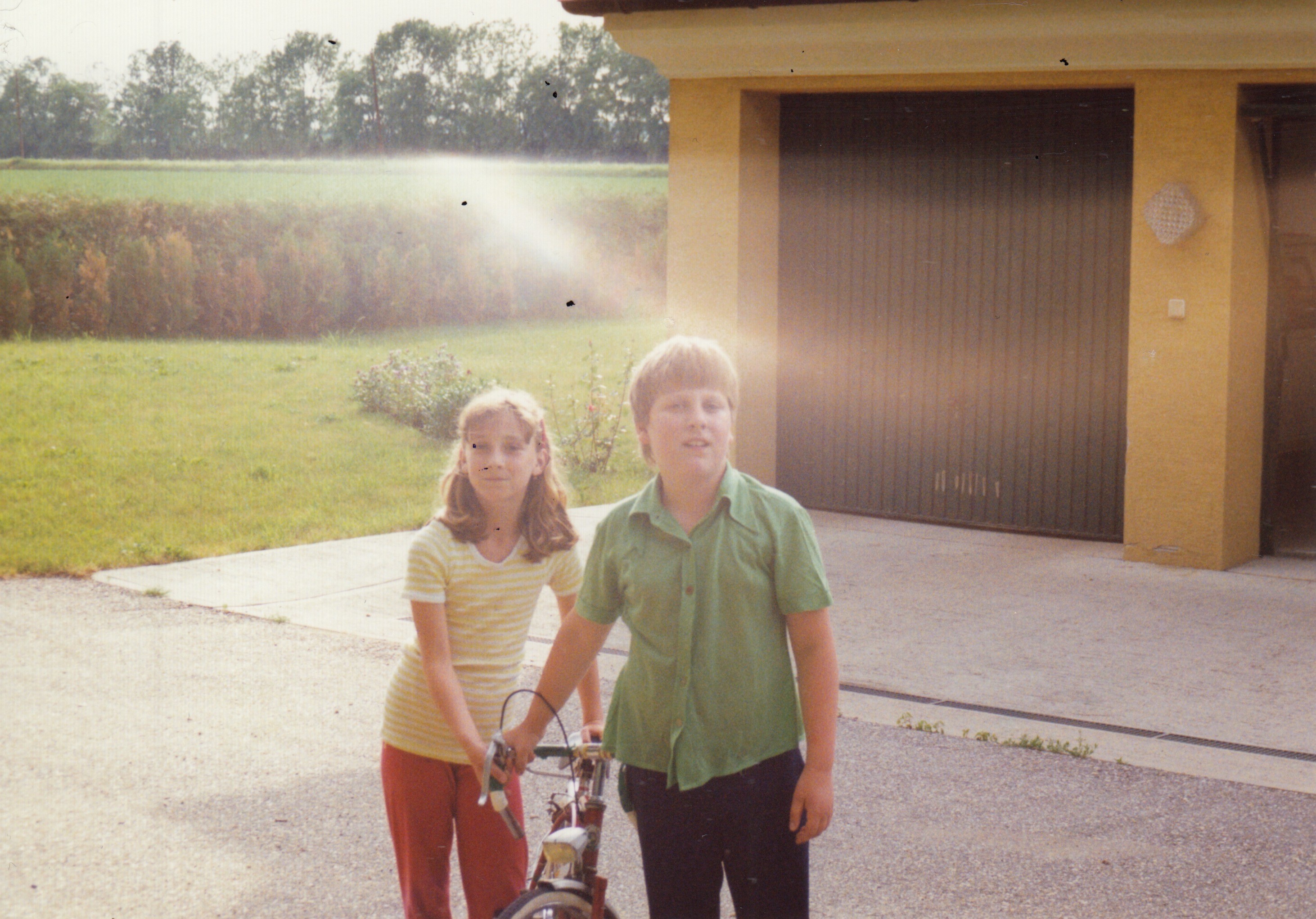
"Whoever cannot remember it, please look at the photos from the 1980s, what Brno looked like, what Prague looked like. It was really like that... It's like Havana, but without the colours. Peeled plaster, everything... All in all, the public space was in a dismal state. Everything was falling apart, the faces were greay, the evasive looks, everything... That's the way I remember it, and I don't think it's completely out of place. Maybe that's why I see it relatively clearly given I was maybe seven years old. Austria was a huge contrast. I'm not saying everything was perfect there but it looked like the Czech Republic looks today. Everything was well maintained, the public space was quite well maintained. We're not talking Vienna now - we're talking the countryside: roses were blooming in the front gardens, the houses were colourful, the plaster was neat and in place, and so on."
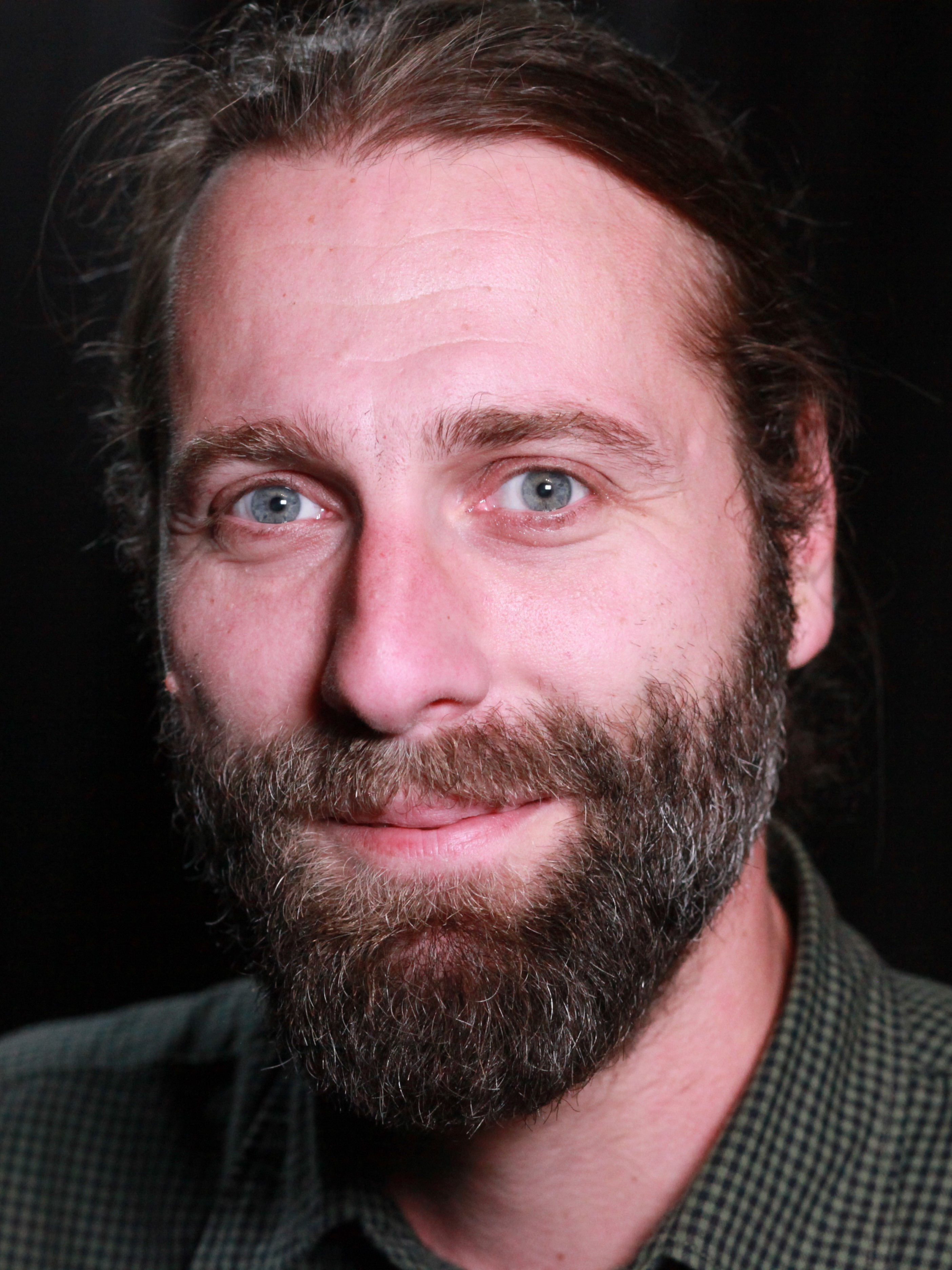
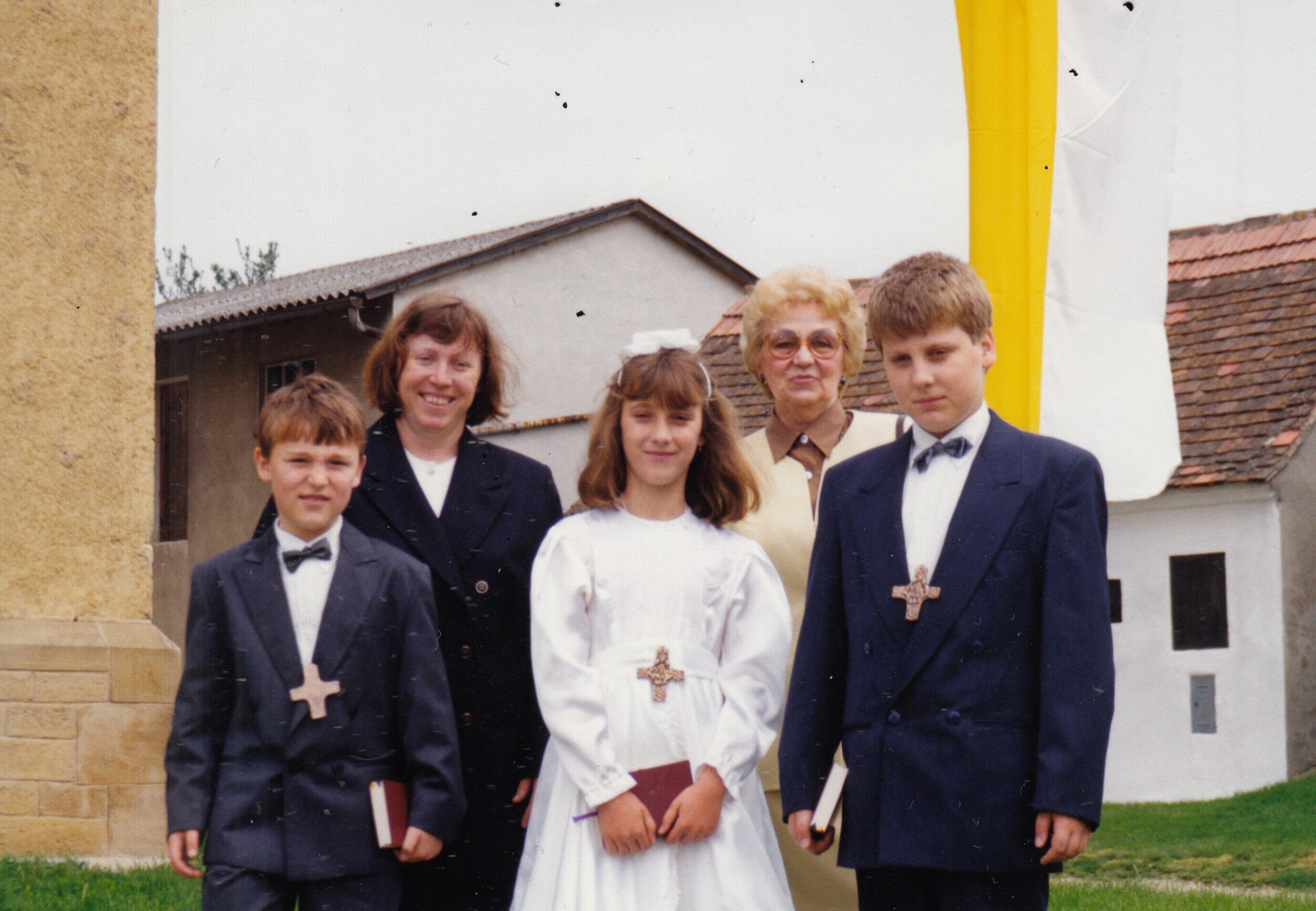
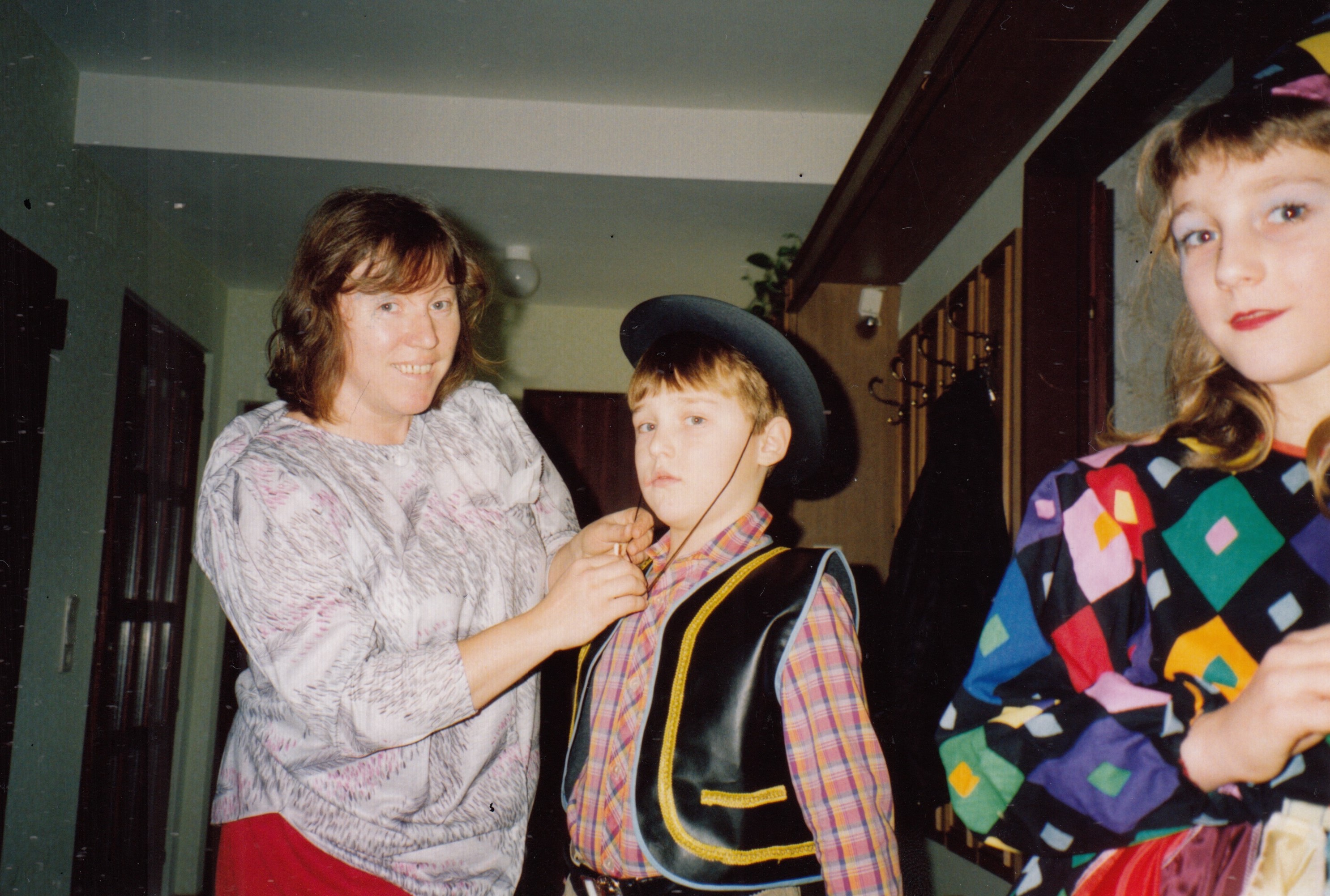
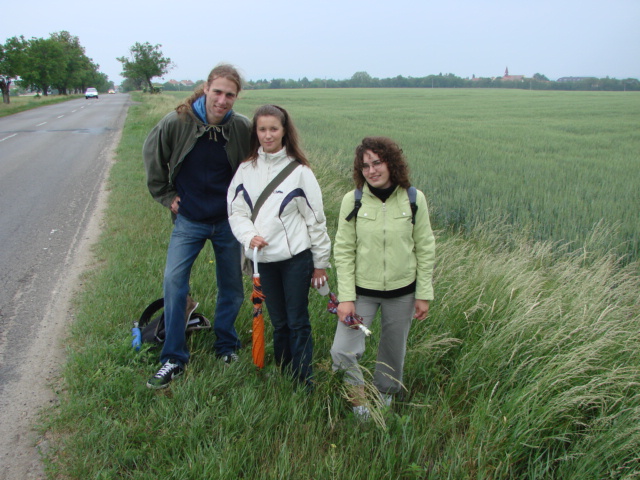
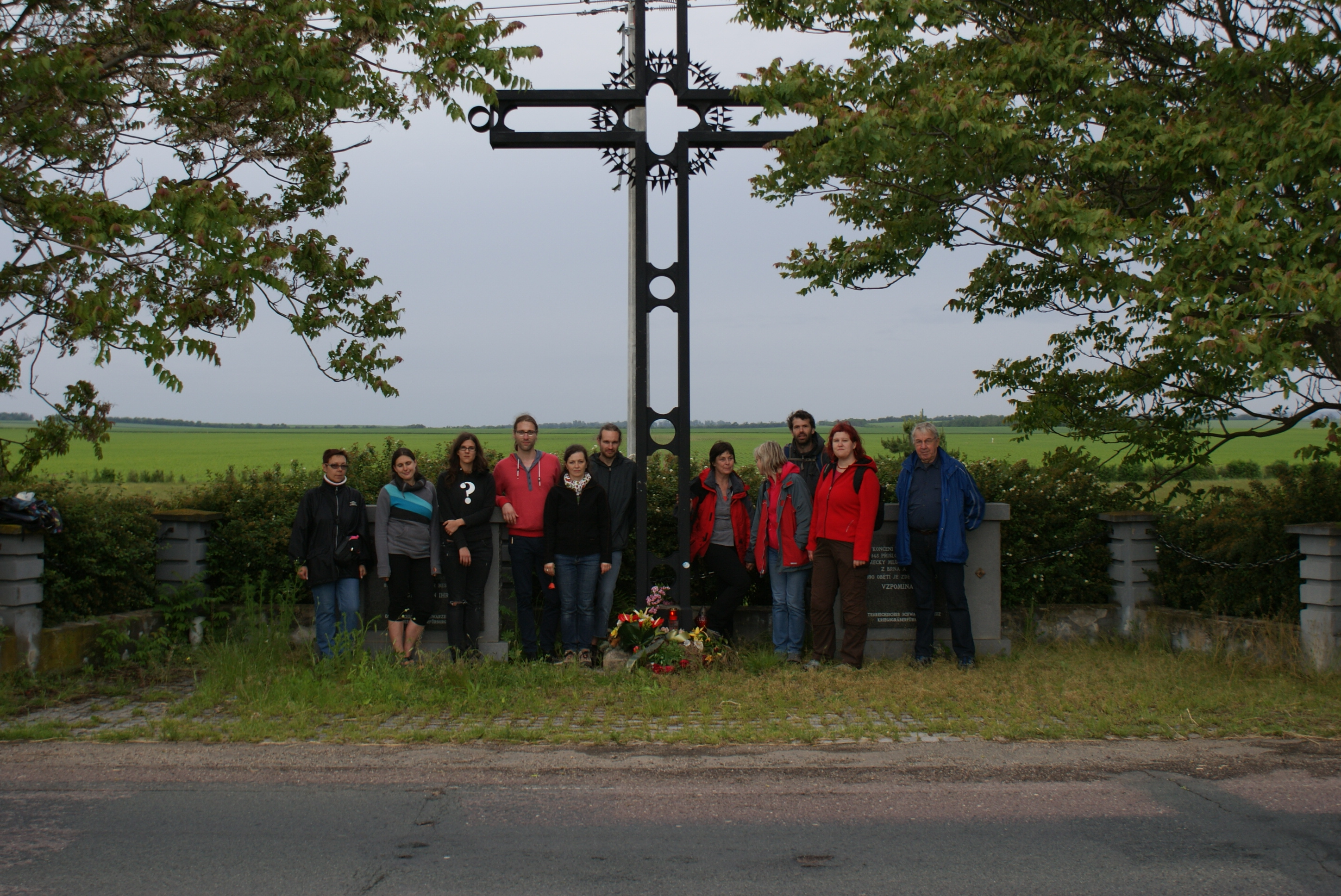
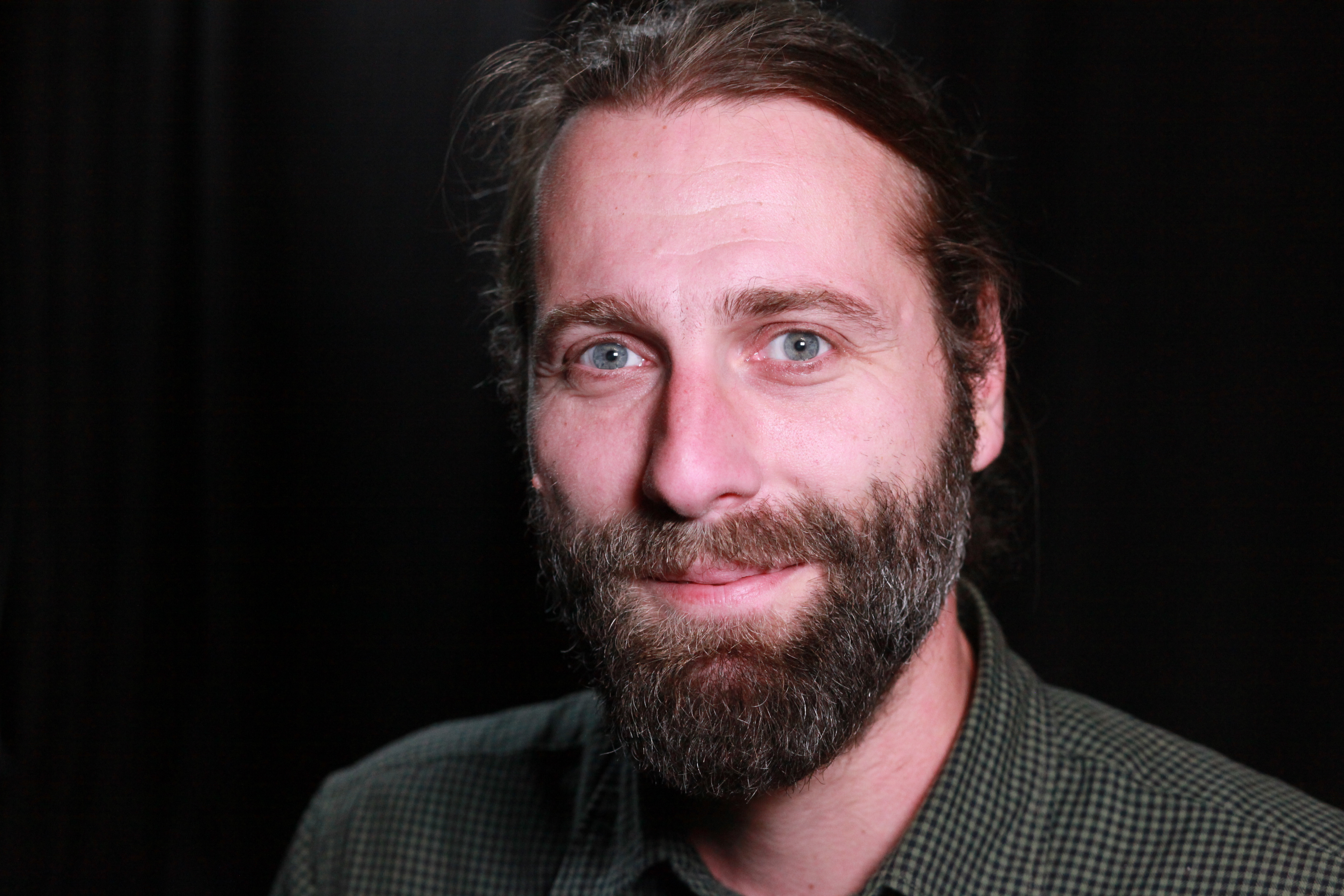
Jaroslav Ostrčilík was born in Vyškov on 21 May 1983 to Jaroslav Ostrčilík and Dobromila née Navrátilová. The family moved to Austria for work in 1990; this is where Jaroslav spent his childhood and graduated primary and grammar school. Aged 21, he returned to the Czech Republic for good and studied German at Masaryk University in Brno. In 2007 he decided to honour the memory of the deported Brno Germans by marching from Brno to Pohořelice. The event soon gained the attention of the media and the public and attracted an increasing number of participants with each passing year. In 2015, it culminated in the Pilgrimage of Reconciliation, during which, for the first time in history, official regret was expressed for the savage deportation of German citizens from Brno. For his effort in developing Czech-German relations, Jaroslav Ostrčilík received the Order of Merit of the Federal Republic of Germany in 2018. Between 2015 and 2020, he was in charge of various projects dedicated to Czech-German dialogue and cultural memory in Brno. In 2025 he lived in Brno and worked as a freelance journalist and PR consultant.