Otmar Oliva

* 1952

Video Player is loading.
Current Time 0:00
/
Duration 0:00
Loaded: 0%
Progress: 0%
Stream Type LIVE
Remaining Time -0:00
 
1x
  • “I did the worst possible work. I polished beads, or ‘chatons’ [imitation gems - trans.] for a company that I cannot mention without the need to vomit. It’s Precioza, the Jablonec company that made a name for itself in the world with its costume jewellery. But few people realised that it was polished by mafdos [an approximation of the Czech ‘mukl’, an acronym for political prisoners meaning ‘man designated for disposal’ - trans.] and that it had blood on it. I know what I’m talking about. That messed up my health, so halfway through my sentence I was transferred to ‘lighter’, scrapyard work, which was dumb work, sorting out metals, there’s no use talking about it. And from there is where I had my so-called exit. I don’t know if I can say who I met in prison or the way things were there. In brief. Because Husák had declared that there were no political prisoners. But someone at our placce, Battěk or someone, told him there was a section in Bory where a full half of one corridor was full of political prisoners. So they sat us political prisoners apart, so when I arrived there, there was one to each corridor. There were eight of us mafdos, us politicals.”

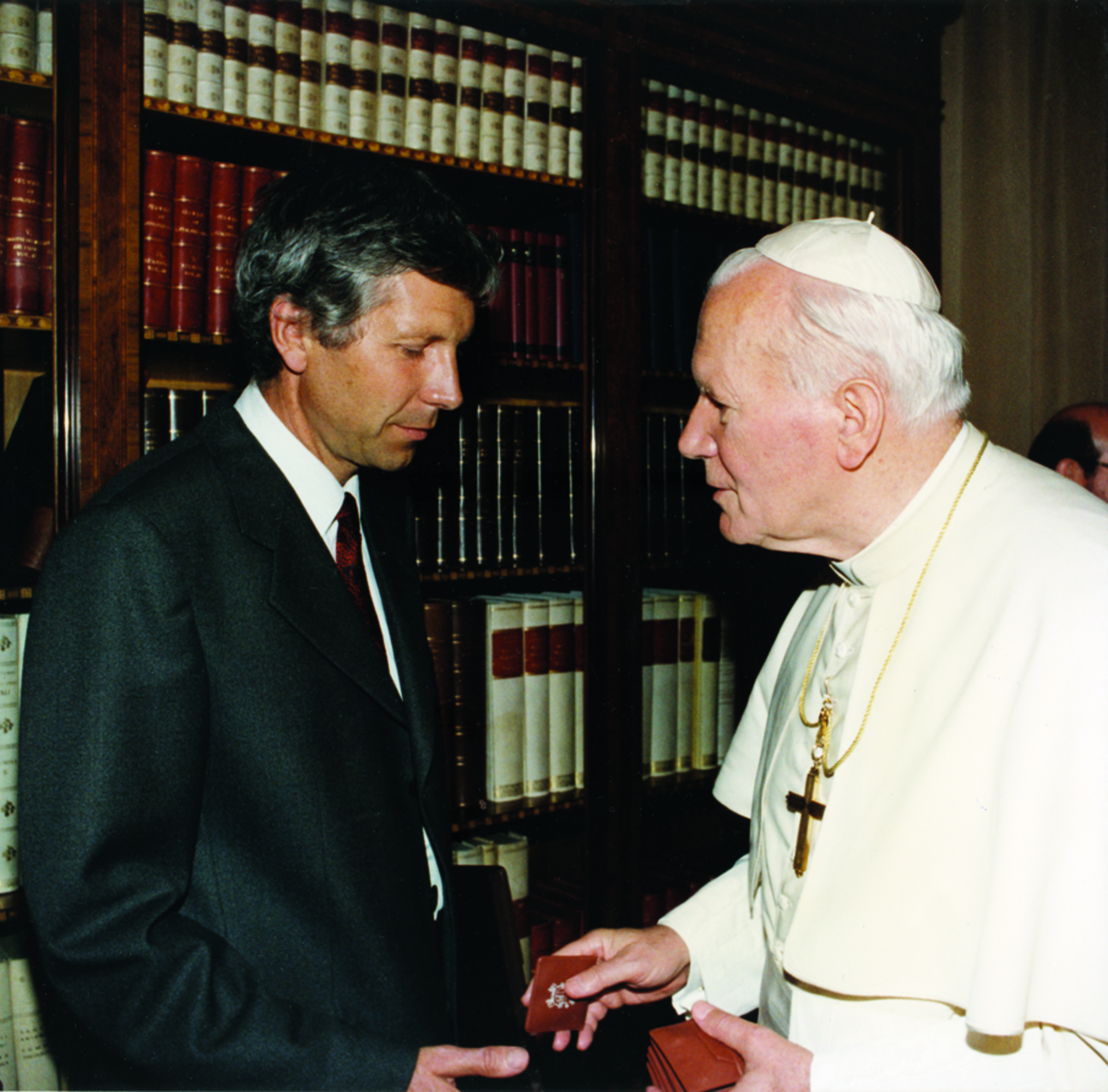
  • “I remember I had difficulties coping with the amazement that I was to do it. I think I already said that the libretto to the chapel had been made by Father Špidlík, a Jesuit, a cardinal. And, according to the agreement between Tomáš Špidlík and Monsignor Marini - that was the master of ceremonies, his name was Piero Marini - and John Paul, the appearance was to be that of the Eastern and Western Church at the turn of the millennium. That was the assignment. And I was tasked with making the holy water font, the altar, the cross, the lectern, and the throne. With that, you’re right, the throne felt like an incredibly piquant subject to me. Because I needed to understand what the papacy was and what a throne was.”

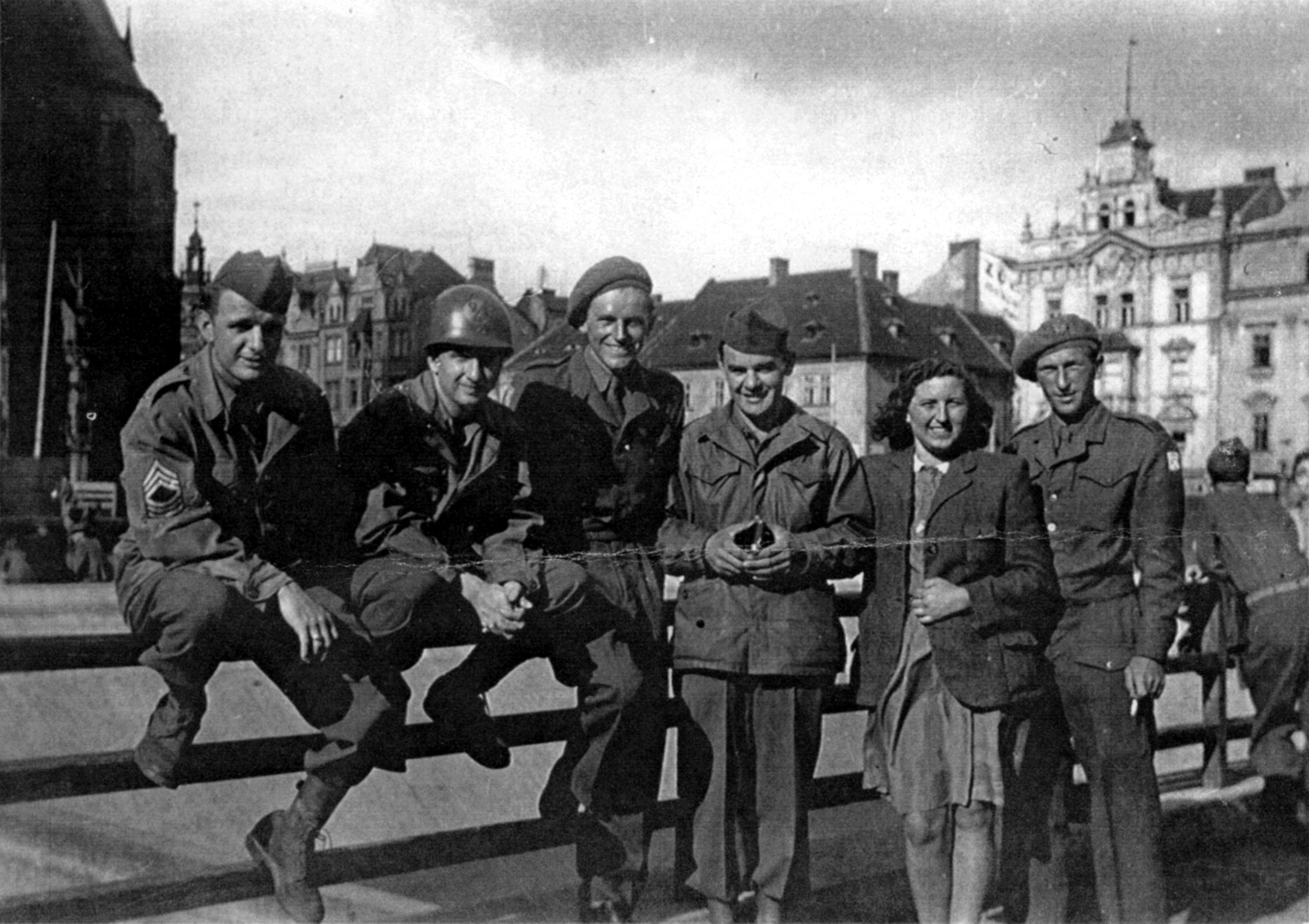
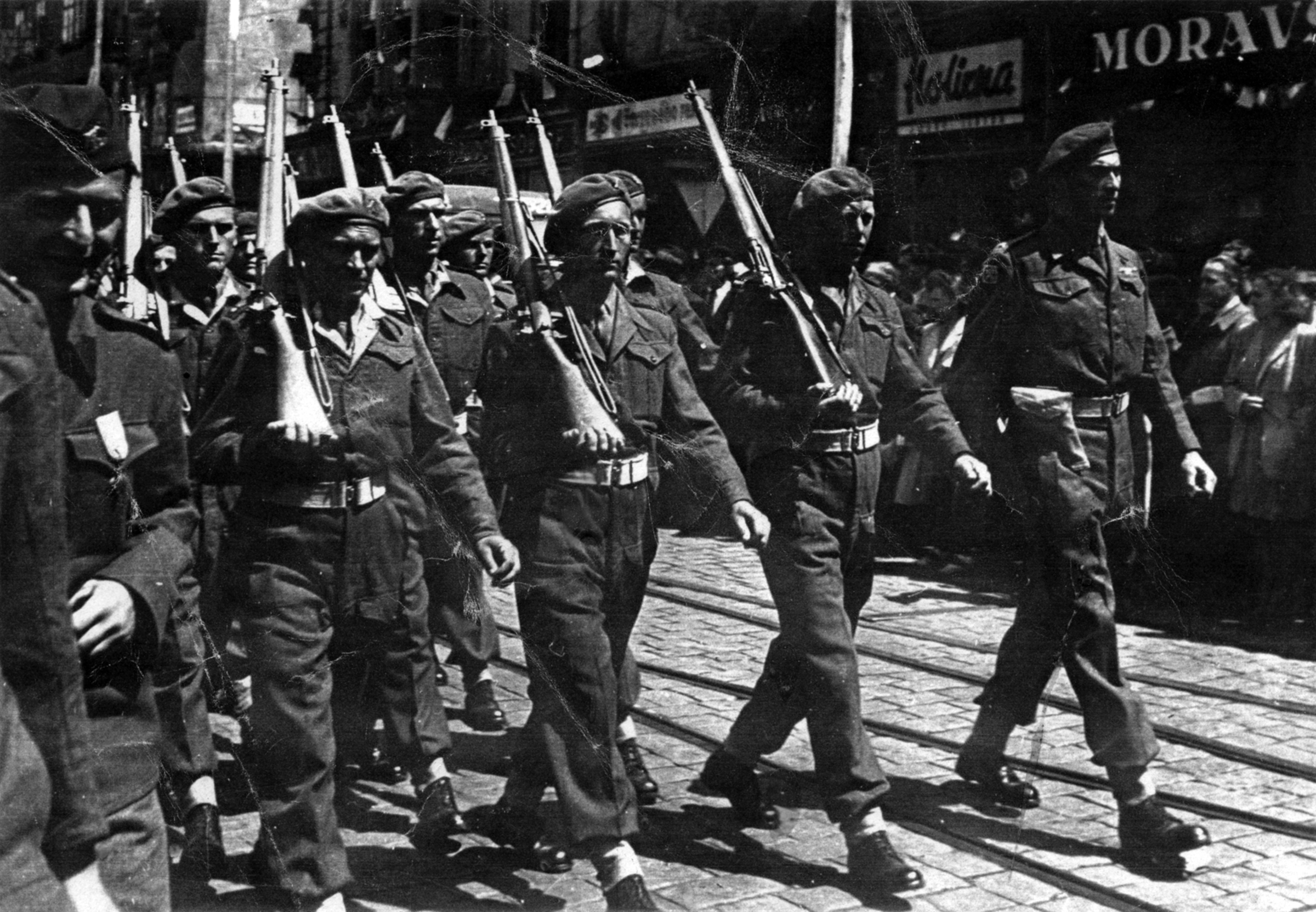
  • “There were some men there in civvies, and they began breaking up the furniture. Mainly, they lifted up the folding couch. Dad had a photo there, I don’t remember if it was Eisenhower or Montgomery, and that was Dad’s commander above General Patton, that was his superior. It was an ink drawing, just a picture. And one boy, a stetsec [State Security officer - trans.] or what, threw it on the floor and the picture broke. I saw that happen. Auntie came for me from upstairs, Auntie Helena, and she took me upstairs, and I didn’t see Dad any more.”

  • -

  • „Najednou jsem byl na Borech a na šatonech. Byl jsem mladý, sportovec, obsah plic pět a půl litru. Tak jsme to brousili. To znamená, je takzvaná sestava. Vyjmenuju: tmelič, první brus, první lesk, přetmelovač, druhý brus, tabulovač, druhý lesk a zase tmelič. A ti dělají neobyčejně směšné pohyby v určitém rytmu, a to dvanáct hodin denně. Pokud se neplnilo, což se neplnilo, tak třeba i šestnáct hodin denně. Já jsem byl leštič jedna. Přede mnou se otáčí tunový blok, ten má kolejnice. Ty tam strkáš aparáty, na kterých jsou natmelené kousky skla, ze kterých se pak dělá ta krása v uvozovkách. A ty děláš takové pohyby. Dvě vteřiny pauza a jedeš, pořád. Za dvě hodiny se to zastaví, je pět minut pauza, musíš promazat ty kolejnice. Vyčůráš se pod sebe, protože nemáš čas jinak, tam je voda všude. Smrad, éter, to se lepí éterem. Tmel, plyn, hrozný hyc, stříká ta voda z těch brusů. Nemůžeš se umýt, čili lidi mají furt mukly po sobě. Mně to nevadilo, já jsem byl skaut. Mně stačila jedna lžička a tím to skončilo. Když mě poslali na díru, tak já jsem vzal jenom tu lžičku a šel jsem na díru. Já jsem neměl žádný muklovský majetek.“

  • „Vzali mě do takové vilky, kde sídlili ti kontráši. Tam přijel jistý kapitán Tichý až z Budějovic a ten mě vyslýchal. Pak mě naložili později večer do takového embéčka a jeli jsme do Budějovic. Ten Tichý si přivzal ještě takového malého skřeta, to byl nějaký plukovník StB, byli takoví nachystaní. Řekl bych, že měl nějakou chorobu jaterní. On byl úplně žlutý, trochu vypadal jako Vasil Bil’ak, takový jakoby zmrd bych řekl, řeknu to slovo. Ta vilka měla balkon a on mě vzal na ten balkon a bylo strašně krásně vidět Šumavu a tak. Já jsem si připadal jak v nějakém filmu. A on říkal: ‚Hele, podívej se dobře. To už nikdy neuvidíš. Fotra neuvidíš a ty to nepřežiješ. Ty na to nemáš.’ Takové kecy. Šlo o to, abych jim hned řekl, kdo mi poslal ty dokumenty, co jsem tam měl. Já jsem to neřekl a neřekl jsem to celou dobu toho vyšetřování. No tak sebrali všechny výpovědi, co už měli, jak jsem se choval, co jsem říkal a co jsem si myslel. Pak jsem dostal těch dvacet měsíců za, to se jmenovalo §100, pobuřování, odstavec 1a) a c). C) bylo tiskem, protože jsem ty knížky rozšiřoval.“

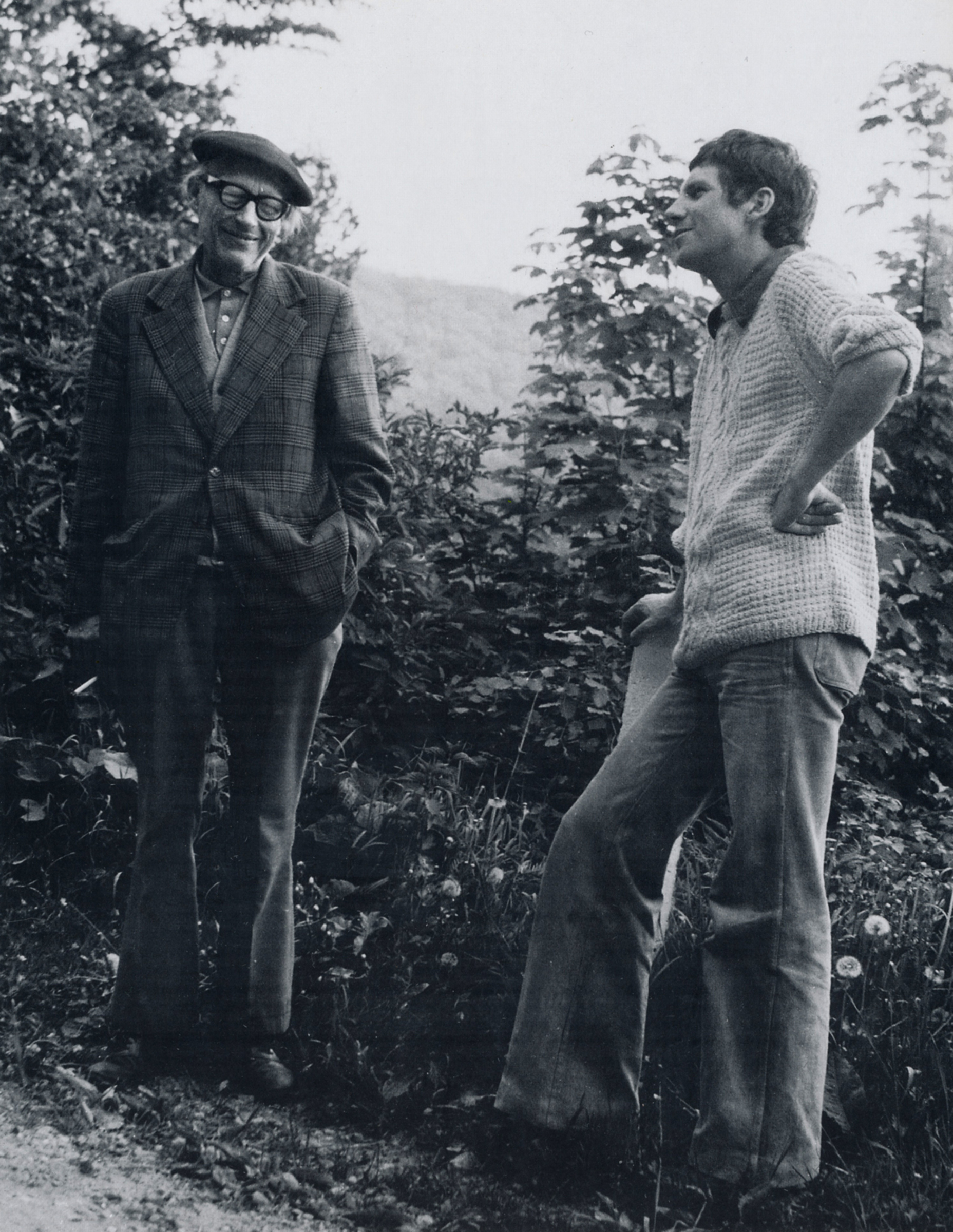
  • „Můj tatínek byl zatčen. Já jsem chodil do třetí třídy, a to zatčení si pamatuji. Vidím to v takových obrazech. Byli tam nějací pánové a byl otevřený gauč. Byly tam rozbité obrázky, protože on měl tatínek zasklené fotky třeba Eisenhowera a Montgomeryho a oni to rozflákali. Měl jsem jít do školy, tak táta mě poslal nahoru k tetě, která se o mě potom starala. A tatínka jsem viděl až po mnoha letech, kdy jsem ho jako dítě mohl navštívit ve třech lágrech, pamatuji si všechny tři. První byly Heřmanice, potom Rtyně v Podkrkonoší, důl zvaný Tmavák. Tak si to pamatuji, jak jsem tam byl v zimě na návštěvě. Tatínek byl velice hubený a navíc vím, že pro něho to bylo strašné, protože on vždycky říkal, že má klaustrofobii, ale musel fárat. Tam došel k úrazu, on vždycky říkal, že sjel nějaký žlab a usekl si část prstu. Tak ho, nevím, jestli v té souvislosti, přeložili, eskortovali na Mírov a z Mírova byl potom propuštěn na amnestii. Na ten Mírov si pamatuji. Tam jsem byl taky.“

  • Full recordings
  • 1

    Oliva Otmar

    (audio)
    duration: 02:00:54
    media recorded in project Collection of interviews of the ÚSTR
  • 2

    Velehrad, 10.01.2017

    (audio)
    duration: 32:41
    media recorded in project Soutěž Příběhy 20. století
  • 3

    kostel panny Marie Vítězné, Karmelitská ul. v Praze, 30.05.2017

    (audio)
    duration: 02:07:26
    media recorded in project Stories of 20th Century
  • 4

    Zlín, 22.10.2018

    (audio)
    duration: 02:46:44
    media recorded in project Stories of 20th Century
Full recordings are available only for logged users.

I’m just a guy who likes to model
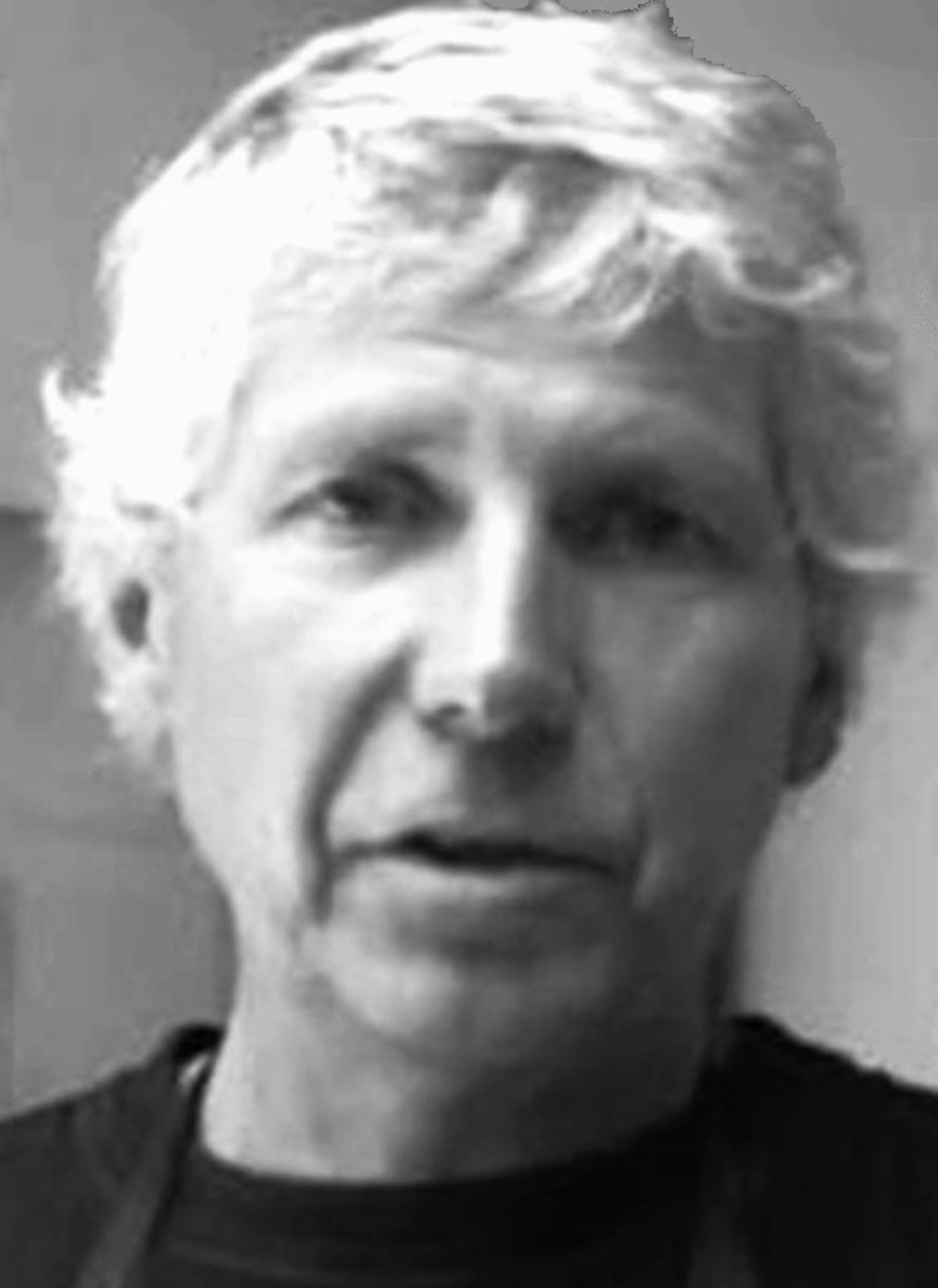
Otmar Oliva
Otmar Oliva
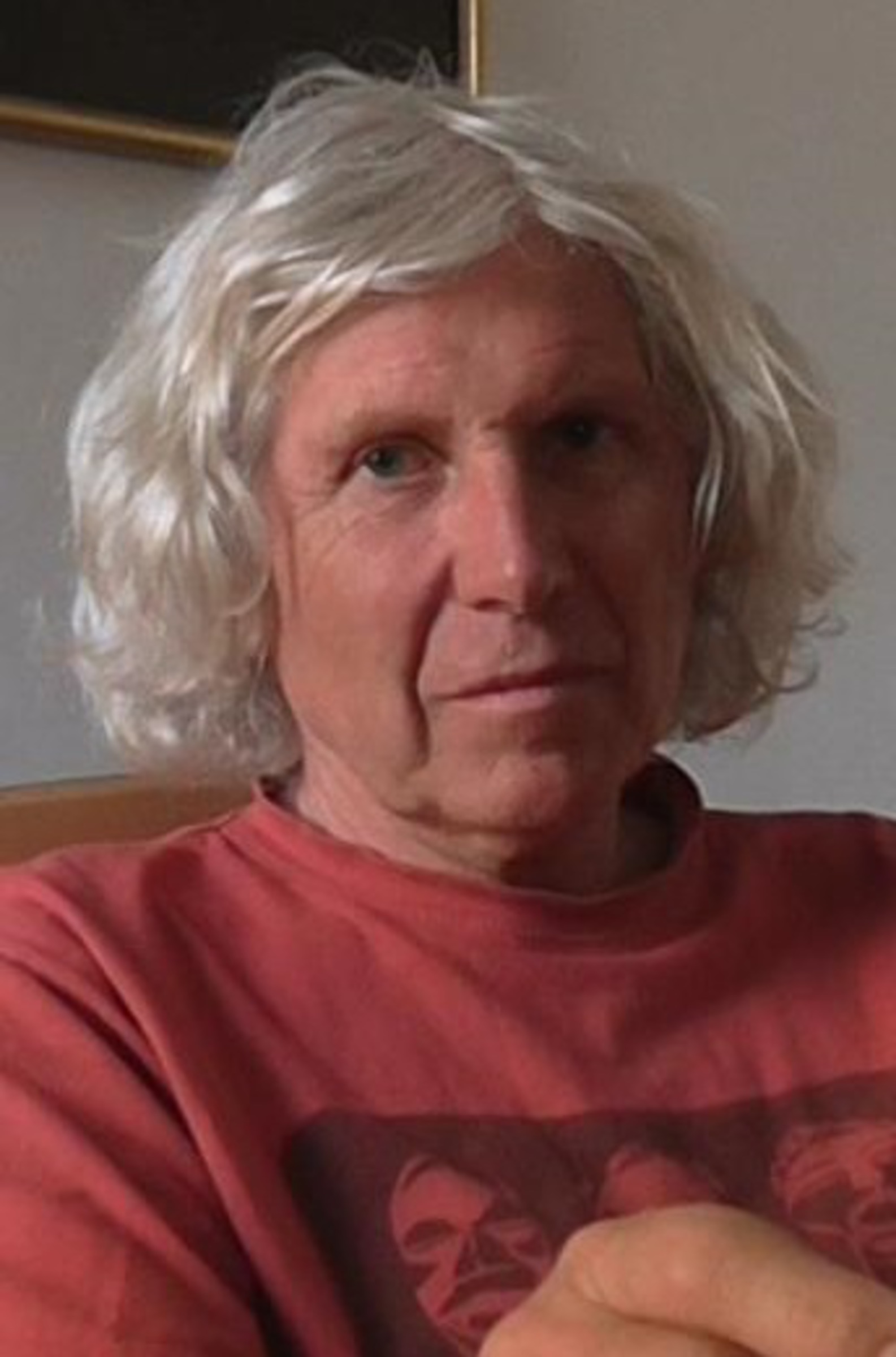
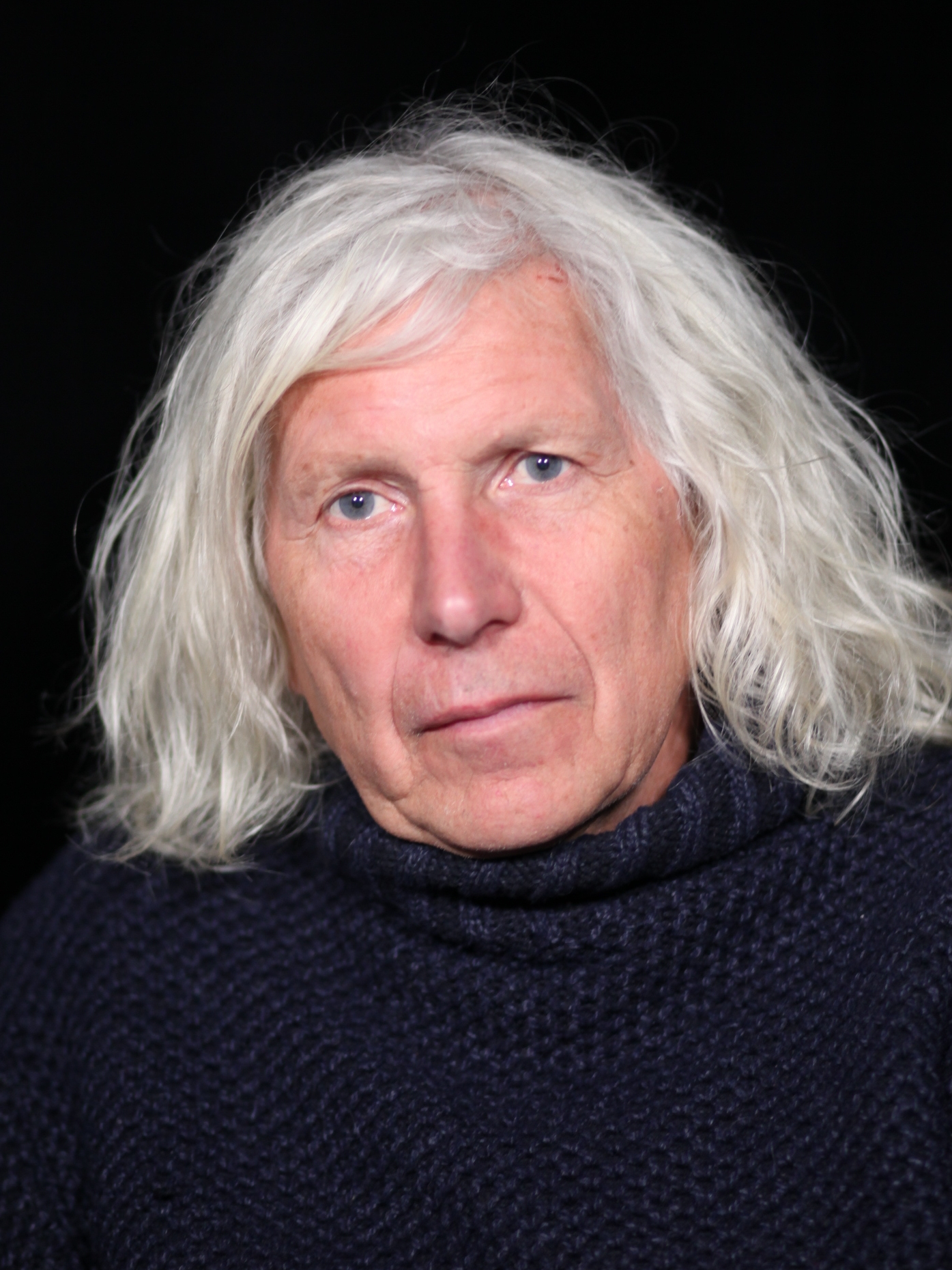
photo: Jan Holík

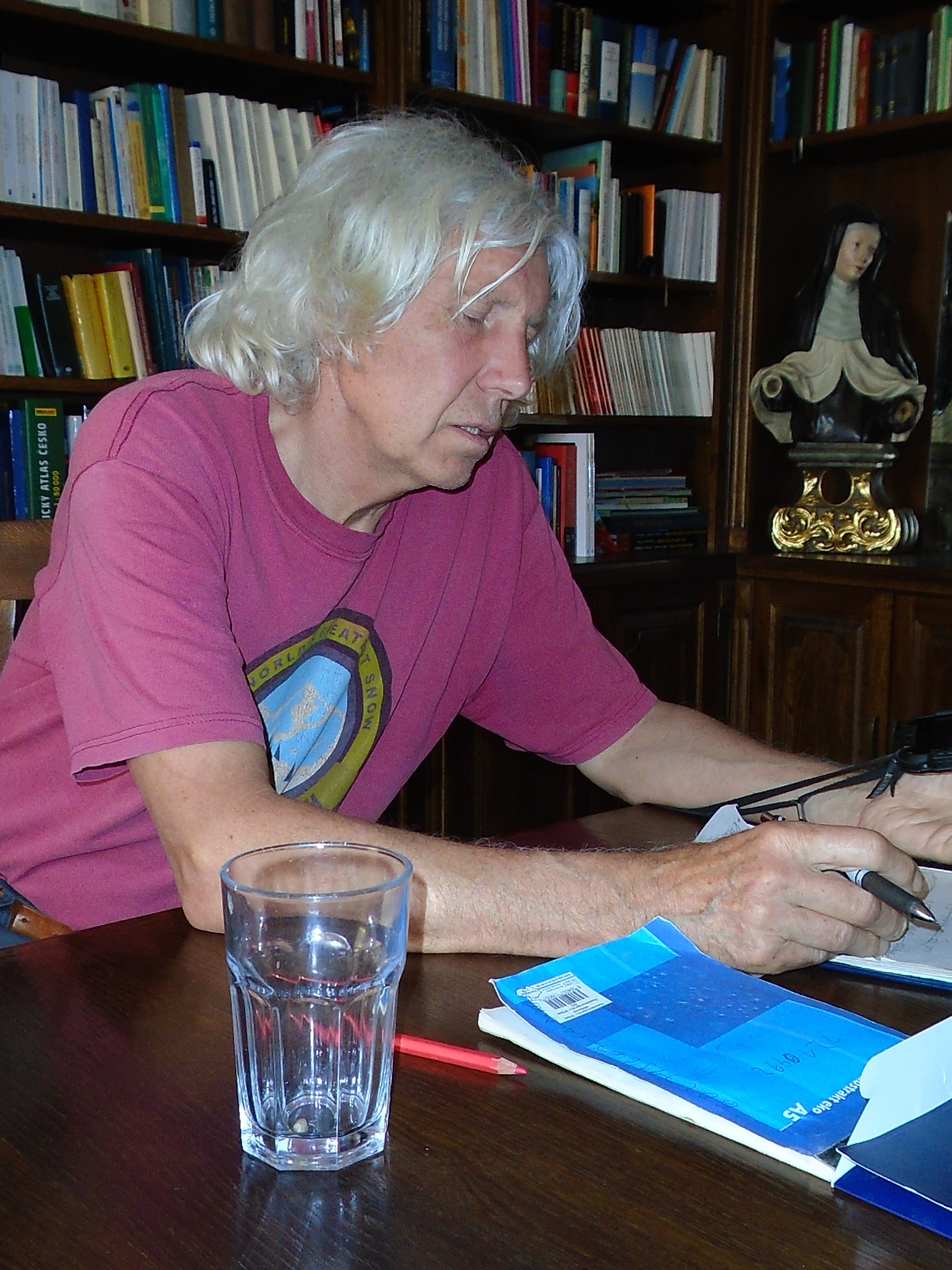
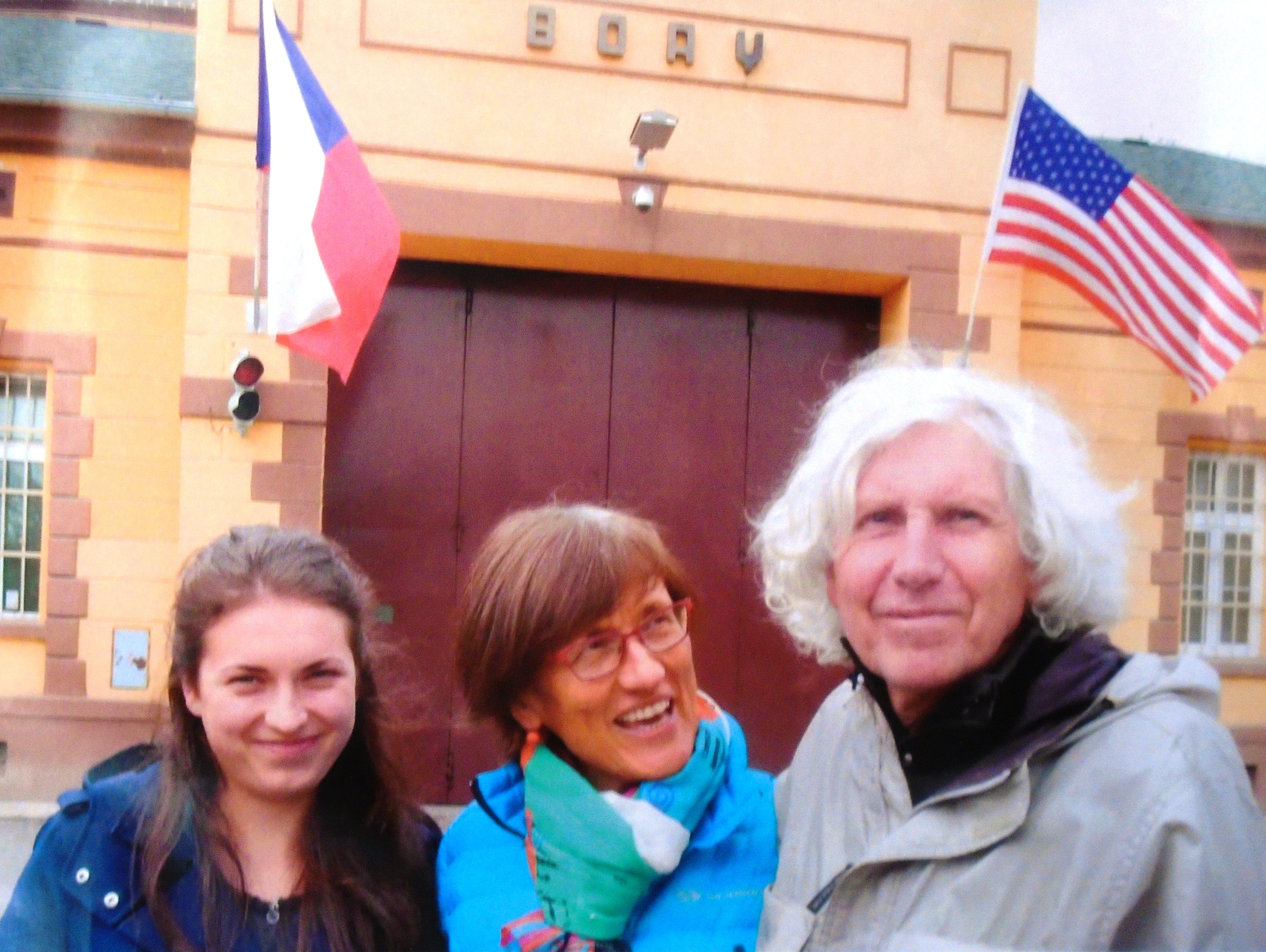
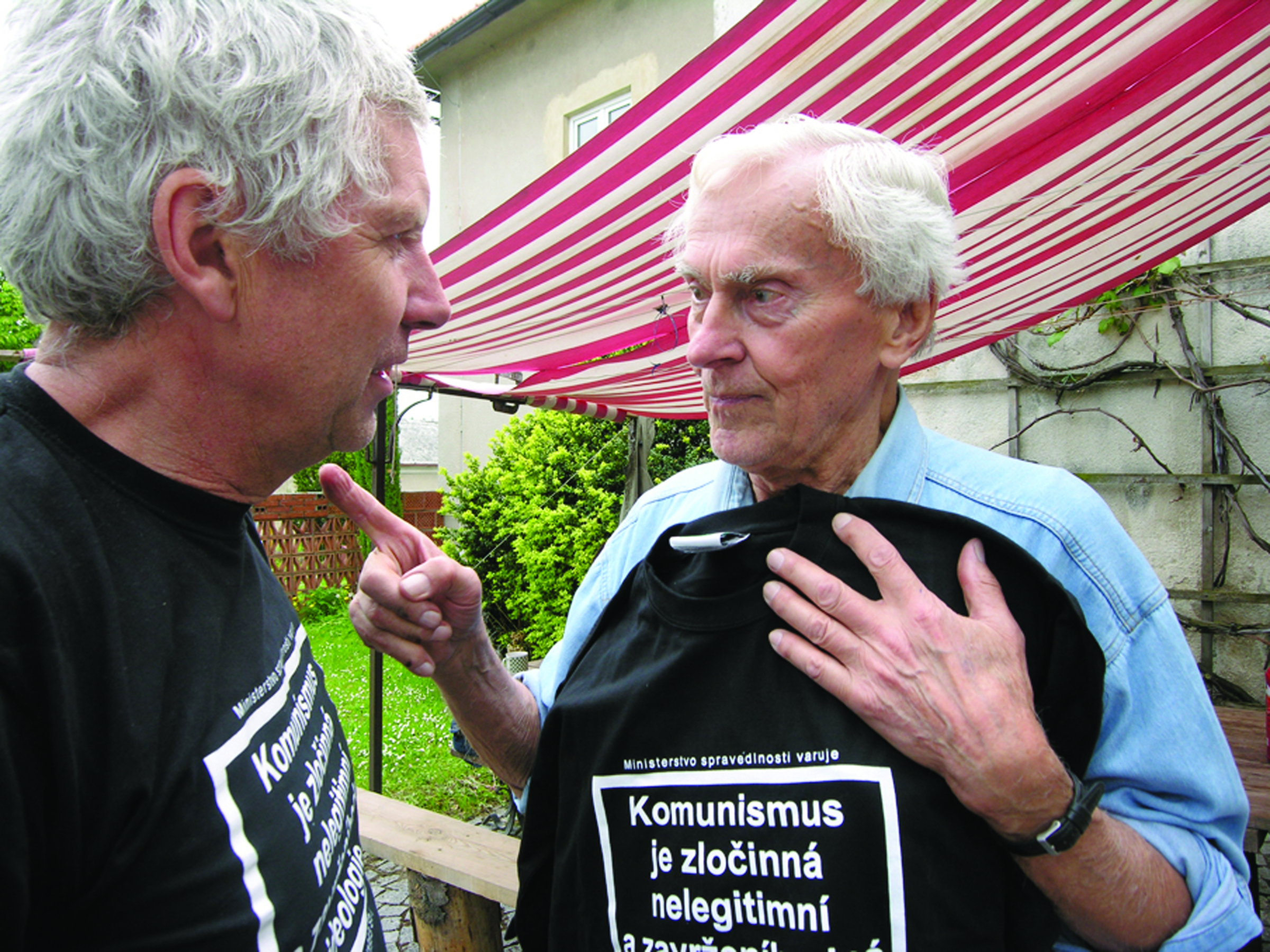
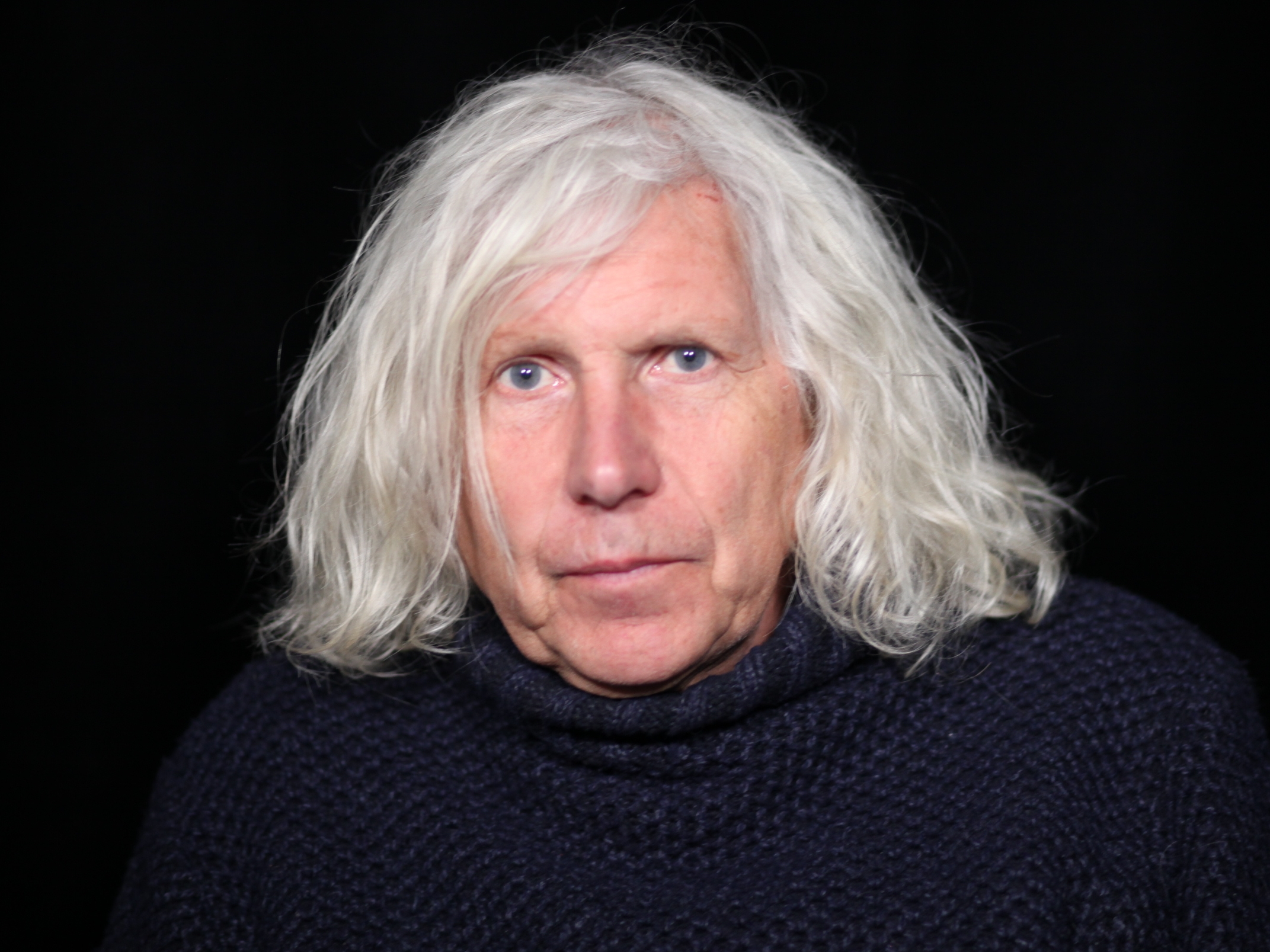
Otmar Oliva was born on 19 February 1952 to a political prisoner married to a western front veteran who was also imprisoned in the 1960s. He attended an elementary art school from early childhood. He studied sculpture at the high school of art and crafts in Uherské Hradiště from 1967 to 1972 under a major influence of his drawing teacher Vladislav Vaculka. His father left the country shortly after the Warsaw Pact invasion. In school, the witness saw the crushing impact of normalisation. He went on to study sculpture at the Academy of Fine Arts in Prague, graduating in 1978. He went to Greece with his future wife Olga Vrzalová, met his father, but refused to emigrate. He was actively involved in the dissent and publishing samizdat in the Charter 77 circles. The State Security monitored him and arrested him during his military service in Český Krumlov. After four months of detention, he was sentenced to 20 months’ imprisonment. Released, he married and continued to live and create in Velehrad. He created many sculptures, mostly of a sacral nature. He remained active in the dissent and publishing samizdat. He recalls the ethos of the national pilgrimage to Velehrad in 1985, which sadly did not carry over to post-1989 society. After the Velvet Revolution, he continued working in his studio in Velehrad where he casts his sculptures. He made a name for himself abroad, especially by decorating the papal chapel Redemptoris Mater.