To live your work and create artistically is only possible with humility in your heart
Download image
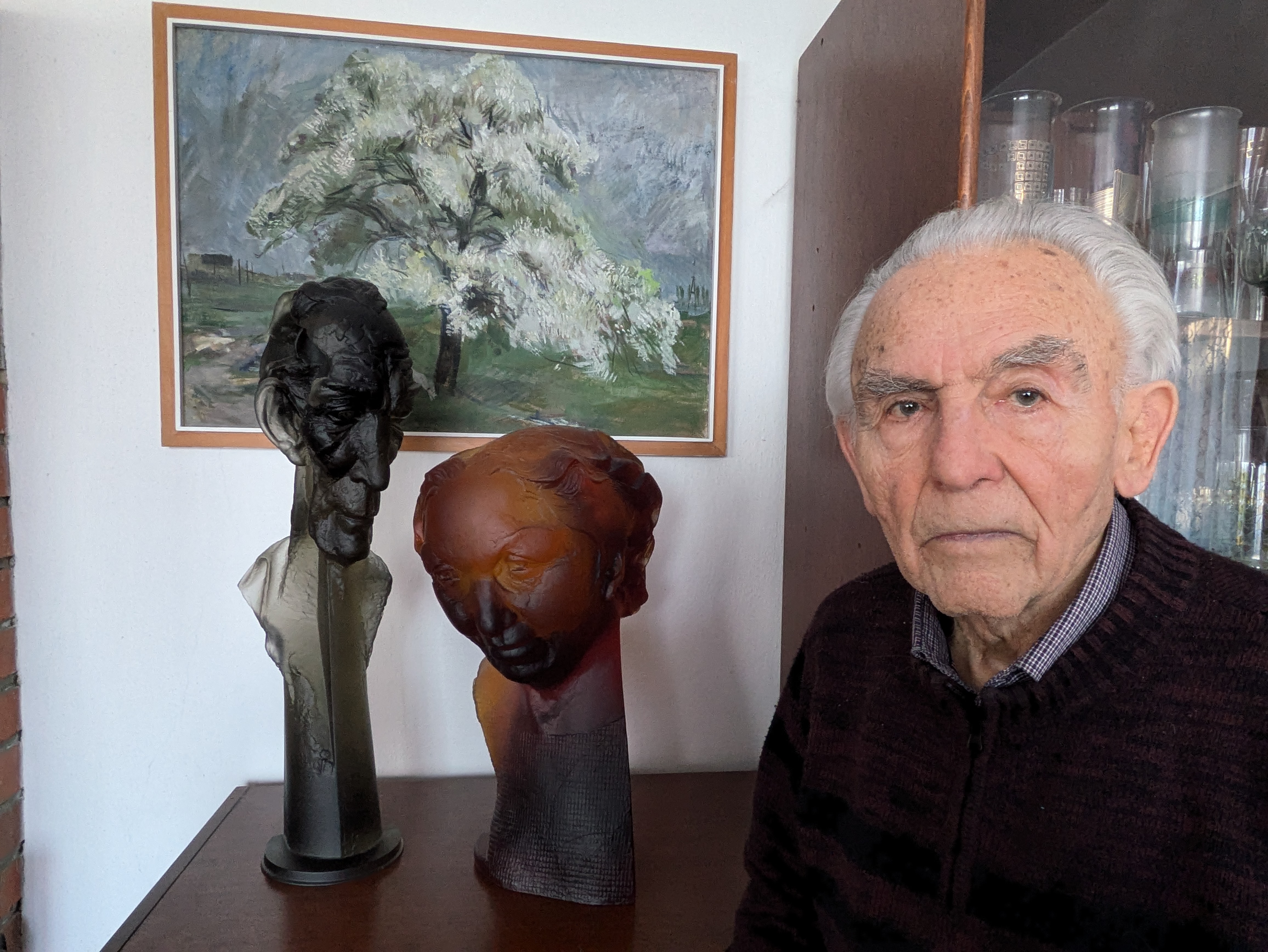
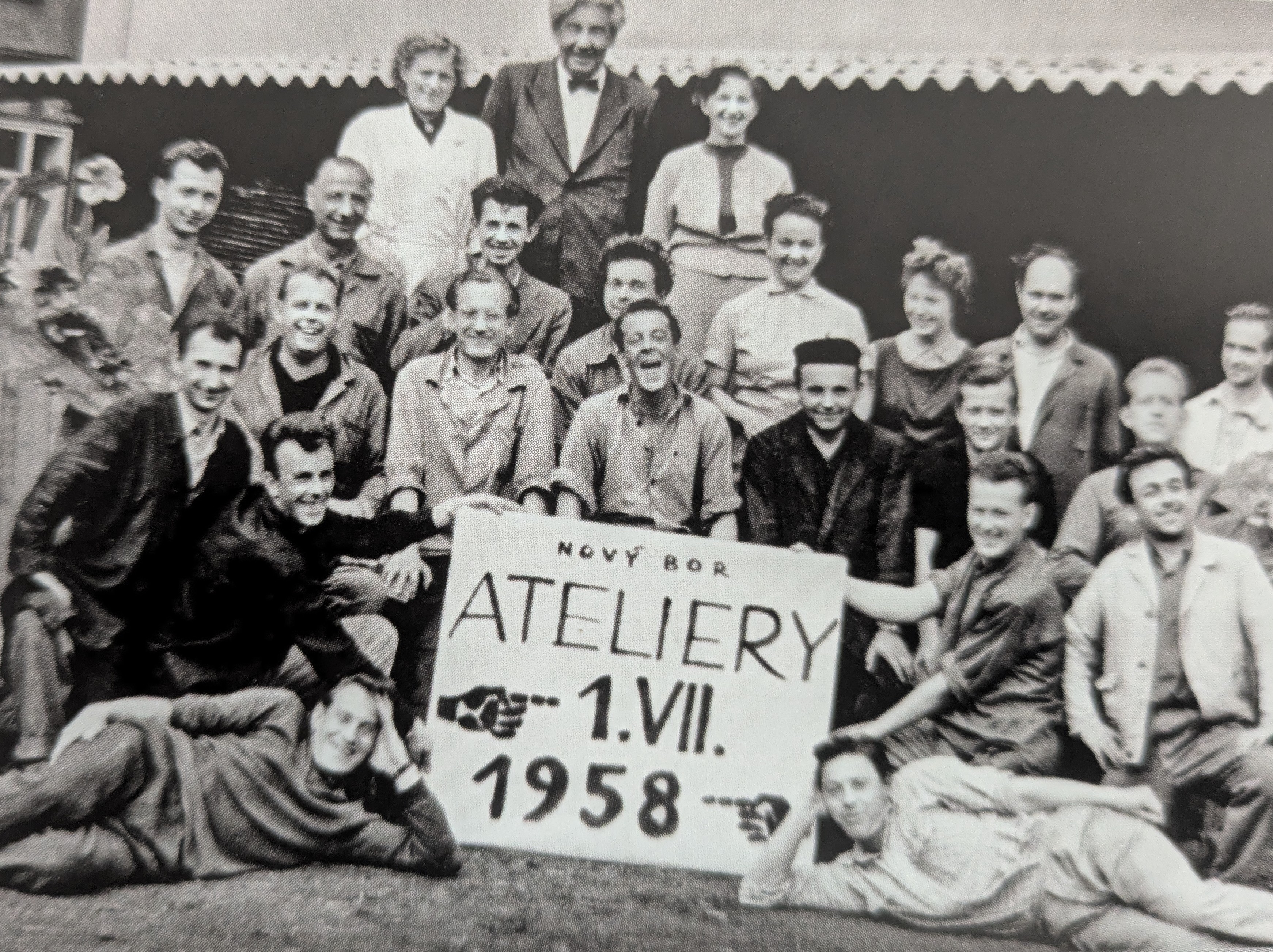
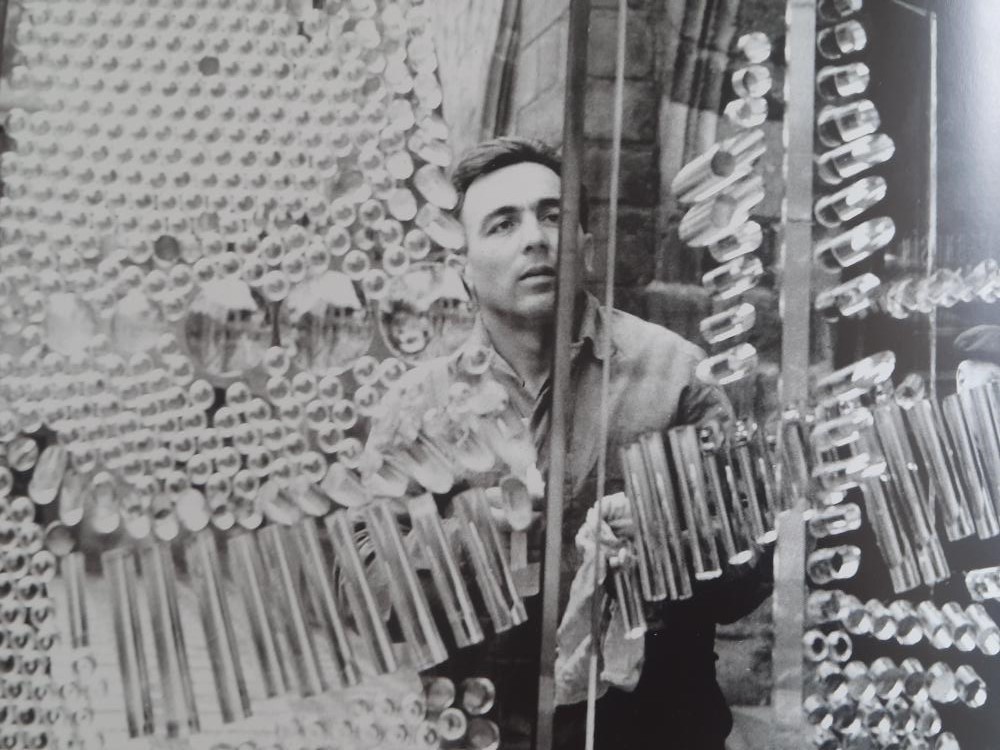
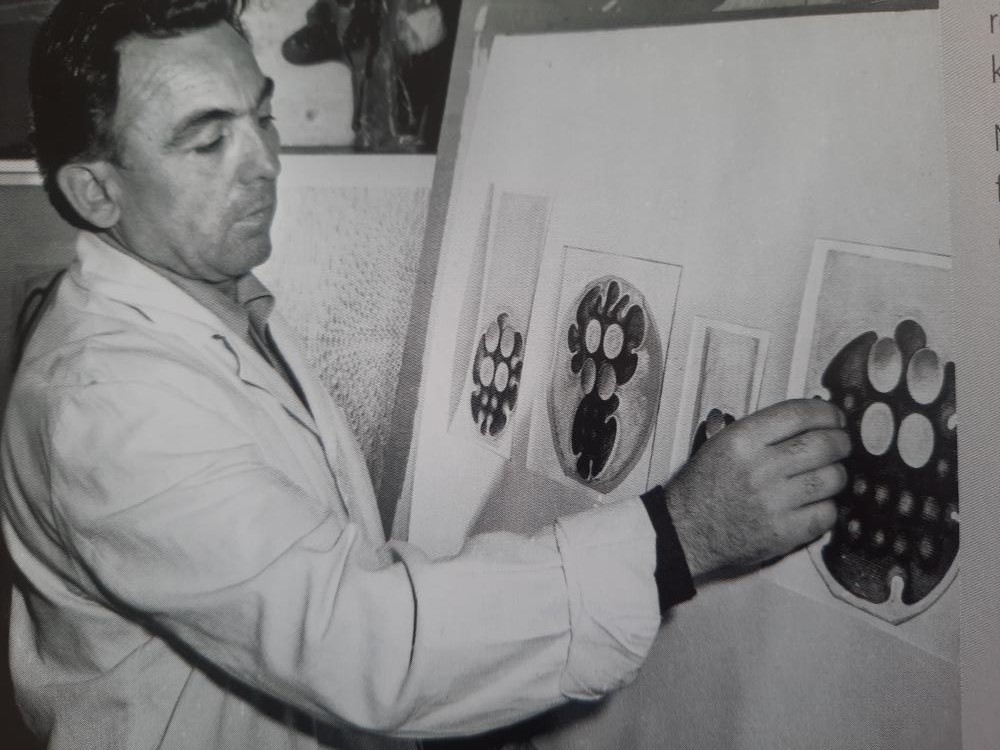
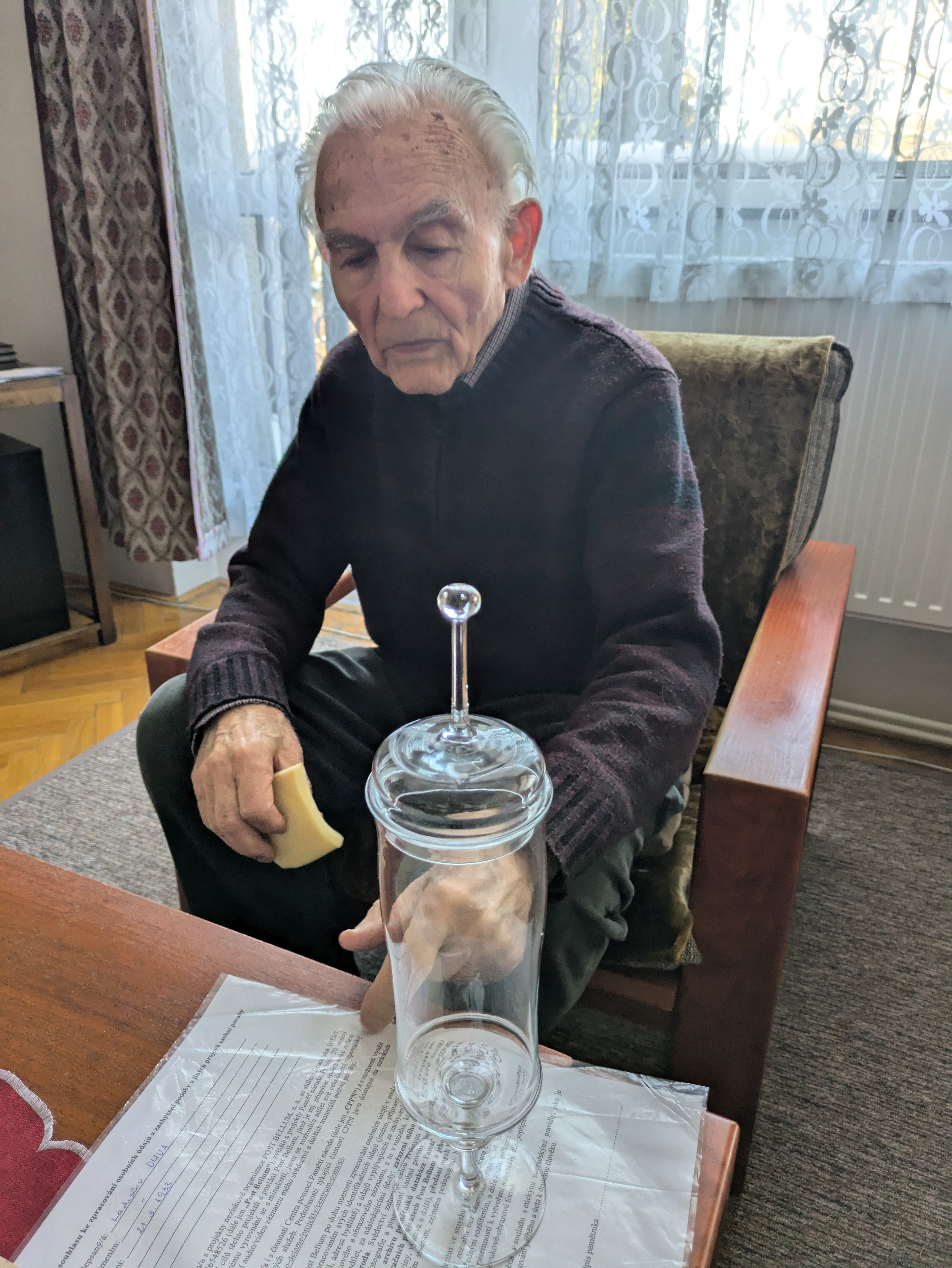
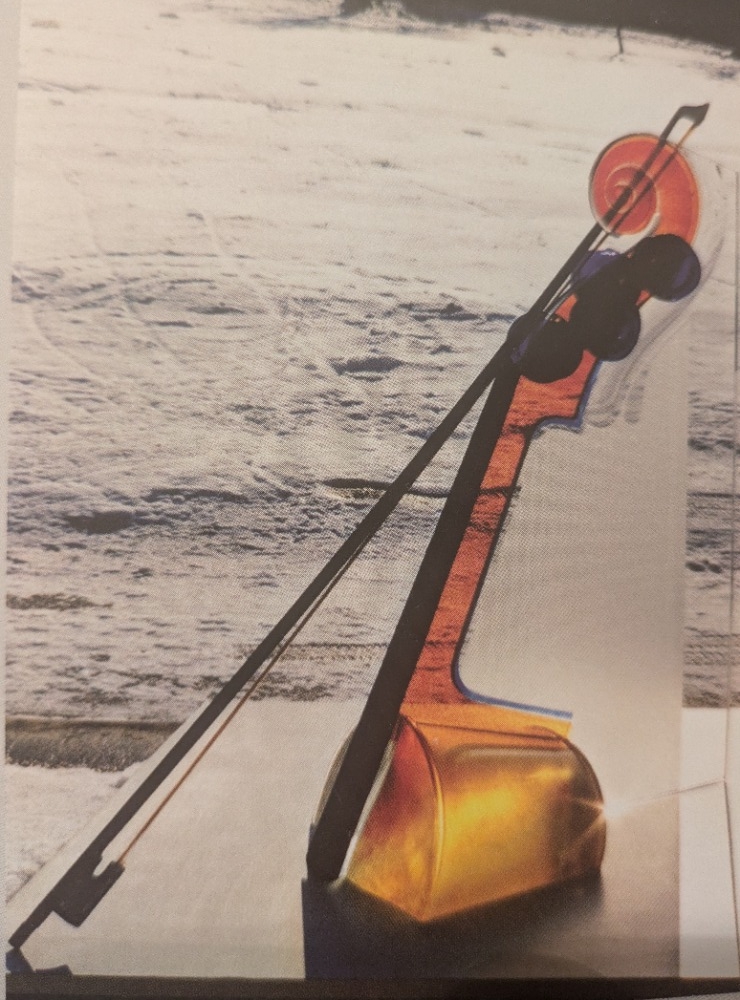
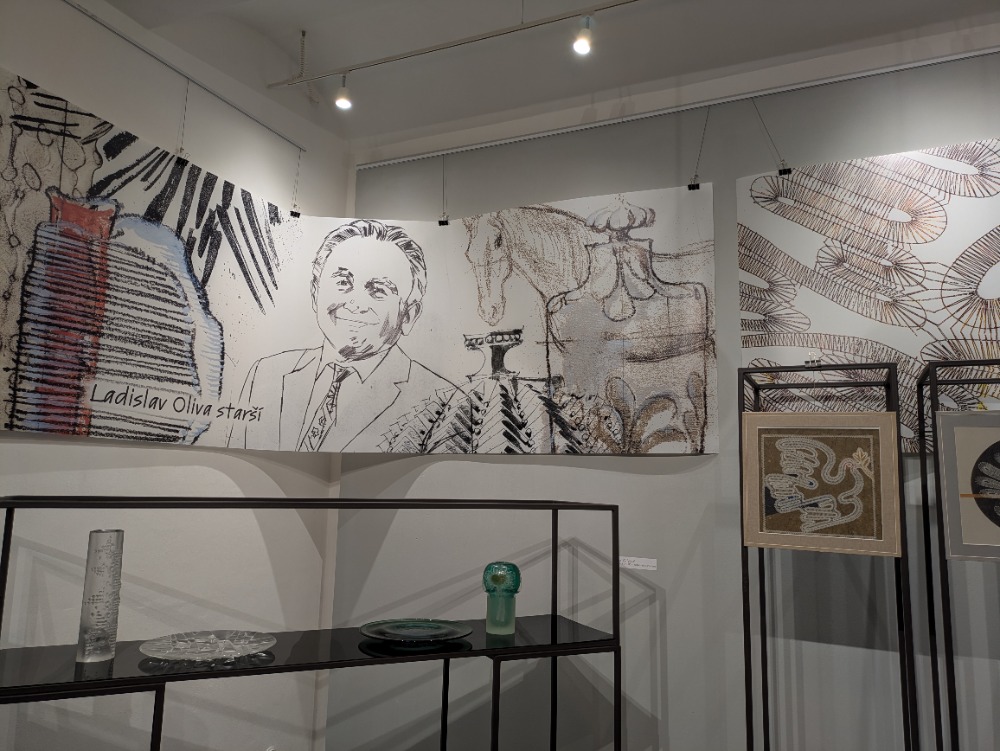
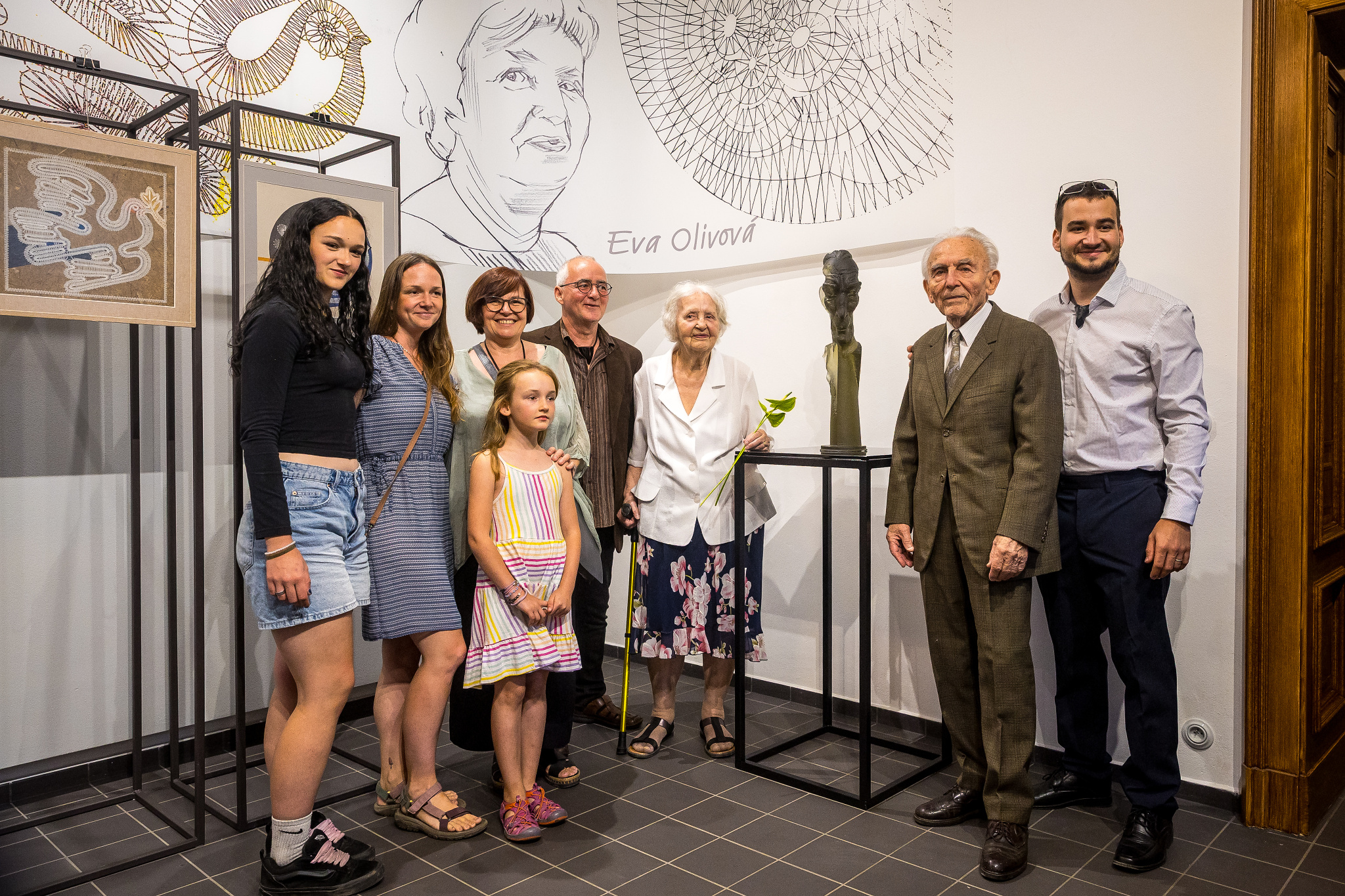
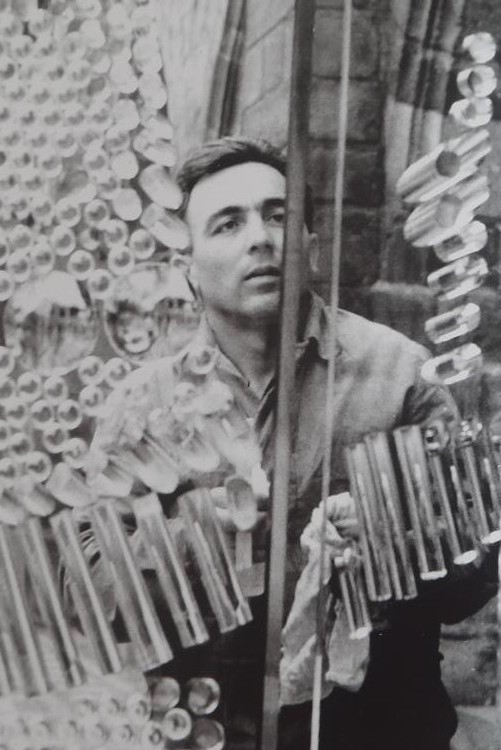
Glass artist and teacher Ladislav Oliva was born on 21 August 1933 in Chudeřice near Bílina. Between 1948 and 1951 he graduated from the Technical Glass School in Kamenický Šenov in the department of painting and glass etching. Later he graduated from the Academy of Arts and Crafts in Prague, in the studio of monumental painting and glass under the supervision of Professor Josef Kaplický. Until the mid-1960s, he was an artist at the technical and artistic centre of the national company Borské sklo (Borské Glass) in Nový Bor. From 1964 he designed glass for the Bohemia Glassworks in Poděbrady, and collaborated externally as a designer with the Železnobrodské sklo glassworks, the Center of Art Craft in Škrdlovice and the Crystalex glassworks in Nový Bor. After the August 1968 occupation by the armies of five communist countries led by the Soviet Union, he resigned from the Communist Party of Czechoslovakia in protest. He and his wife Eva Oliva were persecuted during the normalisation. He was not allowed to exhibit for several years, and when exhibitions were allowed, he was not allowed to present himself in any way. His wife lost her job. From 1969 until his retirement in 1993, he was the artistic director of the glass cutting department at the Secondary School of Glass Arts in Železný Brod and also taught future glassmakers and artists in Kamenický Šenov. He made his artistic mark in depth with sandblasted bowls, plates and vases with various geometric and biomorphic reliefs. He dealt with the design of pressed glass intended for mass production, as well as cut, molten, engraved and painted glass. In 1958, his vases were included in the exhibition collection for the World Expo 58 in Brussels. He is the creator of a number of realizations in architecture, such as the monumental stained glass for Expo 67 in Montreal. He is also the author of many portrait, figurative and other sculptures in fused glass, including medal designs. He was a member of the Liberec art Group 7, which included, among others, the well-known painter Vladimír Komárek and sculptor Jiří Seifert. His works are owned by important museums all over the world and Ladislav Oliva’s work is summarised in a number of publications on modern Czech glass. His son Ladislav Oliva Jr. studied at UMPRUM under Professor Stanislav Libenský and has also devoted his professional life to designing glass, glass paintings, mosaics and jewellery. The story of the witness was recorded thanks to the support of the town of Nový Bor.