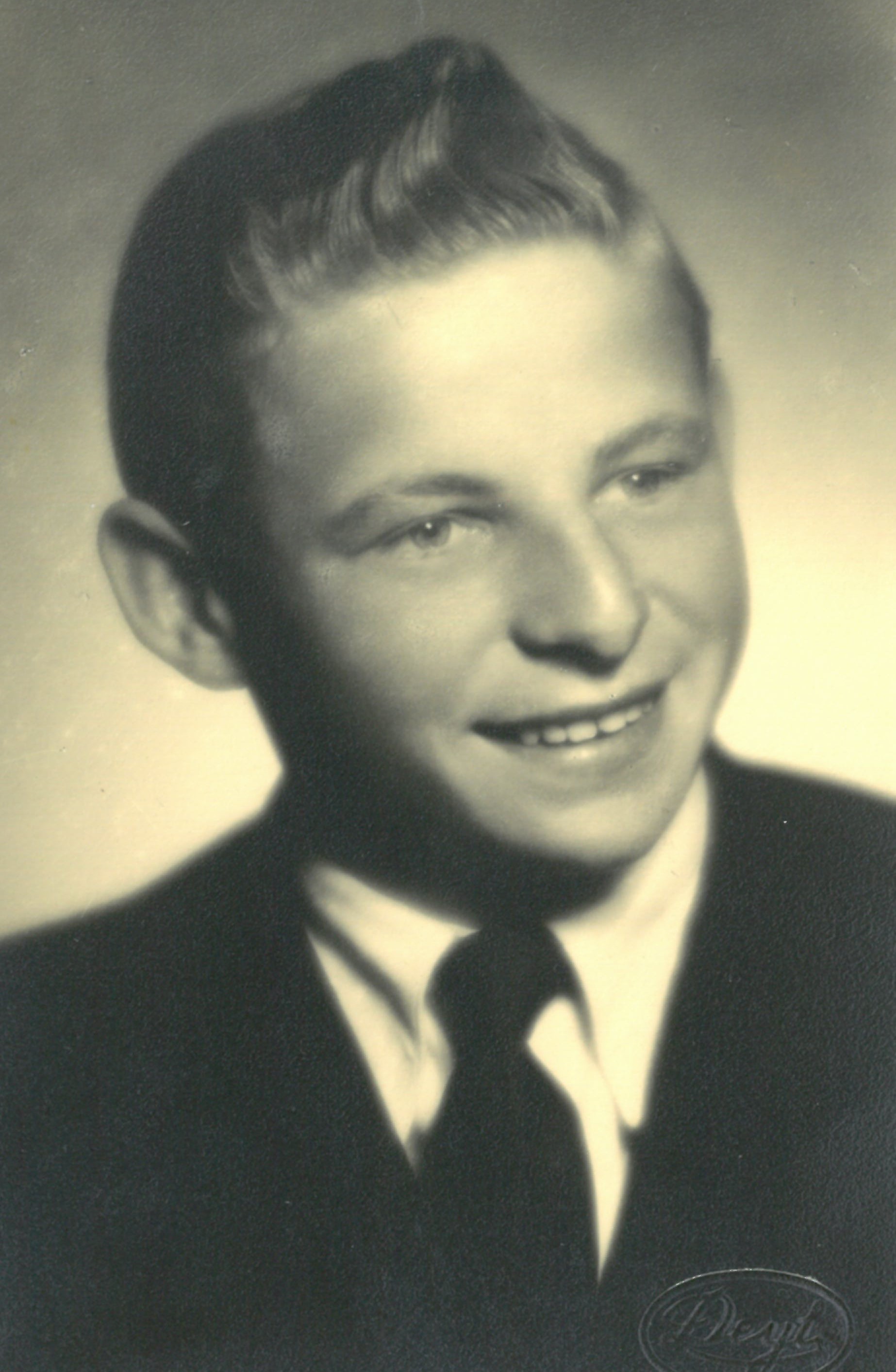
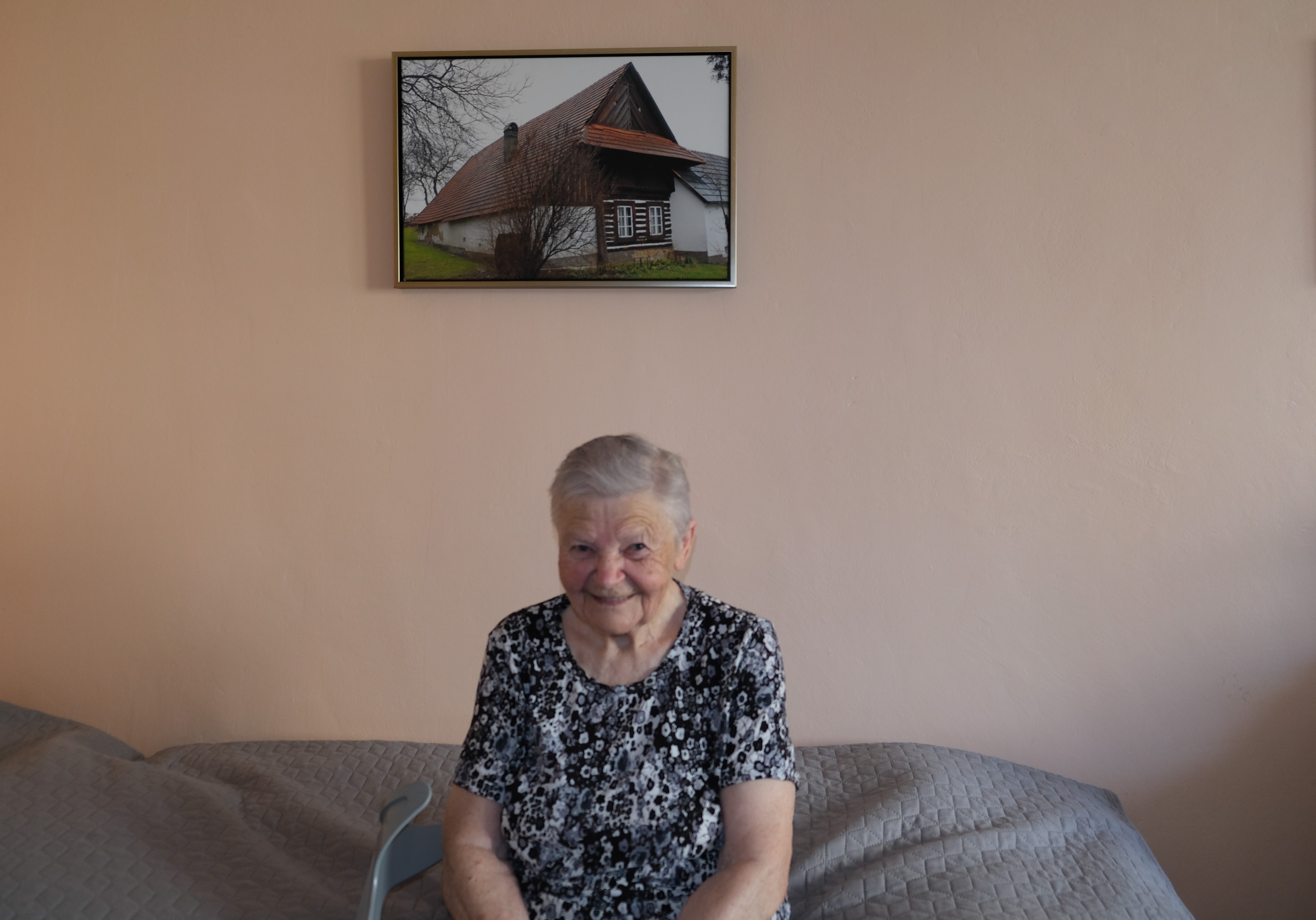
Zdenka Nováková

* 1932

  • "I didn't have a tip anywhere, I was visiting businesses looking for a place. It wasn't a problem, several places promised to take me. I thought maybe I could have a tour. I didn't say specifically what kind of place because I was aware that I didn't have my schooling done. What they give me, they give me. I always got a call after a certain amount of time that the place was cancelled. Maybe I was supposed to take over for someone who had gone to the army, that they'd be happy to take me. Then they told me they couldn't take anyone for him if he came back in two years." - "They never acted straight." - Then it finally dawned on me that once they gathered personnel files on me, the job they had promised me was no longer available. I had several leads, but none of them worked out. I kept thinking, it can’t be possible that they rejected me just because of the evaluation of my parents — because they owned more hectares than they were supposed to. I had nothing to do with that."

  • "I received a notice from Chrudim saying that I had to come for a personnel interview. I thought it was because I was transferring to a different school. I took the train from Litomyšl, and at Tržek, a classmate got on and said, ‘So they kicked you out too!’ I said, ‘No, they didn’t. I’m going to school in Poděbrady.’ There was a committee meeting there — men from Transporta and one teacher who used to teach us and whom we always made fun of. He had a notebook; the boys once stole it, and in it, he had written down the number of hectares for each student. He taught civic education, and if someone’s family had too many hectares, they couldn’t get the best grade. When I walked into the committee room — there were more than twenty of us from the school, we were three classes, so almost a whole class — they only asked me how many hectares we had, nothing else. They weren’t interested in my school report at all, and I had good grades, but nobody wanted to see it. They asked me how many hectares we had, and I knew we had thirteen hectares of arable land, so I said thirteen. They told me that wasn’t true, that we had over sixteen — including meadows, a bit of forest, everything together — and that I couldn’t continue studying at the school."

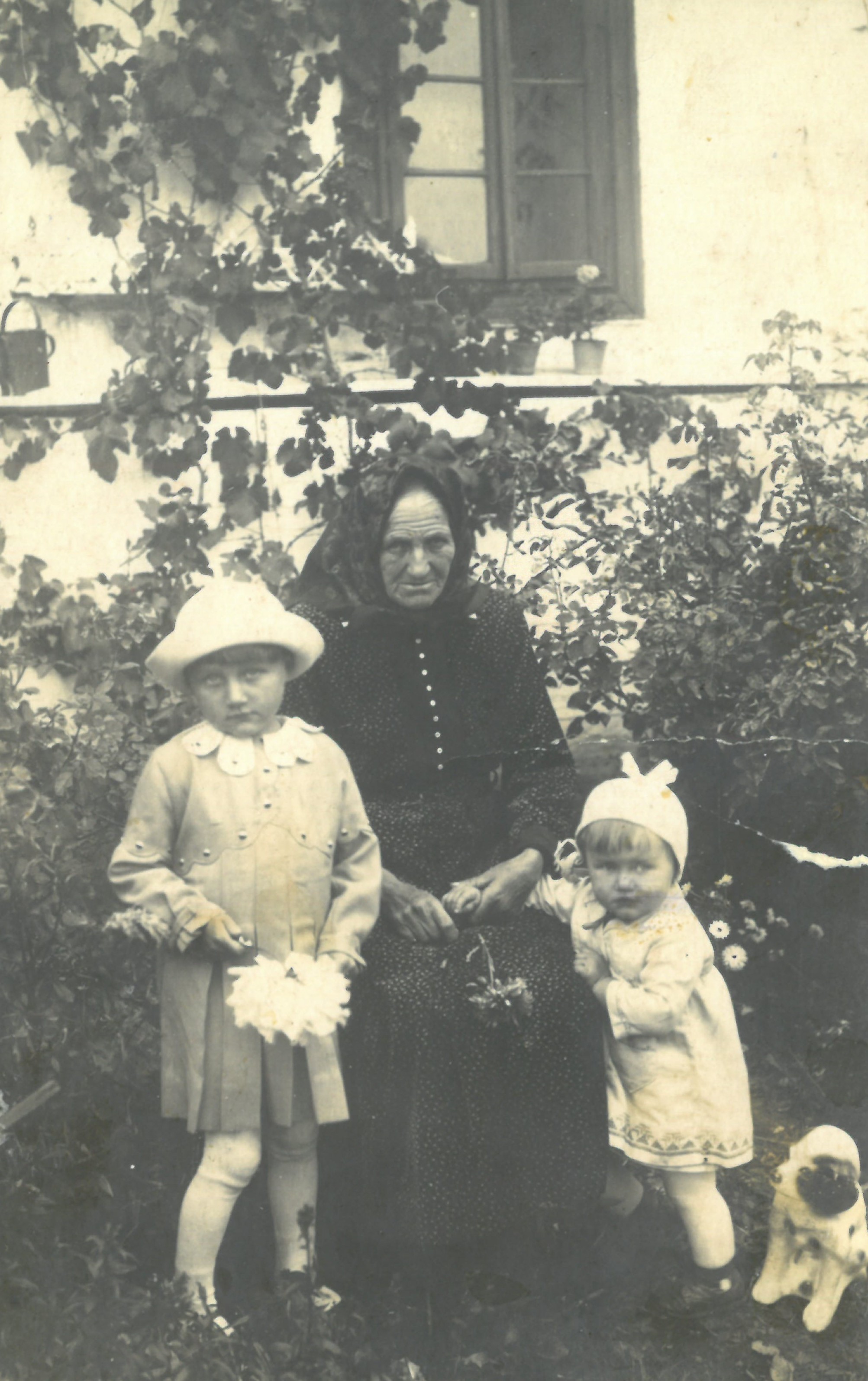
  • "He served there, he rode horses and he was German. There were many Czech-German or German-Czech villages near Litomyšl. He was a German from the village. I was small, he played with me, he was good, everything was good. When it was getting close to the war, he used to ride his bicycle in the evening to the village he came from. They had meetings there. He changed completely — he became arrogant, would always return home late at night on his bicycle, and didn’t want to get up in the morning. The horses had to be fed. One time, my father scolded him at the ‘záhrobni’ (evening meeting after work), telling him that it couldn’t go on like this, that he couldn’t just sleep as long as he wanted. My grandmother’s sister, an old woman in a headscarf, happened to be there and dared to say something about Hitler — probably something mocking. He lunged at her and grabbed her by the jacket. I was nearby and thought he was going to throw her into the manure. My father pulled them apart, he got angry, and left us because he had been conscripted."

  • Full recordings
  • 1

    Chrudim, 14.08.2024

    (audio)
    duration: 01:25:25
    media recorded in project Příběhy regionu - HRK REG ED
  • 2

    Chrudim, 29.08.2024

    (audio)
    duration: 01:41:25
    media recorded in project Stories of 20th Century
Full recordings are available only for logged users.

The number of hectares, not her school report, was the deciding factor
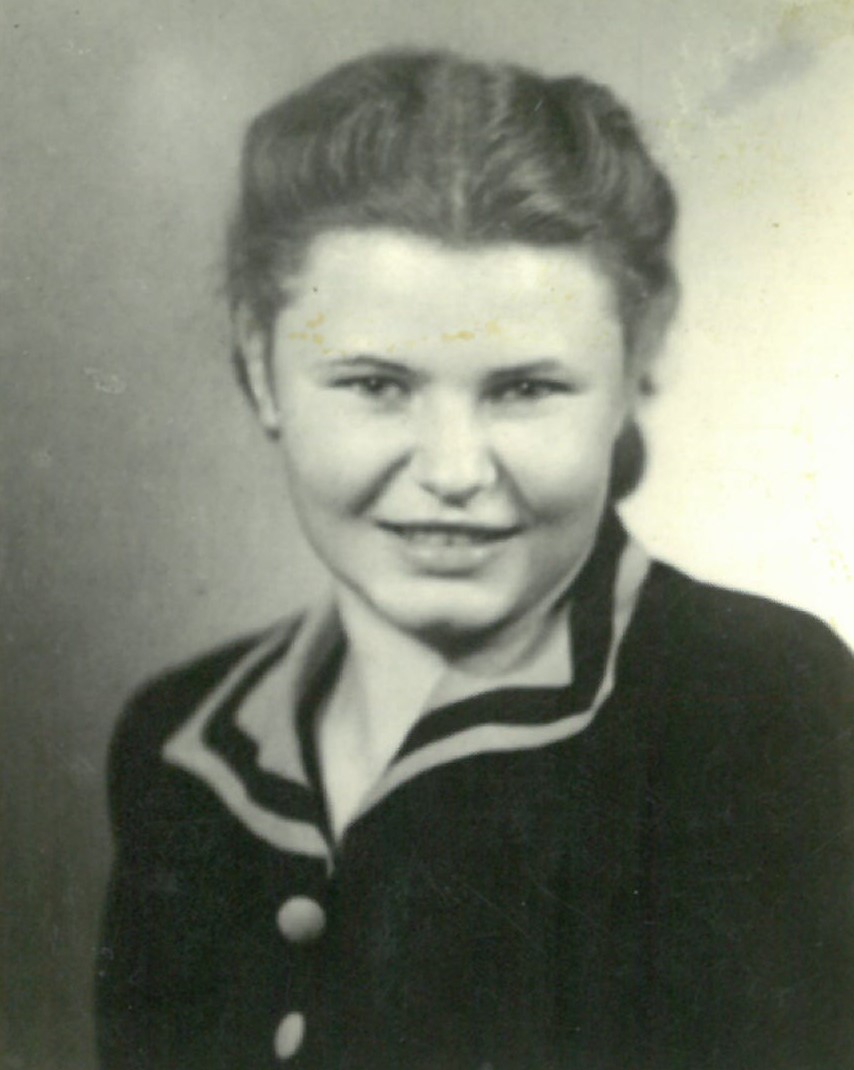
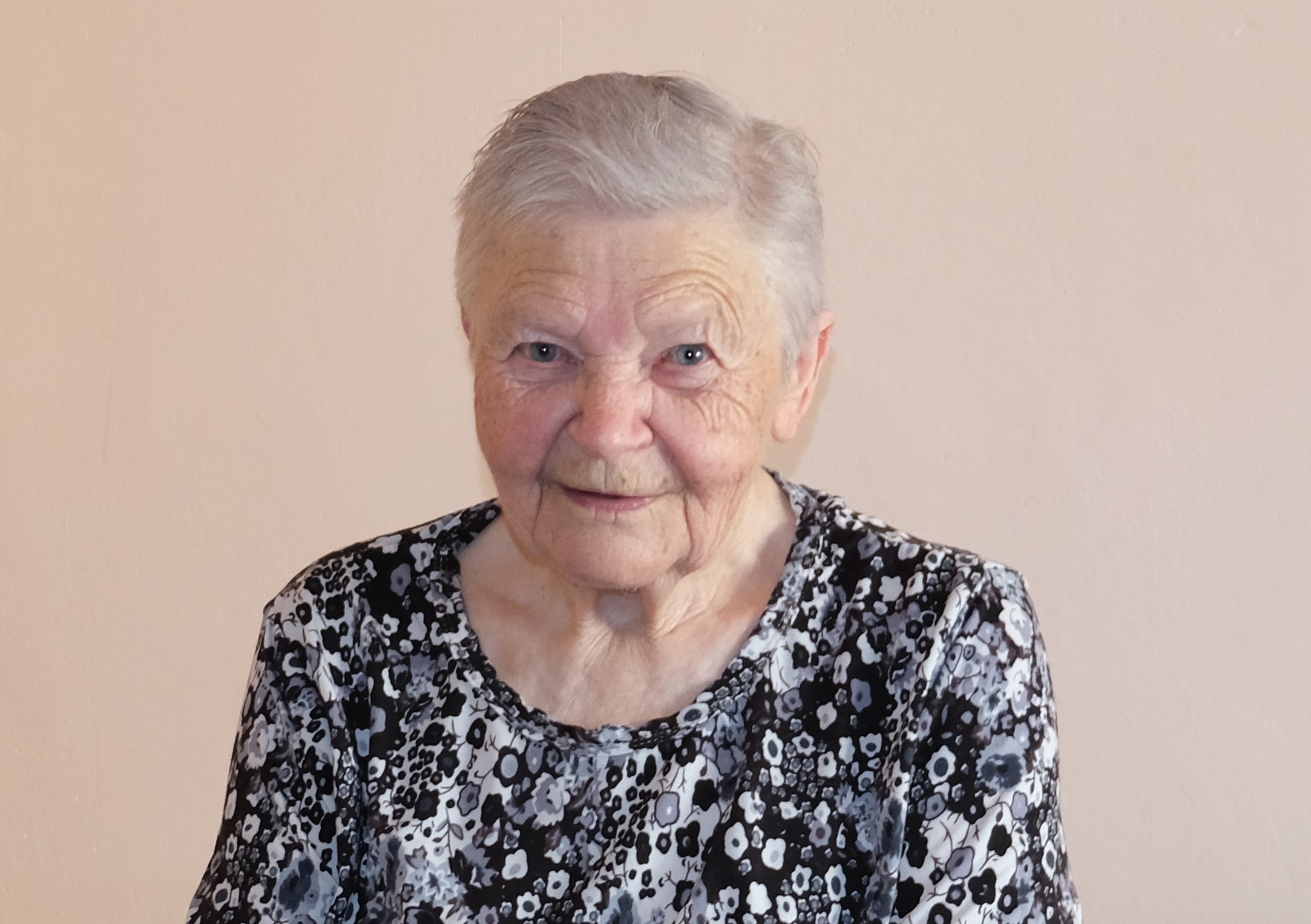
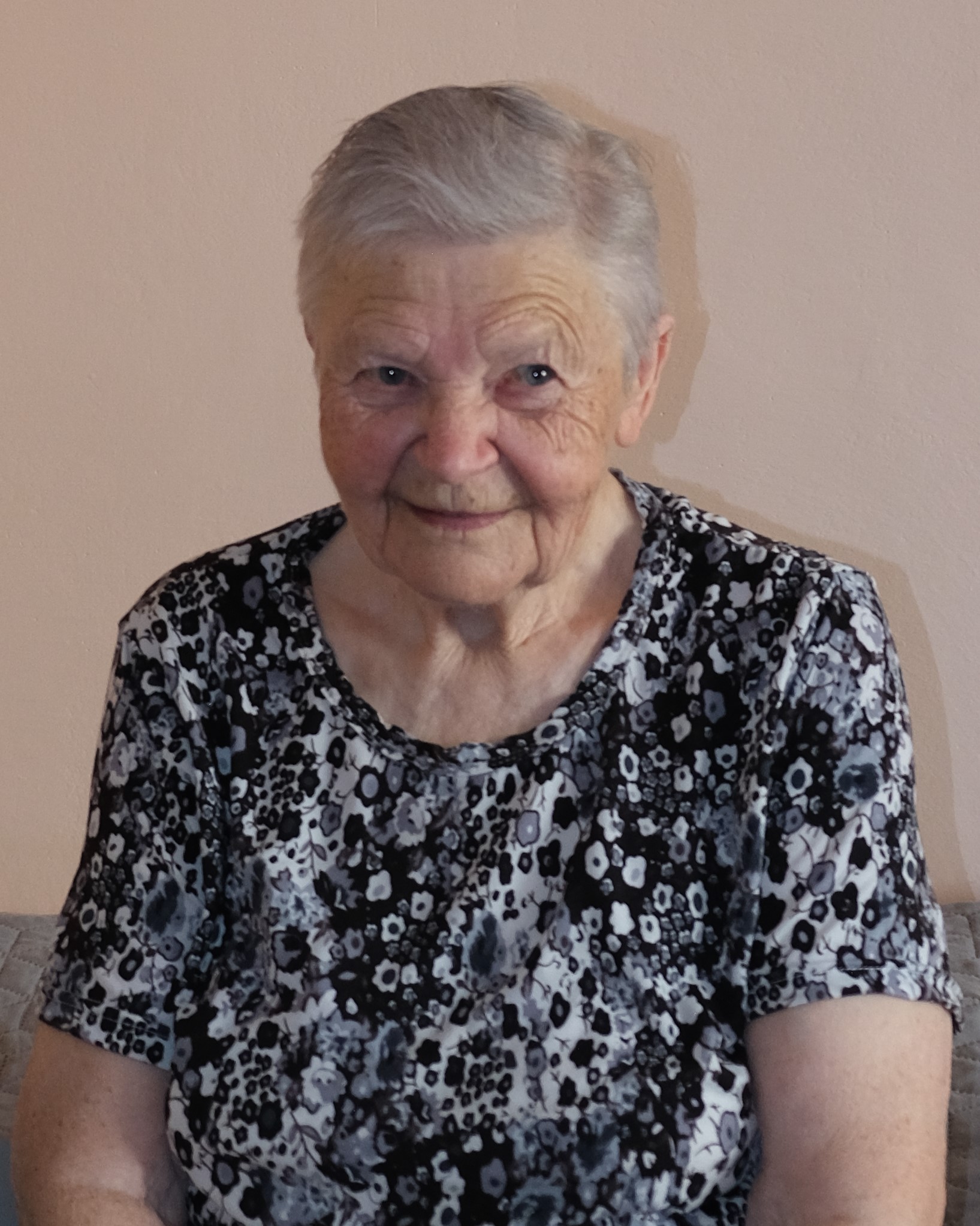
Zdenka Nováková
Zdenka Nováková
photo: Archive of the witness

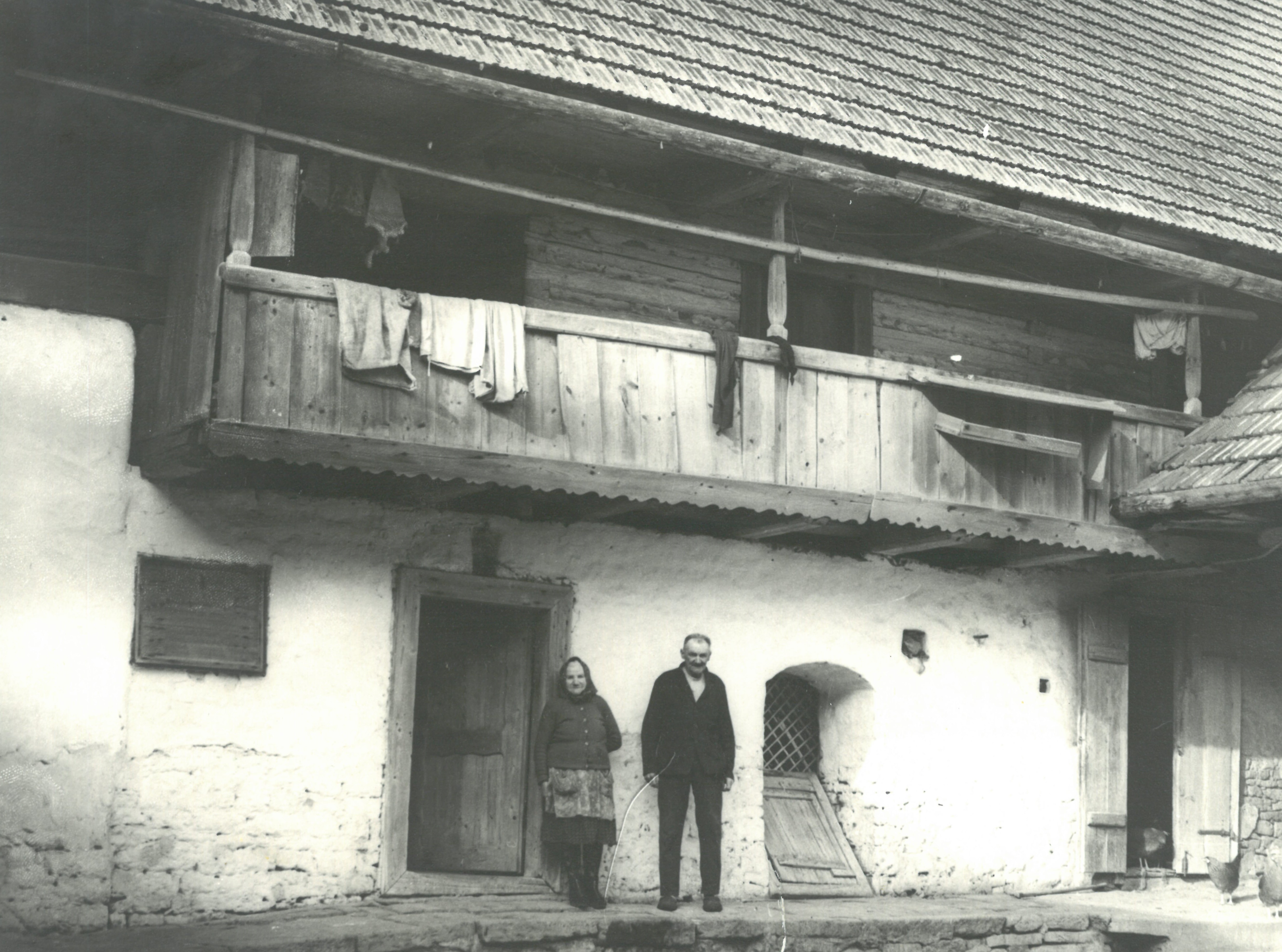
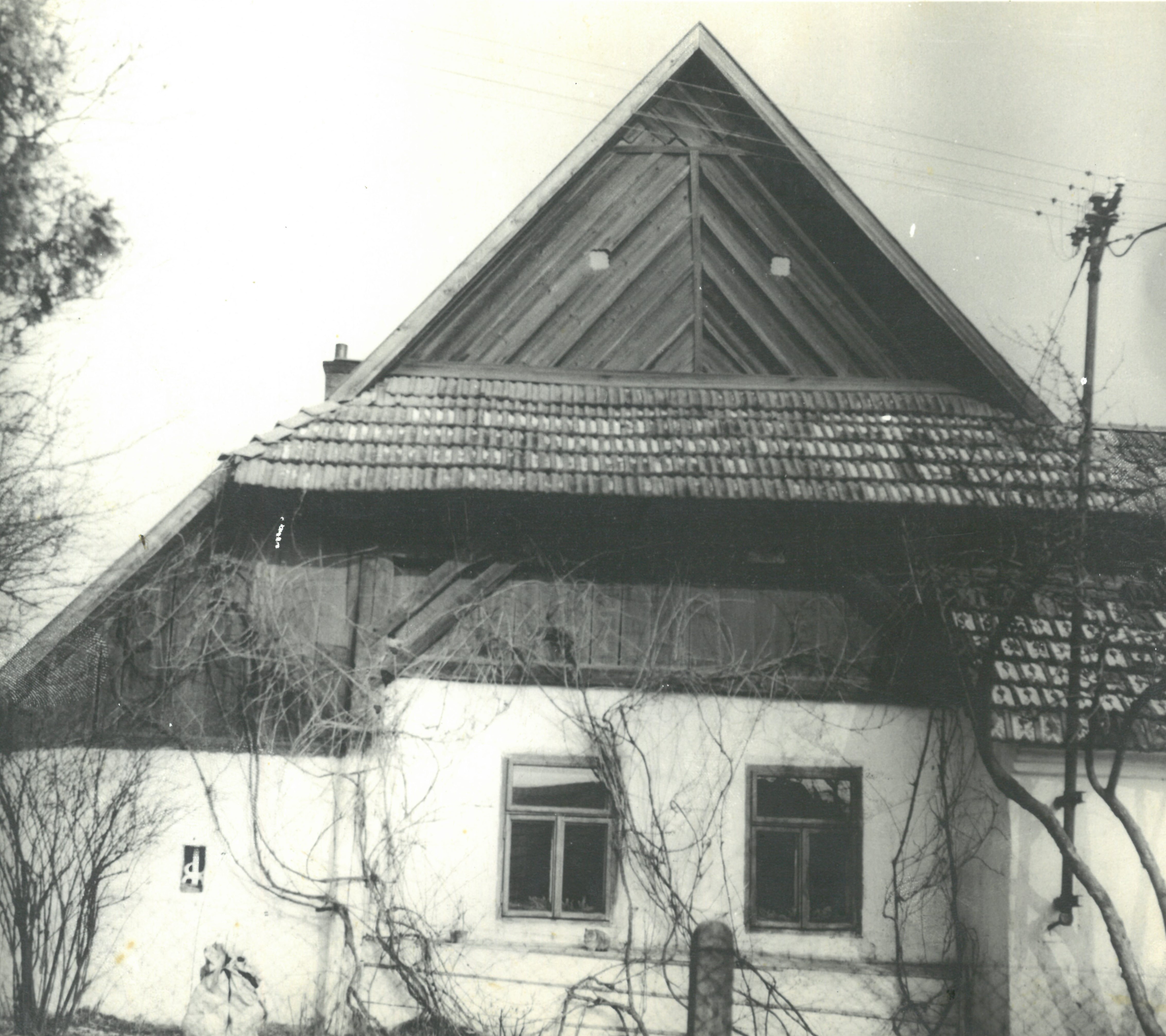
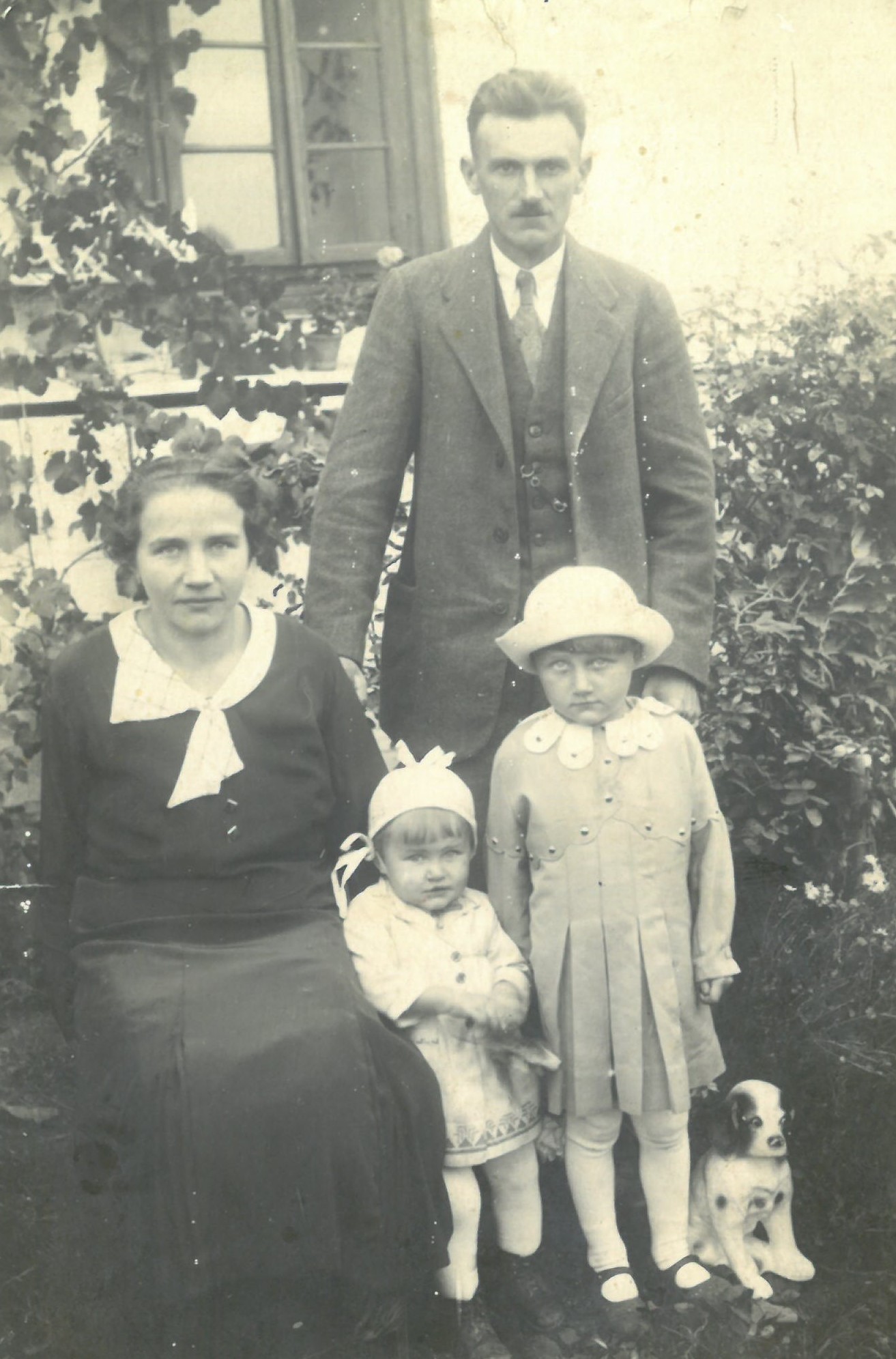
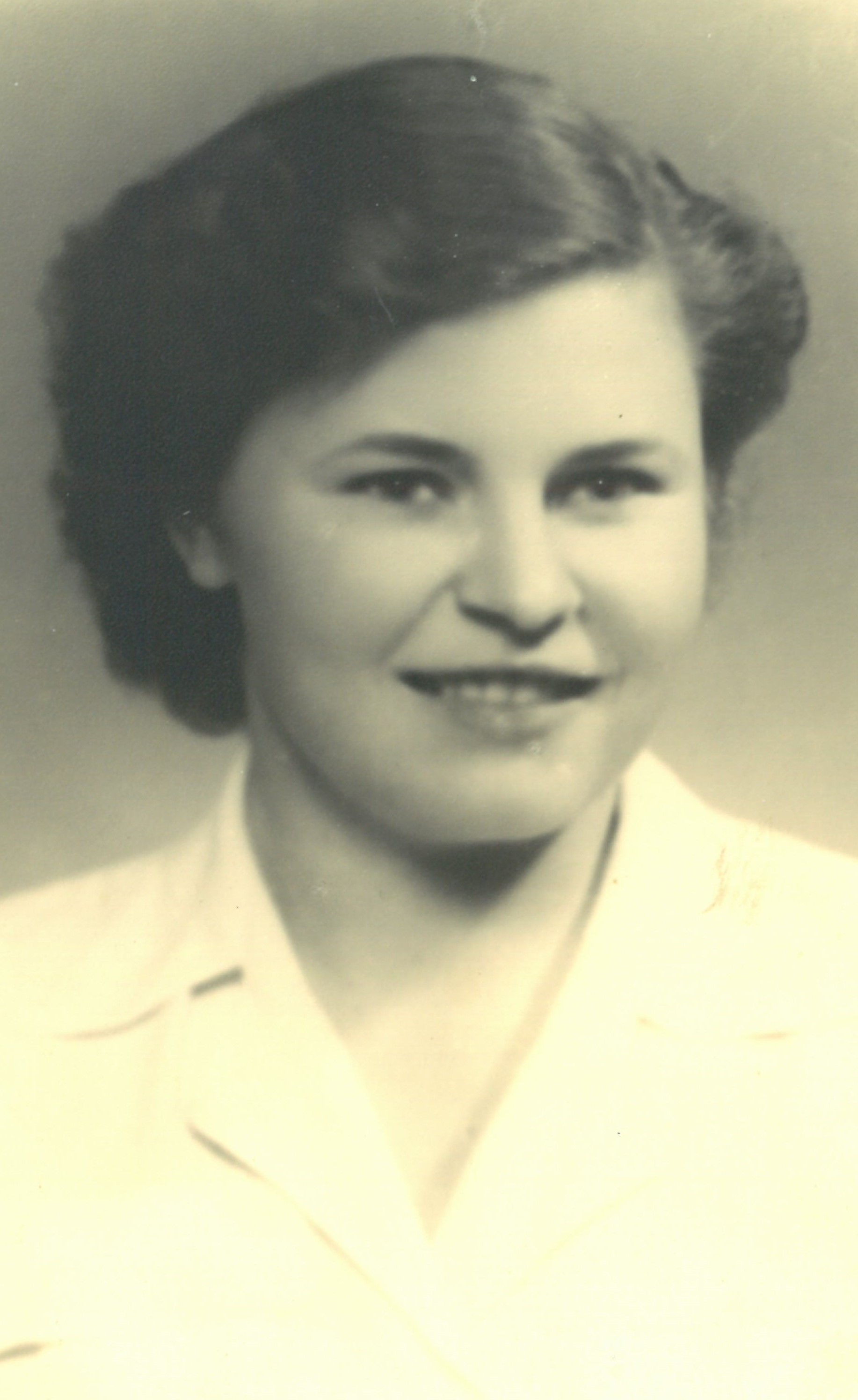
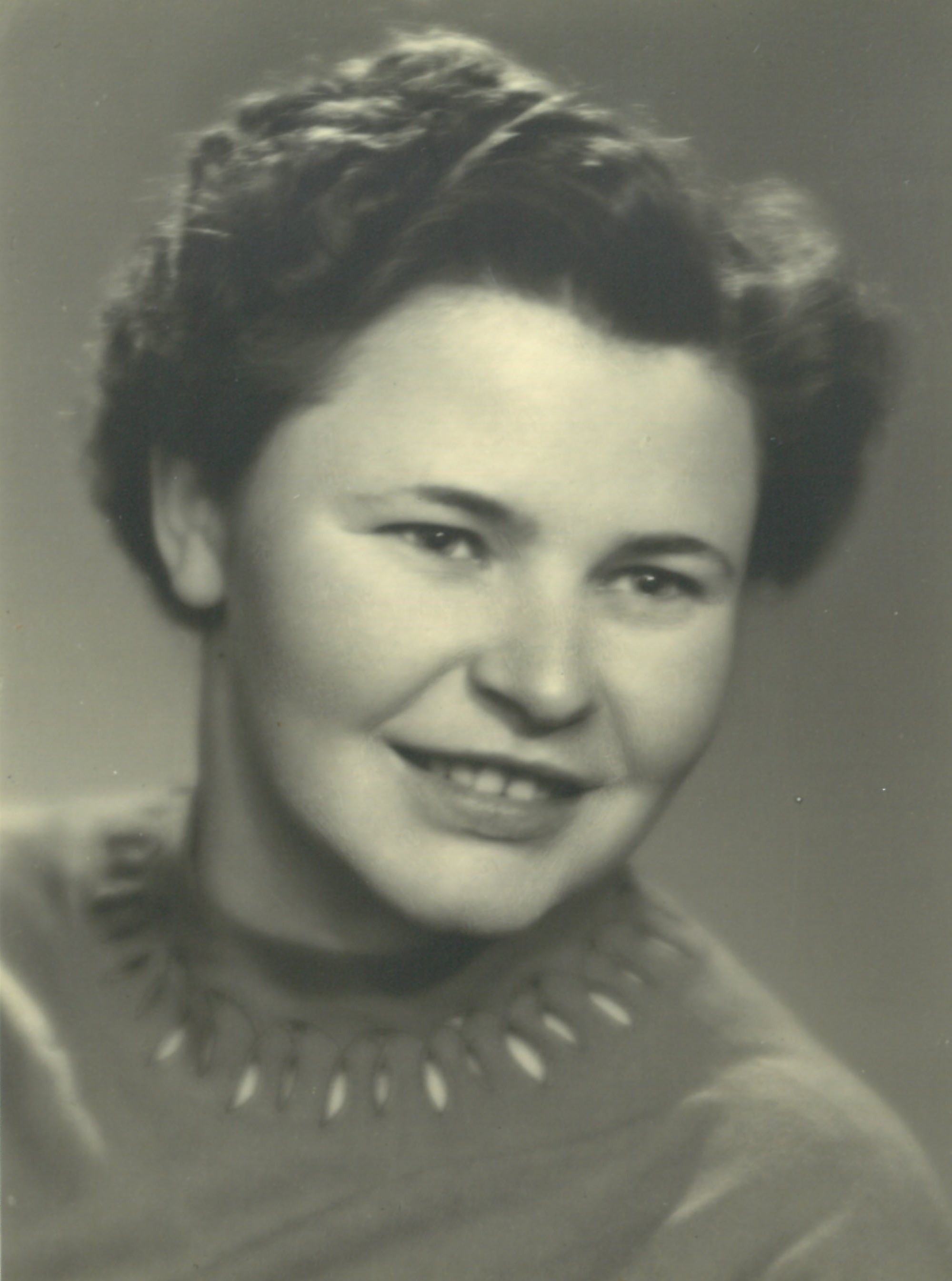
Zdenka Nováková, née Jůvová, was born on January 16, 1932 in the village of Vidlatá Seč near Litomyšl and had a sister Vlasta, three years older. Her parents, Václav Jůva and Anna, née Sedliská, farmed privately and owned thirteen hectares of arable land and a piece of forest. In 1938 she started school. During the war, her parents brought food to the partisans in the area. After the burgher school she entered the School of Farming in Litomyšl and then the Higher School of Agriculture in Chrudim. In 1951, she was not allowed to continue her studies because of her parents’ private farming, who, after pressure, finally joined the Unified Agricultural Cooperative (JZD) in 1952. They did not want to employ her anywhere, then she got a job in a mill machinery factory in Pardubice. Later she worked on a state farm and graduated from the Secondary Agricultural School in Poděbrady. In 1959 she married Karel Novák and they had four children. After maternity leave she worked in the sugar factory in Hrochův Týnec and then on the state farm in Chrudim until her retirement. In 2024 she lived in Chrudim.