"Where there are differences, we acknowledge that such differences exist. But we see that it is precisely those differences that are the essence of society, in an honest and genuine way. And that, I think, is not because we say it will help the economy grow, help everyone become richer and more prosperous. Whether or not we become richer and more prosperous is another matter. But the matter of living decently with one another, respecting one another, and accepting differences, accepting freedom, the sovereignty of each individual in a shared society, is the prerequisite, the things that cannot be compromised, that cannot be traded or negotiated."
"Can you believe that people like security officers and me, or other activists who are now in prison, all belong to the same generation? When I talk about my life as a child in my city,I know that they also had their lives, their childhoods in their cities, in their villages. We grew up with similar experiences, in a country facing difficulties. We may have had dreams, expectations, sorrows, pains that were very similar, similar feelings of shame. We only had some differences regarding a certain vision for Vietnam, regarding how Vietnamese social life should function, regarding how the country should progress. There may have been those differences. But why would a regime force people of the same generation, young people who share so much in common, to imprison one another, deprive others of their freedom, without understanding the purpose of doing so? I believe that system is inherently inhumane, because it allows people of the same generation to do such things to one another."
"When I arrived in Thailand, my family planned for my wife and child to fly over to join me in Thailand ten days later, because my child was very young and needed both parents to care for him. However, something we did not expect was that when my wife and child arrived at Noi Bai Airport for that flight, they were detained. They made it very clear to my wife that they wanted to keep her and our child there, forcing my family to send me back to Vietnam because they knew I had already left the country. It took several months before we could arrange for my wife to also cross the border like me to Thailand. As for my children, we had to rely on relatives to fly with them to Thailand to reunite with the family a few months later."
"When I was in Thailand, it wasn't really safe either. It was less risky than Vietnam, but it wasn't safe from the risk of transnational repression. And there had been incidents in Thailand, such as in 2019, when journalist Trương Duy Nhất was kidnapped and taken back to Vietnam, and many other incidents. At that time, I received information from an acquaintance who had worked with me on some projects in Vietnam. He told me that he had been stopped, detained by security forces on the road, and held for several days. Then, representatives from the Ministry of Public Security came to the interrogation and made him an offer: they would give him a large sum of money to fly to Bangkok, Thailand, to have a coffee with me, while they would take care of the rest. In other words, they knew my whereabouts and where I was staying, so they would take care of the rest."
"I went into a coffee shop and then realised I was being followed. I walked to a soy milk shop and saw them following me. Then I had to take a Grab car. I chose to take the motorway because the people following me were on motorbikes and couldn't get on the motorway. I often travel on that motorway, so I know there is an unofficial intersection where the two lanes of the motorway are separated, but it has been removed. When I reached that section, I asked the driver to turn around. After driving backwards for about ten minutes, I realised that the people following me, who couldn't get onto the motorway, had called a police car, which was very noisy, a specialised vehicle to chase me, but because I had already turned back, they thought I would take the motorway exit. That motorway only had one entrance and one exit. They chased me like that, but I managed to turn the car around, so I got away that time."
"My e-wallet account was frozen and blocked. When I called the e-wallet company's call centre, they initially beat around the bush and didn't clearly explain why my account had been frozen. However, eventually, they admitted to me that they did this at the request of the authorities. When I asked them which authorities, they replied that it was the police. Well, I've been doing this job long enough to know that once a bank account or an e-wallet account related to finances like this is frozen, it means they have opened a case against me, they have opened my file for a criminal case. And in that context, I knew that if I were arrested, my sentence would likely be very long. That led me to the decision that I had to leave Vietnam."
"So, anyone who speaks out about Dong Tam is likely to be blamed for inciting and provoking the peaceful villagers who support the regime to become enemies of the regime. And that risk is very clear. I am fully aware of that, I am not naive about it, but after thinking about it for a while, I cannot remain silent. If I remain silent, I would be guilty towards the people I have met. I have been to Dong Tam village and shared my views, my observations of the situation and what I know about land policy. I analysed the situation. The villagers printed out my articles and passed them around the village. It was Mr Kình and his family who invited me to dinner at their house, where he was shot dead. Things like that happened. Now, if it were just for my own personal safety that I remained silent, I could not do that, so I decided to speak up. And when I wrote my first article about the incident and posted it, an hour later I had to leave Hanoi and begin my exile."
"Immediately after the incident occurred, I went to the scene. I was stuck there for several months. I worked in communications, writing articles about the incident and posting them on social media. I helped the people voice their opinions and make their voices heard. Then a delegation of reporters and journalists from Taiwan came, and I helped them with their work so that they could produce a report on Formosa to show to the Taiwanese Parliament and the Taiwanese public. After that, a delegation of Taiwanese MPs and parliamentarians came to investigate and wanted to meet the Formosa victims, so I also coordinated that trip. Although they initially planned to fly in from Hanoi, they were stopped at the airport and couldn't fly in, so they had to travel by car. It was quite dramatic and tense, but in the end, I managed to arrange for some Formosa victims to meet with them. And then I recall that after that visit and for various other reasons, the Formosa Group eventually admitted fault, acknowledged that they had made mistakes leading to the mass fish deaths, and committed to compensating 500 million dollars."
"I believe that the right to express one's views, the right to write articles, and the right to share one's ideas through articles are rights that should be respected, and I think that these rights are essential for the development of society. Because of those articles, Mr Cu Huy Ha Vu was arrested under Article 88, which states that it is a crime to produce or store materials that oppose the state. This raises a legal question: Mr Cu Huy Ha Vu is the person who produced these materials, but simply by storing them, we are also considered to have committed a crime under Article 88. I had read those articles; I accessed websites such as Anh Ba Sàm and Boxit to read them. Those articles were downloaded onto my computer. In principle, logically speaking, I was also storing anti-state materials. I wanted to challenge what I believed to be an unjust law. Therefore, I downloaded those articles, printed them out, and took photos of them. I held those articles and drafted a letter, a letter of confession, and sent it along with those photos as evidence to the Supreme People's Procuracy and requested that, just as Mr. Cu Huy Ha Vu had been prosecuted and tried, I too should be arrested and tried. So that the equality of the law would be ensured."
"I found shelter at a church, Dong Yen Parish Church, right in the place where Formosa's environmental pollution, marine pollution and waste discharge were most severe. And I was stuck in that church for the entire period. Thanks to that, my Facebook page became a place where I could regularly and continuously post news about Formosa. It was a place where fishermen, the direct victims of Formosa, could speak out about their situation and refute the erroneous, evasive, and blame-shifting arguments of the authorities, even at the central level such as the Ministry of Natural Resources and Environment, who claimed that the fish deaths were due to natural phenomena like seaweed blooms and red tides. The fishermen, who have lived their entire lives with the waves and winds there, refute these claims because they have never seen phenomena such as red tides or seaweed that could cause fish to die en masse. But they did not know who to talk to, or how to spread their message so that they could correct the Ministry of Natural Resources and Environment's view, which was covering up for the Formosa Group. I remember that at that time, there were times when I did direct interviews, sometimes very simple ones, to help the fishermen there raise their voices on social media."
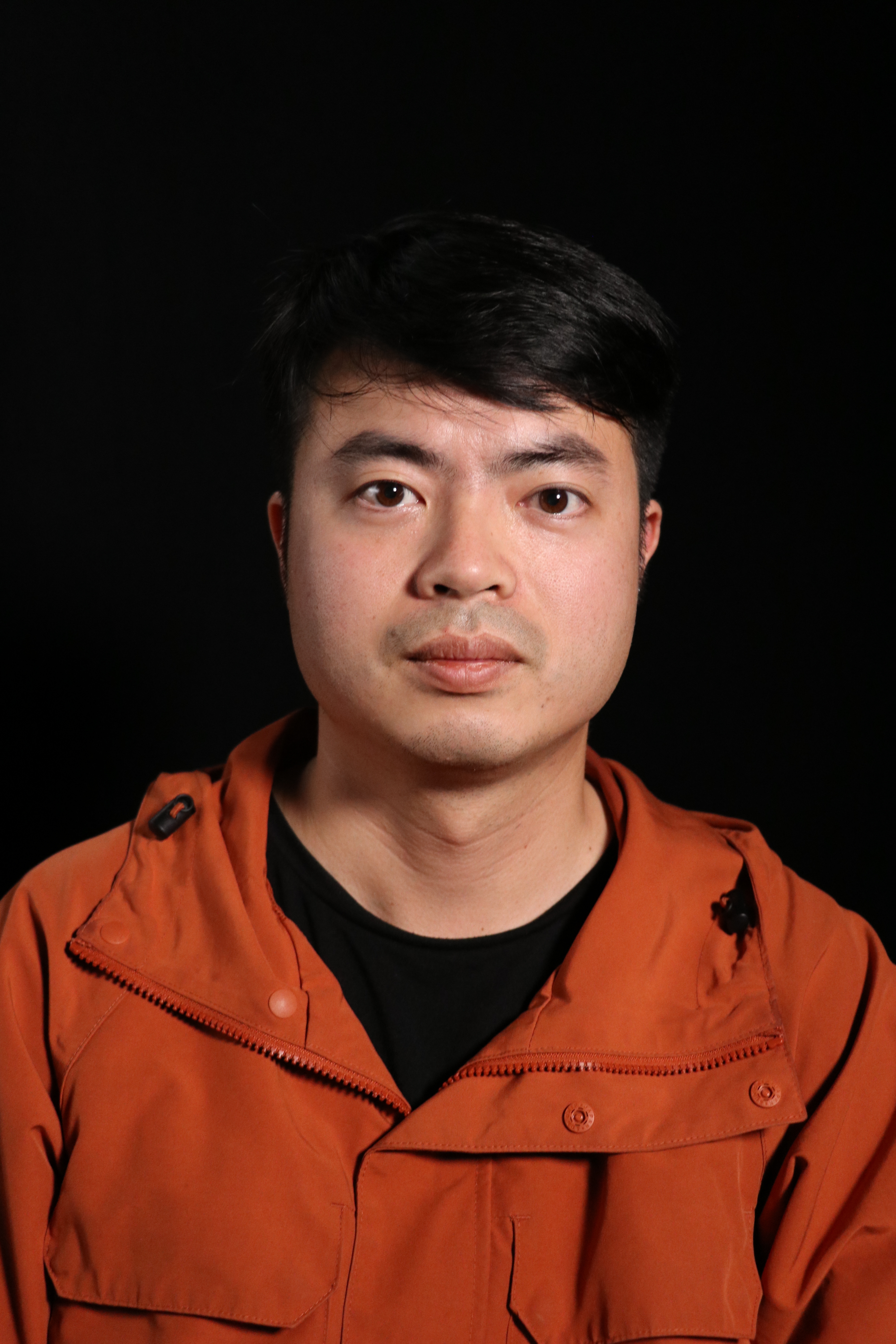
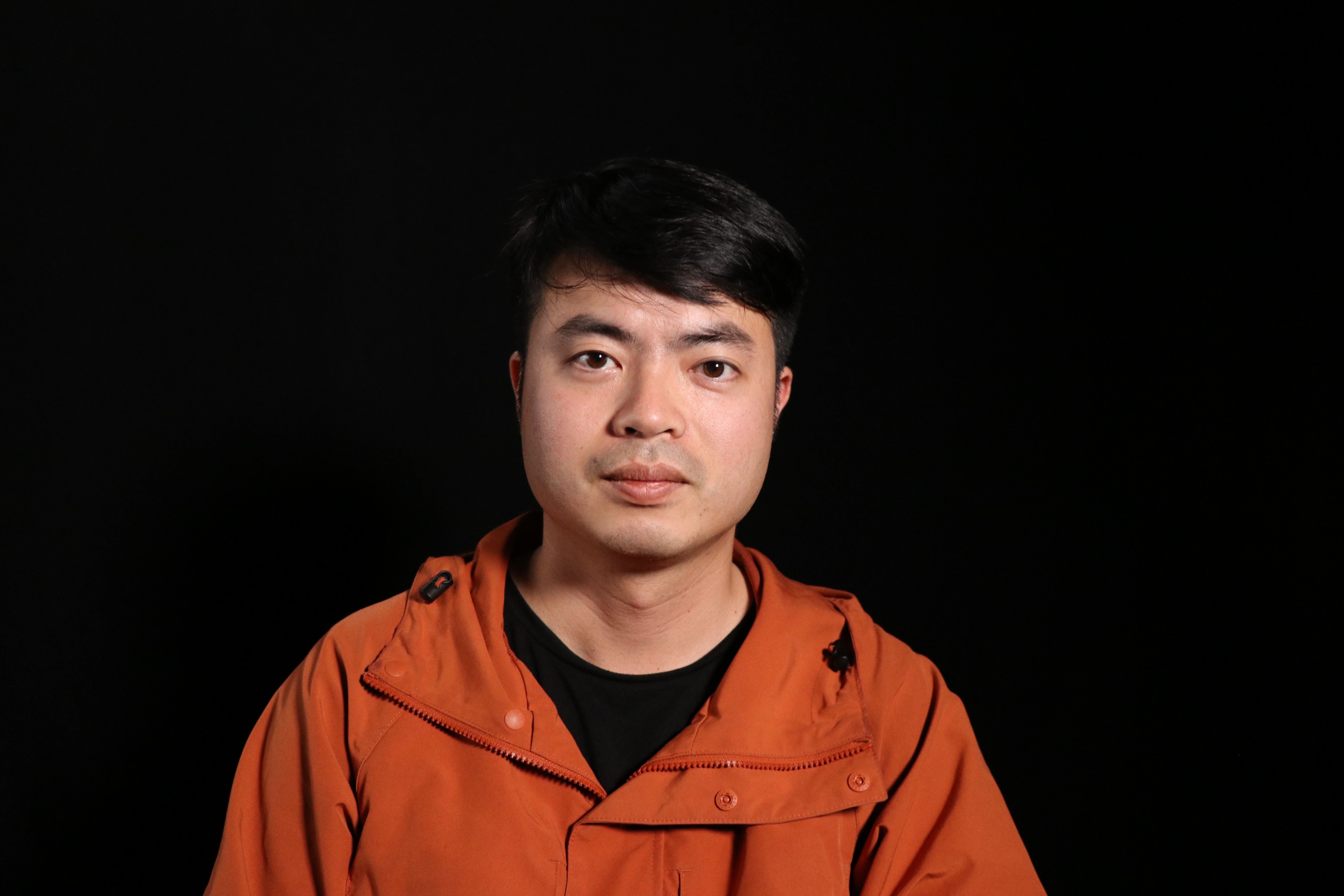
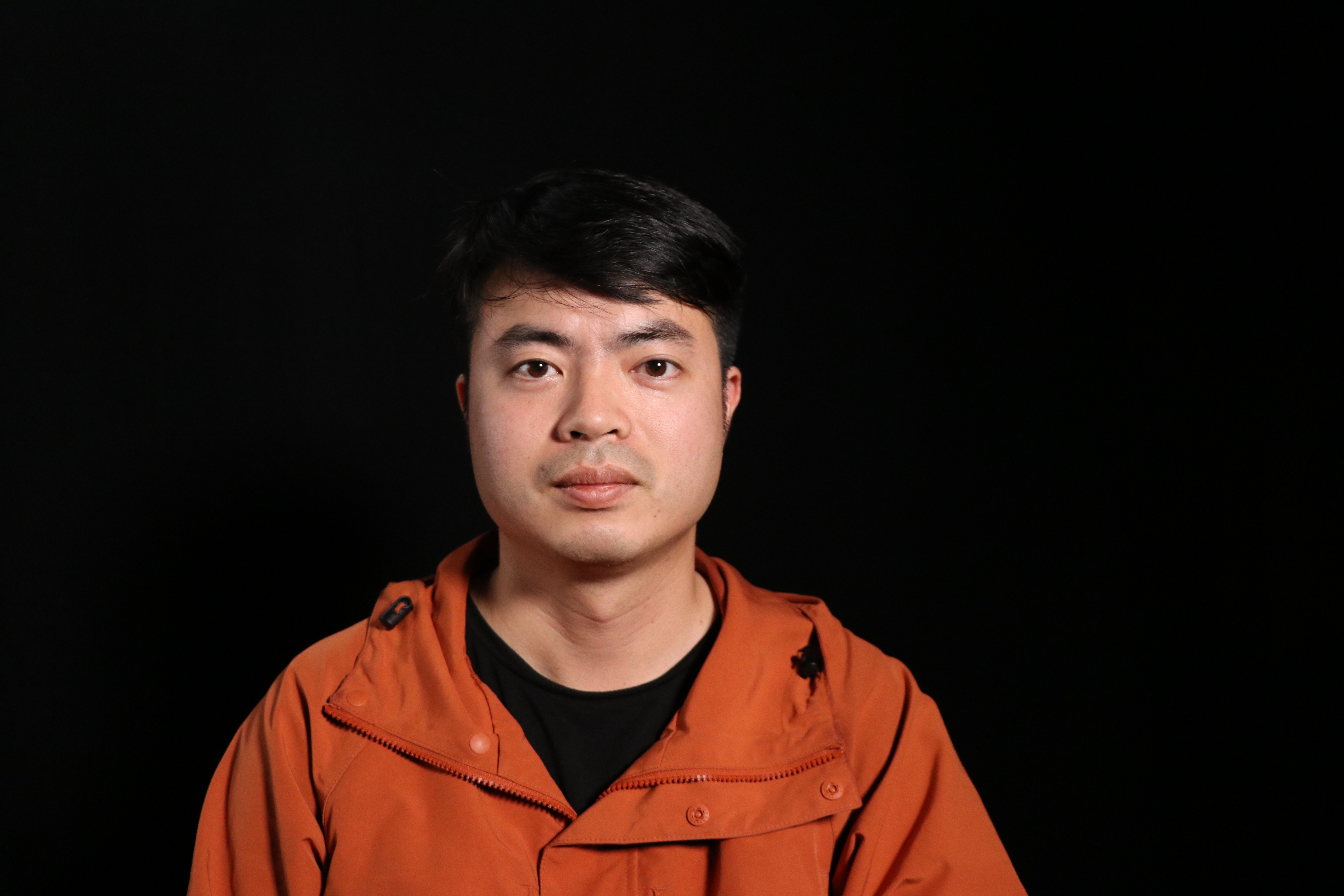
Nguyen Anh Tuan was born and raised in Da Nang in a family where both his paternal and maternal grandfathers joined the Viet Minh in the resistance against the French from a young age. His thirst for knowledge and his commitment to debate were nurtured within his family. Educated by his parents with an open mind, a spirit of fair debate, respect, and mutual understanding, he never hesitated to express his opinions and viewpoints in any situation. He studied and graduated with honors from the National Academy of Public Administration, hoping to contribute to social change from within the system. His studies there provided him with many experiences and encounters with the truth of the regime and its workings. Through reading and studying documents banned by the government, he gradually changed his thinking, becoming a committed member of civil society dedicated to creating a new future for Vietnam. He argued that Vietnam needs a breakthrough change, but one that is peaceful and sustainable, driven by the collective efforts of civil communities to bring about social development and restore trust and kindness in human relationships.
Along with his inner ideological transformation, he participated in protests and marches with the people of Hanoi for many years, despite being reprimanded by his school. He made a decisive turning point in his path towards civil society by writing a letter of confession to the Supreme People’s Procuratorate requesting his arrest and prosecution for reading and storing articles by lawyer Cu Huy Ha Vu. He argued that Article 88 of the Penal Code was unjust because if Cu Huy Ha Vu was arrested for producing and possessing documents against the socialist state, then, in principle and fairly, he should also be arrested. In the following years, he continued to contribute to social debates and issues such as the 2018 Special Economic Zone bill, the cybersecurity bill, and many other social issues through his writings.
He received practical training in civil society activities through an internship program at a Philippine organization, Please join us. Regarding land rights, he met with and visited training centers for Filipino farmers that they organized themselves. He used the knowledge and experiences with the struggles of farmers and civil society in the Philippines to apply in Vietnam. He went to the areas most severely affected by the 2016 Formosa disaster and to Dong Tam village from 2017-2020 to report, live with the people, and accompany them on their journey to demand justice and protect their land. His passion and unwavering commitment to civil society values helped the people find their voice and contribute to holding Formosa, the largest steel producer in Southeast Asia, accountable for the fish kill disaster and requiring them to pay $500 million in compensation to the affected fishermen. Nguyen did not hesitate to risk arrest in order to continue writing articles and speaking out about the government’s siege and raid in Dong Tam village in January 2020.
Because of his social activism, he was repeatedly reprimanded by the school from his very first actions, and security forces constantly harassed and monitored him for many years. However, the deadly crackdown by the Ministry of Public Security in Dong Tam put him in extremely dangerous and dramatic situations. Therefore, at the end of 2022, he had to cross the border into Thailand to ensure his safety and that of his family from the high risk of imprisonment, in the context of Vietnam’s ruthless suppression of dissenting voices. Thailand could not guarantee his and his family’s absolute safety either, as another activist, despite having refugee status in Australia, was still abducted and brought back to Vietnam. This incident prompted the Canadian government to quickly approve a resettlement program for Nguyen and his family in June 2023. His family has since settled in Canada, and he continues his work supporting the families of prisoners of conscience in Vietnam.