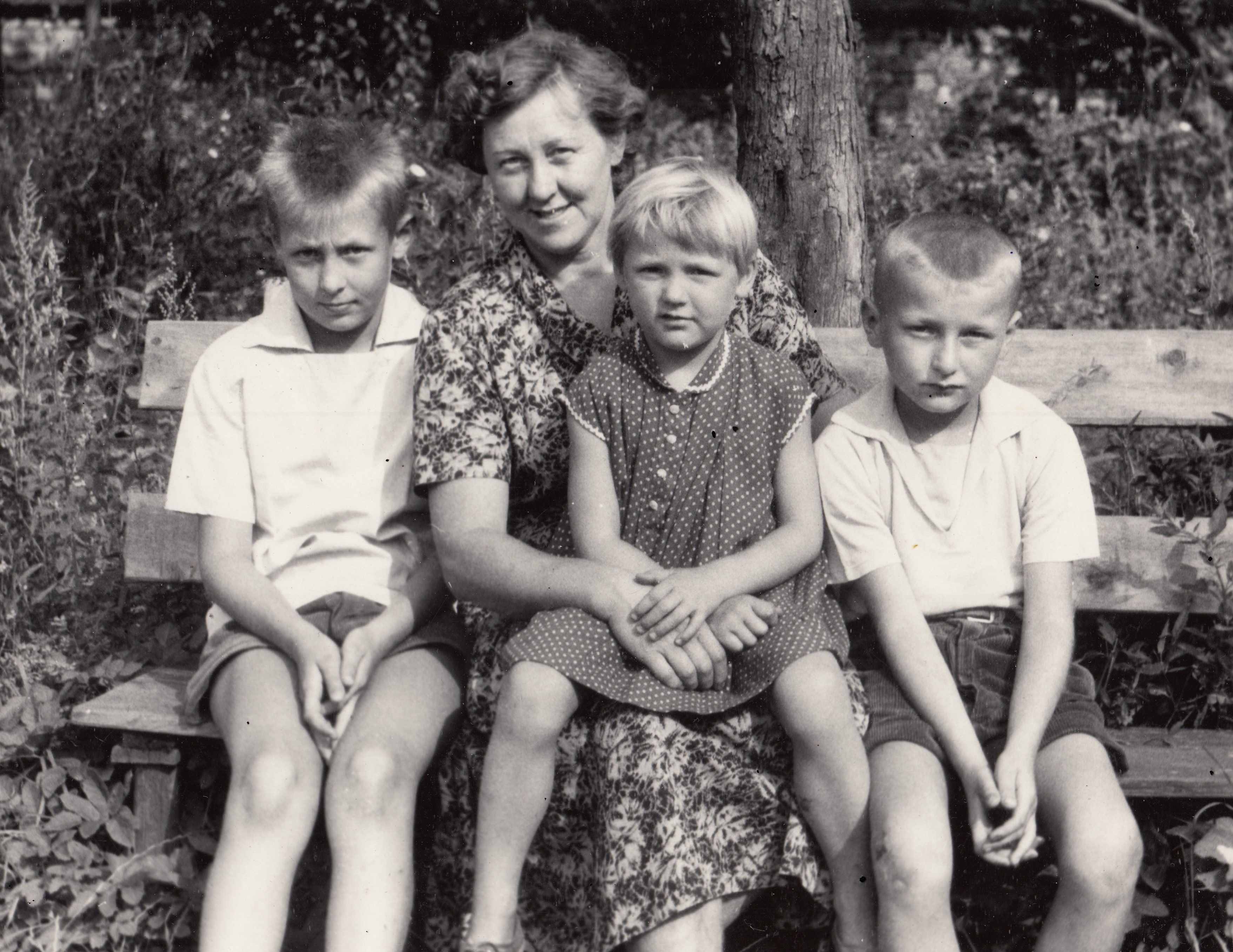
Luděk Nemajer

* 1951

  • "Once you were approved to go, you had to report to the finest detail what you were taking with you. A customs officer, maybe, came to our apartment and we opened our suitcases for him. We had to list everything we were taking. I joke about it today, but back then it was really that: five pairs of boxers, three pairs of panties, ten pairs of socks... we had to list everything. He checked it off the list and approved it. Then we went to a gentleman, an art expert, because we wanted to take some paintings. We found out he liked whiskey, so when we gave him a bottle of Johnny Walker and he accepted it - and approved it. Three months later, he got ratted out and ended up in jail. We didn't care anymore because he got it sorted out on time for us. You can't imagine today the police coming in your flat and checking what you're brining with you. That was quite an experience. Just pack a couple of suitcases and go? No, no, no - you had to report everything. But it worked out in the end. Then at the border, they stopped me and said, 'You know you're not going anywhere?' My blood just froze. I said, 'I have an emigration passport...' 'But you're not going anywhere,' said the customs officer, stone-faced. I stared at him in surprise. He said, 'Maybe you'll go if you sign your passport.'"

  • "Then, after the wedding, I got an invitation to the Ministry of the Interior - which is actually the same building where it is still located today. First, I was followed by a guy on a tram and then I was 'invited' there for a friendly interview to see if I would be interested in working with them. They knew I was married to a British woman and that I might be going to Britain or that we might be going there, so they offered me to work with them. They said I could... I said, 'I'm sorry...'" - "What information were they interested in?" - "Well, anything. They just wanted me to work with them. I said, 'Excuse me.' It wasn't like in Kolya, the scene where they interrogate Svěrák and there's one good cop and one bad cop - it wasn't like that. But they pushed hard. I kept saying, 'I'm sorry, no.' They said, 'What would you say if the other side approached you?' - 'You mean the British side?' They said, 'Well, you don't know who we are. What if we're British agents? You don't even know.' I said, 'I'd say no to them too. I'm marrying my wife because I love her, not because I want to benefit politically.' Then I had to 'iron it out' through my father who must have been reproached for not convincing his own son into agreeing to cooperate with the Czech secret police. Living an ordinary life, these were just my minor brushes with the police, which I got out of by not playing games and saying no."

  • "I witnessed the invasion of the Warsaw Pact troops first-hand because Londýnská Street is about a five-minute walk from Vinohradská 12 where the headquarters of Czech Radio is still located. When the Russians arrived, I heard planes flying at night. My mother woke me up in the morning and said there was a war, the Russians were here and God knows what else. Right away, my brother and I went out to see. Then word got out that we should... Well, we wanted to go because the Russians, the soldiers really didn't even know where they came. We only found out later that they came believing they were coming to save us - the propaganda then was similar to what is happening today with Putin. They didn't even know where they were. They came to our rescue and were so surprised when suddenly people surrounded the tanks by the radio station and started shouting at them. They just didn't understand what was going on." - "You were right there?" - "Yes. My dad warned us not to go anywhere, of course, but I didn't listen and we went to see. And that's where we were really in the thick of it. We stayed there for an hour or an hour and a half - I don't really remember, but it was rough. You can still see some of it in archive footage, but when you stand there as a seventeen-year-old in the turmoil, on the one hand it's amazing, but on the other hand you are afraid of what might happen. Then we went back home and then we went to Wenceslas Square where protests were held around the statue of St. Wenceslas and in front of the museum. We didn't do regularly, but we went there the day the Russians arrived. It was not far from our home and we wanted to know what was going on. That's why, for example, now that Jirka Mádl has made the film The Waves, I still... I know I should see it as a veteran, but I have this inhibition. I don't want to go back to that time. It was a time that you'd rather forget - even though you shouldn't."

  • Full recordings
  • 1

    Olomouc, 21.07.2025

    (audio)
    duration: 02:03:05
    media recorded in project Stories of the region - Central Moravia
Full recordings are available only for logged users.

I don’t want to go back to 1968 even in my memories
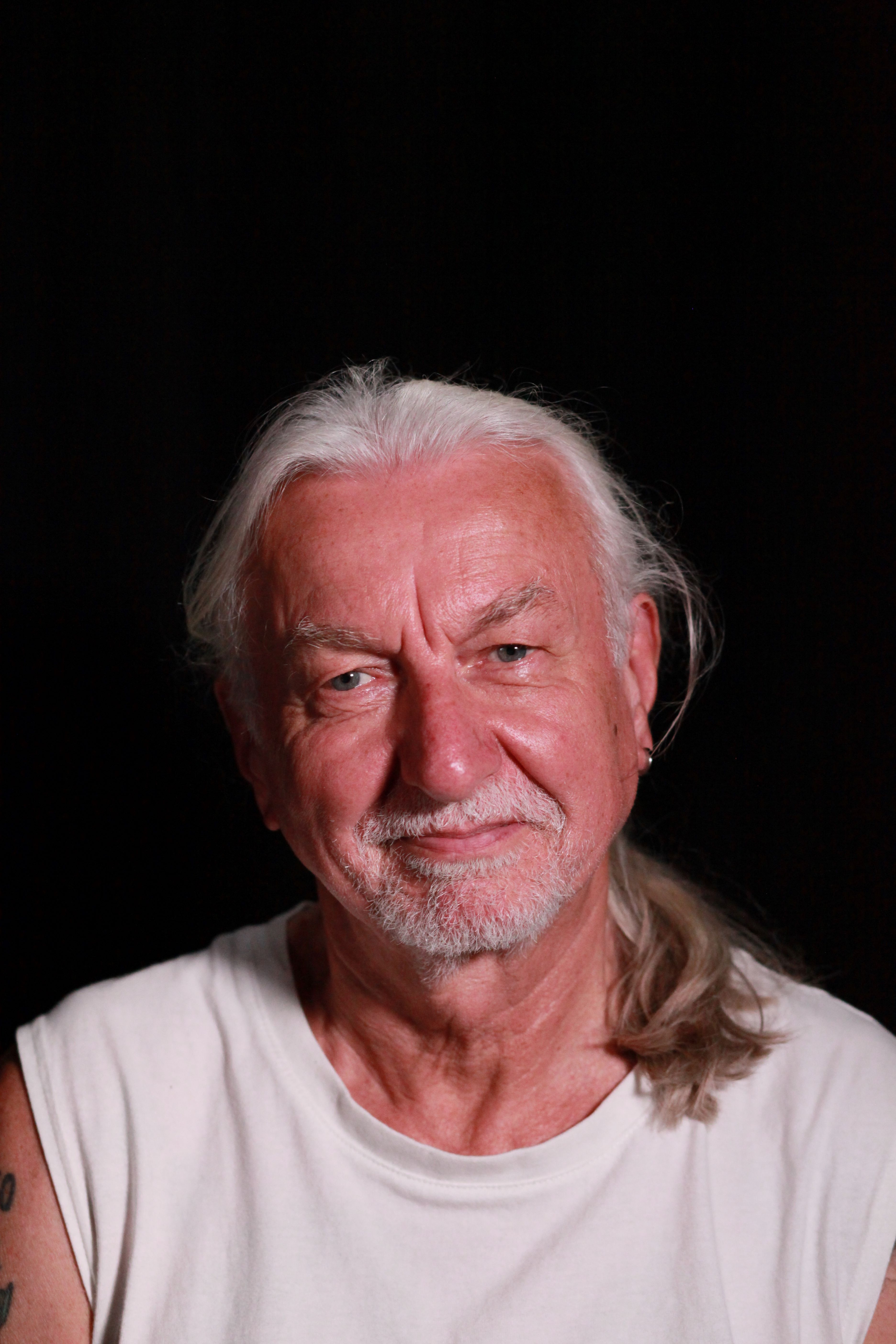
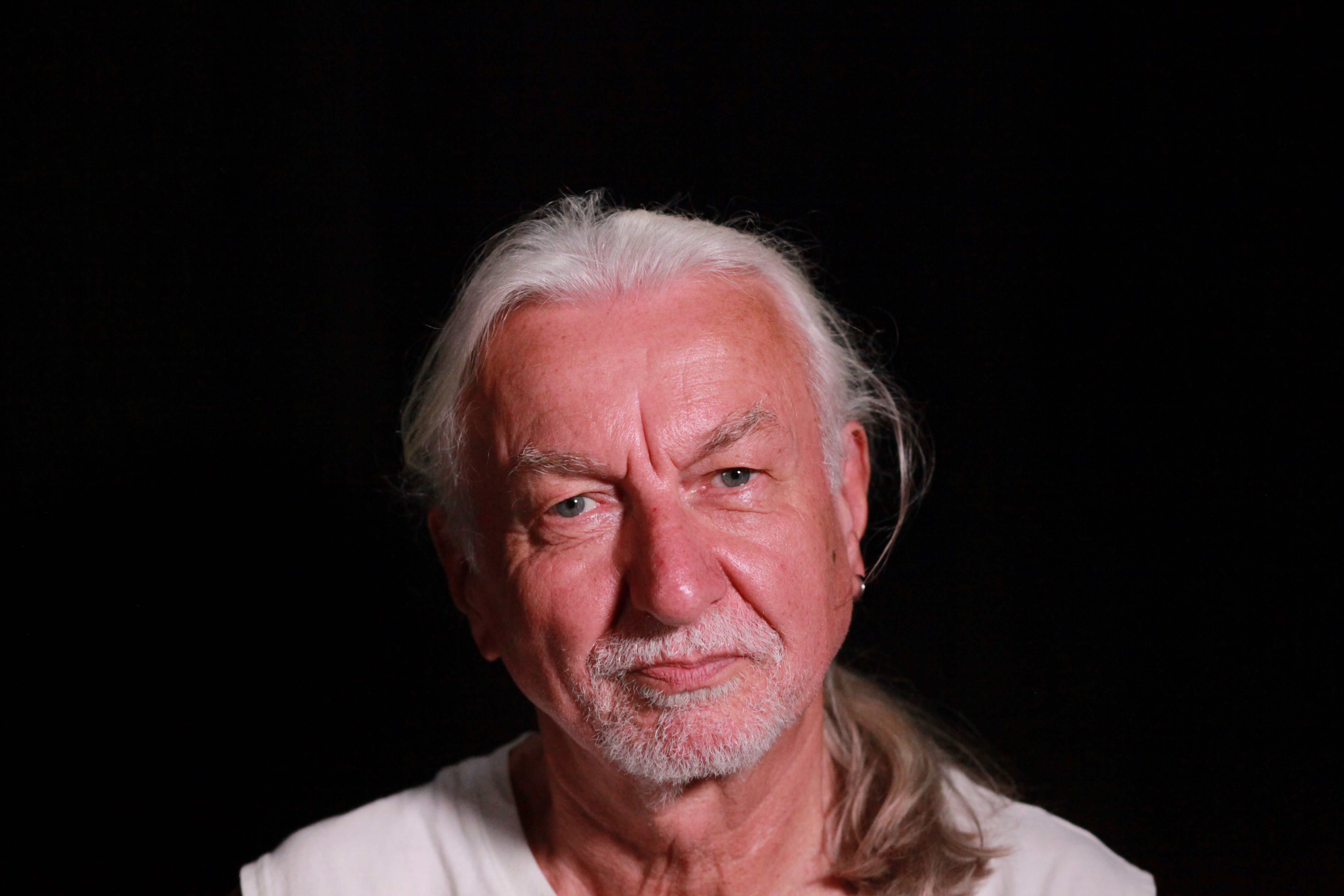
Luděk Nemajer in 2025
photo: Witness's archive

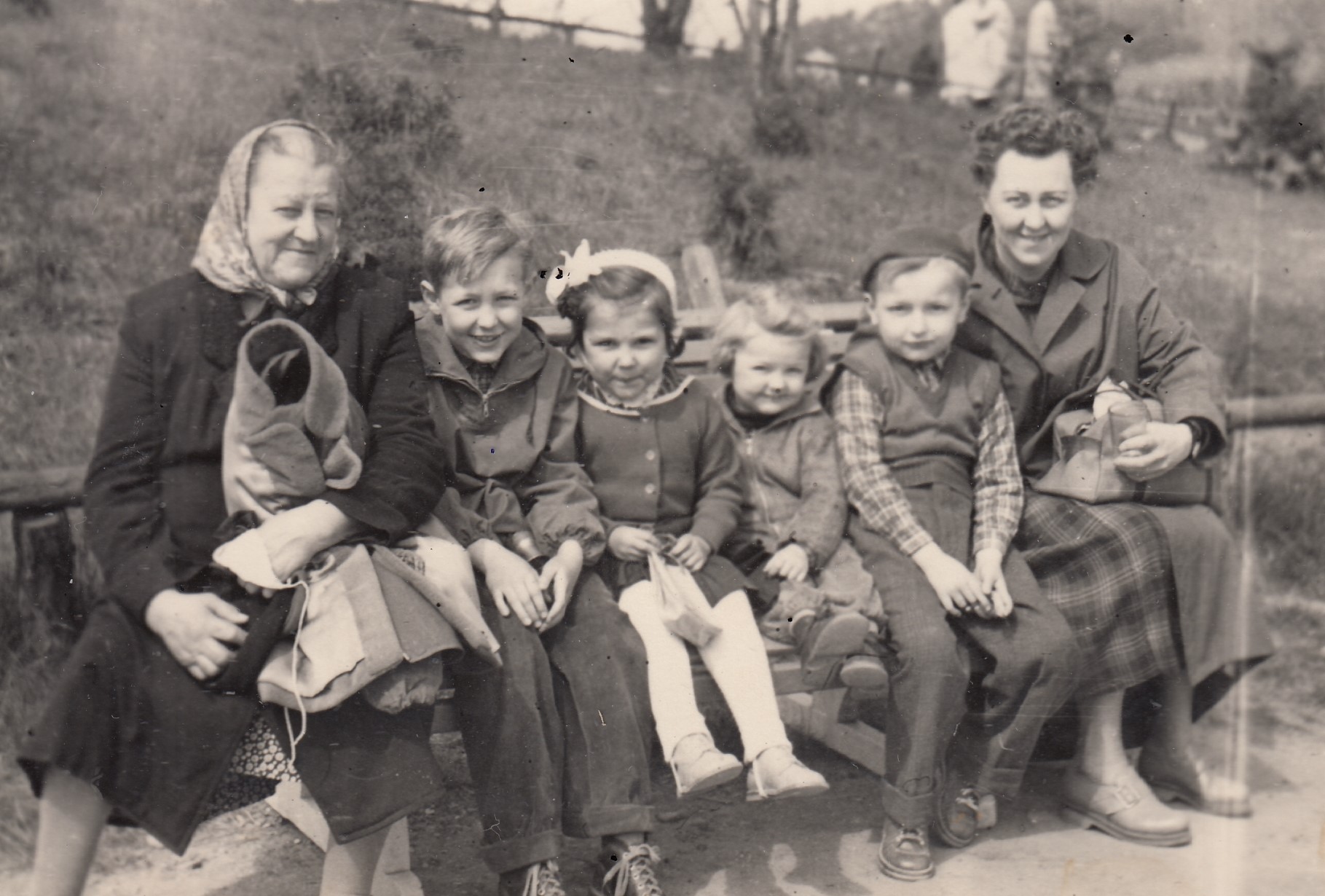
Luděk Nemajer, né Majer, was born in Prague on 1 November 1951 the second of three children of Jitka Majerová and Jindřich Majer. His father believed in the communist ideology and joined the Communist Party of Czechoslovakia (CPC) in 1948 while his mother was completely apolitical. Luděk and his siblings were later critical of the regime, yet the family lived peacefully and in mutual respect. While in primary school, he fell in love with the music of The Beatles and grew his hair long, which caused him problems with teachers throughout high school. He completed the general high school in Botičská in Prague and the Faculty of Arts of Charles University (FF UK), majoring in second-grade teaching of English and geography. He witnessed the events of the Prague Spring and the invasion of the Warsaw Pact troops. He graduated in 1975. He met his future wife, English student Barbara Walker on a study stay in Prague the same year. He worked at the Research Institute of Engineering and Economics as a regional planner. His friendship with the American ambassador Rex Himes and his relationship with Barbara got him in the sights of the State Security Service (StB) in 1976. He was listed as a person under investigation, monitored and offered cooperation, which he refused. He married Barbara in 1977. In 1979 they moved to the UK where they raised three children. They separated amicably a year after their 25th wedding anniversary. He worked in the UK in the zoning sector for 31 years. Visiting the Czech Republic, he met his second wife Jana and returned to his native country. They married and chose the surname Nemajer/Nemajerová. He was widowed in 2024. Luděk Nemajer was living in Olomouc in 2025.